Board Games for Casual Gamers
Discover a world of fun and laughter with board games for casual gamers, perfect for game nights with friends or family gatherings. Whether you’re looking to unwind after a long day or add excitement to your weekend plans, these easy-to-learn games offer engaging entertainment for players of all ages. Explore a wide selection designed to bring people together and create memorable moments, making every get-together a little more enjoyable. Find the ideal board games for casual gamers and turn any occasion into a playful adventure.
Sort

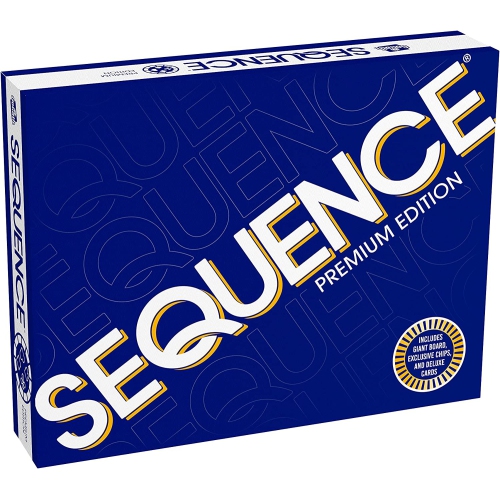

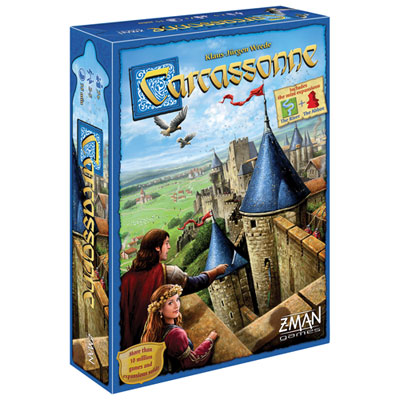

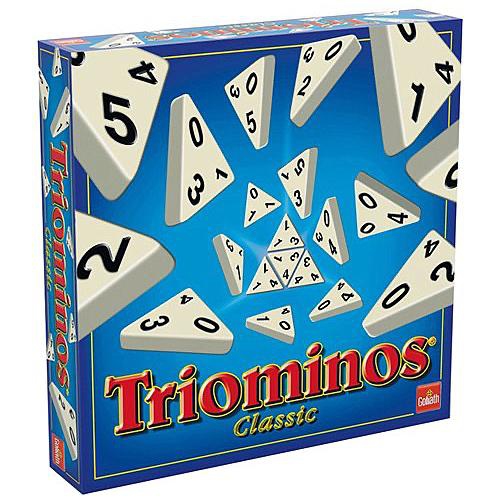
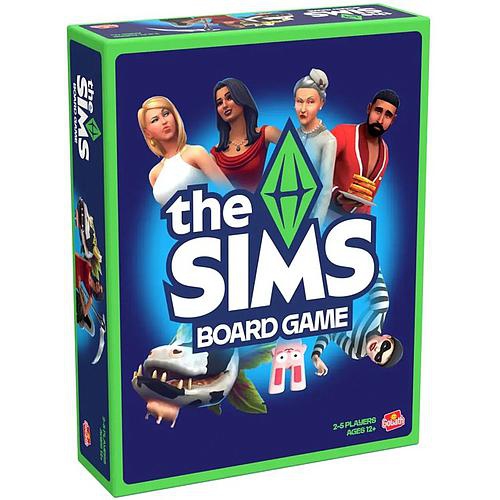
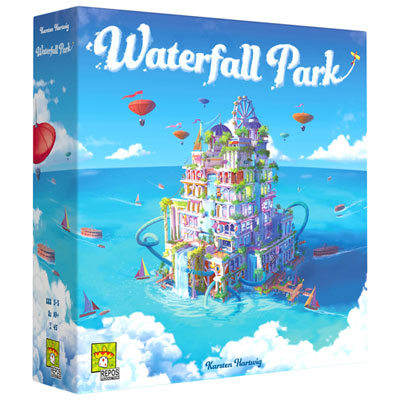
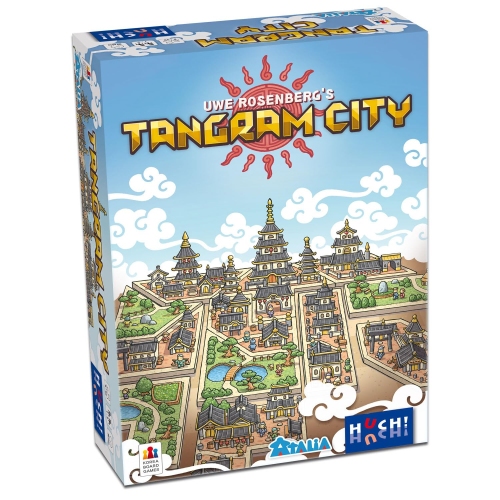

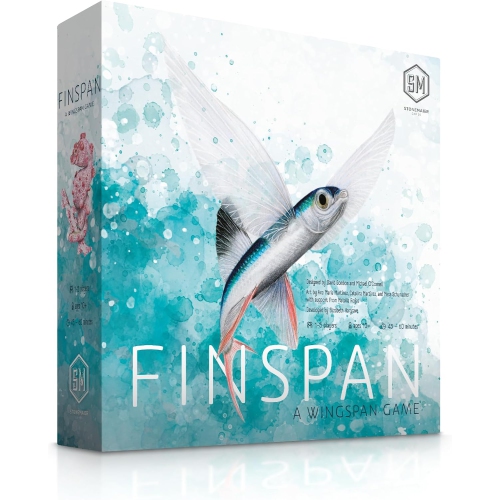

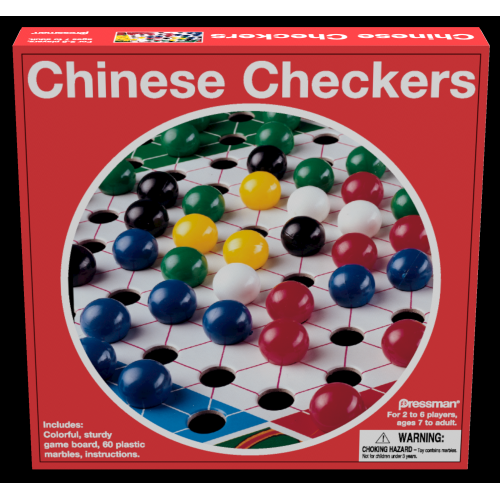


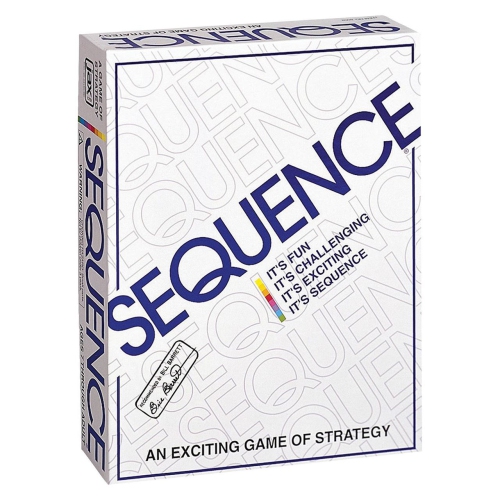
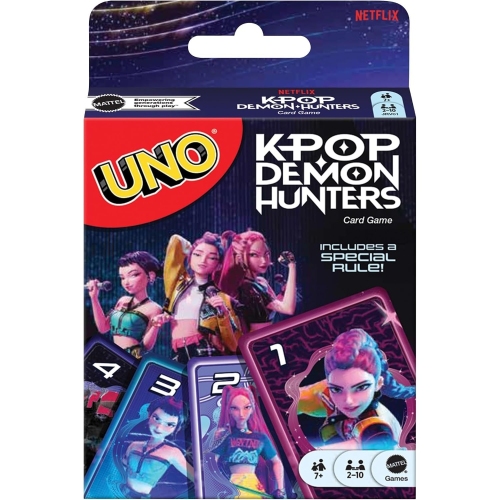


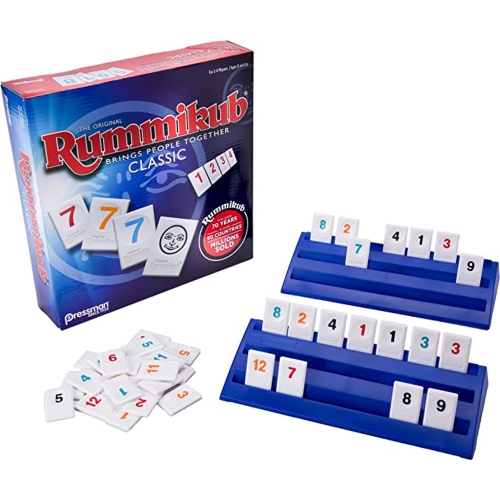
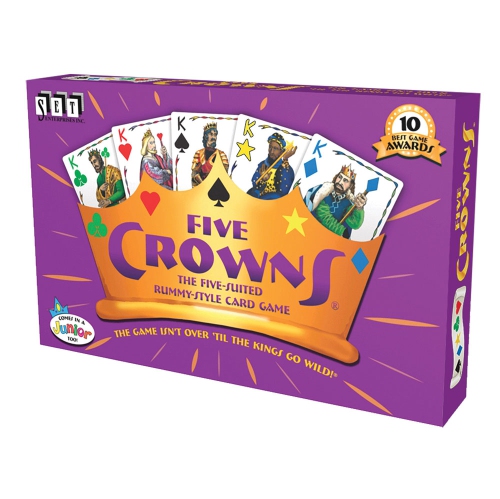

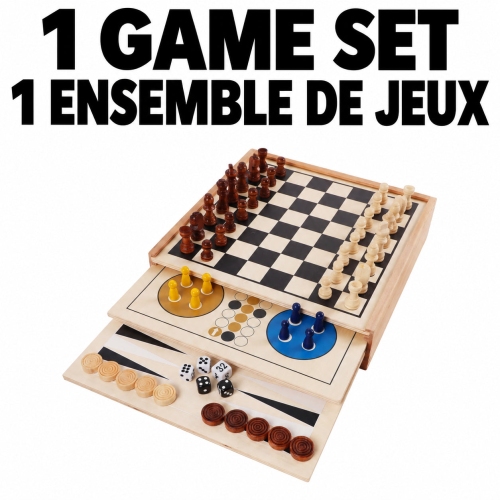

Simple rules leave room for clever choices
Board games for casual gamers bring people around the table with approachable rules, clear goals, and enough variety to make another round appealing. They suit players who enjoy a shared activity without wanting to study a lengthy rulebook or commit an entire evening to one session. Many casual board games take roughly 15 to 60 minutes, although the time varies with the game, player count, and familiarity with the rules. A short setup, a helpful reference card, and a turn that involves only a few actions can make the first play feel comfortable. Simple rules do not have to mean predictable results: deciding where to place a tile, which cards to collect, or when to claim a shared reward can create satisfying choices without complicated calculations. Tile-placement games often let players build a landscape or pattern piece by piece, making progress easy to see. Route-building games give players connections to complete across a board, while set-collection games focus on gathering matching symbols, colours, or categories. Light resource-management games add the pleasure of turning a small starting supply into more useful options over several rounds. These formats can be inviting for newcomers because each turn has a visible purpose, even before every scoring detail becomes familiar. Competitive games offer friendly rivalry, whether players race towards the same objective or build separate scoring areas. Cooperative board games give everyone a shared challenge, with players discussing possibilities and working towards a common result. For a mixed-experience group, a balance of luck and decision-making can help keep the outcome open without making choices feel meaningless. The most welcoming designs keep players involved, make the next step reasonably clear, and leave room for conversation between turns. A game that can be explained with a few example moves often fits naturally into a relaxed visit, a regular game night, or a quiet evening for two.
The experience also depends on who is sitting at the table. Two-player board games can offer an engaging back-and-forth for partners, roommates, or friends, while games designed for a larger group may create more lively exchanges and unexpected outcomes. A printed player range is useful, but the way a game handles those players matters just as much. Simultaneous choices can keep a group moving, whereas a game with individual turns may involve longer pauses as more people join. Short turns and opportunities to respond to another player’s move help everyone stay connected to the action. For gatherings that include both enthusiastic players and occasional participants, shared objectives, visible scoring, and limited hidden information can make explanations easier to follow. Casual games also sit comfortably within Board Games for Adults, particularly when the appeal lies in clever choices and social interaction rather than complex rules. Some groups enjoy bluffing and playful negotiation; others prefer building their own arrangements with little direct interference. Neither style is inherently more casual, but they create different moods around the table. A close contest over shared spaces can prompt laughter among competitive friends, while a gentler puzzle may better suit players who dislike having their plans disrupted. Themes matter, too: familiar settings and clearly illustrated objectives can provide an easy starting point for someone who rarely plays. Age recommendations, reading requirements, and the amount of mental arithmetic help indicate whether a game suits a particular household. Clear symbols, large print, and strong contrast can make cards and boards easier to read, especially across a busy table. Colour-coded information is more accessible when matching shapes or icons provide another way to identify it. For gift giving, the recipient’s usual group size and preferred pace are often more useful clues than their level of gaming experience. A compact game for two has a different role from a social game intended for a roomful of friends.
Physical design makes a noticeable difference when board games become part of a regular routine. Sturdy cardboard tiles should feel comfortable to pick up, and boards that lie flat help keep pieces in place. Wooden tokens can offer a pleasing weight and easy grip, while moulded plastic pieces may provide distinctive shapes that are simple to tell apart. Smoothly finished edges and clearly printed markings matter more in everyday use than elaborate decoration. Cards benefit from a finish that allows easy handling, particularly in games that involve frequent shuffling or passing cards between players. Where the dimensions permit, protective sleeves can help limit wear on heavily handled cards, though sleeved decks may need extra storage space. Table fit deserves attention as well: the open board is only part of the footprint, since personal play areas, card rows, scoring tracks, and spare components can spread beyond it. A smaller layout can leave space for drinks and conversation without requiring players to reach across someone else’s pieces. Storage inserts, divided trays, and resealable bags make it easier to keep components together and shorten the next setup. Compact boxes are convenient for taking a game to a friend’s home, while clear component lists help identify anything left behind before packing up. Care is usually straightforward: clean hands, dry storage, and drinks kept away from cardboard help preserve both appearance and playability. A soft, dry cloth is generally suitable for removing surface dust; any further cleaning should follow the manufacturer’s directions, since printed finishes and materials vary. Replay value comes from more than component durability. Changing layouts, different objectives, and several workable approaches can make familiar rules feel fresh without adding much preparation. For casual players, that balance is especially rewarding: a game can become easy to bring out and explain while still offering a different story each time it reaches the table.
Top selling and popular products
-
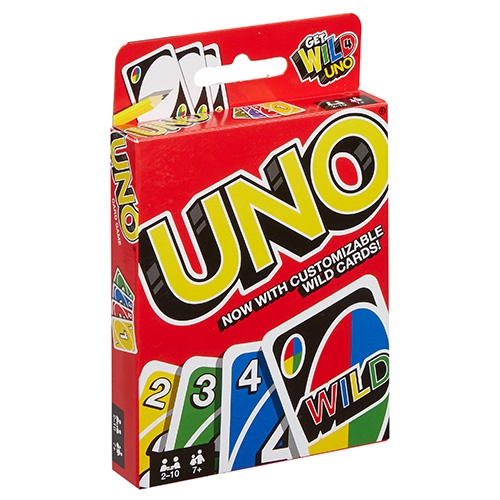 Your price for this item is $14.99
-
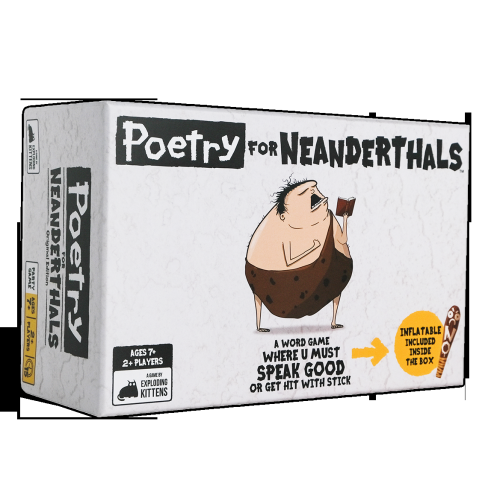 Your price for this item is $34.99
-
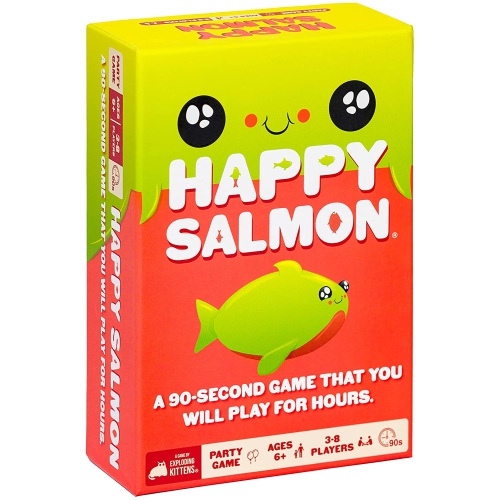 Your price for this item is $21.99
-
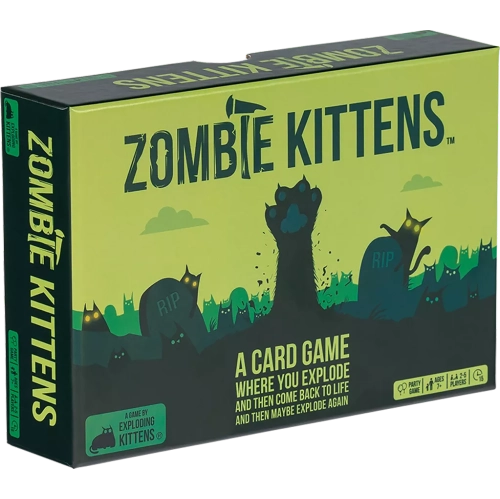 Your price for this item is $34.99
-
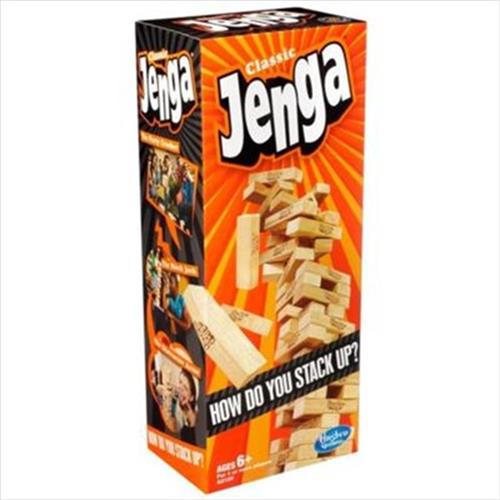 Your price for this item is $24.99
-
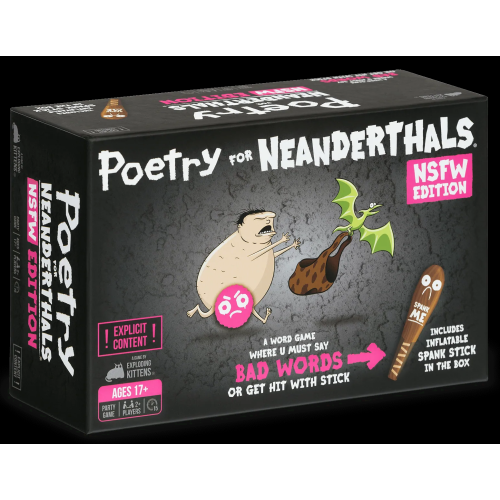 Your price for this item is $31.99
-
 Your price for this item is $29.99
-
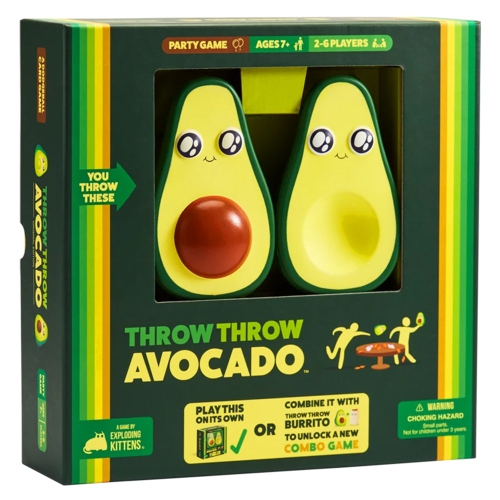 Your price for this item is $44.99
Discover more categories related to Board Games for Casual Gamers

Top Collections:
Pokemon Centers, Kindle Devices, Best Black Friday Deals This Year, Pokémon 30th Celebration Cards, Best Black Friday Deals On Electronics, Best Cameras for Sports Photography, Best Black Friday Deals On Apple Products, Canon G7X Cameras, iPhone 15 Apple, Candle Warmer Lights
Some products may be subject to Environmental Handling Fees
(EHF) depending on your province.
Learn more about EHFs.