Board Games for Family Game Night
Board games for family game night bring everyone together for hours of laughter, friendly competition, and unforgettable memories. Whether you're planning a cozy evening at home or hosting a lively gathering, there's a perfect game for every age and group size. Explore an exciting selection designed to spark creativity, encourage teamwork, and make every family game night one to remember. Find new favorites and classic choices that promise fun-filled entertainment for all.
Sort

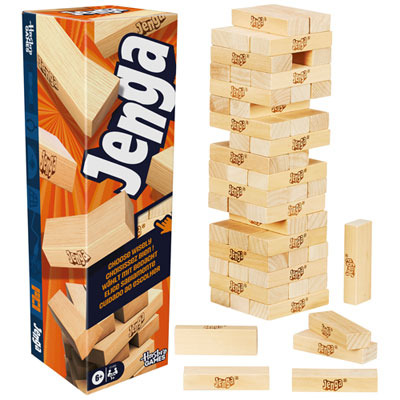
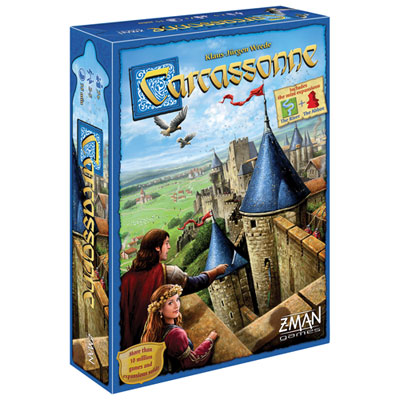
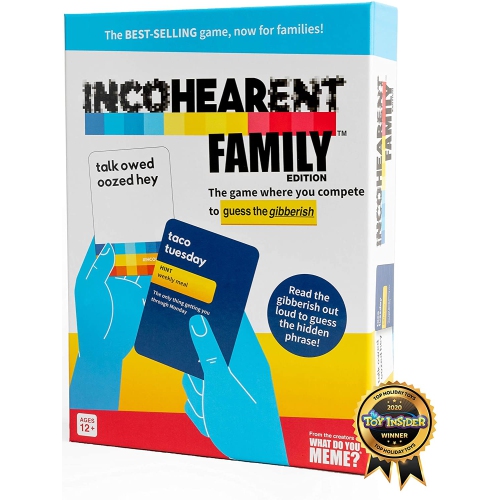
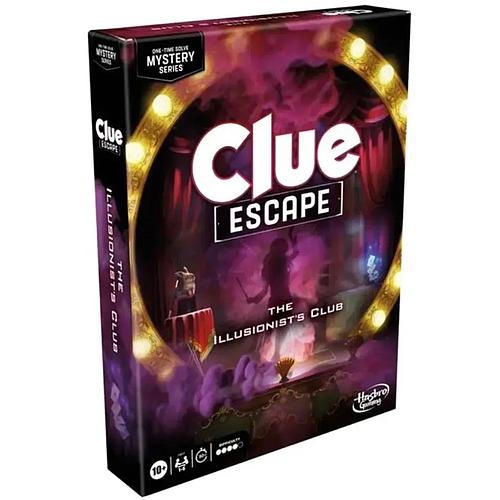



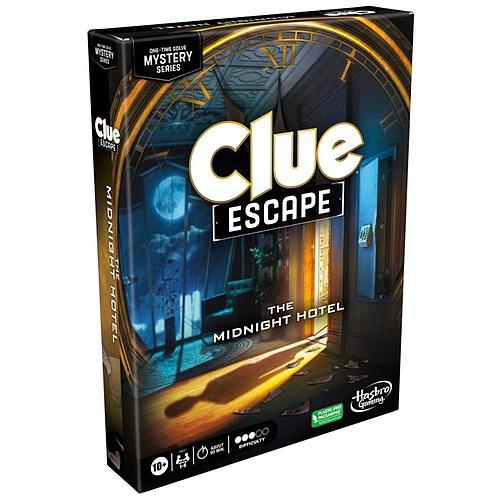
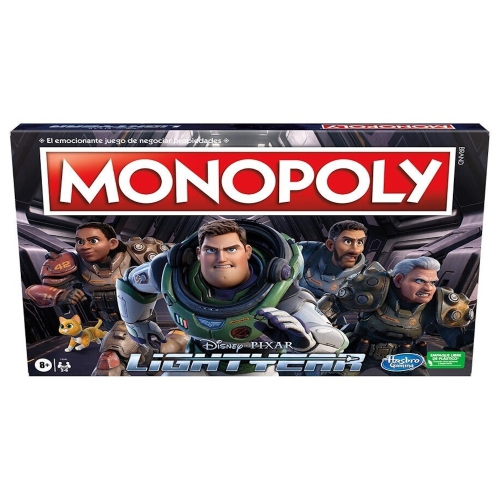

What makes a game work for every generation
Board games for family game night turn a shared table into a place for friendly competition, joint problem-solving, and conversations that carry on between turns. The most comfortable fit for a family is usually a game whose player count, reading demands, play length, and level of complexity suit the people taking part. Accessible strategy games give players meaningful choices without requiring a long explanation, while cooperative board games let everyone work towards a shared goal. Familiar formats built around matching, movement, wordplay, or general knowledge can make it easier for different generations to join in. Each style brings a different rhythm to the evening. A tile-placement game might have everyone quietly considering where a piece belongs, while a drawing or guessing game can fill the room with laughter over an unexpected interpretation. Games with simple rules and several possible approaches can be particularly satisfying for mixed-age groups: younger players can focus on the immediate move, while more experienced players think a few turns ahead. Cooperative play offers a different kind of challenge, with players sharing information, weighing options, and celebrating a result together rather than competing for an individual win. It works especially well when everyone has a chance to contribute, rather than leaving one confident player to make every decision. Competitive games can be just as welcoming when turns move steadily and an early mistake does not leave someone waiting through the rest of the session. For families who enjoy conversation alongside play, a game with a clear turn structure and manageable decisions leaves room for both. Those who prefer a more absorbing experience may enjoy building routes, managing resources, or working through a shared puzzle. The appeal is not simply the final score; it is the moment a careful plan comes together, an unexpected move changes the table, or a younger player spots something the adults missed.
Age recommendations are a useful starting point, but reading ability, attention span, comfort with numbers, and experience with board games also shape how a game feels in practice. A child who enjoys patterns may take naturally to visual strategy, while a confident reader may be more comfortable with written clues or instructions on cards. Language-heavy games can require more support when family members have different reading levels or preferred languages. Clear symbols, distinct shapes, readable text, and strong contrast can make information easier to follow, especially when colour is not the only way to distinguish playing pieces. Physical handling matters, too: small tokens, tightly packed spaces, or cards that need to be held privately may be awkward for someone with limited dexterity. A little room between players and an uncluttered playing area can make turns more comfortable. Player count deserves attention beyond simply checking whether everyone can participate. With a larger group, long individual turns can create stretches of waiting, whereas simultaneous choices or team-based play can keep more people involved. At a smaller table, direct interaction and a compact playing area may feel more engaging. Estimated play time is helpful, though a first session often takes longer while everyone learns the rules and checks unfamiliar situations. A short game can suit an evening with a firm stopping point, while a longer strategy game benefits from enough time for setup, play, and packing away. Table fit also includes the space around the board: cards, score sheets, player areas, and shared pieces may need more room than the central board alone suggests. A stable surface and good lighting help everyone see the action without leaning across each other. When younger children are nearby, small components require particular care. The stated age guidance and safety warnings should take priority, with loose pieces kept away from children for whom they could pose a choking hazard. These practical details help make the experience comfortable, not just playable.
Materials and construction influence how board games stand up to repeated family use. Cardboard boards and tiles benefit from a firm, flat playing surface, while cards stay easier to shuffle and read when their edges remain smooth and their faces are kept dry. Wooden or moulded playing pieces can offer a satisfying feel in the hand, but durability also depends on the finish, component size, and how everything is stored. Thick pieces are not automatically suitable for younger children, and a sturdy box does not replace checking the recommended age. For care, the manufacturer’s instructions are the best reference, particularly when a game combines paper, cardboard, fabric, wood, or electronic parts. Keeping drinks away from the centre of play, handling cards with clean, dry hands, and returning pieces to their compartments can prevent common damage. Sorting components before putting the lid back on also makes the next setup smoother; a missing marker or mixed-up stack of cards can interrupt play before the first turn. Storage dimensions matter in a shared home, whether games live on an open shelf, in a cupboard, or alongside other family activities. A box that closes securely and keeps components organized is useful for carrying a game to a relative’s home or bringing it out for a birthday gathering. As gifts, family board games can suit households that enjoy shared activities, grandparents who host regular visits, or friends establishing a game-night tradition. The recipient’s interests and usual group size matter more than an elaborate presentation or a large number of components. For families who also enjoy screen-based play, Switch Games for Family Game Night offers another way to explore shared entertainment. Around the table, the lasting appeal of a board game often comes from how naturally it fits the group: enough challenge to invite another attempt, rules everyone can follow, and moments worth talking about after the pieces are packed away.
Top selling and popular products
-
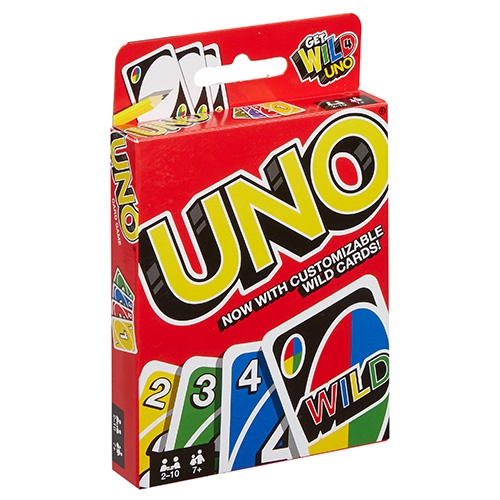 Your price for this item is $14.99
-
 Your price for this item is $34.99
-
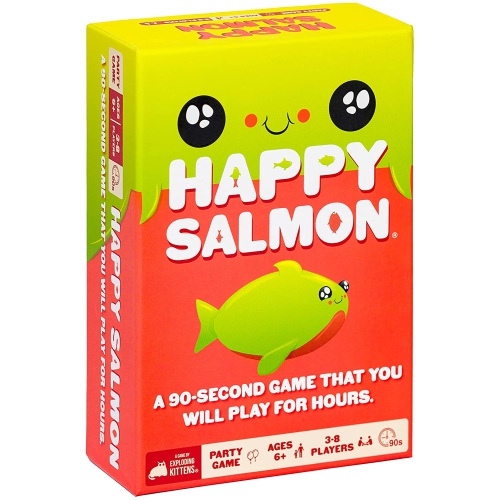 Your price for this item is $21.99
-
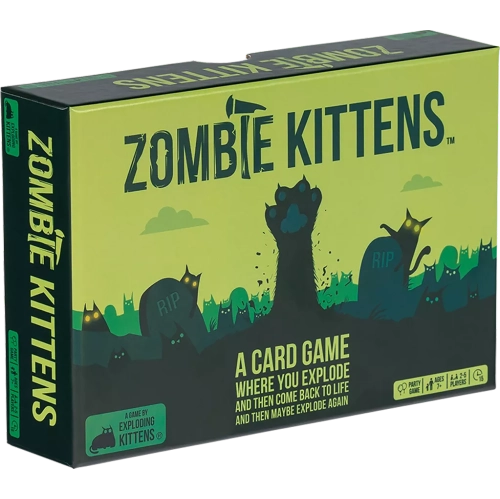 Your price for this item is $34.99
-
 Your price for this item is $24.99
-
 Your price for this item is $31.99
-
 Your price for this item is $29.99
-
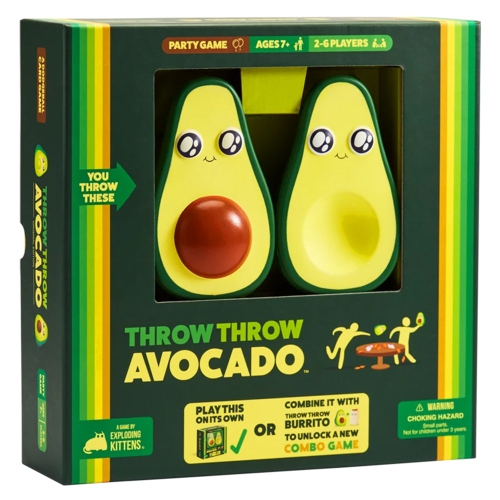 Your price for this item is $44.99
Discover more categories related to Board Games for Family Game Night

Top Collections:
Pokemon Centers, Kindle Devices, Best Black Friday Deals This Year, Pokémon 30th Celebration Cards, Best Black Friday Deals On Electronics, Best Cameras for Sports Photography, Best Black Friday Deals On Apple Products, Canon G7X Cameras, iPhone 15 Apple, Candle Warmer Lights
Some products may be subject to Environmental Handling Fees
(EHF) depending on your province.
Learn more about EHFs.