Family Game Night
Whether you're looking for a way to spend time with your kids or just want to get everyone in on the fun, family game night is a great idea. It's also a great way to make sure everyone is engaged and having fun.
Sort
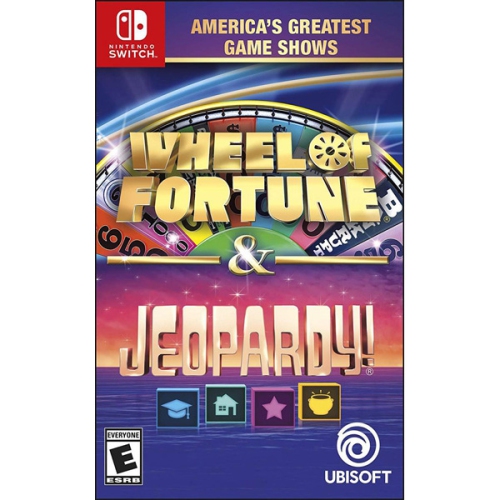
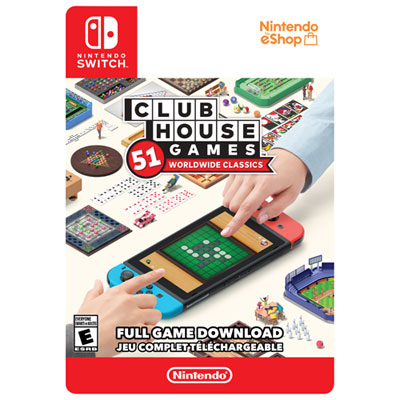
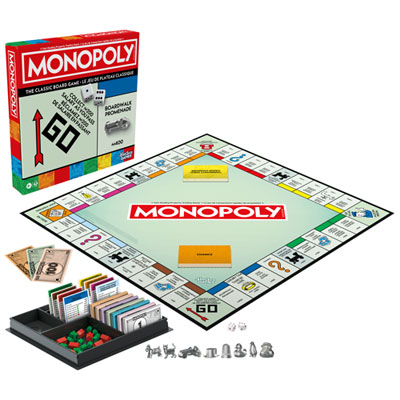
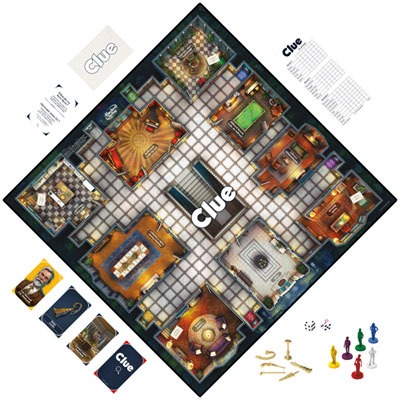





![OSMO - Genius Starter Kit: Family Game Night - Ipad [Electronics]](https://multimedia.bbycastatic.ca/multimedia/products/500x500/188/18884/18884551.jpeg)
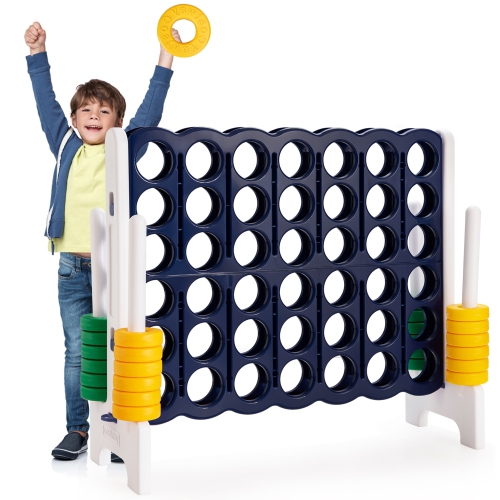
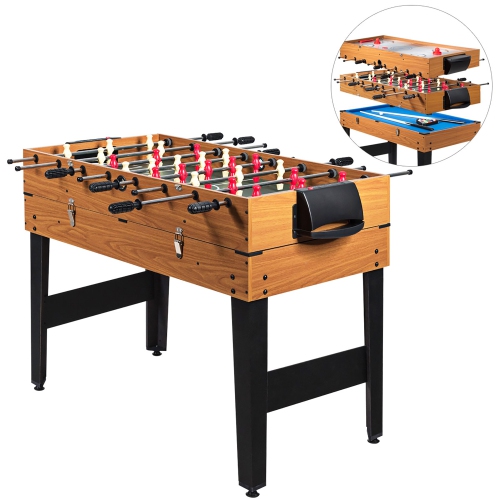

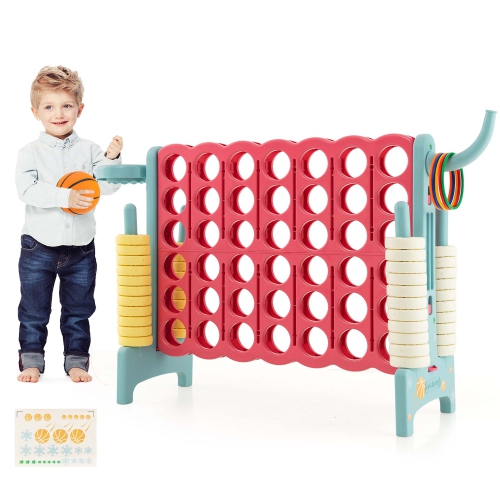
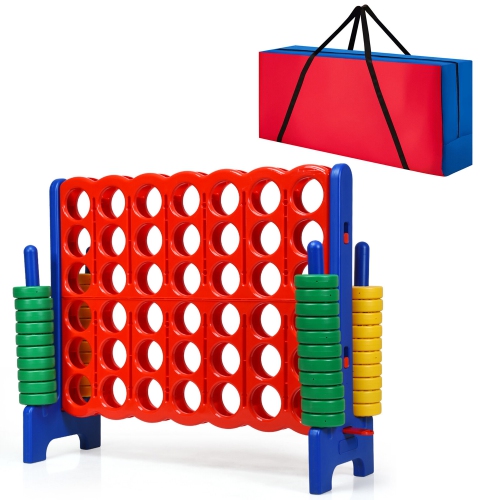
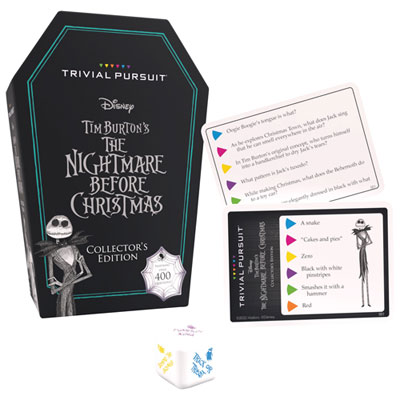
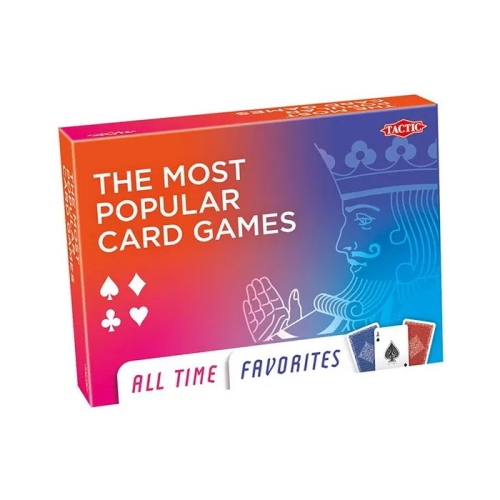
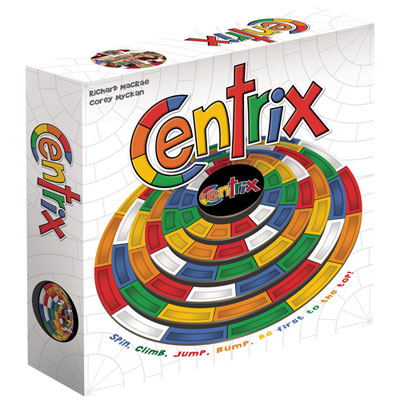
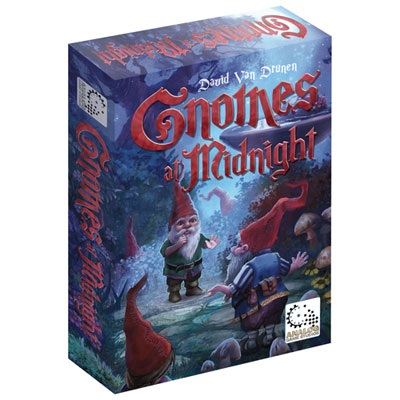

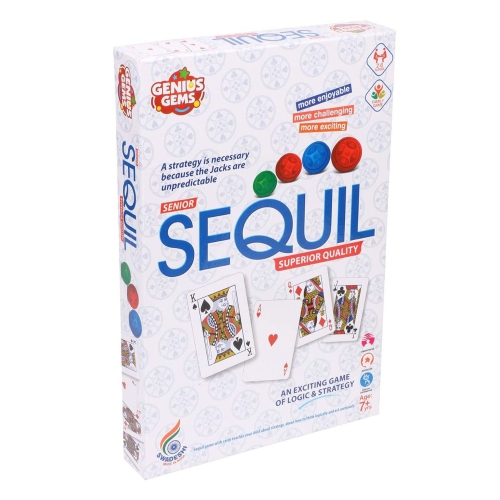
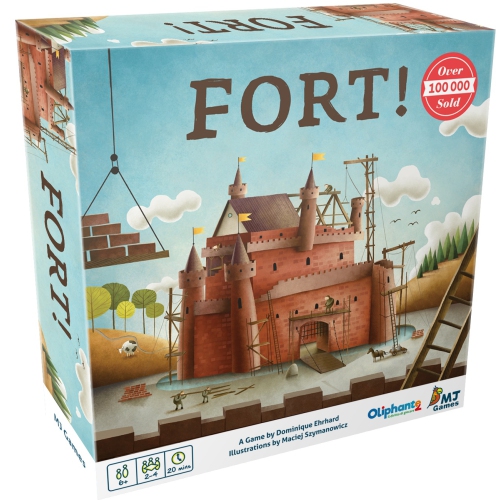
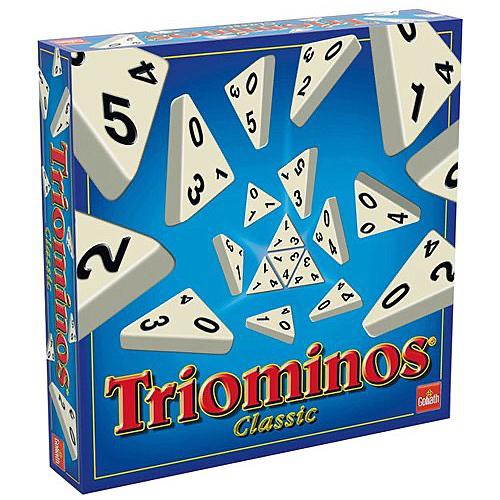
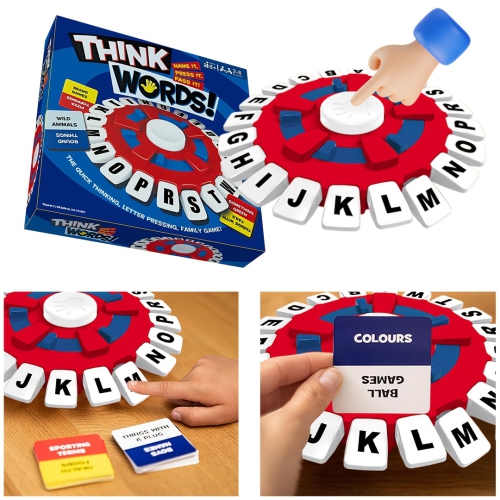
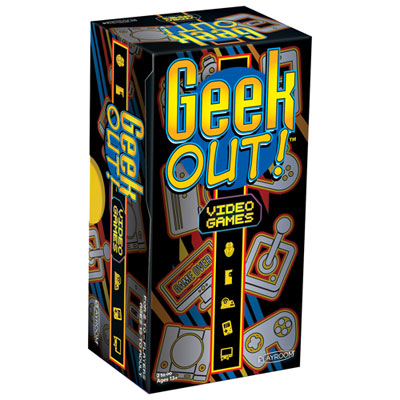
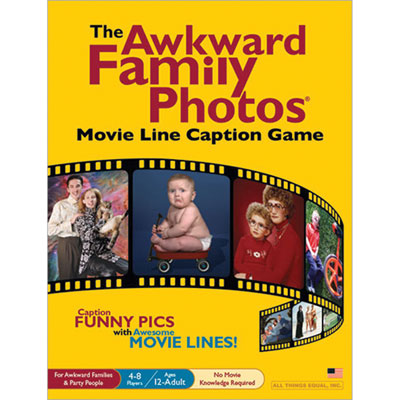
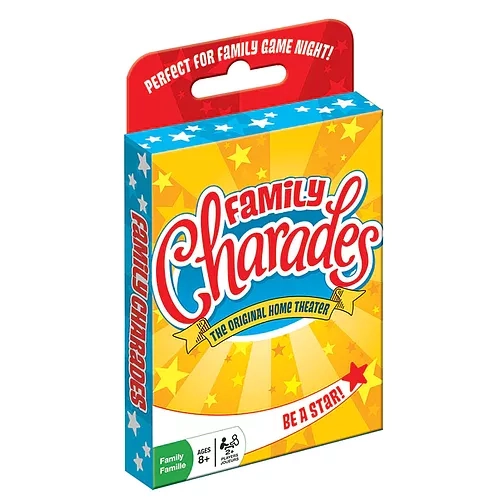

![UBISOFT Monopoly: Family Fun Pack [Xbox One]](https://multimedia.bbycastatic.ca/multimedia/products/500x500/148/14881/14881104.png)
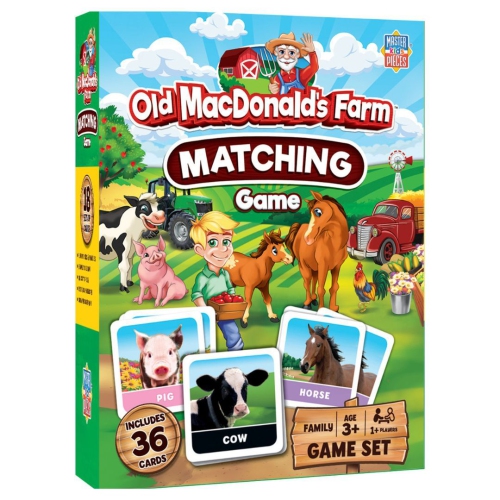
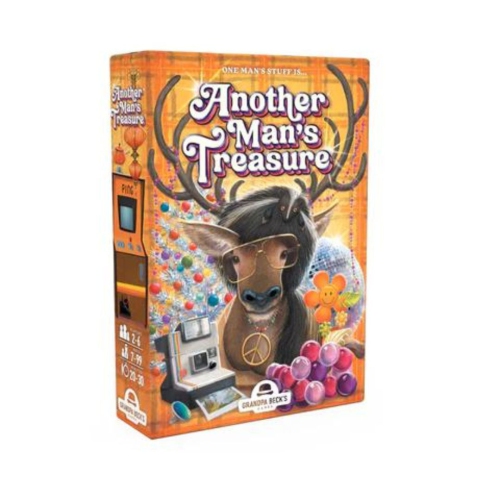
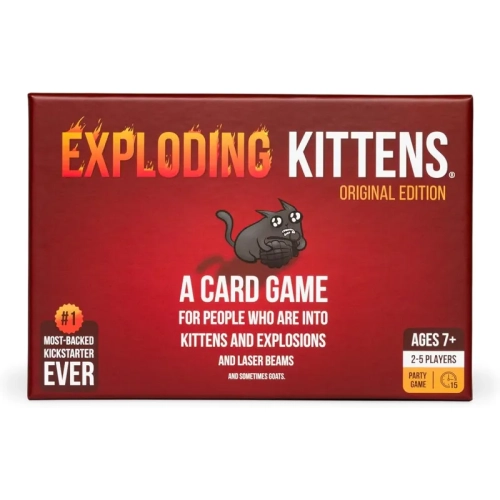

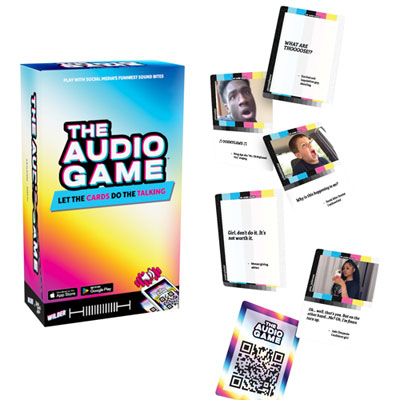

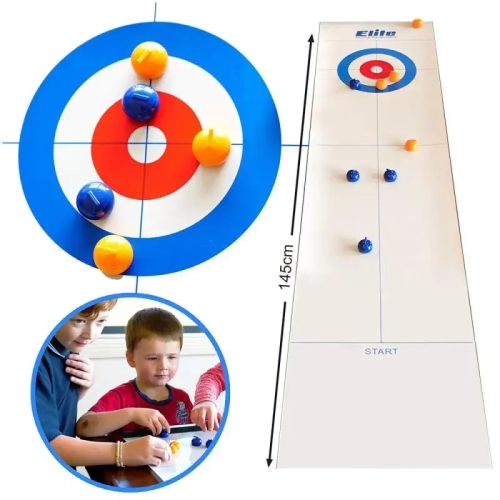
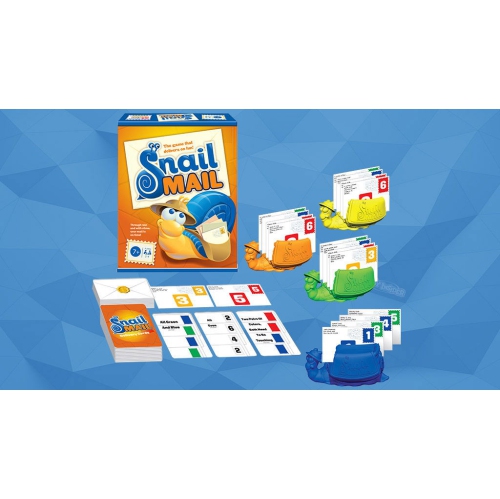
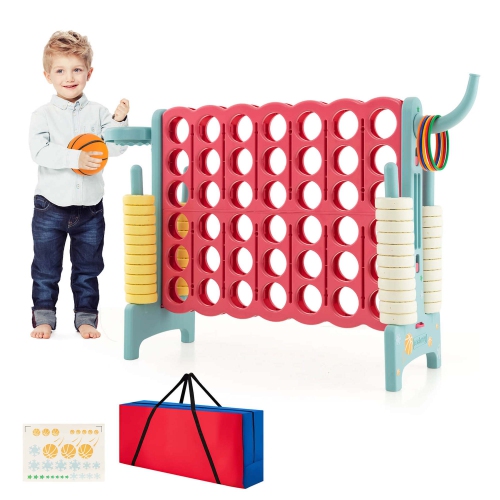
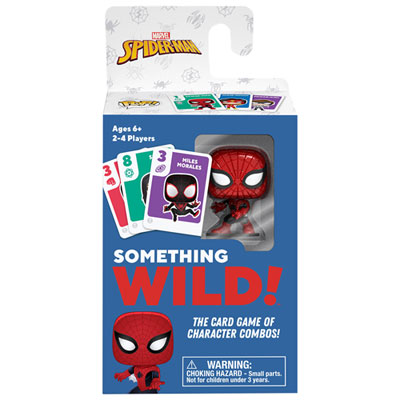
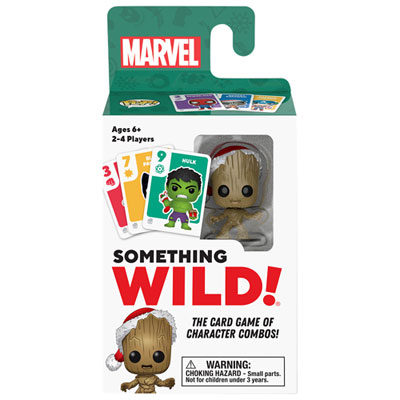
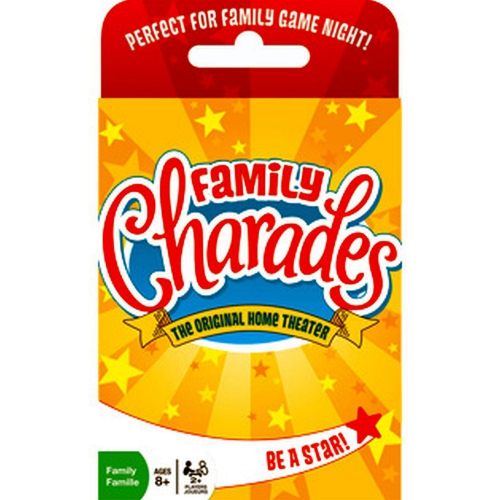
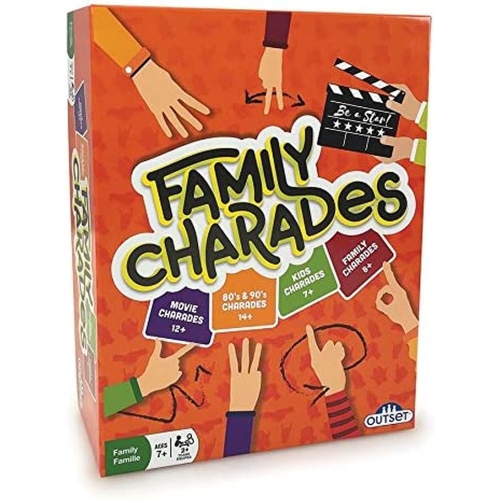
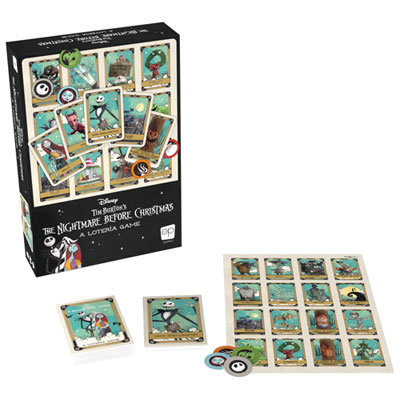
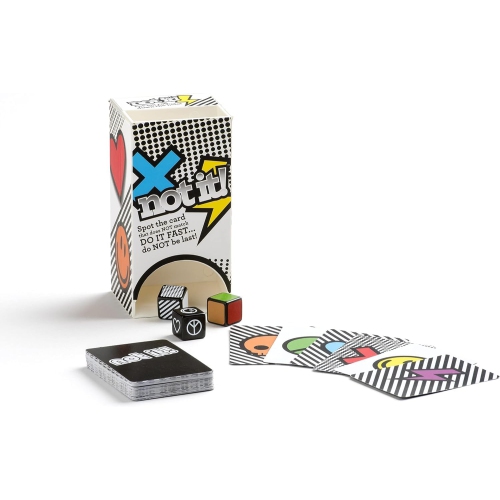
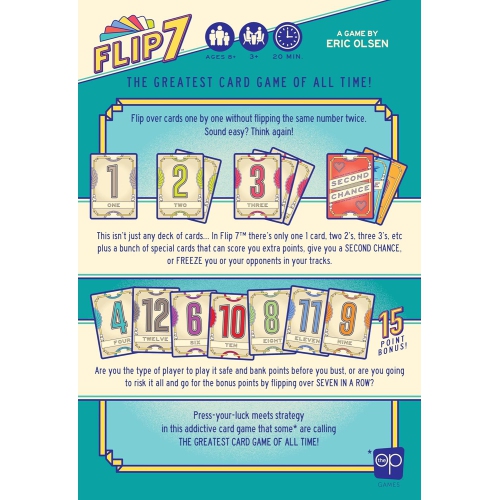
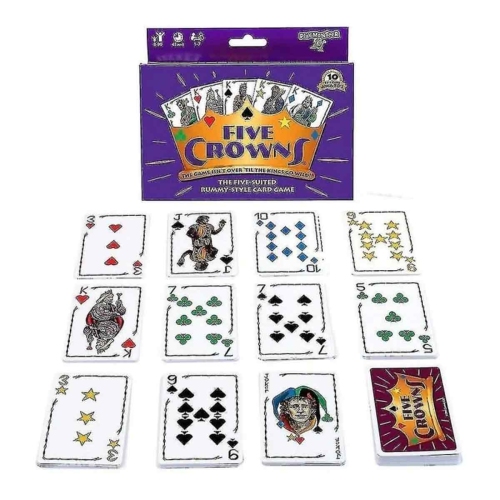
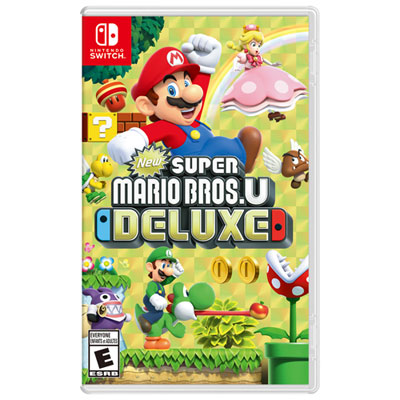
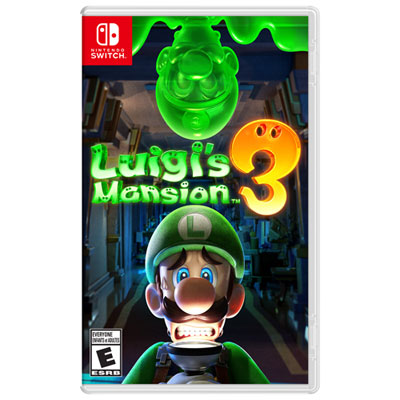
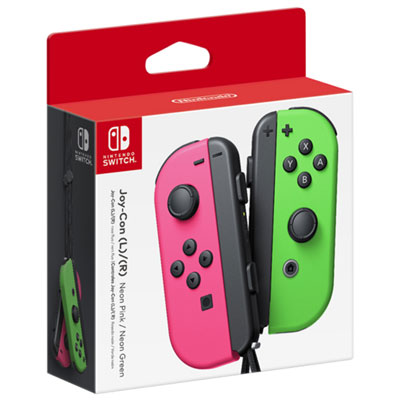
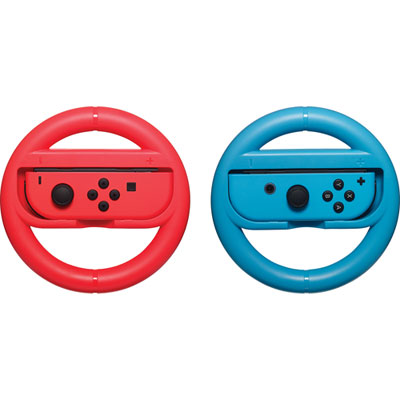
![UBISOFT Monopoly for Nintendo Switch [Nintendo Switch] Great!](https://multimedia.bbycastatic.ca/multimedia/products/500x500/154/15456/15456549.jpeg)

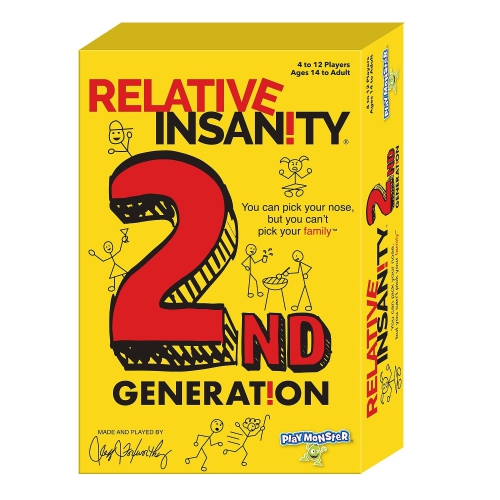


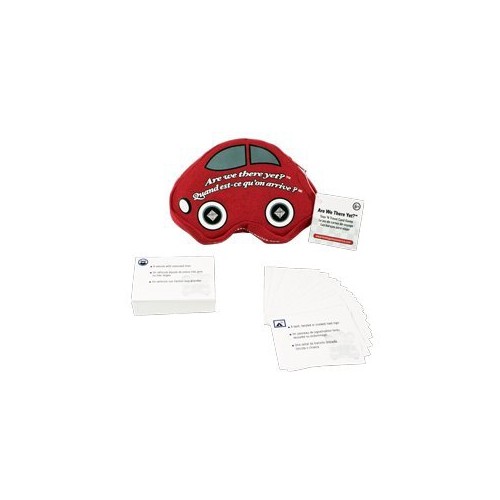
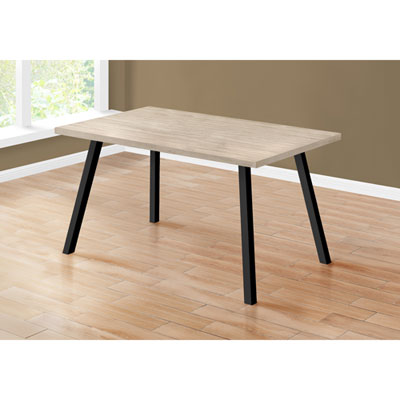
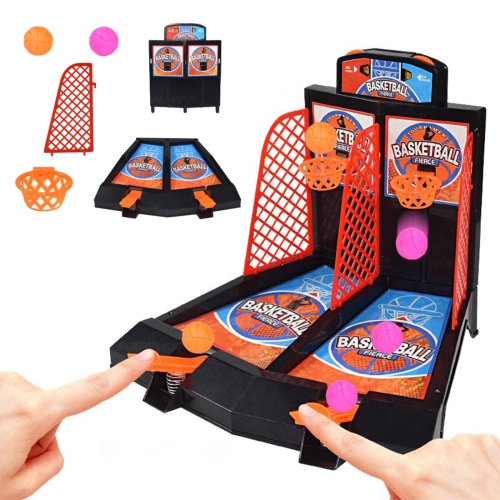

![UNIVERSAL STUDIOS Game Night [DVD]](https://multimedia.bbycastatic.ca/multimedia/products/500x500/182/18210/18210719.jpeg)
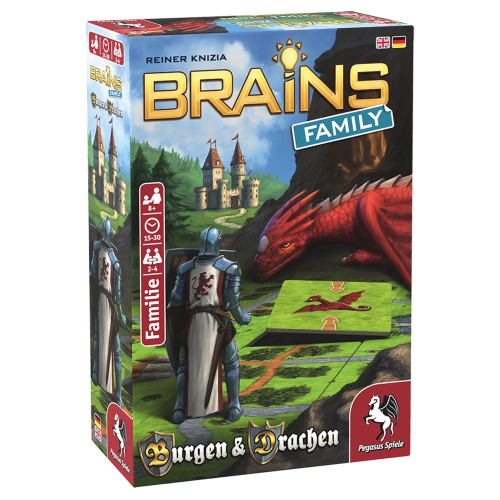
![LIMITED RUN GAMES Nine Witches: Family Disruption - Limited Run #427 [Playstation 4]](https://multimedia.bbycastatic.ca/multimedia/products/500x500/169/16982/16982576.jpeg)
Games for different ages, group sizes, and play styles
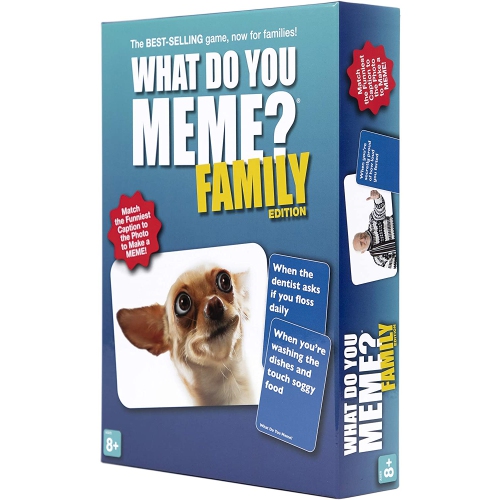
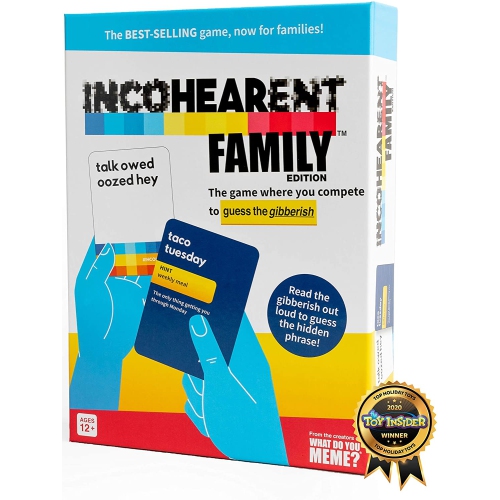
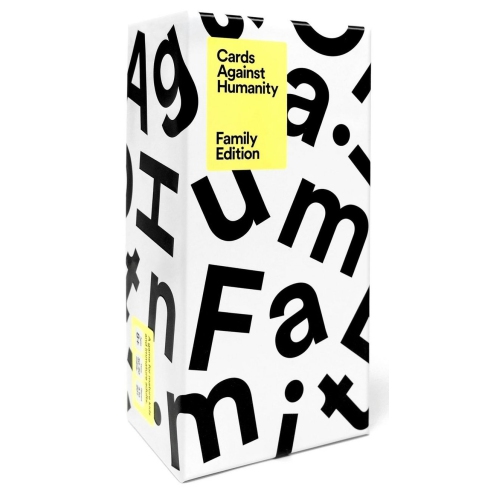
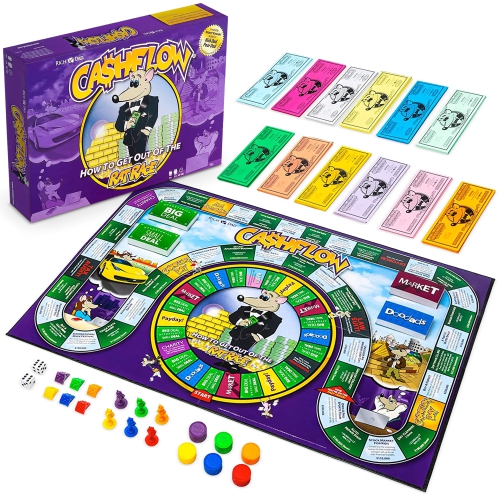
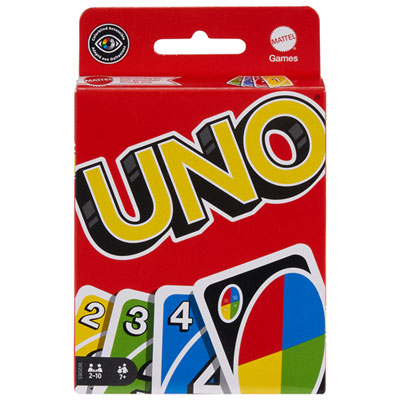
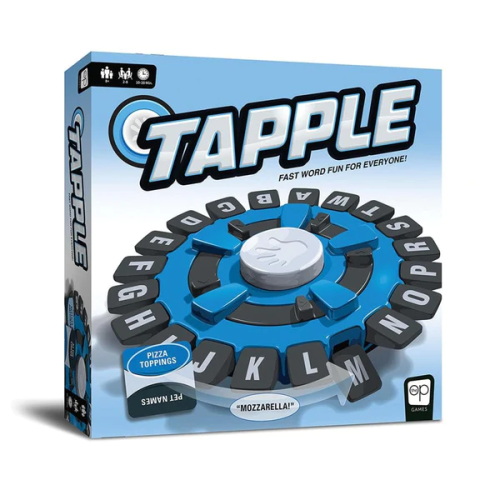
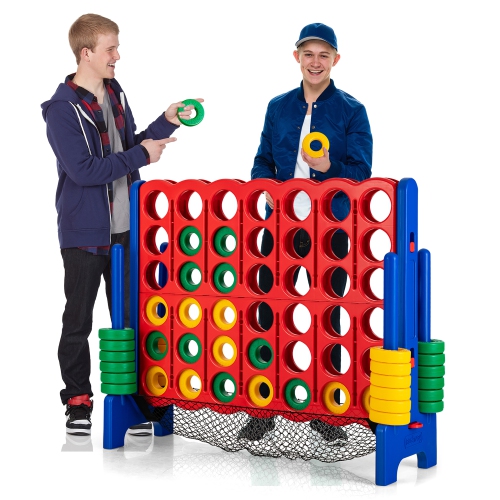
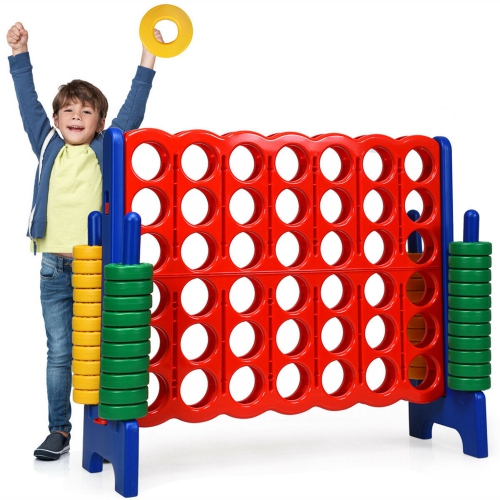
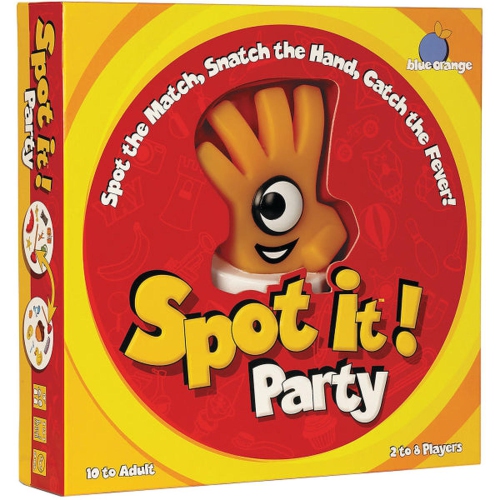
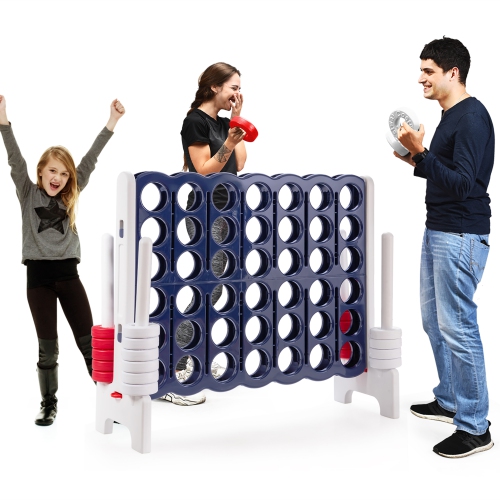
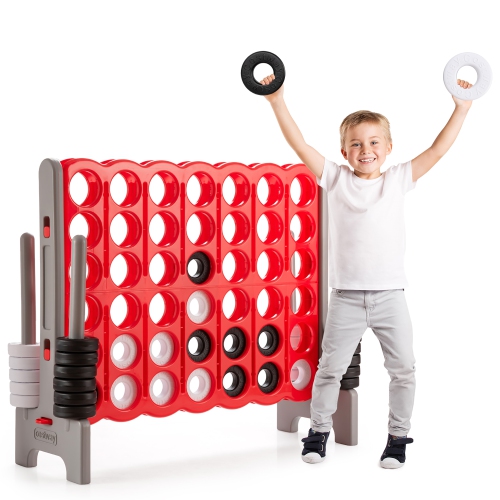
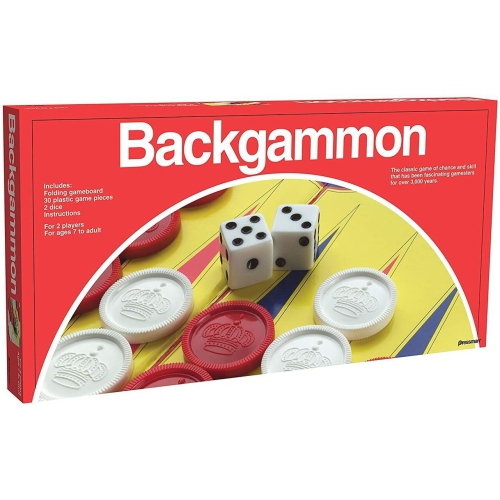
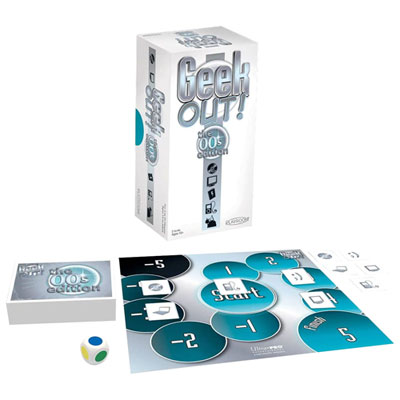
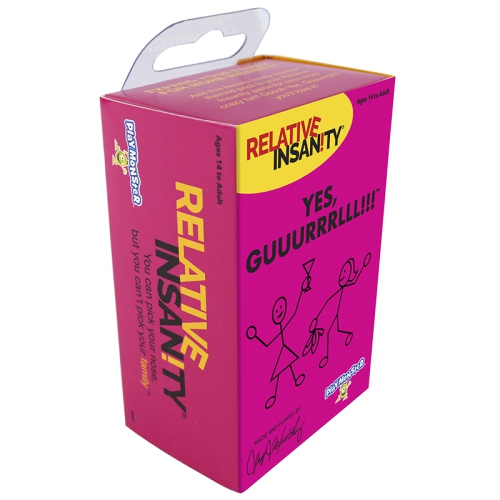
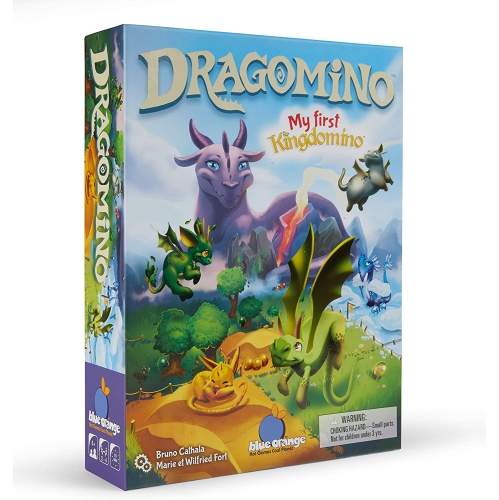
Family game night brings everyone together around a shared activity, whether the evening includes young children learning to take turns, older kids looking for a little friendly competition, or adults who enjoy strategy, wordplay, and plenty of laughter. The right selection of games can make the experience feel relaxed rather than overwhelming, especially when the choices suit the ages, interests, and attention spans of the people playing. Families with younger children may appreciate games with simple rules, bright visuals, short rounds, and clear goals, while older children and adults may prefer more challenging play that rewards planning, memory, quick thinking, or communication. Card games are often easy to learn and fast to set up, making them useful between dinner and bedtime or for a spontaneous round when there is limited time. Classic board games with straightforward turn-taking can help younger players practise counting, matching, colour recognition, and patience, while more advanced games can add layers of decision-making for experienced players. Party-style games, guessing games, trivia, and active challenges can bring energy to a larger gathering and work well when several people want to join in. When browsing family games, consider the recommended age range, number of players, average playing time, reading requirements, and the amount of space needed on a table or open floor. A game that suits two players may feel different with a group of six, and a game designed for older children may be frustrating for preschoolers who are still developing the skills needed to follow several rules at once. Looking through Fun Family Games can make it easier to find options that match the kind of gathering being planned, from a quiet evening with a small group to a lively get-together with extended family.
A little preparation can help the night run smoothly without making it feel overly structured. Choosing two or three possibilities before everyone sits down prevents a long debate over what to play and gives the group a clear starting point. It can be helpful to begin with a quick game while everyone settles in, then move to a longer or more strategic choice once the players are comfortable. For young children, games lasting less than 15 minutes are often a better fit because they leave room for movement and keep the experience enjoyable before attention begins to wander. Older children and adults may be happy with games that take 20 to 30 minutes, while longer sessions can work when the group enjoys building a story, developing a strategy, or playing through several rounds. Taking turns choosing the activity gives each family member a sense of ownership and helps balance different preferences. One person may choose a matching or memory game, another may prefer a competitive board game, and someone else may select a silly guessing game that gets everyone laughing. Clear rules are important, but so is flexibility. Younger players may need a practice round, a simplified scoring method, or an adult to read instructions aloud. It is also worth checking whether pieces are small, whether the game requires reading, and whether the components can be stored neatly after play. A stable table, comfortable seating, good lighting, and a place to keep cards or playing pieces can make a noticeable difference, particularly during the cooler months when families spend more time indoors. Snacks and drinks can be kept nearby without crowding the play area, and a quick reset between games helps preserve missing pieces and keeps the next round ready to begin.
Family games can also make thoughtful gifts for birthdays, visits with relatives, celebrations, or the holiday season because they offer an activity to enjoy together rather than something intended for only one person. When choosing a gift, consider the recipient’s age, the size of their household, and whether they usually enjoy competition, cooperation, creativity, puzzles, movement, or storytelling. A compact card game may be a practical choice for a family that travels or has limited storage, while a larger game with a board, tokens, and multiple components may suit a dedicated play space or a household that regularly hosts guests. Cooperative games can be especially welcoming when players work towards a shared goal, making them a good option for siblings with different skill levels or families who prefer teamwork over winning and losing. Competitive games can bring excitement and teach children how to follow rules, make decisions, handle setbacks, and celebrate another player’s success. For multigenerational gatherings, look for activities with accessible instructions and flexible play that allow grandparents, parents, teens, and children to participate without one age group being left behind. A family game night does not need elaborate arrangements to become memorable: a familiar table, a few well-matched choices, and time set aside to play can create the kind of warm, animated evening that people remember long after the pieces have been packed away. As the weather shifts and indoor gatherings become more appealing, a collection of family-friendly games offers an easy way to fill an afternoon, wind down after a meal, welcome visiting relatives, or give everyone a reason to put screens aside and enjoy being together.
A little preparation can help the night run smoothly without making it feel overly structured. Choosing two or three possibilities before everyone sits down prevents a long debate over what to play and gives the group a clear starting point. It can be helpful to begin with a quick game while everyone settles in, then move to a longer or more strategic choice once the players are comfortable. For young children, games lasting less than 15 minutes are often a better fit because they leave room for movement and keep the experience enjoyable before attention begins to wander. Older children and adults may be happy with games that take 20 to 30 minutes, while longer sessions can work when the group enjoys building a story, developing a strategy, or playing through several rounds. Taking turns choosing the activity gives each family member a sense of ownership and helps balance different preferences. One person may choose a matching or memory game, another may prefer a competitive board game, and someone else may select a silly guessing game that gets everyone laughing. Clear rules are important, but so is flexibility. Younger players may need a practice round, a simplified scoring method, or an adult to read instructions aloud. It is also worth checking whether pieces are small, whether the game requires reading, and whether the components can be stored neatly after play. A stable table, comfortable seating, good lighting, and a place to keep cards or playing pieces can make a noticeable difference, particularly during the cooler months when families spend more time indoors. Snacks and drinks can be kept nearby without crowding the play area, and a quick reset between games helps preserve missing pieces and keeps the next round ready to begin.
Family games can also make thoughtful gifts for birthdays, visits with relatives, celebrations, or the holiday season because they offer an activity to enjoy together rather than something intended for only one person. When choosing a gift, consider the recipient’s age, the size of their household, and whether they usually enjoy competition, cooperation, creativity, puzzles, movement, or storytelling. A compact card game may be a practical choice for a family that travels or has limited storage, while a larger game with a board, tokens, and multiple components may suit a dedicated play space or a household that regularly hosts guests. Cooperative games can be especially welcoming when players work towards a shared goal, making them a good option for siblings with different skill levels or families who prefer teamwork over winning and losing. Competitive games can bring excitement and teach children how to follow rules, make decisions, handle setbacks, and celebrate another player’s success. For multigenerational gatherings, look for activities with accessible instructions and flexible play that allow grandparents, parents, teens, and children to participate without one age group being left behind. A family game night does not need elaborate arrangements to become memorable: a familiar table, a few well-matched choices, and time set aside to play can create the kind of warm, animated evening that people remember long after the pieces have been packed away. As the weather shifts and indoor gatherings become more appealing, a collection of family-friendly games offers an easy way to fill an afternoon, wind down after a meal, welcome visiting relatives, or give everyone a reason to put screens aside and enjoy being together.
Top selling and popular products
-
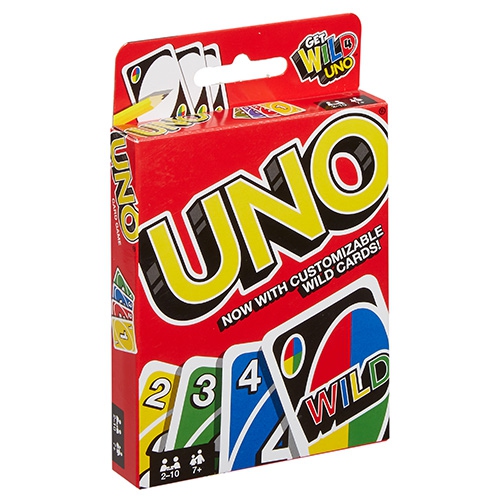 Your price for this item is $14.99
 -
 Your price for this item is $34.99
 -
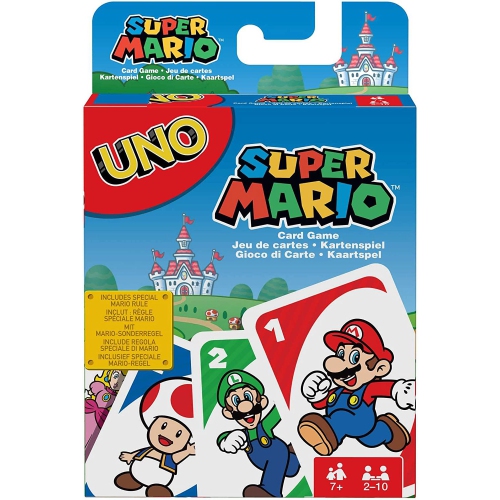 Your price for this item is $15
 -
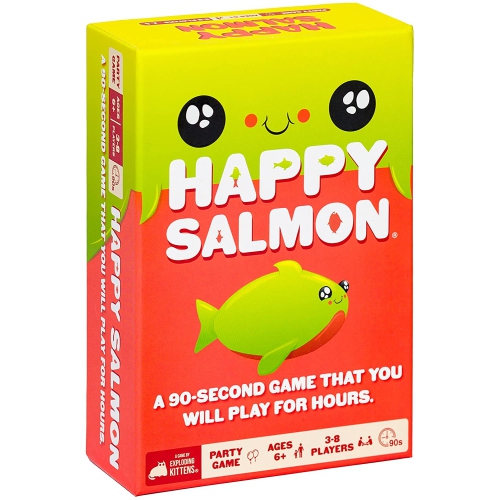 Your price for this item is $21.99
 -
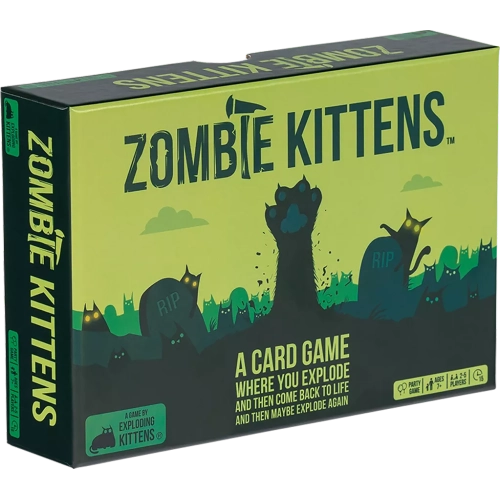 Your price for this item is $34.99
 -
 Your price for this item is $28.16
 -
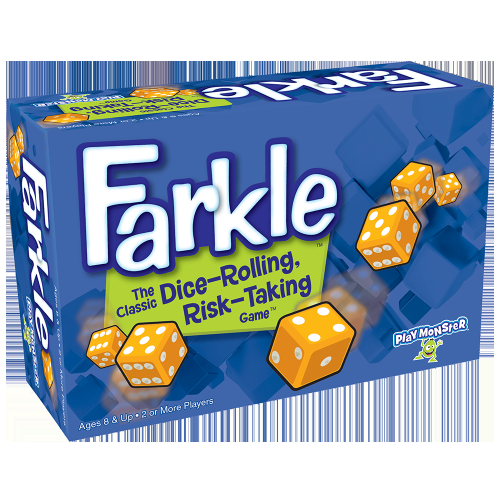 Your price for this item is $20.93
 -
 Your price for this item is $29.99
Discover more categories related to Family Game Night

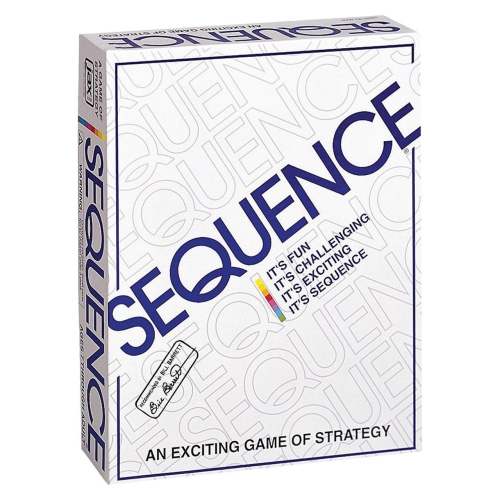
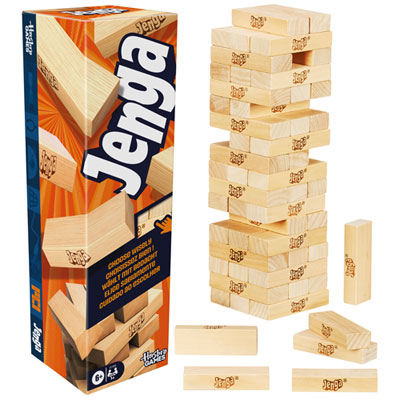
Top Collections:
Pokemon Centers, Budget 4K TVs, Best Budget Office Chairs, Kindle Devices, Canon G7X Cameras, Apple iPhones 16, iPhone 15 Apple, Laptops for Business Work, Xiaomi Phones, Flip Phones
Some products may be subject to Environmental Handling Fees
(EHF) depending on your province.
Learn more about EHFs.