Switch Games for Family Game Night
Switch Games for Family Game Night bring everyone together for hours of laughter and friendly competition. Discover a wide variety of engaging titles perfect for players of all ages, making it easy to find the right fit for your next gathering. Whether you’re planning a casual evening or an exciting tournament, these games are designed to create memorable moments and keep everyone entertained. Explore top picks that transform any night into a fun-filled family event with Switch Games for Family Game Night.
Sort
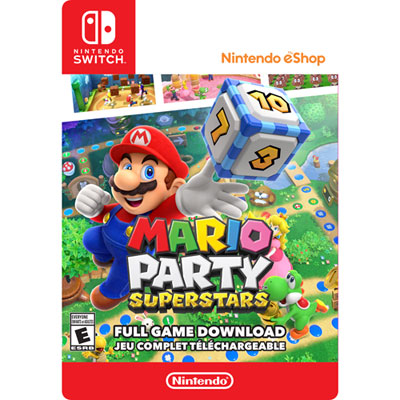
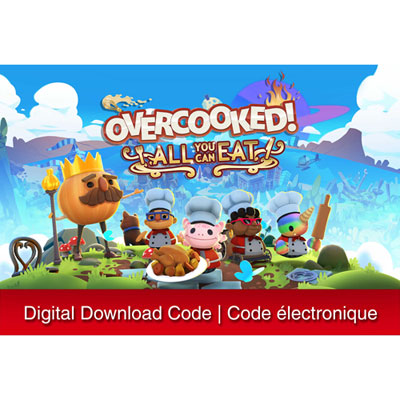

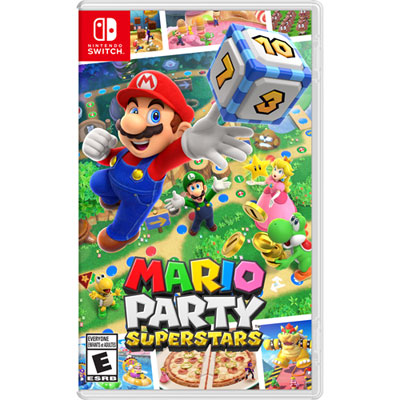
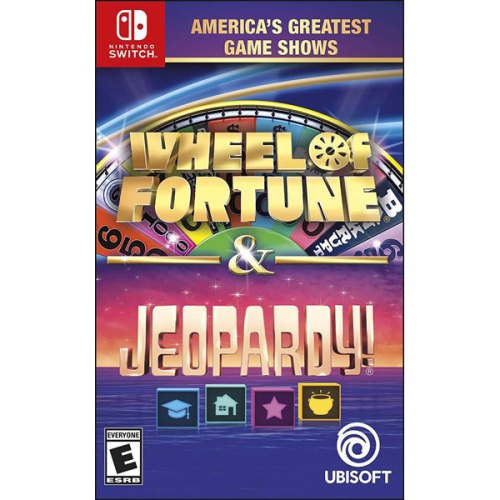






The right multiplayer fit goes beyond player counts
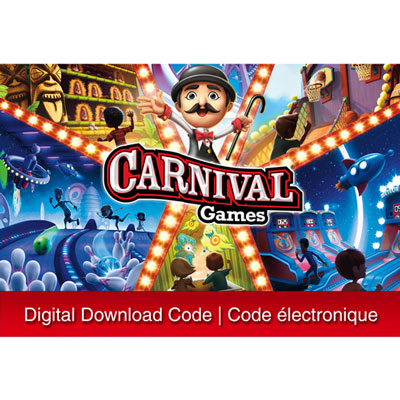
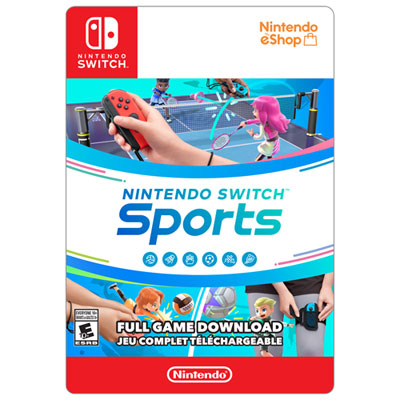
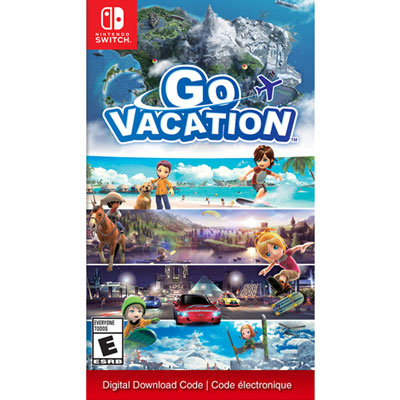
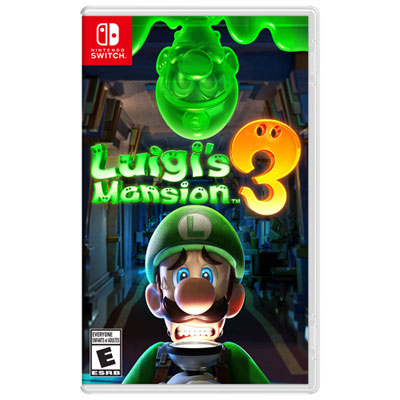
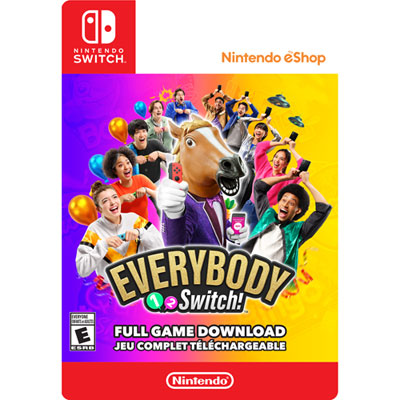
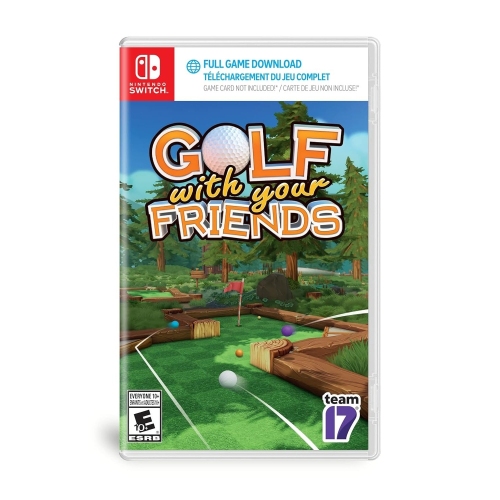
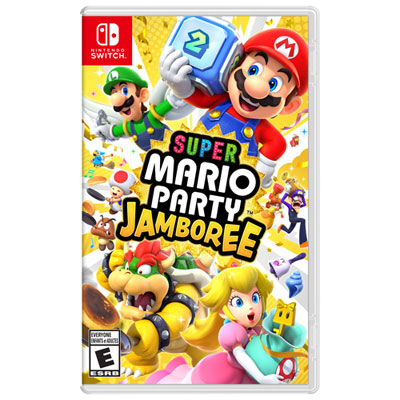
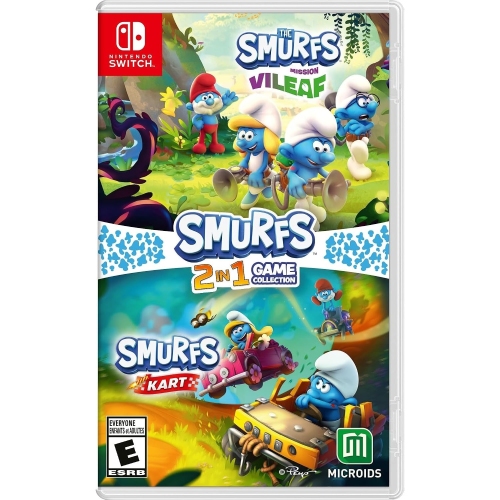
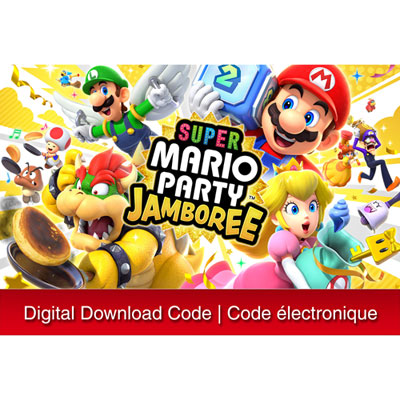
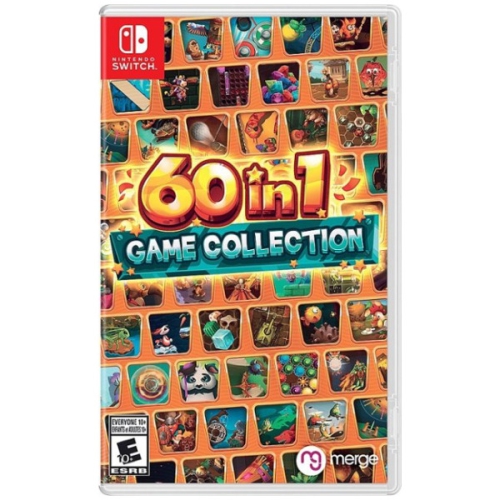
Switch games for family game night bring people together through shared-screen racing, party challenges, cooperative adventures, puzzles, and motion-controlled sports. The strongest fit for a household depends on how many people want to play, their ages and experience, and whether the group prefers working together or competing. Local multiplayer lets family members take part on the same console, making it possible to share a race, solve a puzzle side by side, or celebrate a last-second comeback while sitting in the same room. Party games often combine short activities with straightforward objectives, giving newcomers a chance to learn without committing to a long campaign. Racing games can suit mixed-experience groups when they include adjustable difficulty or driving assistance, while digital board games offer a familiar rhythm of taking turns, making choices, and reacting to unexpected results. Cooperative games put everyone on the same team, whether the challenge involves coordinating tasks, exploring colourful settings, or moving objects into place to open the next route. A family that enjoys lively conversation may appreciate timed team challenges, while a quieter group might prefer puzzles that leave room to discuss each move. Motion-based sports add a different kind of interaction, using physical gestures rather than relying entirely on button combinations. These styles are not interchangeable: a fast-paced competition asks for different skills from a relaxed building activity, and a game described as multiplayer may still have modes designed for only one person. Short rounds can work well when several relatives are taking turns, whereas longer adventures suit households that want to return to the same shared activity over several evenings. Variety helps keep the gathering comfortable for different personalities, with opportunities for enthusiastic competitors, thoughtful problem-solvers, and people who simply enjoy joining in. A useful family selection leaves room for both the child eager to explain every control and the grandparent who would rather learn through a few practice rounds than a lengthy tutorial.
Player counts and controller requirements are practical details that shape how easily a game fits the group. Local multiplayer, local wireless play, and online multiplayer describe different arrangements: playing together on one console is not the same as connecting separate consoles or meeting through an internet connection. The supported number of players can also change between modes, so a large online player count does not necessarily mean the same number can share a television. Some games let each person use a single small controller, while others require a pair or another compatible controller for every participant. A four-person gathering therefore needs more than a multiplayer label; the chosen mode and available controllers need to match. TV play can make shared action easier to follow, particularly when a racing game divides the display into separate views. Handheld-only consoles do not support TV output, and games that rely on detached motion controllers may require additional compatible hardware. Clear floor space and securely fastened wrist straps matter when players are swinging or reaching, especially with younger children joining the activity. Beyond the hardware, adjustable settings can make a noticeable difference to participation. Driving assistance, simpler control options, practice modes, readable text, and flexible difficulty can help reduce the gap between experienced players and beginners when those features are included. Spoken instructions or clear visual cues may suit children who are still learning to read, while generous time limits give the group room to think aloud. Competitive games with quick rematches make it easier to recover from a disappointing round, and cooperative games with forgiving checkpoints can keep one mistake from interrupting everyone’s progress. Shared-screen adventures also vary in how far players can move apart, which matters when one person wants to explore and another wants to follow the objective. These details influence the atmosphere as much as the genre does, turning a demanding challenge into a satisfying team effort or keeping a friendly contest from becoming frustrating.
Age ratings and content descriptions provide useful context for family play, but they do not tell the whole story about difficulty or reading demands. A game with age-appropriate content may still involve complicated menus, precise timing, or lengthy instructions. Themes, sound effects, cartoon combat, online communication, and optional purchases are separate considerations, particularly when children of different ages share the console. Parental controls and supervised account settings can help households manage access, while offline modes may suit gatherings focused on the people in the room. The format matters, too. Physical game cards can be moved between compatible consoles, although each card can only be used in one console at a time. Digital games are downloaded to console storage and have account and access requirements that are worth understanding before planning shared play. Either format may need updates or extra storage, so completing setup ahead of a gathering leaves more time for the activity itself. Physical cards are small enough to misplace easily; keeping them in their protective cases, handling them with clean, dry hands, and avoiding contact with the exposed connectors helps protect them between sessions. Controllers benefit from careful handling and cleaning according to their manufacturer’s directions, particularly when passed around frequently. For gifts, the recipient’s console compatibility, preferred play style, and usual group size are more useful starting points than age alone. A household that loves team challenges may value a cooperative adventure, while relatives who enjoy friendly rivalry may get more use from quick competitions with simple rules. Smaller households can also explore Switch Games for Couples for a two-player focus. Across different family groups, lasting appeal often comes from replayable challenges, adjustable settings, and enough variety to welcome someone new without making regular players feel they have started from scratch. The result is a shared activity that can suit a casual visit, a birthday gathering, or a familiar evening together at home.
Top selling and popular products
-
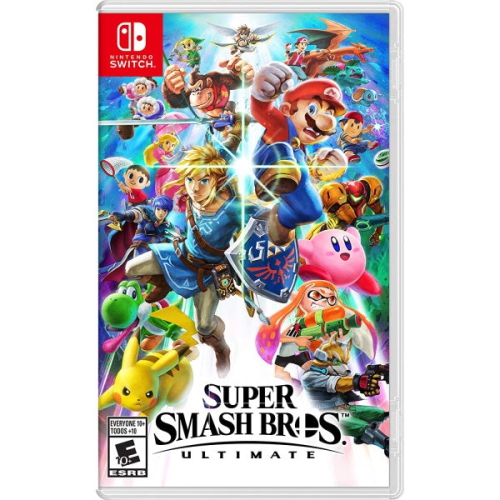 Your price for this item is $89.95
-
 Your price for this item is $89.95
-
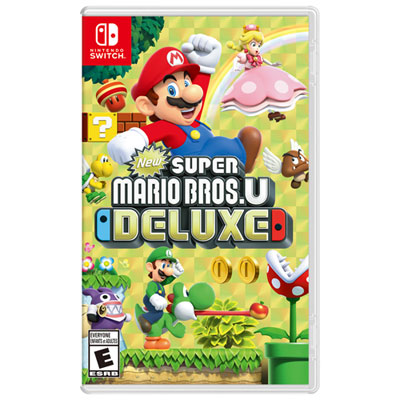 Your price for this item is $79.99
-
 Your price for this item is $85
-
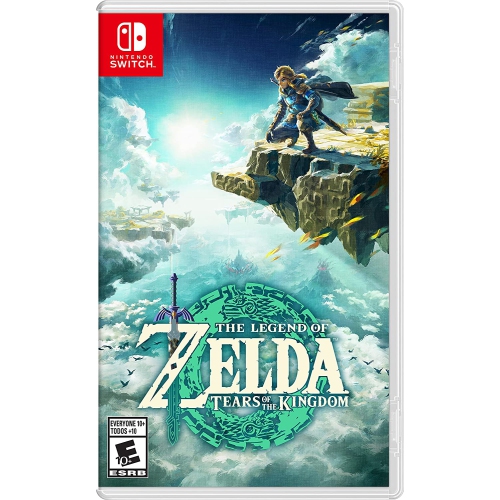 Your price for this item is $109.99
-
 Your price for this item is $99.99
-
 Your price for this item is $84.99
-
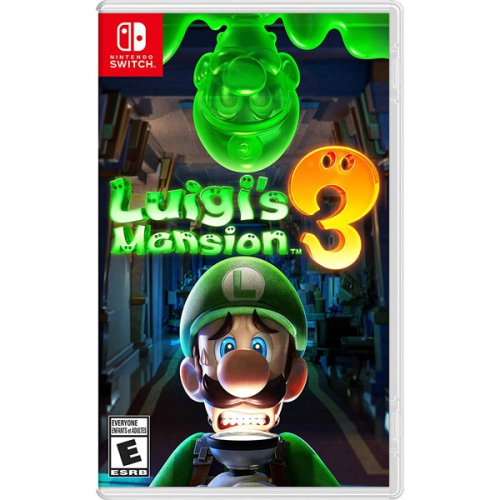 Your price for this item is $87.75
Discover more categories related to Switch Games for Family Game Night


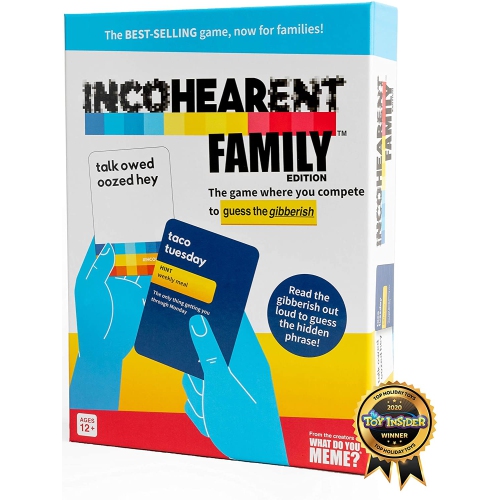

Top Collections:
Pokemon Centers, Kindle Devices, Best Black Friday Deals This Year, Pokémon 30th Celebration Cards, Best Black Friday Deals On Electronics, Best Cameras for Sports Photography, Best Black Friday Deals On Apple Products, Canon G7X Cameras, iPhone 15 Apple, Candle Warmer Lights
Some products may be subject to Environmental Handling Fees
(EHF) depending on your province.
Learn more about EHFs.