Board Games for Siblings
Board Games for Siblings offer the perfect way to bring family members together for hours of fun and friendly competition. Whether you’re looking to foster teamwork, spark creativity, or simply enjoy quality time at home, these games are designed to keep siblings engaged and entertained. Explore a wide selection of board games that cater to different ages and interests, making it easy to find the right fit for every family dynamic. Discover new favorites and timeless classics that will turn any gathering into a memorable experience with Board Games for Siblings.
Sort
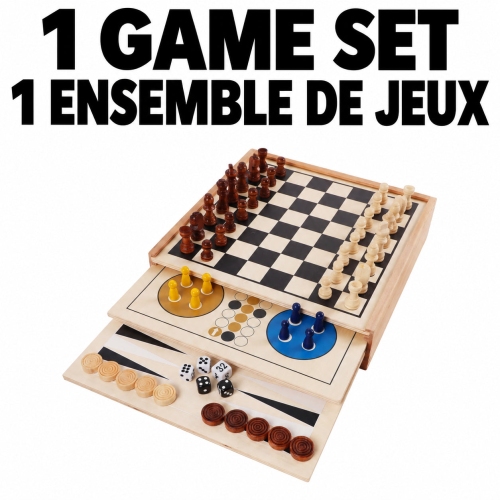
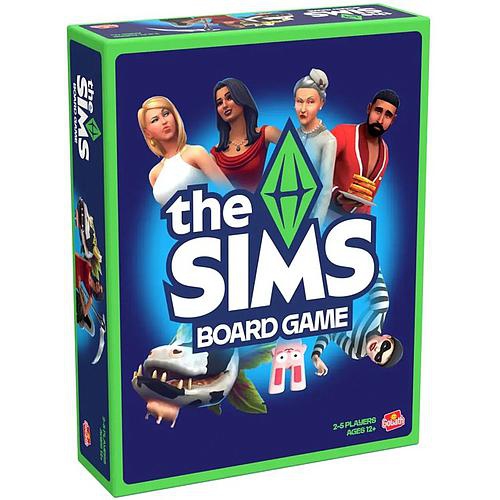
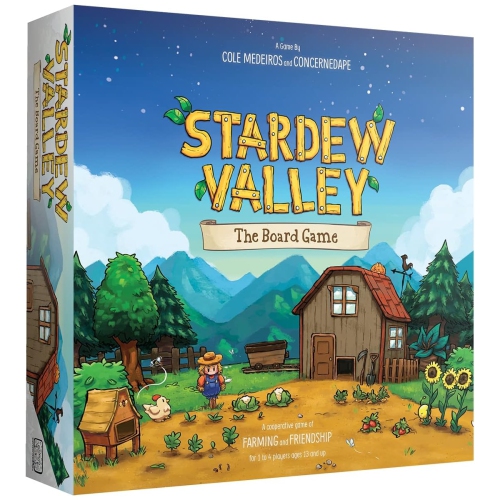
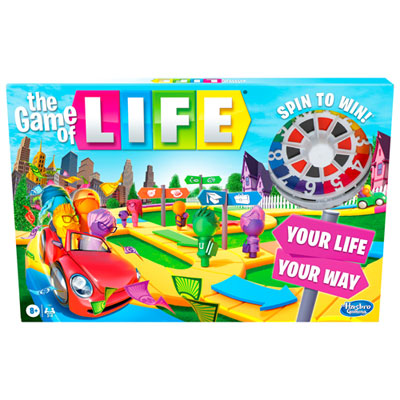

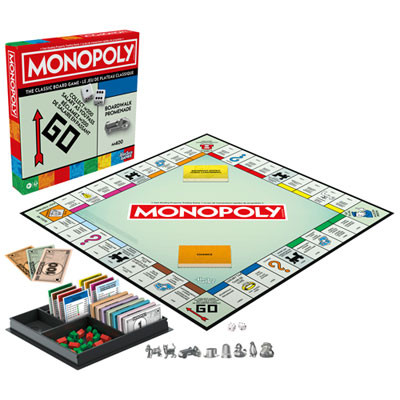
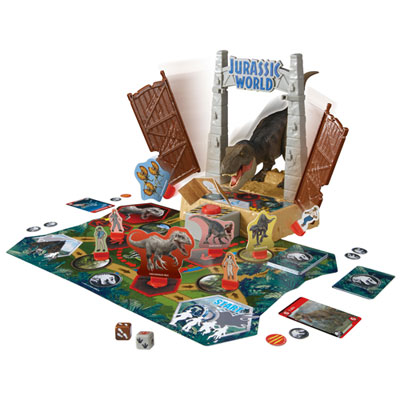
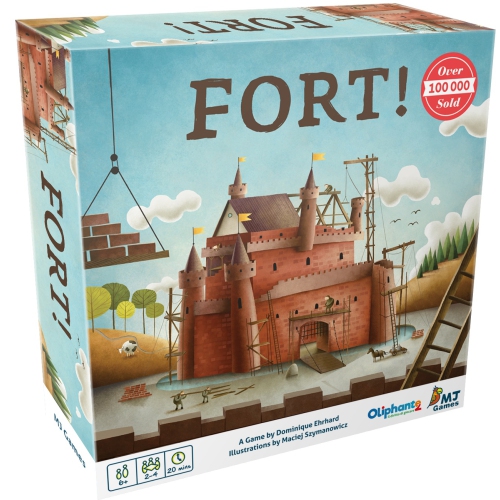
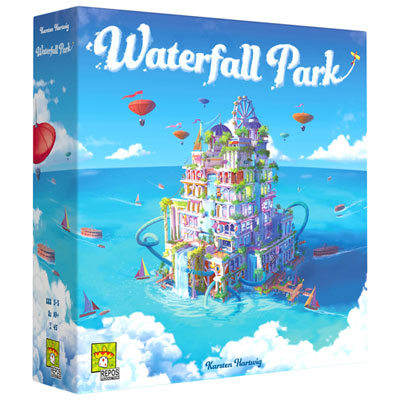
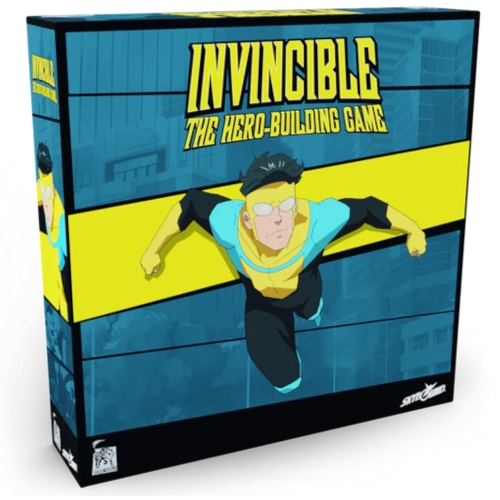
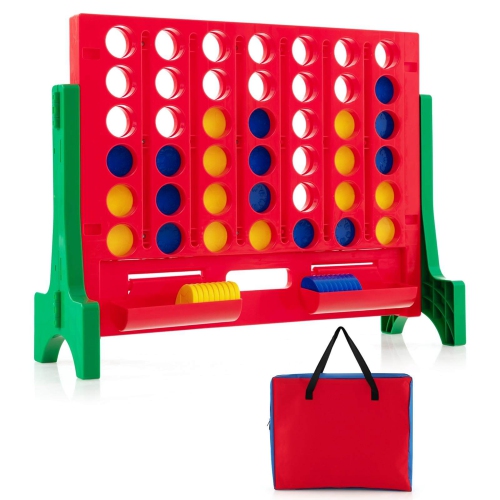

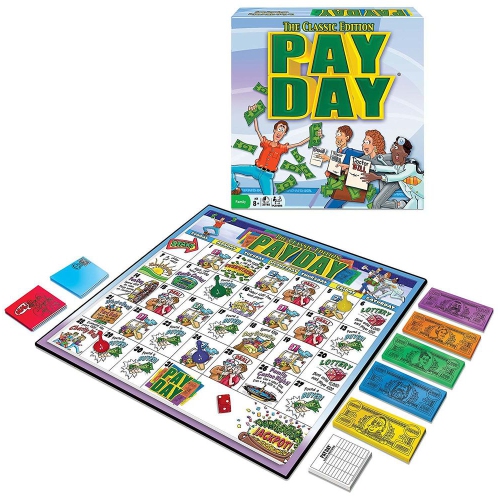
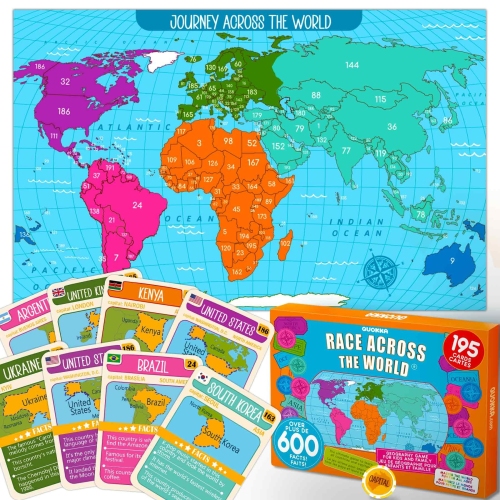
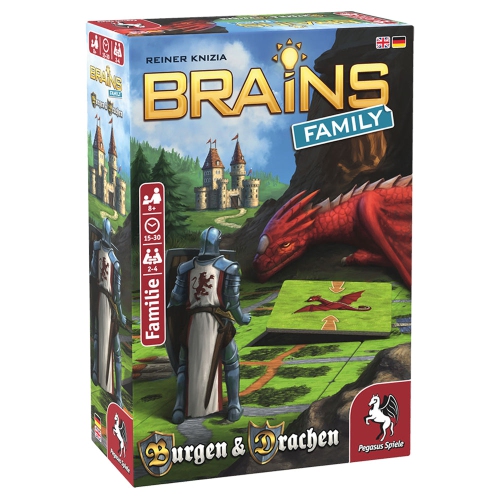
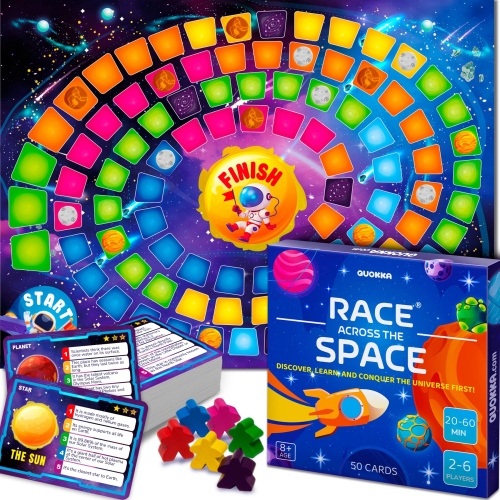

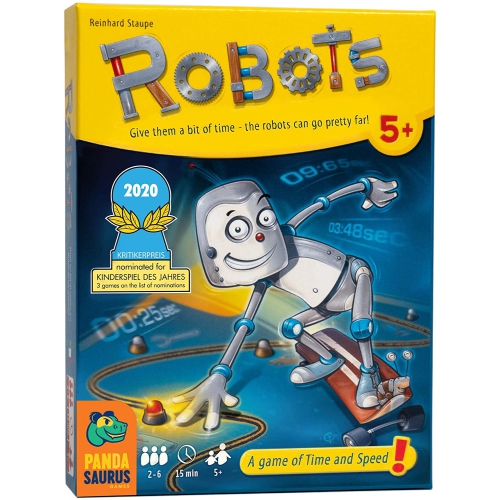
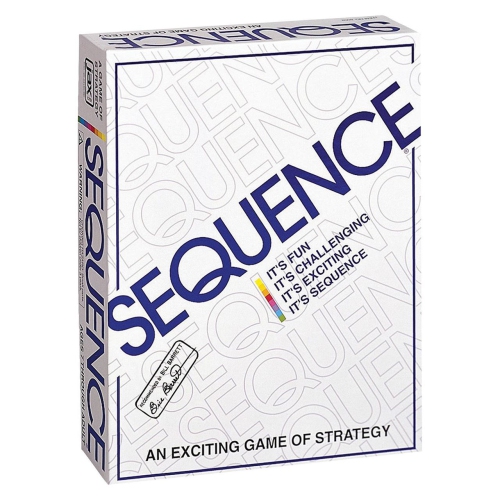


Games that give every sibling a meaningful turn
Board games for siblings work best when the player count, age guidance, reading demands, and balance between teamwork and competition suit the people playing. A game that feels absorbing for two children close in age may offer a different experience for siblings separated by several school years. Recommended ages provide a useful starting point, but the skills involved matter just as much: recognizing pictures, remembering locations, reading instructions, planning moves, and handling small pieces place different demands on players. Picture-led play and straightforward turns can make participation easier for children who are still learning to read, while layered decisions can give older siblings something substantial to think about. The most comfortable fit often allows each player to make meaningful choices without needing another sibling to direct every move. Player count also deserves attention, particularly when the usual gathering is a pair rather than a full family table. Games designed for two players can offer a focused back-and-forth, while flexible player counts leave room for another sibling, a parent, or a visiting cousin. Playing time includes more than the rounds themselves; setting out pieces, explaining rules, and putting everything away all contribute to how easily a game fits into an afternoon or the stretch between dinner and bedtime. Shorter sessions can suit children who enjoy a quick result and another attempt, whereas longer games give patient players time to develop a plan. Turn length matters too. Frequent decisions help keep everyone involved, especially when one sibling needs more time to think. A clear ending, readable scoring, and a manageable number of components can make independent play more practical once the rules are familiar. For siblings who return to the same game repeatedly, changing layouts, varied objectives, or different starting conditions can add interest without requiring an entirely new set of rules. Familiarity can be part of the appeal: less time spent explaining leaves more room for conversation, anticipation, and the satisfaction of trying a different approach.
The distinction between cooperative and competitive play shapes much of the experience. Shared goals are the focus of Cooperative Games for Siblings, where players work towards a common outcome rather than trying to outscore one another. That structure can appeal to siblings who enjoy discussing possibilities, dividing responsibilities, or celebrating a successful plan together. It does not remove every disagreement, but it changes the conversation from defeating another player to deciding what might help the group. With an age gap, cooperative play is often more satisfying when each sibling has a distinct contribution and the older player leaves room for the younger one to decide. Competitive board games offer a different kind of enjoyment through friendly rivalry, surprising reversals, and the challenge of improving a personal strategy. A mix of chance and decision-making can keep outcomes less predictable, although no game structure guarantees an even match between players with different abilities. Direct competition may suit siblings who enjoy close contests; gentler interaction can feel more comfortable when losing a turn or having a carefully built plan disrupted leads to frustration. Games that keep everyone involved until the finish can also work well when sitting out would be difficult. The style of play matters beyond the scoring system. Pattern-building offers the pleasure of watching an arrangement take shape, memory-based play rewards close attention, and word-based challenges bring language skills into the mix. Route planning and resource management can appeal to older children, teens, and adult siblings who enjoy weighing several possibilities before committing to a move. Themes can provide another point of connection, whether the appeal lies in imaginative adventures, animals, exploration, or everyday problem-solving. For some siblings, lively conversation is the main attraction; for others, quietly studying a shared board is part of the fun. A game does not need to feel educational to offer opportunities to practise counting, explain a decision, wait for a turn, or handle a result that did not go to plan.
Materials, construction, and storage influence how well board games stand up to repeated sibling play. Boards that lie flat, cards that are comfortable to shuffle, and pieces that are easy to pick up make a noticeable difference during regular use. Thick card components may be easier for small hands to handle than thin pieces, while clearly printed symbols help players identify information without leaning across the table. Wooden and moulded plastic components have different textures and weights, and their suitability depends on the game’s design rather than the material alone. Clear contrast, readable text, and symbols that do not rely entirely on colour can make shared play more comfortable for a wider range of players. Younger children may need larger components and simpler layouts, but size alone does not establish safety; age recommendations and small-parts warnings remain important, particularly when a younger sibling might reach into an older child’s game. A stable table or another level playing surface gives boards and pieces room to stay in place, with enough space for each player to see and reach their own area. Storage becomes especially useful when several siblings share a collection. Separate compartments or suitable containers can help keep cards, counters, and other components together, and packing pieces away after play reduces the chance of a missing part interrupting the next session. Care depends on the materials and the manufacturer’s instructions. Cardboard boards and cards generally need protection from spills, and cleaning methods intended for hard pieces may not be suitable for printed surfaces. Dry hands, drinks kept away from the board, and a box stored without heavy pressure on the lid can help preserve everyday usability. As gifts, board games for siblings offer a shared activity rather than something intended for only one recipient. The most personal fit reflects their actual routines and interests: a quick game they can set up independently, a thoughtful challenge for an older pair, or a shared adventure that gives children of different ages a reason to gather around the same table.
Top selling and popular products
-
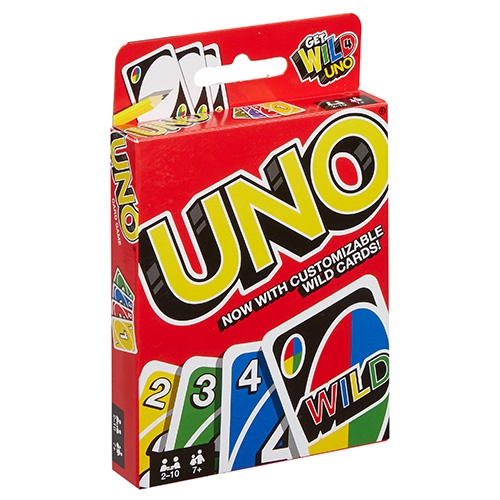 Your price for this item is $14.99
-
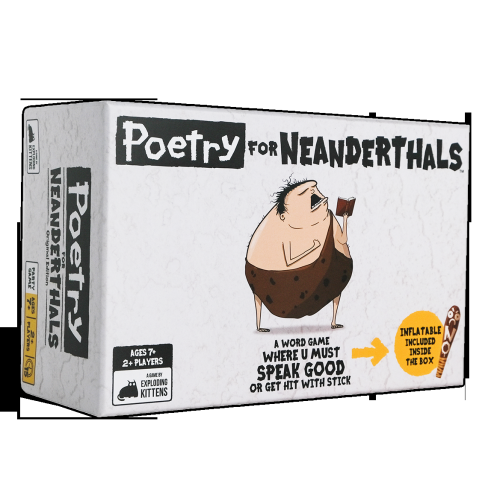 Your price for this item is $34.99
-
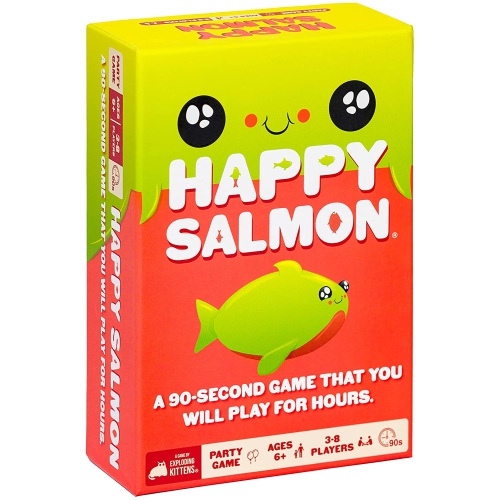 Your price for this item is $21.99
-
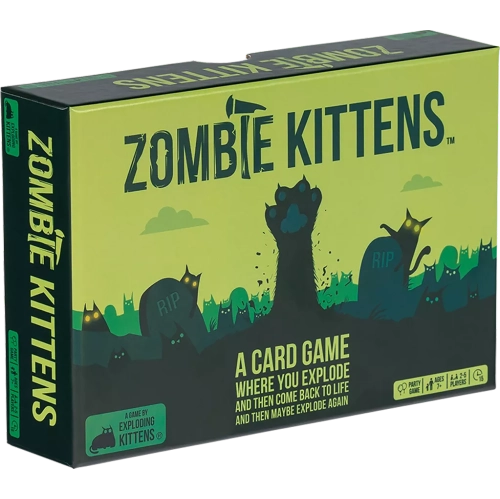 Your price for this item is $34.99
-
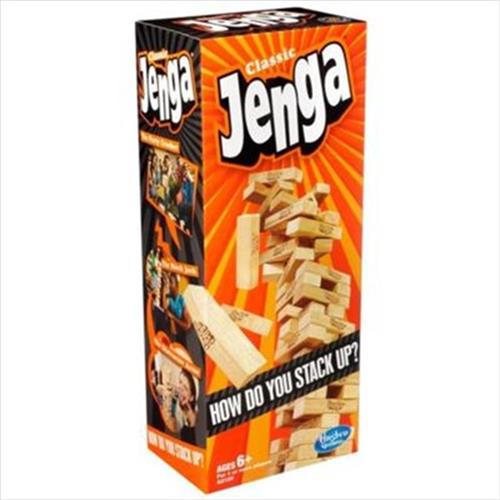 Your price for this item is $24.99
-
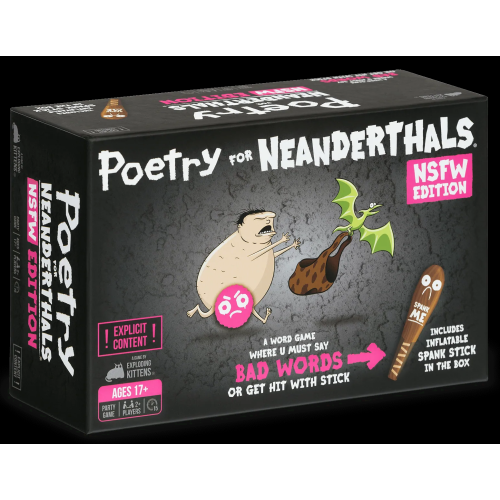 Your price for this item is $31.99
-
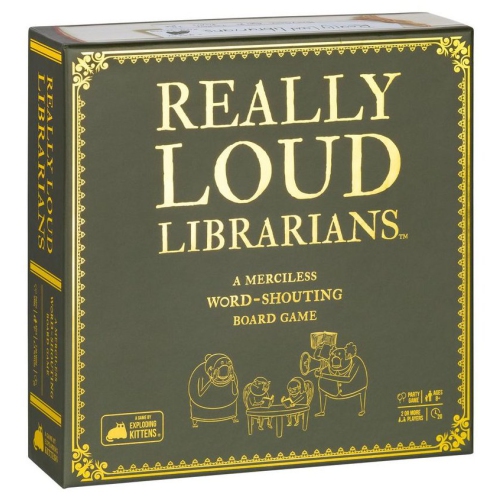 Your price for this item is $29.99
-
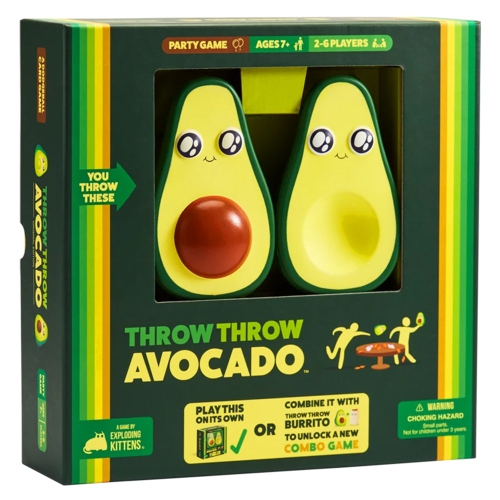 Your price for this item is $44.99
Discover more categories related to Board Games for Siblings
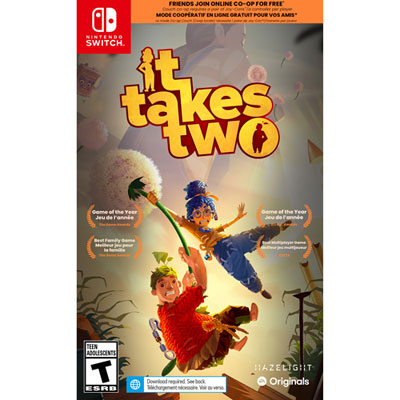
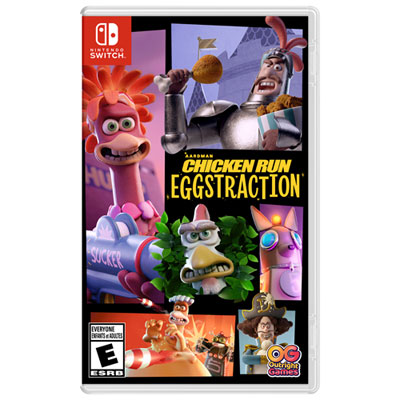
Top Collections:
Pokemon Centers, Kindle Devices, Best Black Friday Deals This Year, Pokémon 30th Celebration Cards, Best Black Friday Deals On Electronics, Best Cameras for Sports Photography, Best Black Friday Deals On Apple Products, Canon G7X Cameras, iPhone 15 Apple, Candle Warmer Lights
Some products may be subject to Environmental Handling Fees
(EHF) depending on your province.
Learn more about EHFs.