Cooperative Games for Siblings
Cooperative Games for Siblings offer a fun and engaging way for brothers and sisters to bond, work together, and share memorable experiences. Designed to encourage teamwork and communication, these games transform playtime into a collaborative adventure that everyone can enjoy. Whether it’s a rainy afternoon indoors or a family game night, Cooperative Games for Siblings help create lasting connections while keeping everyone entertained. Explore a wide variety of options perfect for players of all ages and interests.
Sort

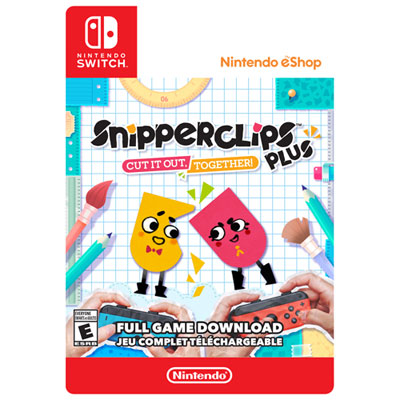

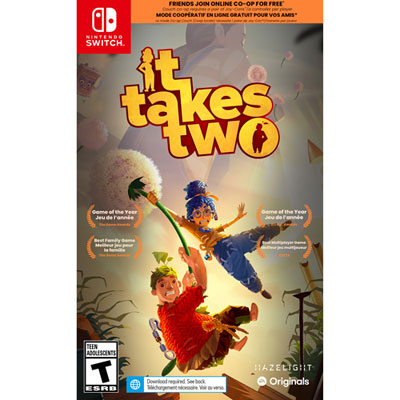
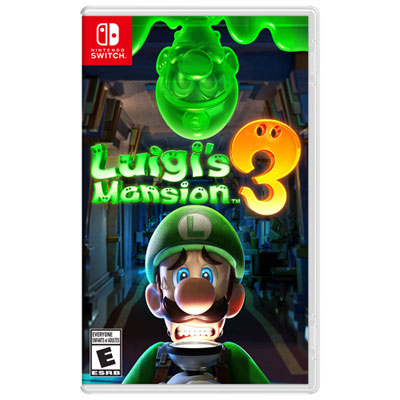

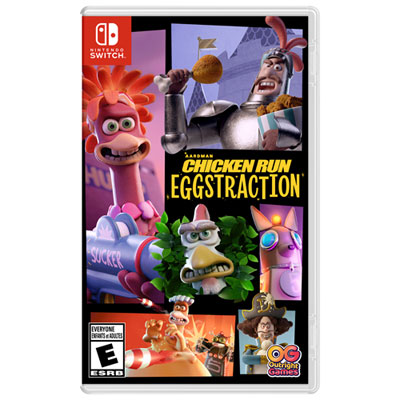
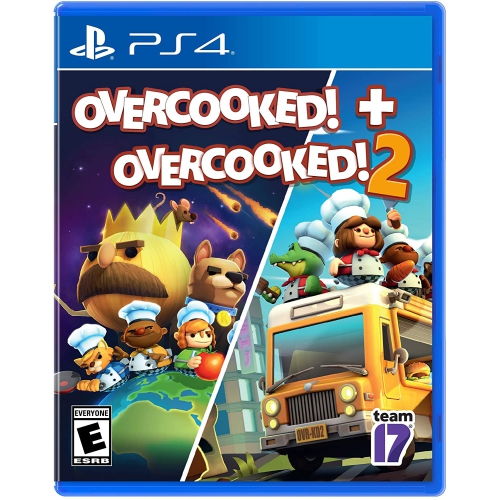
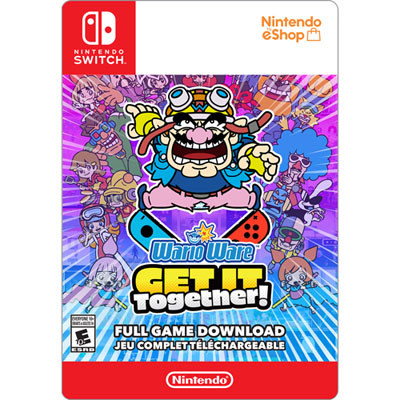

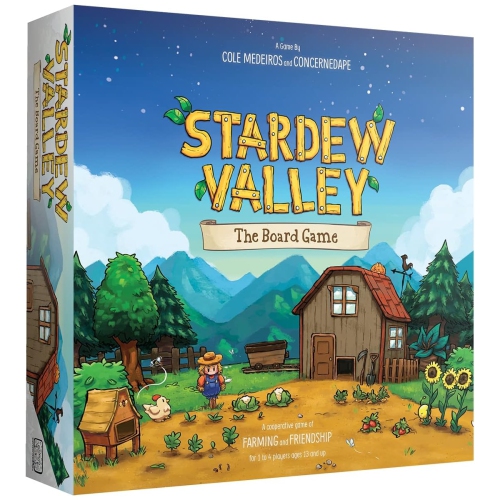

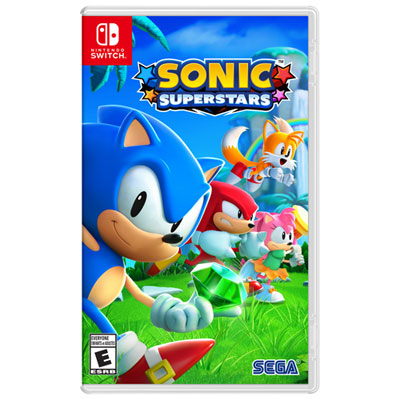

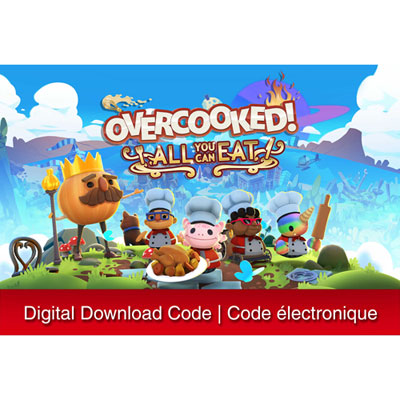


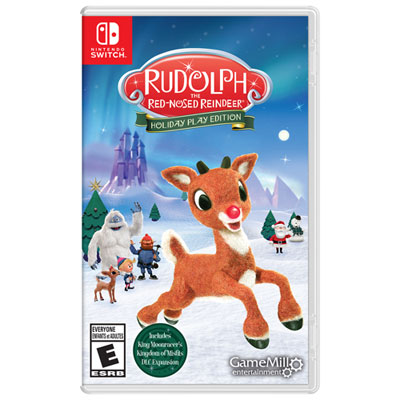
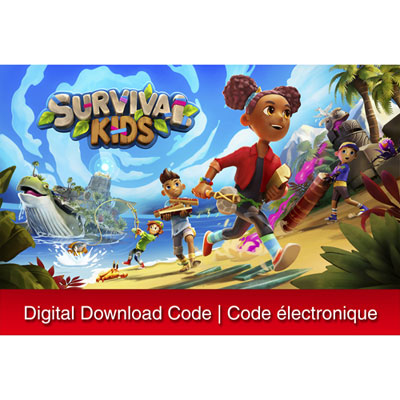

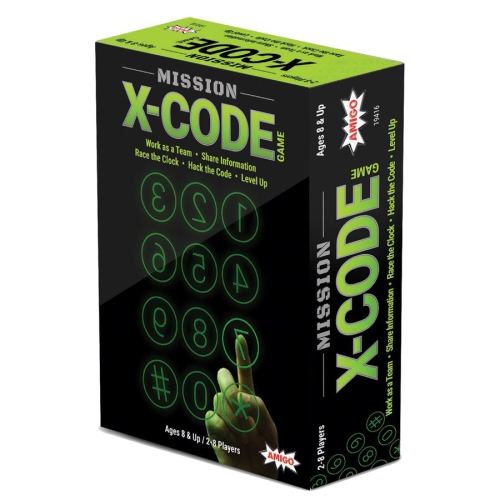

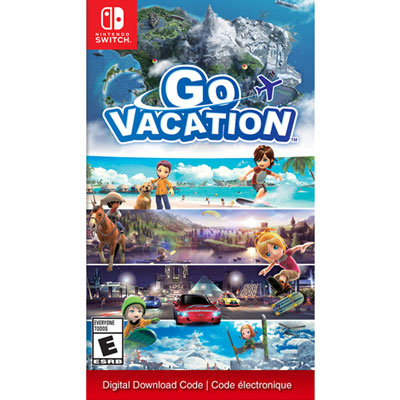
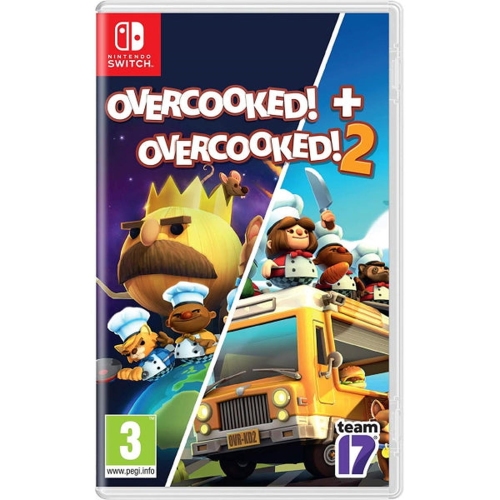
Shared goals give every sibling a part to play
Cooperative games for siblings centre play on a shared goal rather than a contest between children. Players work together to solve a puzzle, complete a mission, build something or reach a finish before the game’s challenge catches up with them. The result belongs to the whole team: everyone succeeds together, or everyone has another chance to try. That structure can make game time feel different from a race in which one sibling’s progress puts another behind. A lucky card might help the entire group, while a difficult turn becomes something to discuss rather than someone’s fault. Cooperation does not remove every disagreement, but it gives children a practical reason to listen, explain an idea and make room for another approach. Around a shared board, that might mean deciding whether to use a helpful token immediately or save it for a later obstacle. In a puzzle-based game, one child might notice a pattern while another remembers where a matching piece belongs. These small exchanges give different strengths a place in the same activity. For siblings with an age gap, shared objectives can be especially useful when the rules allow meaningful contributions at different levels. A younger child may match colours, move pieces or spot pictures, while an older sibling reads short instructions or considers the next move. The most satisfying balance leaves both children with decisions of their own, rather than turning one into a spectator or an unofficial referee. Games with open discussion, straightforward turns and information everyone can see often make that balance easier to achieve. Other formats give each player a separate role or clue, creating a reason for siblings to ask for help and share what they know. Neither approach is automatically better; the fit depends on how the children communicate and how much independence they enjoy. A common objective also gives siblings something concrete to celebrate, such as finishing a tricky sequence or finding a solution neither had noticed alone.
The variety within cooperative games makes the details of play more useful than a theme alone. Picture-matching and memory formats can suit children who are still learning to read, while story-led adventures and connected puzzles may appeal to siblings who enjoy following clues and discussing possibilities. Building and balancing challenges bring a hands-on element, although fine motor demands matter when younger and older children are playing together. A shared challenge should leave room for participation without requiring identical reading speed, dexterity or experience. The listed age range is a starting point, but the amount of text, number of steps in a turn and length of a session help explain what everyday play will feel like. A short game with a clear ending can fit between homework and dinner; a longer mission may suit a family game afternoon when everyone has time to settle in. Player count matters just as much. A game that supports two participants can give siblings an activity of their own, while a broader player range may accommodate a parent, cousin or visiting friend. Some games scale their challenge with the group size, and others use a fixed set of tasks, so the rules determine how those arrangements work. Turn-based play gives each child a defined moment to act, whereas simultaneous play can keep everyone involved but may feel hurried when it includes a timer. Untimed formats leave more space for conversation and for a child who needs a little longer to process instructions. For a wider view of shared tabletop play, Board Games for Siblings brings the focus to games children can enjoy around the same table. Within cooperative play, replay value may come from changing layouts, shuffled challenges, adjustable difficulty or several possible solutions. Clear rules and manageable setup also matter: a game that children can understand and return to independently serves a different purpose from a detailed adventure that benefits from adult participation. Both can be rewarding when the format matches the household’s routines.
Materials, component size and storage have a real effect on how well a shared game holds up to repeated use. Thick paperboard pieces can be easier for small hands to lift than thin cards lying flat on a table, while clearly printed symbols help children distinguish actions without relying entirely on text. Colour differences are useful, but matching shapes or icons can make information easier to follow when colours alone are difficult to tell apart. Wooden or moulded plastic components offer a different feel from cards and cardboard, although durability depends on construction and finish rather than material alone. Smooth edges, sturdy connections and pieces that sit securely during play are practical details for games that involve frequent handling. A clear playing area matters too: some cooperative games need room for a central board, shared supplies and each player’s pieces, while compact card-based formats may fit more comfortably on a smaller table. Age labels and safety warnings remain important even when an older sibling is ready for more complex rules. Small tokens, dice and detachable parts require particular care in homes with younger children who may put objects in their mouths. Cleaning should follow the manufacturer’s directions; paper components generally need protection from spills, and washable pieces should only be treated as such when the care information confirms it. Dry hands, a clear snack-free playing area and returning components to their compartments help keep a shared set ready for another session. Storage trays, divided bags or a well-fitting box can also make it easier to notice a missing piece before the next game begins. As a gift for siblings, a cooperative game offers an activity they can share rather than something that belongs mainly to one child. The strongest match reflects their overlapping interests while giving each a worthwhile part to play. Whether the appeal is a story to unravel, a structure to complete or a sequence to solve, the lasting value comes from an enjoyable challenge and the small, shared satisfaction of working it out together.
Top selling and popular products
-
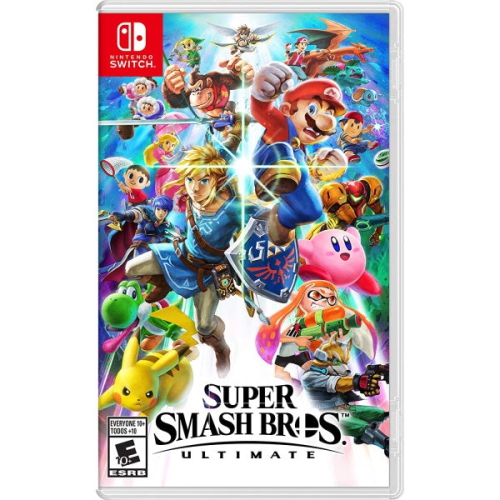 Your price for this item is $89.95
-
 Your price for this item is $89.95
-
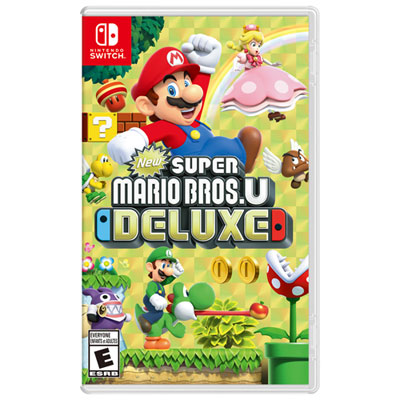 Your price for this item is $79.99
-
 Your price for this item is $85
-
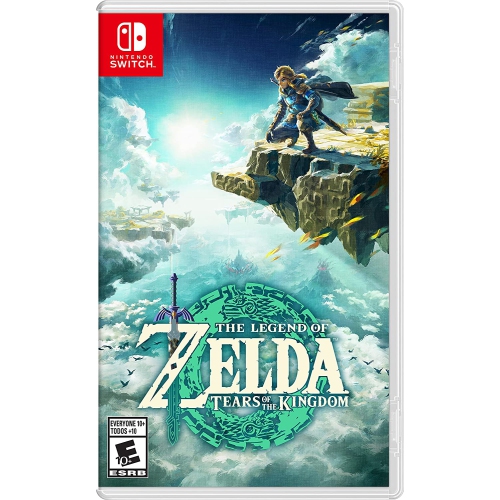 Your price for this item is $109.99
-
 Your price for this item is $99.99
-
 Your price for this item is $84.99
-
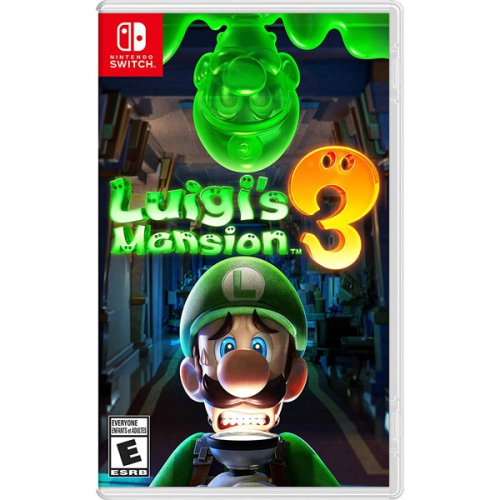 Your price for this item is $87.75
Discover more categories related to Cooperative Games for Siblings
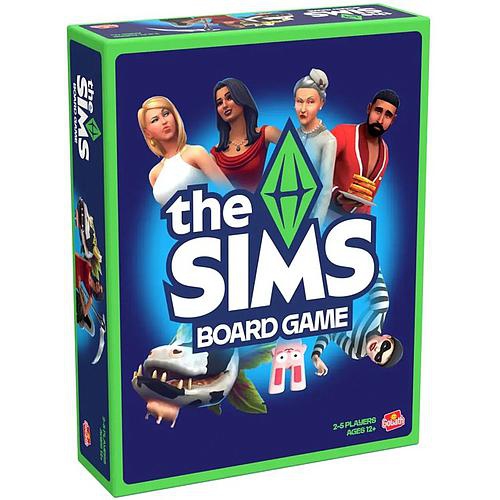
Top Collections:
Pokemon Centers, Kindle Devices, Best Black Friday Deals This Year, Pokémon 30th Celebration Cards, Best Black Friday Deals On Electronics, Best Cameras for Sports Photography, Best Black Friday Deals On Apple Products, Canon G7X Cameras, iPhone 15 Apple, Candle Warmer Lights
Some products may be subject to Environmental Handling Fees
(EHF) depending on your province.
Learn more about EHFs.