Board Games With Unique Mechanics
Board Games With Unique Mechanics offer a fresh take on classic tabletop entertainment, providing exciting challenges and innovative gameplay twists for players of all ages. Whether you're searching for something to spark creative problem-solving or looking to elevate your next game night, these games bring new experiences to the table. Explore options that surprise and engage, making every session memorable with inventive rules and dynamic interactions. Find the perfect addition to your collection from our selection of Board Games With Unique Mechanics.
Sort





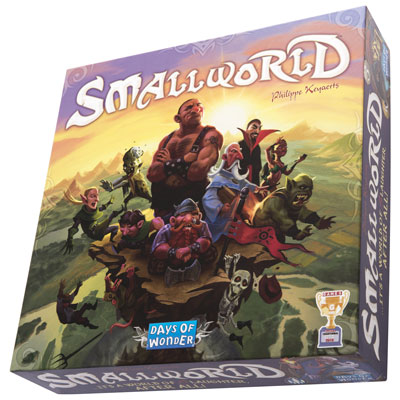


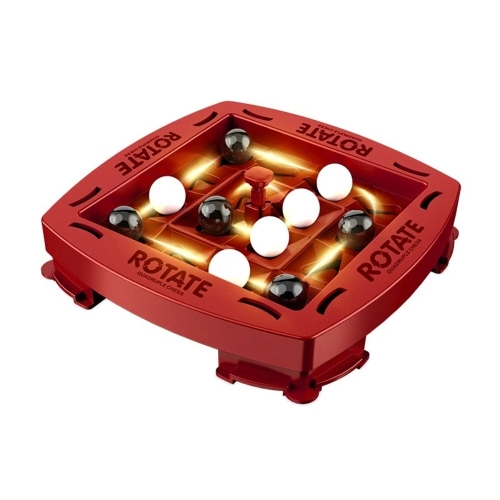
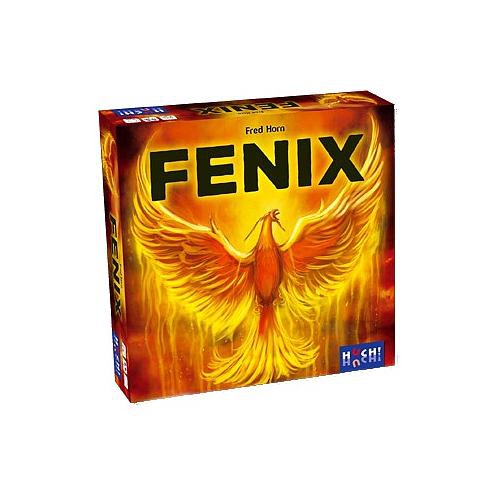

How unexpected rules reshape every turn at the table
Board games with unique mechanics create distinctive experiences by changing how players make decisions, share information, use components, or interact with one another. A mechanic is a rule or system that drives play, such as choosing actions, building a hand of cards, placing tiles, or negotiating an exchange. What makes a game feel unusual is often the way those systems work together: a shared board might change shape as players explore, an action taken on one turn might only resolve several turns later, or each participant might follow different rules while pursuing the same prize. These approaches give familiar tabletop activities a different rhythm, with discoveries that extend beyond learning how to score points. In deck-building games, players add cards to a personal deck during play, gradually shaping the actions that appear in their hands. Bag-building uses a similar idea with tokens drawn from a bag, making the balance between useful combinations and uncertain draws part of the strategy. Worker placement centres on assigning pieces to action spaces, with tension arising when another player claims a space before a carefully planned turn can unfold. Some designs alter that relationship by making placement order, piece strength, or the timing of retrieval matter as much as the space itself. Tile-laying and modular boards let the playing area develop through decisions rather than remain fixed from the opening turn. A route that looked promising can lead somewhere unexpected, while a newly placed tile can connect distant areas or close off an opponent’s options. Push-your-luck systems offer a different kind of suspense, asking players to weigh a modest result against the possibility of gaining more and losing what they have already earned. Across Modern Board Games, familiar mechanisms can take on a fresh character through an unusual combination of rules. A distinctive mechanic does not necessarily mean a complicated game; a short rule about what players can see, say, or do can transform every decision at the table.
The social experience matters just as much as the underlying rules. Cooperative board games give players a shared objective, but communication limits, private information, or different character abilities can prevent every decision from falling to one confident voice. A group might have to coordinate without describing the cards in hand, or work out why another player keeps protecting an apparently unimportant location. Hidden-movement games create tension by letting one side track a position privately while others interpret clues on a shared board. Social deduction places more emphasis on conversation, concealed roles, and the gap between what someone knows and what they are willing to reveal. These styles suit different groups: lively debate can be part of the appeal for some players, while others prefer puzzles that do not depend on bluffing or persuading friends. Asymmetric designs give participants different abilities, objectives, or action systems, making the same session feel different from each seat. Action programming adds another twist by asking everyone to commit to moves before seeing the full outcome. Watching a carefully planned sequence collide with someone else’s plan can be as memorable as a perfectly executed strategy. Simultaneous selection can keep a larger group involved between turns, although resolving those choices may still require time and attention. Real-time play replaces some deliberation with quick coordination, making pace, dexterity, and comfort under pressure important considerations. Player count also affects the character of a game: a tight contest between two people may feel quite different from a crowded table with shifting alliances. Age recommendations, reading demands, turn length, and the amount of hidden information all influence suitability for family play or mixed-experience groups. Printed playing times are useful reference points, but learning the rules and setting up an unfamiliar layout can make an initial session longer. For a gift, familiarity with the recipient’s usual gaming group is often more helpful than knowing a favourite theme alone, especially when a design depends on negotiation, sustained concentration, or repeated sessions.
Physical construction plays a practical role in games built around unusual systems. Cards that move repeatedly between hands, decks, and discard piles benefit from consistent sizing and a finish that allows smooth handling. Card sleeves can help protect heavily shuffled decks, provided they match the card dimensions and still fit the storage space. Thick punchboard tiles, clearly printed tokens, and stable wooden or plastic pieces support games where position and orientation carry important information. In stacking or dexterity-based play, the shape, weight, and surface of a component are part of the experience rather than simply decoration. Readability is equally important: clear symbols, distinct shapes, and information that does not rely on colour alone can make a busy table easier to follow. Table fit includes the main board, personal player areas, card displays, and room for components that appear later in the session. A compact box can still contain a game that spreads well beyond a small coffee table. Storage and care help preserve that experience between plays. Dry hands, drinks kept away from the playing area, and gentle cleaning appropriate to each material reduce avoidable damage; cardboard and paper components should generally stay dry. Sorting trays or labelled bags can keep small pieces together and make setup more manageable, particularly when different modules use different sets of tokens. Campaign games carry decisions across connected sessions, while legacy-style designs may involve lasting changes such as adding stickers, opening sealed content, or writing on components. Those features can create a strong sense of shared history, but resetting or replaying the original experience may be limited. Other designs generate variety through modular layouts, changing objectives, or different combinations of player abilities without permanently altering the contents. For regular game nights, family gatherings, or a gift for an experienced tabletop player, the strongest appeal is a distinctive system that fits the people around the table and remains enjoyable as its possibilities become familiar.
Top selling and popular products
-
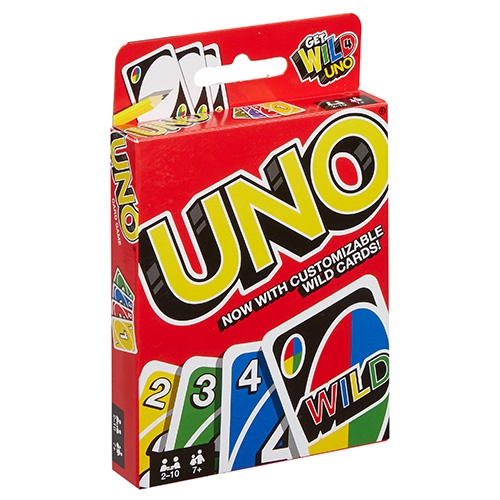 Your price for this item is $14.99
-
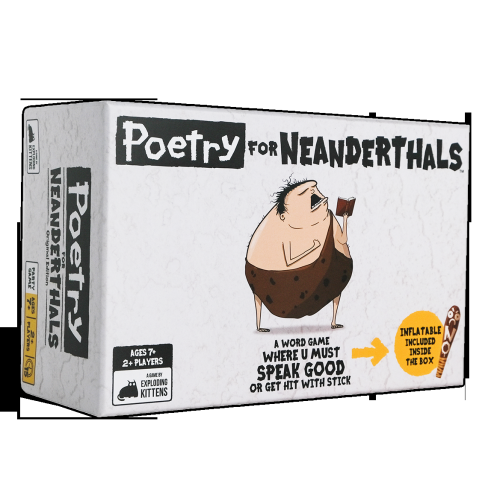 Your price for this item is $34.99
-
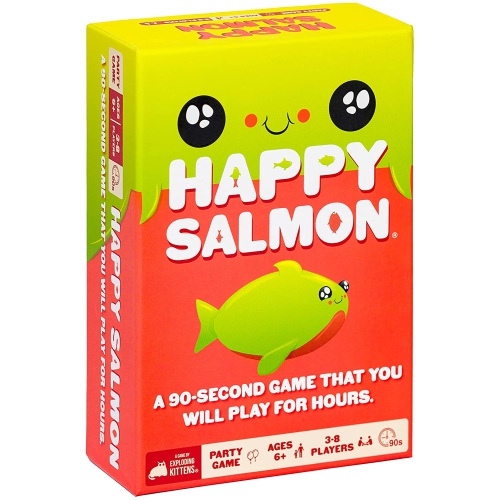 Your price for this item is $21.99
-
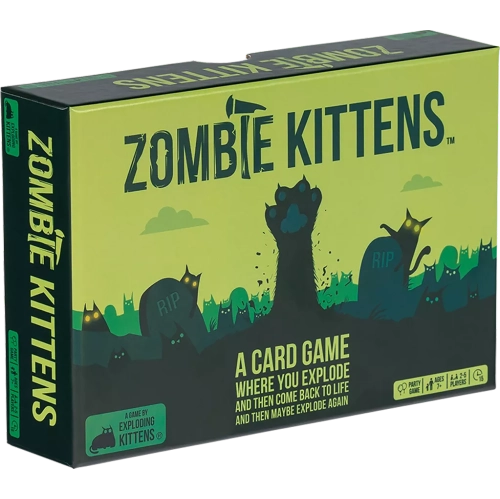 Your price for this item is $34.99
-
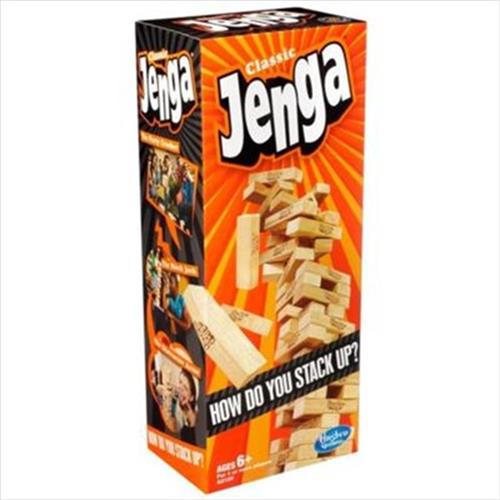 Your price for this item is $24.99
-
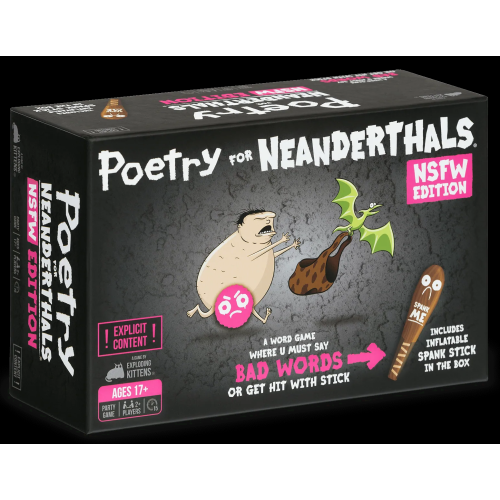 Your price for this item is $31.99
-
 Your price for this item is $29.99
-
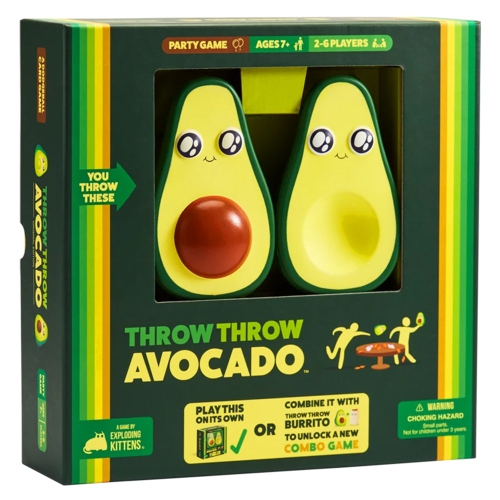 Your price for this item is $44.99
Discover more categories related to Board Games With Unique Mechanics
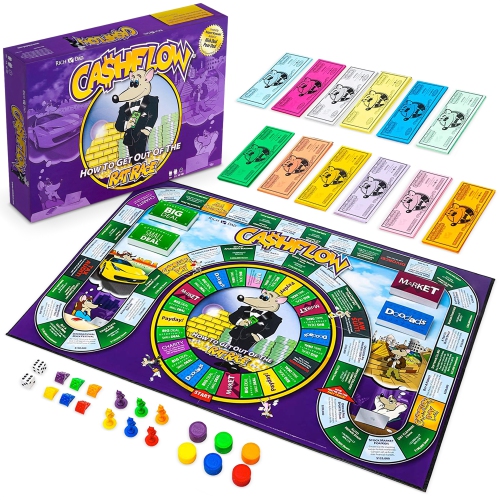
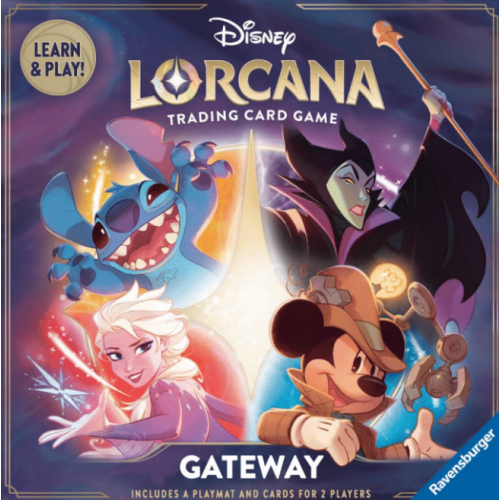
Top Collections:
Pokemon Centers, Kindle Devices, Best Black Friday Deals This Year, Pokémon 30th Celebration Cards, Best Black Friday Deals On Electronics, Best Cameras for Sports Photography, Best Black Friday Deals On Apple Products, Canon G7X Cameras, iPhone 15 Apple, Candle Warmer Lights
Some products may be subject to Environmental Handling Fees
(EHF) depending on your province.
Learn more about EHFs.