Brainstorming Games
Unleash the power of creativity and collaboration with a dynamic selection of brainstorming games designed to inspire innovation and ignite imagination. Whether you're looking to enhance team synergy or stimulate individual thought processes, these engaging activities offer a fun and effective way to break through mental blocks and generate fresh ideas. Perfect for group settings or solo sessions, brainstorming games provide an interactive platform that encourages thinking outside the box, fostering an environment where creativity can flourish. Dive into a world where every idea has the potential to spark the next big breakthrough.
Sort
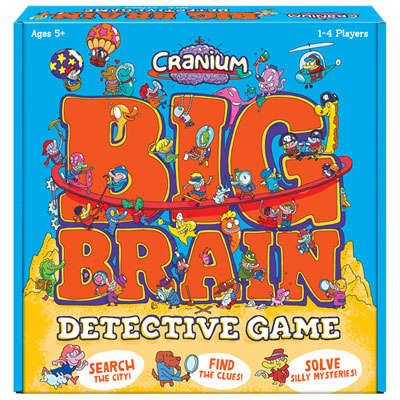

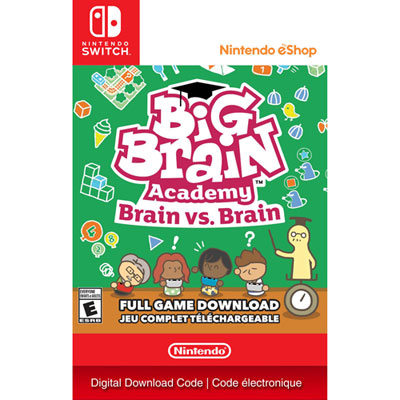
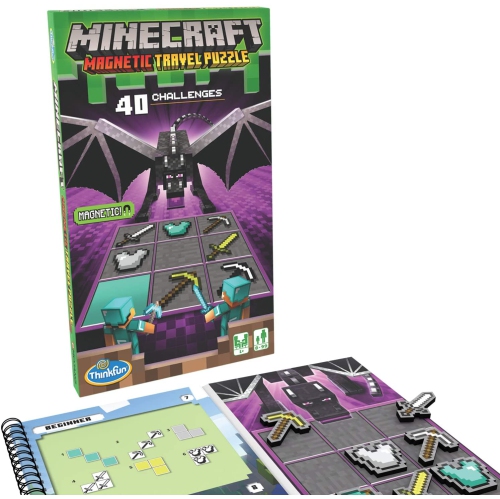

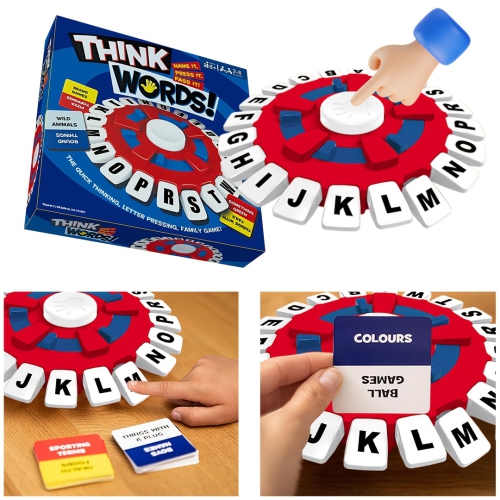

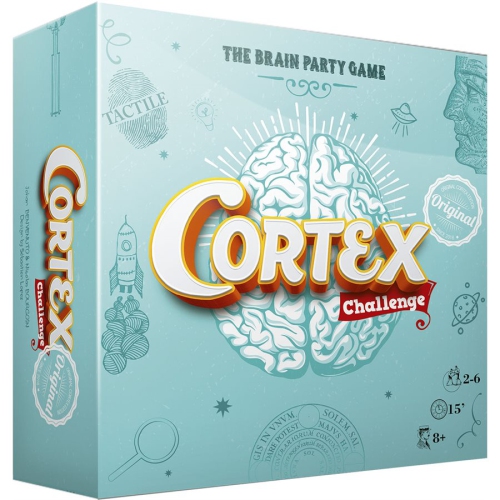

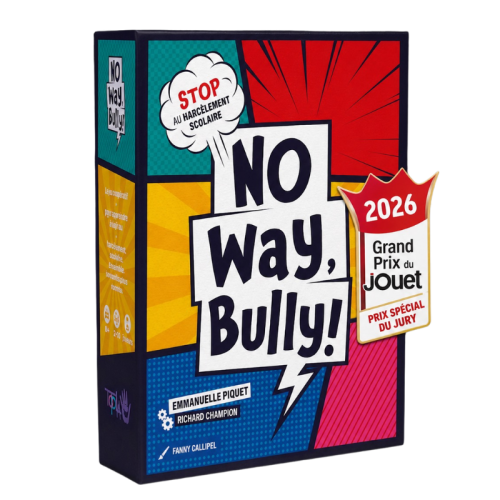
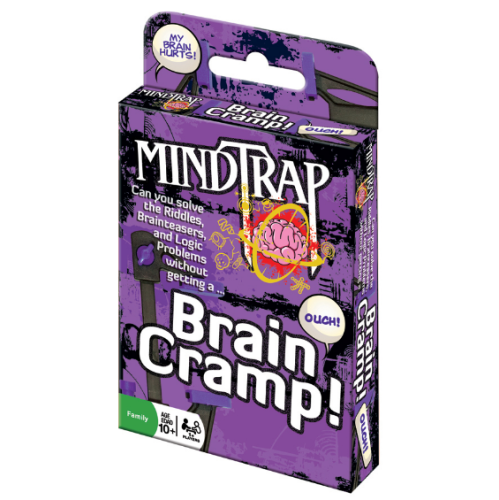
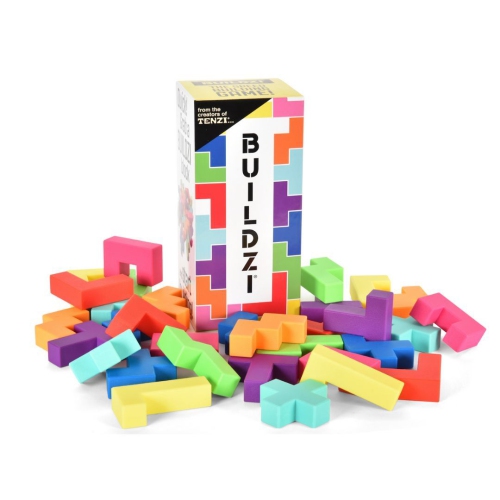



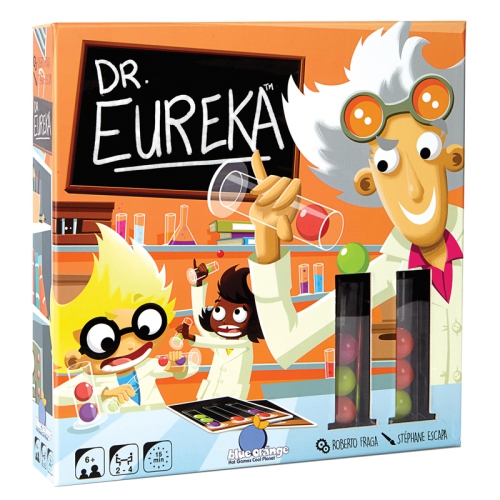
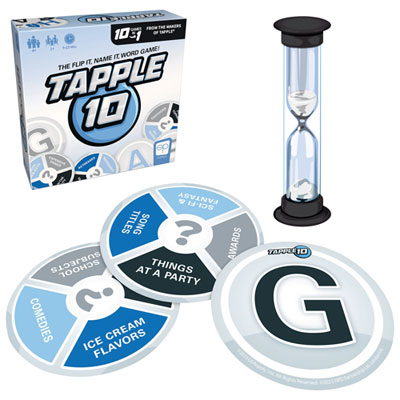
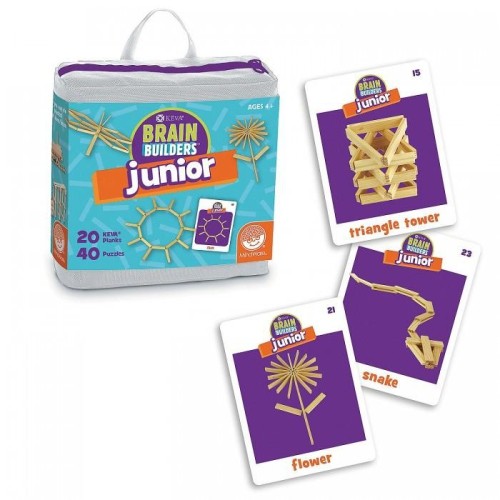
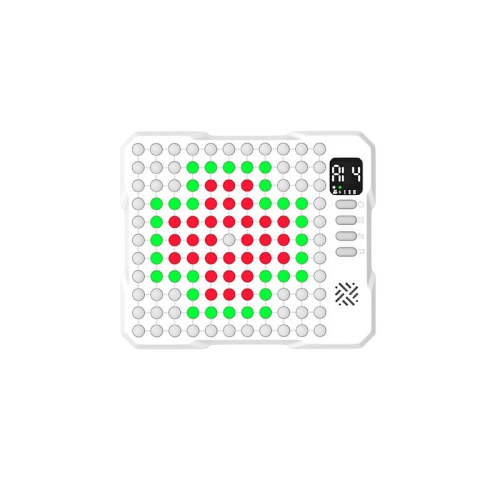
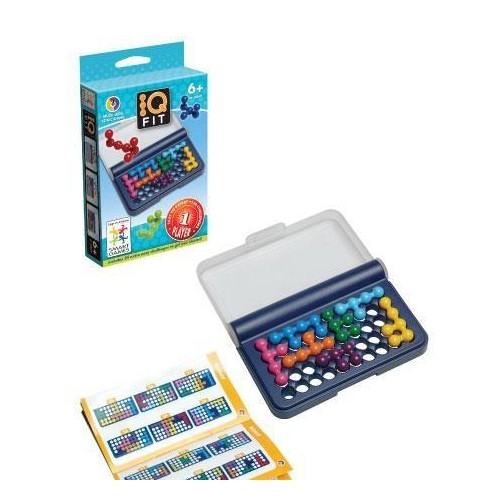
![GS2 GAMES Contraptions Collection [Playstation 4]](https://multimedia.bbycastatic.ca/multimedia/products/500x500/193/19382/19382857.jpeg)
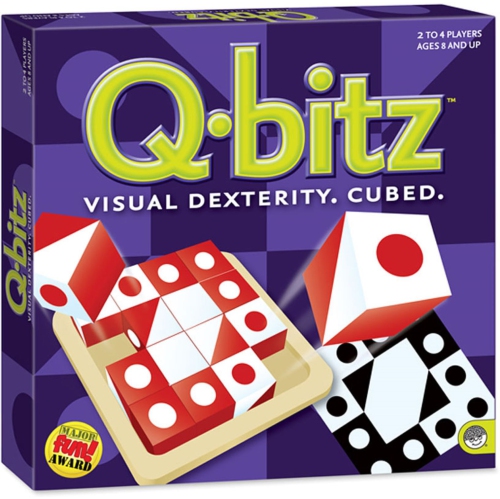

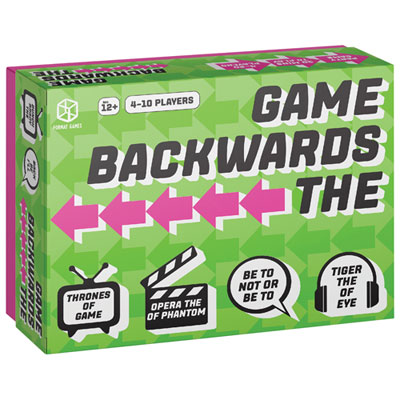

![BRAIN GAMES Deductio [Board Game, 2-4 Players]](https://multimedia.bbycastatic.ca/multimedia/products/500x500/198/19814/19814650.jpeg)

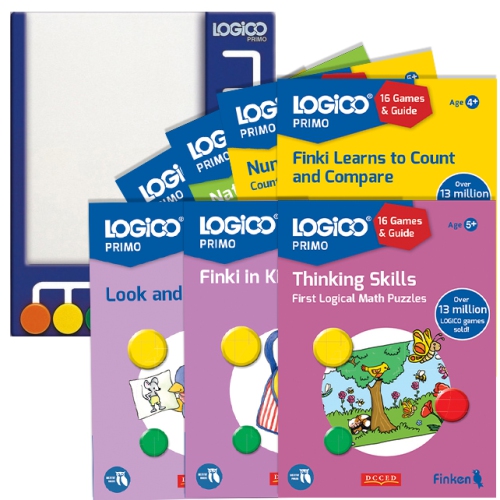
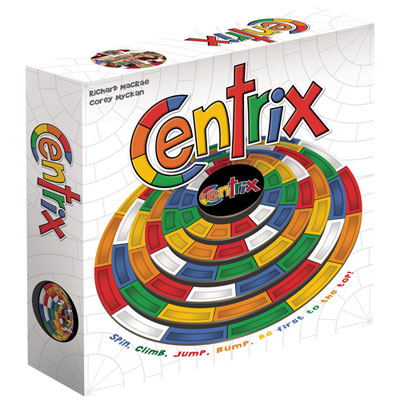
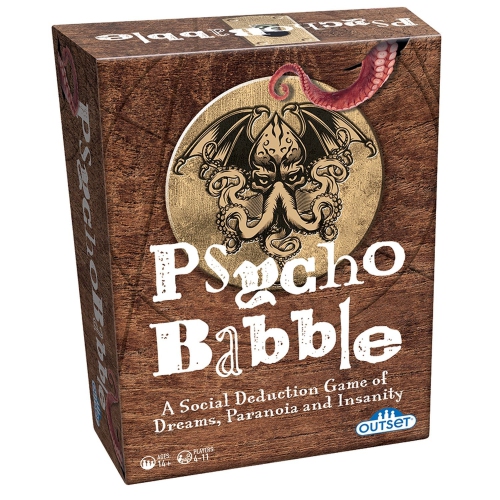
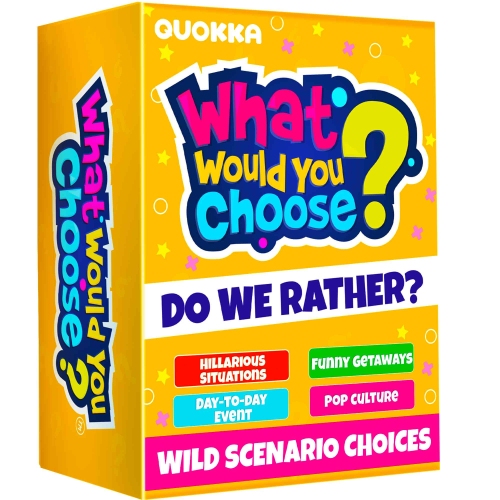
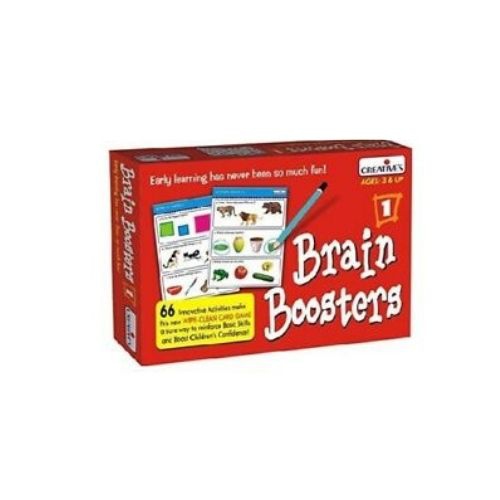
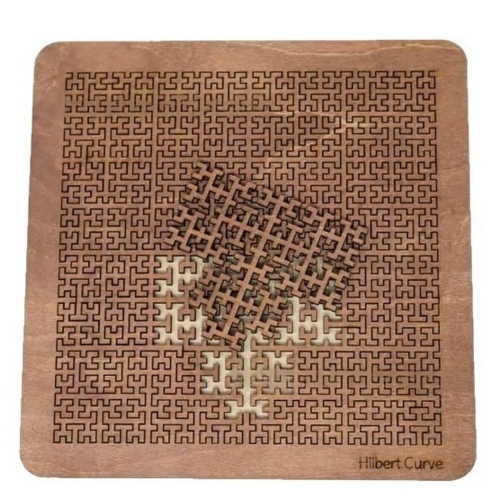
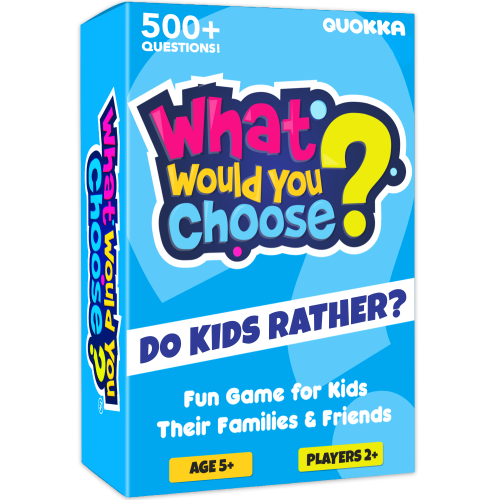
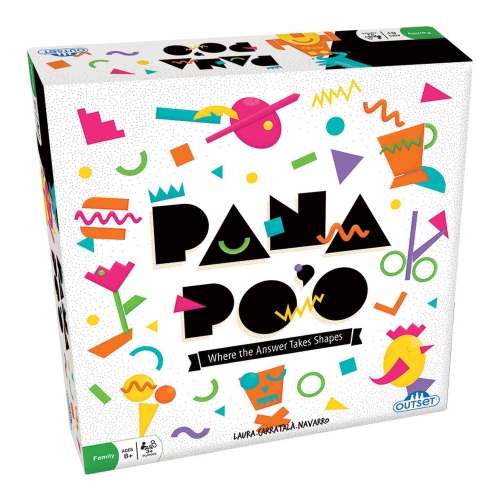
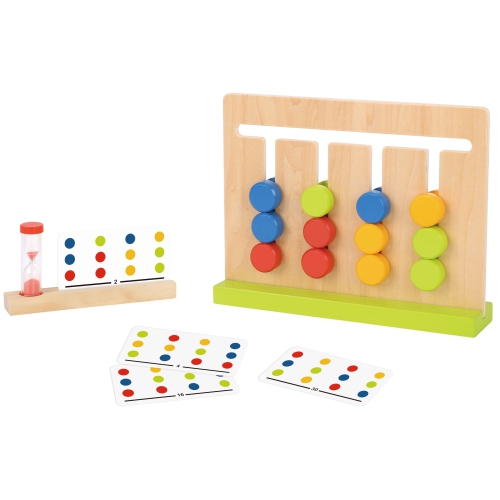
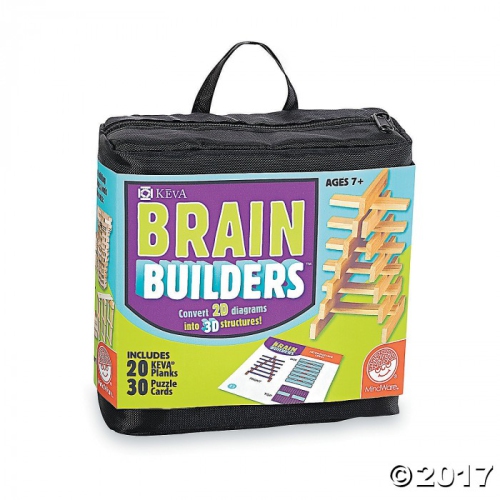
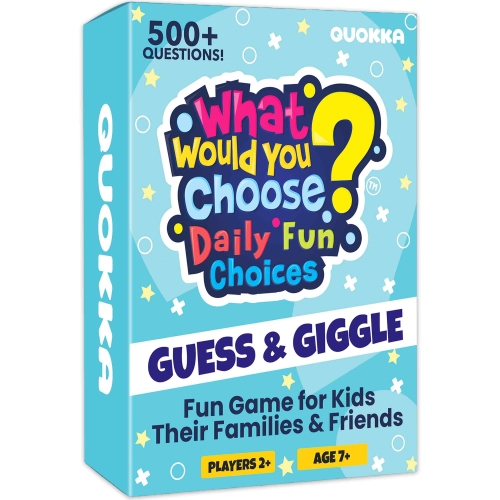
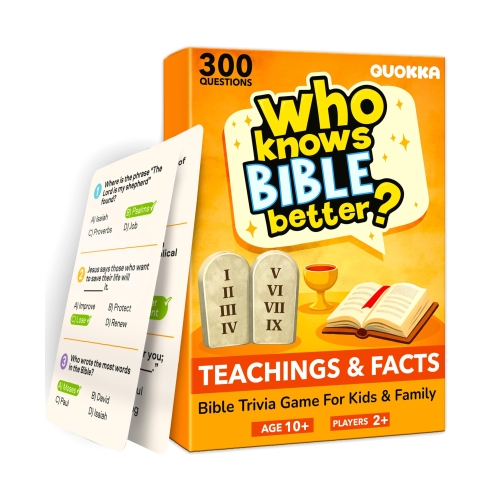

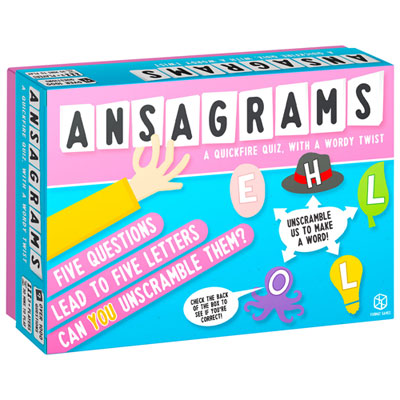
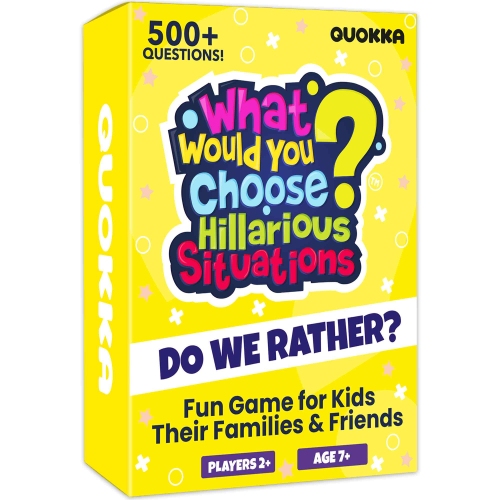
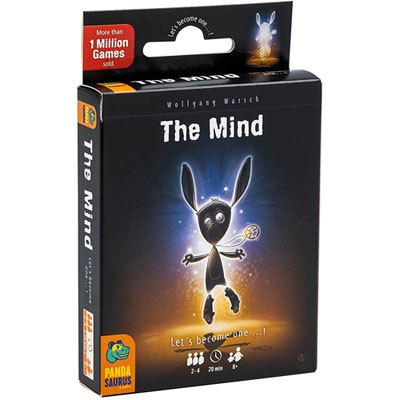
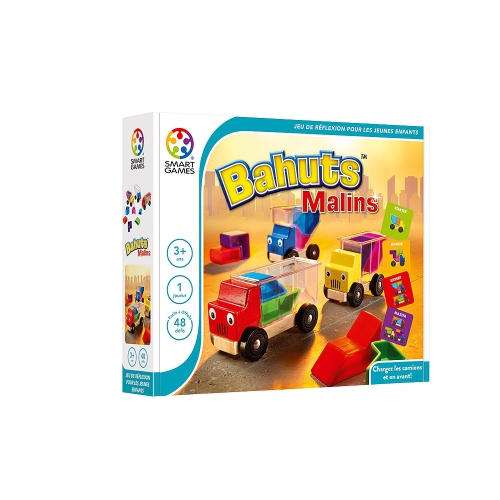

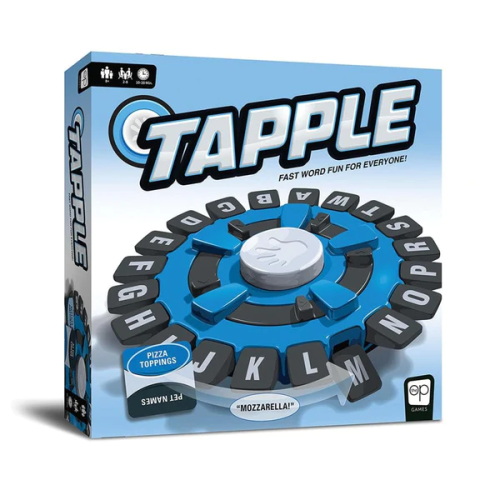
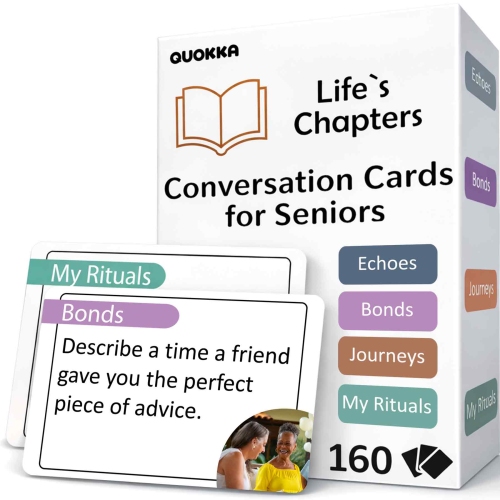
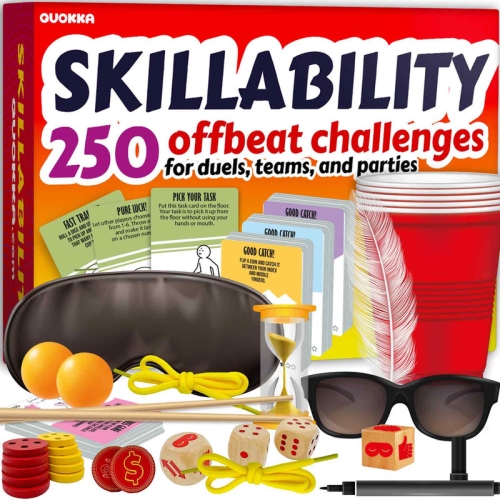
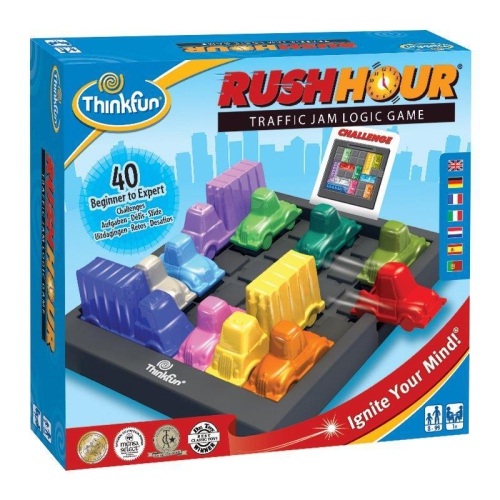
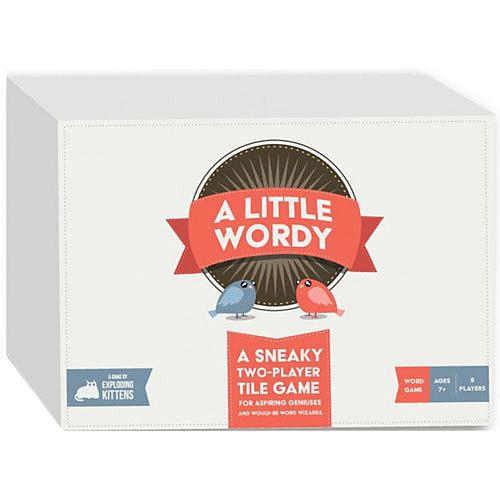
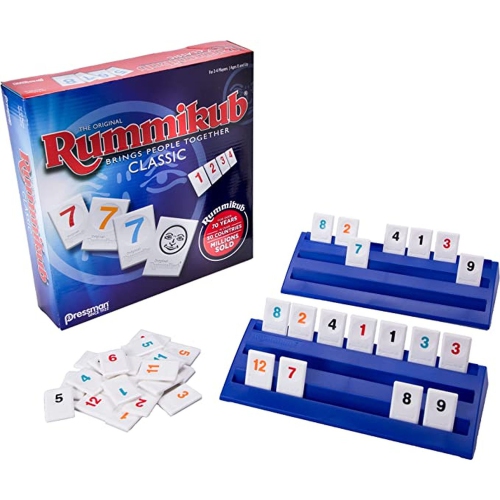
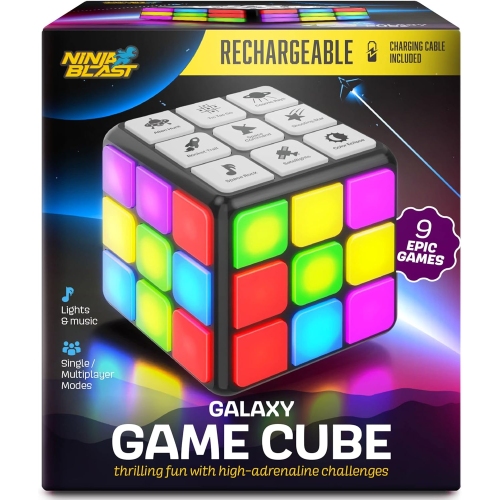
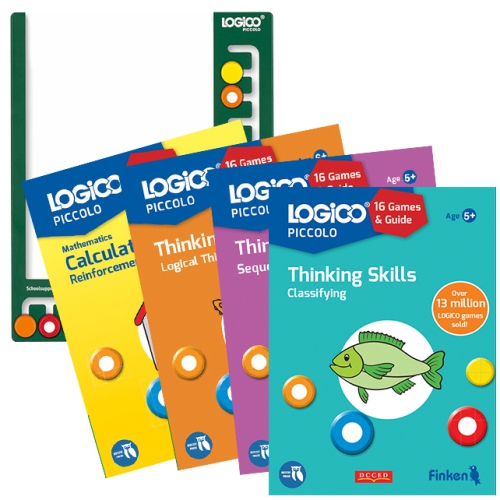
![GS2 GAMES Contraptions Collection [Playstation 5]](https://multimedia.bbycastatic.ca/multimedia/products/500x500/193/19382/19382773.jpeg)
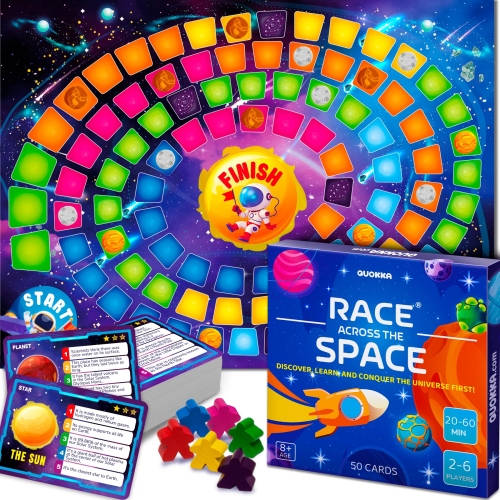
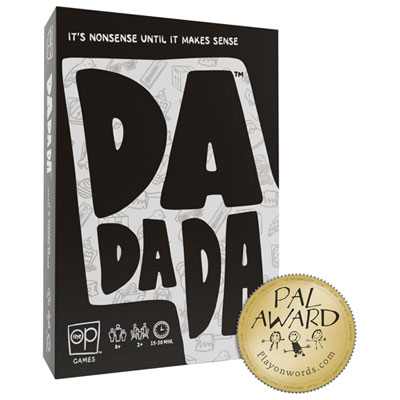
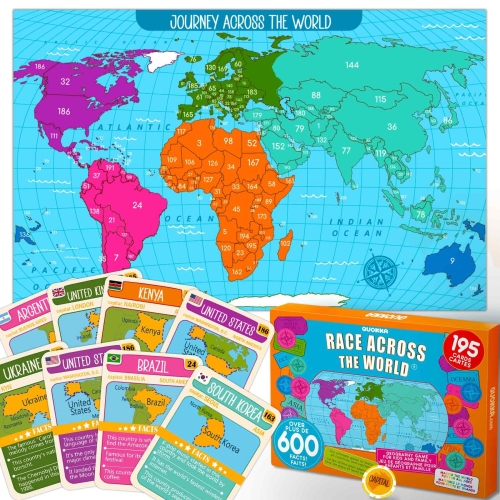
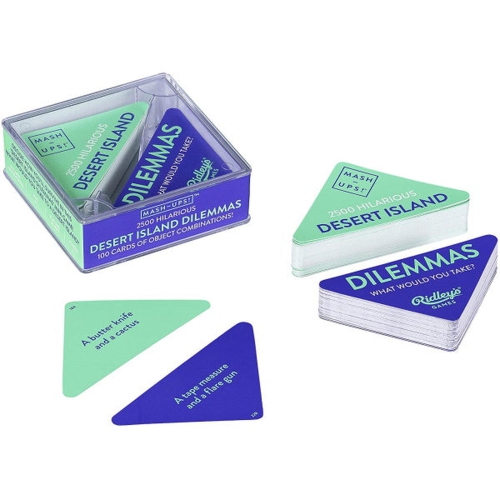

![RIDLEY'S GAMES This And That Game, Mash UPS - [Board Game]](https://multimedia.bbycastatic.ca/multimedia/products/500x500/194/19478/19478022.jpeg)
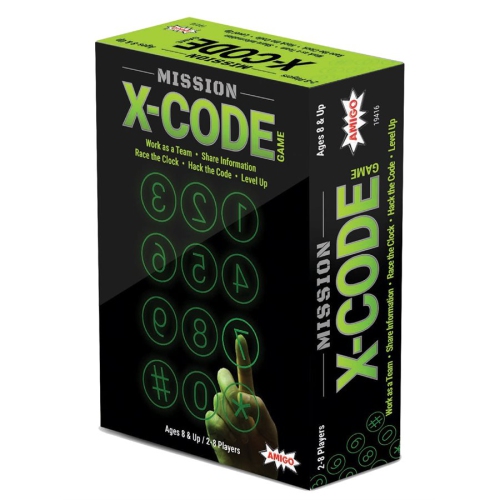
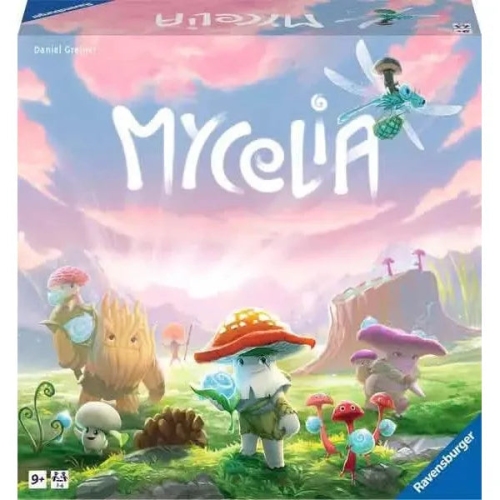
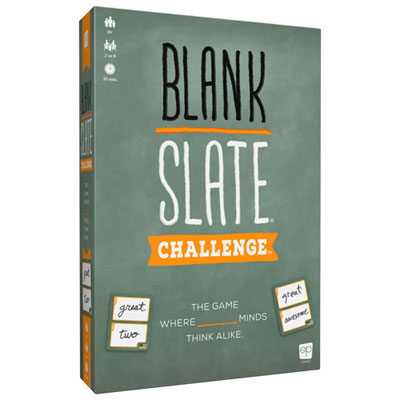


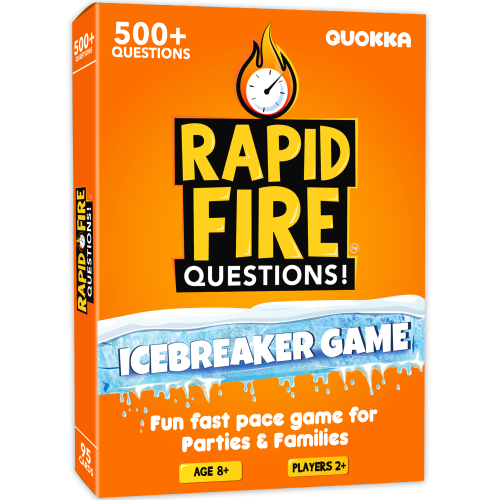
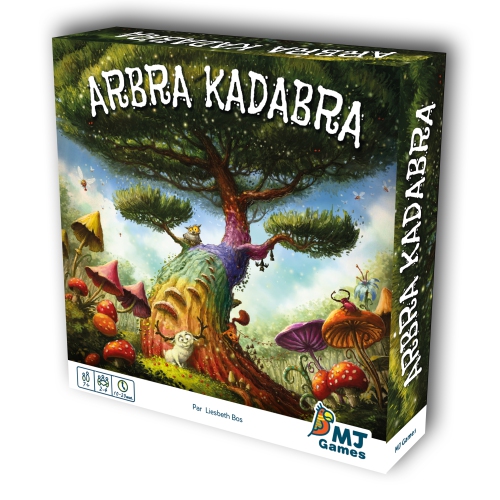
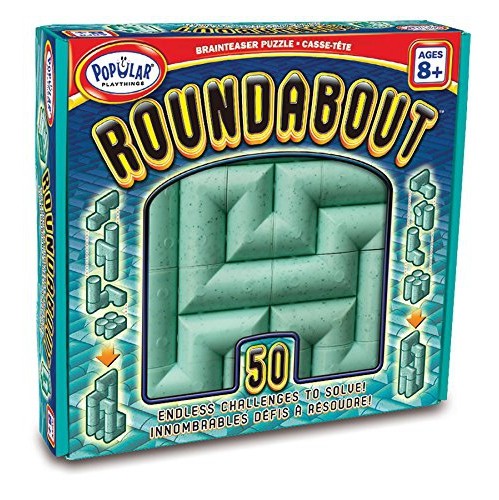
![OPGAMES Fountains [Board Game, 2-4 Players]](https://multimedia.bbycastatic.ca/multimedia/products/500x500/201/20186/20186122.jpeg)
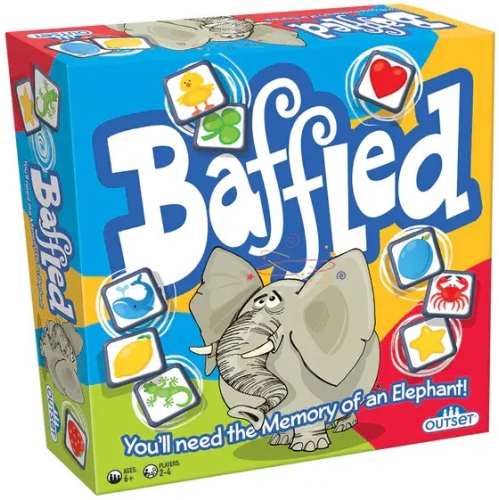
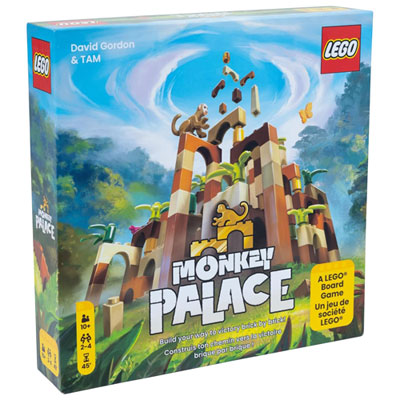
![ASMODEE Dixit Kids [Board Game, 3-6 Players]](https://multimedia.bbycastatic.ca/multimedia/products/500x500/199/19968/19968519.jpeg)

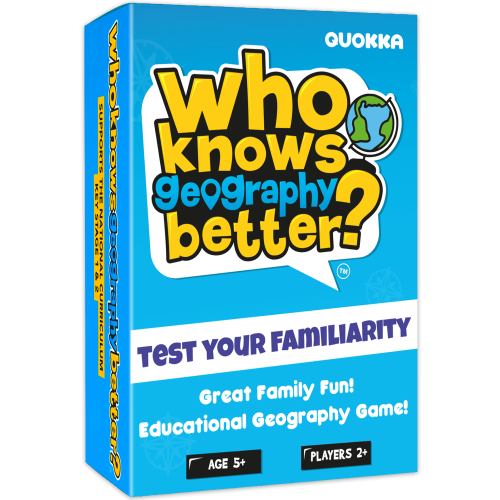
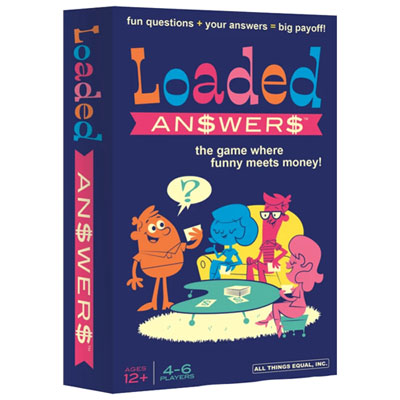
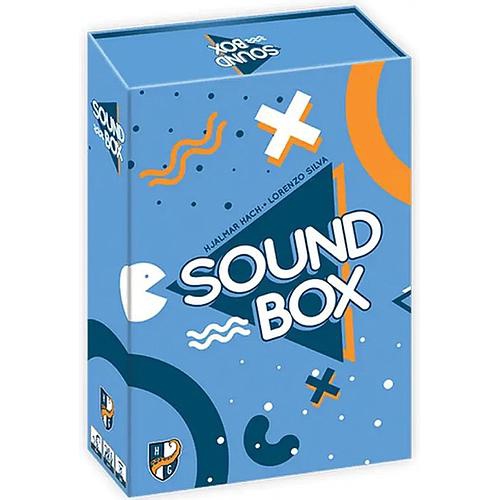
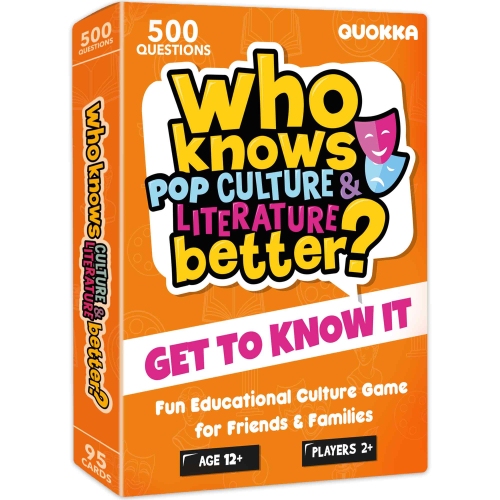
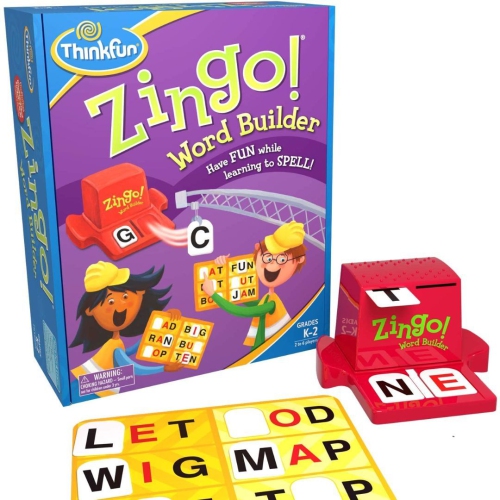
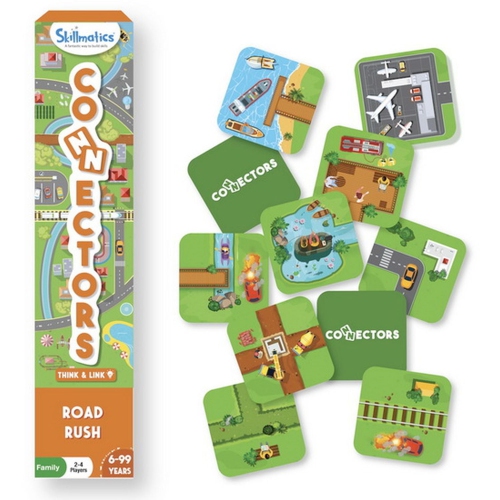
![STONEMAIER GAMES Origin Story [Board Game, 1 - 5 Players]](https://multimedia.bbycastatic.ca/multimedia/products/500x500/196/19635/19635132.jpeg)
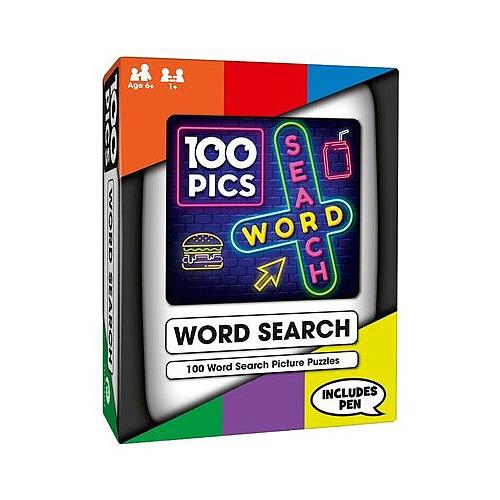
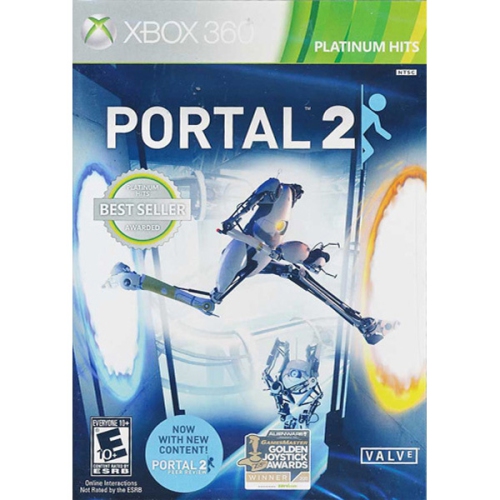
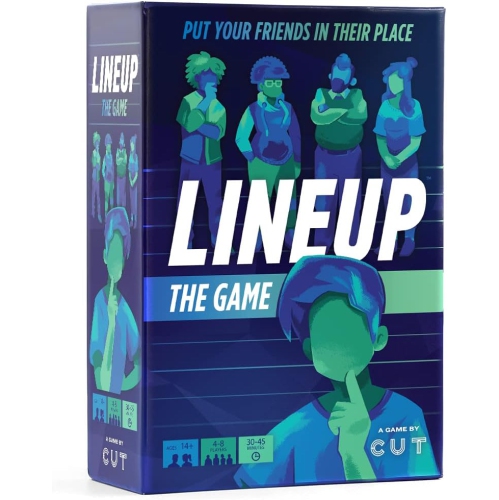
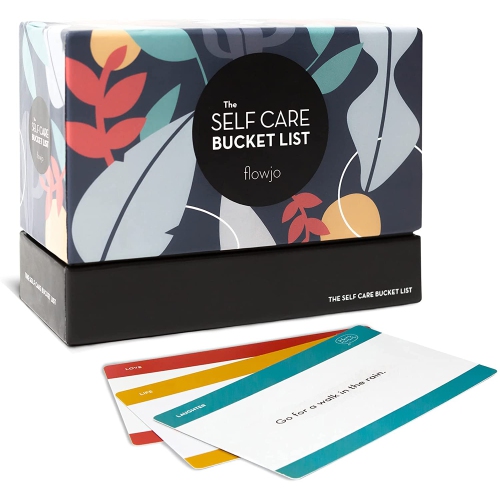
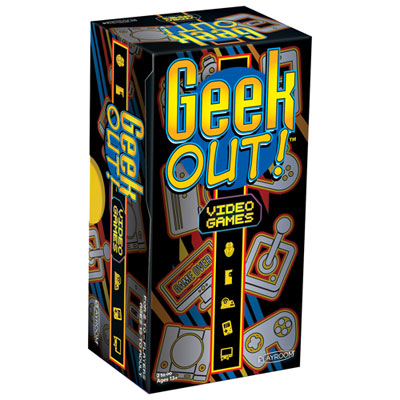
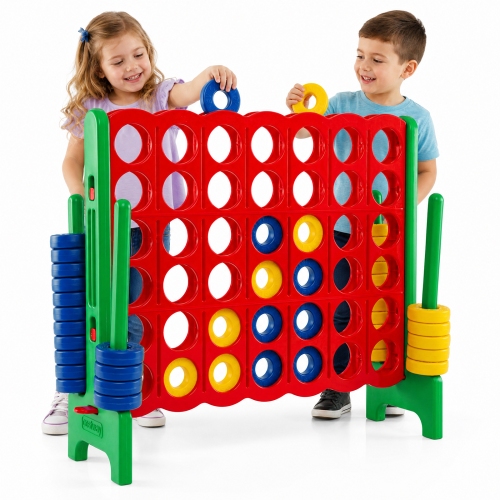

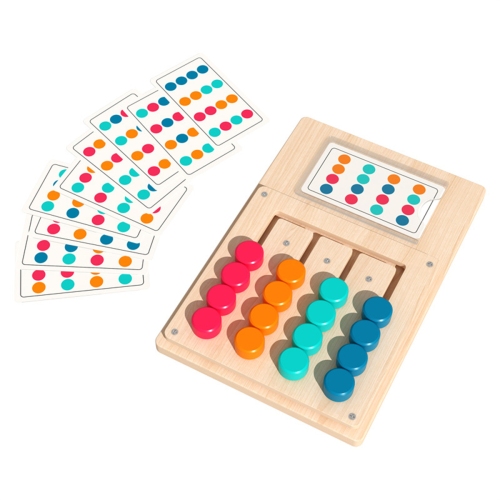
![MCMILLER GAMES Uproar Family Word Sound-Matching Card Game – Crowd-Pleaser [2-6 Players]](https://multimedia.bbycastatic.ca/multimedia/products/500x500/201/20129/20129836.jpeg)
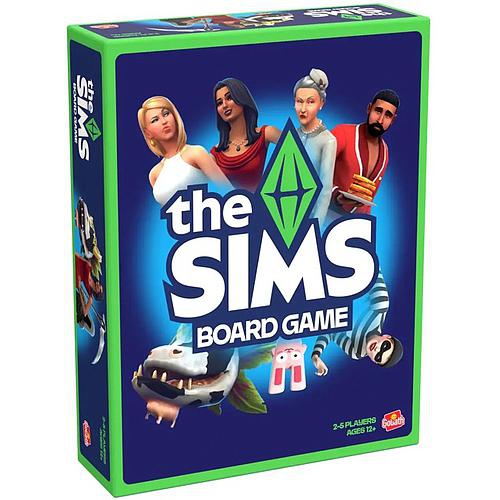
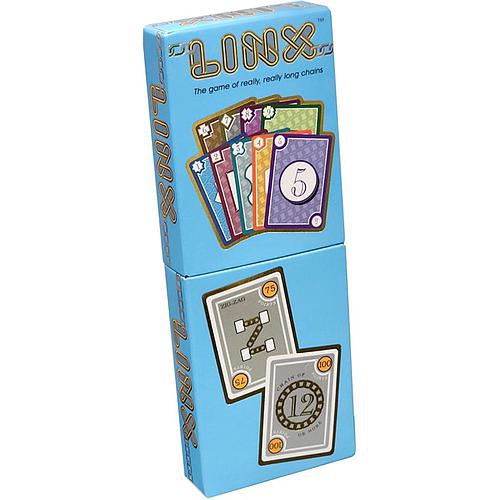

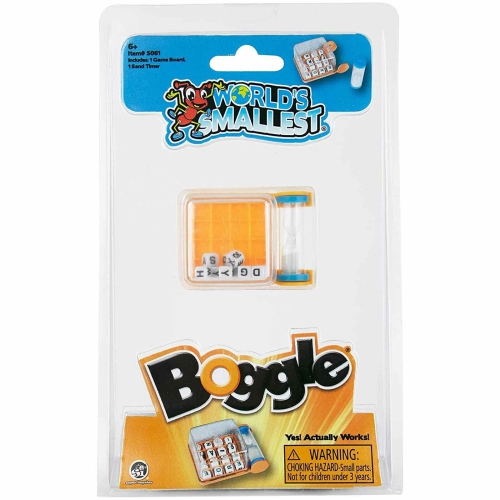
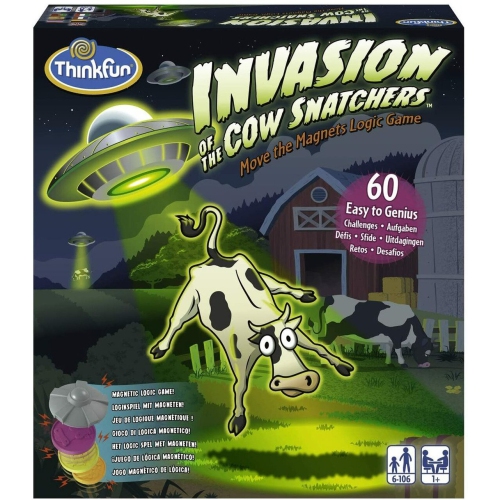
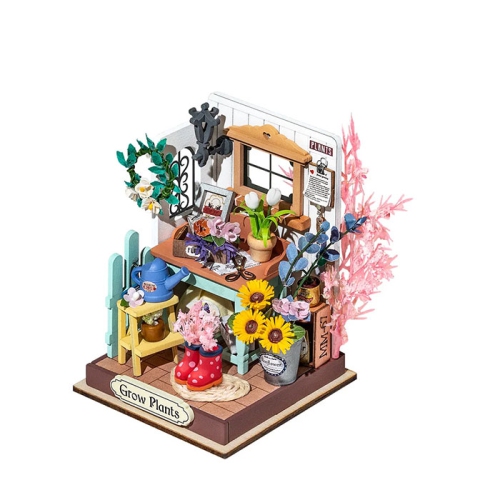
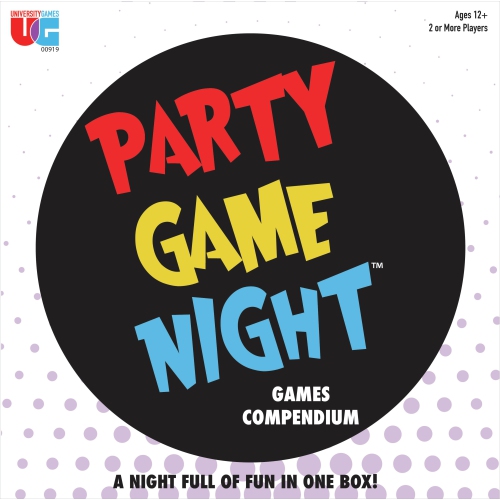
![FIRESHINE GAMES Against The Storm [Xbox One / Xbox Series X] Not my favorite genre, although I do love the civilization series](https://multimedia.bbycastatic.ca/multimedia/products/500x500/198/19899/19899677.jpeg)
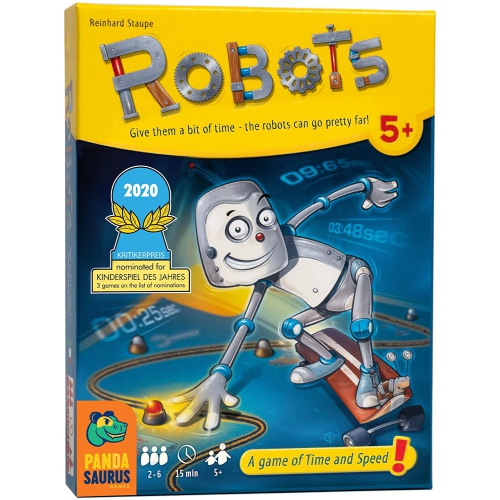
![SKYBOUND GAMES Invincible: The Hero-Building Game [Board Game, 1-4 Players]](https://multimedia.bbycastatic.ca/multimedia/products/500x500/201/20194/20194204.jpeg)

Structured play turns quick prompts into fresh ideas
Brainstorming games are designed to make idea generation feel active, approachable, and enjoyable. Instead of relying on a blank page or an open-ended discussion, these games provide a clear prompt, a simple structure, and a little time pressure to help participants start thinking creatively. They can be used by work teams planning a project, students exploring an assignment, families looking for an engaging activity, or friends who enjoy wordplay and imaginative challenges. Many formats are built around short rounds lasting two to five minutes, which keeps the pace lively and makes it easier for everyone to contribute. A session might begin with a central topic written on a board or card, followed by a rapid word association round in which players call out connected thoughts and build a web of ideas. Another format may ask players to list words connected to a theme from A to Z, encouraging them to move beyond the first obvious answers. These activities are useful when a group feels stuck because they shift attention away from finding one perfect answer and towards producing a wide range of possibilities. Sets with prompt cards, timers, dry-erase surfaces, tokens, score sheets, or reusable pieces can make it simple to begin without extensive preparation. For a broader selection of playful activities that encourage imagination and flexible thinking, explore Creative Games.
When choosing brainstorming games, consider the age of the players, the size of the group, and the type of thinking you want to encourage. Younger players may respond well to colourful prompts, picture-based challenges, storytelling cues, and familiar themes that help them build confidence as they share ideas. Older children, teens, and adults may prefer word association, unusual problem-solving scenarios, category challenges, or formats that reward humour and originality. Some games work best with two players, while others are made for a table full of participants, so check the recommended player count and whether the activity can be adapted for larger groups. It is also helpful to consider how much reading, writing, drawing, or speaking is involved. A game that uses quick verbal responses can keep an energetic group engaged, while written prompts may suit quieter players who prefer a moment to organize their thoughts. For team sessions, look for activities that make participation feel balanced rather than allowing one confident speaker to dominate. Reverse brainstorming is a particularly useful format: instead of asking how to solve a problem, players consider how they could make it worse, then turn those responses around to reveal practical solutions. “Bad ideas only” follows a similar principle by inviting deliberately absurd suggestions, reducing the pressure to sound polished and often uncovering a genuinely useful concept beneath the humour. The most effective games encourage players to record every idea during the creative phase without immediate criticism, then sort related suggestions and discuss them afterwards. This separation between generating and evaluating helps protect spontaneity while still giving the group a clear path towards useful results.
Brainstorming games can fit naturally into many settings, from a kitchen table during the cooler months to a classroom, meeting room, cottage, or family room when the weather is warm. They can be brought out during a team break, used as an icebreaker before a group project, or added to a regular game night when players want something that feels social but also stimulates the imagination. They may also make thoughtful gifts for students, educators, new colleagues, creative professionals, families, or anyone who enjoys word games and collaborative challenges. For gift giving, consider whether the recipient is likely to play with a small circle or a larger gathering, and choose a format that matches their usual interests. Portable packaging is useful for taking a game to a friend’s home, while reusable components can support repeated sessions with new topics and prompts. A well-planned round often begins with one clear goal, such as naming possible story ideas, inventing a fictional product, finding different uses for an everyday object, or exploring ways to improve an experience. Keep the instructions brief, set a visible time limit, and write down contributions as they arrive. When the round ends, group similar ideas, combine the strongest elements, and give players a chance to explain an answer that may not have been immediately understood. The value of these games is not limited to points or winning; they help people listen closely, take creative risks, and discover connections that may not emerge through ordinary conversation. Whether used for structured problem-solving or relaxed entertainment, brainstorming games offer an easy way to turn a quiet room into a lively exchange of possibilities.
When choosing brainstorming games, consider the age of the players, the size of the group, and the type of thinking you want to encourage. Younger players may respond well to colourful prompts, picture-based challenges, storytelling cues, and familiar themes that help them build confidence as they share ideas. Older children, teens, and adults may prefer word association, unusual problem-solving scenarios, category challenges, or formats that reward humour and originality. Some games work best with two players, while others are made for a table full of participants, so check the recommended player count and whether the activity can be adapted for larger groups. It is also helpful to consider how much reading, writing, drawing, or speaking is involved. A game that uses quick verbal responses can keep an energetic group engaged, while written prompts may suit quieter players who prefer a moment to organize their thoughts. For team sessions, look for activities that make participation feel balanced rather than allowing one confident speaker to dominate. Reverse brainstorming is a particularly useful format: instead of asking how to solve a problem, players consider how they could make it worse, then turn those responses around to reveal practical solutions. “Bad ideas only” follows a similar principle by inviting deliberately absurd suggestions, reducing the pressure to sound polished and often uncovering a genuinely useful concept beneath the humour. The most effective games encourage players to record every idea during the creative phase without immediate criticism, then sort related suggestions and discuss them afterwards. This separation between generating and evaluating helps protect spontaneity while still giving the group a clear path towards useful results.
Brainstorming games can fit naturally into many settings, from a kitchen table during the cooler months to a classroom, meeting room, cottage, or family room when the weather is warm. They can be brought out during a team break, used as an icebreaker before a group project, or added to a regular game night when players want something that feels social but also stimulates the imagination. They may also make thoughtful gifts for students, educators, new colleagues, creative professionals, families, or anyone who enjoys word games and collaborative challenges. For gift giving, consider whether the recipient is likely to play with a small circle or a larger gathering, and choose a format that matches their usual interests. Portable packaging is useful for taking a game to a friend’s home, while reusable components can support repeated sessions with new topics and prompts. A well-planned round often begins with one clear goal, such as naming possible story ideas, inventing a fictional product, finding different uses for an everyday object, or exploring ways to improve an experience. Keep the instructions brief, set a visible time limit, and write down contributions as they arrive. When the round ends, group similar ideas, combine the strongest elements, and give players a chance to explain an answer that may not have been immediately understood. The value of these games is not limited to points or winning; they help people listen closely, take creative risks, and discover connections that may not emerge through ordinary conversation. Whether used for structured problem-solving or relaxed entertainment, brainstorming games offer an easy way to turn a quiet room into a lively exchange of possibilities.
Top selling and popular products
-
 Your price for this item is $14.99
 -
 Your price for this item is $34.99
 -
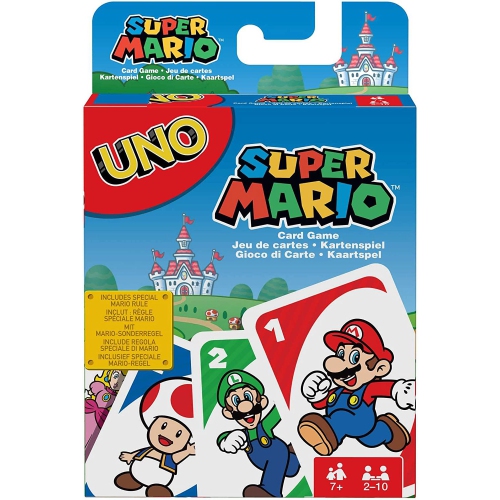 Your price for this item is $15
 -
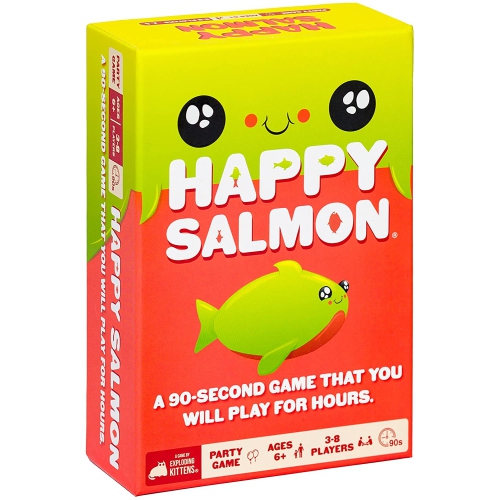 Your price for this item is $21.99
 -
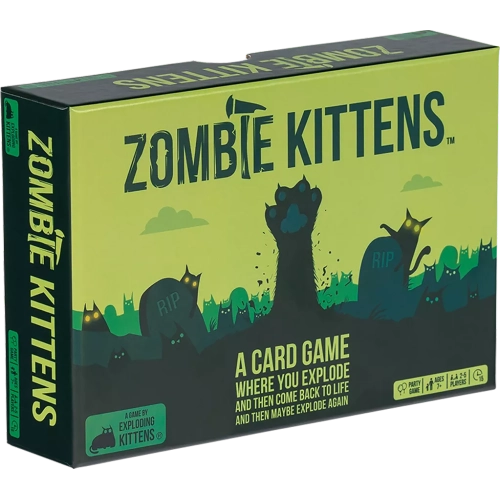 Your price for this item is $34.99
 -
 Your price for this item is $24.99
 -
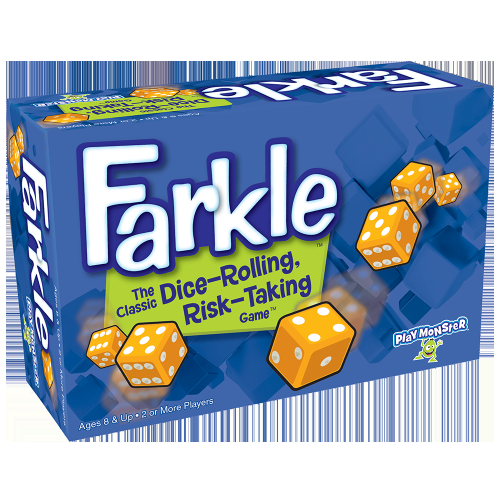 Your price for this item is $20.93
 -
 Your price for this item is $31.99
Discover more categories related to Brainstorming Games
Top Collections:
Pokemon Centers, Best Cameras for Sports Photography, Kindle Devices, Samsung Galaxy Phones, Canon G7X Cameras, Pokémon 30th Celebration Cards, Refurbished Apple Laptops, iPhone 15 Apple, Laptops for Students, Budget Smartphones
Some products may be subject to Environmental Handling Fees
(EHF) depending on your province.
Learn more about EHFs.