Children's Art Supplies
Unleash your child's creativity with a vibrant range of children's art supplies that inspire imagination and endless fun. Whether your little artist is just beginning to explore or already creating masterpieces, our selection has everything needed to spark their artistic journey. From colorful paints and markers to versatile sketchpads and craft kits, these art supplies are perfect for all ages and skill levels. Encourage self-expression and development through art, making every drawing session an opportunity for learning and growth. Dive into the world of creativity and watch as your child's artistic potential flourishes with tools designed to bring their ideas to life.
Sort
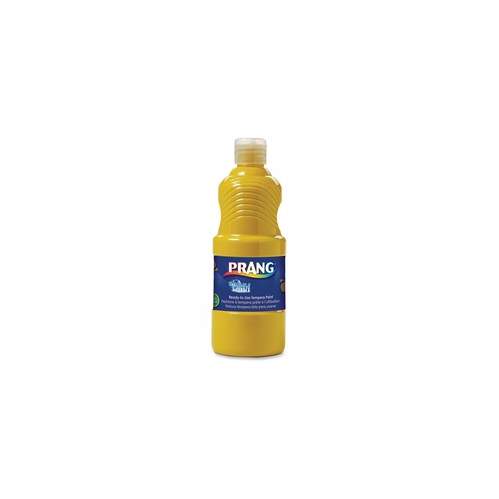
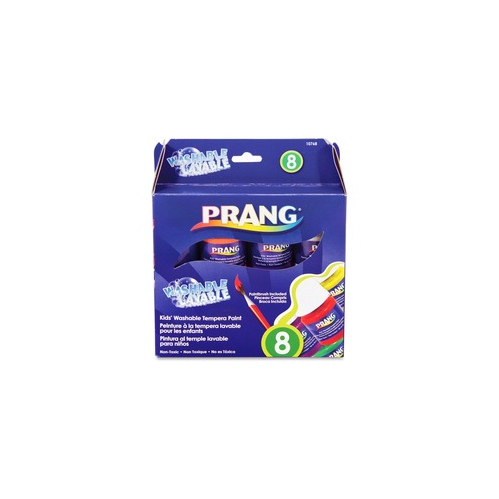
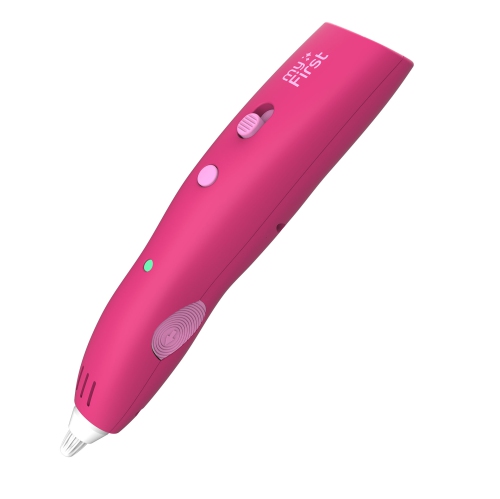
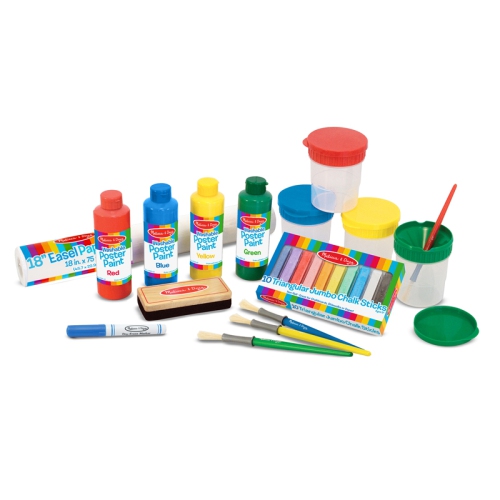


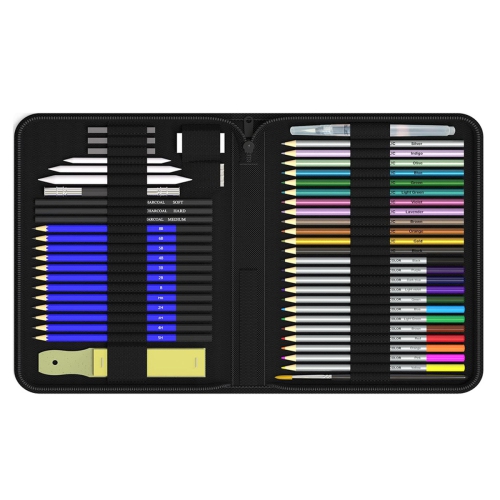
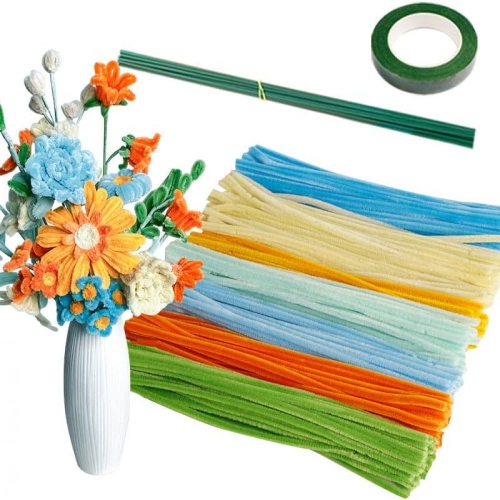
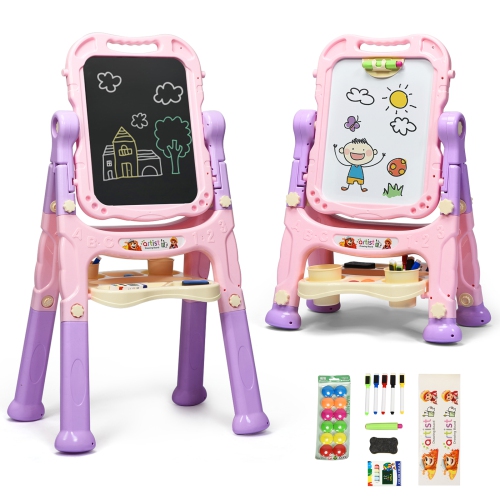
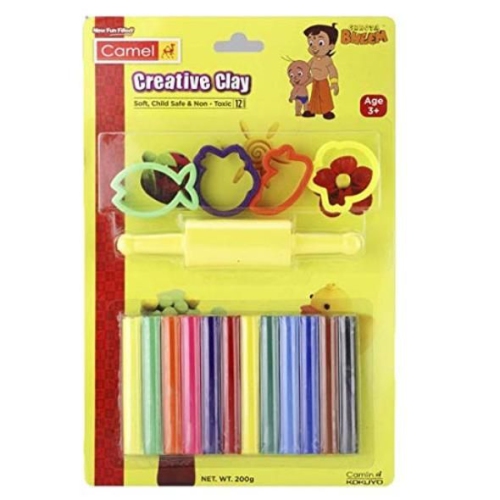
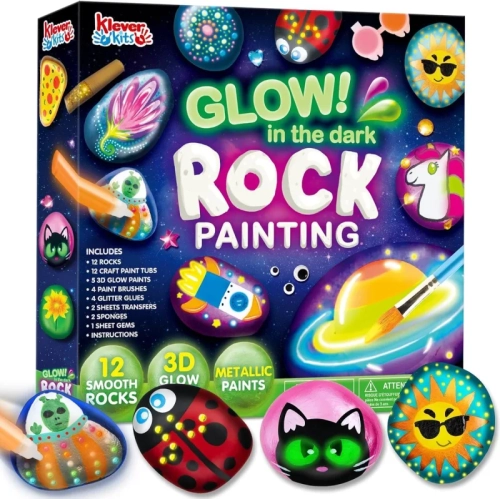

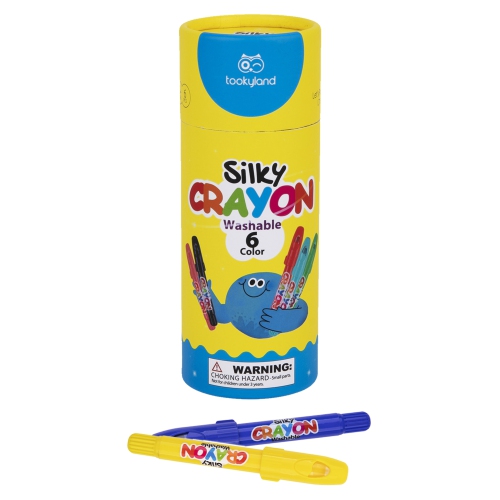
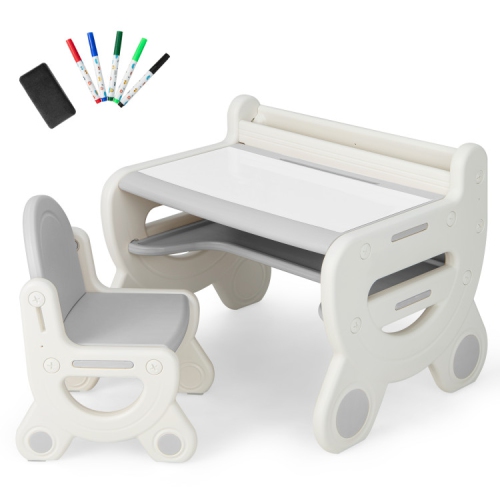
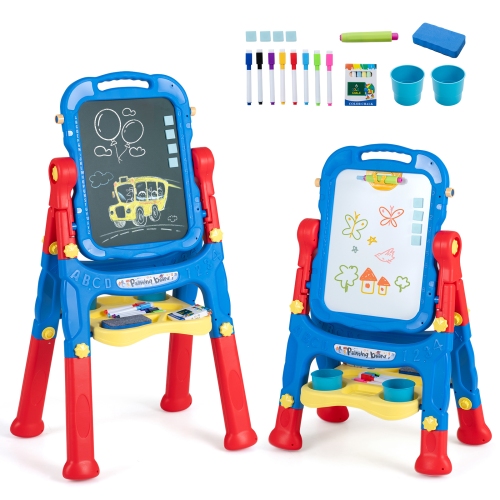
Art tools that suit small hands and big ideas
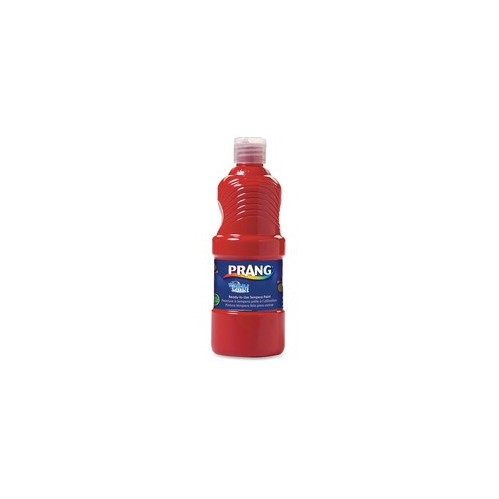
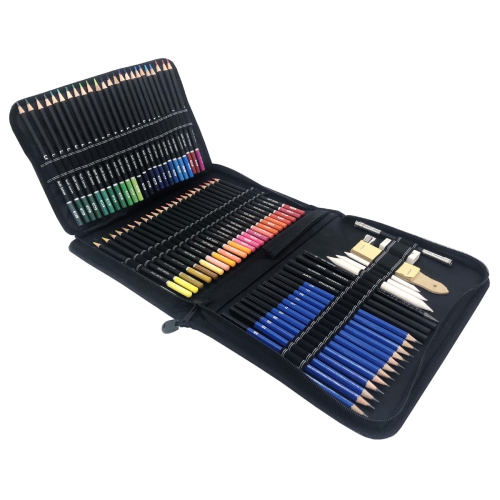
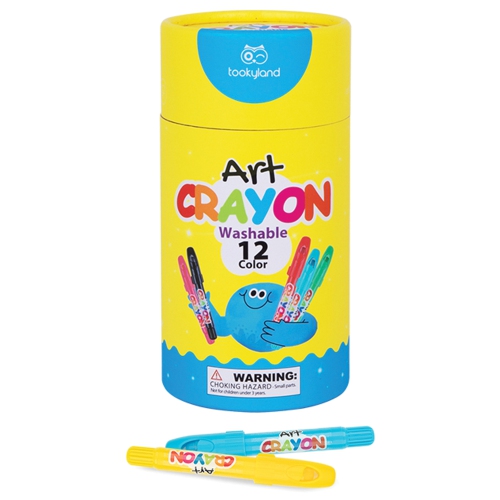
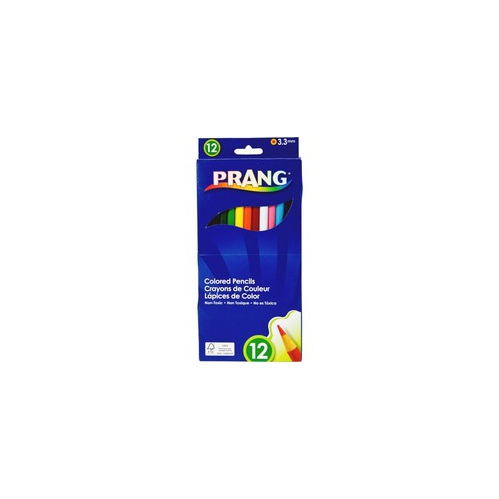
Children’s art supplies include crayons, washable markers, coloured pencils, paper, paints, brushes, and modelling materials for drawing, painting, and hands-on creativity. The most suitable supplies depend on a child’s age, grip, interests, and level of independence, with the manufacturer’s age recommendations providing an important starting point. For younger children, chunky drawing tools and broad sheets of paper leave room for sweeping lines, dots, and generous patches of colour. A thicker barrel can be easier for small hands to hold, while short drawing sessions give children time to explore without needing to finish a detailed picture. Washable crayons and markers are practical options for early experiments, although washability varies by material and surface. Children who enjoy adding tiny windows to houses or patterns to animal drawings may prefer coloured pencils and finer marker tips that offer more control. Watercolour paints introduce transparent washes and colour mixing, while tempera paints can provide fuller coverage for bold pictures and painted paper crafts. Acrylic paints are another option for older children working on suitable surfaces, but they require closer attention to clothing, work areas, and cleanup because dried paint can be difficult to remove. Art materials should match both the activity and the child using them: a large brush suits broad strokes, while a smaller brush makes details easier to manage. Labels matter, especially for young artists who may still put objects in their mouths. Non-toxic labelling does not mean a material is edible, and adult supervision remains important with paints, small accessories, scissors, and modelling compounds. Sensory preferences can also shape which supplies get used most often. Some children love pressing soft dough between their fingers, while others prefer the clean feel of a pencil on paper. A useful assortment makes room for those differences, supporting everything from spontaneous scribbles to drawings that children return to over several sittings. The value is often in having familiar materials that feel comfortable enough to use freely, rather than a complicated collection that needs extensive setup.
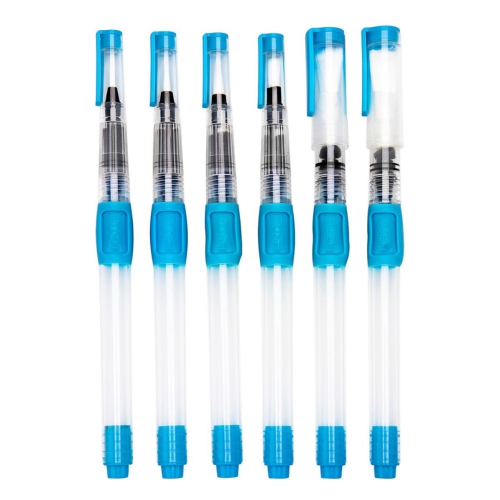
The materials behind children’s art supplies make a noticeable difference to how they perform and how well they stand up to repeated use. Smooth drawing paper works well for everyday pencil and crayon pictures, while heavier paper is generally better suited to wet paint, glue, and layered collage work. Watercolour paper is designed to handle water more effectively than ordinary writing paper, helping children explore washes without the sheet immediately losing its shape. Paper size matters, too: a broad surface gives younger artists space to move their arms, whereas a compact sketchbook offers a place to keep drawings together and revisit favourite subjects. Brushes vary in width, handle length, and bristle feel, affecting both comfort and the marks they leave behind. Larger handles may be easier to manage for some children, while soft bristles and firm bristles offer different painting effects. With crayons and coloured pencils, durability involves more than whether the outer case looks sturdy. Tips, cores, and barrels all take wear from enthusiastic pressing, frequent sharpening, and the occasional tumble from a table. Comfortable tools that suit a child’s hand can make an activity less frustrating, particularly when a drawing needs repeated small movements. Care is usually straightforward, but it depends on the material. Marker caps need to close securely to help prevent drying, brushes generally need prompt cleaning according to the paint instructions, and modelling materials need storage appropriate to their formula. Even washable colours can leave marks on unfinished wood, fabric, or porous surfaces, so a protective mat or table covering is useful for shared workspaces. An apron or painting shirt helps keep attention on the artwork rather than on sleeves brushing through wet colour. Practical storage also supports everyday use: a shallow tray keeps drawing tools visible, separate compartments help prevent crushed tips, and a folder protects finished pictures from bent corners. Materials that are easy to take out, care for, and put away are often the ones children reach for during an ordinary afternoon.
Children’s art supplies suit a wide range of interests and settings, from a quiet drawing corner at home to a shared classroom table or an after-school craft activity. Some children enjoy making pictures of familiar places, pets, and family members; others prefer inventing creatures, decorating paper crowns, or building small figures from modelling materials. Different forms of art invite different kinds of practice. Drawing offers opportunities to work on lines, shapes, and hand control, painting makes colour mixing visible, and collage encourages children to arrange pieces, compare textures, and decide how a picture fits together. These activities do not need to produce a polished result to hold a child’s attention. A page covered in overlapping circles or a painted creature with unexpected colours can reflect careful choices and sustained interest. For shared activities, enough workspace and clearly separated materials can make it easier for siblings or classmates to create side by side without competing for every tool. At home, a compact assortment of familiar supplies can suit shorter sessions at the kitchen table, while a dedicated craft area may accommodate larger paper, drying artwork, and projects kept between sessions. Art supplies can also make thoughtful birthday gifts for children who enjoy making things, especially when the materials reflect an existing interest rather than an assumed skill level. A child fascinated by comic strips may appreciate drawing materials, while one who enjoys texture and construction may spend more time with collage or modelling activities. Packaging that keeps materials organized can be useful for families carrying supplies between home, school, and a caregiver’s house. As interests develop, some young artists begin seeking a wider colour range, more precise tools, or surfaces suited to particular techniques. Art Supplies for Teens offers a related category for that stage of creative exploration. Across ages and abilities, an approachable selection leaves room for experimentation, repetition, and personal expression, whether the finished creation is displayed on the fridge, tucked into a portfolio, or given to someone special.
Top selling and popular products
-
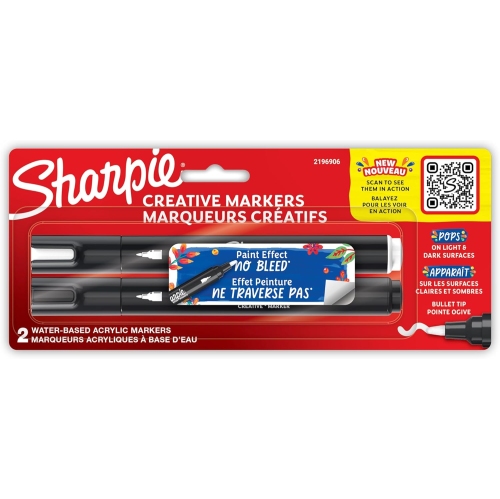 Your price for this item is $7.19
-
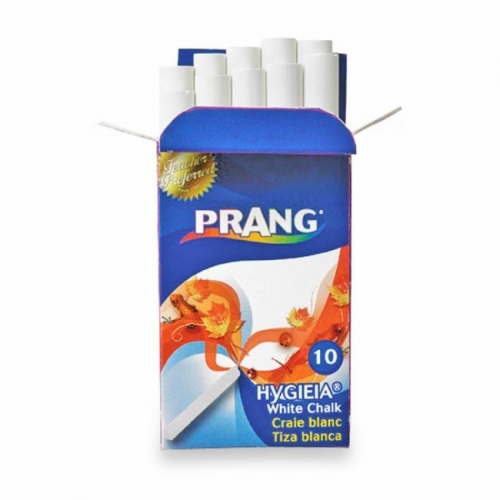 Your price for this item is $1.99
-
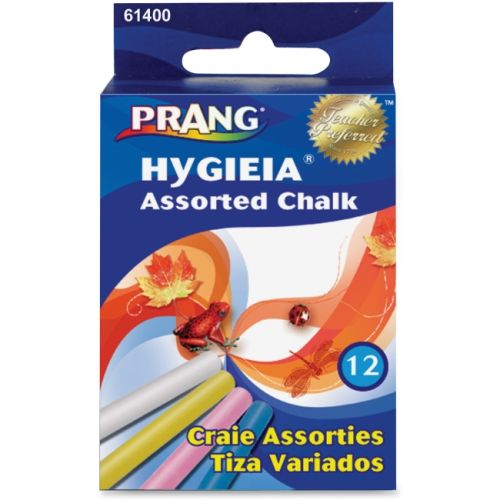 Your price for this item is $2.99
-
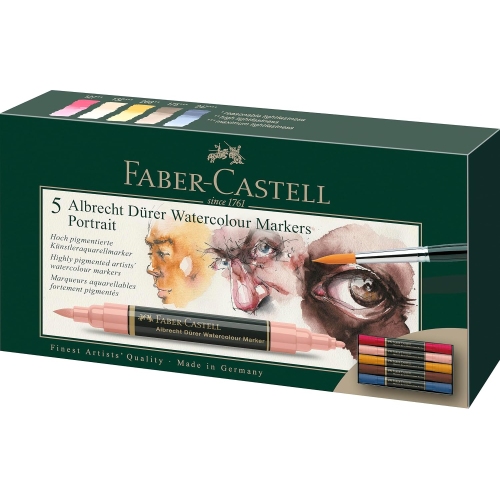 Your price for this item is $24.99
-
 Your price for this item is $22.99
-
 Your price for this item is $26.99
-
 Your price for this item is $47.99
-
 Your price for this item is $25.95
Discover more categories related to Children's Art Supplies
Top Collections:
Best Black Friday Deals This Year, Best Black Friday Deals On Electronics, Kindle Devices, Dyson Airwrap, Best Cameras for Sports Photography, Best Budget Office Chairs, Canon G7X Cameras, PS5 Pro Consoles, Best Black Friday Deals On Apple Products, XBOX One S Consoles
Some products may be subject to Environmental Handling Fees
(EHF) depending on your province.
Learn more about EHFs.