Sorting Toys
Encouraging early learning and development, sorting toys are a fantastic addition to any child's playtime. These engaging toys not only offer hours of fun but also help in enhancing cognitive skills like problem-solving, hand-eye coordination, and shape recognition. From colorful blocks to intricate puzzles, sorting toys provide a playful way for children to explore their creativity while developing essential skills. Perfect for curious minds, these toys are designed to captivate and inspire young learners as they navigate the exciting world of shapes and colors. Discover an array of sorting toys that cater to various age groups and learning stages, making them an ideal choice for parents and caregivers looking to support their child's growth through play.
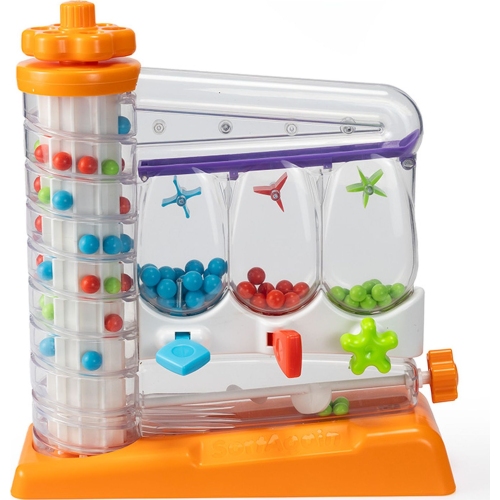
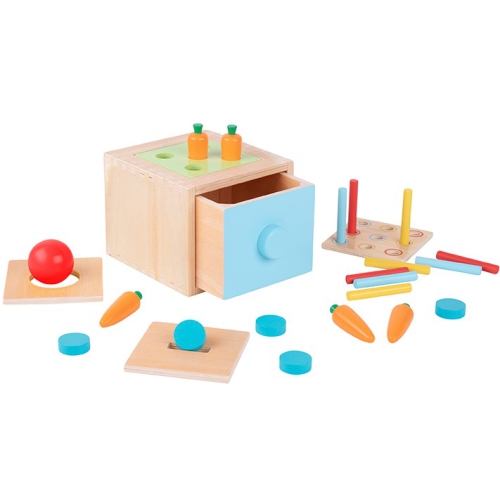
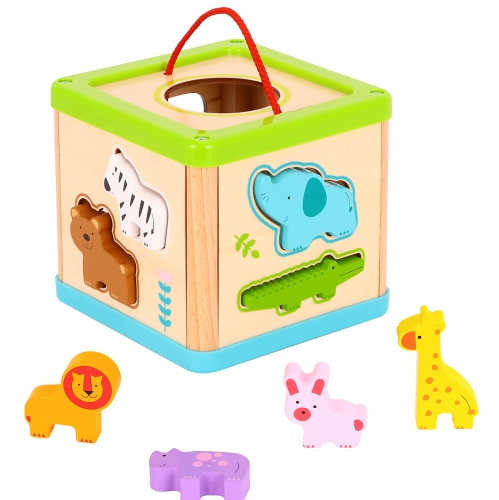
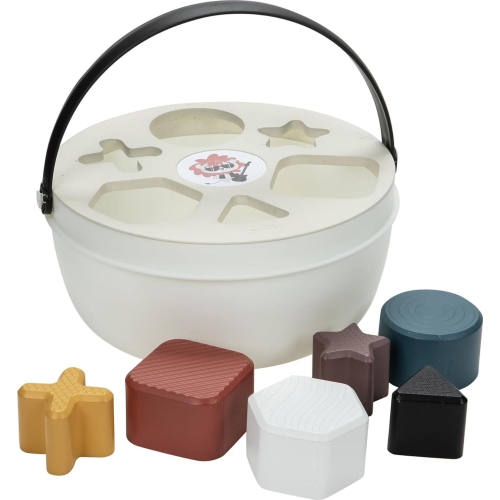
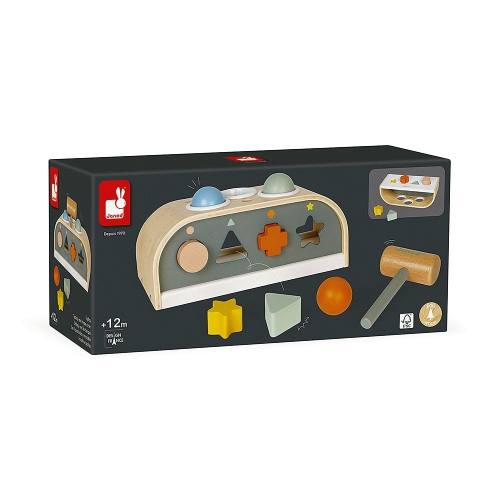


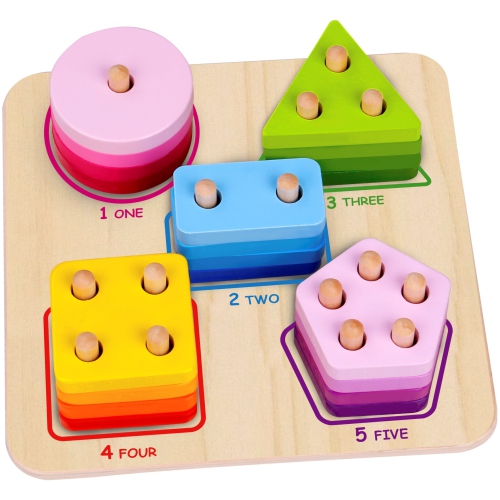

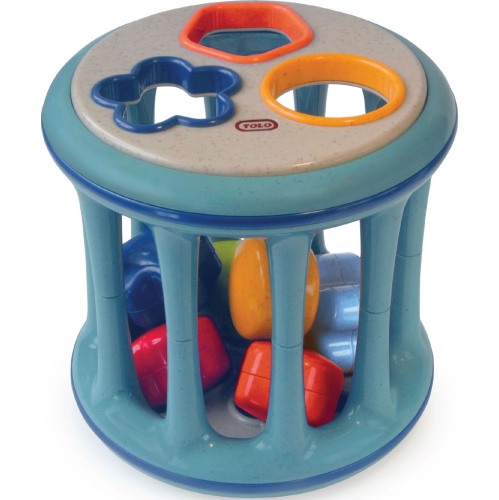
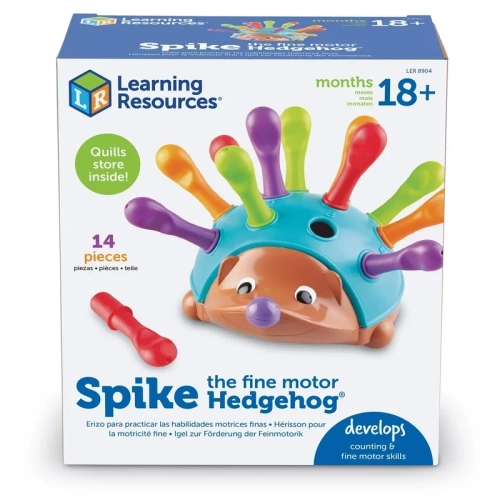
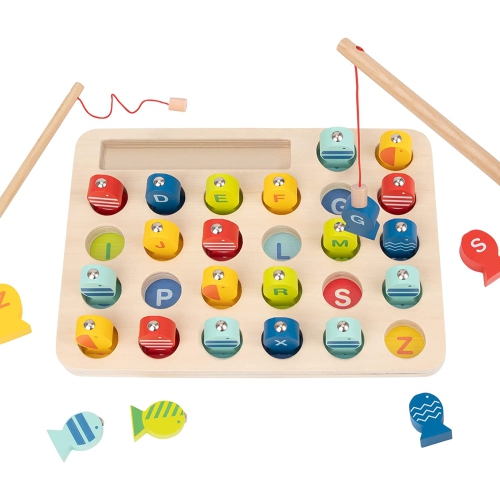
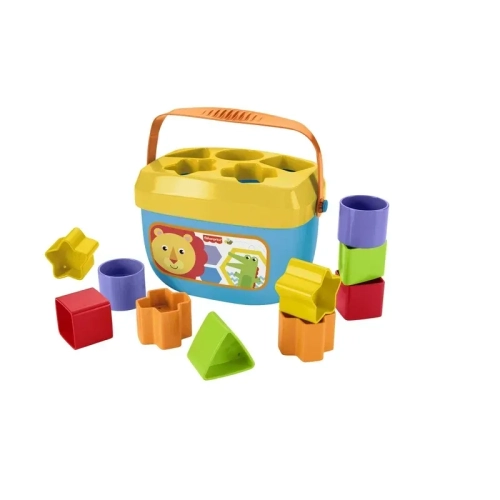
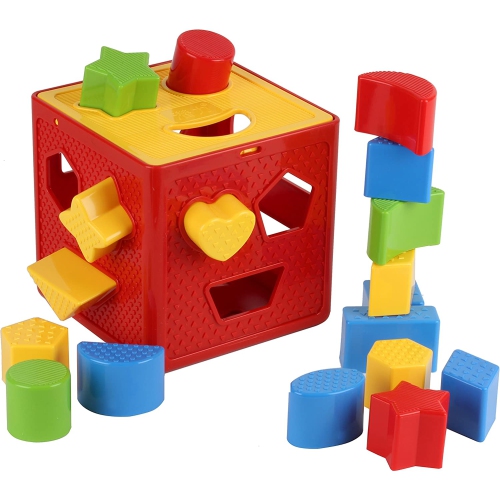


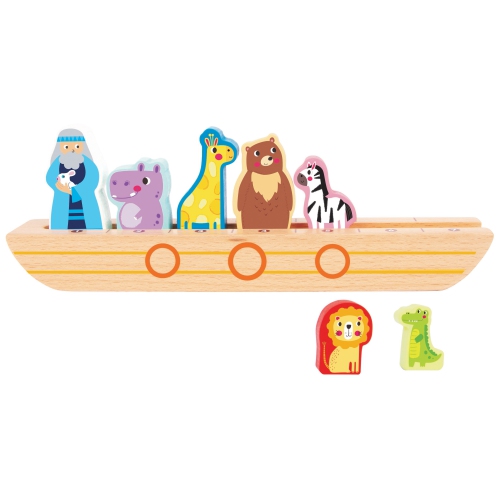
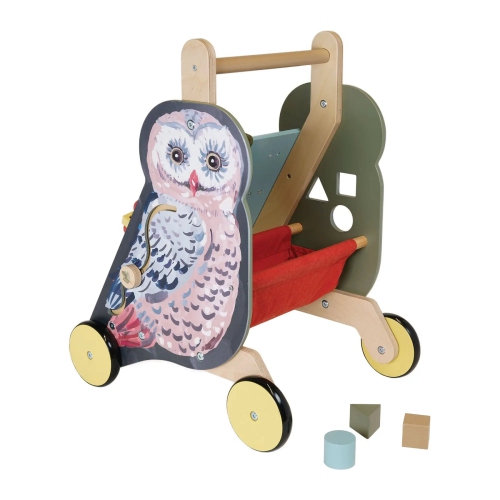
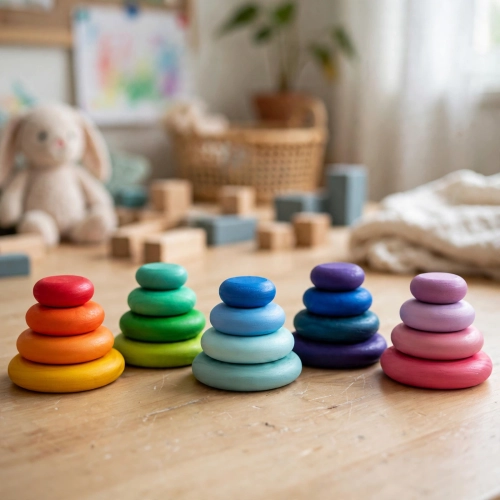
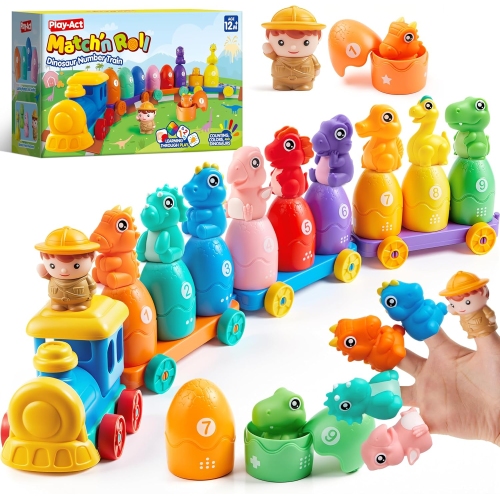
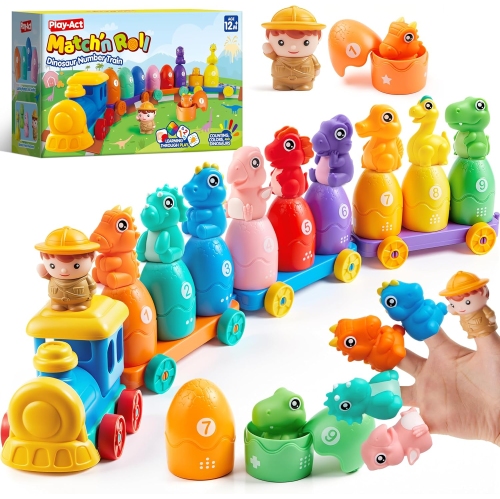
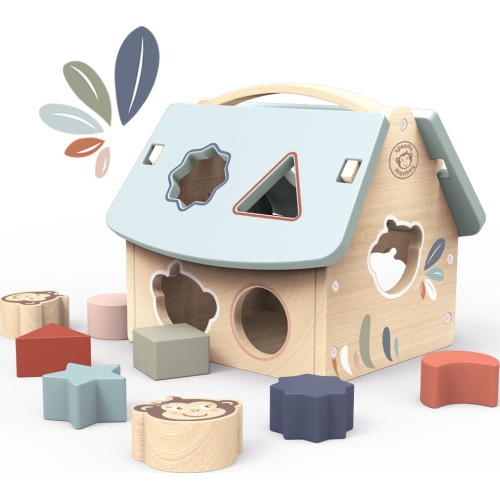
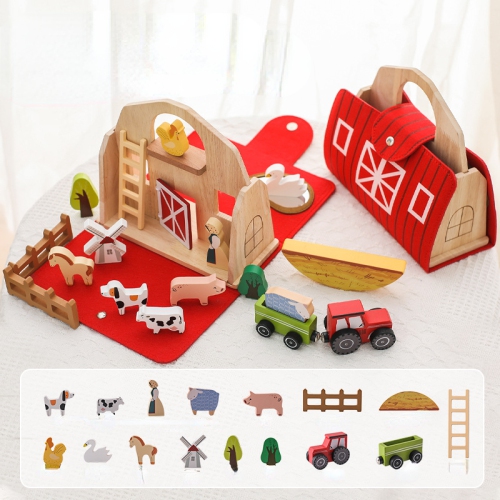
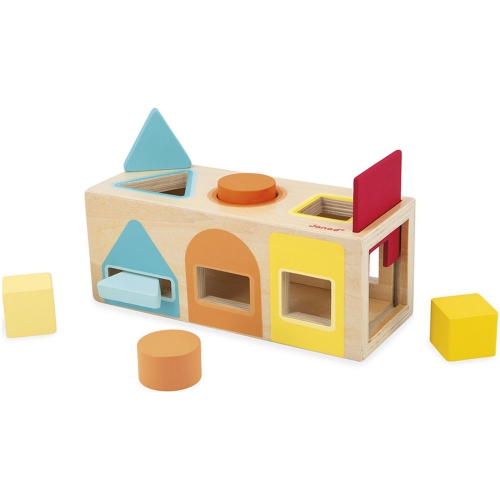
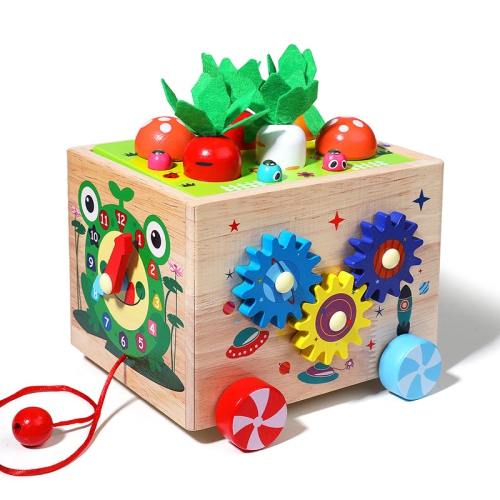

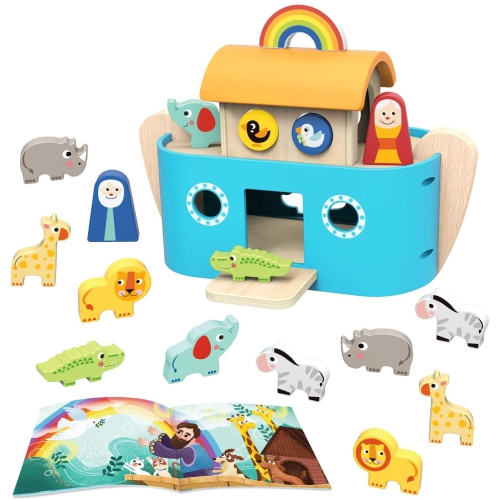
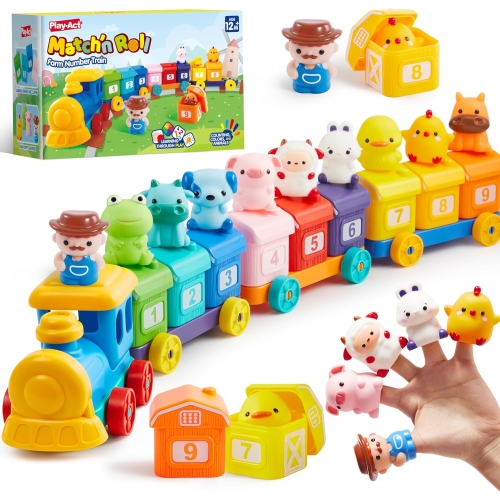
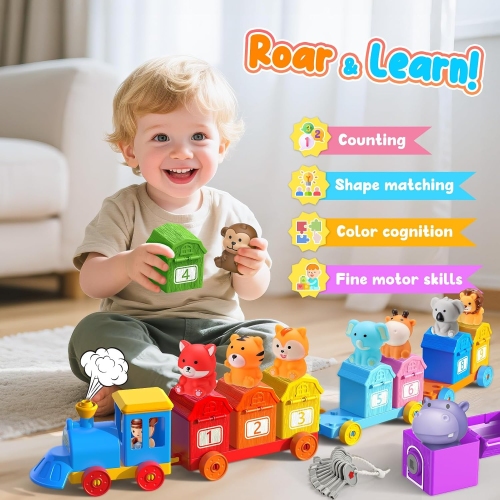

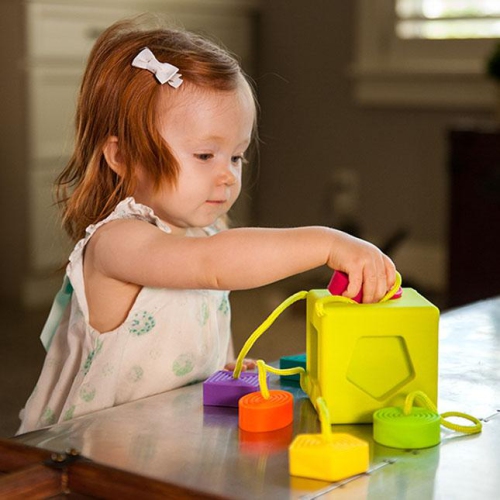
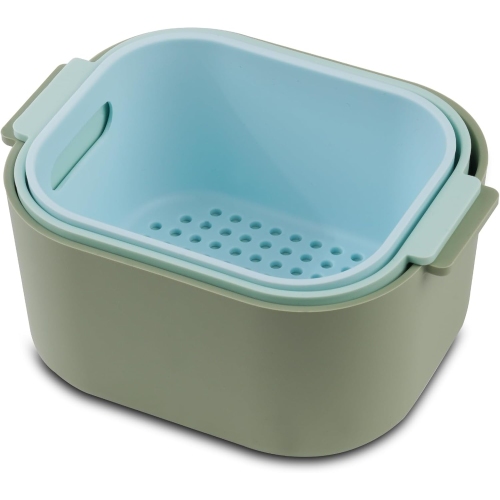
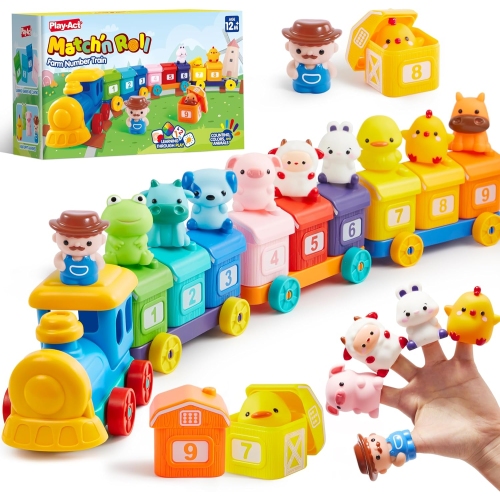
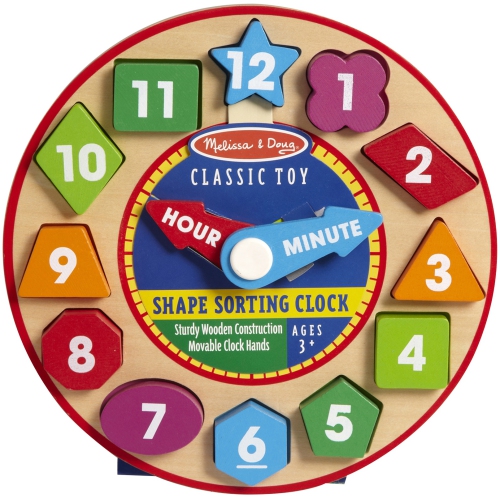
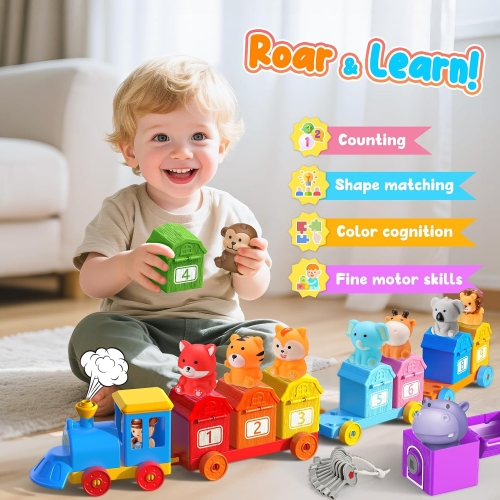
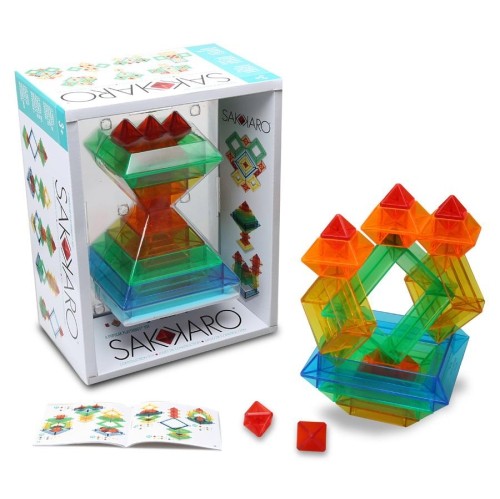
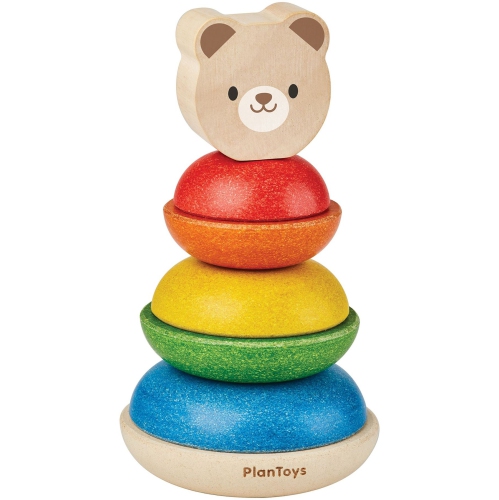
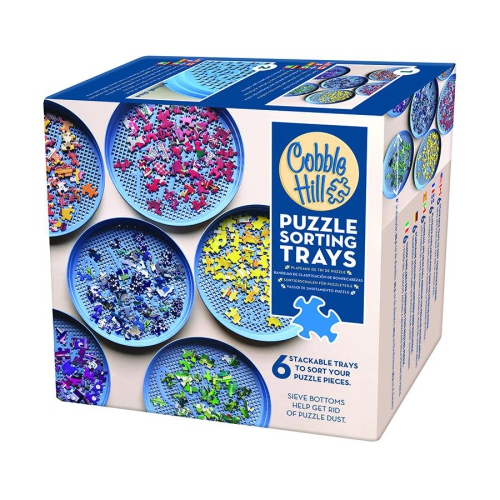
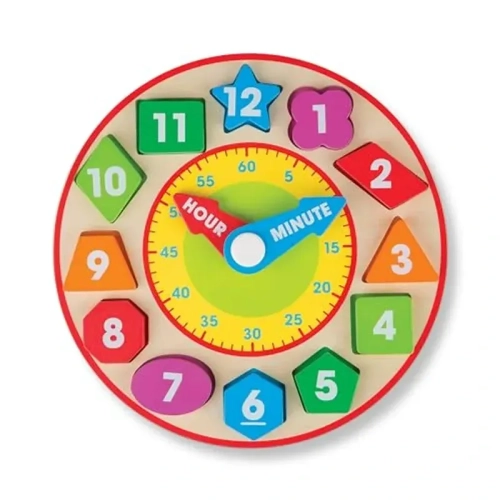
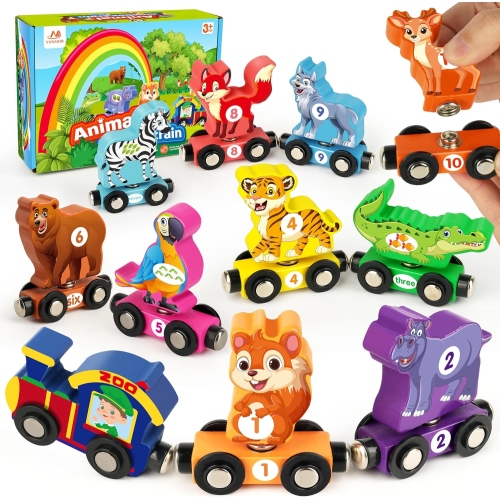
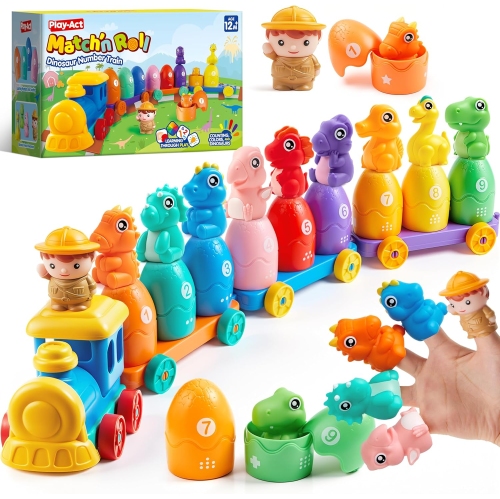
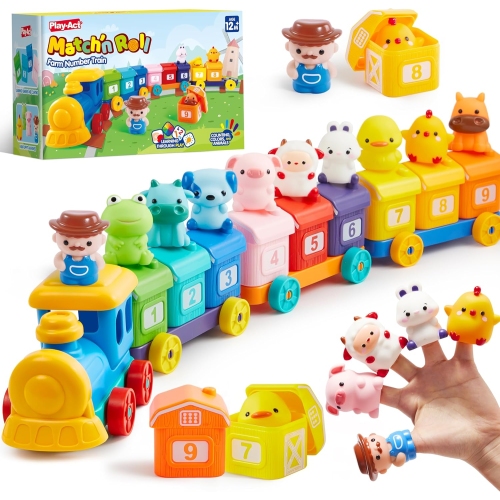
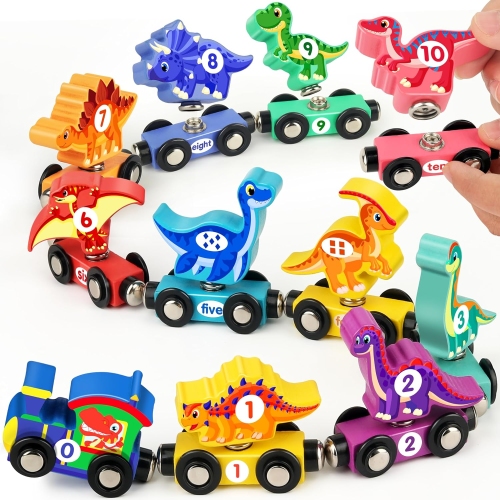
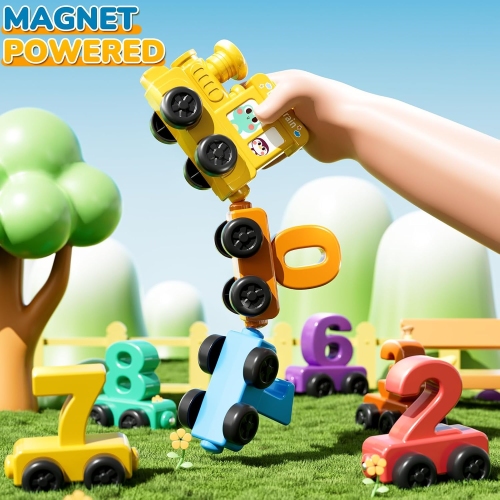
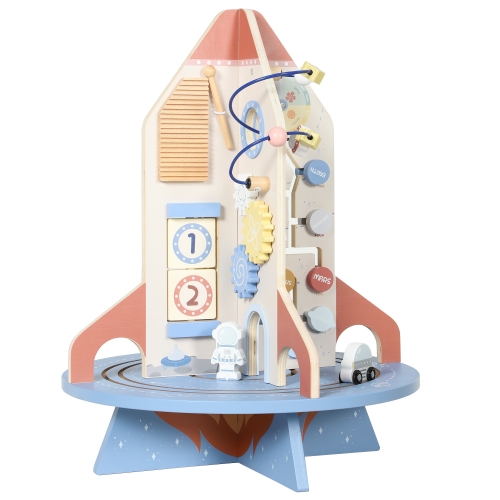
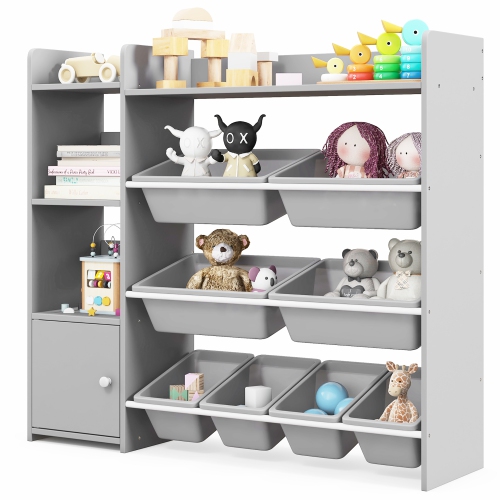
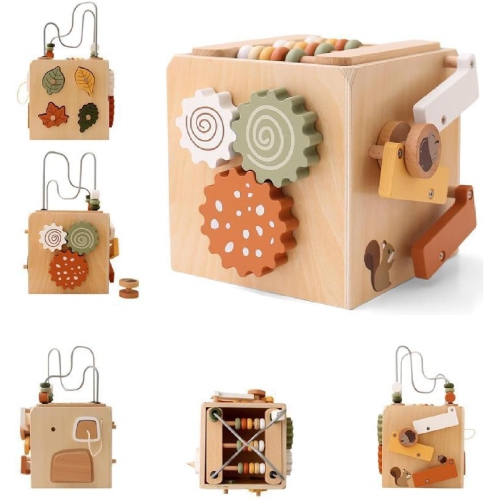
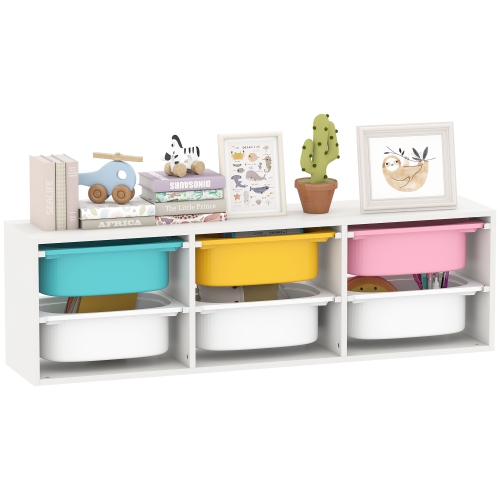
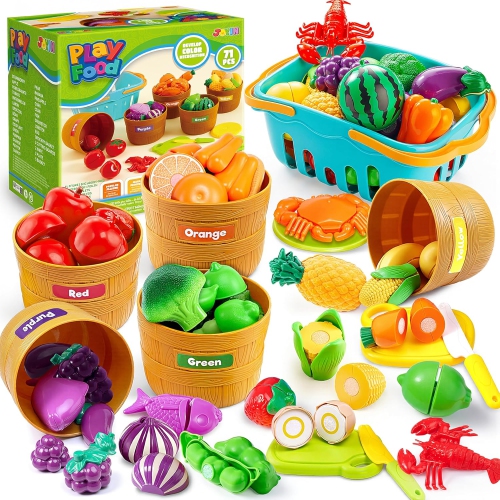
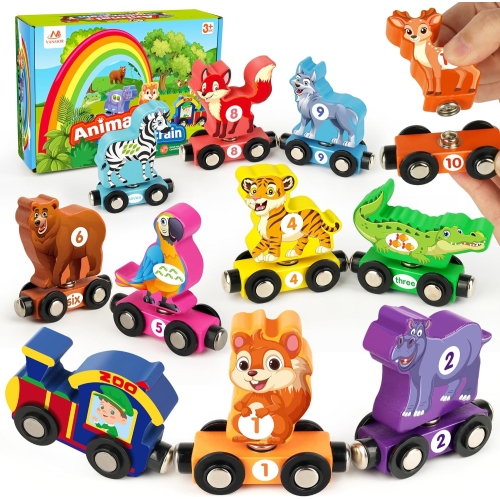
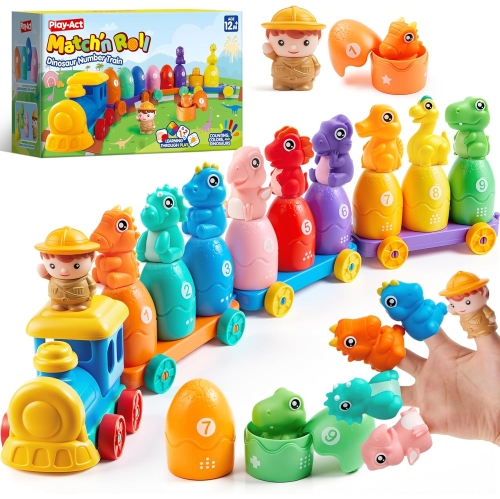
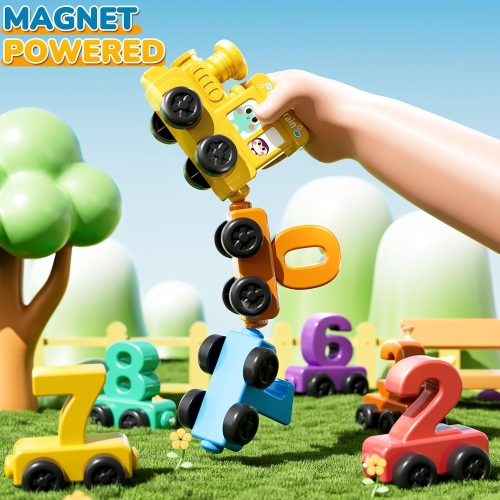
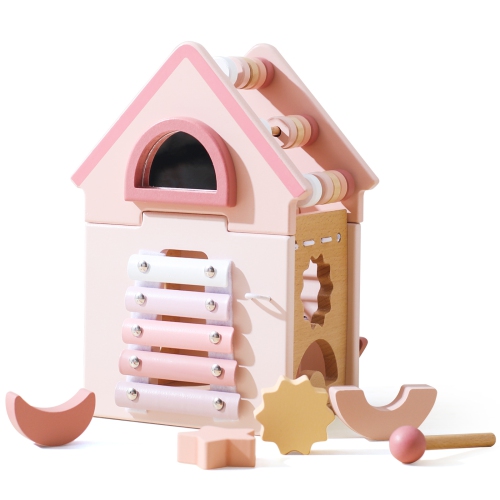
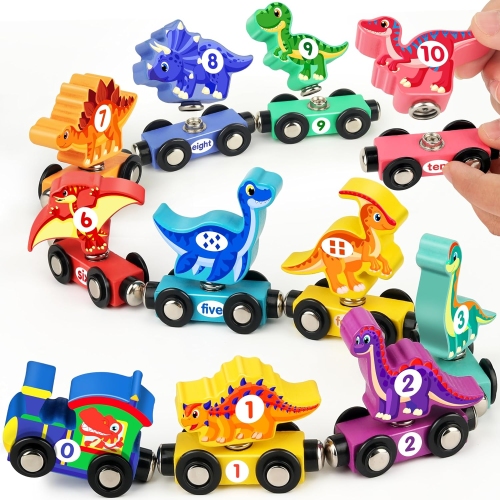
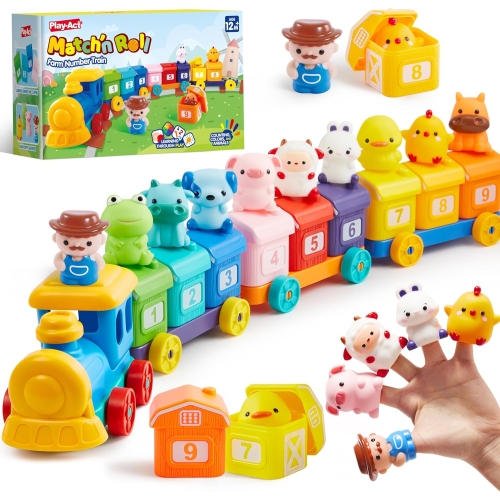
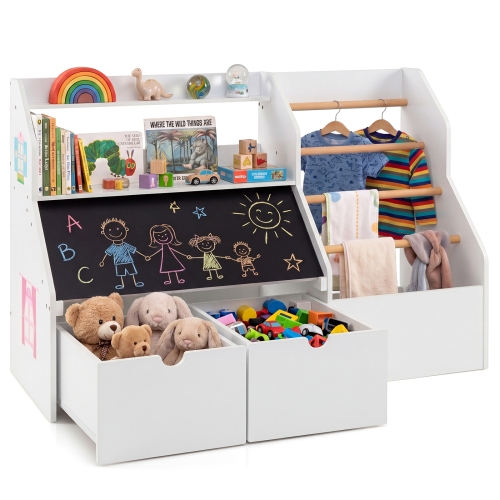
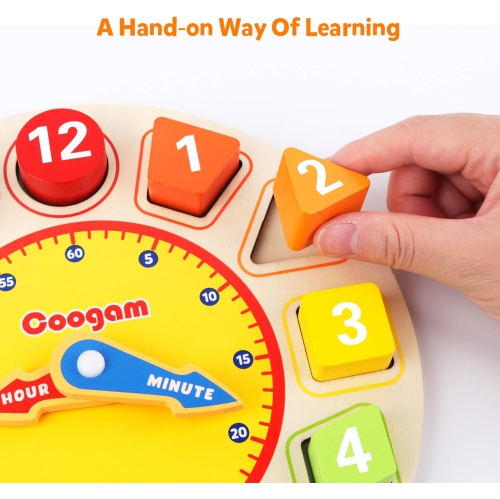
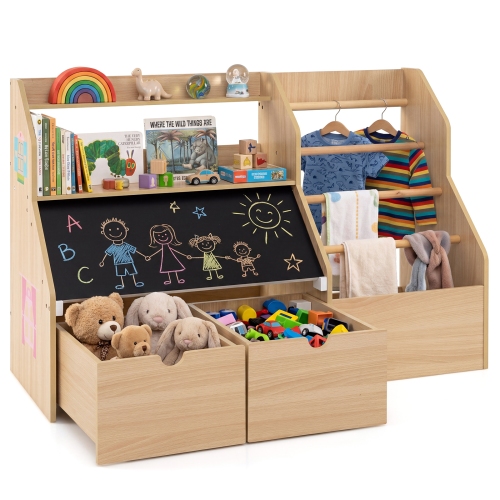
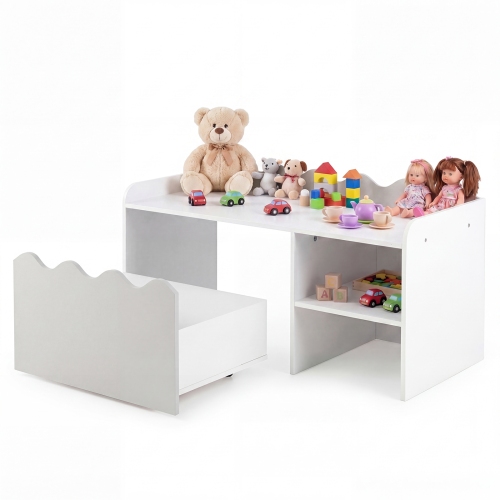
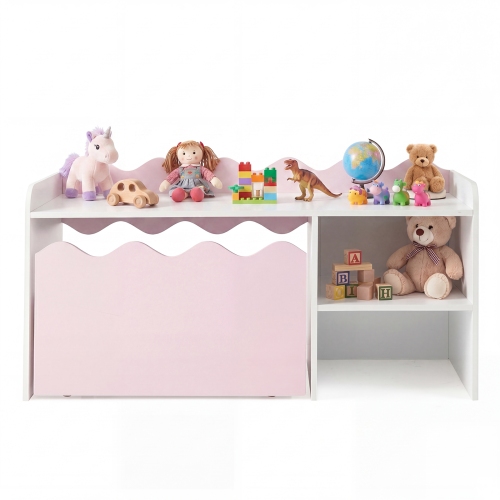
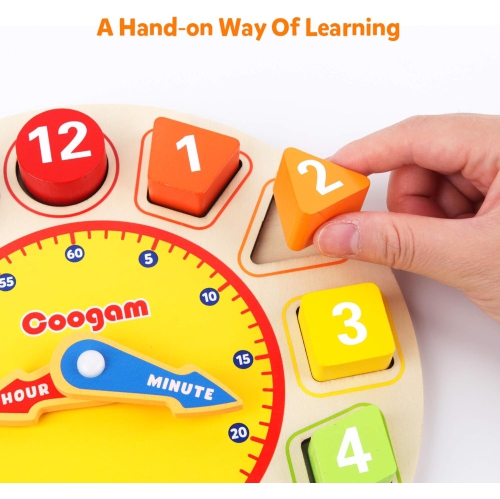
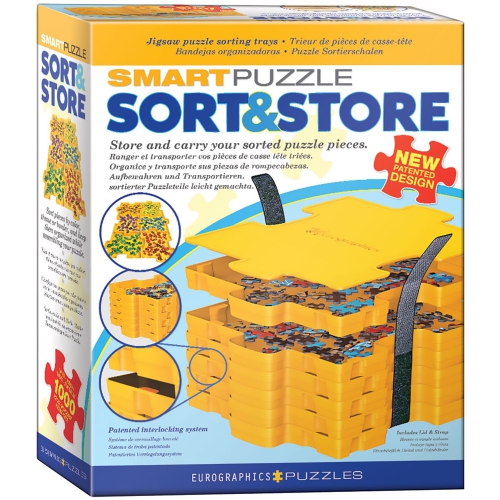
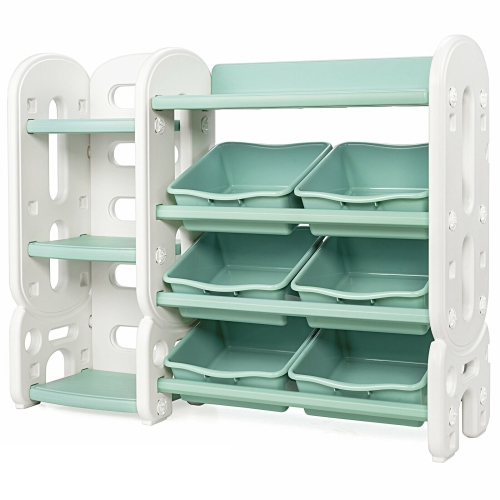

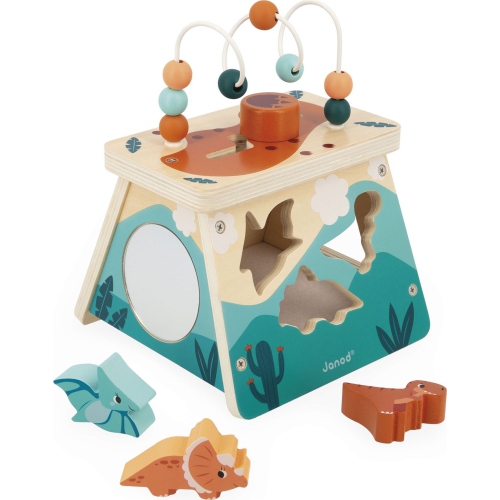
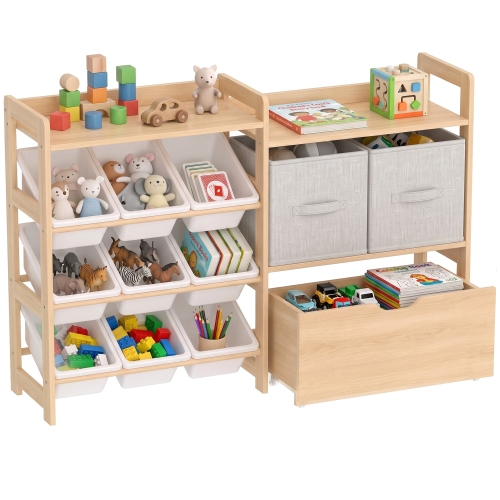

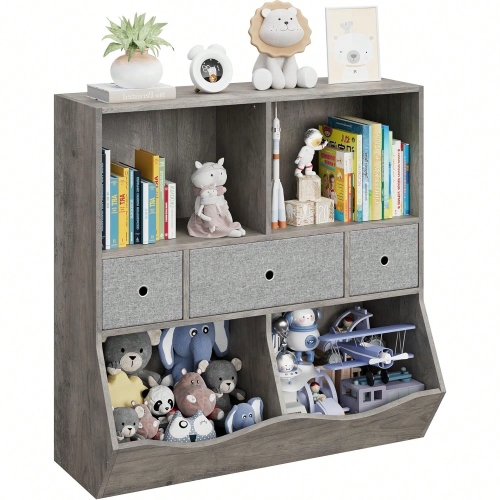
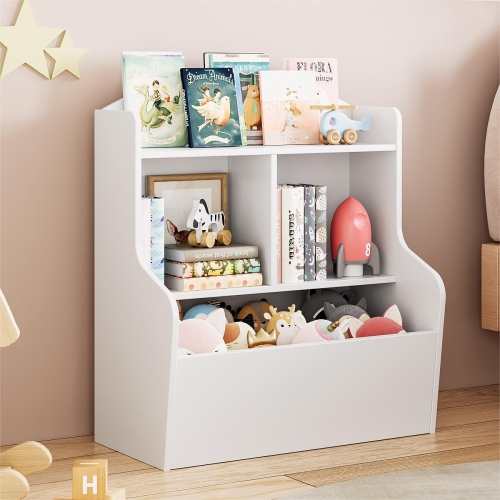
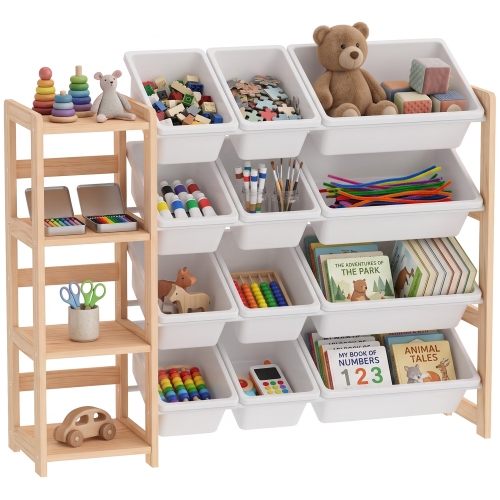

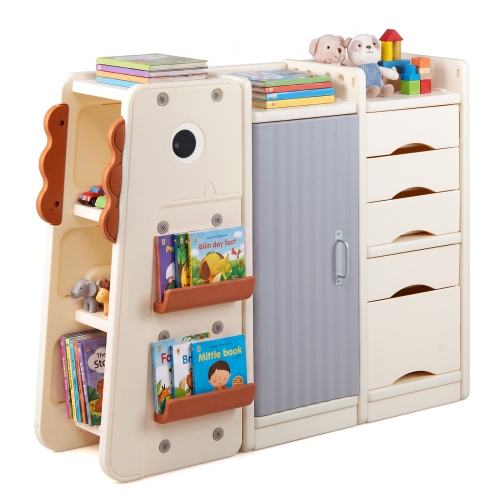

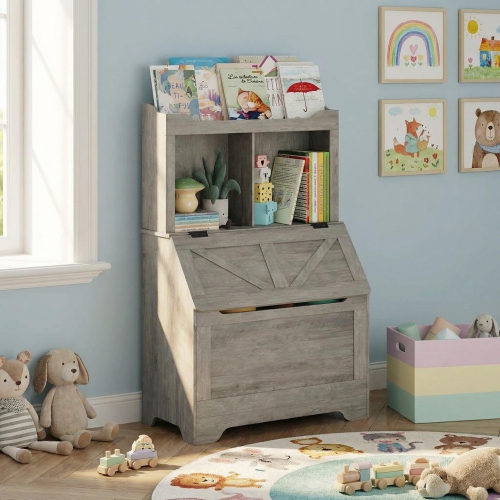
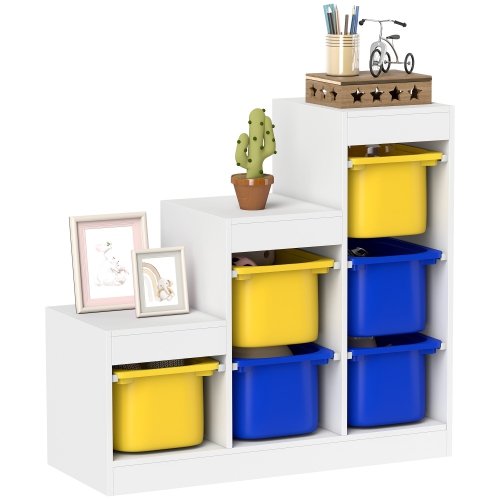
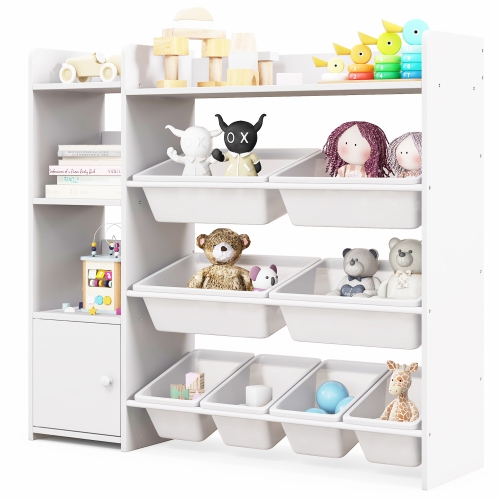
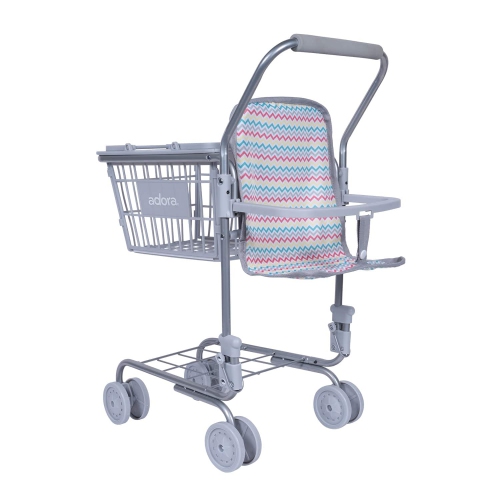

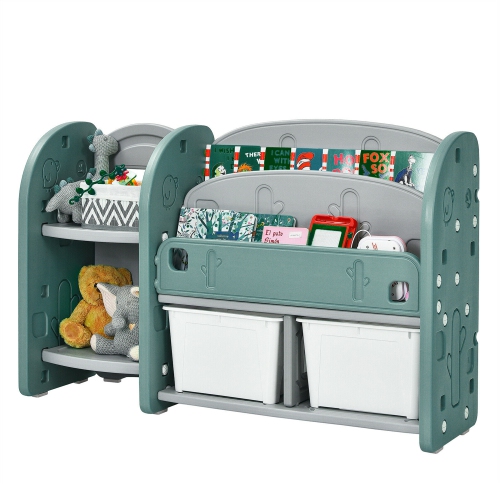
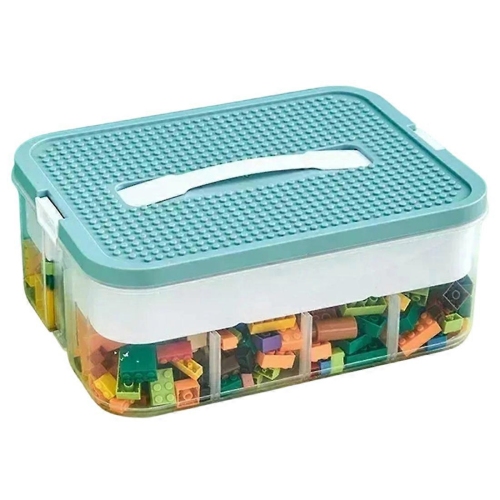
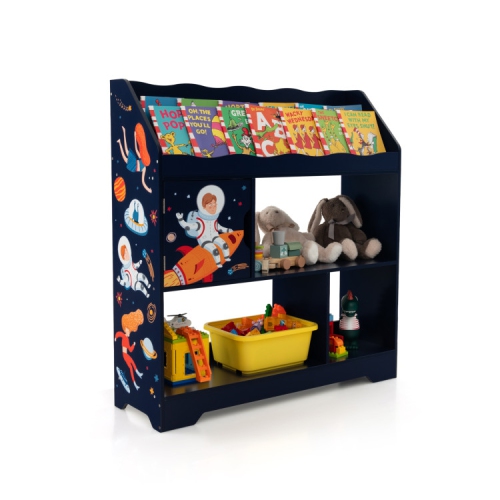
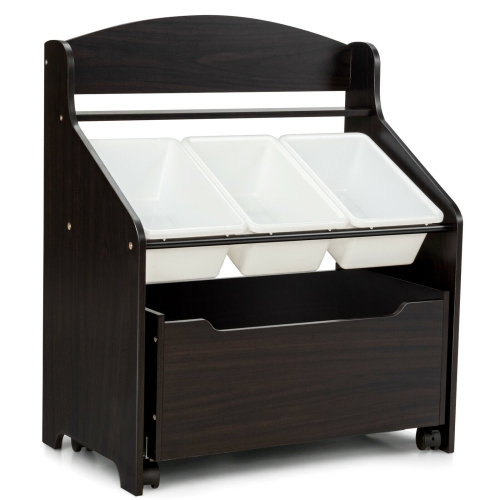
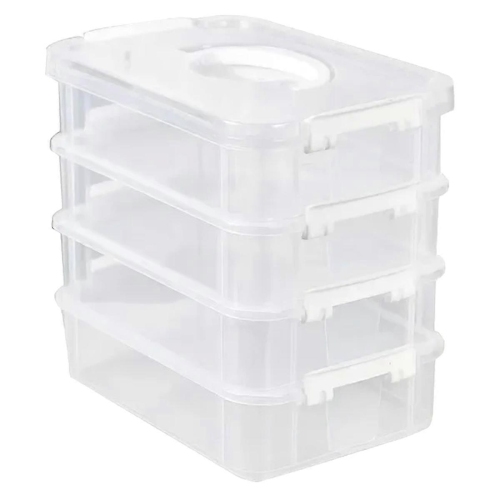
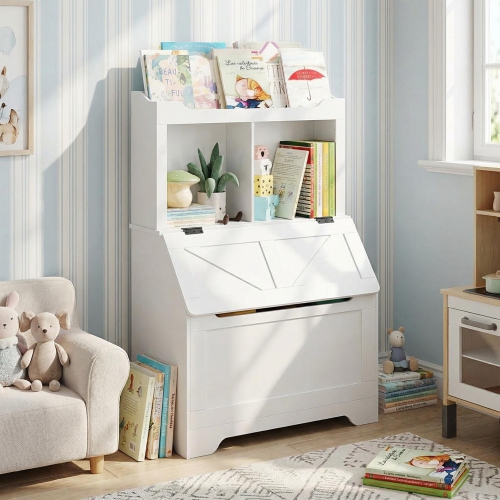
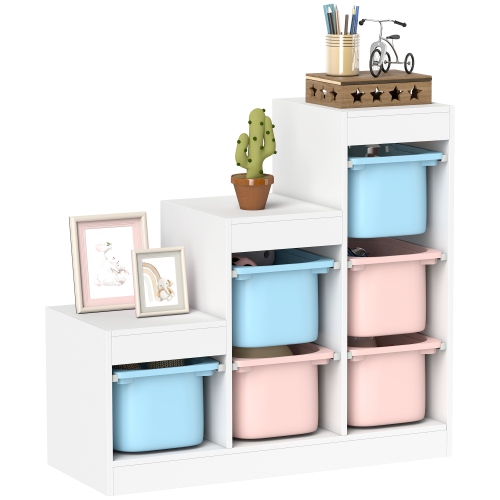
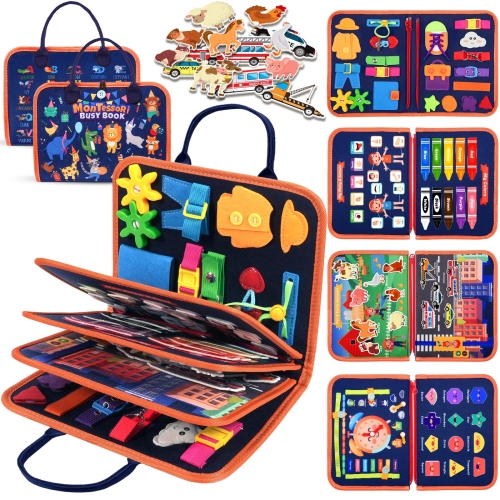
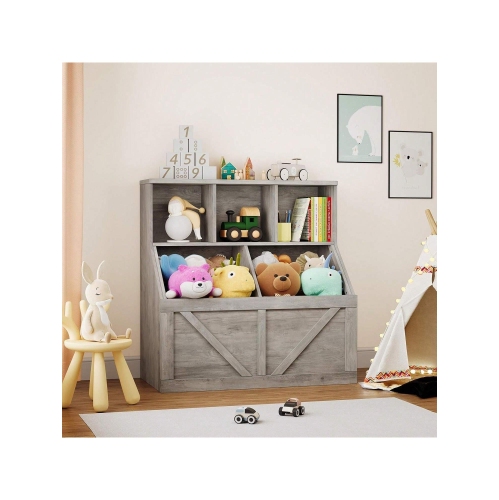
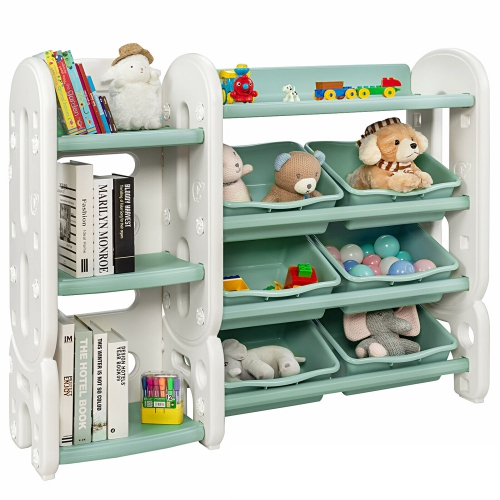
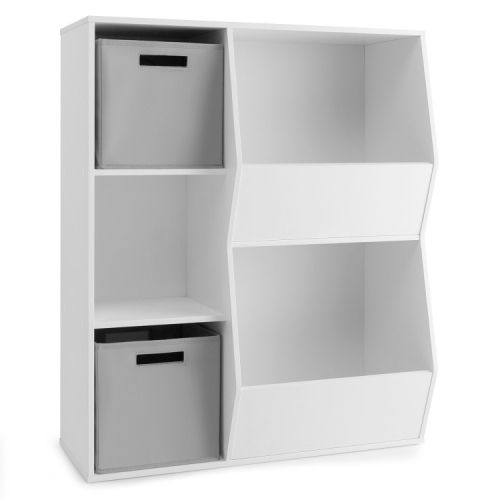
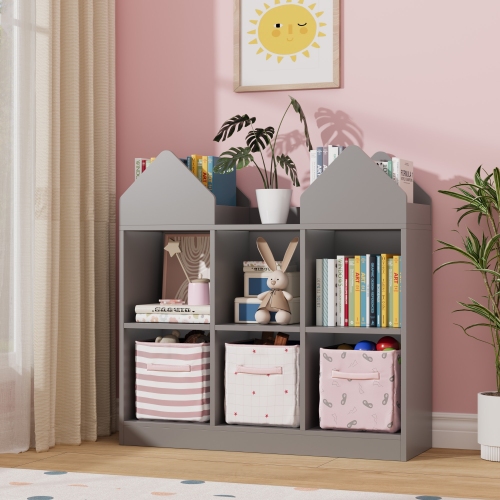
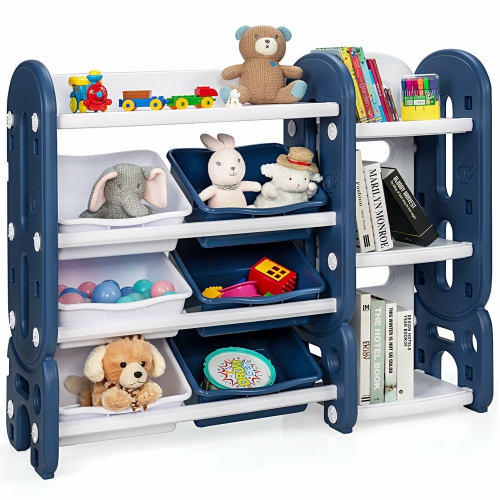
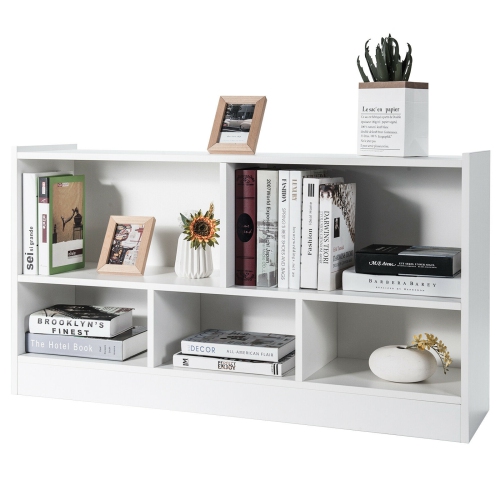
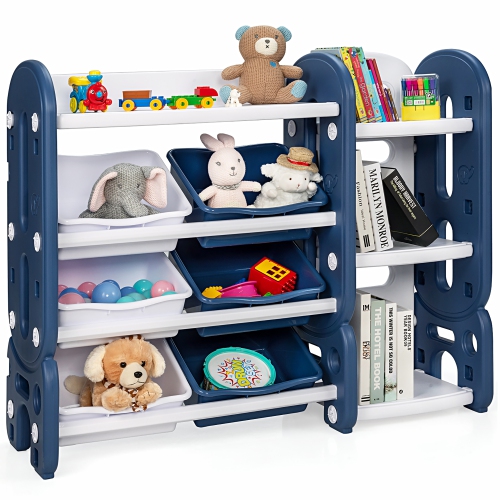
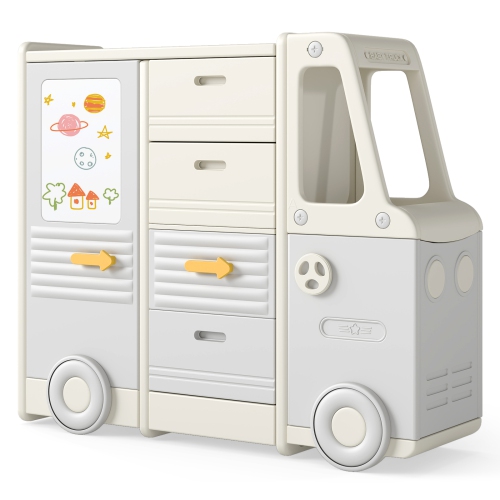
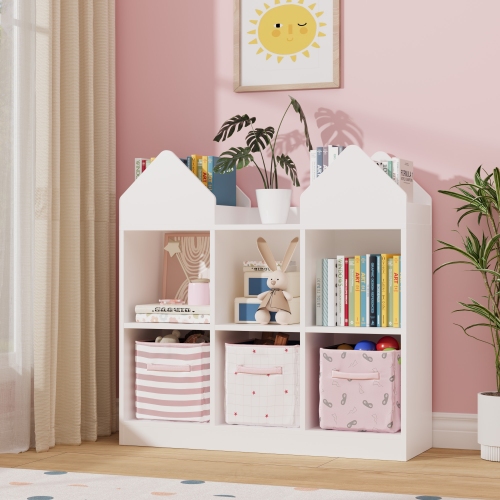
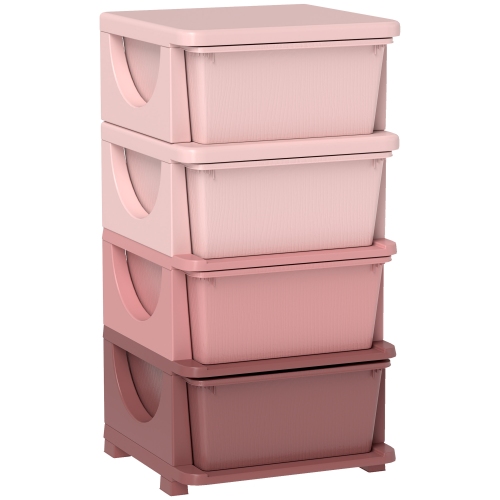
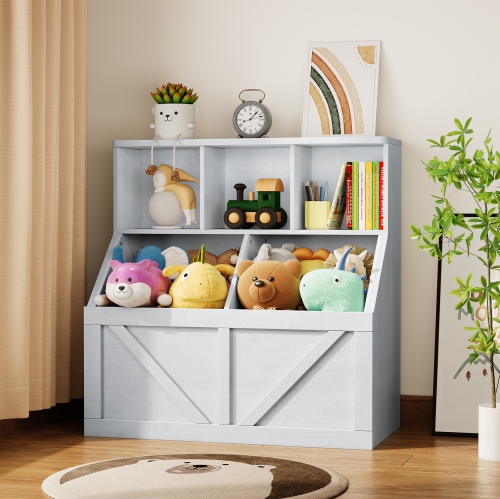
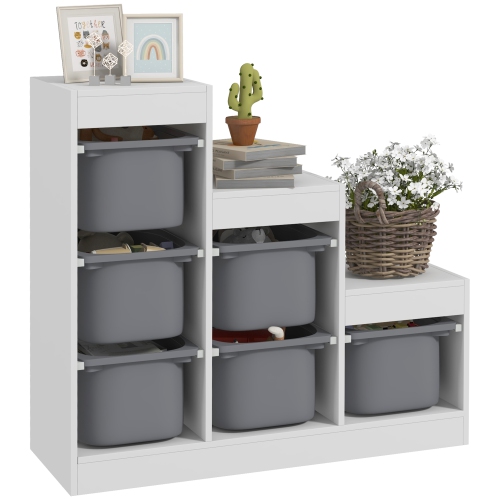
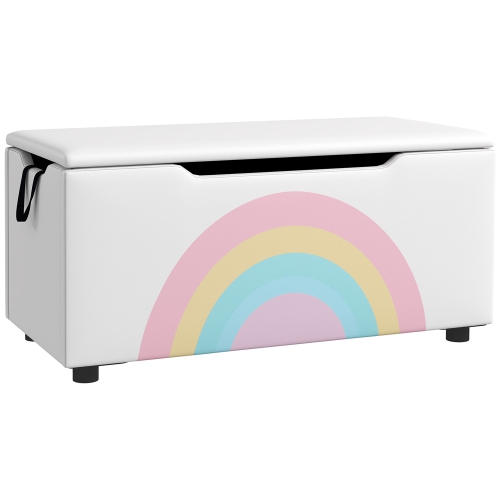
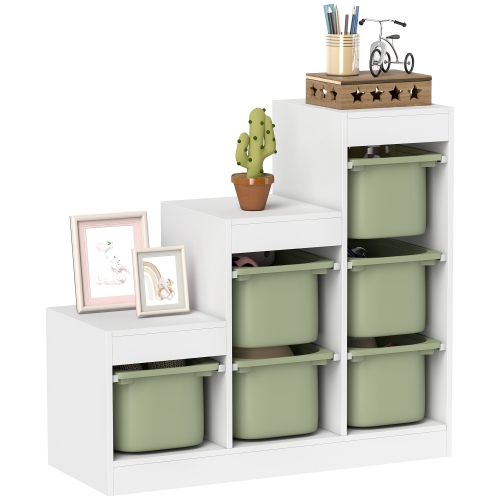
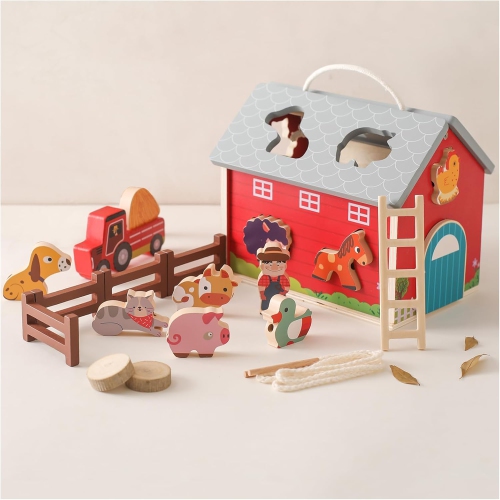
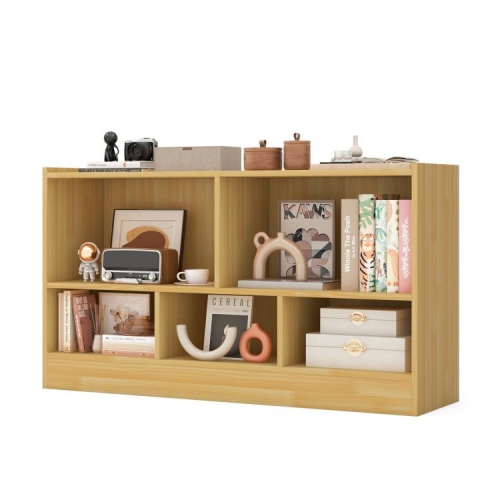
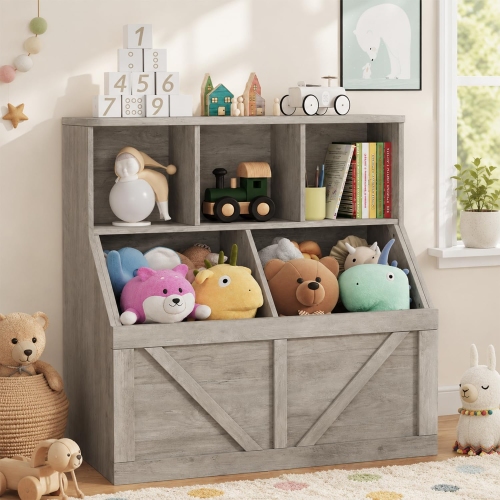
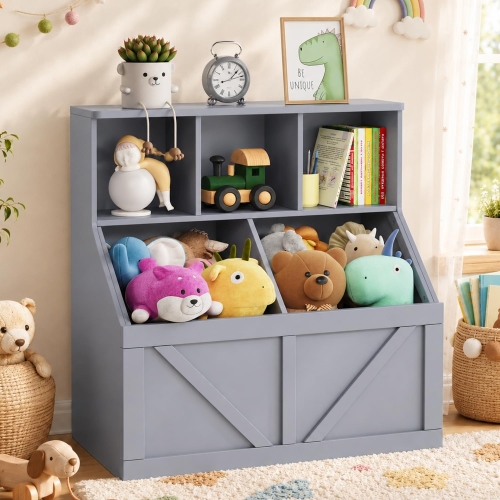
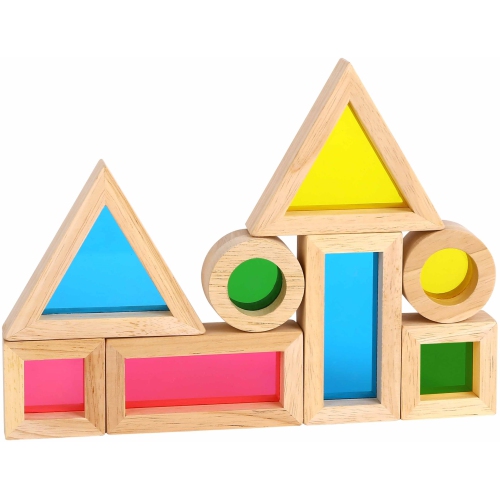



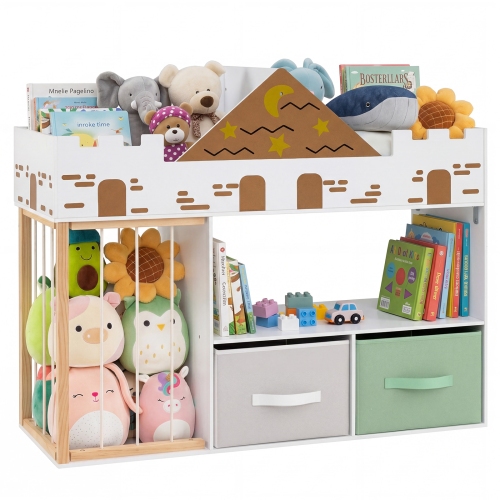
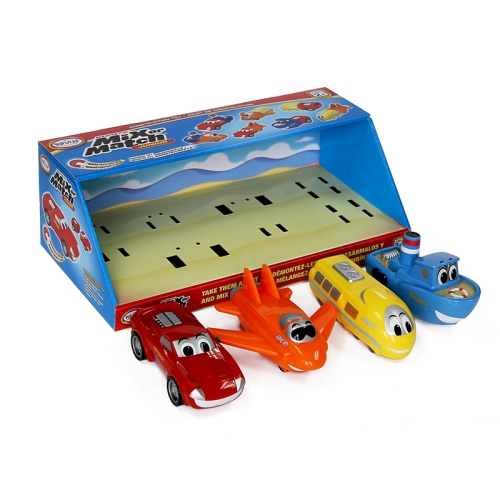
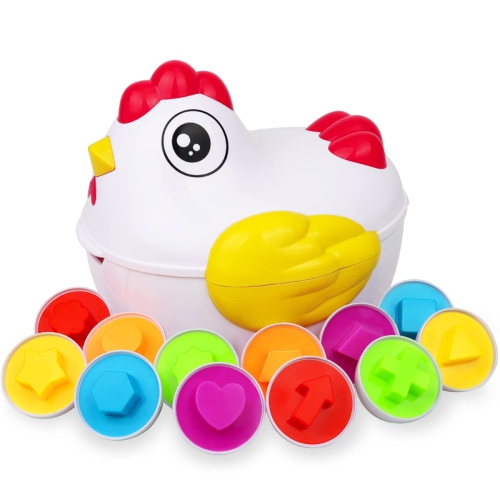
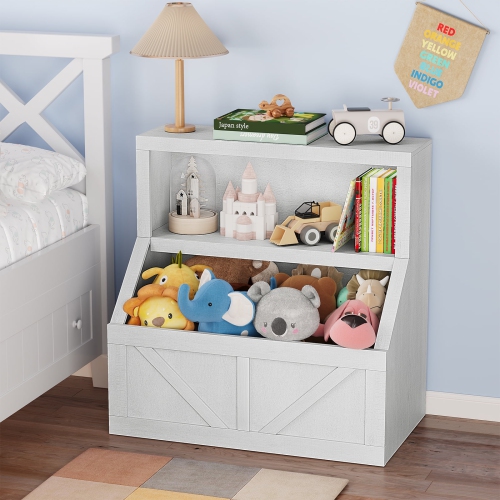

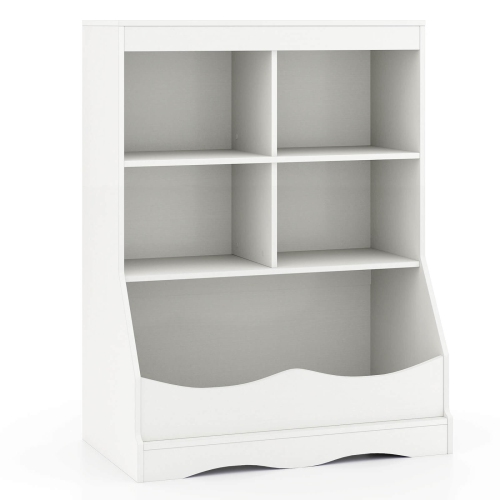
Hands-on play builds early sorting and coordination skills
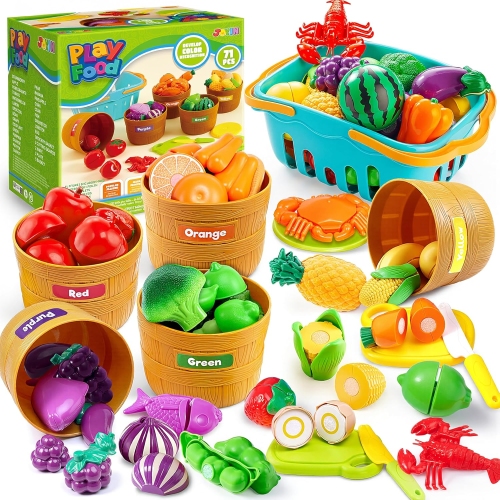
When choosing sorting toys, age guidance is an important starting point. Younger toddlers generally benefit from larger pieces, uncomplicated matching activities, and sturdy designs that are comfortable to hold. Preschool-aged children may enjoy more detailed challenges, including sorting by two attributes at once, arranging objects from smallest to largest, or using tongs to transfer several pieces into matching containers. The best choice depends on the child’s current abilities and interests, as well as whether the toy will be used for quiet solo play, shared family time, or a classroom-style activity with more than one child. Consider the number and size of the pieces, how easy they are to pick up, and whether the containers or openings are clearly differentiated. High-contrast colours and distinct shapes can be helpful for children who are just beginning to make visual comparisons, while a wider variety of pieces can keep the activity engaging as their skills develop. Materials and construction also matter. Look for surfaces that are comfortable in small hands, pieces that are easy to wipe clean, and components that feel solid enough for regular play. A compact sorting toy can be convenient for a playroom shelf, travel bag, or grandparent’s home, while a larger set with multiple baskets or trays may suit a dedicated activity area. Storage is worth considering as well, since keeping all the pieces together makes it easier to return to the activity later. Sorting toys can become especially engaging when they connect with a child’s other interests. Children who enjoy pretend kitchens may sort play food into groups, while those who like vehicles can organize pieces before moving on to Transport Toys. Adding familiar themes can help children stay involved without changing the basic learning activity.
Sorting toys can make thoughtful gifts for toddlers, preschoolers, and young children who enjoy hands-on discovery. They suit many occasions, from a birthday or family visit to a seasonal gift during the cooler months, and they can be useful for households looking for screen-free activities that fit naturally into everyday routines. A child may begin by matching only two or three colours, then gradually create larger groups, explain the choices aloud, or invent a new sorting rule of their own. Adults can support this growth by offering gentle prompts rather than taking over: point out one feature, demonstrate one turn, or invite the child to find another piece that belongs with the first. It can be helpful to accept different approaches, too. A child might sort by colour one day, by shape the next, and then decide that all the “big” pieces belong together. These changing rules are part of the appeal, because the same collection can provide a fresh activity as children’s thinking develops. Sorting toys can also encourage cooperative play between siblings or friends, with one child gathering pieces while another places them, or with children taking turns choosing the next category. For a more relaxed experience, adults can set out a few pieces at a time and add more once the child is comfortable. For a greater challenge, they can introduce size comparisons, simple patterns, or playful counting without making the activity feel like a lesson. Many sorting toys are easy to combine with other toys already in the home, allowing children to organize pretend groceries, craft shapes, animals, blocks, or other safe play items by a chosen feature. This flexibility makes sorting toys a practical addition to a play space, offering repeated opportunities to practise coordination, recognize patterns, build vocabulary, and develop confidence through achievable hands-on tasks.
Top selling and popular products
-
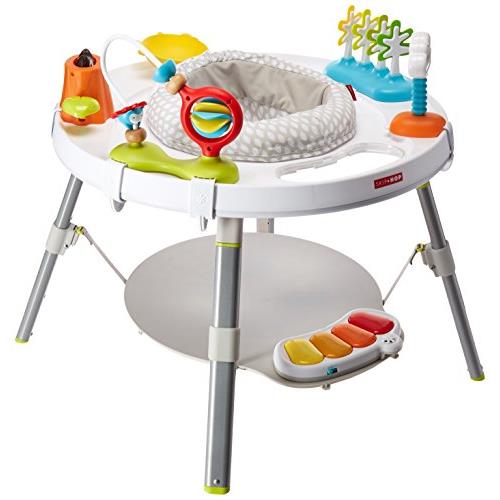 Your price for this item is $299.13
-
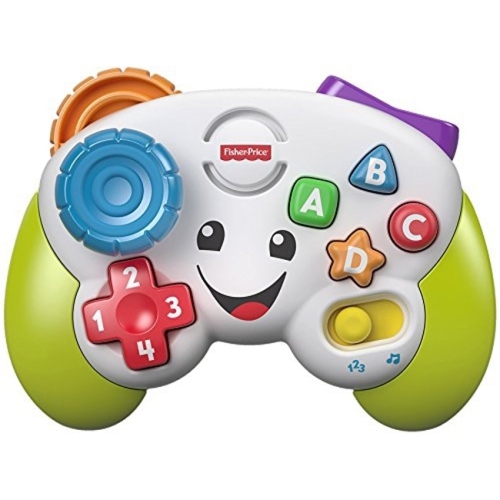 Your price for this item is $24.28
-
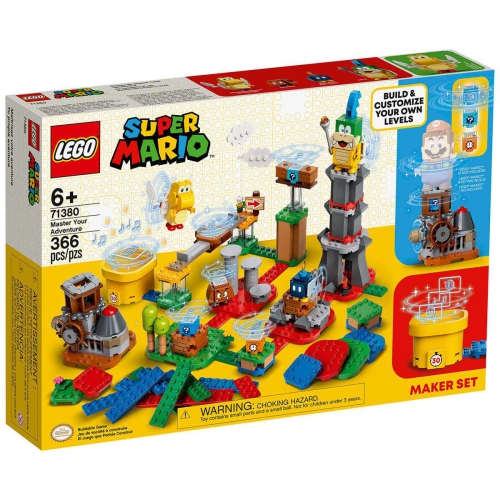 Your price for this item is $103.27
-
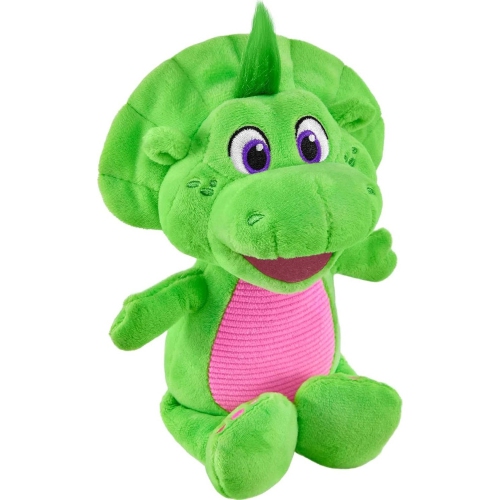 Your price for this item is $17.24
-
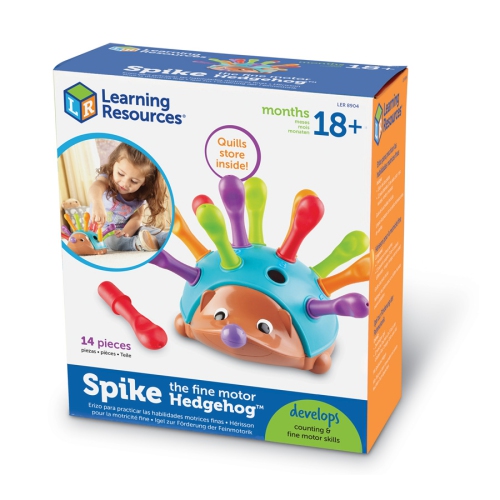 Your price for this item is $56.13
-
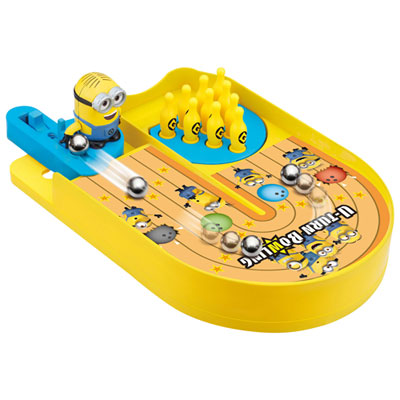 Your price for this item is $19.99
-
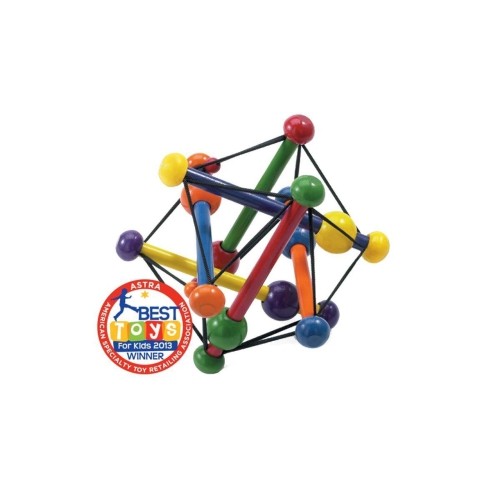 Your price for this item is $29.99
-
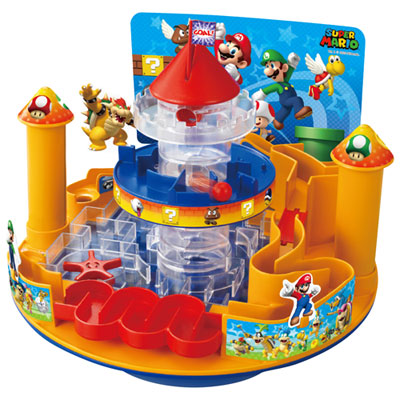 Your price for this item is $39.99