Crayons for Drawing
Unleash your creativity with a vibrant assortment of crayons designed for artists of all ages. Whether you're an aspiring artist, a seasoned professional, or simply looking to add a splash of color to your everyday life, the right crayons can make all the difference. From rich, bold hues to soft pastels, these versatile drawing tools offer endless possibilities for self-expression and artistic exploration. Ideal for sketching, coloring, or detailed illustrations, our selection ensures smooth application and consistent quality, helping you bring your imaginative visions to life on paper.
Sort
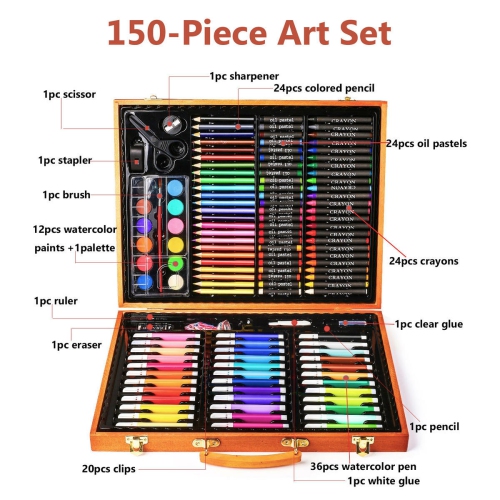
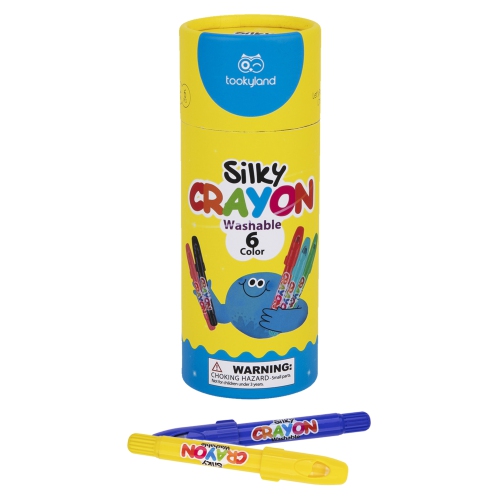
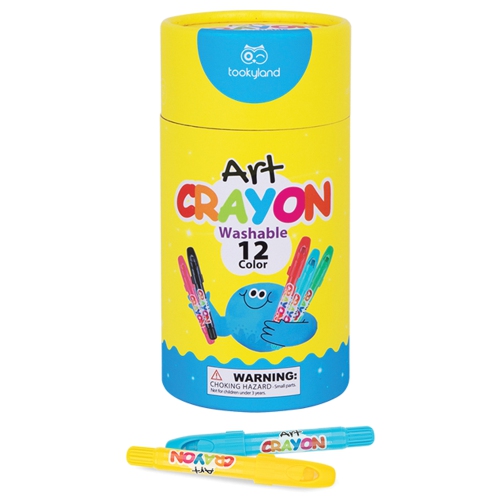
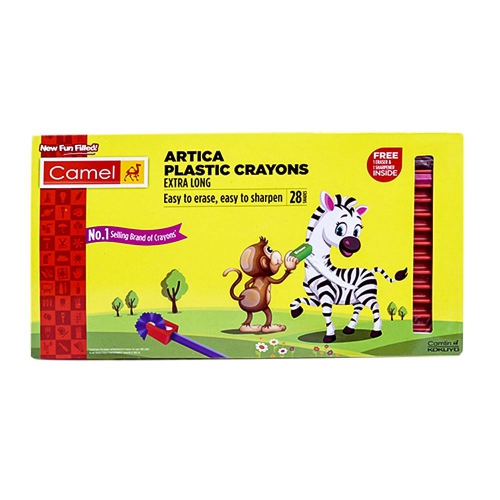
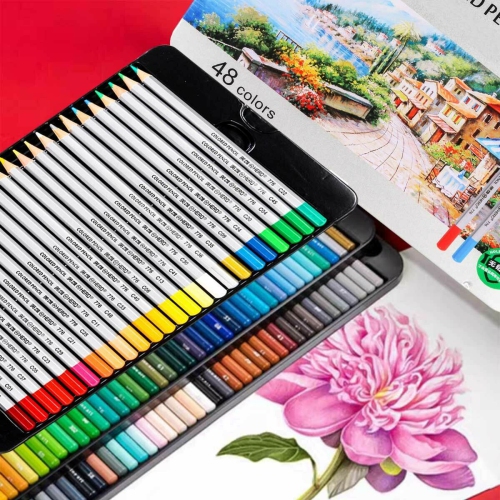

From bold wax marks to watercolour-inspired effects
Crayons for drawing offer an approachable way to add colour, texture, and personality to everyday creative projects. Familiar wax crayons are a dependable choice for children, families, classrooms, and anyone who enjoys the direct, tactile feel of drawing with a simple stick of colour. They are easy to hold, quick to use, and well suited to sketching, colouring, lettering, doodling, and imaginative scenes. Standard wax crayons typically create a softly textured finish, while firmer plastic crayons can provide cleaner lines and added durability for busy art areas or younger artists who press firmly as they draw. Softer gel-style crayons, meanwhile, tend to glide across paper with a rich, creamy texture and can create bold, opaque marks with less effort. For artists exploring more advanced techniques, water-soluble crayons can be used dry for precise lines and then activated with a damp brush to create effects similar to watercolour. When choosing crayons for drawing, consider the artist’s age, hand strength, preferred drawing style, and the type of paper being used. Larger barrels can be comfortable for small hands, while slimmer crayons may offer more control for detailed work. Sets with a broad range of colours make it easier to build colourful illustrations, while smaller assortments can suit travel, occasional crafts, or a tidy creative corner. Look for containers that keep shades organized and make it simple to return each crayon after use, especially when the set will be shared by siblings, classmates, or guests.
The surface and finish of a crayon can make a noticeable difference in the drawing experience. Traditional wax crayons are a natural fit for construction paper, drawing pads, activity books, and other slightly textured surfaces, where their marks can show a pleasant grain. Smooth paper allows colours to glide and makes it easier to build layers, blend neighbouring shades, or create clean outlines. Encourage a light touch at first, then gradually increase pressure to deepen colour without flattening the texture too quickly. Artists can place a pale shade beneath a darker one to create depth, overlap two related colours for a gentle transition, or use short strokes, long lines, dots, and crosshatching to vary the appearance of a drawing. Softer crayons may blend with a fingertip or tissue, although a scrap sheet under the drawing can help keep hands and surrounding surfaces neat. Crayon crumbs are a normal part of using some wax formulas, so a smooth work area and a small tray can make tidying easier. Crayons also support classic resist techniques. A drawing made with firm, heavy strokes can be covered with a thin watercolour wash; the paint will pull away from waxy areas, revealing the hidden lines and shapes beneath. Another engaging approach is sgraffito, in which a bright base layer is covered with a darker colour and then gently scratched to uncover the hue below. Water-soluble crayons offer another creative direction: draw first, then brush over selected areas with a little water to soften edges, fill spaces, or create a painted effect. A fine brush can activate small details, while a wider damp brush can turn broad marks into expressive washes. These techniques make crayons useful for quiet afternoon drawing, school assignments, handmade cards, poster projects, mixed-media artwork, and family craft sessions during the cooler months or whenever an indoor activity is welcome.
Crayons for drawing can be a thoughtful gift for children discovering their first favourite colours, older students building an art supply collection, or adults who enjoy sketching, colouring, journalling, and mixed-media work. They are also practical for shared households because people with different experience levels can use the same basic materials in their own way. A young child may fill a page with bold circles and expressive faces, while an experienced artist may use carefully layered strokes to suggest fabric, foliage, shadows, or the glow of a sunset. For gifts, consider pairing a crayon set with a blank sketchbook, drawing paper, an easel, or a storage case to create a complete creative starting point. A washable or easy-clean option can be helpful for younger artists and craft areas where marks may occasionally travel beyond the page. Older children and adults may prefer richly pigmented crayons, water-soluble colours, or softer formulas that respond well to layering and blending. If the recipient enjoys precise outlines, patterns, and small details, Coloring Pencils can complement a crayon collection by adding a different level of control. Before choosing, check the recommended age range, the number of colours, the shape and size of each crayon, and whether the set is intended for dry drawing, water activation, or both. With the right combination of comfort, colour variety, and texture, crayons can turn an ordinary sheet of paper into a place for stories, experiments, memories, and artistic confidence.
The surface and finish of a crayon can make a noticeable difference in the drawing experience. Traditional wax crayons are a natural fit for construction paper, drawing pads, activity books, and other slightly textured surfaces, where their marks can show a pleasant grain. Smooth paper allows colours to glide and makes it easier to build layers, blend neighbouring shades, or create clean outlines. Encourage a light touch at first, then gradually increase pressure to deepen colour without flattening the texture too quickly. Artists can place a pale shade beneath a darker one to create depth, overlap two related colours for a gentle transition, or use short strokes, long lines, dots, and crosshatching to vary the appearance of a drawing. Softer crayons may blend with a fingertip or tissue, although a scrap sheet under the drawing can help keep hands and surrounding surfaces neat. Crayon crumbs are a normal part of using some wax formulas, so a smooth work area and a small tray can make tidying easier. Crayons also support classic resist techniques. A drawing made with firm, heavy strokes can be covered with a thin watercolour wash; the paint will pull away from waxy areas, revealing the hidden lines and shapes beneath. Another engaging approach is sgraffito, in which a bright base layer is covered with a darker colour and then gently scratched to uncover the hue below. Water-soluble crayons offer another creative direction: draw first, then brush over selected areas with a little water to soften edges, fill spaces, or create a painted effect. A fine brush can activate small details, while a wider damp brush can turn broad marks into expressive washes. These techniques make crayons useful for quiet afternoon drawing, school assignments, handmade cards, poster projects, mixed-media artwork, and family craft sessions during the cooler months or whenever an indoor activity is welcome.
Crayons for drawing can be a thoughtful gift for children discovering their first favourite colours, older students building an art supply collection, or adults who enjoy sketching, colouring, journalling, and mixed-media work. They are also practical for shared households because people with different experience levels can use the same basic materials in their own way. A young child may fill a page with bold circles and expressive faces, while an experienced artist may use carefully layered strokes to suggest fabric, foliage, shadows, or the glow of a sunset. For gifts, consider pairing a crayon set with a blank sketchbook, drawing paper, an easel, or a storage case to create a complete creative starting point. A washable or easy-clean option can be helpful for younger artists and craft areas where marks may occasionally travel beyond the page. Older children and adults may prefer richly pigmented crayons, water-soluble colours, or softer formulas that respond well to layering and blending. If the recipient enjoys precise outlines, patterns, and small details, Coloring Pencils can complement a crayon collection by adding a different level of control. Before choosing, check the recommended age range, the number of colours, the shape and size of each crayon, and whether the set is intended for dry drawing, water activation, or both. With the right combination of comfort, colour variety, and texture, crayons can turn an ordinary sheet of paper into a place for stories, experiments, memories, and artistic confidence.
Top selling and popular products
-
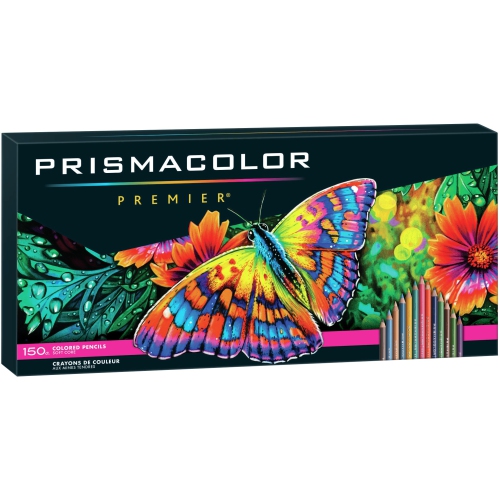 Your price for this item is $179.99
 -
 Your price for this item is $1.99
 -
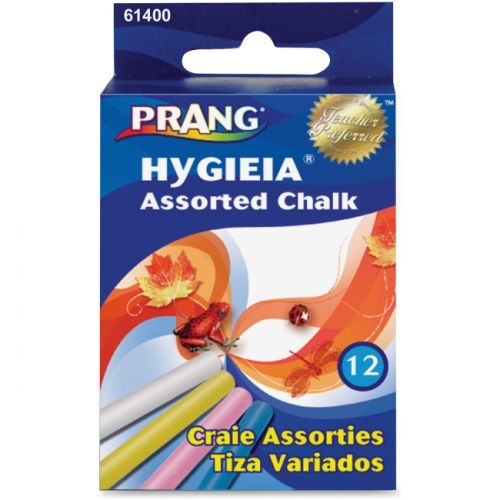 Your price for this item is $2.99
 -
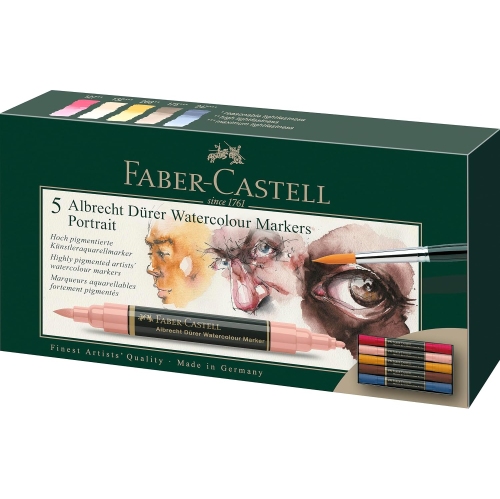 Your price for this item is $29.99
 -
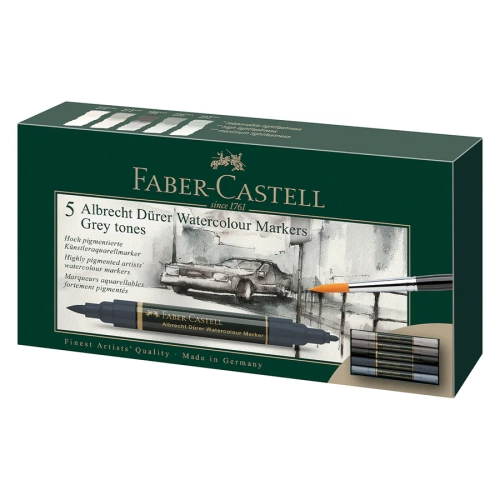 Your price for this item is $22.99
 -
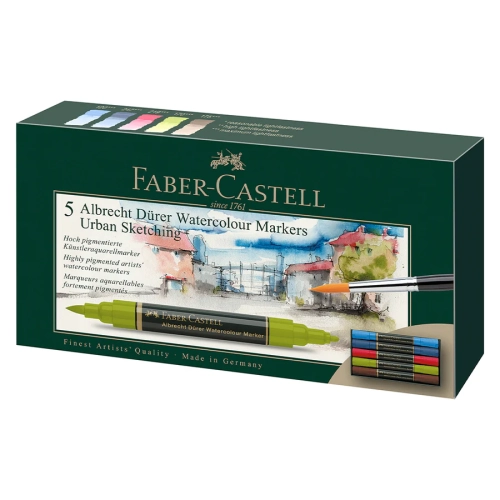 Your price for this item is $26.99
 -
![CRAYOLA Washable Kids Paint Classic Colors 10-Count - 59Ml / 2 Fl OZ [Toys, Ages 3+]](https://multimedia.bbycastatic.ca/multimedia/products/500x500/153/15332/15332313.jpeg) Your price for this item is $37.99
Your price for this item is $37.99 -
 Your price for this item is $10.35
Discover more categories related to Crayons for Drawing
Top Collections:
Best Laptops for Video Editing, Pokemon Centers, Samsung Z Fold, Kindle Devices, Best Cell Phones Under $300, Best Laptops for Writers, Best Budget Office Chairs, Best Cell Phones Under $500, Best Laptop Computers for Students, iPhone 15 Apple
Some products may be subject to Environmental Handling Fees
(EHF) depending on your province.
Learn more about EHFs.