Early Childhood Development
Nurturing young minds during the early stages of childhood is a journey filled with discovery, growth, and endless possibilities. The right tools and resources can play a pivotal role in supporting cognitive, emotional, and physical development. From interactive toys that spark creativity to educational games that promote learning through play, there is a wide array of products designed to foster curiosity and build essential skills. Investing in early childhood development not only enriches your child's learning experience but also lays a strong foundation for future success. Explore options that inspire imagination and encourage exploration in every playful moment.
Sort
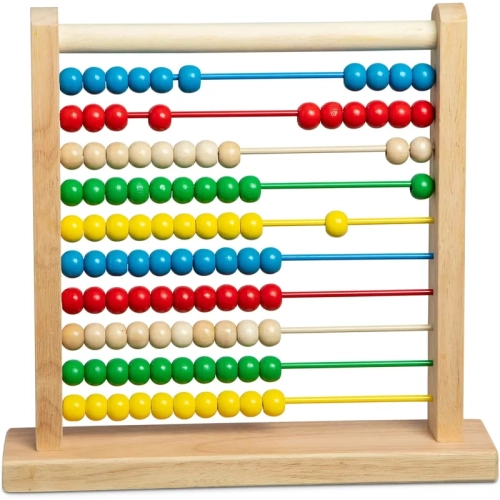
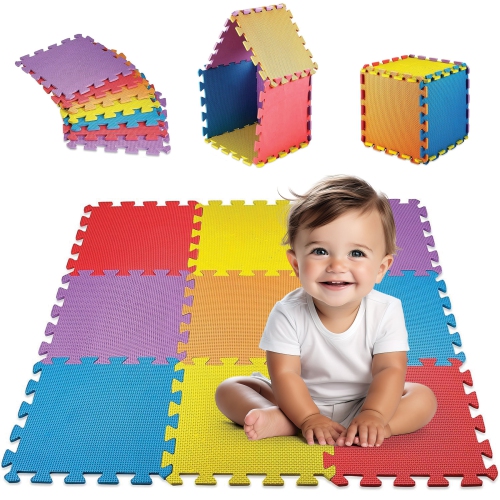
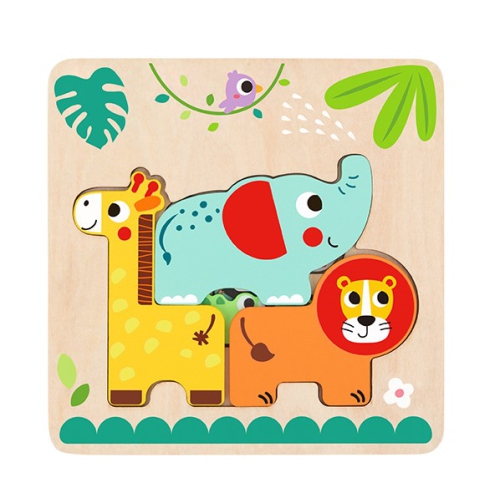
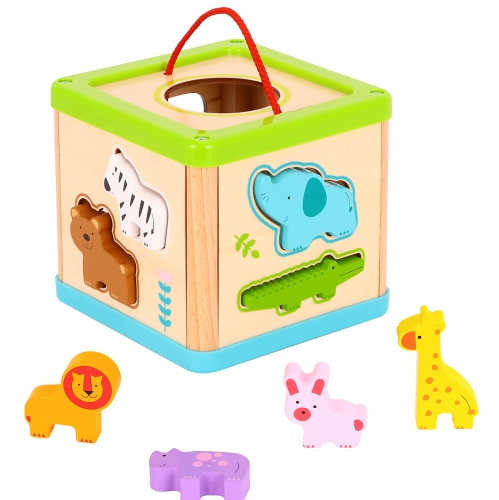
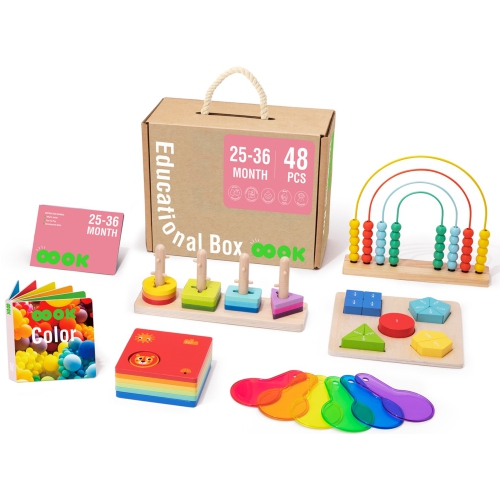
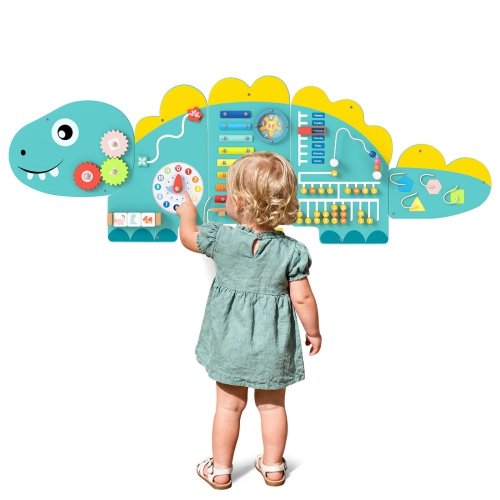
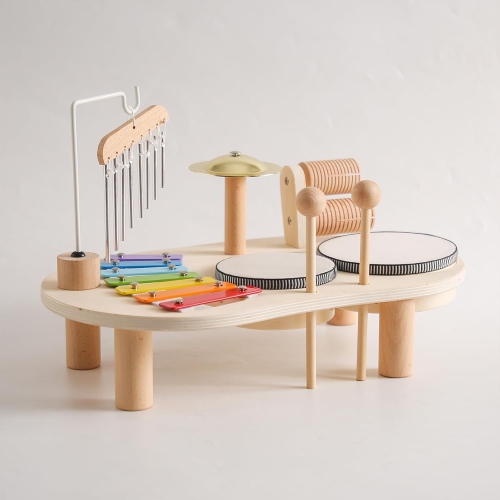

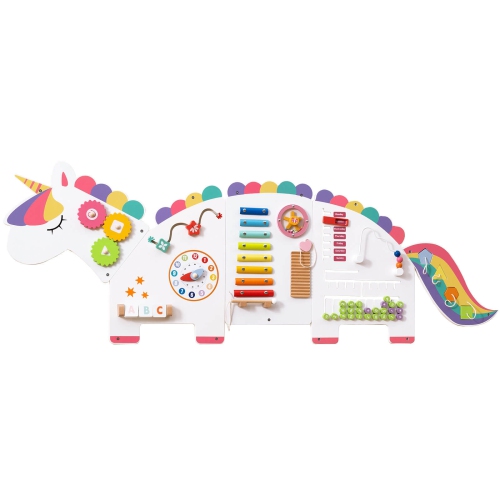
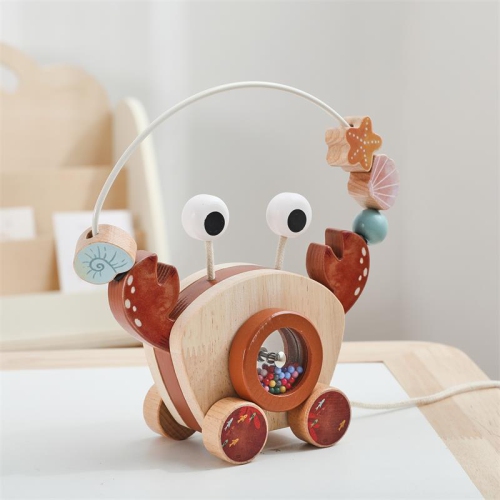
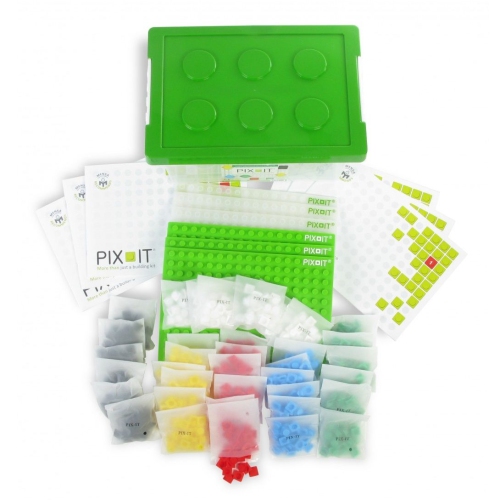
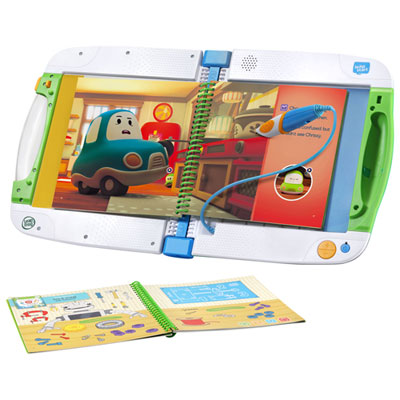
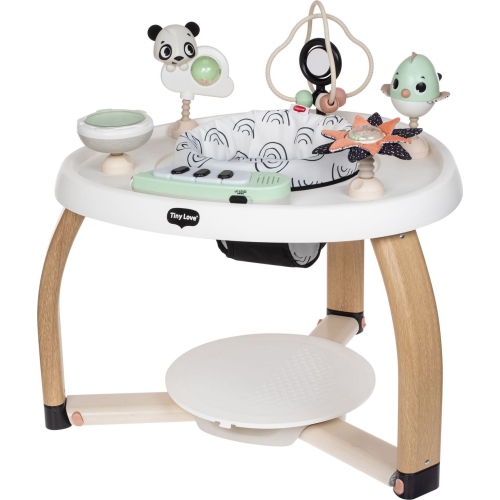
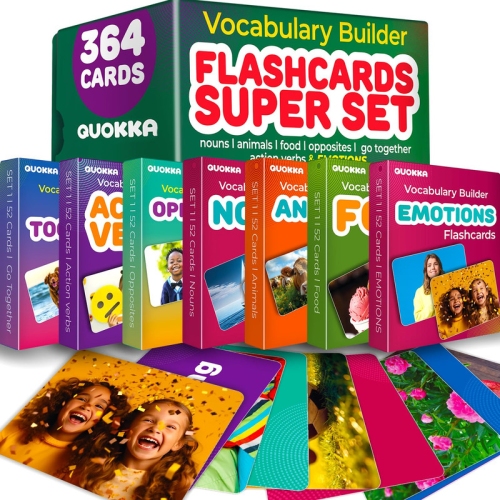
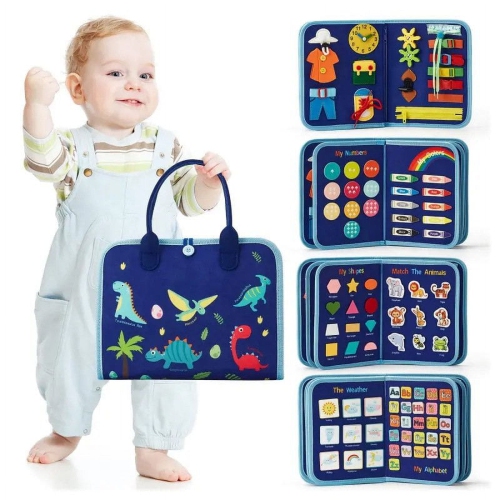
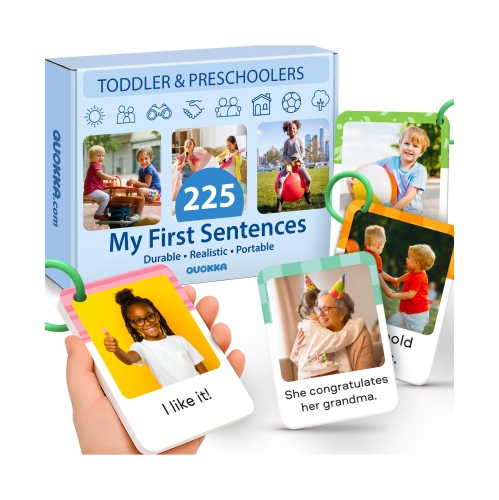
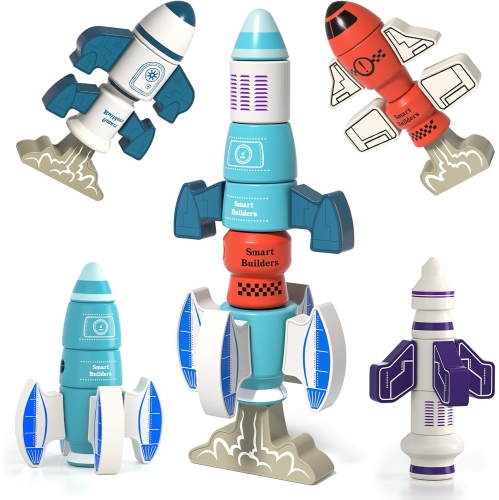
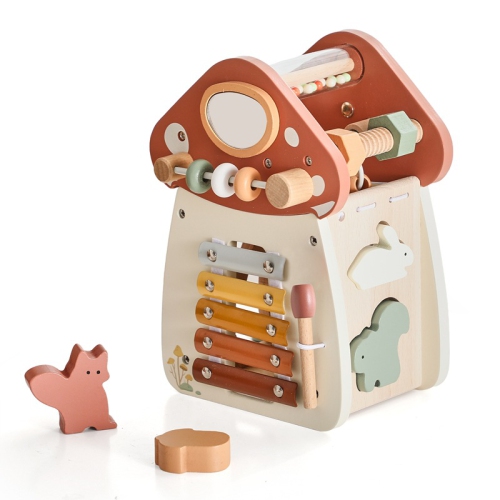

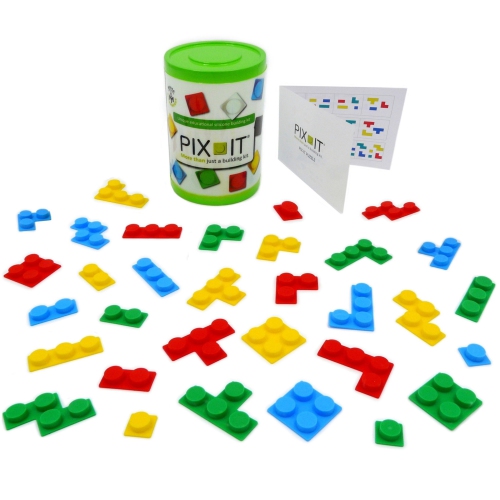

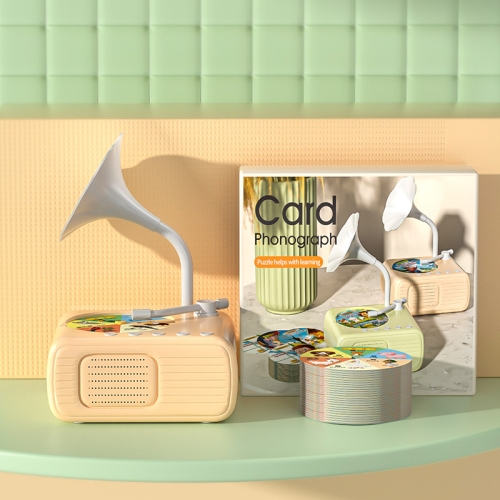
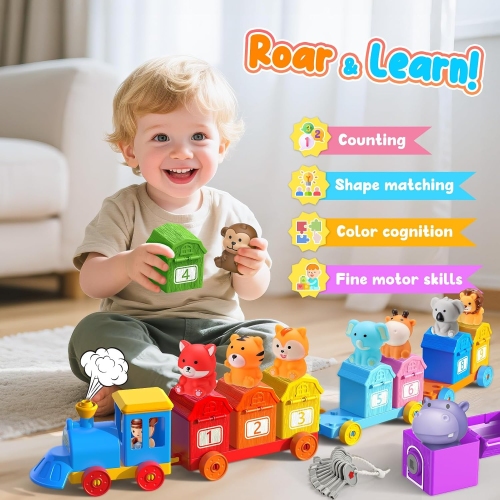
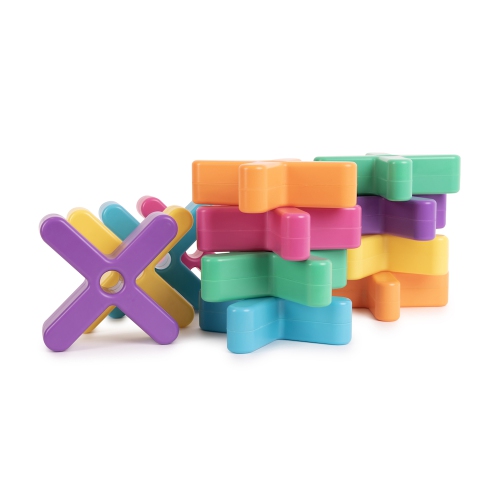
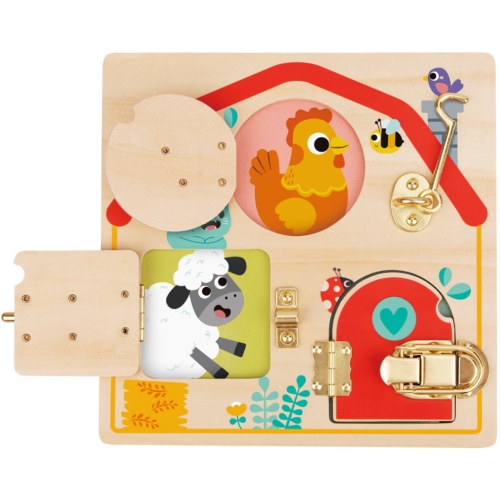
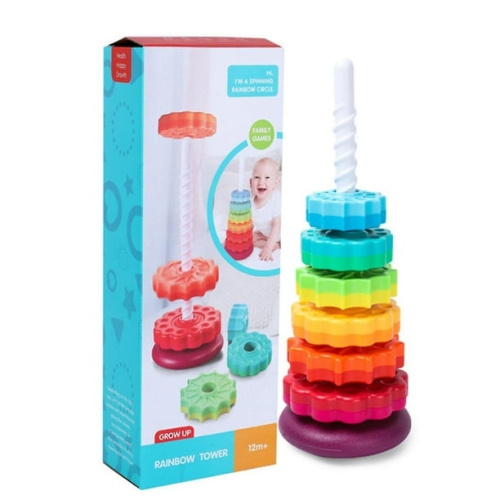
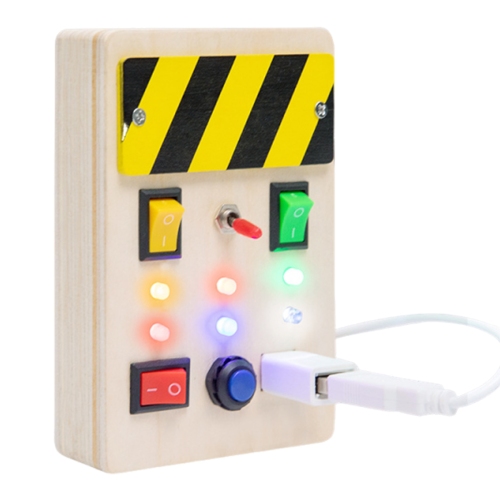

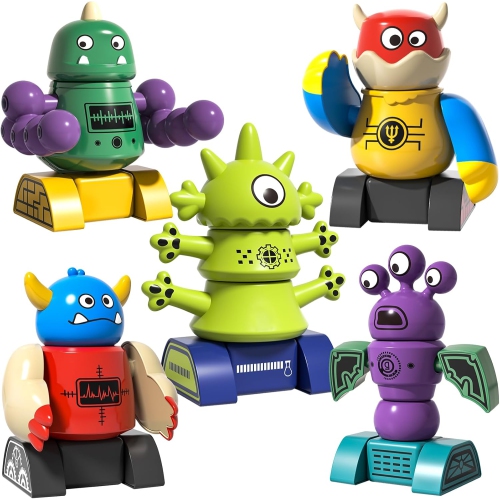
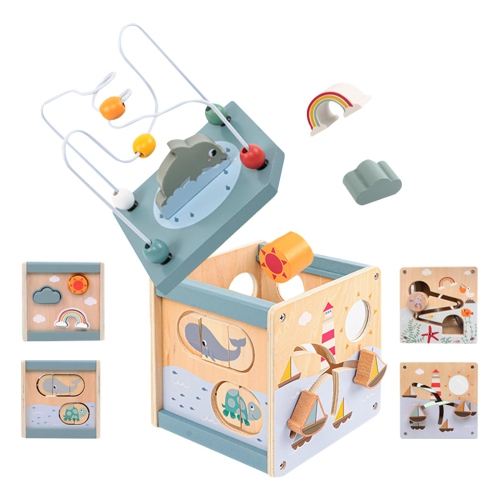
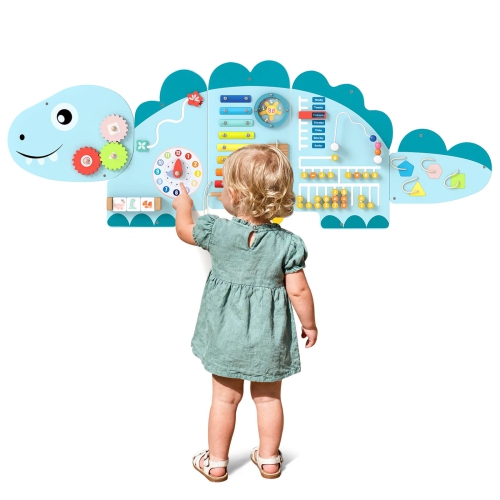
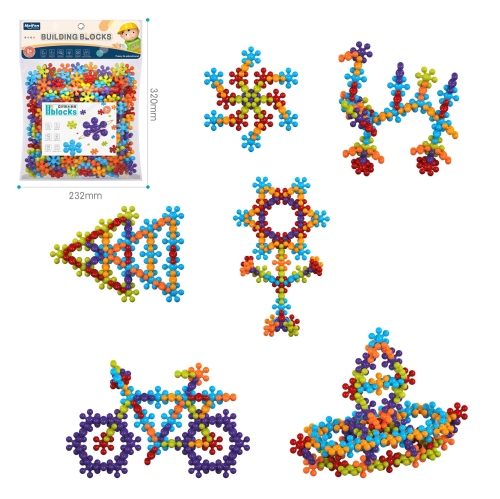

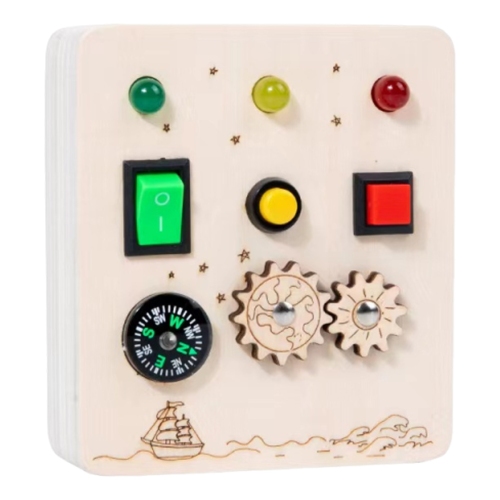
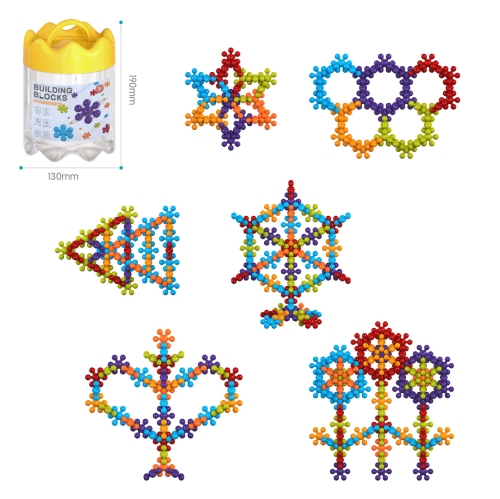
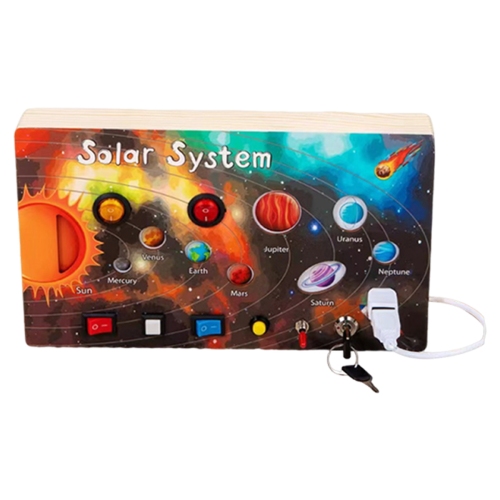

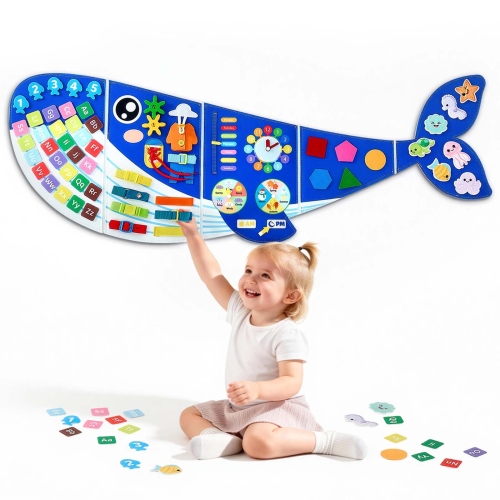
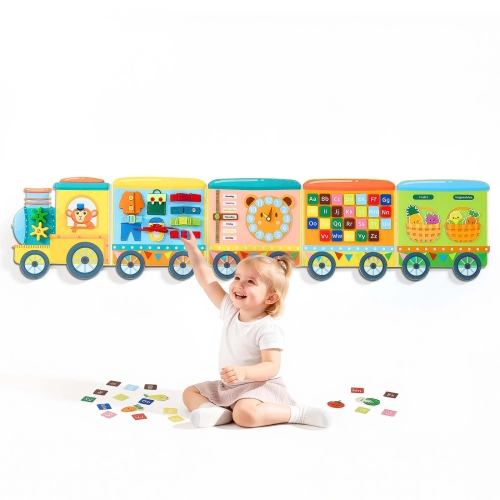

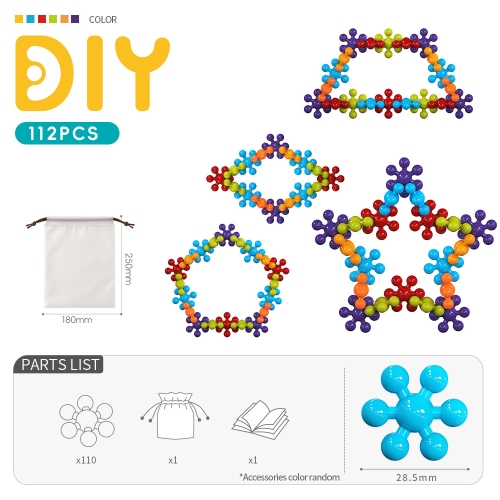
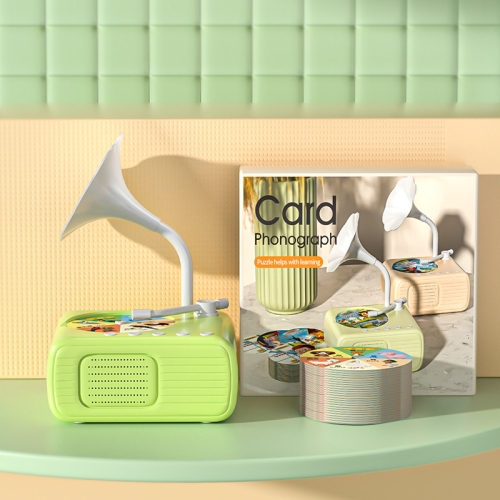
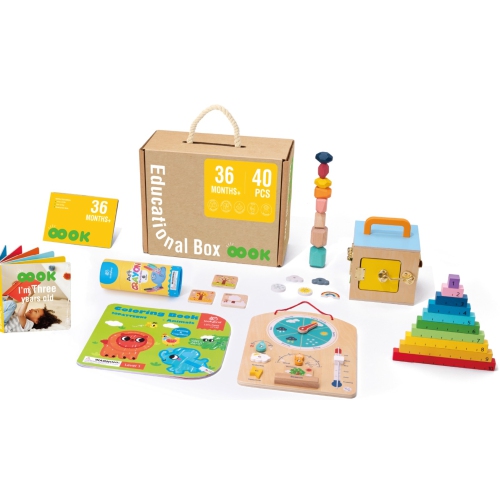
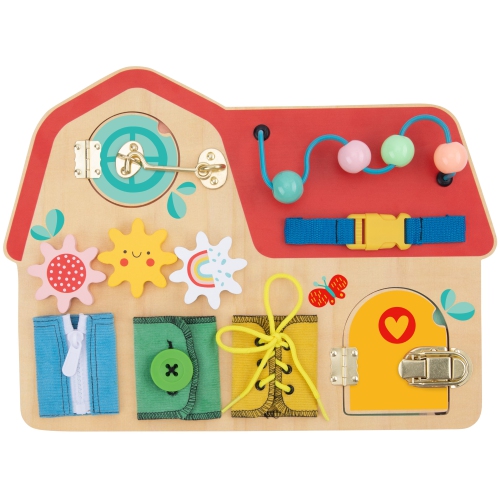
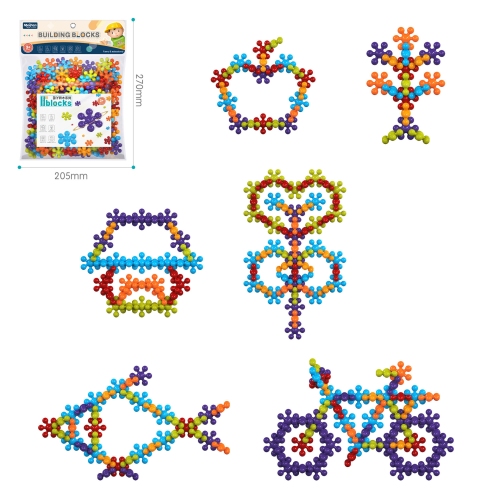
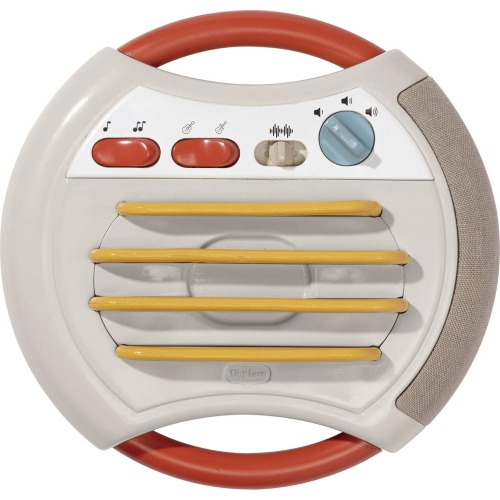
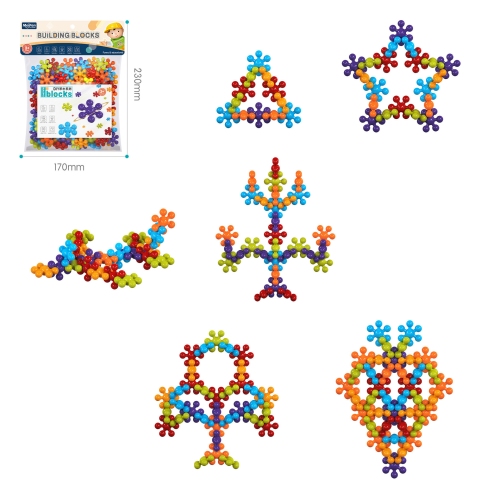
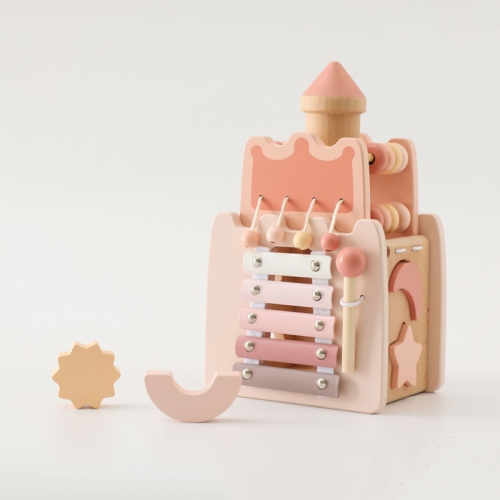
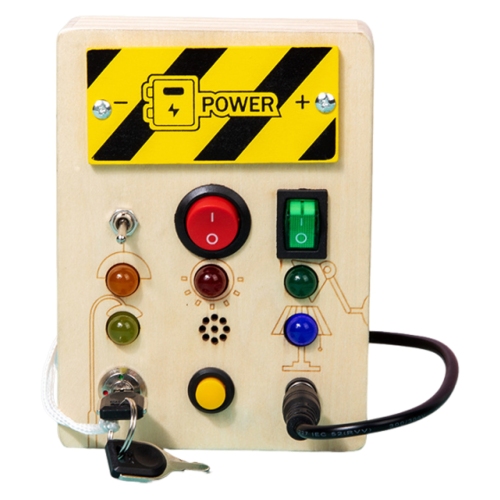
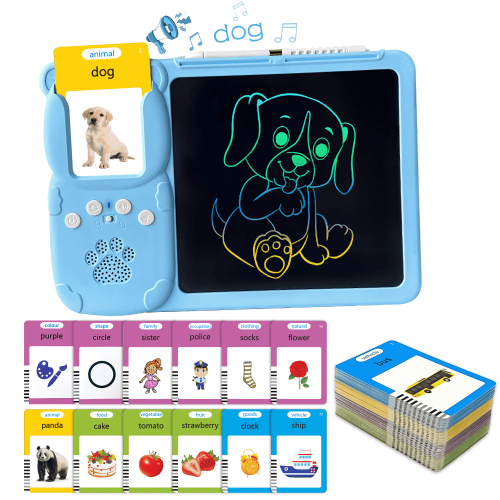
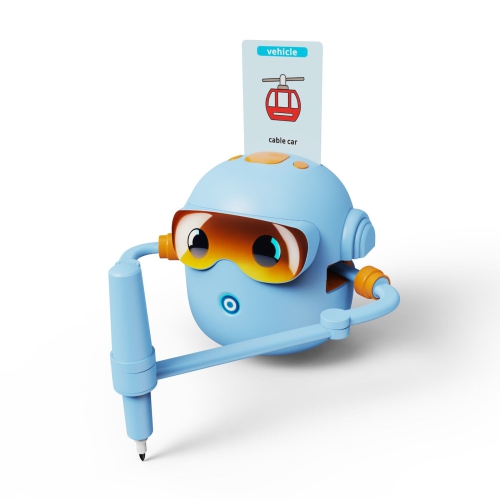
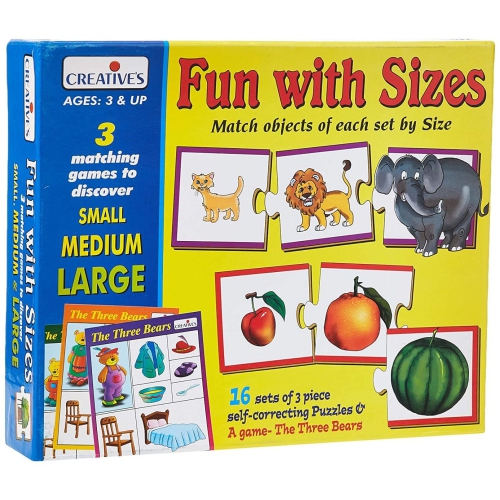
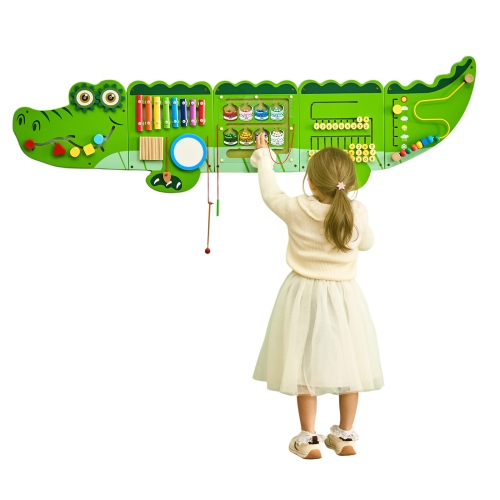
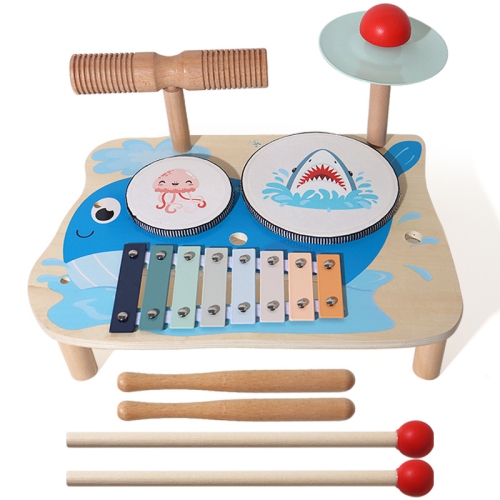
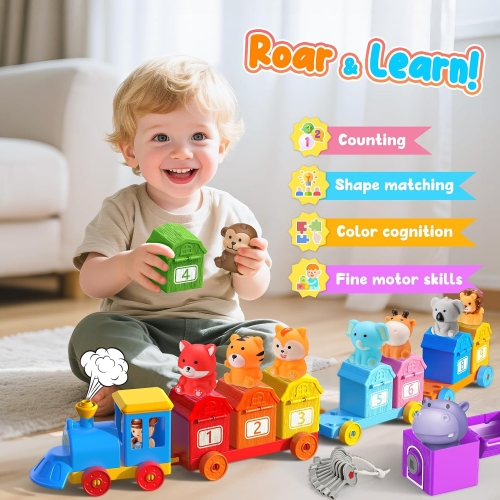

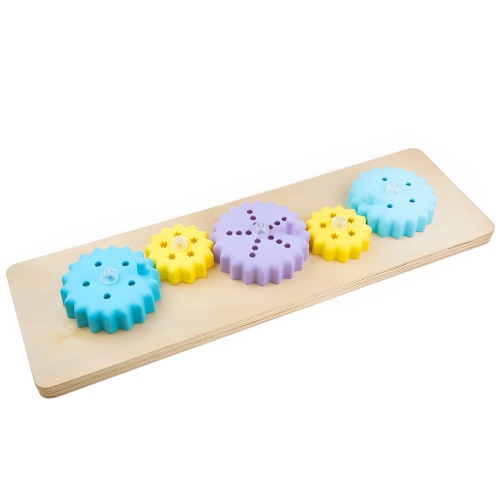
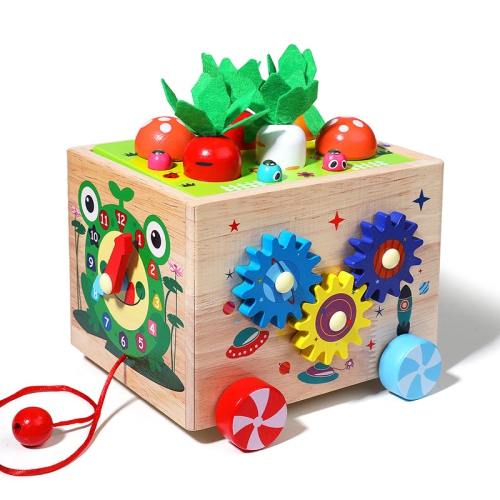
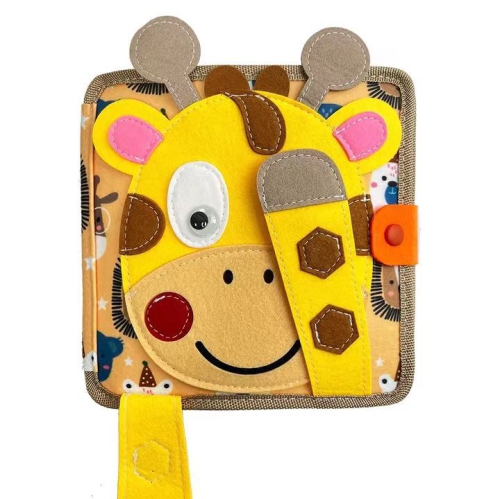
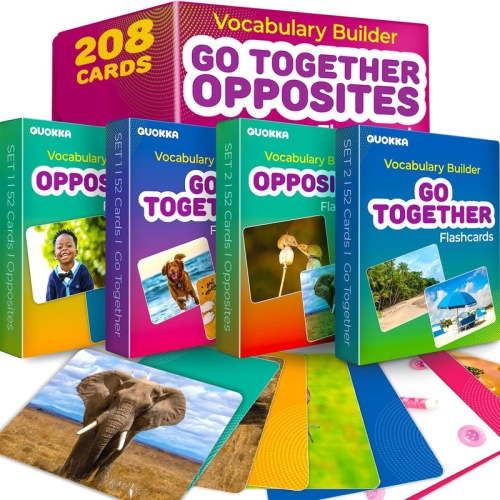
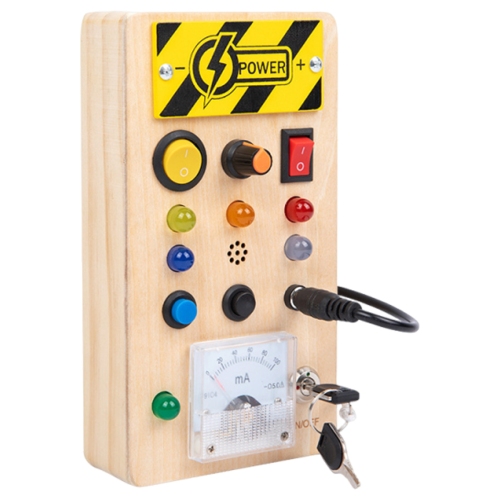
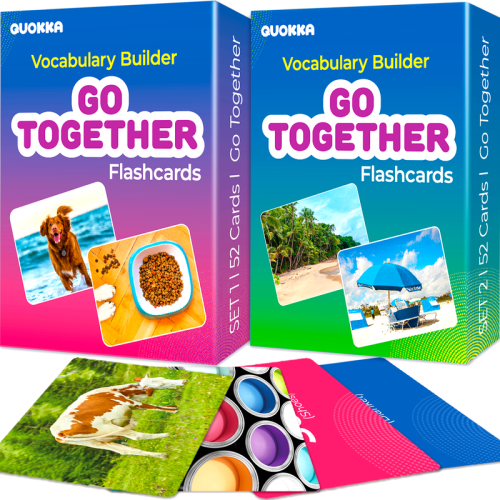

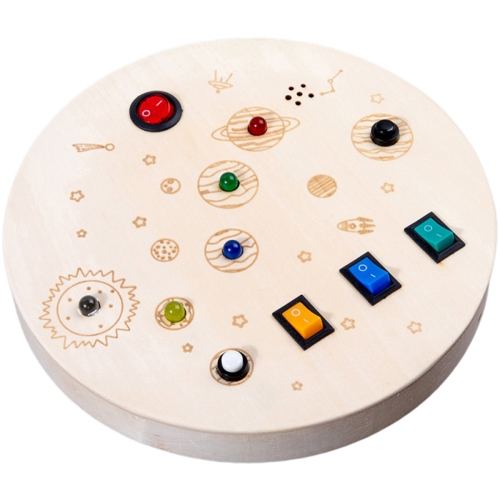
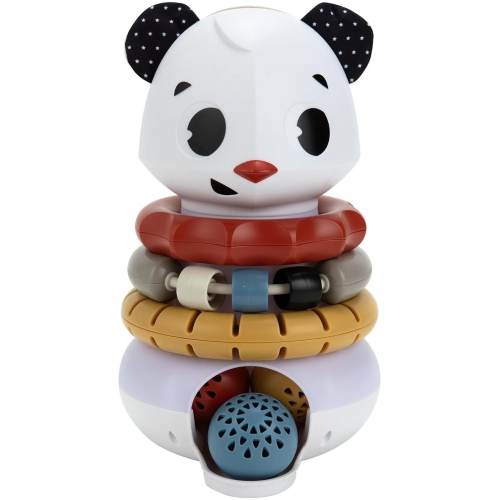
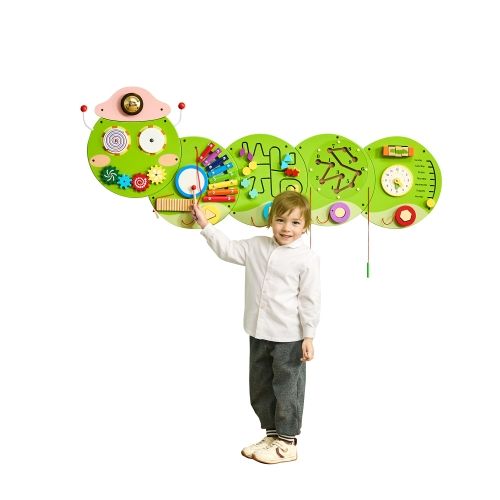


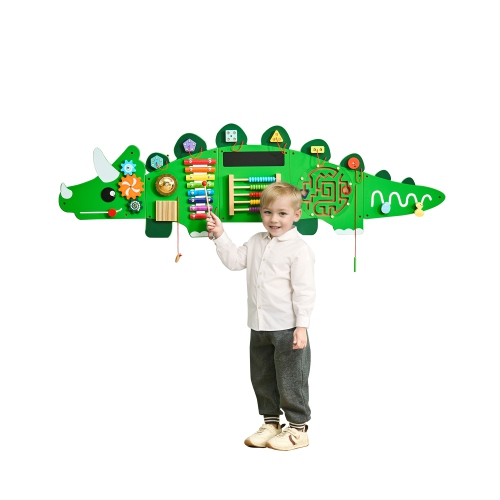
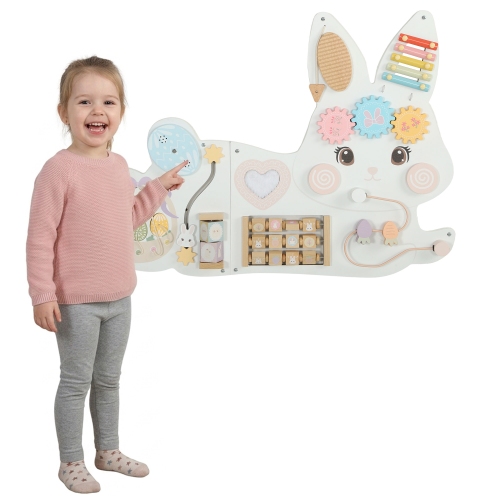
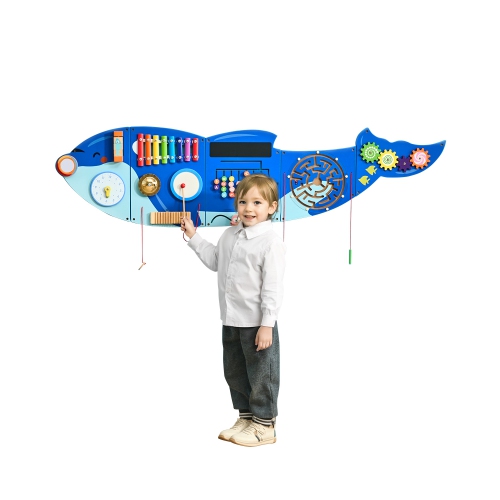
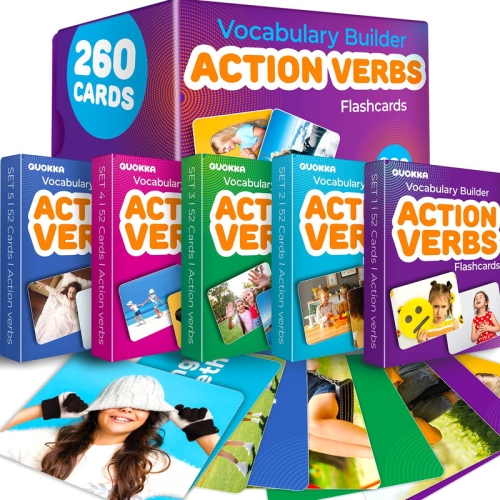
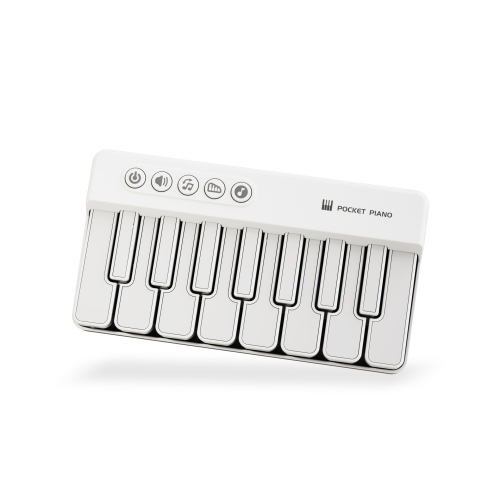
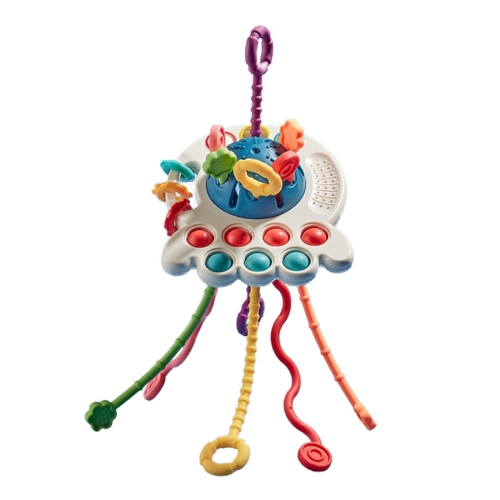
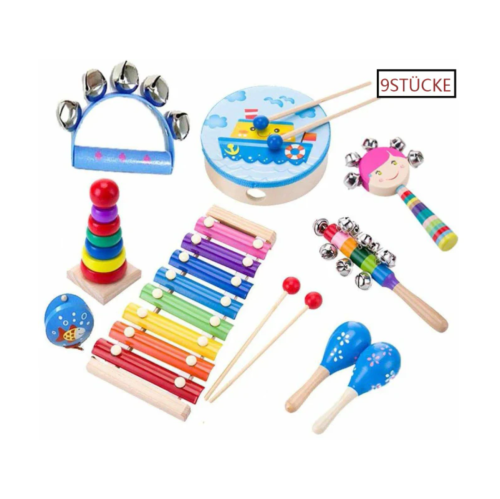

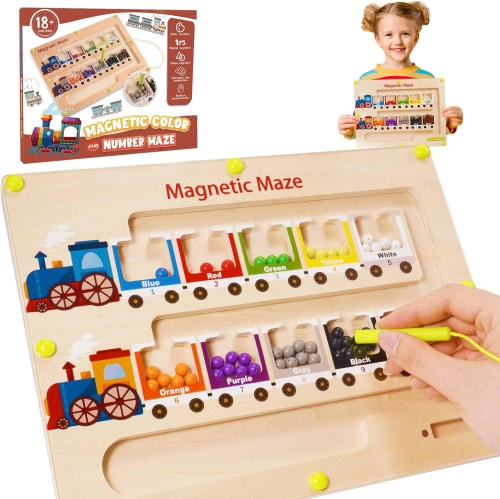
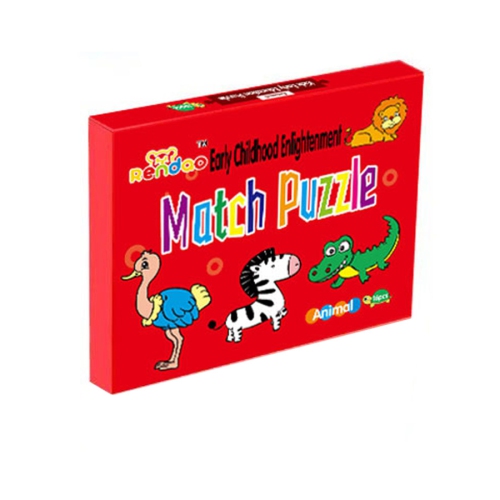
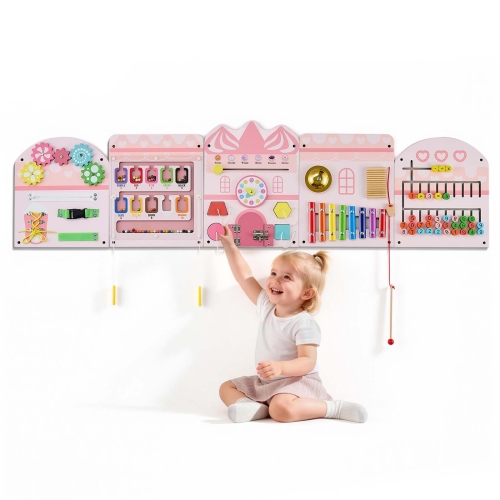
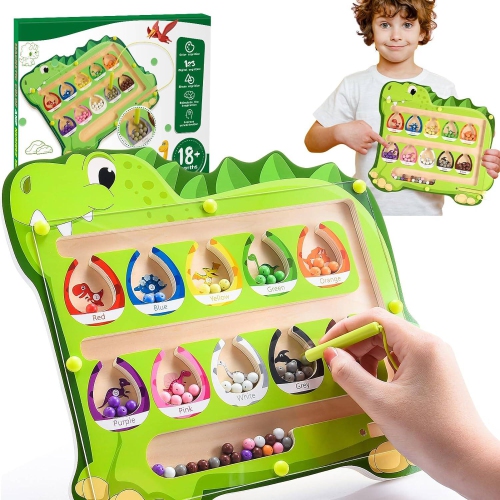
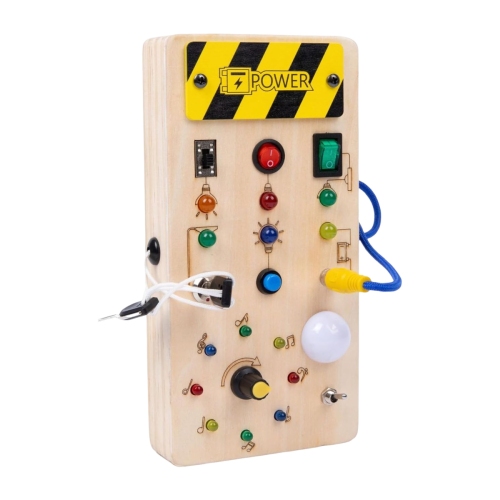
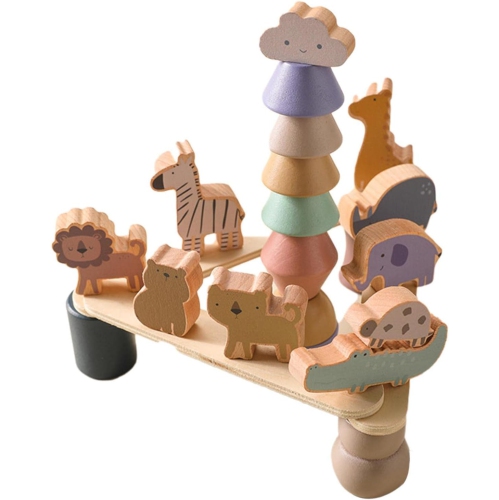
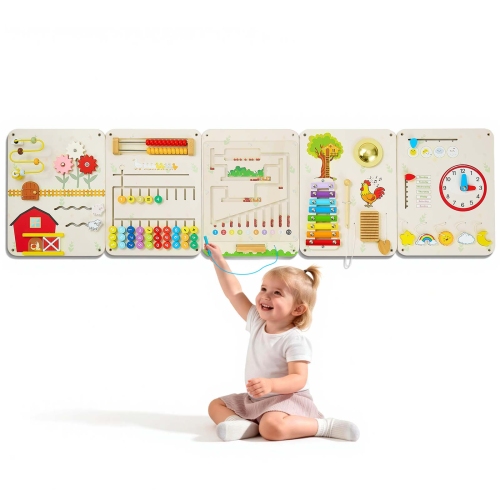
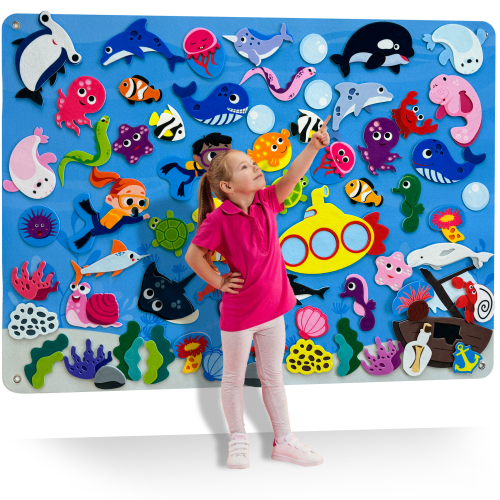
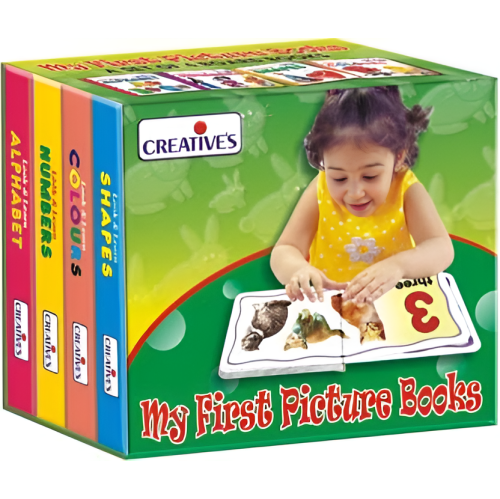
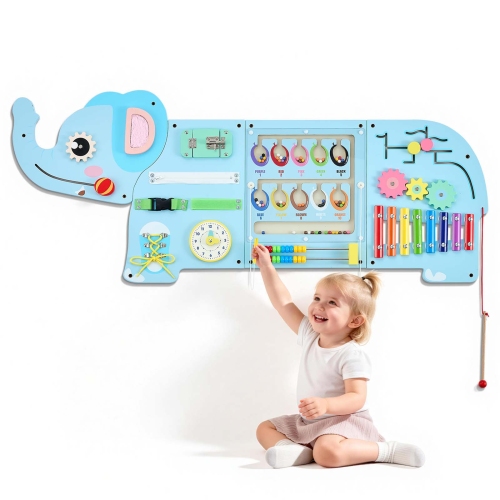
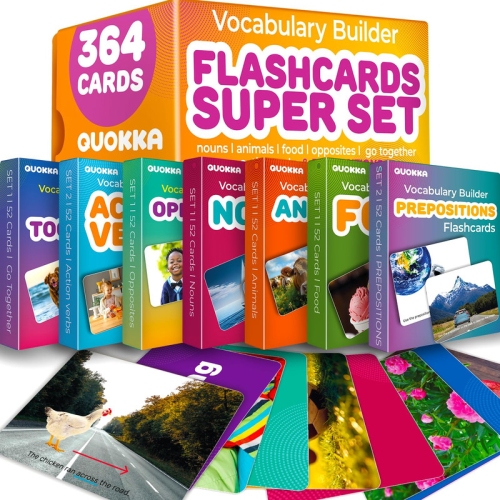
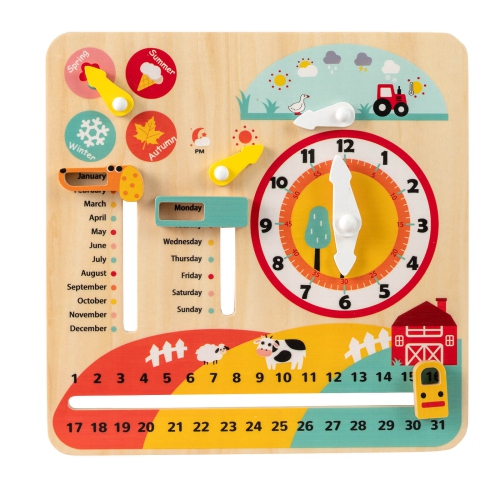
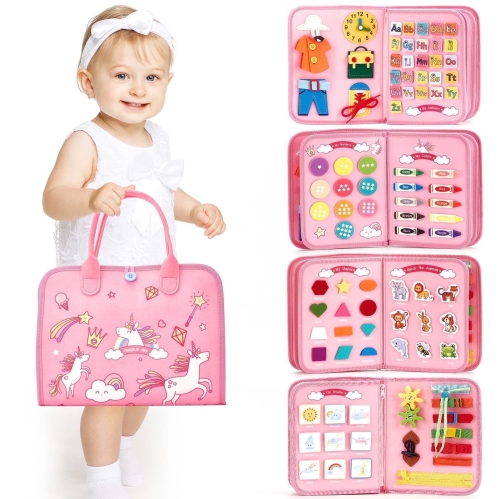
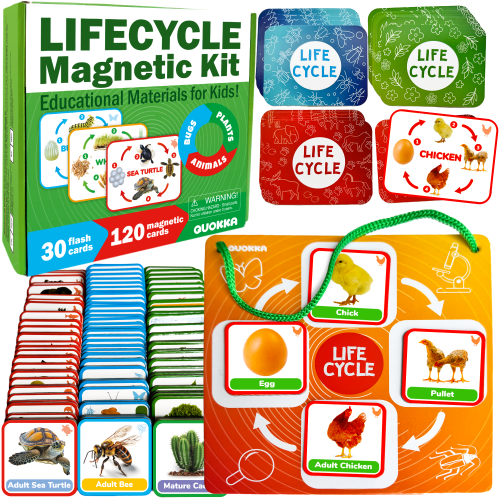
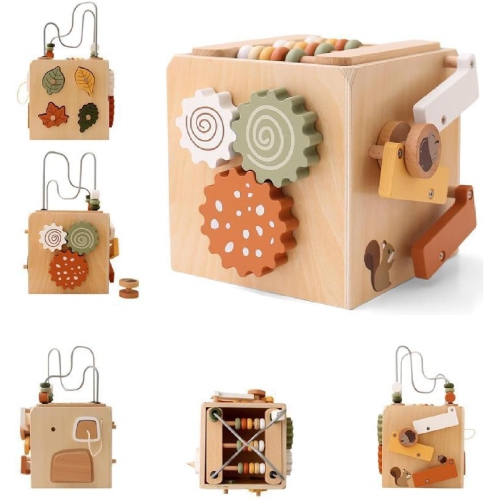
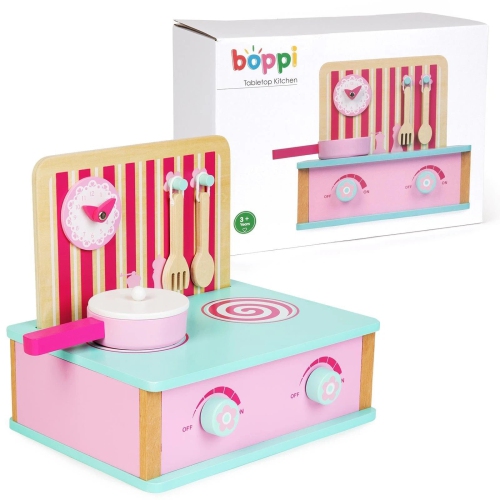
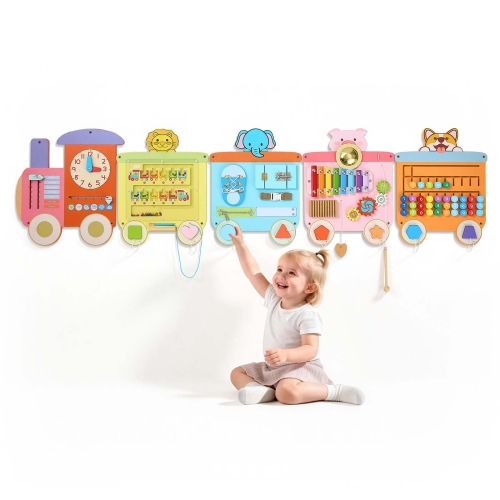
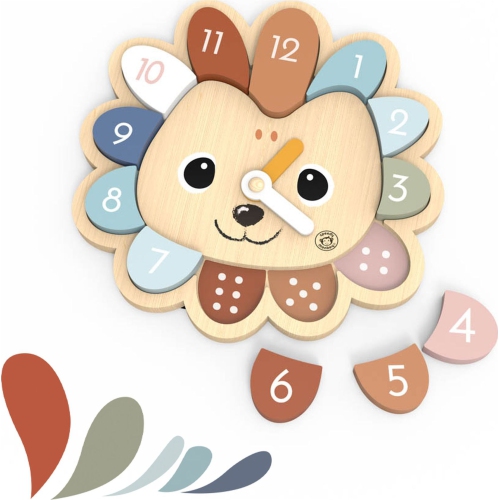
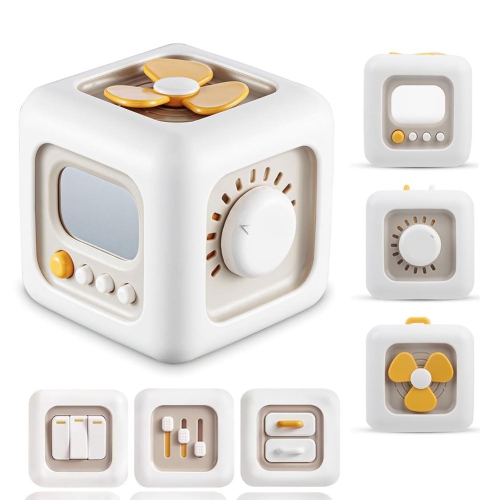
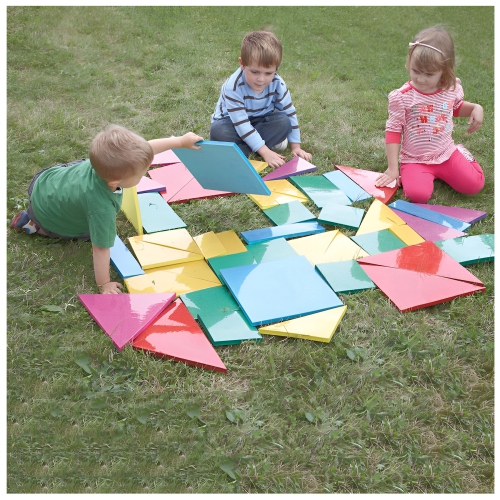
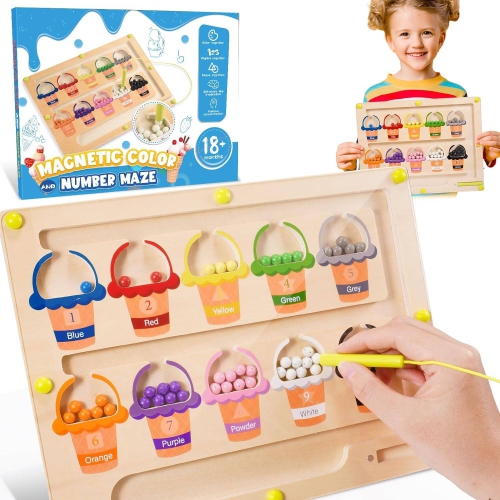
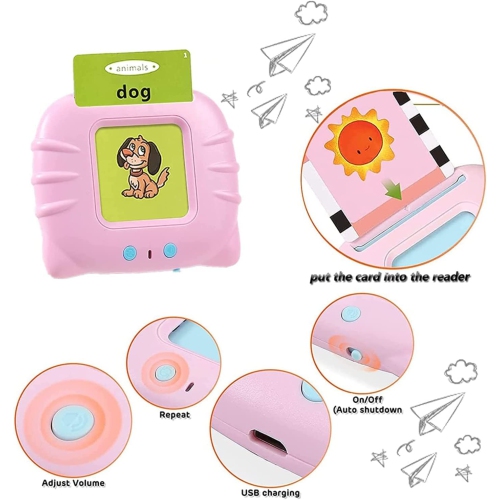
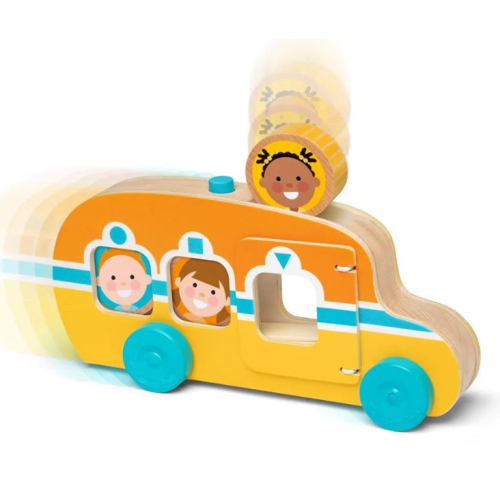
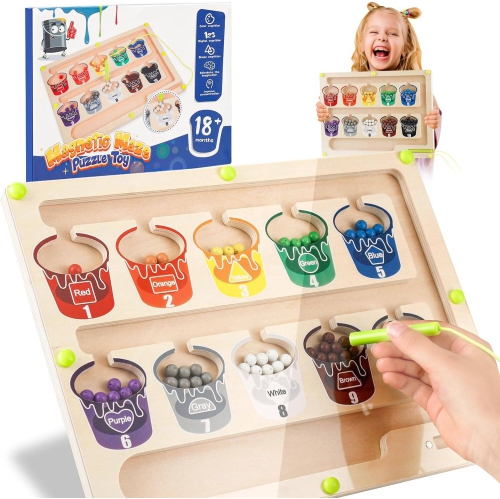
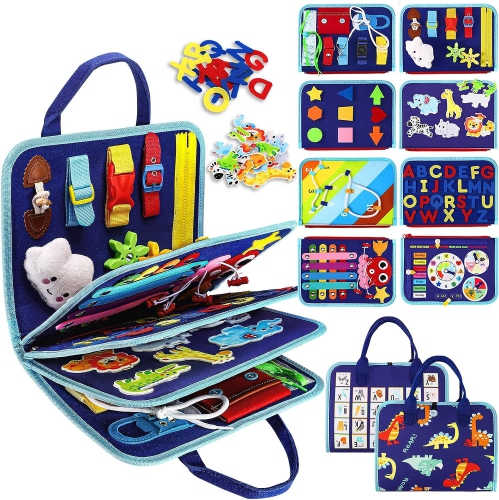
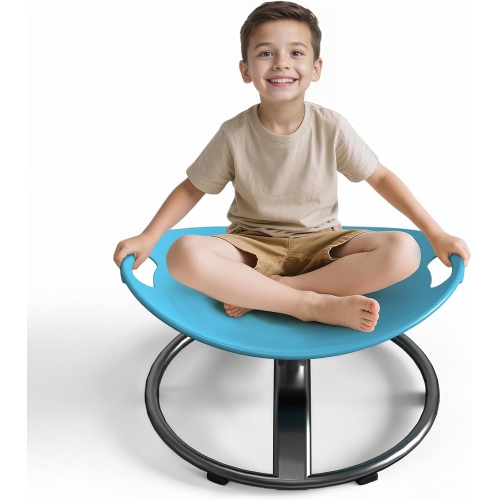
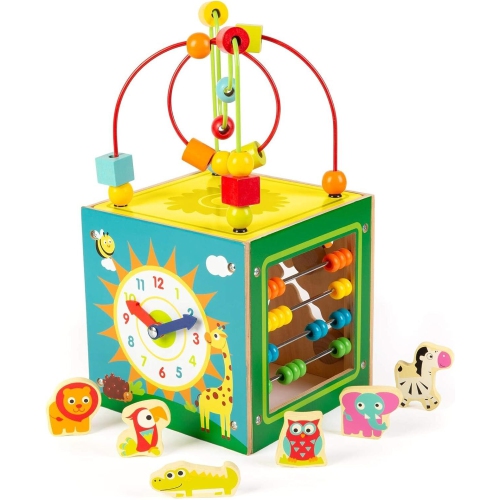

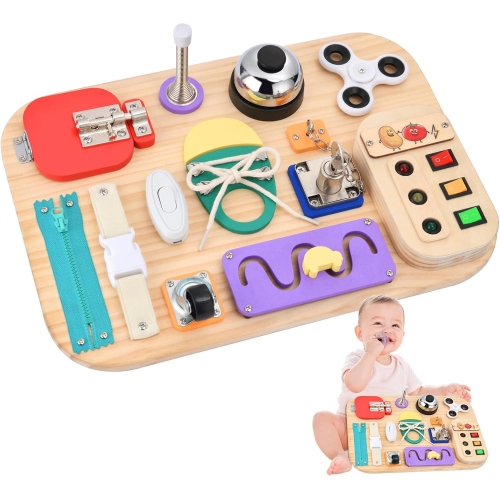
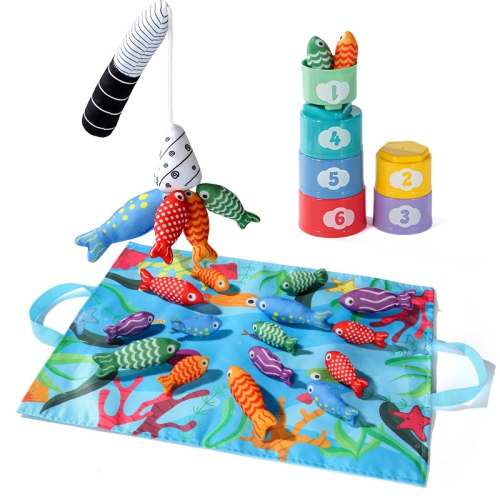
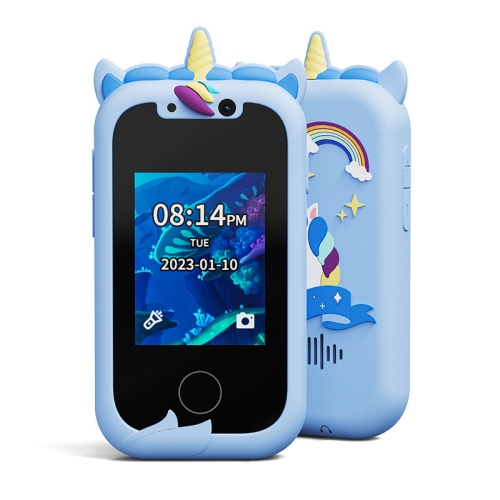
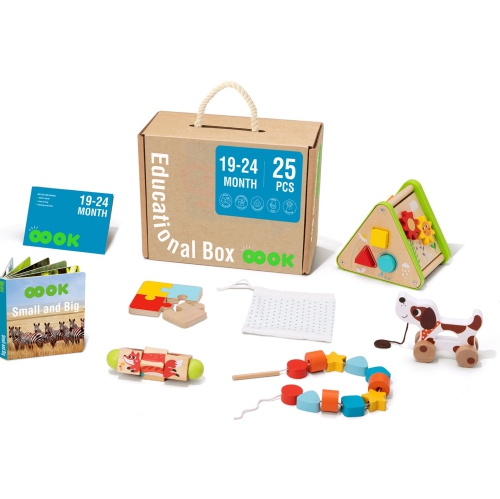
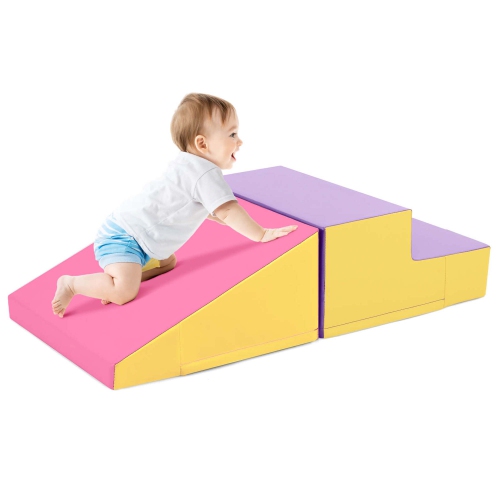
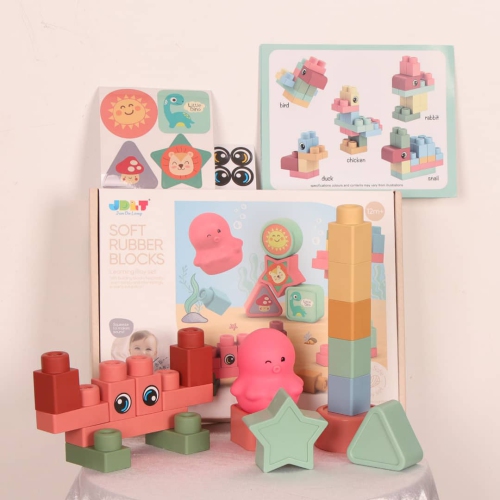
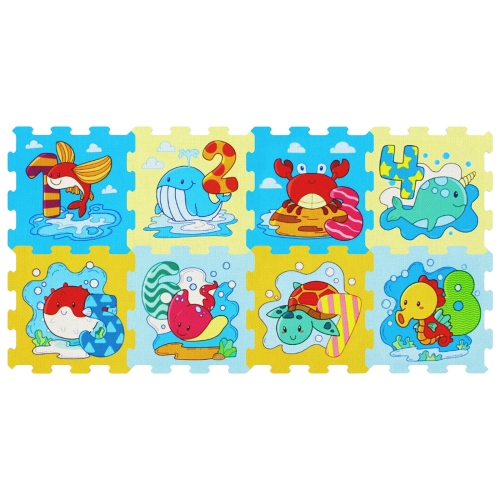
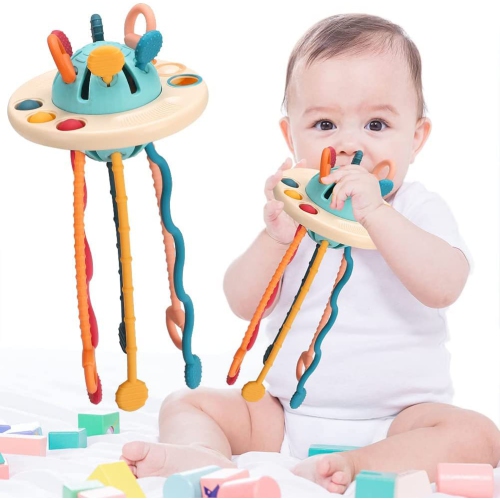
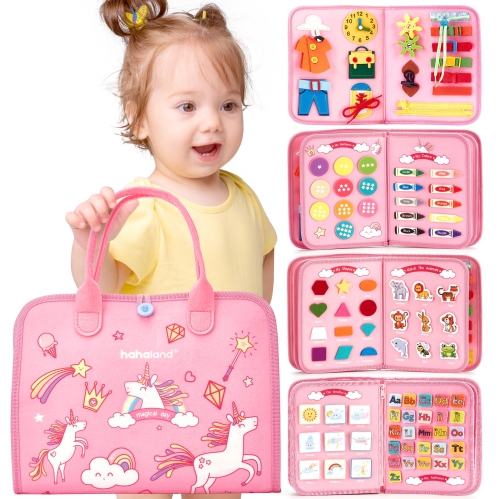
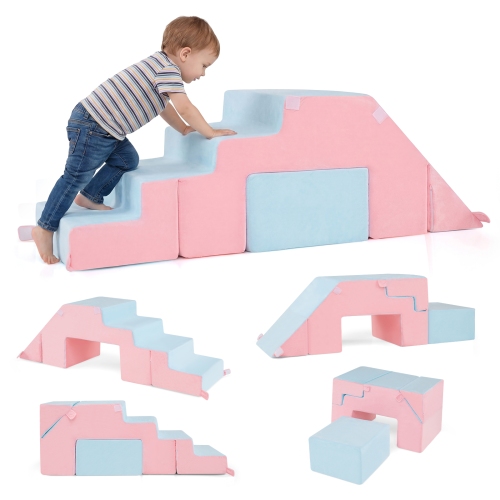

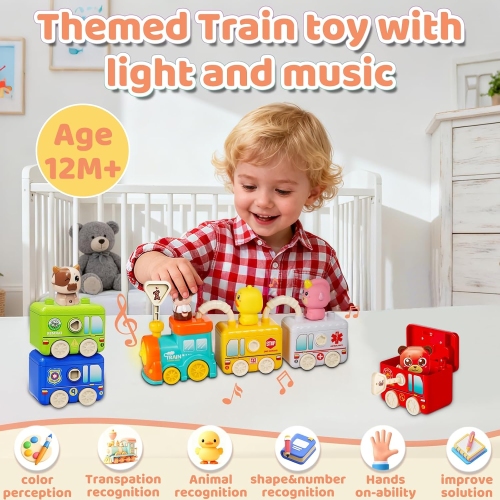
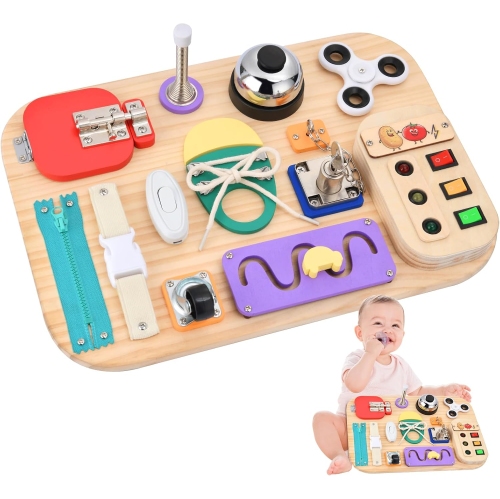
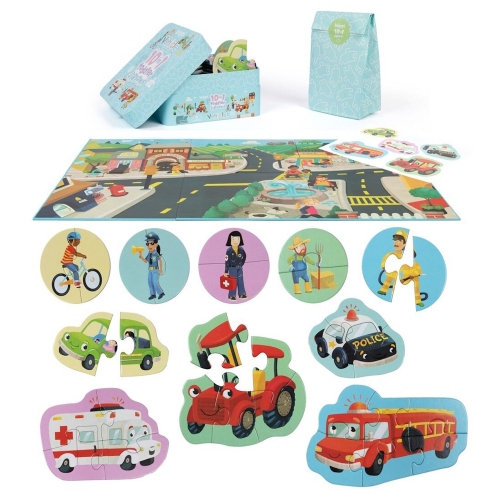
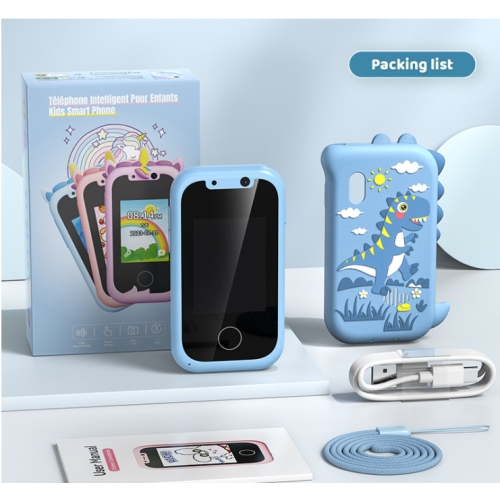
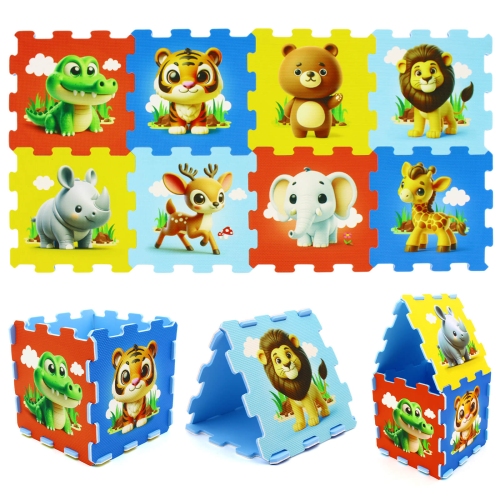
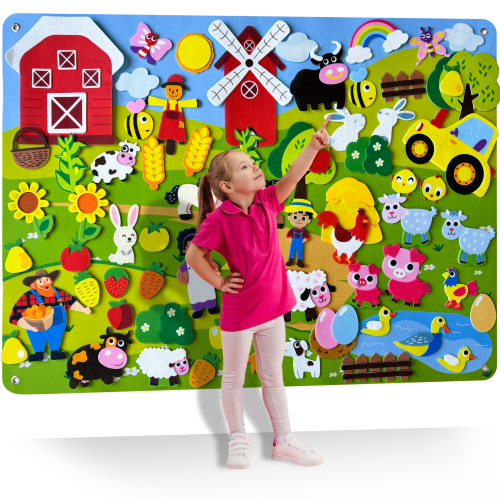
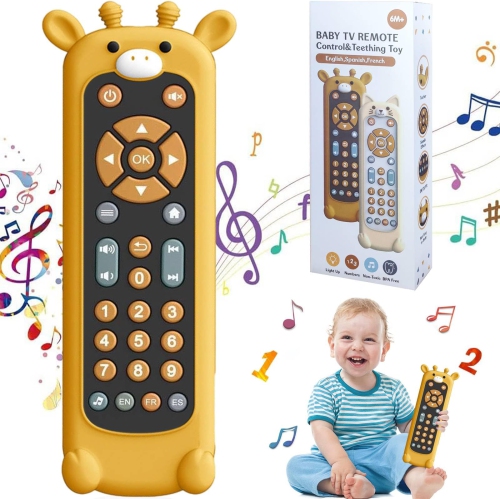
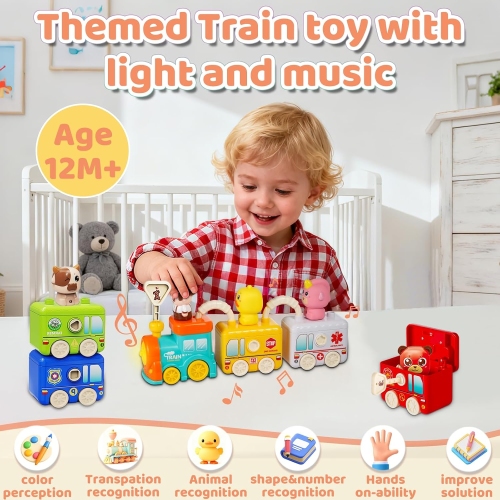
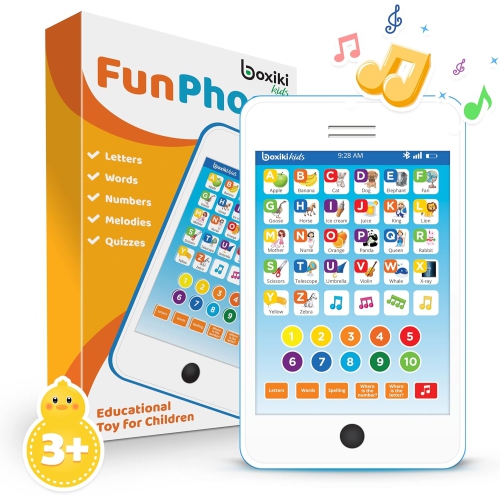
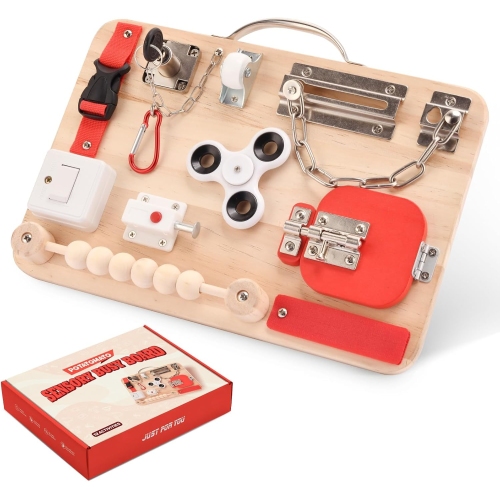
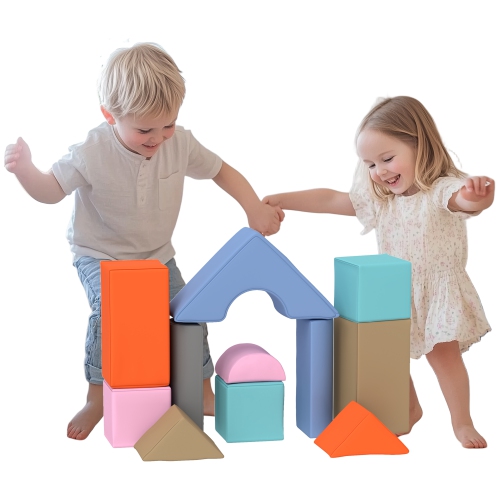
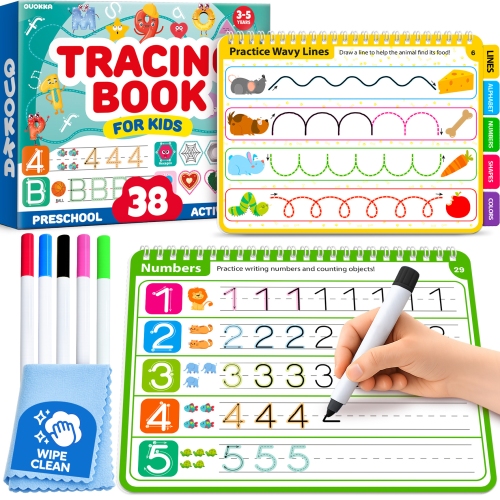
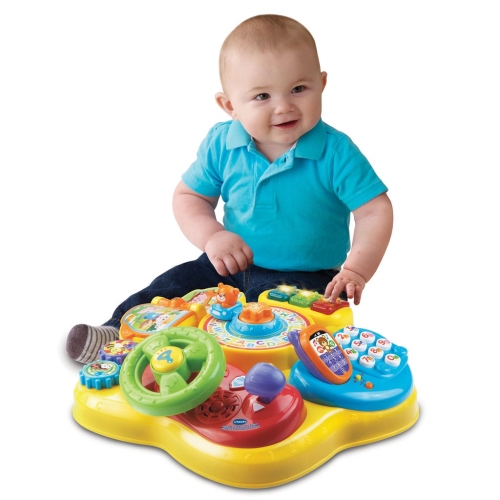
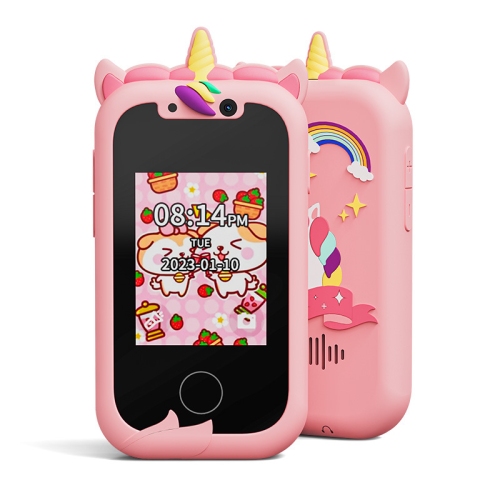
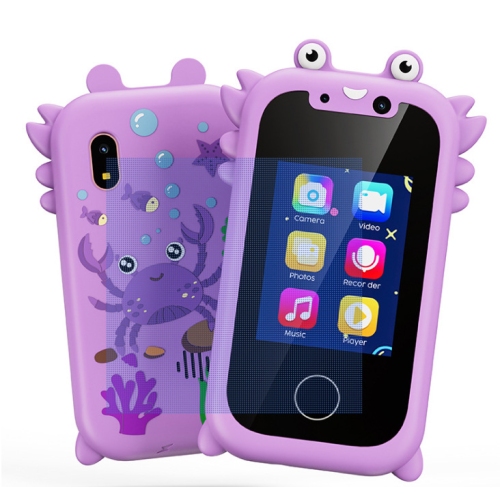
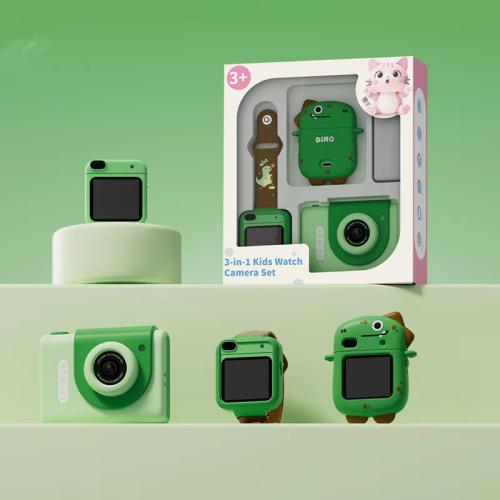
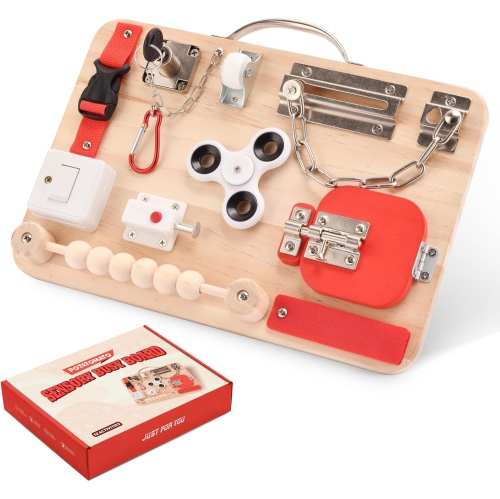

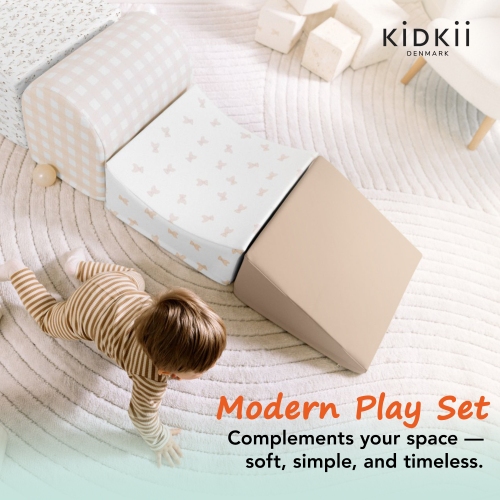
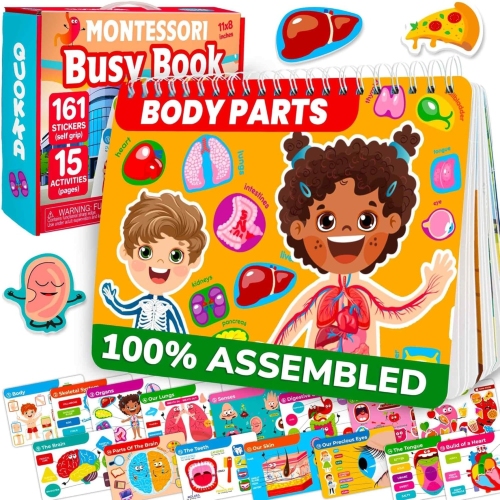
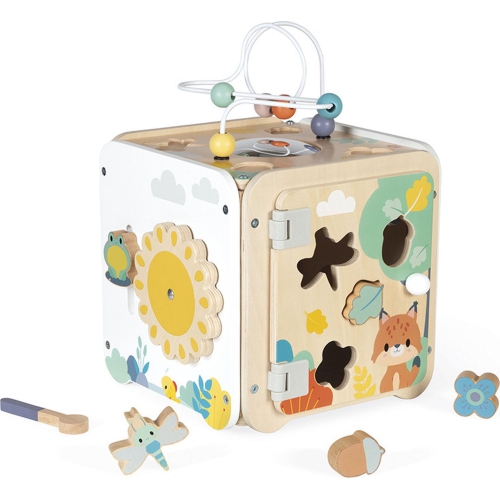
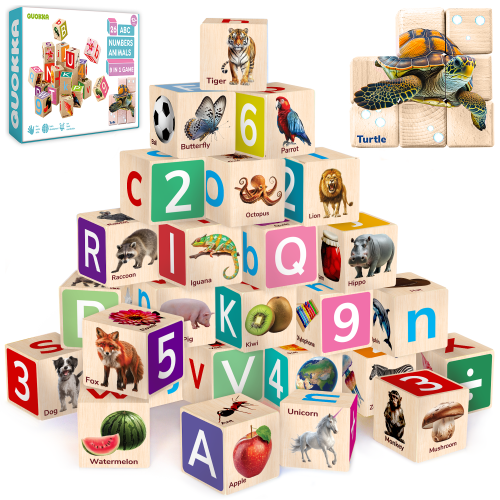
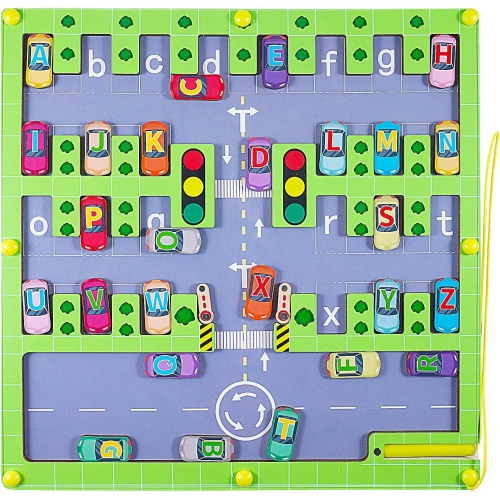
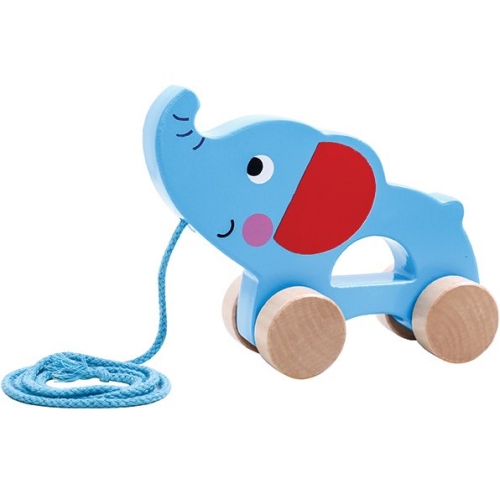
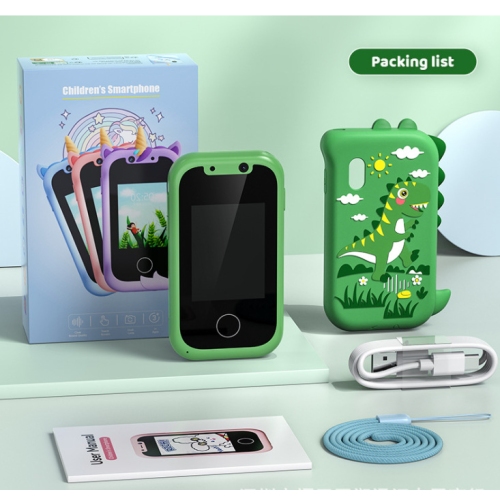
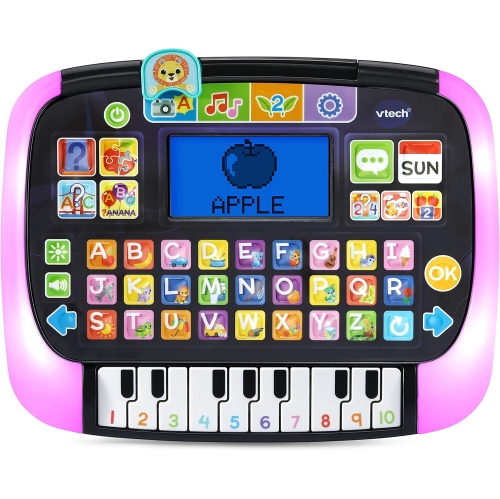
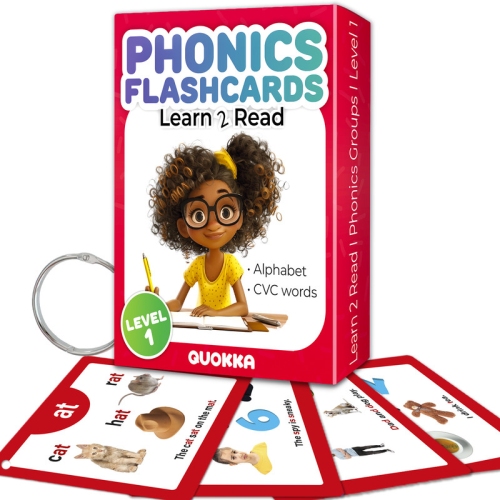
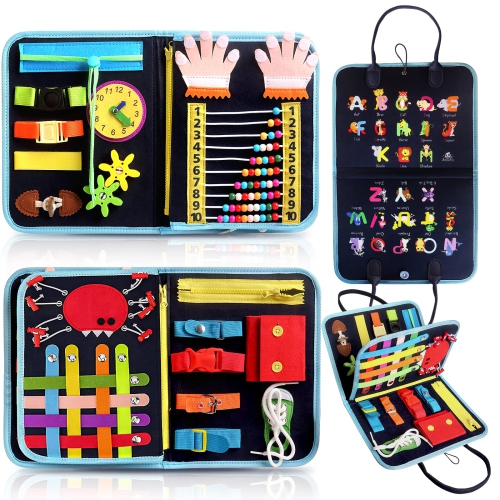
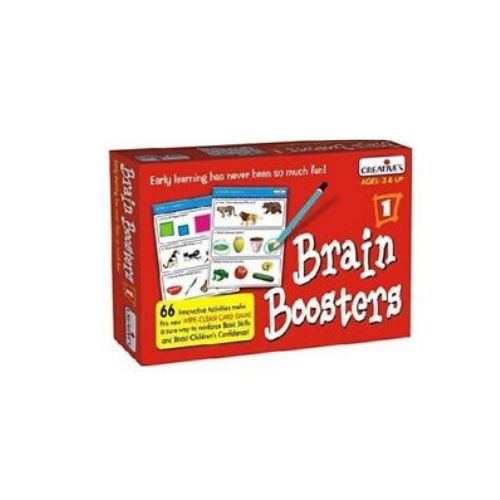
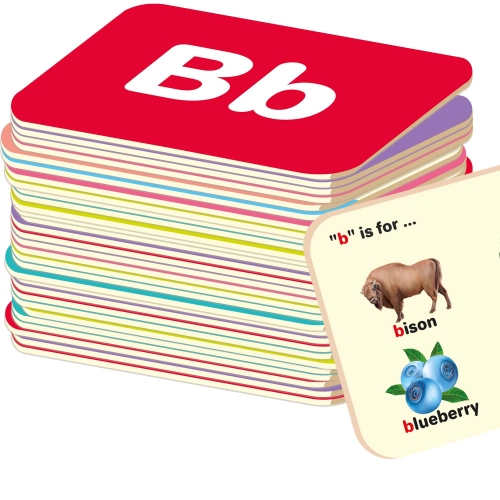
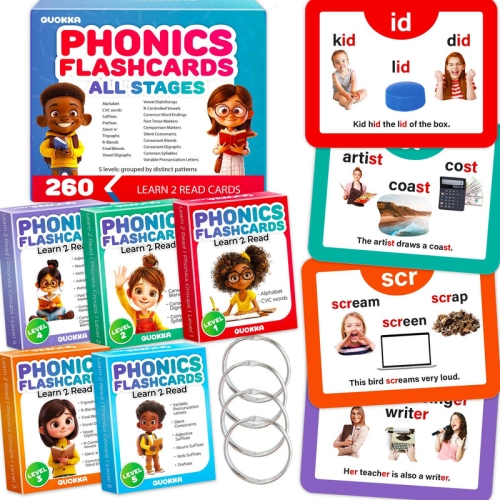
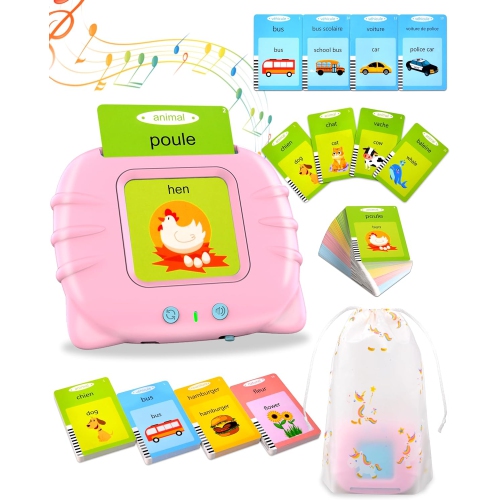
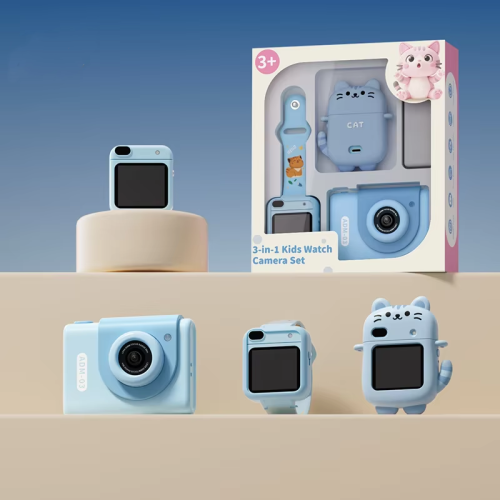
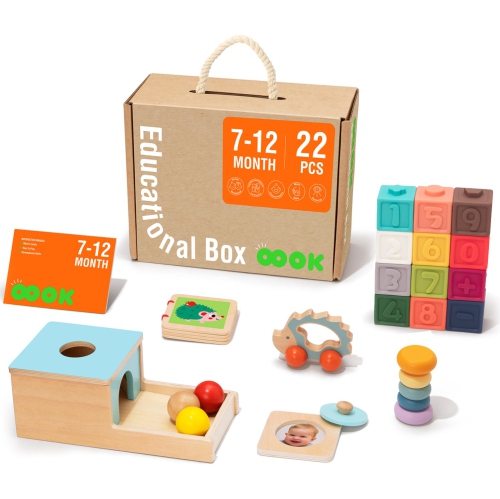
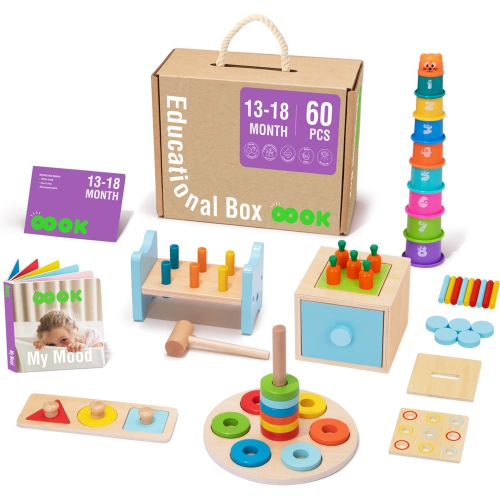
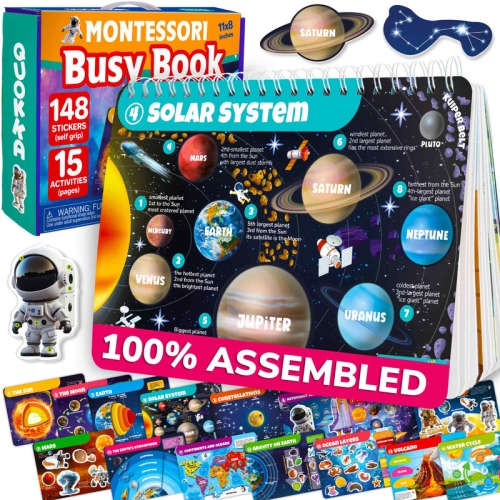
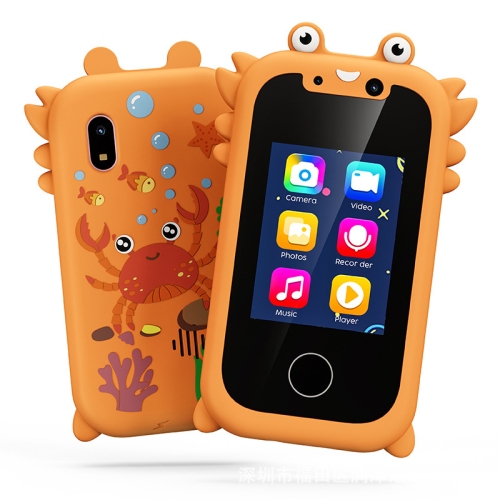
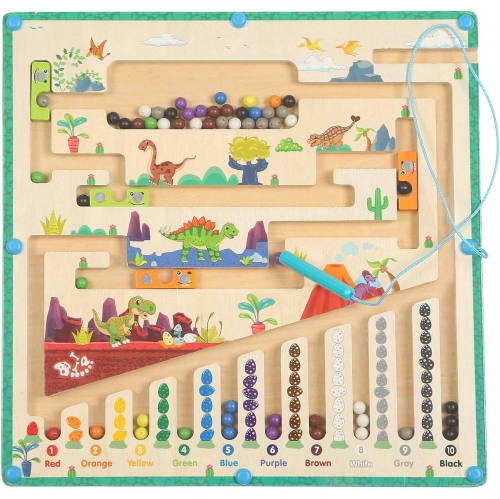
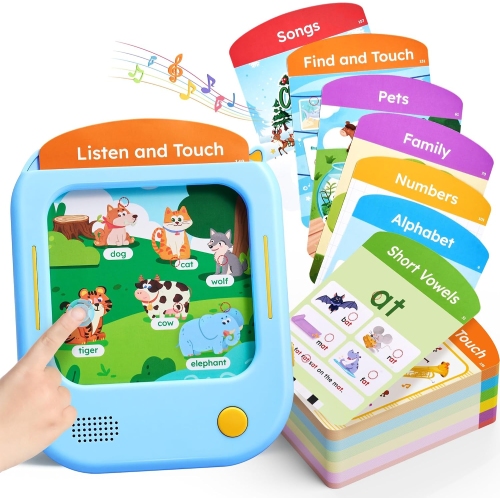

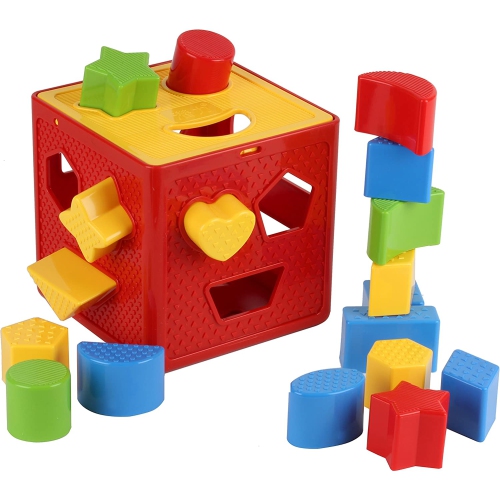
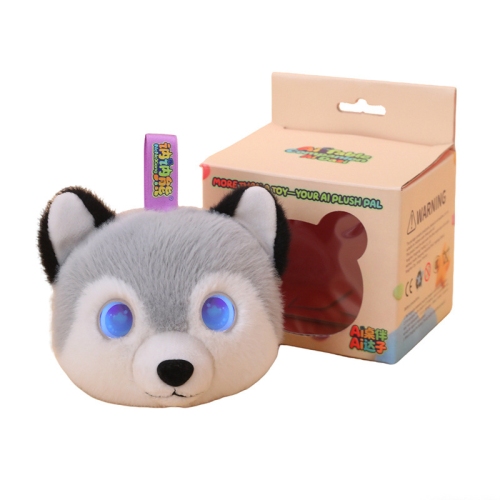

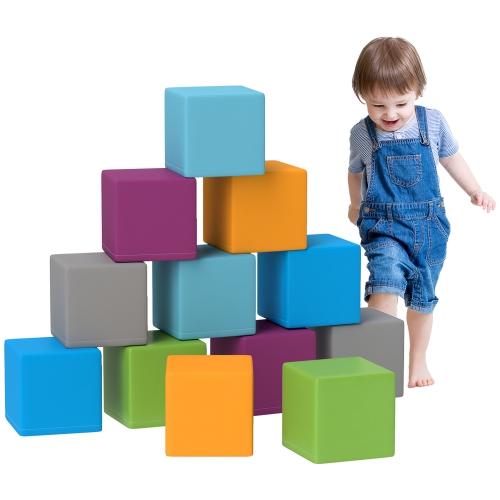

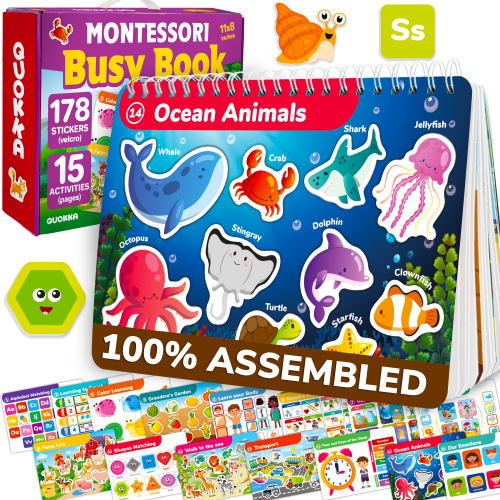
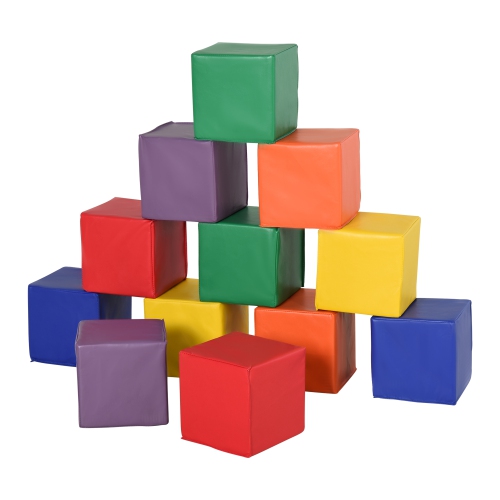
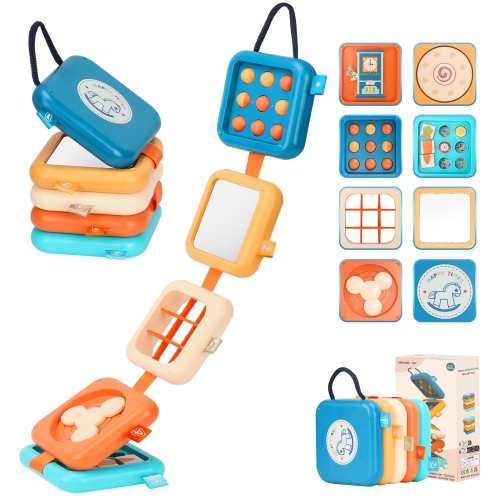
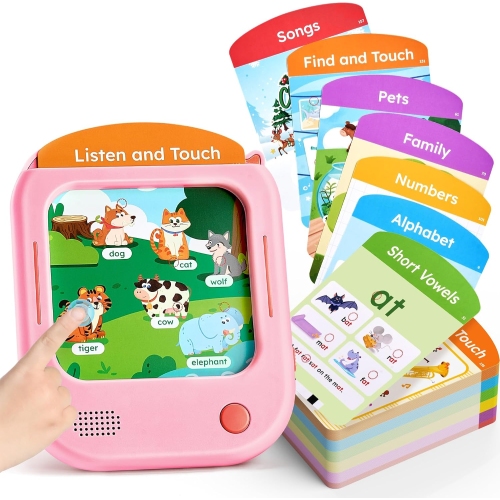
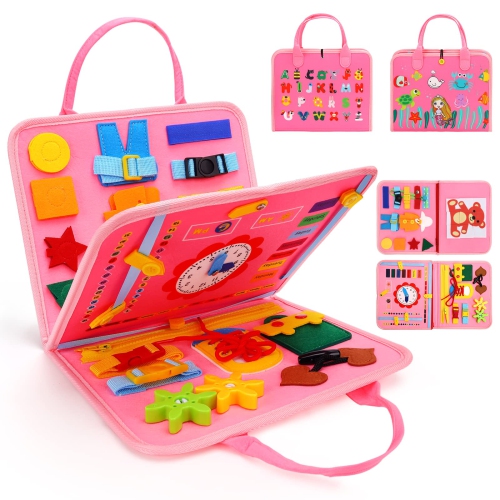
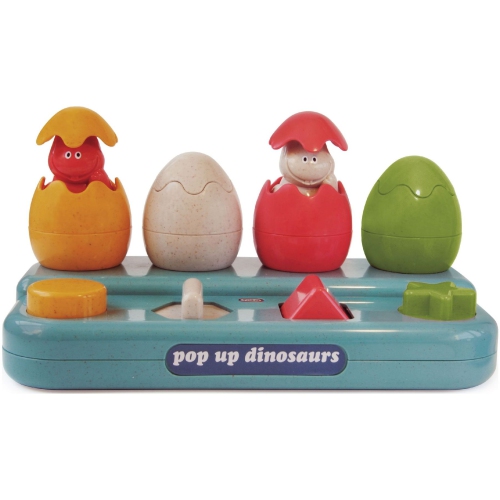
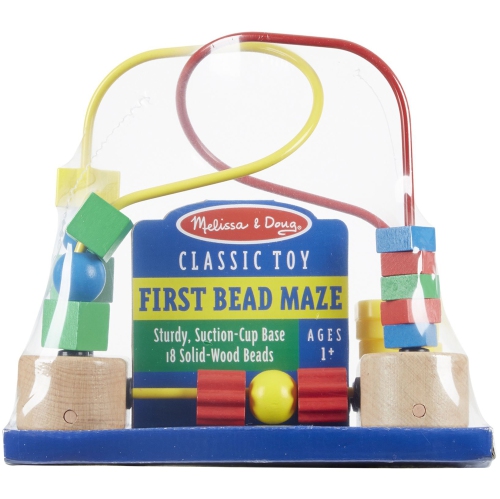
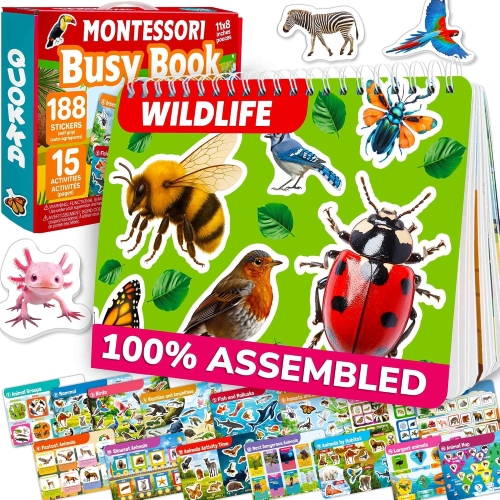
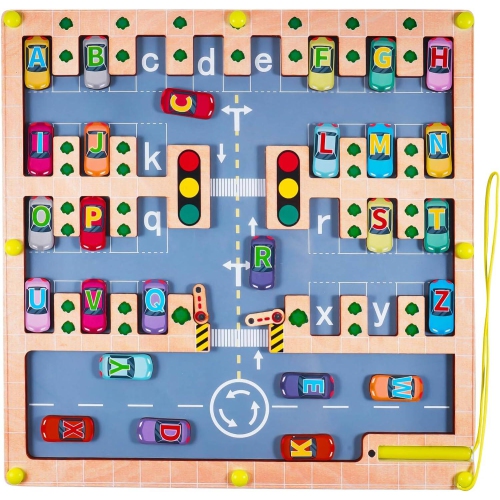
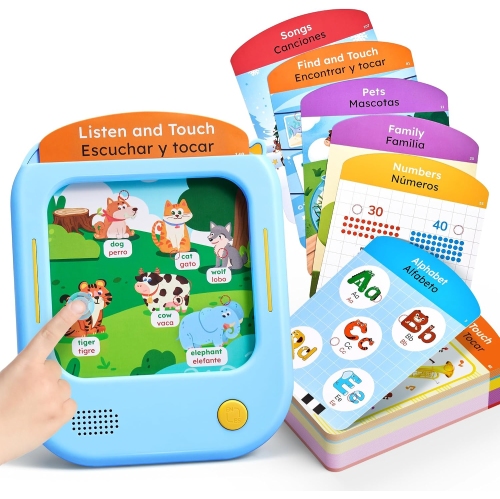

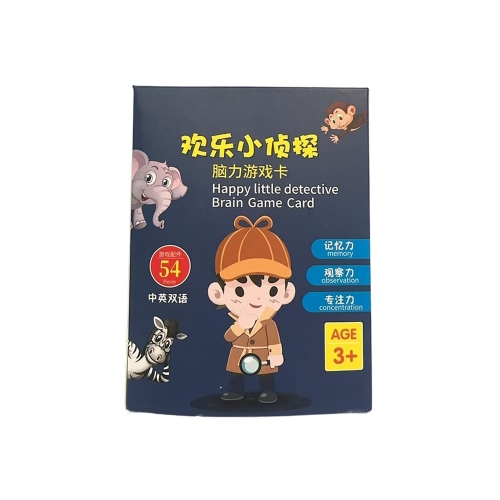
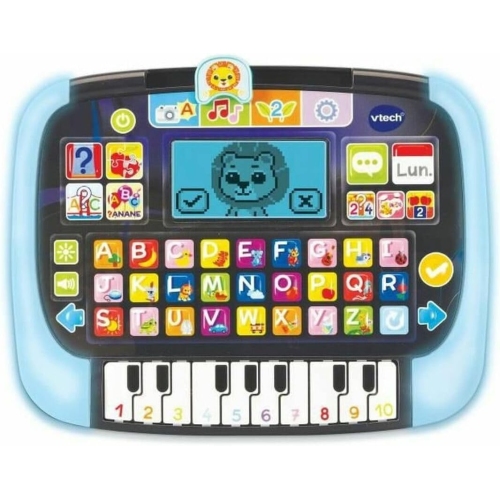
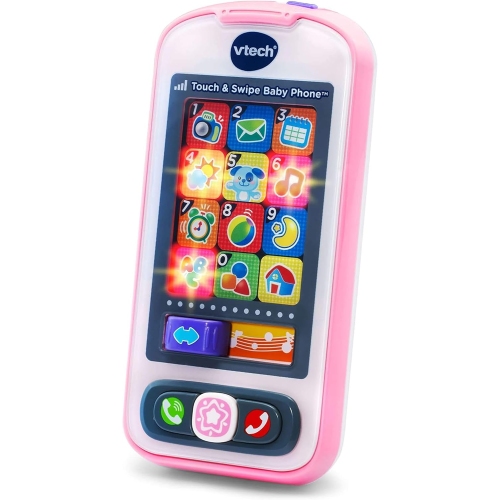
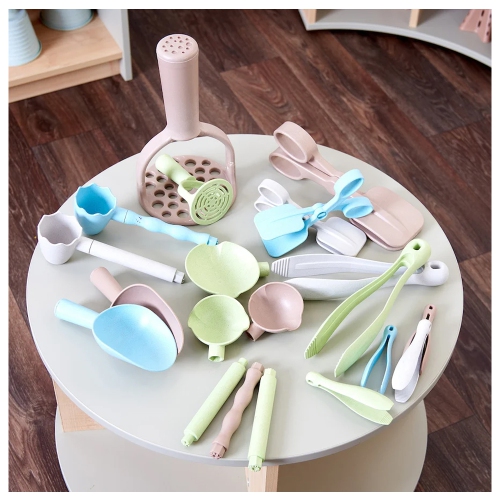
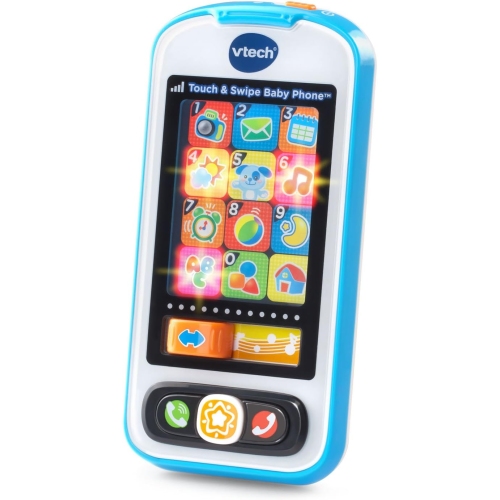
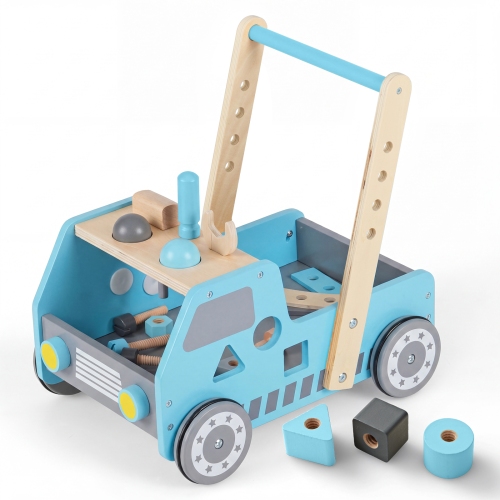
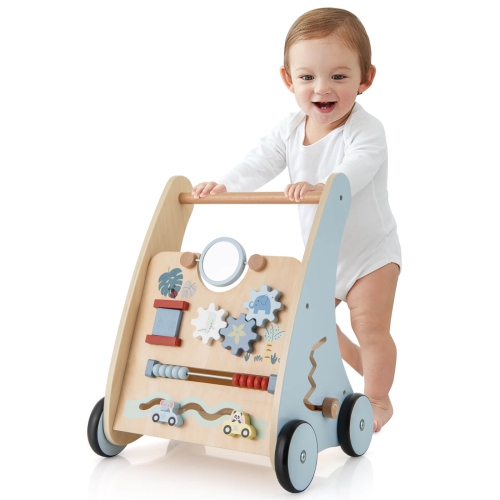
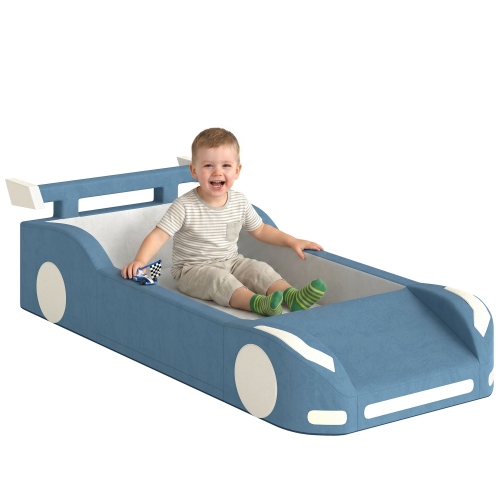
Play-based experiences support learning, confidence and connection
Early childhood development describes the connected growth that takes place from birth through approximately eight years of age, including physical, cognitive, language and social-emotional development. During these early years, children are building the foundations for movement, communication, problem-solving, independence and relationships through everyday experiences. A well-chosen collection of developmental products can help make those experiences more engaging at home, in a daycare setting, in a classroom or in another care environment. Play-based activities give young children opportunities to practise reaching, grasping, balancing, sorting, remembering, listening and expressing themselves without making learning feel like a formal lesson. A child may spend an afternoon arranging objects by colour, then turn the same activity into an imaginative story; another may repeat a simple movement game until their coordination becomes noticeably more confident. These small moments matter because early learning is often built through repetition, curiosity and warm interaction. Products that encourage open-ended play can support different stages of development as children grow, while age-appropriate materials and clear, simple designs can help them take part with less frustration. When choosing items for early childhood development, consider the child’s age, interests, abilities and current milestones rather than selecting something based only on appearance. Infants may benefit from sensory experiences that invite safe touching, looking and listening, while toddlers often enjoy activities that support movement, matching, stacking and early communication. Preschool-aged children may be ready for more complex pretend play, storytelling, counting, pattern recognition and cooperative activities. Children develop at different rates, so a product should be viewed as an opportunity for practice and connection, not as a test that every child must complete in a particular way.
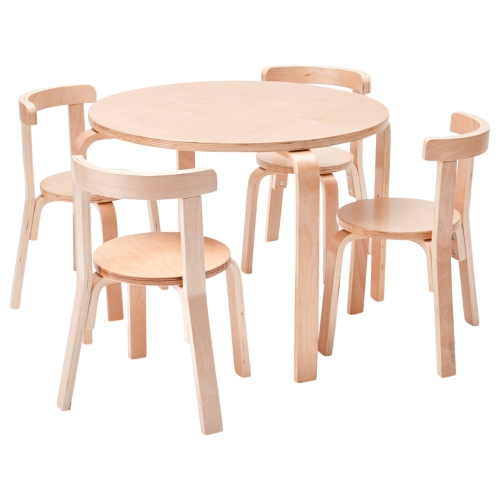
The right developmental products can be useful for parents, grandparents, guardians, educators, childcare providers and family members looking for a thoughtful gift. They can also help create inviting spaces where children feel comfortable exploring at their own pace. A dedicated play area does not need to be large; a corner of a living room, a quiet section of a classroom or a small space in a bedroom can become a place for discovery when materials are easy to reach and simple to put away. Consider storage, durability, cleanability and the amount of supervision an activity requires, particularly when several children will be using the same space. Furniture and room accessories should be appropriately sized for young children, stable on the floor and arranged so that children can move safely between activities. Browse Early Learning Furniture to help create a comfortable setting for reading, drawing, building, imaginative play and shared activities. Open-ended materials are especially versatile because they can be used in more than one way and can grow with a child’s changing interests. A set of objects may support early counting one day, pretend cooking the next and a collaborative game later in the week. When adults join in, they can model language by describing colours, actions and feelings, encourage turn-taking and help children find words for what they are doing. The goal is not to direct every minute of play, but to provide a secure starting point and respond to the child’s ideas. A calm voice, a few thoughtful prompts and time to try again can be just as valuable as the activity itself.
Early childhood development is holistic, which means progress in one area often supports progress in another. Physical play can strengthen body control and coordination while also building confidence and problem-solving skills. Turning pages, drawing, placing pieces and handling everyday play materials can help develop fine motor control needed for later tasks. Conversation, songs, stories and pretend play encourage children to listen, recognize sounds, build vocabulary and communicate their thoughts. Shared activities also create natural opportunities to practise empathy, patience, cooperation and emotional regulation. For children who are learning more than one language, familiar routines, pictures, gestures and repeated words can make participation easier and help connect new language with meaningful experiences. During the cooler months, when families and childcare groups may spend more time indoors, a flexible selection of activities can help keep days varied without relying on screens for every moment. Set aside a low-pressure area where a child can explore independently, then make room for active play, conversation and quiet time throughout the day. Always follow the age guidance and safety information provided with each item, inspect materials regularly and supervise young children when required. Developmental products are most effective when they are part of a responsive environment that includes rest, nutritious food, movement, affection and dependable routines. Whether you are preparing a home play space, refreshing a childcare room or choosing a meaningful gift for a growing child, focus on opportunities to explore, communicate, create and connect. Those ordinary experiences—shared on the floor, at a child-sized table or beside a favourite reading corner—can become lasting building blocks for learning and confidence.
Top selling and popular products
-
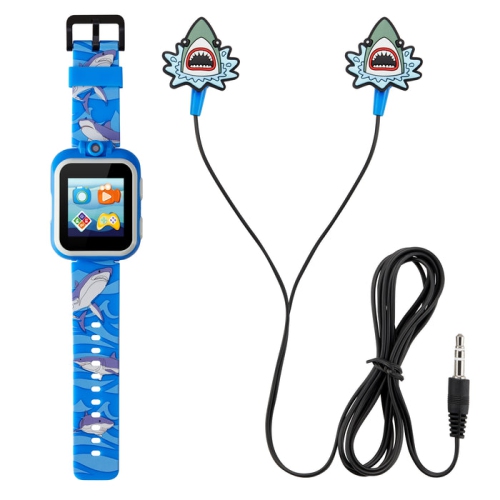 Your price for this item is $38.98
-
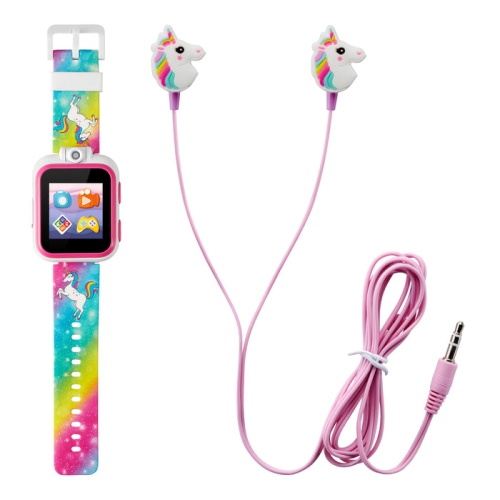 Your price for this item is $19.99
-
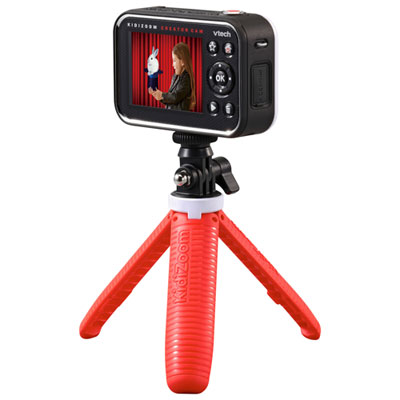 Your price for this item is $89.99
-
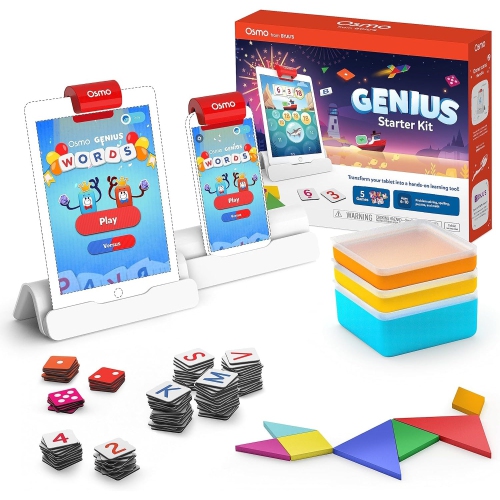 Your price for this item is $49.99
-
 Your price for this item is $79.99
-
 Your price for this item is $79.99
-
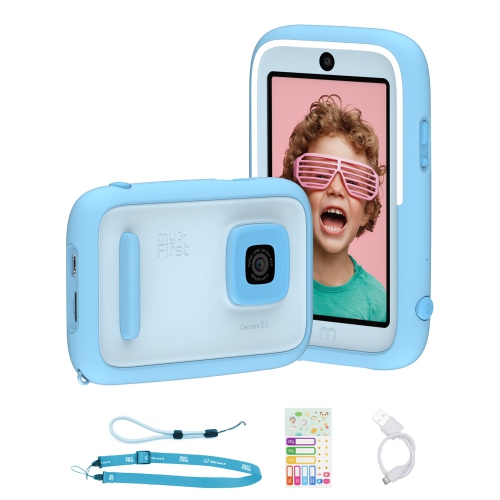 Your price for this item is $149
-
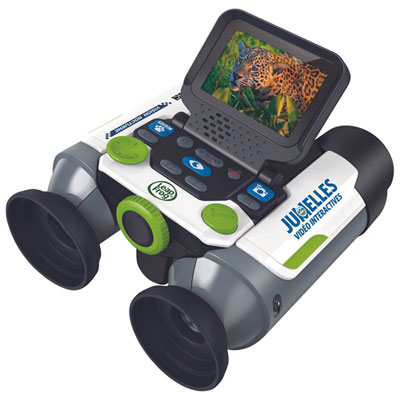 Your price for this item is $67.98
Discover more categories related to Early Childhood Development
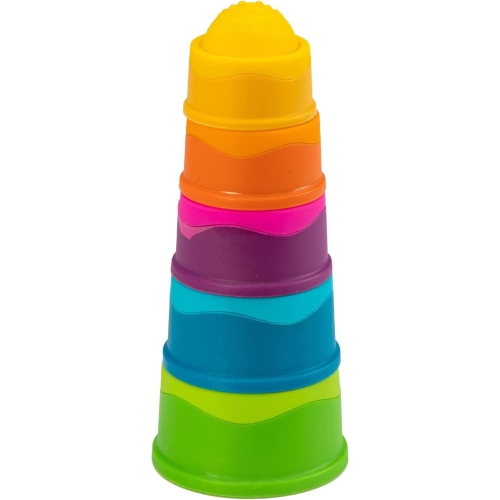
Top Collections:
Pokemon Centers, Best Cameras for Sports Photography, Kindle Devices, Samsung Galaxy Phones, Canon G7X Cameras, Pokémon 30th Celebration Cards, Refurbished Apple Laptops, iPhone 15 Apple, Laptops for Students, Budget Smartphones
Some products may be subject to Environmental Handling Fees
(EHF) depending on your province.
Learn more about EHFs.