Educational Robot Kits
Explore the exciting world of robotics with these educational robot kits. Designed to inspire curiosity and ignite a passion for STEM learning, these kits provide hands-on experiences that encourage problem-solving, critical thinking, and creativity. Whether you're a beginner or an experienced enthusiast, these kits offer something for everyone. Discover the endless possibilities of building and programming your own robots as you delve into the fascinating realms of coding, engineering, and technology.
Sort
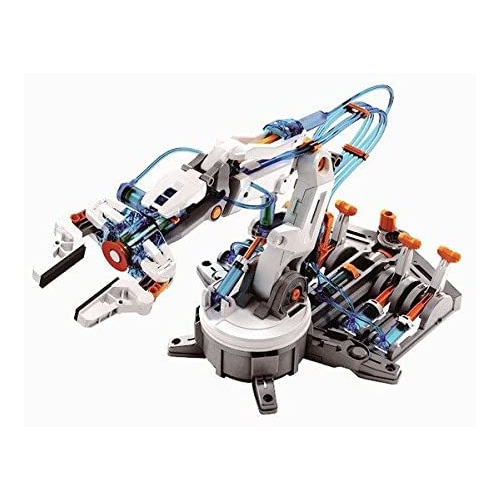
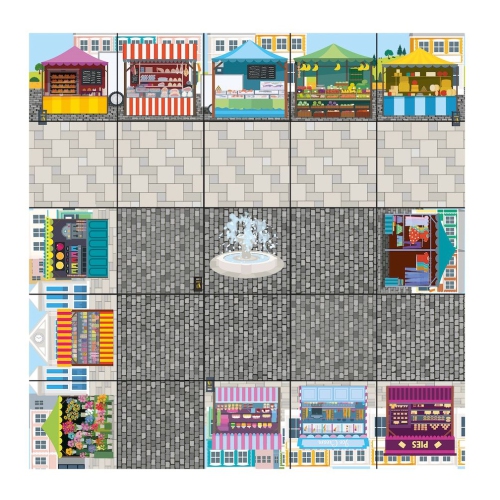
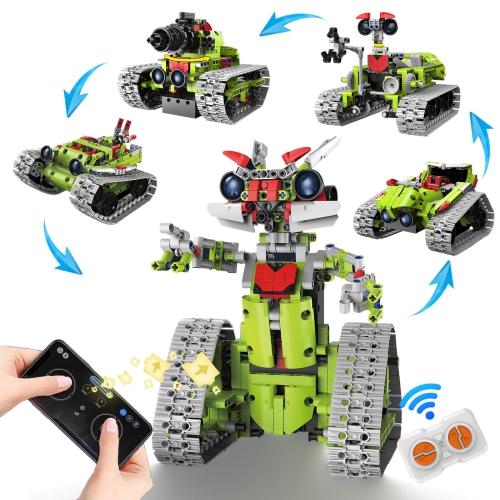
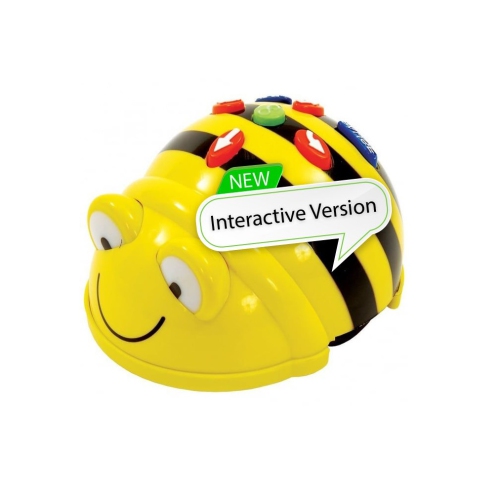
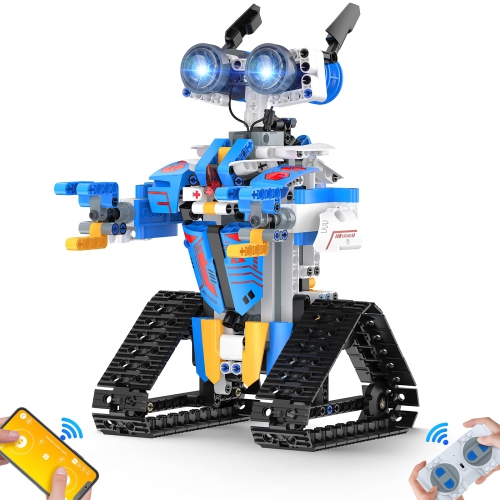
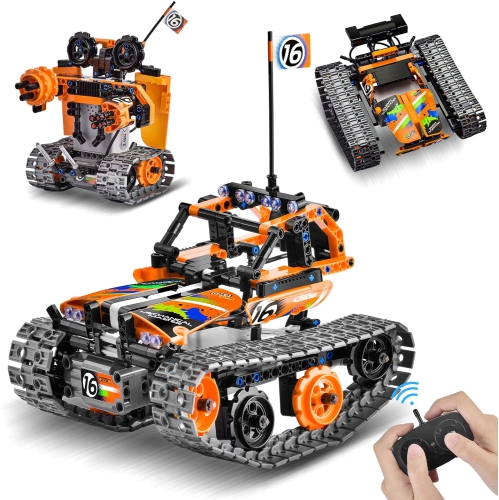
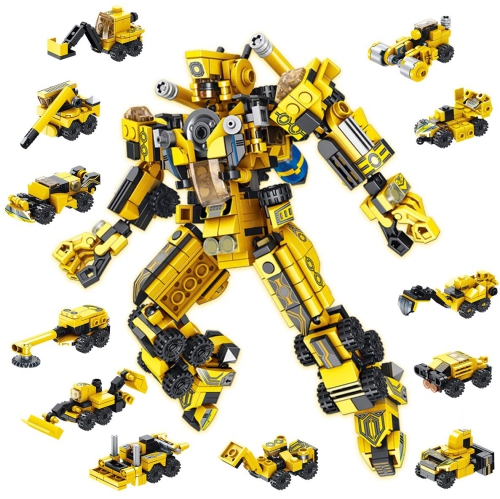
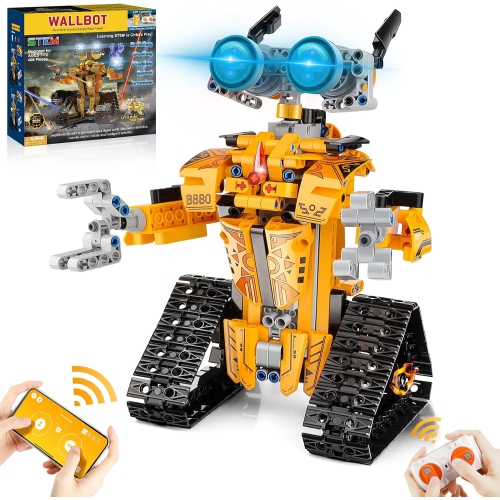
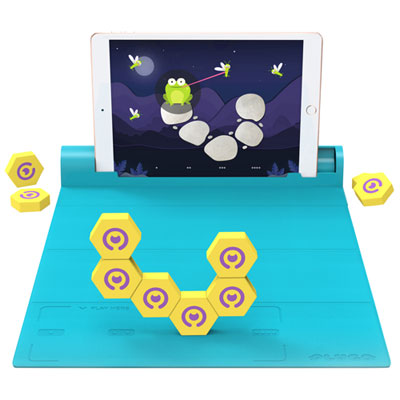
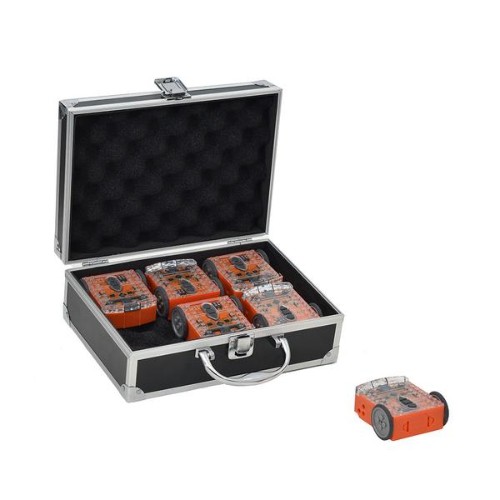
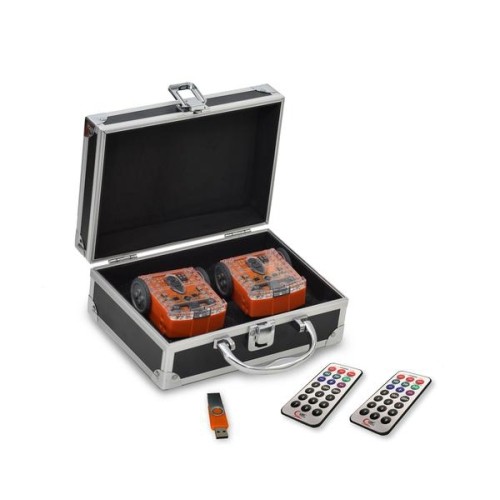
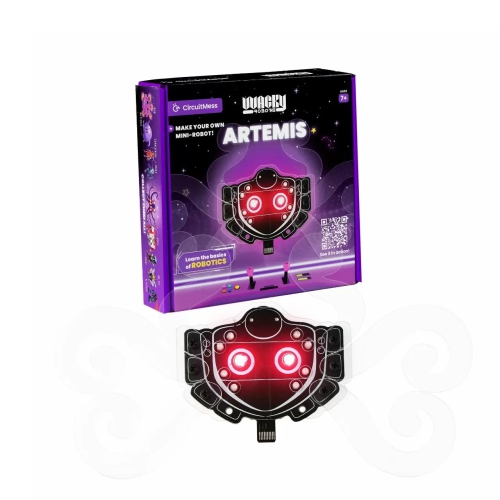

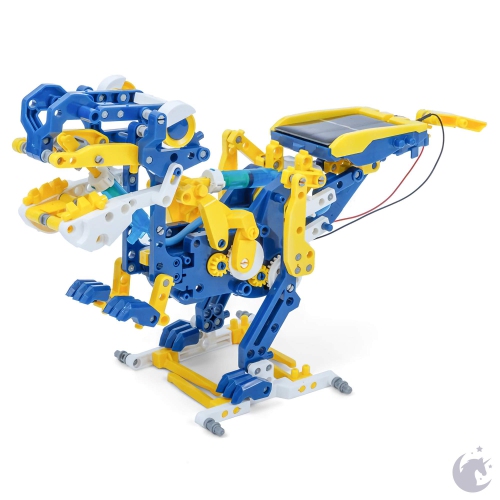
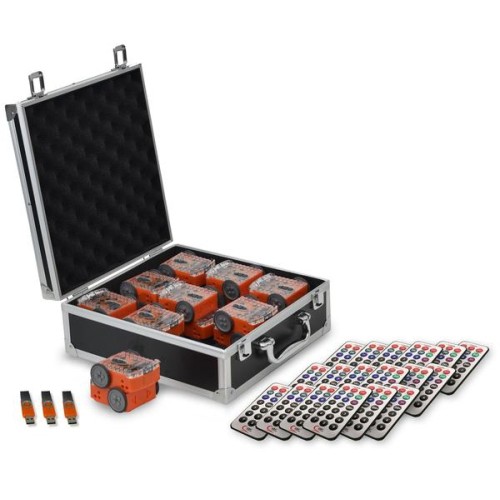
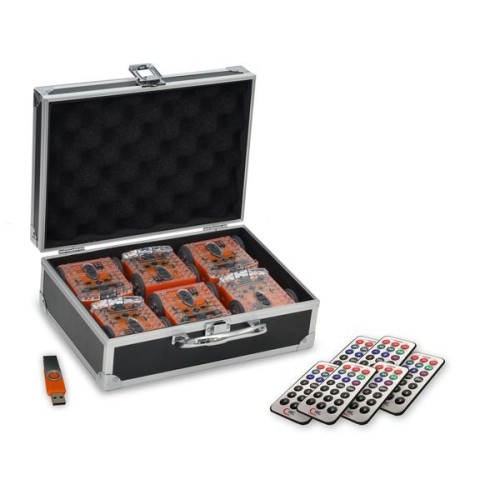
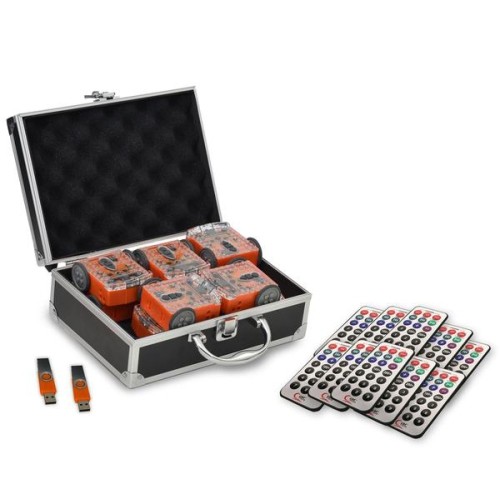
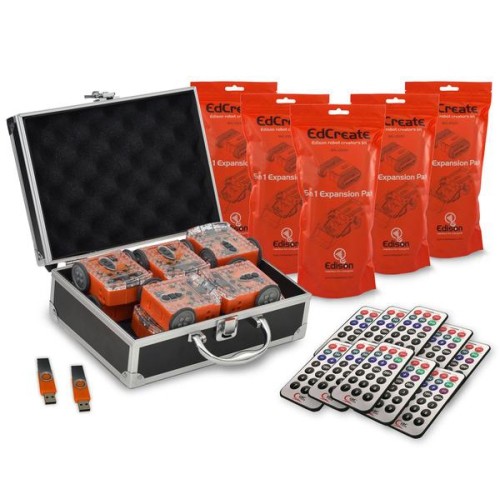
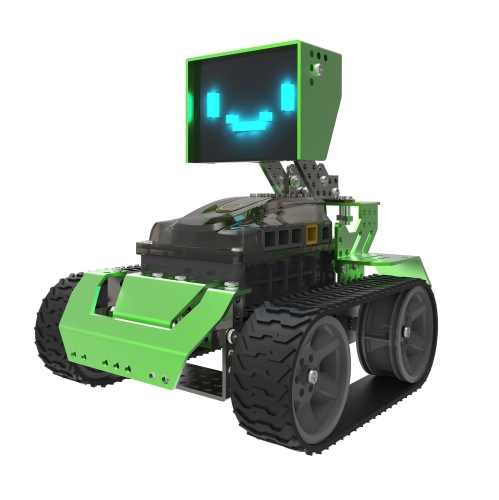
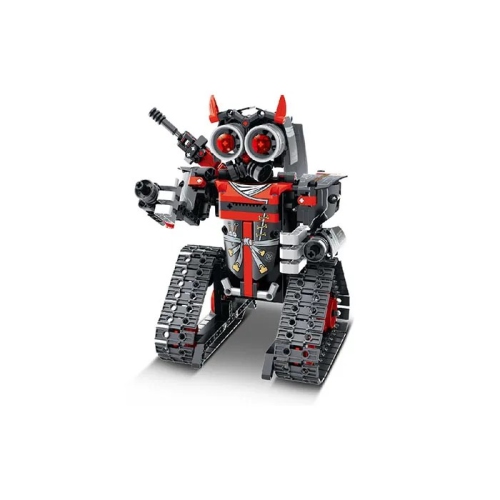


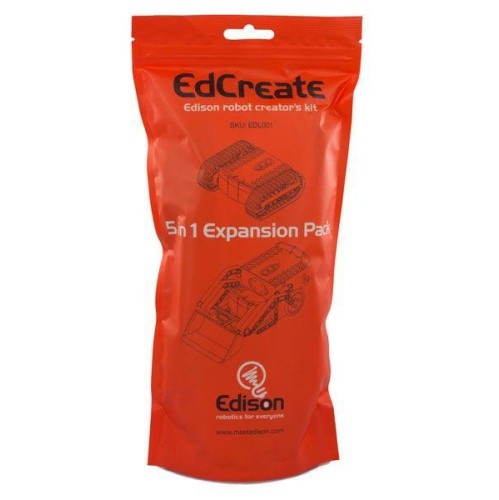
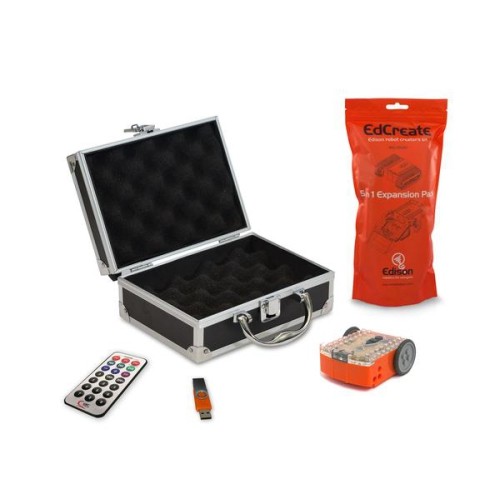

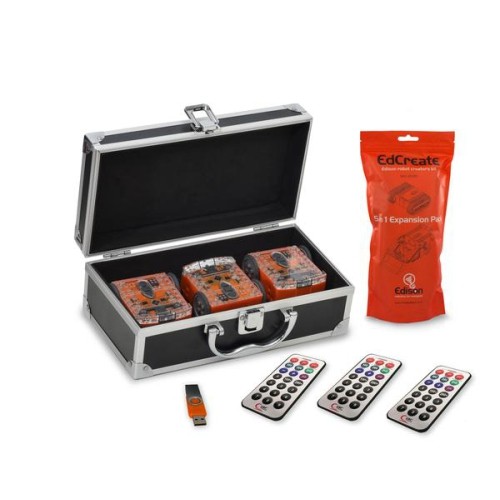
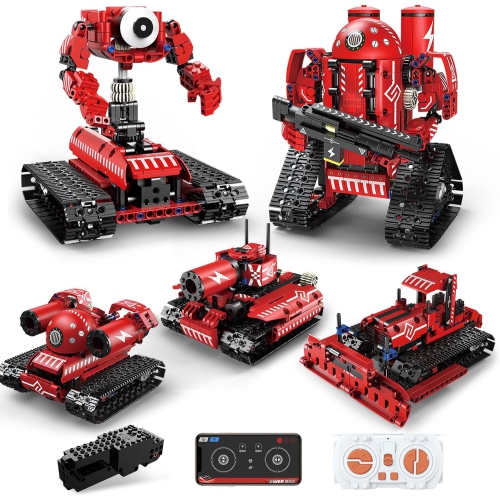
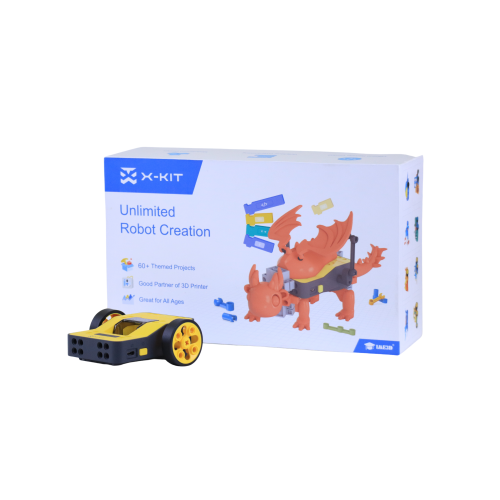
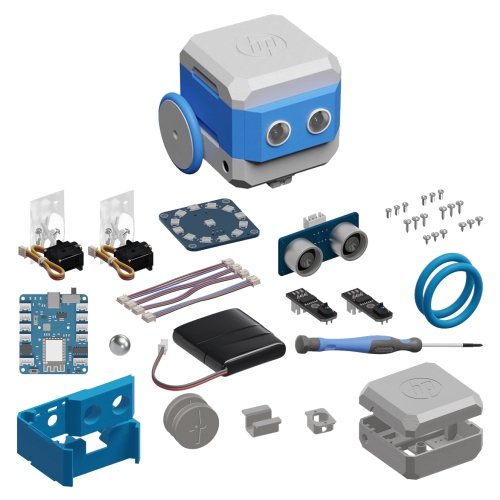
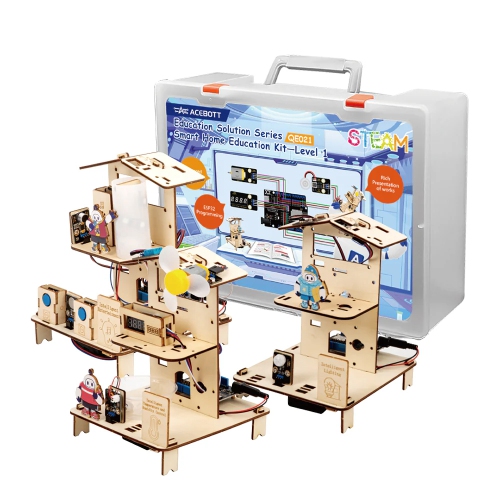
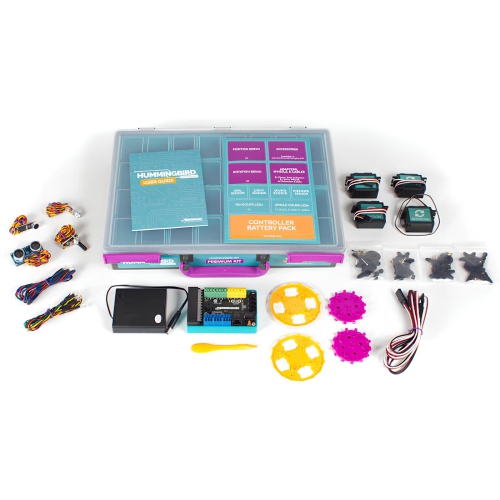
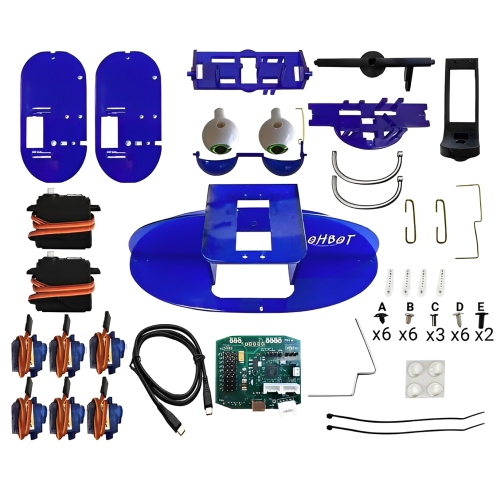


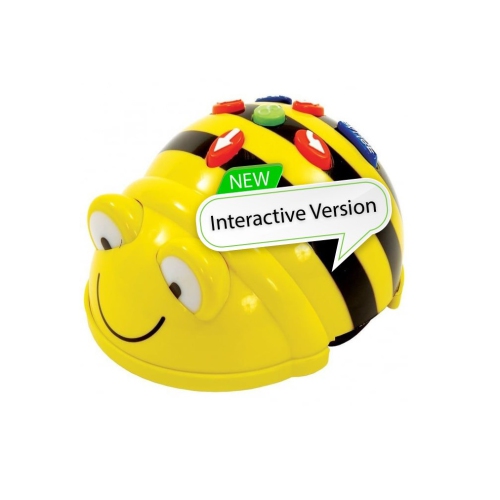
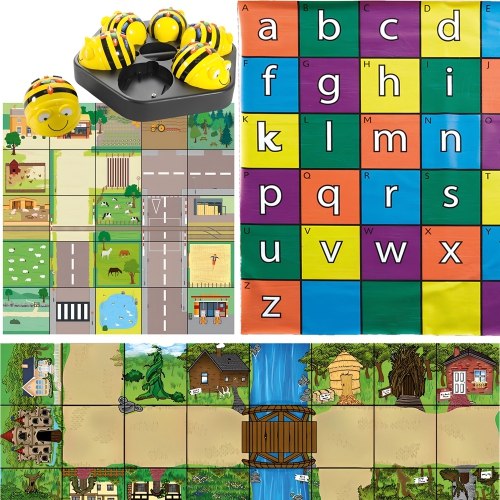
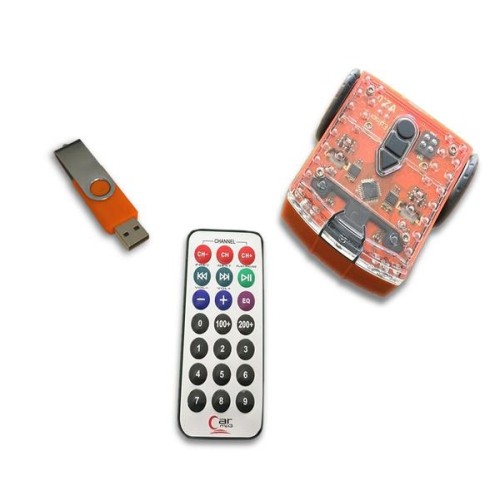
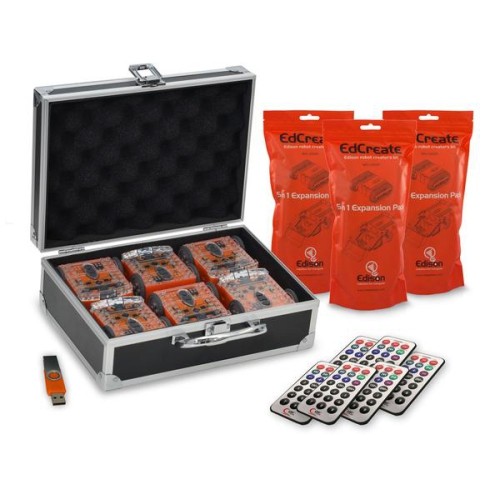

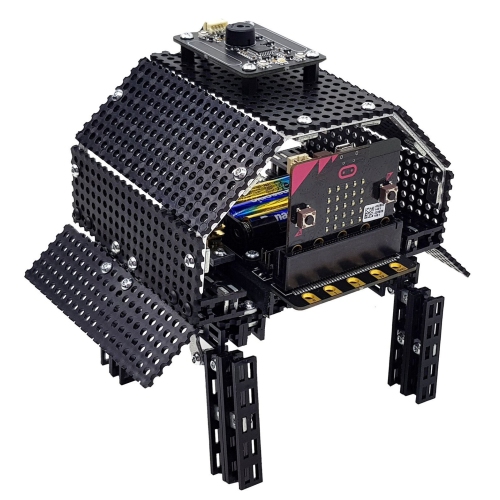
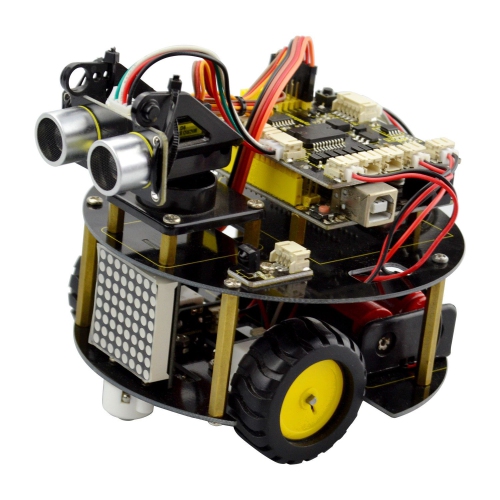
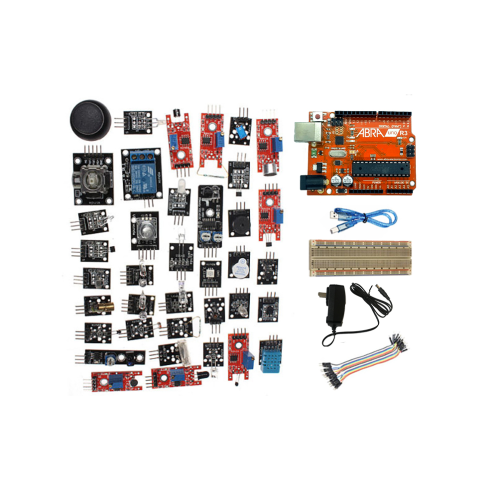
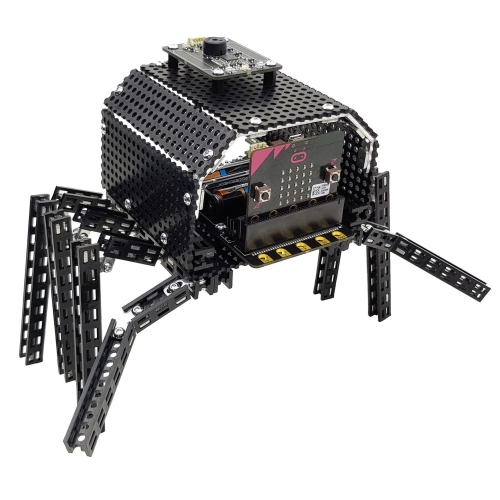


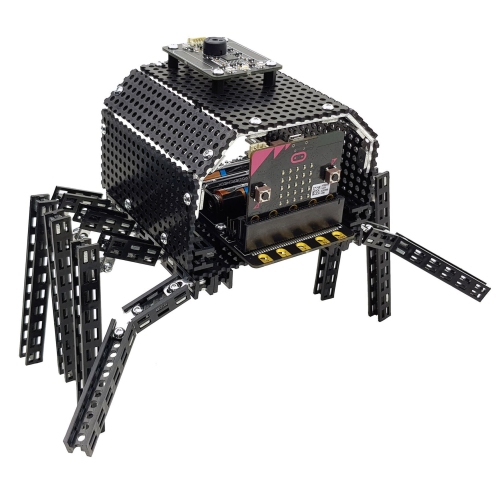

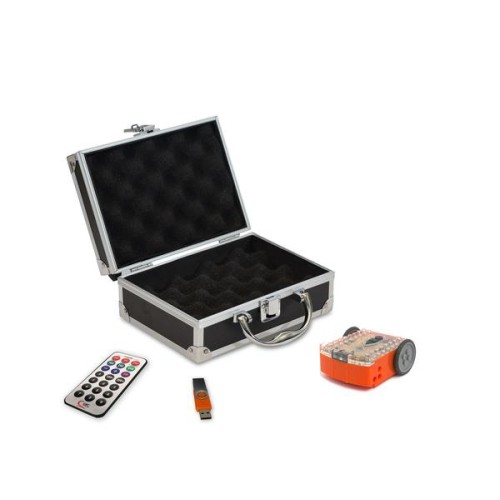
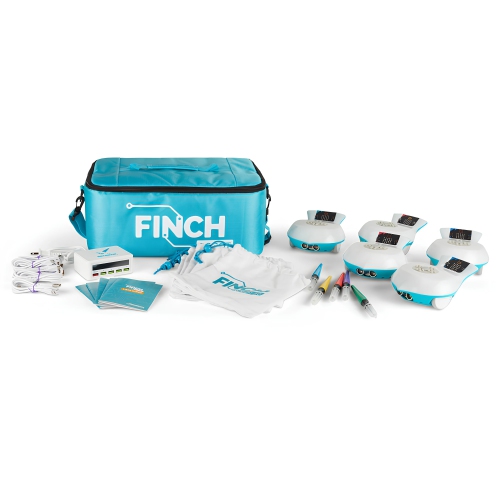
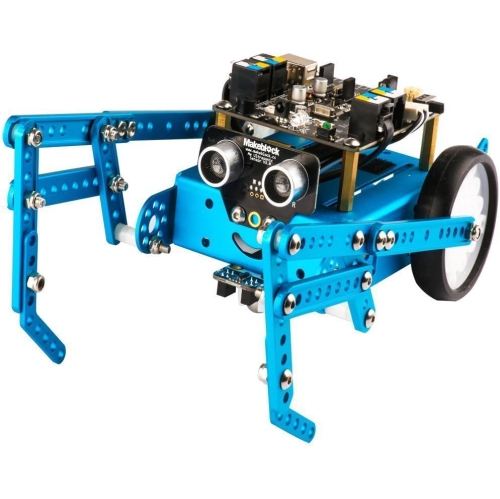
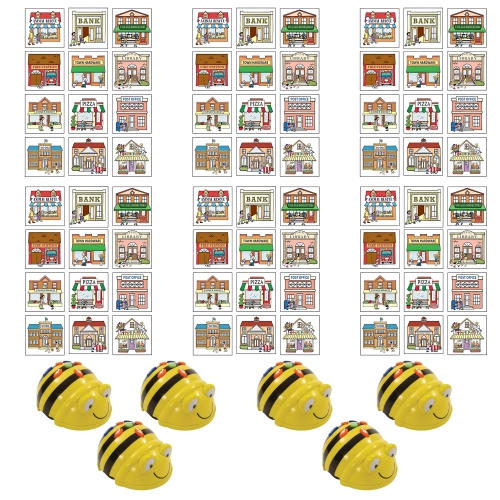
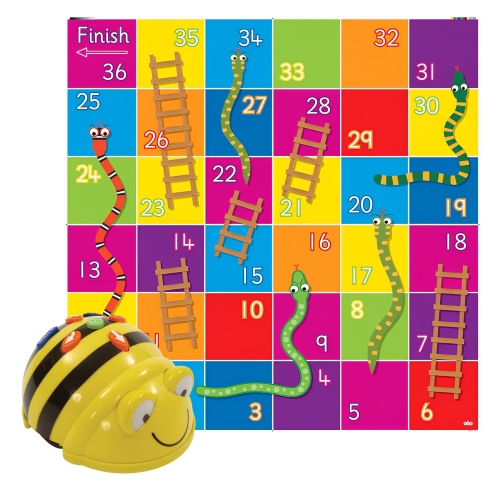
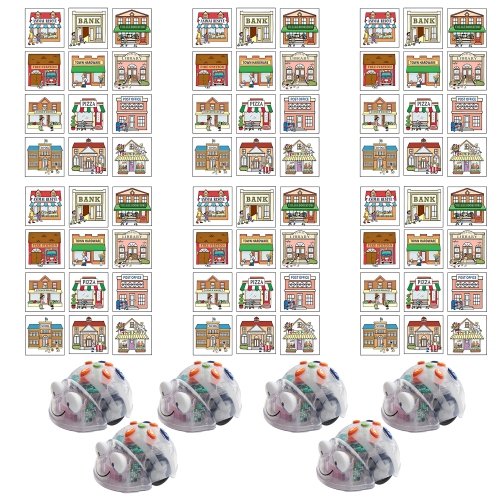
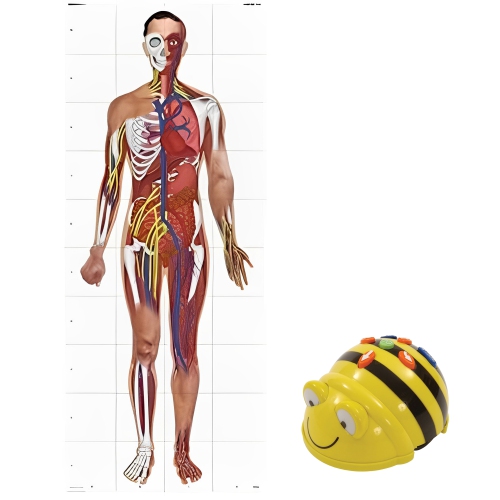


Hands-on robotics turns coding lessons into moving creations
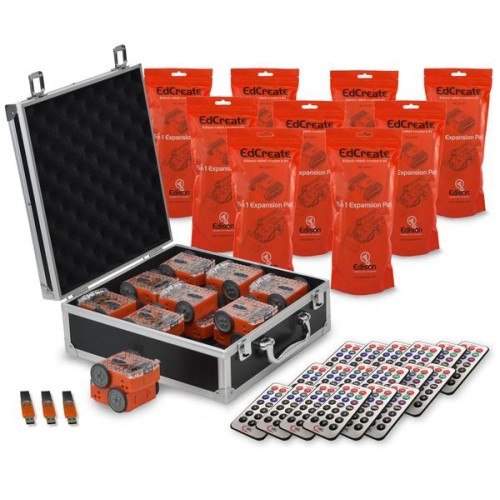
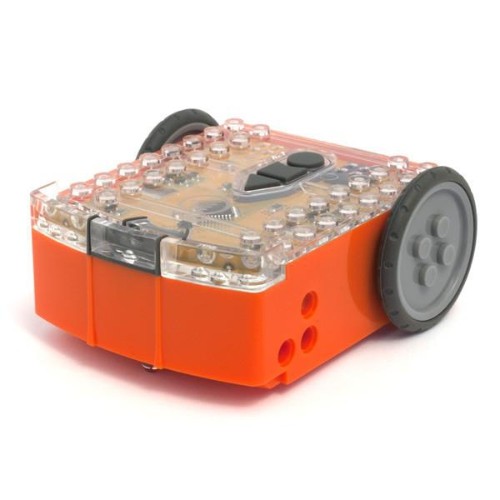
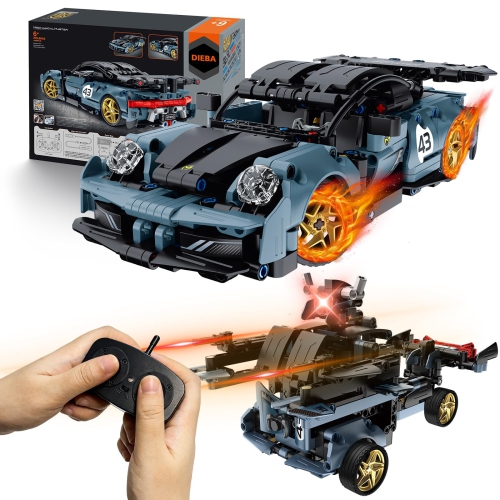
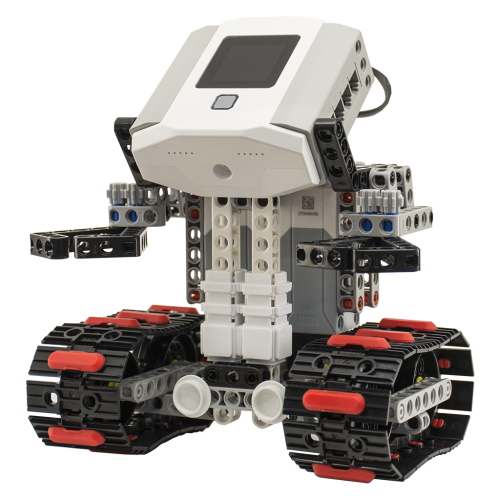
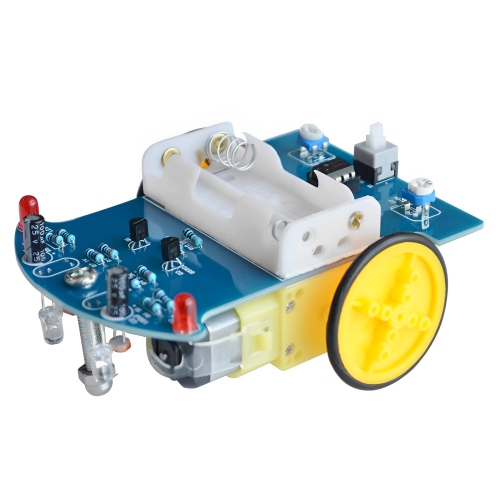
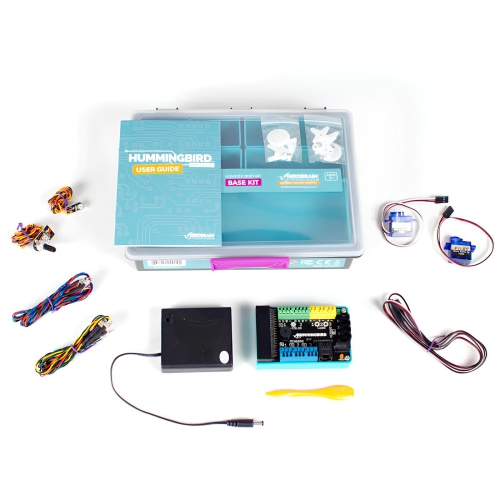
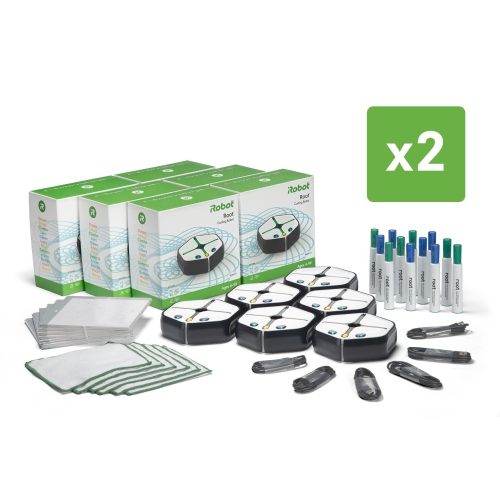
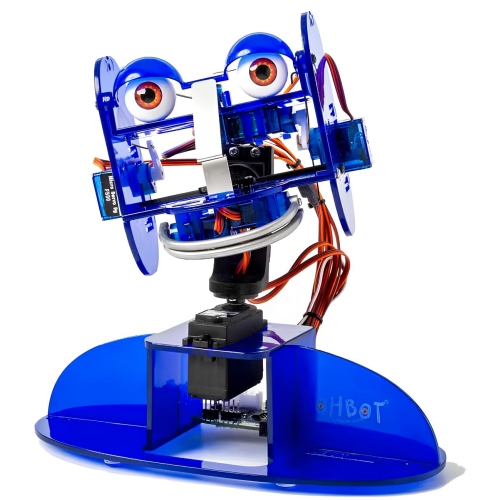
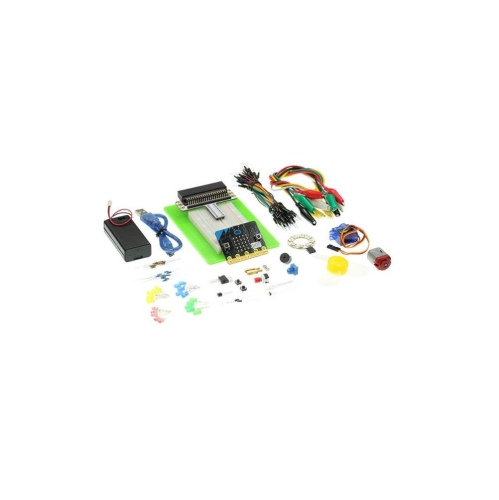
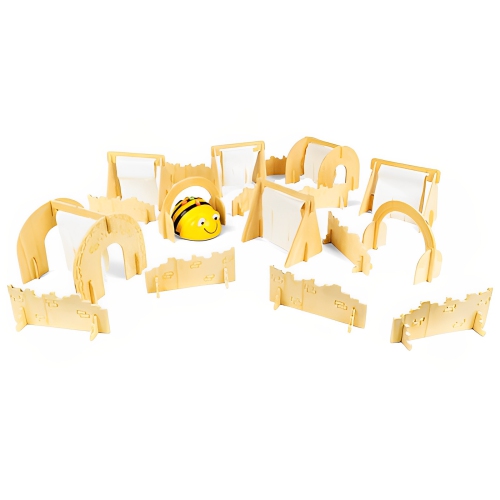
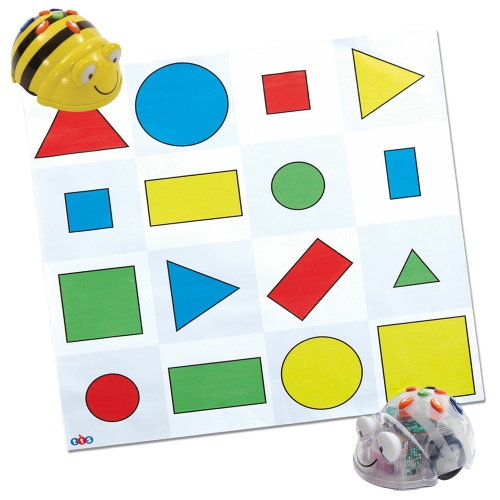
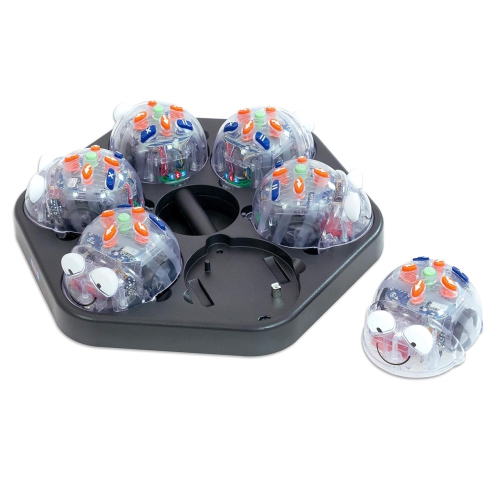
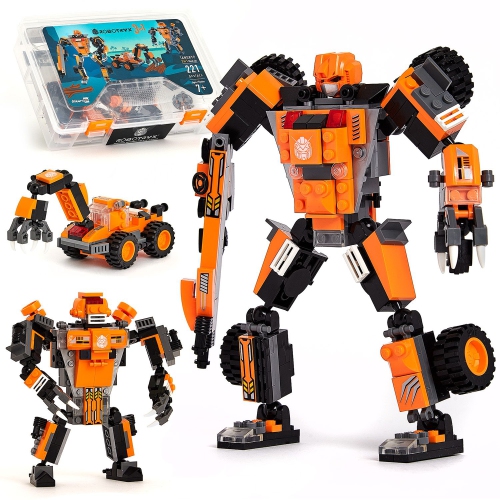
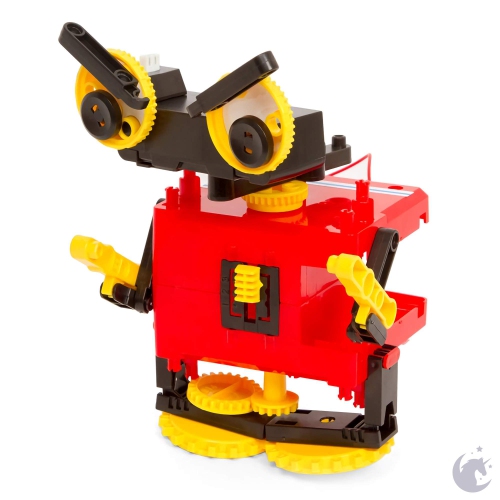
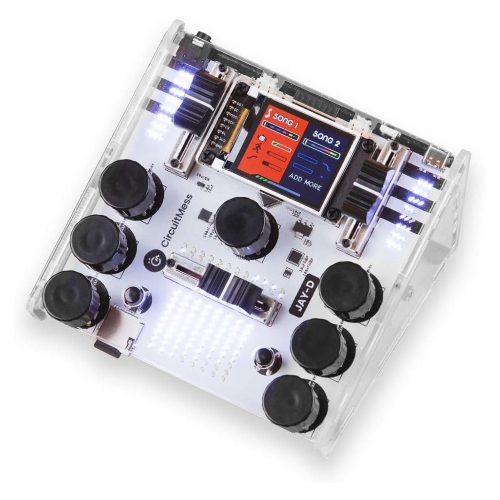
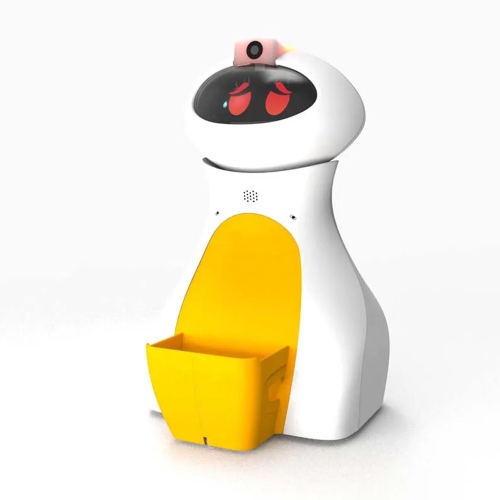
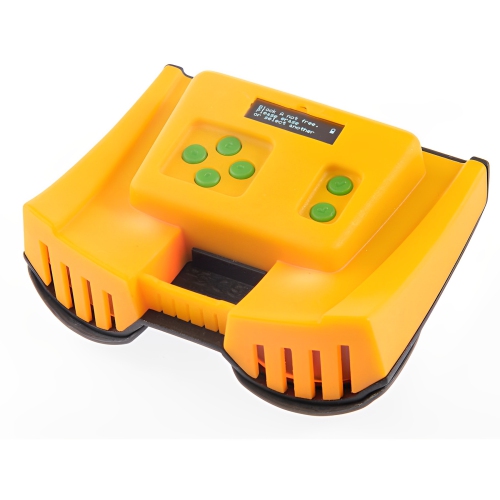
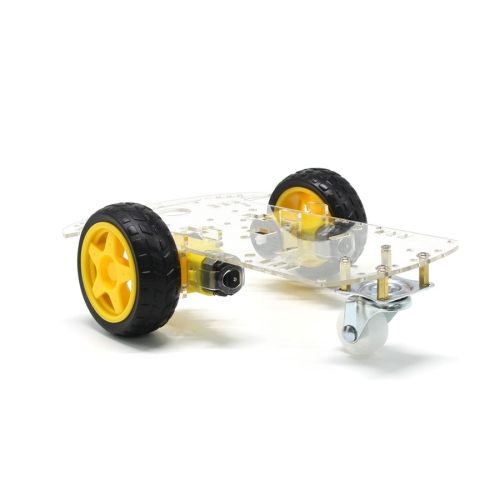
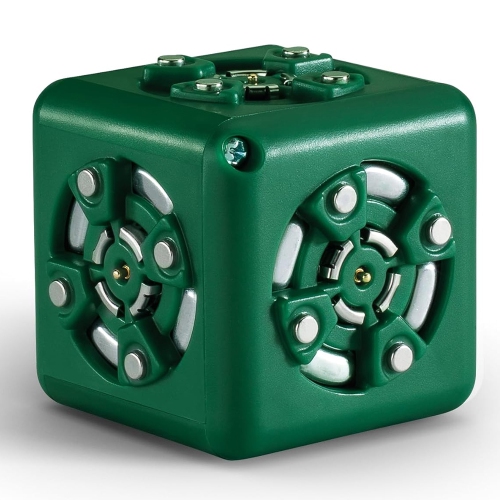
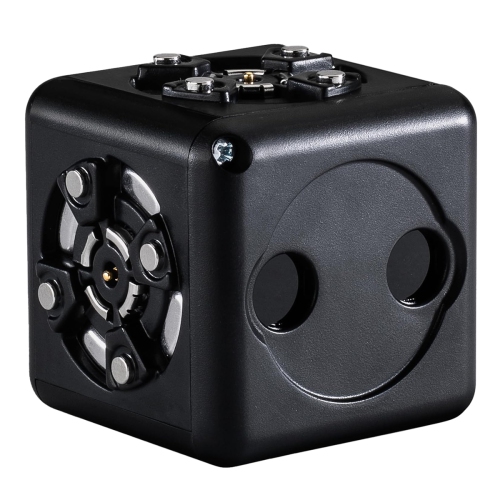
Educational robot kits turn abstract STEM concepts into something children and teens can see, touch, test, and improve. Instead of learning about coding, electronics, and mechanical engineering only through a screen, learners can assemble a moving creation, connect sensors, adjust a line of code, and watch the result unfold across a table or floor. Depending on the design, a kit may involve building a wheeled robot, a walking mechanism, a sensor-based vehicle, or another programmable machine. The building process introduces practical ideas such as gears, motors, balance, friction, wiring, inputs, and outputs, while the software side helps develop sequencing, logic, pattern recognition, and problem-solving. Many beginner-friendly kits use drag-and-drop, block-based programming so younger learners can arrange commands visually and understand how instructions work before moving into text-based languages. More advanced options may support Python, JavaScript, Arduino C, or other programming environments, giving students a natural way to progress as their confidence grows. When comparing options, start with the learner’s age, patience, and previous experience rather than choosing solely by the number of parts or advertised features. A child who is new to robotics may enjoy a straightforward build that can be assembled in a short sitting, while an experienced student may be ready for a more involved project with a programmable microcomputer, a colour display, multiple sensors, or connected features. Check the recommended age range, assembly requirements, included tools, app or computer compatibility, and whether batteries or other accessories are sold separately. The range of Robot Kits can help families, educators, and gift-givers compare different approaches to hands-on learning in one place.
These kits are well suited to curious children, middle-school students, teenagers exploring computer science, and adults who enjoy building alongside a younger learner. They can also be useful in classrooms, libraries, coding clubs, makerspaces, and after-school programmes, where a robot provides a shared project and gives students a reason to practise concepts repeatedly. For a first-time user, look for clear assembly instructions, guided activities, visual programming support, and a design that allows mistakes to be corrected without taking the entire project apart. A kit with modular components can be especially helpful because learners can add a light sensor, distance sensor, sound response, display, or motor attachment as they develop new ideas. Older or more experienced students may prefer a platform that allows them to write Python or another text-based language, create custom behaviours, and experiment with autonomous movement. It is worth considering how the robot will be used at home: a small indoor model may be easier to store and operate on a desk or smooth floor, while a larger build may need more open space and careful supervision during testing. Noise, moving parts, exposed connectors, and small components are also practical considerations for families with younger children. Educational robot kits make thoughtful gifts for birthdays, family occasions, or the holiday season because they offer an activity to open, build, and revisit rather than a single use. The best choice will reflect the recipient’s interests. A child fascinated by vehicles may enjoy programming a robot to follow a route; someone interested in animals may prefer experimenting with movement and reactions; and a budding coder may be happiest creating a sequence that responds to light, sound, distance, or touch. Working together can make the experience even more rewarding, with one person handling the construction and another testing commands before swapping roles.
Before choosing an educational robot kit, consider the balance between guided learning and open-ended creativity. Some kits are designed to produce a working robot quickly, helping younger builders experience an early success and then modify the result through simple challenges. Others are intended as longer-term platforms, with a microcomputer and a collection of electronic modules that can support several builds or coding projects. A clear progression from blocks to text can help a learner move from “make the wheels turn” to understanding variables, conditions, loops, functions, and sensor data. It can also be useful to check whether instructions include troubleshooting advice, sample programmes, lesson plans, or downloadable activities, especially when the kit is intended for classroom use. Parents and educators can encourage productive experimentation by treating unexpected behaviour as part of the process: a robot that turns too sharply might lead to a discussion about motor speed, wheel size, or timing, while a sensor that responds inconsistently can introduce ideas about distance, light, and calibration. Set up a dedicated area with a flat surface, good lighting, and enough room for testing, then keep small pieces organised in labelled containers between sessions. During the cooler months, an indoor robot project can provide an engaging way to spend an afternoon, whether the learner is following a beginner challenge or inventing a new route through the living room. With the right level of complexity and support, educational robot kits can build practical confidence, encourage persistence, and show how coding and physical design work together to solve real problems.
These kits are well suited to curious children, middle-school students, teenagers exploring computer science, and adults who enjoy building alongside a younger learner. They can also be useful in classrooms, libraries, coding clubs, makerspaces, and after-school programmes, where a robot provides a shared project and gives students a reason to practise concepts repeatedly. For a first-time user, look for clear assembly instructions, guided activities, visual programming support, and a design that allows mistakes to be corrected without taking the entire project apart. A kit with modular components can be especially helpful because learners can add a light sensor, distance sensor, sound response, display, or motor attachment as they develop new ideas. Older or more experienced students may prefer a platform that allows them to write Python or another text-based language, create custom behaviours, and experiment with autonomous movement. It is worth considering how the robot will be used at home: a small indoor model may be easier to store and operate on a desk or smooth floor, while a larger build may need more open space and careful supervision during testing. Noise, moving parts, exposed connectors, and small components are also practical considerations for families with younger children. Educational robot kits make thoughtful gifts for birthdays, family occasions, or the holiday season because they offer an activity to open, build, and revisit rather than a single use. The best choice will reflect the recipient’s interests. A child fascinated by vehicles may enjoy programming a robot to follow a route; someone interested in animals may prefer experimenting with movement and reactions; and a budding coder may be happiest creating a sequence that responds to light, sound, distance, or touch. Working together can make the experience even more rewarding, with one person handling the construction and another testing commands before swapping roles.
Before choosing an educational robot kit, consider the balance between guided learning and open-ended creativity. Some kits are designed to produce a working robot quickly, helping younger builders experience an early success and then modify the result through simple challenges. Others are intended as longer-term platforms, with a microcomputer and a collection of electronic modules that can support several builds or coding projects. A clear progression from blocks to text can help a learner move from “make the wheels turn” to understanding variables, conditions, loops, functions, and sensor data. It can also be useful to check whether instructions include troubleshooting advice, sample programmes, lesson plans, or downloadable activities, especially when the kit is intended for classroom use. Parents and educators can encourage productive experimentation by treating unexpected behaviour as part of the process: a robot that turns too sharply might lead to a discussion about motor speed, wheel size, or timing, while a sensor that responds inconsistently can introduce ideas about distance, light, and calibration. Set up a dedicated area with a flat surface, good lighting, and enough room for testing, then keep small pieces organised in labelled containers between sessions. During the cooler months, an indoor robot project can provide an engaging way to spend an afternoon, whether the learner is following a beginner challenge or inventing a new route through the living room. With the right level of complexity and support, educational robot kits can build practical confidence, encourage persistence, and show how coding and physical design work together to solve real problems.
Top selling and popular products
-
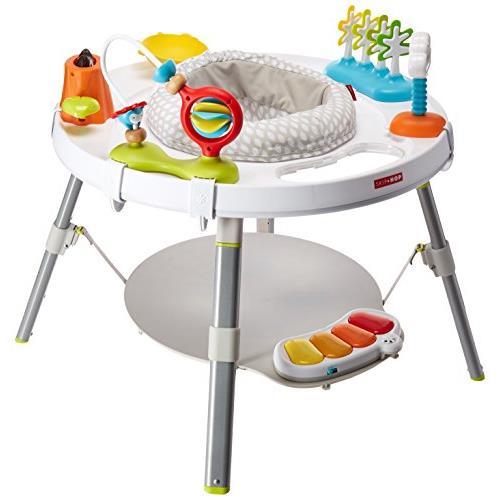 Your price for this item is $299.13
 -
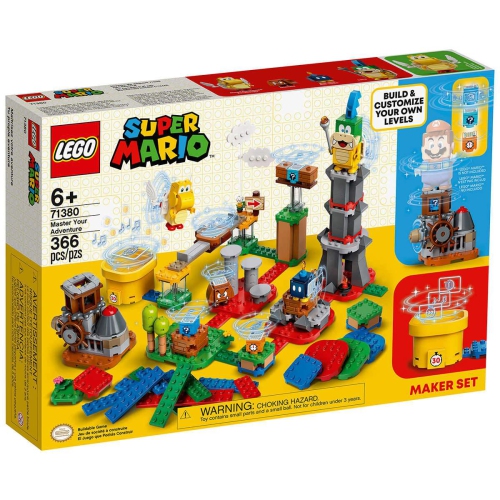 Your price for this item is $103.27
 -
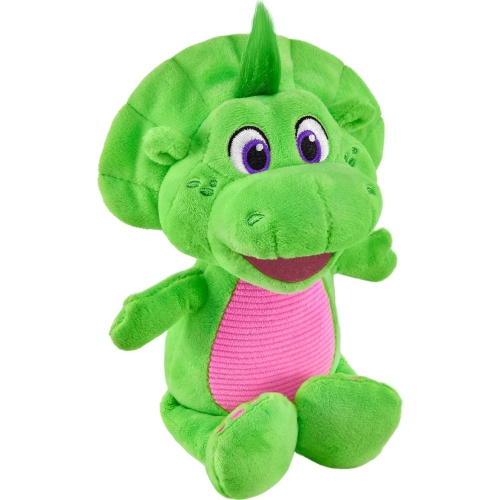 Your price for this item is $17.99
 -
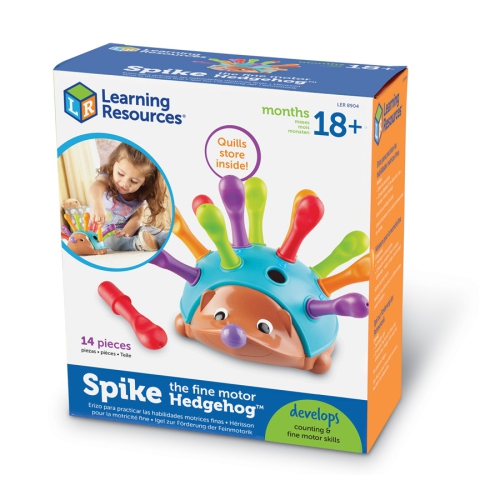 Your price for this item is $56.13
 -
 Your price for this item is $19.99
 -
 Your price for this item is $39.99
 -
 Your price for this item is $49.99
 -
 Your price for this item is $25.99
Discover more categories related to Educational Robot Kits
Top Collections:
Best Laptops for Video Editing, Pokemon Centers, Samsung Z Fold, Kindle Devices, Best Cell Phones Under $300, Best Laptops for Writers, Best Budget Office Chairs, Best Cell Phones Under $500, Best Laptop Computers for Students, iPhone 15 Apple
Some products may be subject to Environmental Handling Fees
(EHF) depending on your province.
Learn more about EHFs.