Robot Kits
Explore the exciting world of robotics with our diverse selection of robot kits. Whether you're a beginner looking to delve into the fundamentals of programming and engineering or an experienced enthusiast seeking advanced challenges, our range of robot kits offers something for everyone. From educational kits designed to teach coding principles to sophisticated kits that allow you to build complex robots, you'll find the perfect option to spark your creativity and curiosity. Dive into the future of technology and unleash your inner engineer with our innovative robot kits.
Sort
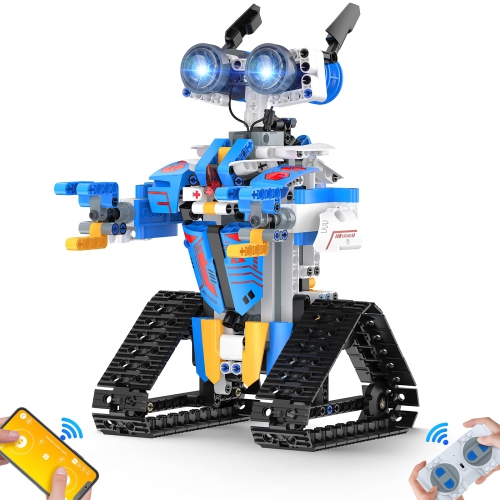
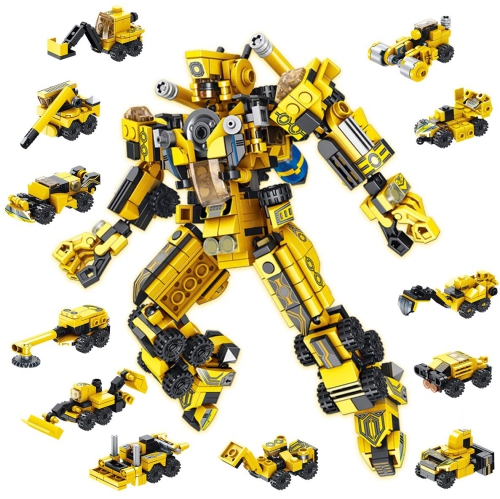
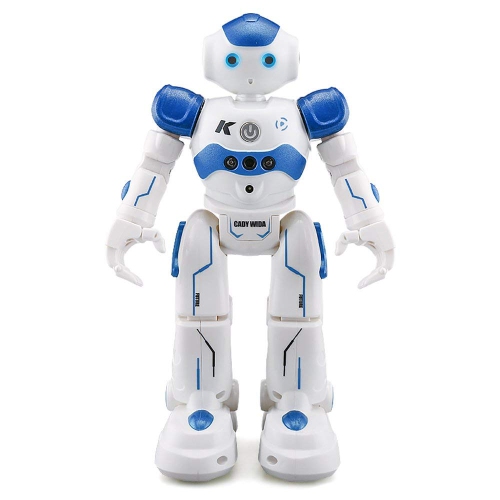
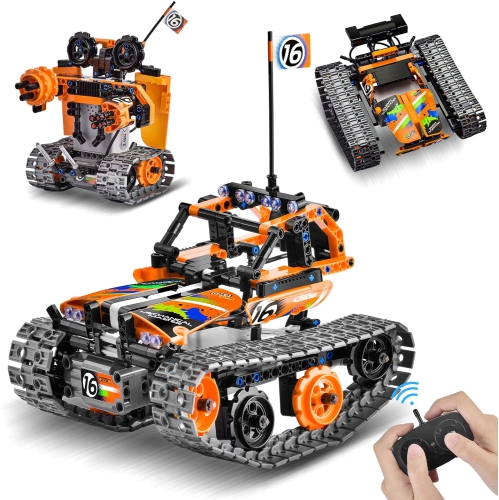
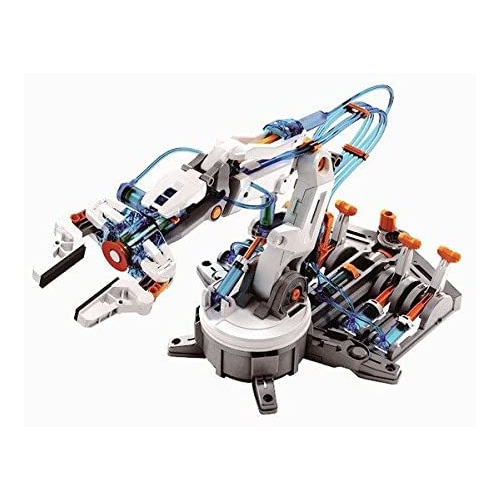
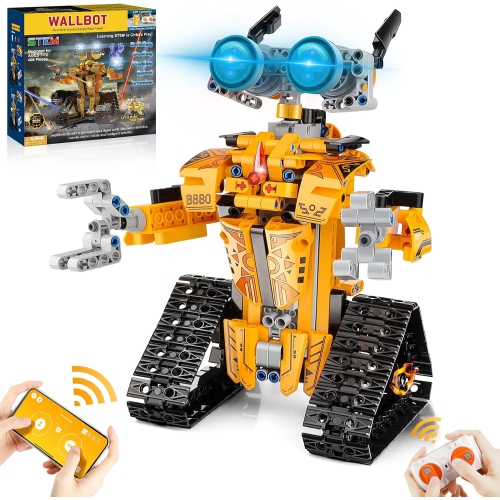
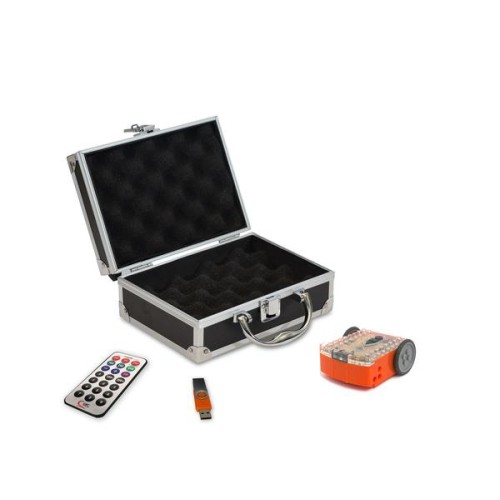
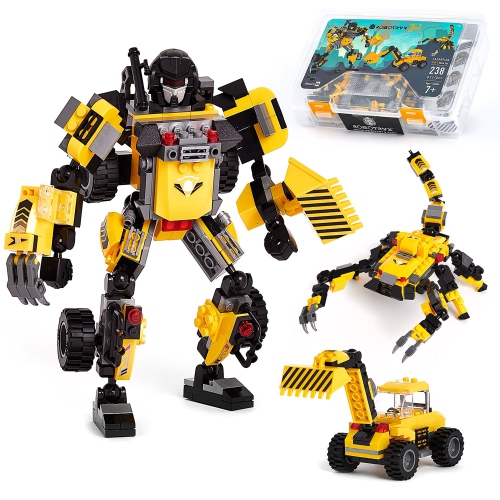


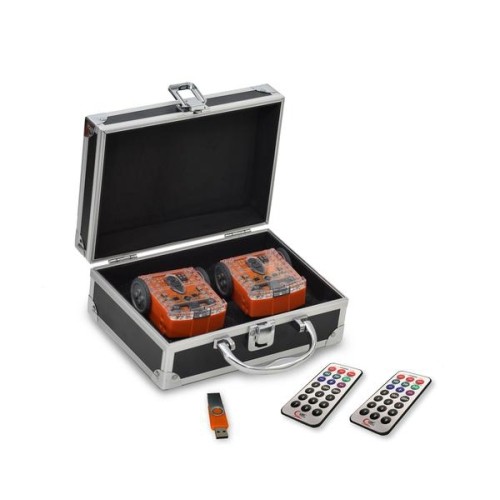
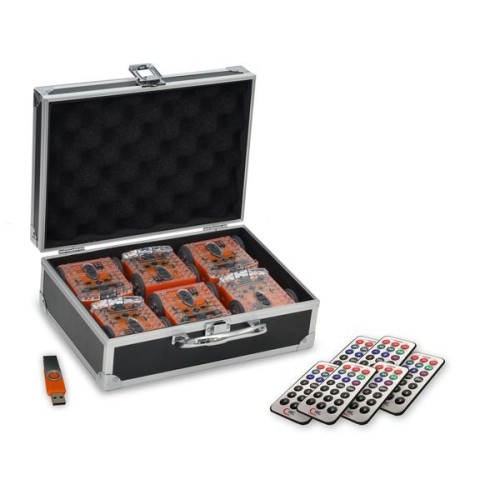

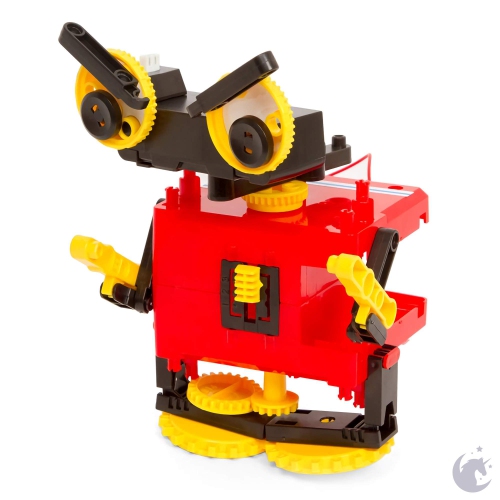
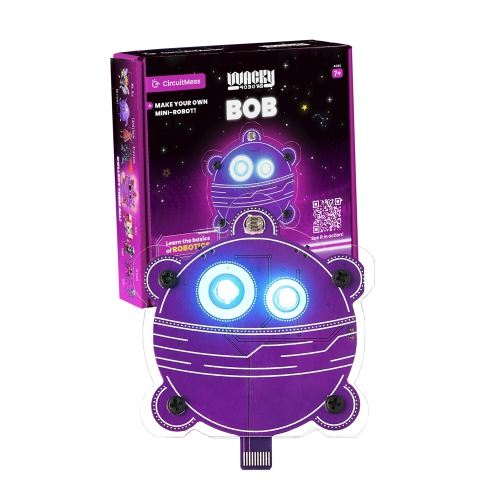
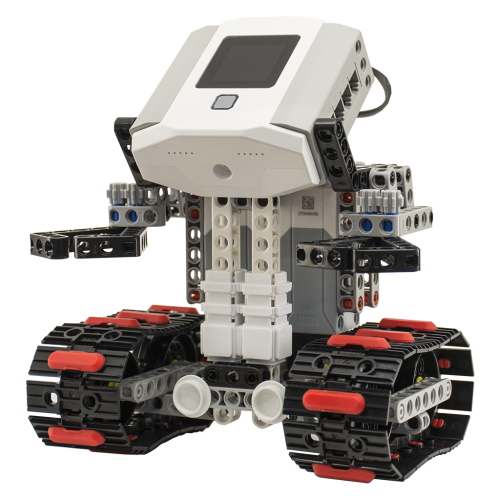
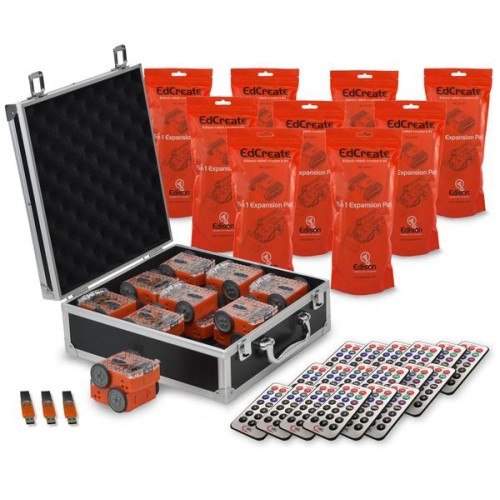
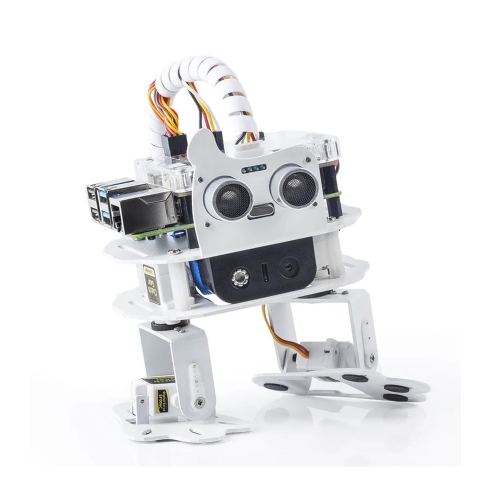
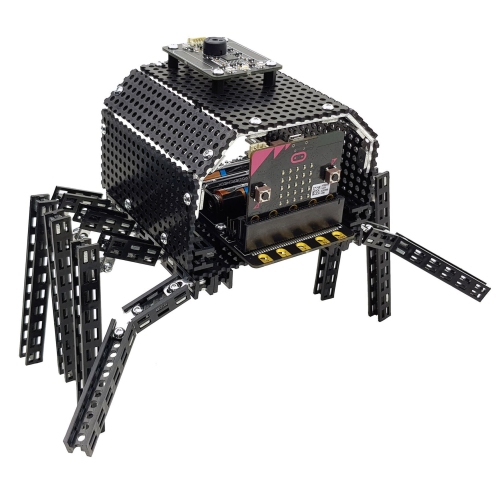

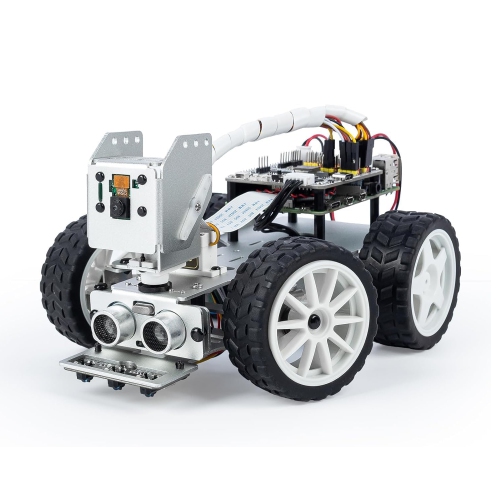
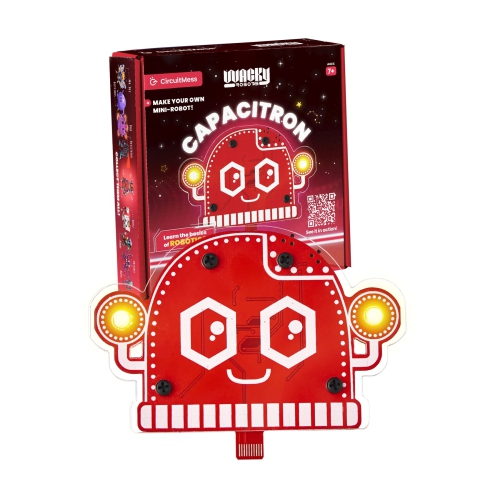

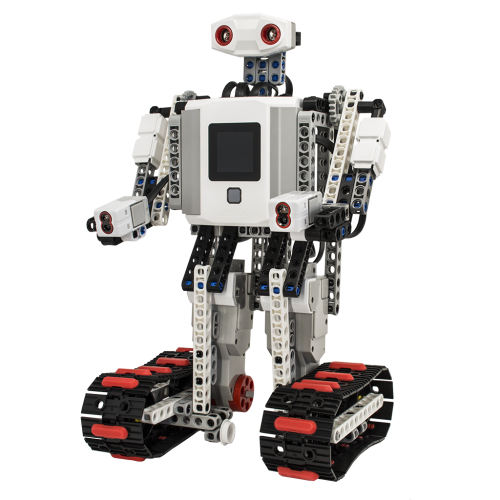
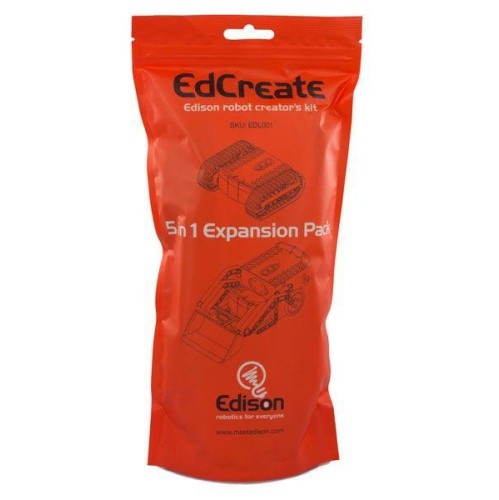

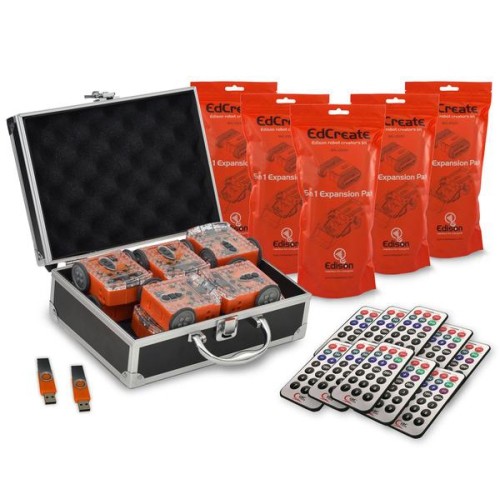
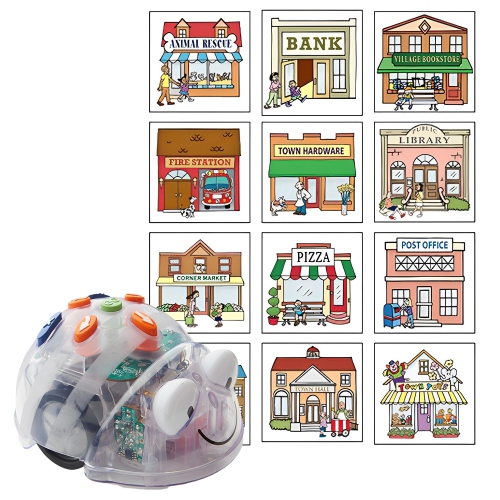
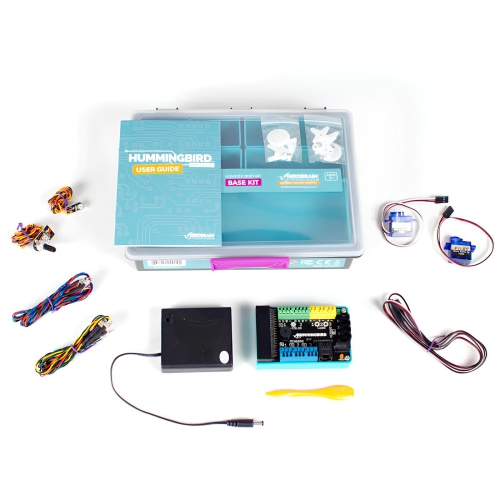
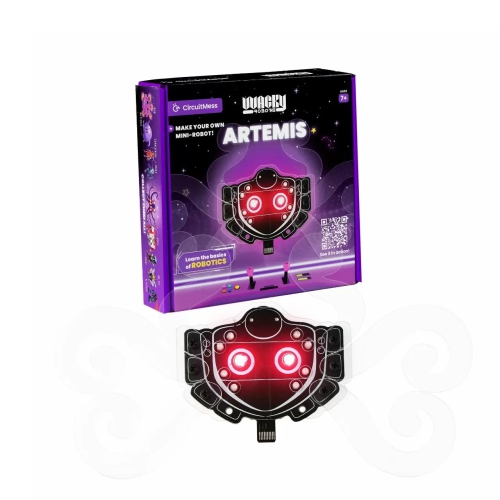
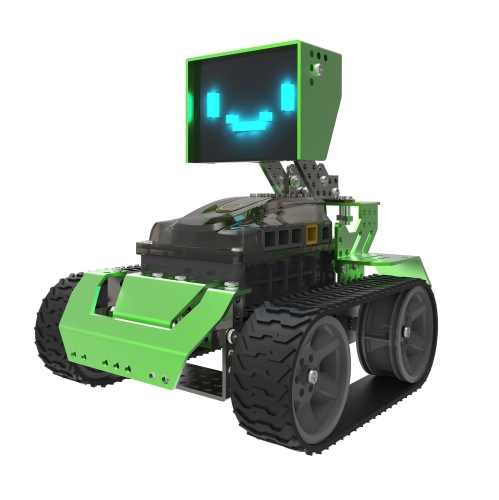
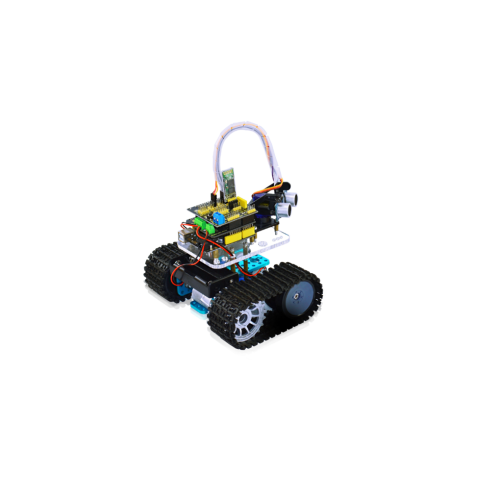
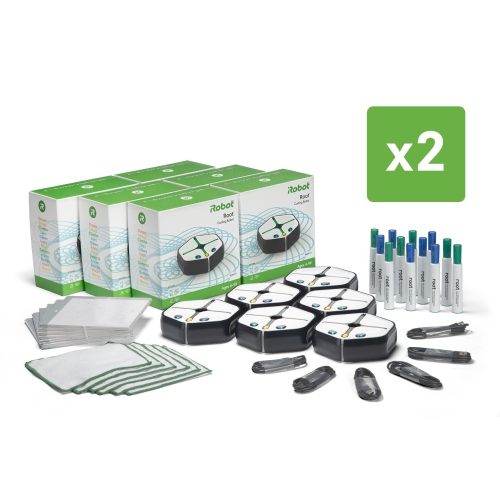
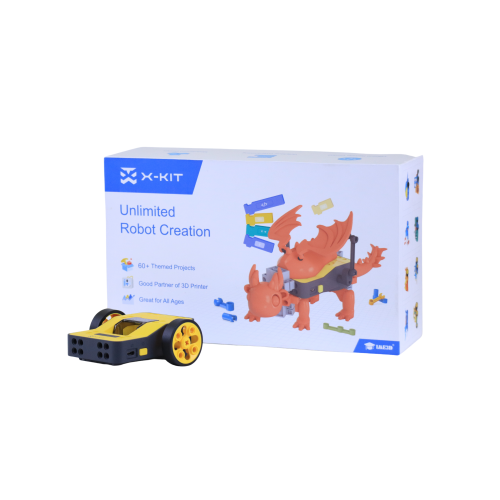

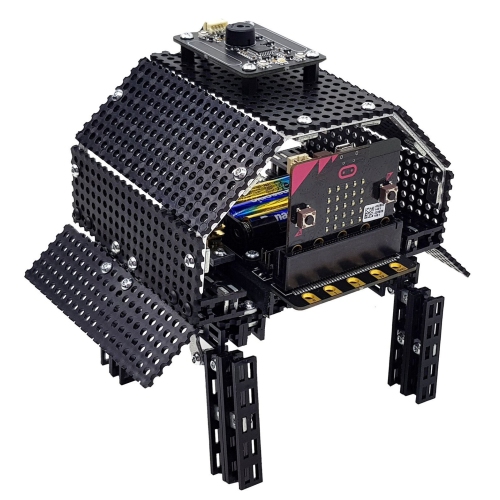

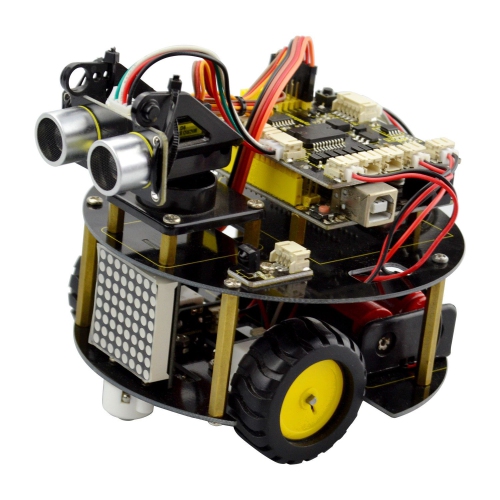

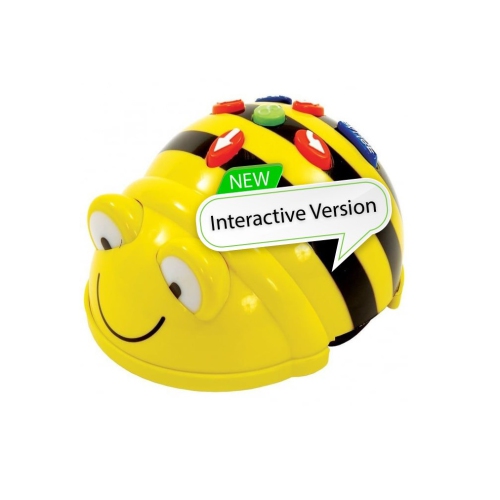
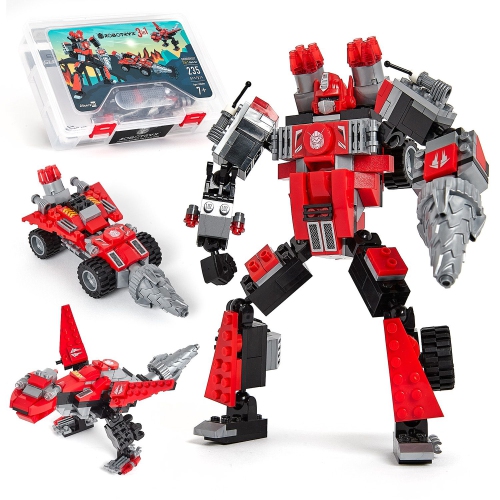
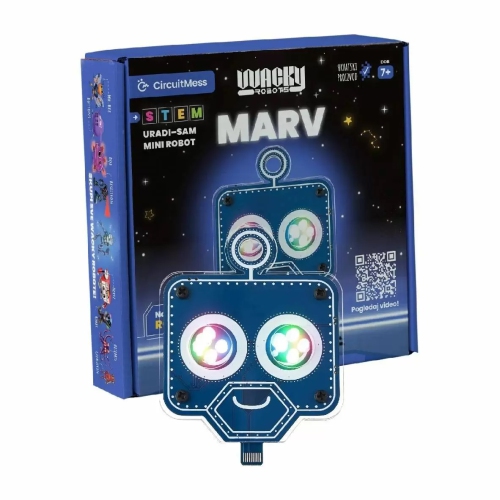
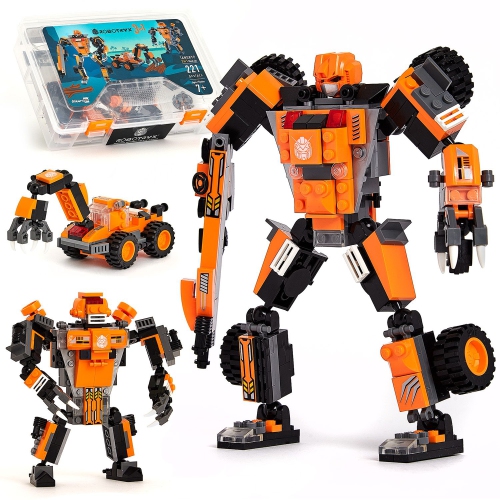
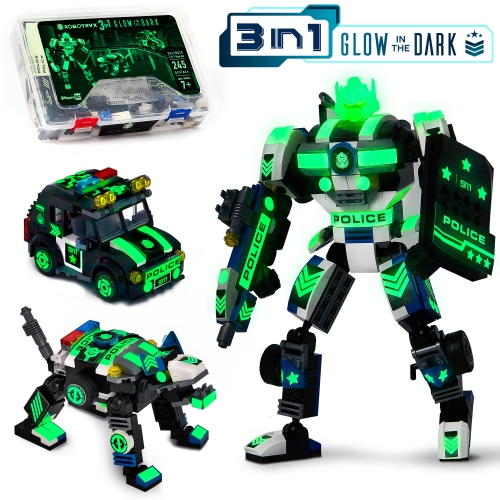





Where coding concepts become hands-on learning and creative discovery
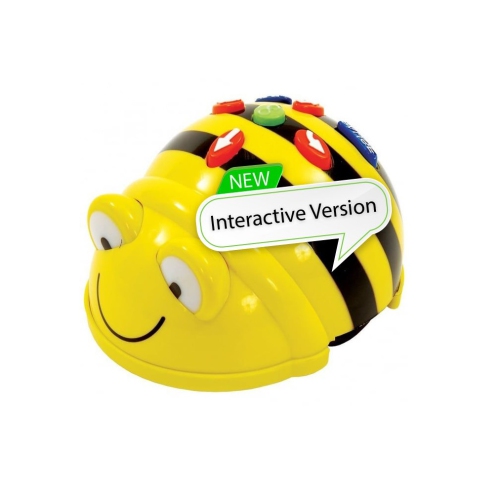
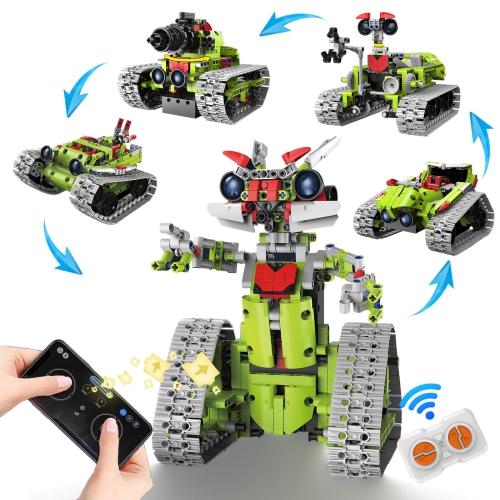
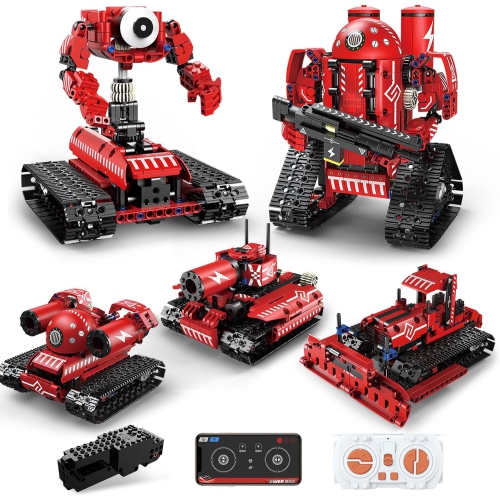
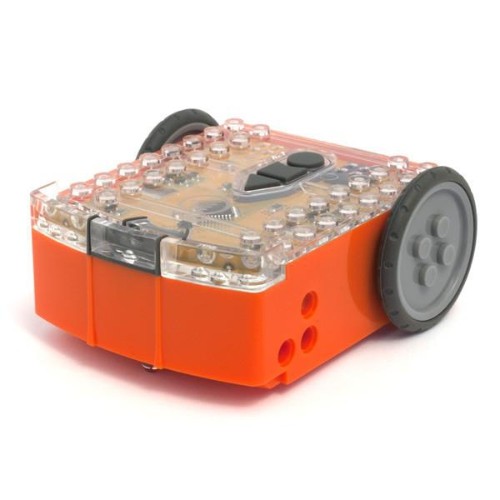
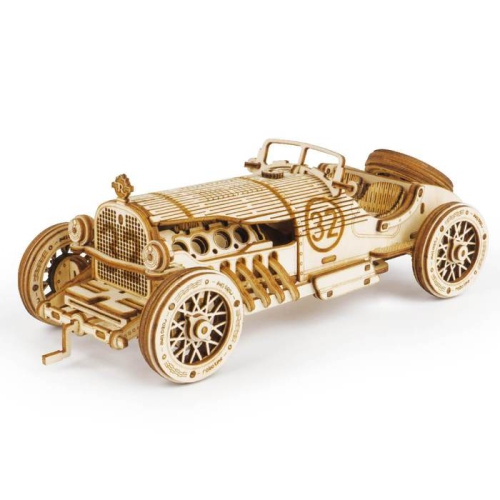
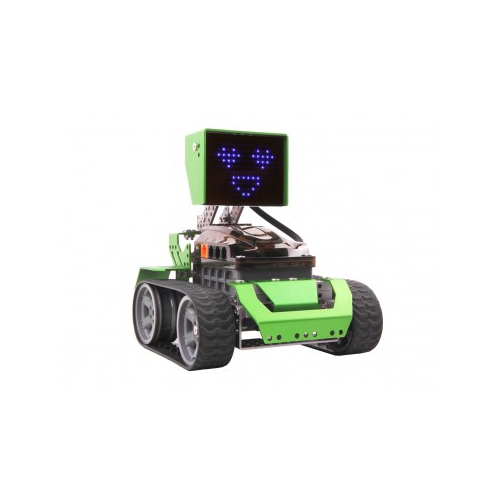
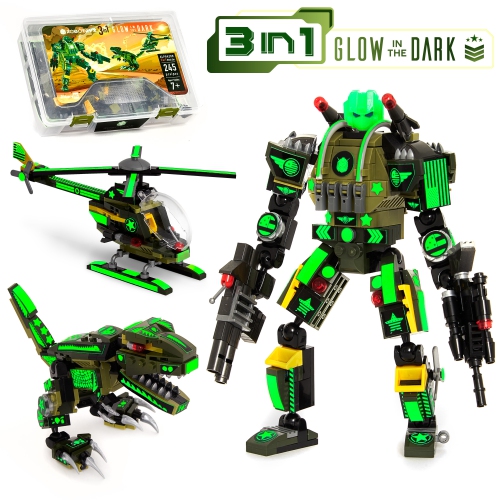
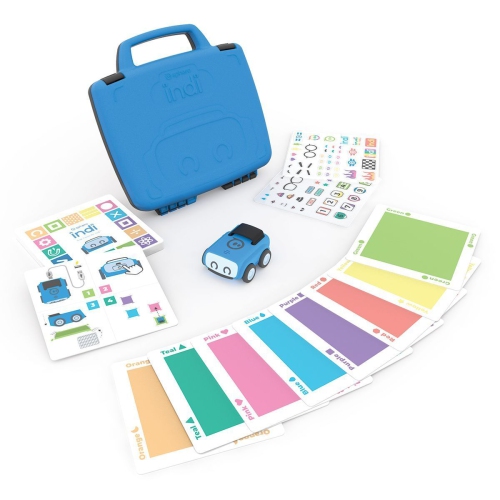
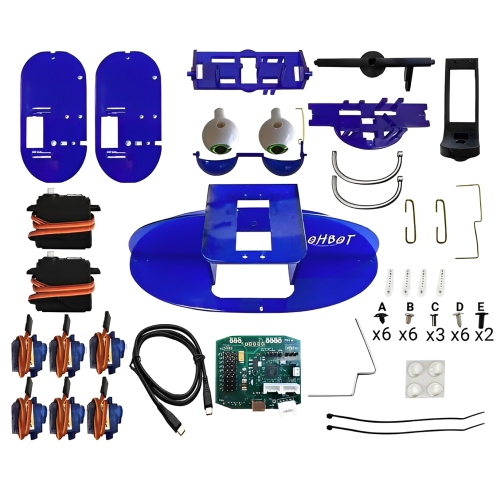
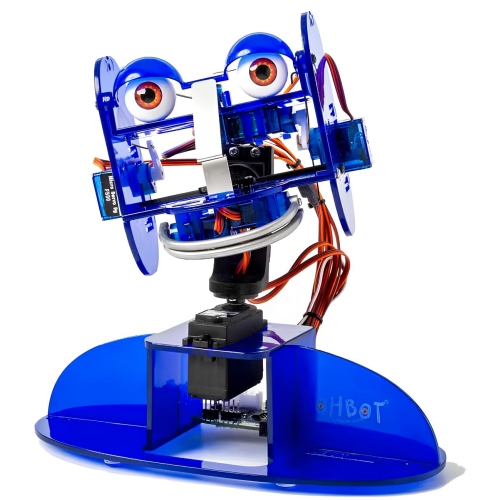
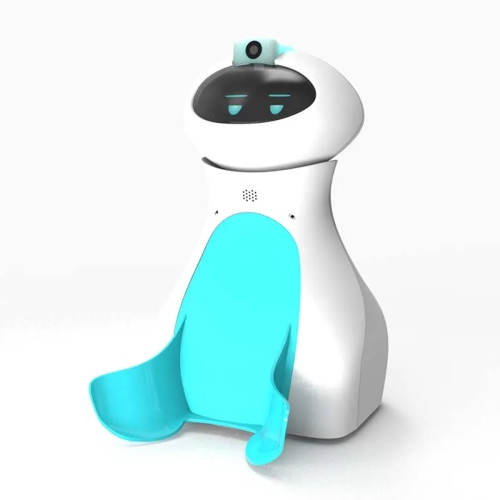
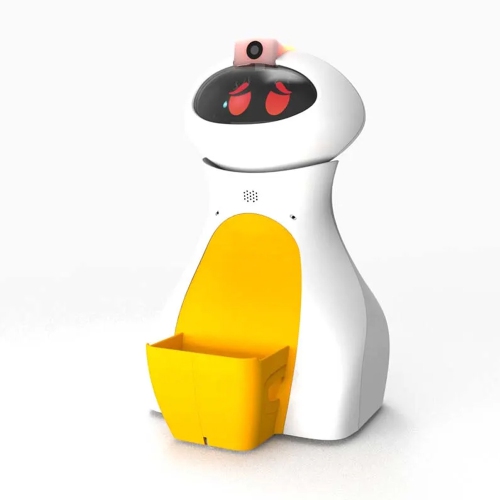
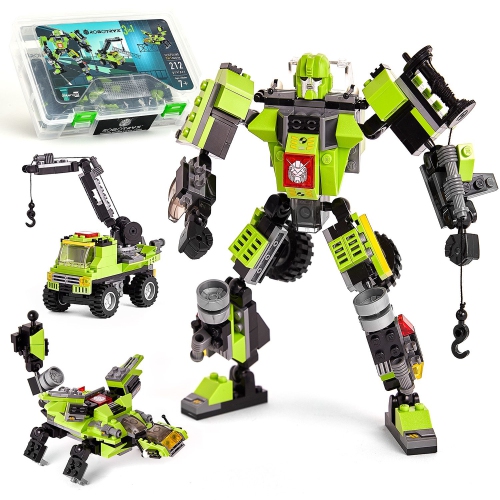
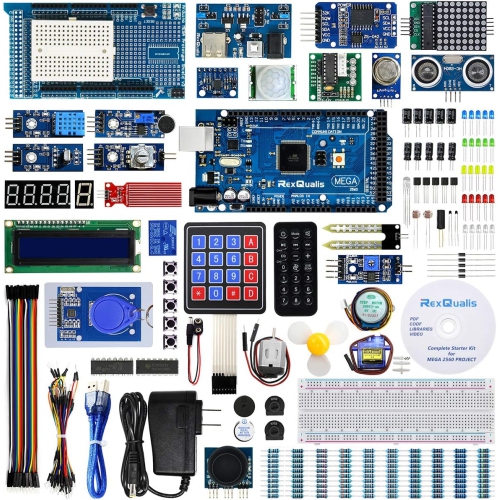
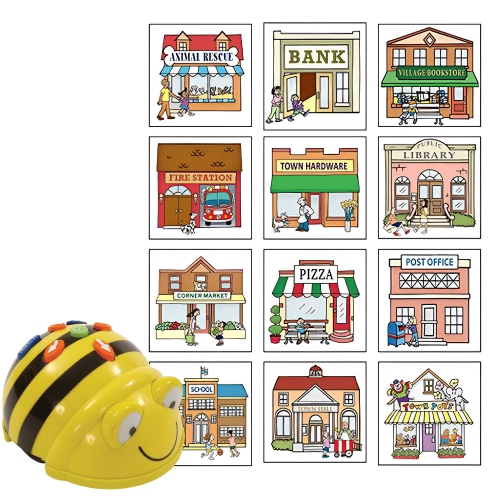
Robot kits bring together building, coding, problem-solving, and hands-on discovery in a way that can make technical learning feel like play. Rather than simply assembling a model to display, a robot kit gives learners the chance to create something that moves, reacts, follows instructions, or responds to its surroundings. Some kits focus on constructing a working machine from individual parts, while others introduce coding through visual programming, sensors, motors, lights, and sound. This range makes robot kits suitable for many ages and experience levels, from younger children exploring basic cause and effect to teens and adults developing more advanced skills. When browsing the selection, start by considering the builder’s age, patience, and previous experience. A beginner-friendly kit with clear instructions and a manageable number of parts can help a first-time builder feel confident, while an experienced hobbyist may prefer a more open-ended design that allows for modifications and experimentation. Pay attention to recommended age ranges, assembly requirements, included components, and whether additional tools, batteries, or compatible devices are needed. It is also helpful to think about the type of activity that will be most engaging. A child who enjoys imaginative play may prefer a robot that can be programmed to perform actions, tell stories, or navigate a room. Someone who likes puzzles may appreciate a kit built around challenges, patterns, and problem-solving. For learners interested in technology, a programmable model can provide an approachable introduction to concepts such as sequences, commands, loops, inputs, and outputs. The best choice is often the one that matches the person’s natural curiosity and leaves room to try, adjust, and try again.
Robot kits can be especially rewarding because they turn abstract ideas into visible results. A line of code becomes a turn, a sensor detects an obstacle, and a carefully fitted component helps a machine move as intended. That connection between an idea and a physical outcome can make learning memorable, particularly for children who enjoy working with their hands or prefer practical activities over screen-based lessons. Building together can also create a relaxed opportunity for parents, grandparents, older siblings, educators, and friends to spend time side by side. One person might sort the pieces, another can follow the instructions, and everyone can test the finished creation together. Expect some trial and error: a motor may need to be repositioned, a wheel may not turn freely, or a command may need to be entered in a different order. These small setbacks are part of the experience and can help builders practise patience, careful observation, and logical thinking. For a smoother start, choose a well-lit workspace with enough room to arrange parts in groups, keep the instructions nearby, and take breaks during longer builds. Younger children may benefit from an adult helping with setup and troubleshooting, while older builders can often work more independently and take ownership of the design. Robot kits also make thoughtful gifts for birthdays, family celebrations, or the cooler months when indoor projects become more appealing. They offer an activity to open and explore rather than an item that is used once and forgotten, and the process can continue long after the initial assembly. A kit may be enjoyed at home, brought to a classroom or club, or used as a shared weekend project. For gift-givers, it helps to consider whether the recipient prefers guided activities or creative freedom, and whether they have access to a compatible computer, tablet, or mobile device if programming is part of the experience.
For anyone looking to explore a broader range of building-focused activities, the Robot Building selection can provide additional inspiration. When comparing options, look beyond the appearance of the finished robot and consider what the builder will actually do from beginning to end. A kit with a clear construction process may be ideal for someone who enjoys following steps and seeing steady progress, while a modular design can suit a curious maker who wants to rebuild, add features, or create a new configuration. Review the level of coding involved, the style of programming interface, and the kinds of movements or responses the robot can produce. If the kit is intended for a child, make sure the challenge feels achievable without removing the opportunity to learn. If it is for a teen or adult, consider whether the project offers enough depth to remain interesting after the first successful test. Storage is another practical detail, especially for kits with many small pieces; a tray, container, or set of labelled bags can make future building sessions easier. It is also worth considering where the robot will be used, since a design intended for smooth indoor surfaces may behave differently on carpet or uneven flooring. Whether it becomes a first step into coding, a family activity during a quiet afternoon, or a creative hobby for an experienced builder, a robot kit can encourage curiosity through every stage of the process. The most satisfying moments often come after the instructions are complete, when the builder starts making small changes, testing new commands, and discovering that a machine built from separate parts can reflect their own ideas.
Robot kits can be especially rewarding because they turn abstract ideas into visible results. A line of code becomes a turn, a sensor detects an obstacle, and a carefully fitted component helps a machine move as intended. That connection between an idea and a physical outcome can make learning memorable, particularly for children who enjoy working with their hands or prefer practical activities over screen-based lessons. Building together can also create a relaxed opportunity for parents, grandparents, older siblings, educators, and friends to spend time side by side. One person might sort the pieces, another can follow the instructions, and everyone can test the finished creation together. Expect some trial and error: a motor may need to be repositioned, a wheel may not turn freely, or a command may need to be entered in a different order. These small setbacks are part of the experience and can help builders practise patience, careful observation, and logical thinking. For a smoother start, choose a well-lit workspace with enough room to arrange parts in groups, keep the instructions nearby, and take breaks during longer builds. Younger children may benefit from an adult helping with setup and troubleshooting, while older builders can often work more independently and take ownership of the design. Robot kits also make thoughtful gifts for birthdays, family celebrations, or the cooler months when indoor projects become more appealing. They offer an activity to open and explore rather than an item that is used once and forgotten, and the process can continue long after the initial assembly. A kit may be enjoyed at home, brought to a classroom or club, or used as a shared weekend project. For gift-givers, it helps to consider whether the recipient prefers guided activities or creative freedom, and whether they have access to a compatible computer, tablet, or mobile device if programming is part of the experience.
For anyone looking to explore a broader range of building-focused activities, the Robot Building selection can provide additional inspiration. When comparing options, look beyond the appearance of the finished robot and consider what the builder will actually do from beginning to end. A kit with a clear construction process may be ideal for someone who enjoys following steps and seeing steady progress, while a modular design can suit a curious maker who wants to rebuild, add features, or create a new configuration. Review the level of coding involved, the style of programming interface, and the kinds of movements or responses the robot can produce. If the kit is intended for a child, make sure the challenge feels achievable without removing the opportunity to learn. If it is for a teen or adult, consider whether the project offers enough depth to remain interesting after the first successful test. Storage is another practical detail, especially for kits with many small pieces; a tray, container, or set of labelled bags can make future building sessions easier. It is also worth considering where the robot will be used, since a design intended for smooth indoor surfaces may behave differently on carpet or uneven flooring. Whether it becomes a first step into coding, a family activity during a quiet afternoon, or a creative hobby for an experienced builder, a robot kit can encourage curiosity through every stage of the process. The most satisfying moments often come after the instructions are complete, when the builder starts making small changes, testing new commands, and discovering that a machine built from separate parts can reflect their own ideas.
Top selling and popular products
-
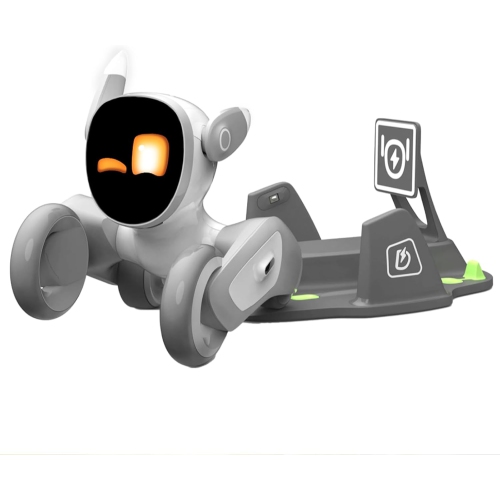 Your price for this item is $699.99
 -
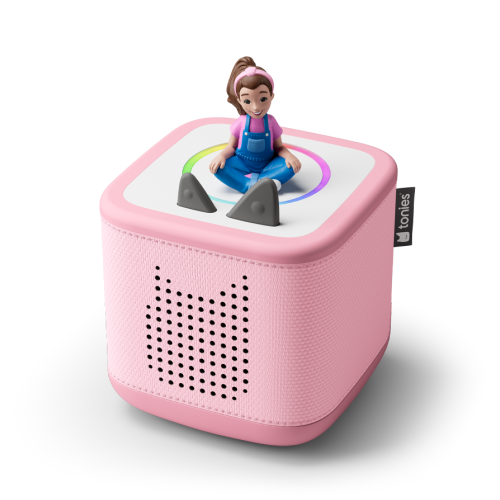 Your price for this item is $199.99
 -
 Your price for this item is $75.99
 -
 Your price for this item is $39.99
 -
 Your price for this item is $55.95
 -
 Your price for this item is $39.99
 -
 Your price for this item is $116.96
 -
 Your price for this item is $52.17
Discover more categories related to Robot Kits
Top Collections:
Pokemon Centers, Kindle Devices, Best Budget Office Chairs, Apple iPhones 16, Best Laptops for Writers, iPhone 15 Apple, Canon G7X Cameras, Refurbished Apple Laptops, Alarm Clock, Motorola Razr Phones
Some products may be subject to Environmental Handling Fees
(EHF) depending on your province.
Learn more about EHFs.