Robotic Kits for Adults
Discover the exciting world of robotics with our collection of robotic kits for adults. Whether you're a tech enthusiast, a DIY lover, or simply looking for a new hobby, these kits offer endless possibilities for creativity and exploration. From building your own robot from scratch to programming it to perform complex tasks, these kits provide a hands-on experience that combines education and entertainment. Unleash your inner inventor and delve into the fascinating realm of robotics with our selection of adult robotic kits.
Sort
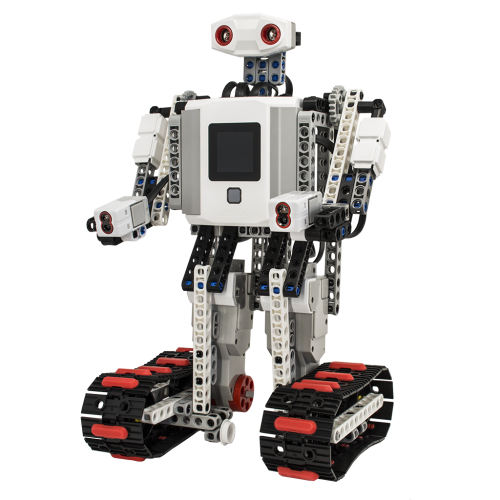
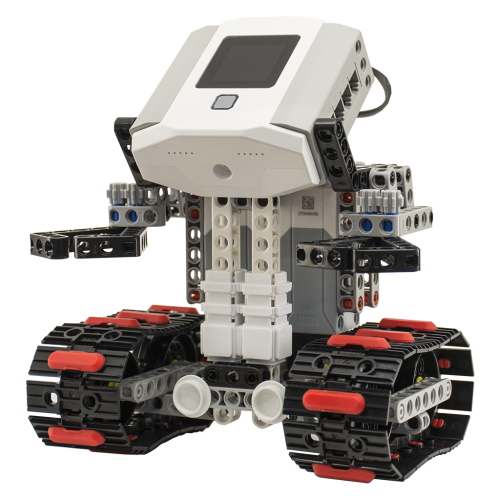
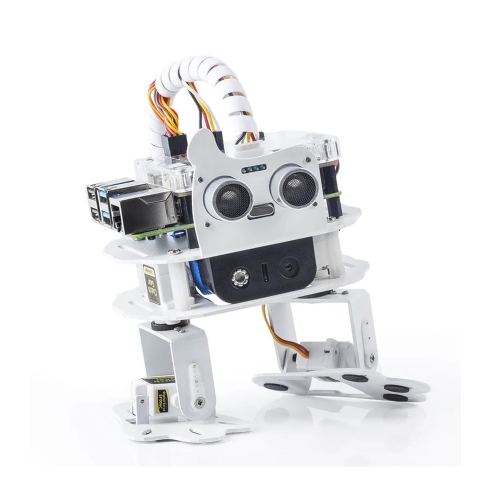
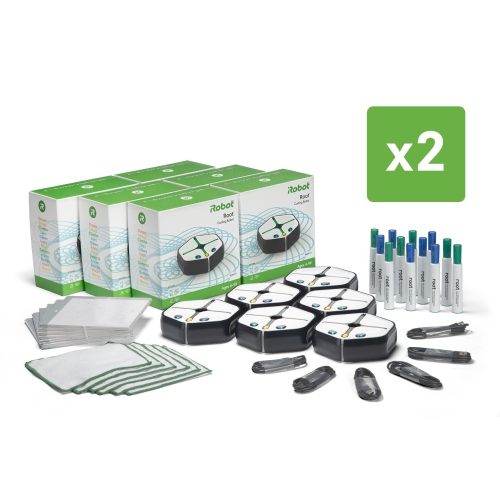
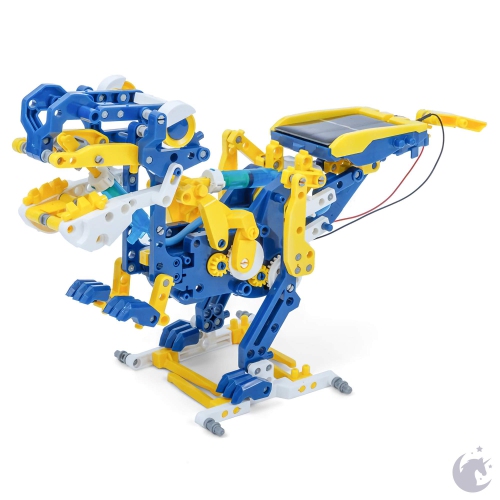
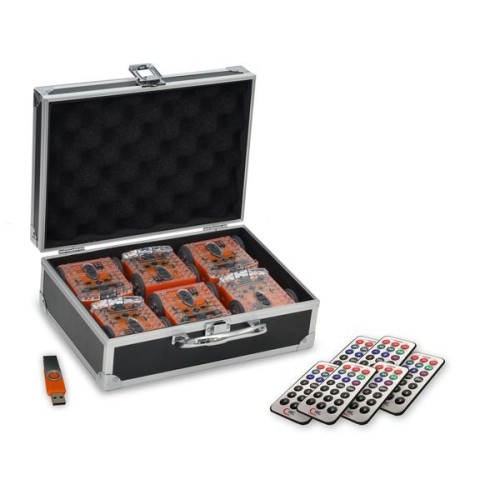
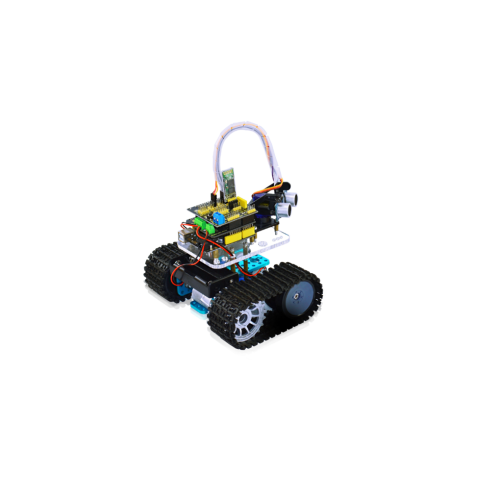
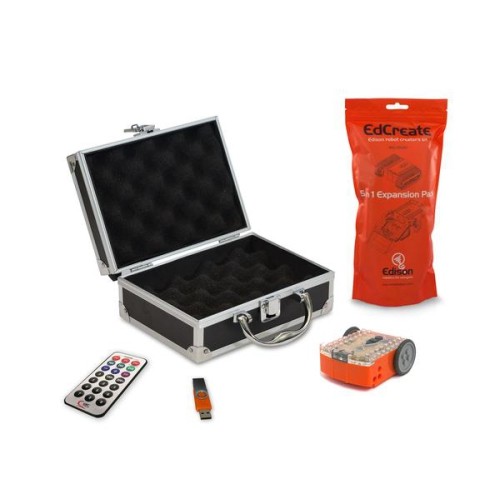
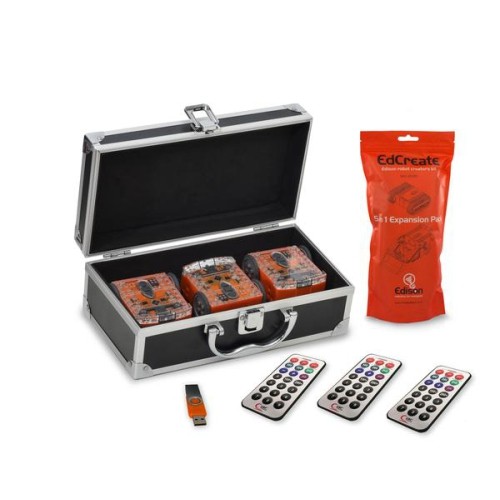
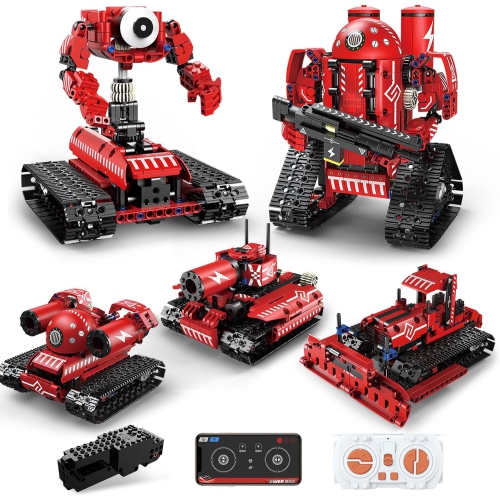
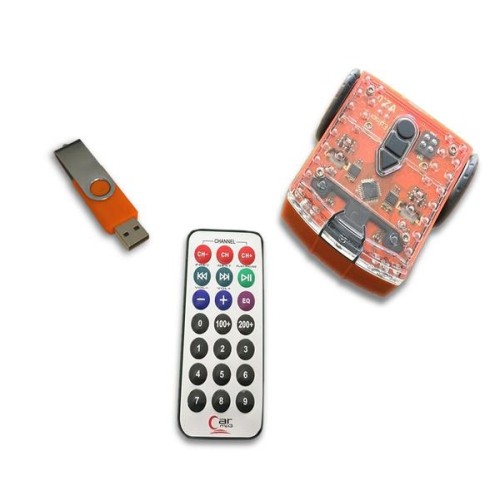
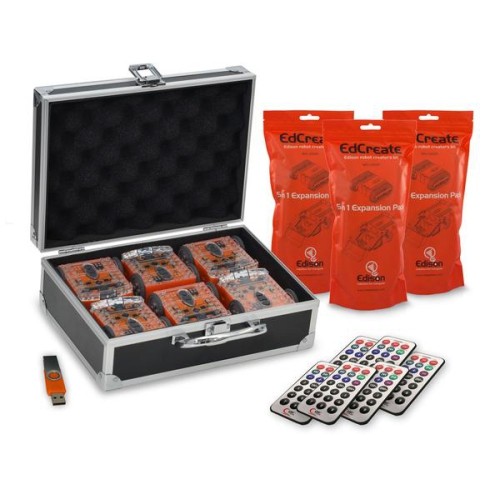
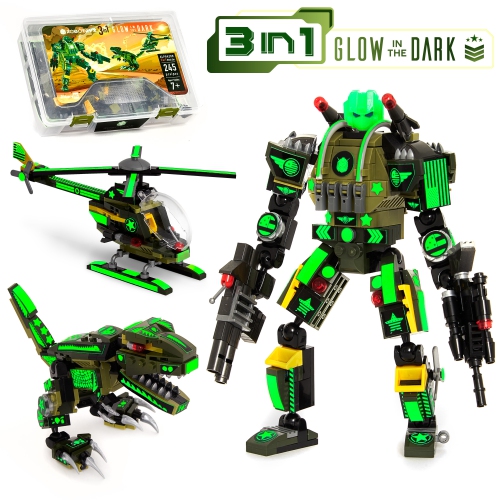
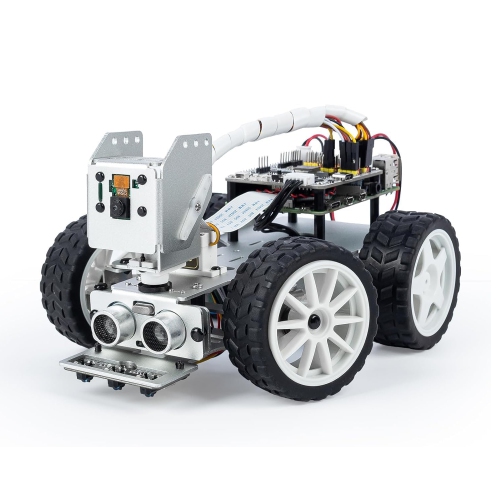
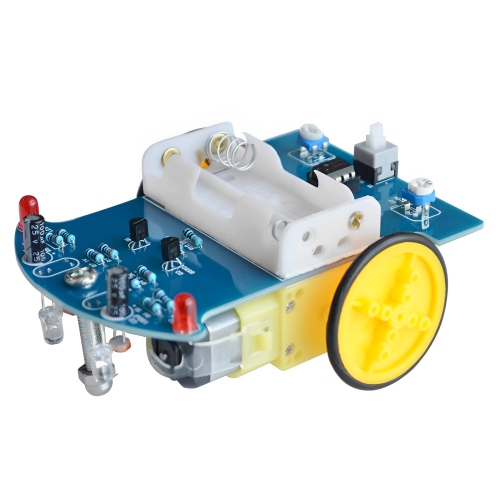

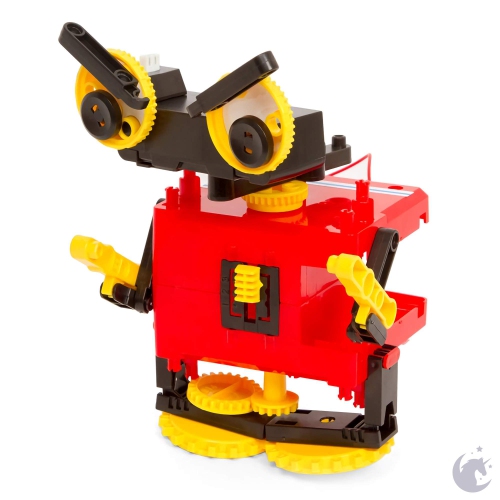
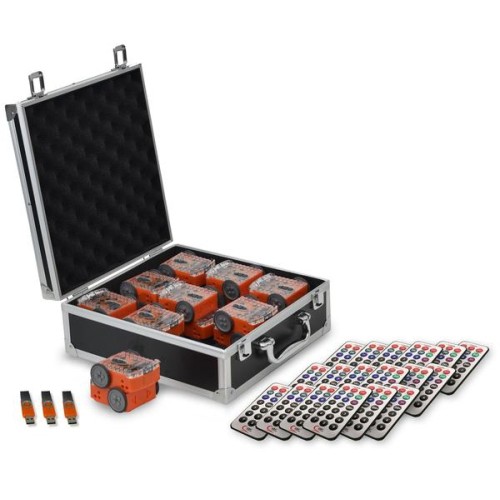
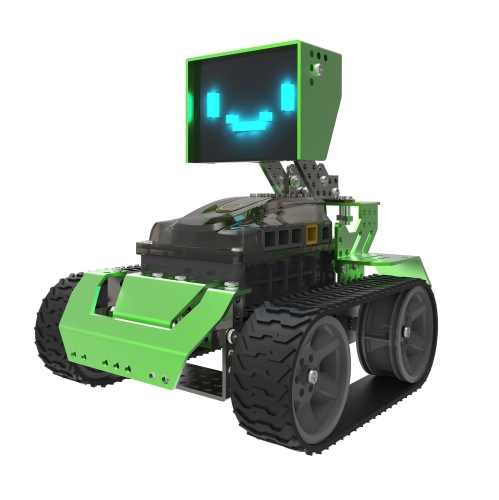
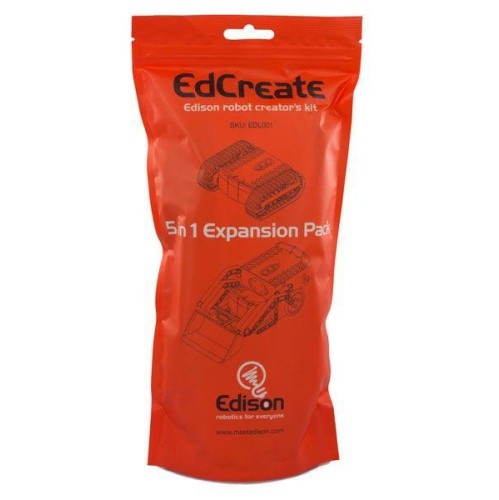

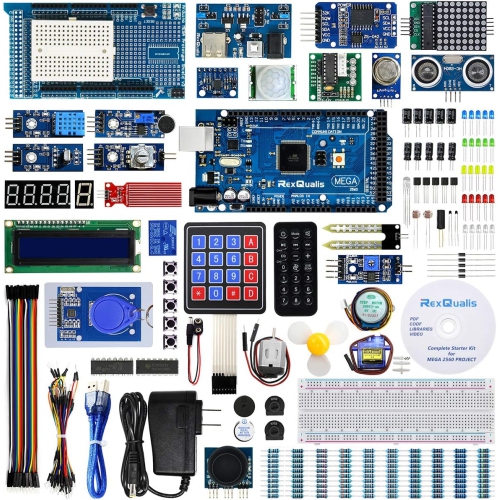
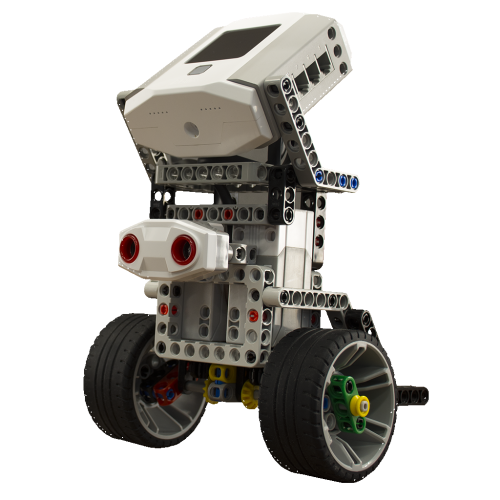
Hands-on projects that turn code into moving machines
Robotic kits for adults offer a hands-on way to explore mechanical design, electronics, programming, and automation through a project you can see taking shape on a workbench. Rather than learning from theory alone, you can assemble frames, mount motors, connect sensors, and write code that produces an immediate physical response: wheels turn, an arm moves, lights change, or a robot adjusts its path after detecting an obstacle. The range is broad, from approachable modular sets designed for a first build to advanced platforms that support computer vision, multiple degrees of movement, and more involved software development. Some projects are based around microcontrollers, while others use single-board computers as the processing centre for cameras, sensors, and wireless communication. Depending on the kit, programming may involve block-based tools for initial experiments, C++ for embedded control, Python for automation and image processing, or a combination of languages. Adults returning to a technical hobby often appreciate this gradual learning curve. A first evening might involve sorting components and following a wiring diagram; a later session could involve adjusting motor speed, tuning a sensor threshold, or teaching the robot to respond to changing conditions. For a broader selection of hands-on building and coding projects, browse Robot Kits.
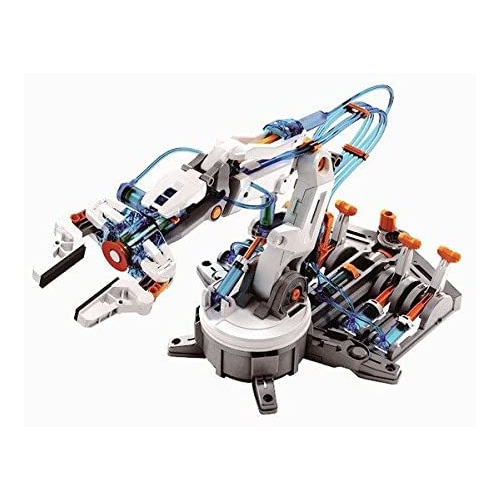
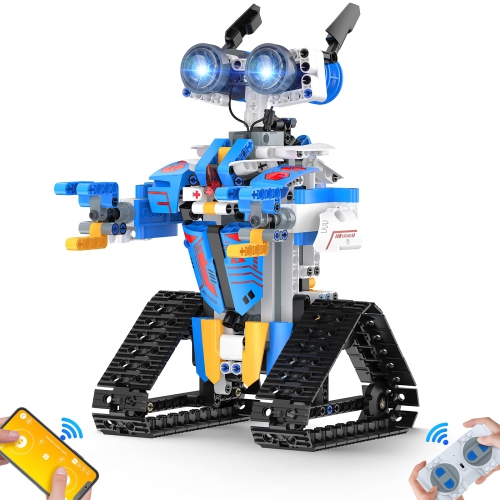
The right robotic kit depends largely on the kind of movement and problem-solving you want to explore. A wheeled rover is a practical starting point for learning about drive systems, remote control, line following, and obstacle avoidance. Look for features such as independent motors, responsive steering, ultrasonic or infrared sensors, and a controller that leaves room for custom code rather than limiting the project to preset demonstrations. Robotic arms provide a different experience, focusing on joints, servo motors, gripping, positioning, and repeatable movement. They can be especially appealing to makers interested in manufacturing, pick-and-place tasks, or the principles behind automated workstations. Kits with several axes of movement tend to offer more flexibility, but they also require careful assembly and calibration; even a small alignment error can affect how accurately the arm reaches its target. Walking robots, including bipedal and four-legged designs, add another layer of mechanical challenge because balance, gait, and timing all have to work together. When comparing more advanced options, check the number and type of sensors, the available programming resources, the operating system or development environment, and whether the design supports expansion. A camera module, gripper, extra sensor pack, or compatible expansion board can turn a basic build into a much more personal project. It is also worth checking the included parts, assembly tools, battery requirements, and connection method before ordering, since some kits assume access to a computer, soldering equipment, or additional components. Clear documentation and an active software community can make a meaningful difference when a project reaches the inevitable stage where a motor behaves unexpectedly or a carefully written program refuses to cooperate.
Robotic kits can suit experienced engineers, software developers, students in technical fields, makers, and curious adults who simply enjoy taking things apart and understanding how they work. They are also thoughtful gifts for someone who likes model building, coding, electronics, 3D design, or practical science projects, particularly when the recipient prefers an activity that develops over several sessions rather than something finished in a few minutes. For a beginner, choose a kit with illustrated instructions, labelled components, sample programs, and a manageable number of assembly steps. Someone with prior experience may prefer an open-ended platform with exposed pins, interchangeable sensors, a programmable controller, and access to a software development environment where they can write and modify their own routines. Consider the available workspace as well: a compact arm or small rover can live comfortably on a desk, while larger moving robots need clear floor space and a place to recharge between sessions. During the cooler months, these projects can make a welcoming indoor hobby, with a work light over the table, a notebook filled with wiring sketches, and a series of small improvements taking shape one test at a time. The most rewarding builds are not necessarily the most complicated. A robot that reliably follows a line, sorts objects by colour, or responds to a hand gesture can provide the same satisfying sense of achievement as a far more elaborate machine. Choose a kit that matches the builder’s experience, available time, interest in coding or mechanics, and appetite for experimentation, then allow plenty of room for the design to evolve beyond its first successful demonstration.
The right robotic kit depends largely on the kind of movement and problem-solving you want to explore. A wheeled rover is a practical starting point for learning about drive systems, remote control, line following, and obstacle avoidance. Look for features such as independent motors, responsive steering, ultrasonic or infrared sensors, and a controller that leaves room for custom code rather than limiting the project to preset demonstrations. Robotic arms provide a different experience, focusing on joints, servo motors, gripping, positioning, and repeatable movement. They can be especially appealing to makers interested in manufacturing, pick-and-place tasks, or the principles behind automated workstations. Kits with several axes of movement tend to offer more flexibility, but they also require careful assembly and calibration; even a small alignment error can affect how accurately the arm reaches its target. Walking robots, including bipedal and four-legged designs, add another layer of mechanical challenge because balance, gait, and timing all have to work together. When comparing more advanced options, check the number and type of sensors, the available programming resources, the operating system or development environment, and whether the design supports expansion. A camera module, gripper, extra sensor pack, or compatible expansion board can turn a basic build into a much more personal project. It is also worth checking the included parts, assembly tools, battery requirements, and connection method before ordering, since some kits assume access to a computer, soldering equipment, or additional components. Clear documentation and an active software community can make a meaningful difference when a project reaches the inevitable stage where a motor behaves unexpectedly or a carefully written program refuses to cooperate.
Robotic kits can suit experienced engineers, software developers, students in technical fields, makers, and curious adults who simply enjoy taking things apart and understanding how they work. They are also thoughtful gifts for someone who likes model building, coding, electronics, 3D design, or practical science projects, particularly when the recipient prefers an activity that develops over several sessions rather than something finished in a few minutes. For a beginner, choose a kit with illustrated instructions, labelled components, sample programs, and a manageable number of assembly steps. Someone with prior experience may prefer an open-ended platform with exposed pins, interchangeable sensors, a programmable controller, and access to a software development environment where they can write and modify their own routines. Consider the available workspace as well: a compact arm or small rover can live comfortably on a desk, while larger moving robots need clear floor space and a place to recharge between sessions. During the cooler months, these projects can make a welcoming indoor hobby, with a work light over the table, a notebook filled with wiring sketches, and a series of small improvements taking shape one test at a time. The most rewarding builds are not necessarily the most complicated. A robot that reliably follows a line, sorts objects by colour, or responds to a hand gesture can provide the same satisfying sense of achievement as a far more elaborate machine. Choose a kit that matches the builder’s experience, available time, interest in coding or mechanics, and appetite for experimentation, then allow plenty of room for the design to evolve beyond its first successful demonstration.
Top selling and popular products
-
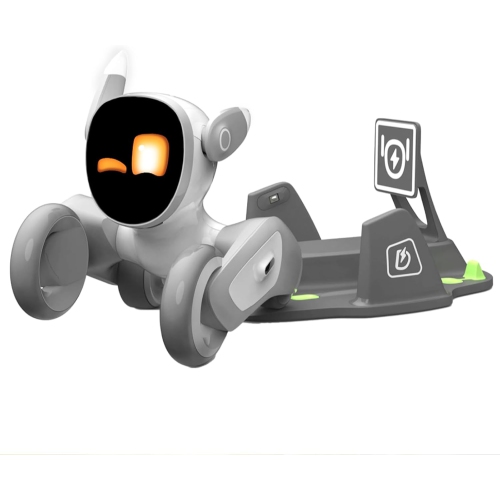 Your price for this item is $699.99
 -
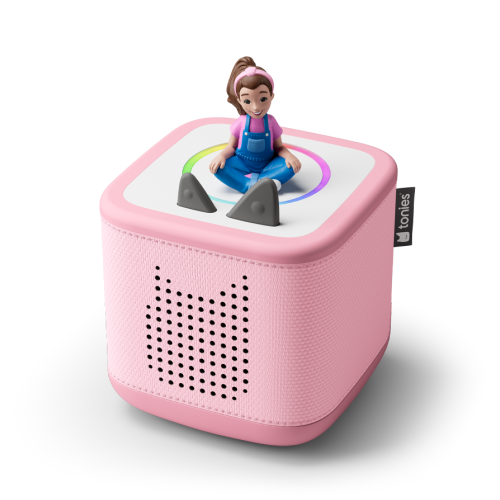 Your price for this item is $199.99
 -
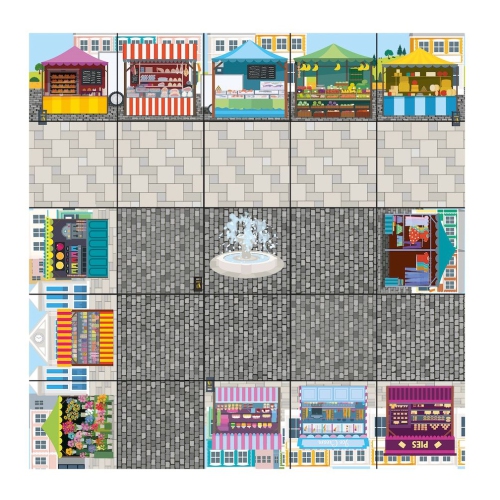 Your price for this item is $75.99
 -
 Your price for this item is $39.99
 -
 Your price for this item is $55.95
 -
 Your price for this item is $39.99
 -
 Your price for this item is $52.17
 -
 Your price for this item is $116.96
Discover more categories related to Robotic Kits for Adults
Top Collections:
Best Laptops for Video Editing, Pokemon Centers, Samsung Z Fold, Kindle Devices, Best Cell Phones Under $300, Best Laptops for Writers, Best Budget Office Chairs, Best Cell Phones Under $500, Best Laptop Computers for Students, iPhone 15 Apple
Some products may be subject to Environmental Handling Fees
(EHF) depending on your province.
Learn more about EHFs.