Robot Building Kits
Looking to spark your child's interest in engineering and coding? Look no further than our collection of robot building kits. These innovative kits are designed to provide hours of educational fun, allowing kids to learn about robotics while developing important skills such as problem-solving, critical thinking, and creativity. With a variety of options available, you're sure to find the perfect kit to inspire your child's imagination and curiosity. Whether they're building their first robot or looking for a more advanced challenge, our robot building kits offer endless possibilities for learning and entertainment.
Sort
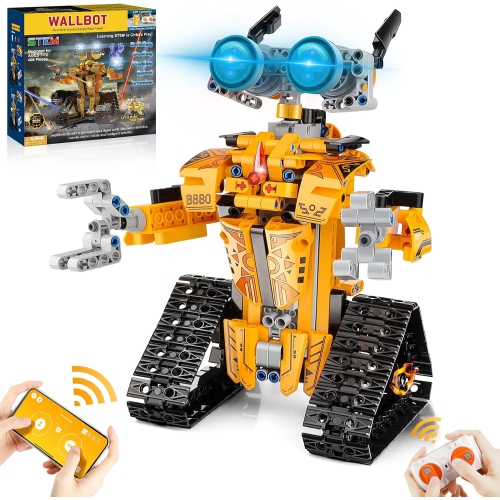
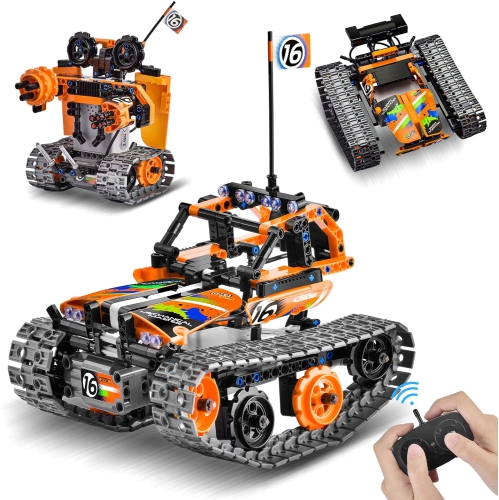
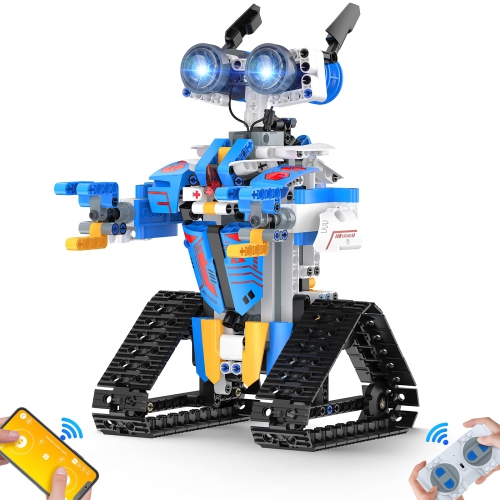
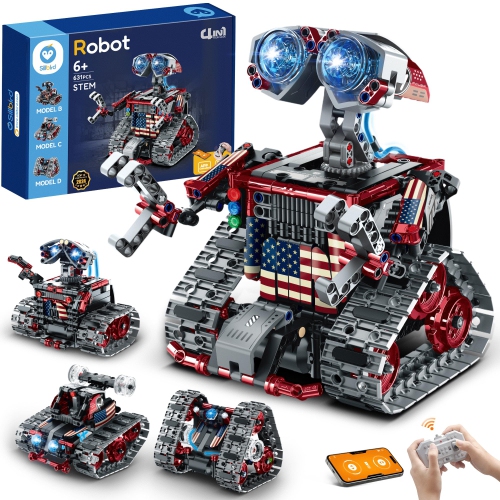
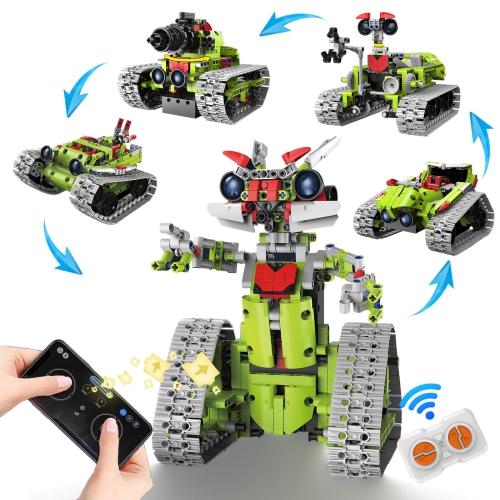
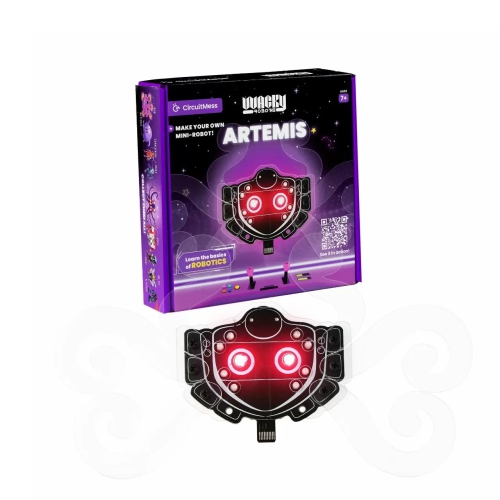
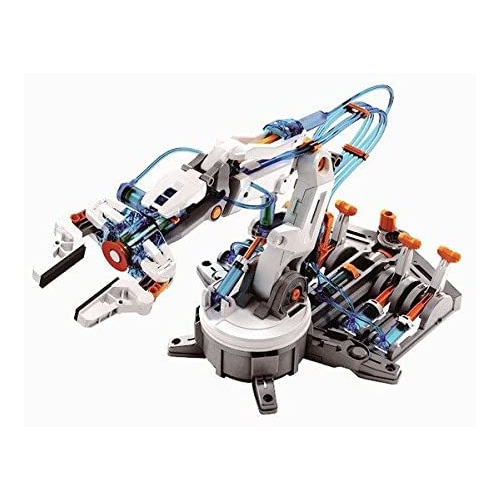
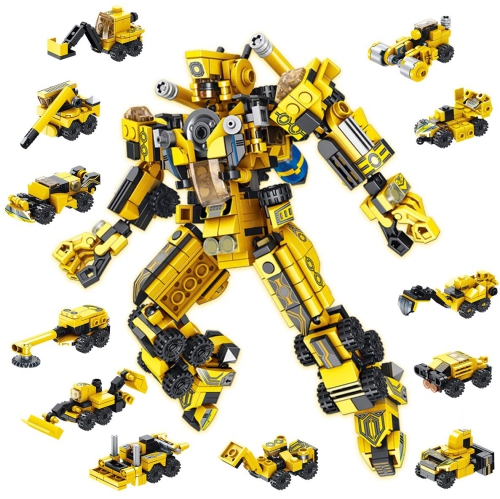
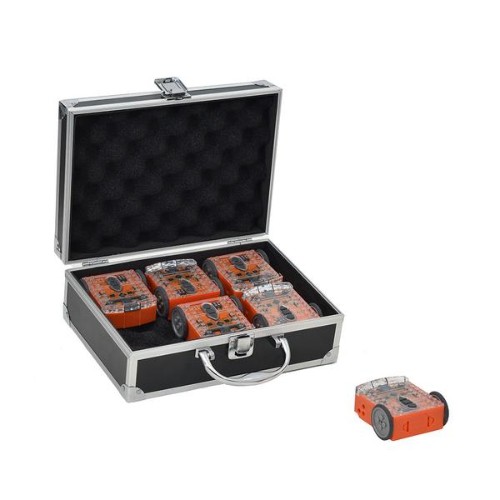
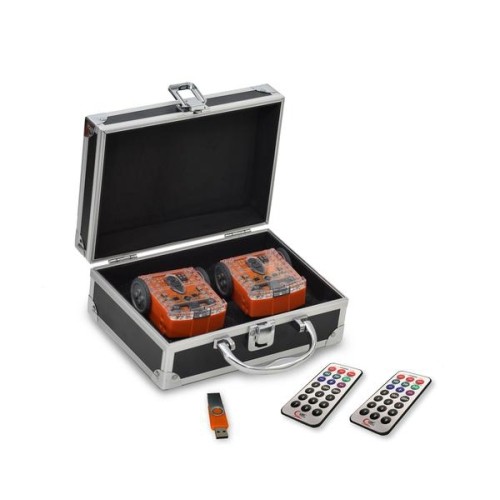

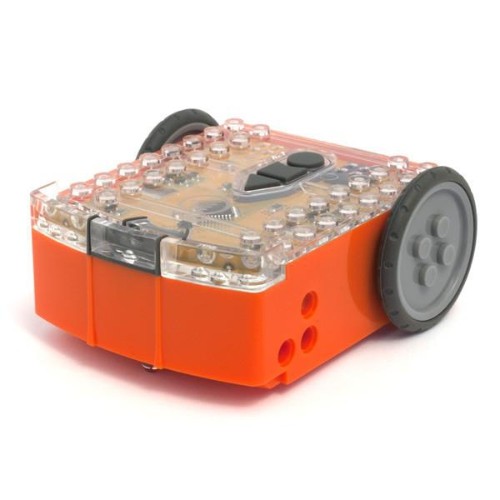
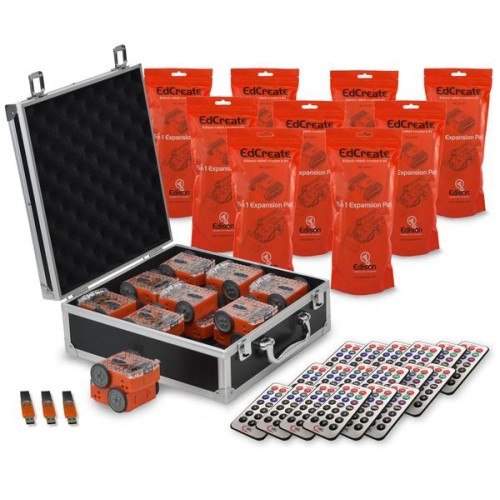
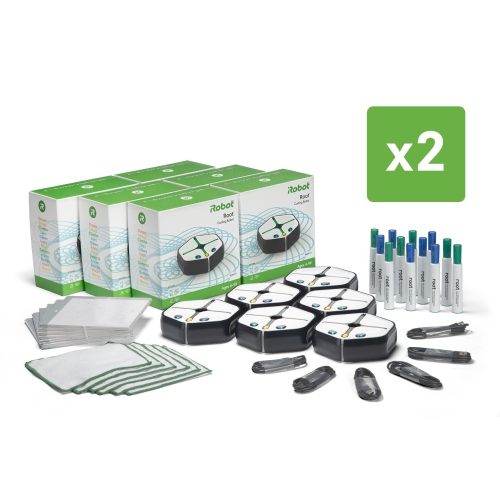
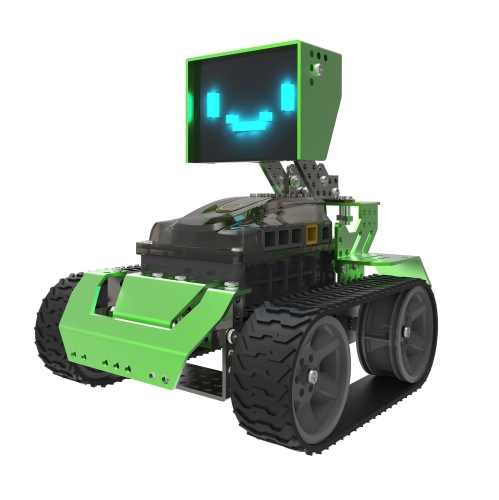
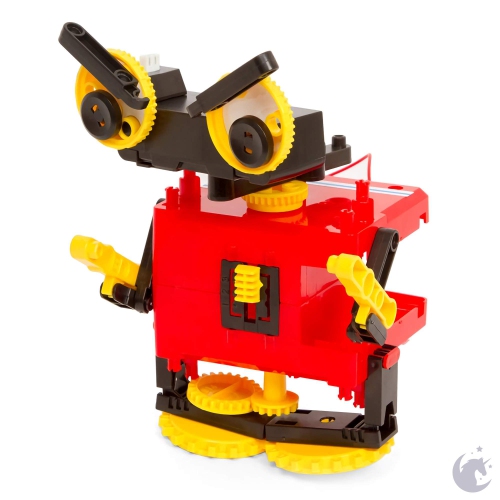
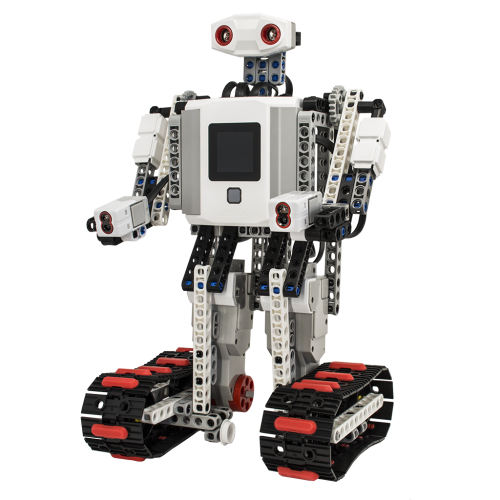
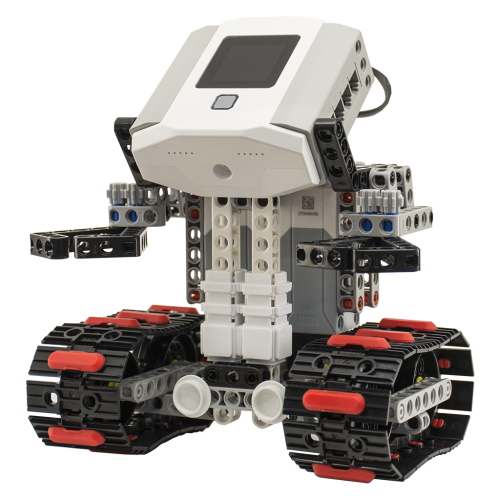
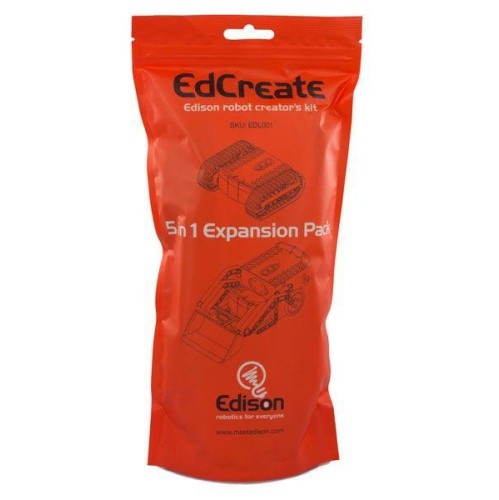
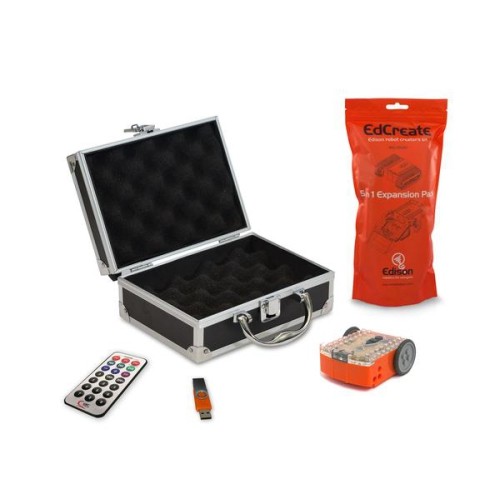

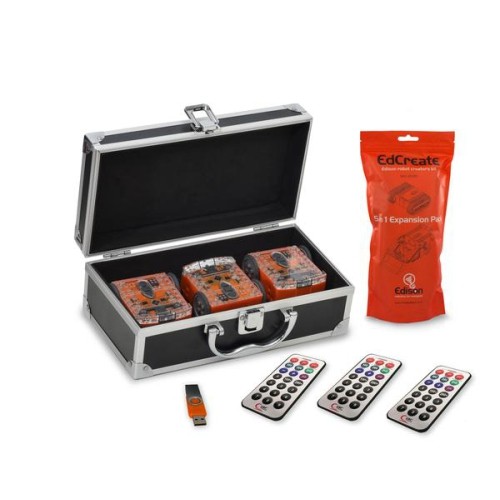
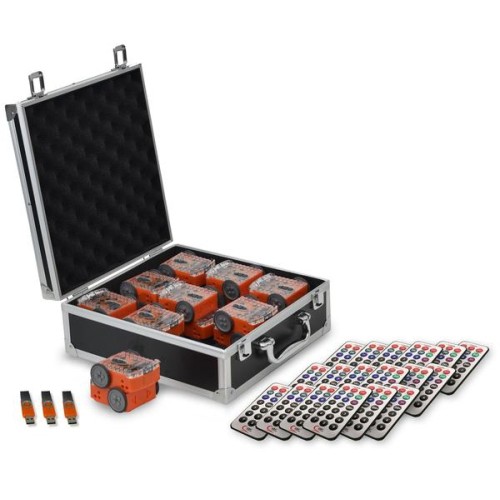
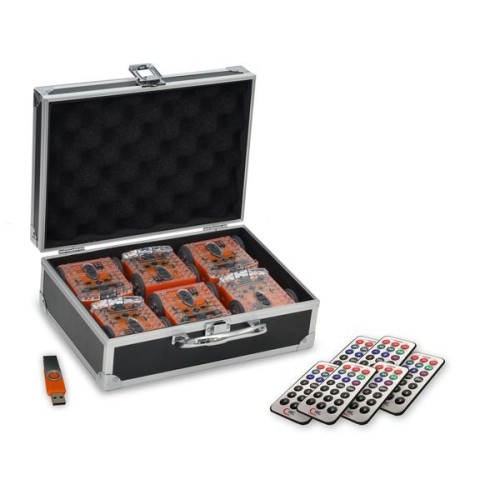
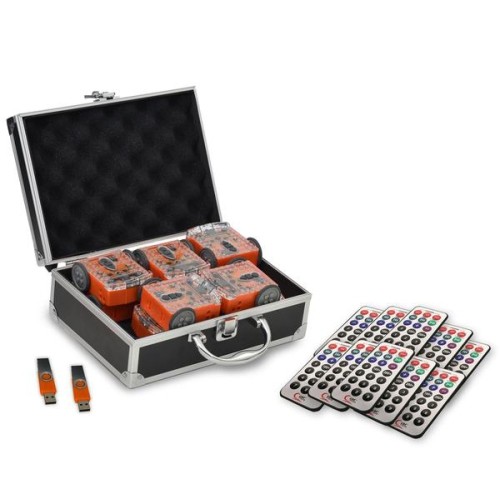
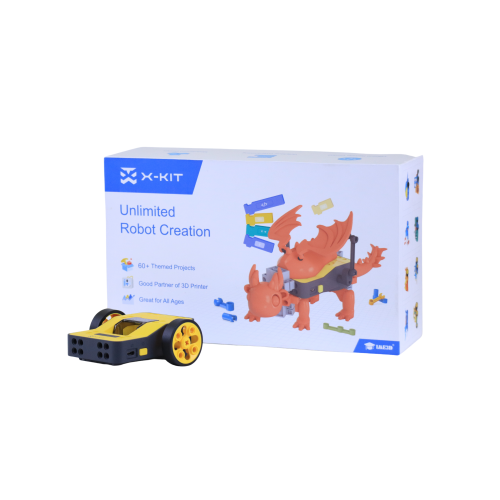
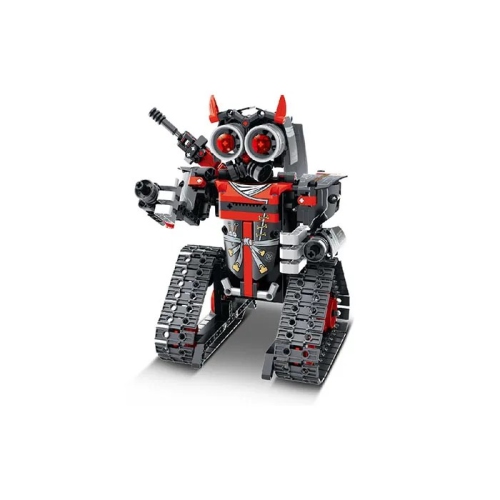

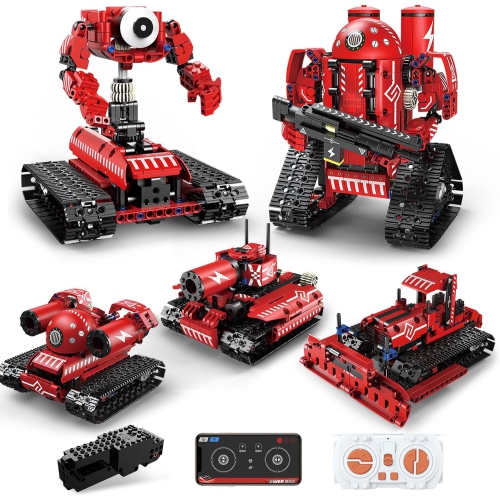
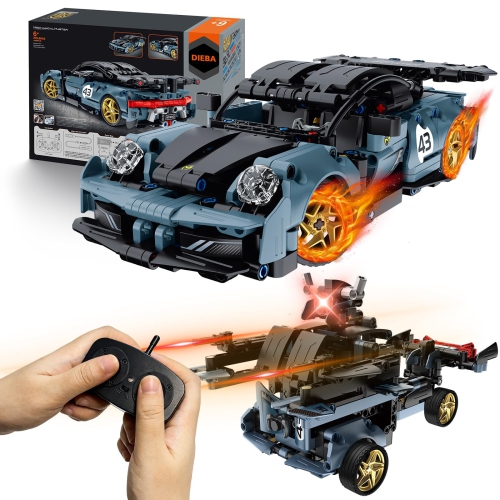
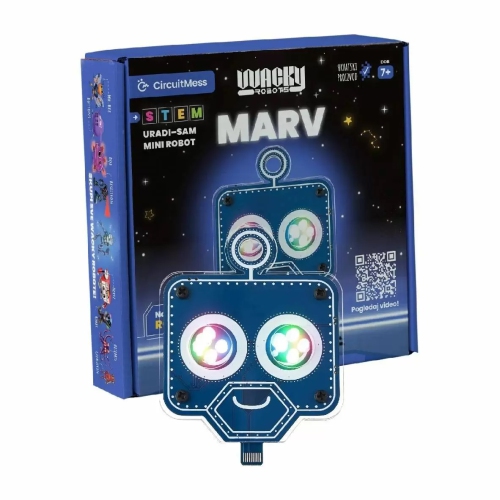
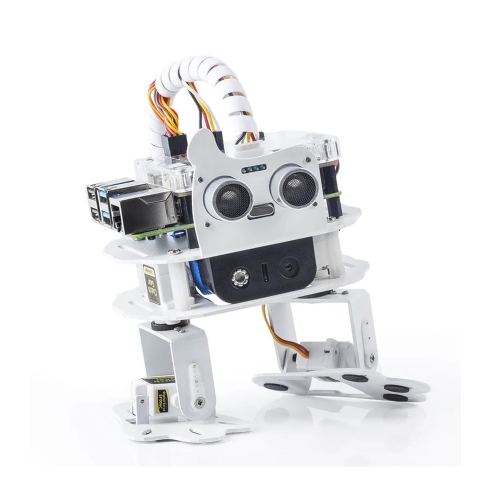
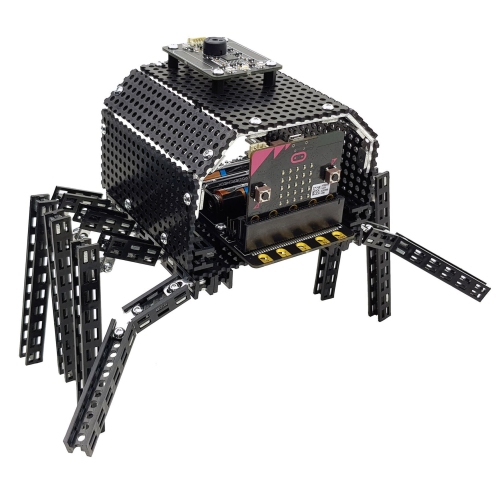
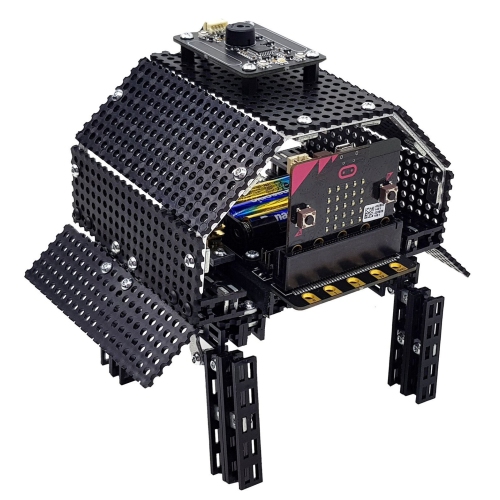

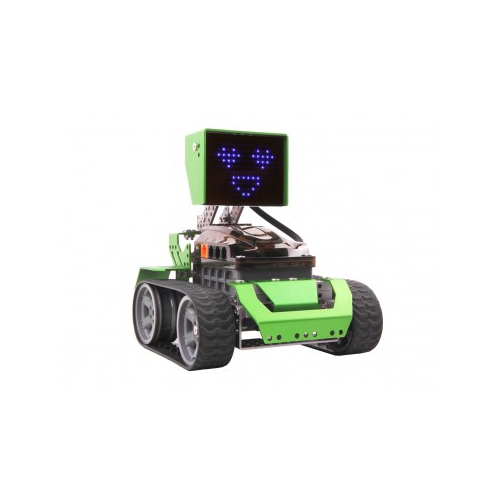
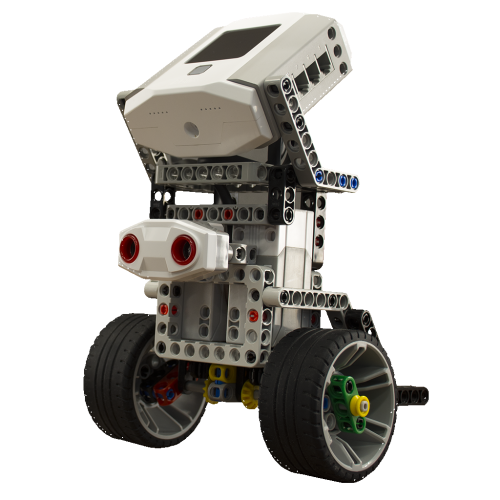
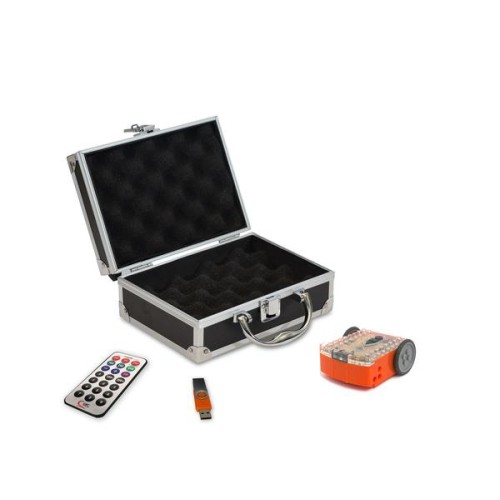
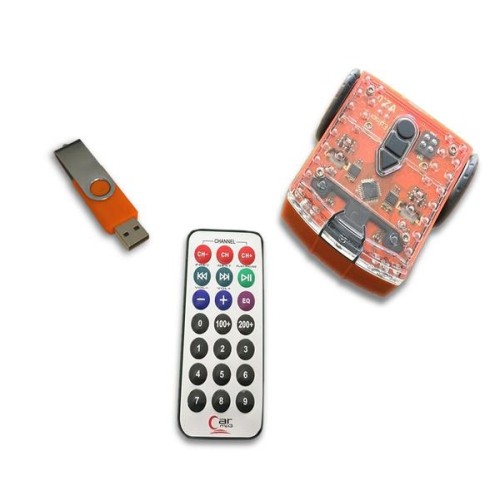
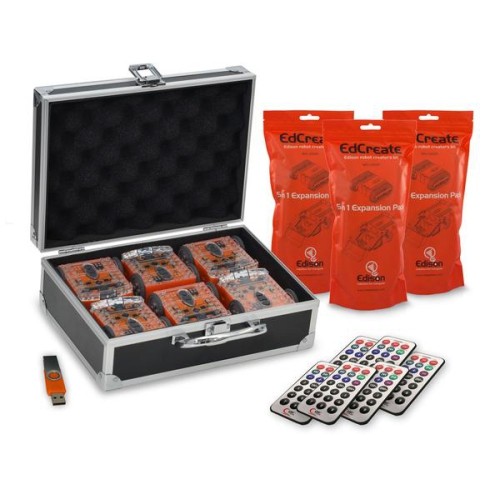

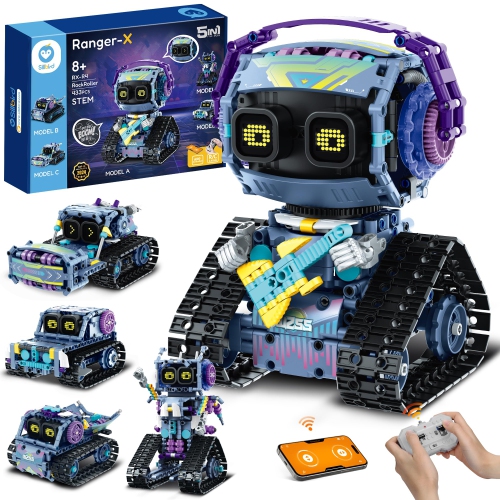

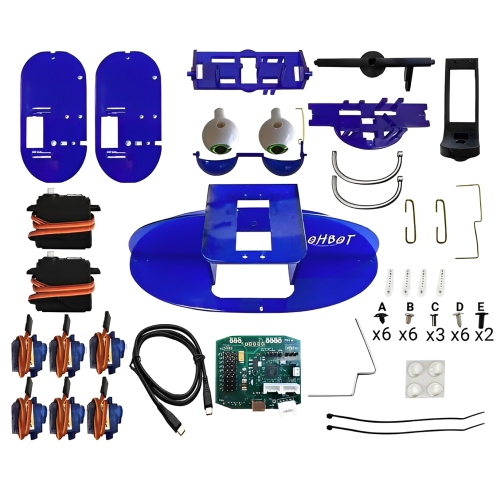
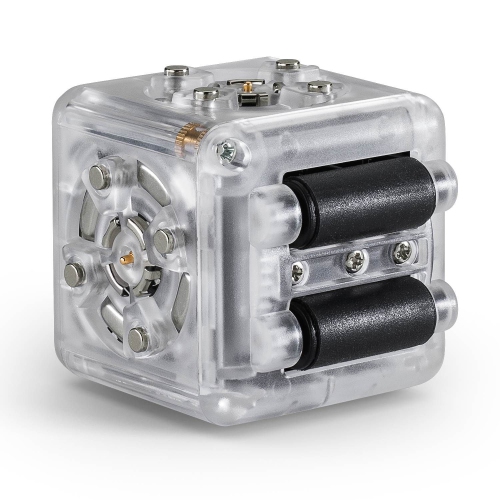
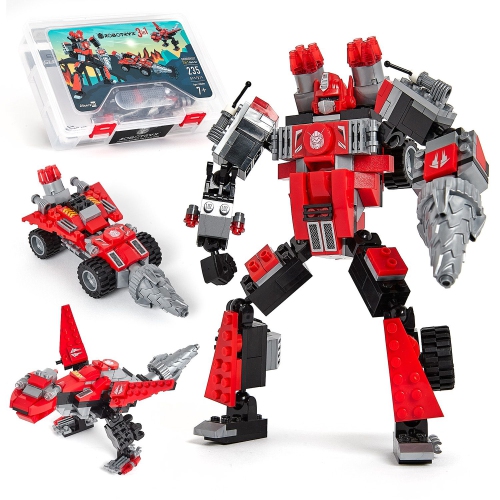
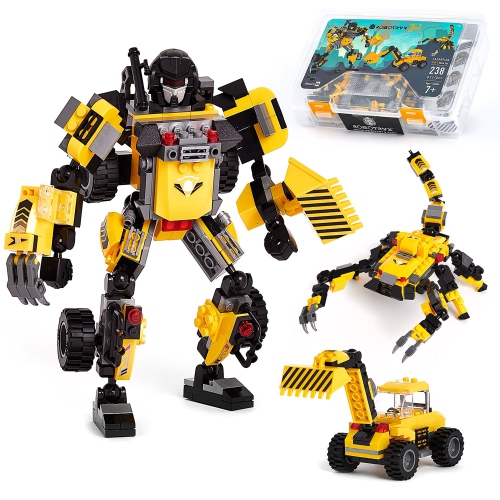
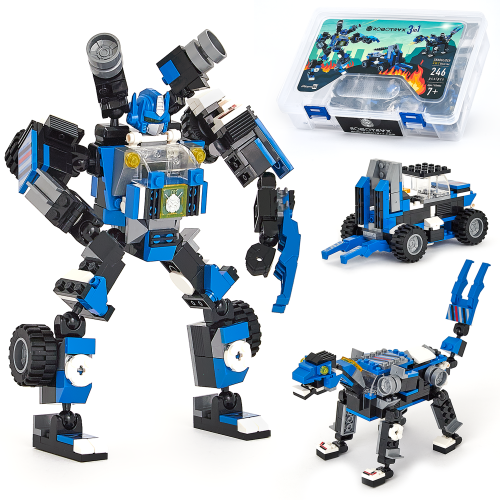
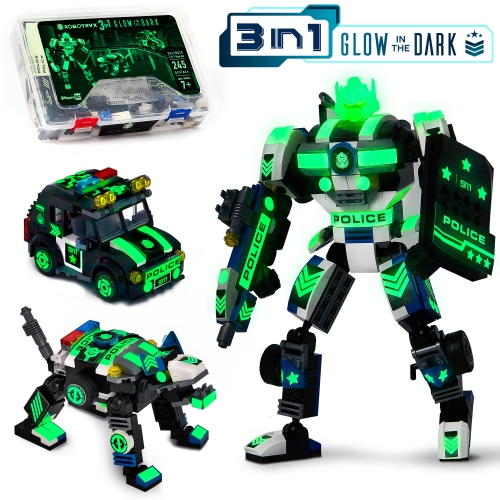
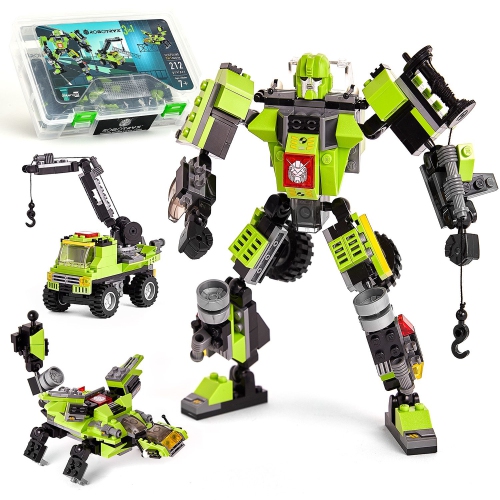
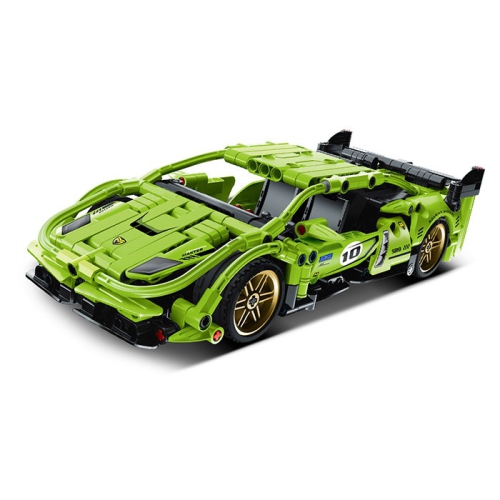
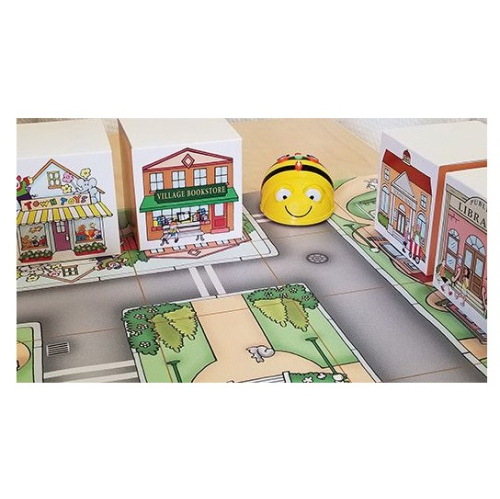
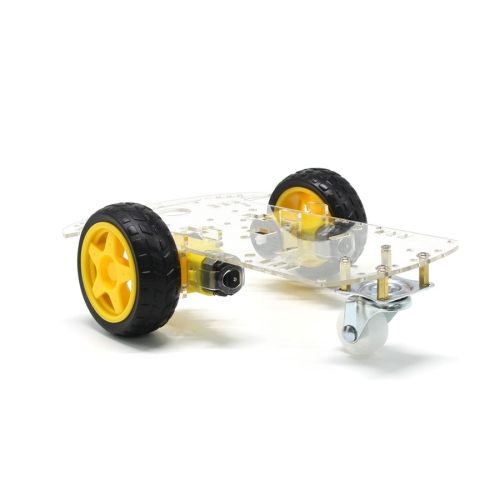
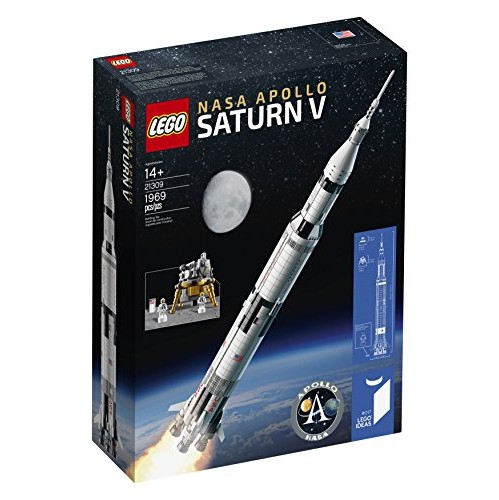

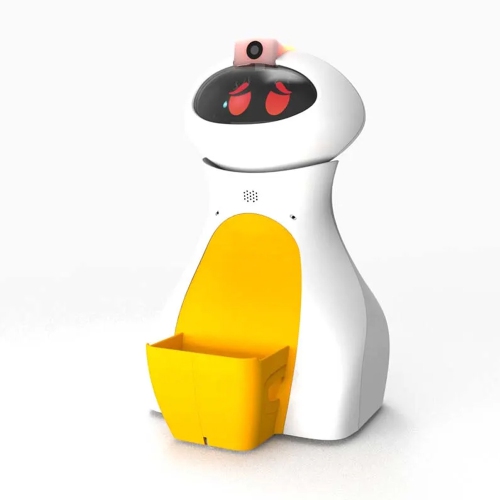
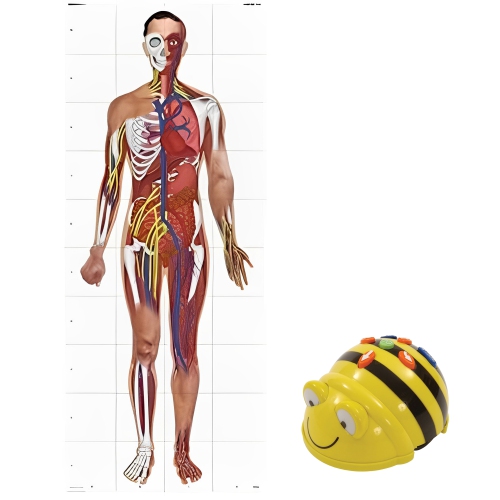
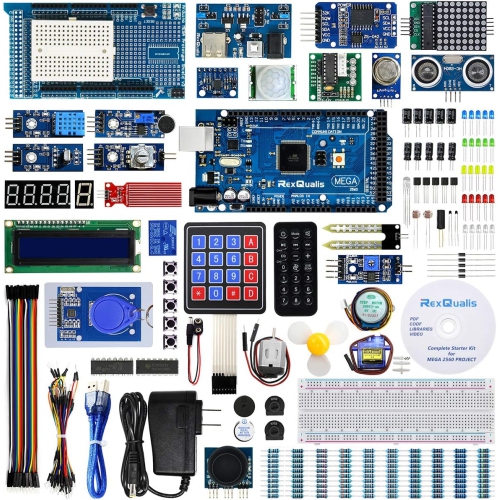
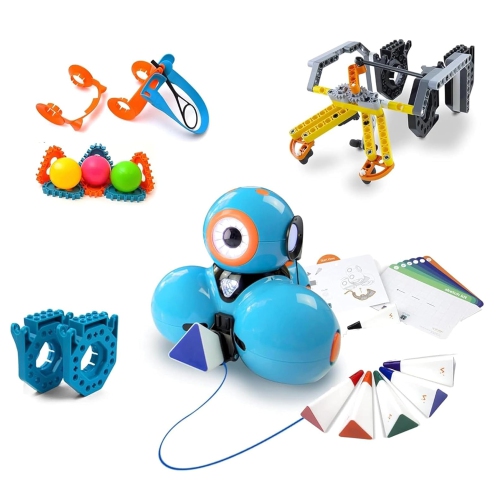
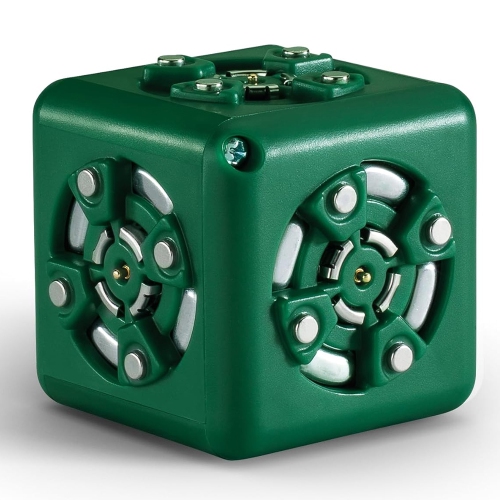
From first assembly to coding and creative experiments
Robot building kits offer a hands-on way to explore how machines move, sense their surroundings and respond to instructions. Each kit typically combines mechanical parts, such as frames, wheels, gears, tracks, arms or grippers, with electronic components that may include motors, sensors, lights and a control board. Depending on the design, builders may assemble a simple moving robot, create a machine that avoids obstacles, or construct a more advanced project that can be programmed to follow commands. Unlike a ready-to-use toy, a building kit invites the user to take part in the entire process, from sorting pieces and following diagrams to troubleshooting a loose connection or adjusting a motor. That sense of progress can make the finished robot especially rewarding. Families looking for a wider selection of robot-related toys, educational sets and accessories can also browse Robot Kits. When choosing among robot building kits, begin with the intended builder’s age, patience and previous experience. Beginner-friendly sets often use larger parts, straightforward assembly steps and simplified controls, making them suitable for younger children who are developing fine motor skills and learning to follow a sequence. Older children and teens may be ready for smaller components, multiple build options, sensors or introductory coding. More experienced makers may prefer an open-ended kit that allows custom designs, interchangeable parts and programming through a computer or compatible mobile device. Checking the recommended age range is helpful, but it is also worth considering whether an adult will be available to assist with assembly, tool use or software setup.
The level of programming included can make a noticeable difference in how a robot building kit is used. Some kits focus mainly on physical construction, with a remote control or simple buttons that let the finished robot move, light up or perform a set action. These options can be a comfortable starting point for a child who enjoys building but has not tried coding. Other kits introduce block-based programming, where commands are arranged visually to control movement, timing, sounds or sensor responses. This approach can help young learners understand sequences, loops and cause-and-effect without requiring them to remember complex syntax. Advanced kits may support text-based programming and offer more control over motors, sensors and behaviour, giving older students and hobbyists room to experiment with autonomous movement or custom routines. Before making a purchase, consider the required power source, device compatibility and whether the kit includes everything needed to begin. Some projects may require batteries, a computer, a tablet, a screwdriver or additional electronic parts, while others are designed as complete sets. Assembly time matters as well: a compact project that can be completed in an afternoon may suit a first-time builder, while a larger multi-stage build can provide an engaging weekend activity or an ongoing hobby. Clear instructions, labelled parts and accessible support can reduce frustration, especially when a project is being built by a child and an adult together. A sturdy work surface, small containers for sorting pieces and a little extra time for testing can turn the building process into a calm, enjoyable activity rather than a race to the finished result.
Robot building kits can be useful for family activities, classroom enrichment, after-school clubs and independent play, and they can make thoughtful gifts for children, teens and adults who enjoy technology, puzzles or making things with their hands. A child might build a wheeled robot and use tape on the floor to create a simple route, then make changes to see how turning speed or wheel placement affects its performance. A teen may be more interested in programming a sensor-based machine to react to nearby objects, while an adult hobbyist may treat the kit as a starting point for a custom project. During the cooler months, a robot kit can provide an absorbing indoor activity that takes children beyond screen-based entertainment while still connecting with the technology they see every day. The best choice depends on the type of experience the recipient will enjoy: physical assembly, creative redesign, coding, problem-solving or a combination of all four. Look for a kit with a suitable level of challenge, durable parts and a clear path for future experimentation. It is normal for a first build to need a few adjustments; a motor may need to be repositioned, a wire may need to be secured or a program may need several revisions before the robot behaves as expected. Those small setbacks are part of the appeal, teaching persistence and encouraging builders to test, observe and improve. With the right balance of guidance and creative freedom, robot building kits can become more than a single-use project—they can be an approachable introduction to robotics and a foundation for many hands-on experiments.
The level of programming included can make a noticeable difference in how a robot building kit is used. Some kits focus mainly on physical construction, with a remote control or simple buttons that let the finished robot move, light up or perform a set action. These options can be a comfortable starting point for a child who enjoys building but has not tried coding. Other kits introduce block-based programming, where commands are arranged visually to control movement, timing, sounds or sensor responses. This approach can help young learners understand sequences, loops and cause-and-effect without requiring them to remember complex syntax. Advanced kits may support text-based programming and offer more control over motors, sensors and behaviour, giving older students and hobbyists room to experiment with autonomous movement or custom routines. Before making a purchase, consider the required power source, device compatibility and whether the kit includes everything needed to begin. Some projects may require batteries, a computer, a tablet, a screwdriver or additional electronic parts, while others are designed as complete sets. Assembly time matters as well: a compact project that can be completed in an afternoon may suit a first-time builder, while a larger multi-stage build can provide an engaging weekend activity or an ongoing hobby. Clear instructions, labelled parts and accessible support can reduce frustration, especially when a project is being built by a child and an adult together. A sturdy work surface, small containers for sorting pieces and a little extra time for testing can turn the building process into a calm, enjoyable activity rather than a race to the finished result.
Robot building kits can be useful for family activities, classroom enrichment, after-school clubs and independent play, and they can make thoughtful gifts for children, teens and adults who enjoy technology, puzzles or making things with their hands. A child might build a wheeled robot and use tape on the floor to create a simple route, then make changes to see how turning speed or wheel placement affects its performance. A teen may be more interested in programming a sensor-based machine to react to nearby objects, while an adult hobbyist may treat the kit as a starting point for a custom project. During the cooler months, a robot kit can provide an absorbing indoor activity that takes children beyond screen-based entertainment while still connecting with the technology they see every day. The best choice depends on the type of experience the recipient will enjoy: physical assembly, creative redesign, coding, problem-solving or a combination of all four. Look for a kit with a suitable level of challenge, durable parts and a clear path for future experimentation. It is normal for a first build to need a few adjustments; a motor may need to be repositioned, a wire may need to be secured or a program may need several revisions before the robot behaves as expected. Those small setbacks are part of the appeal, teaching persistence and encouraging builders to test, observe and improve. With the right balance of guidance and creative freedom, robot building kits can become more than a single-use project—they can be an approachable introduction to robotics and a foundation for many hands-on experiments.
Top selling and popular products
-
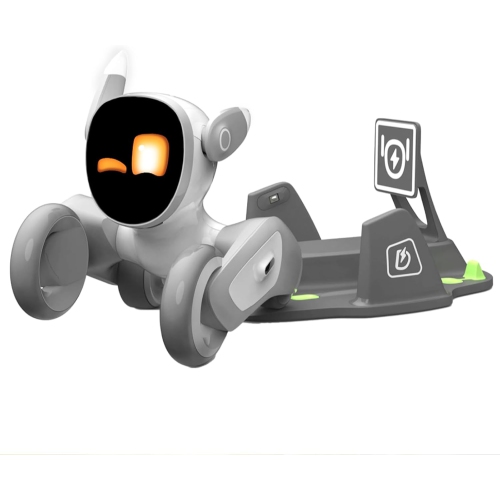 Your price for this item is $699.99
 -
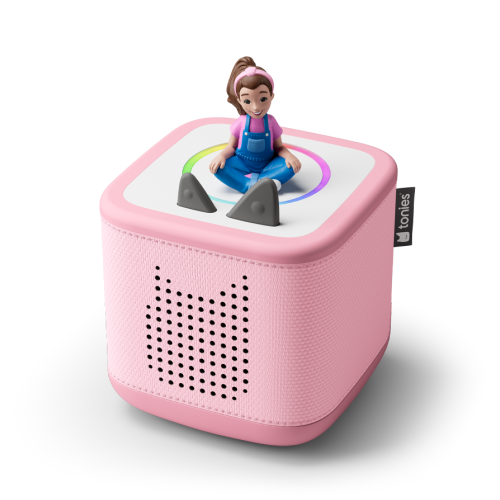 Your price for this item is $199.99
 -
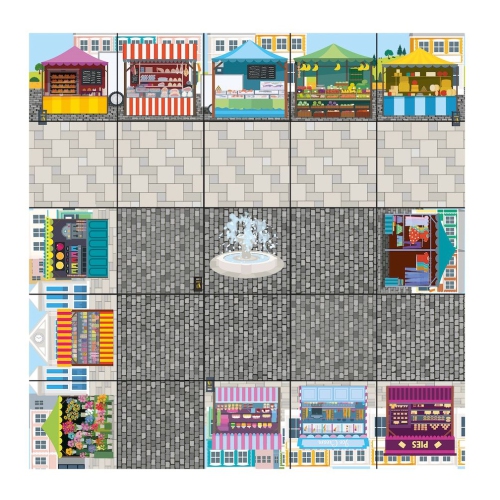 Your price for this item is $75.99
 -
 Your price for this item is $39.99
 -
 Your price for this item is $55.95
 -
 Your price for this item is $39.99
 -
 Your price for this item is $52.17
 -
 Your price for this item is $116.96
Discover more categories related to Robot Building Kits
Top Collections:
Best Laptops for Video Editing, Pokemon Centers, Samsung Z Fold, Kindle Devices, Best Cell Phones Under $300, Best Laptops for Writers, Best Budget Office Chairs, Best Cell Phones Under $500, Best Laptop Computers for Students, iPhone 15 Apple
Some products may be subject to Environmental Handling Fees
(EHF) depending on your province.
Learn more about EHFs.