Educational Toys for Kindergarteners
Spark curiosity and inspire young minds with educational toys for kindergarteners. Designed to make learning fun and engaging, these toys encourage creativity, problem-solving, and foundational skills through play. Whether exploring numbers, letters, shapes, or imaginative activities, educational toys for kindergarteners offer endless opportunities for discovery at home or in the classroom. Find the perfect options to support your child’s growth and development while keeping them entertained every day.
Sort
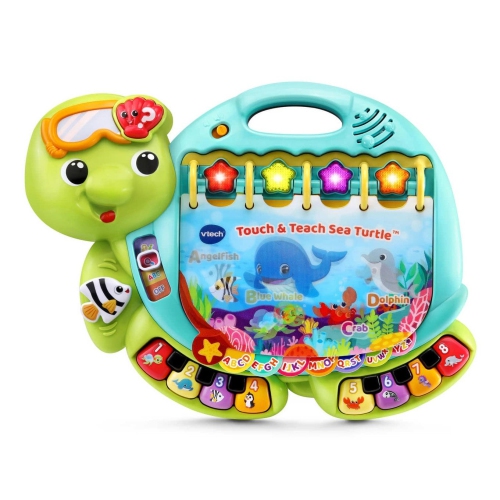
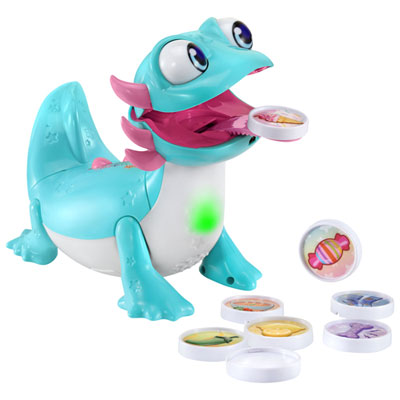
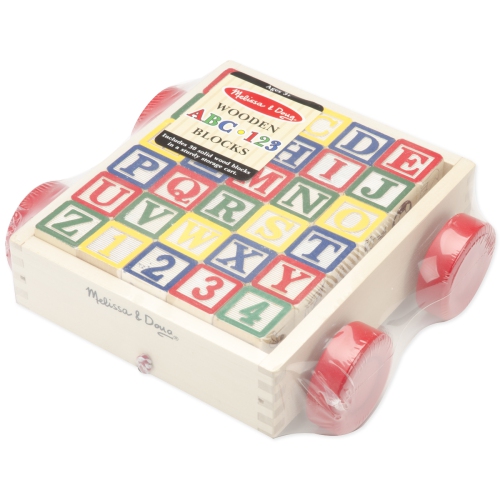
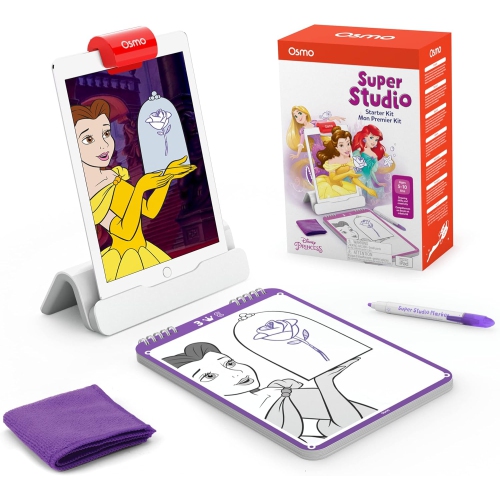
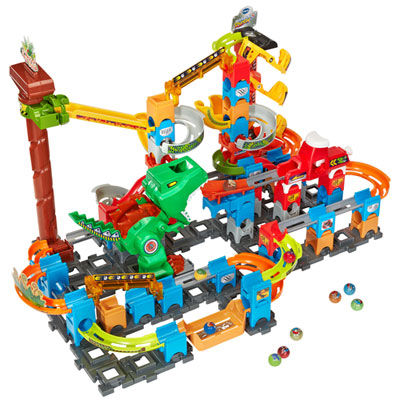
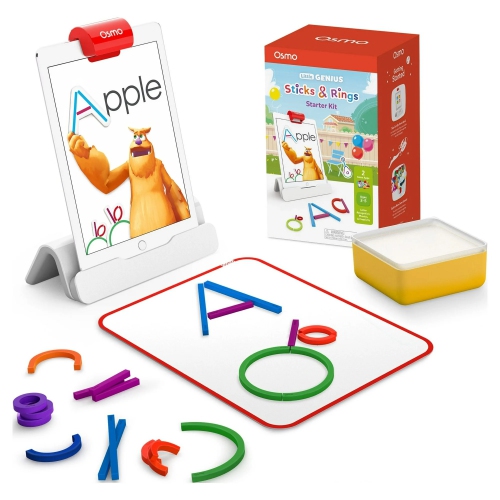
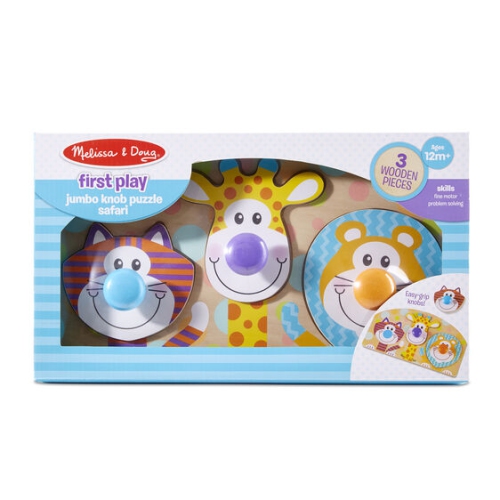
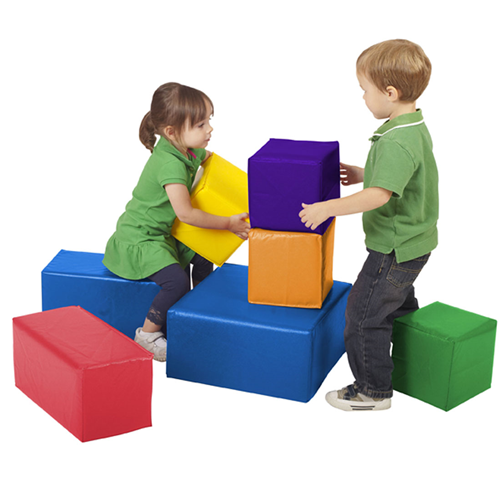
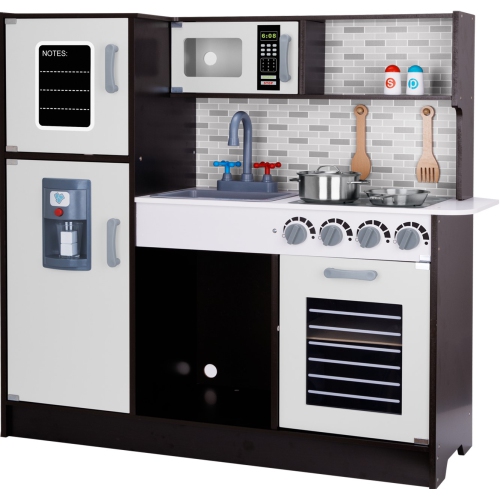
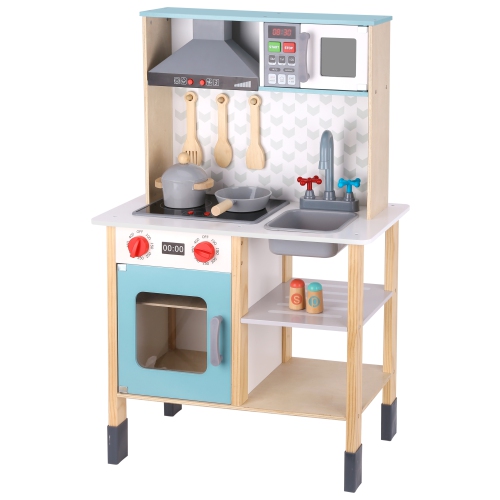
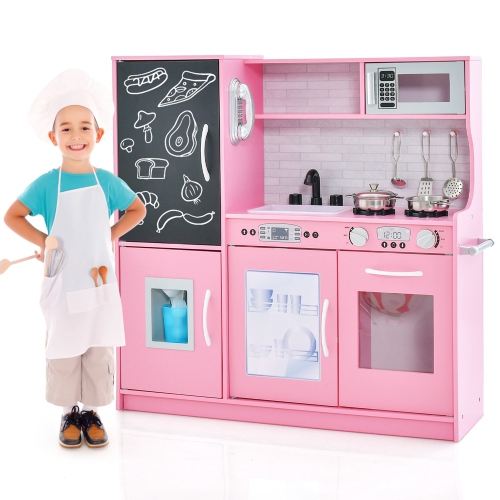
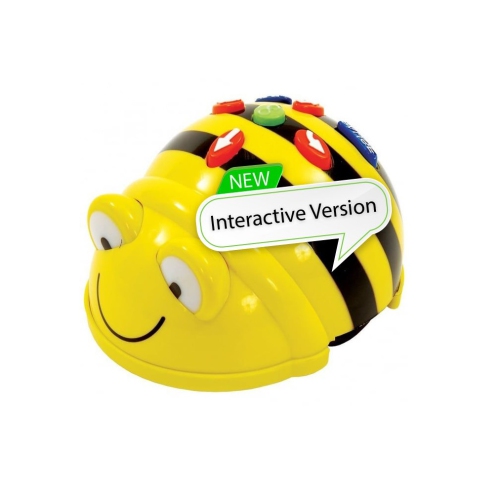
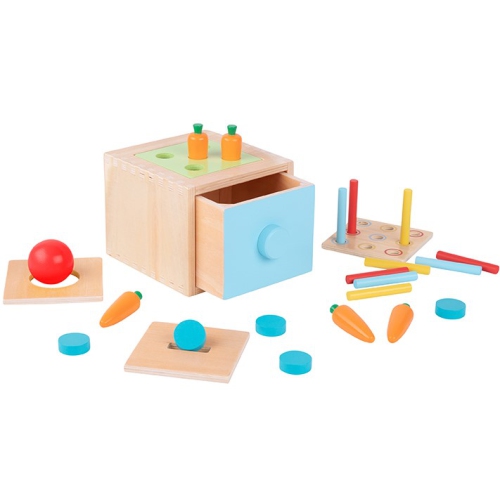
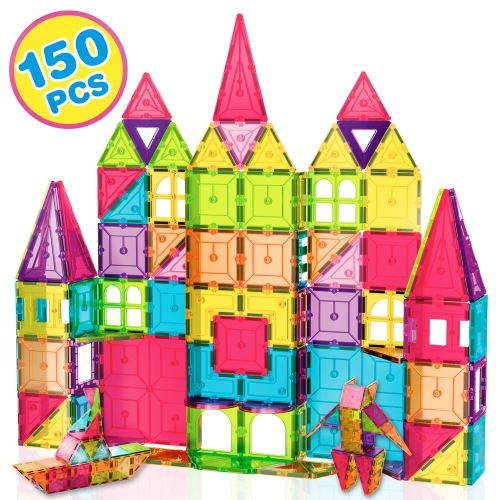
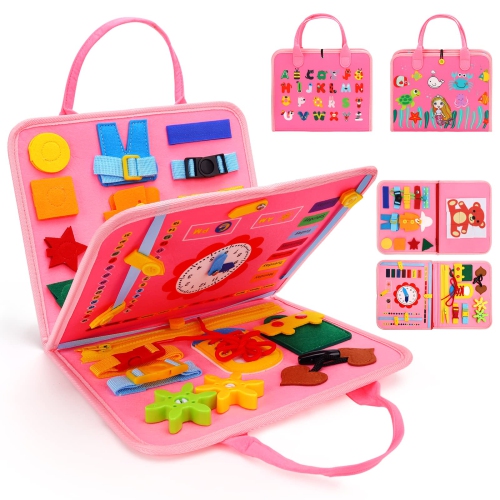
Play-based activities that build early skills and confidence
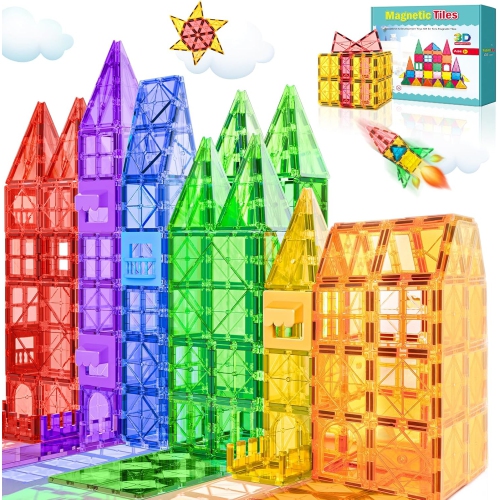
Educational toys for kindergarteners are designed to make early learning feel active, playful, and rewarding. For children around ages four to six, the most engaging options often combine hands-on discovery with foundational skills they are developing at school and at home. Building toys can introduce spatial reasoning, balance, patterns, shapes, and simple engineering as children stack, connect, and rebuild their creations. A child may begin by making a small tower on the living room floor, then notice that a wider base helps it stand taller or that certain pieces fit together to form a bridge. These open-ended activities encourage problem-solving without requiring a single correct result. Counting and sorting toys can support number recognition, one-to-one correspondence, colour matching, sequencing, and early addition and subtraction. Children can group pieces by colour, line them up from smallest to largest, or use them to act out simple number stories with a parent, sibling, or friend. Alphabet toys, magnetic letters, phonics activities, and picture-matching games help kindergarteners connect letter shapes with sounds and familiar words. A child who moves letters around on a board to spell a pet’s name or label a favourite toy is practising early literacy in a way that feels personal and memorable. Look for activities that invite repetition, since young learners often enjoy returning to a familiar game while gradually taking on more complex challenges. Clear, age-appropriate instructions can be helpful for independent play, while flexible toys that allow several kinds of play can grow with a child’s changing interests and abilities.
Fine motor development is another important consideration when choosing educational toys for kindergarteners. Activities that involve pinching, threading, connecting, placing, twisting, rolling, or arranging small components can help strengthen the hand and finger muscles used for drawing, printing, cutting, and other classroom tasks. Modelling compounds with rollers, cutters, stamps, and shaping tools can turn a kitchen table into a small creative studio, where children press patterns into soft material, form letters, or build an imaginary meal. Lacing cards, peg activities, sorting games, and simple puzzles offer similar practice while encouraging patience and hand-eye coordination. Art-based learning toys can support creative expression alongside recognition of lines, colours, shapes, and basic instructions. When selecting items with small pieces, check the recommended age range and consider whether the child is ready to use them safely and responsibly. It is also useful to think about the space where the toy will be used. Larger building sets may be ideal for a playroom or open floor, while compact letter games, puzzle boards, or activity cards can work well on a kitchen table, in a bedroom, or during travel. Durability, easy storage, and pieces that can be collected in a box or pouch may make a noticeable difference during busy family routines. Educational toys can be used for short, focused activities before school, relaxed play after kindergarten, or shared learning during the cooler months when indoor time becomes more appealing. They also make thoughtful gifts for birthdays, family celebrations, classroom milestones, or children visiting from out of town. Grandparents, relatives, caregivers, and family friends can choose an activity that reflects a child’s interests, whether that means construction, storytelling, drawing, numbers, animals, or imaginative play.
The right educational toy does not need to feel like a lesson. Kindergarteners often learn most naturally when they can make choices, experiment, and see the result of their actions. A child sorting buttons by colour may be practising classification; a child building a roadway may be exploring measurement and direction; and a child matching picture cards to beginning sounds may be developing phonemic awareness. Adults can support this learning with simple conversation rather than taking over the activity. Counting pieces aloud, describing a shape, inviting a child to predict whether a tower will stay standing, or encouraging them to explain a story can extend play without turning it into a test. Cooperative games can help children practise taking turns, listening, following rules, and handling small disappointments, while solo activities can build concentration and confidence. Open-ended materials are particularly useful because they can be revisited in new ways: a set used for colour sorting one day may become pretend food, a shop display, or characters in a story the next. For families shopping across early childhood stages, the selection of Educational Toys for Preschoolers may also offer ideas for younger siblings, provided the age guidance and piece size are suitable. Whether chosen for home learning, imaginative play, a classroom setting, or a meaningful gift, educational toys for kindergarteners can help children practise early academic skills while building independence, curiosity, creativity, and the confidence to keep trying when a first attempt does not work.
Fine motor development is another important consideration when choosing educational toys for kindergarteners. Activities that involve pinching, threading, connecting, placing, twisting, rolling, or arranging small components can help strengthen the hand and finger muscles used for drawing, printing, cutting, and other classroom tasks. Modelling compounds with rollers, cutters, stamps, and shaping tools can turn a kitchen table into a small creative studio, where children press patterns into soft material, form letters, or build an imaginary meal. Lacing cards, peg activities, sorting games, and simple puzzles offer similar practice while encouraging patience and hand-eye coordination. Art-based learning toys can support creative expression alongside recognition of lines, colours, shapes, and basic instructions. When selecting items with small pieces, check the recommended age range and consider whether the child is ready to use them safely and responsibly. It is also useful to think about the space where the toy will be used. Larger building sets may be ideal for a playroom or open floor, while compact letter games, puzzle boards, or activity cards can work well on a kitchen table, in a bedroom, or during travel. Durability, easy storage, and pieces that can be collected in a box or pouch may make a noticeable difference during busy family routines. Educational toys can be used for short, focused activities before school, relaxed play after kindergarten, or shared learning during the cooler months when indoor time becomes more appealing. They also make thoughtful gifts for birthdays, family celebrations, classroom milestones, or children visiting from out of town. Grandparents, relatives, caregivers, and family friends can choose an activity that reflects a child’s interests, whether that means construction, storytelling, drawing, numbers, animals, or imaginative play.
The right educational toy does not need to feel like a lesson. Kindergarteners often learn most naturally when they can make choices, experiment, and see the result of their actions. A child sorting buttons by colour may be practising classification; a child building a roadway may be exploring measurement and direction; and a child matching picture cards to beginning sounds may be developing phonemic awareness. Adults can support this learning with simple conversation rather than taking over the activity. Counting pieces aloud, describing a shape, inviting a child to predict whether a tower will stay standing, or encouraging them to explain a story can extend play without turning it into a test. Cooperative games can help children practise taking turns, listening, following rules, and handling small disappointments, while solo activities can build concentration and confidence. Open-ended materials are particularly useful because they can be revisited in new ways: a set used for colour sorting one day may become pretend food, a shop display, or characters in a story the next. For families shopping across early childhood stages, the selection of Educational Toys for Preschoolers may also offer ideas for younger siblings, provided the age guidance and piece size are suitable. Whether chosen for home learning, imaginative play, a classroom setting, or a meaningful gift, educational toys for kindergarteners can help children practise early academic skills while building independence, curiosity, creativity, and the confidence to keep trying when a first attempt does not work.
Top selling and popular products
-
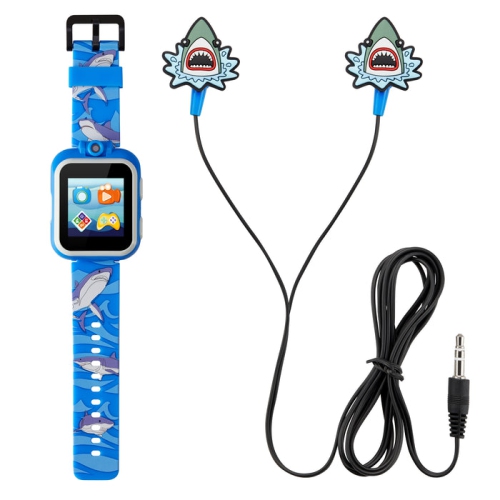 Your price for this item is $38.98
 -
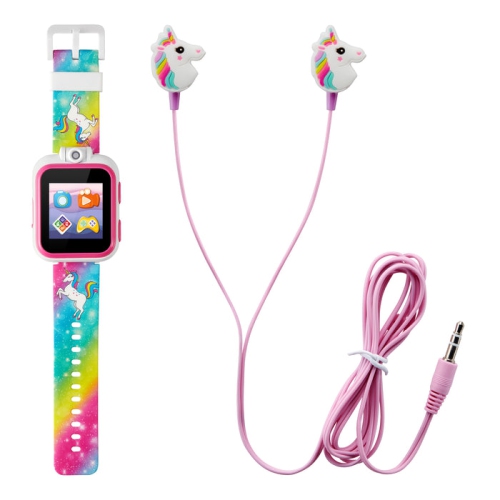 Your price for this item is $19.99
 -
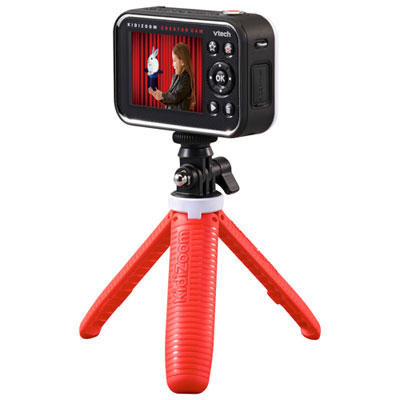 Your price for this item is $89.99
 -
![OSMO - Genius Starter Kit - for Ipad [Electronics]](https://multimedia.bbycastatic.ca/multimedia/products/500x500/188/18884/18884576.jpeg) Your price for this item is $49.99
Your price for this item is $49.99 -
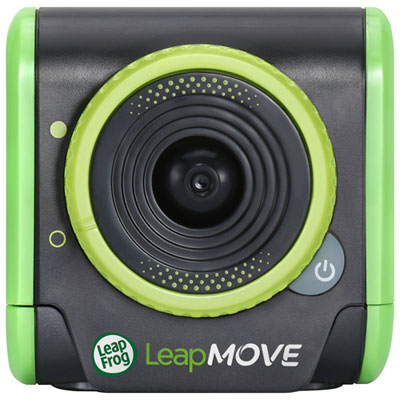 Your price for this item is $79.99
 -
 Your price for this item is $79.99
 -
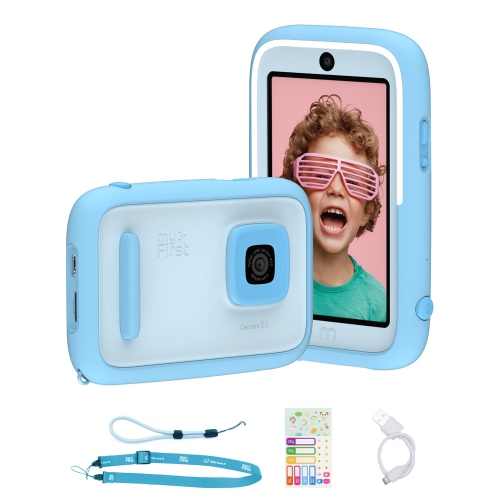 Your price for this item is $149
 -
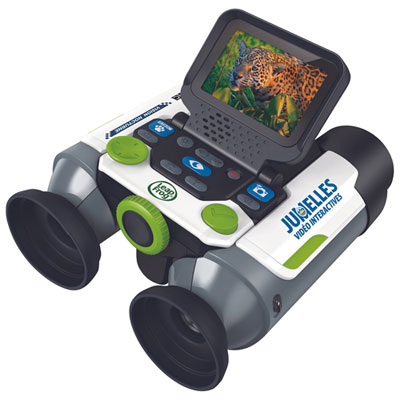 Your price for this item is $79.99
Discover more categories related to Educational Toys for Kindergarteners
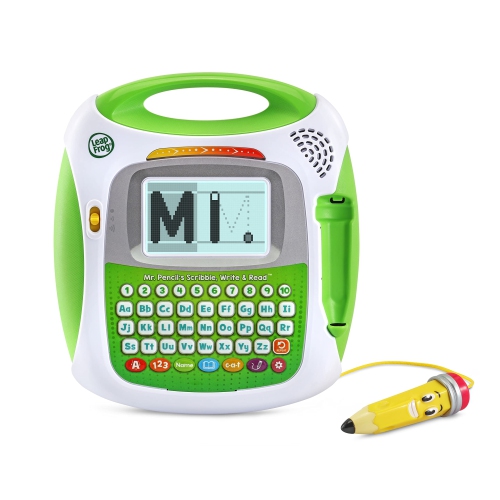
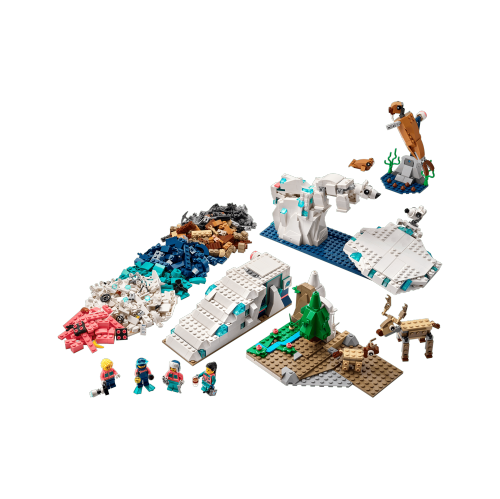
Top Collections:
Pokemon Centers, Kindle Devices, Best Budget Office Chairs, Canon G7X Cameras, Apple iPhones 16, Samsung Galaxy Phones, Refurbished Apple Laptops, Laptops for Students, iPhone 15 Apple, Budget Smartphones
Some products may be subject to Environmental Handling Fees
(EHF) depending on your province.
Learn more about EHFs.