Toys for Kindergarteners
Our wide selection of toys for kindergarteners is designed to inspire creativity, promote learning, and provide endless hours of fun. Whether you're searching for educational games, building sets, or imaginative playtime accessories, we've got you covered. From puzzles that enhance problem-solving skills to art supplies that unleash their inner Picasso, our collection offers something for every curious mind. Dive into a world of excitement and discovery with our carefully curated assortment of toys for kindergarteners.
Sort
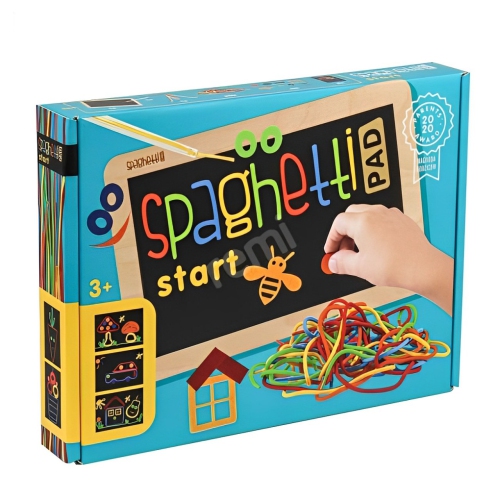
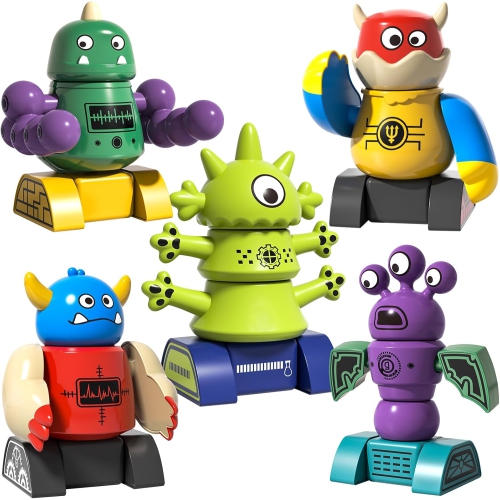
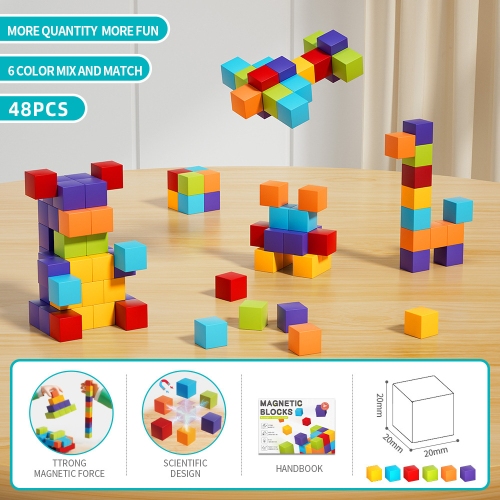
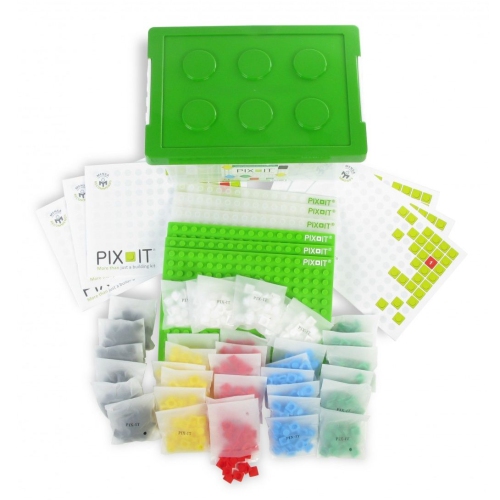
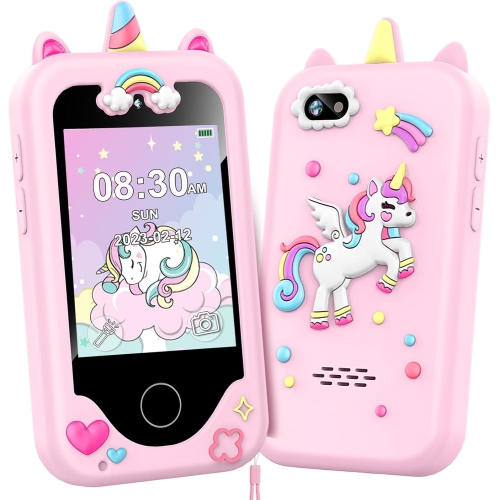
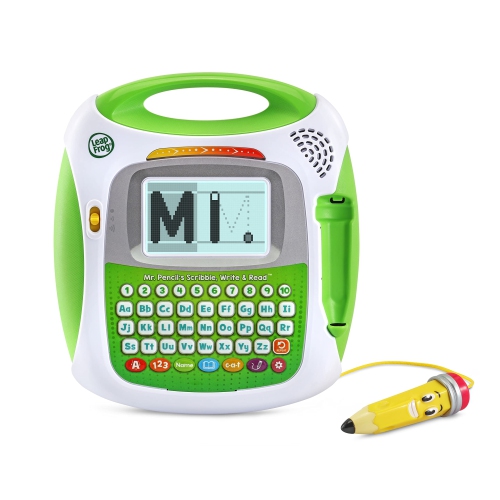
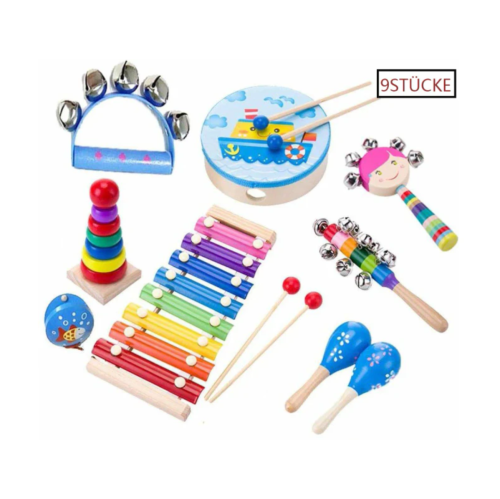
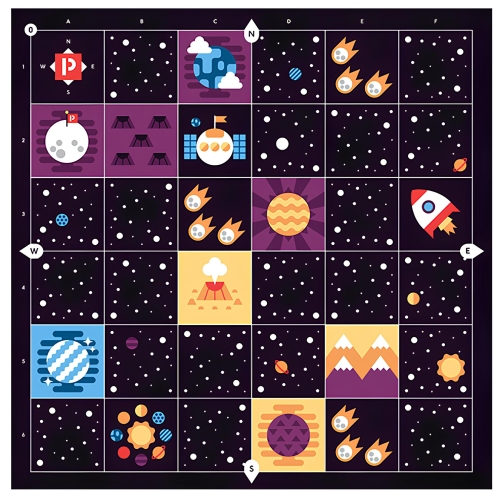
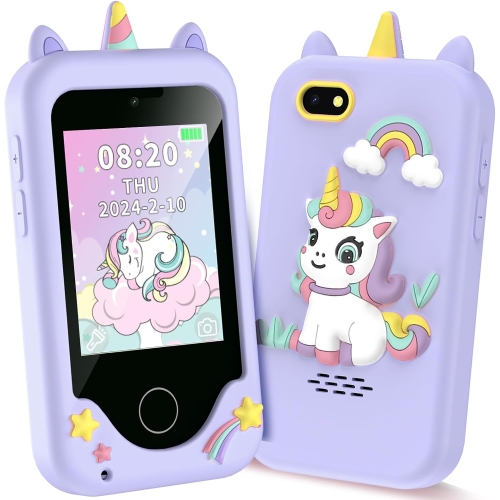
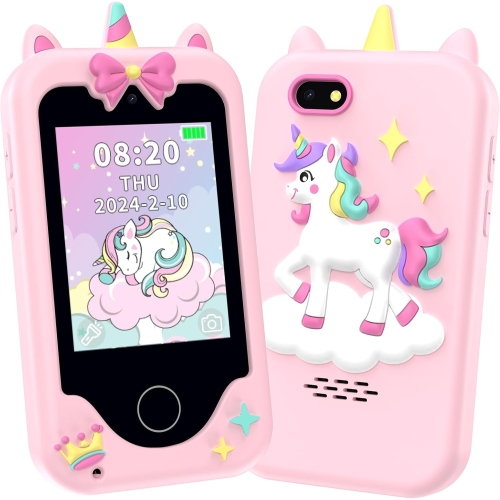
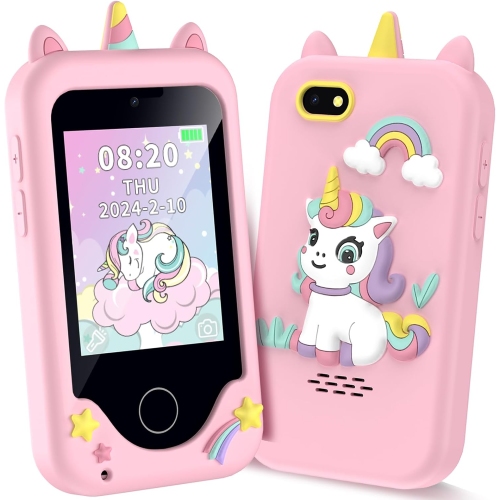
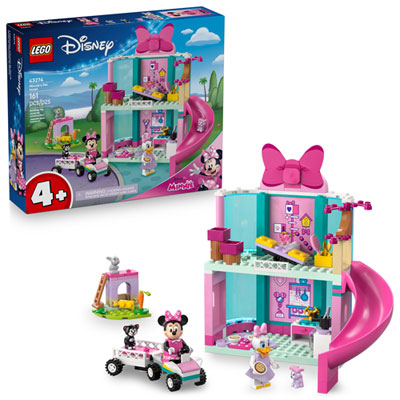
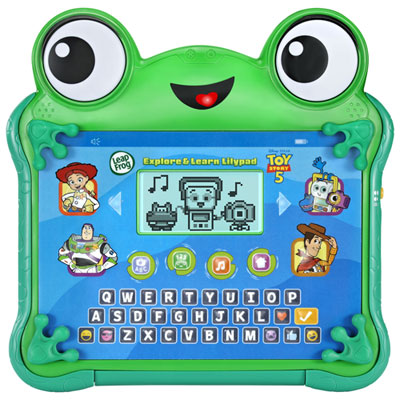
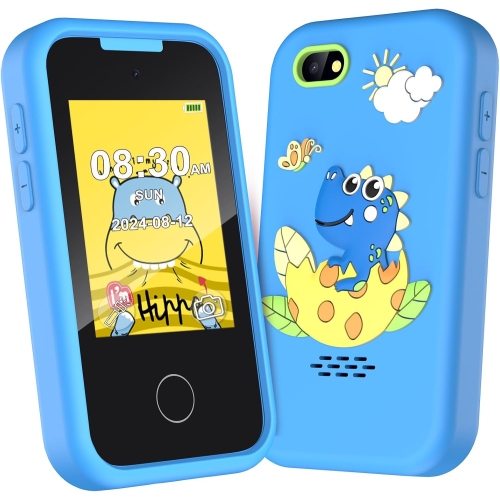
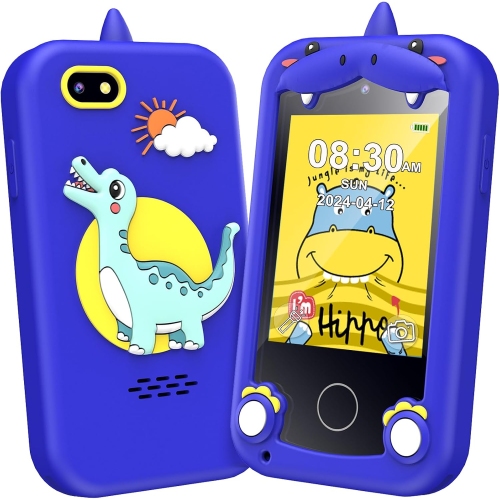
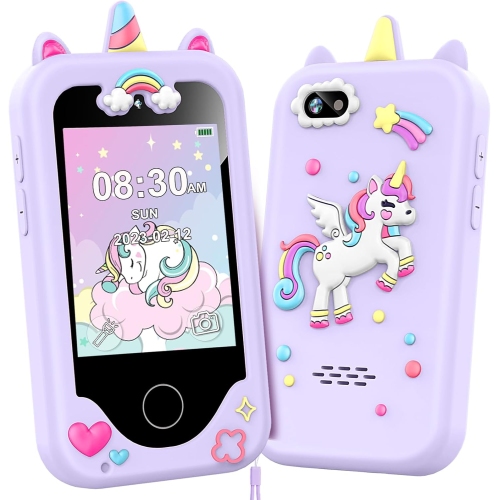
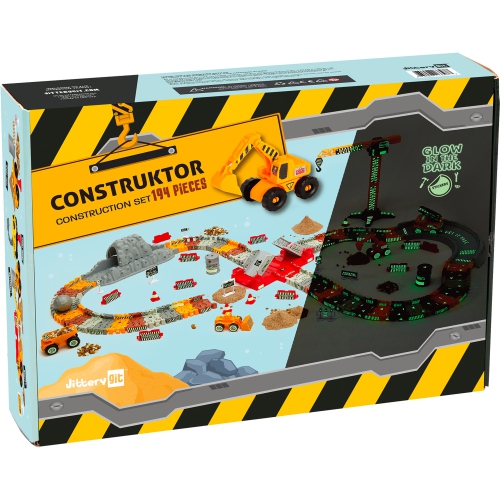
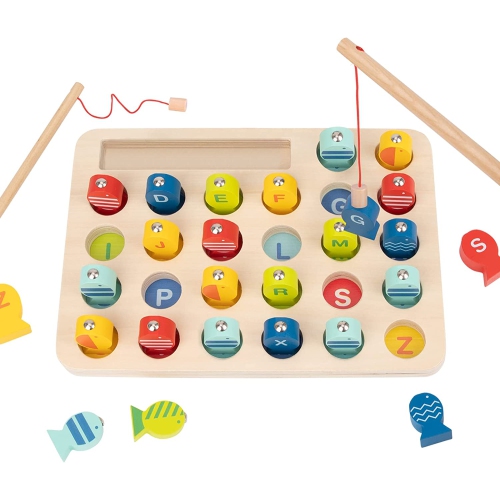

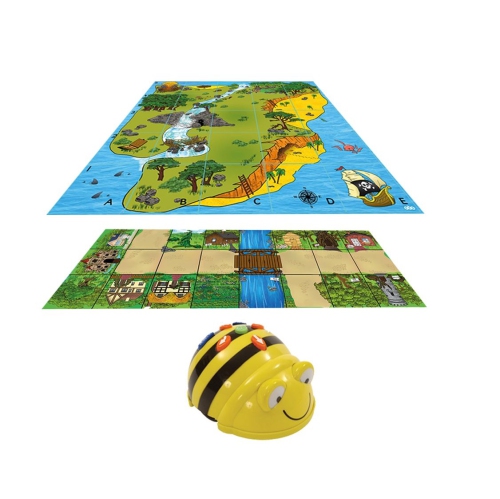
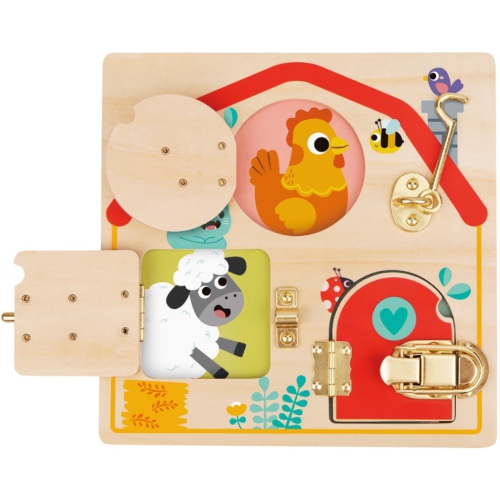
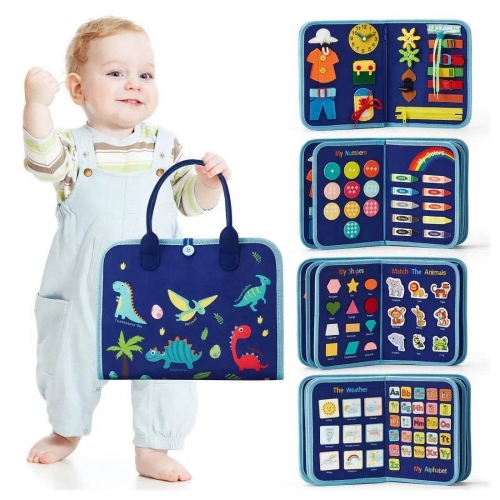
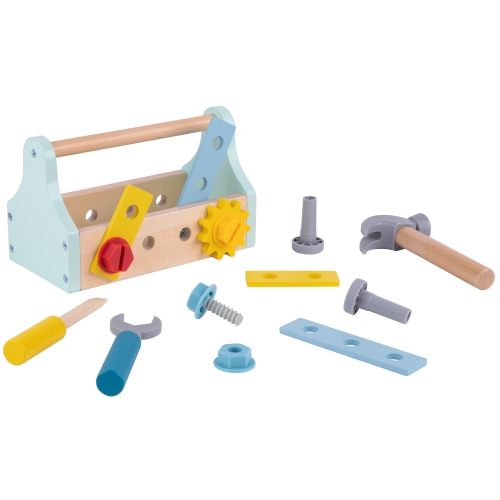
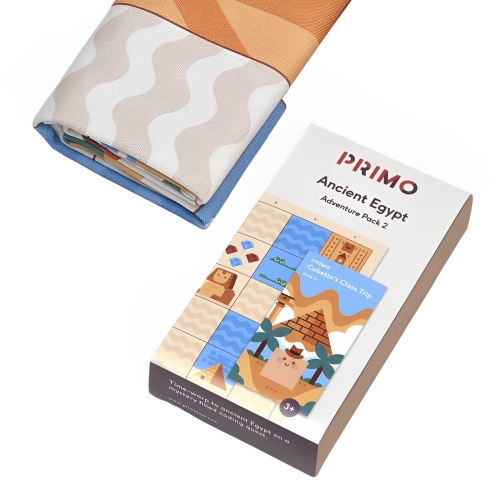

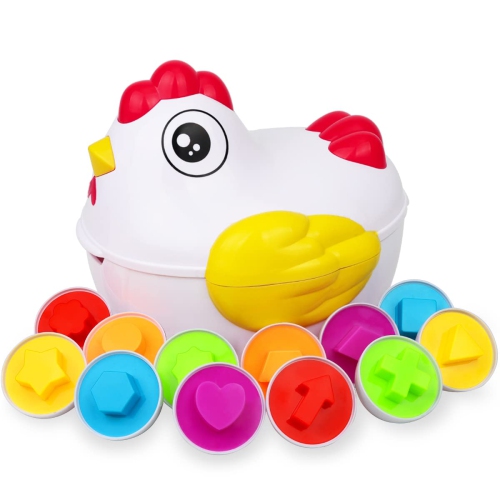
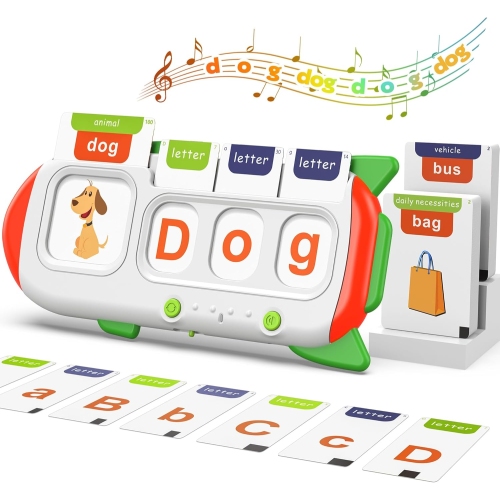
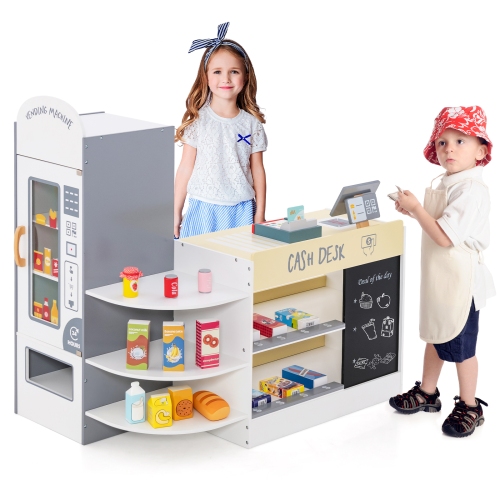
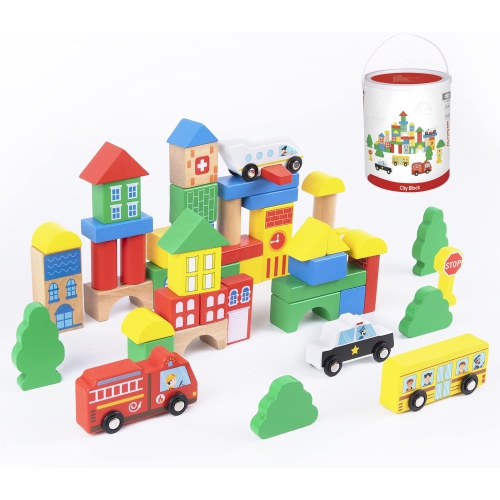
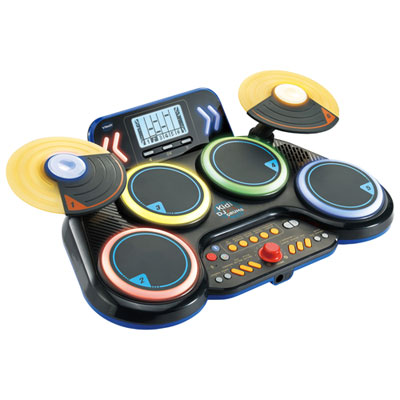

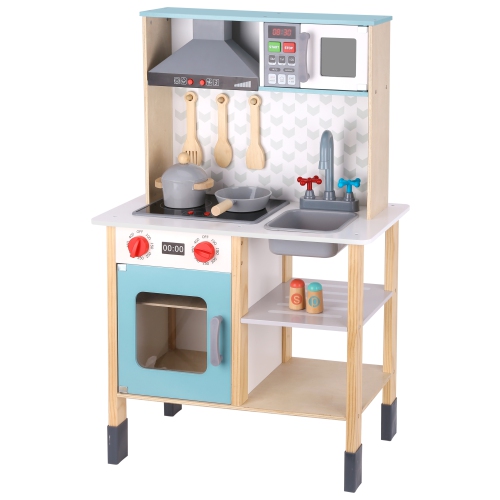
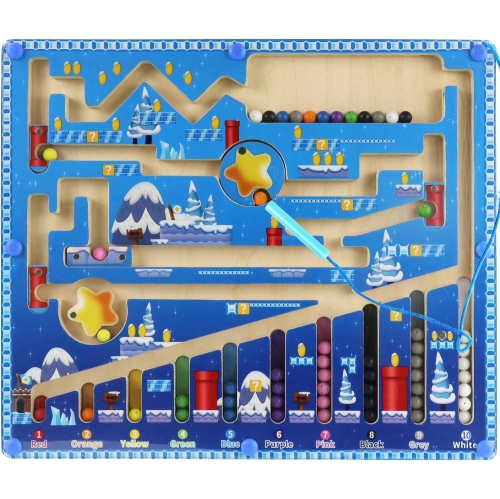
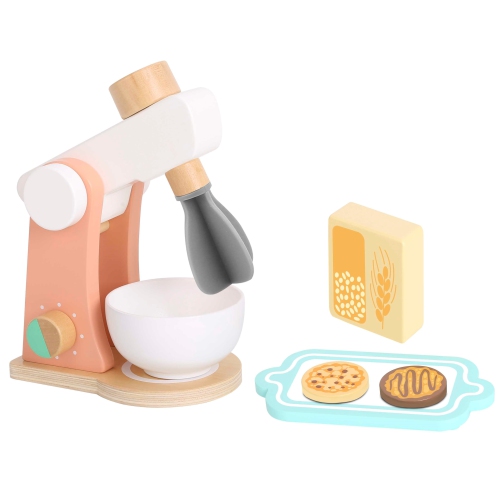
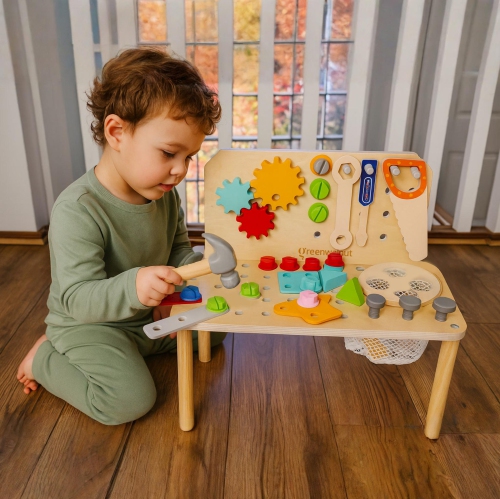
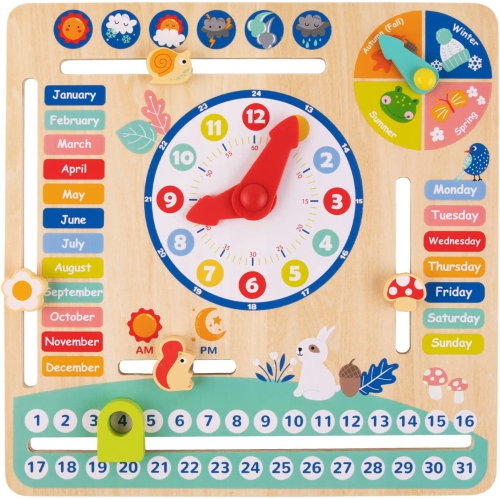
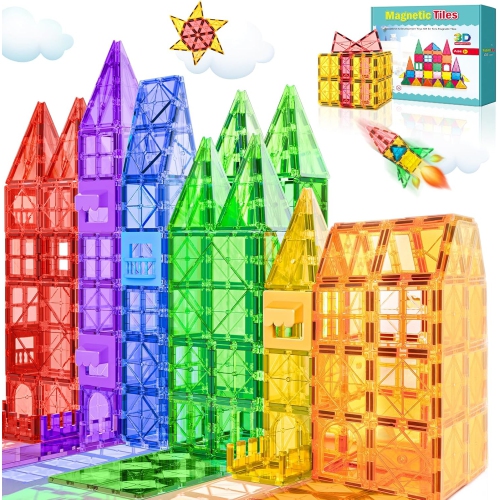
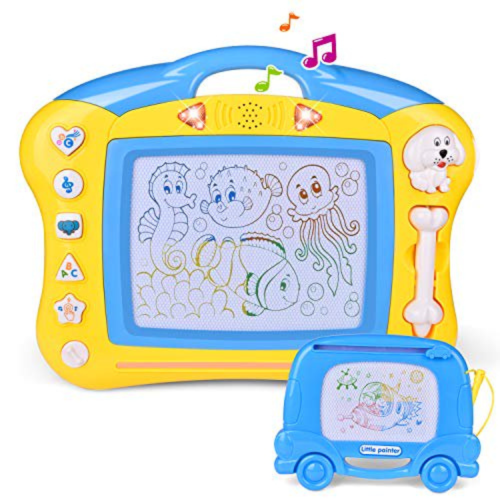
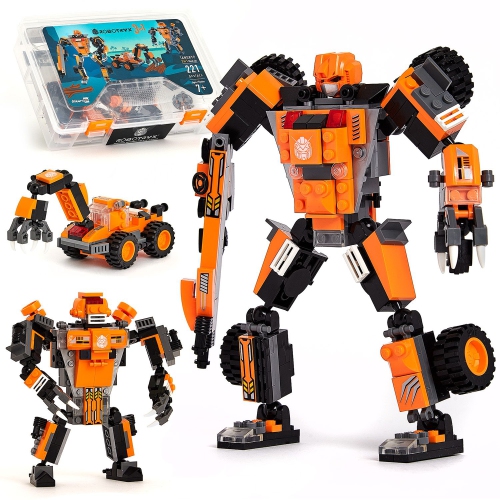
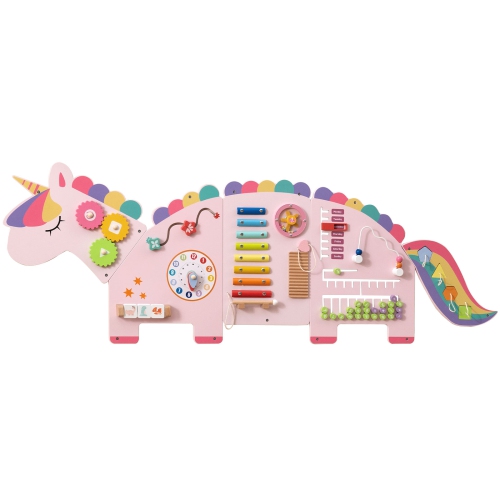
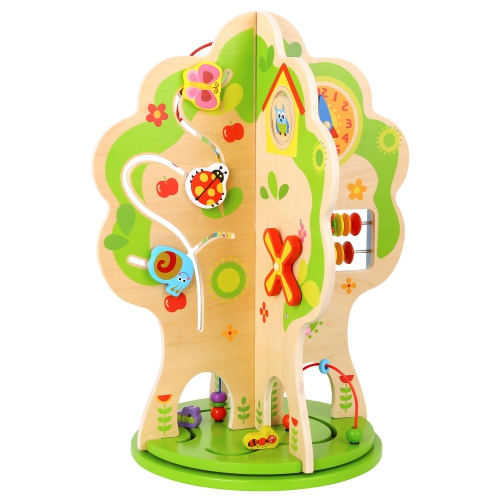
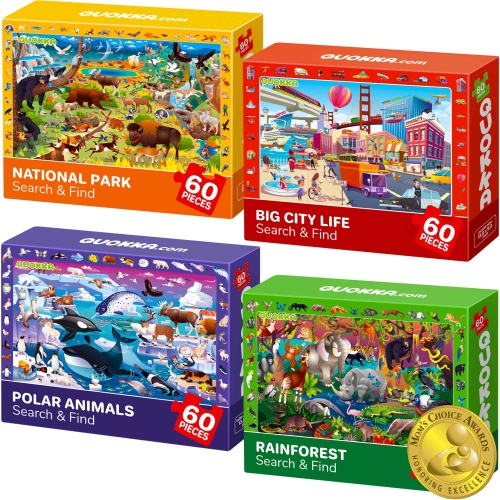
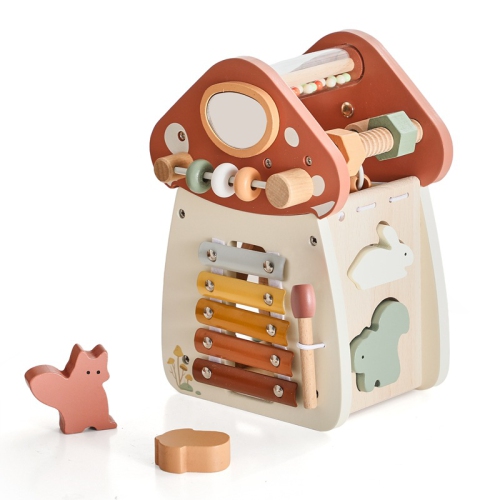
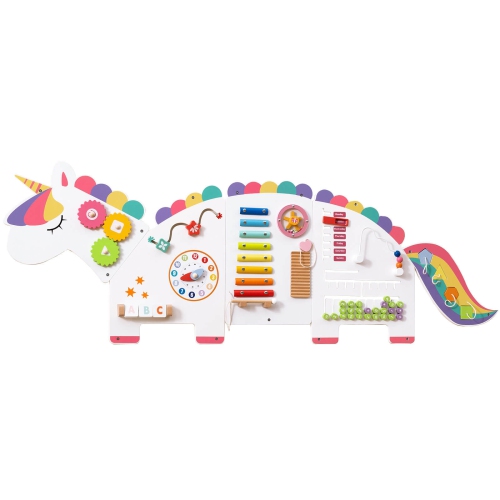
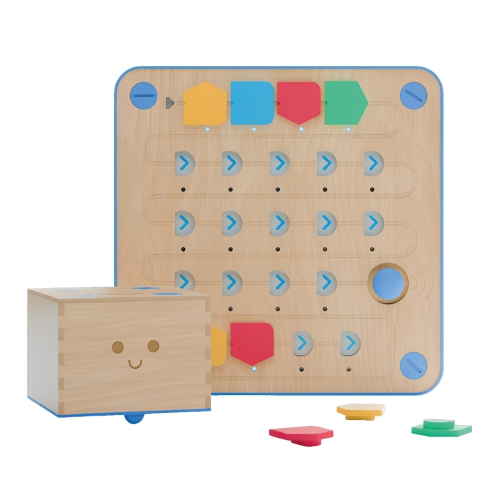
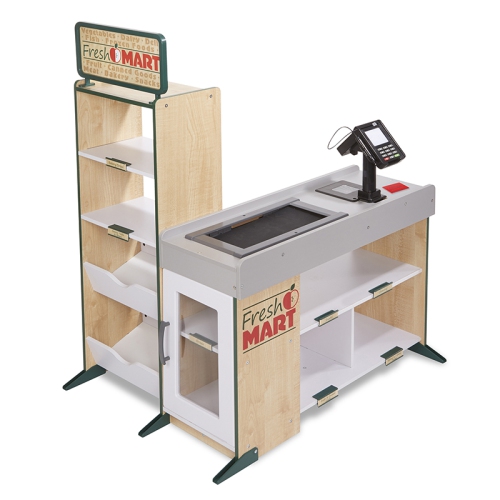
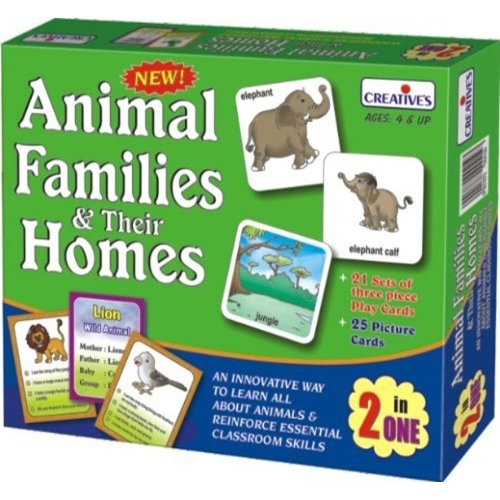
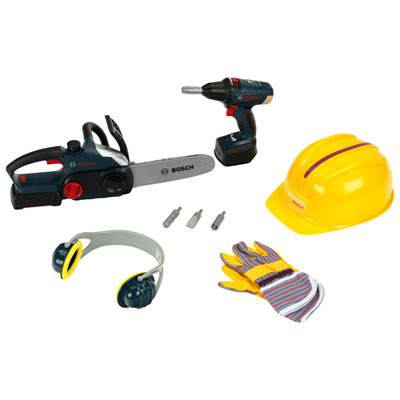
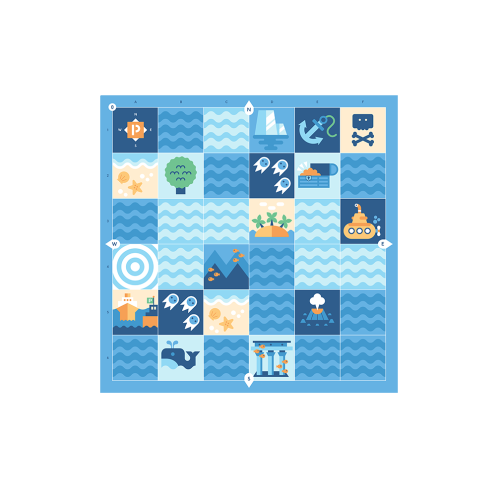
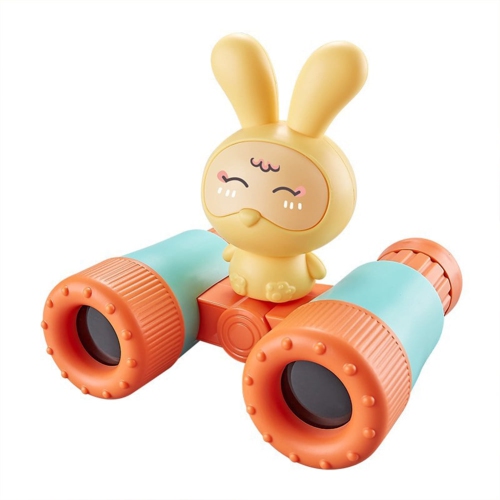
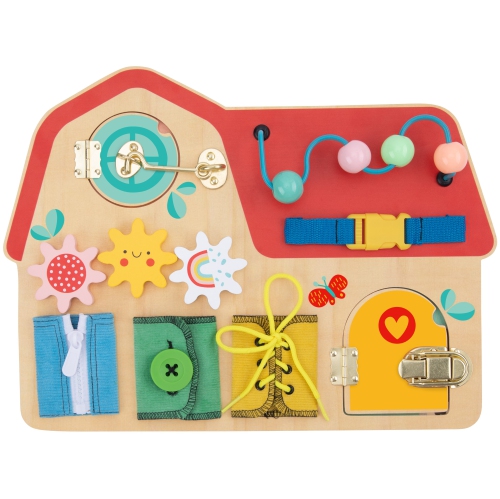
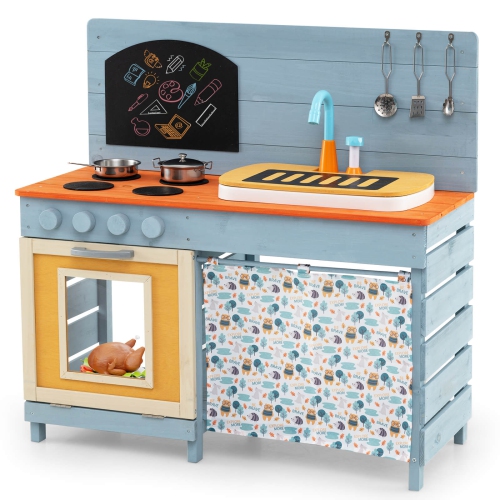
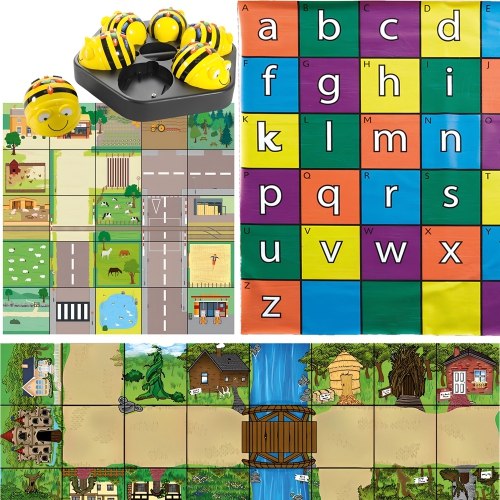
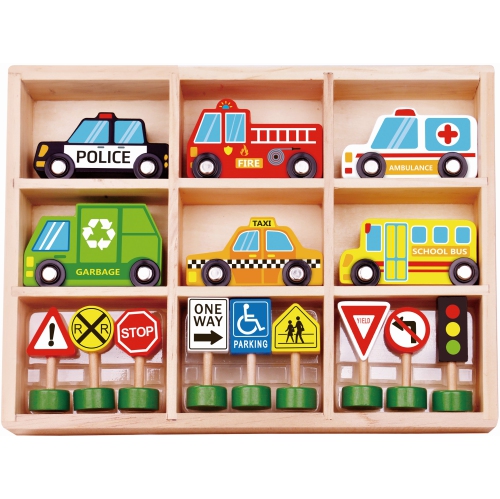
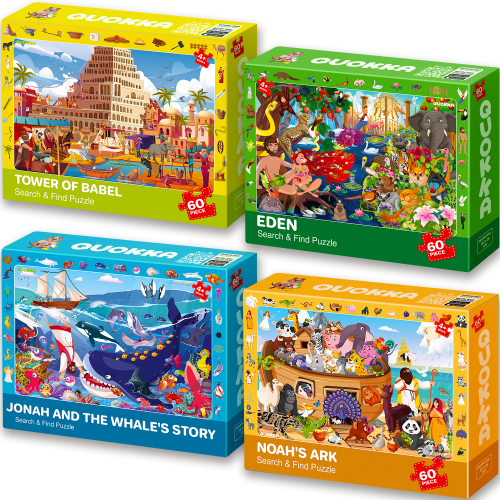
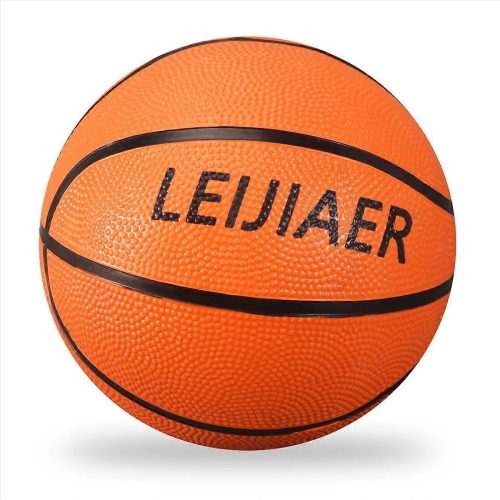

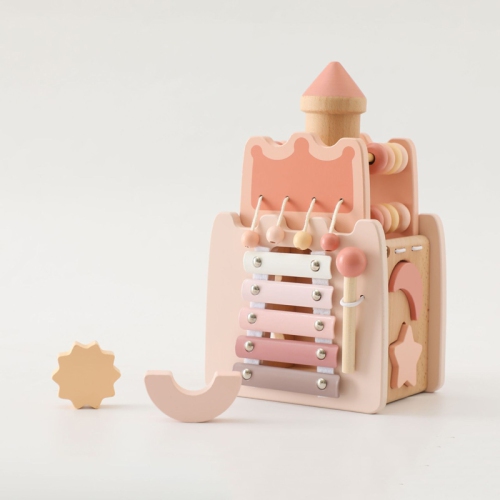
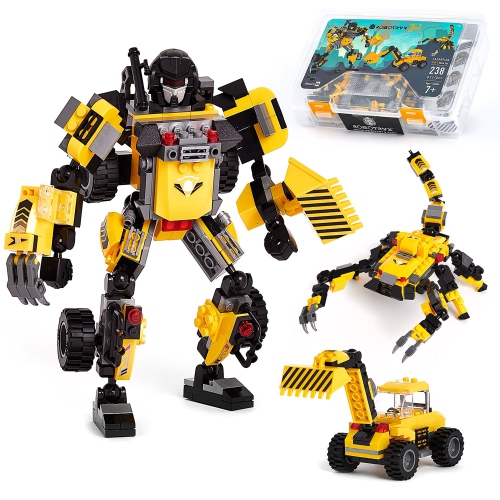
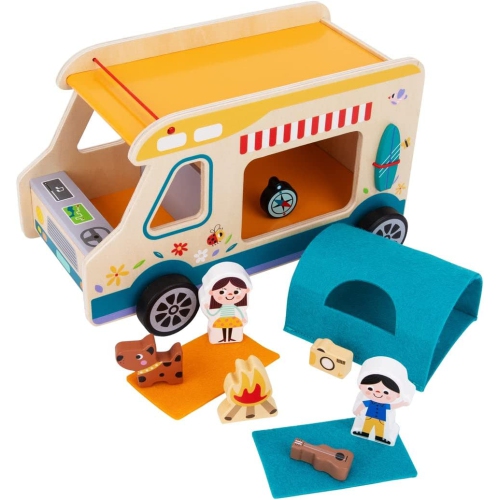
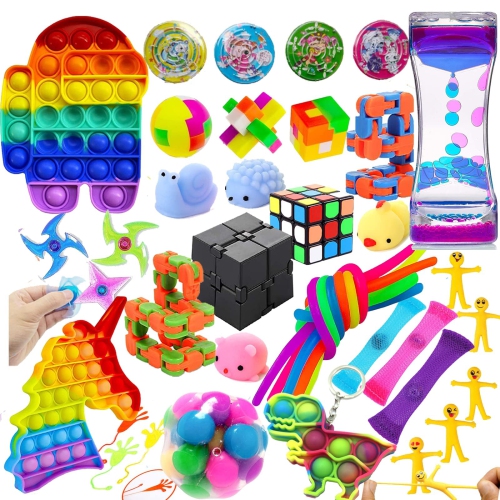
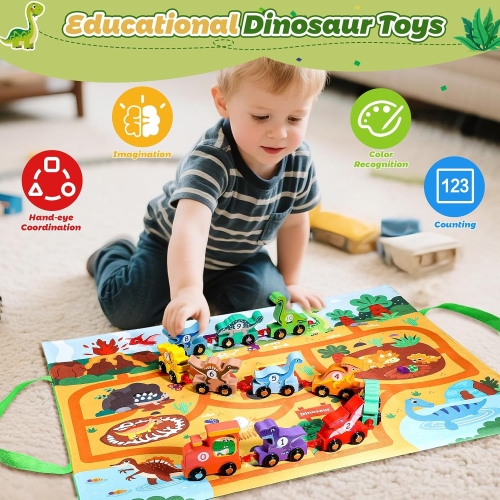
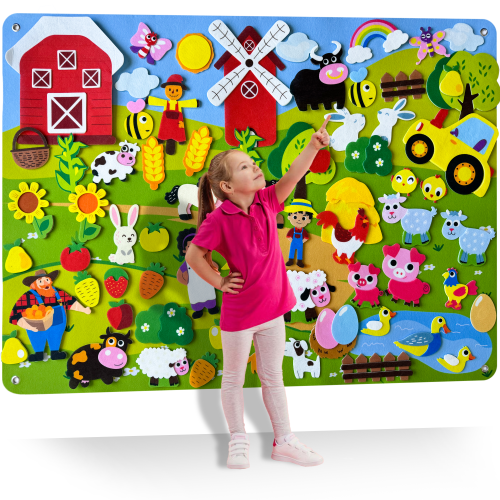
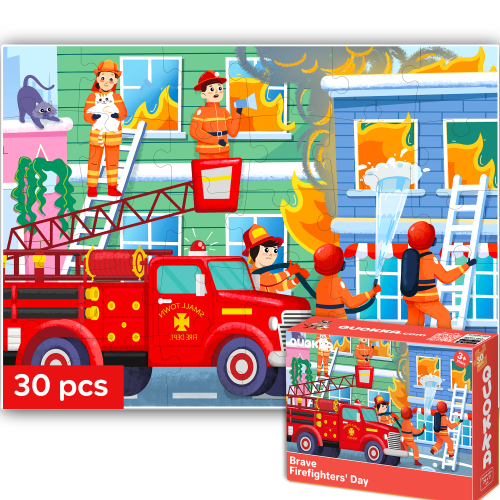
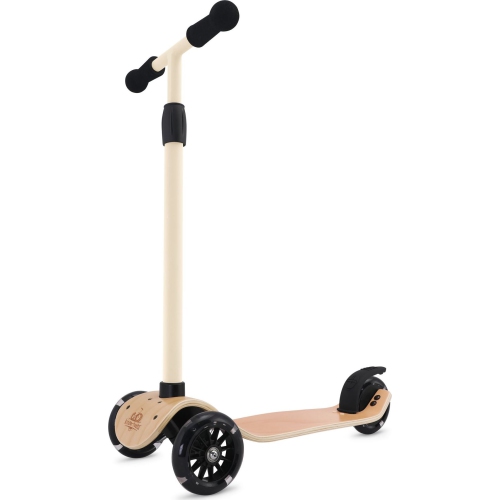
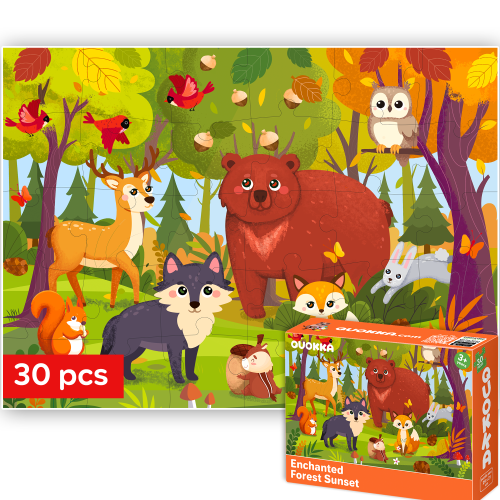
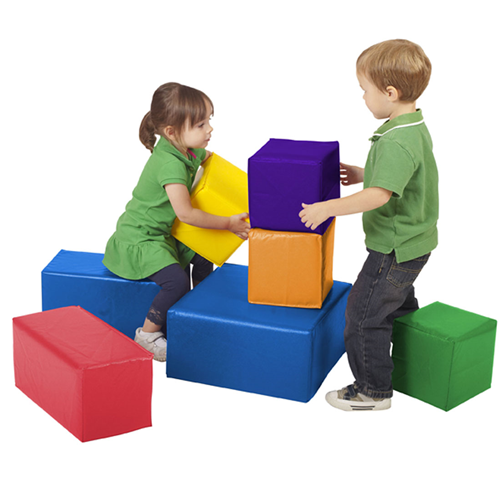
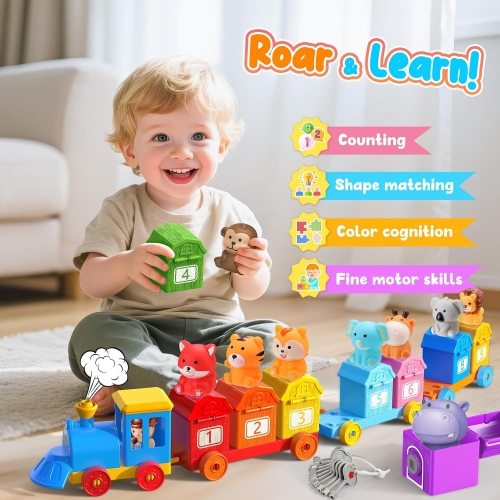
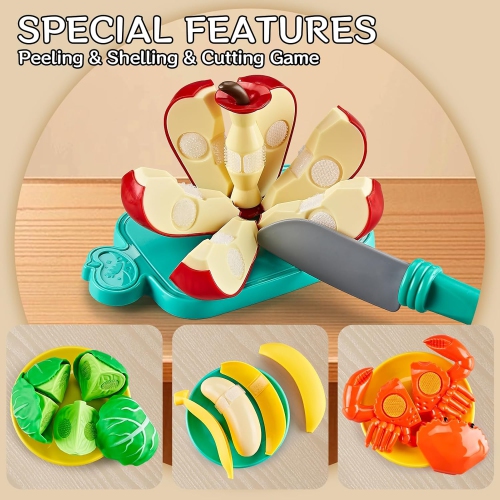
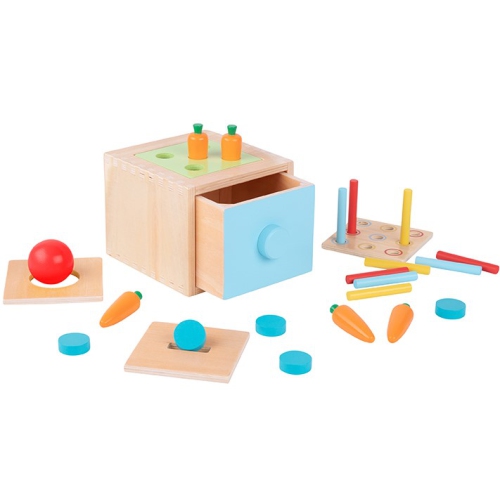
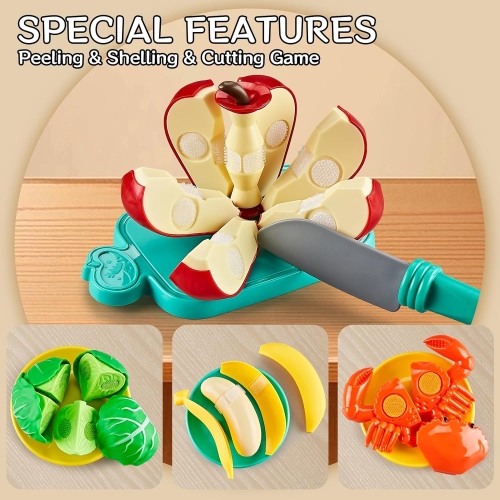
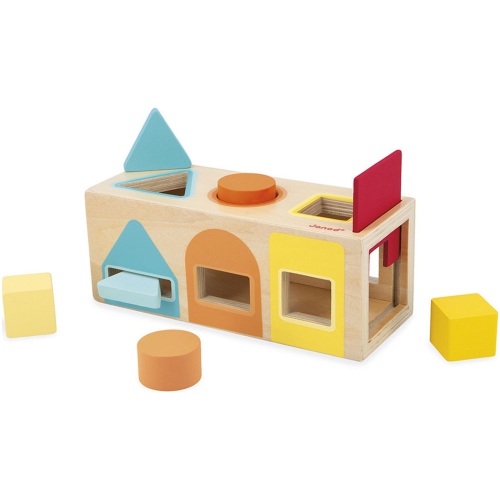
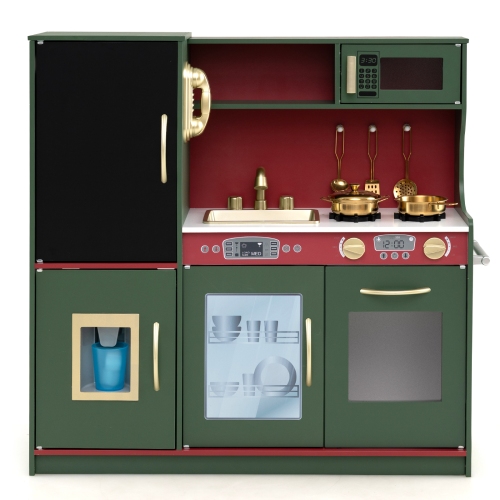
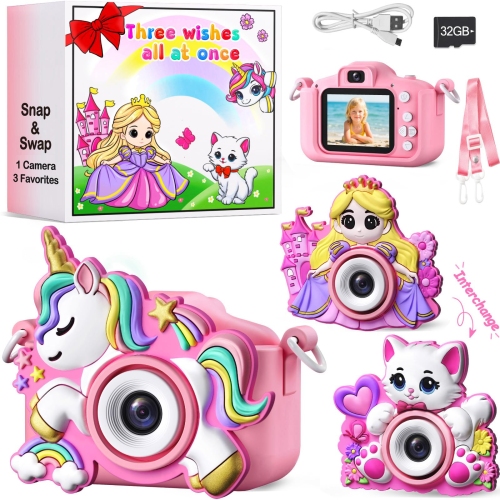
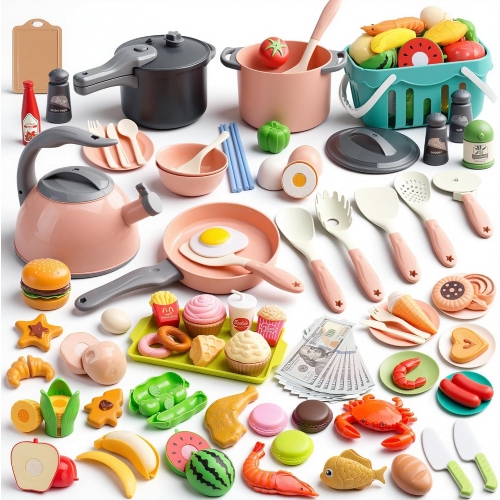
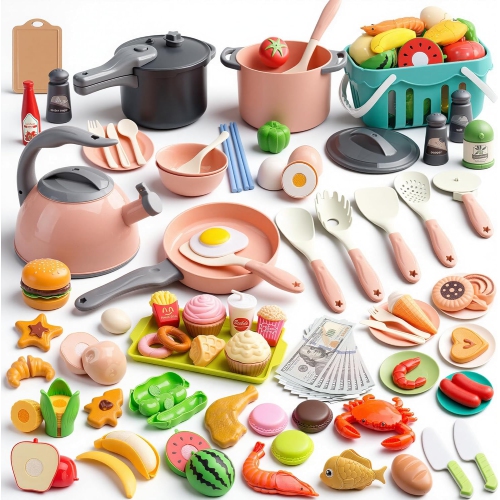
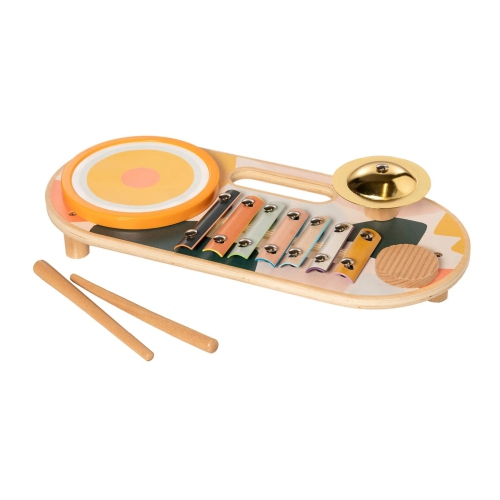
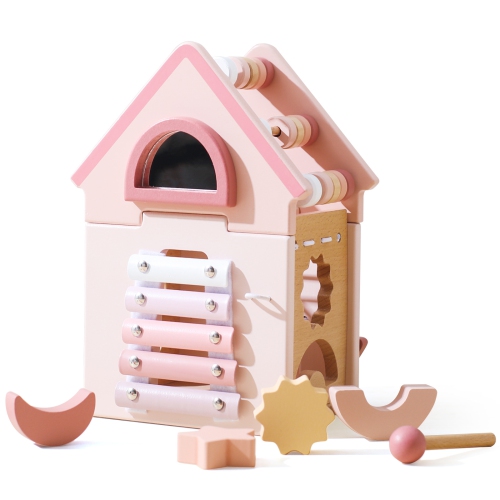
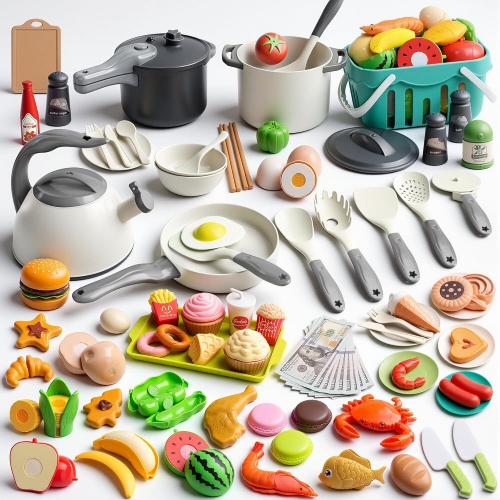
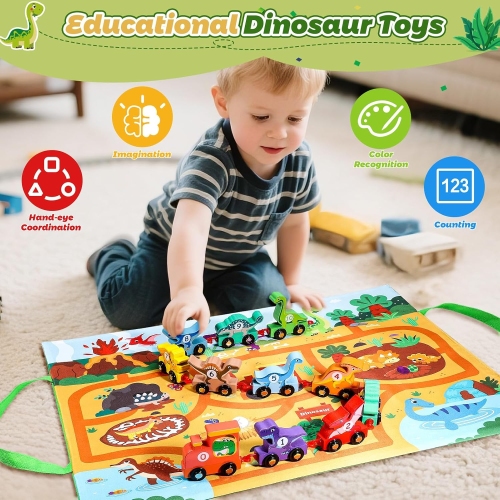
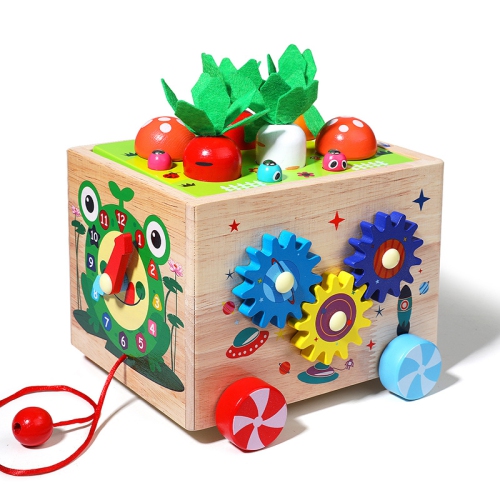
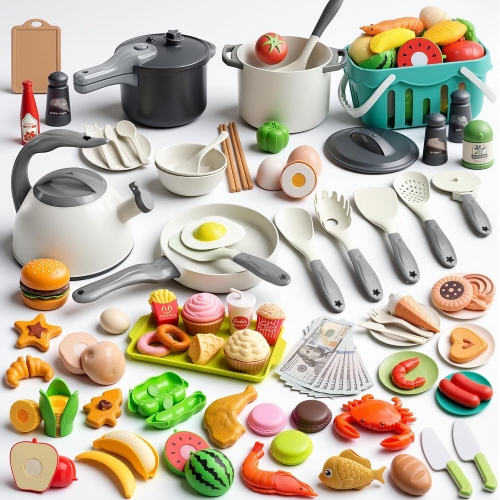
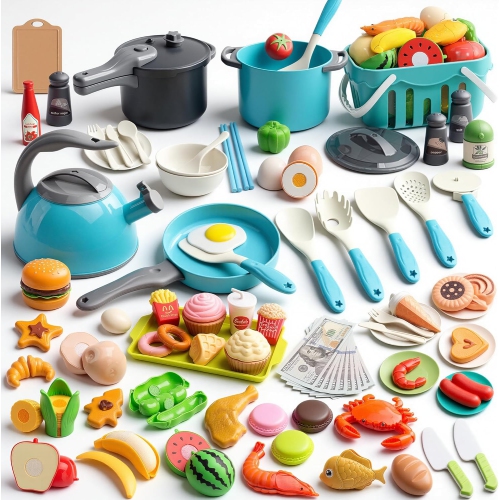
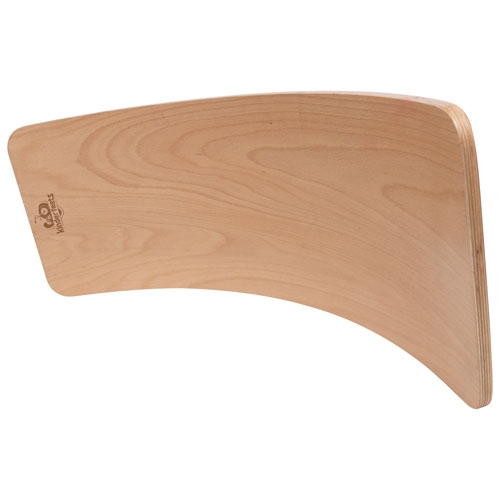
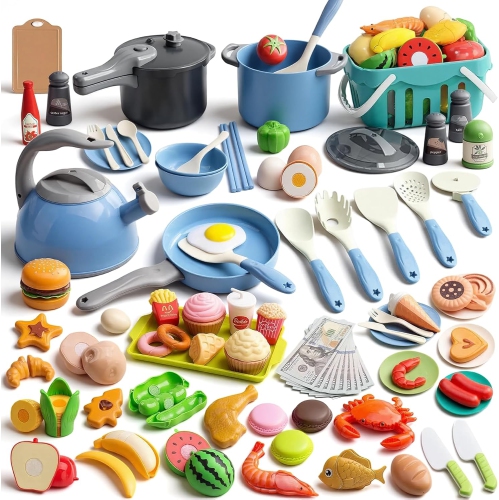
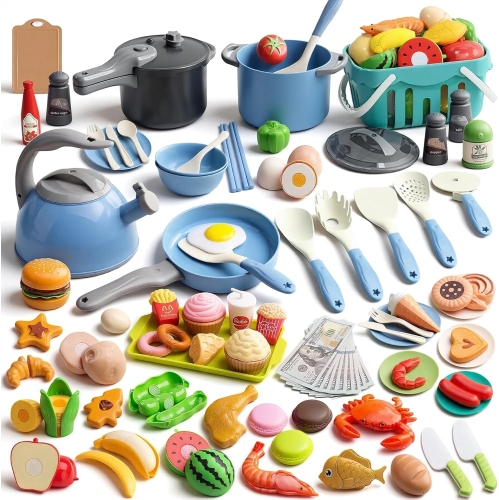
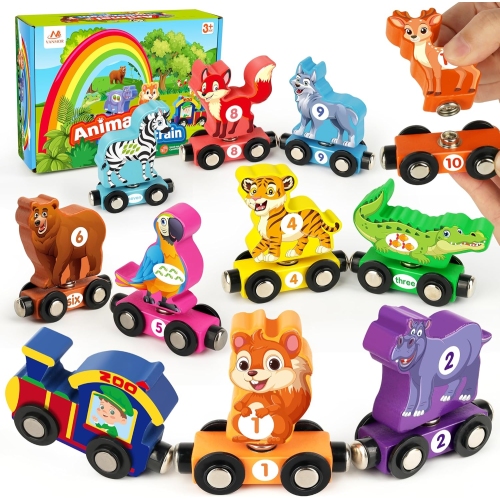
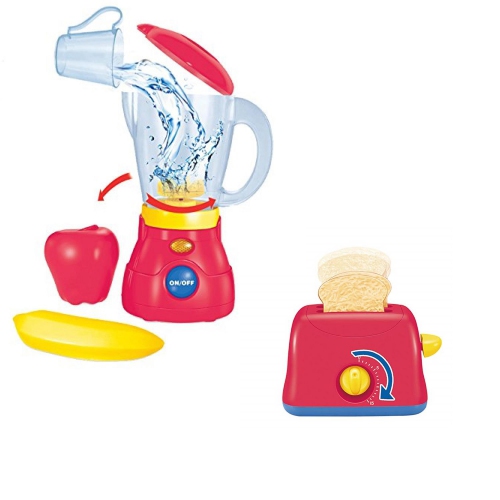
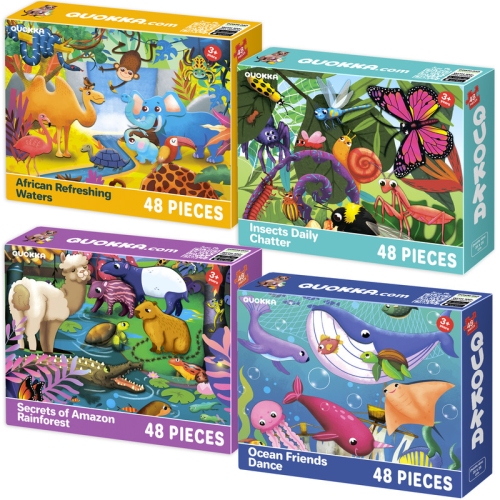
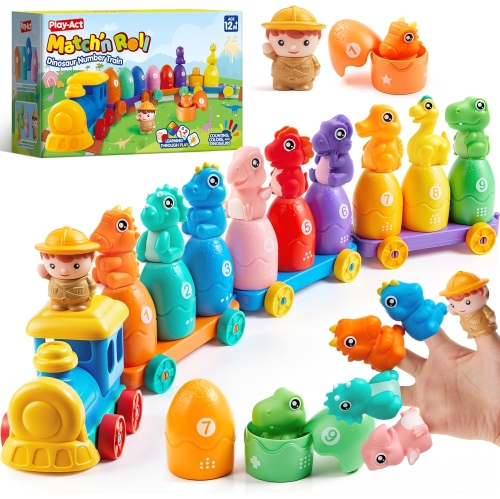
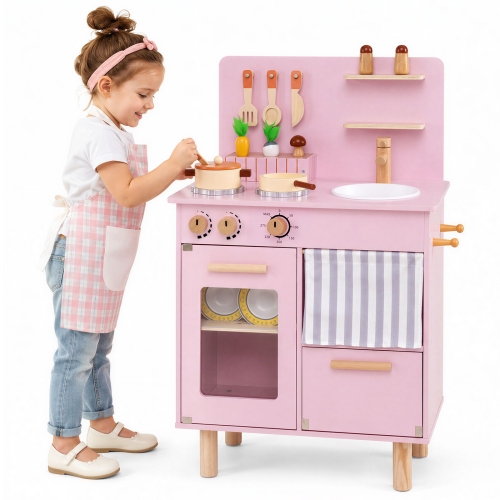
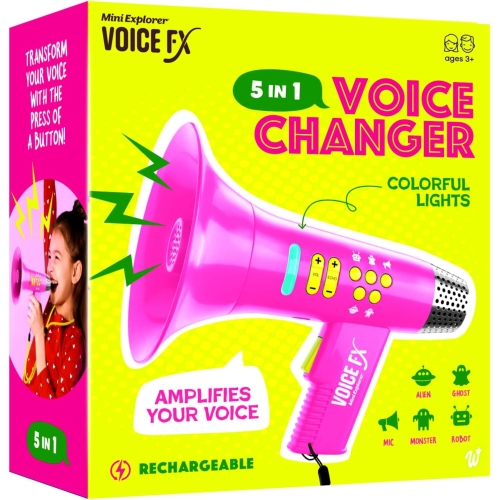
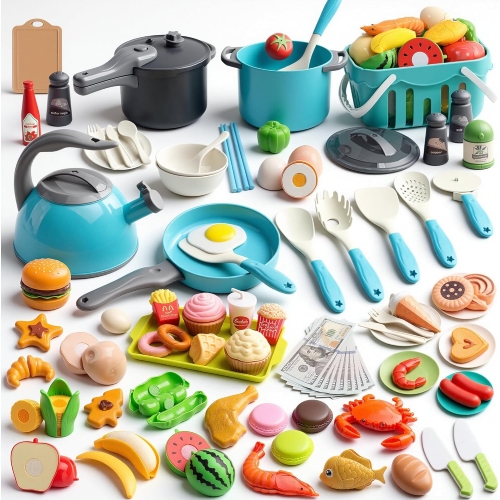
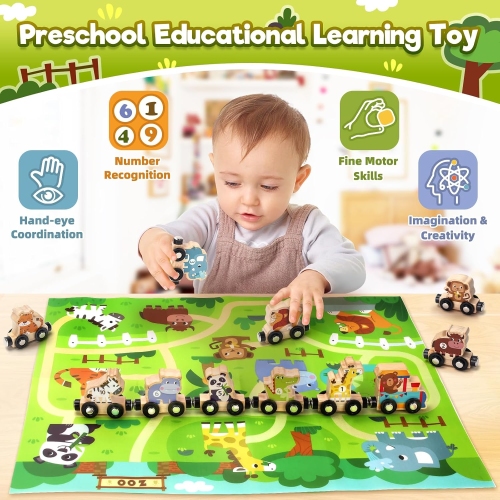
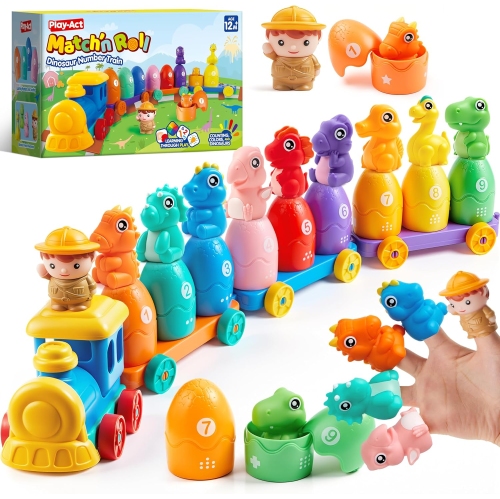
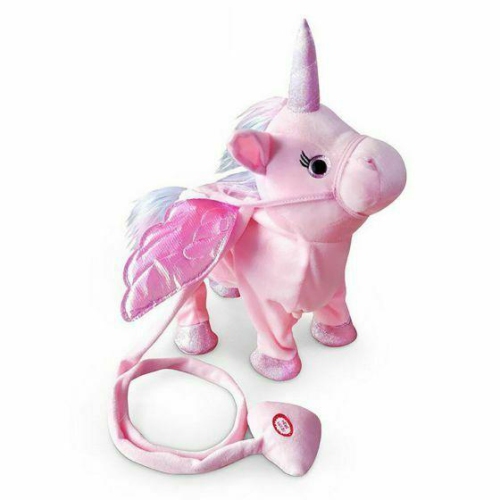
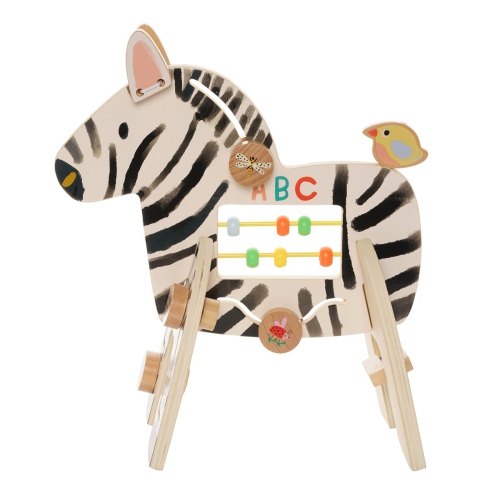
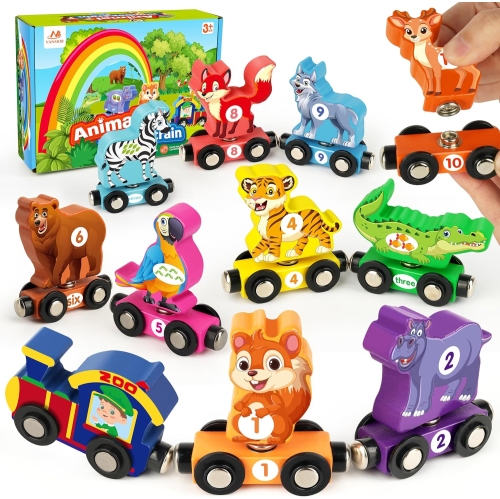
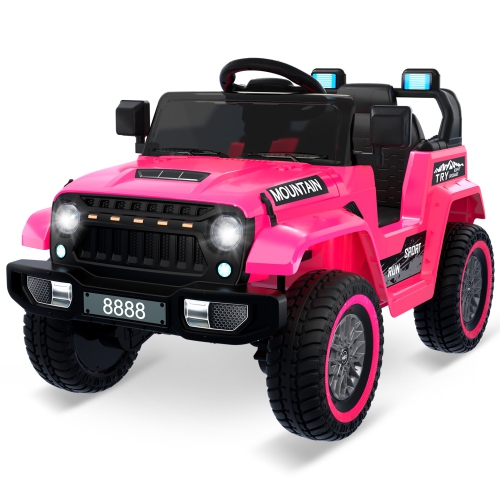
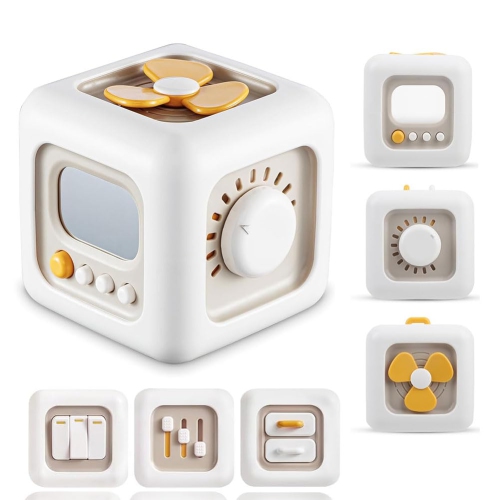
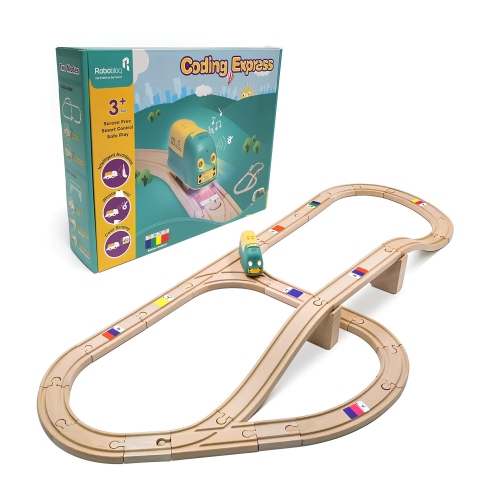
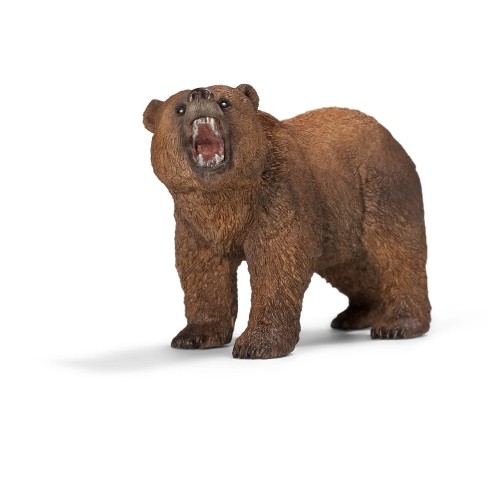
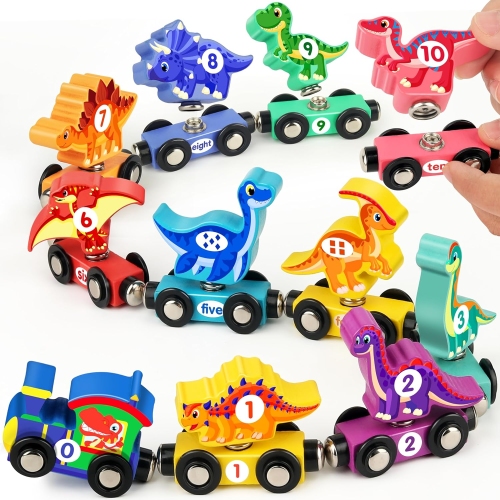
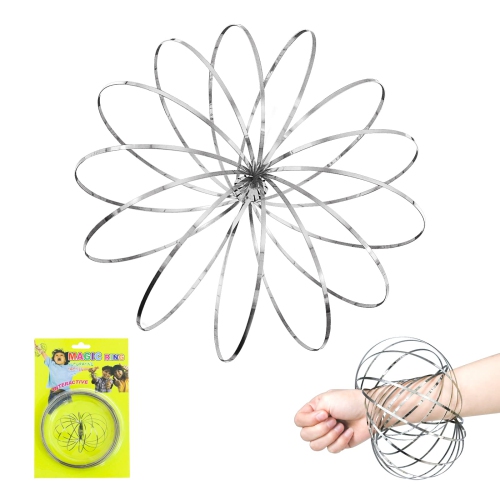

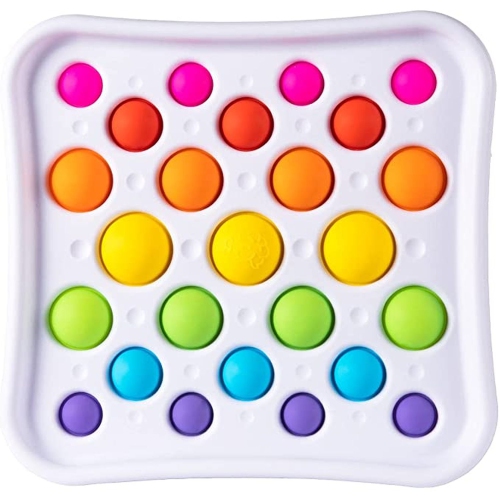
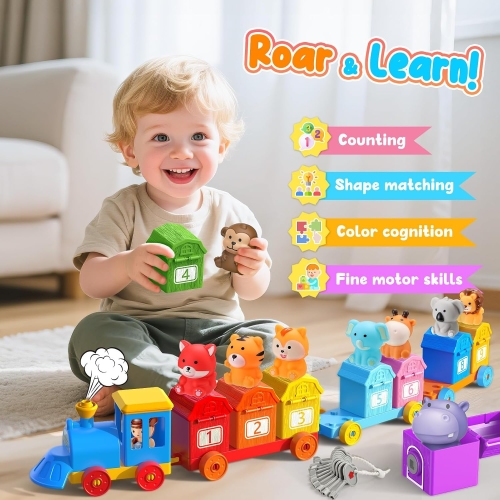

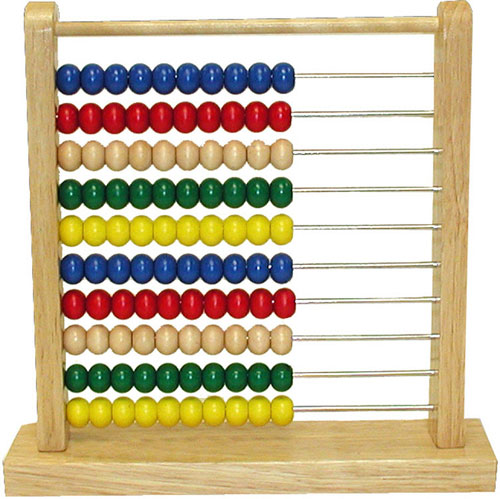
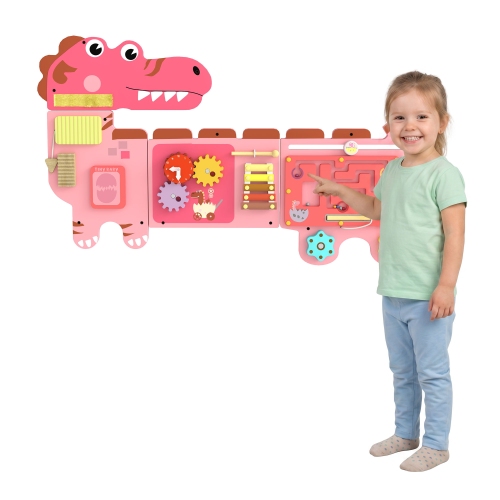
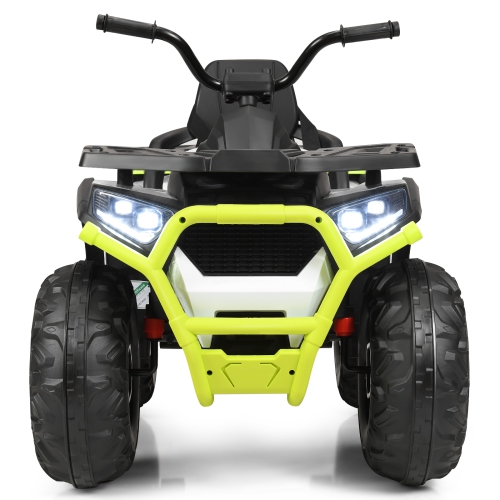
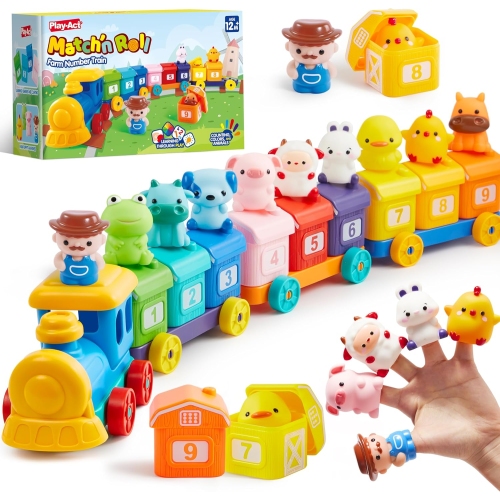
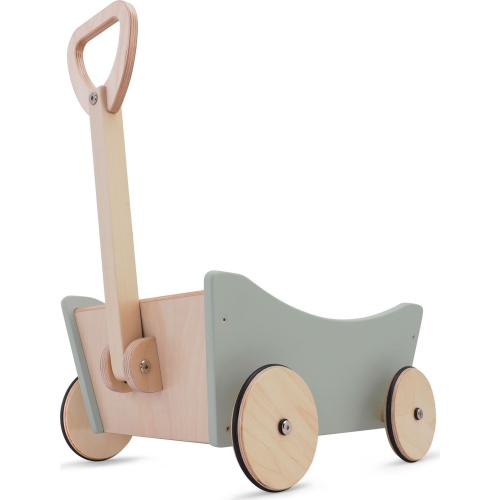
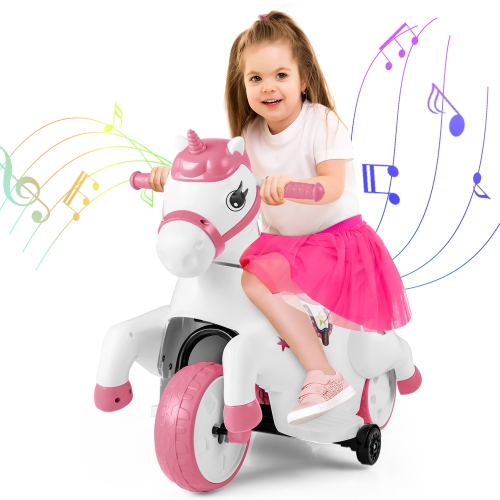
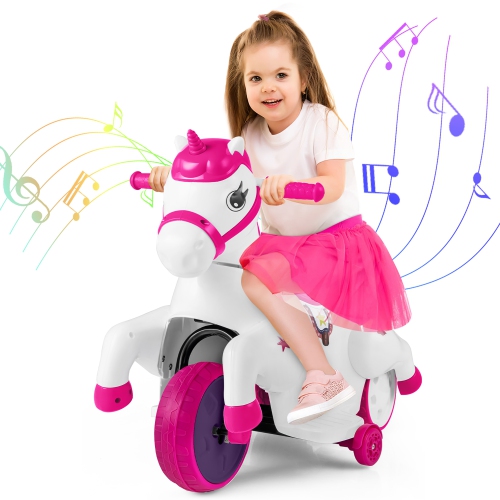
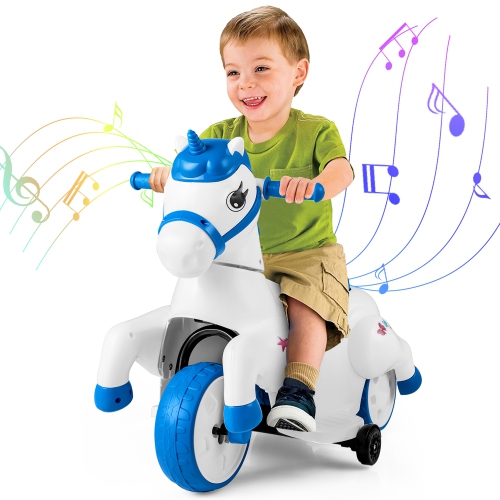
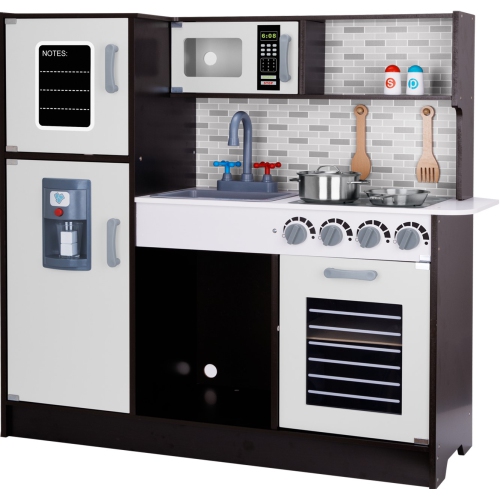
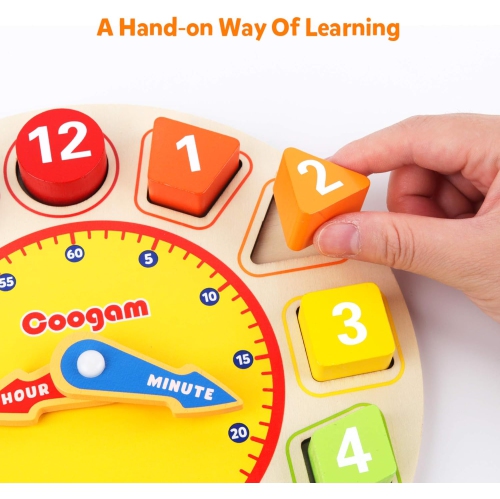
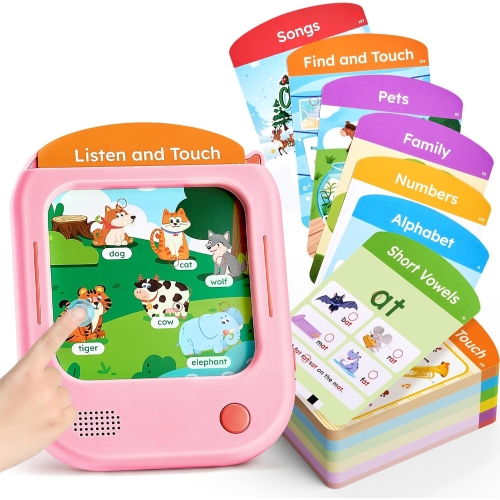
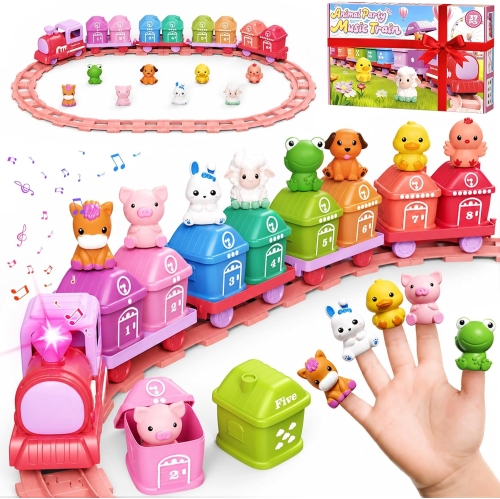
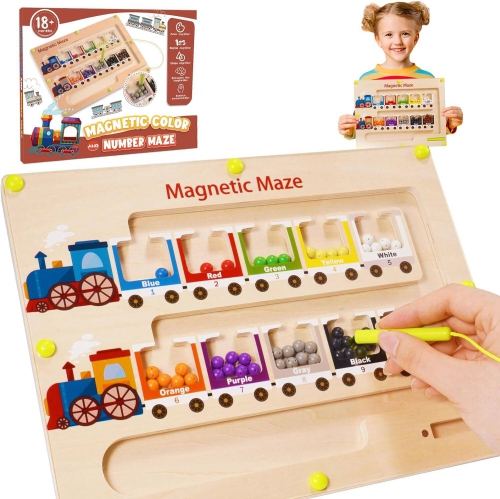
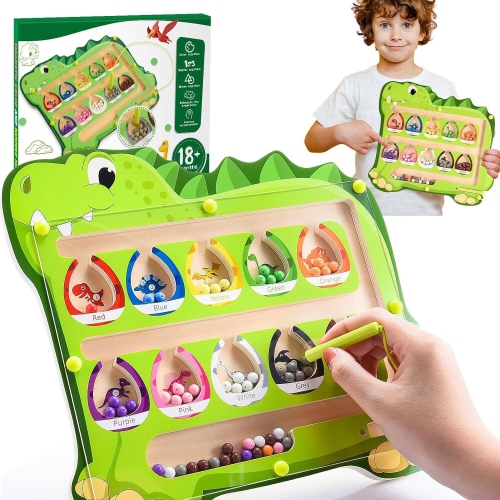
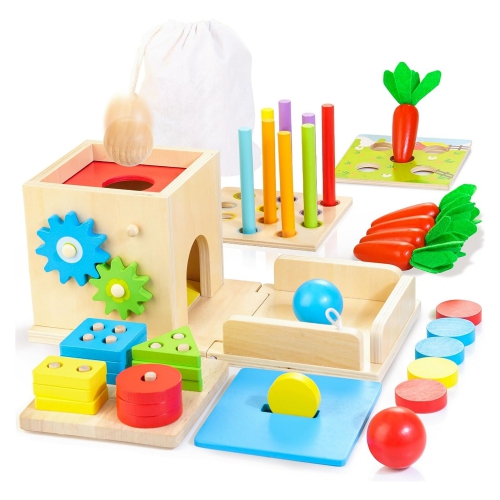
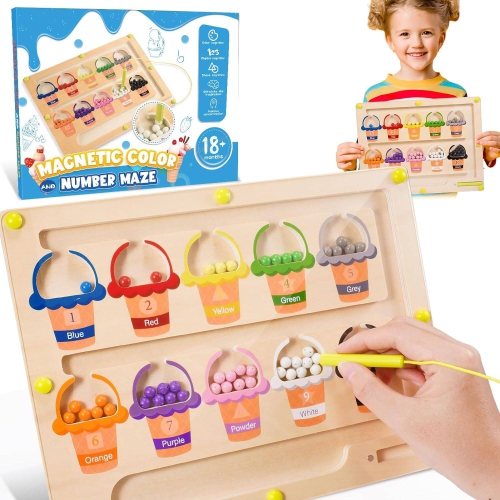
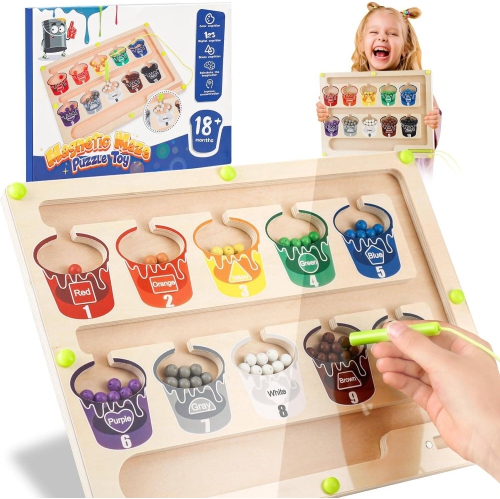
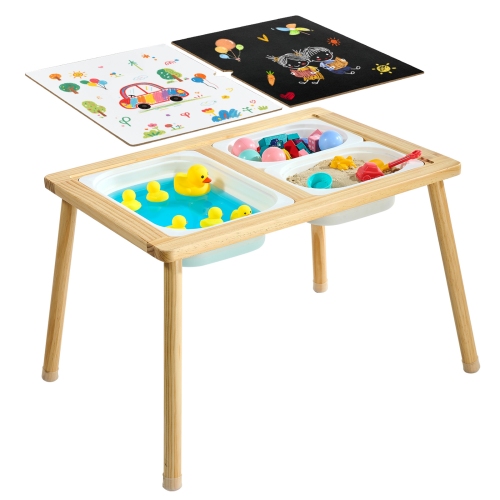
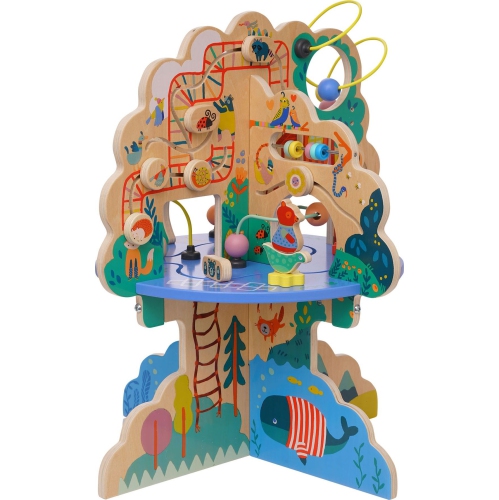
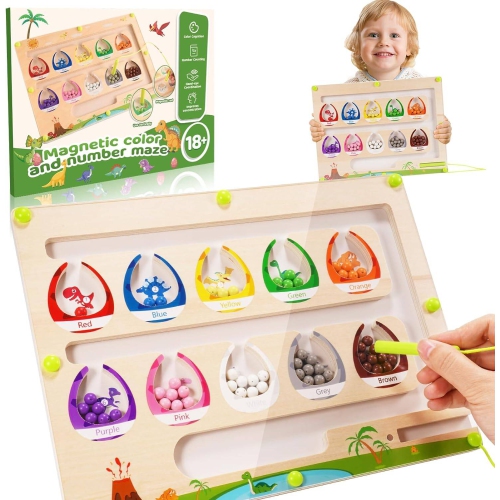
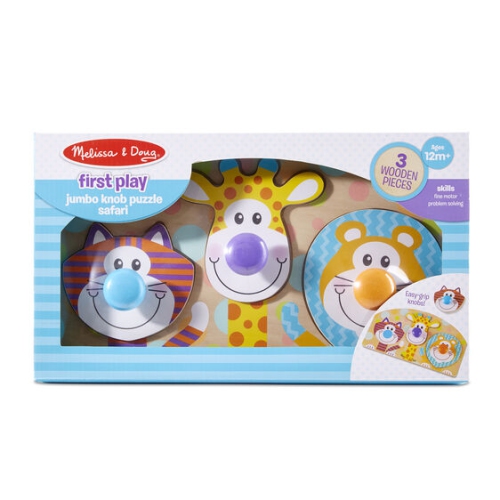
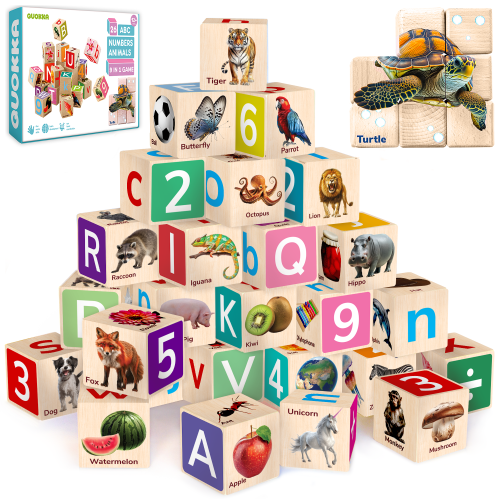
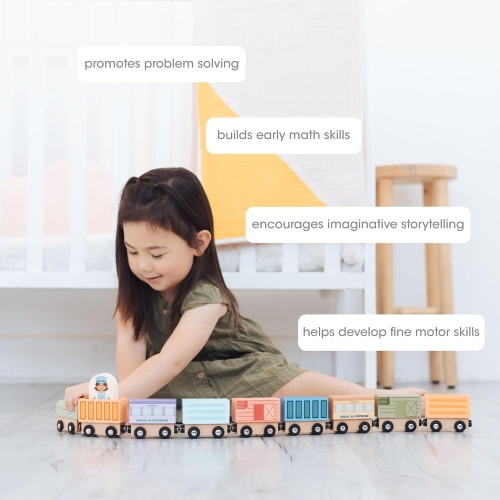
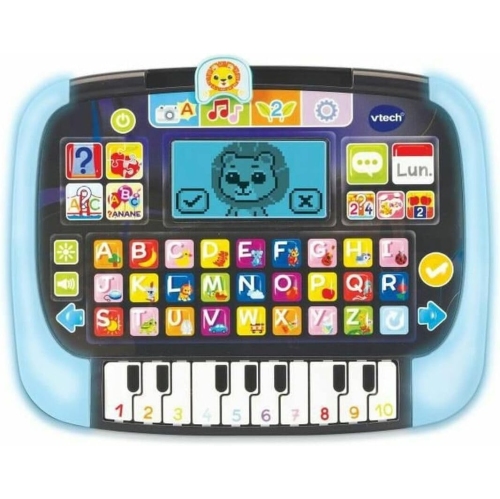
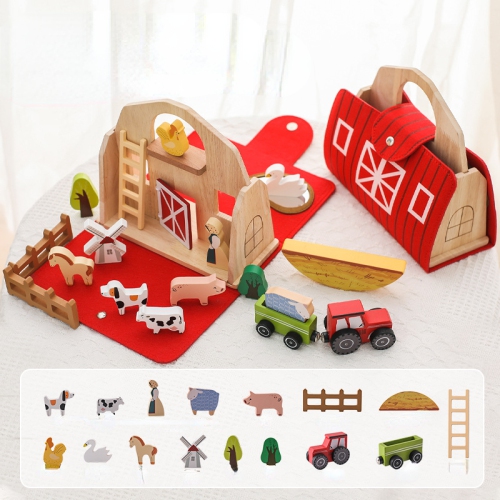
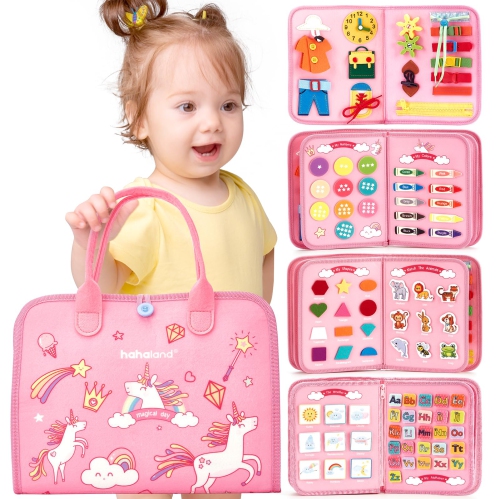
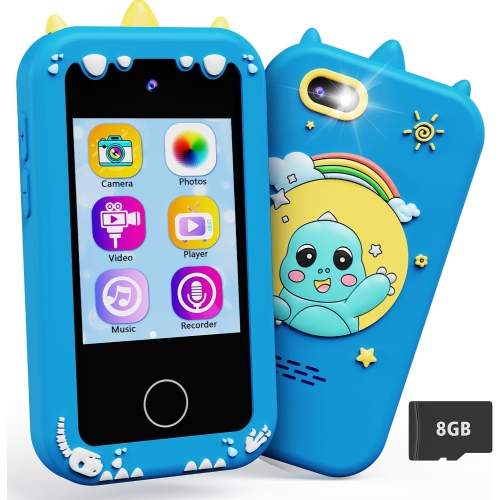

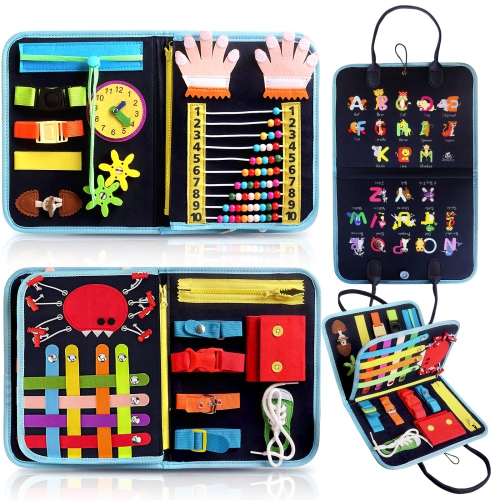
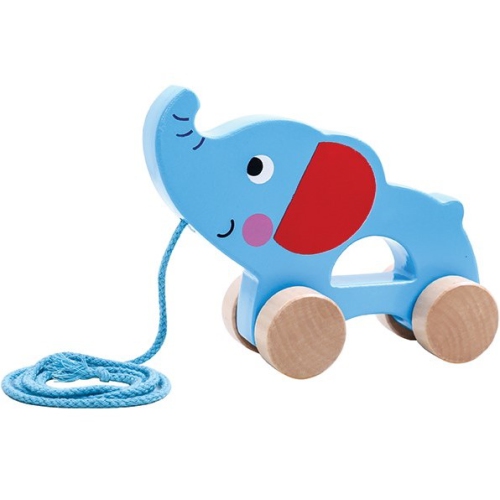
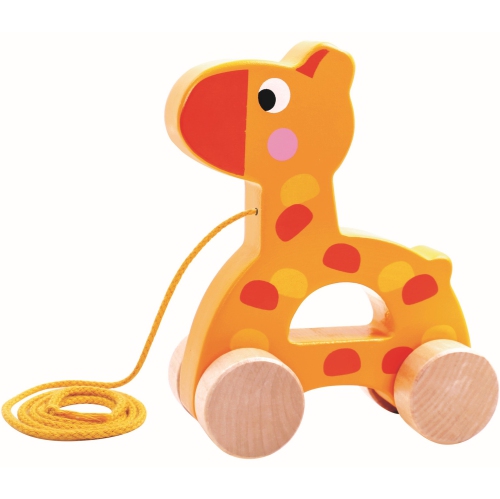
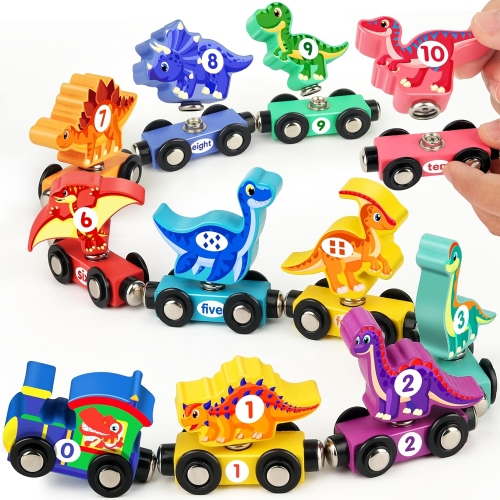

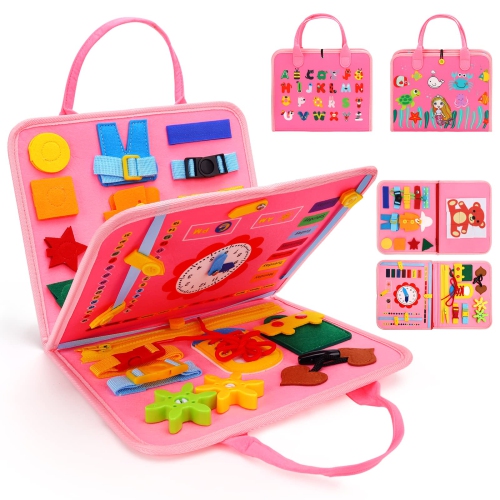
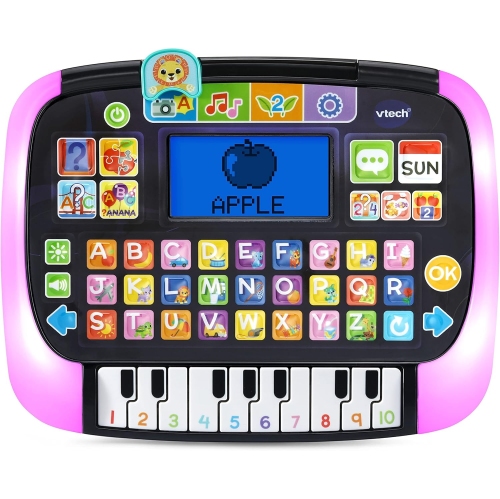
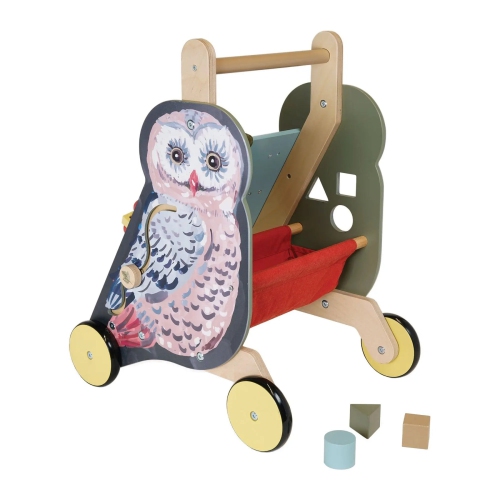
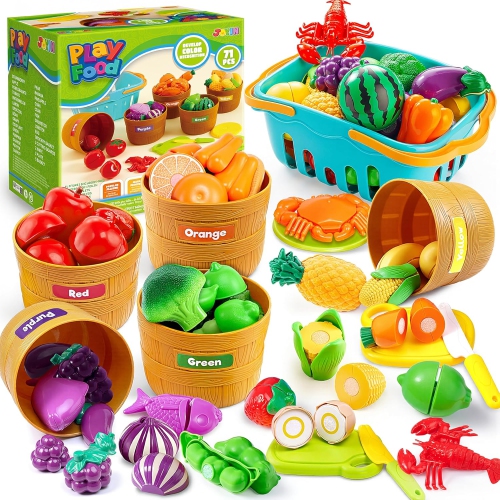
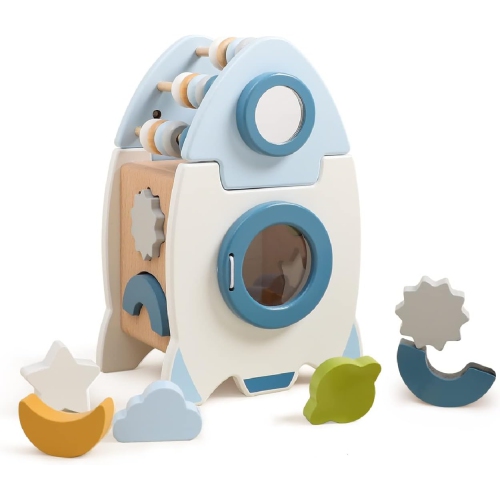

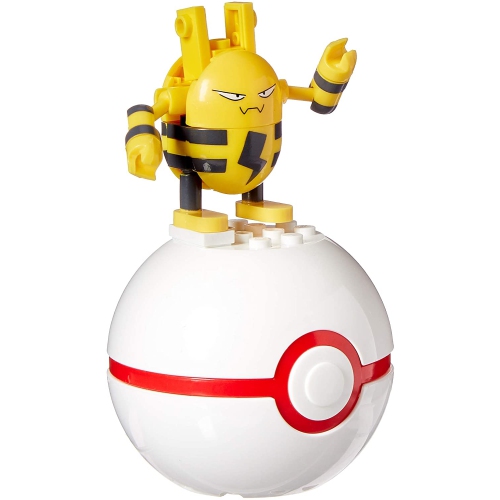
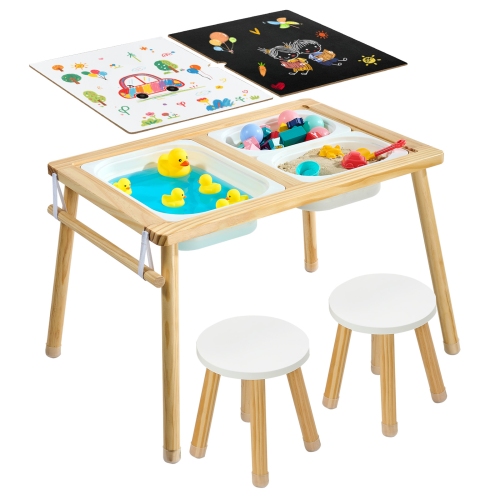
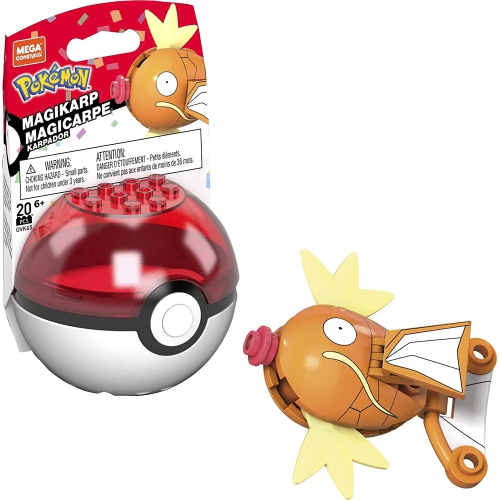
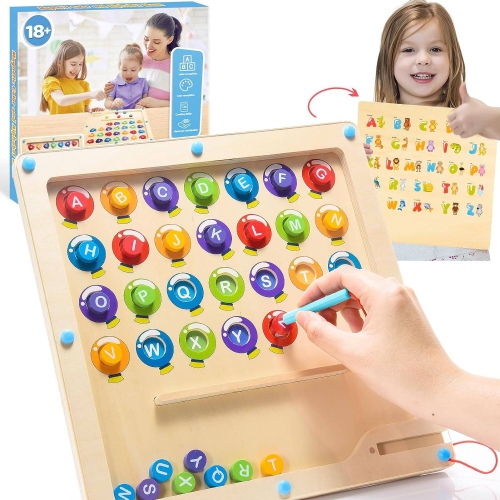
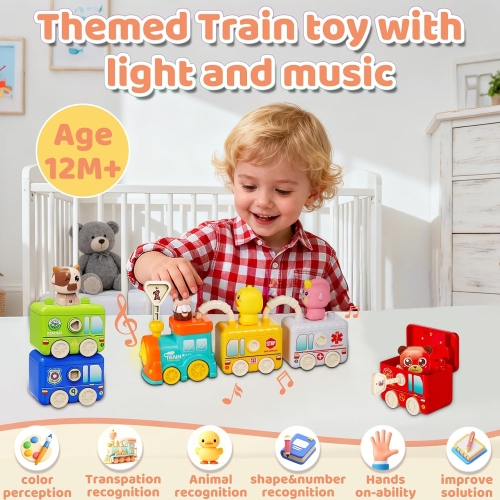
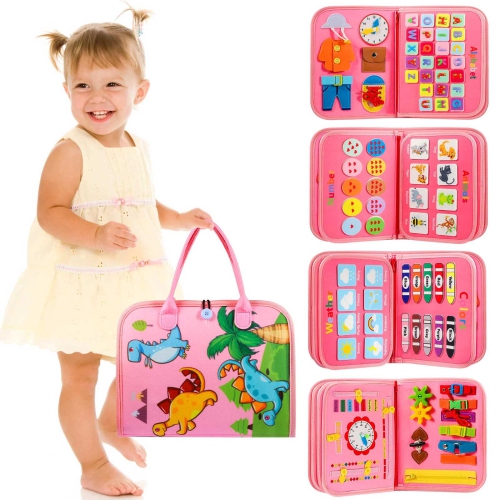
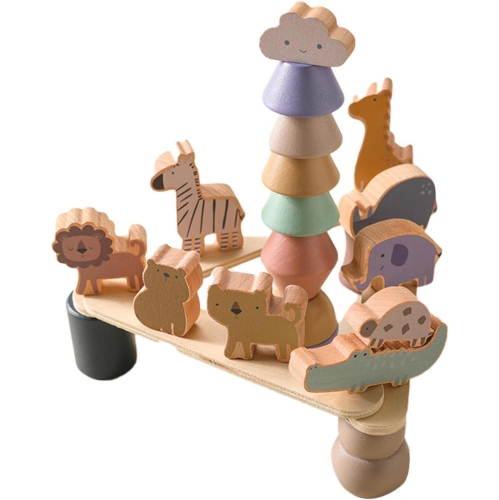
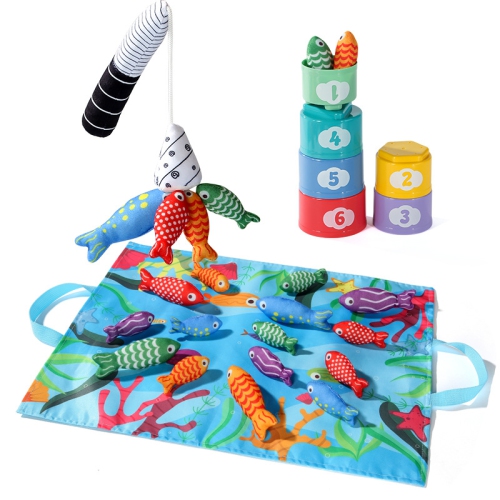
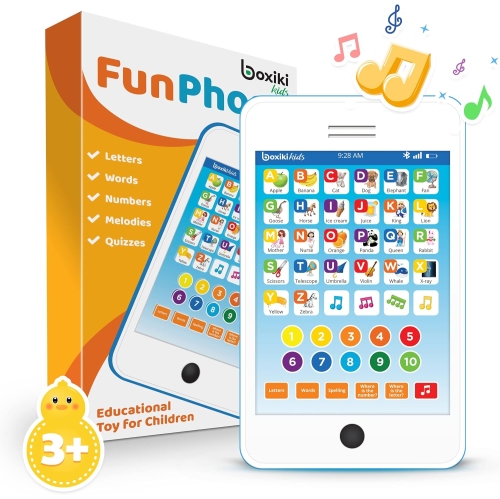
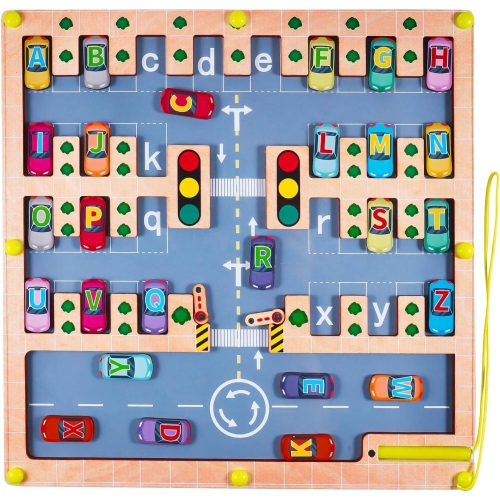
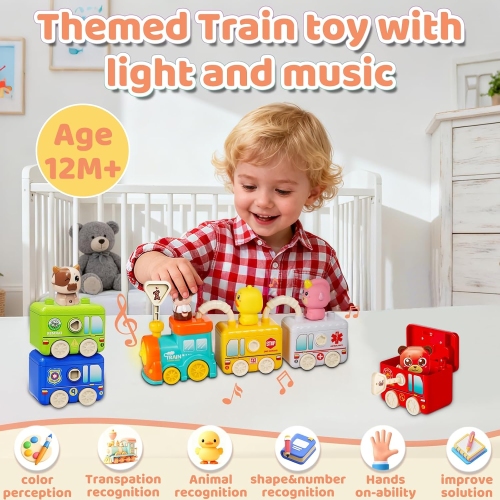
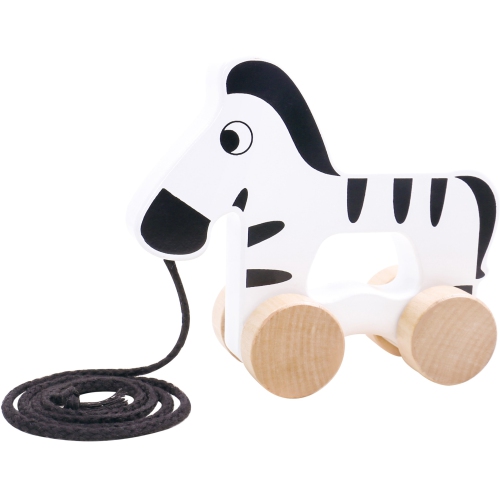
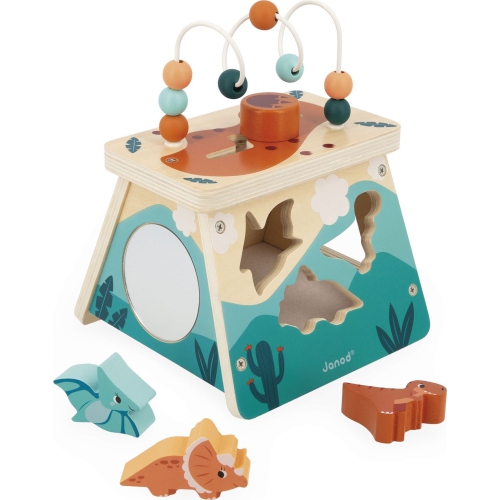
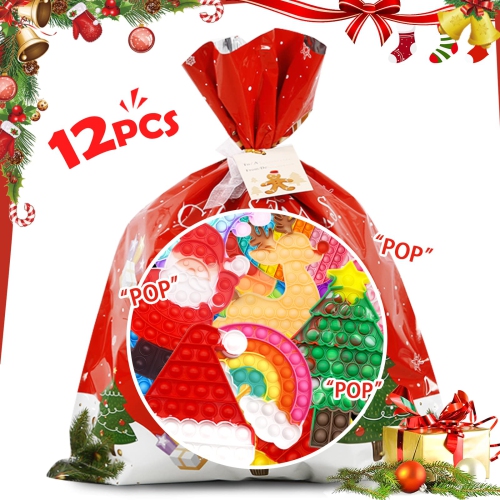
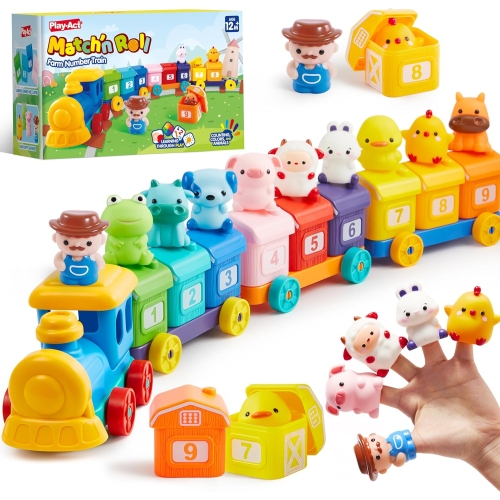
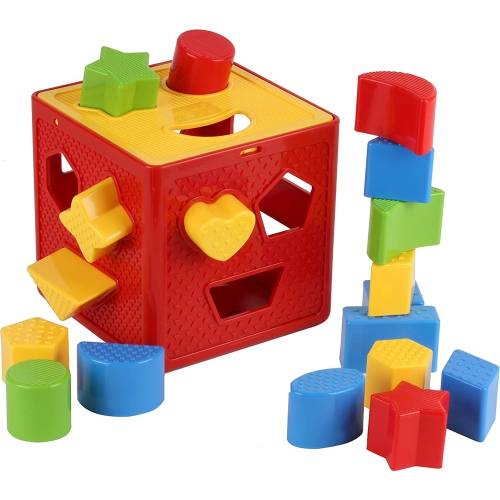
Where imaginative play meets early learning and growing independence
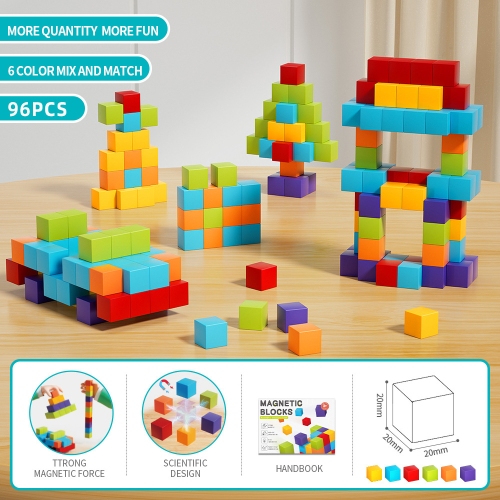
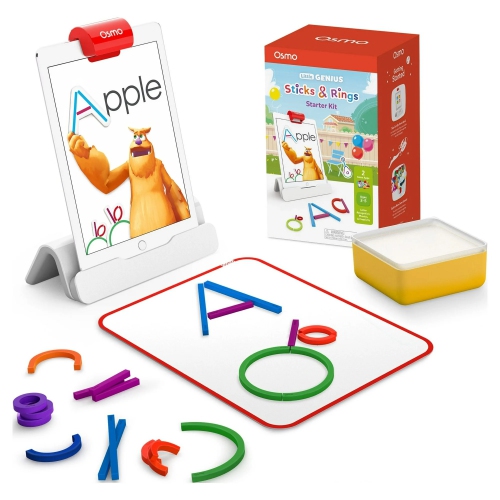
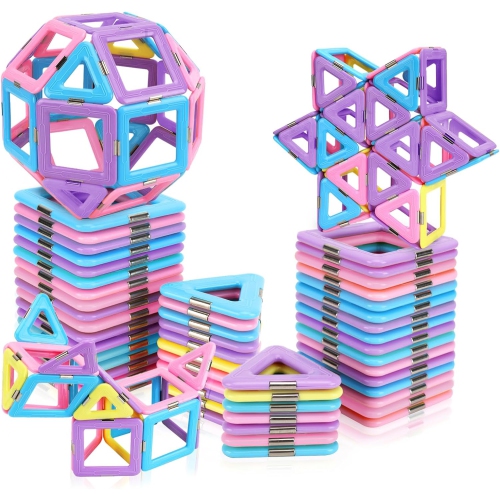
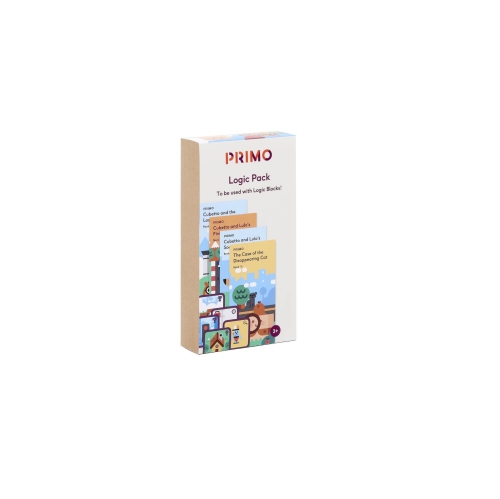
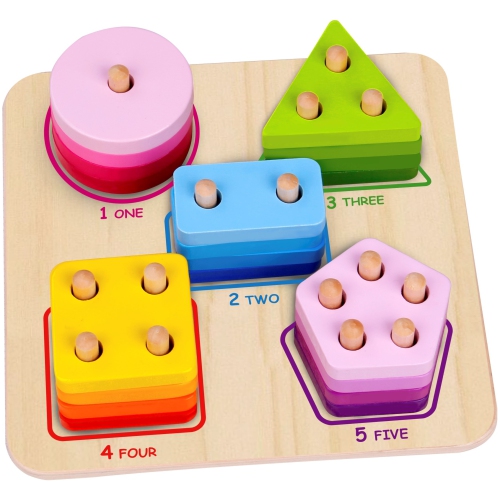
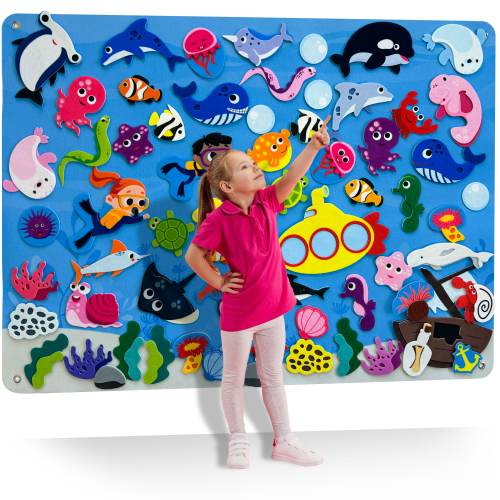
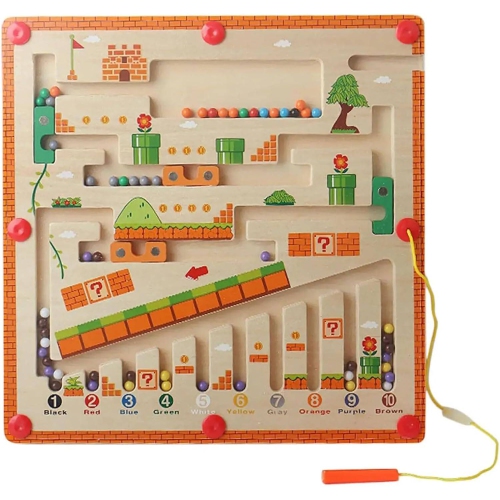
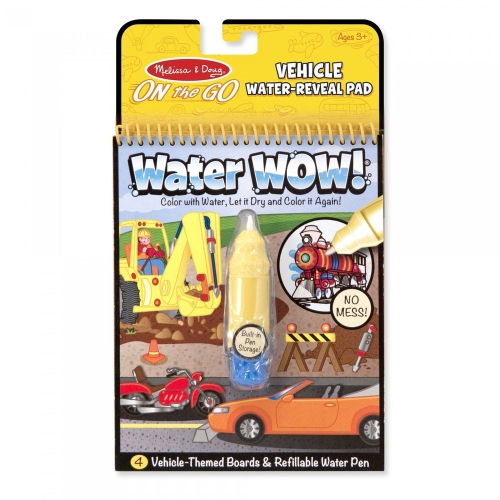
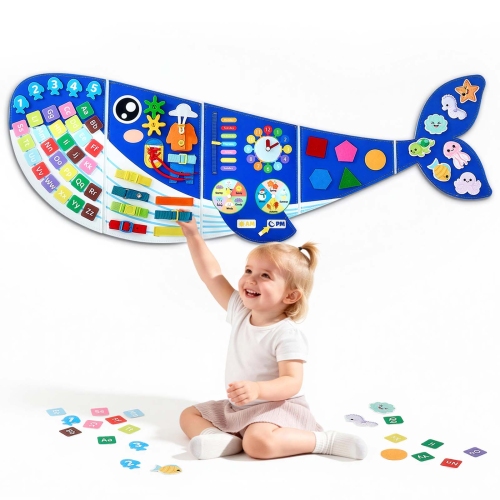
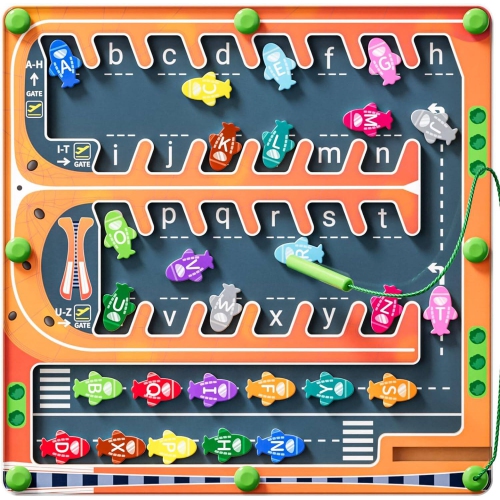
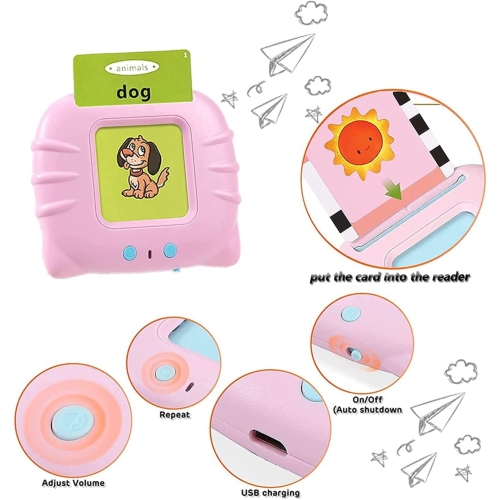
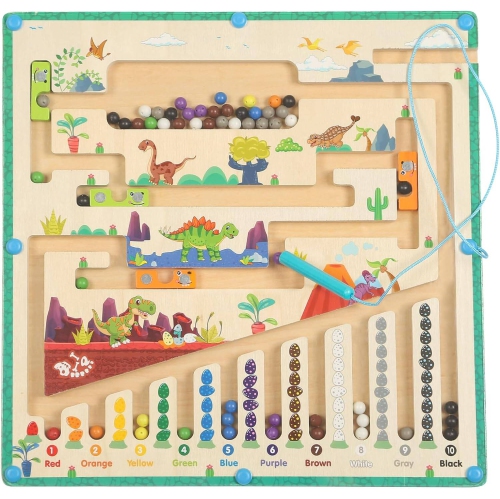
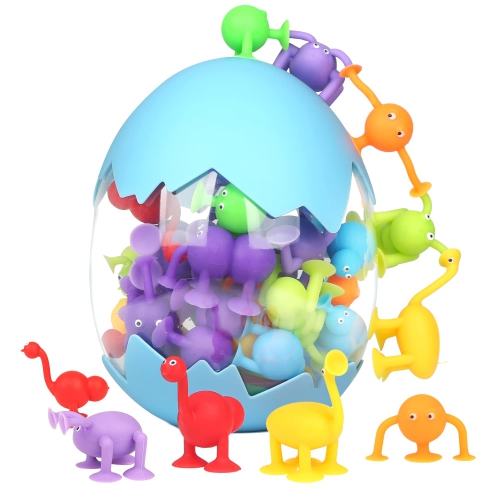
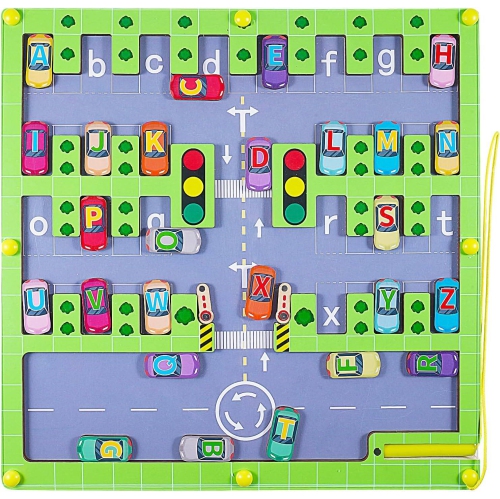
Toys for kindergarteners are designed for children who are becoming more independent, imaginative, and eager to understand how the world works. Typically suited to ages five and six, these toys can support the transition from preschool play to the more structured learning experiences of kindergarten while keeping curiosity and fun at the centre. At this age, children often move fluidly between make-believe and real-world practice: a building set may become a fire station, a set of counters may turn into pretend shop money, and a drawing activity may grow into an illustrated story. The best choices leave room for that flexibility. Look for toys that match a child’s interests while offering opportunities to practise early reading, counting, sorting, problem-solving, communication, and fine-motor skills. Letter and word games can make phonics, spelling, and sight-word recognition feel like play, especially when children can move pieces, match cards, or build simple words with their hands. Number-based activities can introduce counting, patterns, comparisons, and basic addition through colourful objects that are easy to handle. Building toys, magnetic construction pieces, puzzles, and beginner science activities encourage children to plan, test, adjust, and try again when a design does not work the first time. Art materials such as modelling compound, washable markers, crayons, and craft supplies also have an important place, helping children strengthen the small muscles used for writing while expressing ideas through colour, shape, and texture. For families comparing options across age groups, Educational Toys for Preschoolers can offer additional inspiration for younger siblings or children who enjoy simpler activities alongside their kindergarten-level toys.
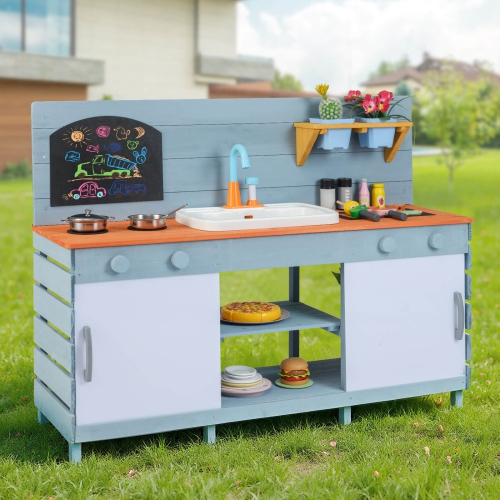
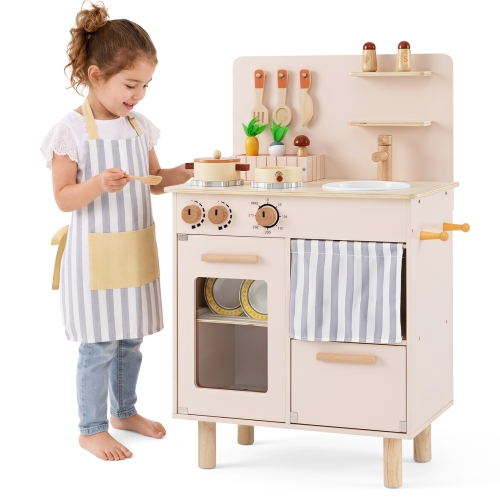
When choosing toys for kindergarteners, consider how the toy will be used, where it will be stored, and whether it suits one child, siblings, classmates, or a small group of friends. A child who enjoys quiet concentration may spend a long afternoon completing a puzzle, arranging magnetic pieces into a tall structure, or sounding out words one letter at a time. Another may learn best while moving, acting out a story, playing a matching game, or sorting objects across the floor. Open-ended toys are especially useful because they can grow with a child’s abilities. A set of construction pieces might first be used to copy a simple model, then become a bridge, a garage, or an elaborate imaginary city. Pretend-play toys can help children practise everyday language and social skills as they take turns being a teacher, parent, shopkeeper, doctor, chef, or customer. Play kitchens, doll accessories, toy vehicles, dress-up items, and classroom-themed activities can all provide a setting for storytelling and cooperation without requiring a single correct outcome. For early learning activities, clear instructions and an appropriate level of challenge matter. Children should be able to understand the basic goal, yet still have room to make choices and experience small successes. Consider large, easy-to-grip pieces for children who are still developing hand control, sturdy storage cases for playrooms and classrooms, and games with short rounds when attention spans vary. It is also helpful to choose toys that can be used away from a table, since a floor, reading corner, or quiet spot under a blanket can become an inviting place for play. During the warmer part of the year, these activities can move outdoors for imaginative construction, drawing, or group games; during cooler months, they can help create a welcoming indoor routine after school or on weekends.
Toys for kindergarteners can make thoughtful gifts for birthdays, classroom celebrations, family visits, or seasonal gatherings because they combine entertainment with opportunities to practise skills children are already encountering at school. A gift does not need to be complicated to be memorable. A child may remember the satisfaction of building a tower that reaches the coffee table, the laughter that comes from a pretend restaurant order, or the pride of reading a newly mastered word aloud to a family member. When selecting a gift, think about the child’s personality, current interests, and play environment rather than choosing only by appearance. A child who loves stories may enjoy puppets, character figures, or props that encourage retelling familiar adventures. A budding designer may prefer construction materials, beginner robotics, or pattern-based activities. Children who enjoy games can benefit from matching, memory, counting, or cooperative play that teaches turn-taking without making every activity feel like a lesson. For classrooms, daycare spaces, and homes with several children, versatile toys with multiple ways to play can support different skill levels at once. Safety and practicality are important as well: check the recommended age range, supervise activities involving small parts, and consider whether materials are easy to clean and store between play sessions. The most successful toys for kindergarteners tend to invite repeated use, whether that means rebuilding a favourite structure, inventing a new pretend scenario, or returning to a word or number game with growing confidence. With the right mix of creative, active, and learning-focused options, children can explore ideas at their own pace while developing the skills, imagination, and self-assurance that make everyday play so rewarding.
When choosing toys for kindergarteners, consider how the toy will be used, where it will be stored, and whether it suits one child, siblings, classmates, or a small group of friends. A child who enjoys quiet concentration may spend a long afternoon completing a puzzle, arranging magnetic pieces into a tall structure, or sounding out words one letter at a time. Another may learn best while moving, acting out a story, playing a matching game, or sorting objects across the floor. Open-ended toys are especially useful because they can grow with a child’s abilities. A set of construction pieces might first be used to copy a simple model, then become a bridge, a garage, or an elaborate imaginary city. Pretend-play toys can help children practise everyday language and social skills as they take turns being a teacher, parent, shopkeeper, doctor, chef, or customer. Play kitchens, doll accessories, toy vehicles, dress-up items, and classroom-themed activities can all provide a setting for storytelling and cooperation without requiring a single correct outcome. For early learning activities, clear instructions and an appropriate level of challenge matter. Children should be able to understand the basic goal, yet still have room to make choices and experience small successes. Consider large, easy-to-grip pieces for children who are still developing hand control, sturdy storage cases for playrooms and classrooms, and games with short rounds when attention spans vary. It is also helpful to choose toys that can be used away from a table, since a floor, reading corner, or quiet spot under a blanket can become an inviting place for play. During the warmer part of the year, these activities can move outdoors for imaginative construction, drawing, or group games; during cooler months, they can help create a welcoming indoor routine after school or on weekends.
Toys for kindergarteners can make thoughtful gifts for birthdays, classroom celebrations, family visits, or seasonal gatherings because they combine entertainment with opportunities to practise skills children are already encountering at school. A gift does not need to be complicated to be memorable. A child may remember the satisfaction of building a tower that reaches the coffee table, the laughter that comes from a pretend restaurant order, or the pride of reading a newly mastered word aloud to a family member. When selecting a gift, think about the child’s personality, current interests, and play environment rather than choosing only by appearance. A child who loves stories may enjoy puppets, character figures, or props that encourage retelling familiar adventures. A budding designer may prefer construction materials, beginner robotics, or pattern-based activities. Children who enjoy games can benefit from matching, memory, counting, or cooperative play that teaches turn-taking without making every activity feel like a lesson. For classrooms, daycare spaces, and homes with several children, versatile toys with multiple ways to play can support different skill levels at once. Safety and practicality are important as well: check the recommended age range, supervise activities involving small parts, and consider whether materials are easy to clean and store between play sessions. The most successful toys for kindergarteners tend to invite repeated use, whether that means rebuilding a favourite structure, inventing a new pretend scenario, or returning to a word or number game with growing confidence. With the right mix of creative, active, and learning-focused options, children can explore ideas at their own pace while developing the skills, imagination, and self-assurance that make everyday play so rewarding.
Top selling and popular products
-
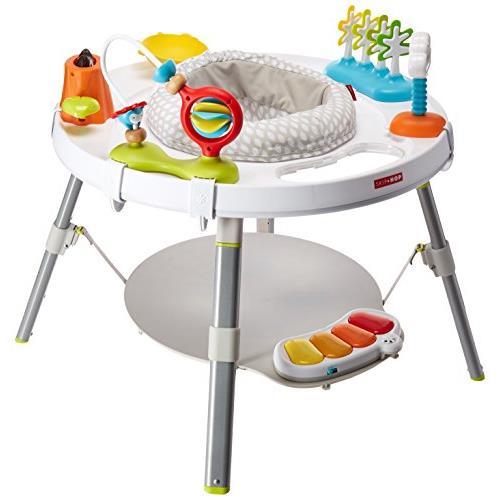 Your price for this item is $299.13
 -
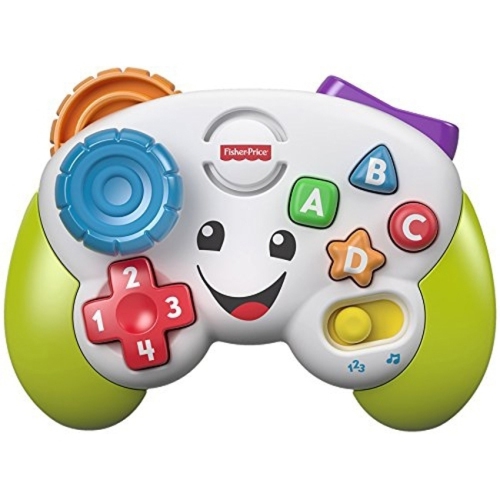 Your price for this item is $24.28
 -
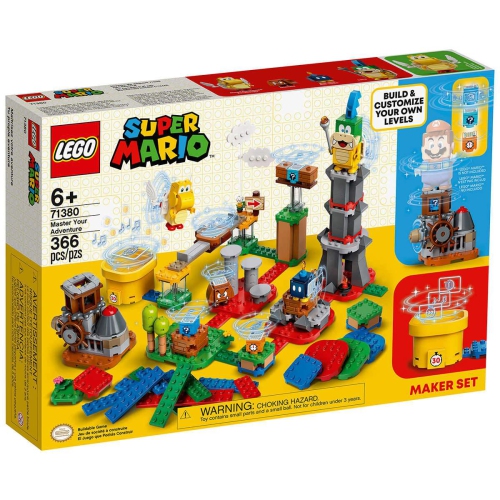 Your price for this item is $103.27
 -
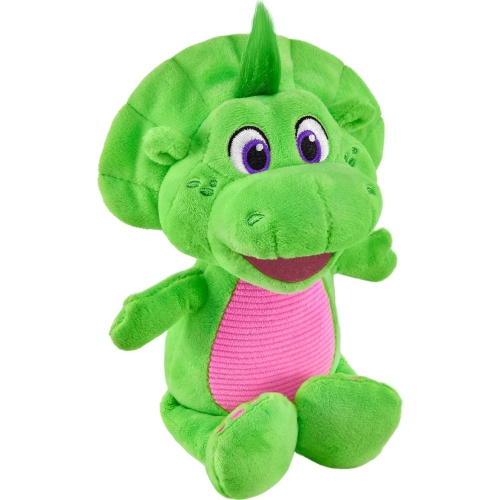 Your price for this item is $17.24
 -
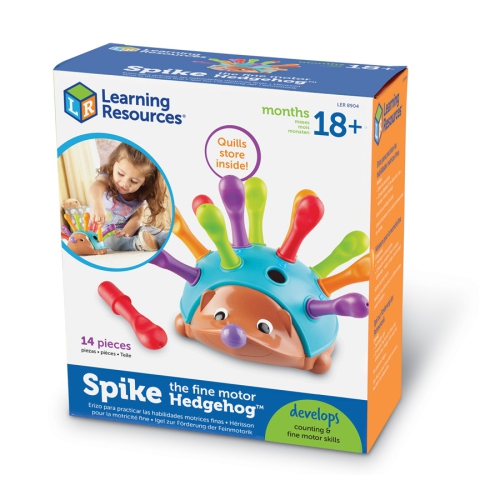 Your price for this item is $56.13
 -
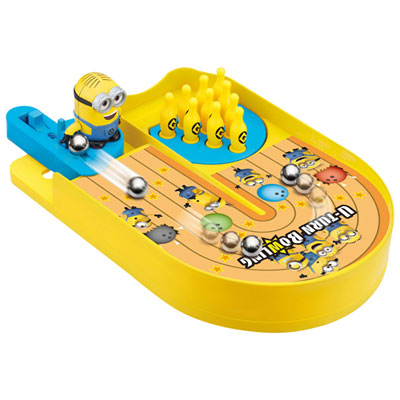 Your price for this item is $19.99
 -
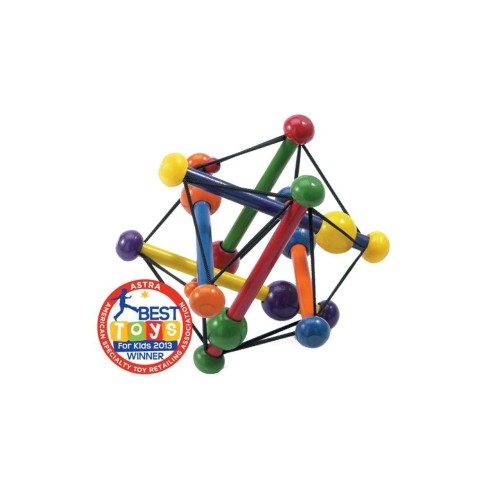 Your price for this item is $29.99
 -
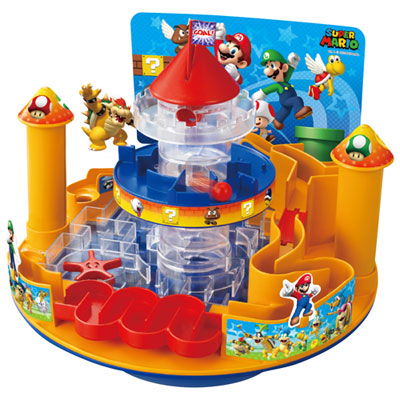 Your price for this item is $39.99
Discover more categories related to Toys for Kindergarteners
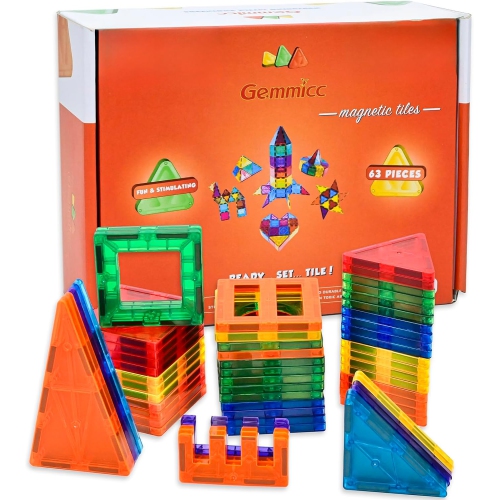
Top Collections:
Pokemon Centers, Best Cameras for Sports Photography, Kindle Devices, Samsung Galaxy Phones, Canon G7X Cameras, Pokémon 30th Celebration Cards, Refurbished Apple Laptops, iPhone 15 Apple, Laptops for Students, Budget Smartphones
Some products may be subject to Environmental Handling Fees
(EHF) depending on your province.
Learn more about EHFs.