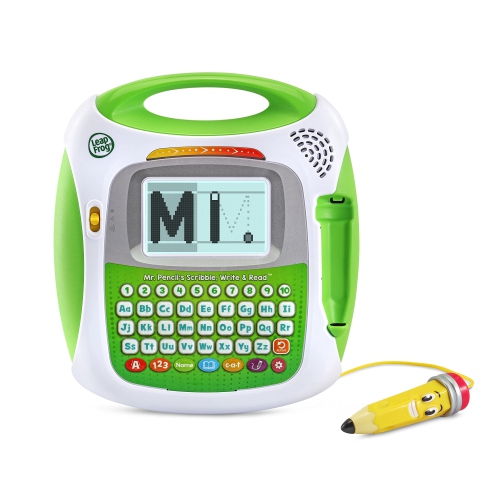
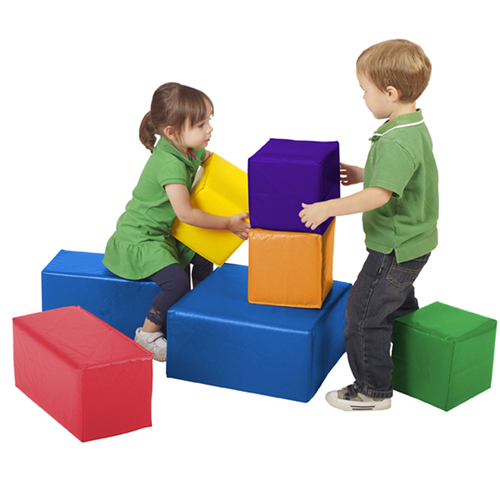
Hands-on Learning Toys
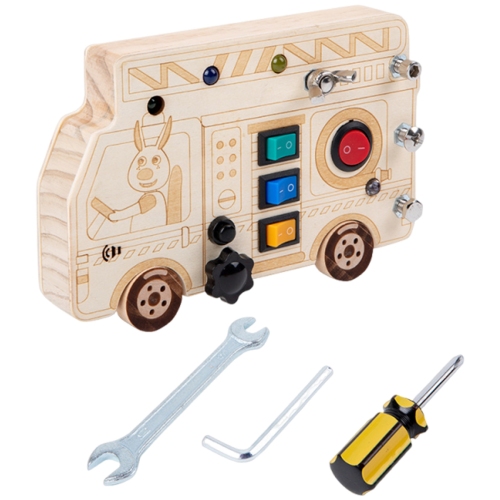
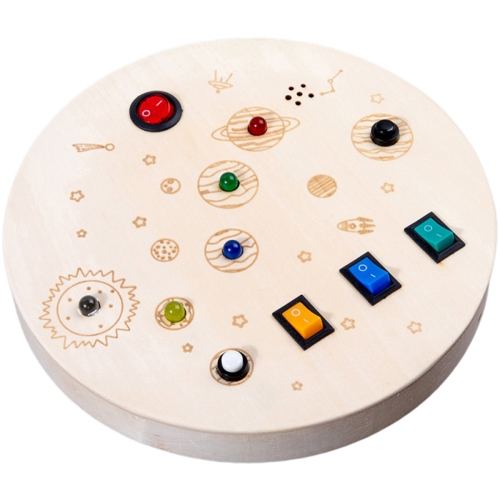
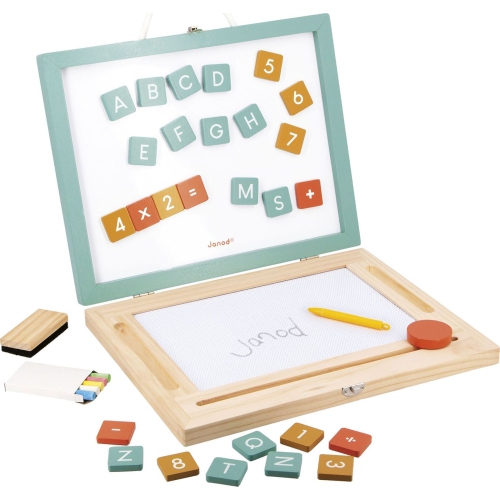
Nurture curiosity and creativity with hands-on learning toys that transform playtime into an educational adventure. These engaging toys are designed to stimulate young minds, encouraging exploration and problem-solving skills through interactive experiences. Whether it's building structures, experimenting with colors, or discovering the wonders of science, hands-on learning toys provide endless opportunities for children to learn while having fun. Perfect for sparking imagination and fostering a love for learning, these toys are ideal companions on your child's developmental journey. Dive into a world where play meets education and watch as little ones thrive in an environment that celebrates discovery and growth.
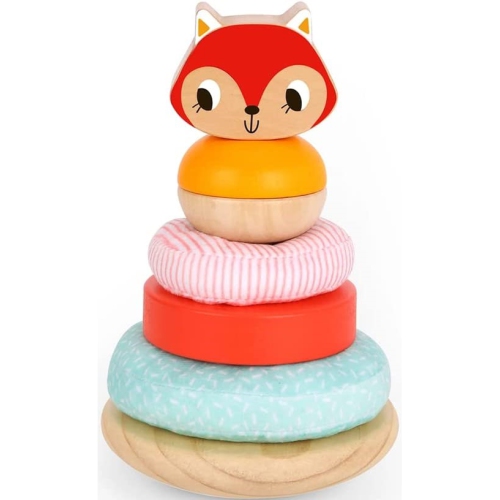
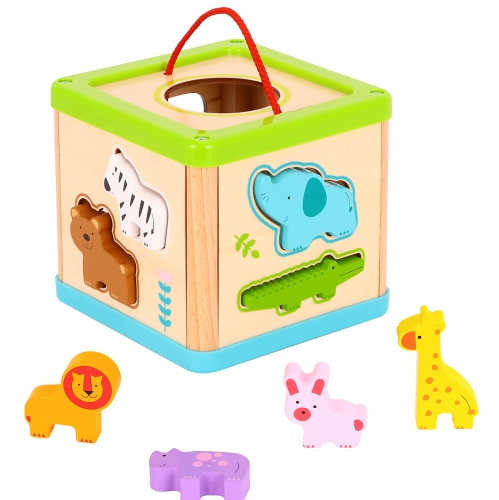





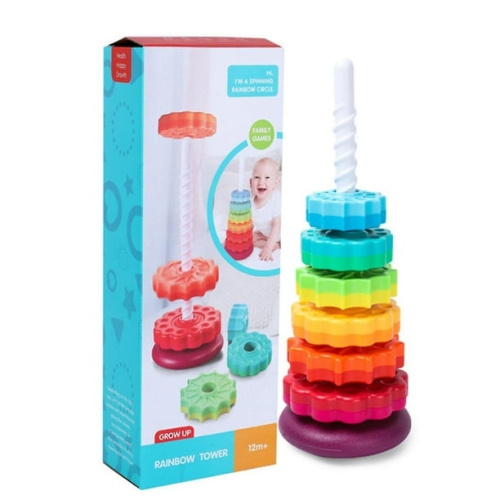









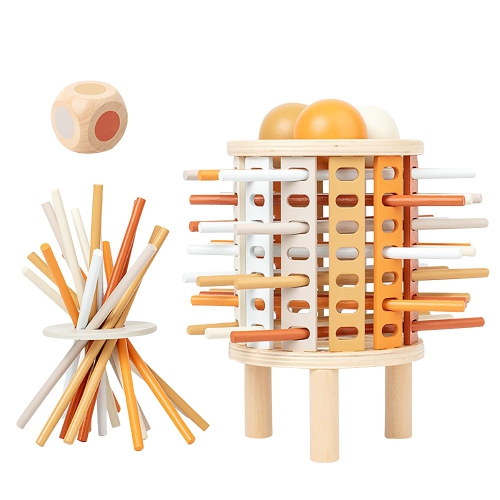

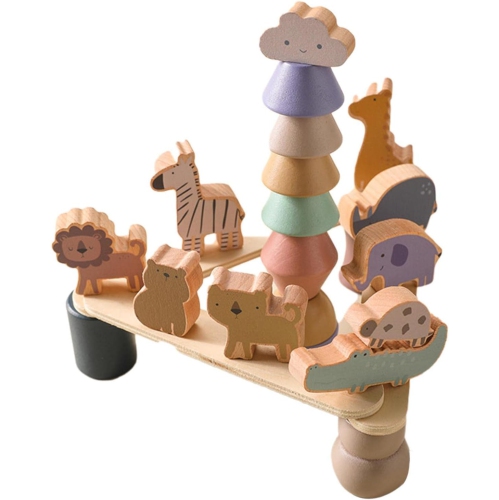
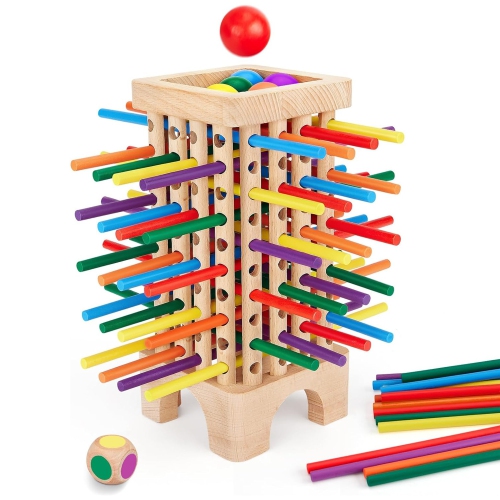








Why a toppling tower can be a learning moment
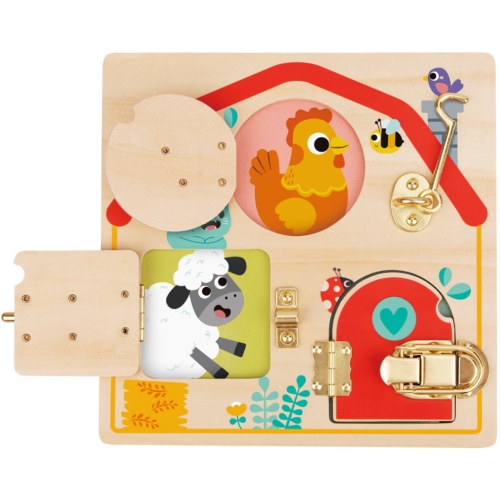
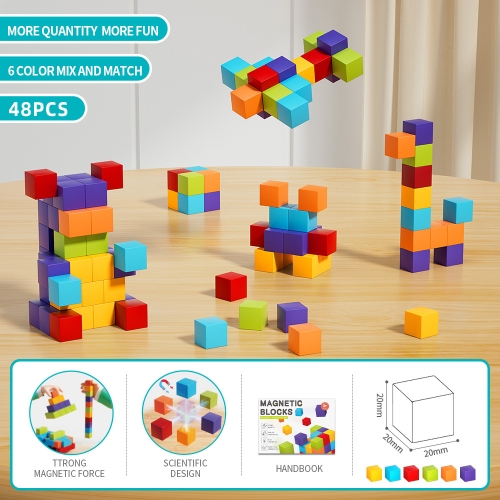
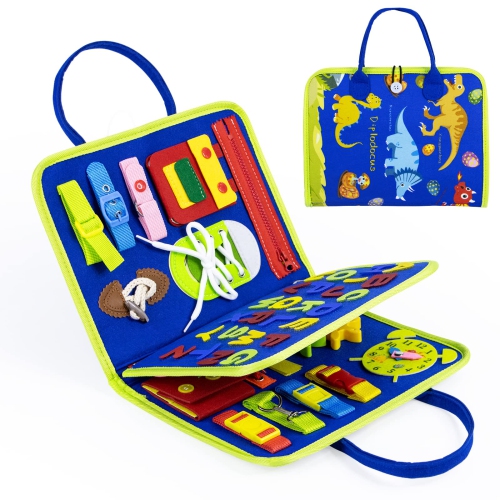
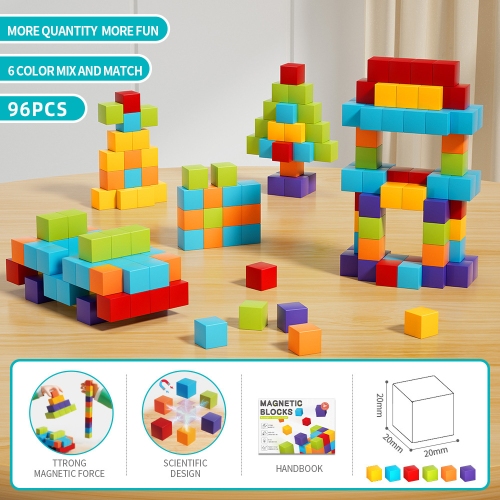
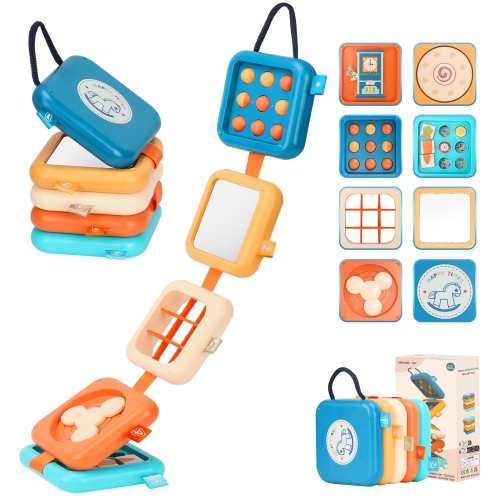
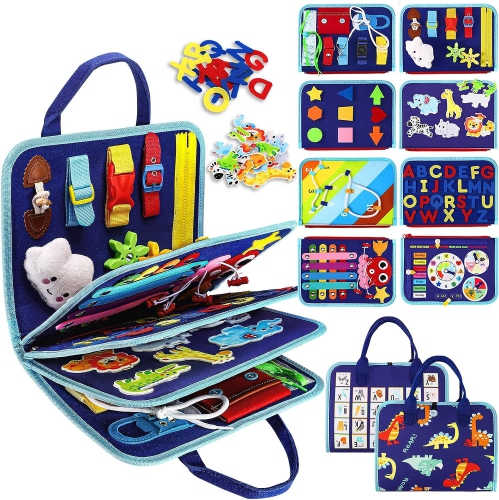
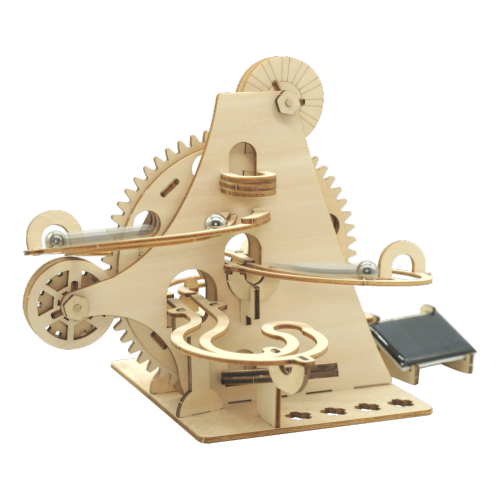
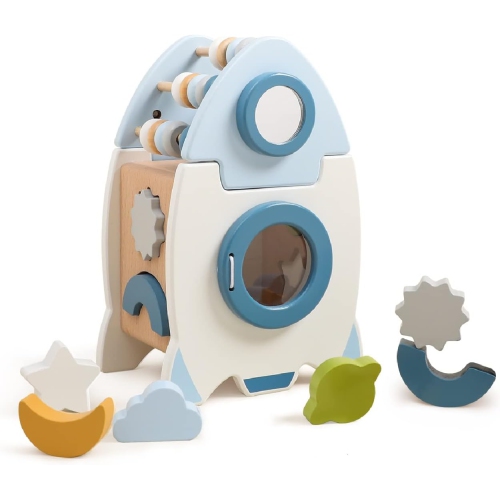
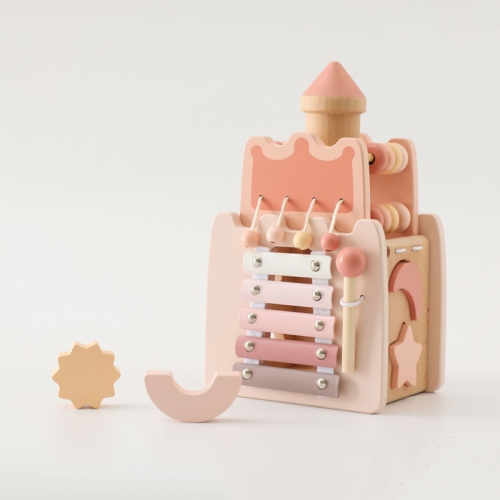
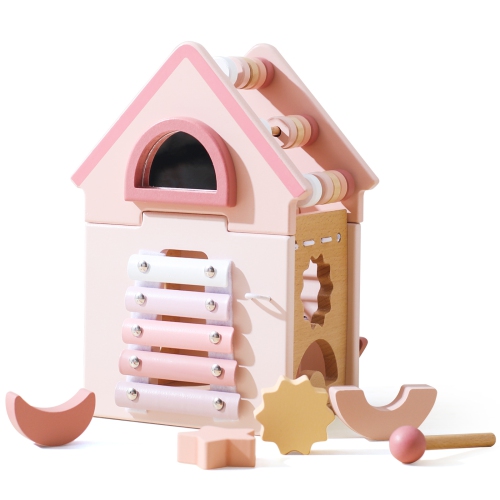
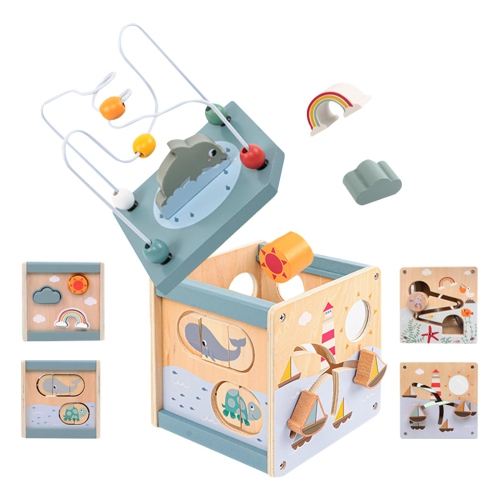
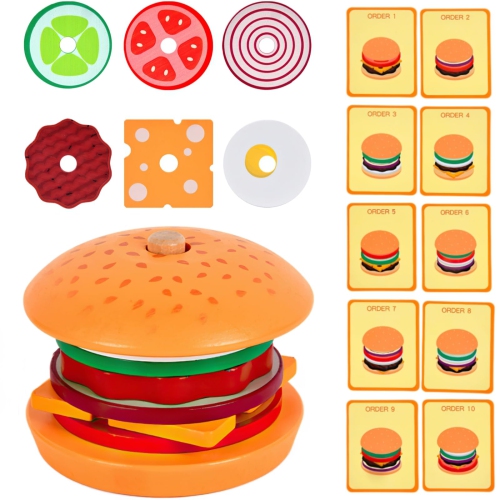
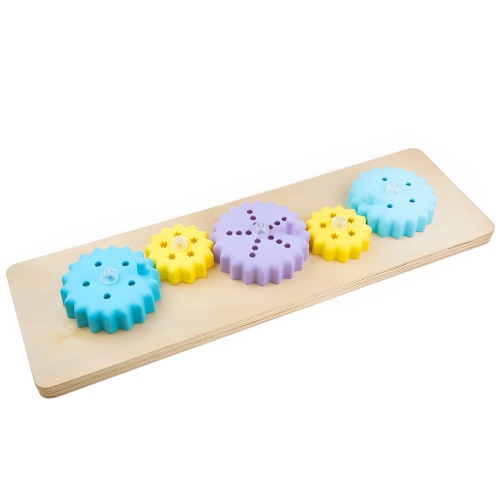
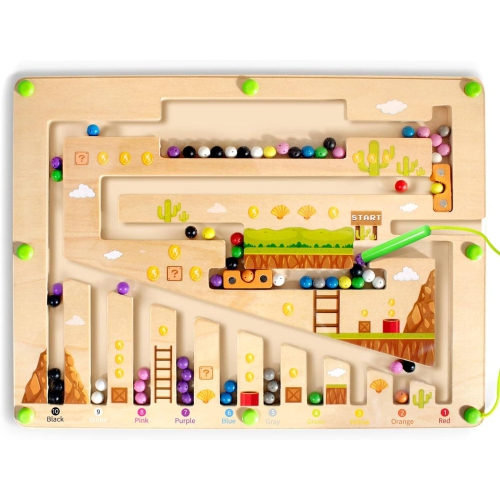
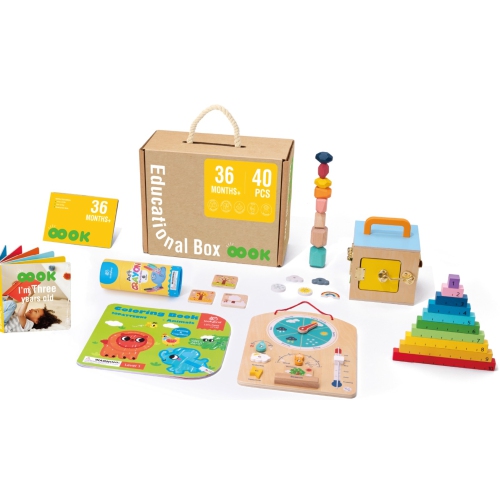
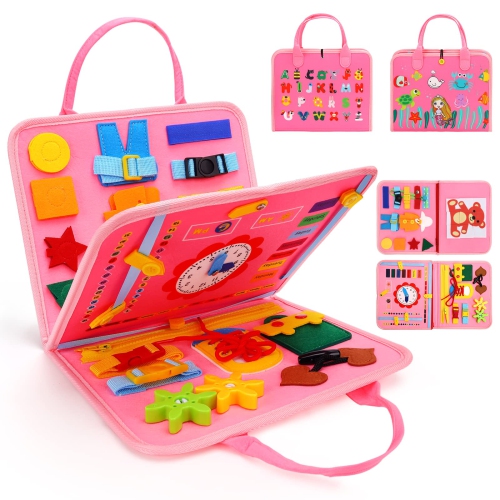
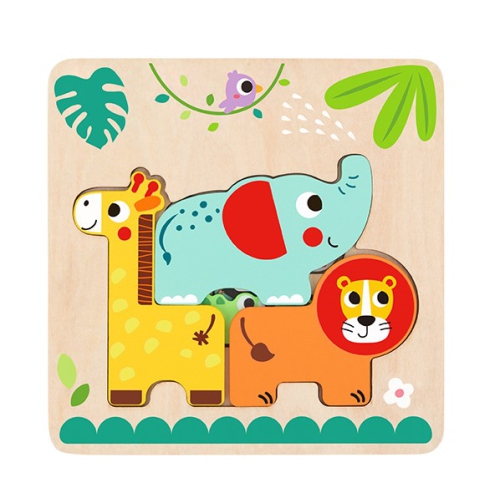
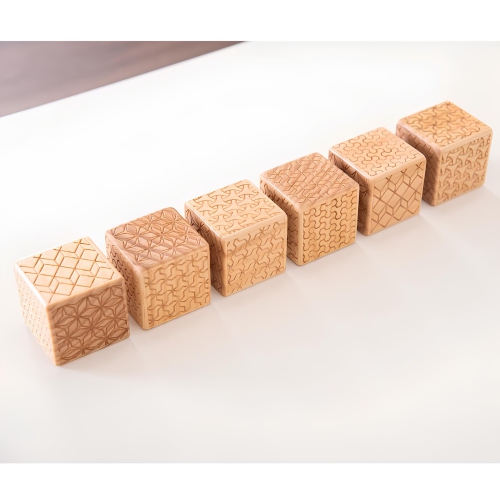
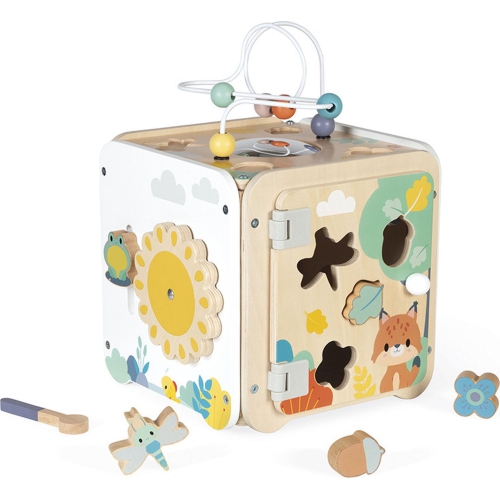
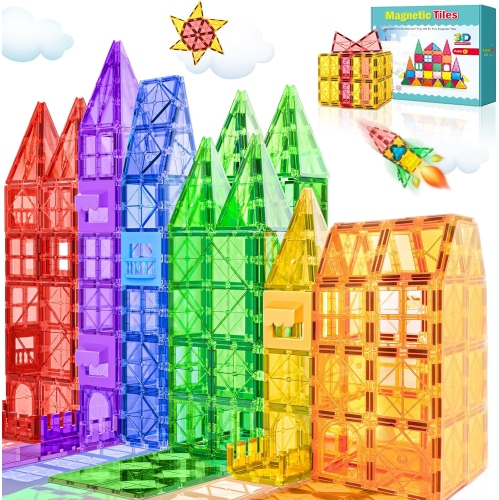
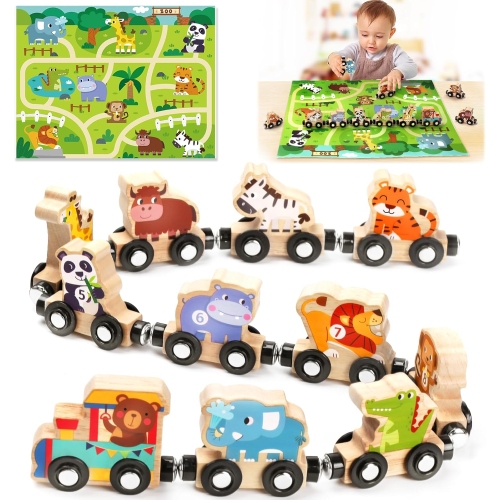
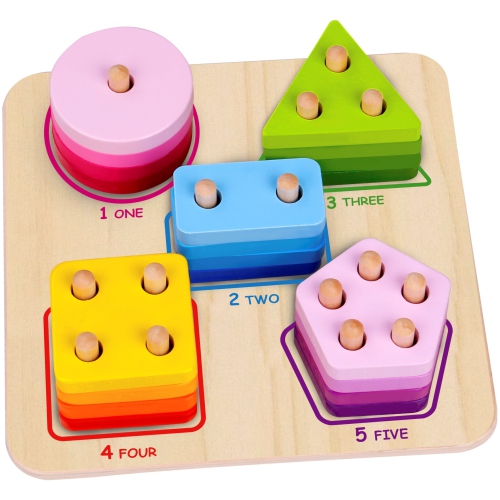
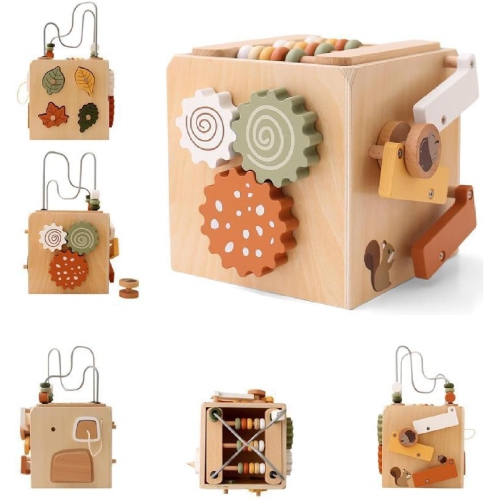
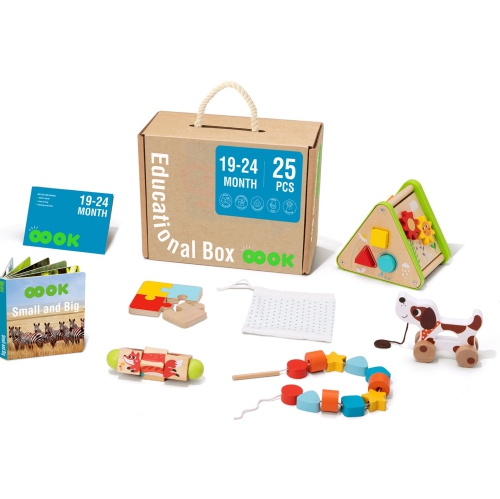
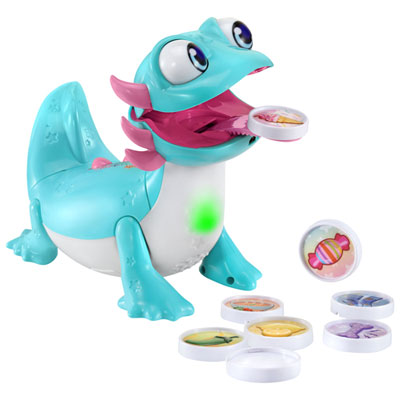
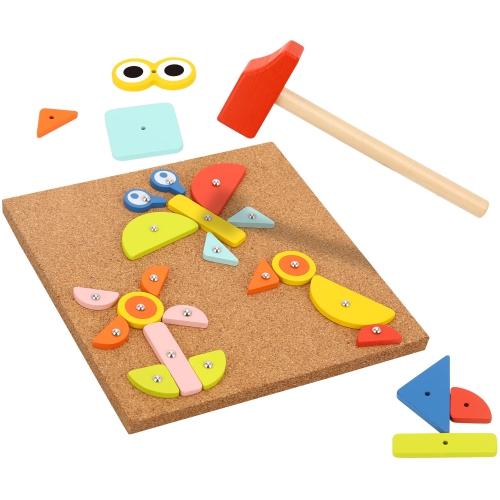
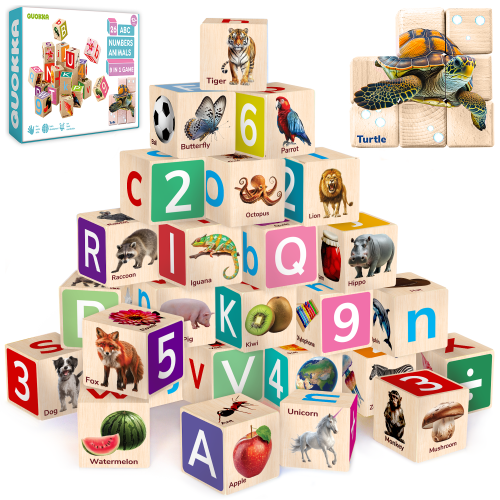
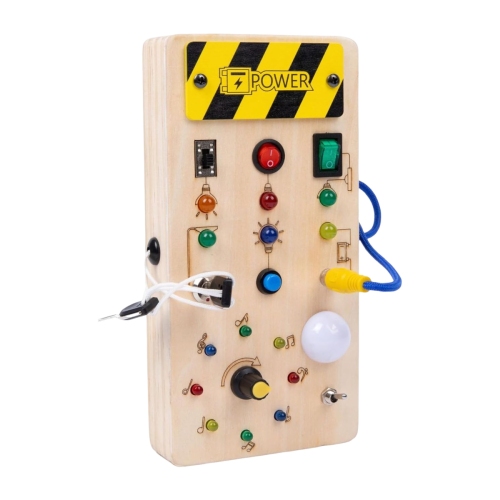
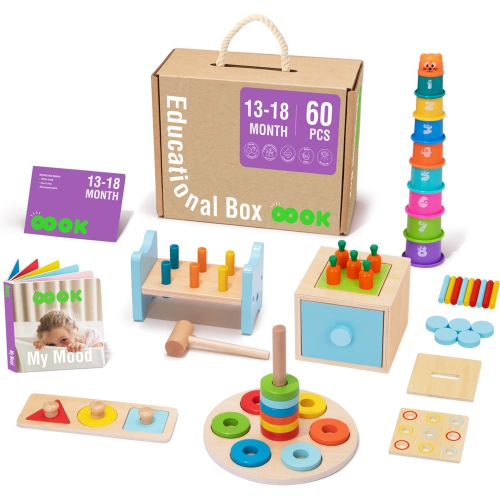
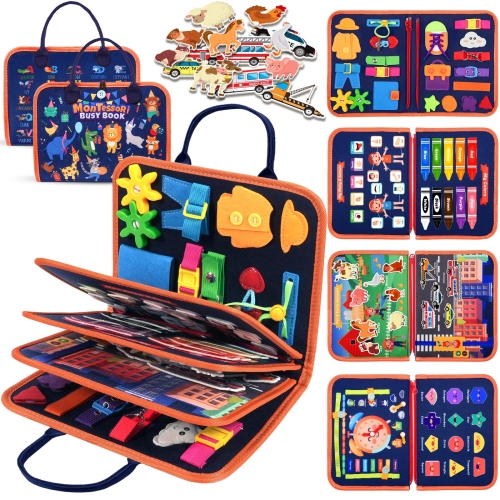
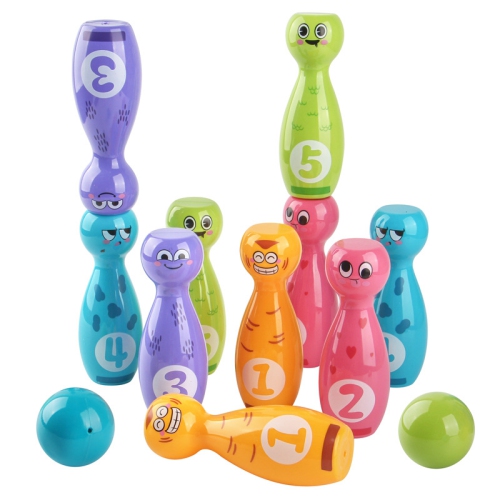
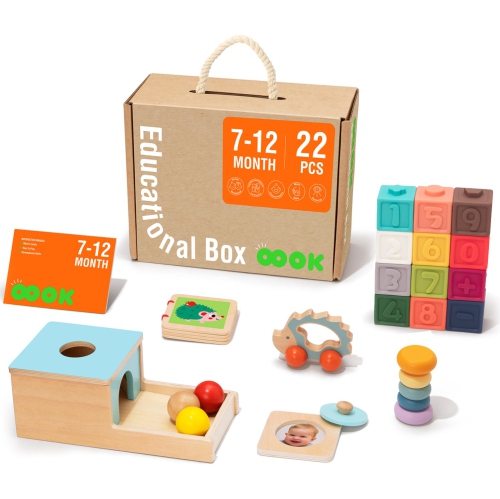
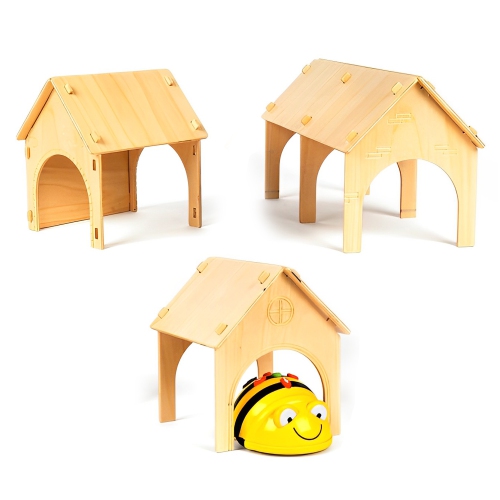
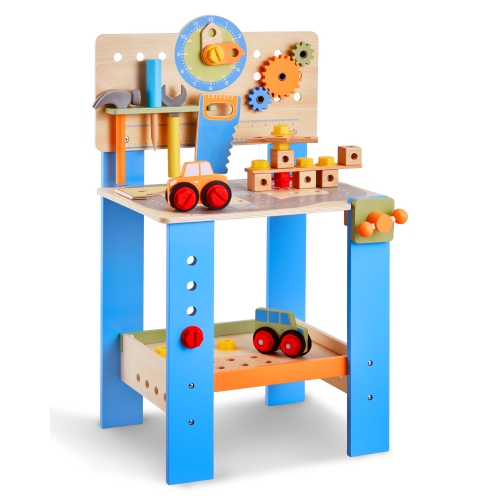
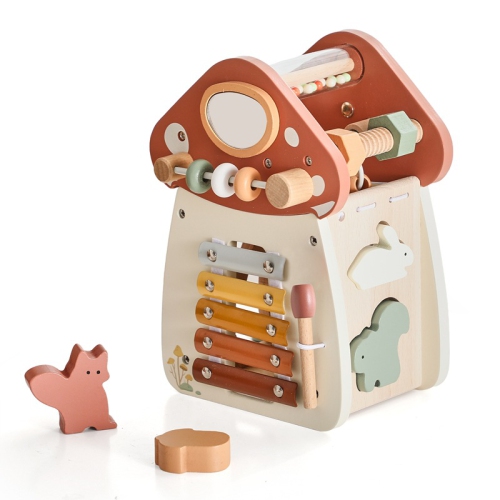
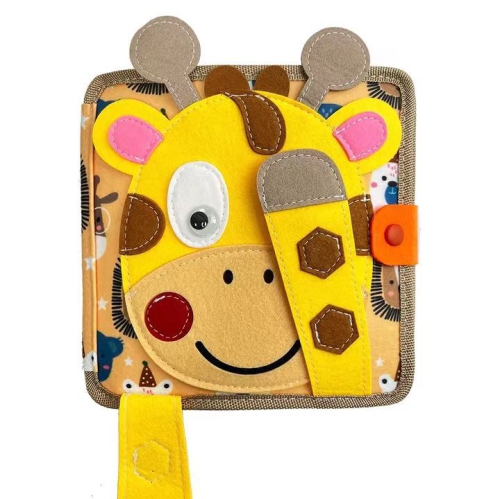
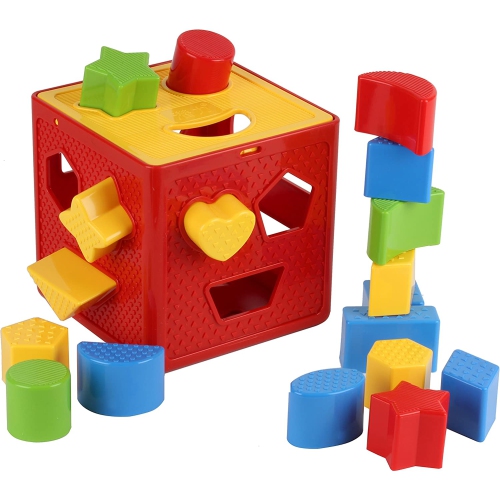
Materials, construction, and size all affect how a learning toy feels in use and how well it stands up to repeated handling. Smooth wood can offer a satisfying weight for stacking and sorting, while moulded plastic may allow lighter pieces, intricate connections, or surfaces that are easier to wipe clean. Fabric components introduce different textures, although their cleaning needs vary with stitching, fillings, and attached parts. No single material is the best choice for every activity: the finish, workmanship, and intended use matter just as much. Look for smooth edges, secure attachments, and pieces that work together without requiring more force than the intended age group can comfortably apply. A connector that is too stiff can make an otherwise appealing building activity frustrating, while a puzzle with helpful grip points may be easier for small hands to lift and reposition. Consider the play space, too. Broad structures need a stable surface, and activities involving many loose pieces are easier to manage when there is room to spread out without losing track of parts. Trays, divided containers, or a clearly designated storage spot can help children see what belongs together and take part in tidying up. For families with children of different ages, storage also has a safety role. Small parts must stay away from children under three and anyone who still mouths objects. Follow the manufacturer’s age grading and warnings, and keep any loose magnets or button batteries inaccessible to children. Adult supervision does not make a toy intended for older children suitable for a younger child. Before use, check for cracked pieces, splinters, loose seams, or damaged battery compartments, and remove damaged toys from play. Care should follow the supplied directions rather than assumptions about the material. Wooden pieces may need only a lightly dampened cloth and prompt drying, while fabric parts should be machine washed only when labelled as washable. Electronic components generally require surface cleaning without immersion. These practical details are especially relevant for toys shared by siblings or handled frequently in a playroom, classroom, or childcare setting.
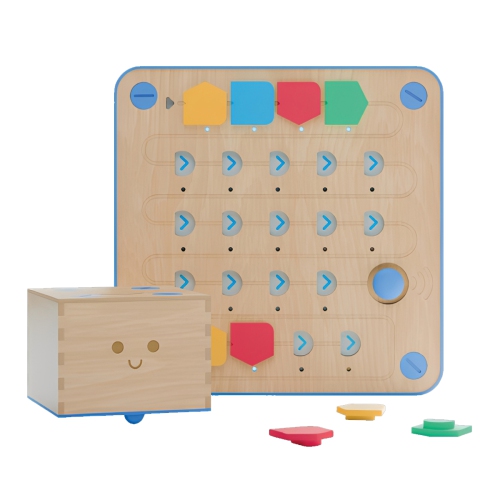
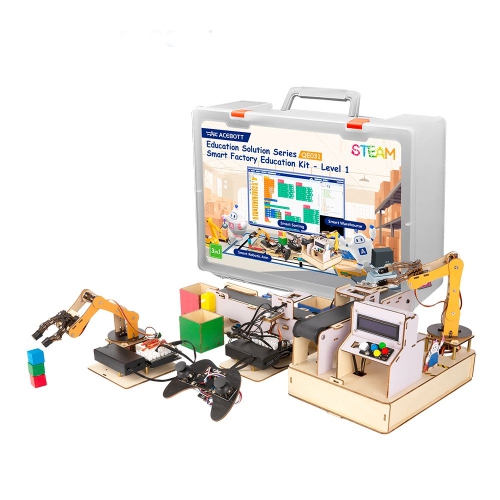
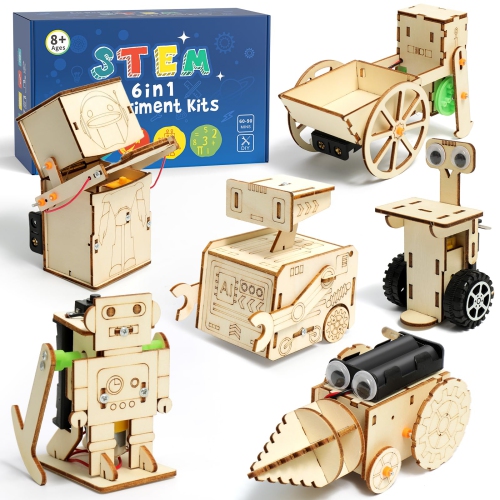
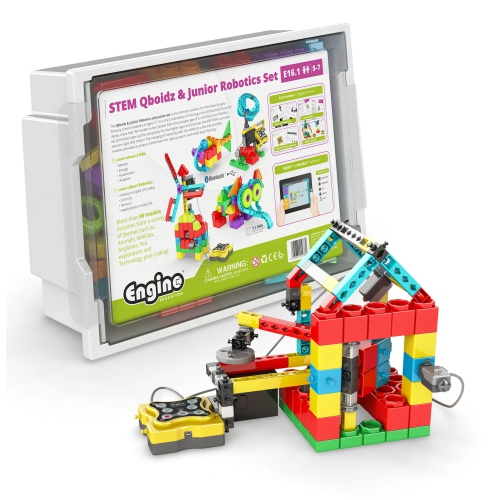
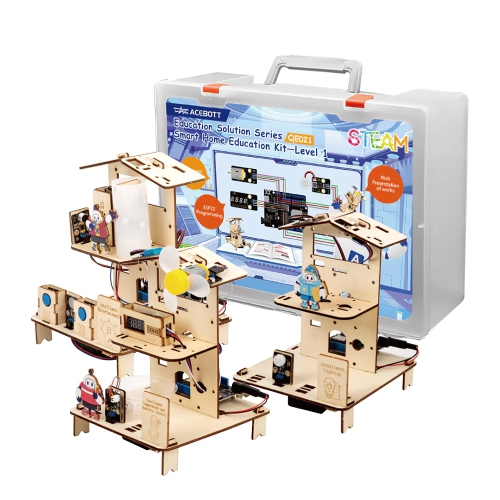
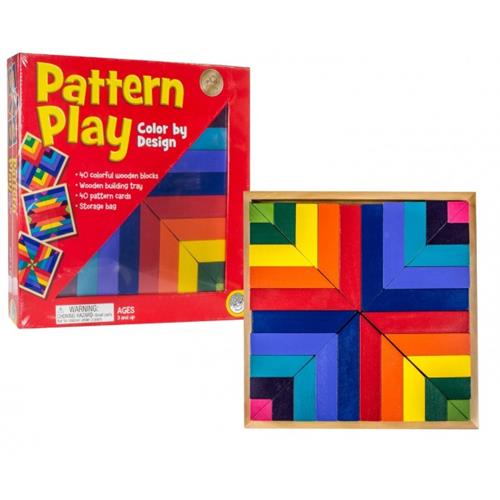
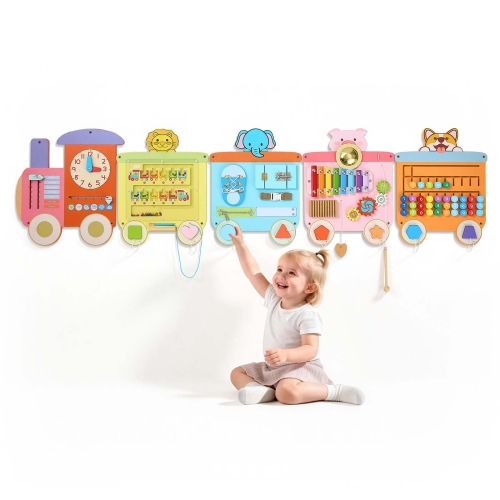
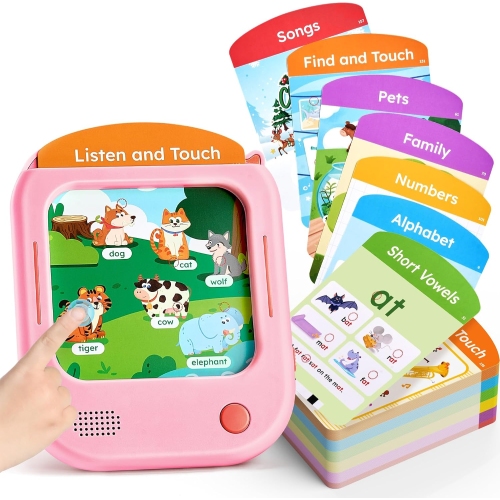
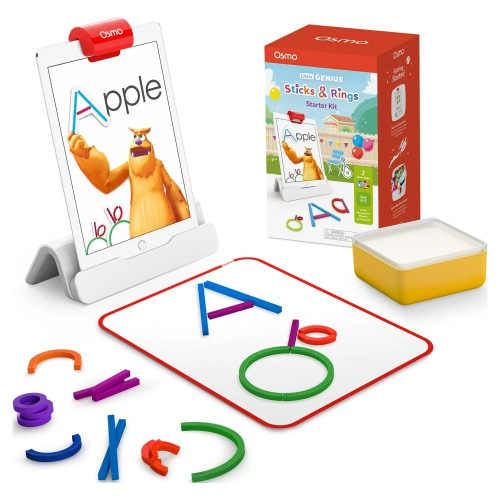
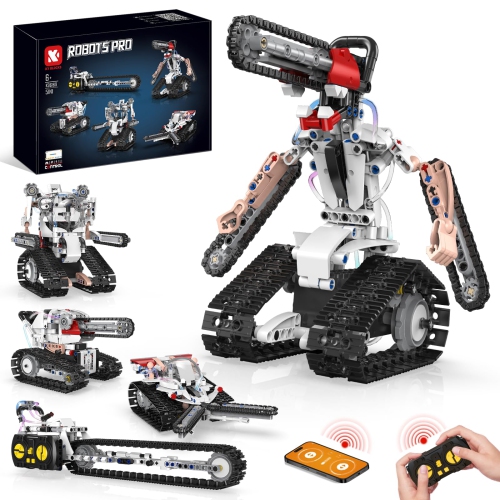
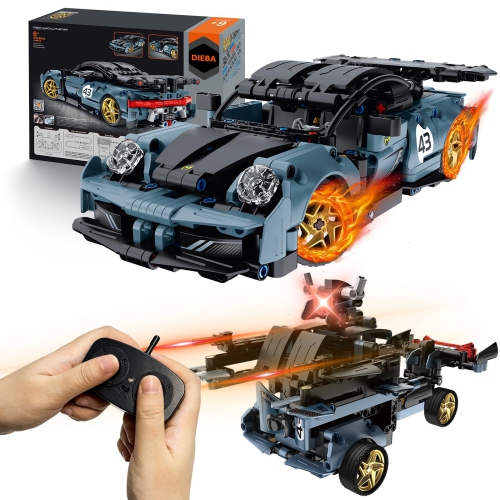
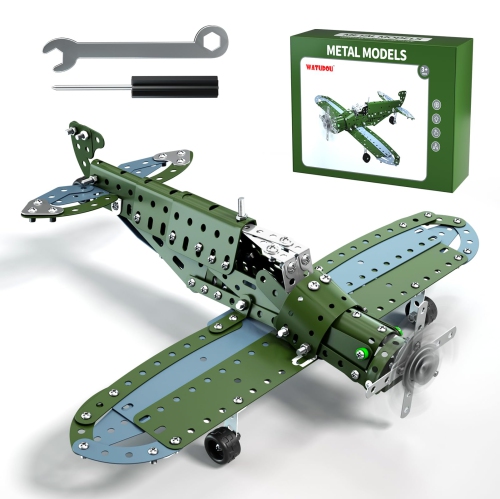
Hands-on learning toys can suit independent exploration, shared activities with an adult, or small-group play, depending on their design and complexity. During solo play, an activity with a clear visual result lets a child notice progress without needing constant correction. In shared play, an adult can introduce words such as heavier, equal, curved, or balanced while describing what the child is doing. Simple observations often leave more room for discovery than a running set of instructions: noting that one side is taller can prompt a child to investigate without being told exactly how to fix it. Taking turns placing pieces, sharing materials, and explaining a plan also add opportunities to practise communication and cooperation. For children drawn to building, testing, and finding out how things work, STEM learning toys connect tactile activities with science, technology, engineering, and maths concepts. The emphasis can remain on exploration rather than getting an answer quickly. Comparing how far an object travels, changing one part of a structure, or arranging a sequence of actions gives children something concrete to observe and discuss. Quieter sorting and construction activities may suit children who prefer less sound, while texture-rich play may appeal to those who enjoy varied tactile experiences. Individual preferences matter, and a toy described as sensory is not automatically comfortable or appropriate for every child. For a birthday gift or another milestone, consider what the recipient already enjoys, how much adult help the activity requires, and whether the household has space to use and store it. Clear visual instructions can be useful for children who are not yet reading independently, while adjustable challenges or several possible outcomes may keep an activity interesting as skills develop. A compact activity can be convenient for visits with family, whereas a larger construction project may be better left assembled in a dedicated play area. The lasting appeal comes from a good match between the child and the experience: pieces that feel comfortable to handle, a task that invites another attempt, and enough freedom to turn a familiar activity into a fresh idea.
Top selling and popular products
-
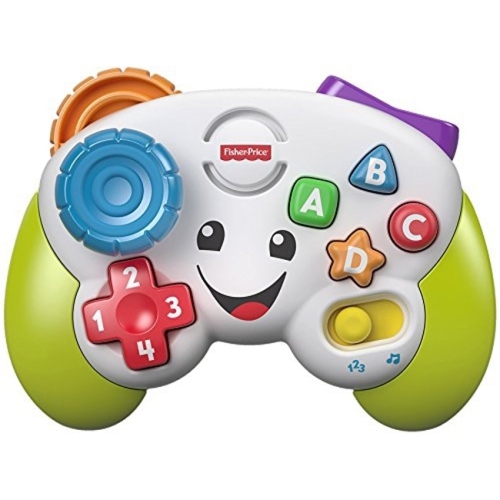 Your price for this item is $24.28
-
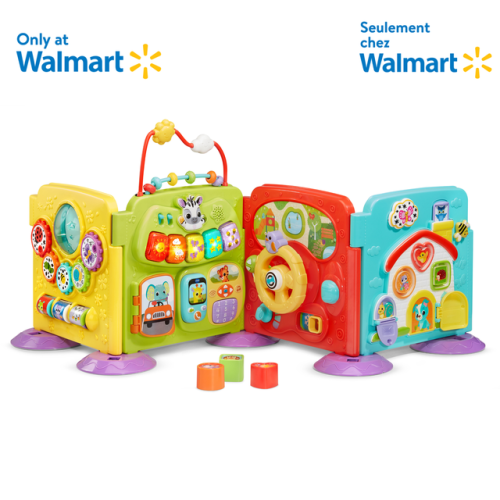 Your price for this item is $49.99
-
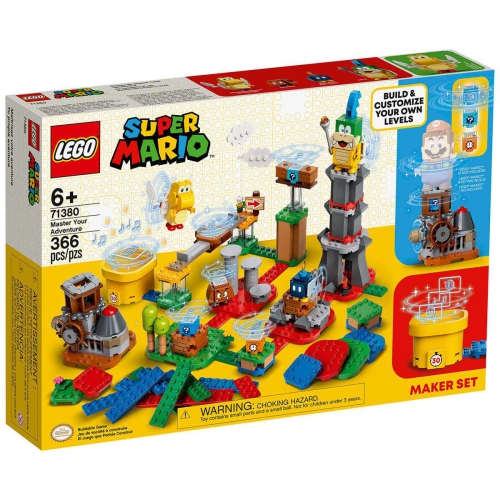 Your price for this item is $103.27
-
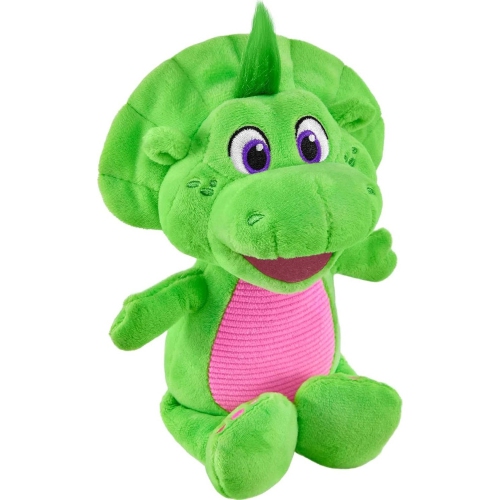 Your price for this item is $22.99
-
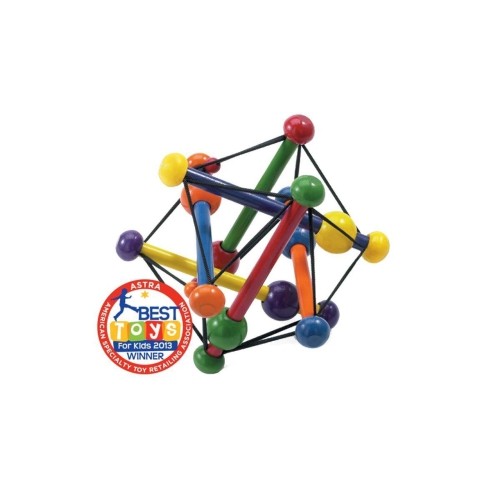 Your price for this item is $29.99
-
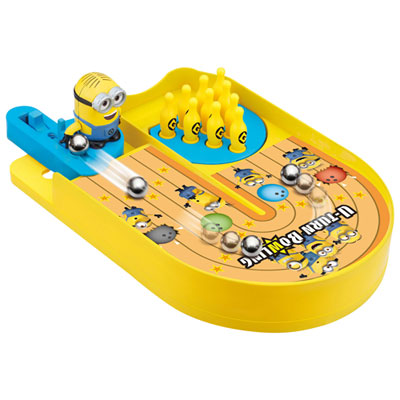 Your price for this item is $19.99
-
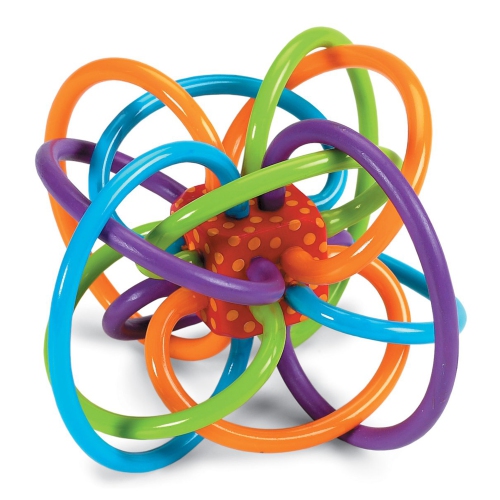 Your price for this item is $25.99
-
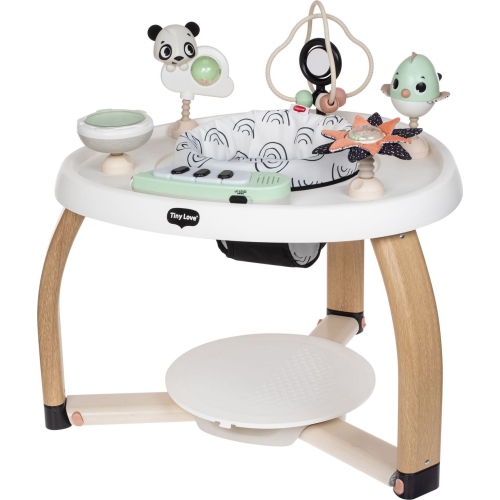 Your price for this item is $229.99