Holiday Gifts for Artists
Holiday gifts for artists are the perfect way to inspire creativity and spark new ideas. Whether you're shopping for a beginner or an experienced creator, you'll find a wide selection of thoughtful options designed to fuel their passion for art. From innovative tools to unique accessories, discover gifts that will delight every artist on your list and help them bring their visions to life this holiday season.
Sort



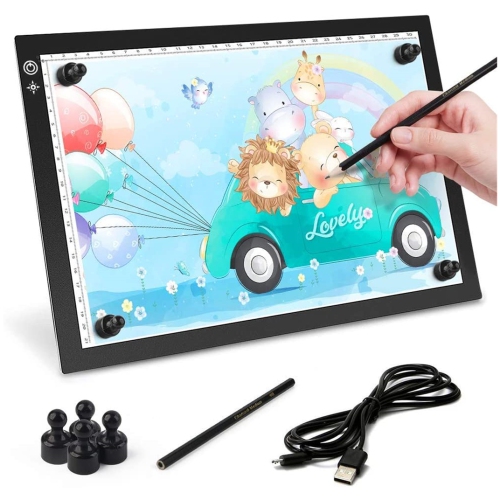



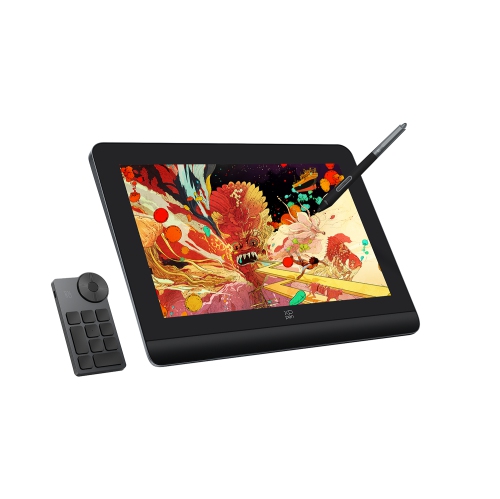
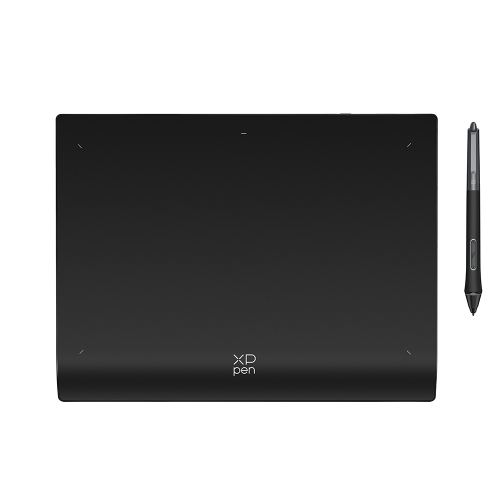
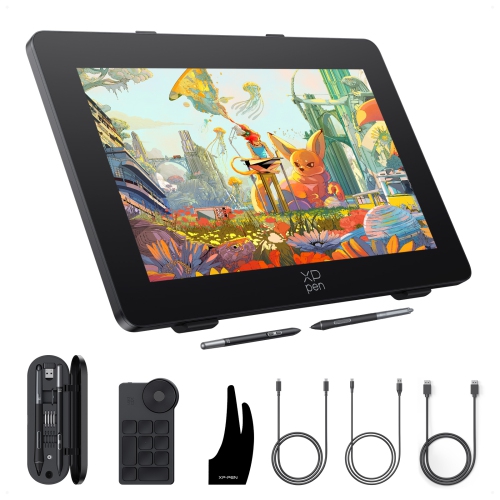


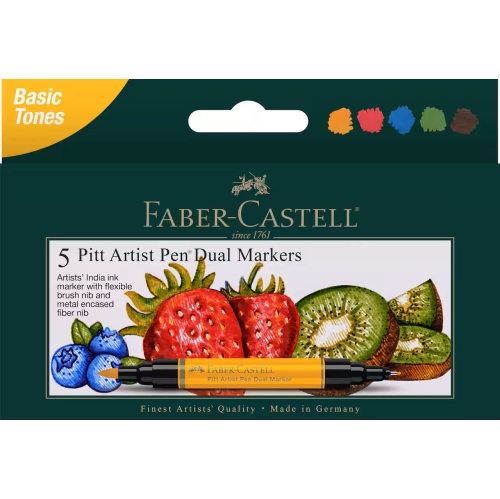
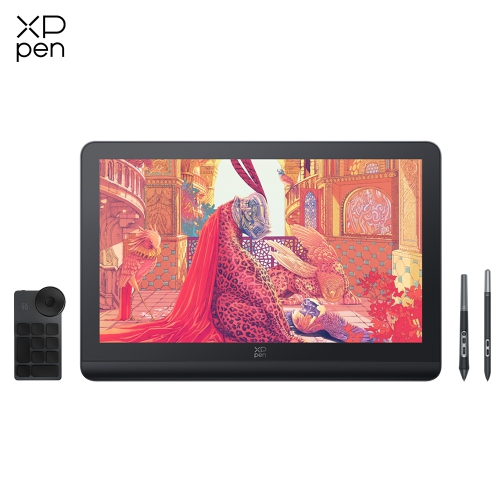
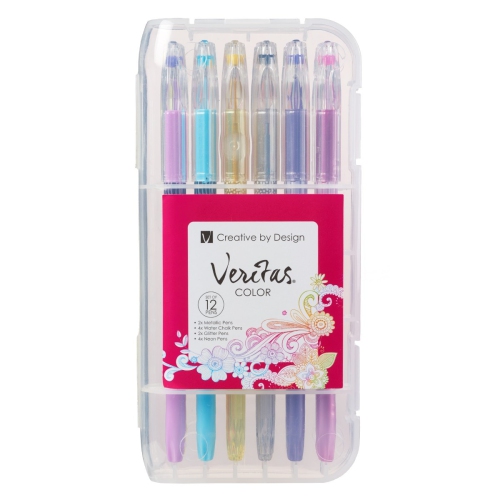


Thoughtful gifts start with how an artist works
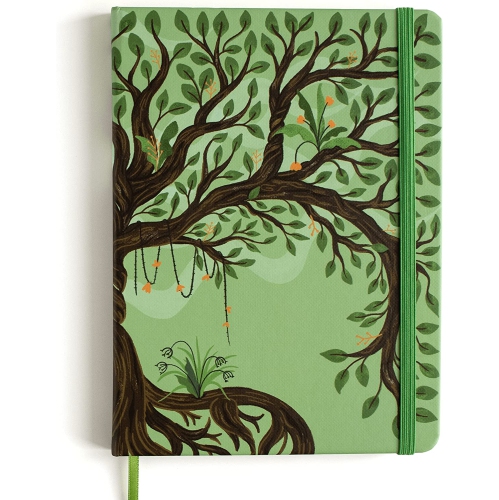
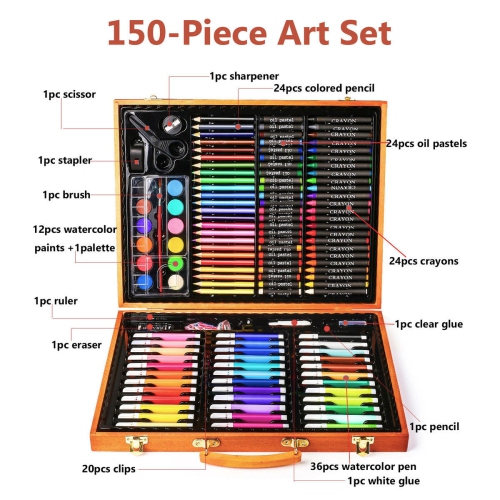
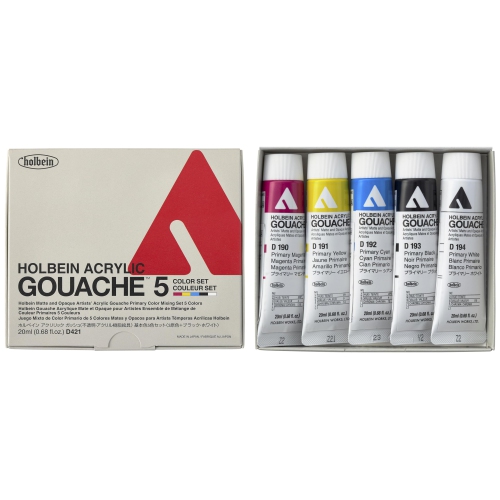
Holiday gifts for artists can support the pleasure of making something by hand, the precision of digital illustration, or the everyday routines that keep a creative practice moving. A thoughtful gift reflects how its recipient works: a sketcher who fills pages on the go has different needs from a painter working at an easel or an illustrator building layered digital artwork. Familiar materials can be especially welcome when an artist already has strong preferences, while complementary accessories can add comfort or flexibility without changing their technique. For drawing and painting, the relationship between the medium and the working surface matters. Smooth paper allows fine lines and small details to remain crisp, while a more textured surface gives dry materials something to grip. Watercolour work benefits from paper designed to handle moisture; paper intended mainly for writing may buckle or allow washes to bleed through. Heavier sheets can feel more substantial, but fibre content, surface treatment, and binding also influence how they perform. Cotton-based and wood-pulp papers have different handling qualities, and acid-free construction is worth considering for work intended to be kept. Bound formats keep a sequence of studies together, while loose sheets make it easier to work at different sizes or prepare a finished piece for framing. Lightfastness ratings describe how well pigments resist fading from light exposure, a useful distinction for artwork that may be displayed rather than kept in a closed book. For someone learning a medium, manageable formats and straightforward setup can make regular practice feel approachable. An experienced artist may place greater value on consistent surfaces, dependable construction, or accessories that complement an established process. The appeal is often less about adding something elaborate and more about making a familiar creative moment better, whether that is shading a portrait at the kitchen table or laying down the first wash of a landscape.
Digital art gifts bring another set of practical considerations, with compatibility playing a central role. A pen tablet generally provides a drawing surface that controls a separate computer screen, while a pen display lets an artist draw directly on a screen and may still require a connected computer. A standalone tablet can combine drawing, reference viewing, and other tasks in one device, though its usefulness depends on the applications and input accessories it supports. These formats suit different habits: some artists prefer a large desktop workspace for detailed illustration, while others value the freedom to sketch away from a desk. Pressure sensitivity can translate a lighter or firmer touch into changes in line weight or opacity when supported by the drawing software. Tilt support can help mimic the broad shading of a pencil held at an angle, but the experience also depends on the brush settings and application. Stylus compatibility is not universal, and connections, operating system requirements, charging methods, and access to replacement nibs all affect everyday use. Screen size should be considered alongside the space needed for toolbars, reference images, and a comfortable drawing posture. Colour accuracy matters for artists preparing work for print or sharing it across different displays, although no screen alone guarantees that a printed result will match exactly. Storage and file-transfer options also become important when projects contain many layers or high-resolution images. Around the digital workspace, adjustable supports, suitable seating, and task lighting can make a creative setup easier to arrange. A stable stand should hold its position under normal drawing pressure, with enough adjustment to suit the user’s reach and preferred angle. Lighting with useful brightness controls and good colour rendering can help an artist judge subtle differences without a harsh reflection crossing the working surface. These details give digital gifts a purpose beyond their specifications: they support a workflow from the first rough marks through revisions, saving, and sharing the finished artwork.
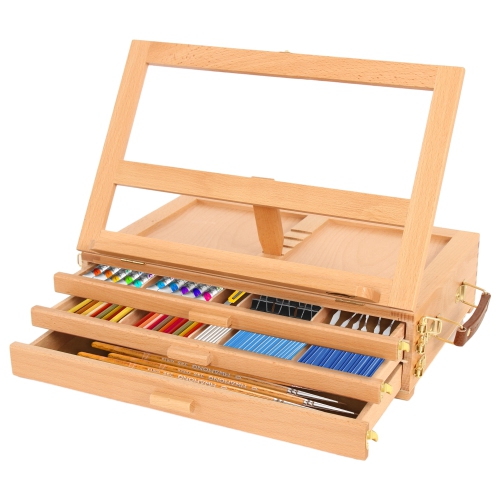
The physical details of an artist’s workspace can be just as meaningful as the medium itself. Someone working in a shared room may appreciate compact storage that keeps delicate materials separate and allows a project to be put away between sessions. A dedicated studio can accommodate larger working surfaces, but even there, clear organization helps prevent small accessories from disappearing beneath unfinished studies. Portable equipment has its own demands. Secure closures, reinforced seams, sturdy handles, and compartments that prevent tools from knocking together can help protect materials during travel to a class, a friend’s home, or a favourite sketching spot. Dimensions matter as much as carrying capacity: a case needs to accommodate the actual length of its contents, and a portfolio should support artwork without bending corners. For handheld tools, grip shape, weight, and balance influence how they feel over a long session; a broad grip may suit one person, while another prefers something slimmer and lighter. Care requirements also shape how comfortably a gift fits into daily life. Brushes need cleaning appropriate to their medium, paper should be protected from moisture and direct sunlight, and electronic surfaces should be cleaned according to the manufacturer’s directions. Wet materials should be dry before enclosed storage, and protective sleeves can help prevent scratches when compatible devices are carried with other belongings. Durability is about more than a tough exterior: dependable hinges, stable joints, replaceable wear parts, and finishes that tolerate routine handling all contribute to lasting usefulness. For a child exploring art, age suitability and clear care instructions matter; for a student or established artist, a gift that respects their preferred process can feel particularly personal. Thoughtful Creative Gifts for Artists can support both a new interest and a long-standing practice without assuming that every recipient wants to change direction. Holiday giving offers an opportunity to notice those small preferences—the angle of a drawing surface, the texture of a favourite page, or the need for a tidy place to leave work in progress—and give something that belongs naturally in the next creative session.
Top selling and popular products
-
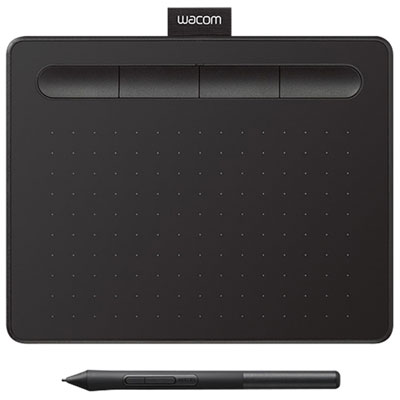 Your price for this item is $89.99
-
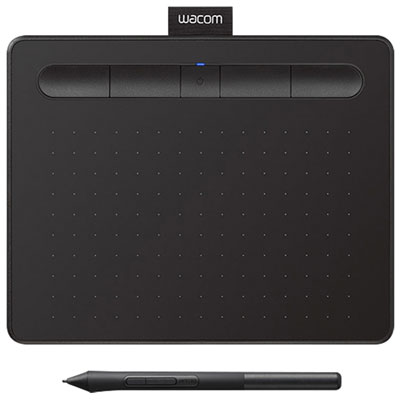 Your price for this item is $114.98
-
 Your price for this item is $319.99
-
 Your price for this item is $699.99
-
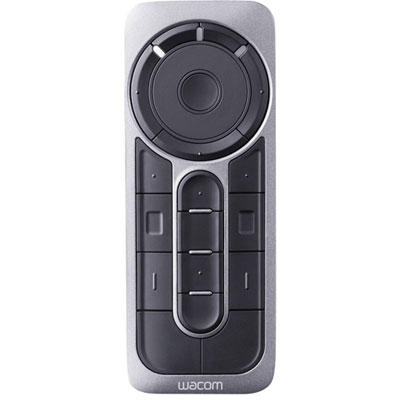 Your price for this item is $139.99
-
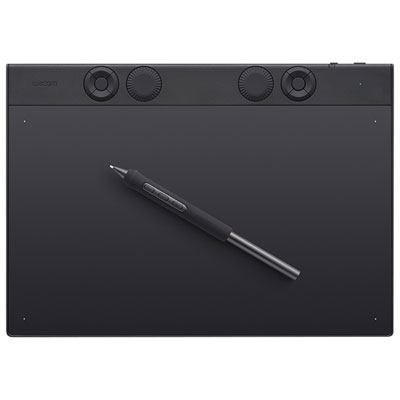 Your price for this item is $549.99
-
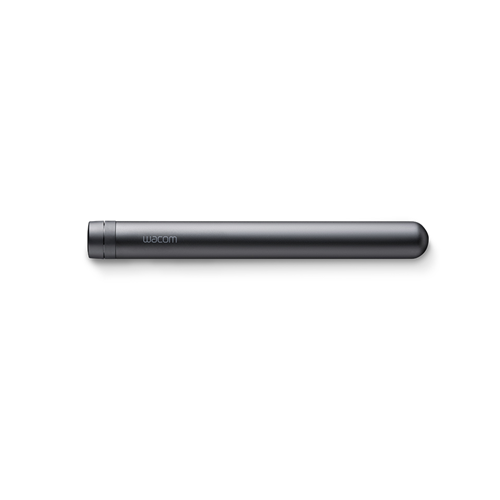 Your price for this item is $120
-
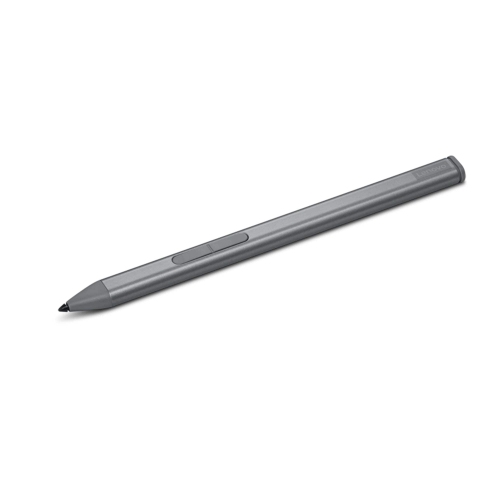 Your price for this item is $64.99
Discover more categories related to Holiday Gifts for Artists
Top Collections:
Pokemon Centers, Kindle Devices, Best Cameras for Sports Photography, Pokémon 30th Celebration Cards, Canon G7X Cameras, Samsung Galaxy Phones, iPhone 15 Apple, Best Black Friday Deals On Electronics, Jackery Power Stations, Solar Generators for Home
Some products may be subject to Environmental Handling Fees
(EHF) depending on your province.
Learn more about EHFs.