Hovering Toys
Looking to add some excitement to playtime? Look no further than our collection of hovering toys. These innovative gadgets are designed to effortlessly glide through the air, captivating both kids and adults alike. Whether you're looking for a flying drone, a hovering soccer ball, or a remote-controlled helicopter, we have a wide selection of hovering toys that will bring endless hours of fun and adventure. Get ready to take playtime to new heights with these thrilling and gravity-defying toys.
Sort





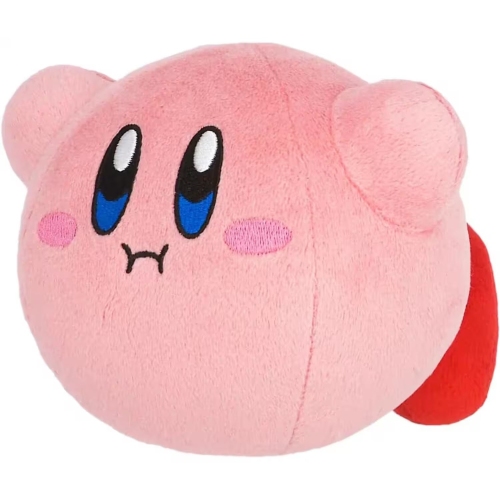
![LITTLE BUDDY Kirby Hovering Pose 3.5" Dangler Plush []](https://multimedia.bbycastatic.ca/multimedia/products/500x500/192/19254/19254352.jpeg)
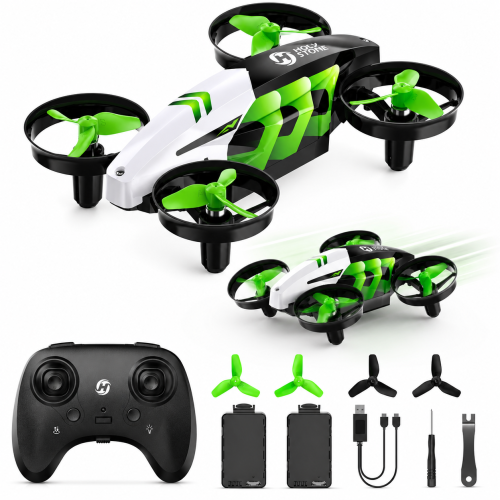
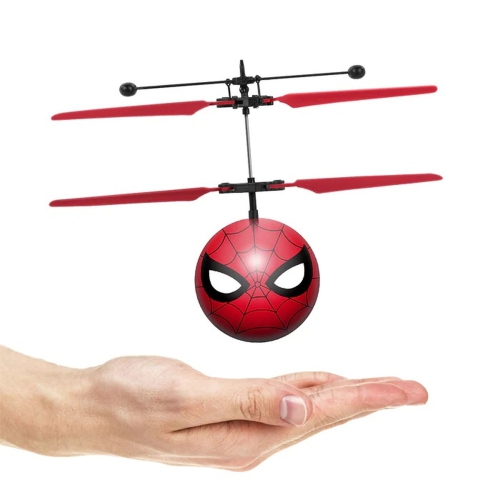
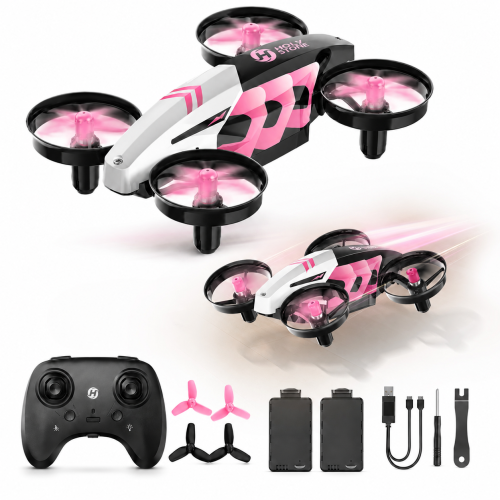
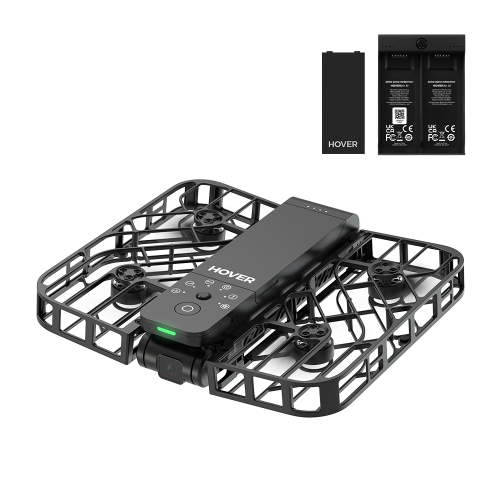

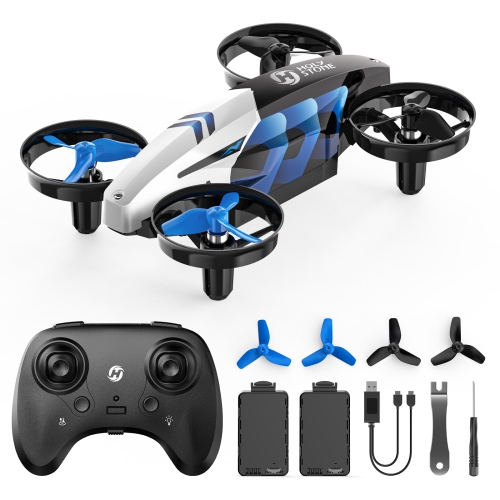
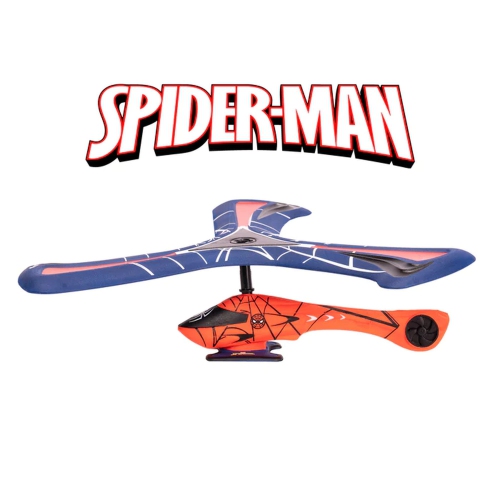
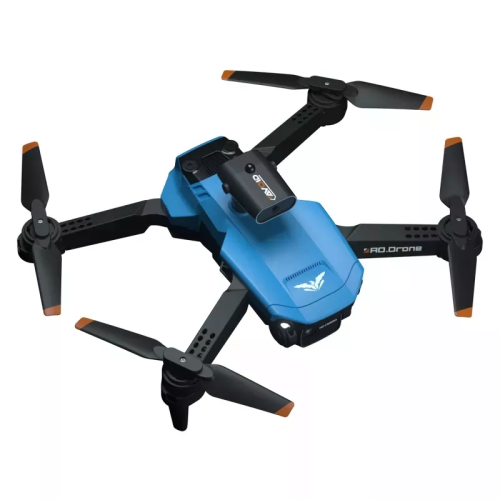
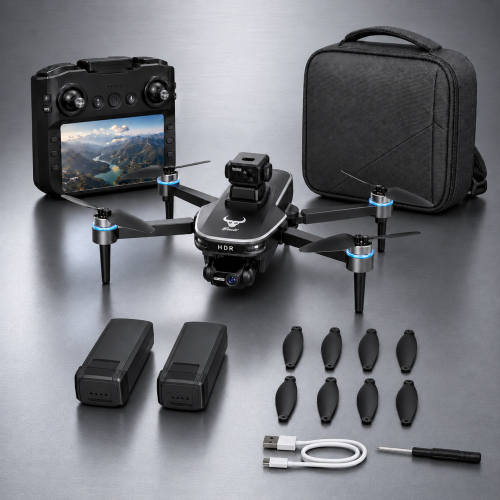

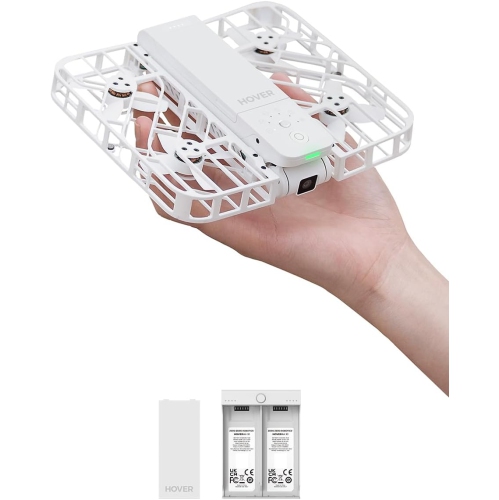

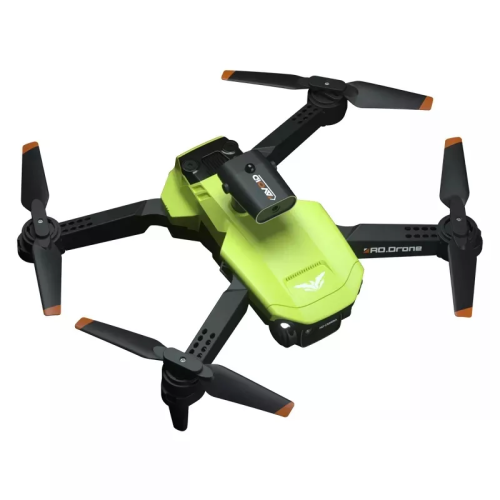

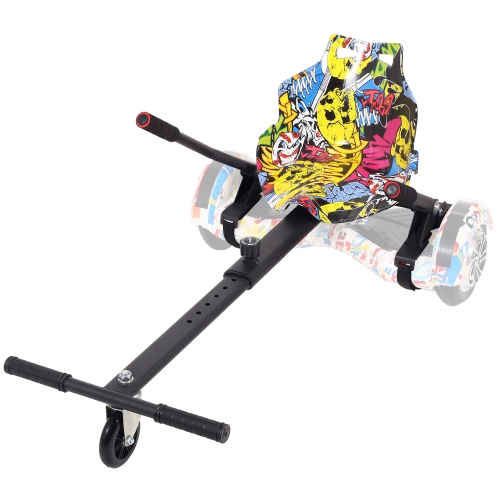
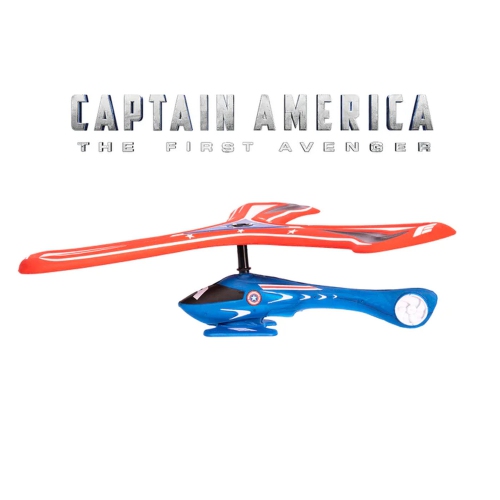
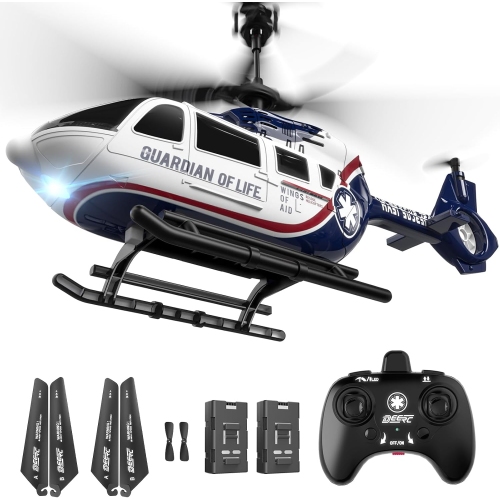
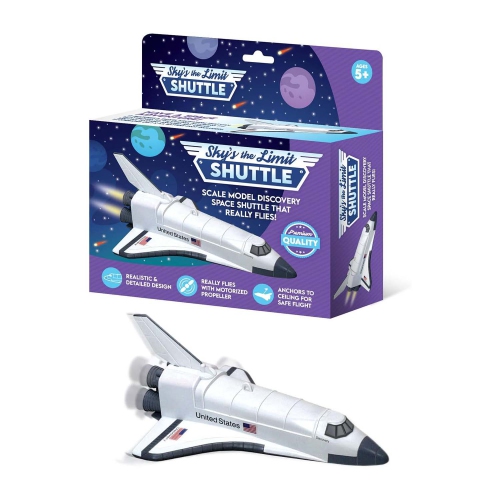
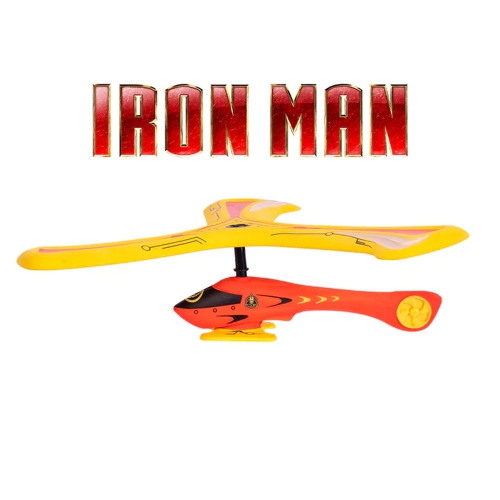
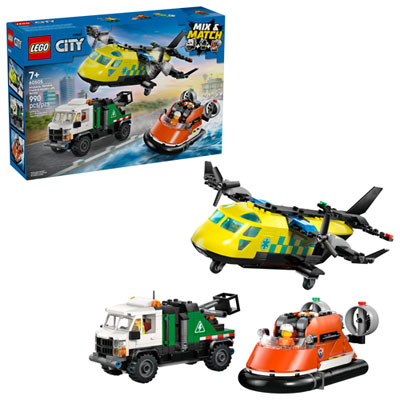
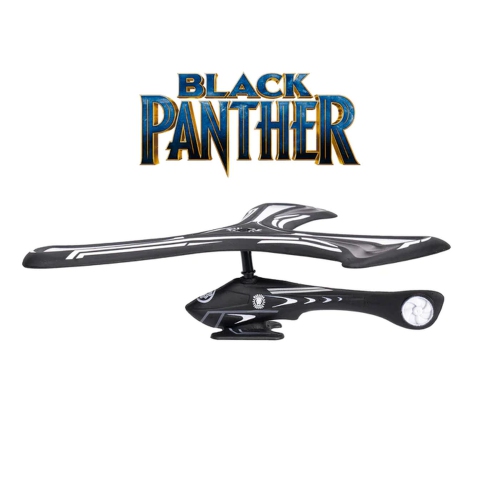
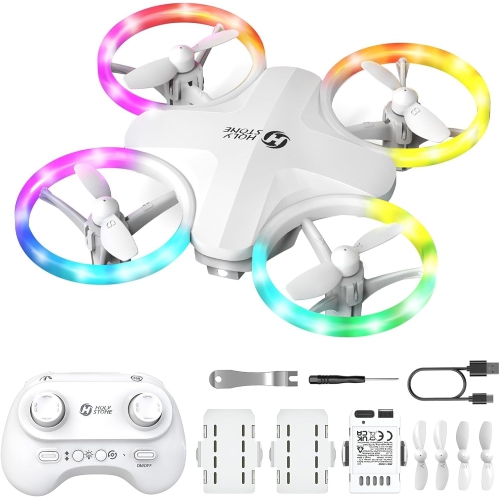
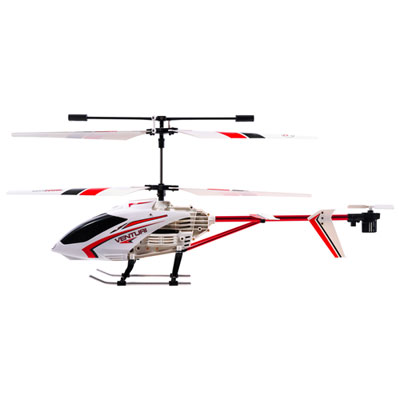
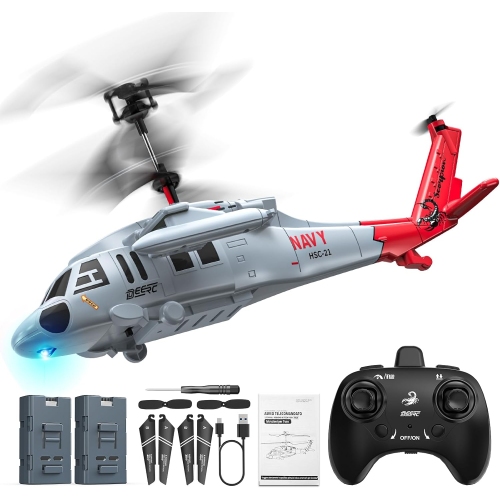
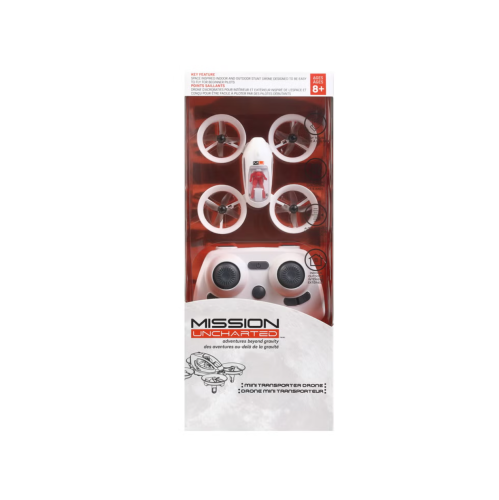
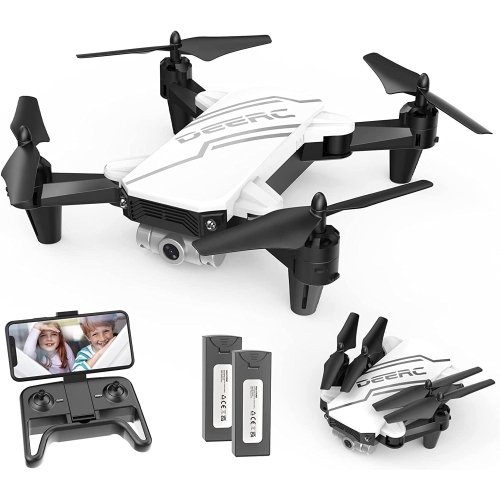
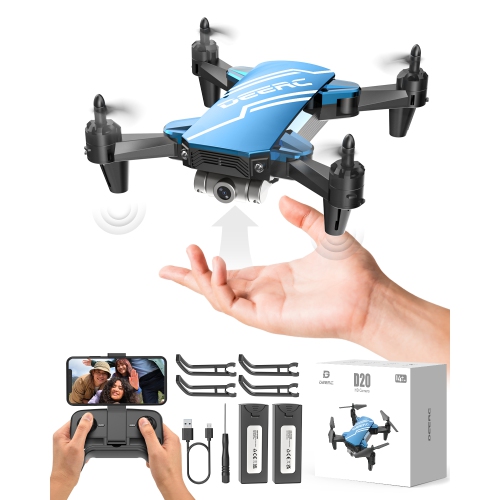
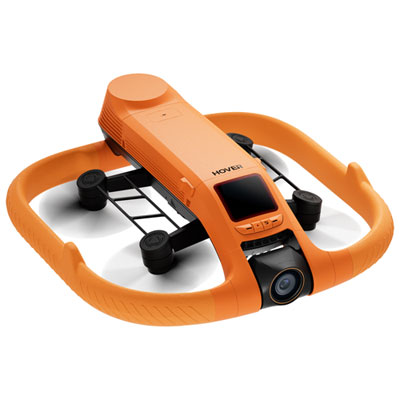
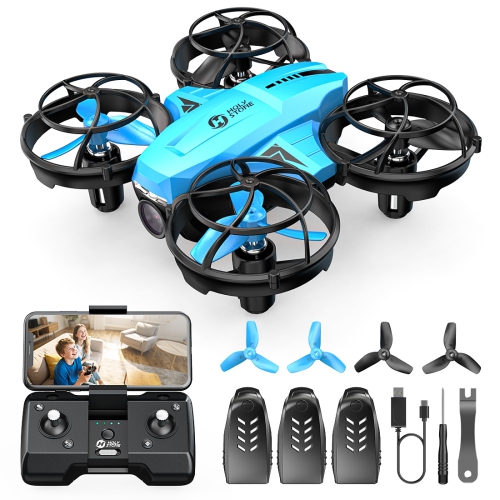
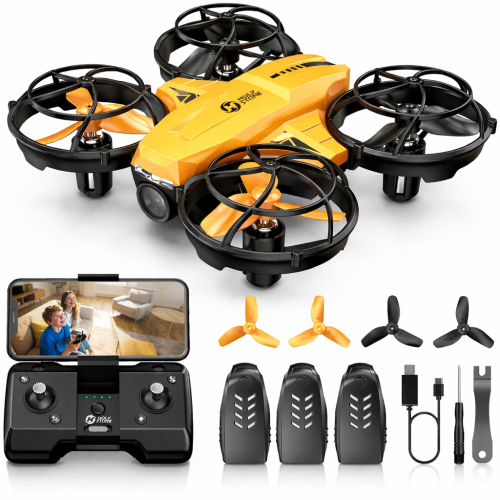

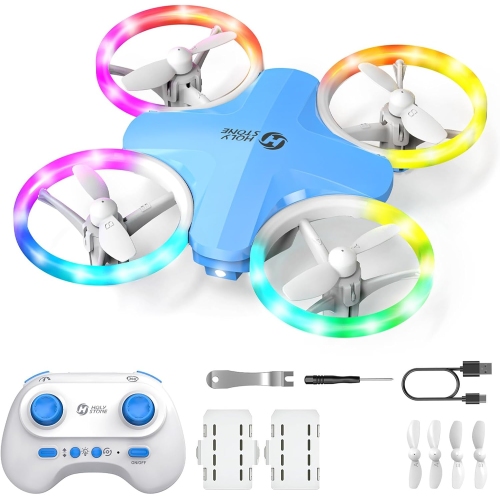
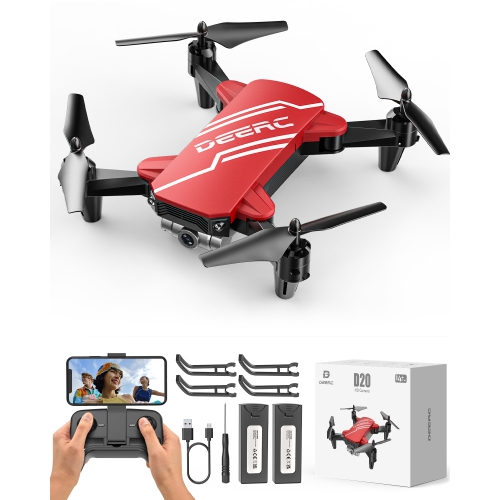
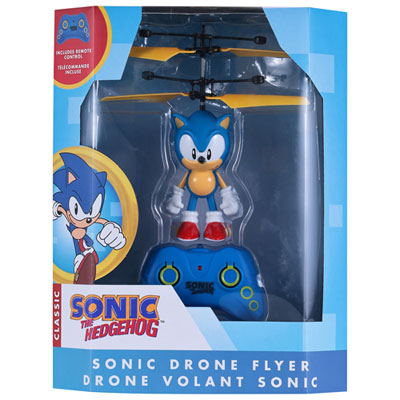
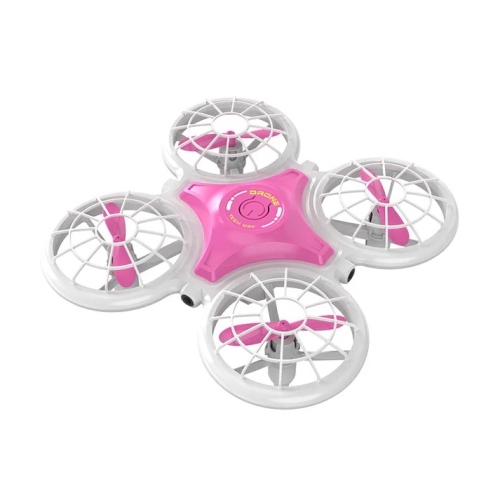
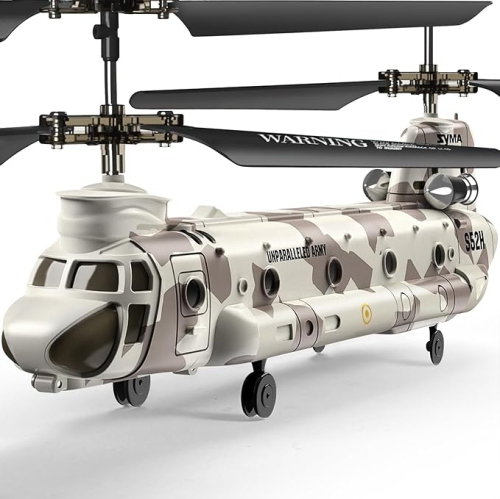

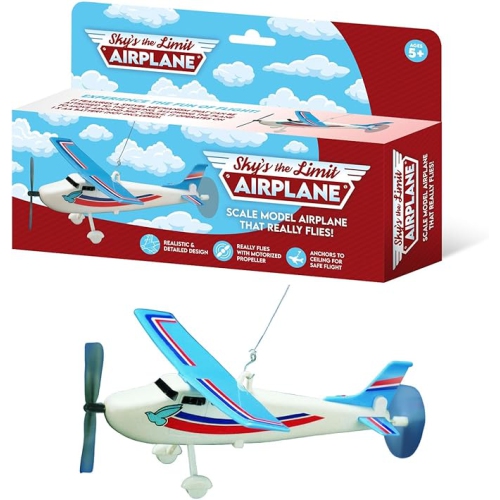
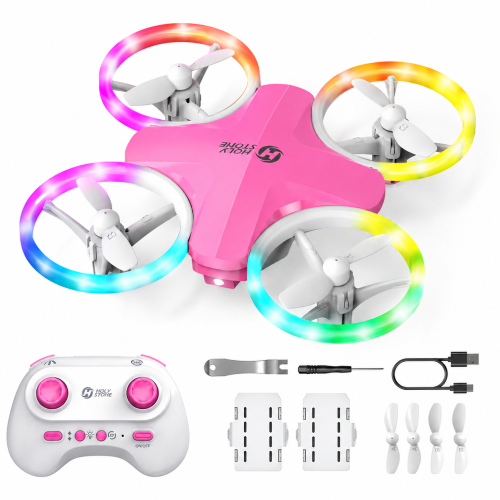
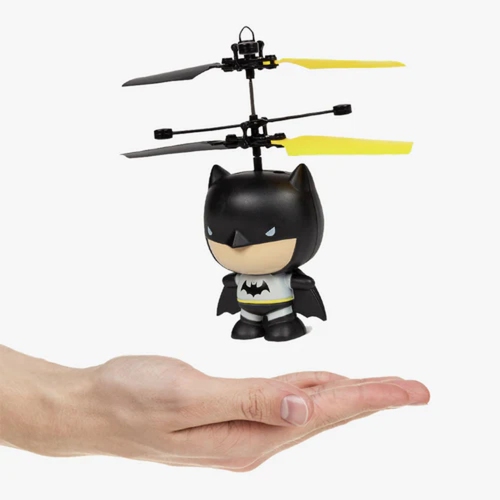
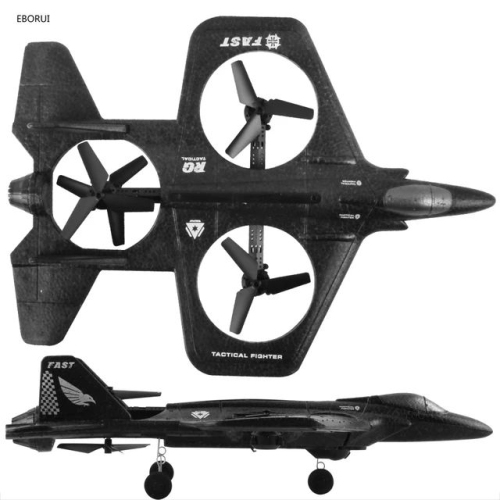
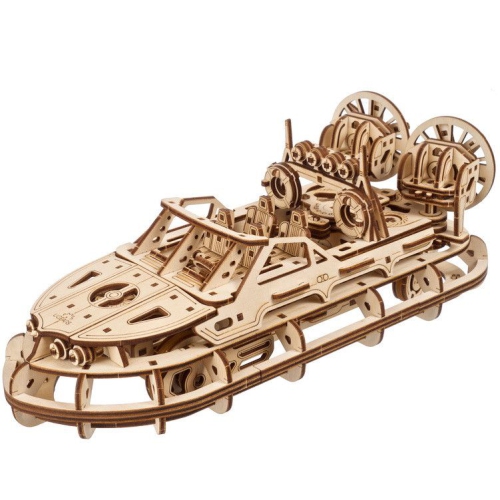
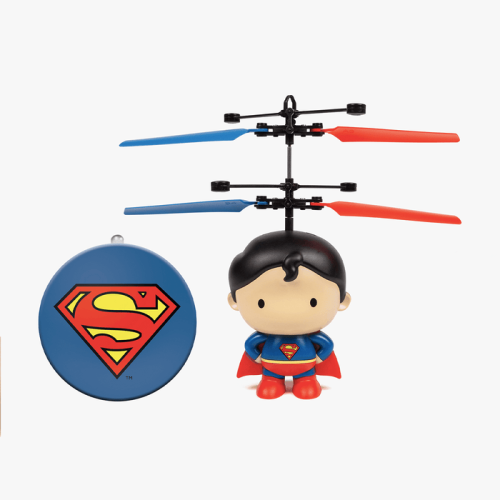
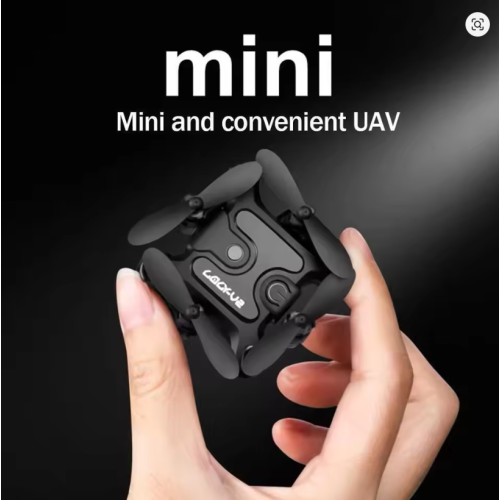
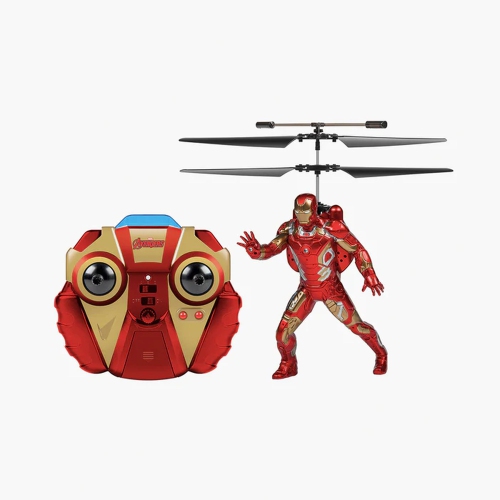
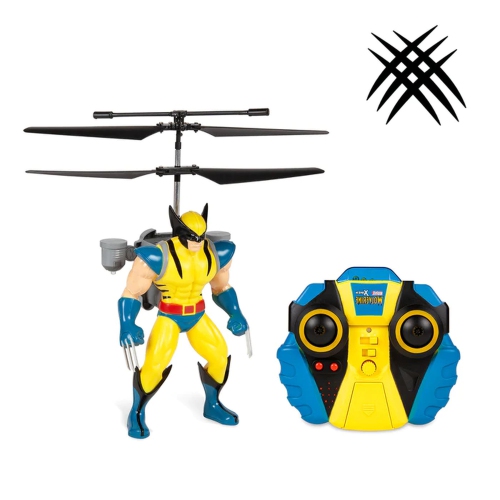

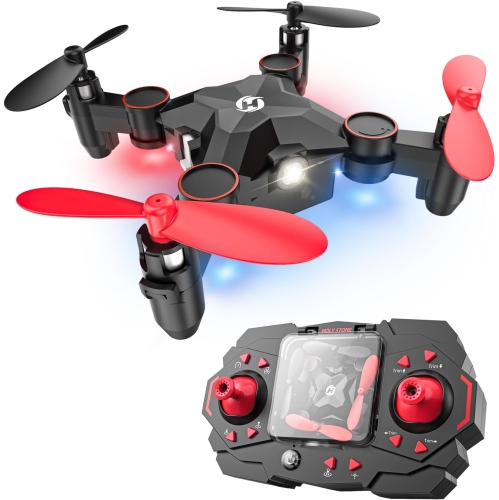
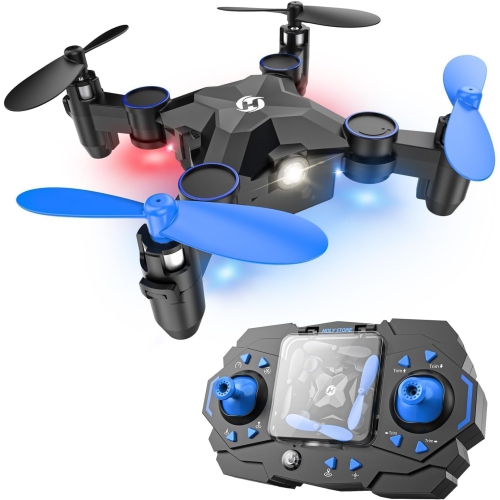
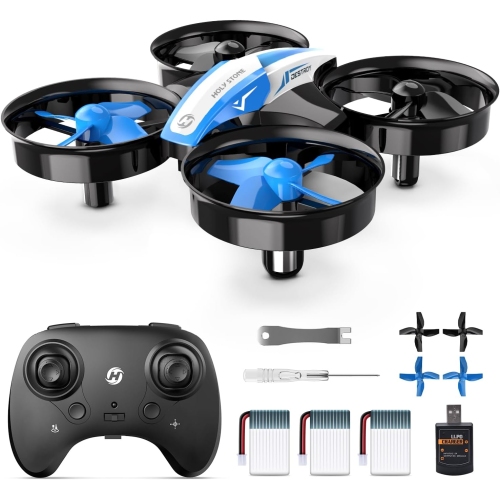
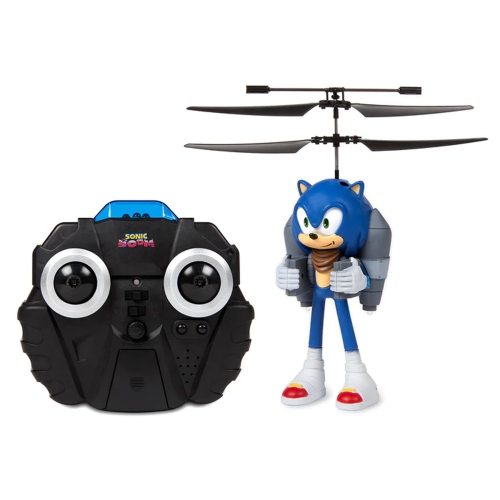
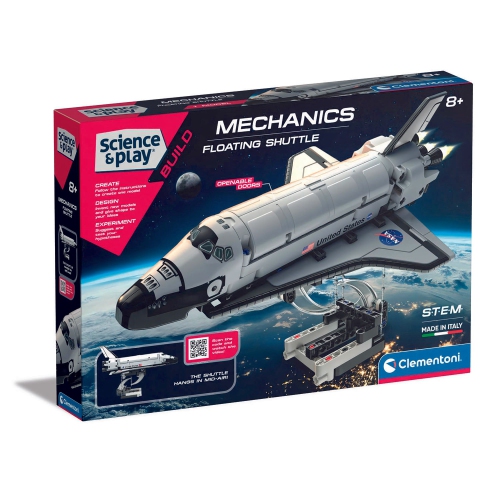
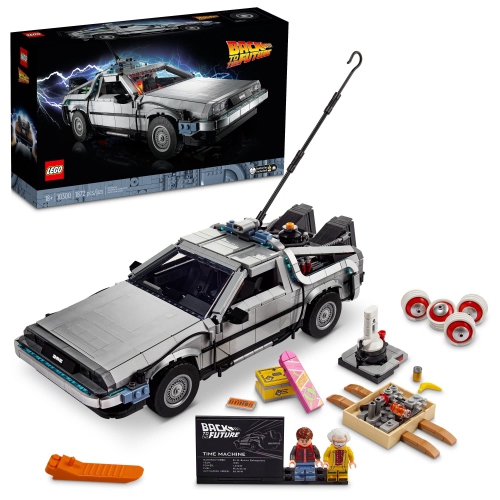
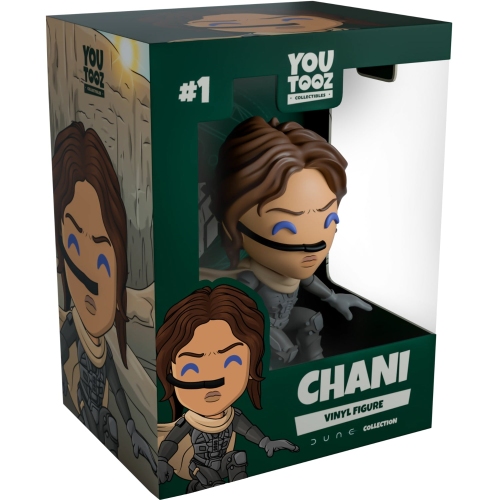
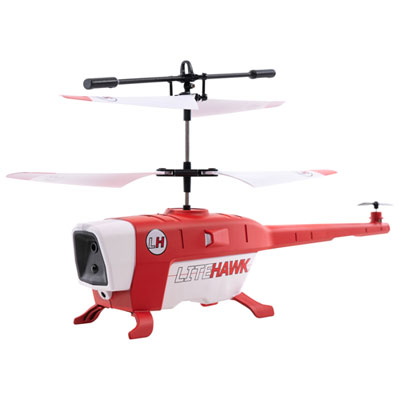
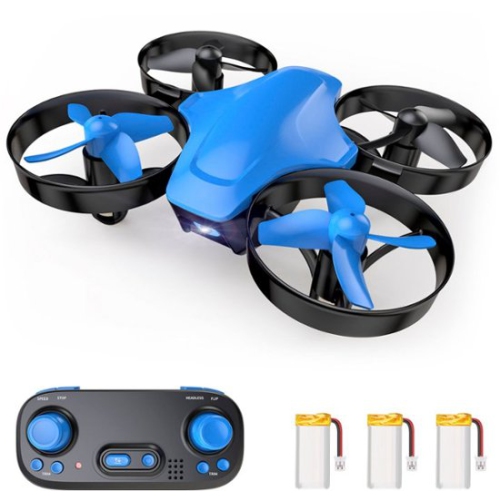
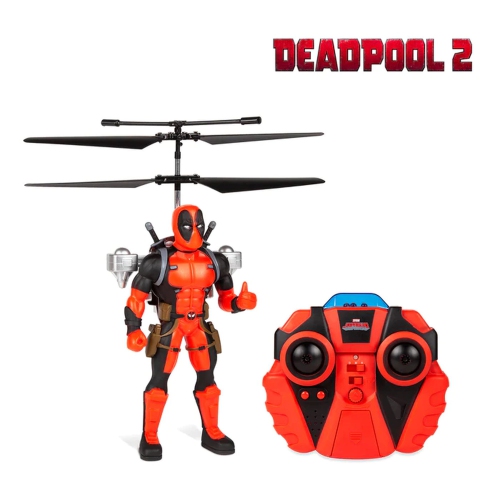
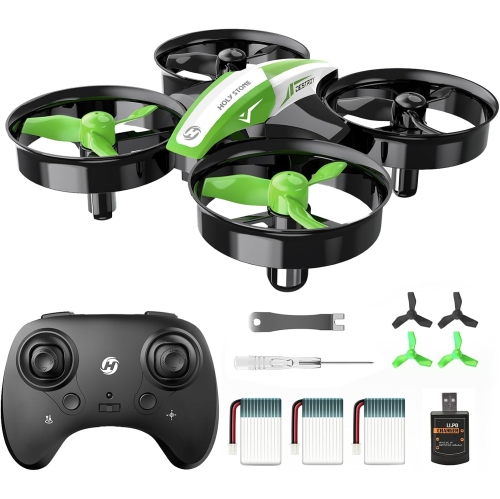
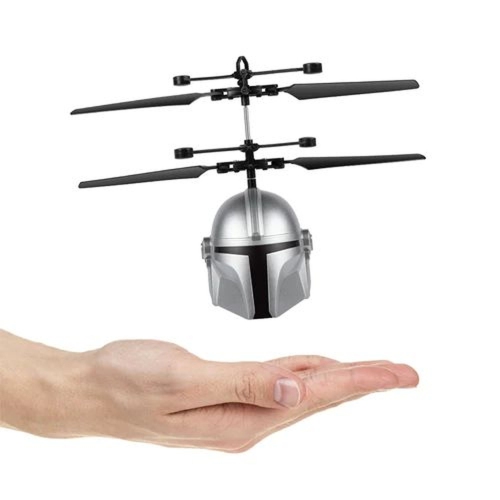
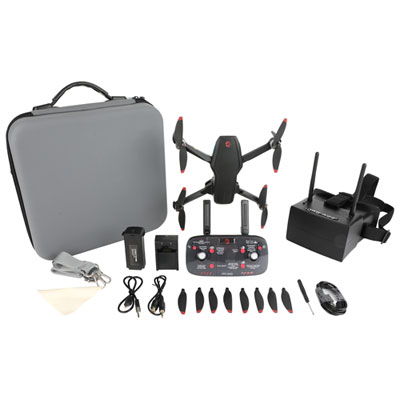
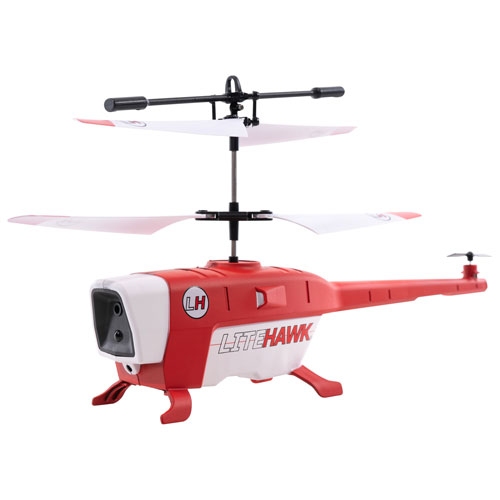
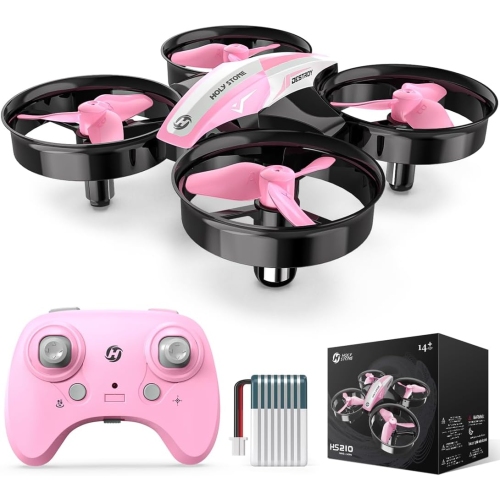
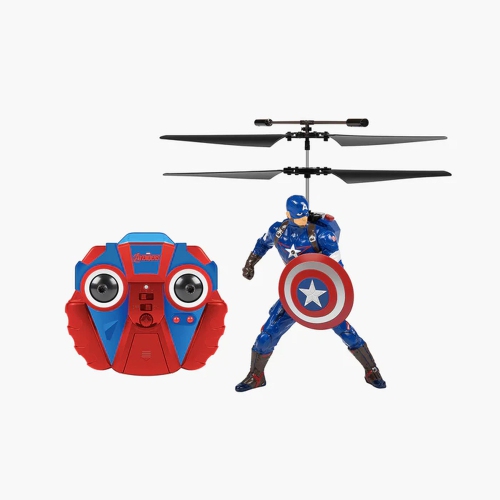
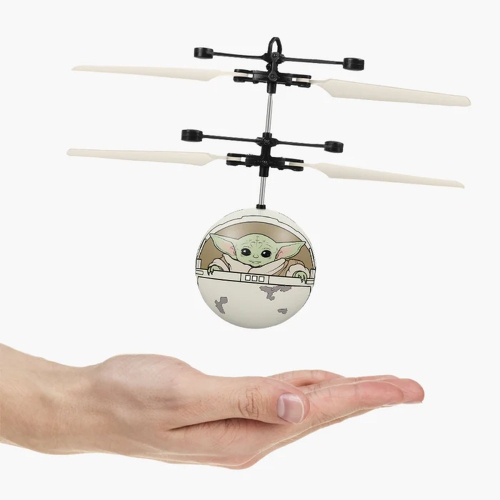
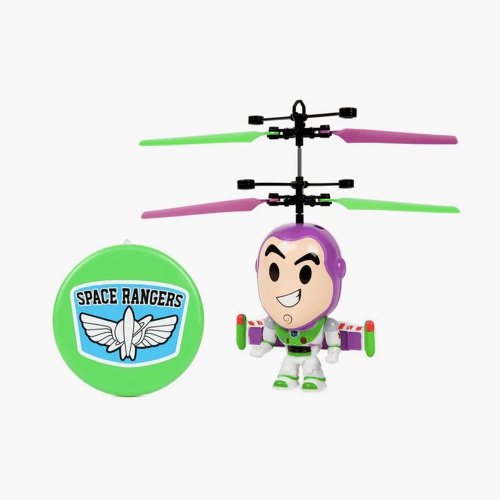
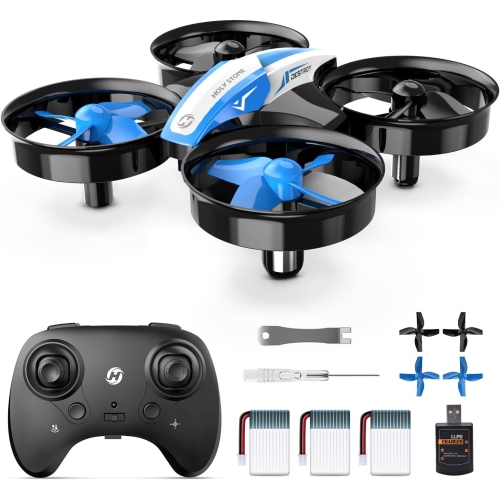
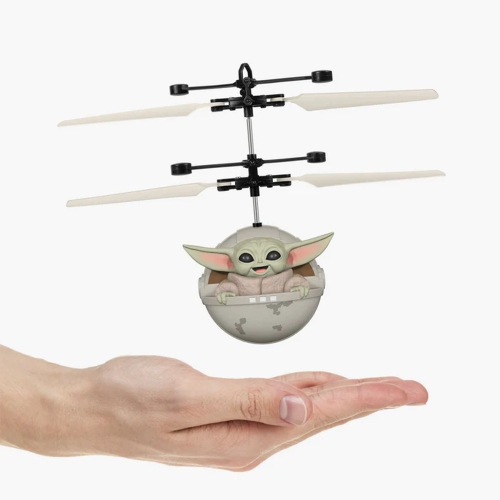
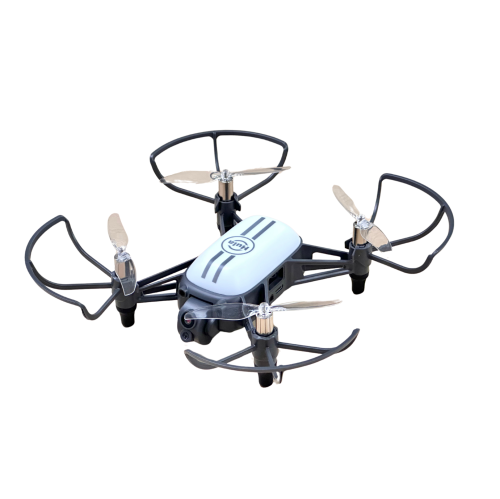

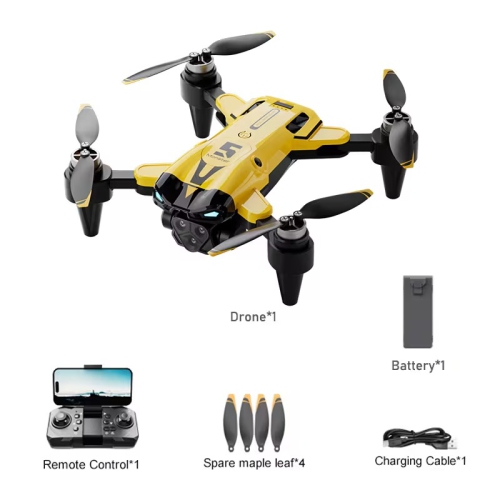
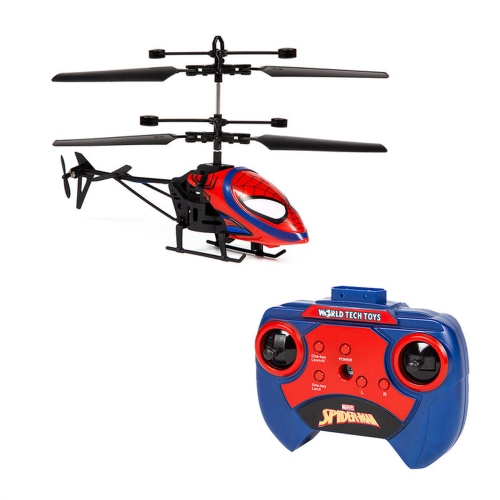

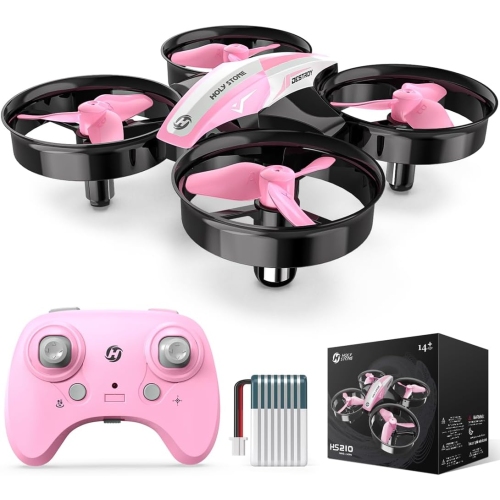
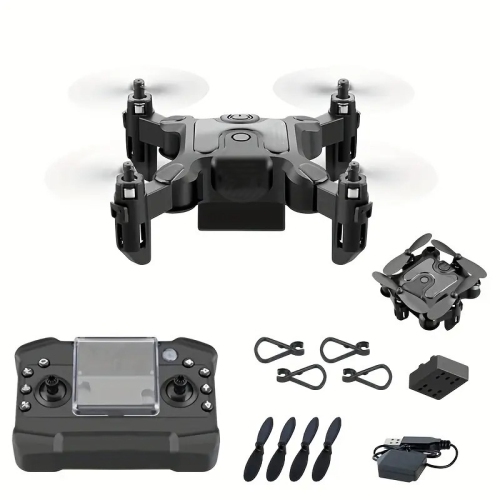
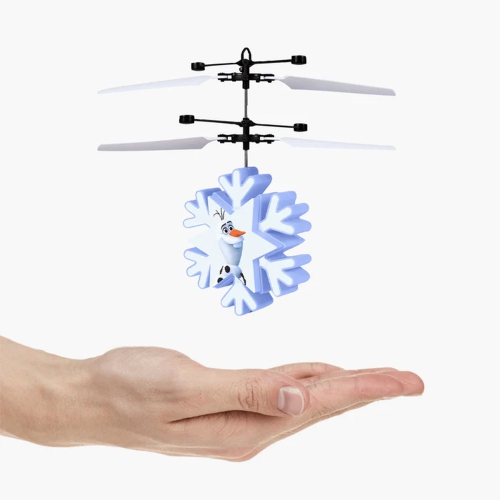
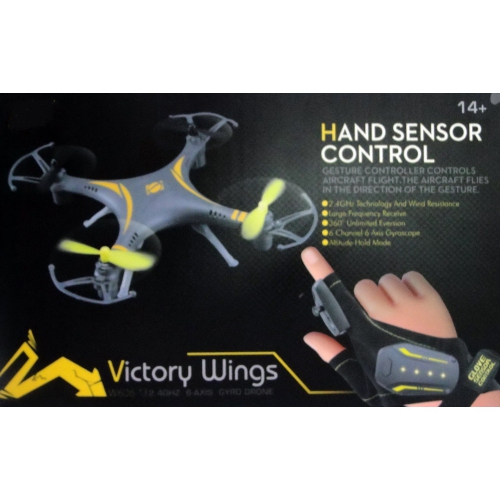
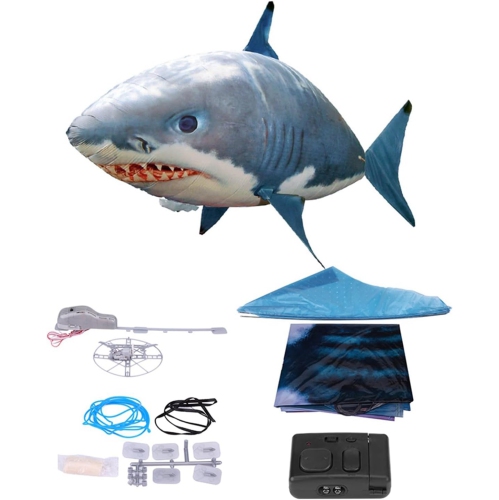
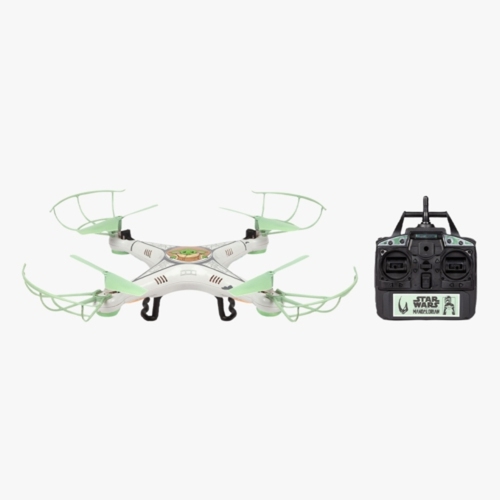
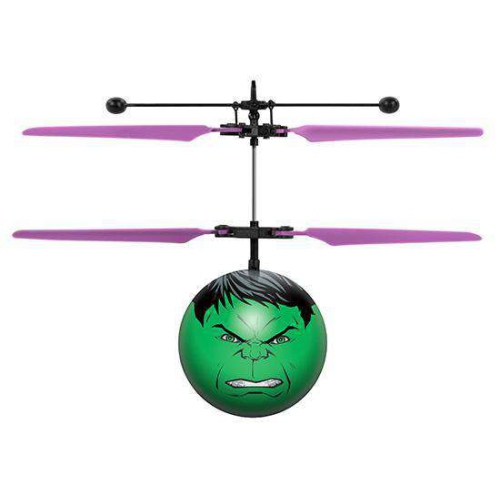
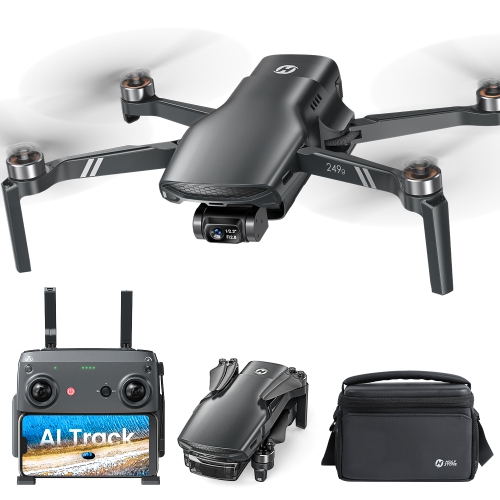
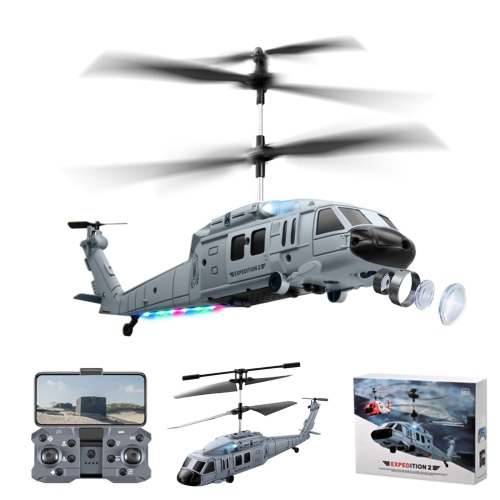
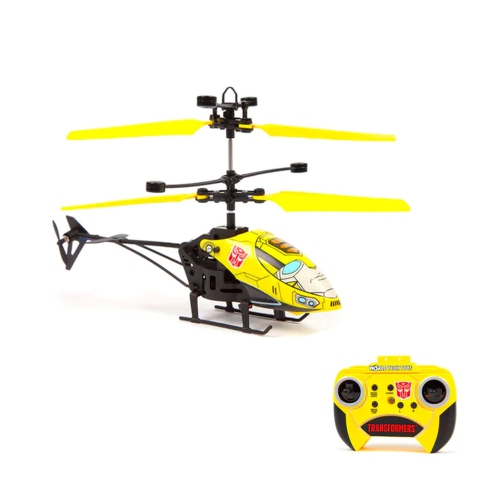
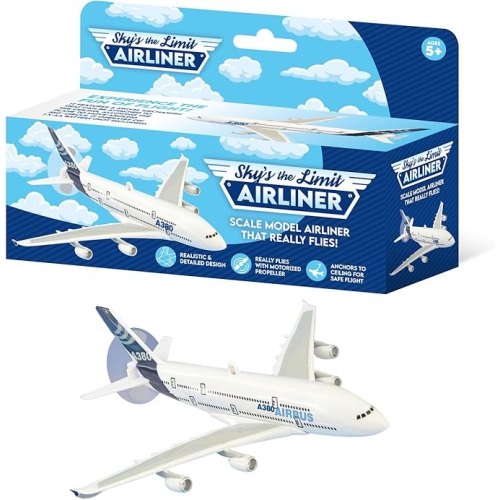
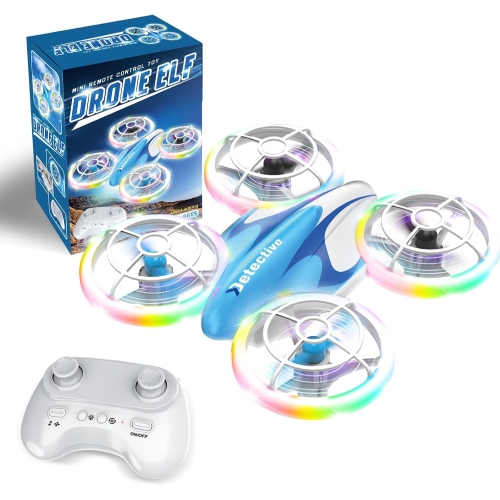
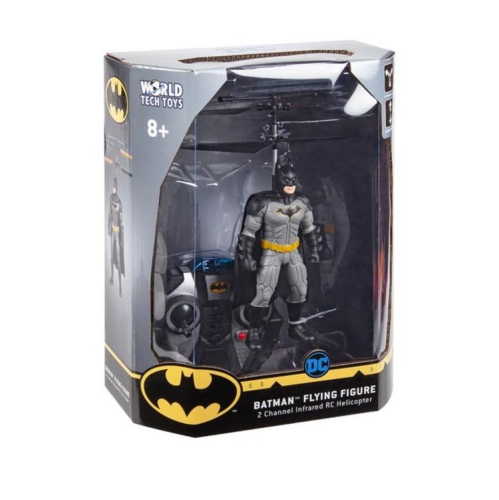
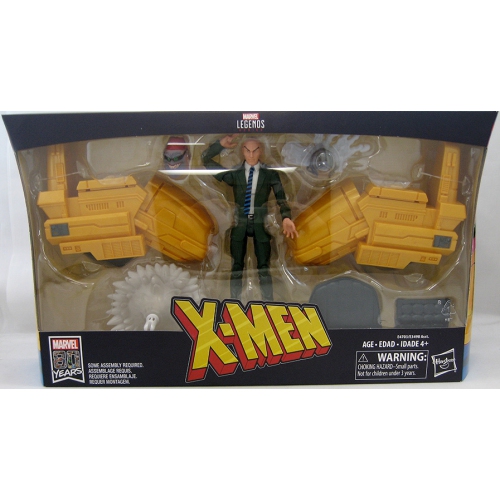
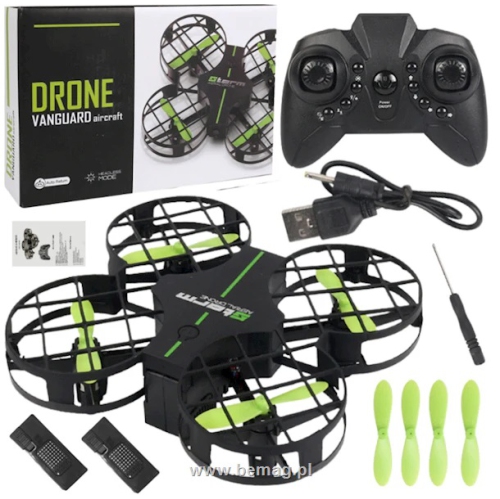
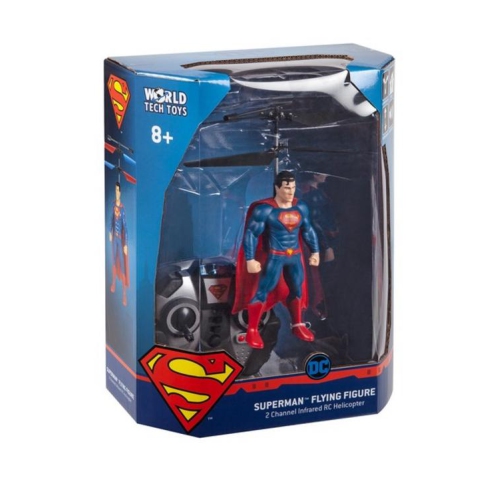
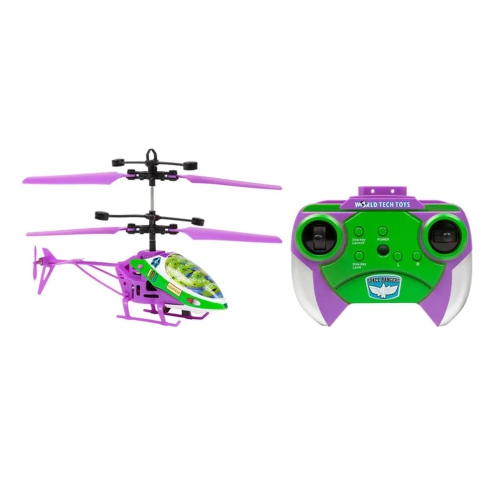
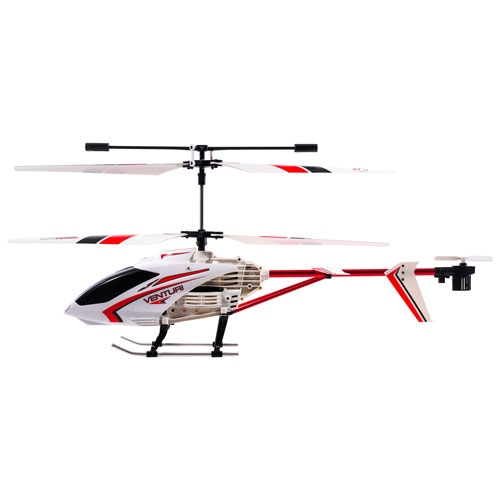
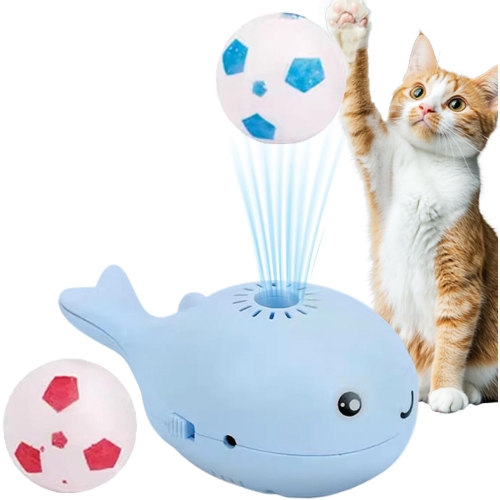
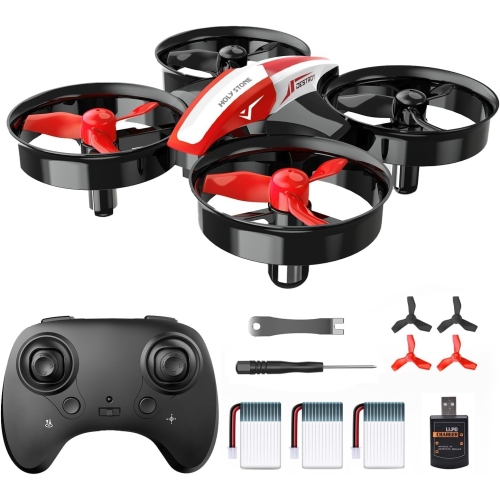
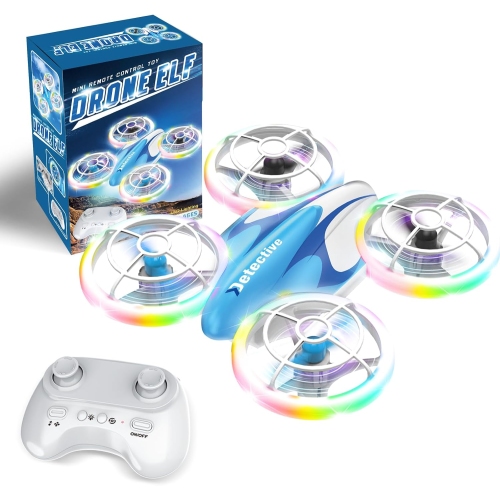
How returning orbs and air-cushion discs change play
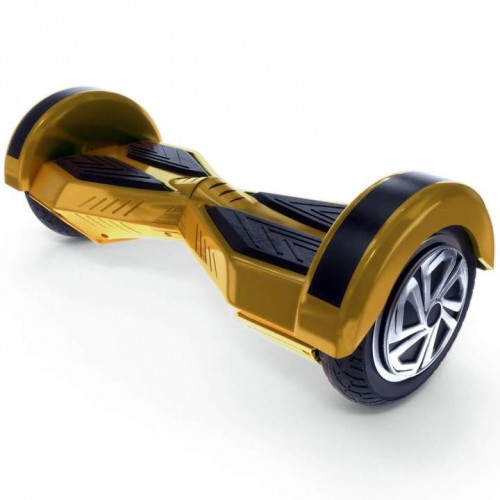
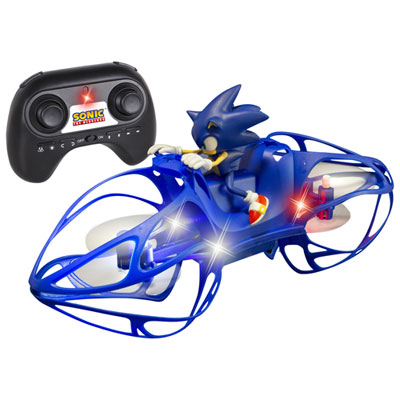
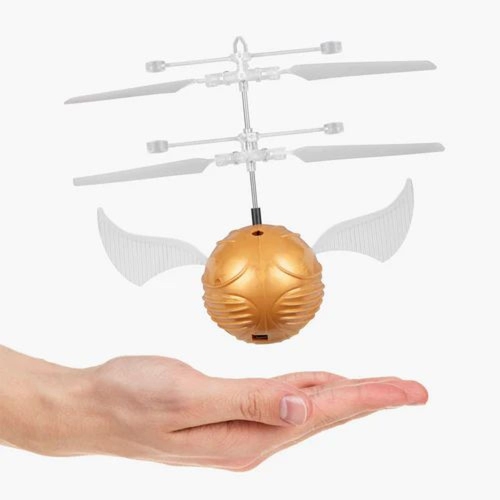
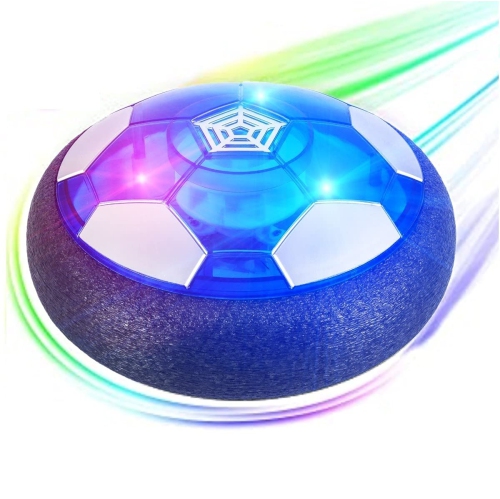
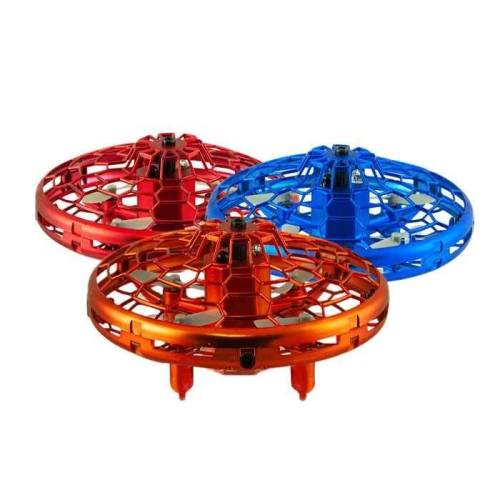
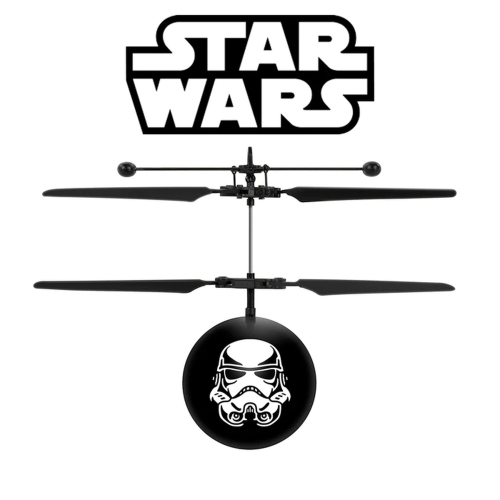
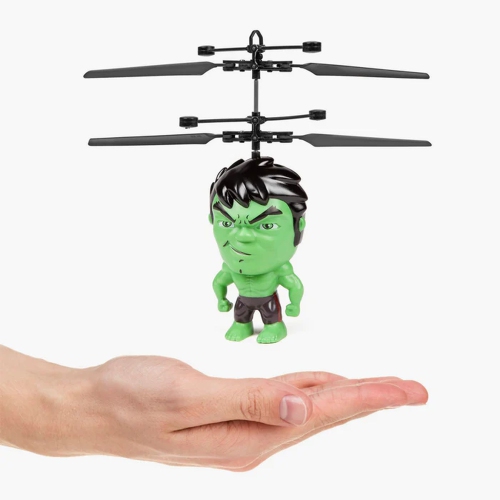
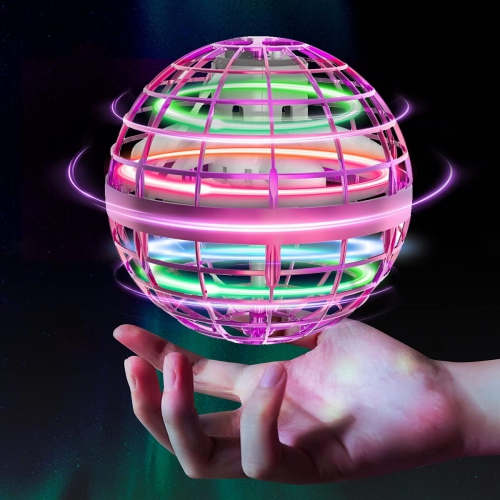
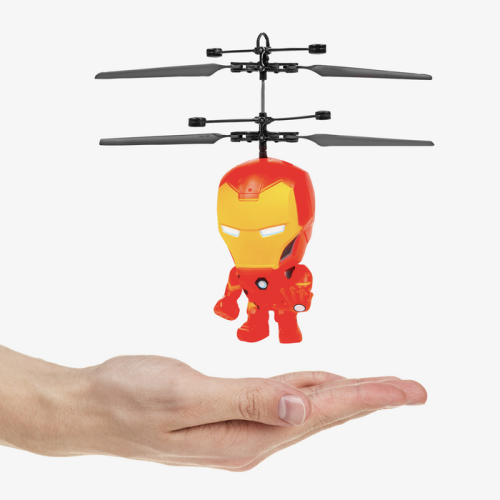
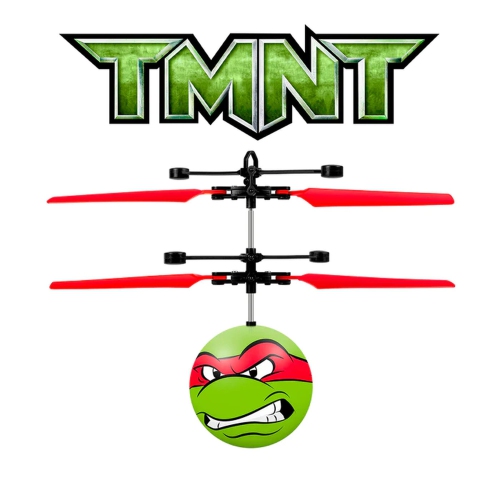
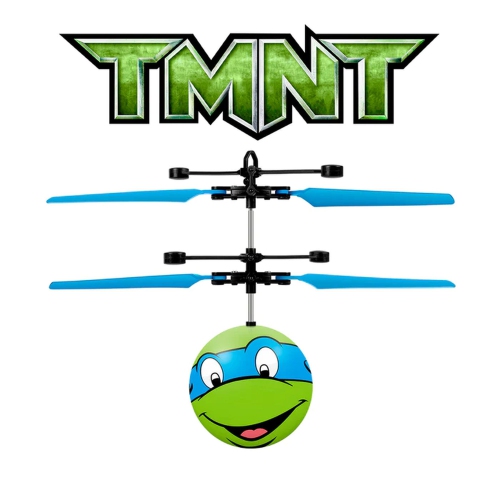
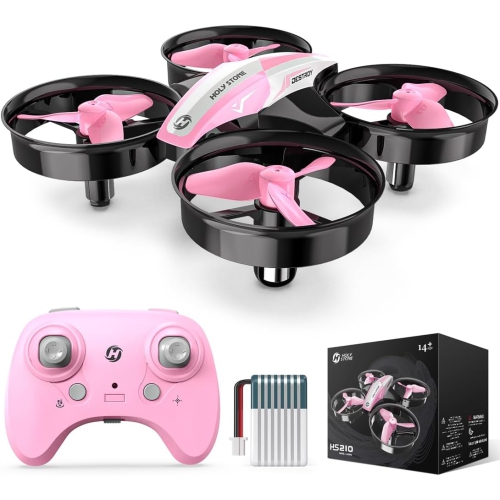
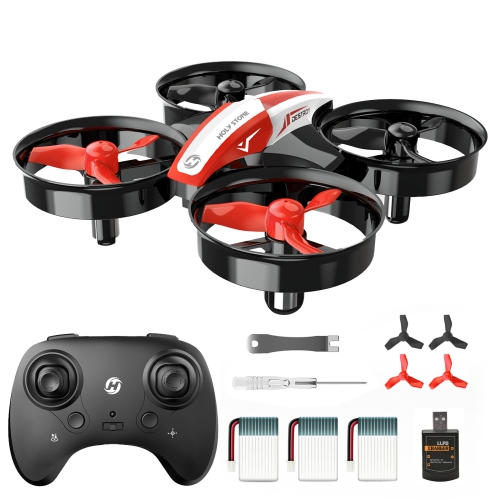
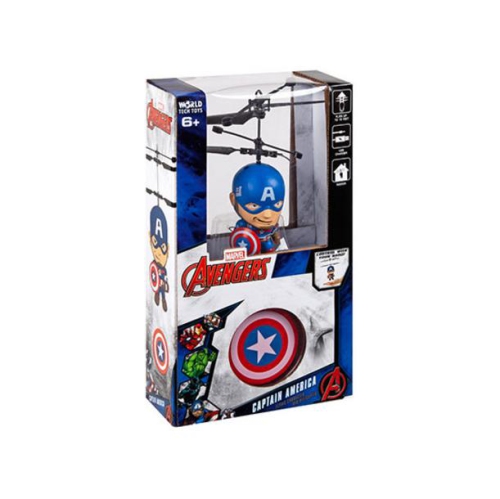
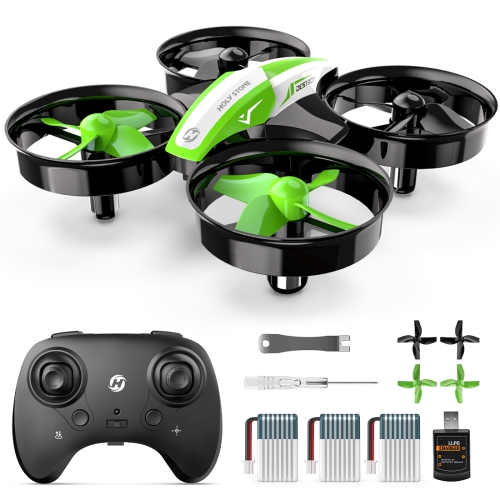
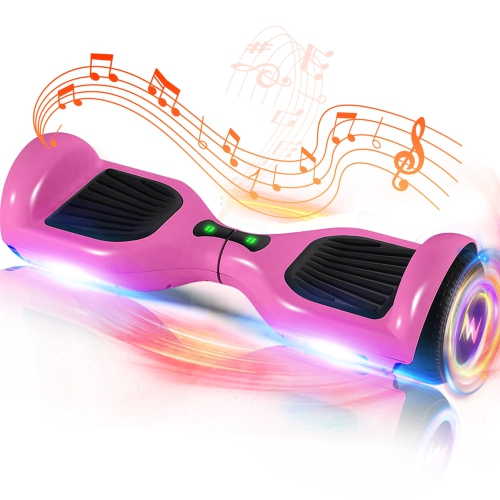
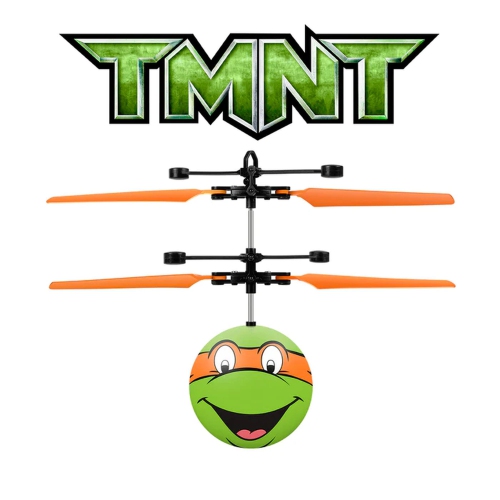
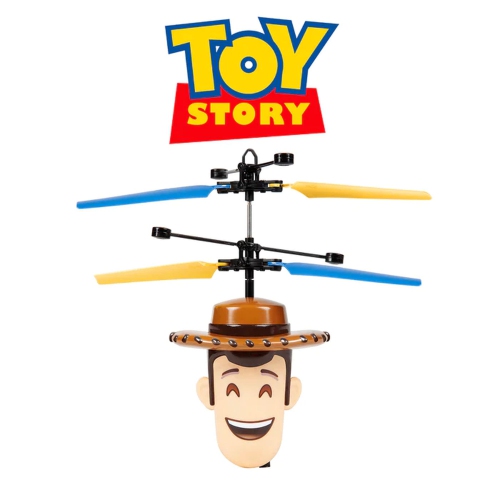
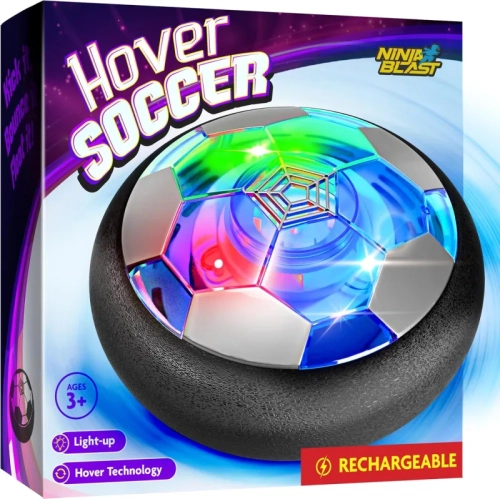
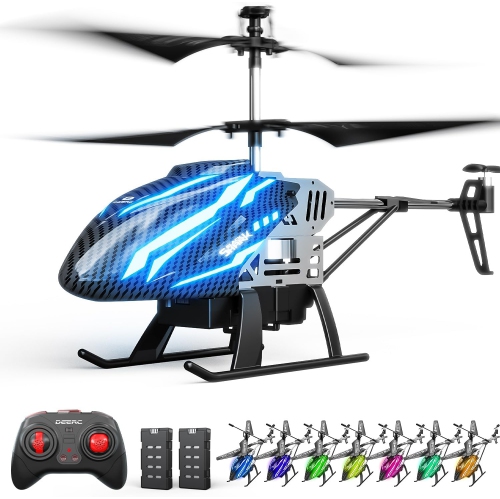
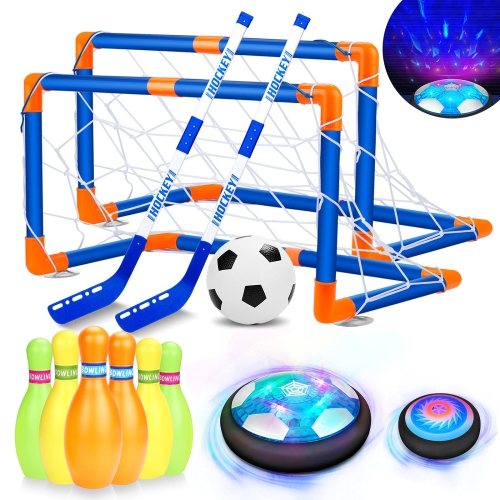
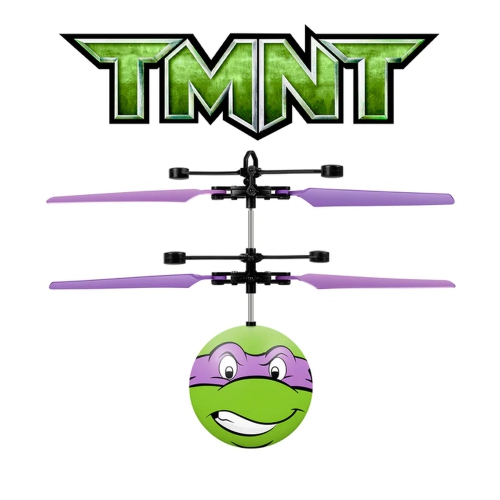
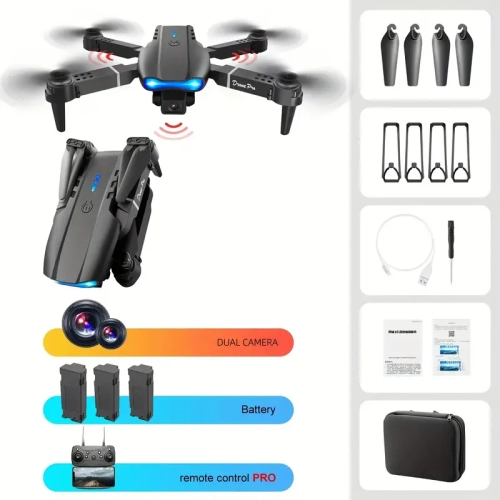
Hovering toys bring a sense of movement and surprise to play by lifting, gliding, or floating just above a surface. This category generally includes hand-controlled flying orb toys, sensor-guided hovering toys, and hover soccer discs that travel across the floor on a cushion of air. Each type offers a different style of play. Enclosed flying orbs are spherical toys with protective cages, built-in LED lights, and lightweight designs that can be tossed gently into the air before returning in a curved or boomerang-style path. Many respond to the position of a player’s hand, allowing children and families to guide the toy upward, keep it hovering, or redirect it without a traditional remote control. Sensor-based toys can detect nearby objects or surfaces and adjust their movement as they fly, creating an interactive experience that feels a little like catching a tiny aircraft. Hover soccer discs work differently: their flat shape and air cushion allow them to glide over hardwood, laminate, low-pile carpet, and other smooth indoor flooring, while foam bumpers help protect furniture, walls, and feet during active play. Together, these toys can turn an open living room, playroom, basement, or classroom-style recreation area into a space for movement and experimentation. They are often appealing to children who enjoy vehicles, robotics, sports, or hands-on games, and they can also provide a fun way for siblings, parents, and friends to play together. A hovering toy can make a lively gift for a birthday, family gathering, or celebration during the cooler months, particularly when indoor activities become more important. For outdoor use, always check the instructions and local conditions, since wind, uneven ground, branches, and other obstacles can affect flight and control. Indoor play is usually best in a clear area where players have room to move without standing on furniture or reaching near ceiling fixtures.
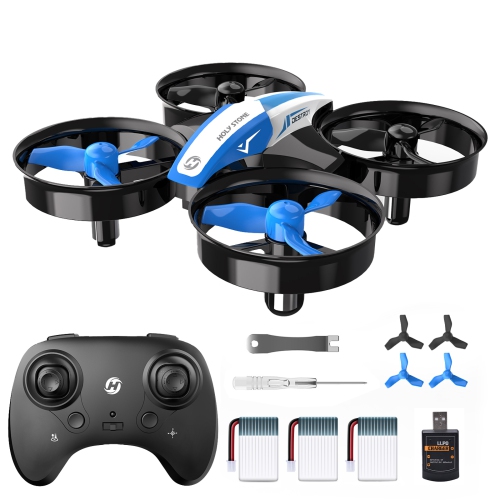
When choosing a hovering toy, start by matching the design to the intended play space and the player’s age, coordination, and interests. A hand-controlled orb may suit someone who enjoys practising gentle throws and learning how hand position affects motion, while a sensor-guided model can be engaging for children who like discovering how technology reacts to nearby surfaces. Look for a protective enclosure or soft exterior when the toy is likely to be used around younger children, pets, furniture, or other household objects. LED lighting can make the movement easier to follow and add visual appeal in a dimmer room, although the play area should still be well lit enough for everyone to see obstacles. Consider the toy’s charging or battery requirements, expected play time, charging method, and whether replacement batteries are needed. Rechargeable designs can be convenient for regular play, while battery-operated options may be useful when a quick setup is preferred. Size and weight matter as well: a compact toy is easier to store and carry, but a slightly larger design may be easier for beginners to track as it moves. For hover soccer, check the recommended floor types and look for features such as a bumper around the edge, smooth gliding action, and controls that are easy for children to understand. These details can make a difference when a game moves from a hallway to a basement or from a hard floor to a carpeted room. It is also helpful to consider sound levels if the toy will be used near bedrooms, shared living spaces, or neighbours. Before play begins, read the instructions, charge the toy fully, remove breakable objects from the area, and establish boundaries for throwing, chasing, and kicking. Younger users may need an adult nearby, especially when learning how to launch a flying toy or when playing in a busy room. Children should avoid touching spinning parts, placing hands beneath a moving toy, or aiming it at faces. With a little preparation, hovering toys can offer an energetic break from seated activities while encouraging timing, hand-eye coordination, gentle movement, and simple problem-solving.
Hovering toys can also be a useful starting point for exploring a wider range of air-powered, flying, and motion-based play. Children may begin with a floor-gliding game and then enjoy experimenting with an object that responds to a hand gesture, changes direction, or follows a returning flight path. For related options that focus on smooth airborne movement and gliding play, explore Glider Toys. The best choice depends on how and where the toy will be used. A family looking for an active indoor game may prefer a hover soccer disc that encourages passing, dribbling, and friendly competition across an open floor. Someone searching for a more individual activity may enjoy a hand-controlled orb that can be launched, caught, and redirected repeatedly in a smaller space. A child interested in technology may appreciate a hovering toy with proximity sensors, while a younger player may benefit from a simple design with clear controls and a durable outer shell. Think about storage too: flying toys should be kept away from heat and moisture, with detachable accessories, charging cables, and batteries stored safely when not in use. During warmer weather, play can move to a sheltered outdoor area if the instructions permit, while indoor rooms become comfortable settings during rainy days and cooler seasons. Whether it is used for a few minutes of practice, a family challenge, or an imaginative game involving pilots and rescue missions, a hovering toy adds visible action to everyday play. A clear play zone, realistic expectations about battery life, and a design suited to the player’s age can help make each session more enjoyable, giving children the freedom to explore movement while adults feel confident about the setup.
When choosing a hovering toy, start by matching the design to the intended play space and the player’s age, coordination, and interests. A hand-controlled orb may suit someone who enjoys practising gentle throws and learning how hand position affects motion, while a sensor-guided model can be engaging for children who like discovering how technology reacts to nearby surfaces. Look for a protective enclosure or soft exterior when the toy is likely to be used around younger children, pets, furniture, or other household objects. LED lighting can make the movement easier to follow and add visual appeal in a dimmer room, although the play area should still be well lit enough for everyone to see obstacles. Consider the toy’s charging or battery requirements, expected play time, charging method, and whether replacement batteries are needed. Rechargeable designs can be convenient for regular play, while battery-operated options may be useful when a quick setup is preferred. Size and weight matter as well: a compact toy is easier to store and carry, but a slightly larger design may be easier for beginners to track as it moves. For hover soccer, check the recommended floor types and look for features such as a bumper around the edge, smooth gliding action, and controls that are easy for children to understand. These details can make a difference when a game moves from a hallway to a basement or from a hard floor to a carpeted room. It is also helpful to consider sound levels if the toy will be used near bedrooms, shared living spaces, or neighbours. Before play begins, read the instructions, charge the toy fully, remove breakable objects from the area, and establish boundaries for throwing, chasing, and kicking. Younger users may need an adult nearby, especially when learning how to launch a flying toy or when playing in a busy room. Children should avoid touching spinning parts, placing hands beneath a moving toy, or aiming it at faces. With a little preparation, hovering toys can offer an energetic break from seated activities while encouraging timing, hand-eye coordination, gentle movement, and simple problem-solving.
Hovering toys can also be a useful starting point for exploring a wider range of air-powered, flying, and motion-based play. Children may begin with a floor-gliding game and then enjoy experimenting with an object that responds to a hand gesture, changes direction, or follows a returning flight path. For related options that focus on smooth airborne movement and gliding play, explore Glider Toys. The best choice depends on how and where the toy will be used. A family looking for an active indoor game may prefer a hover soccer disc that encourages passing, dribbling, and friendly competition across an open floor. Someone searching for a more individual activity may enjoy a hand-controlled orb that can be launched, caught, and redirected repeatedly in a smaller space. A child interested in technology may appreciate a hovering toy with proximity sensors, while a younger player may benefit from a simple design with clear controls and a durable outer shell. Think about storage too: flying toys should be kept away from heat and moisture, with detachable accessories, charging cables, and batteries stored safely when not in use. During warmer weather, play can move to a sheltered outdoor area if the instructions permit, while indoor rooms become comfortable settings during rainy days and cooler seasons. Whether it is used for a few minutes of practice, a family challenge, or an imaginative game involving pilots and rescue missions, a hovering toy adds visible action to everyday play. A clear play zone, realistic expectations about battery life, and a design suited to the player’s age can help make each session more enjoyable, giving children the freedom to explore movement while adults feel confident about the setup.
Top selling and popular products
-
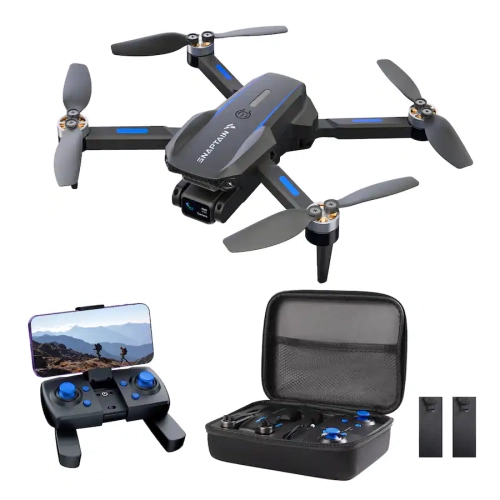 Your price for this item is $109.98
 -
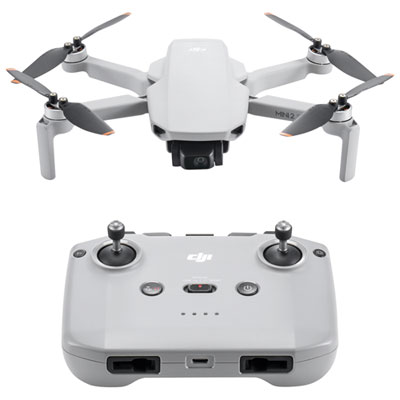 Your price for this item is $359.99
 -
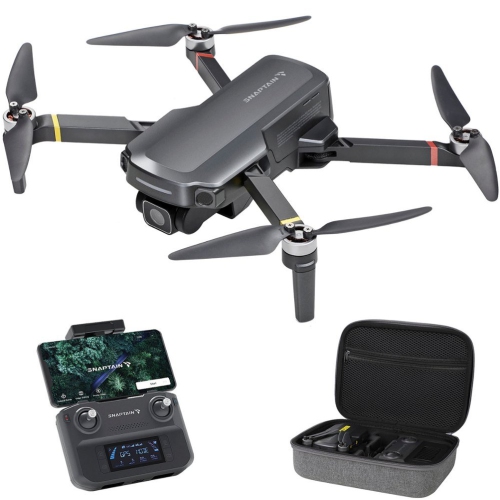 Your price for this item is $279.9
 -
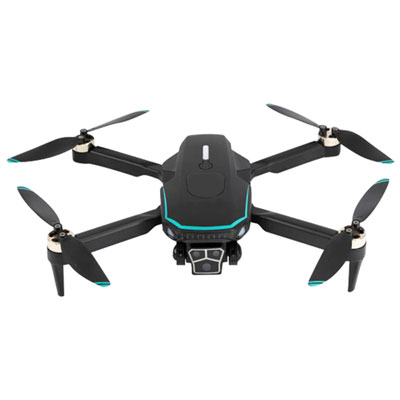 Your price for this item is $99.99
 -
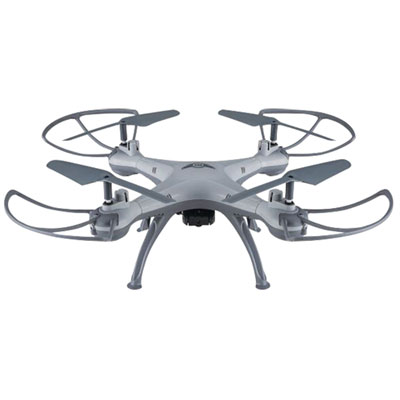 Your price for this item is $64.99
 -
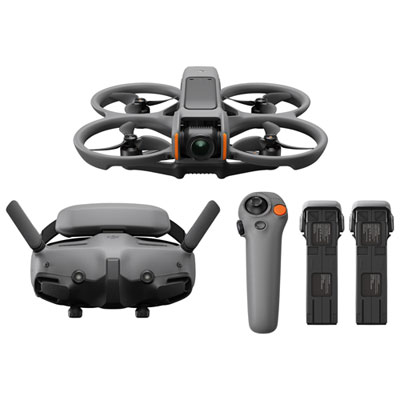 Your price for this item is $1279.99
 -
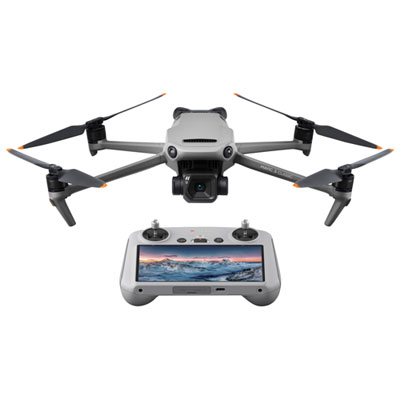 Your price for this item is $1759.99
 -
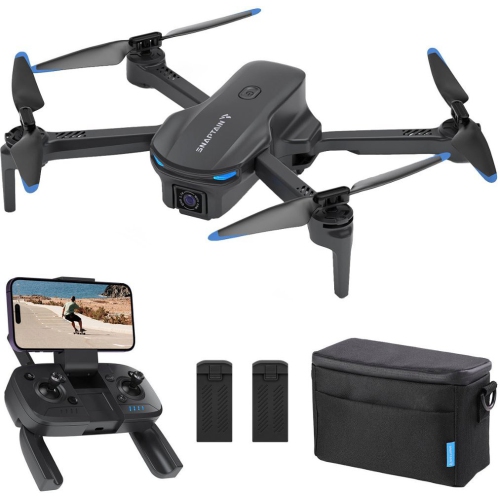 Your price for this item is $189.9
Discover more categories related to Hovering Toys
Top Collections:
Pokemon Centers, Best Cameras for Sports Photography, Kindle Devices, Samsung Galaxy Phones, Canon G7X Cameras, Pokémon 30th Celebration Cards, Refurbished Apple Laptops, iPhone 15 Apple, Laptops for Students, Budget Smartphones
Some products may be subject to Environmental Handling Fees
(EHF) depending on your province.
Learn more about EHFs.