Kid Craft Kits
Get ready to unleash your child's creativity with our wide range of kid craft kits. From painting and drawing to jewelry making and model building, these craft kits are designed to keep your little ones engaged and entertained for hours. Whether they're into dinosaurs, princesses, animals, or space, we have a variety of themes to suit every interest. With easy-to-follow instructions and all the necessary materials included, these craft kits make it simple for kids to explore their artistic side and create something truly unique. Let their imagination run wild as they dive into the world of crafting with our kid craft kits.
Sort

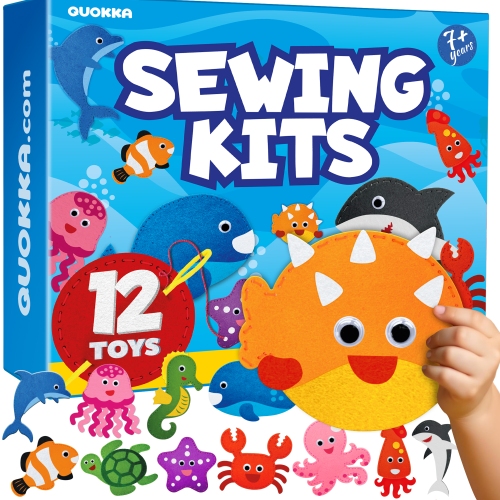
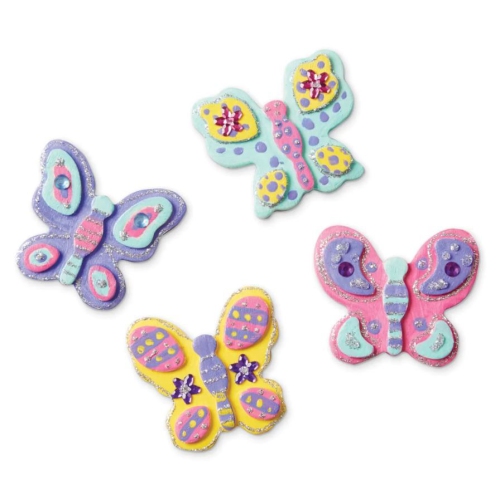
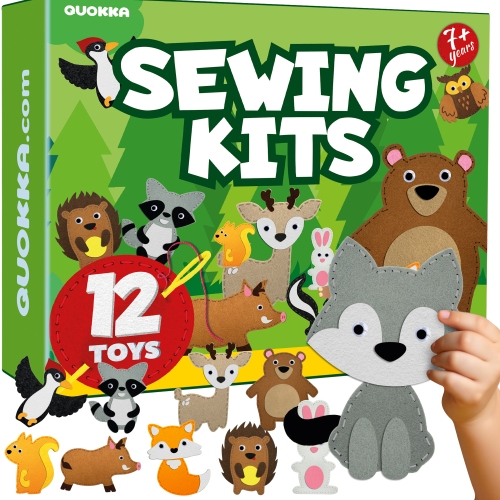
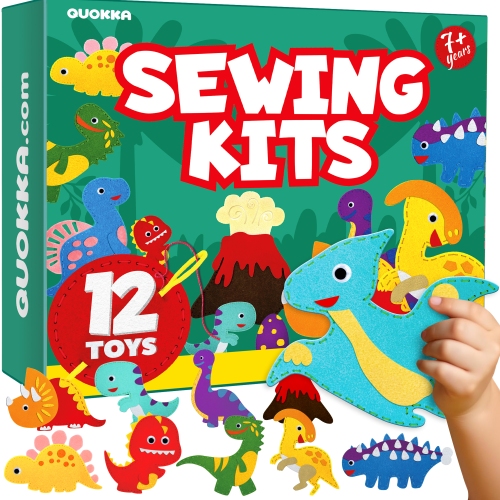


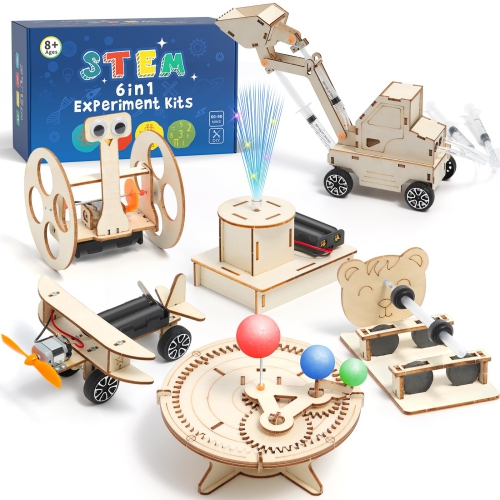

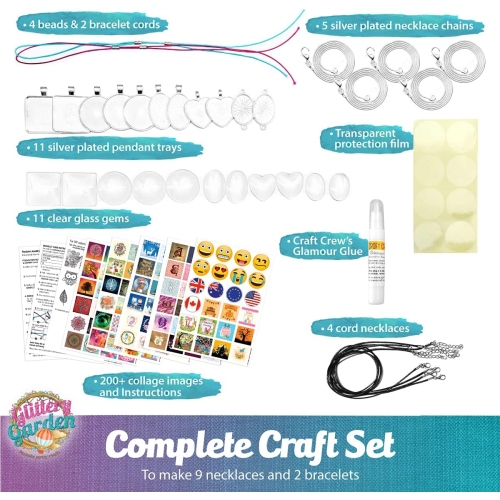
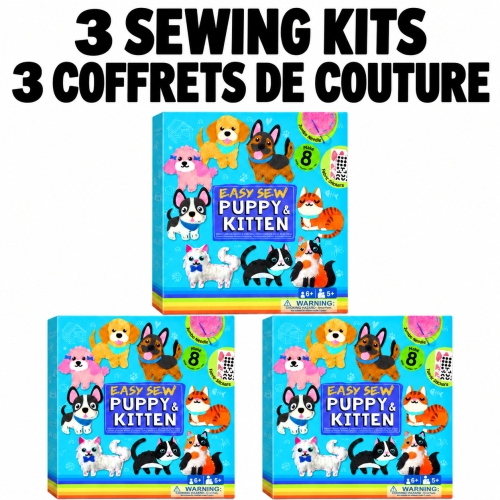
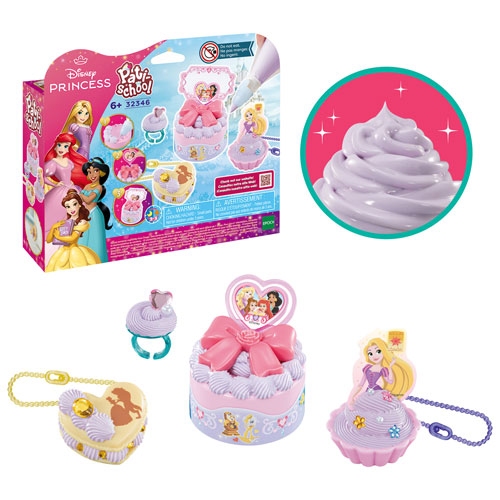

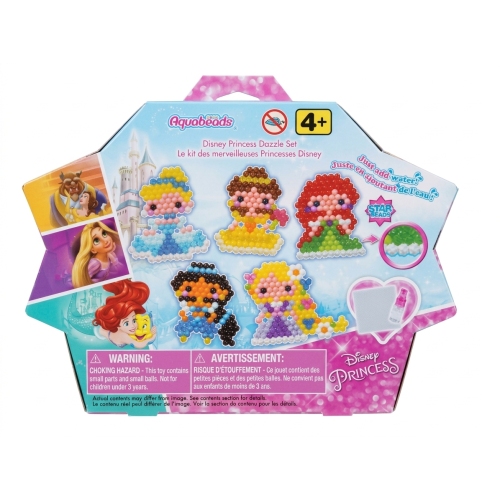
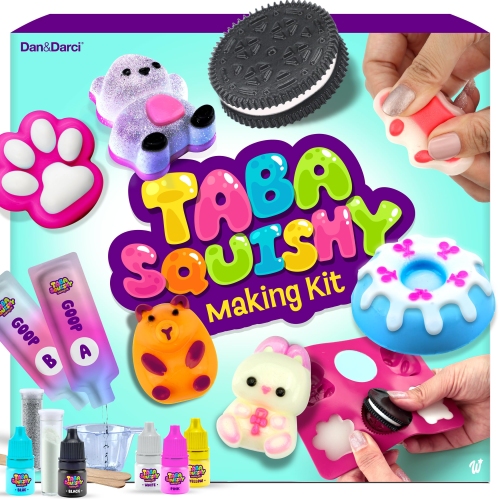
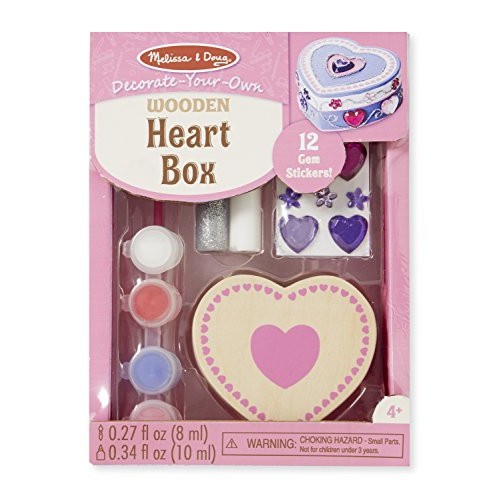


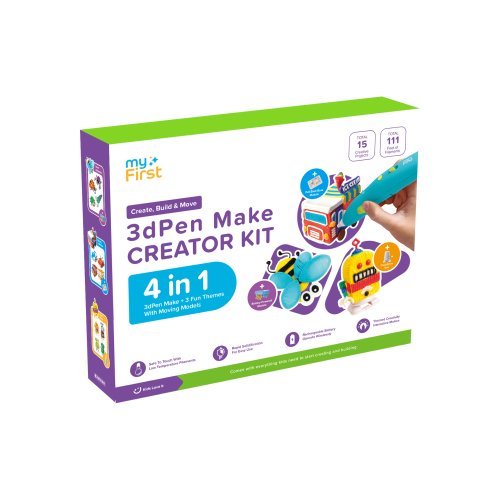
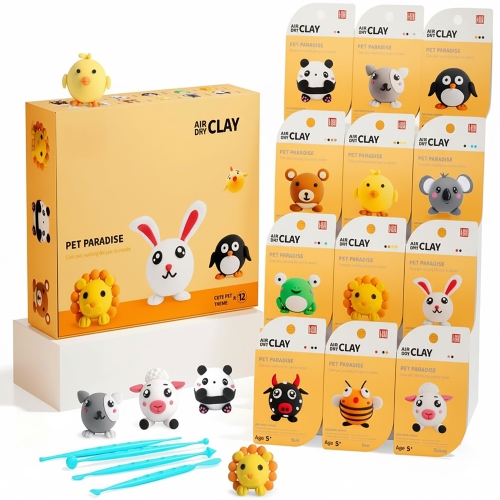
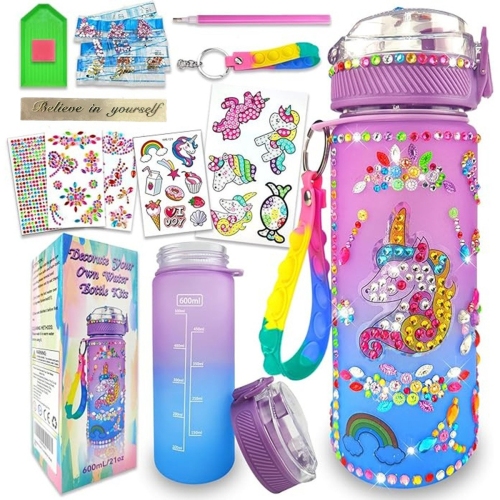

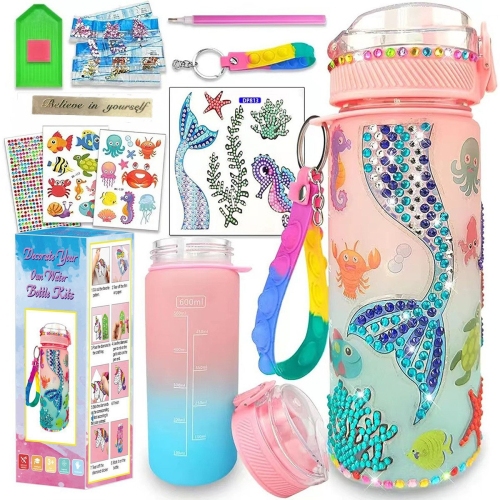

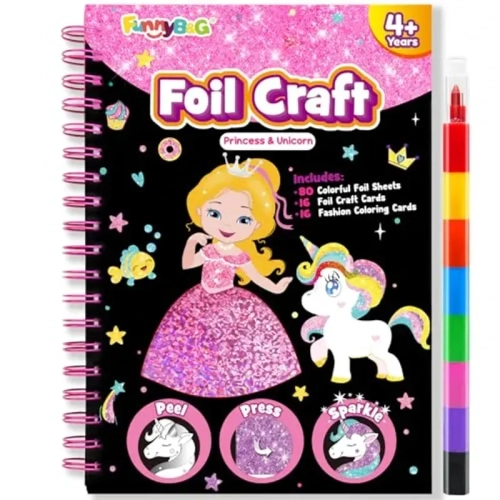

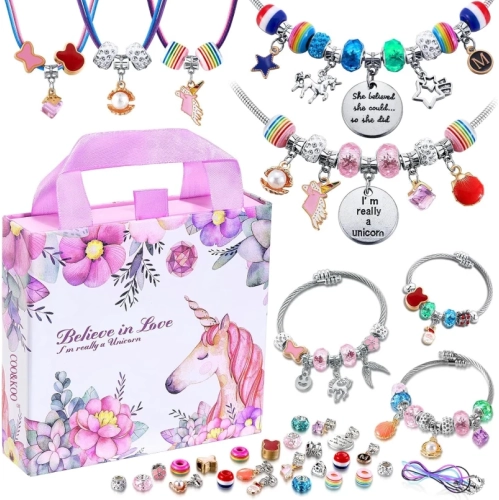


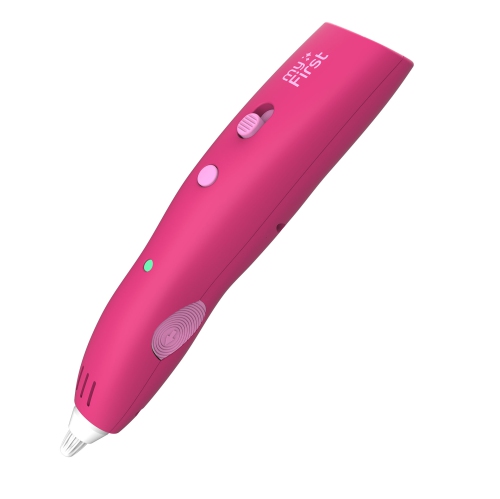


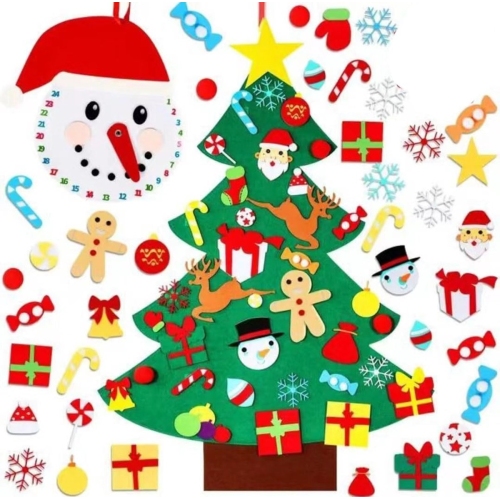

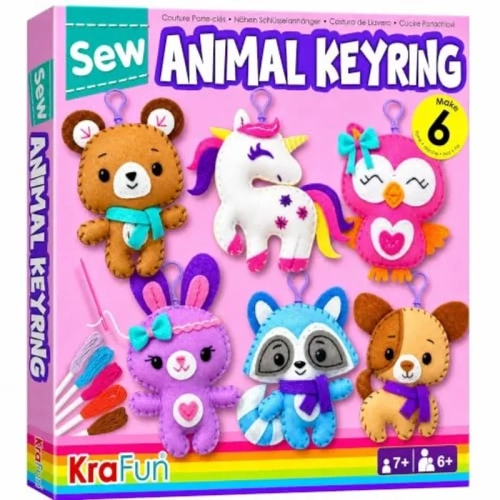
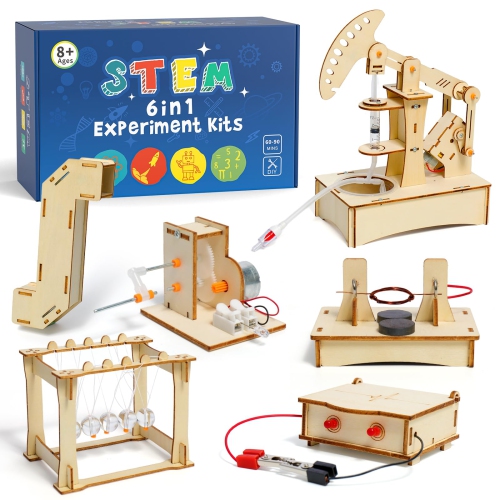
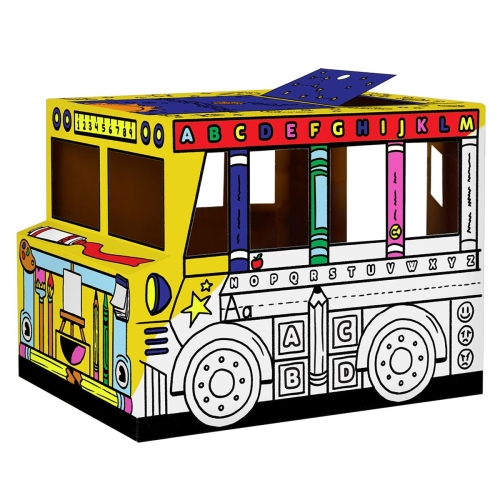
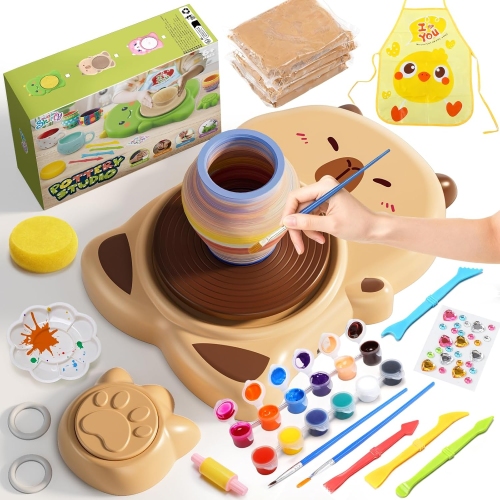


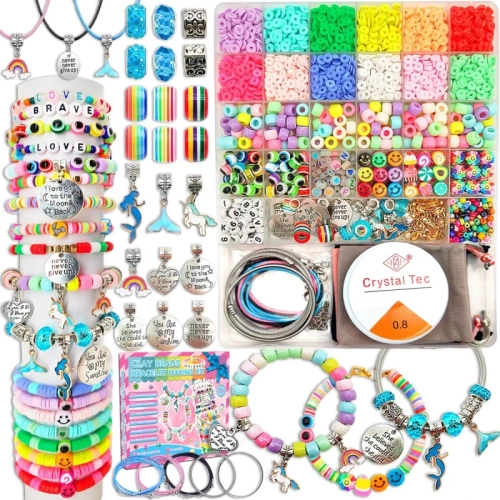
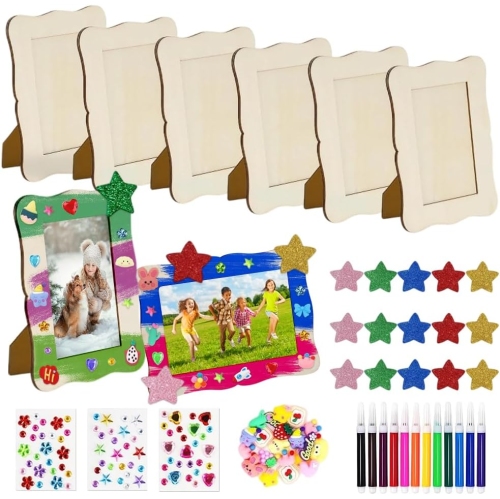
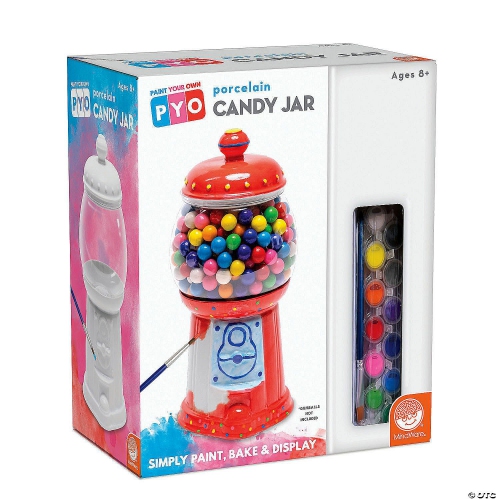
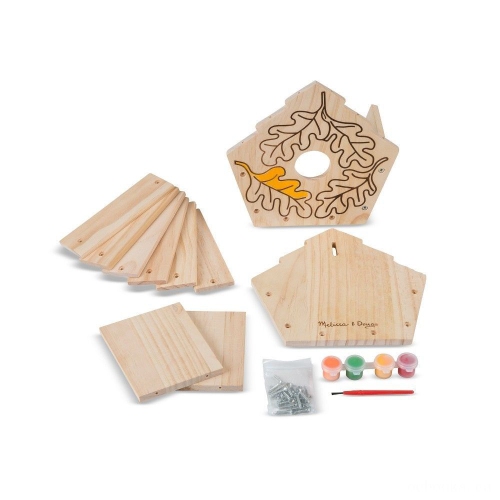
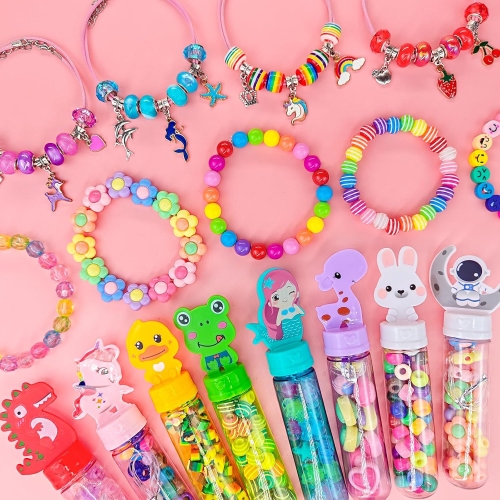

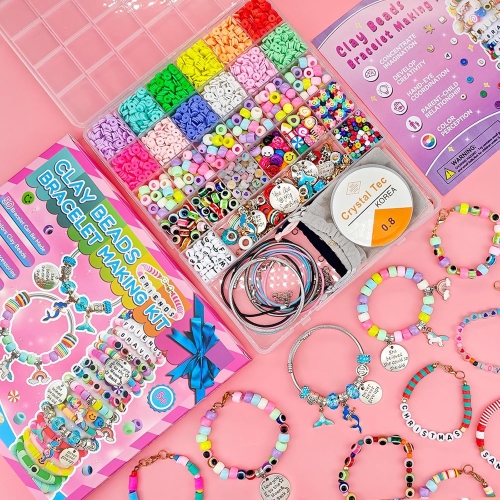
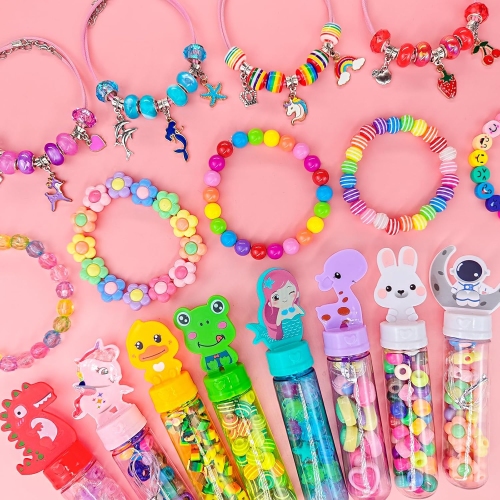
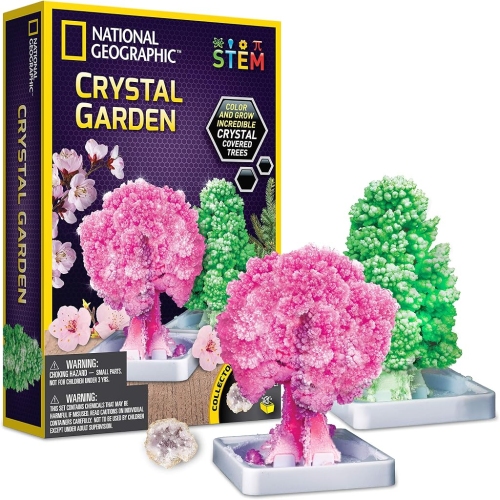
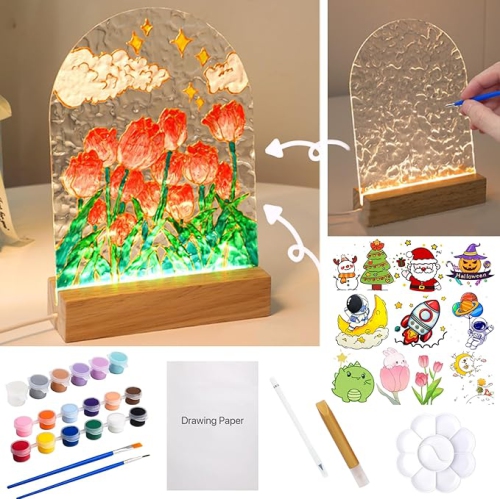

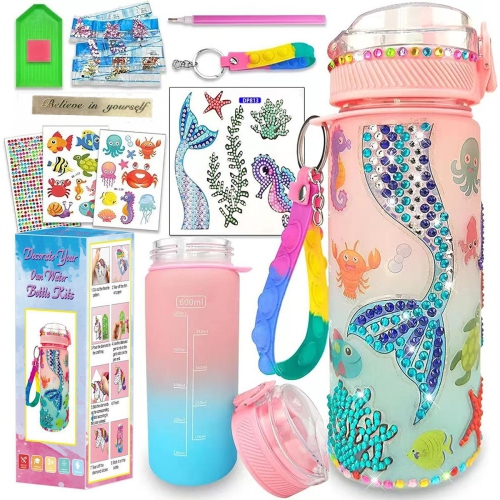
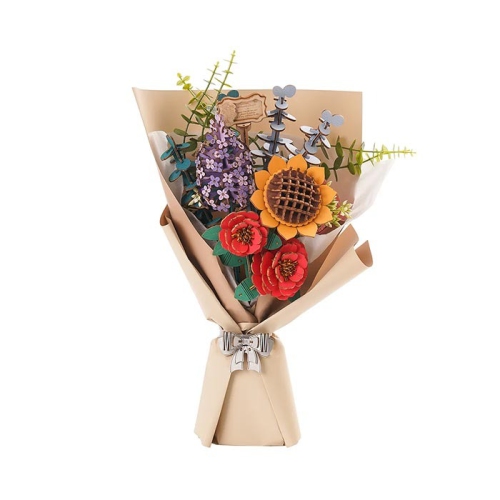
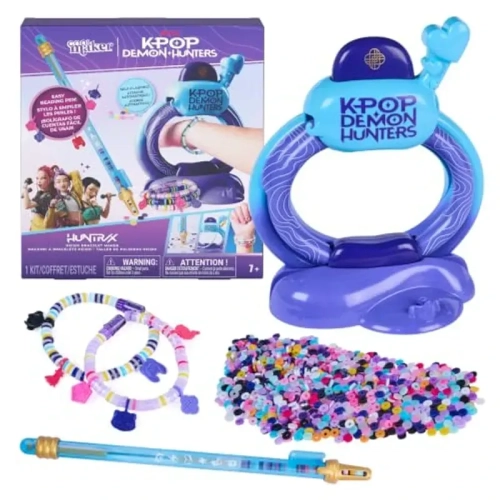


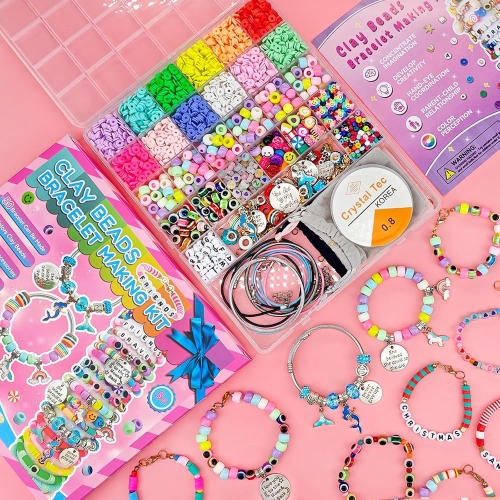











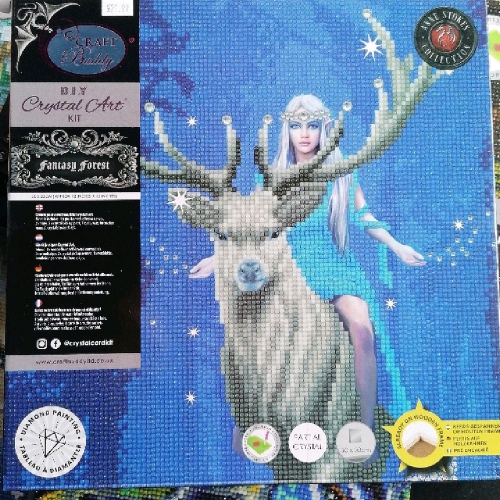
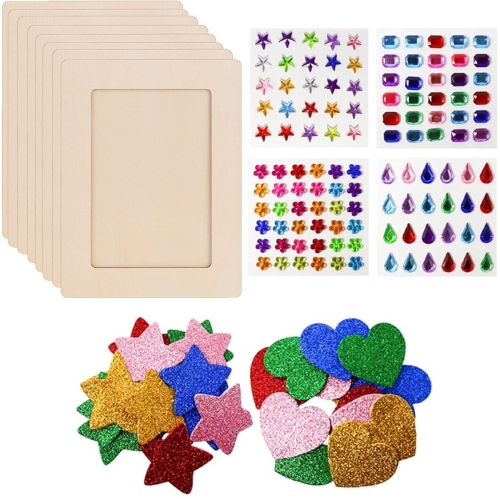
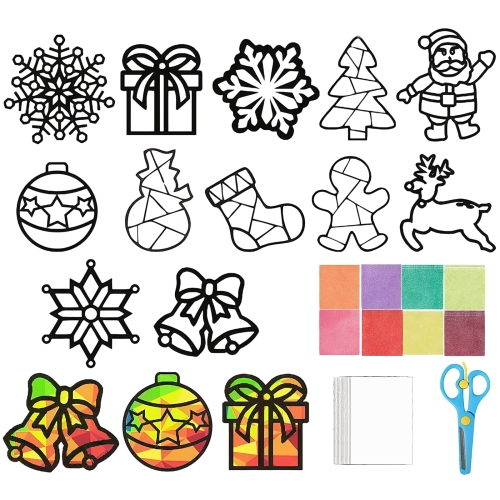

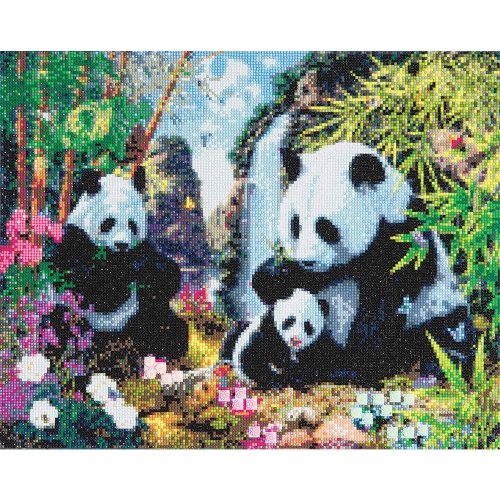
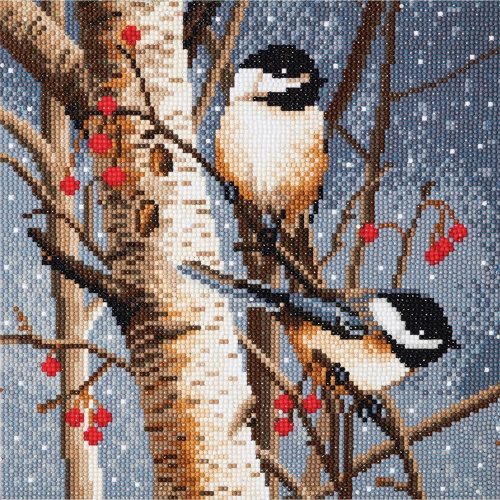


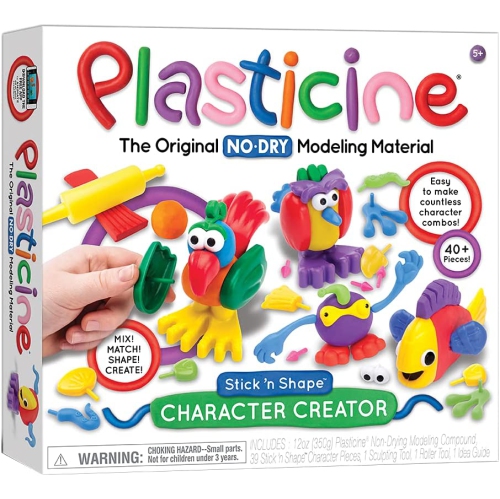
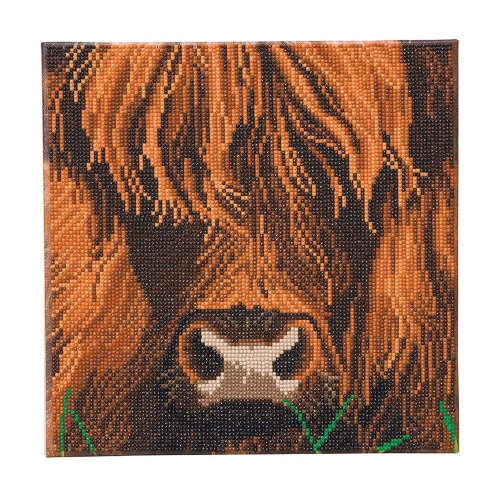

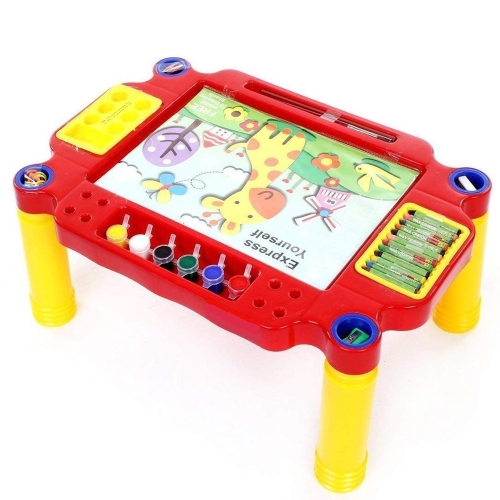
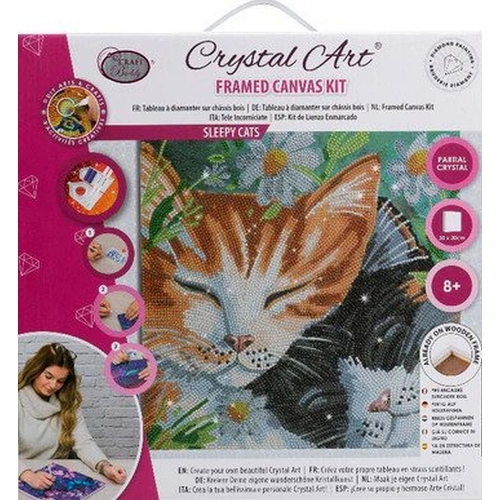


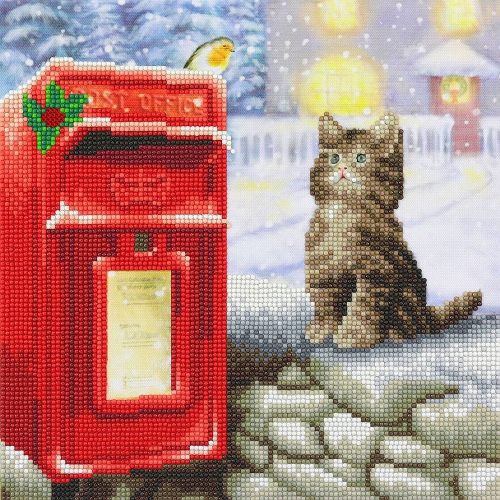

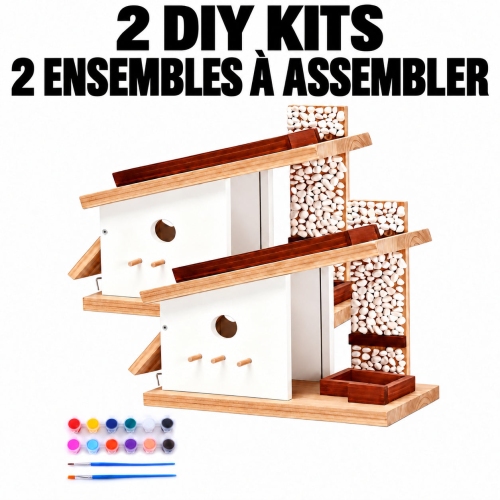


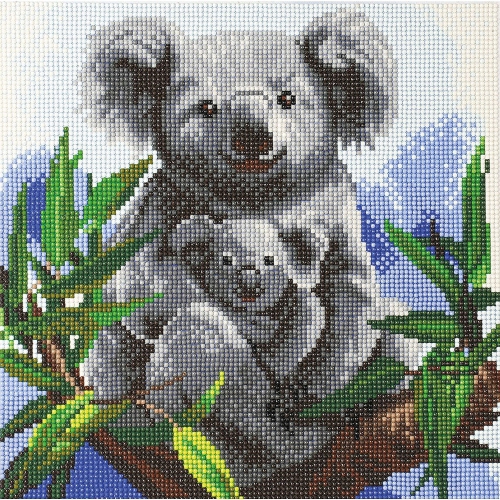


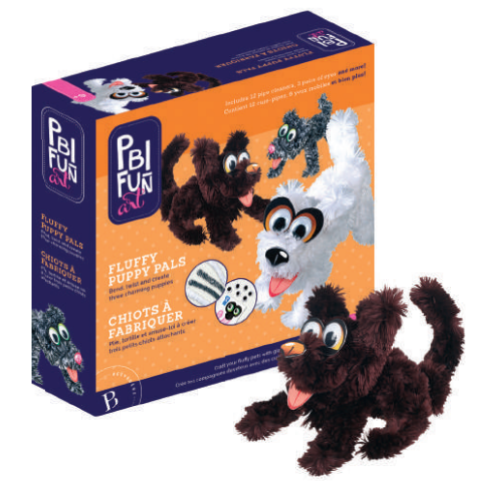


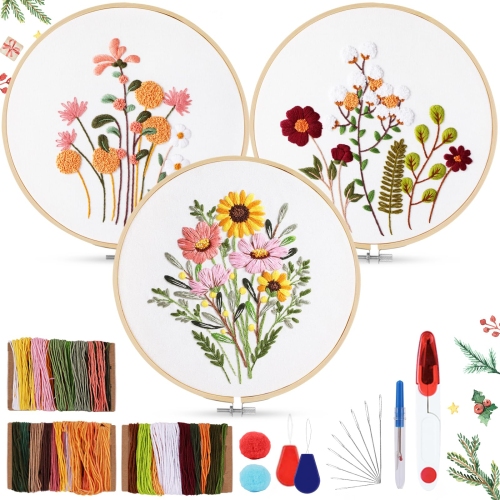
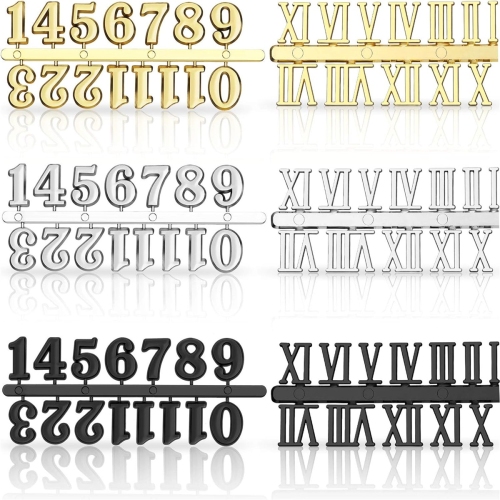
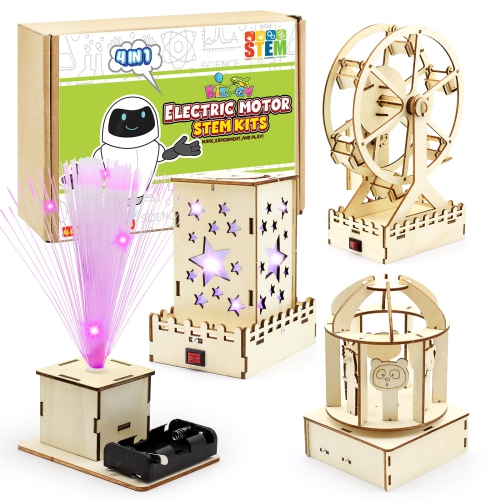
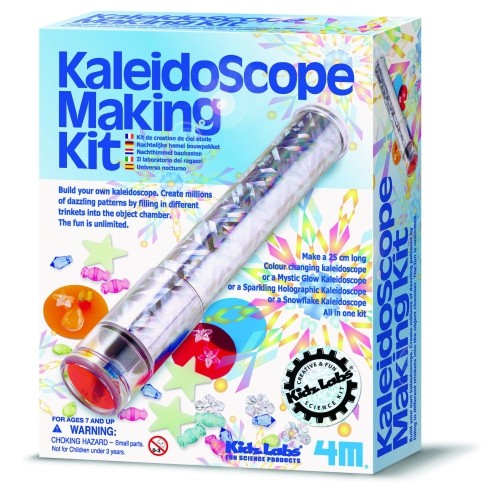
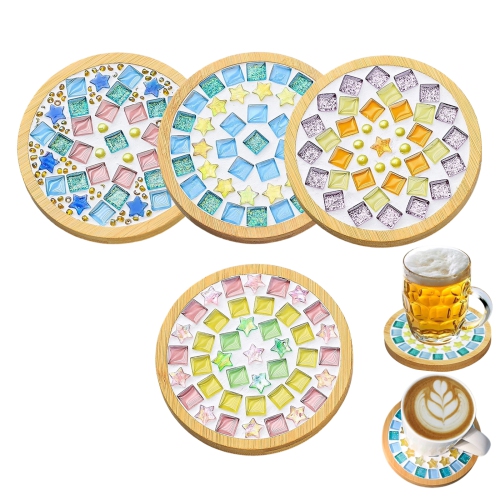
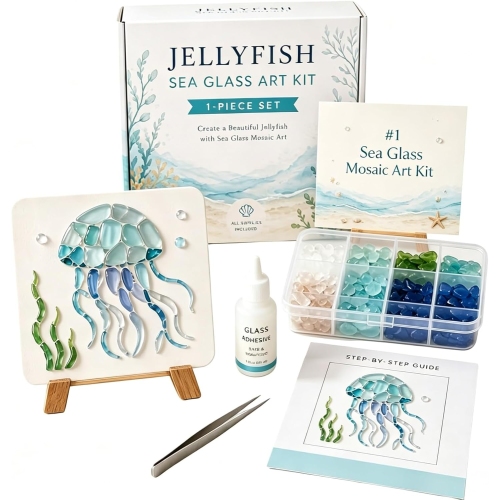
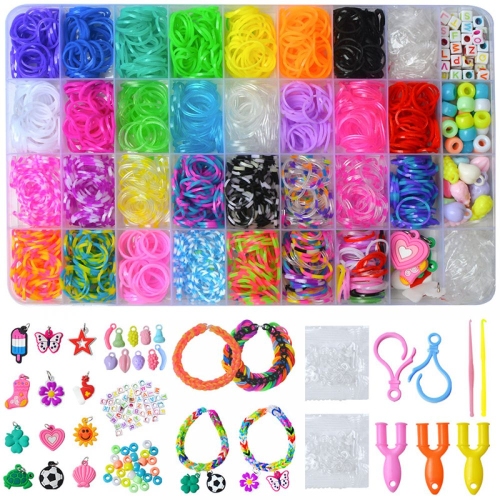

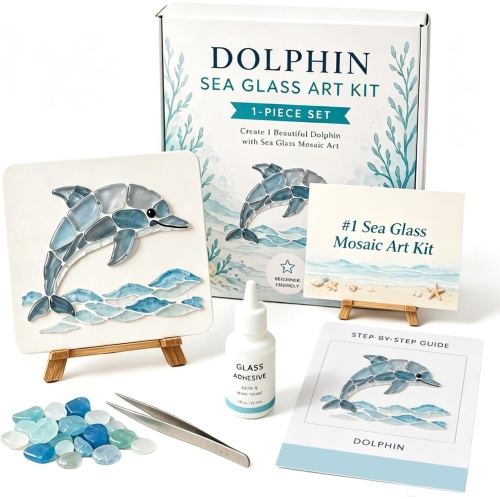
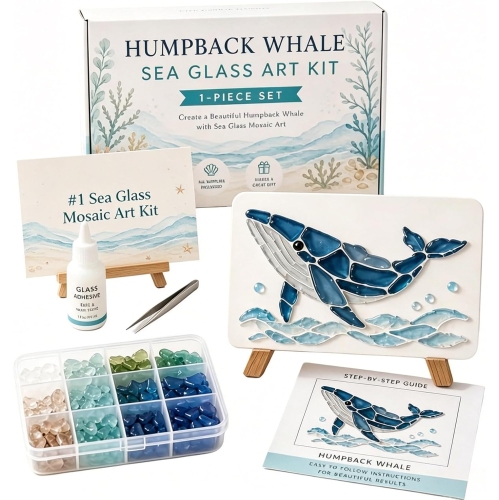
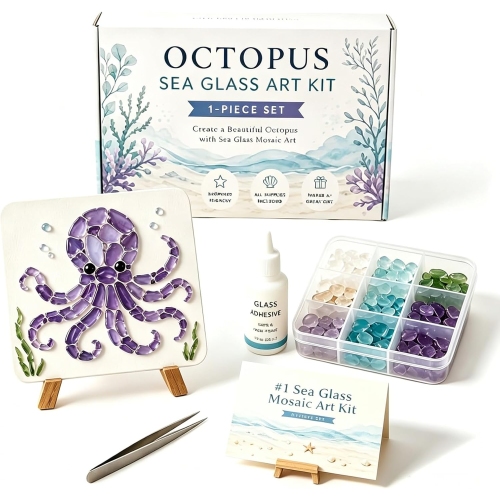
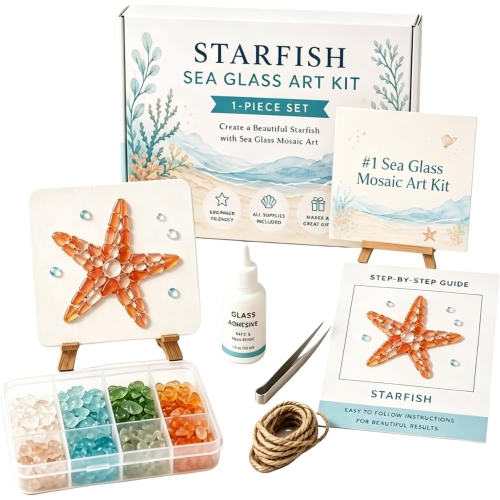



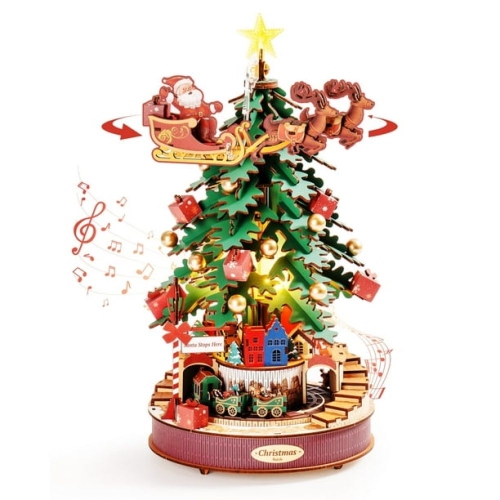


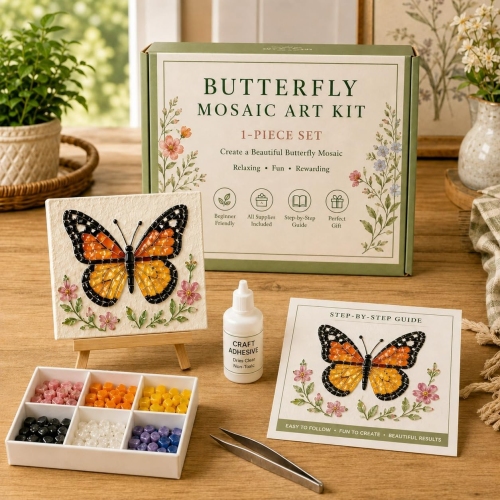
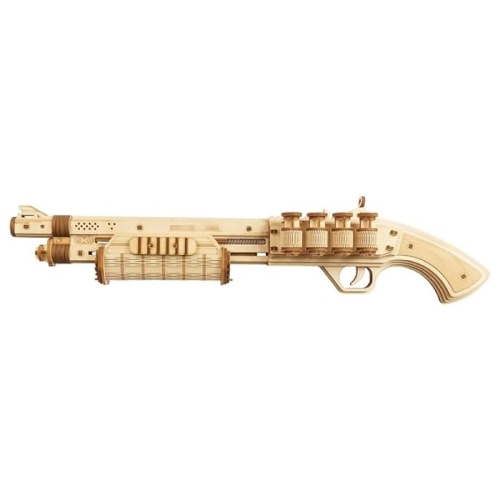
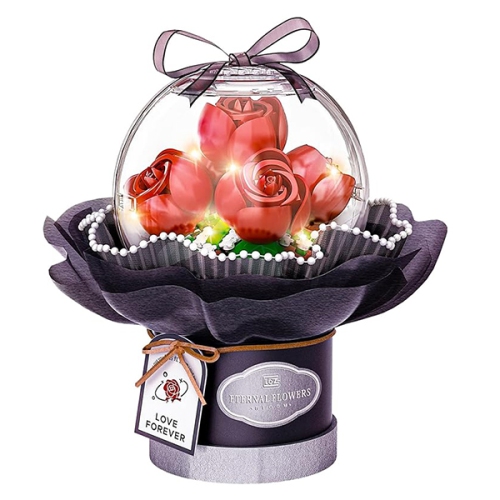
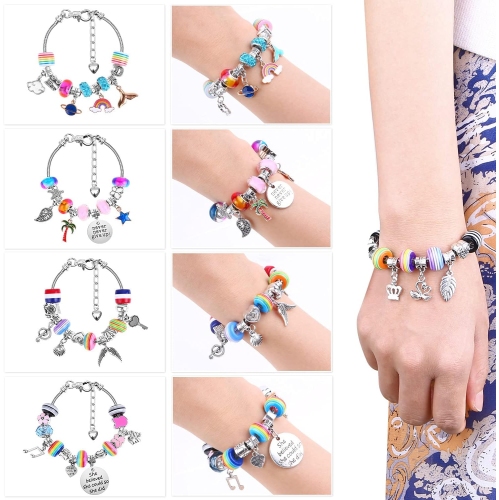
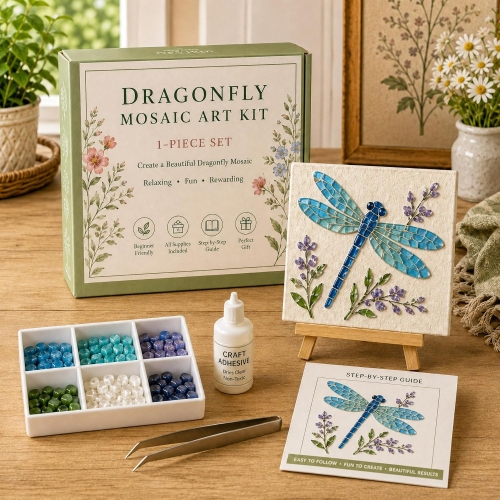

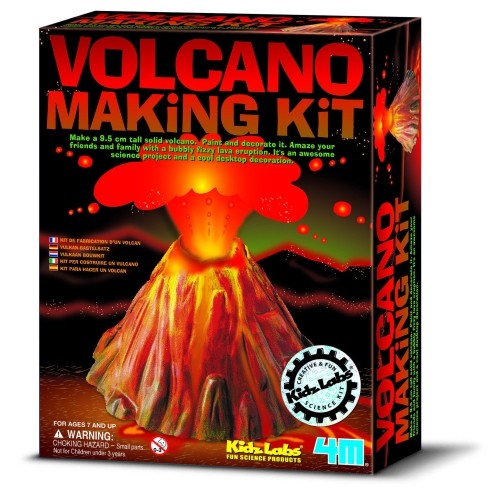
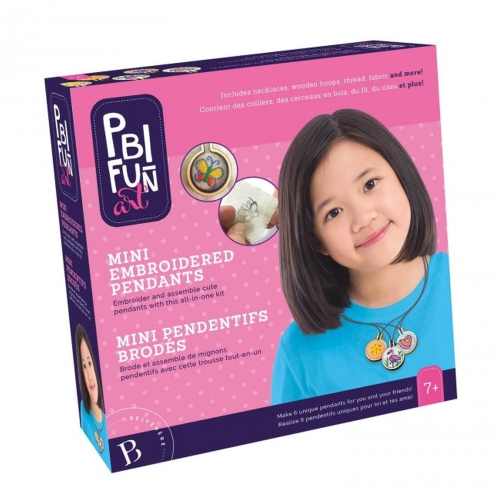

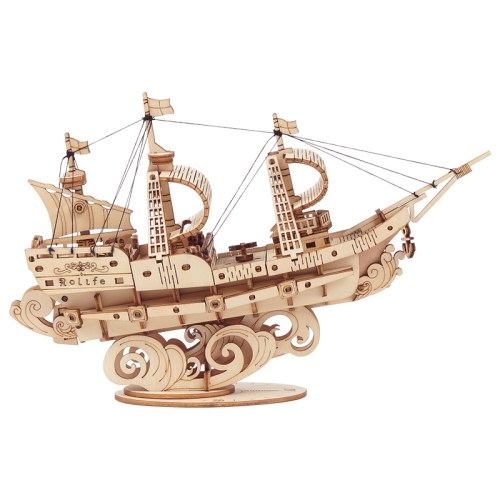
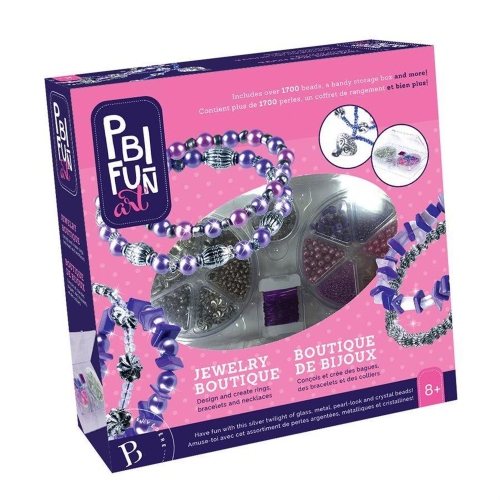
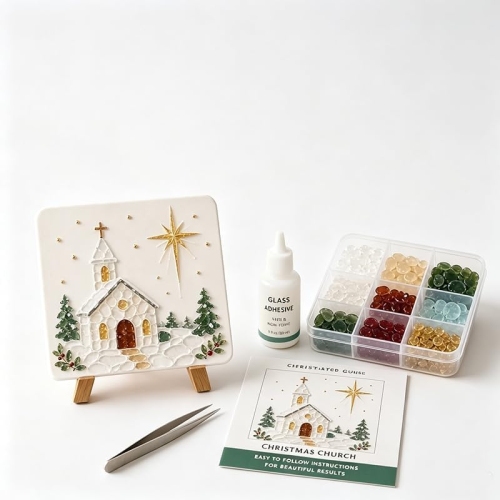
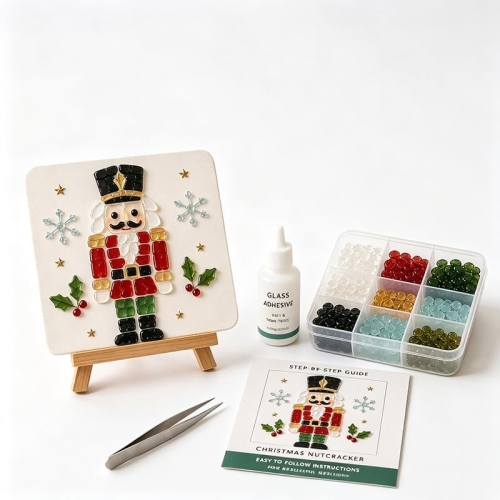
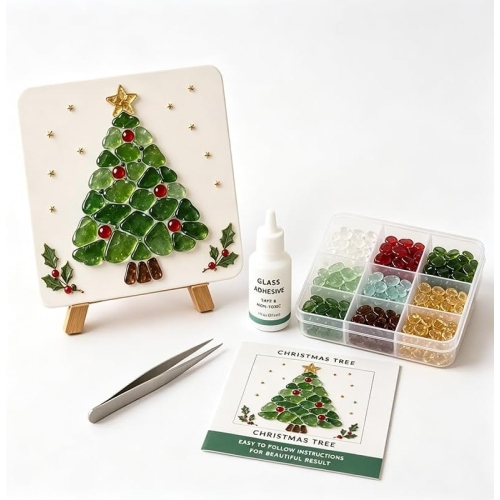
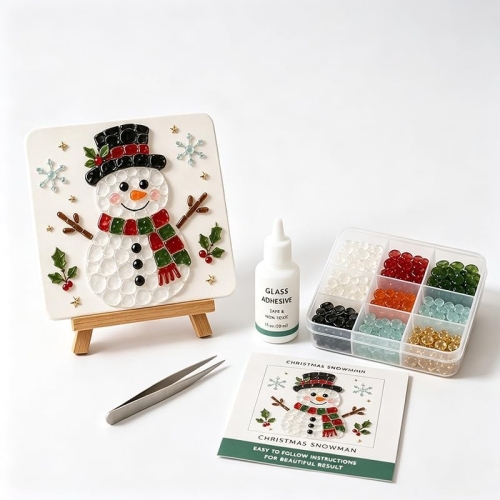
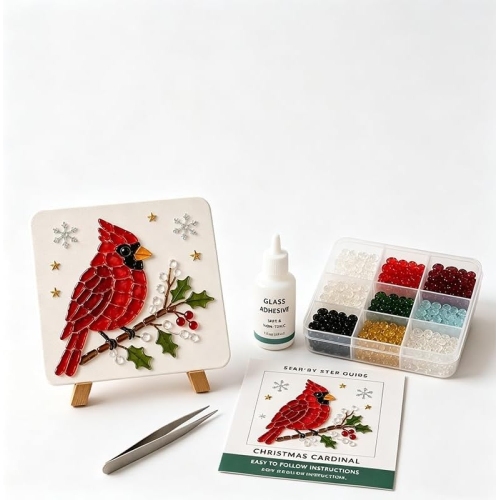


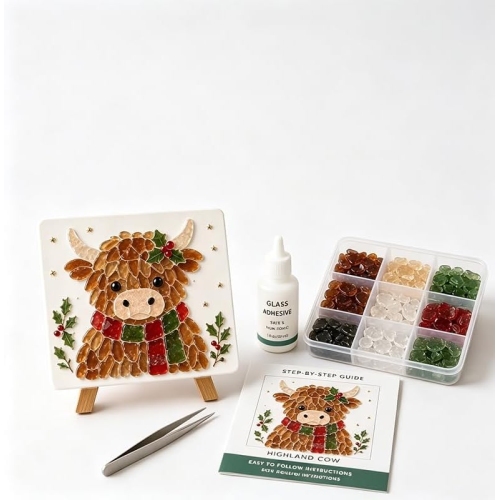
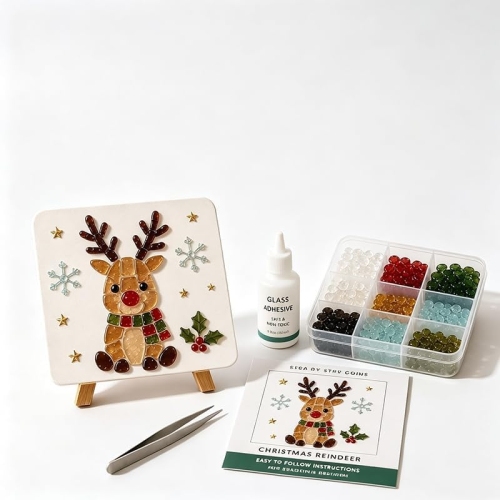
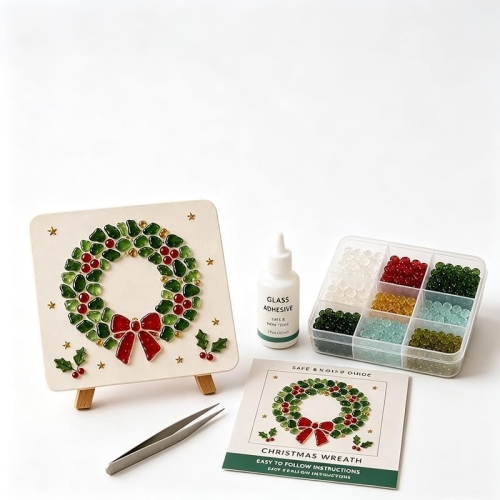
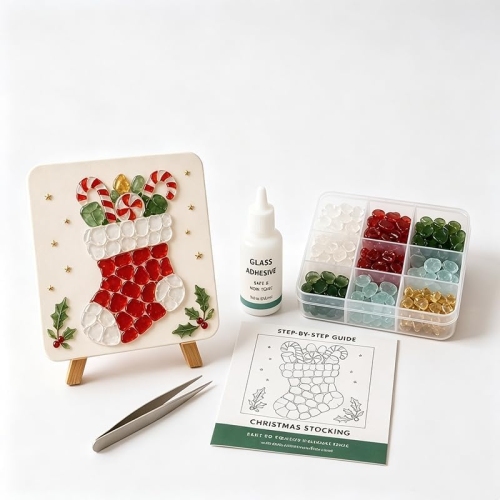


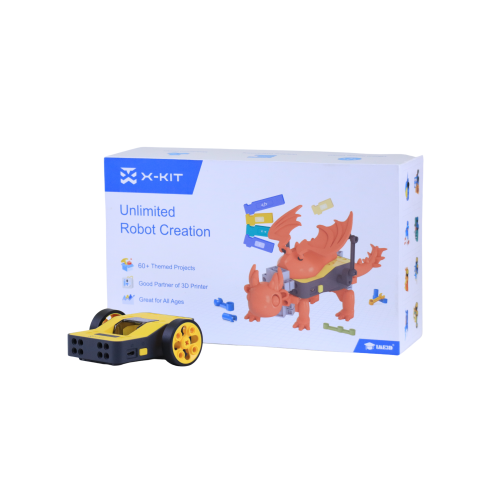
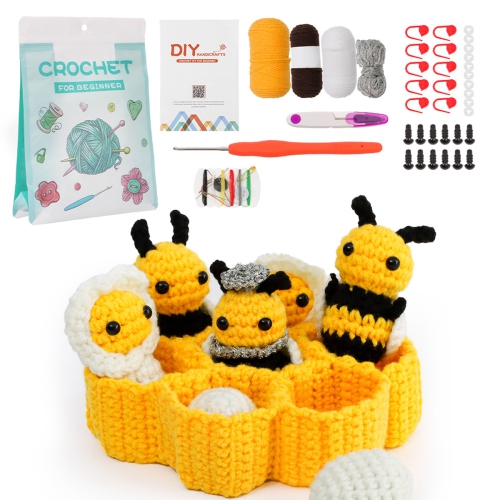


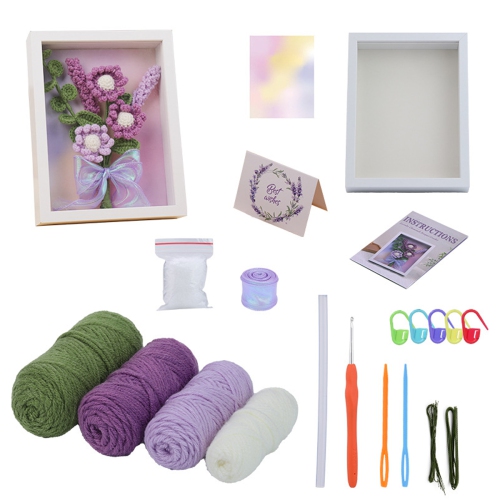
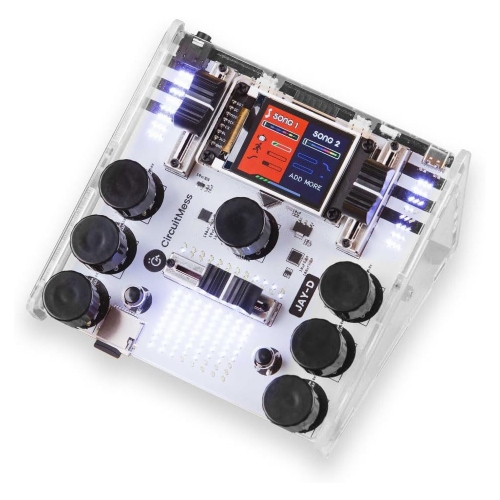

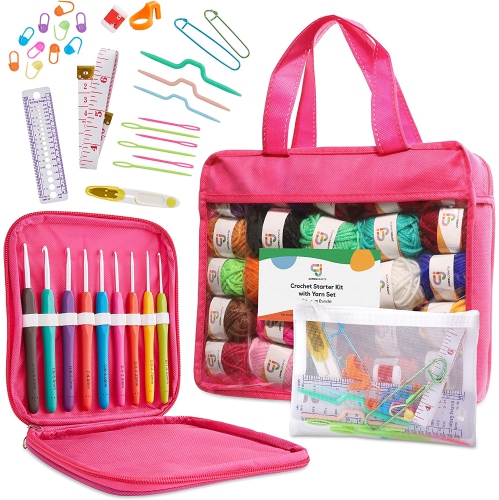

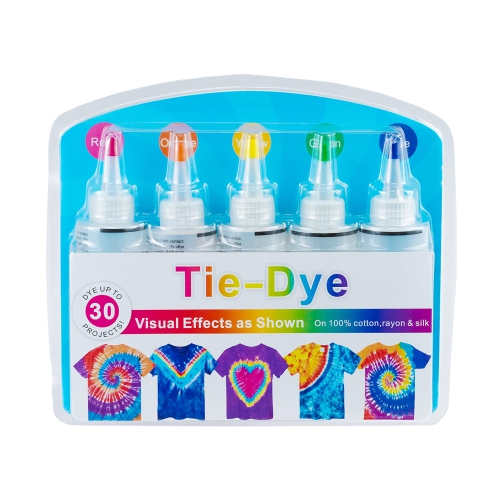

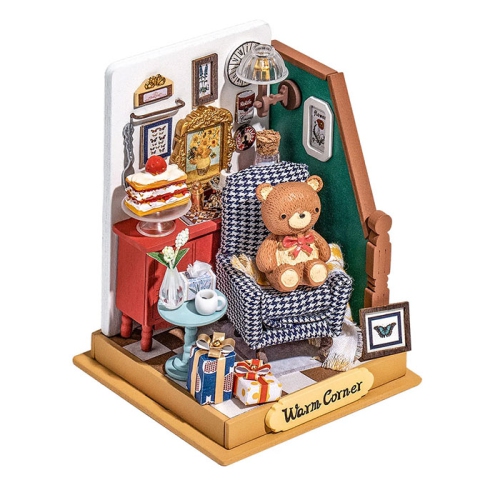
Little choices give every handmade project its own personality
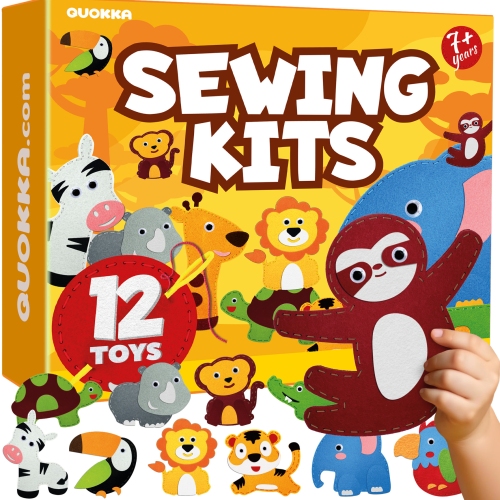
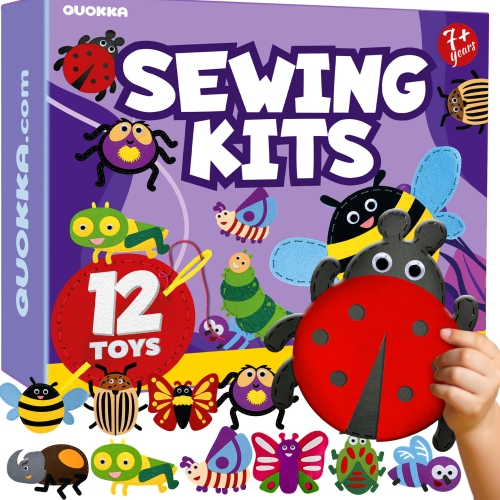
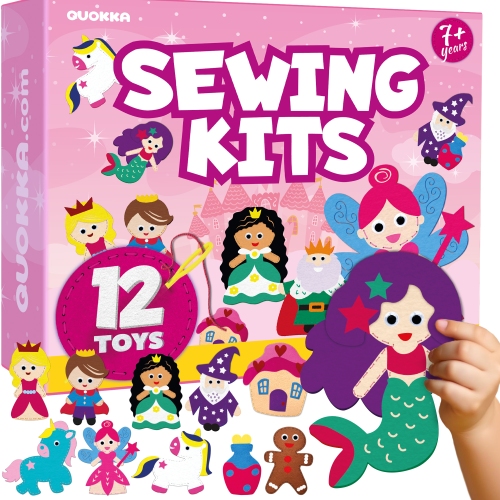
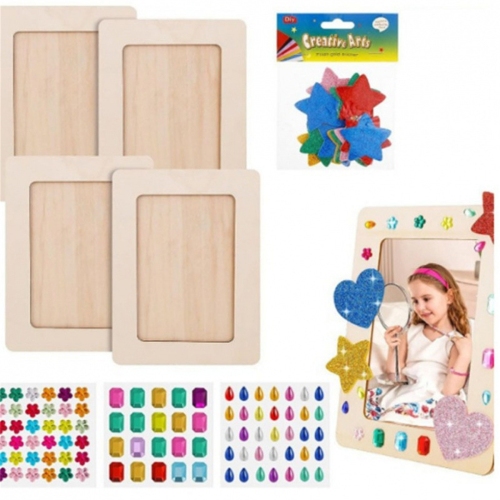
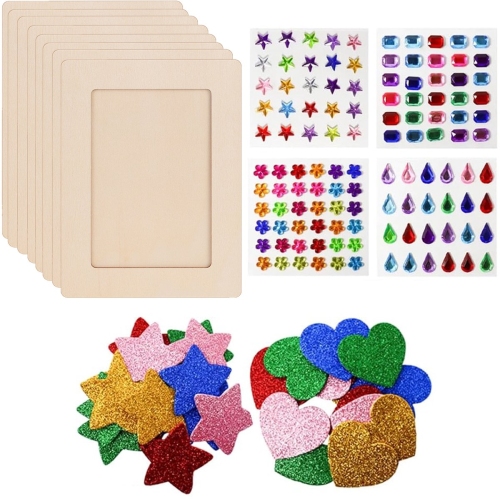
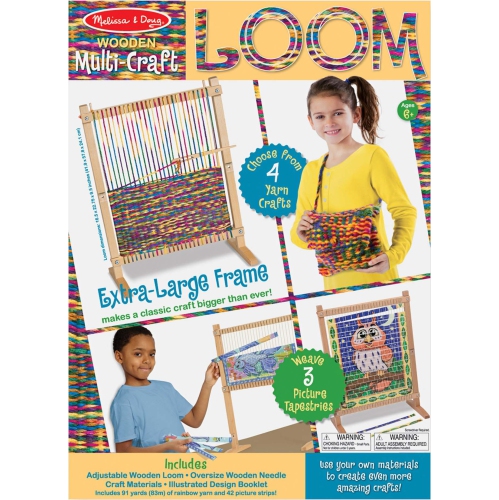
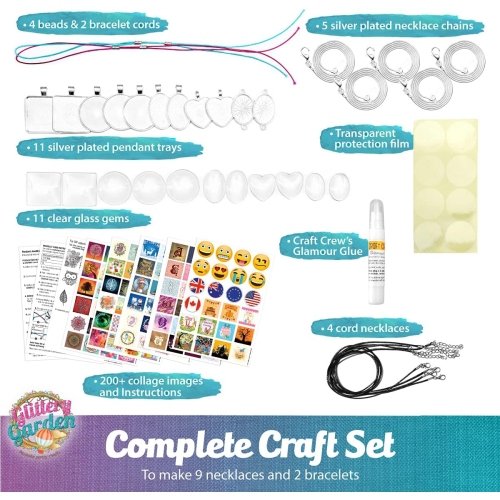
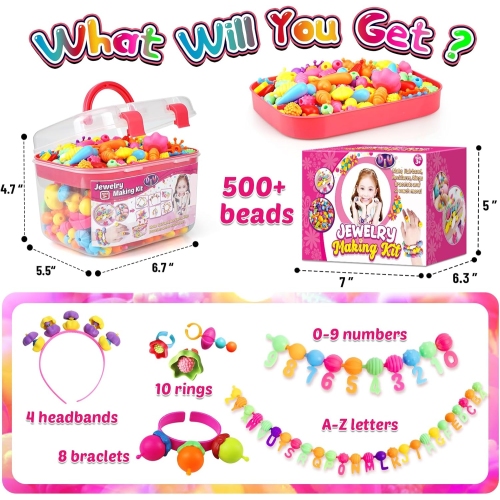
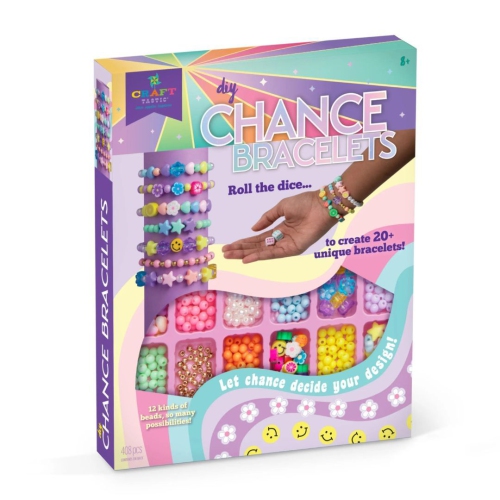
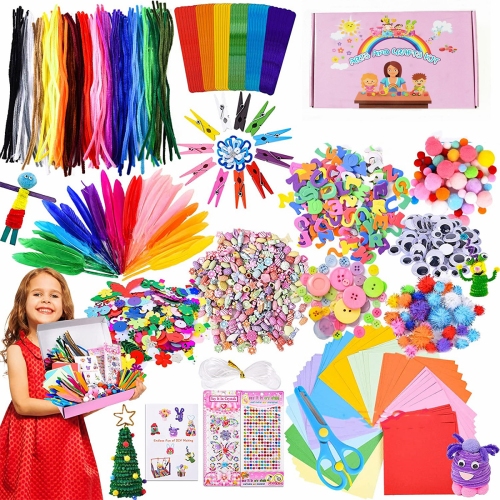
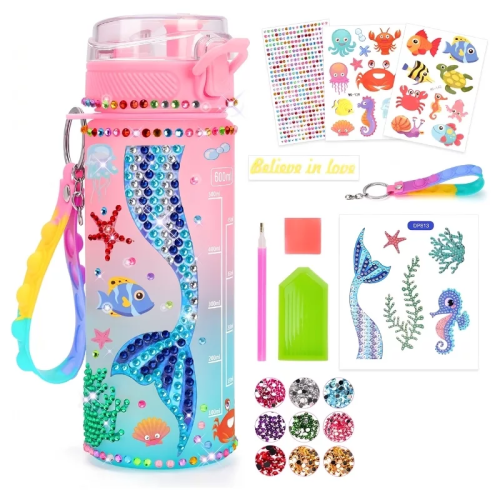
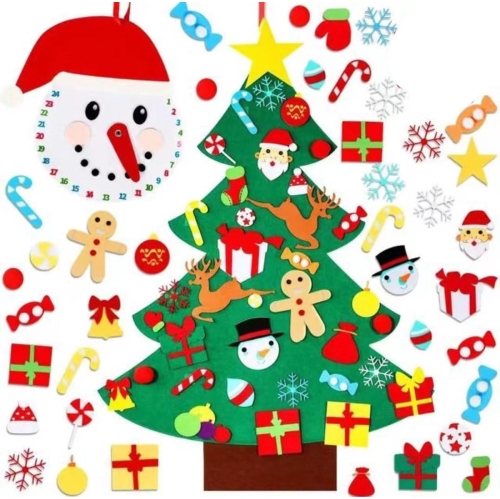
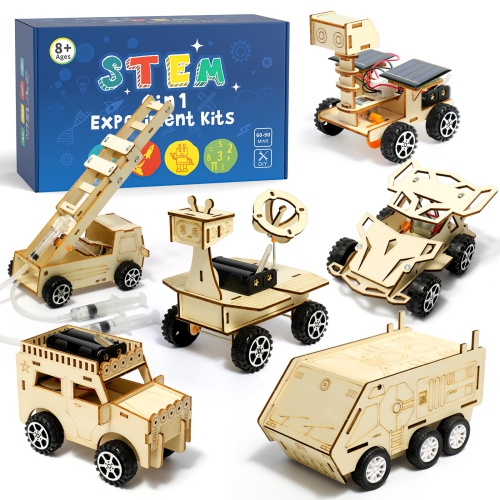
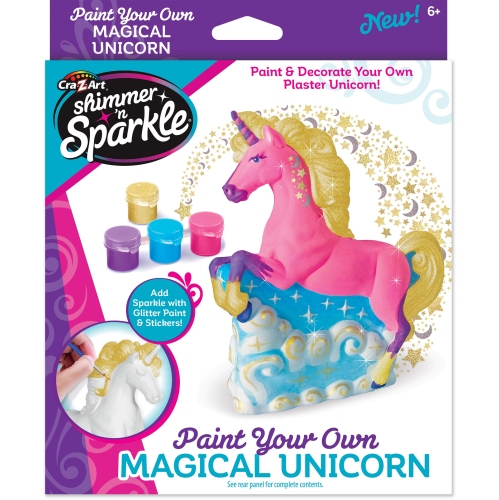
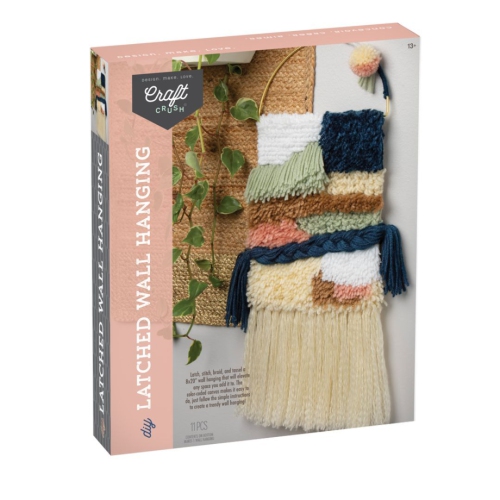
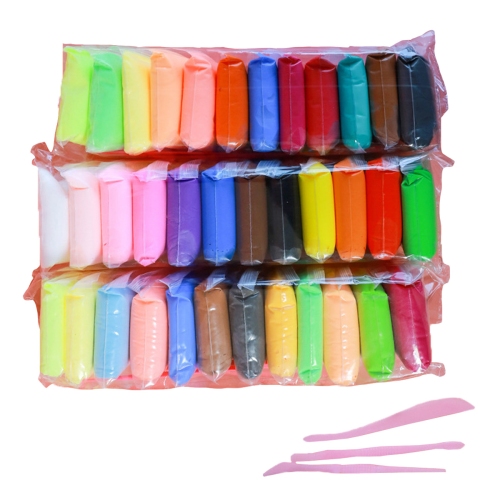
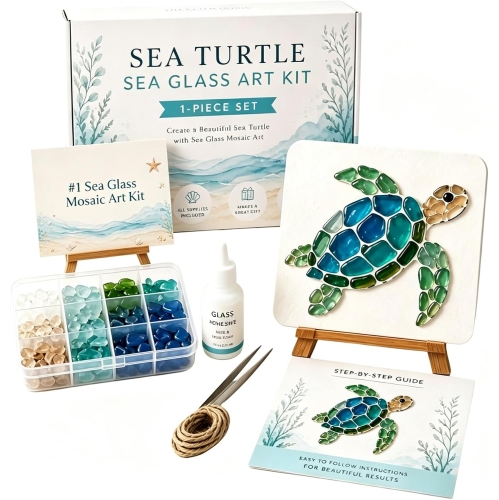
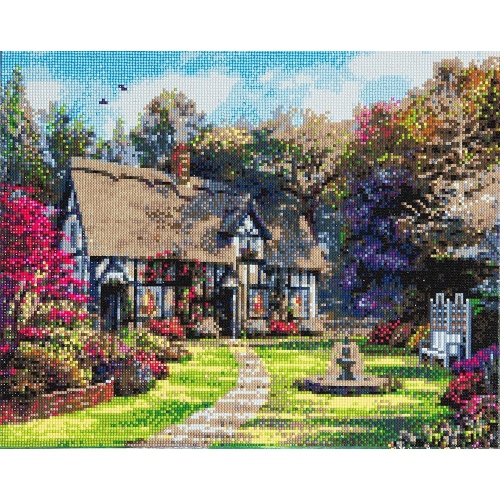
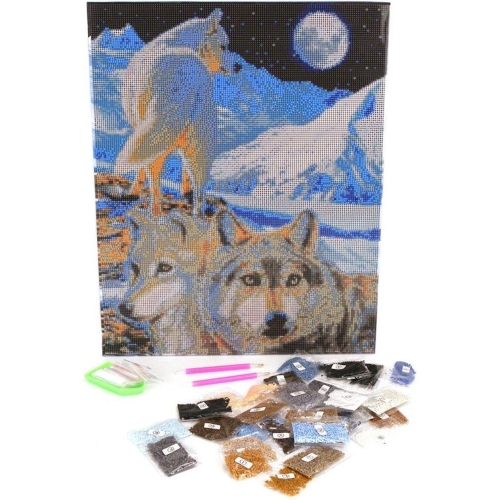
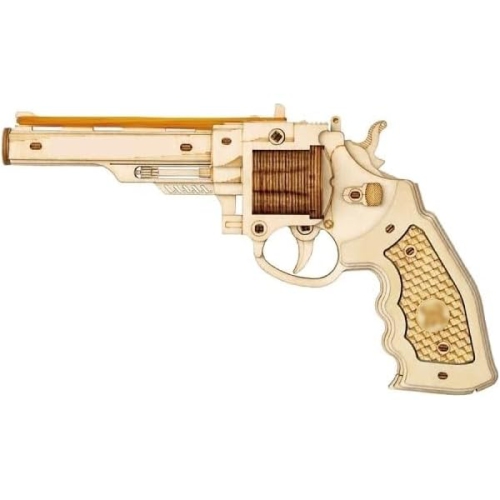
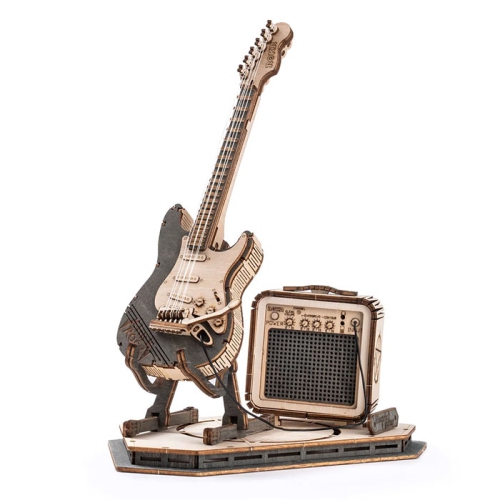
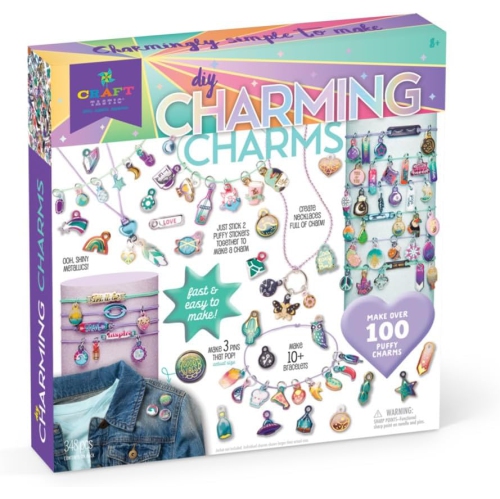
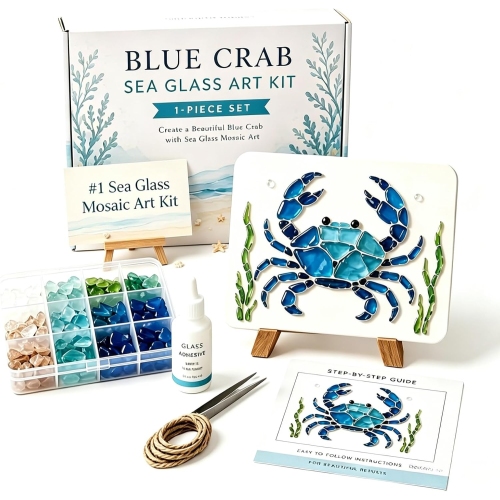
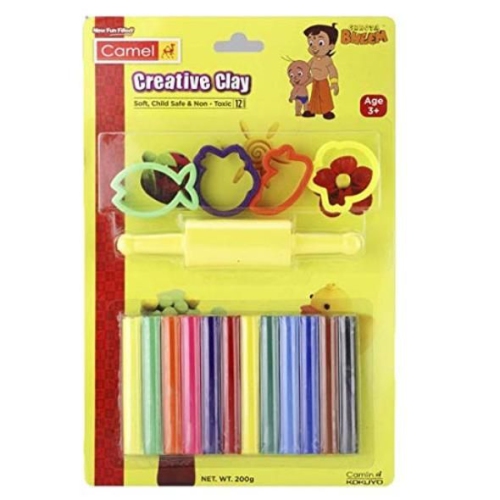
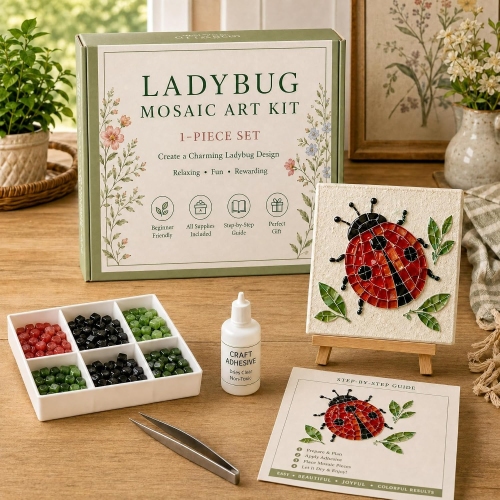
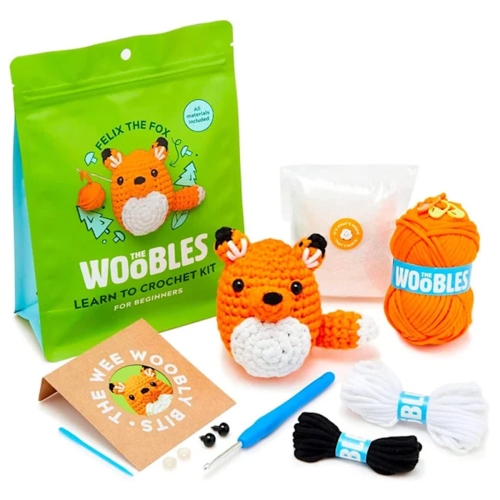
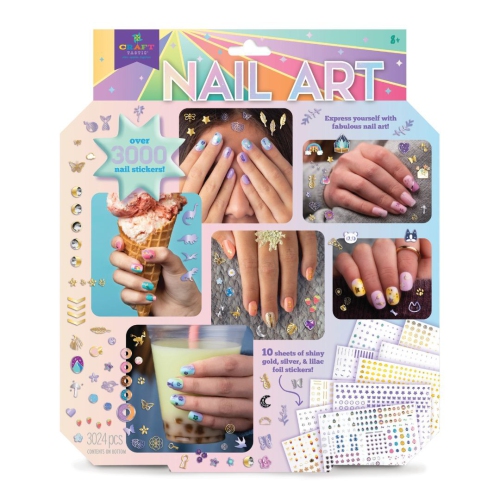
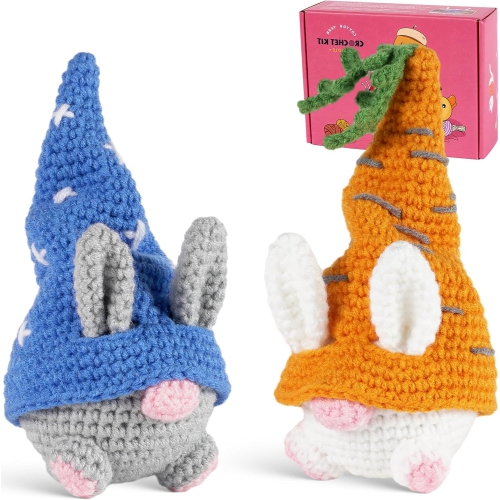
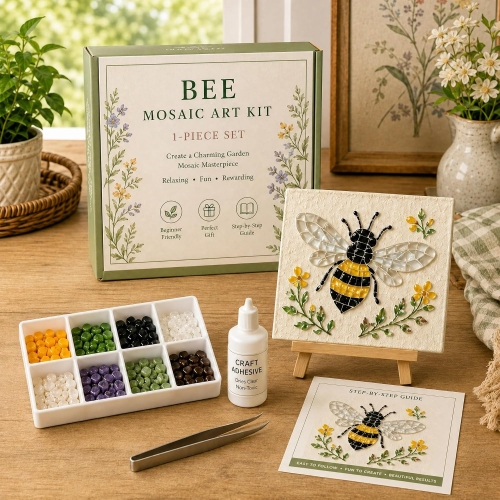
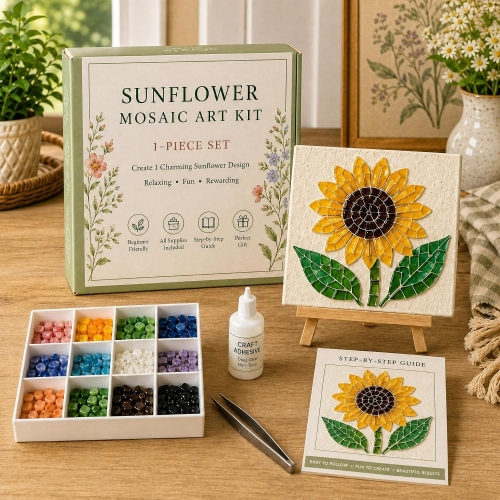
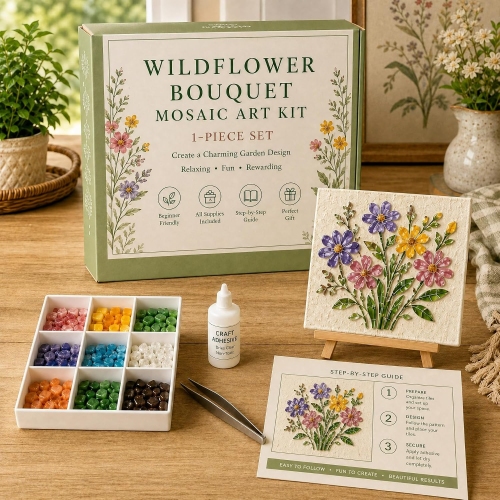
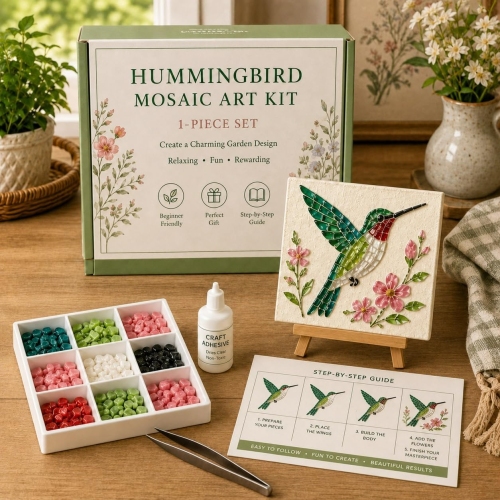
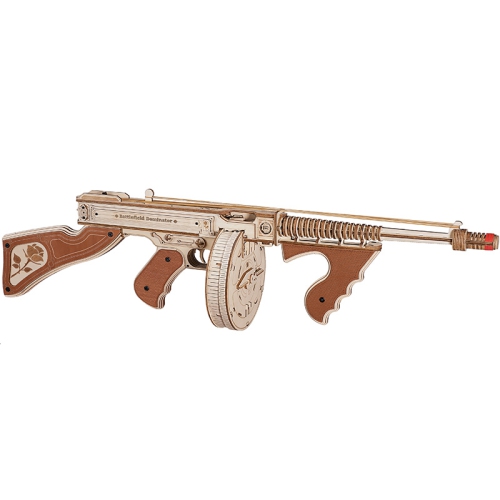
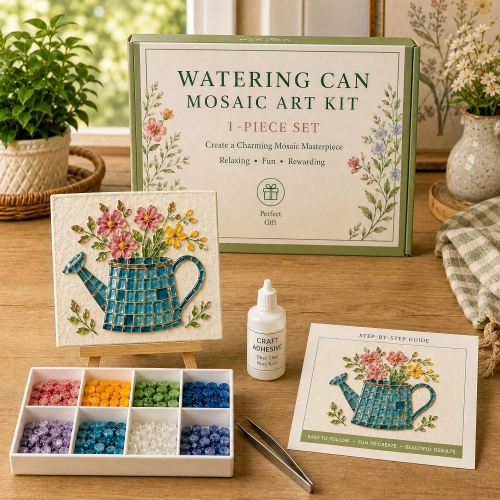
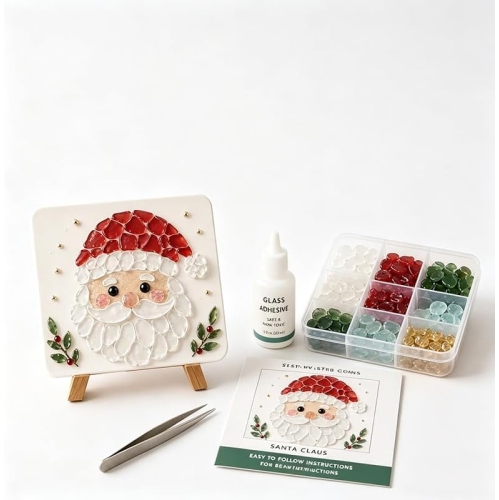
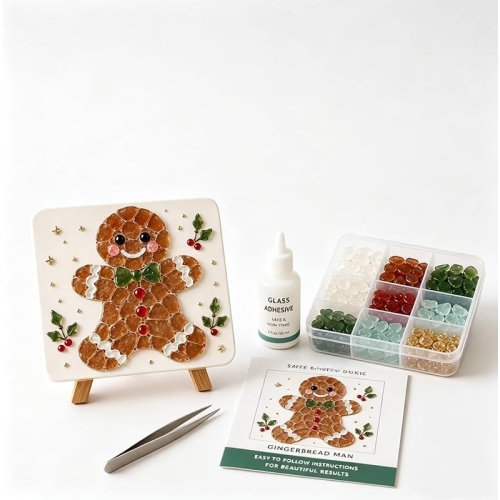
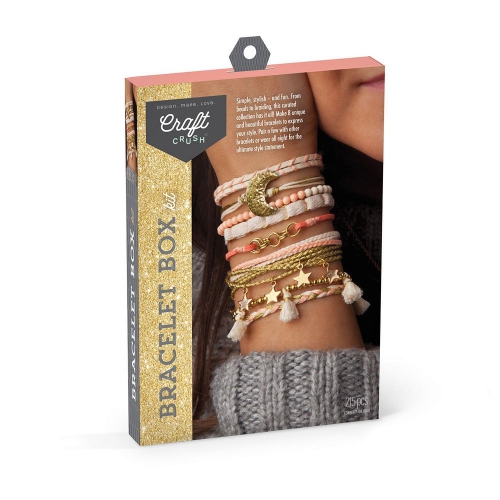
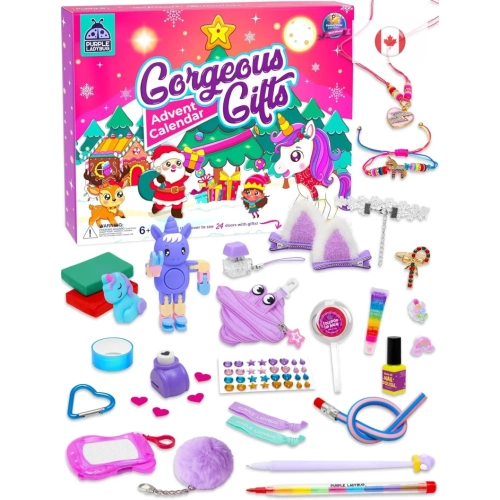
Craft kits for kids bring creative materials and a project idea together, giving children a starting point for making something of their own. Depending on the type of kit, that might mean painting a colourful design, shaping a clay character, threading a bracelet, assembling a paper scene, or learning a few simple stitches. The appeal is partly in the finished creation and partly in the small decisions along the way: choosing a colour combination, moving a shape before sticking it down, or giving a handmade creature an unexpected expression. Some children enjoy following a pictured example closely, while others prefer enough flexibility to change the design. Kits with clear steps can suit children who like knowing what comes next; more open-ended sets leave room for experimenting with patterns, textures, and shapes. Painting and drawing activities offer practice with brush control and mark-making, while weaving, beading, and stitching involve coordinating both hands and working through a sequence. These activities can support fine motor practice, concentration, and creative expression without needing to feel like a lesson. A project with a few large pieces may provide a satisfying activity in one sitting, whereas a more detailed build or textile craft can become something a child returns to over several sessions. Intended use matters, too. A creation meant for display has different demands from a handmade accessory that will be handled or worn regularly. For families exploring creative activities beyond children’s projects, DIY Craft Kits offer another way to explore hands-on making. Within kids’ crafts, the strongest match usually comes from the child’s interests and comfort with the activity, rather than the complexity of the finished result. A child fascinated by animals may spend longer adding tiny features to a model than following an unrelated project with more components. Familiar themes can provide an inviting entry point, while a new technique adds just enough challenge to keep the experience engaging.
Age recommendations, component size, and the amount of adult help required are important considerations for children’s craft kits. An age label should be read alongside the safety warnings and project requirements, since children of the same age may have very different experience with scissors, glue, needles, or small beads. Larger pieces and easy-grip tools are often more manageable for beginners, while intricate threading and detailed assembly call for greater hand control and patience. Small parts require particular care in homes shared with younger siblings, and supplies should stay out of reach of children for whom they are not intended. Materials also shape the experience. Paper and card lend themselves to folding, layering, and collage; felt and yarn introduce soft textures; wooden components provide a firmer surface for painting or assembly. Modelling compounds vary in how they set, so air-drying, reusable, and oven-cured materials should not be treated as interchangeable. Any heating or specialist finishing step needs to follow the manufacturer’s directions and be handled by an adult where required. Paint and adhesive labels can clarify suitable surfaces, drying times, and cleanup methods. A washable claim does not necessarily mean a material will lift from every fabric or unfinished surface, making a protective table covering and suitable clothing sensible companions to messier activities. Where skin sensitivities or allergies are a concern, material and ingredient information deserves attention rather than assumptions based on the kit’s theme. For wearable crafts, cord length, closure style, and the intended age range affect fit and suitability; adjustable designs may offer more flexibility than a fixed-size result. Durability depends on both the materials and how the creation will be used. Sturdy card, secure joins, and properly dried finishes can help a project withstand handling, but a delicate paper decoration is still better suited to display than everyday play. The contents list is useful for understanding whether a kit includes the main tools and consumables or requires household supplies such as water, scissors, or glue.
At home, kids’ craft kits can fit into a quiet stretch of independent activity, a shared afternoon with a caregiver, or a small group project with friends. The practical details make a difference: a compact activity with contained materials suits a smaller work surface, while painting, pouring, or spreading clay needs more room for tools and unfinished work. A tray can keep loose pieces together, and a separate drying spot helps protect a carefully painted surface from an accidental sleeve or elbow. For siblings or group settings, the number of usable tools and individual projects matters more than the total number of pieces in the box. Several children may each need a brush, a base to work on, and a clear share of the materials to participate comfortably. Projects that allow different colour choices or arrangements can give everyone a distinct result without requiring entirely different activities. Instructions with clear illustrations are helpful for children who are still developing reading confidence, although an adult may still need to explain a tricky step or demonstrate a technique. Setup, drying, and cleanup also contribute to the overall time commitment; a brief decorating task can need a longer wait before the finished creation is ready to handle. Between sessions, resealable containers help keep small components organized, and tools should be cleaned and dried according to their care directions. Finished work may need gentle dusting or spot cleaning rather than washing, especially when it includes paper, glued details, or unsealed paint. As gifts for birthdays or other personal milestones, craft kits can feel thoughtful when they reflect a child’s favourite subjects and preferred way of making things. Some recipients enjoy a recognisable object to display or give to someone else; others are happiest experimenting with materials and starting again. Enough structure to get started, manageable steps, and room for personal choices help make a kit enjoyable beyond the moment it is opened.
Top selling and popular products
-
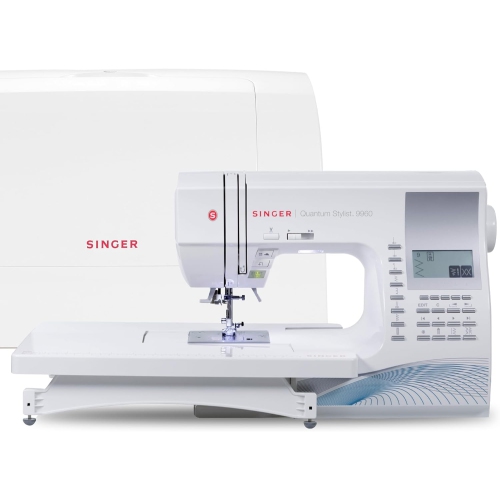 Your price for this item is $911.05
-
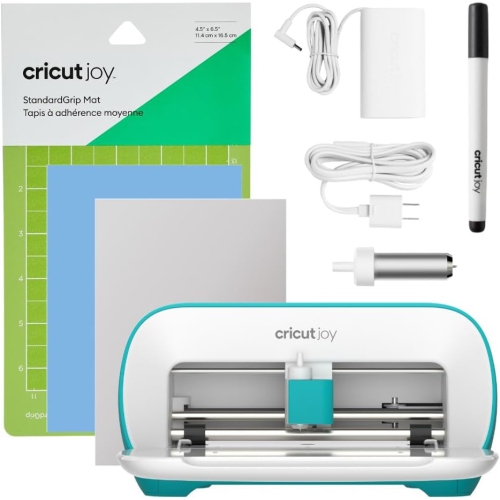 Your price for this item is $238.44
-
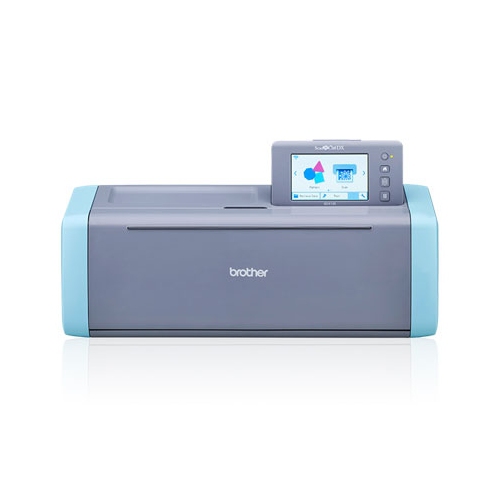 Your price for this item is $685.99
-
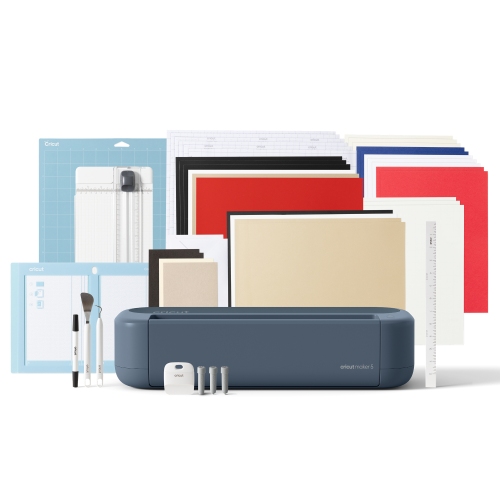 Your price for this item is $549
-
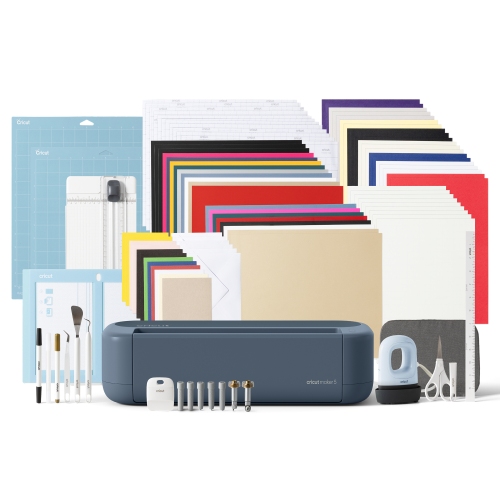 Your price for this item is $679
-
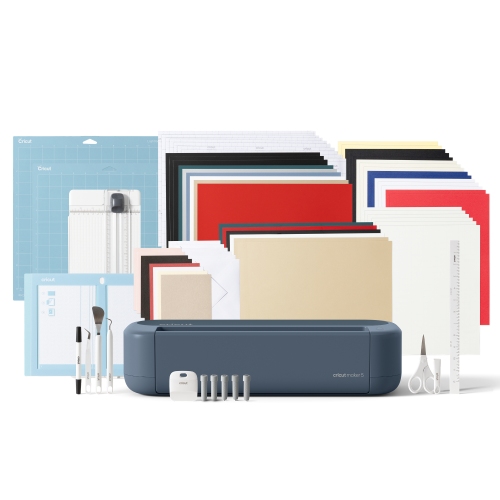 Your price for this item is $599
-
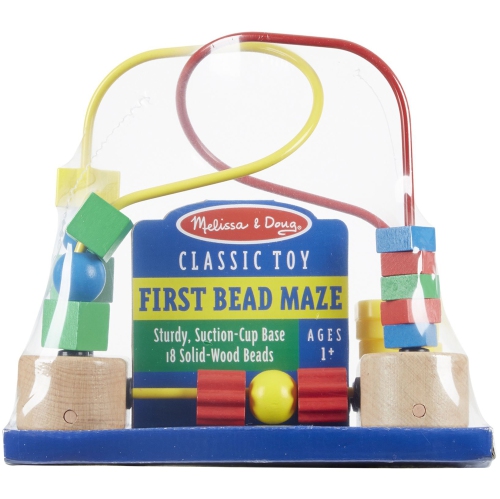 Your price for this item is $39.99
-
 Your price for this item is $429
Discover more categories related to Kid Craft Kits
Top Collections:
Pokemon Centers, Pokémon 30th Celebration Cards, Best Budget Office Chairs, Kindle Devices, Best Cameras for Sports Photography, Canon G7X Cameras, Best Black Friday Deals On Electronics, Best Laptops for Writers, iPhone 15 Apple, Jackery Power Stations
Some products may be subject to Environmental Handling Fees
(EHF) depending on your province.
Learn more about EHFs.