Light And Sound Toys
Light and sound toys are a fantastic way to engage your child's senses and spark their imagination. These interactive playthings combine vibrant visuals with captivating audio effects, creating an immersive experience that can entertain and educate. Whether you're looking to enhance your little one's sensory development or simply want to add some excitement to playtime, these toys offer endless possibilities for fun and learning. Explore our selection of light and sound toys designed to delight children of all ages, helping them discover the joy of play while stimulating their cognitive growth.
Sort
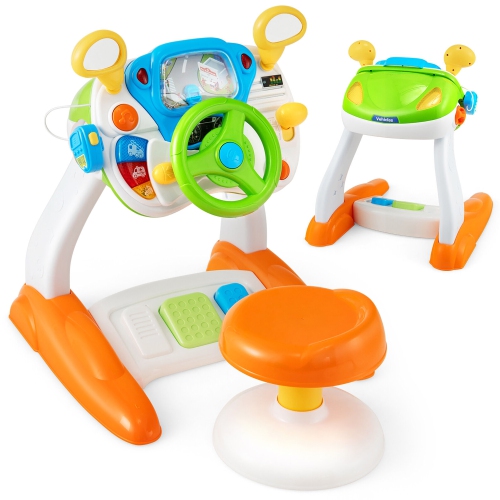
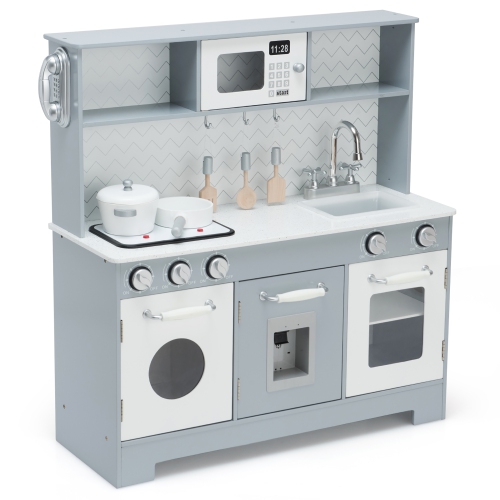
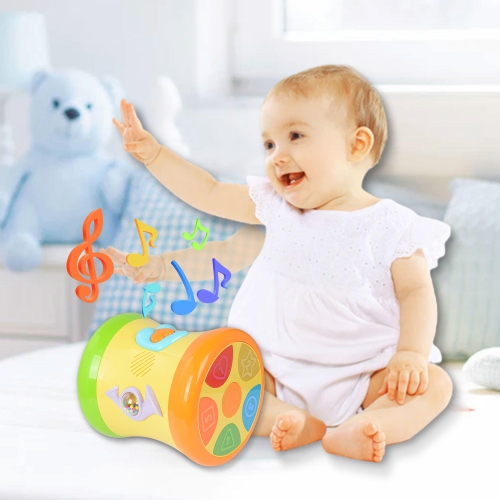
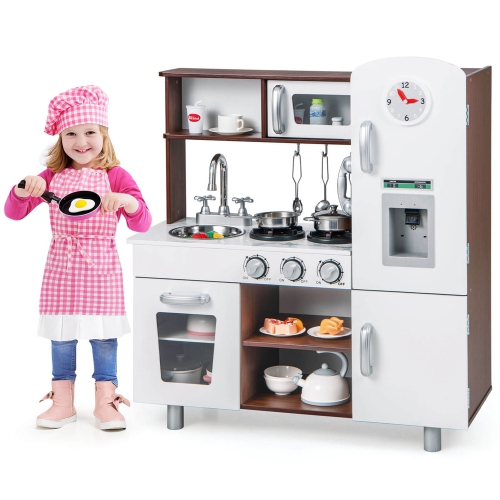


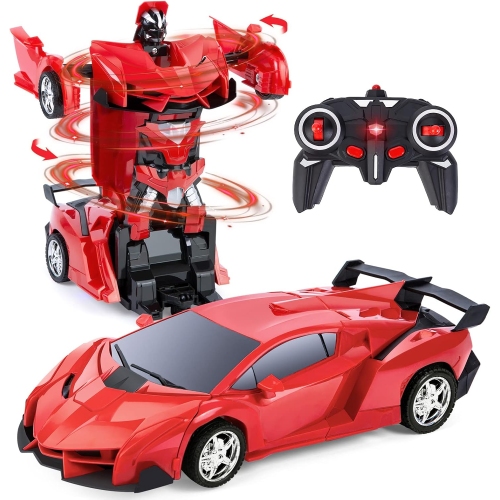
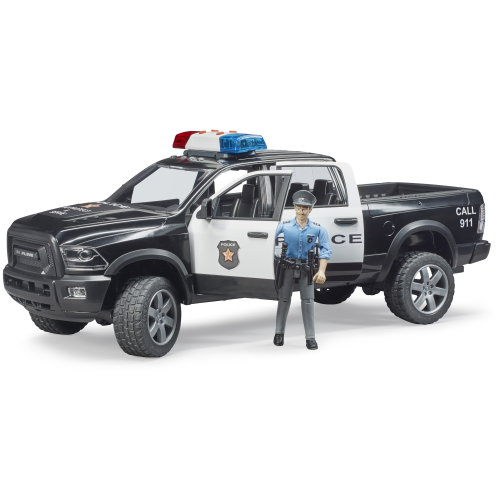
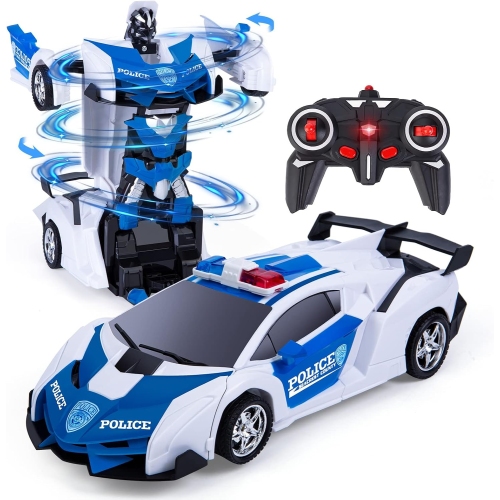

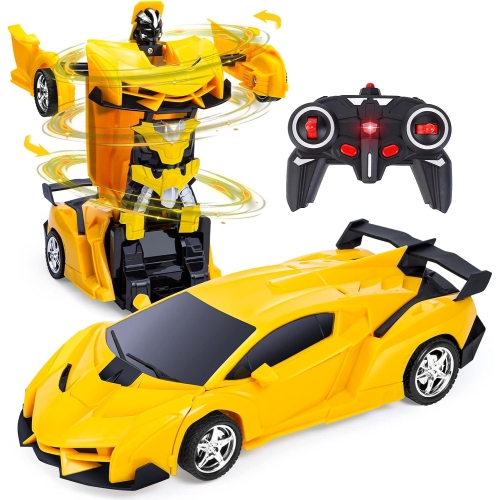
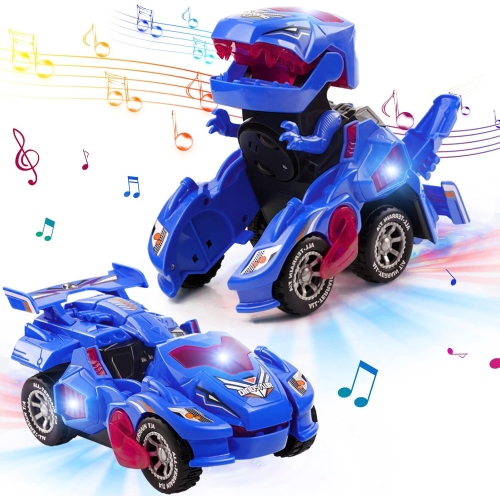


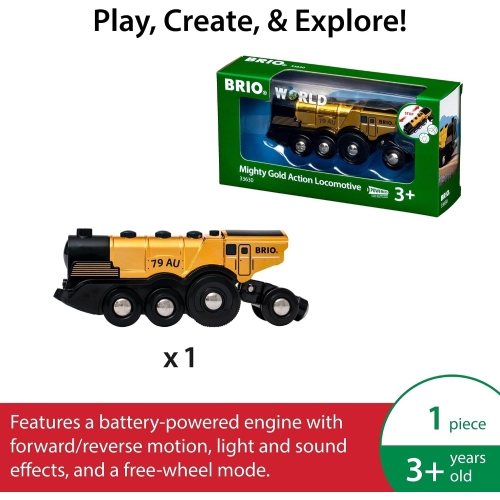


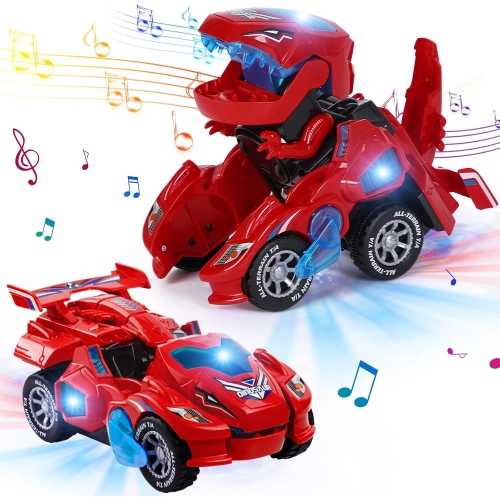
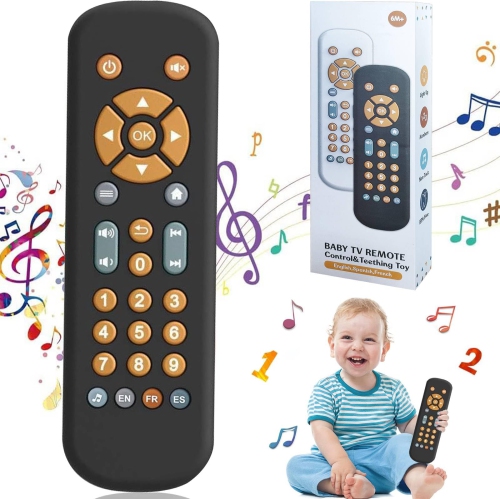


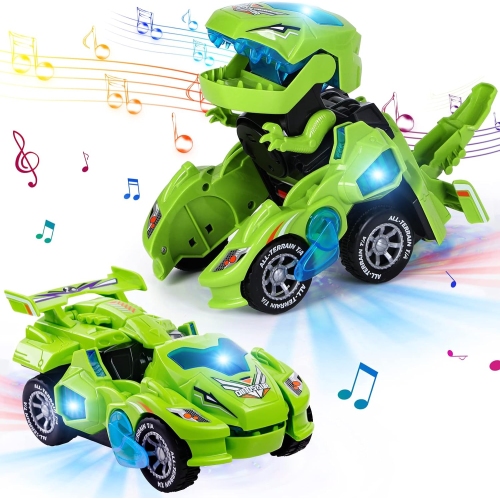


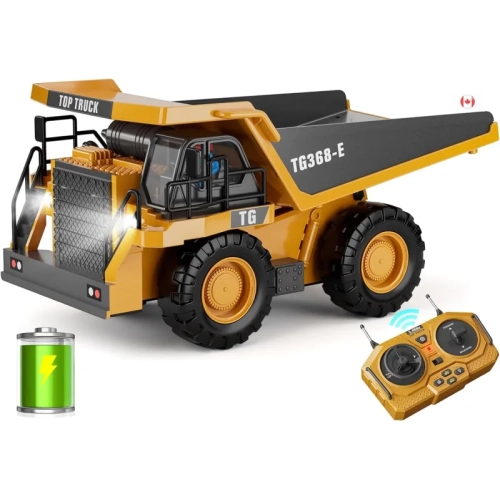
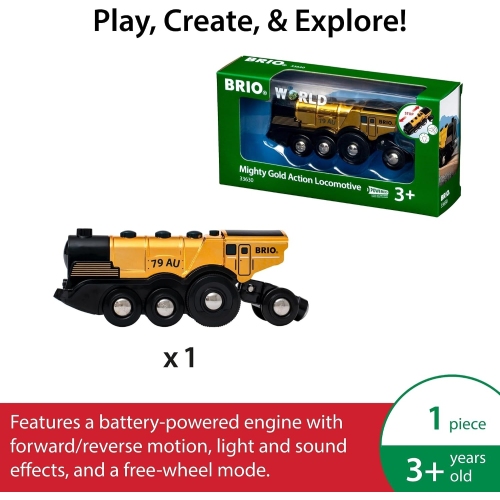


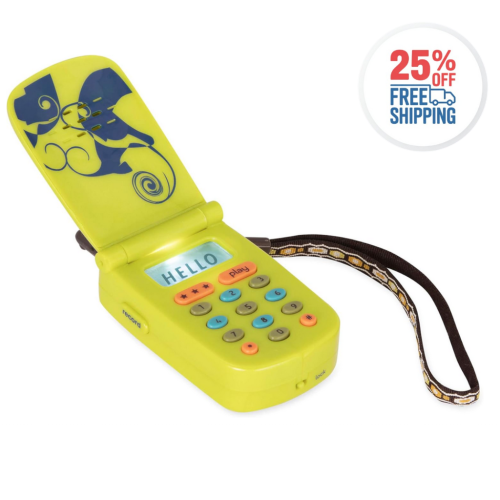
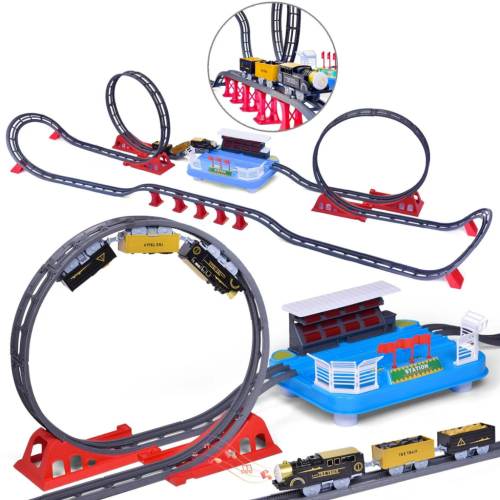
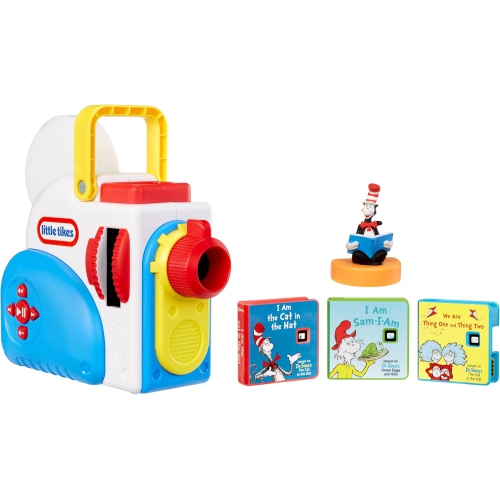
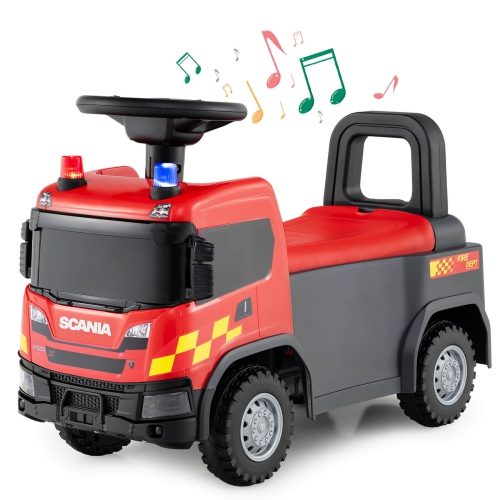

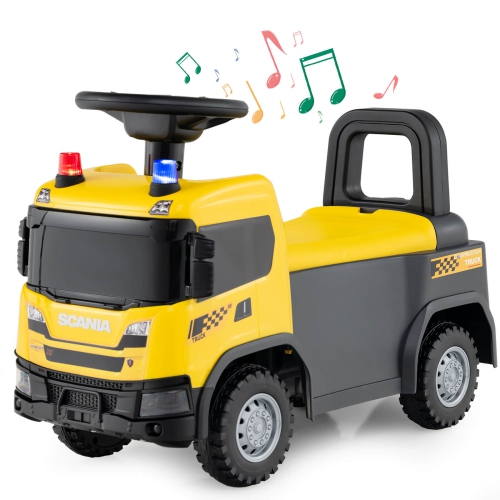


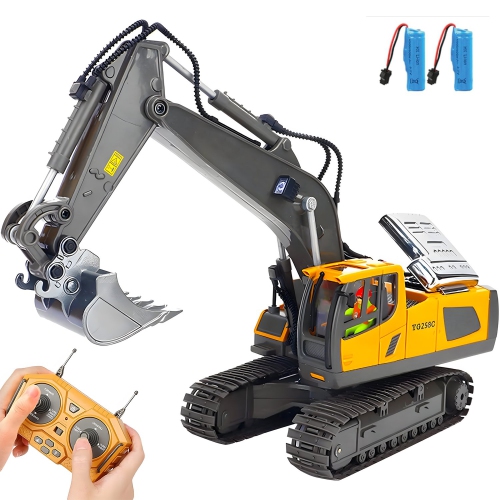
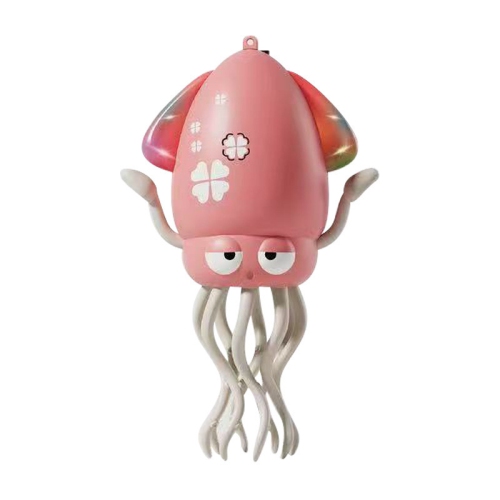
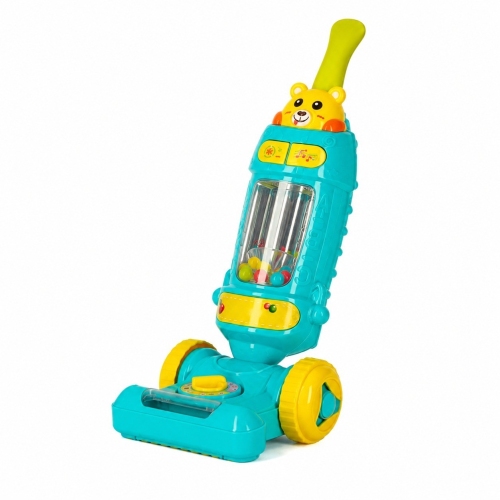
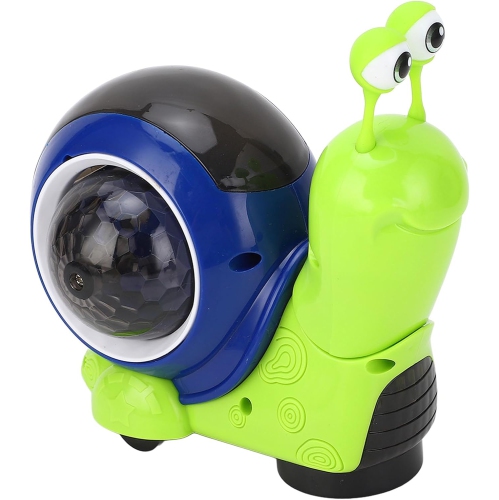
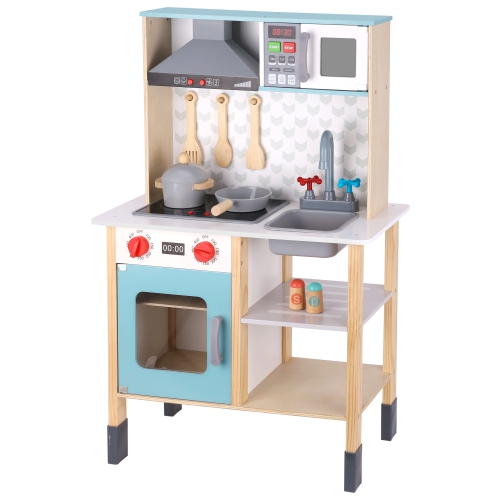
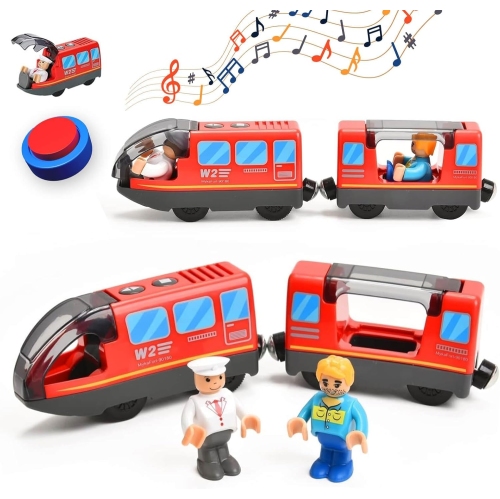
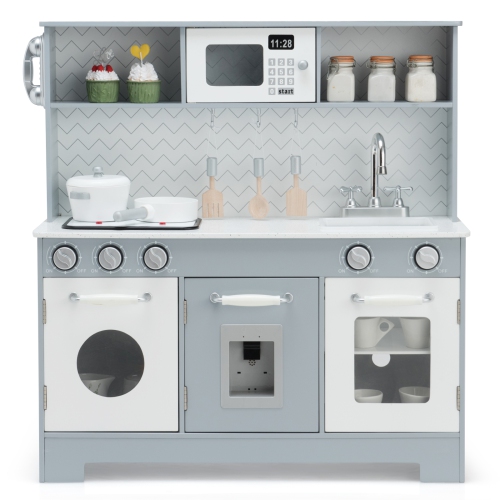
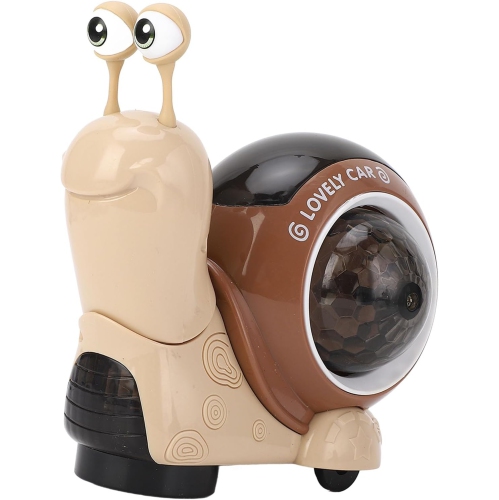
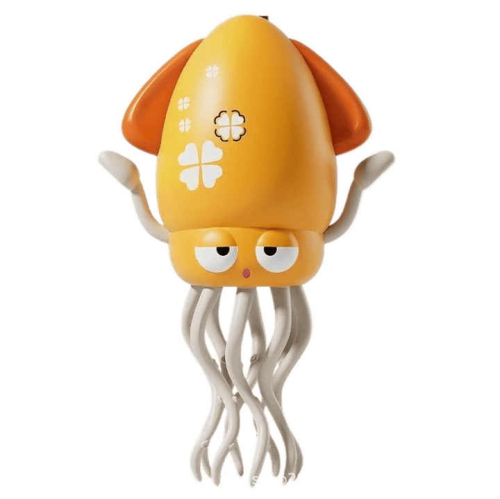
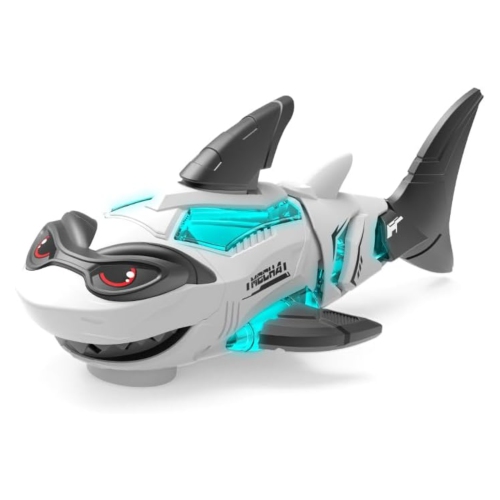


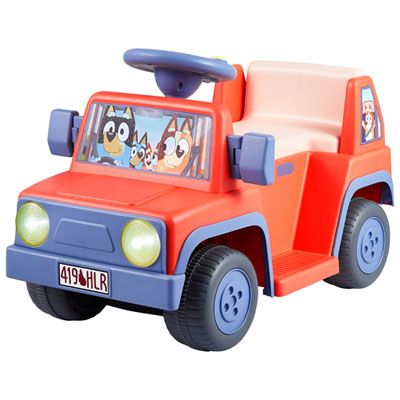

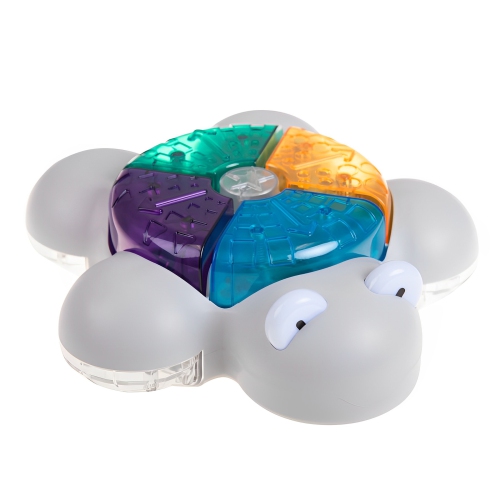
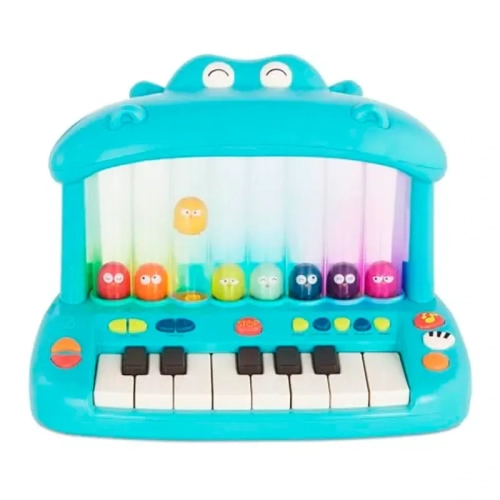
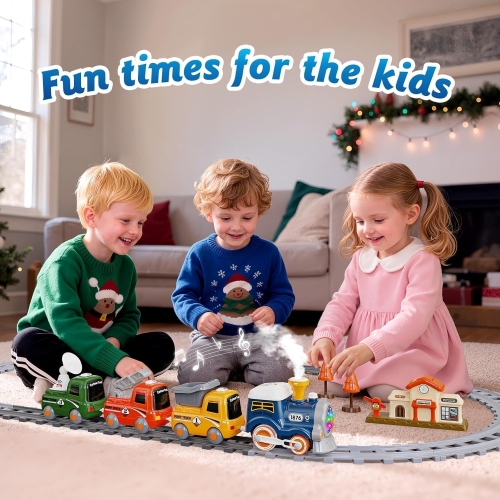
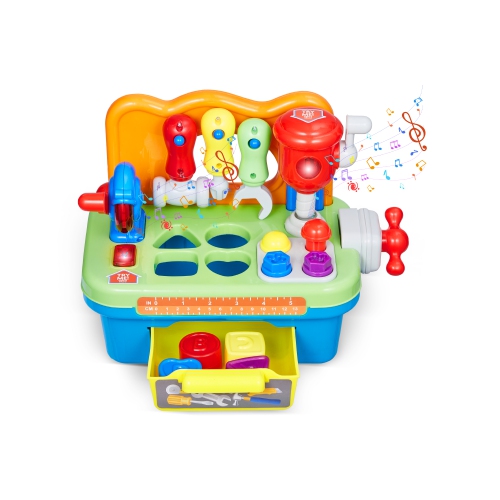

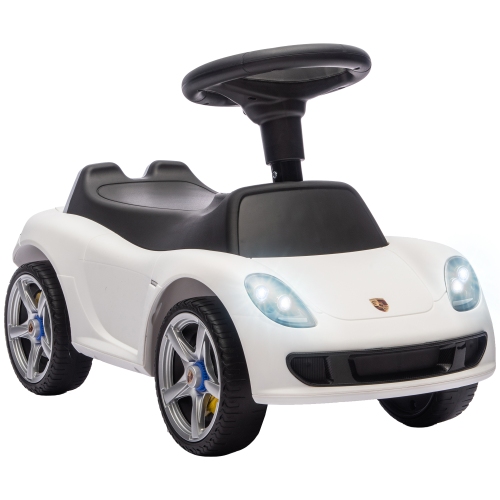
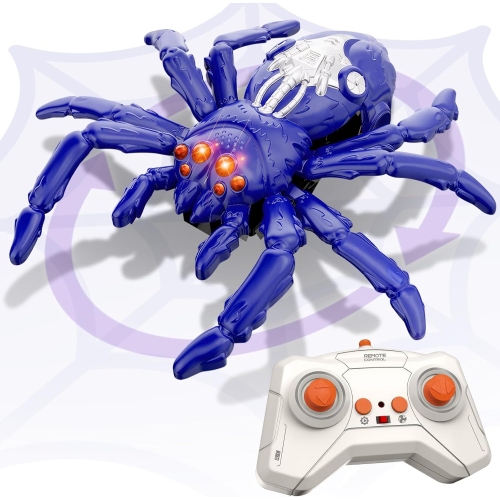
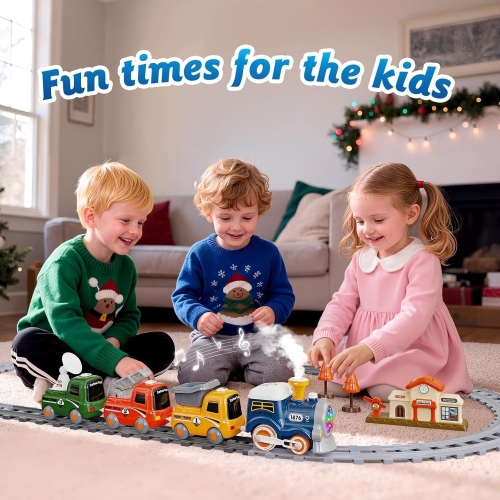
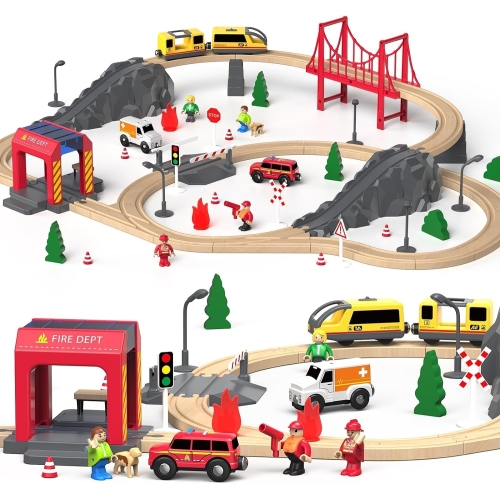
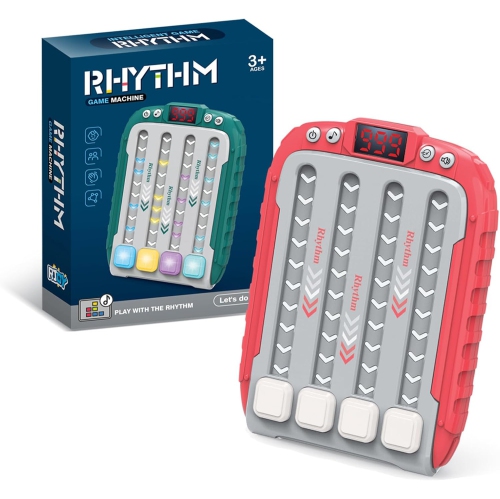
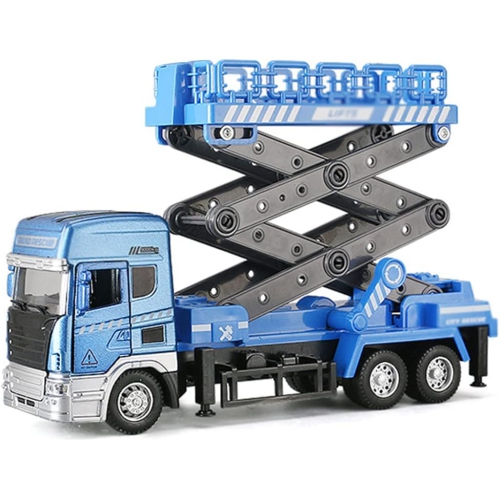
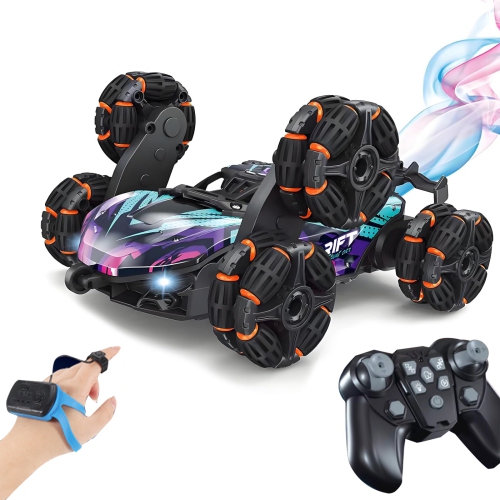
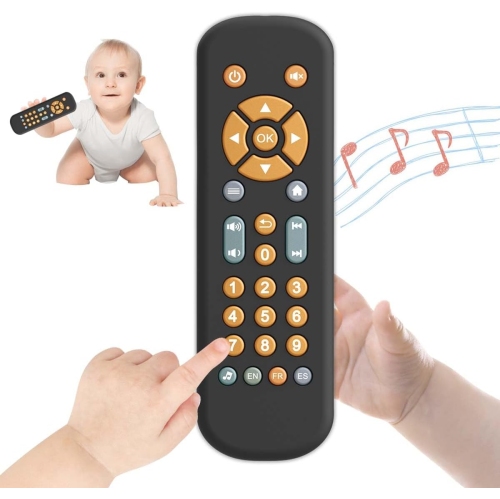
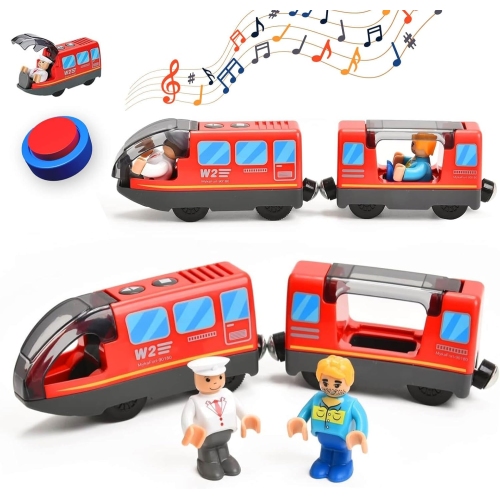






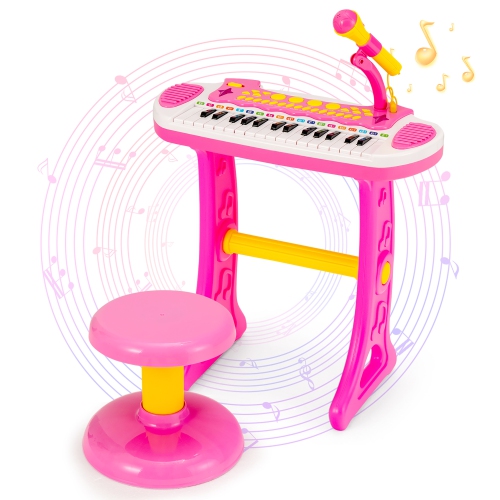
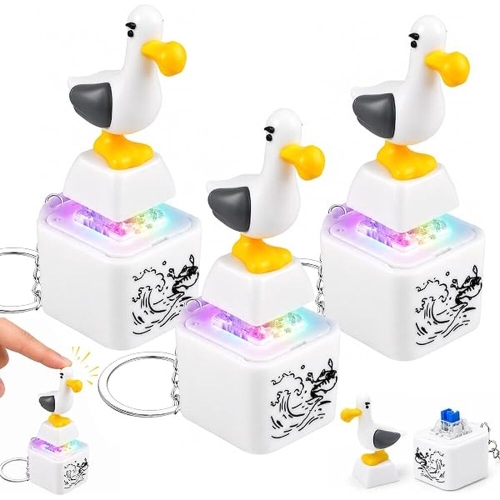
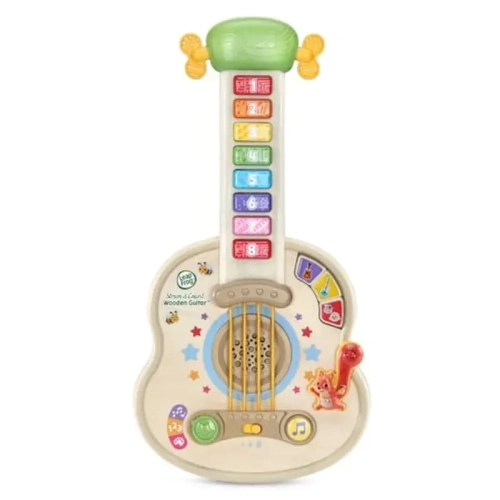
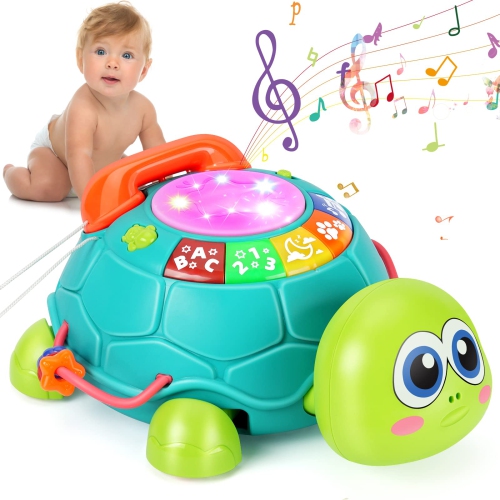
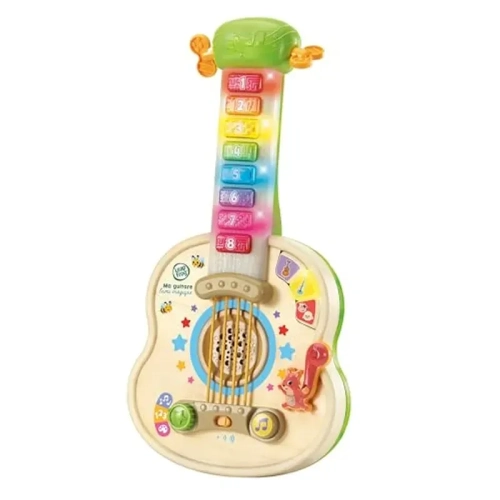
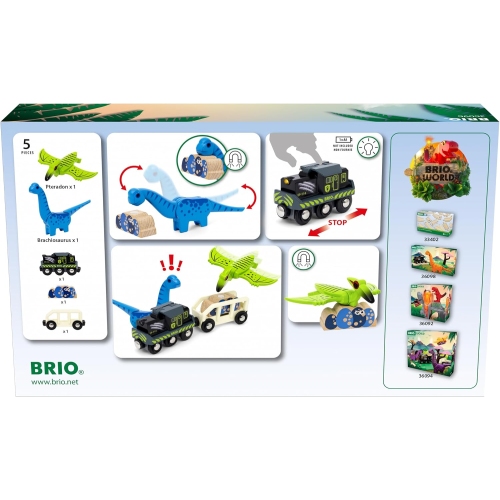


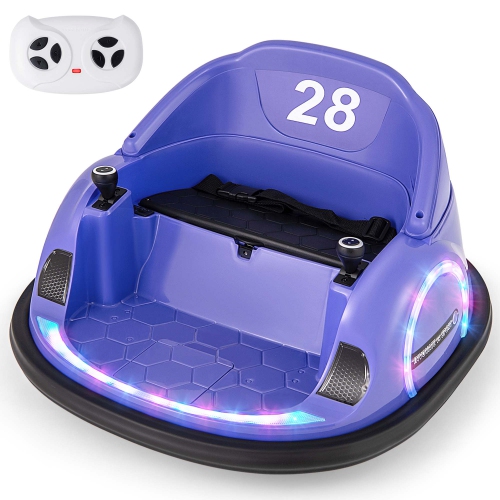
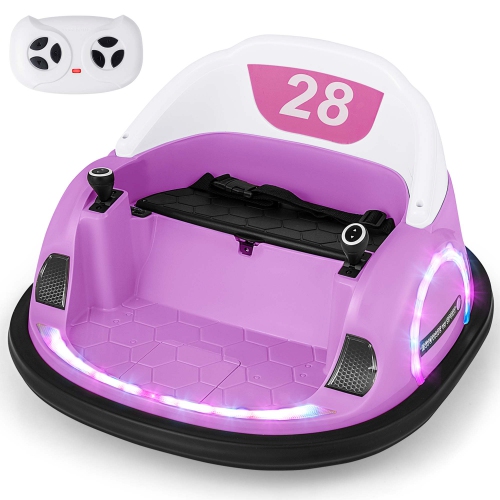
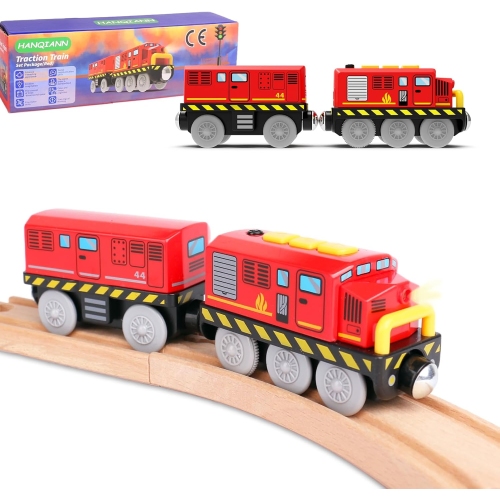
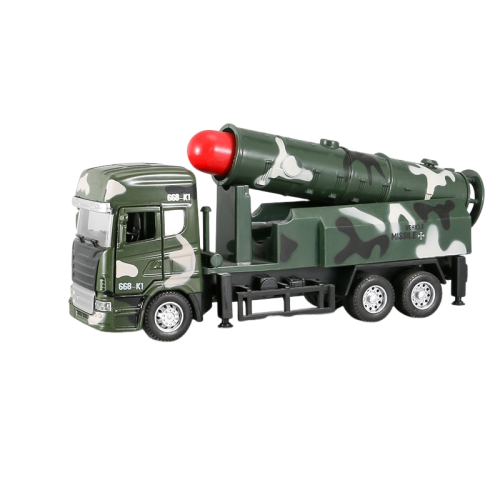

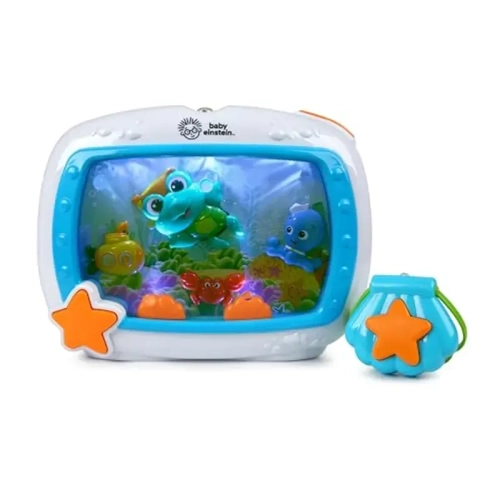
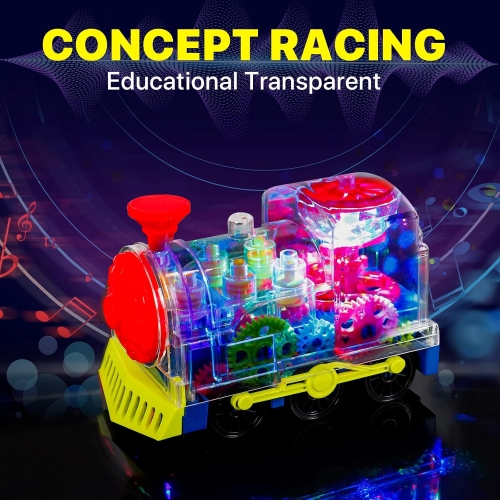
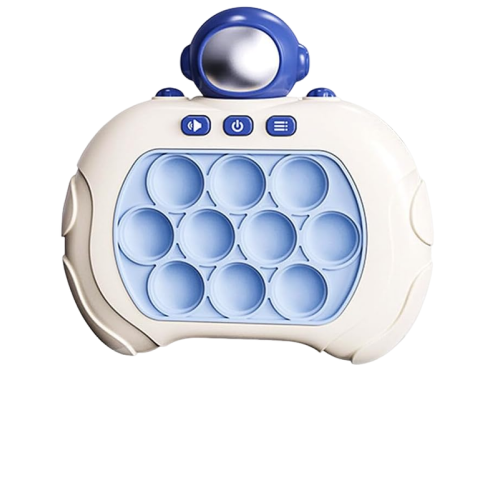
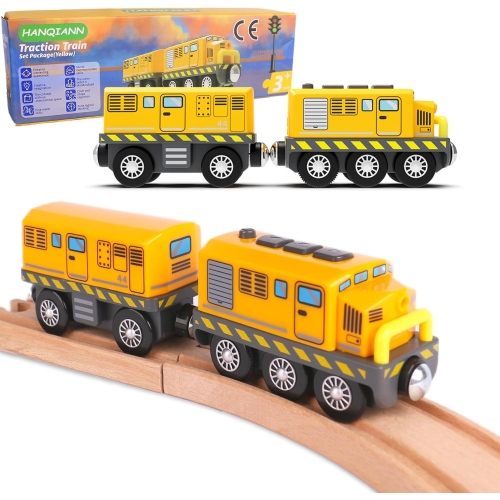





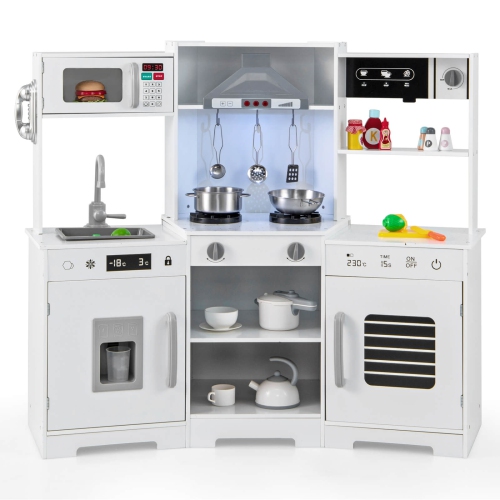
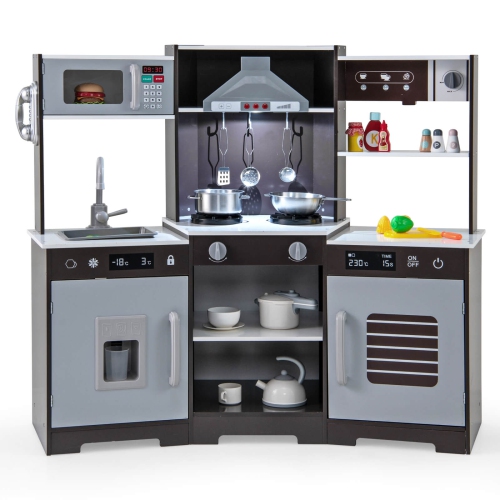


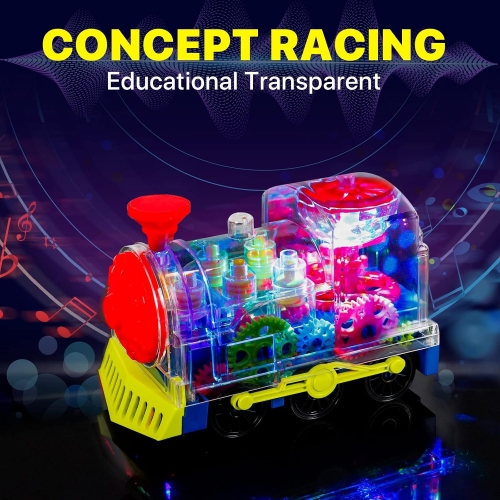
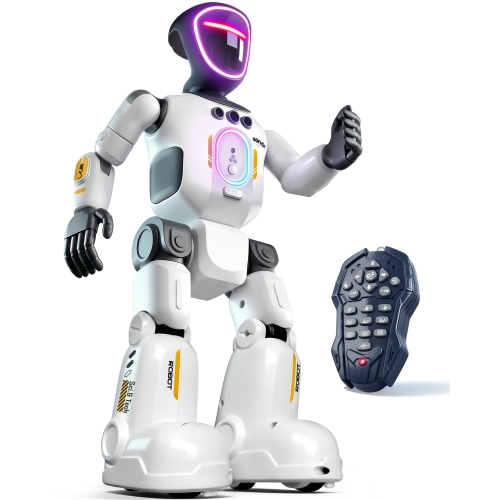
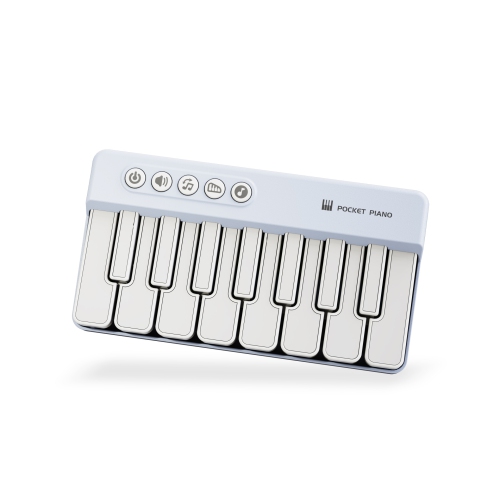


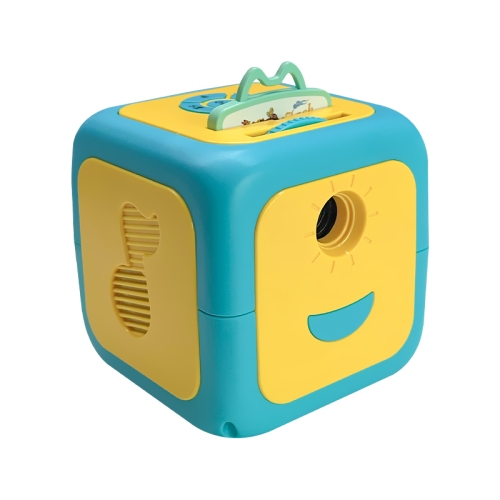

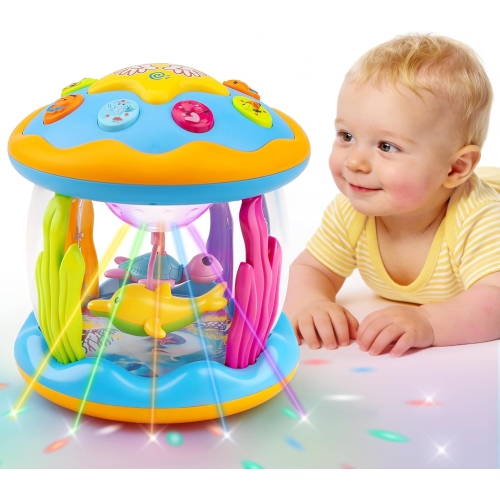
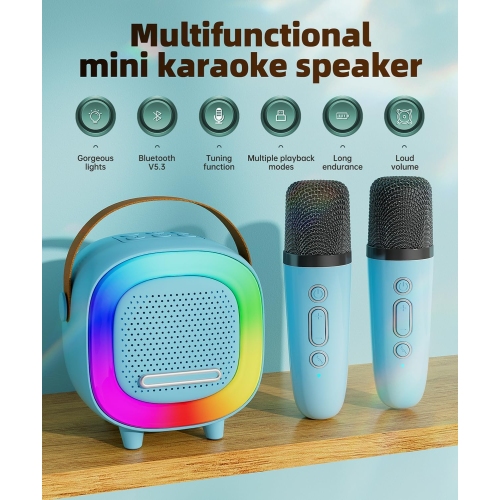
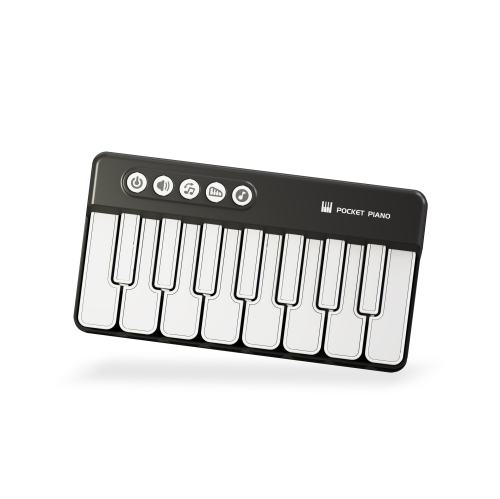
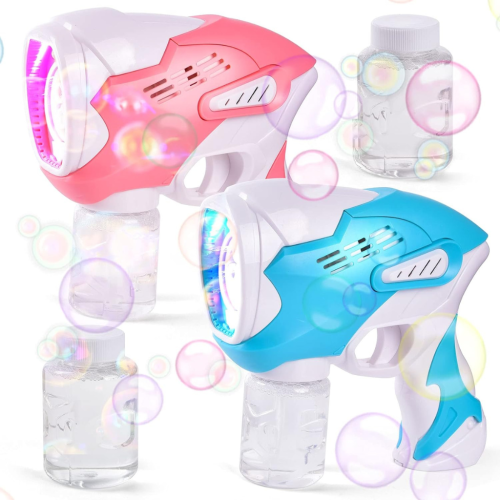
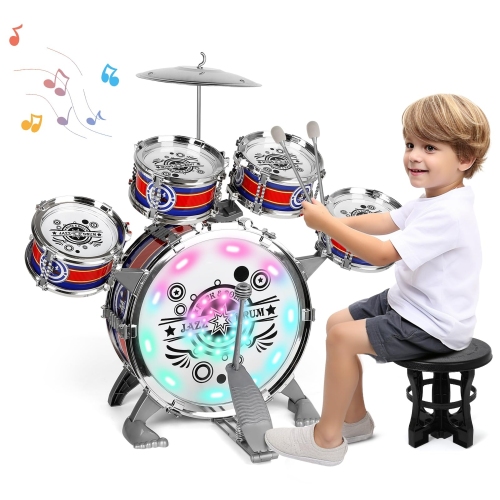
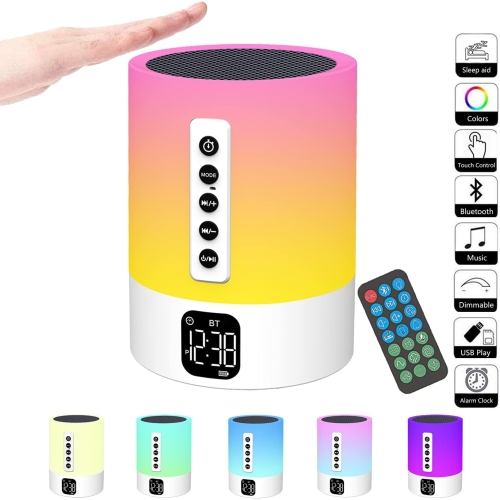


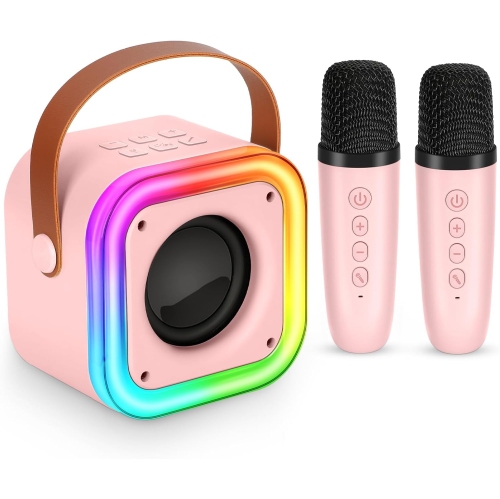


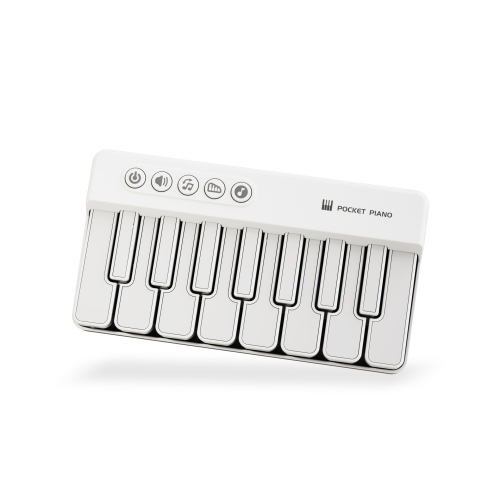
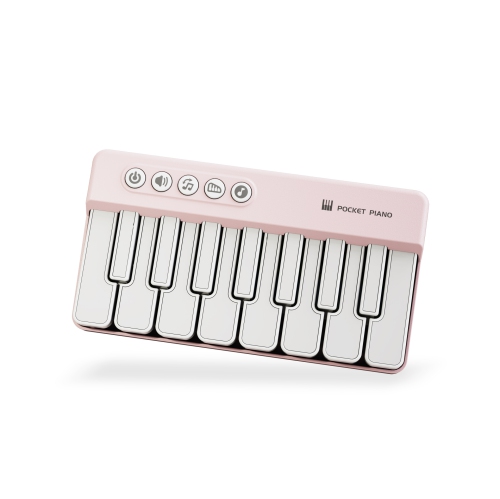

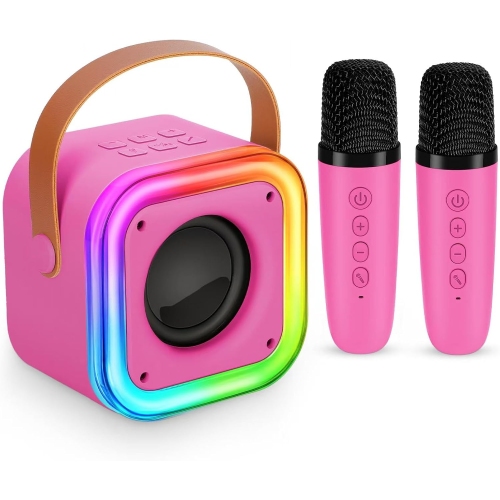
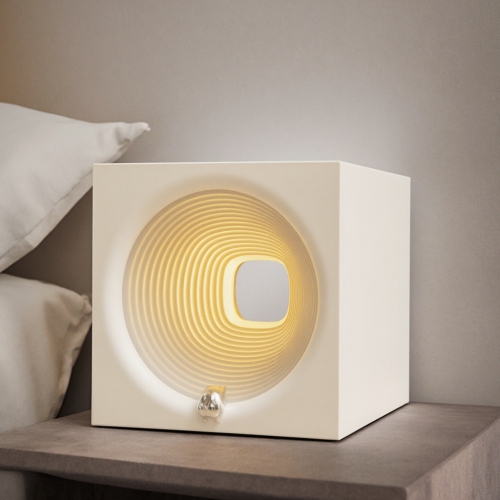





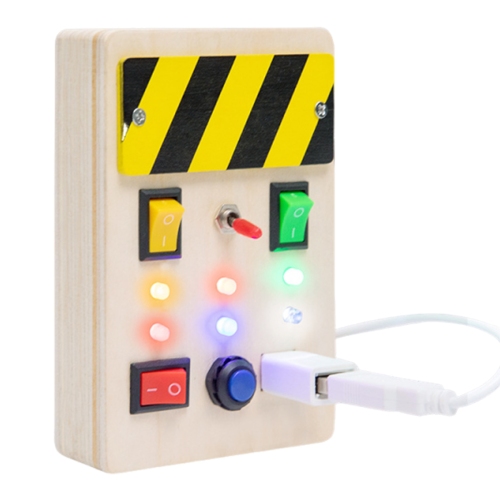
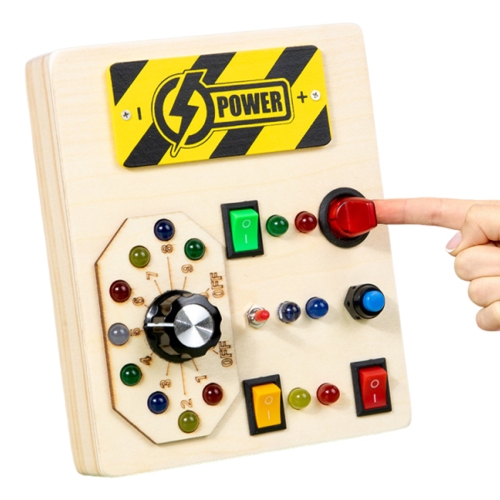


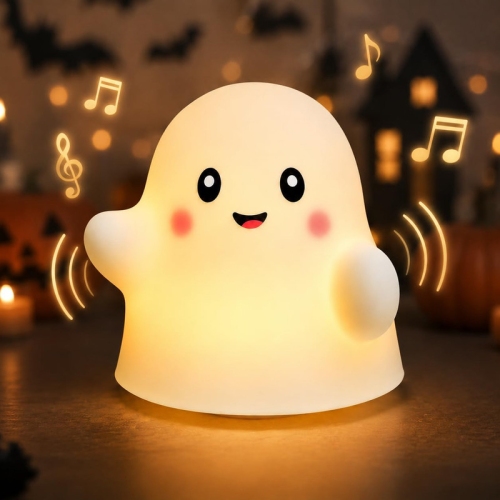
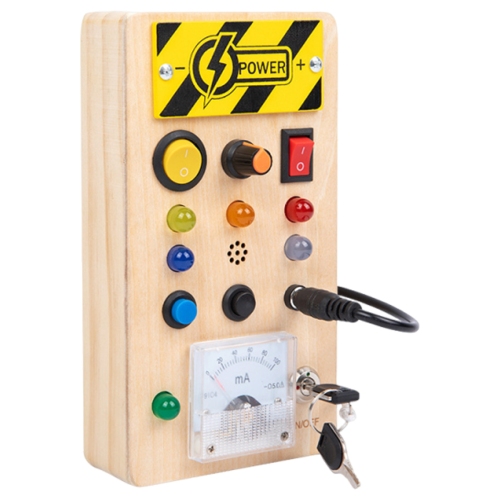
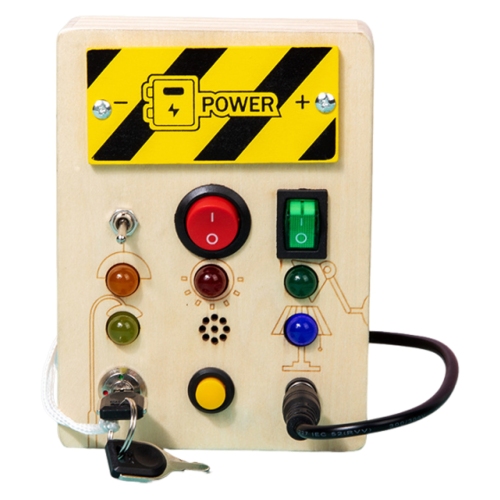
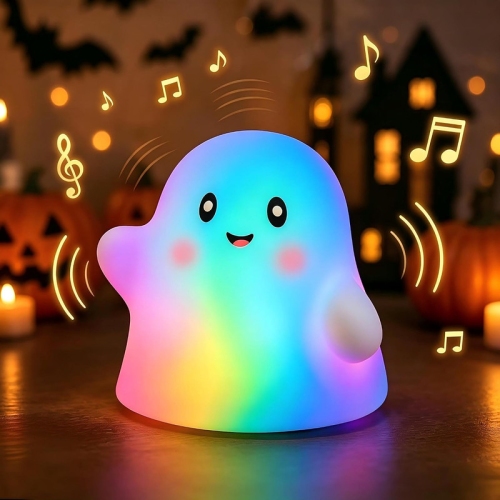

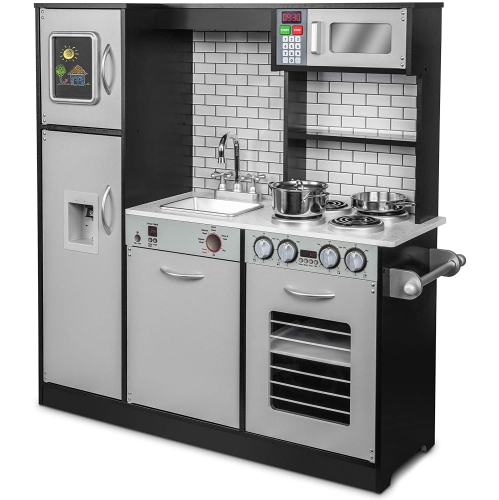
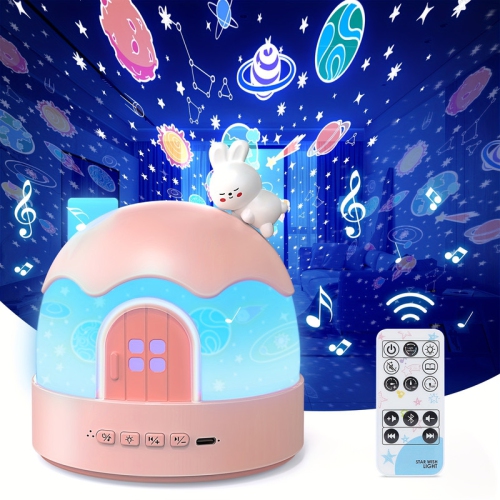


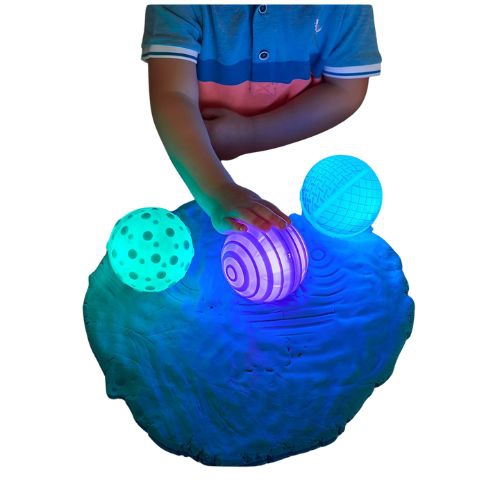



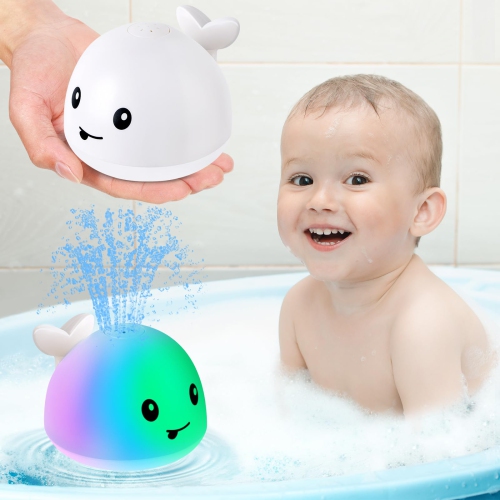


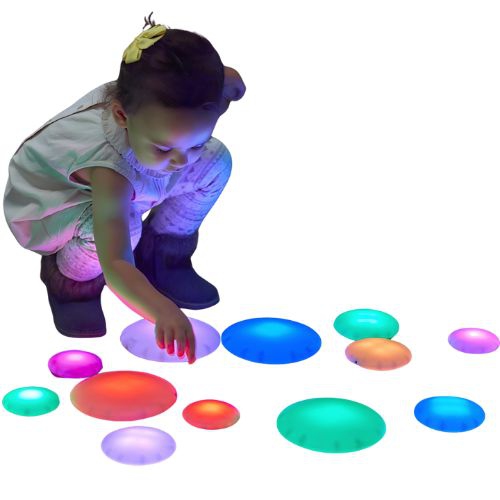
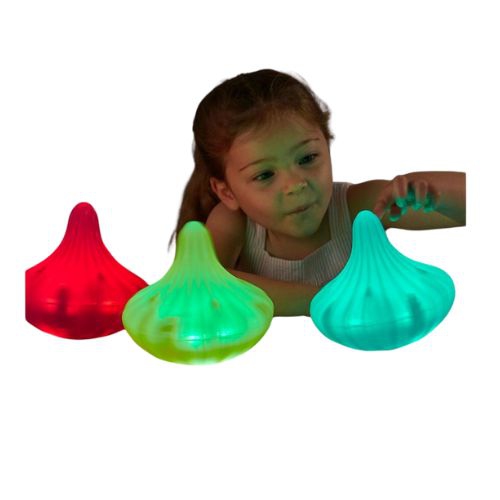

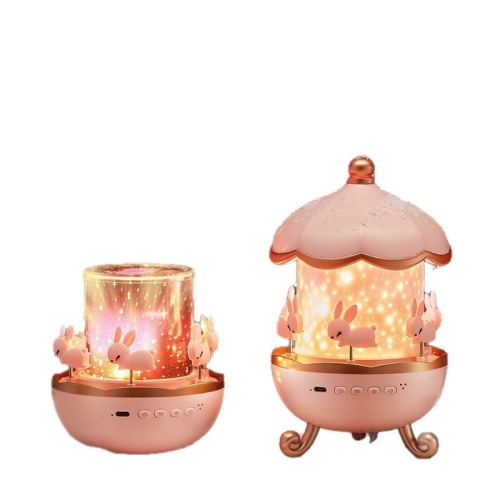








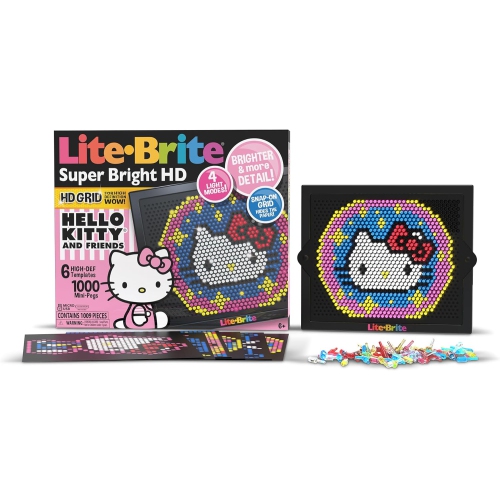
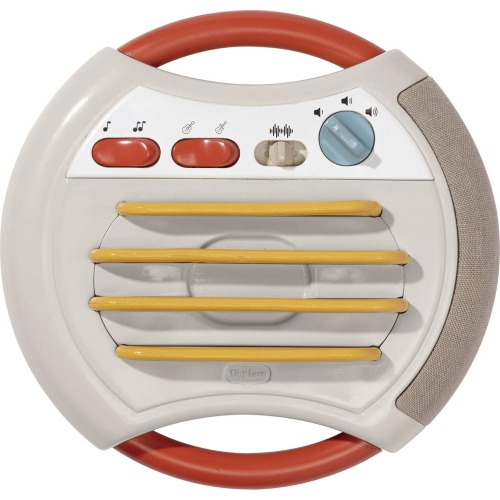


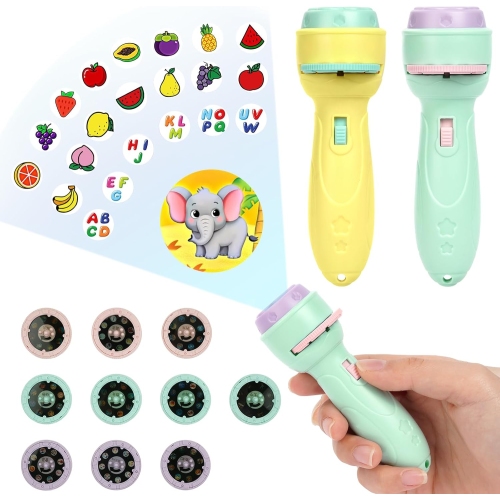
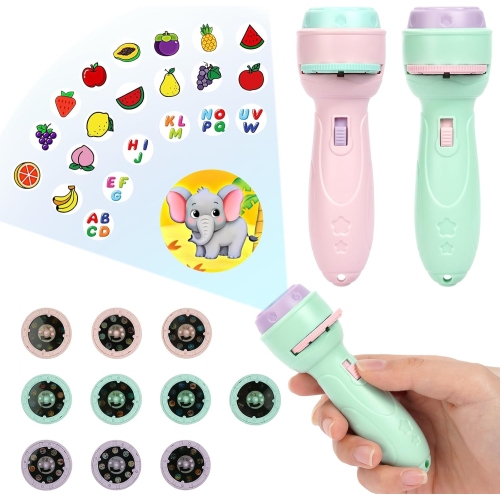


How glowing buttons and musical responses invite playful learning
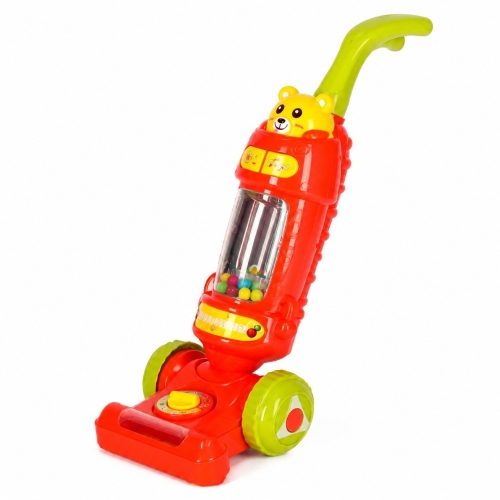
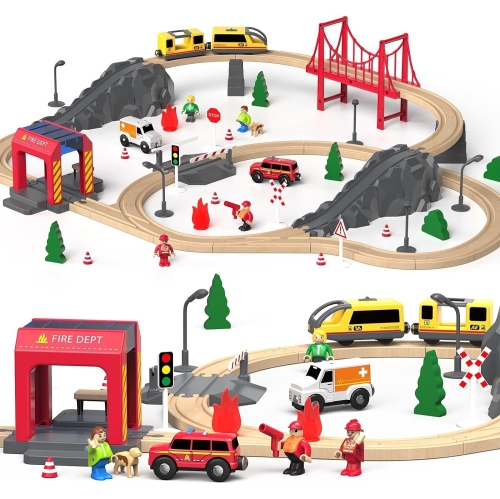
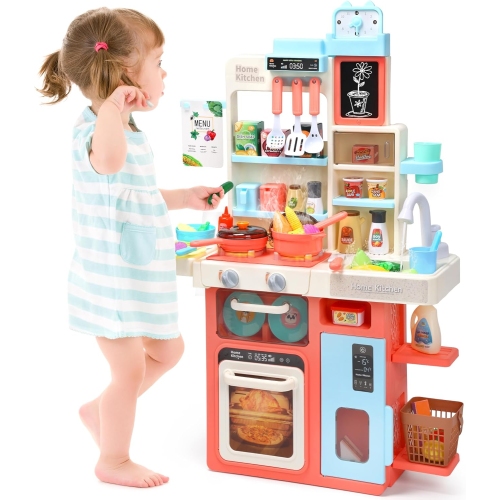
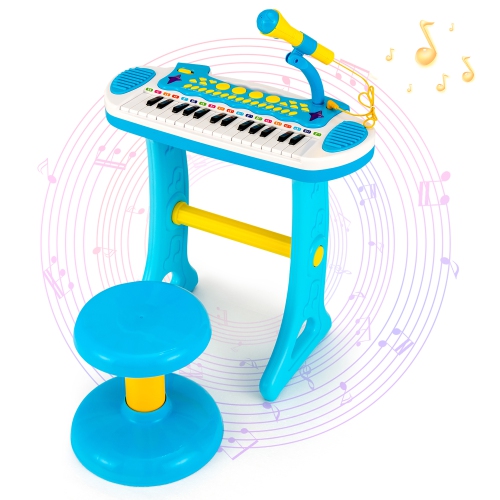
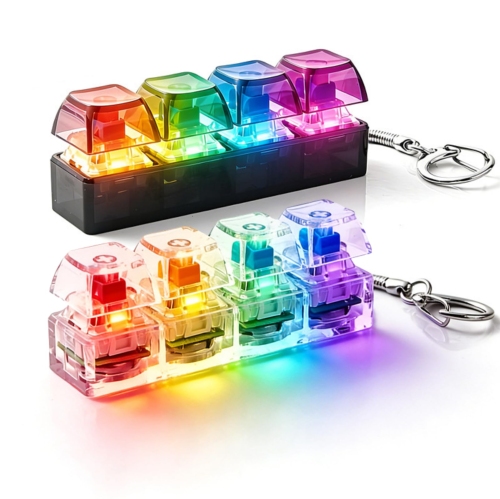
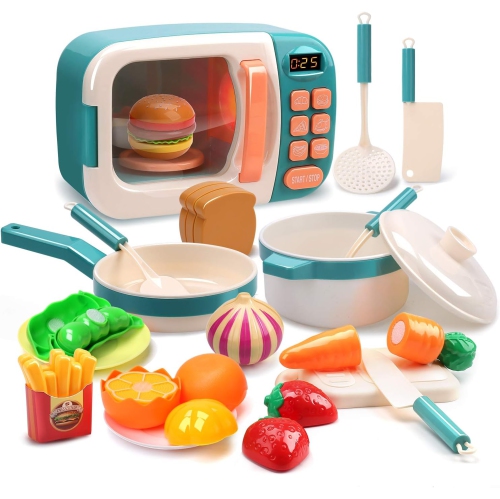
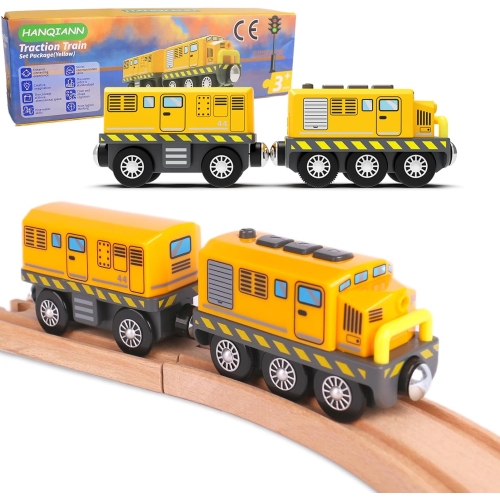
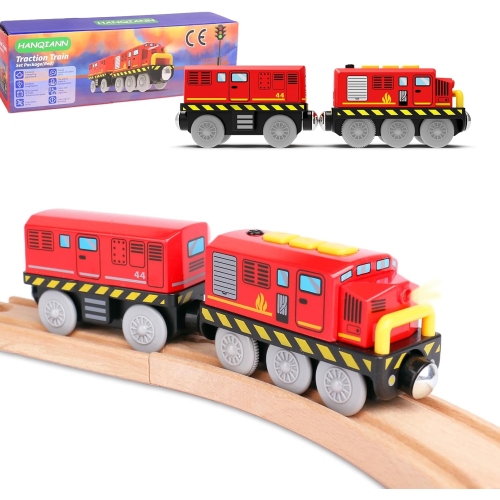
Light and sound toys combine illuminated features, music, spoken words, or sound effects with hands-on play. A button that lights up when pressed, a surface that responds to a tap, or a melody that begins when a piece moves gives children an immediate connection between an action and a result. That simple exchange creates opportunities to explore cause and effect while practising movements such as reaching, grasping, pressing, and turning. For babies, the appeal may be a softly glowing colour or a short, familiar tune shared with a caregiver. Toddlers often enjoy repeating an action to hear the same response, while older children may use sounds and lighting as part of pretend play, movement games, or musical exploration. The experience depends on the design: some toys offer a single, predictable response, while others include several activities with different levels of interaction. Clear, easy-to-activate controls can help keep the focus on play rather than on figuring out a complicated sequence. Age recommendations matter, but so do a child’s abilities and interests. A child still developing hand strength may find a broad push surface more approachable than a small switch, and a child who enjoys making music may prefer responses that leave room for tapping out a rhythm. Lights and sounds can invite attention and participation, but they do not need to run continuously to be engaging. Pauses give children time to notice what happened, try again, or turn toward a caregiver for a shared reaction. These toys can support playful learning experiences without replacing conversation, physical exploration, or open-ended play. Naming a colour as it appears, copying a short beat, or taking turns activating a sound adds a social element to an otherwise simple activity. Repetition can be part of the enjoyment, particularly when a child begins to anticipate the response and deliberately makes it happen again.
Materials, construction, and physical fit influence how light and sound toys feel in everyday use. Smooth, rigid surfaces can provide a stable base for buttons and illuminated panels, while fabric sections and textured details offer different sensations for small hands to explore. Materials alone do not establish suitability; the intended age range, construction, and manufacturer’s directions remain important. For children who mouth toys, that intended use is especially relevant, since not every electronic toy is designed for contact with the mouth. Rounded edges, securely attached components, and controls that suit a child’s reach all contribute to a more comfortable play experience. Size deserves attention beyond the overall dimensions. A toy may fit neatly on a play mat yet still have controls that are difficult for a younger child to reach, or it may need enough clear floor space for a child to move around it. Larger activity formats should be used only in the positions and settings described by the manufacturer, rather than treated as climbing or standing supports unless designed for that purpose. Durability also includes the parts that receive repeated attention: buttons, moving sections, seams, and battery covers. Regular checks can reveal loose components, cracked surfaces, or damaged fabric before the next play session. Care requirements vary because electronic components and washable materials do not always share the same cleaning method. A removable fabric section may have separate instructions from its sound unit, and a wipe-clean exterior should not be assumed to be safe for soaking. Follow the stated cleaning directions and keep moisture away from openings, speakers, and battery compartments. Batteries should be installed and replaced by an adult, with covers secured as directed and loose batteries kept out of children’s reach. These practical details matter in a toy that may be carried from a bedroom to a shared play area and handled many times throughout the day.
The most comfortable light and sound play also fits the household and the child’s preferences. Adjustable volume, an accessible off switch, and separate settings for sound or lighting can make a meaningful difference during shared play, quiet activities, or visits with family. A short musical response feels different from a continuous tune, just as a steady glow differs from rapidly changing lights. Children vary in how they respond to these features, and a quieter or simpler setting may be more enjoyable for a child who finds strong sensory input uncomfortable. Light and sound effects are not automatically calming, so a child’s reactions are a better guide than the assumption that more stimulation means more fun. Keeping speakers away from ears and allowing breaks helps make sound-based activities easier to manage. For children whose main interest is listening, rhythm, or making noises through movement, Sound Toys offer a related way to explore audible responses. In family play, the adult’s participation can be as engaging as the electronic feature itself: a caregiver might echo a tune, wait for a child to press a button, or turn a familiar sound into the beginning of a story. Siblings can take turns choosing an action and copying its result, with supervision and age-appropriate boundaries where younger children are involved. As birthday gifts or presents for another family occasion, light and sound toys are most thoughtful when matched to the recipient’s stage of play rather than simply the number of features. Caregiver preferences about volume, storage space, cleaning, and battery use are useful considerations, especially for a toy intended for a shared living area. A manageable size, understandable controls, and an engaging response can be more useful than a long list of modes. Whether the activity lasts a few minutes or becomes a familiar part of a longer play session, the appeal lies in giving children something they can notice, influence, and enjoy with others.
Top selling and popular products
-
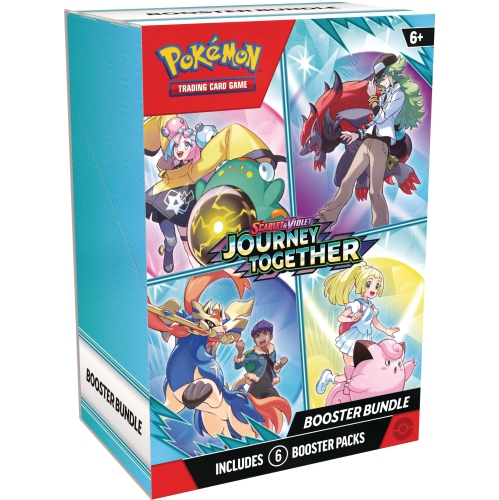 Your price for this item is $94.99
-
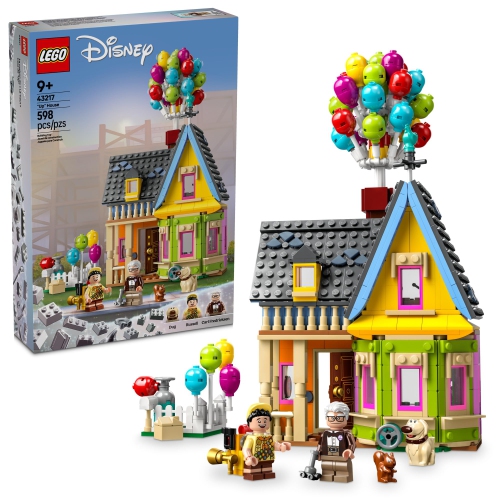 Your price for this item is $95.54
-
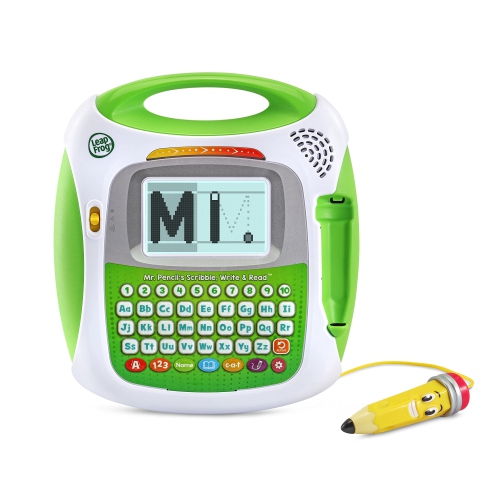 Your price for this item is $55
-
 Your price for this item is $129.99
-
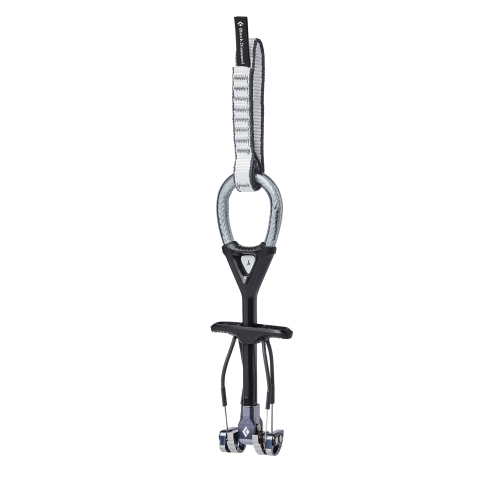 Your price for this item is $151.05
-
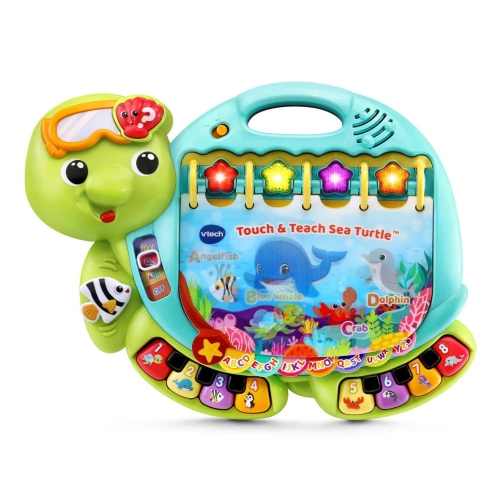 Your price for this item is $44.31
-
 Your price for this item is $44.78
-
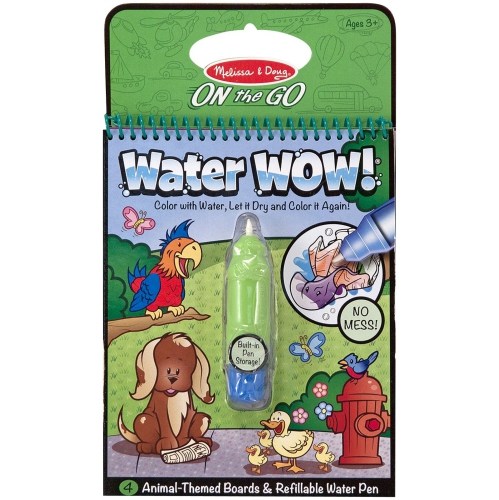 Your price for this item is $24.99
Discover more categories related to Light And Sound Toys
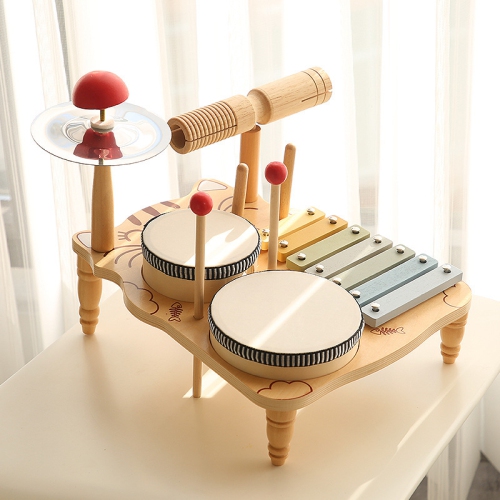

Top Collections:
Pokemon Centers, Pokémon 30th Celebration Cards, Best Budget Office Chairs, Kindle Devices, Best Cameras for Sports Photography, Canon G7X Cameras, Best Black Friday Deals On Electronics, Best Laptops for Writers, iPhone 15 Apple, Jackery Power Stations
Some products may be subject to Environmental Handling Fees
(EHF) depending on your province.
Learn more about EHFs.