Light Up Toys
Get ready to ignite the fun with these light-up toys. Whether you're hosting a party, looking for a unique gift, or simply want to add a touch of excitement to your playtime, these dazzling toys are sure to bring smiles and laughter. From glowing balls and spinning light wands to flashing LED bracelets and mesmerizing light-up puzzles, we have a wide range of options that will captivate kids and adults alike.
Sort
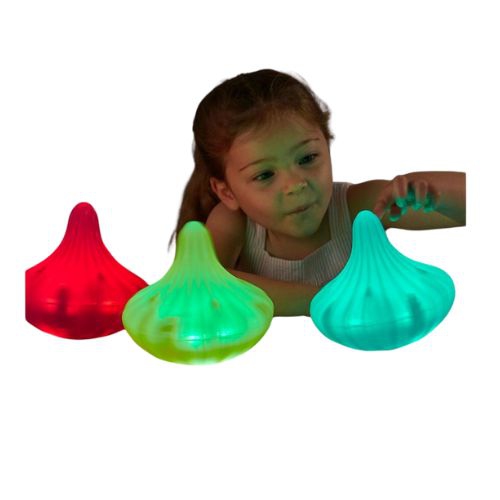


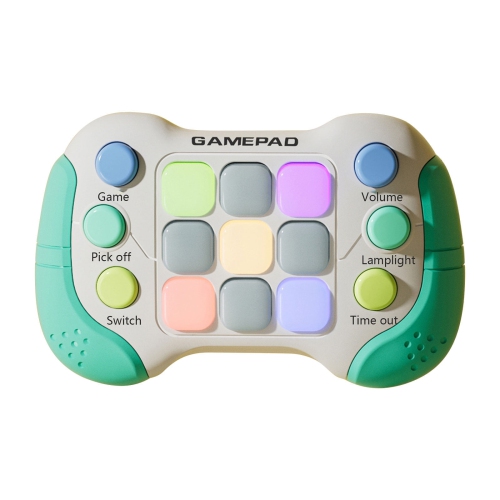

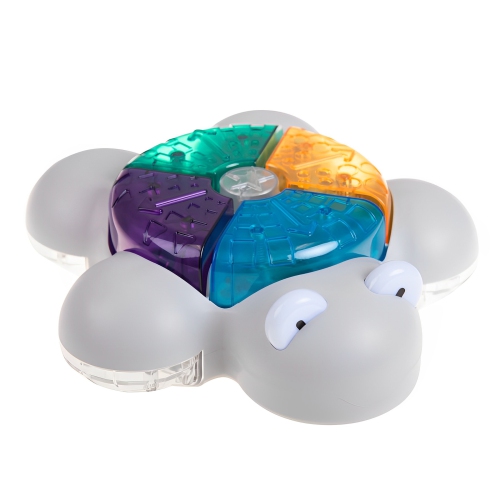
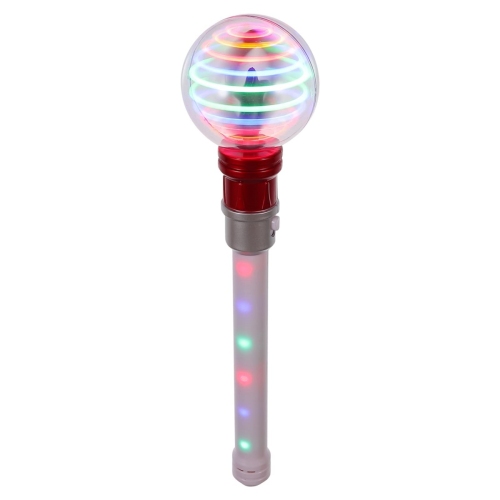
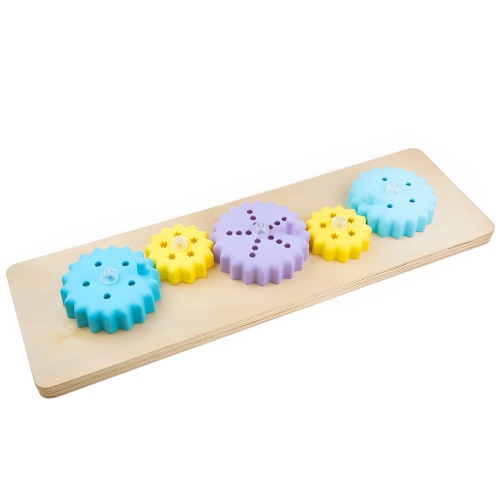
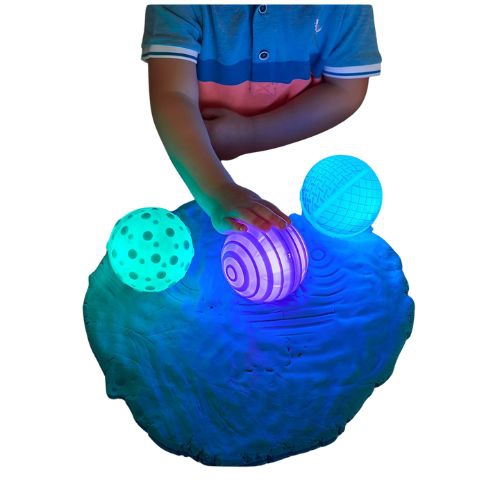
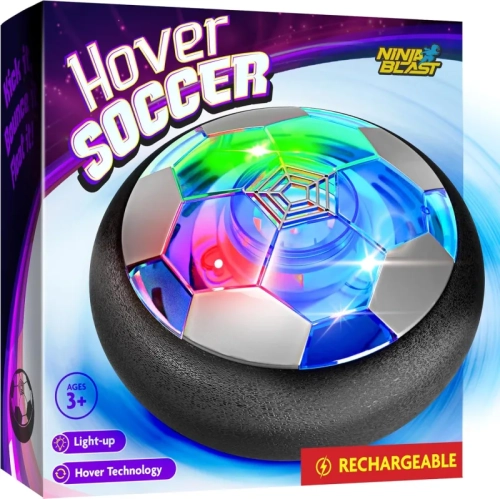
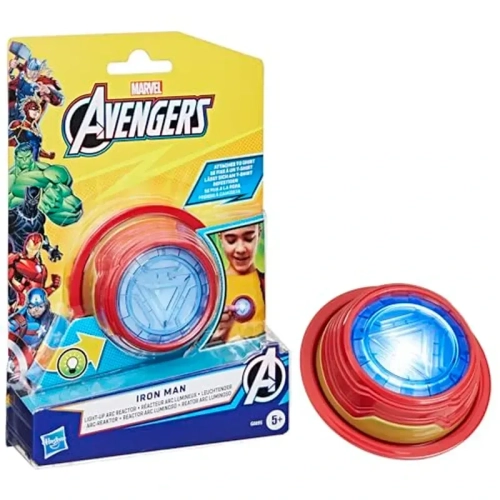


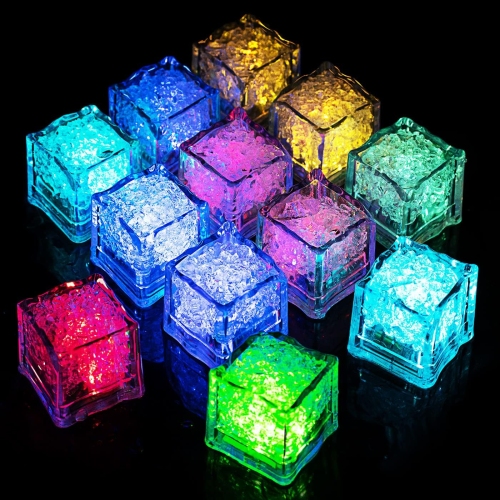
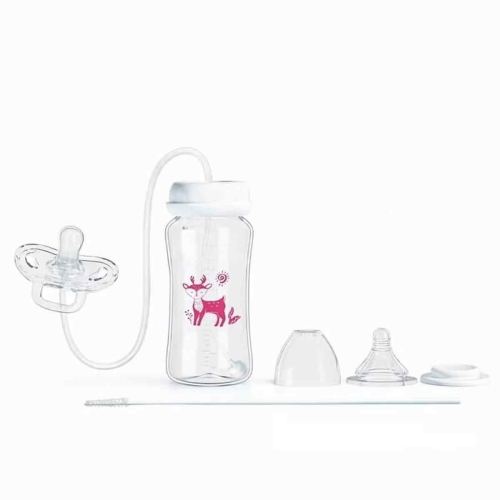

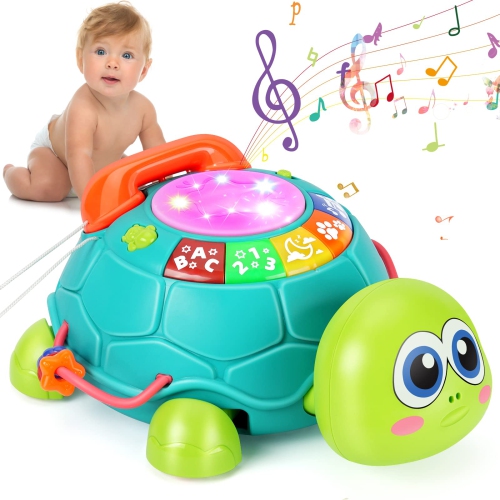
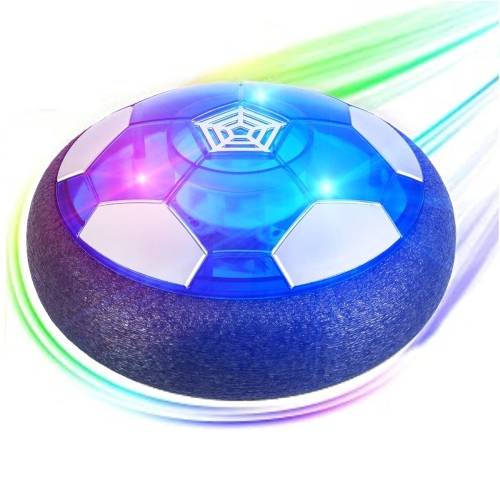








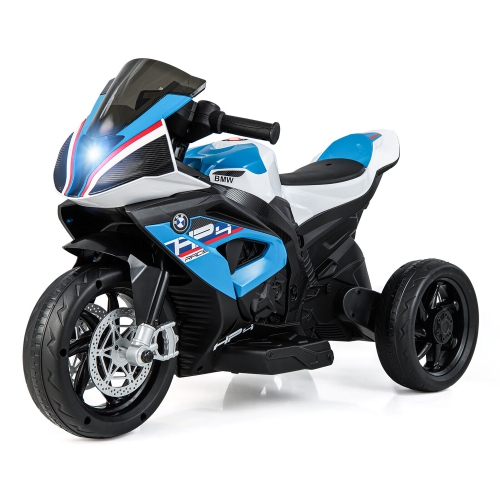
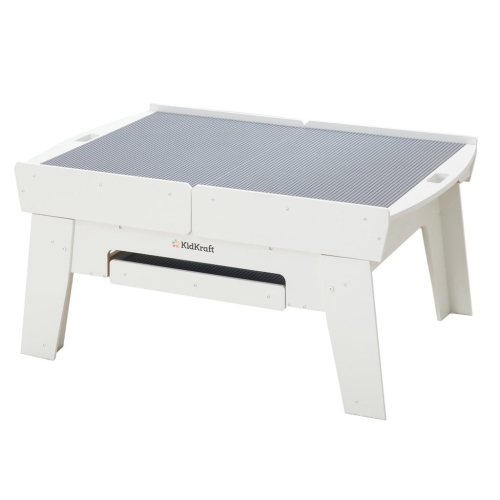
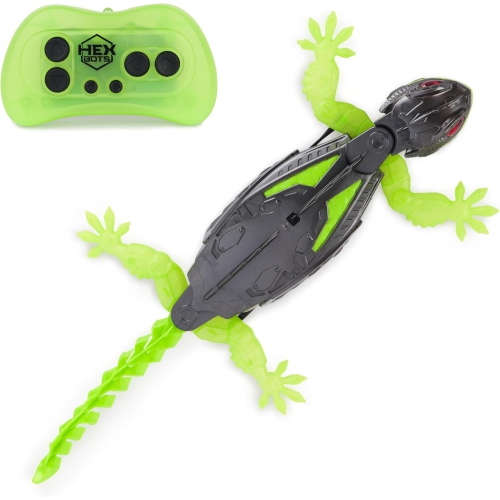

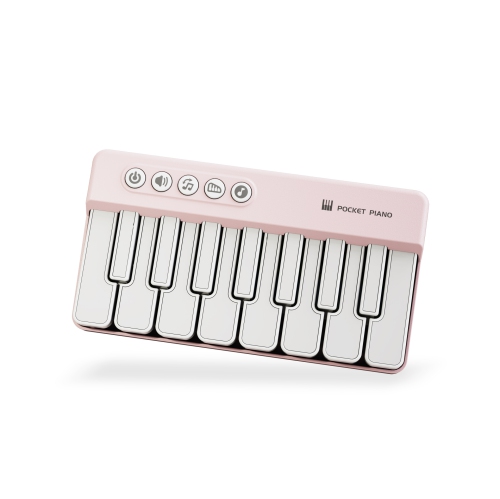




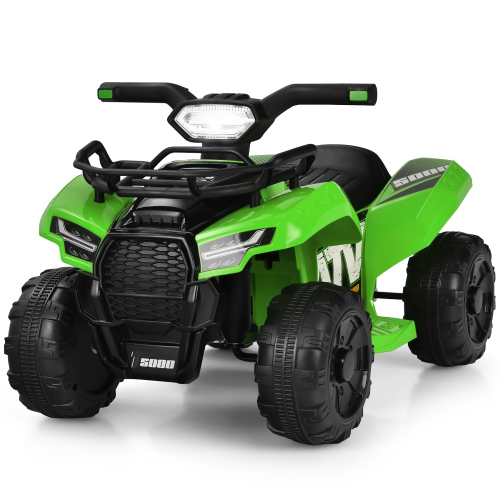
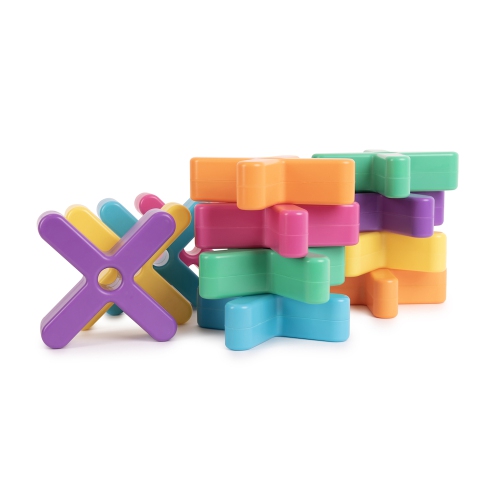


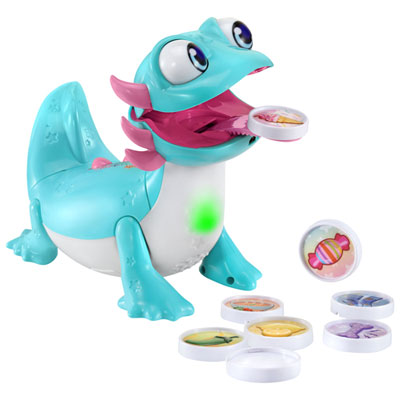

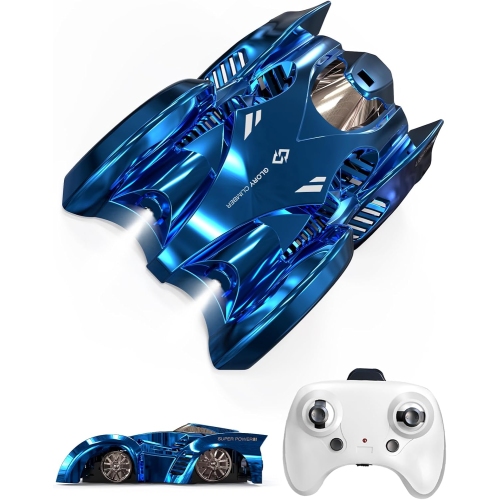

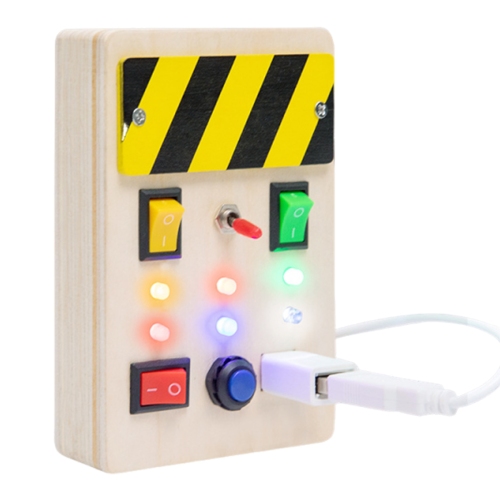
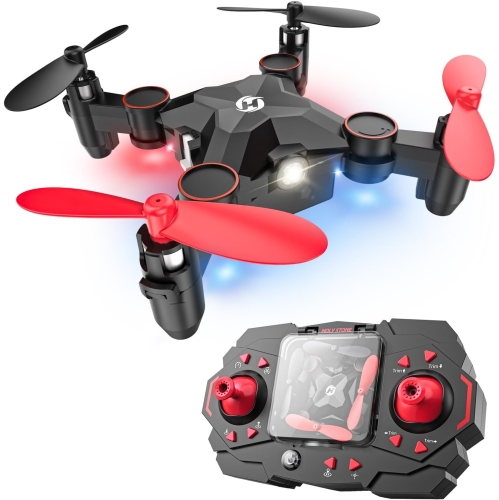
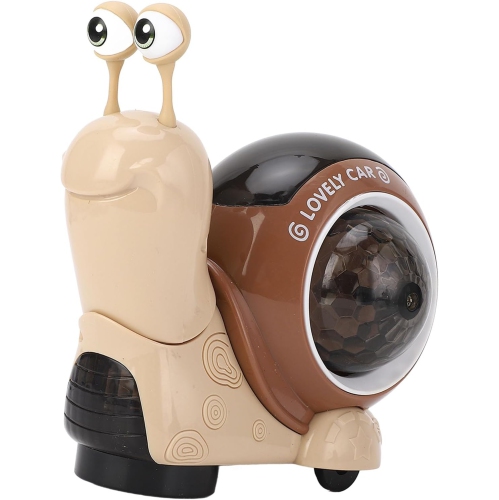
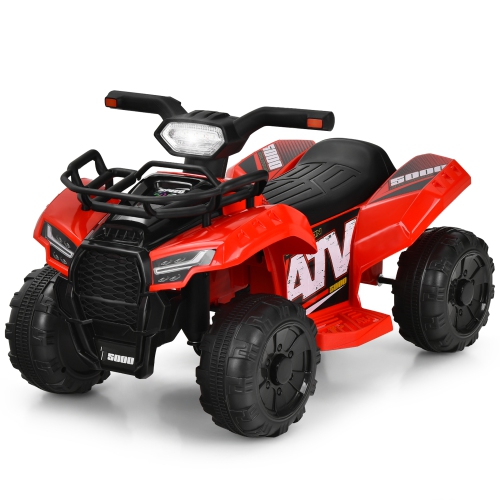




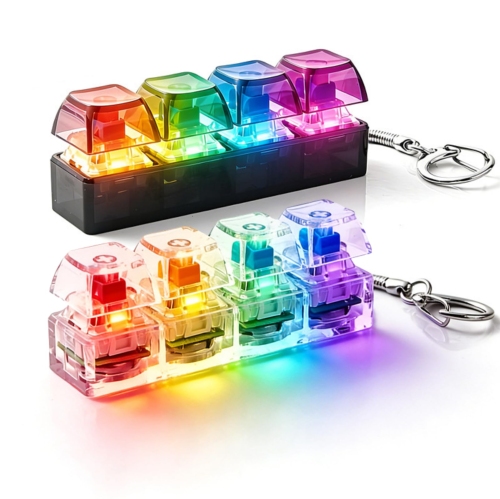
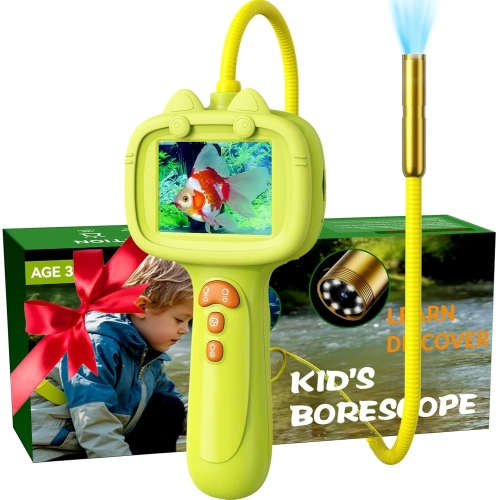


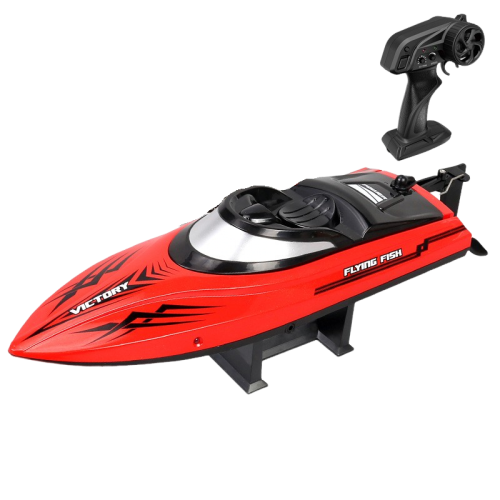

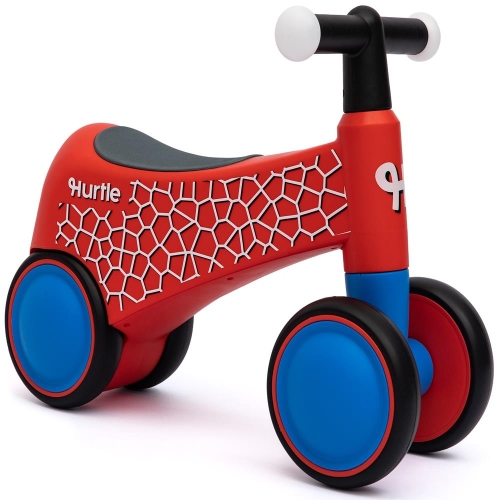
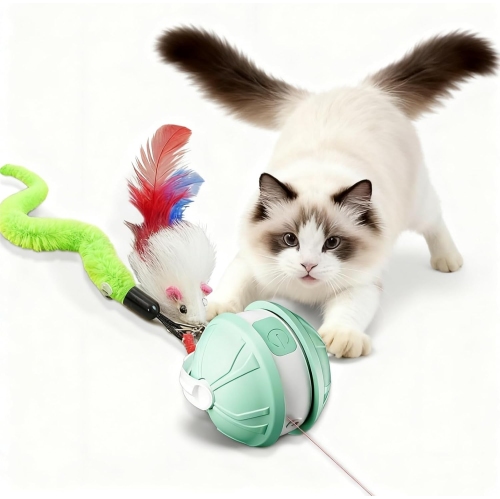

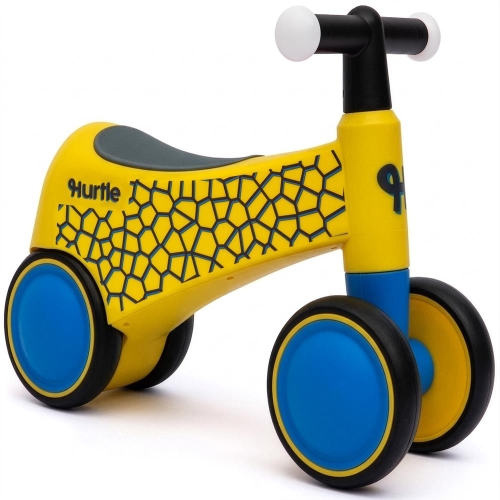

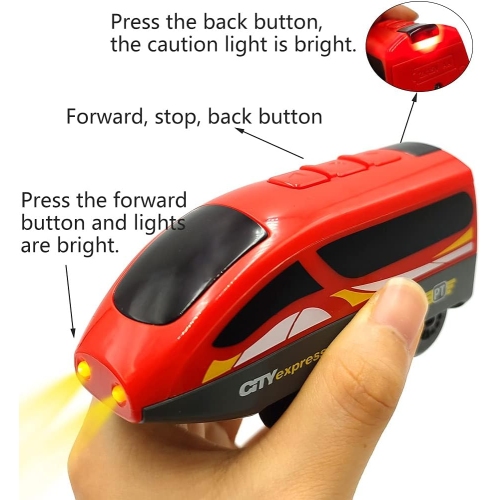


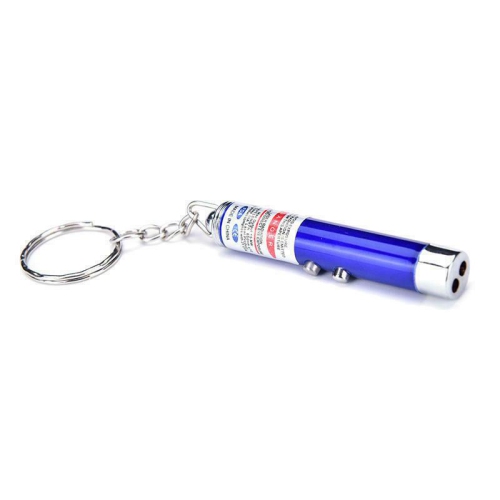
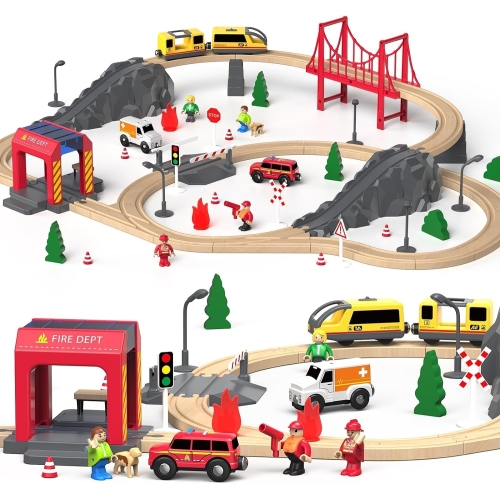
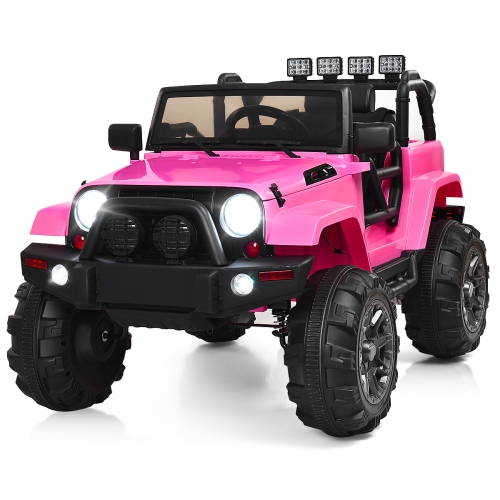
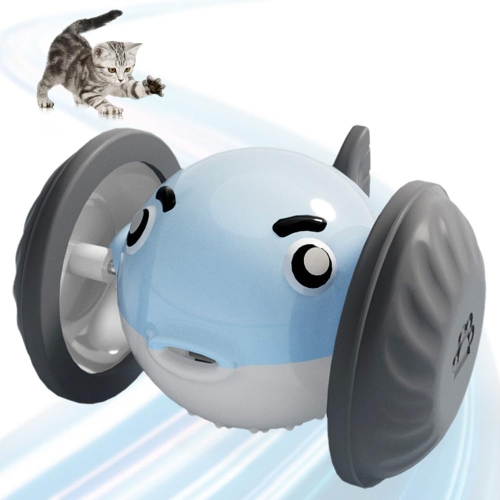


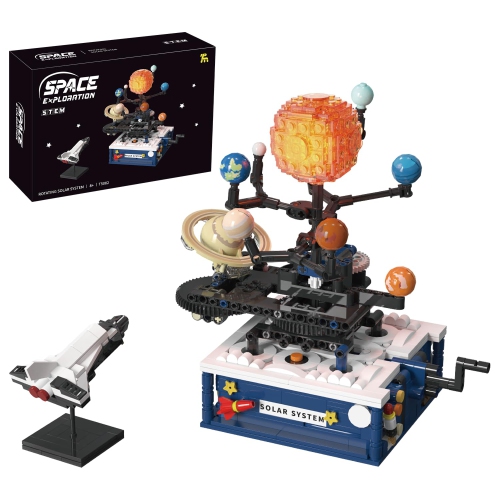


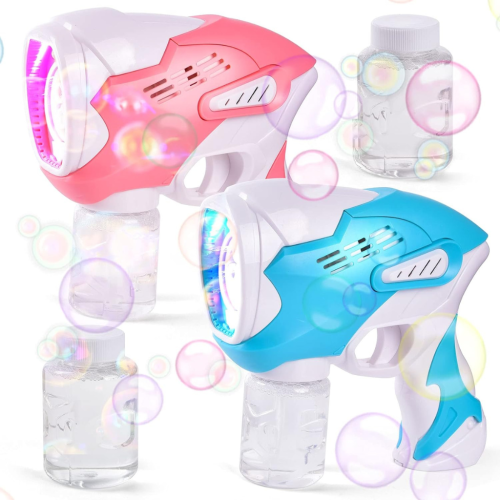
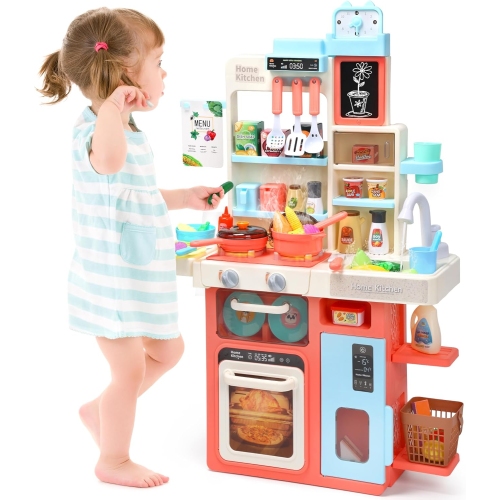
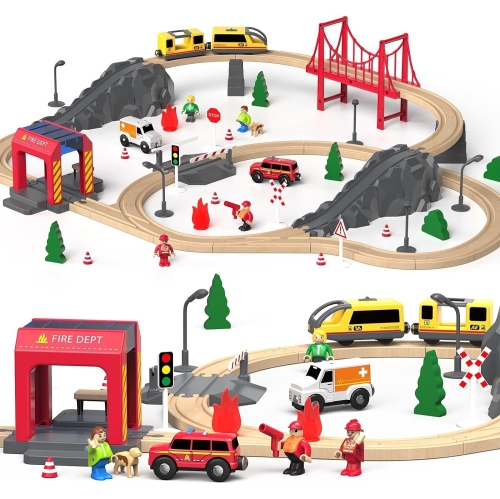
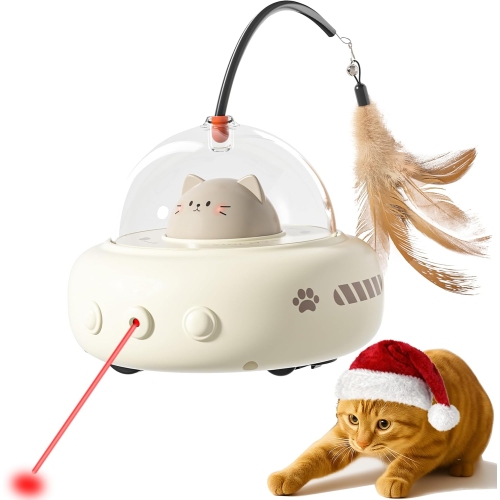
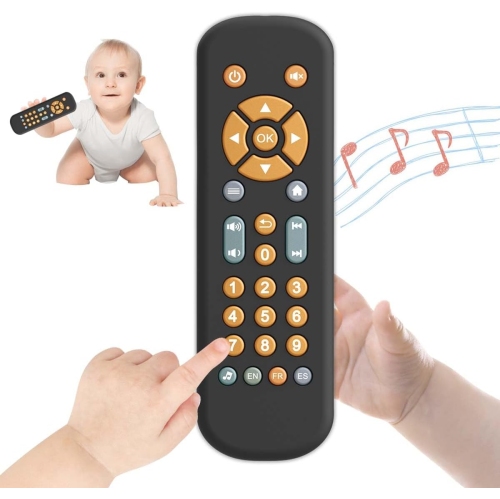


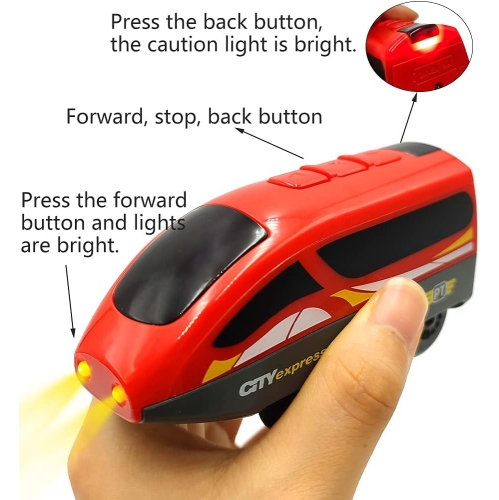
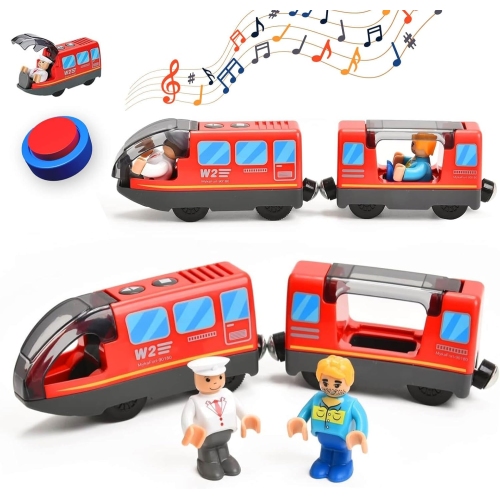


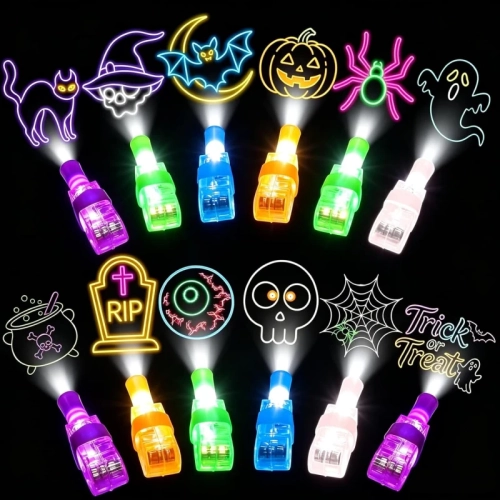


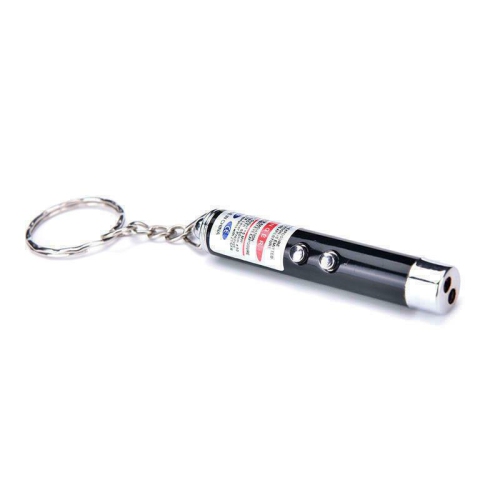


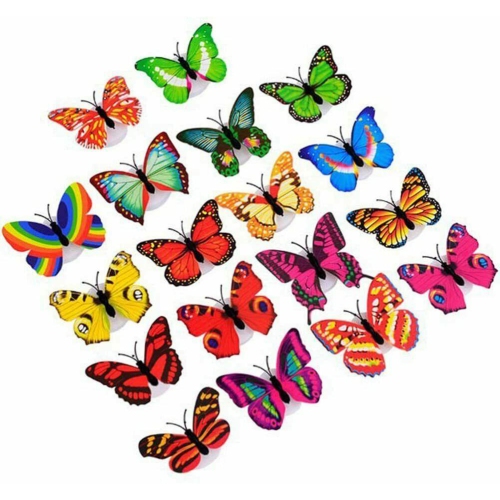

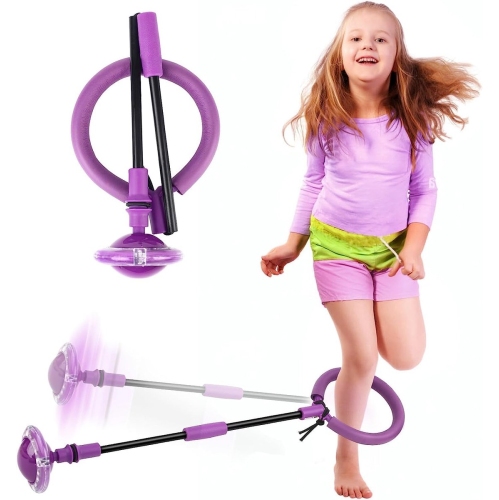


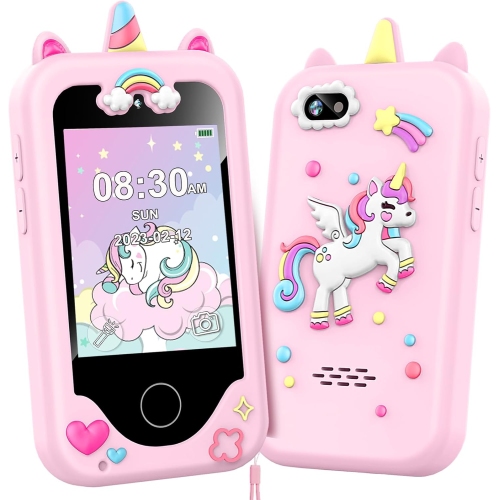
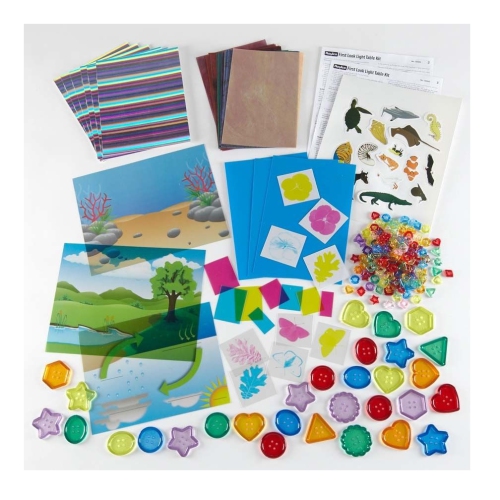

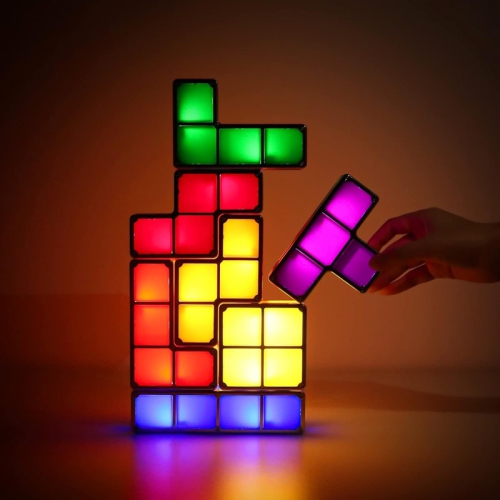
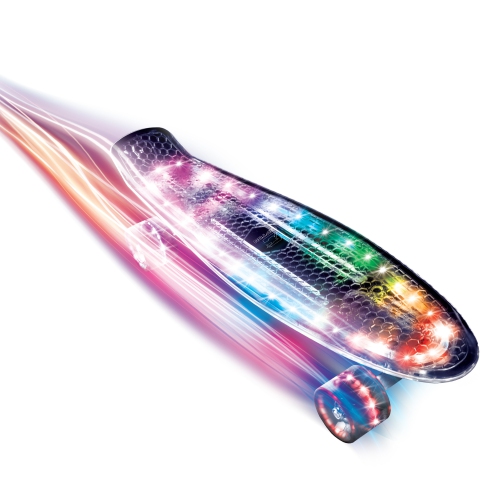


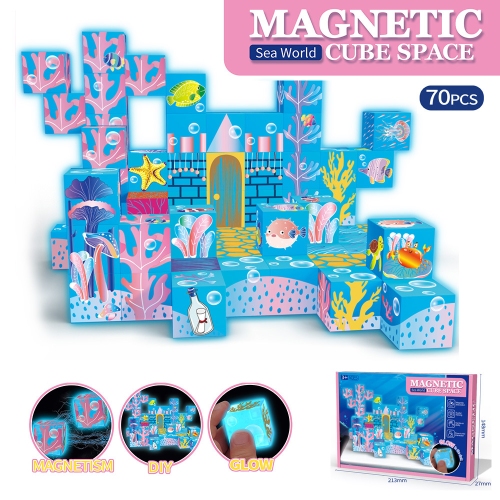

A little glow can change how play unfolds
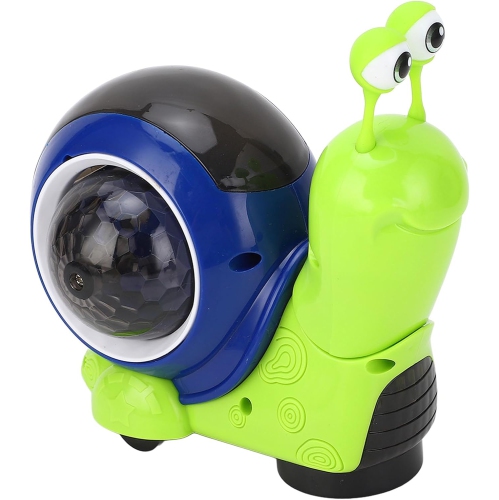
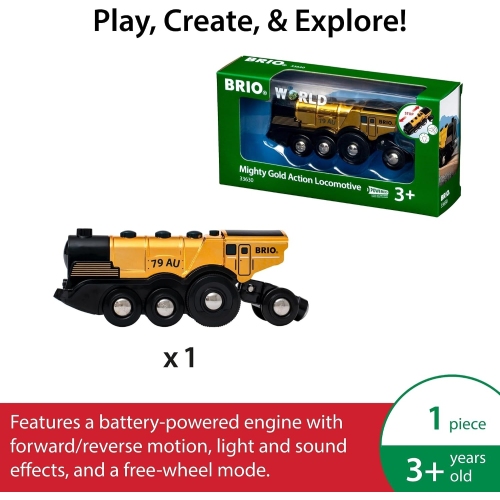
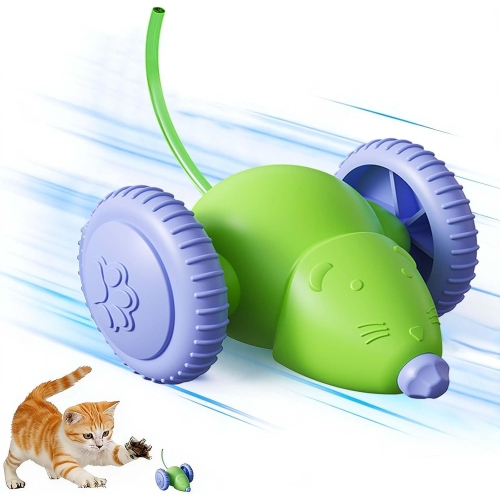
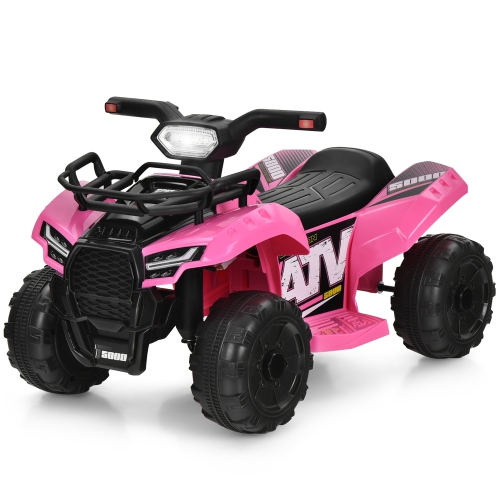
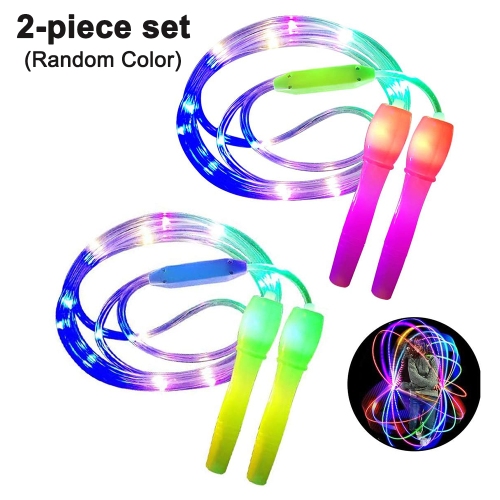
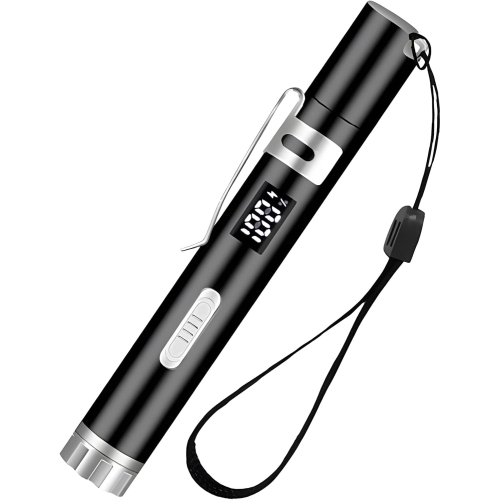
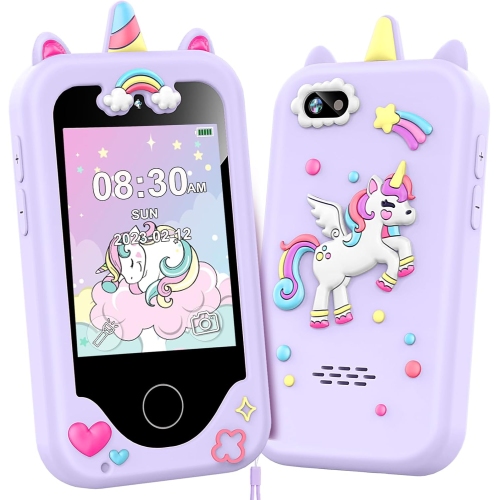
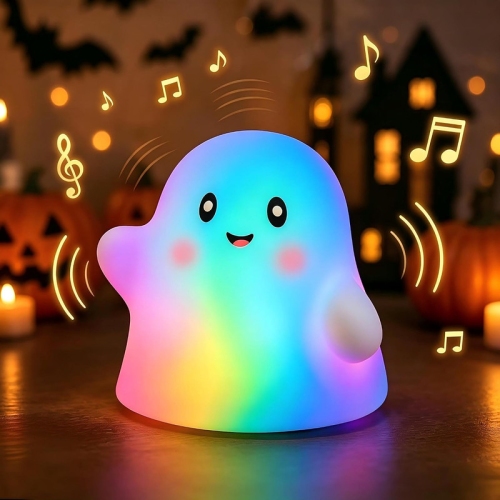
Light up toys add a bright, playful element to familiar activities, from imaginative adventures on the living room floor to games shared with friends. A gentle glow can give a pretend scene a little atmosphere, while a burst of colour at the press of a button can make an action feel more exciting. Some designs illuminate continuously; others respond to movement, touch, or a sequence of actions. These differences shape the experience as much as the colours themselves. A toy with a simple, predictable light response may suit a child who enjoys repeating an action and seeing the result, while changing patterns can appeal to someone who likes exploring different settings. Light can also act as a cue during play, showing whose turn comes next or signalling that a task is complete when the toy is designed for that purpose. For quieter moments, a steady effect without accompanying sound may be more comfortable than a fast-moving display. Brightness matters, too: a light that looks subtle in a sunny room can feel much stronger after the curtains are drawn. Light up toys do not always need a darkened room to be enjoyable, and keeping enough room lighting to see furniture, steps, and other people makes active play easier to manage. Their powered effects also differ from the soft afterglow associated with Glow In The Dark Toys, which typically rely on materials that absorb light and release it gradually. That distinction is useful when thinking about whether a child would enjoy an effect they can switch on immediately or one that appears after exposure to light. During the cooler months, when more play happens indoors, lighting effects can bring a fresh dimension to everyday make-believe without requiring an elaborate setup. The most lasting appeal usually comes from how the light supports the activity, whether it adds a surprise, provides feedback, or helps set a scene, rather than from brightness alone.
Materials, construction, and controls all affect how comfortably a light up toy fits into everyday play. Many designs combine a plastic housing with translucent sections that allow the light to shine through, while others use fabric or soft outer surfaces around an internal lighting component. Smooth edges, secure seams, and firmly attached parts are useful details to check, especially when a toy will be handled frequently or carried from room to room. Softness on the outside does not necessarily mean every part is flexible, so the position of an internal battery box can matter when a child holds a toy close. For handheld designs, size and weight influence whether small hands can maintain a comfortable grip and reach the controls without help. Anything intended to be worn should fit according to the maker’s directions, with attention to adjustment, fastening, and ease of removal. The manufacturer’s age rating remains important even when a design looks simple: small components, cords, and battery access can make an otherwise appealing toy unsuitable for younger children. Battery compartments should close securely, and any design containing button or coin batteries needs particular care because swallowing these batteries can cause severe injury. Adults should handle battery changes and keep loose batteries out of children’s reach. The power source also influences daily use. Replaceable batteries require the specified type, while rechargeable designs need charging with the compatible equipment and in accordance with the instructions. An accessible off switch can be handy when play moves from a busy family room to a quieter space. If lights and sounds have separate controls, there may be more flexibility for shared rooms or children who prefer less noise. Not every child enjoys flashing patterns, and those with light sensitivity may need a different style of play altogether. A steady-light setting can be worth considering where appropriate, but it should not be assumed to make a toy suitable for every user. Comfort, age suitability, and a manageable level of stimulation matter more than the number of lighting effects.
Everyday care helps keep light up toys pleasant to handle and ready for their intended use. Because electrical parts may sit beneath the outer surface, cleaning methods can differ from those used for toys without lights. A soft cloth and the cleaning method specified by the manufacturer are generally a better starting point than soaking, spraying, or machine washing. Fabric covers should only be removed and washed if the care directions permit it, and moisture should be kept away from charging ports and battery compartments. After a busy afternoon of play, a quick check for cracked housings, loosened seams, exposed wires, or a battery cover that no longer fastens properly can help identify when a toy needs to be set aside. Durability depends partly on matching the design to the activity: a toy intended for gentle indoor handling should not be treated as though it is made for throwing, rough landings, or wet outdoor play. Outdoor use requires an appropriate rating, and an illuminated toy is not a substitute for visibility equipment or supervision near roads. At home, storing toys where they will not be crushed under heavier belongings can protect both the outer shell and the light mechanism. Follow the maker’s battery-storage directions during longer breaks between uses, and keep charging cables stored separately from young children’s play areas. As gifts, light up toys can suit a range of interests, particularly when the effect complements something the recipient already enjoys, such as storytelling, movement, or interactive play. For a child who likes inventing characters and settings, illumination can add atmosphere; for one who enjoys a clear response to an action, a button-activated effect may be more engaging. In households with siblings, age differences and shared play spaces also deserve attention, since a toy suited to an older child may have parts that must stay away from younger ones. Thoughtful details such as comfortable handling, straightforward controls, and lighting that suits the room can help the toy fit naturally into family routines, from a lively afternoon with friends to a short stretch of play before tidying up.
Top selling and popular products
-
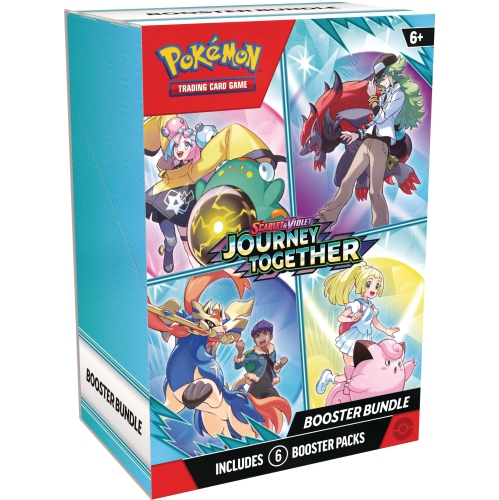 Your price for this item is $94.99
-
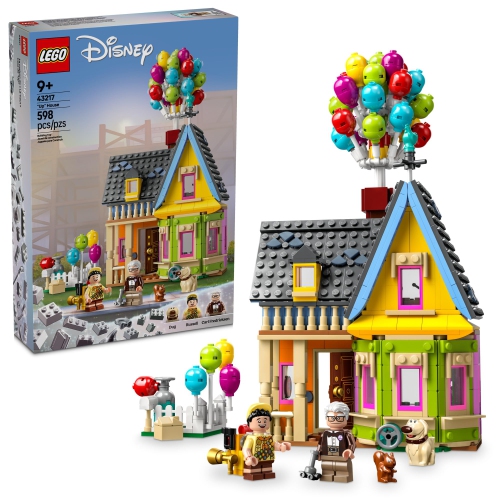 Your price for this item is $95.54
-
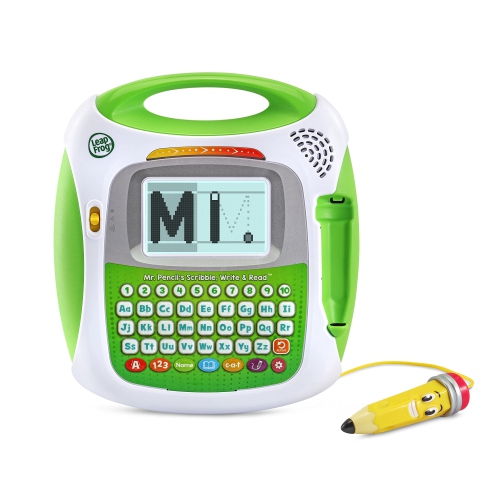 Your price for this item is $55
-
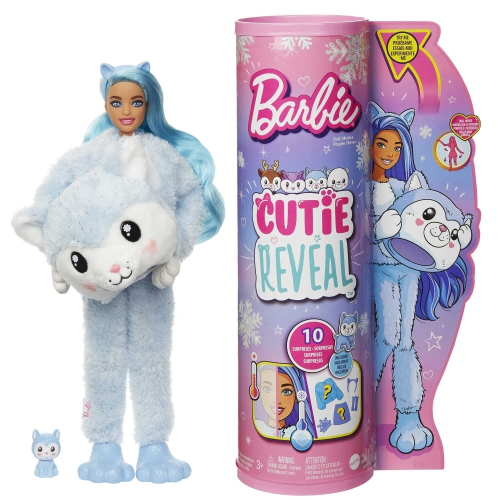 Your price for this item is $129.99
-
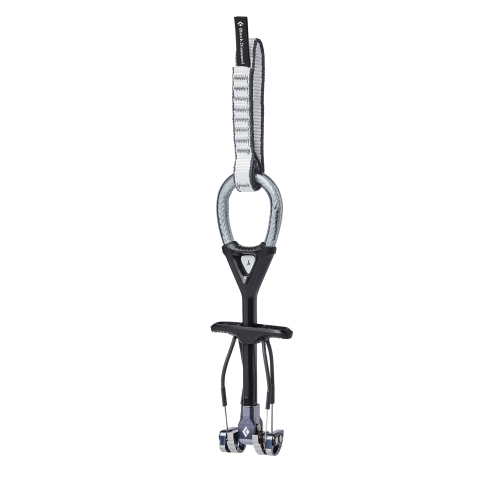 Your price for this item is $151.05
-
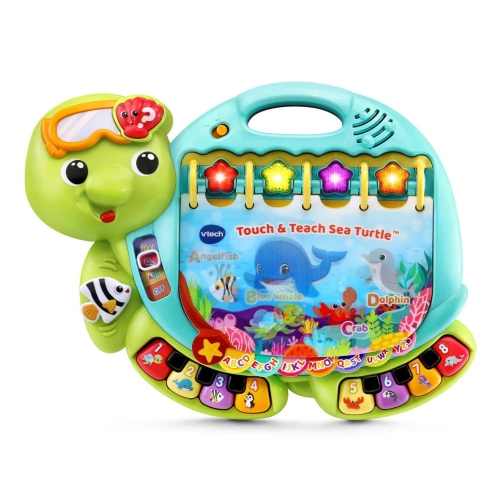 Your price for this item is $44.31
-
 Your price for this item is $44.78
-
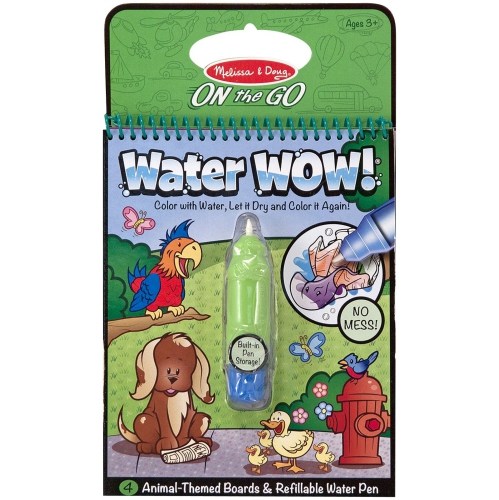 Your price for this item is $24.99
Discover more categories related to Light Up Toys


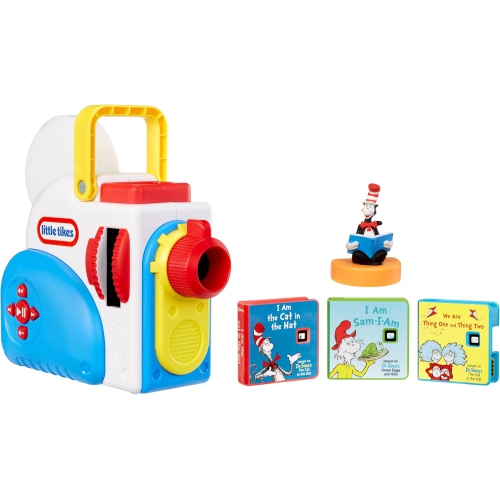
Top Collections:
Pokemon Centers, Pokémon 30th Celebration Cards, Best Budget Office Chairs, Kindle Devices, Best Cameras for Sports Photography, Canon G7X Cameras, Best Black Friday Deals On Electronics, Best Laptops for Writers, iPhone 15 Apple, Jackery Power Stations
Some products may be subject to Environmental Handling Fees
(EHF) depending on your province.
Learn more about EHFs.