Lightweight Dirt Bikes
Lightweight Dirt Bikes offer an exciting way to experience off-road adventures with agility and control. Perfect for riders of all skill levels, these bikes are designed to make handling on trails and rugged terrain easier and more enjoyable. Whether you're looking to explore new paths or sharpen your riding skills, Lightweight Dirt Bikes provide versatility and performance for every journey. Discover a range of options that balance durability and ease of use, helping you get the most out of every ride.
Sort


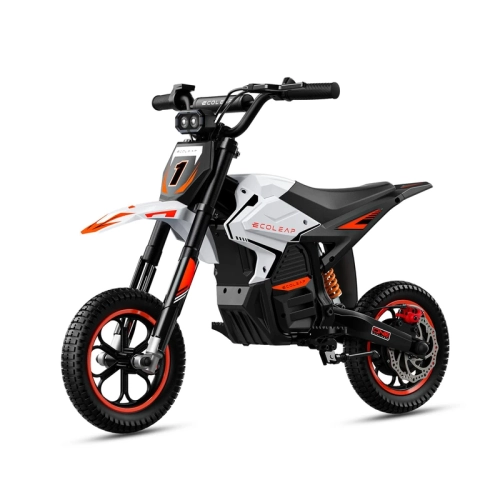
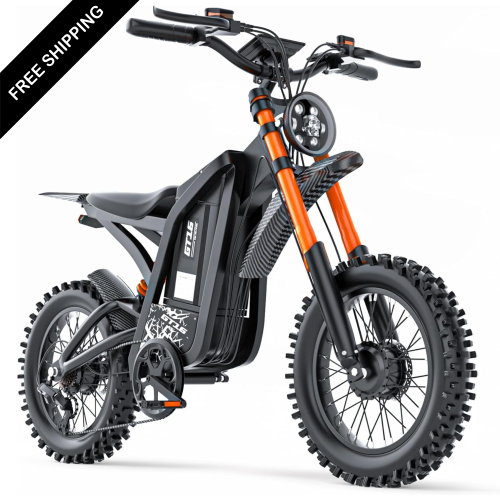
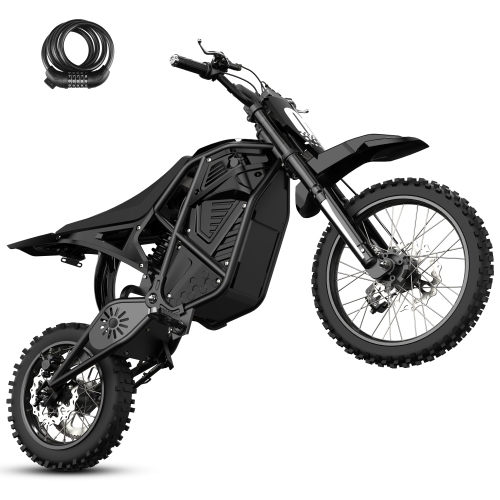
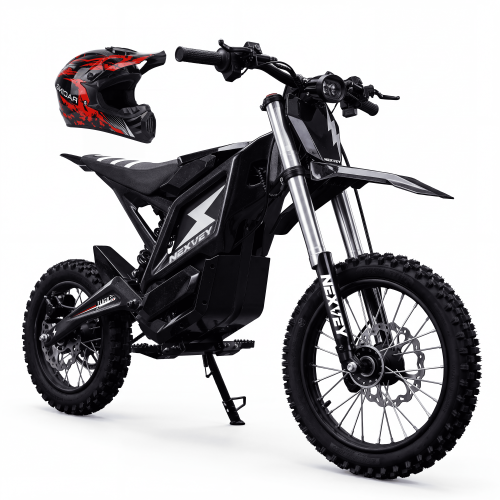
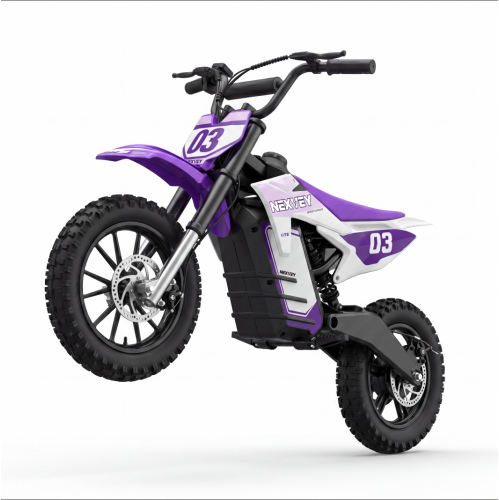
Why lower weight doesn’t always mean easier handling
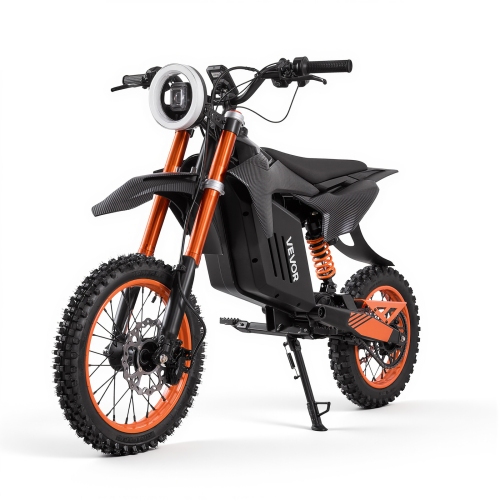
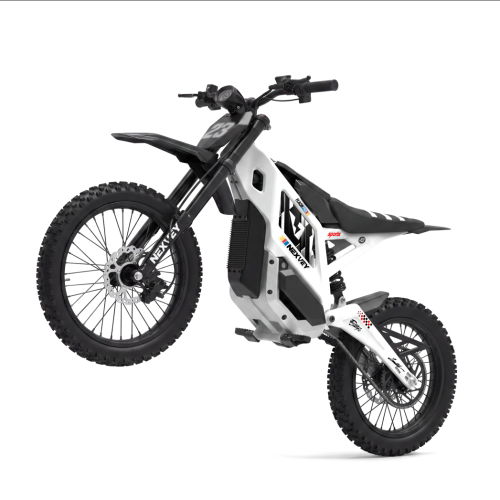
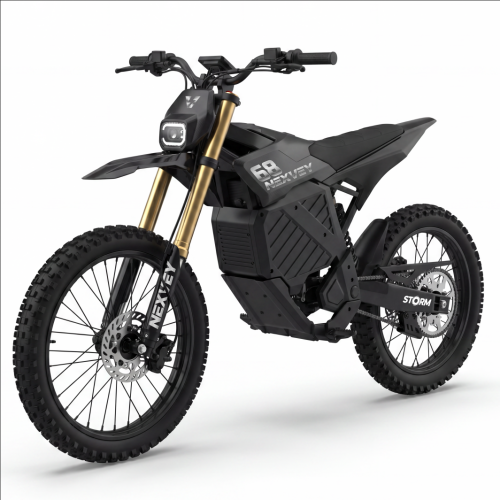
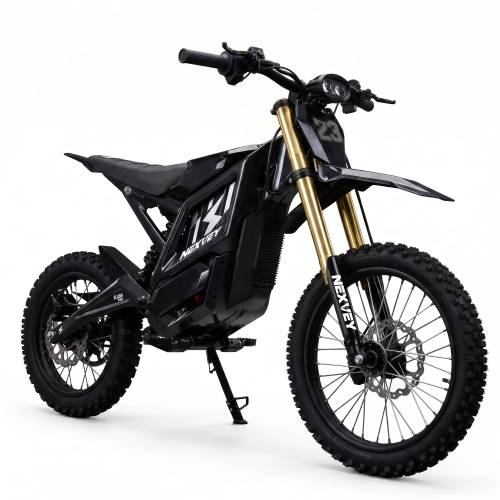
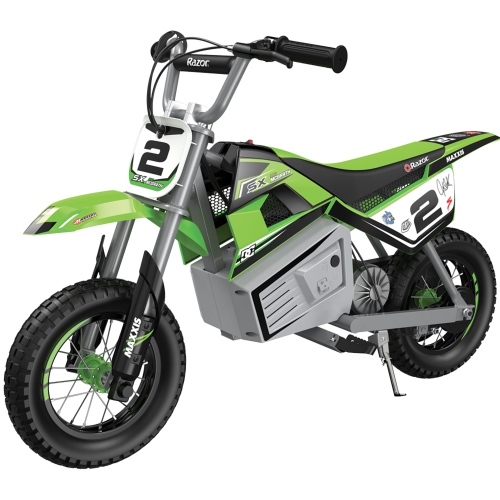
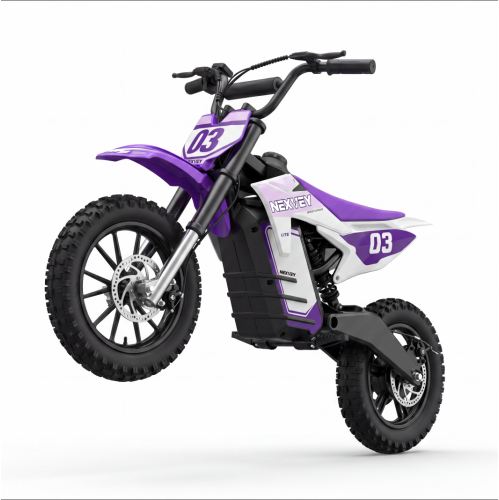
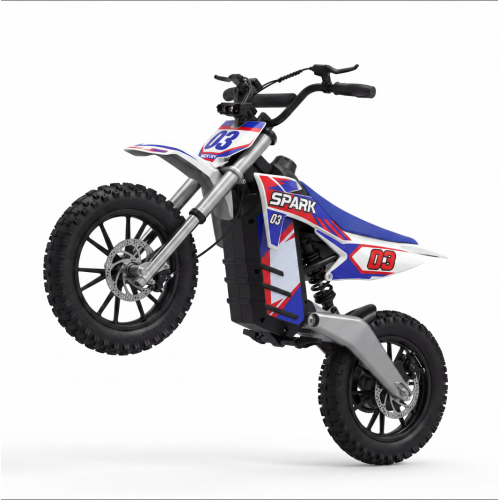
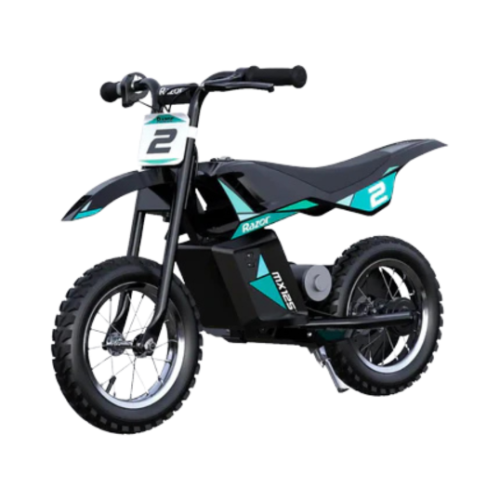
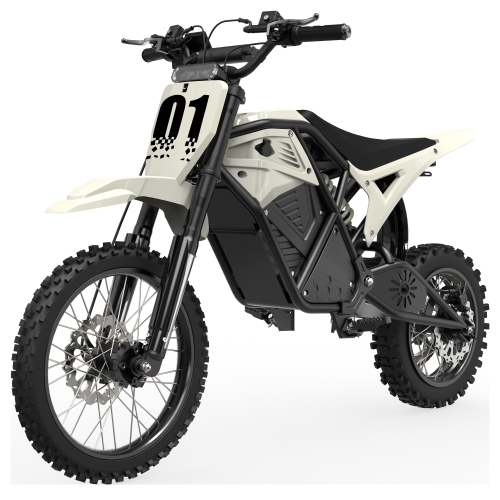
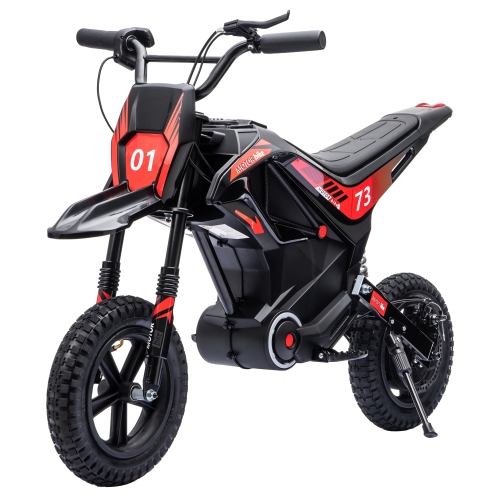
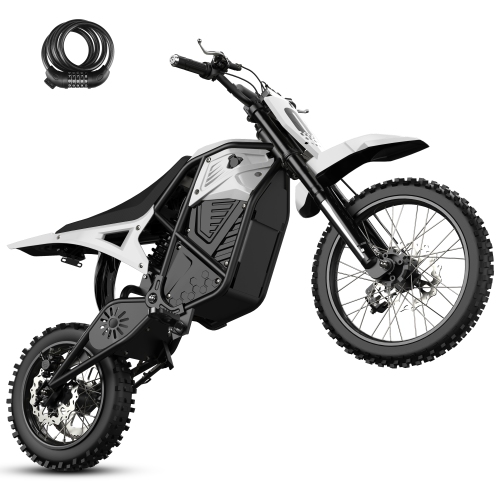
Lightweight dirt bikes are off-road motorcycles designed to balance manageable weight with the traction, suspension travel, and control needed for unpaved riding. The category can include compact gas-powered trail bikes, electric dirt bikes, and lighter competition machines, but “lightweight” is relative to the rider and the bike’s intended use rather than a single weight limit. A small youth bike and a full-size adult trail bike may both be considered light within their respective classes. Lower weight can make a motorcycle easier to push into storage, load with suitable equipment, or steady when manoeuvring slowly, though balance, seat height, and power delivery matter just as much once riding begins. Published weights also need context: dry weight may exclude fuel and other fluids, while curb or ready-to-ride weight more closely represents the machine in use. Electric bike weights should be checked for whether the battery is included. Trail-focused designs generally emphasize predictable handling and usable power across uneven ground, while motocross bikes are built around closed-course riding and can have taller suspension, sharper responses, and more demanding maintenance schedules. Gas-powered bikes offer familiar engine characteristics and refuelling, with behaviour that varies by engine design, gearing, and tuning. Electric models deliver power through a motor and battery, with riding duration influenced by terrain, rider weight, speed, and power settings. Neither engine displacement nor motor output alone reveals how approachable a bike will feel. Smooth throttle response, appropriate gearing, and a chassis that fits the rider often have a greater effect on confidence than a headline power figure. Lightweight dual-sport motorcycles form a related but distinct category: they combine off-road capability with the equipment and approval required for road use where permitted. An off-road dirt bike should not be assumed road legal simply because it has lights or mirrors. The distinction matters for riders whose plans involve a practice area, designated trails, or travel between permitted riding locations.
Fit is especially important with lightweight dirt bikes because a low number on a specification sheet does not necessarily mean easy handling. Seat height, seat width, handlebar reach, footpeg position, and the shape of the fuel tank or battery housing all influence how naturally a rider can sit, stand, steer, and shift weight. A narrow seat can make reaching the ground easier than its height alone suggests, while a taller chassis may suit a rider who needs more room when standing over rough sections. Suspension should also match rider weight and intended terrain. A setup that is too stiff may feel harsh and struggle to follow small bumps; one that is too soft can use up its travel too readily. Ground clearance helps protect the underside over roots and rocks, but additional clearance can come with a higher seat. Wheel size affects handling as well: larger wheels generally roll over obstacles more easily, while smaller wheels support compact proportions. Tyre tread, construction, and pressure requirements need to suit the bike and the permitted riding surface rather than appearance alone. On a narrow practice loop, predictable steering and controlled braking can matter more than outright acceleration. For a developing rider, a manageable throttle and reachable brake levers are more useful than performance that cannot yet be used confidently. Smaller formats, including Mini Dirt Bikes, deserve the same attention to fit, manufacturer age recommendations, load limits, and supervision as larger motorcycles. Compact dimensions do not automatically make a powered bike suitable for a child or beginner. Youth riders need appropriate training and active adult supervision, along with access to a location where riding is permitted. A properly fitted motorcycle helmet, eye protection, gloves, riding boots, and suitable body protection belong alongside the bike in any riding setup. When a dirt bike is intended as a gift, confirming the recipient’s experience, physical fit, riding access, and protective equipment helps make the choice genuinely useful rather than simply impressive.
Materials and construction influence how a lightweight dirt bike stands up to repeated use. Steel frames can provide strength and practical repair options, while aluminium frames can help reduce mass; the quality of the design and construction matters more than the material name alone. Plastic body panels keep unnecessary weight down and can flex through everyday knocks, but they do not replace structural protection where impacts are likely. A securely mounted skid plate, sound wheel construction, and appropriate protection around exposed components can be valuable on rough trails. Durability also depends on maintenance that matches the machine’s workload. Dusty riding can place extra demands on air filtration, and chain-driven bikes need regular attention to chain condition, adjustment, and lubrication according to the manufacturer’s instructions. Loose fasteners, worn brake pads, damaged tyres, and leaking suspension seals can affect control even when the bike still starts and runs normally. Gas-powered models require the specified fuel, lubricants, and engine servicing, with intervals that may be measured in operating hours rather than distance. Electric dirt bikes remove some engine-related tasks but still need brake, tyre, bearing, suspension, and drivetrain care. Their batteries require compatible charging equipment, undamaged connectors, and storage practices that follow the manufacturer’s directions. Battery capacity is only part of the ownership picture; charging access, charging time, and whether the battery can be removed also affect everyday convenience. Cleaning should remove accumulated dirt without forcing water into bearings, electrical connections, or other sensitive areas. Transport and storage deserve equal thought: the bike needs secure tie-down points, suitable loading equipment, and enough space to be kept safely between rides. Access to maintenance information and compatible replacement wear parts supports longer-term use. Local rules, landowner permission, posted trail restrictions, and any registration or insurance requirements shape where a dirt bike can be ridden. Matching those practical details with the rider’s size and skill creates a more complete picture of what makes a lightweight dirt bike manageable, durable, and enjoyable to own.
Top selling and popular products
-
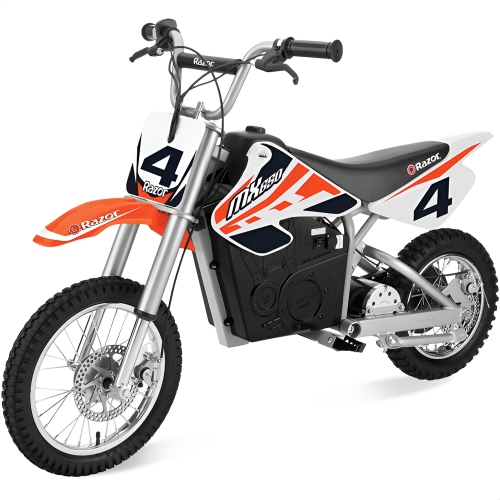 Your price for this item is $1477.99
-
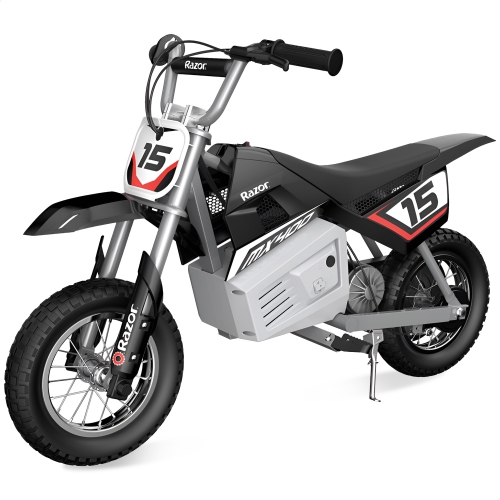 Your price for this item is $543.68
-
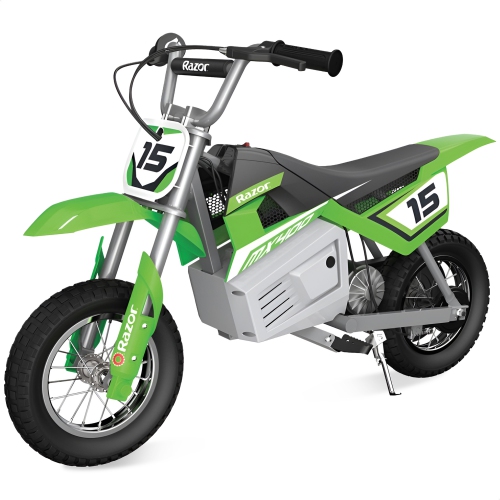 Your price for this item is $553.94
-
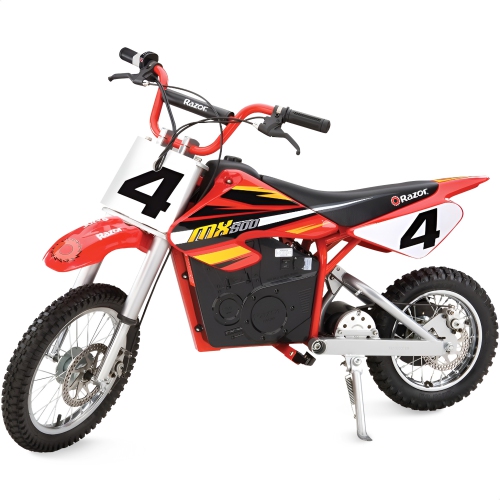 Your price for this item is $931.45
-
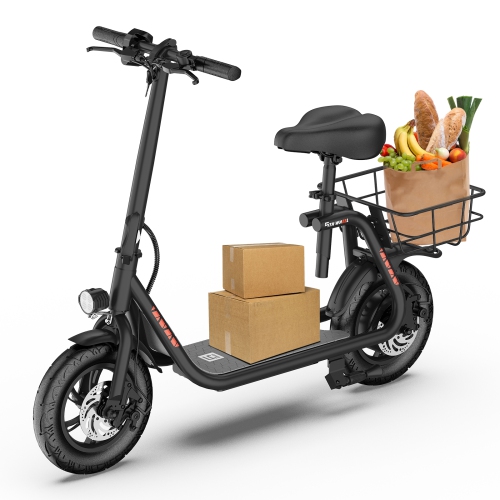 Your price for this item is $239.99
-
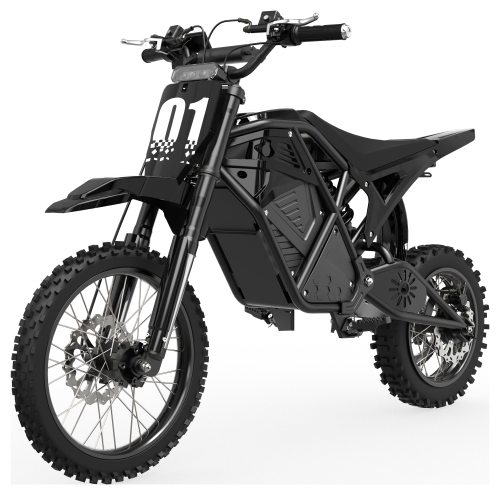 Your price for this item is $1599
-
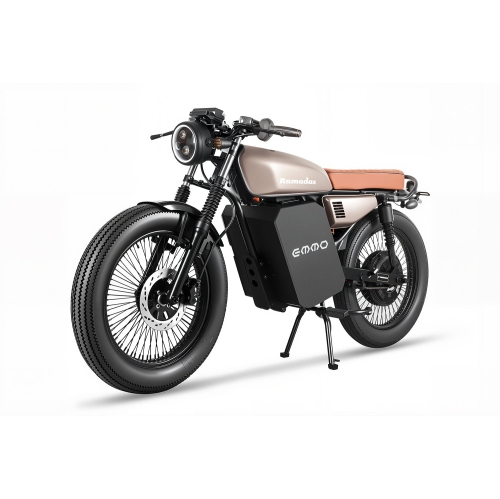 Your price for this item is $3999
-
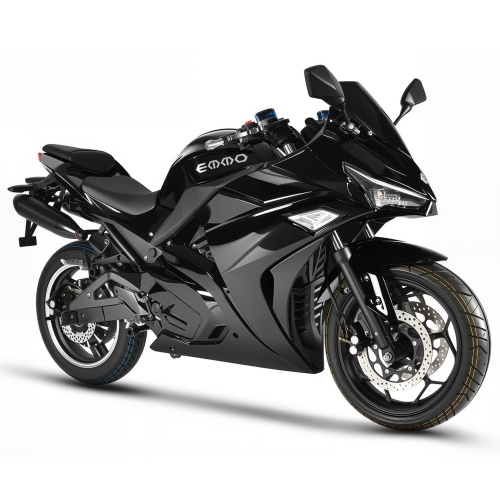 Your price for this item is $5999
Discover more categories related to Lightweight Dirt Bikes
Top Collections:
Best Black Friday Deals This Year, Best Black Friday Deals On Electronics, Kindle Devices, Dyson Airwrap, Best Cameras for Sports Photography, Best Budget Office Chairs, Canon G7X Cameras, PS5 Pro Consoles, Best Black Friday Deals On Apple Products, XBOX One S Consoles
Some products may be subject to Environmental Handling Fees
(EHF) depending on your province.
Learn more about EHFs.