Mini Dirt Bikes
Looking for an adventurous way to explore the great outdoors? Look no further than our selection of mini dirt bikes, designed to provide thrilling off-road experiences for riders of all ages. These compact yet powerful machines offer a perfect blend of excitement and maneuverability, making them ideal for tackling rugged terrain with ease. Whether you're a seasoned rider looking for a new challenge or a beginner eager to kickstart your off-road adventures, our mini dirt bikes are sure to deliver hours of fun and adrenaline-pumping action. Gear up, rev your engine, and get ready to hit the trails in style!
Sort
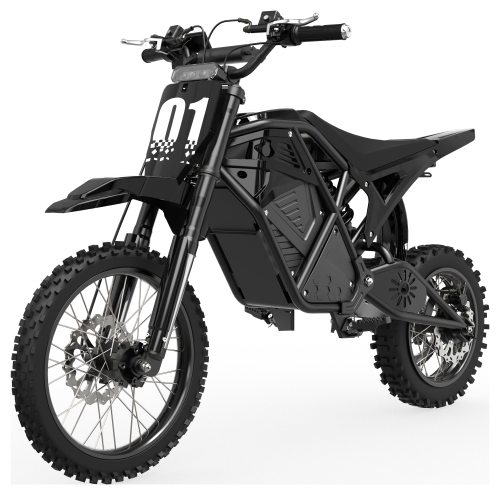
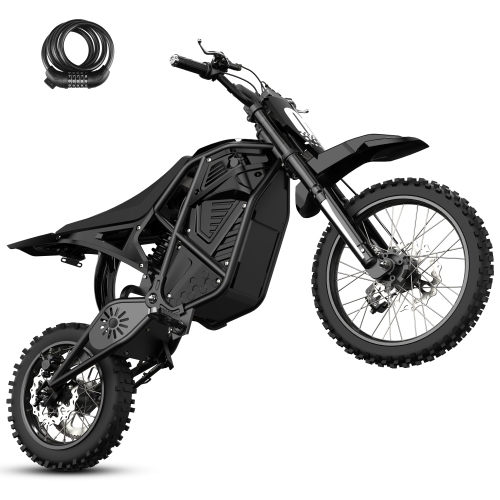
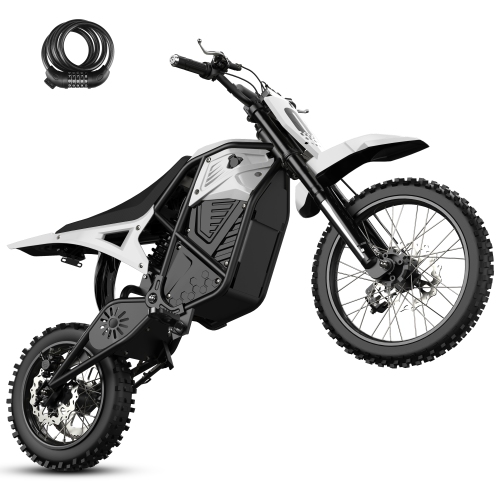
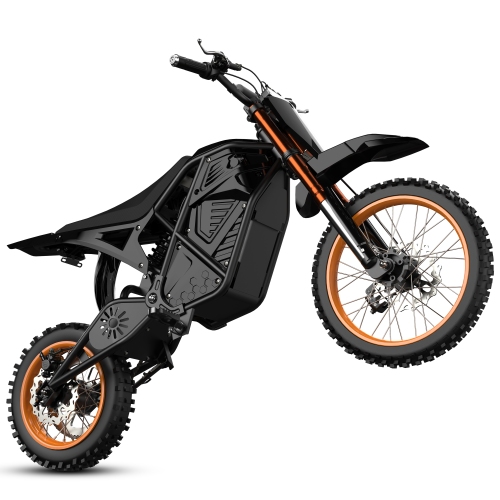
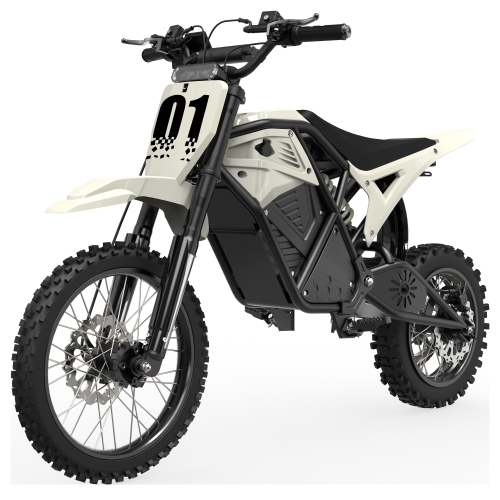
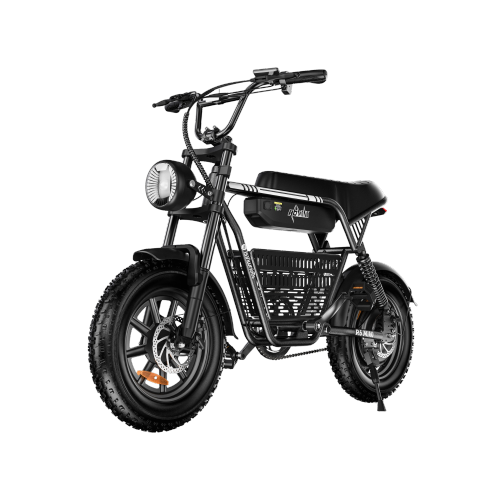
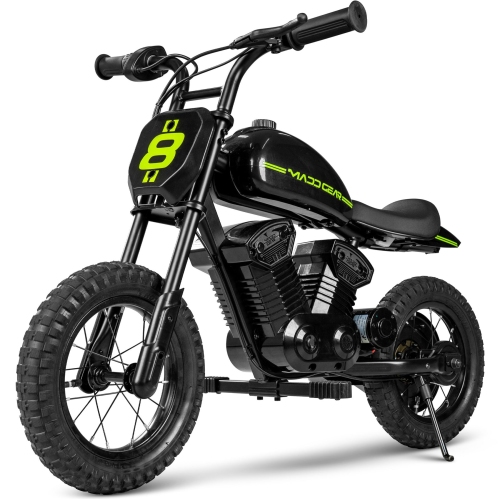
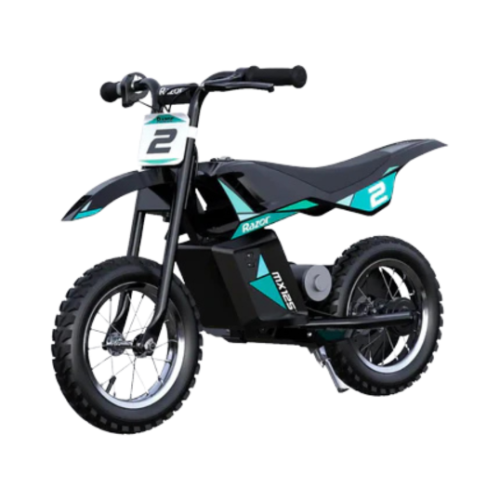
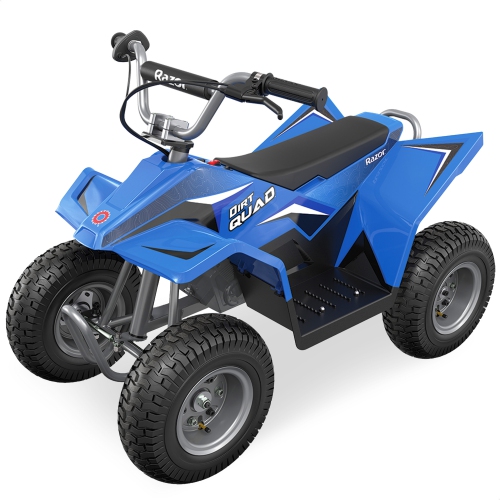
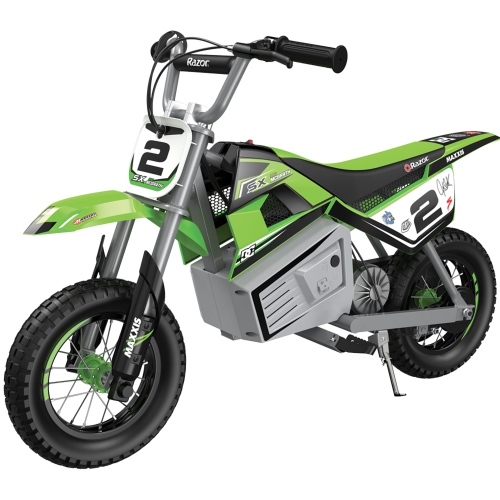
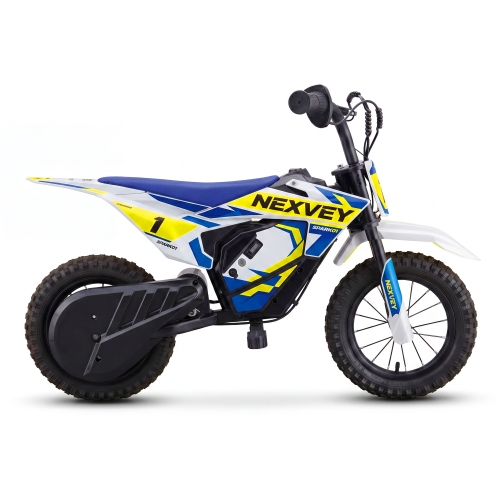
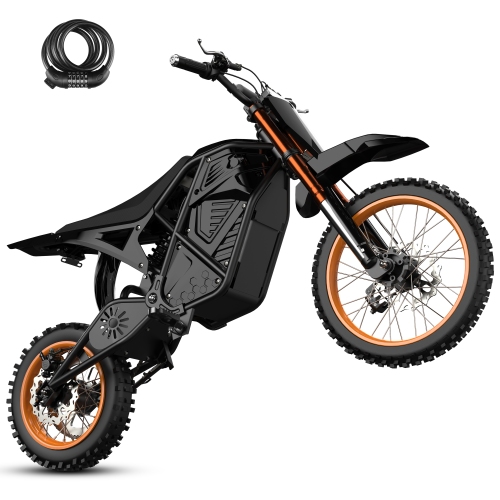
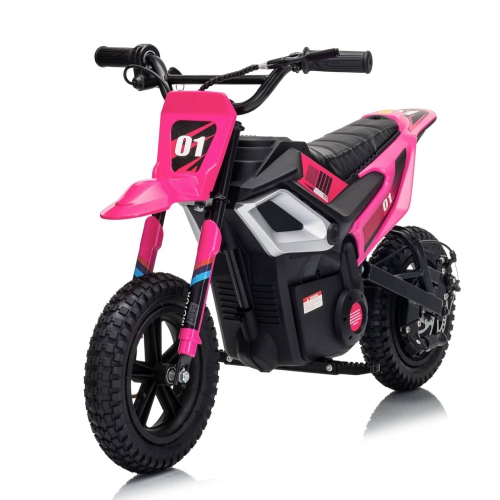
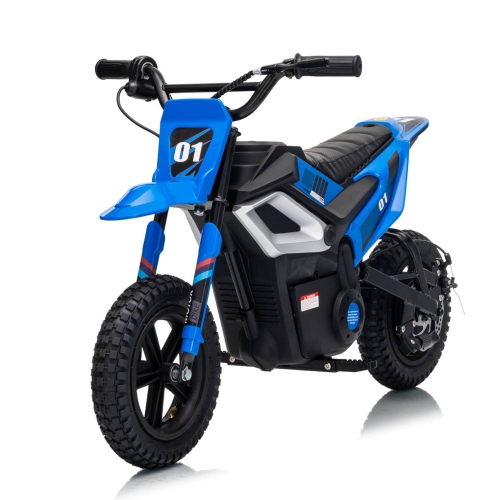
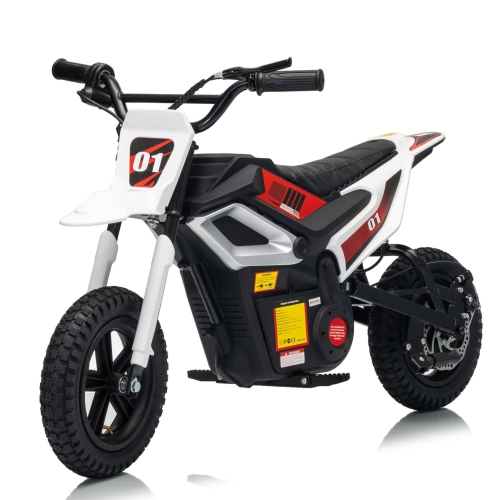
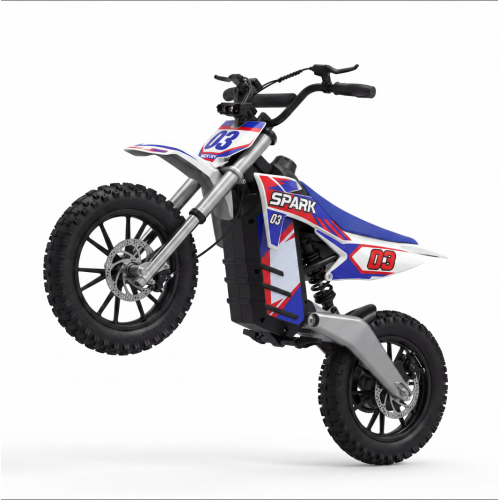
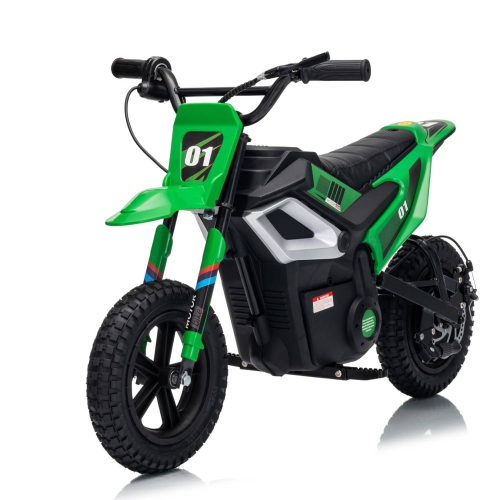
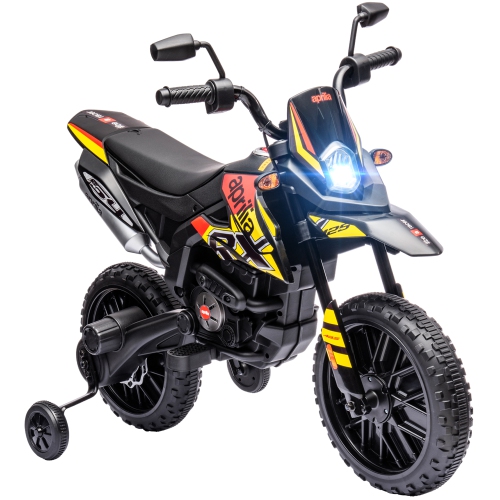
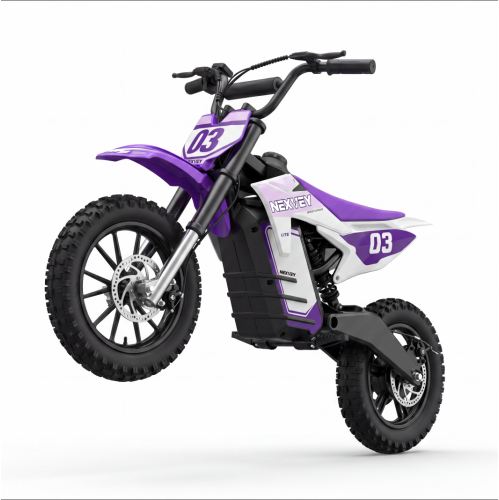
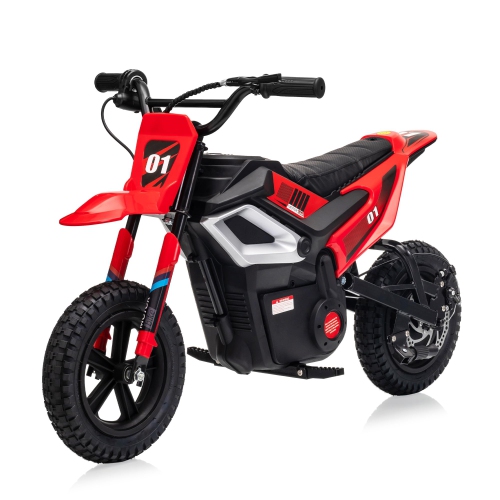
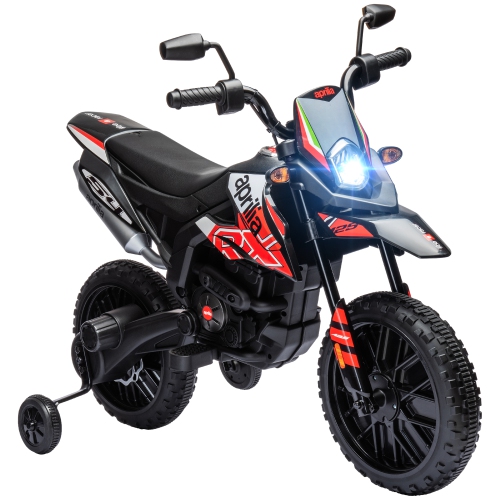
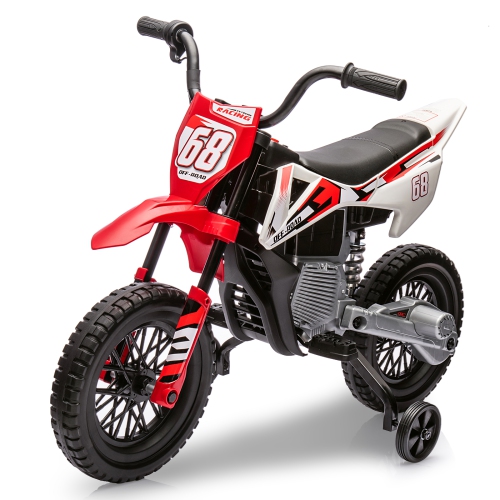
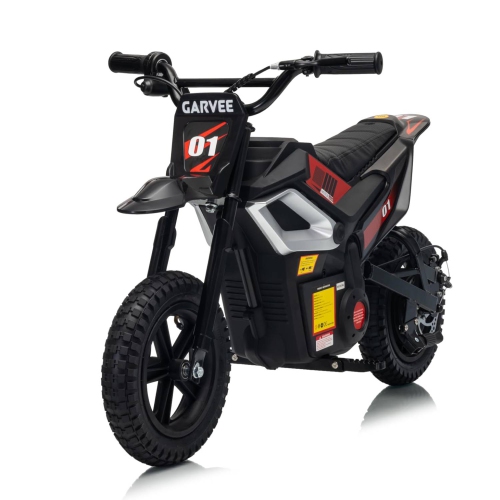
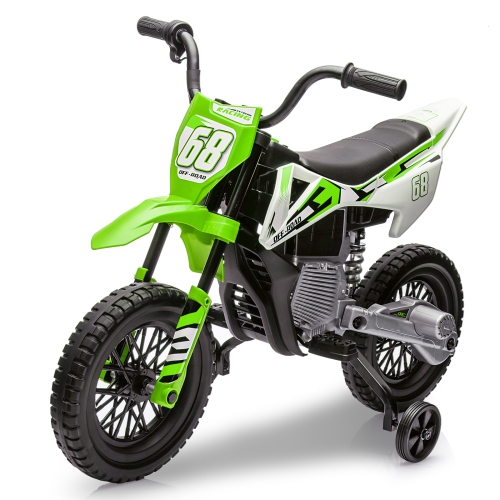

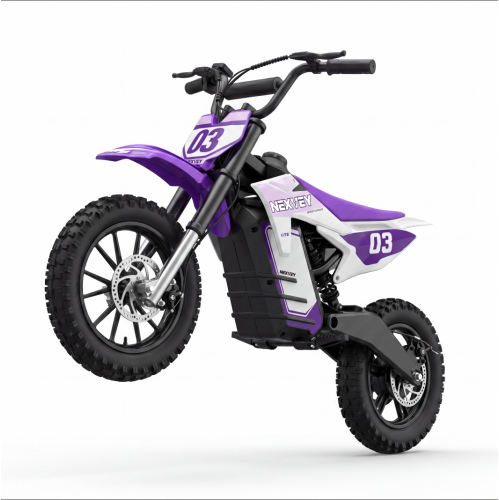
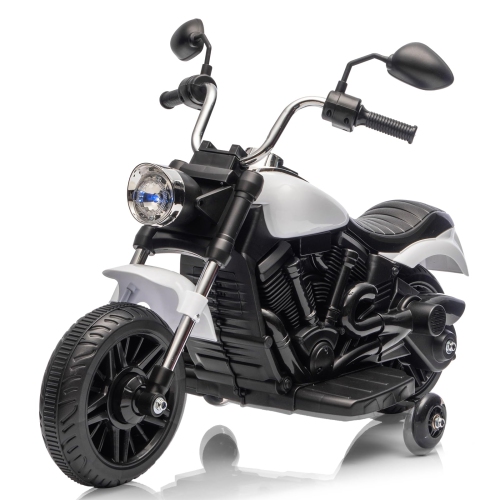
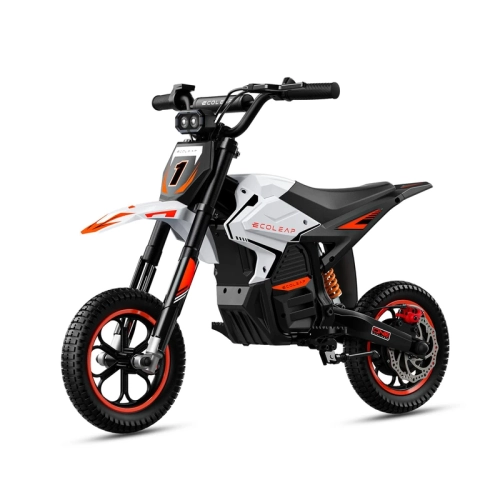
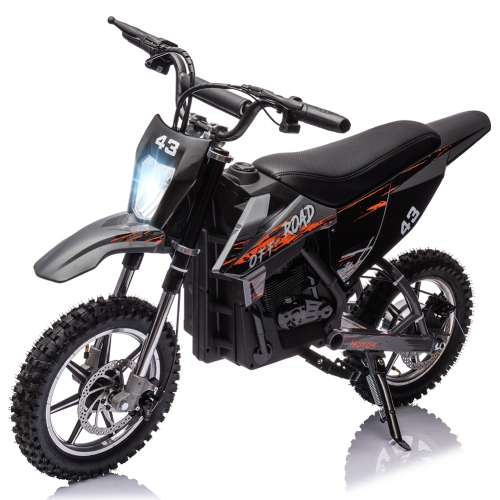
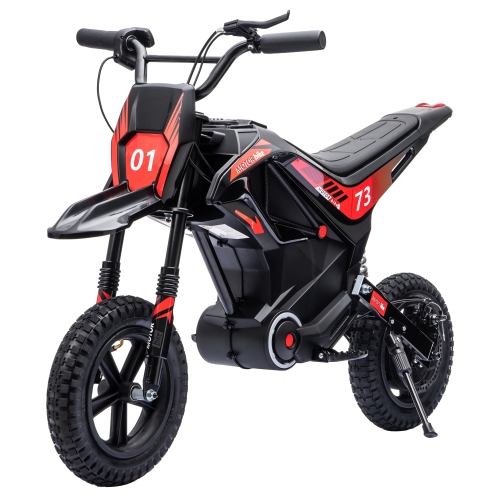
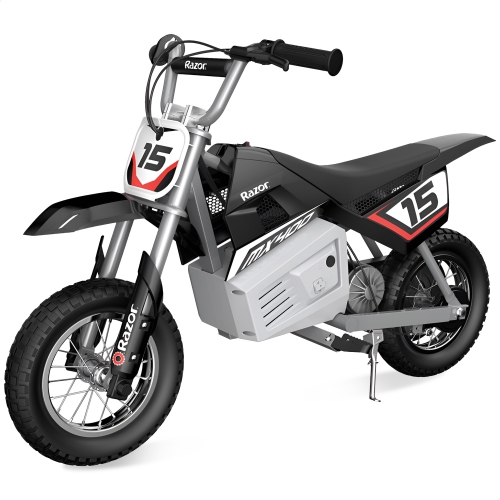
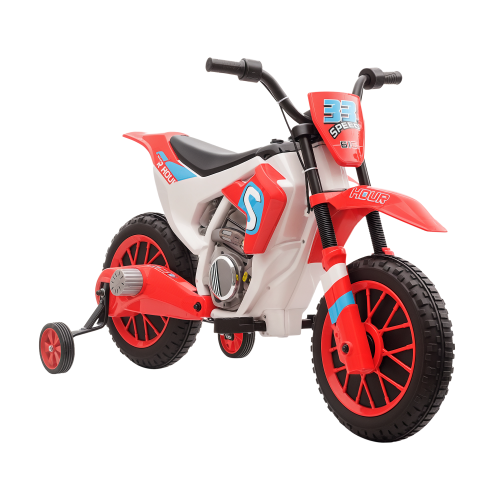
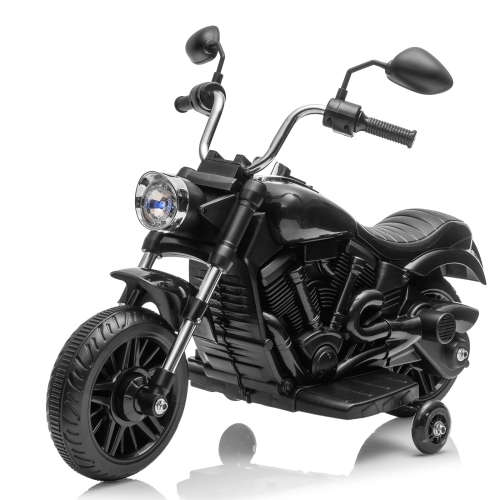
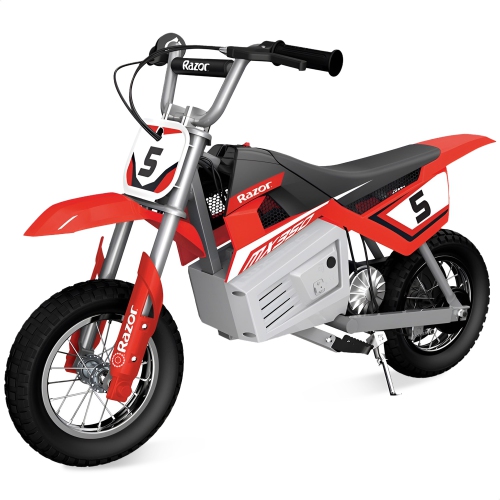
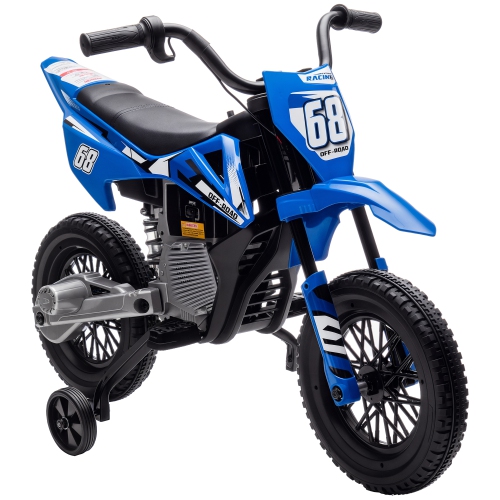
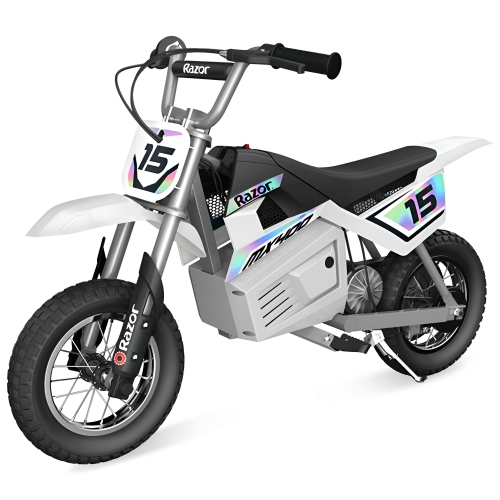
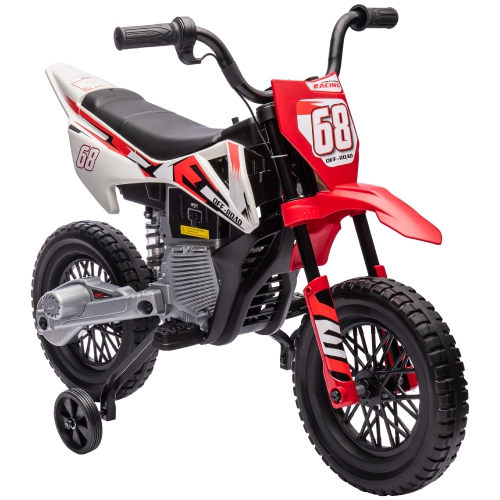
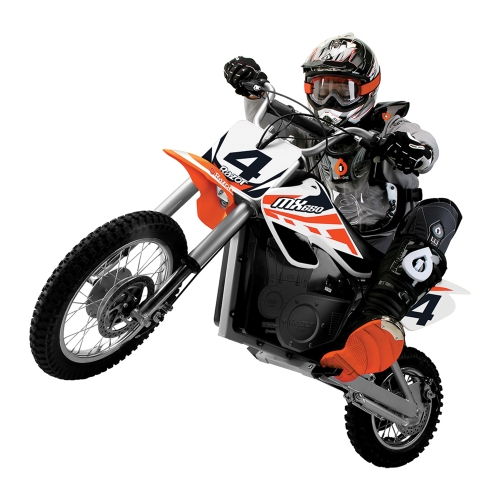
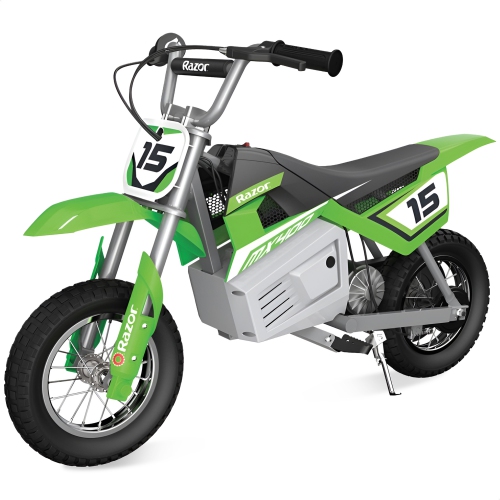
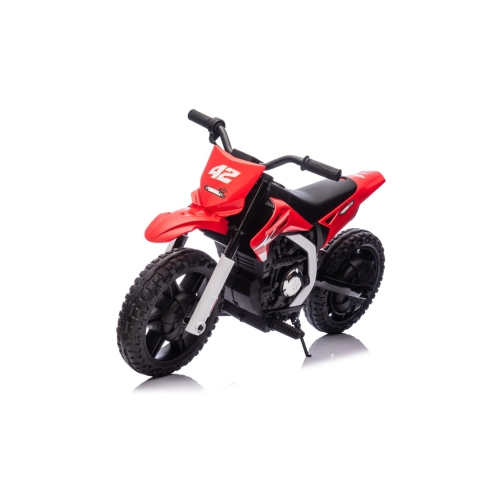
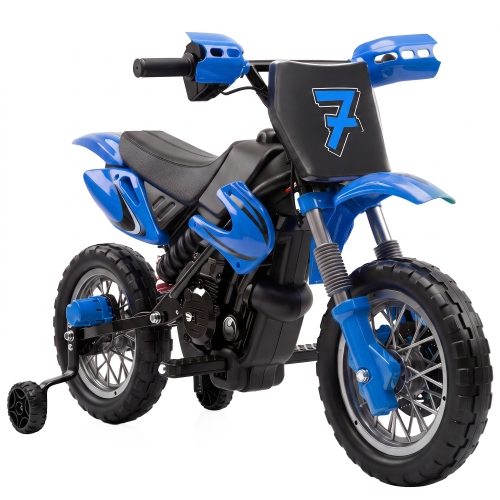
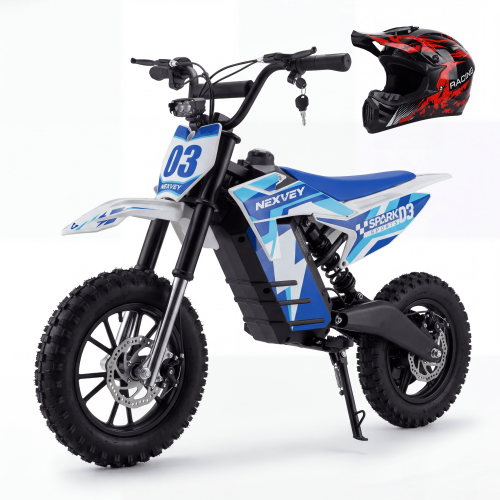
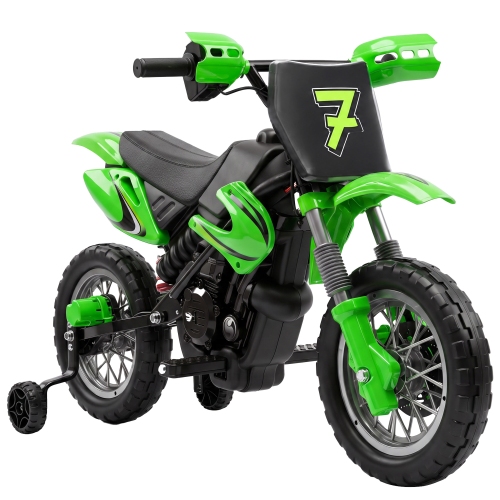
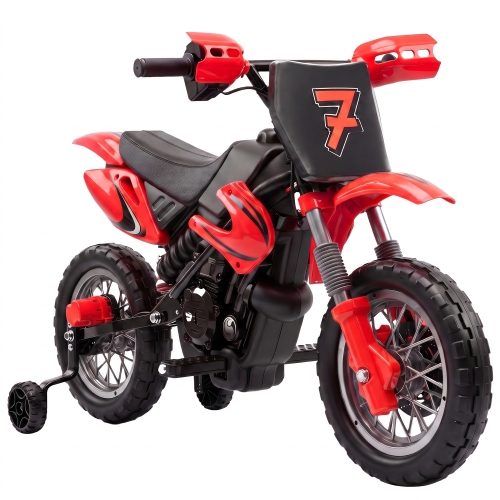
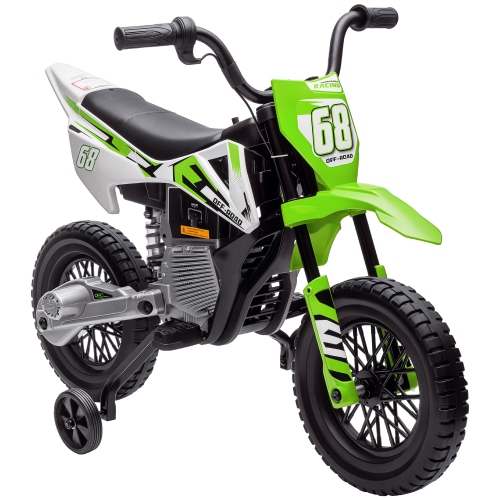
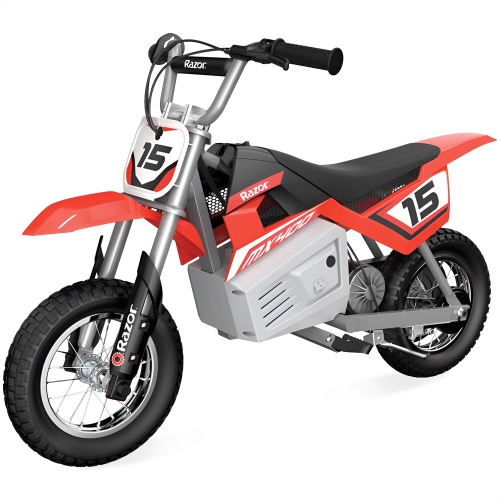
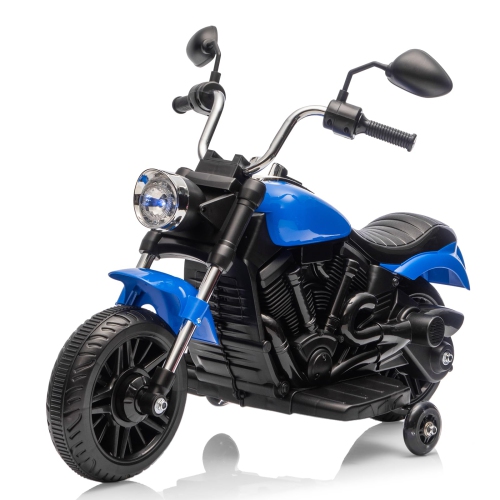
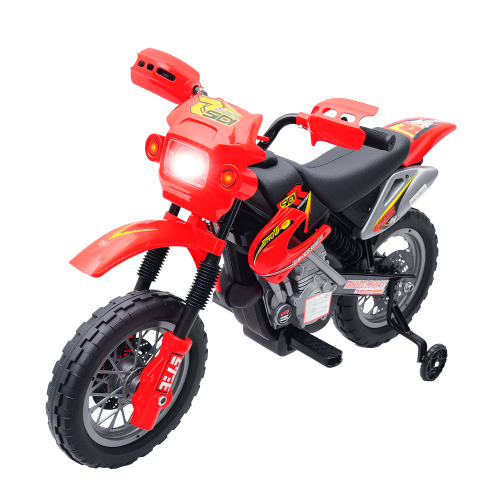
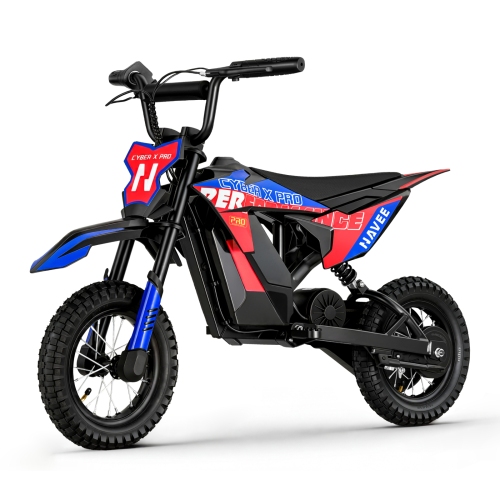
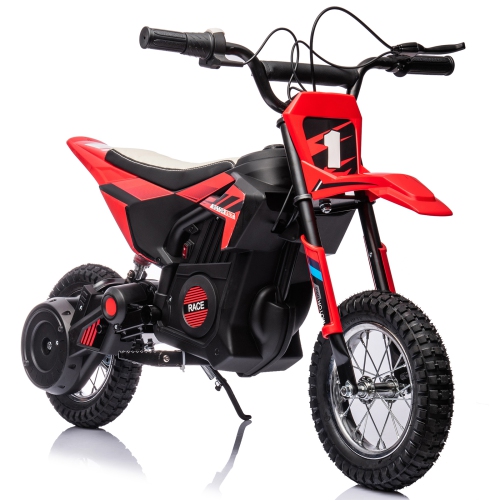
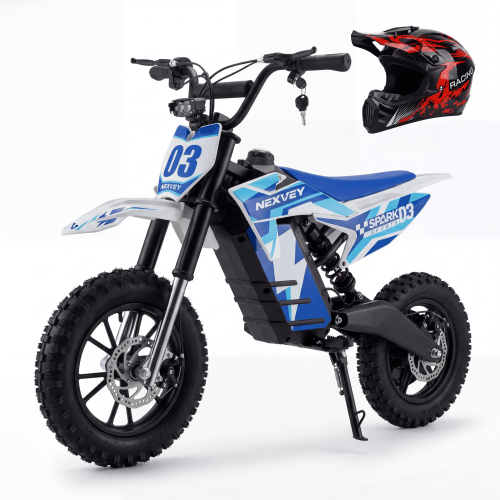
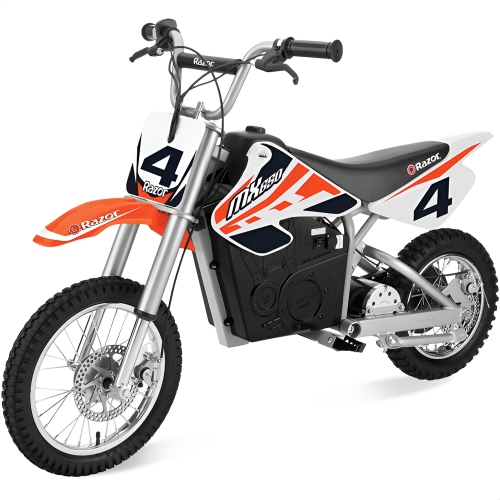
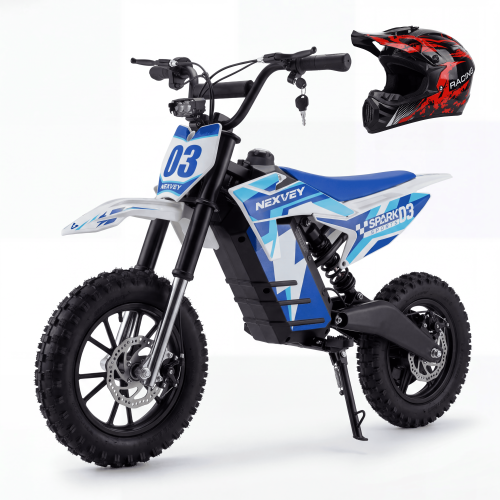
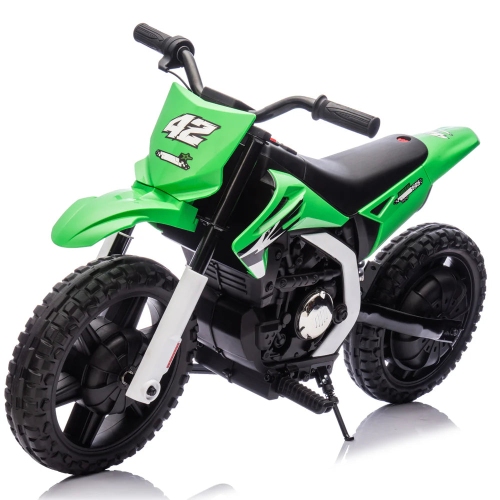
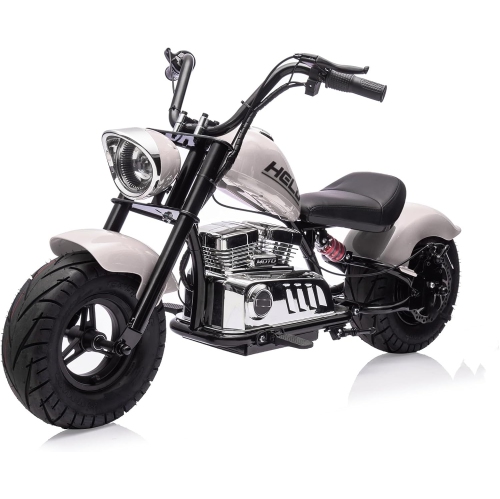
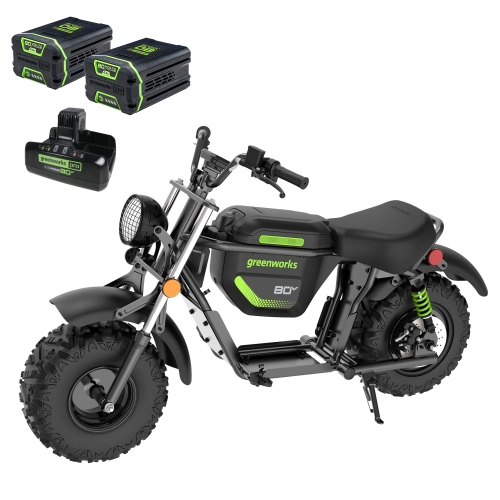
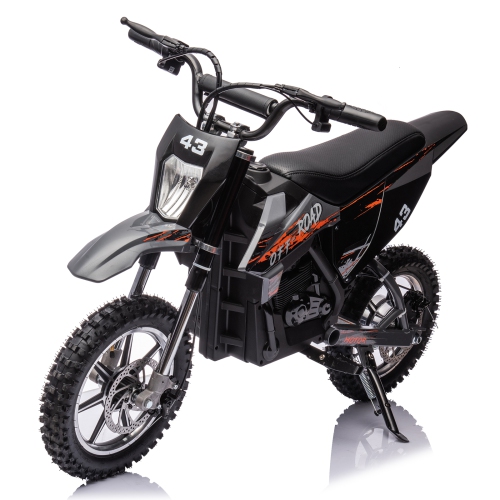
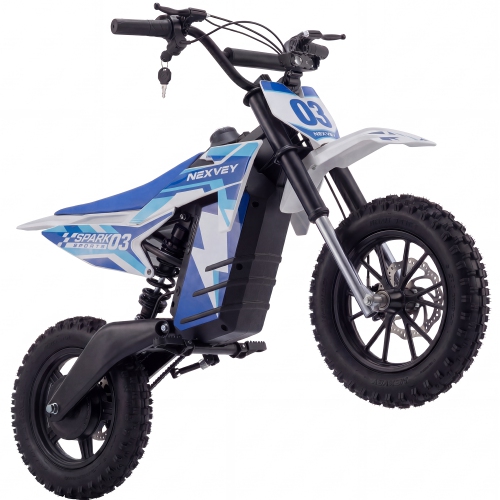
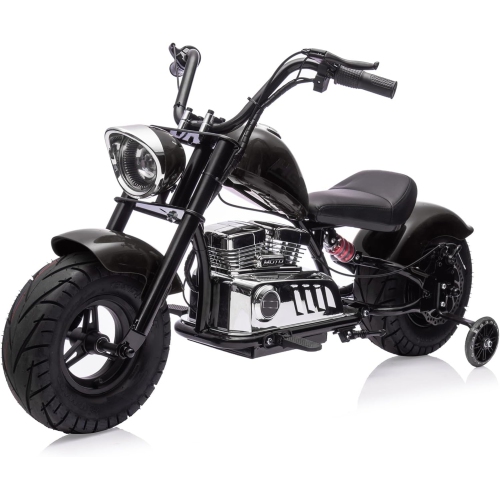
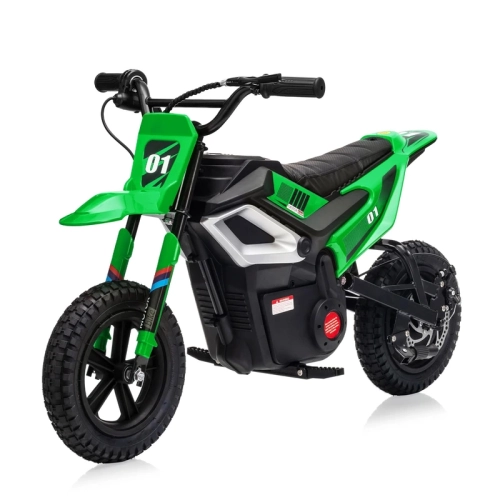
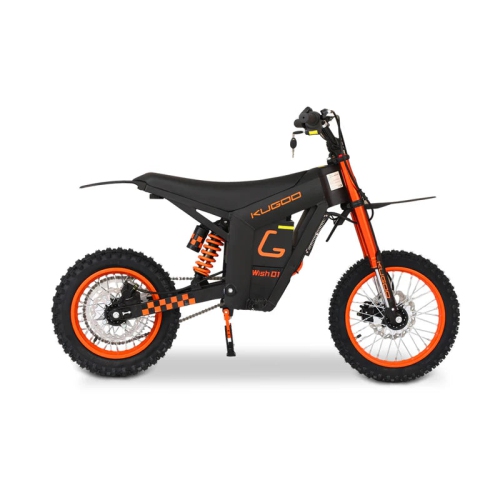
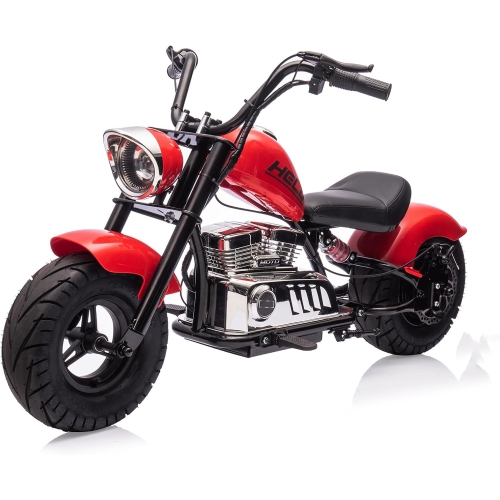
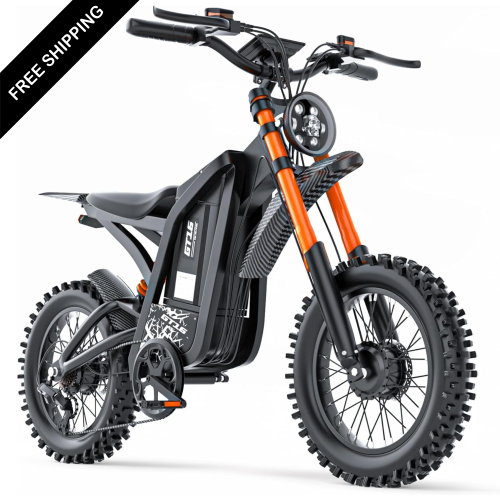
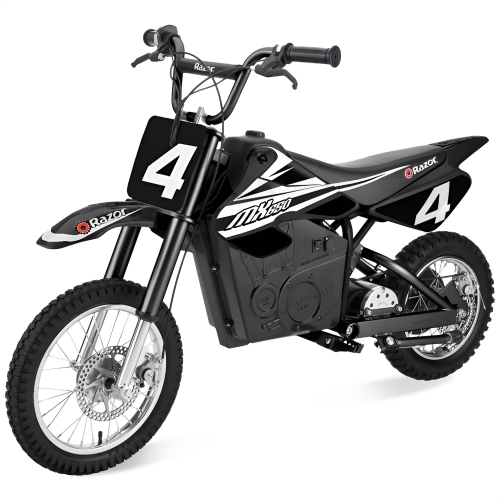
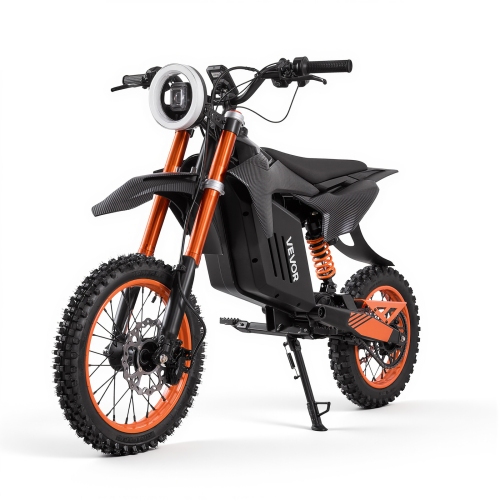
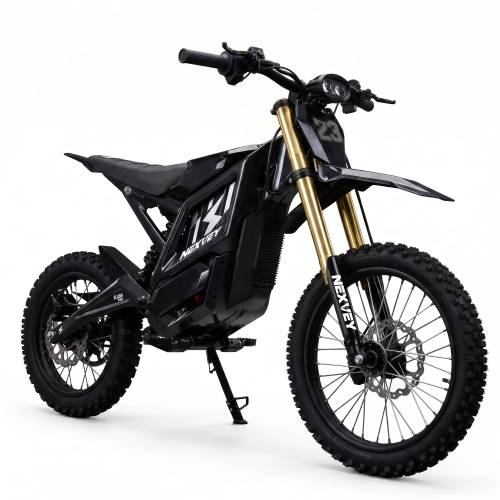
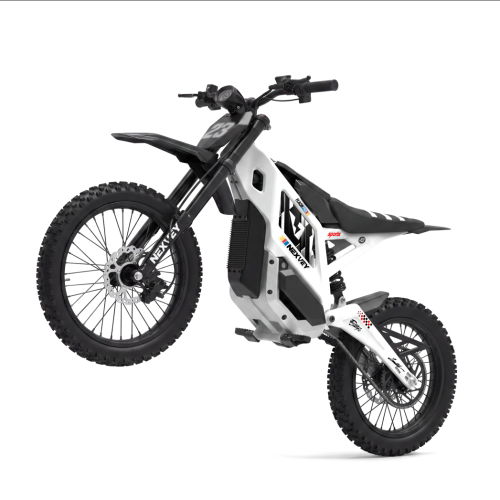
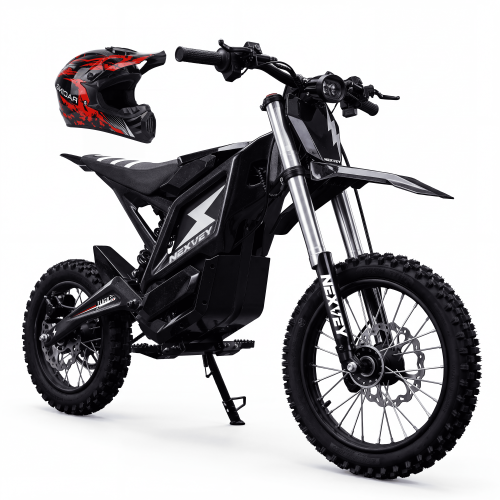
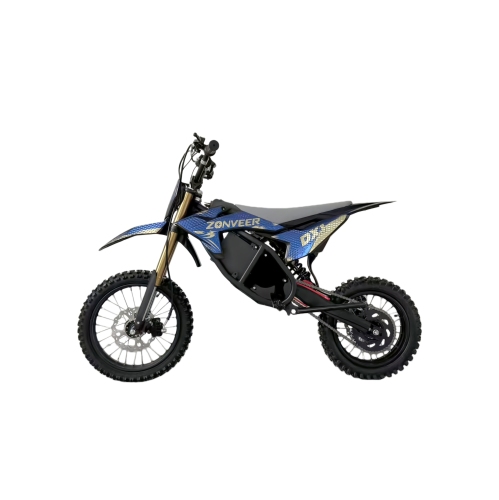
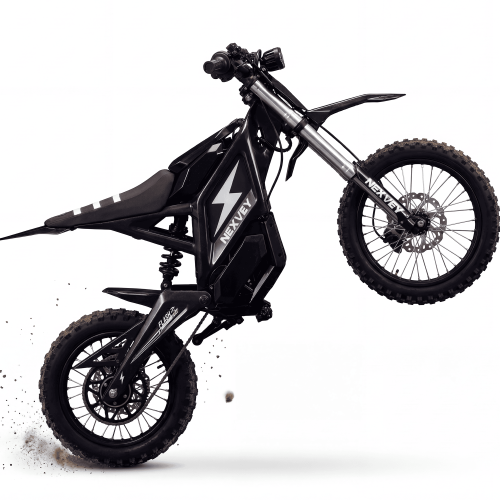
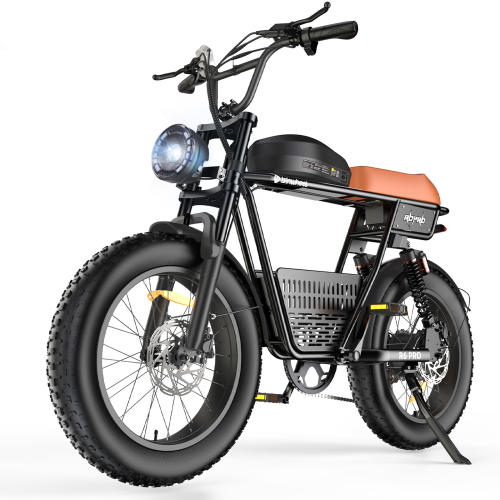
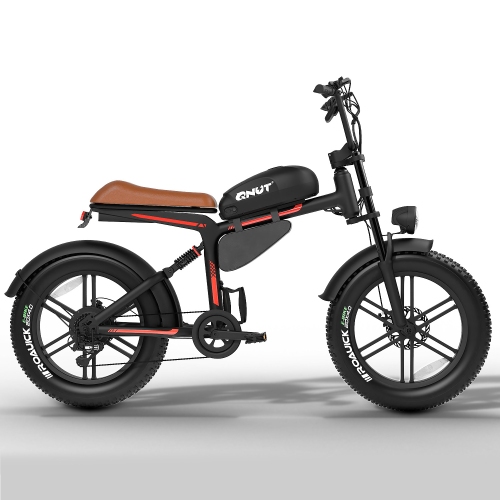
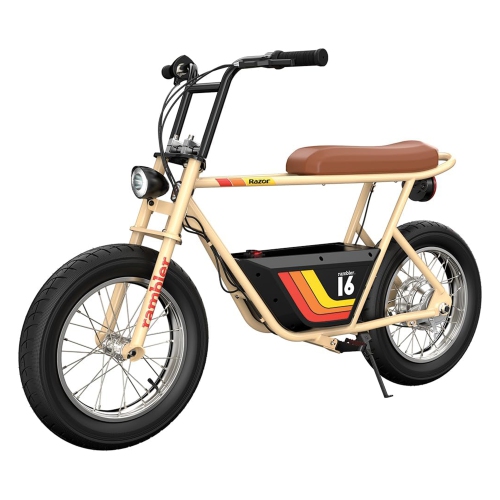
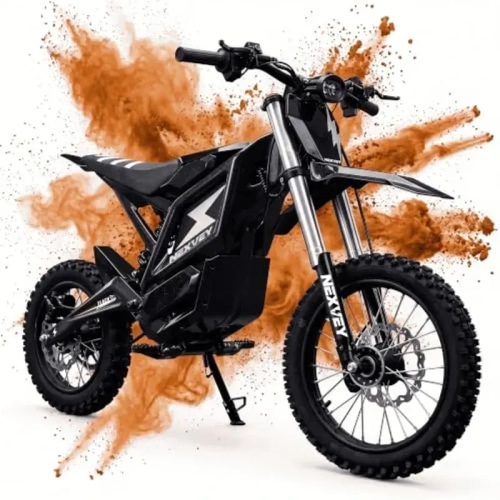
A smaller frame does not guarantee an easier ride
Mini dirt bikes are compact off-road motorcycles designed for riding on suitable unpaved terrain, with smaller frames and lower seat heights than full-size dirt bikes. The category includes electric and gas-powered designs, with different sizes and performance levels suited to different riders. Some are intended for children learning basic riding skills, while others are built for teens or adults who need a smaller off-road bike. A mini dirt bike’s compact appearance does not establish its recommended age, speed, or rider weight limit; those details depend on the manufacturer’s specifications. Low-speed ride-on toys and more powerful mini motorcycles also serve different purposes, even when their styling looks similar. For a beginner, the experience may centre on learning to start smoothly, stop predictably, and steer through wide turns in a designated riding area. A more experienced rider may need a bike with suspension and controls suited to a permitted off-road course. In either case, the intended riding location matters as much as the bike itself. A small motorcycle is not automatically permitted on sidewalks, shared paths, public roads, or every recreational trail. Provincial, territorial, and municipal requirements, along with landowner or trail rules, can affect where it may be used and whether registration, insurance, or other conditions apply. A suitable setting provides permission to ride, adequate space, and separation from pedestrians and traffic. For families introducing a young rider to motorized recreation, a mini dirt bike can support shared practice and gradual skill development under close adult supervision. Its suitability depends on the rider’s maturity, coordination, and ability to follow directions, not simply a birthday or height measurement. Manageable performance and a predictable response to the controls are more useful starting points than an aggressive appearance or a high advertised top speed. The right match leaves room for learning without asking a rider to manage more power or weight than they can comfortably control.
Fit becomes tangible when a rider sits on the seat, reaches for the handlebar, and places their feet on the foot pegs. Seat height is one consideration, but the distance to the grips, the position of the brake levers, and the overall weight also shape how manageable a mini dirt bike feels. The rider needs to reach and operate every control without stretching awkwardly or shifting out of a stable position. A bike that feels reasonable while stationary may feel much heavier when leaning into a slow turn or being pushed back to a storage area. Buying an oversized bike purely to allow for growth can make those early movements unnecessarily difficult. Shoppers comparing compact designs can also explore Lightweight Dirt Bikes, keeping in mind that lower weight alone does not determine fit or beginner suitability. Construction details help explain how a bike handles its intended use. Steel frames are common, while some designs use aluminium components; material choice, frame design, and assembly quality all contribute to weight and durability. Moulded plastic body panels provide the familiar dirt-bike profile, but they do not replace protective riding equipment. Tyre diameter, tread pattern, ground clearance, and suspension travel influence how the bike responds to uneven ground. Loose gravel, packed dirt, and shallow ruts place different demands on traction and control, and not every small bike is designed for the same surfaces. Suspension can help manage bumps, but it does not make unsuitable terrain appropriate or compensate for excessive speed. Braking systems also vary, including drum and disc designs, with different control arrangements. Consistent braking, an accessible power shut-off, and any manufacturer-provided speed settings deserve attention alongside motor or engine output. Features such as adjustable controls or replaceable wear components can support ongoing use, provided adjustments and replacement parts follow the manufacturer’s requirements. A properly fitted motorcycle helmet, eye protection, gloves, suitable boots, and protective clothing remain essential parts of the riding setup.
Electric mini dirt bikes use a rechargeable battery and motor, while gas-powered versions use an engine that may have a two-stroke or four-stroke design. Electric operation avoids routine petrol refuelling, but charging requirements, battery care, and the time between rides become part of ownership. Actual riding time varies with rider weight, terrain, speed, battery condition, and other operating demands, so a stated runtime is not a promise for every outing. The manufacturer-specified battery and charger should be used together, with charging and storage carried out as directed. Gas-powered bikes require the correct fuel and engine maintenance, and two-stroke models may have specific fuel-and-oil requirements that differ from those of four-stroke engines. Engine displacement alone does not establish how suitable a bike is for a particular rider. Throttle response, gearing, transmission type, and total weight also affect the riding experience. Engines must only be run outdoors, away from doors, windows, and enclosed spaces, and adults should handle fuel and maintenance tasks for young riders. With either power source, durability depends partly on care between outings. Dirt around moving components, loose fasteners, worn brake parts, and incorrect tyre pressure can affect operation even when the bodywork still looks tidy. Cleaning methods should follow the manual, especially around electrical connections, bearings, and drivetrain components. Chain-driven bikes need the specified chain inspection, tension adjustment, and lubrication, while tyres, brakes, and controls need regular checks. Secure storage helps prevent unauthorized use and keeps the bike protected between rides. For a gift recipient, these practical details matter just as much as the moment of seeing a compact motorcycle for the first time. A well-matched mini dirt bike is part of a complete arrangement that includes correctly sized protective gear, an approved place to ride, adult supervision where needed, and someone prepared to maintain it. Confirming the recipient’s riding experience, measurements, and household expectations helps make the gift appropriate. That preparation supports a more rewarding ownership experience, from a first controlled stop on level ground to increasingly confident riding within the bike’s intended limits.
Top selling and popular products
-
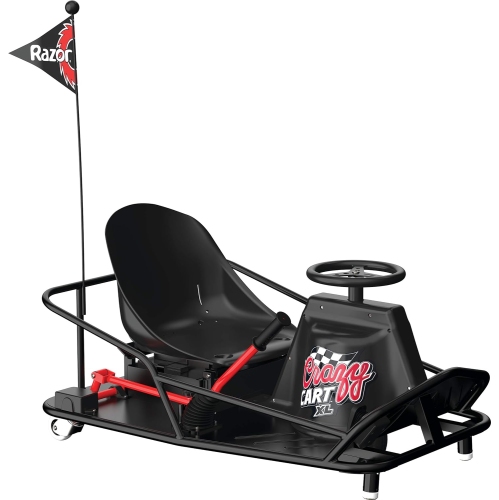 Your price for this item is $1829.99
-
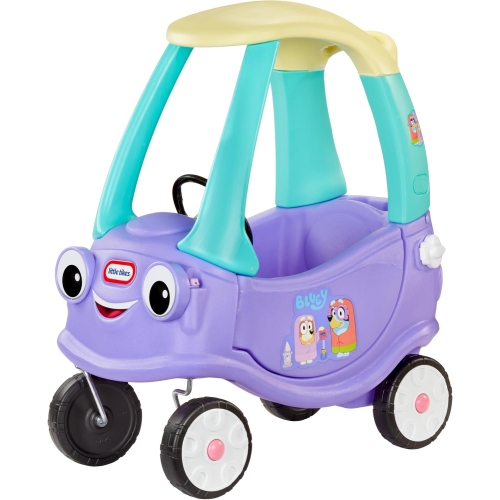 Your price for this item is $207.99
-
 Your price for this item is $191.99
-
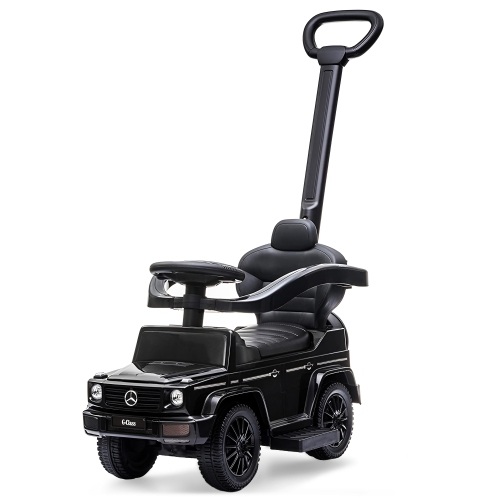 Your price for this item is $176.99
-
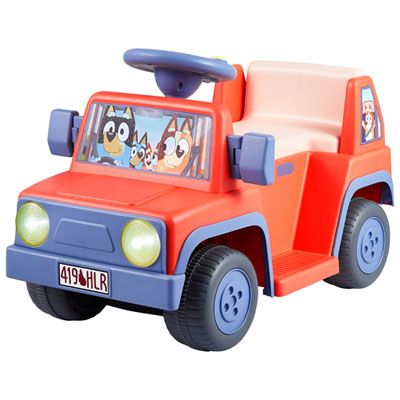 Your price for this item is $199.99
-
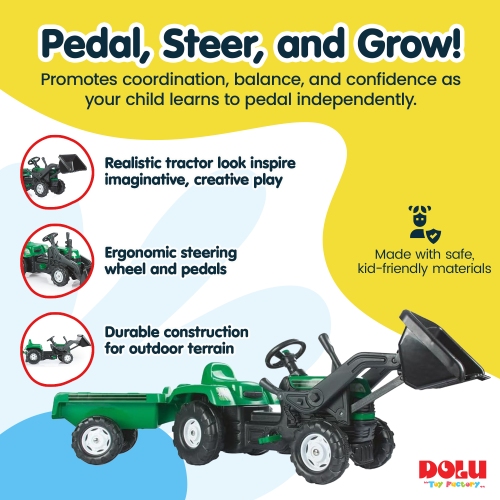 Your price for this item is $279.99
-
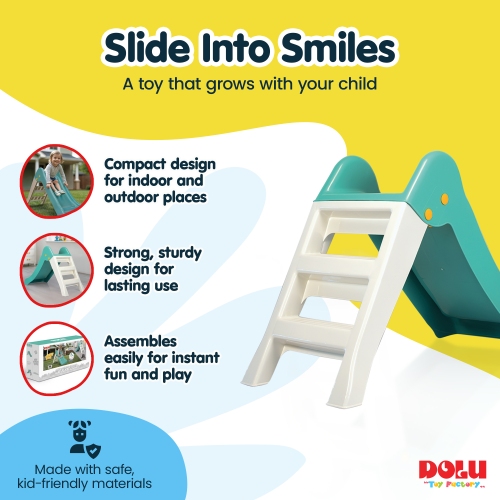 Your price for this item is $177.99
-
 Your price for this item is $99.99
Discover more categories related to Mini Dirt Bikes
Top Collections:
Best Black Friday Deals This Year, Best Black Friday Deals On Electronics, Kindle Devices, Dyson Airwrap, Best Cameras for Sports Photography, Best Budget Office Chairs, Canon G7X Cameras, PS5 Pro Consoles, Best Black Friday Deals On Apple Products, XBOX One S Consoles
Some products may be subject to Environmental Handling Fees
(EHF) depending on your province.
Learn more about EHFs.