Marvel Board Games
Get ready to unleash your inner superhero with our collection of Marvel board games. Whether you're a fan of the Avengers, Spider-Man, or the X-Men, these action-packed and thrilling games will bring the Marvel Universe right to your tabletop. From strategic battles to cooperative missions, each game offers a unique and immersive experience that will have you and your friends on the edge of your seats. Embark on epic adventures, test your strategy skills, and dive into the world of Marvel like never before. Get ready for hours of fun and excitement with our selection of Marvel board games.
Sort
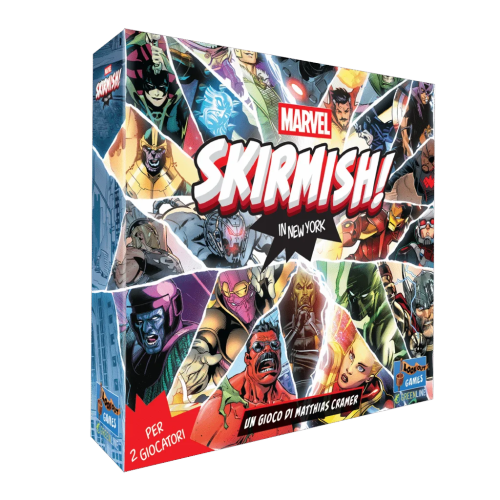


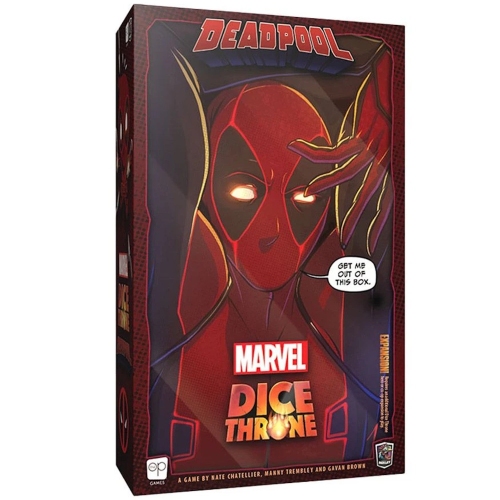


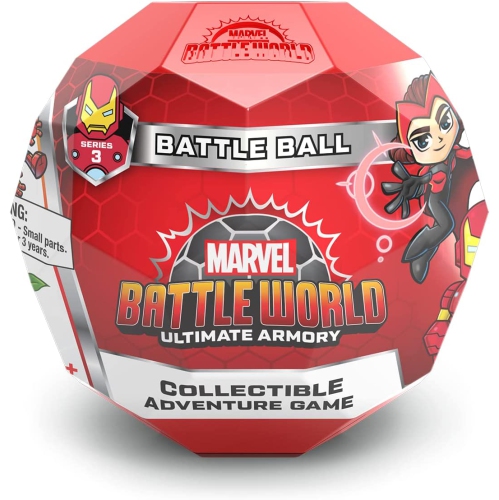

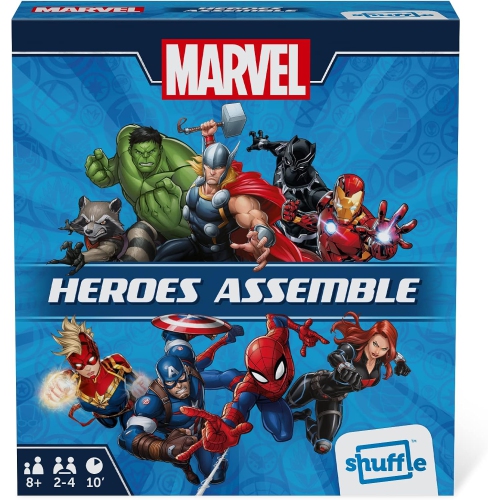


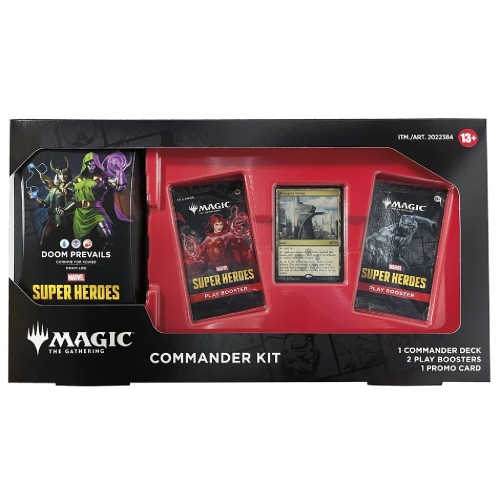
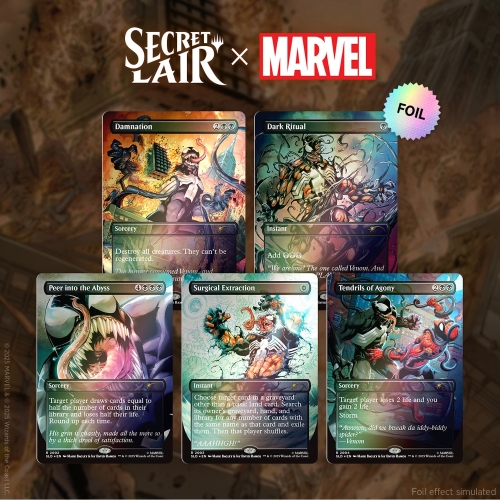
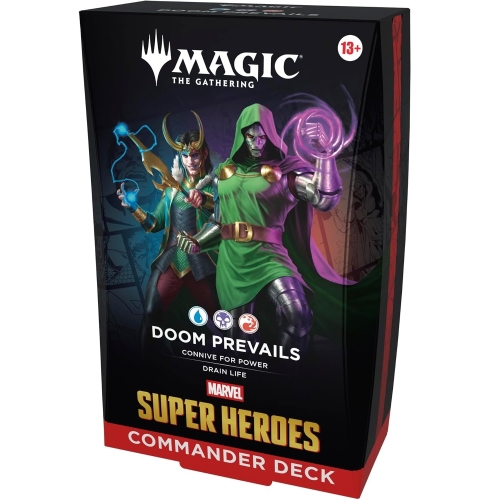


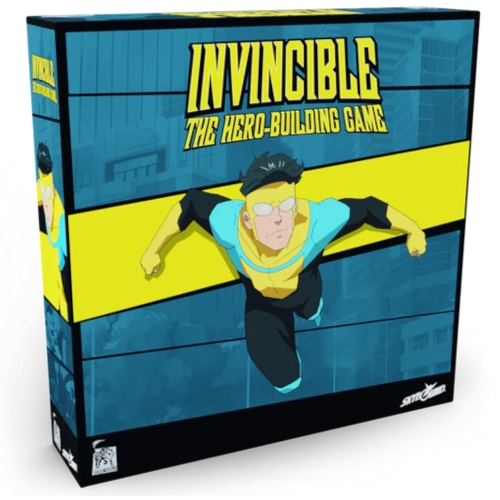

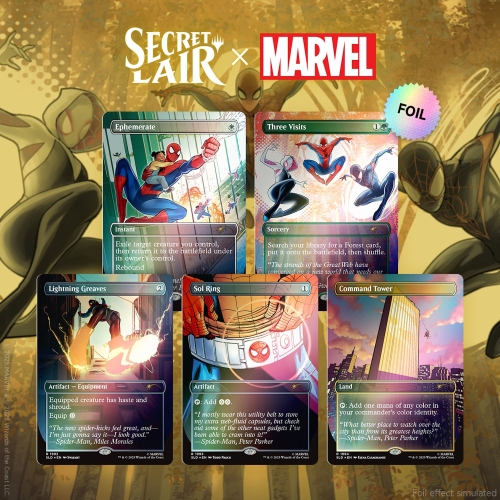
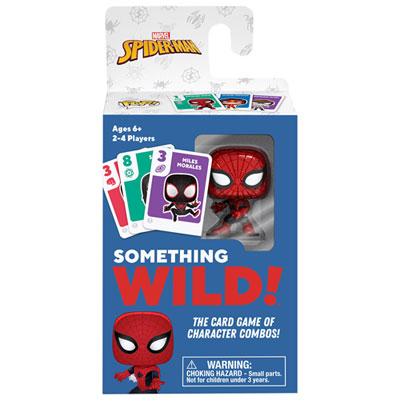
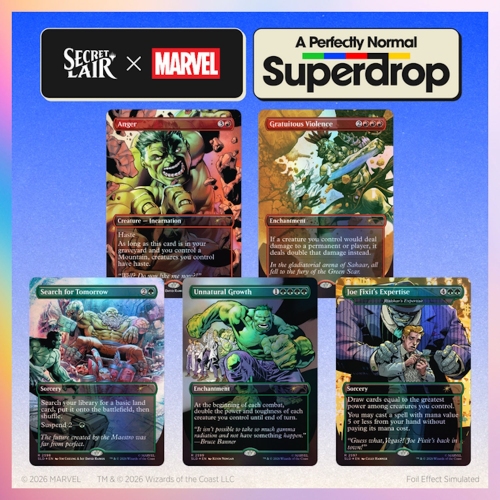


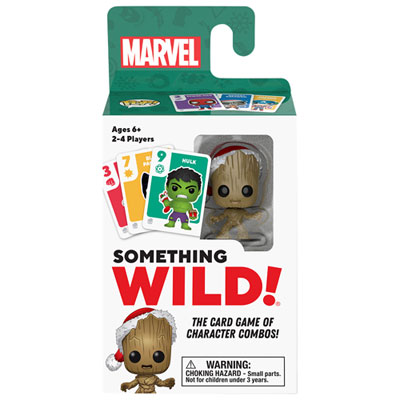











How superhero powers shape your tabletop strategy
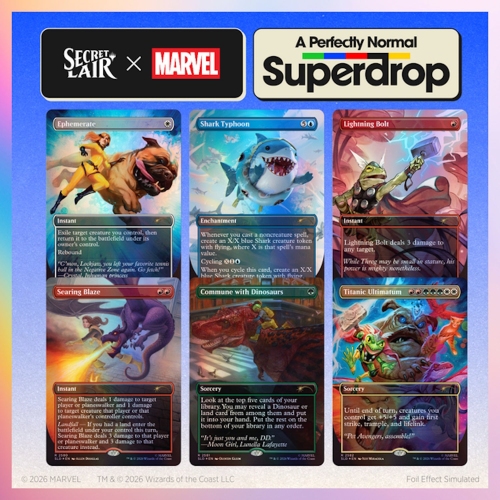
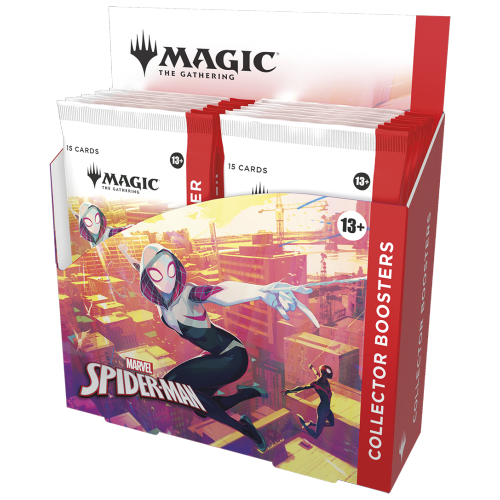
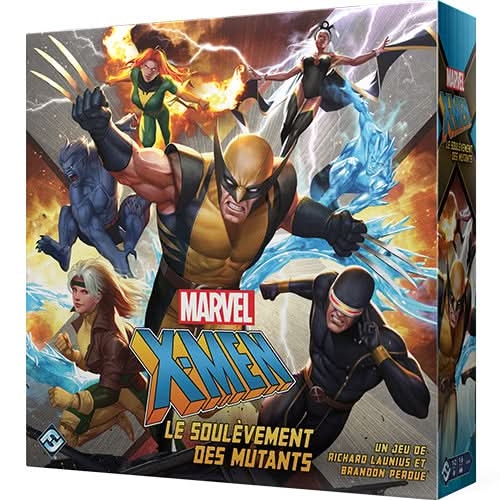
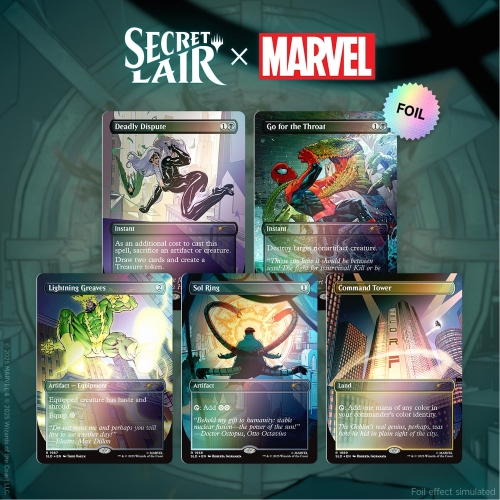
Marvel board games bring superhero adventures to the tabletop through teamwork, card combinations, tactical movement, and competition. The theme covers several distinct styles of play, from approachable family games to more involved challenges built around managing resources and responding to an unfolding threat. Cooperative games put players on the same side, with each person contributing different abilities towards a shared objective. One player might hold back an approaching enemy while another prepares a powerful attack or protects a vulnerable location. Competitive games create a different atmosphere, with players racing towards objectives, developing their own strategies, or finding opportunities to interrupt an opponent’s plans. Card-driven formats also vary considerably. In a deck-building game, players generally acquire cards during play, gradually shaping a stronger set of options. Other card-based games let players customize a deck before the session begins, making preparation and experimentation part of the experience. Tactical games place more emphasis on positioning, movement, and the relationships between characters and locations on a board. Miniatures can make those encounters especially vivid, although standees, tokens, and illustrated cards can communicate the action just as effectively. Some designs combine several of these approaches, pairing character abilities with dice rolls, shared objectives, or a changing sequence of events. The appeal is not simply seeing familiar artwork on a box: a well-matched game makes powers and personalities matter through the decisions players make. A durable defender, a quick-moving rescuer, and a character who supports teammates can each feel useful in a different way. Variable objectives, character combinations, or scenarios can also give repeat sessions a different rhythm. For players who enjoy discussing a plan across the table, cooperative play offers a shared puzzle. For those who prefer direct rivalry, competitive formats turn the same superhero setting into a contest of timing and judgement. These differences make Marvel board games relevant to both established tabletop players and fans looking for a more interactive way to enjoy a favourite fictional universe.
The best fit for a household depends as much on how people like to spend time together as on their enthusiasm for superheroes. A game for two regular players has different demands from one brought out for a larger family gathering. Supported player counts matter because an extra participant can change the pace, the amount of discussion, and the time between turns. Solo play is another distinct consideration: games with a dedicated solo mode may offer an individual challenge, while others require one person to manage multiple characters or roles. Playing time is useful context, but learning the rules, setting up the table, and sorting components afterwards also contribute to the full session. A compact game with clear turn choices can suit a casual evening, while a longer scenario with several stages gives an experienced group more room to develop a strategy. Age recommendations, reading demands, and the amount of independent decision-making are particularly relevant when children are joining in. Familiar characters can create immediate interest, but they do not necessarily make a rules-heavy game suitable for younger players. Clear symbols, readable card text, and an uncluttered playing area can help everyone follow the action. Cooperative formats may suit mixed-experience groups because players can discuss options, although the experience is often more satisfying when each participant still has meaningful choices to make. For some groups, open discussion is the main attraction; others prefer hidden information, surprises, or a contest where every player pursues a separate goal. Marvel board games can also make thoughtful gifts for birthdays, housewarmings, or a host who enjoys gathering people around a table. A recipient’s usual group size, comfort with rules, and preference for teamwork or competition provide more useful clues than fandom alone. Someone who enjoys assembling combinations may appreciate card-focused play, while someone drawn to visual storytelling may prefer a board with distinct locations and character pieces. The strongest match is a game that fits naturally into the recipient’s routines, whether that means regular two-player sessions or occasional get-togethers with friends.
Physical design plays a practical role in how enjoyable a board game remains over time. Depending on the format, components may include printed cards, folding boards, cardboard tokens, plastic figures, dice, or individual player areas. Sturdy boards and clearly printed pieces support repeated handling, while the size and layout of the components influence how much table space a session needs. A game with several decks, shared locations, and personal play areas may need more room than its box suggests. Card sleeves can help protect frequently shuffled cards, provided their dimensions match the cards and the storage space can accommodate the added thickness. Tokens are easier to manage when sorted into small containers or bags, and keeping character pieces separate from heavier components can reduce rubbing during transport. Clean, dry hands and a clear spot for drinks help protect printed surfaces; cleaning methods should follow the component care directions rather than assuming that cards, boards, and figures can all be treated alike. Returning pieces to their designated compartments also makes missing components easier to notice before the next session. Small parts and delicate figures deserve particular attention in homes with young children, with the stated age suitability remaining important even when the artwork looks familiar. For gifting or shared use, a self-contained game offers a different experience from an expansion that depends on another game. Expansions may introduce characters, scenarios, or additional rules, but compatibility is specific to the game and edition rather than to the superhero theme as a whole. Language editions also matter when play relies on reading cards aloud or interpreting detailed abilities. Households whose interests extend beyond superheroes may also enjoy the character-led variety associated with Disney Board Games. Across these tabletop experiences, thoughtful storage, suitable complexity, and a comfortable playing space help keep attention on the memorable part: the moment a carefully timed move changes the outcome, a shared plan comes together, or a close contest earns an enthusiastic rematch.
Top selling and popular products
-
 Your price for this item is $279.97
-
 Your price for this item is $139.99
-
 Your price for this item is $109.25
-
 Your price for this item is $108.12
-
 Your price for this item is $109.25
-
 Your price for this item is $34.99
-
 Your price for this item is $40.25
-
 Your price for this item is $59.99
Discover more categories related to Marvel Board Games

Top Collections:
Pokemon Centers, Best Cameras for Sports Photography, Kindle Devices, Samsung Galaxy Phones, Canon G7X Cameras, Pokémon 30th Celebration Cards, Refurbished Apple Laptops, iPhone 15 Apple, Laptops for Students, Budget Smartphones
Some products may be subject to Environmental Handling Fees
(EHF) depending on your province.
Learn more about EHFs.