Movie Character Action Figures
Movie Character Action Figures bring your favorite film heroes and villains to life, making them a must-have for fans and collectors alike. Whether you’re looking to recreate iconic scenes or display memorable characters on your shelves, these figures capture the excitement of the big screen. Explore a wide variety of Movie Character Action Figures to find the perfect addition to your collection or the ideal gift for any movie enthusiast.
Sort


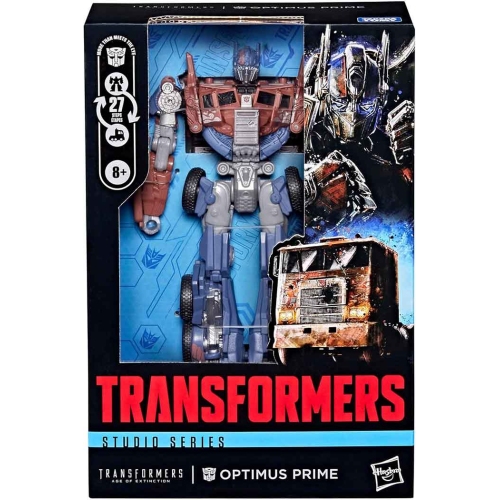
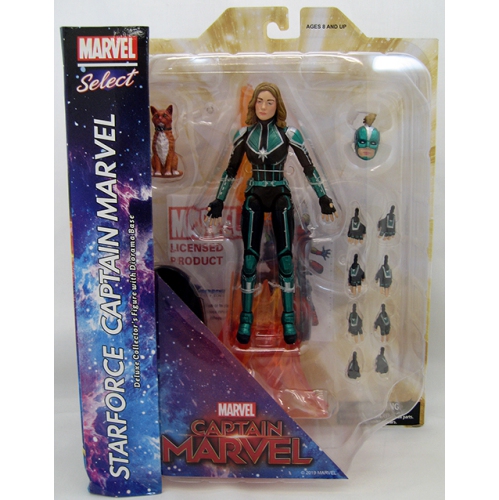


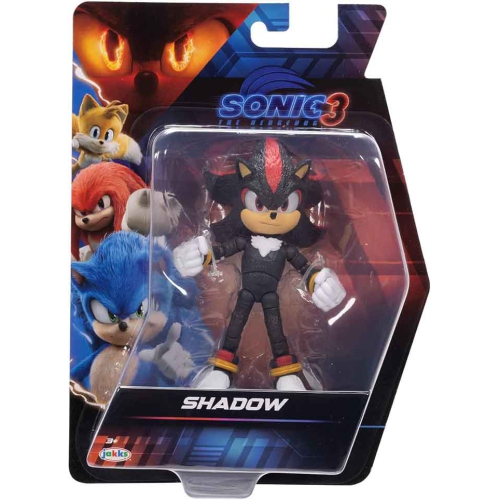

Screen-inspired details that give every pose its personality
Movie character action figures are three-dimensional representations of cinematic characters, typically with movable joints that allow them to be posed for play or display. They capture the costumes, expressions, equipment, and physical details that make a character recognizable on screen, turning a memorable performance or scene into something tangible. For some fans, the appeal is a familiar hero standing confidently on a bookshelf; for others, it is a villain’s distinctive silhouette or an ensemble arranged to recreate a favourite moment. Characters from adventure, fantasy, science-fiction, and animated films offer different visual styles, from realistic facial sculpting and textured clothing to exaggerated proportions and bold colours. Screen-inspired details can include weathered armour, layered costumes, carefully painted eyes, and accessories shaped to suit the character’s role. Articulation adds another dimension to those details: a turned head can suggest watchfulness, while bent elbows and a shifted stance can convey movement without requiring an elaborate display. The number of joints matters less than how naturally they move and whether they hold a position securely. Shoulder, elbow, hip, and knee movement can support expressive poses, while ankle movement may help a figure stand with its feet flat. Size and scale also influence the overall impression. A 6-inch figure and a 7-inch figure may look noticeably different side by side, even when their packaging describes them in similar terms. Scale describes the relationship between the figure and the character it represents; at 1:12 scale, a character who is six feet tall would stand approximately six inches tall. Taller characters and creatures can therefore be larger than their companions while still belonging to the same scale. For a group display, compatible proportions, costume styles, and interpretations of the characters help create a coherent scene. A realistic film likeness has a different presence from a stylized animated design, and either can work well when it reflects the collector’s connection to the story.
Materials and construction shape how movie character action figures feel, move, and stand up to handling. Many figures use moulded plastics, with harder sections providing structure and softer components allowing some flexibility in clothing, hair, or accessories. PVC and ABS are common materials, though the exact composition varies by design. Fabric costumes can add texture and a natural drape, while moulded clothing often preserves sculpted folds and keeps a consistent shape through repeated posing. Neither approach is automatically better: a fabric coat may suit a standing display, while a sculpted outfit can retain its appearance during active play. Fine paintwork, small costume details, and thin accessories reward close inspection but can also need gentler handling. A figure intended for regular play has different demands from one placed in a display cabinet and repositioned occasionally. Age recommendations and safety warnings are especially important when the recipient is a child, since detachable hands, miniature equipment, and other small parts may present a choking hazard. Collector-focused detail does not necessarily mean a figure is suitable as a children’s toy. Moving parts also have practical limits. Knees and elbows may bend only in one direction, and costume sections can restrict a joint even when articulation is present underneath. Gentle movement within the intended range helps protect joints and painted surfaces; a resistant part should not be forced into a dramatic pose. For everyday care, a soft brush can lift dust from textured areas, and a clean, slightly damp cloth may suit some plain plastic surfaces when the manufacturer’s care information permits it. Harsh cleaners, abrasive cloths, and soaking can affect finishes, adhesives, or fabric elements. Direct sunlight can fade colours, while prolonged heat may soften some plastics or alter a carefully balanced stance. Small accessories are easier to keep together in labelled containers, with delicate pieces separated to prevent rubbing or bending. These simple habits help preserve the features that give a figure its personality, particularly when it moves between a play area, a shelf, and storage.
Movie character action figures can suit film enthusiasts, collectors, older children whose interests and age match the product recommendations, and gift recipients who enjoy a particular cinematic world. The most meaningful choice is often connected to a character someone talks about, a film they revisit, or a scene that has stayed with them. A collection of Movie Action Figures might centre on a single protagonist, bring together an ensemble, or span several films with a shared visual theme. For a gift, character preference and intended use matter as much as detail: someone who enjoys arranging scenes may appreciate flexible posing and interchangeable parts, whereas someone with a compact desk display may value a distinctive sculpt and a stable stance. Display space deserves attention beyond the figure’s stated height. An extended arm, flowing cape, broad base, or large accessory can occupy considerably more room than a neutral standing pose. A figure positioned near the edge of a narrow shelf also needs reliable balance, particularly if the shelf is within reach of children or pets. A compatible stand can support a pose that would otherwise be unstable, while a secure display surface reduces the chance of a group being knocked over. Visually, a little separation between figures allows costume details and facial expressions to remain visible. A taller character placed behind a shorter one can give an ensemble depth without hiding the centre of the scene. Packaging may be part of the appeal for collectors who enjoy printed artwork or prefer a boxed display; keeping removable inserts and accessory trays can also make later storage easier. For figures displayed outside their boxes, retaining the care information and identifying details helps keep track of parts and handling requirements. Whether the result is a single character beside a film collection or a carefully arranged cast in a cabinet, the lasting appeal comes from the connection between recognizable design, satisfying craftsmanship, and a story the owner enjoys.
Top selling and popular products
-
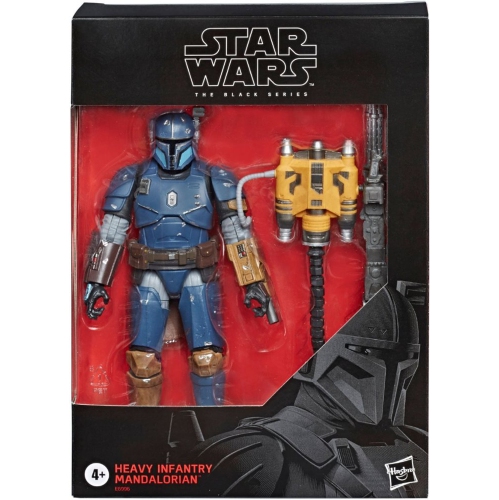 Your price for this item is $35.64
-
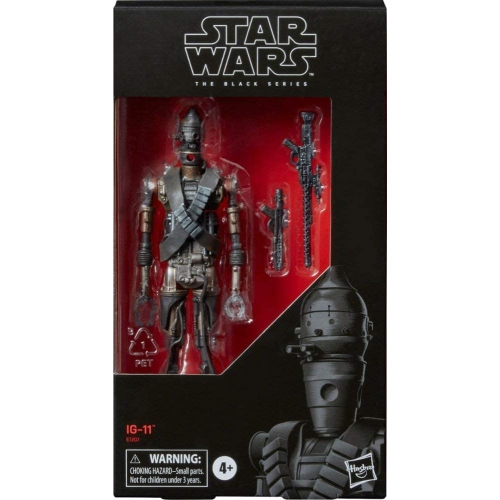 Your price for this item is $42
-
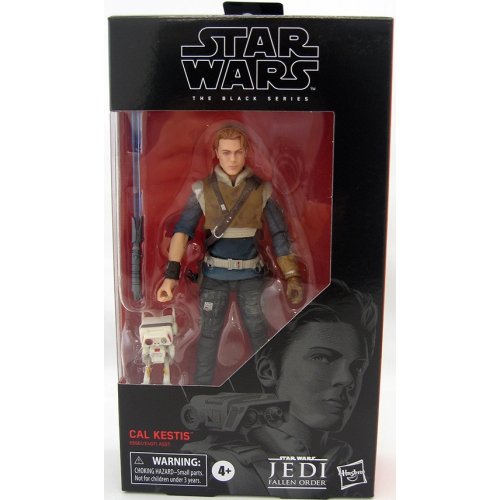 Your price for this item is $41.39
-
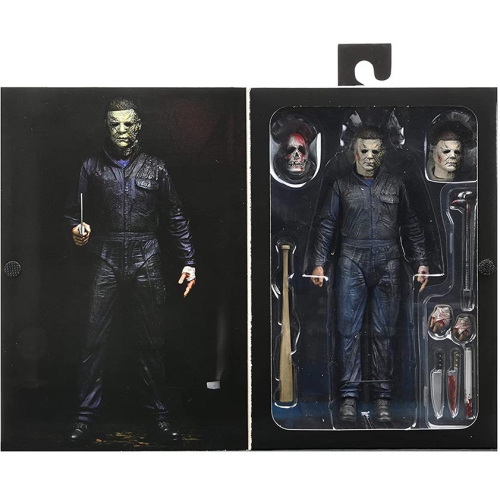 Your price for this item is $81
-
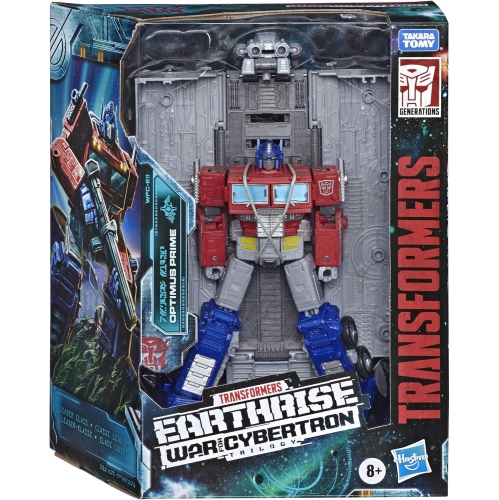 Your price for this item is $79.97
-
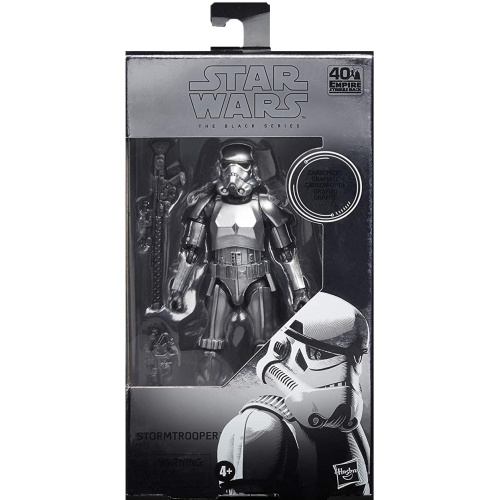 Your price for this item is $46
-
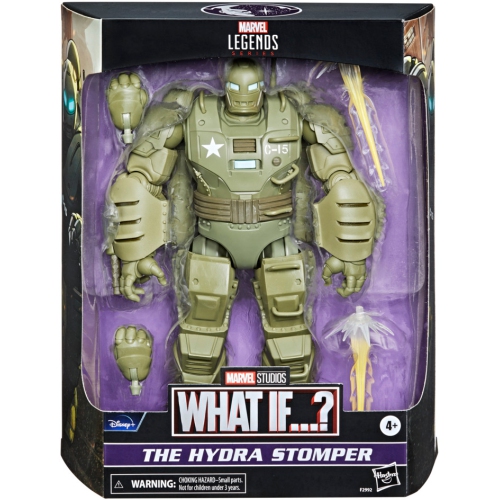 Your price for this item is $73.59
-
 Your price for this item is $46
Discover more categories related to Movie Character Action Figures


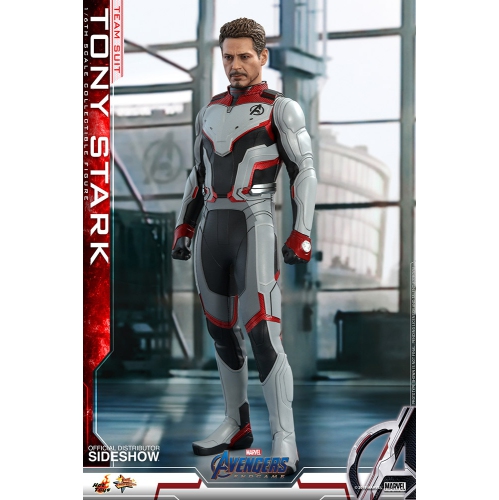
Top Collections:
Pokemon Centers, Pokémon 30th Celebration Cards, Best Budget Office Chairs, Kindle Devices, Best Cameras for Sports Photography, Canon G7X Cameras, Best Black Friday Deals On Electronics, Best Laptops for Writers, iPhone 15 Apple, Jackery Power Stations
Some products may be subject to Environmental Handling Fees
(EHF) depending on your province.
Learn more about EHFs.