Movie Character Collectible Figures
Movie Character Collectible Figures bring your favorite film icons to life, making them the perfect addition to any fan’s collection. Whether you’re looking to display memorable heroes and villains or searching for a unique gift, these detailed figures capture the essence of beloved movies. Explore a wide selection of Movie Character Collectible Figures and celebrate the stories and characters that have captured your imagination.
Sort
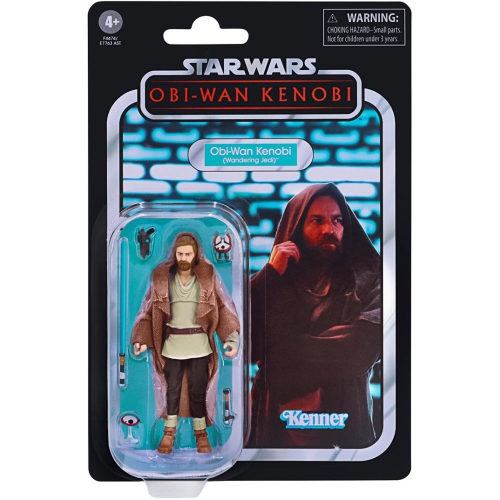


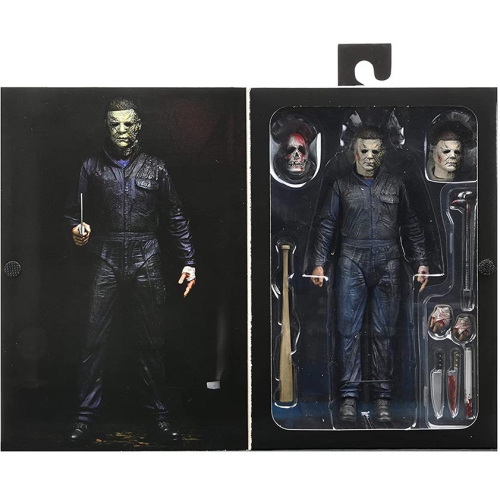


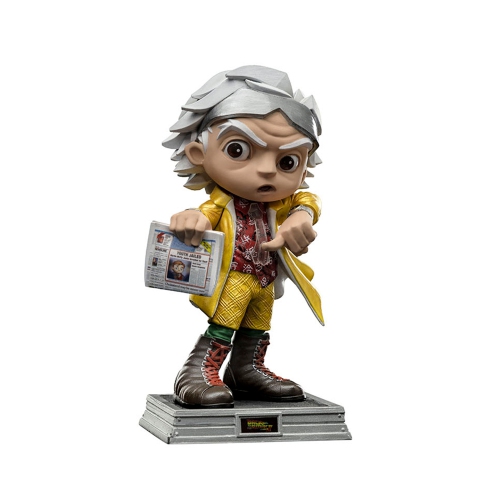


Screen favourites with details worth a closer look
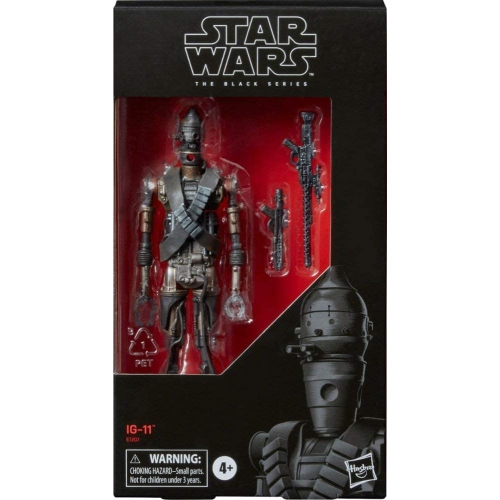
Movie character collectible figures bring the personalities, costumes, and memorable moments of cinema into a form that can be appreciated long after the credits roll. They range from compact, stylized vinyl figures with exaggerated features to detailed articulated figures and fixed-pose statues designed around a particular screen appearance. Each format offers a different way to connect with a film: a small character on a desk can be a familiar everyday companion, while a larger display piece can become the focal point of a dedicated movie shelf. Realistic designs often emphasize facial likeness, costume textures, and carefully painted details, whereas stylized figures capture a character through distinctive shapes, expressions, and colours. Neither approach needs to dominate a collection; some displays mix interpretations, while others maintain a consistent visual style. Scale describes the relationship between a figure and the character it represents, rather than simply stating its height. A 1:6 scale figure is proportionally larger than a 1:12 scale figure of the same character, but characters of different heights can still vary within one scale. Dimensions remain important because a wide stance, flowing cape, or raised accessory may require more space than the figure’s height suggests. Compact figures suit narrow shelves and workspaces, while larger sculptures benefit from enough room to appreciate their silhouette from several angles. Collectors may organize their displays around a favourite genre, a cast of characters, costume variations, or a shared scale. A tightly focused grouping can convey a film’s atmosphere without needing an elaborate backdrop. For someone beginning a collection, a character with personal significance often has more lasting appeal than a piece chosen only for its complexity. Long-time fans may instead value subtle sculpting differences, a particular expression, or a costume associated with a meaningful scene. These figures can serve as visual reminders of a first cinema visit, a favourite performance, or a film that became part of a family tradition.
Materials and construction shape how a collectible looks, feels, and holds up to handling. Vinyl and other moulded plastics are common in stylized designs, while detailed articulated figures may combine rigid plastic components with softer sections that allow movement around clothing or joints. Resin is often used for sculpted display pieces with fine surface detail, although thin projections and small accessories can be vulnerable to impact. Fabric clothing adds texture and depth, but seams, fasteners, and layered garments also affect how naturally a figure can be posed. Metal components can add weight, making a secure base and a stable shelf especially important. Articulation varies considerably: some figures offer movement at the neck, shoulders, elbows, hips, and knees, while others have limited movement or a completely fixed pose. For displays that favour changing stances and expressive arrangements, Movie Action Figures offer a related category to explore, with intended age and handling guidance still worth checking for each design. More joints do not automatically mean a better collectible; a fixed sculpture can preserve a dramatic pose without visible joint breaks, while an articulated figure allows more flexibility. A convincing stance also depends on balance, joint strength, and whether clothing or armour restricts movement. Accessories such as interchangeable hands, alternate portraits, or character-specific props can broaden display possibilities when included, but small connectors need gentle handling. Manufacturer care directions take priority, particularly for mixed-material pieces. A soft brush can lift loose dust from sculpted folds, and a clean, dry microfibre cloth suits many smooth surfaces. Harsh cleaners, vigorous rubbing, and soaking can damage paint, finishes, adhesives, or fabric. Direct sunlight may fade colours, and prolonged exposure to heat can affect some plastics. Supporting a figure at its body rather than lifting it by an accessory helps protect delicate parts, while storing unused components in labelled compartments makes them easier to locate without rubbing against painted surfaces.
A satisfying display gives each movie character collectible figure enough room to be seen and enough support to remain secure. Shelf depth matters as much as height, especially for figures with extended limbs, broad bases, or projecting costume details. A cabinet with adjustable shelves can accommodate changing layouts, while a clear-front enclosure helps limit dust and accidental contact. Raised platforms can keep smaller characters visible behind taller ones, provided the platforms are stable and rated for the weight they support. Lighting should reveal sculpted details without placing a hot light source close to plastic, paint, or fabric. A neutral backdrop can emphasize facial features and costume colours, while a restrained scene arrangement can suggest an on-screen setting without distracting from the figures themselves. Packaging is another consideration for collectors who enjoy an unopened presentation or want to retain protective inserts for a future move. A window box needs sufficient space for its outer dimensions, not just the figure inside, and original supports can be useful when transporting a delicate piece. For gifts, the recipient’s favourite films, preferred character style, and existing display space provide more useful direction than size alone. Someone who enjoys rearranging a shelf may appreciate an articulated design, while a fan who prefers a finished composition may favour a fixed-pose piece. A compact collectible can fit a home office or shared living space; a larger display requires a suitable location and may be less convenient as a surprise. Collectible figures are not automatically children’s toys, even when they depict characters from family films. Small parts, fragile details, sharp projections, and display stands can make certain designs unsuitable for younger children. The stated age recommendation and intended use distinguish play-focused figures from pieces meant primarily for display. In households with children or pets, a secure location helps protect both the collection and anyone nearby. Whether displayed as a single favourite character or arranged into a carefully organized cast, movie character collectible figures offer a tangible connection to the stories and performances that make cinema memorable.
Top selling and popular products
-
 Your price for this item is $19.99
-
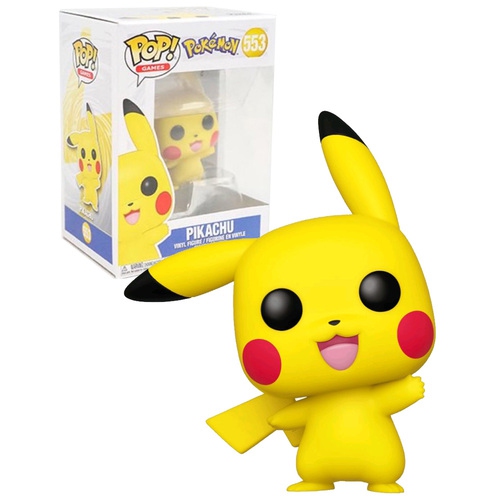 Your price for this item is $17.25
-
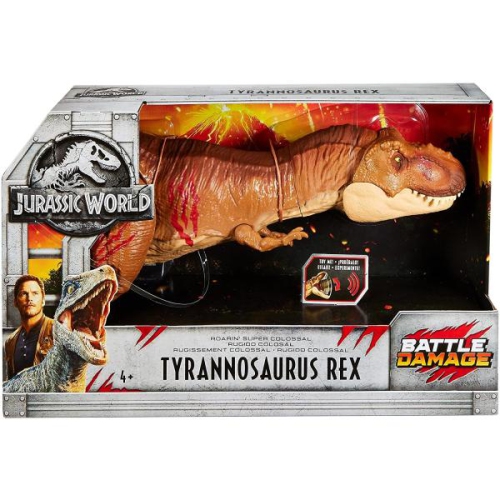 Your price for this item is $189.99
-
 Your price for this item is $45.99
-
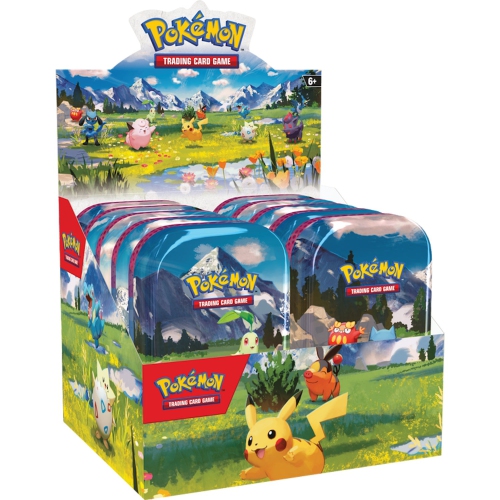 Your price for this item is $499.99
-
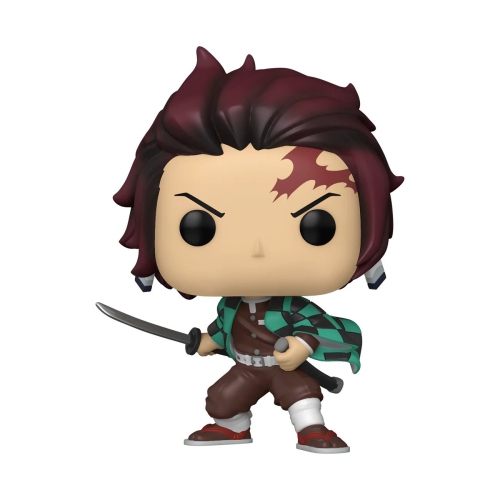 Your price for this item is $21.99
-
 Your price for this item is $160.99
-
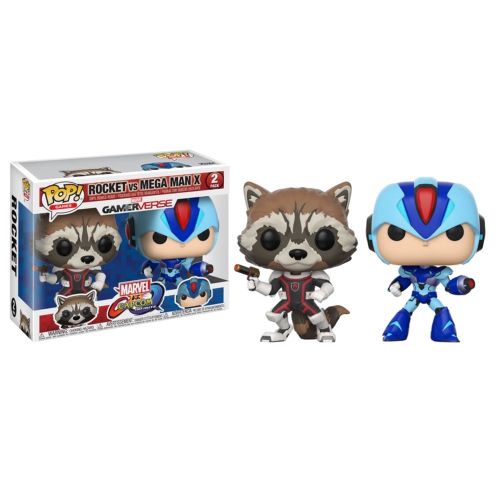 Your price for this item is $69.99
Discover more categories related to Movie Character Collectible Figures


Top Collections:
Pokemon Centers, Pokémon 30th Celebration Cards, Best Budget Office Chairs, Kindle Devices, Best Cameras for Sports Photography, Canon G7X Cameras, Best Black Friday Deals On Electronics, Best Laptops for Writers, iPhone 15 Apple, Jackery Power Stations
Some products may be subject to Environmental Handling Fees
(EHF) depending on your province.
Learn more about EHFs.