RC Building Kits
Dive into the thrilling world of RC building kits, where creativity meets engineering for an exhilarating hands-on experience. Whether you're a seasoned hobbyist or a curious beginner, these kits offer endless possibilities to construct your own remote-controlled marvels. From cars and trucks to planes and boats, each kit provides the perfect blend of challenge and enjoyment, allowing you to customize and fine-tune your creation. Discover the joy of building and controlling your own RC masterpiece as you explore a collection designed to spark imagination and inspire innovation.
Sort
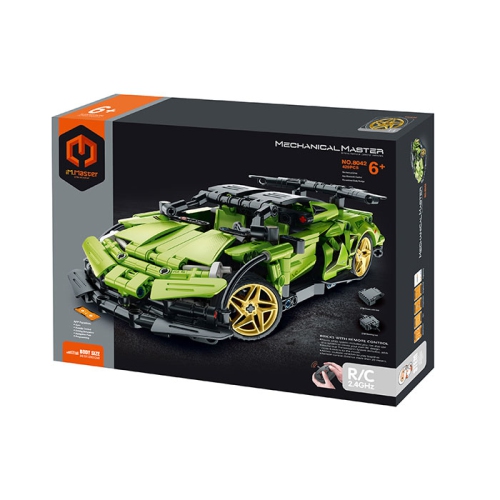
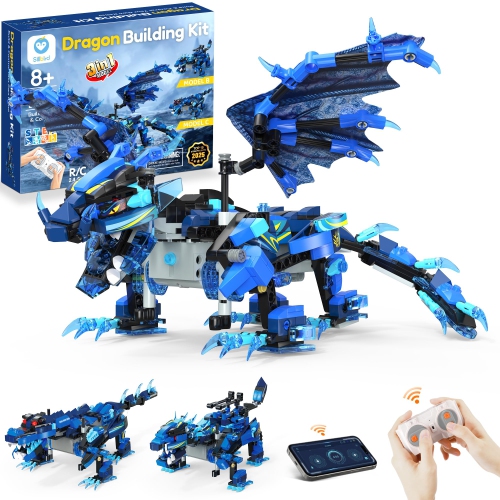
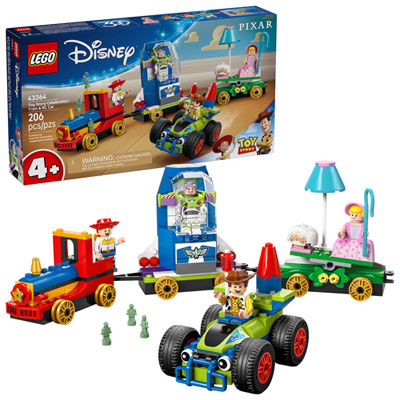

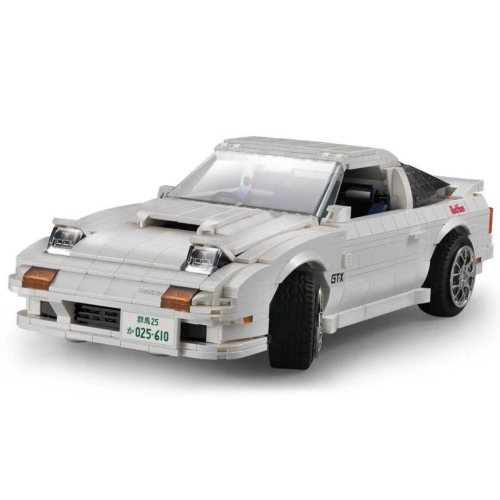
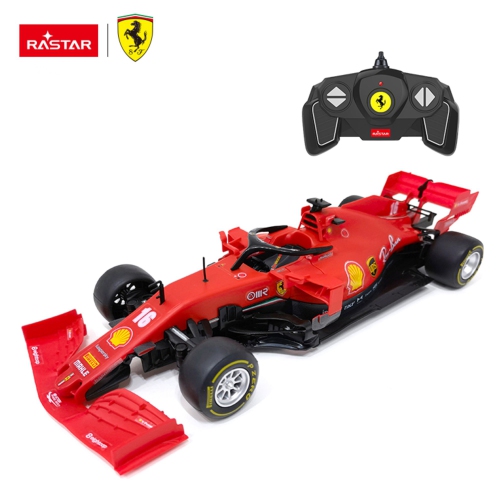
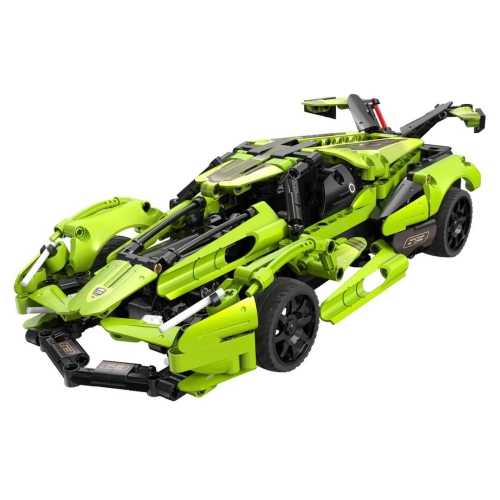
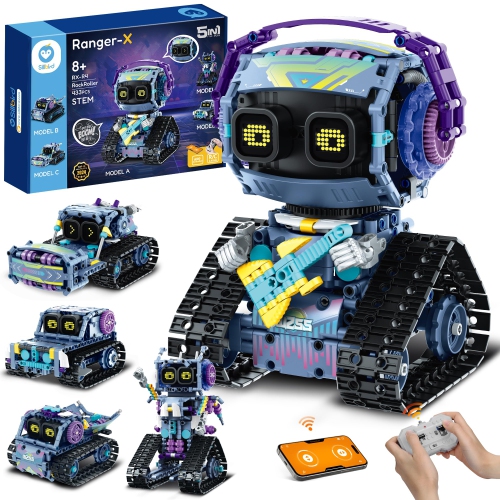
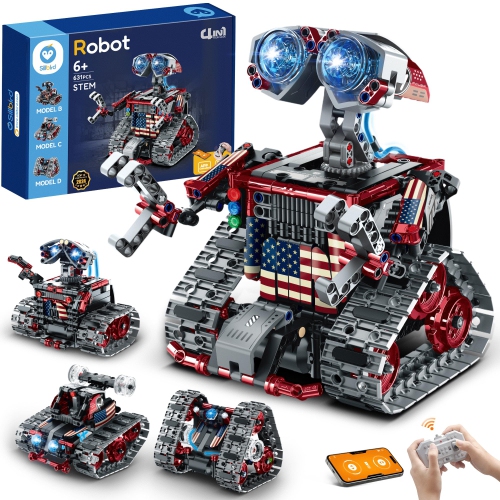

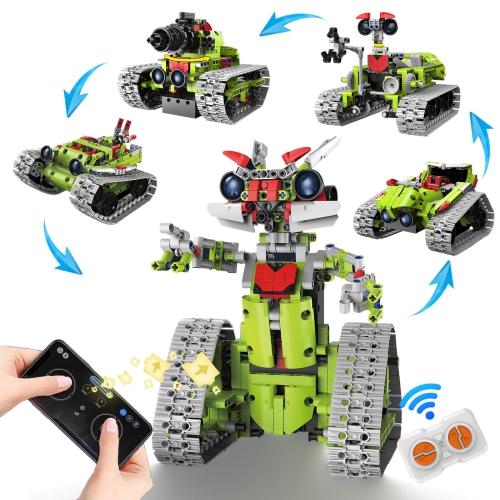
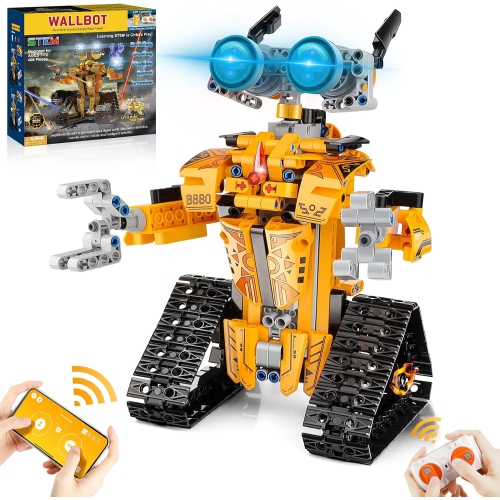
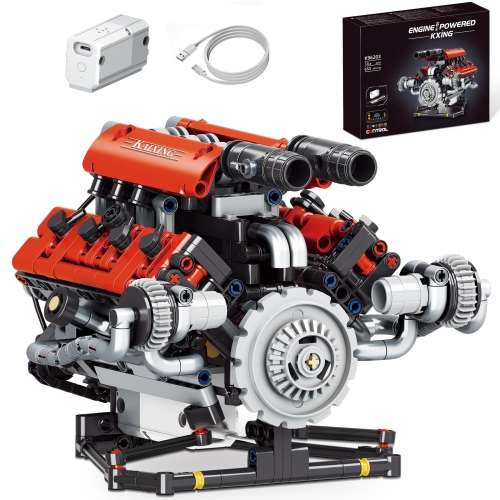
From assembly details to driving styles and essential parts
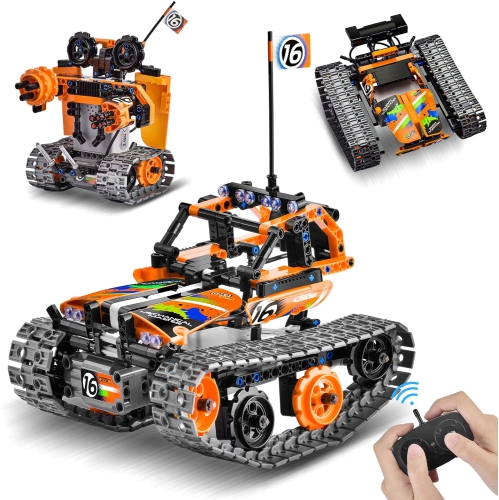
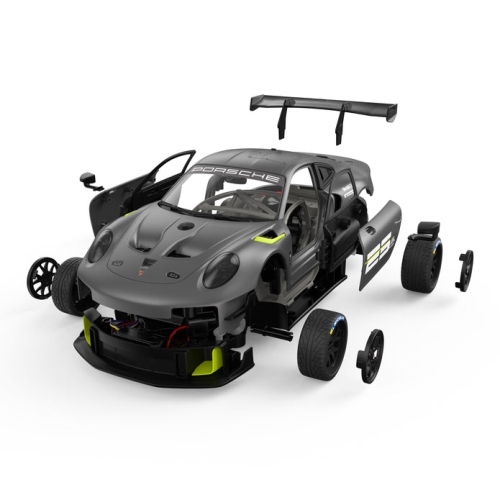
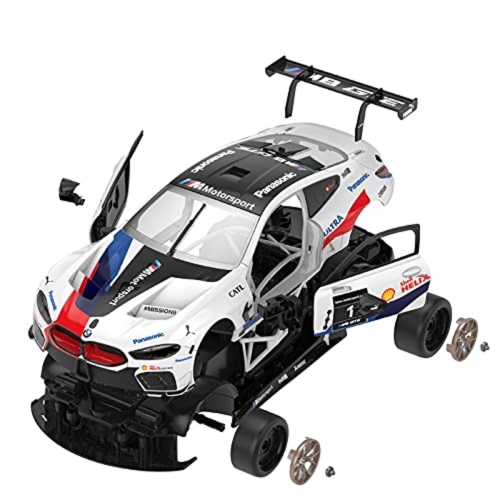
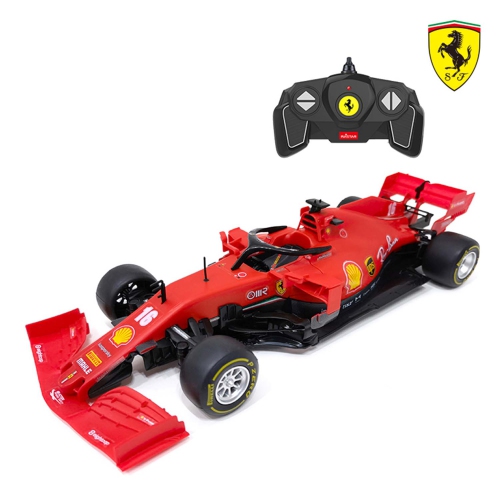
RC building kits bring together hands-on construction, mechanical problem-solving, and the excitement of controlling a moving vehicle. Unlike ready-to-run models, these kits invite builders to take part in the process, from assembling the frame and fitting the suspension to installing the steering system and preparing the body. Some are designed as traditional hobby-grade projects with separate components, while others use interlocking pieces, gears, motors, and battery systems to create a remote-controlled vehicle through a more approachable building experience. The level of involvement can vary considerably, so it is useful to look closely at the kit description before choosing. A rolling chassis may include the frame, wheels, drivetrain, and suspension but require a radio system, steering servo, motor, electronic speed control, battery, charger, and body finishing supplies. An unassembled kit may include some electronics but not all of them, while a ready-to-assemble option may provide most of the essential equipment needed to complete the build. Understanding what is included helps prevent surprises halfway through assembly and makes it easier to select compatible parts from the start. RC building kits can appeal to children working with an adult, teens developing an interest in engineering, and experienced hobbyists who enjoy fine-tuning every part of a vehicle. They can also make memorable gifts for birthdays, holidays, or special occasions because the recipient receives both a project to enjoy and a finished model to drive. The building process often becomes part of the experience: a worktable covered with small screws, carefully labelled parts, and an instruction manual can turn a quiet afternoon into a rewarding project with a visible result at the end.
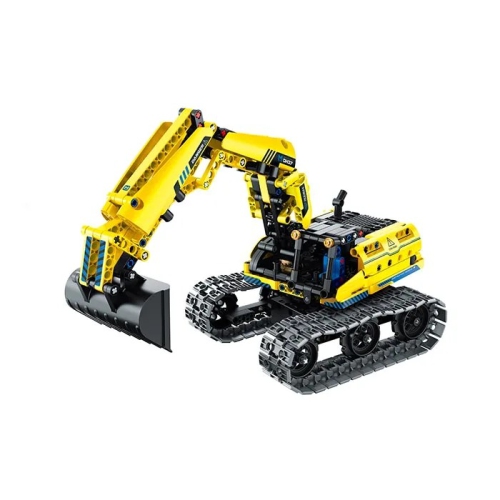
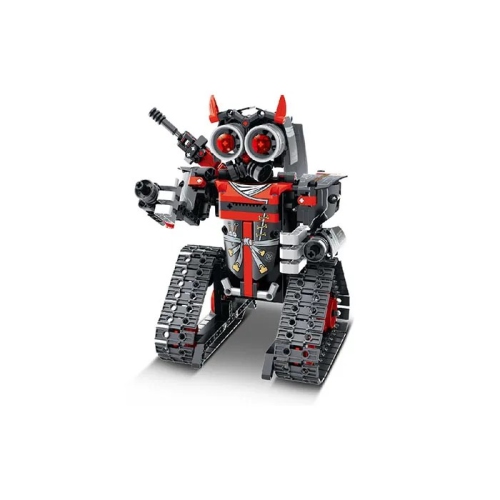
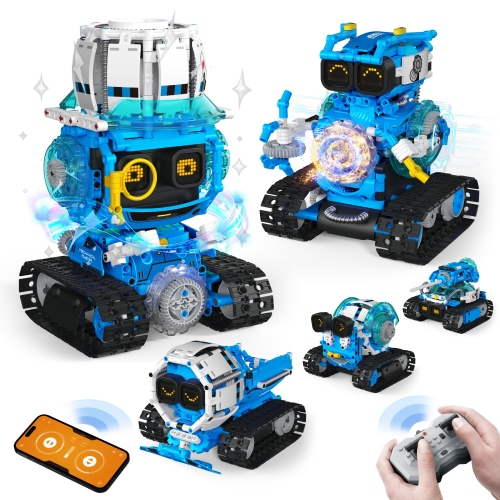
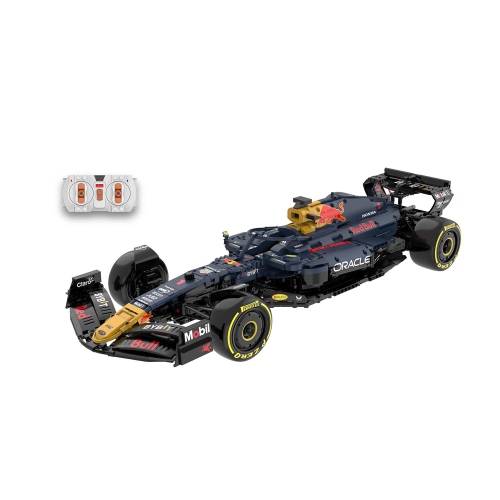
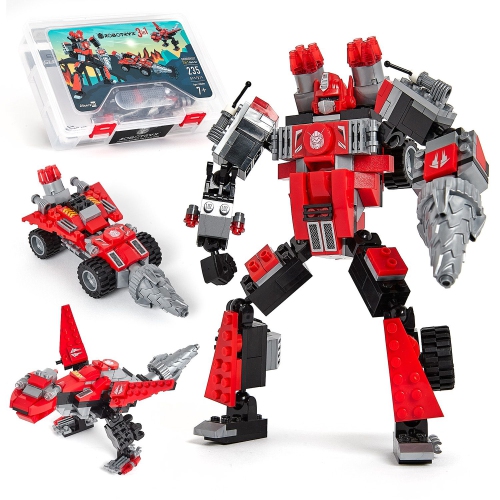
When comparing RC building kits, consider the type of driving the completed vehicle is intended to handle. Buggy-style builds are generally suited to open areas, packed paths, and informal track driving, while short-course truck designs can be a practical choice for builders who want a versatile vehicle with a durable body and stable handling. Rock crawlers and scale-inspired builds focus more on controlled movement, low-speed torque, suspension articulation, and realistic details than on outright speed. These models can be enjoyable on rocky trails, garden paths, and carefully arranged indoor courses, where navigating over a ridge or easing down a slope feels more like a technical challenge than a race. Brick-based RC kits offer another style of construction, using interlocking pieces to create cars, trucks, construction vehicles, or other machines with working motors and remote controls. They may be especially appealing to builders who enjoy following a structured assembly sequence and seeing a detailed model take shape one section at a time. For someone new to the hobby, a kit with clearly organized steps, fewer specialised tools, and electronics included may provide a smoother introduction. More advanced builders may prefer a chassis that allows greater freedom to choose the motor, gearing, shocks, tyres, radio equipment, and body style. It is also worth checking the recommended age range, assembly time, required tools, and availability of replacement parts. A small hex driver set, side cutters, pliers, body scissors, paint made for the specified body material, and a clean, well-lit workspace can make assembly easier. Builders should also confirm whether the vehicle requires a particular battery connector or battery format, since compatibility between the battery, charger, motor, and electronic speed control is essential for reliable operation.
The finished RC model can be used in many ways, depending on its design and the builder’s interests. Some people enjoy relaxed driving sessions in a driveway or open park, while others create ramps, gates, hill climbs, and obstacle courses to test steering, balance, acceleration, and suspension. During the warmer part of the year, outdoor driving offers room to practise handling and explore different surfaces; during the cooler months, assembly, maintenance, and indoor display can keep the hobby engaging when outdoor conditions are less comfortable. A dedicated storage case or parts organiser can help keep spare screws, gears, body clips, and tools together, particularly when a project is transported between home, a club, and a driving area. After each session, it is helpful to inspect the tyres, suspension, steering links, and drivetrain for dirt or loose hardware, then allow any damp components to dry before storage. Builders who enjoy customisation can experiment with body colours, decals, wheel designs, gearing, and suspension settings, creating a model that reflects their preferred driving style. Others may value the satisfaction of building a detailed display piece that can be driven occasionally and admired between sessions. For younger builders, adult supervision can help with small parts, sharp tools, batteries, and the safe use of chargers, while older children and teens may appreciate learning how mechanical systems work through guided assembly. Those interested in expanding beyond vehicle projects may also enjoy exploring Robot Building Kits, which offer another hands-on way to combine construction, movement, and remote-controlled functions. Whether chosen as a first introduction to the hobby, a shared family project, or a more detailed build for an experienced enthusiast, RC building kits offer a tangible way to spend time creating, adjusting, and operating something made by hand.
When comparing RC building kits, consider the type of driving the completed vehicle is intended to handle. Buggy-style builds are generally suited to open areas, packed paths, and informal track driving, while short-course truck designs can be a practical choice for builders who want a versatile vehicle with a durable body and stable handling. Rock crawlers and scale-inspired builds focus more on controlled movement, low-speed torque, suspension articulation, and realistic details than on outright speed. These models can be enjoyable on rocky trails, garden paths, and carefully arranged indoor courses, where navigating over a ridge or easing down a slope feels more like a technical challenge than a race. Brick-based RC kits offer another style of construction, using interlocking pieces to create cars, trucks, construction vehicles, or other machines with working motors and remote controls. They may be especially appealing to builders who enjoy following a structured assembly sequence and seeing a detailed model take shape one section at a time. For someone new to the hobby, a kit with clearly organized steps, fewer specialised tools, and electronics included may provide a smoother introduction. More advanced builders may prefer a chassis that allows greater freedom to choose the motor, gearing, shocks, tyres, radio equipment, and body style. It is also worth checking the recommended age range, assembly time, required tools, and availability of replacement parts. A small hex driver set, side cutters, pliers, body scissors, paint made for the specified body material, and a clean, well-lit workspace can make assembly easier. Builders should also confirm whether the vehicle requires a particular battery connector or battery format, since compatibility between the battery, charger, motor, and electronic speed control is essential for reliable operation.
The finished RC model can be used in many ways, depending on its design and the builder’s interests. Some people enjoy relaxed driving sessions in a driveway or open park, while others create ramps, gates, hill climbs, and obstacle courses to test steering, balance, acceleration, and suspension. During the warmer part of the year, outdoor driving offers room to practise handling and explore different surfaces; during the cooler months, assembly, maintenance, and indoor display can keep the hobby engaging when outdoor conditions are less comfortable. A dedicated storage case or parts organiser can help keep spare screws, gears, body clips, and tools together, particularly when a project is transported between home, a club, and a driving area. After each session, it is helpful to inspect the tyres, suspension, steering links, and drivetrain for dirt or loose hardware, then allow any damp components to dry before storage. Builders who enjoy customisation can experiment with body colours, decals, wheel designs, gearing, and suspension settings, creating a model that reflects their preferred driving style. Others may value the satisfaction of building a detailed display piece that can be driven occasionally and admired between sessions. For younger builders, adult supervision can help with small parts, sharp tools, batteries, and the safe use of chargers, while older children and teens may appreciate learning how mechanical systems work through guided assembly. Those interested in expanding beyond vehicle projects may also enjoy exploring Robot Building Kits, which offer another hands-on way to combine construction, movement, and remote-controlled functions. Whether chosen as a first introduction to the hobby, a shared family project, or a more detailed build for an experienced enthusiast, RC building kits offer a tangible way to spend time creating, adjusting, and operating something made by hand.
Top selling and popular products
-
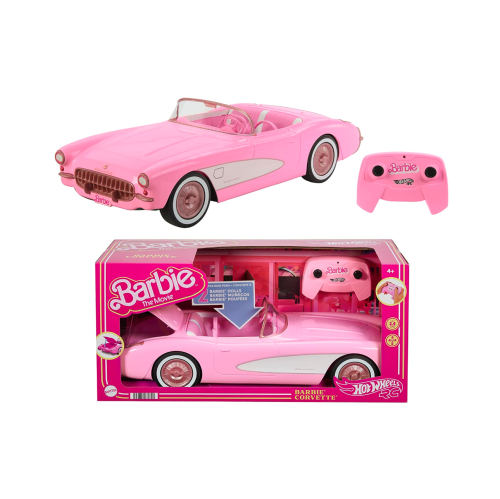 Your price for this item is $239.79
 -
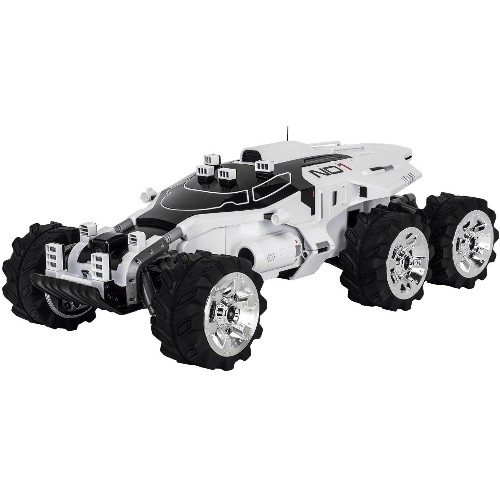 Your price for this item is $330.68
 -
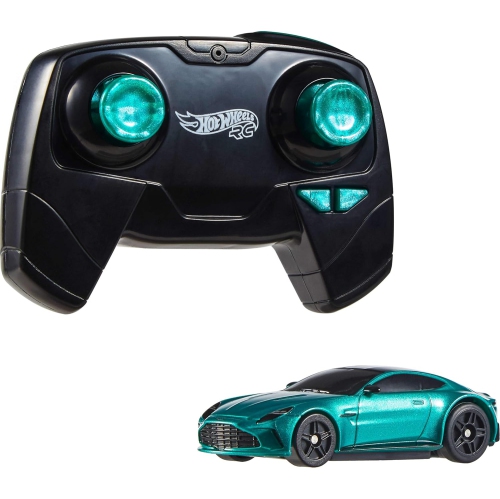 Your price for this item is $51.74
 -
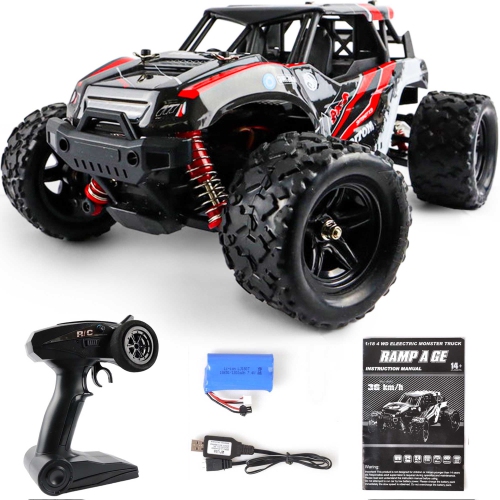 Your price for this item is $149.99
 -
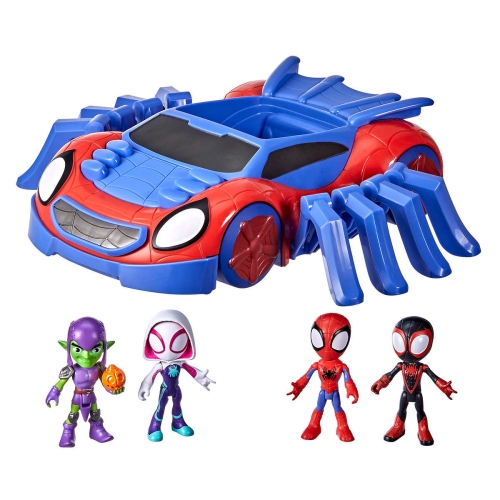 Your price for this item is $58
 -
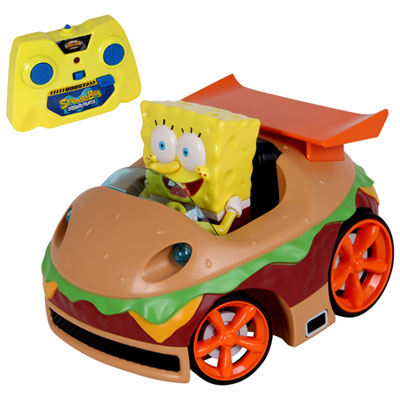 Your price for this item is $39.99
 -
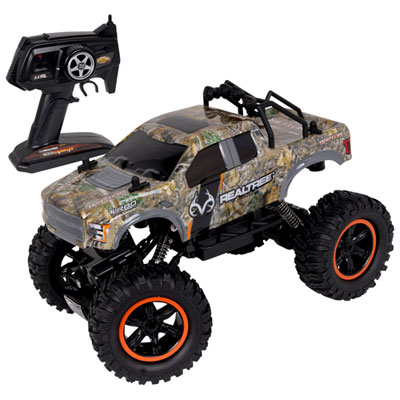 Your price for this item is $69.99
 -
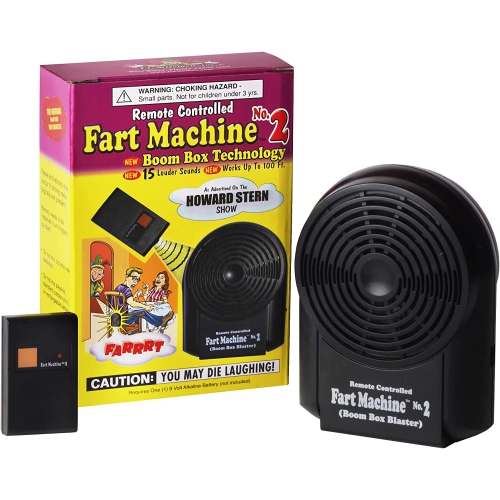 Your price for this item is $24.99
Discover more categories related to RC Building Kits

Top Collections:
Pokemon Centers, Best Cameras for Sports Photography, Kindle Devices, Samsung Galaxy Phones, Canon G7X Cameras, Pokémon 30th Celebration Cards, Refurbished Apple Laptops, iPhone 15 Apple, Laptops for Students, Budget Smartphones
Some products may be subject to Environmental Handling Fees
(EHF) depending on your province.
Learn more about EHFs.