Science Toys
Explore the fascinating world of science with this wide range of engaging and educational science toys. From chemistry sets to robotic kits, these hands-on toys are designed to ignite curiosity and inspire young minds. With a variety of interactive experiments and activities, children can learn about physics, biology, astronomy, and more while having a blast.
Sort
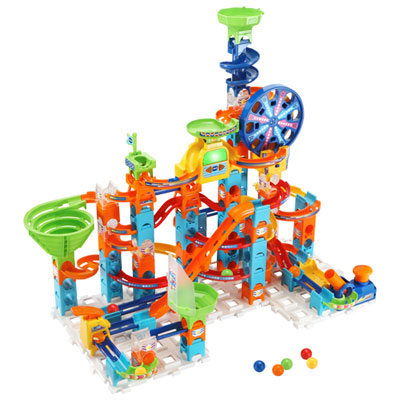
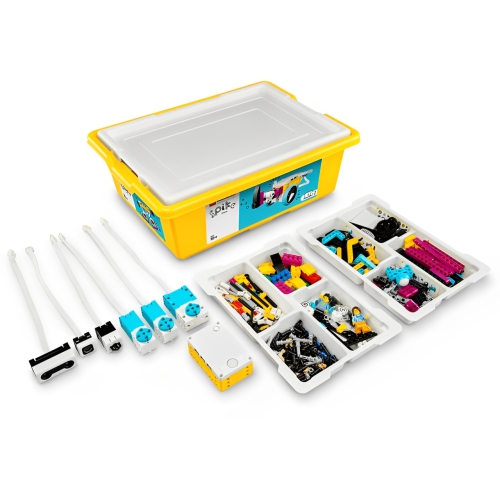
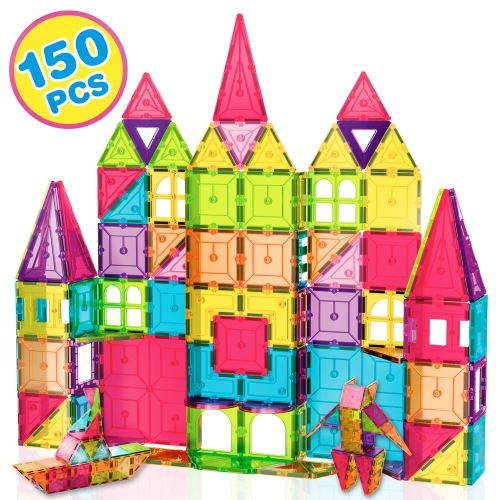
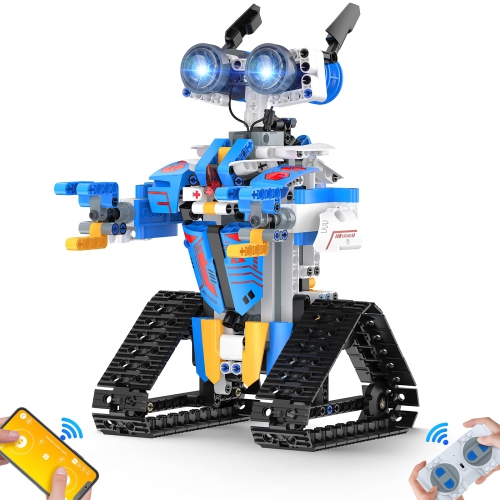

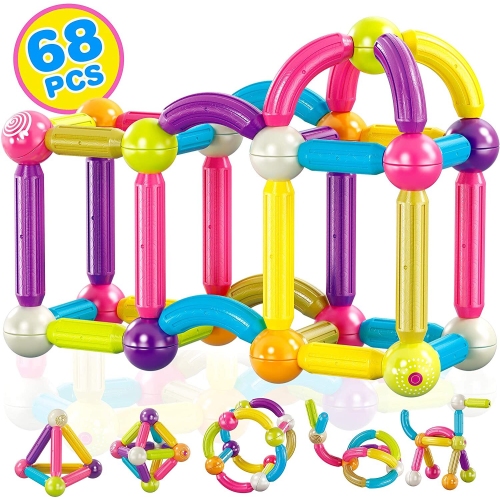
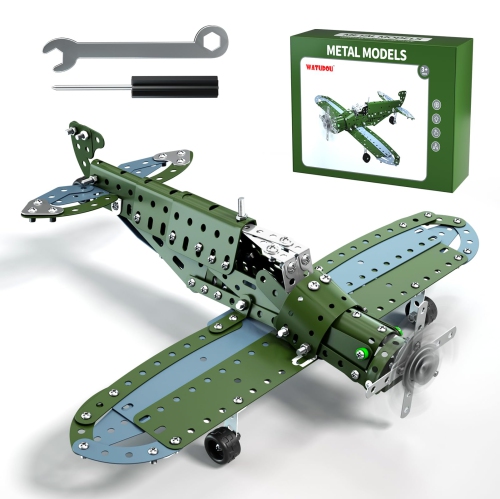
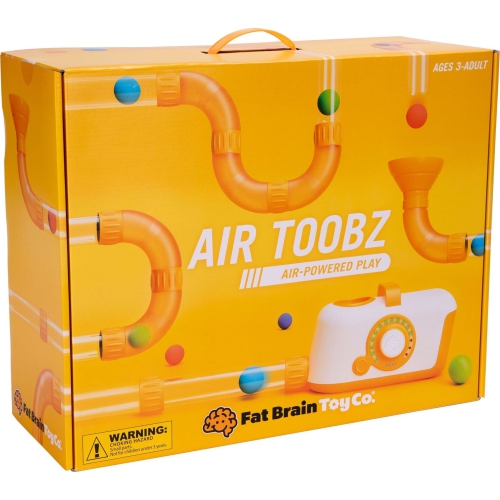
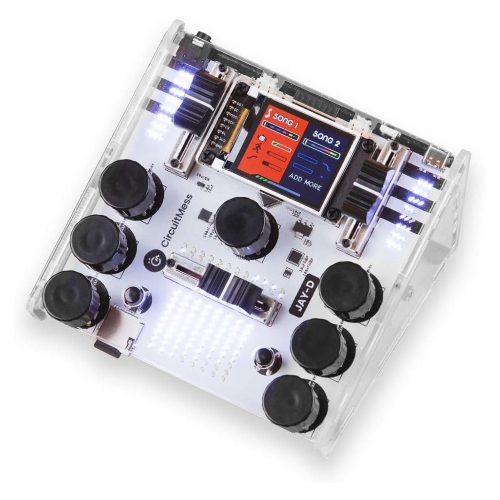
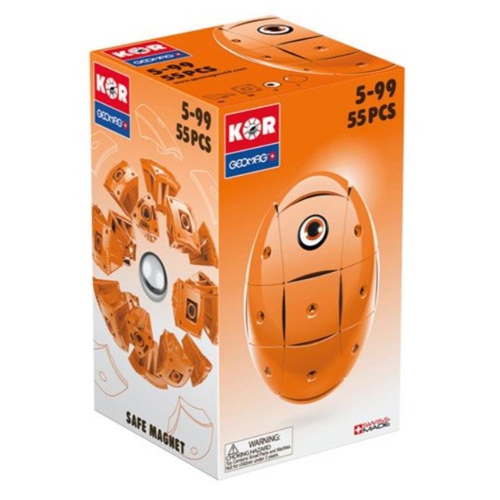
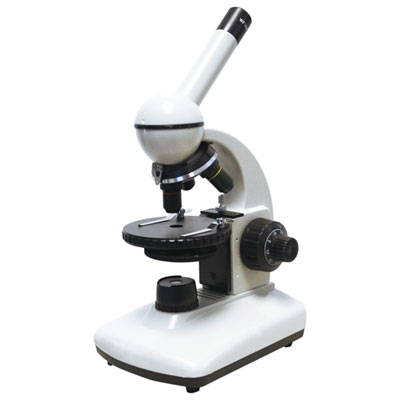
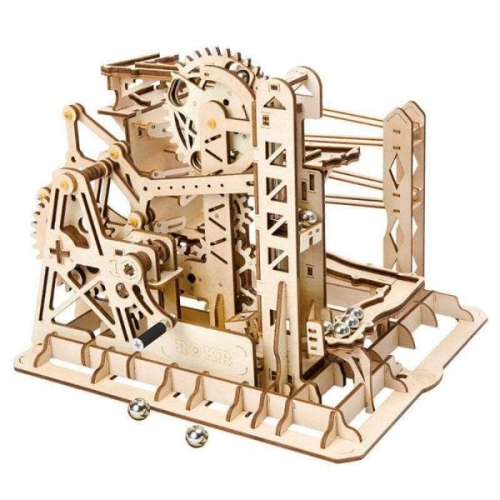
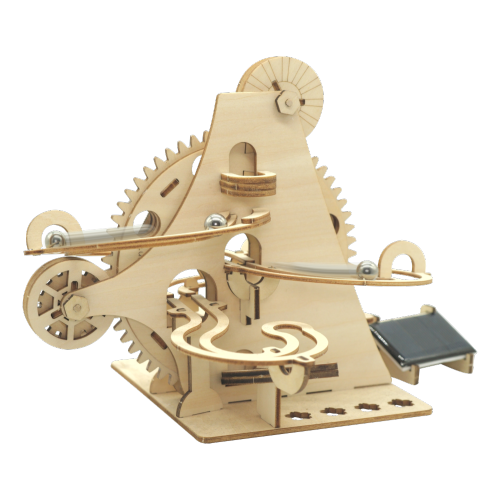

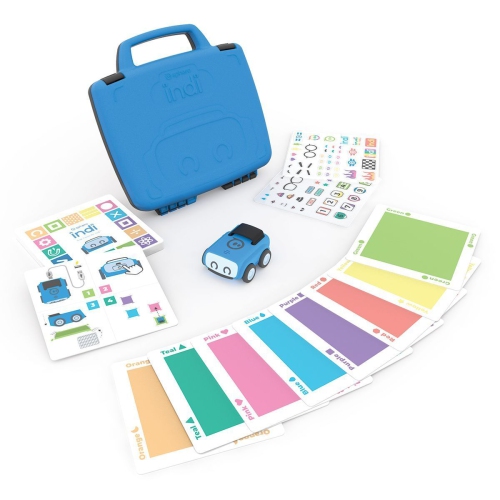
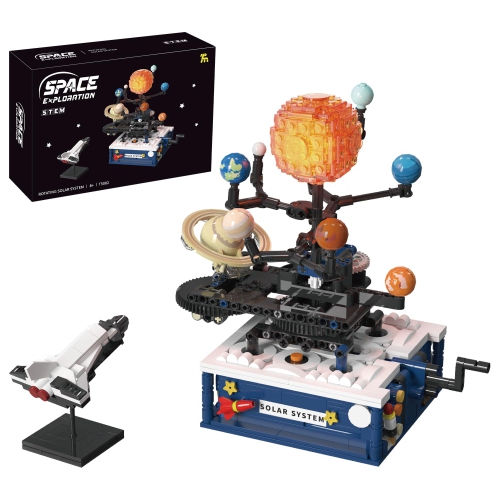
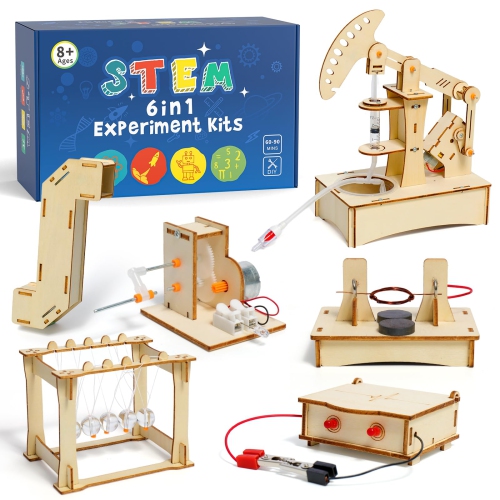
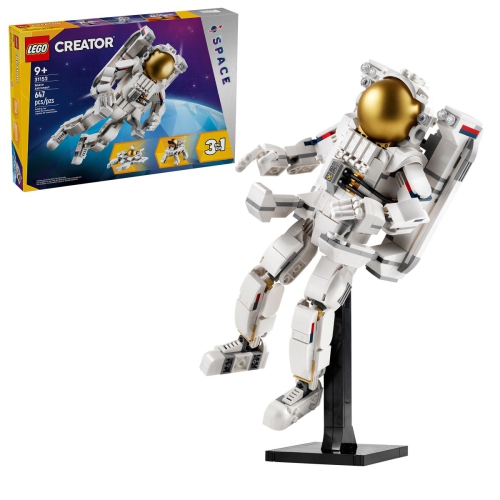
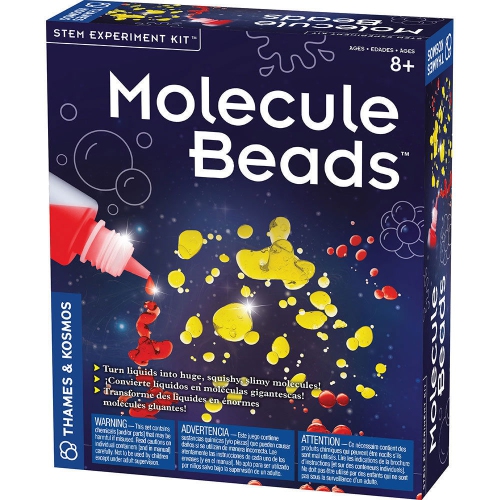
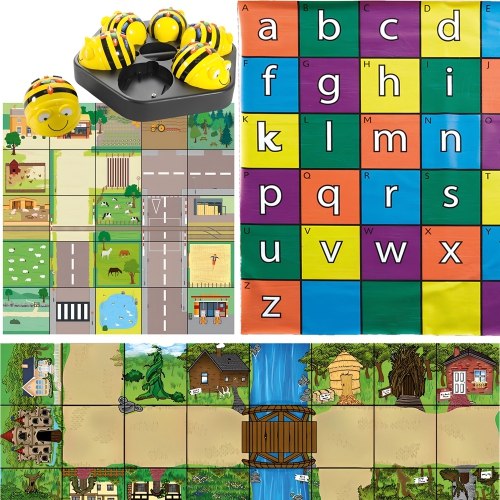
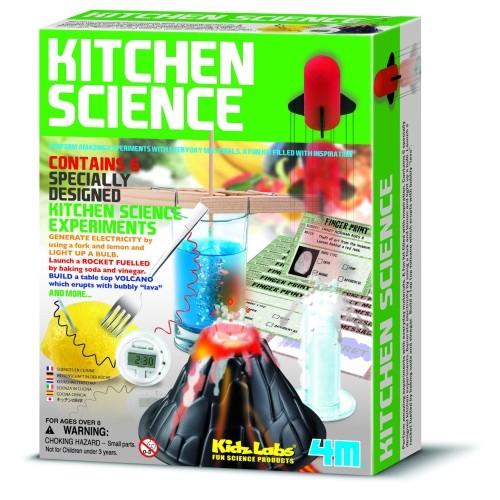
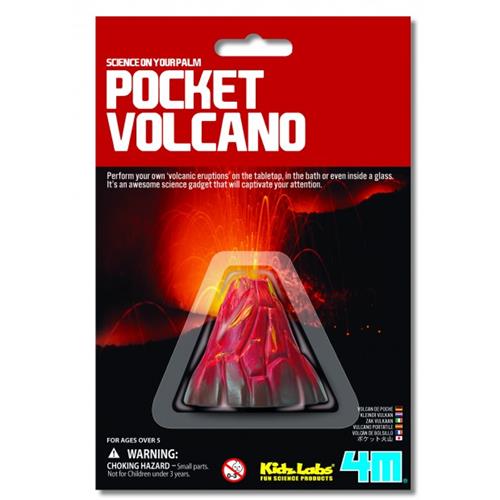

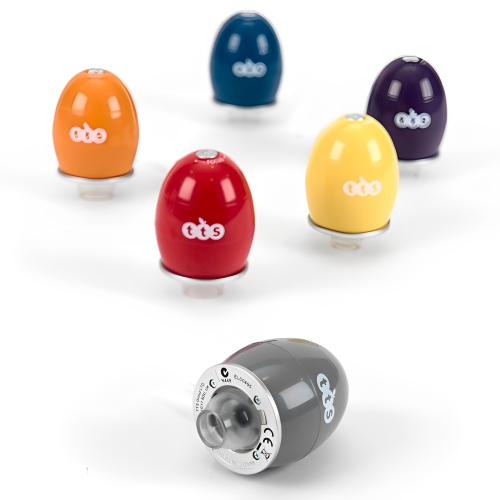
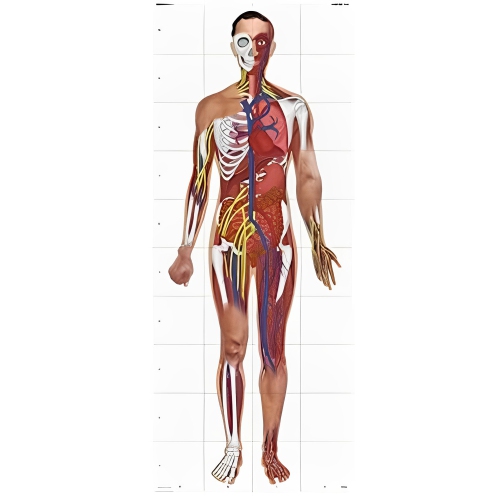
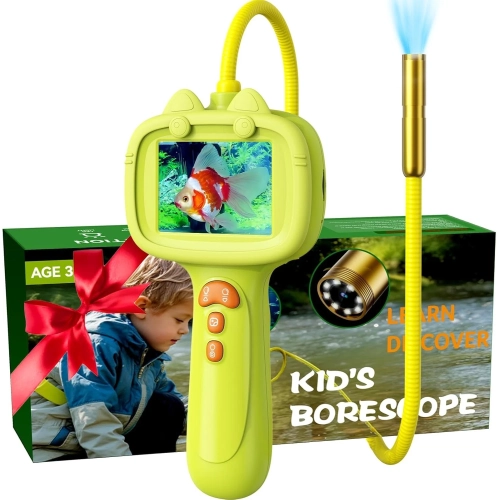
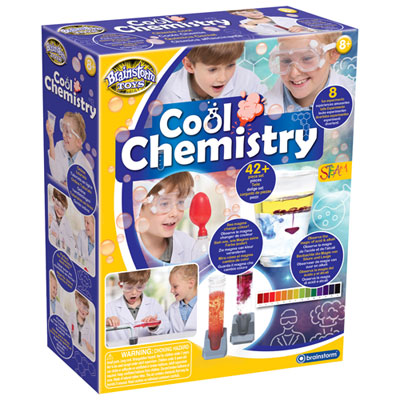
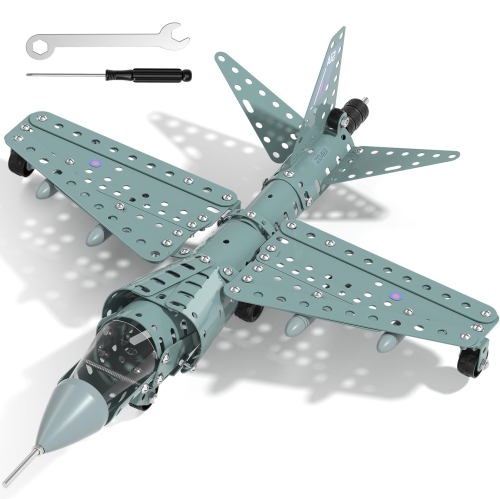
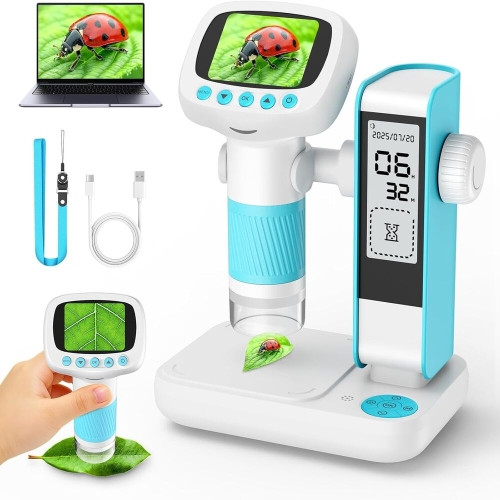
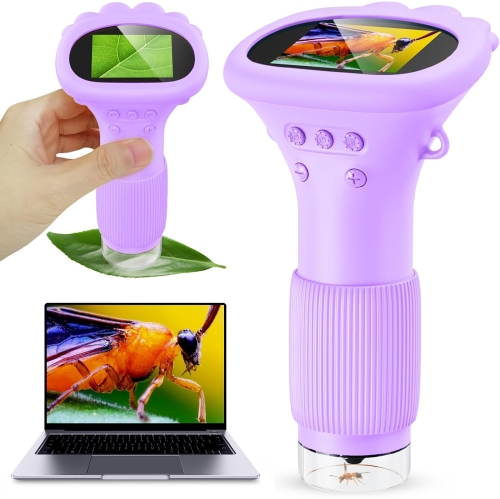
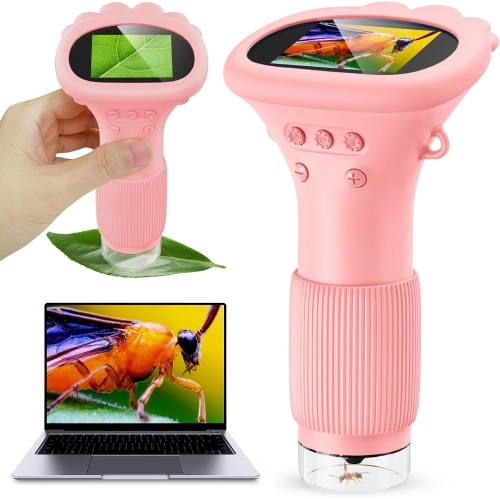
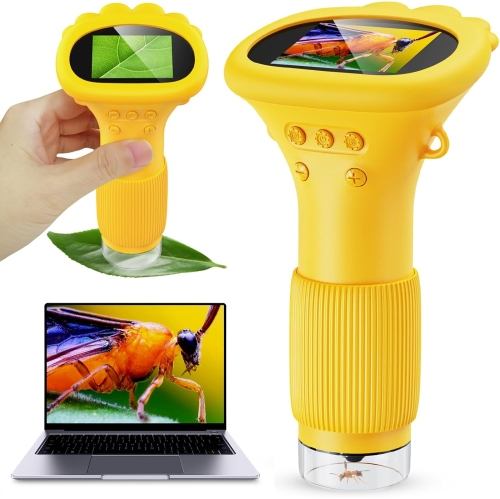
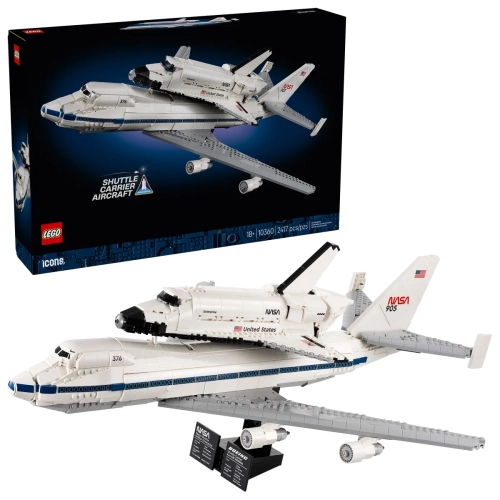
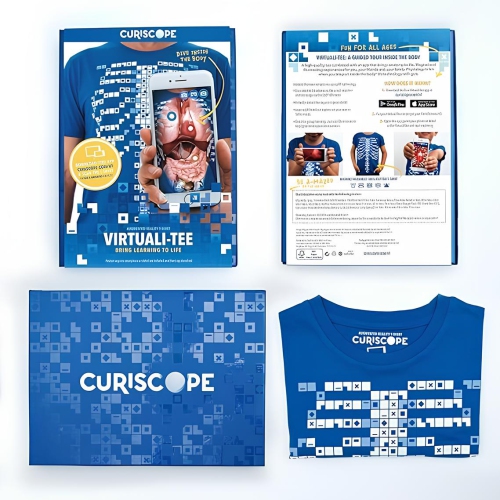
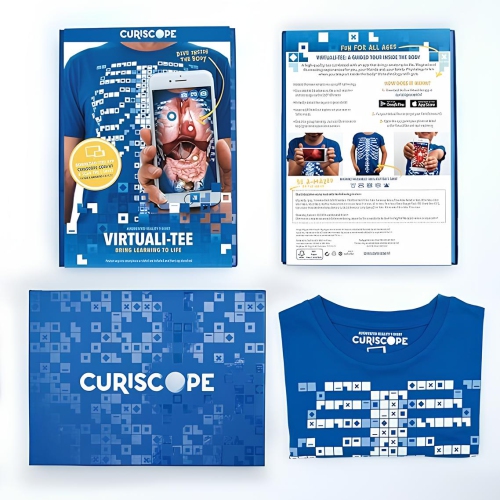
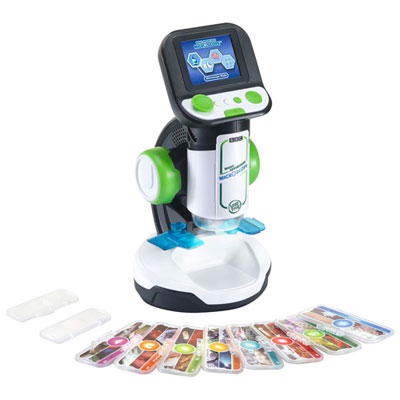
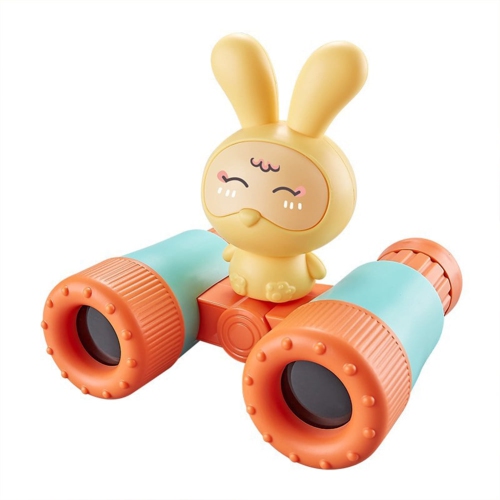
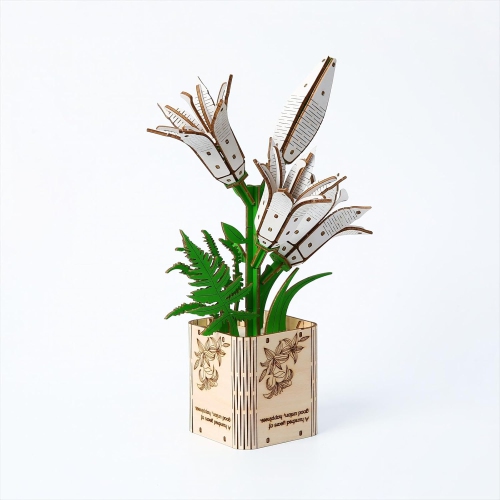
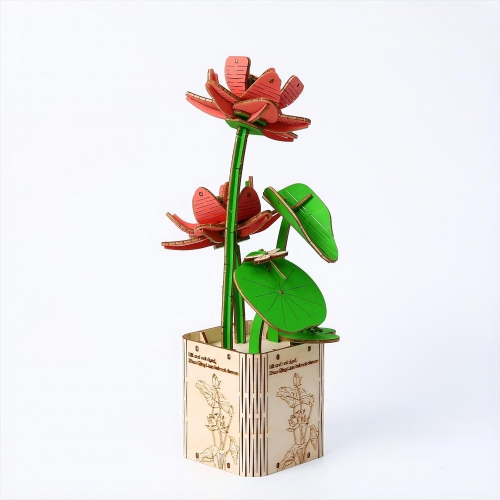
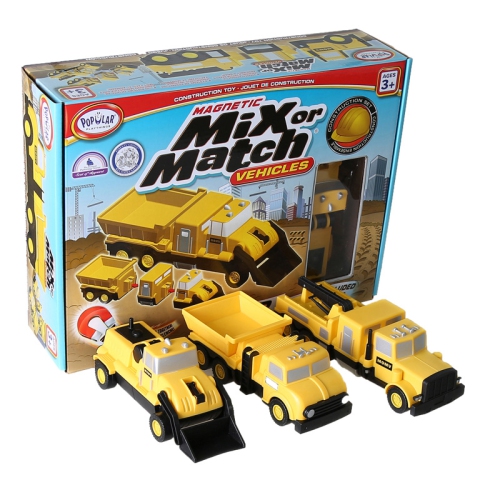

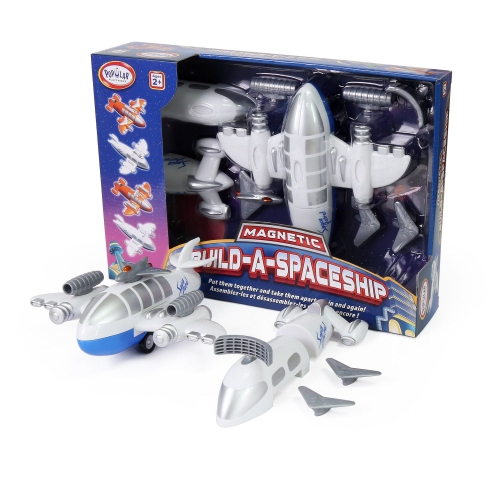
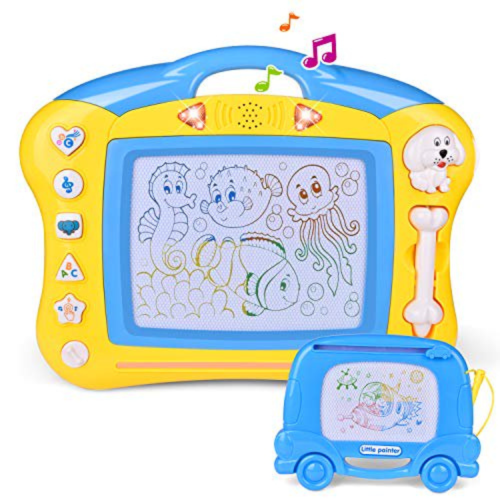
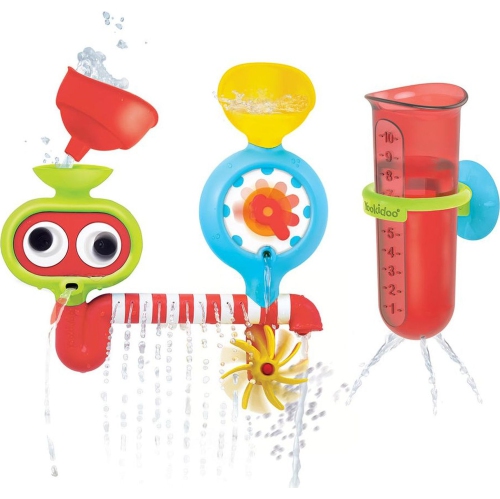
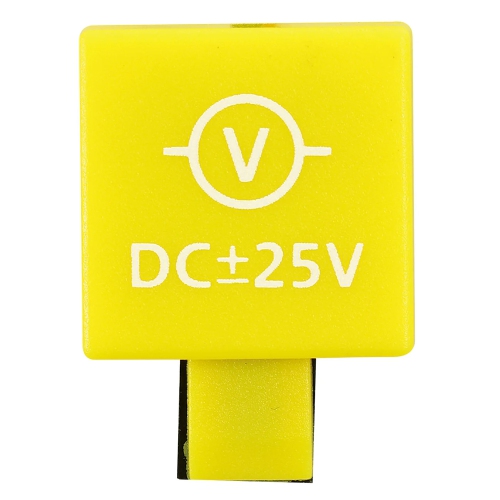
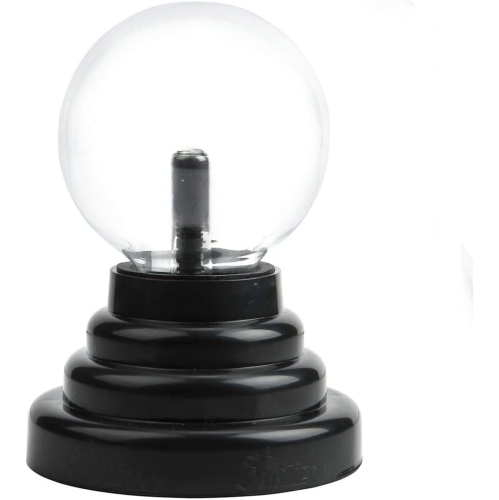
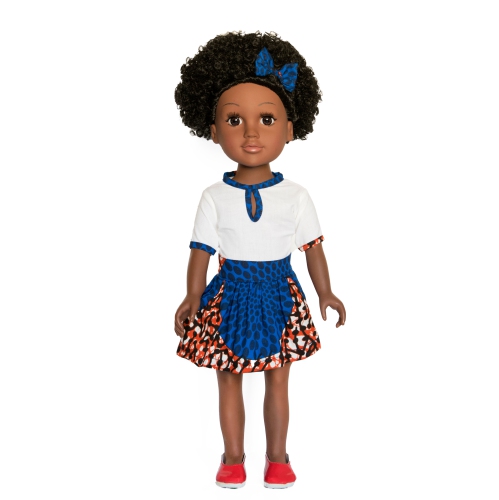

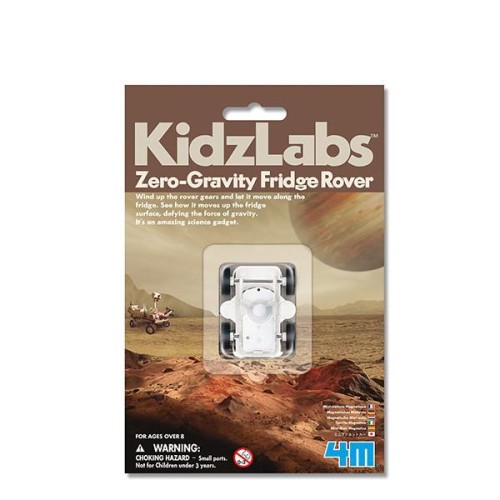
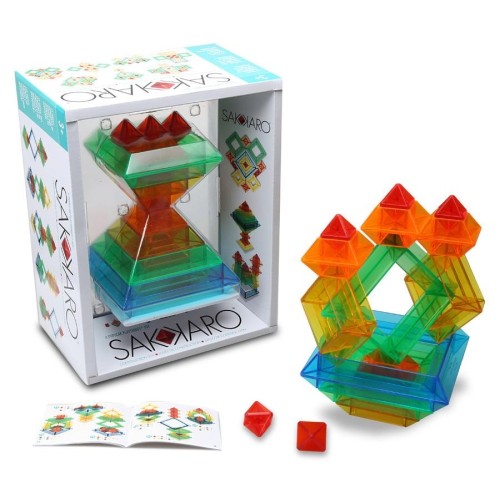
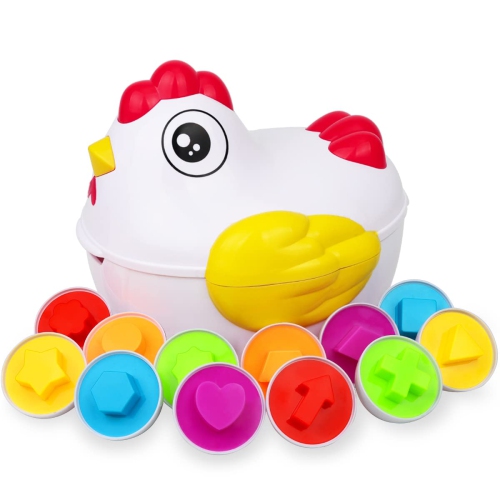
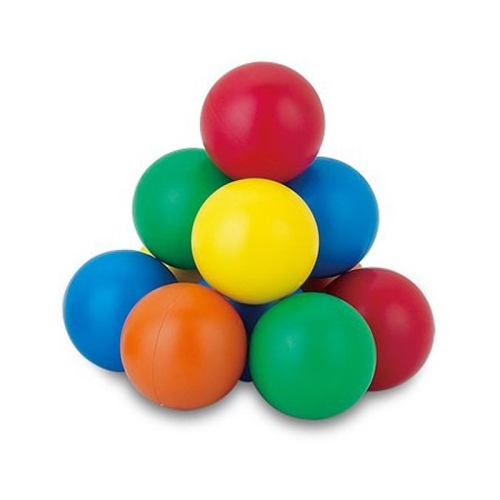
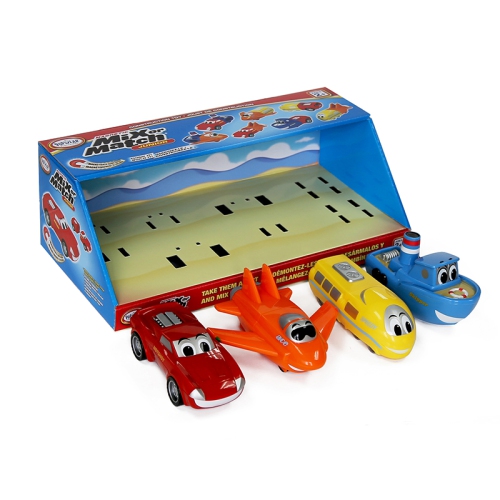
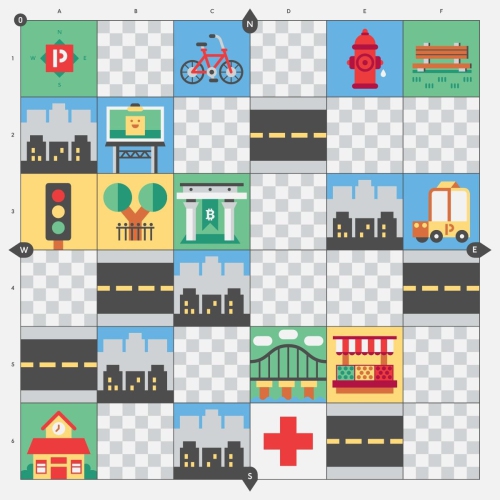
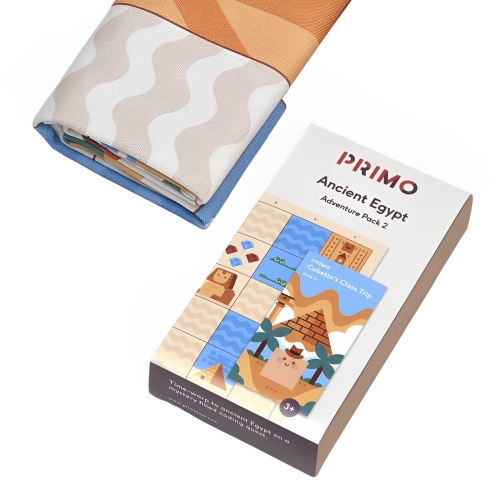
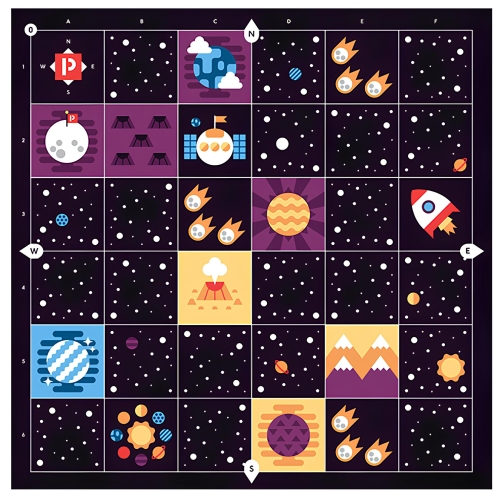
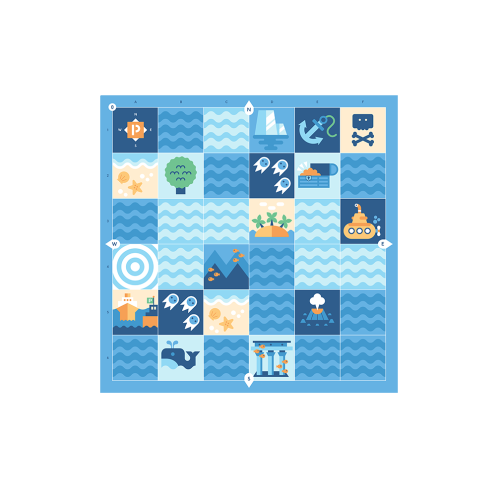

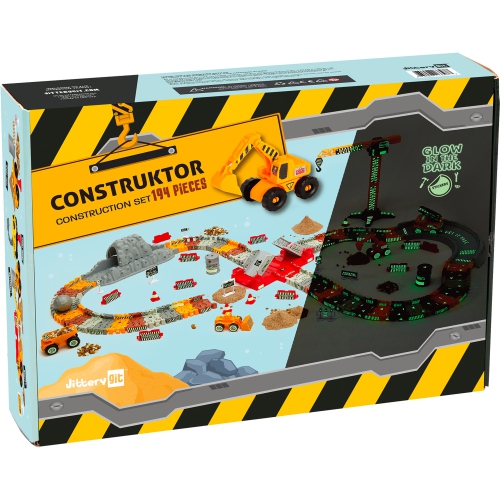
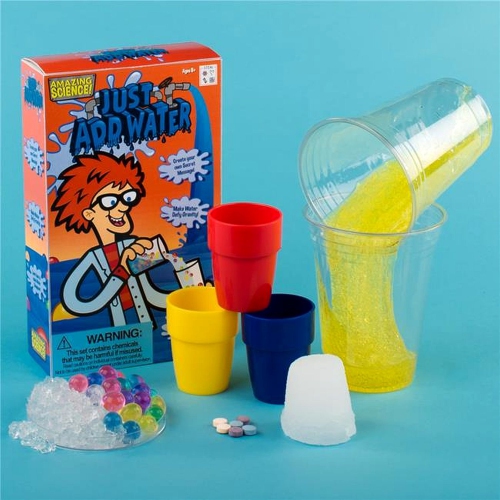

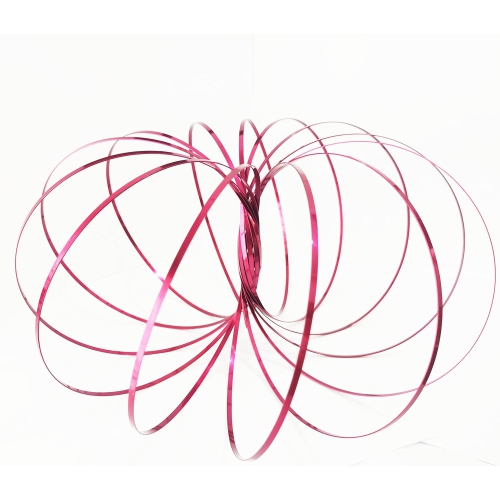
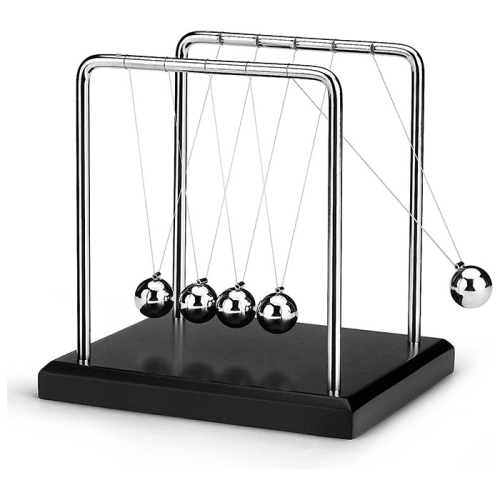
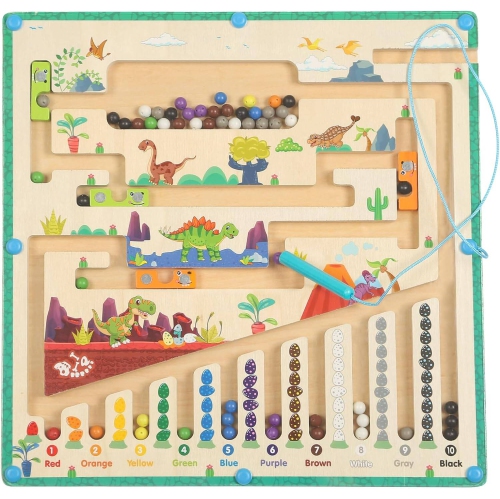
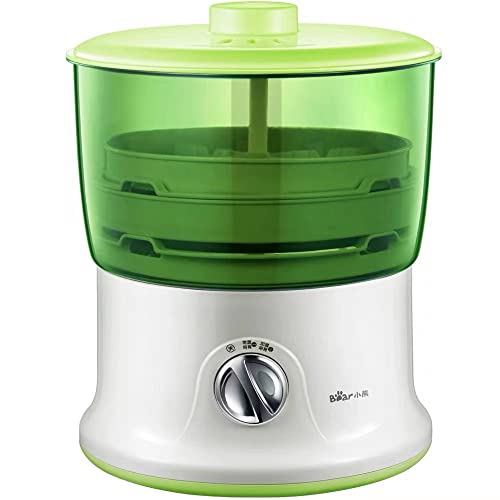
Hands-on experiments help curious minds understand how the world works
Science toys turn curiosity into hands-on discovery, giving children and families a way to explore how the world works through observation, testing and play. Instead of simply reading about magnets, light, motion, weather, chemistry or the human body, young learners can see an idea unfold in front of them and begin to connect cause and effect. A small change in distance can alter the path of a moving object; a beam of light can reveal colour and reflection; a close look at rocks, insects or plant structures can make an ordinary afternoon feel like a field study. These products can suit a wide range of interests and ages, from early learners who enjoy sorting, building and noticing patterns to older children who are ready to record results, compare variables and explain what happened. When choosing science toys, consider the child’s age, reading level, attention span and preferred style of play. Some children enjoy constructing a working model and adjusting it until it performs as expected, while others prefer collecting observations, using tools or following a sequence of activities. Look for clear instructions, durable components, manageable activity times and concepts that feel engaging without being frustrating. A well-matched science toy does not need to produce a perfect result every time; a surprising outcome can be the beginning of a better explanation and a more memorable lesson. For families building a collection of hands-on learning activities, Science Experiment Kits can offer a convenient way to explore several topics through guided projects and repeatable experiments.
Science toys can be used in many settings, including after-school play, family activity time, classroom enrichment, rainy-day projects and quiet independent exploration. They are especially useful when children have a chance to work at their own pace, make a prediction before beginning and describe what they notice afterwards. An adult does not need to provide a lecture; simple prompts such as “What changed?” or “What could we try next?” can help children develop the habit of thinking like a scientist. Younger children may enjoy naming colours, matching shapes, testing which objects float or sink, and watching a simple mechanism move. Elementary-aged learners can explore balance, force, sound, electricity, coding concepts, geology, astronomy and the properties of familiar materials. Older learners may appreciate more detailed challenges that involve measurement, design, troubleshooting or repeated trials. The best experience often comes from allowing enough time for a project to unfold rather than rushing from one activity to the next. Set up a clear work area, keep a notebook nearby for drawings or observations, and use household items only when the instructions specifically call for them. Safety remains important: review the recommended age range, follow all directions, use protective equipment when required, and provide close adult supervision for activities involving heat, sharp pieces, small parts, chemicals, electricity or tools. Younger children may need help with setup and cleanup, while older children can take more responsibility for organizing materials and recording results. During the warmer part of the year, science toys can bring an activity outdoors where children can observe shadows, wind, water and natural structures; during the cooler months, indoor experiments can create an inviting project for a quiet afternoon or a family gathering.
These products can also make thoughtful gifts for birthdays, classroom celebrations, holidays or children who enjoy taking things apart, building new ideas and asking detailed questions. A science toy is often a good fit for a child who already has plenty of conventional playthings but is looking for a fresh challenge, as well as for siblings or friends who can collaborate on a shared project. When selecting a gift, consider whether the recipient prefers open-ended building, imaginative role-play, collecting and examining specimens, solving puzzles or following a guided activity. A compact set may be convenient for a child’s room or for taking to a cottage, while a larger activity collection can provide several projects for family use. It is also worth checking whether the recipient already owns the required accessories, whether the set is designed for one child or a group, and whether additional materials are needed after the first activity. Science toys can encourage patience, communication and confidence because they make room for trial and error. A child may spend an evening adjusting a structure so it stands more securely, testing different arrangements to make a model move farther, or drawing what they see through a magnifying tool. Those small moments can lead to lasting interests in engineering, medicine, nature, technology and space. Whether used as a gift or added to a home learning area, the right science toy provides a practical way to turn questions into experiments, observations into explanations and free time into meaningful discovery.
Science toys can be used in many settings, including after-school play, family activity time, classroom enrichment, rainy-day projects and quiet independent exploration. They are especially useful when children have a chance to work at their own pace, make a prediction before beginning and describe what they notice afterwards. An adult does not need to provide a lecture; simple prompts such as “What changed?” or “What could we try next?” can help children develop the habit of thinking like a scientist. Younger children may enjoy naming colours, matching shapes, testing which objects float or sink, and watching a simple mechanism move. Elementary-aged learners can explore balance, force, sound, electricity, coding concepts, geology, astronomy and the properties of familiar materials. Older learners may appreciate more detailed challenges that involve measurement, design, troubleshooting or repeated trials. The best experience often comes from allowing enough time for a project to unfold rather than rushing from one activity to the next. Set up a clear work area, keep a notebook nearby for drawings or observations, and use household items only when the instructions specifically call for them. Safety remains important: review the recommended age range, follow all directions, use protective equipment when required, and provide close adult supervision for activities involving heat, sharp pieces, small parts, chemicals, electricity or tools. Younger children may need help with setup and cleanup, while older children can take more responsibility for organizing materials and recording results. During the warmer part of the year, science toys can bring an activity outdoors where children can observe shadows, wind, water and natural structures; during the cooler months, indoor experiments can create an inviting project for a quiet afternoon or a family gathering.
These products can also make thoughtful gifts for birthdays, classroom celebrations, holidays or children who enjoy taking things apart, building new ideas and asking detailed questions. A science toy is often a good fit for a child who already has plenty of conventional playthings but is looking for a fresh challenge, as well as for siblings or friends who can collaborate on a shared project. When selecting a gift, consider whether the recipient prefers open-ended building, imaginative role-play, collecting and examining specimens, solving puzzles or following a guided activity. A compact set may be convenient for a child’s room or for taking to a cottage, while a larger activity collection can provide several projects for family use. It is also worth checking whether the recipient already owns the required accessories, whether the set is designed for one child or a group, and whether additional materials are needed after the first activity. Science toys can encourage patience, communication and confidence because they make room for trial and error. A child may spend an evening adjusting a structure so it stands more securely, testing different arrangements to make a model move farther, or drawing what they see through a magnifying tool. Those small moments can lead to lasting interests in engineering, medicine, nature, technology and space. Whether used as a gift or added to a home learning area, the right science toy provides a practical way to turn questions into experiments, observations into explanations and free time into meaningful discovery.
Top selling and popular products
-
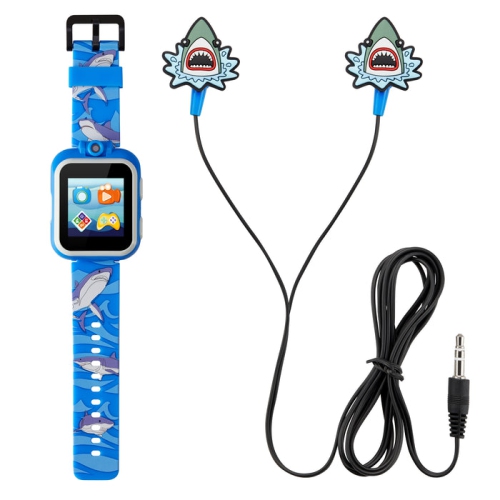 Your price for this item is $38.98
 -
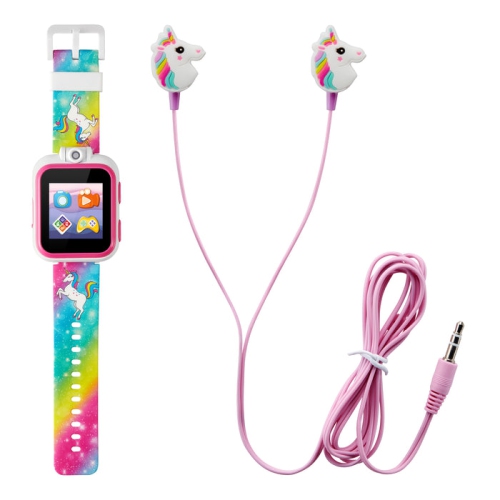 Your price for this item is $19.99
 -
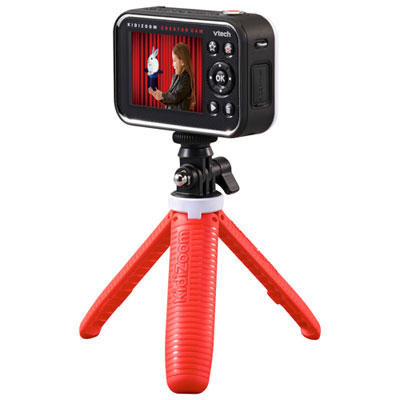 Your price for this item is $89.99
 -
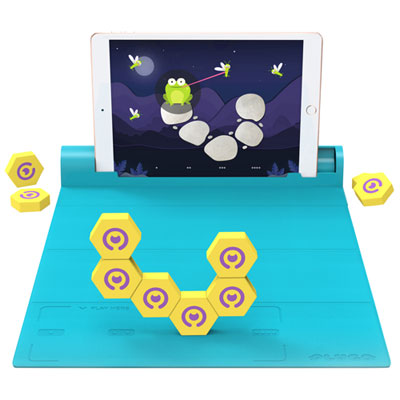
![OSMO - Genius Starter Kit - for Ipad [Electronics]](https://multimedia.bbycastatic.ca/multimedia/products/500x500/188/18884/18884576.jpeg) Your price for this item is $199.99
Your price for this item is $199.99 -
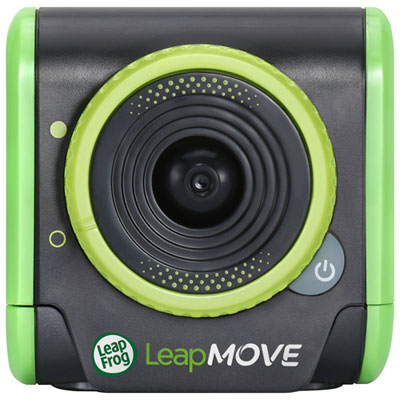 Your price for this item is $79.99
 -
 Your price for this item is $79.99
 -
 Your price for this item is $149
 -
 Your price for this item is $67.98
Discover more categories related to Science Toys
Top Collections:
Pokemon Centers, Kindle Devices, Best Budget Office Chairs, Apple iPhones 16, Best Laptops for Writers, iPhone 15 Apple, Canon G7X Cameras, Refurbished Apple Laptops, Alarm Clock, Motorola Razr Phones
Some products may be subject to Environmental Handling Fees
(EHF) depending on your province.
Learn more about EHFs.