Studio Series
Studio Series brings together a premium selection of equipment designed to elevate your creative projects. Perfect for professionals and enthusiasts alike, this collection offers everything you need to build or upgrade your studio setup. Discover the latest in audio, visual, and production technology with Studio Series, and find the right tools to bring your ideas to life.
Sort


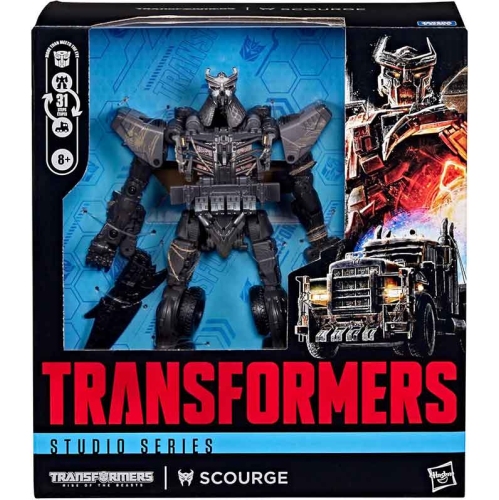


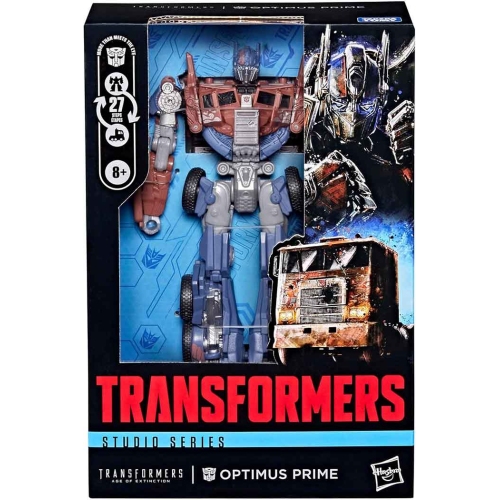


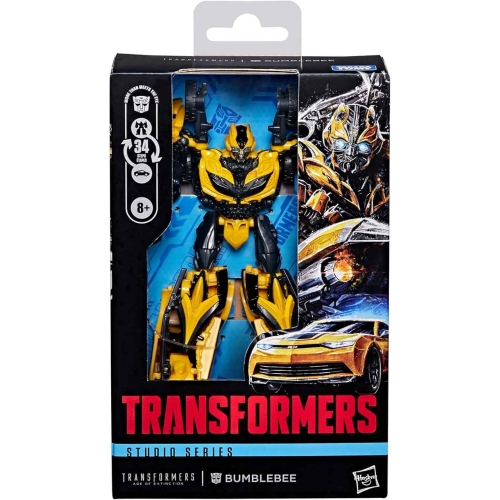
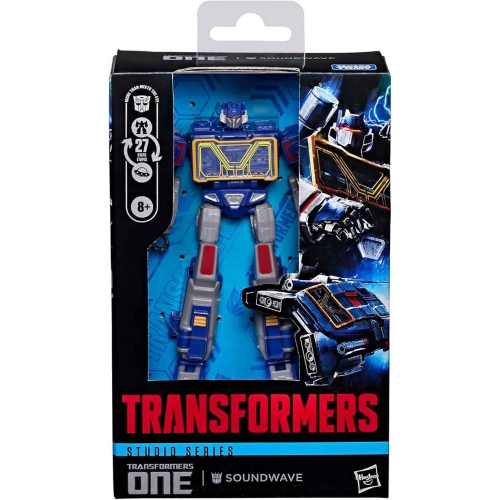


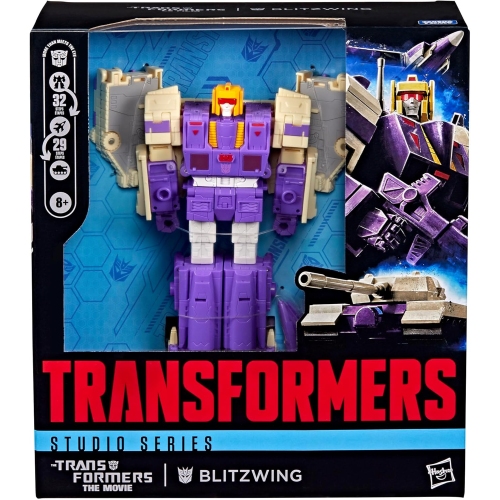


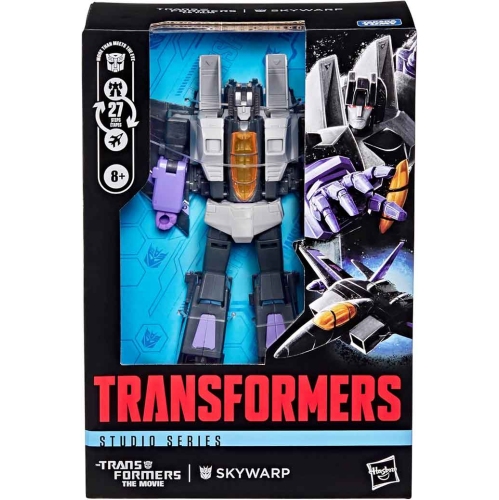

Screen-inspired robot details meet hands-on transformation
Studio series action figures bring screen-inspired characters into a physical collection, combining detailed robot designs with the hands-on appeal of changing between forms. Launched in 2018, the line initially focused on live-action film appearances and later expanded to include designs drawn from animated films and video games. Its defining appeal is the relationship between the figure and its source material: the outline of a helmet, the placement of vehicle panels, the shape of a chest plate, and the colours that make a character familiar at a glance. Rather than treating every appearance of a character as interchangeable, these figures often represent a particular on-screen or game design. That distinction matters to collectors who want a shelf to reflect a favourite story, visual style, or group of characters. Relative robot scale is another important consideration within the line, although engineering, size classifications, and the demands of an alternate form mean that proportions are not identical across every release. A larger character may stand above smaller companions, helping a grouped display convey the relationships seen on screen. Size classifications describe more than height alone; construction, parts count, accessories, and conversion complexity can also affect how a figure is presented. For someone returning to action figures after many years, the attraction may be seeing familiar mechanical details rendered with greater depth and articulation. For a newer fan, it may be the satisfying contrast between a expressive robot pose and a compact vehicle form. Some releases also include printed scene backdrops that connect a figure to a memorable setting without requiring a separate display build. Taken together, these qualities make studio series figures suited to several kinds of enjoyment: arranging a focused character collection, examining the engineering behind a conversion, recreating a scene, or simply keeping a favourite design within view on a desk. The emphasis is on character representation and mechanical interaction, rather than on a single play pattern or one uniform figure size.
The physical experience of an action figure depends as much on its construction as on its appearance. These figures typically use moulded plastic components, with painted details and a mixture of hinges, swivels, pegs, and other moving connections. Materials and joint designs vary by release, so a figure with broad armour panels can feel quite different in the hand from one with slender limbs or a tightly folded vehicle shell. Sculpted textures can suggest metal plating, tyres, vents, or layered machinery, while the actual surfaces remain lightweight enough for posing and conversion. Articulation determines how naturally a figure can stand, turn, reach, or hold an accessory. An ankle joint that lets a foot sit flat, for example, can make a wide stance more convincing and more stable. Balance still depends on the position of the limbs, the weight of attached accessories, and the shape of the feet. A figure that looks steady in a straight standing pose may need careful adjustment when leaning forward or extending one arm. Conversion adds another dimension: panels must clear nearby parts, joints may need to rotate in a particular order, and small tabs must align with their matching slots. More steps do not automatically mean a better experience. A relatively direct conversion may suit frequent handling, while a more involved sequence may appeal to someone who enjoys working through a mechanical puzzle. Intended age ranges and included instructions are useful indicators of suitability, especially when small accessories or closely fitted parts are involved. Fit matters here in a practical sense: accessories should attach at their intended connection points, and panels should meet without excessive pressure. If a section resists movement, checking its orientation is safer than forcing it into place. For a gift recipient, familiarity with detailed action figures can be just as relevant as enthusiasm for the character. Younger fans may need adult assistance, while an experienced collector may value precise sculpting, pose options, and a design that complements an existing display.
A well-planned display gives these figures room to be appreciated without making everyday handling awkward. The space needed is not limited to standing height: extended wings, long accessories, wide shoulder assemblies, and alternate forms can occupy considerably more shelf depth than expected. Leaving a little open space around each figure makes its silhouette easier to see and reduces the chance of neighbouring pieces being knocked over during an adjustment. Grouping figures by their source material, visual style, or relative scale can create a cohesive arrangement, while a smaller selection on a desk can highlight the contrast between robot and vehicle designs. For a room that combines a hobby display with a creative workspace, Studio Furniture can be part of planning how display space sits alongside other furnishings; shelf dimensions, stability, and access remain important considerations. Direct sunlight and prolonged heat are best avoided, since they can affect plastic and painted finishes over time. Routine care is usually straightforward: a soft, dry brush can lift dust from recessed mechanical details, and gentle handling helps protect thin panels, projecting parts, and painted edges. Cleaning products, abrasive cloths, and soaking are best avoided unless the manufacturer specifically permits them. Accessories are easier to keep track of in a labelled compartment, particularly when several figures have similarly shaped attachments. Retaining conversion instructions also makes it simpler to revisit a figure that has spent a long stretch in one form. Durability depends partly on how a figure is used; repeated movement at an awkward angle or pressure on a small connector can cause wear even when the main body feels sturdy. These practical details are especially relevant when a collection moves between active play and display. As gifts, studio series figures can suit birthdays, celebrations, or a shared interest in film, animation, and games, provided the age rating and handling complexity match the recipient. A thoughtfully chosen design can offer both the immediate pleasure of a familiar character and the lasting interest of discovering how its parts move, fold, and settle into place.
Top selling and popular products
-
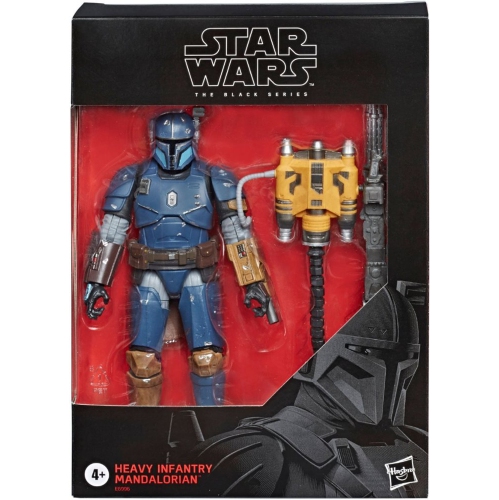 Your price for this item is $35.64
-
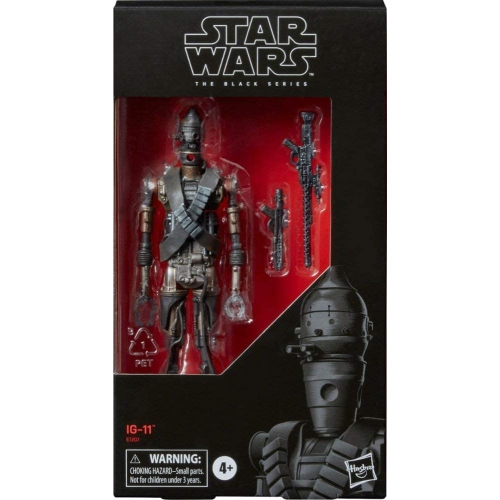 Your price for this item is $42
-
 Your price for this item is $92
-
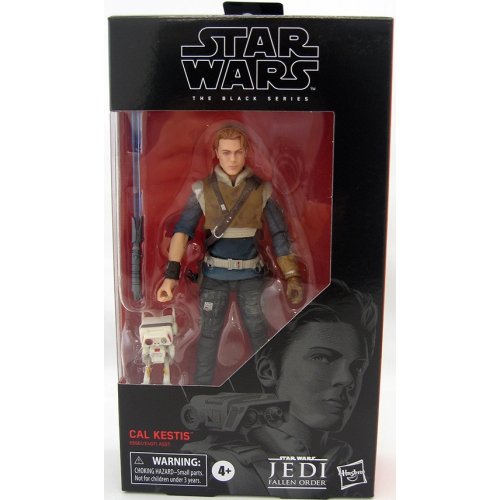 Your price for this item is $41.39
-
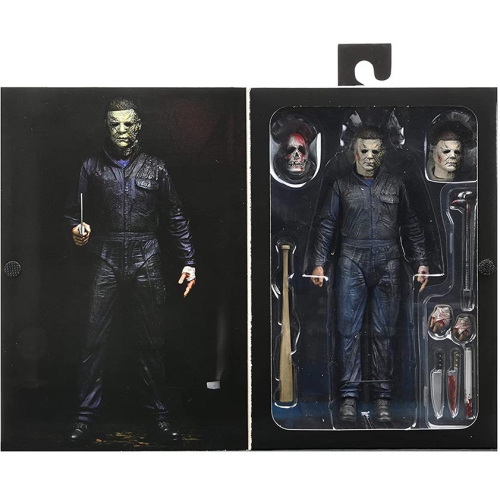 Your price for this item is $81
-
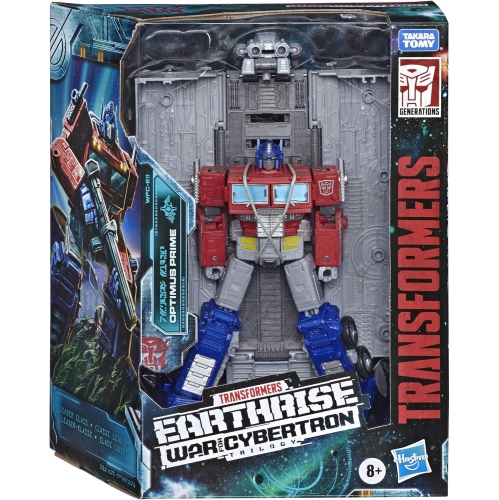 Your price for this item is $79.97
-
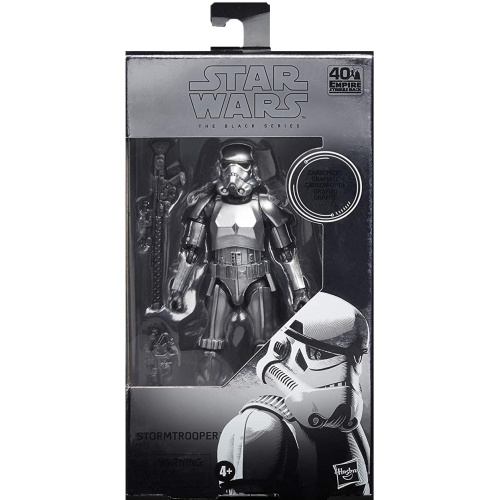 Your price for this item is $46
-
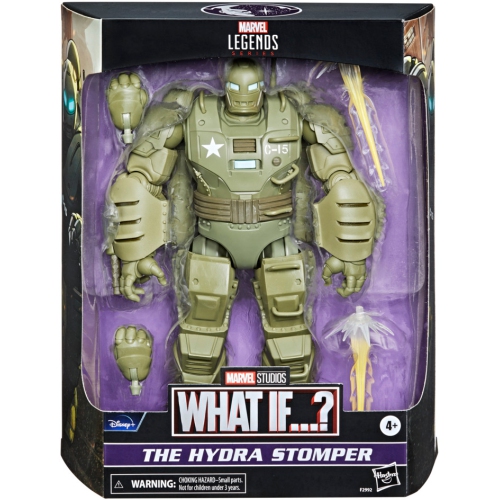 Your price for this item is $73.59
Discover more categories related to Studio Series
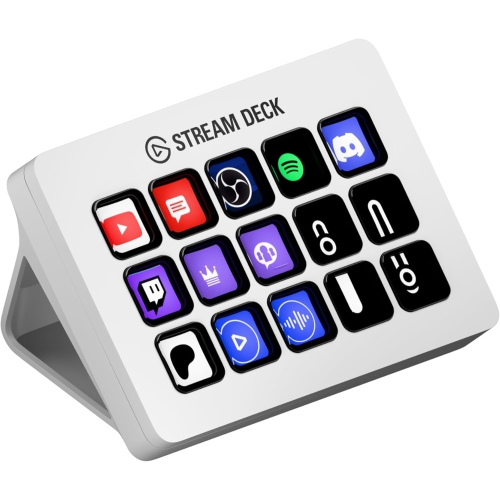
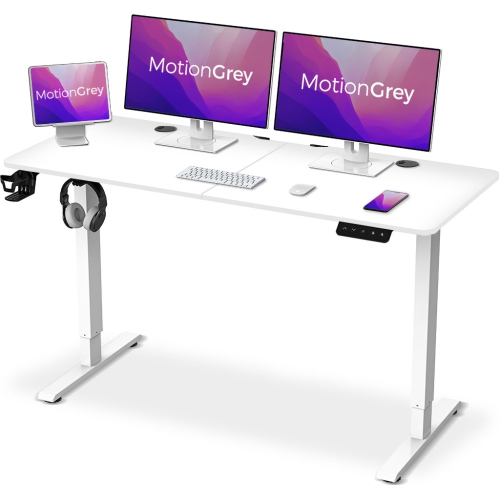
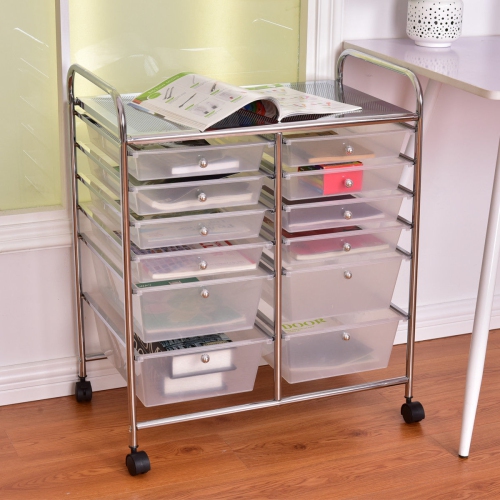
Top Collections:
Pokemon Centers, Best Cameras for Sports Photography, Kindle Devices, Samsung Galaxy Phones, Canon G7X Cameras, Pokémon 30th Celebration Cards, Refurbished Apple Laptops, iPhone 15 Apple, Laptops for Students, Budget Smartphones
Some products may be subject to Environmental Handling Fees
(EHF) depending on your province.
Learn more about EHFs.