Toys for Pretend Play
Encourage your little one's imagination to run wild with our selection of toys for pretend play. From dress-up costumes to play kitchens and tool sets, these toys are designed to inspire creativity and role-playing adventures. Whether they dream of being a chef, a firefighter, or a princess, there's a toy here to bring their imaginative worlds to life. Let your child explore new roles, scenarios, and storytelling opportunities with our diverse range of pretend play toys that are sure to provide hours of entertainment and learning.
Sort
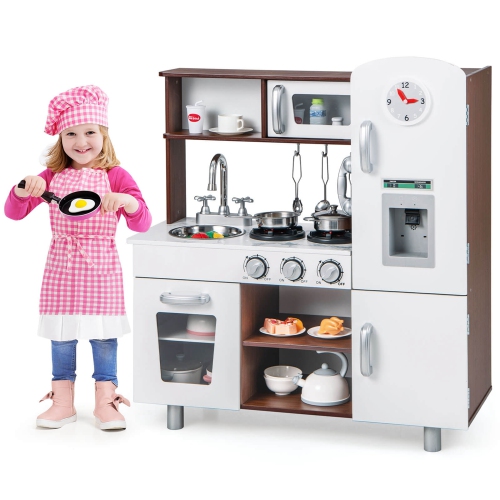
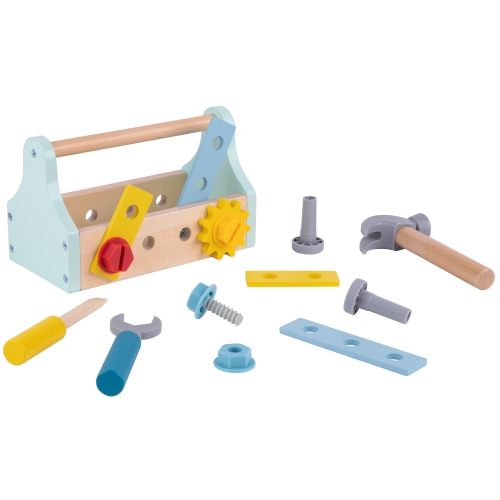
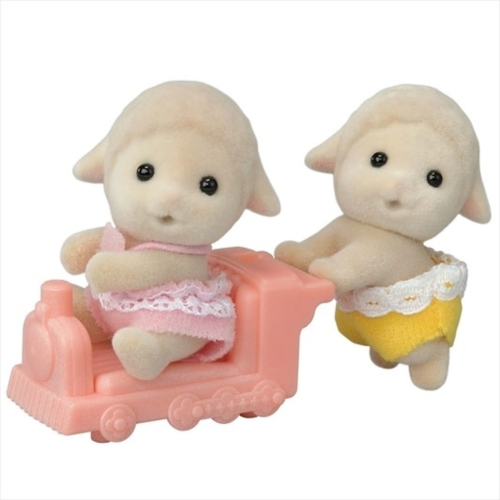
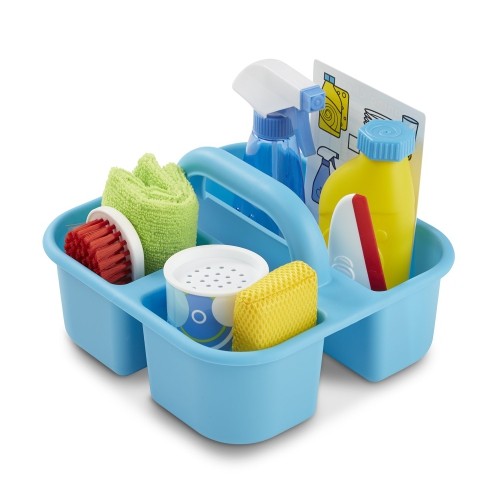
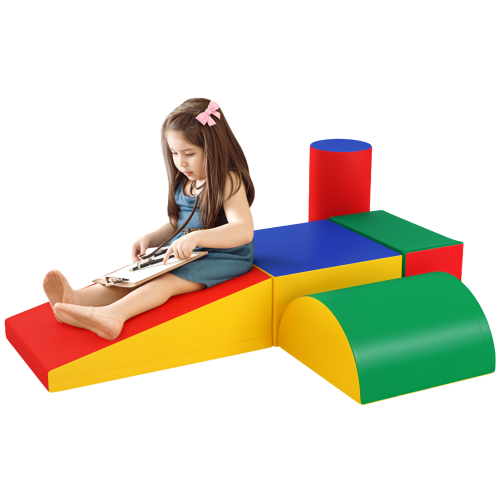
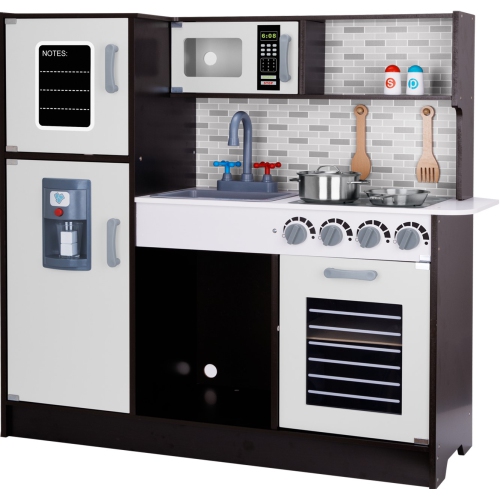
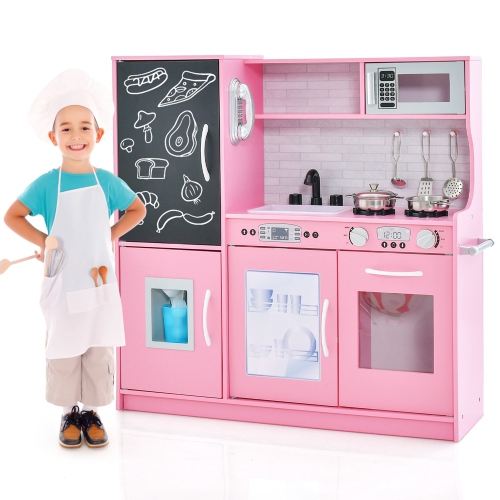
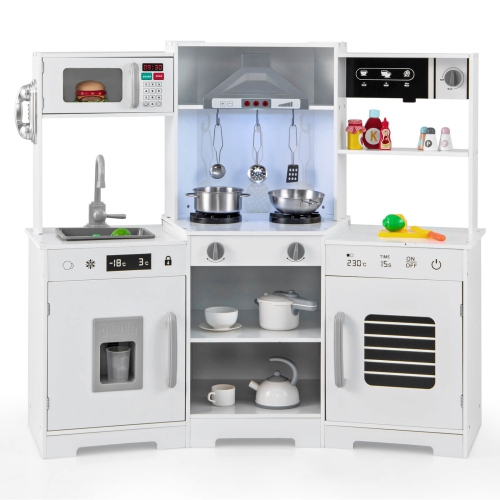
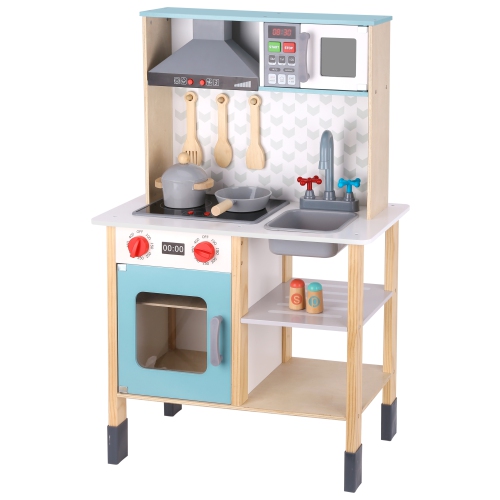
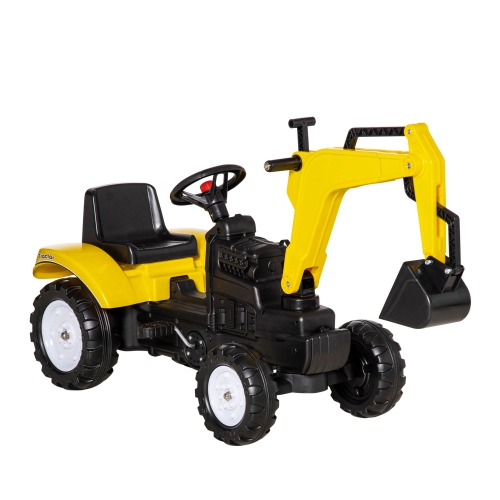
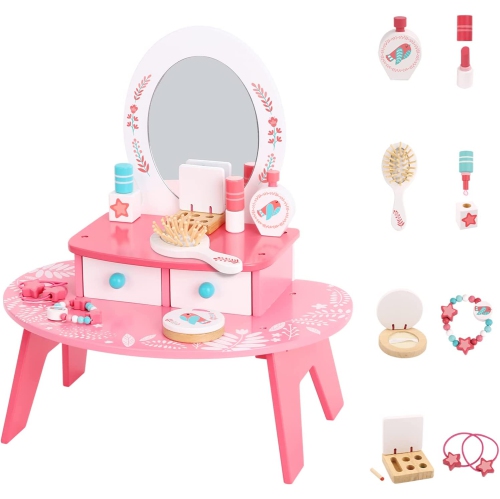
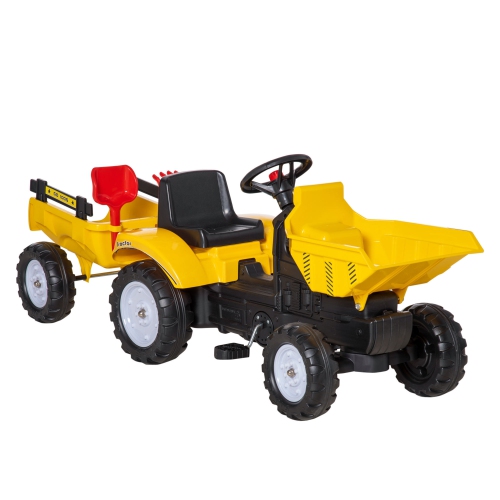
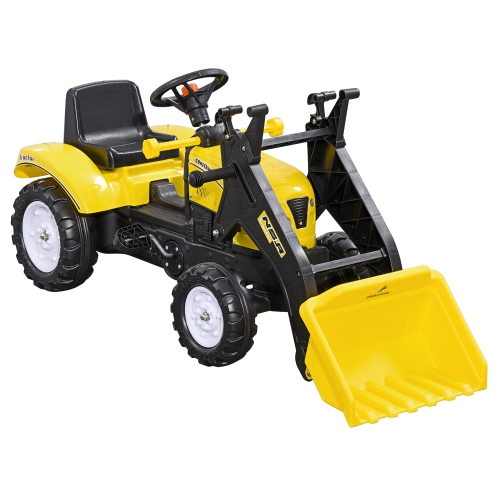
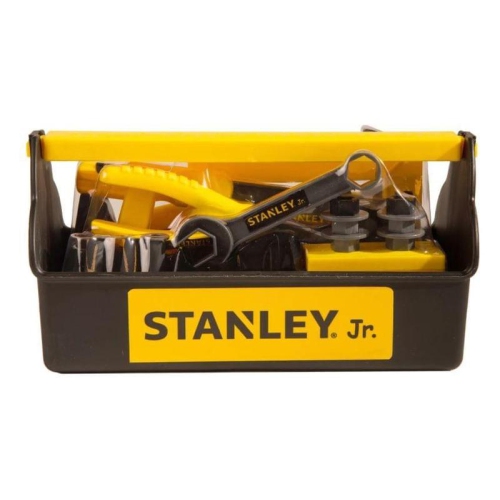
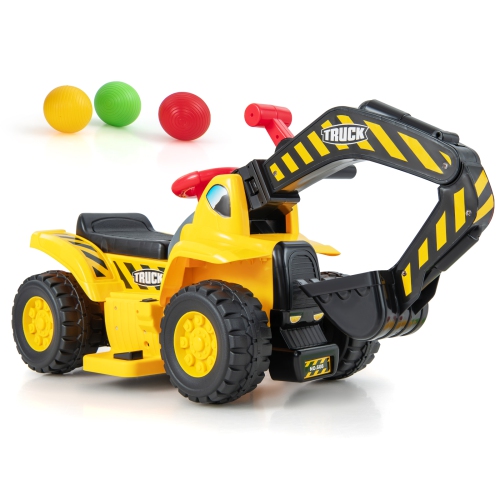

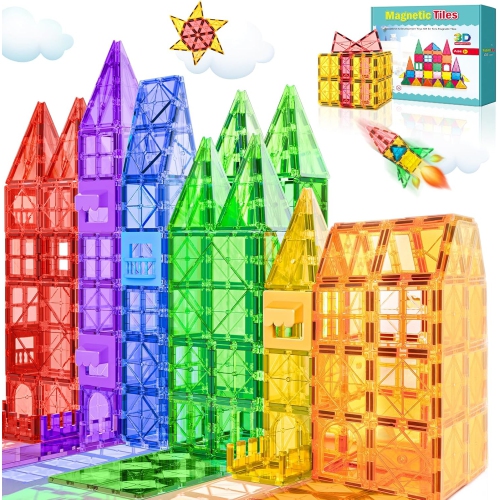
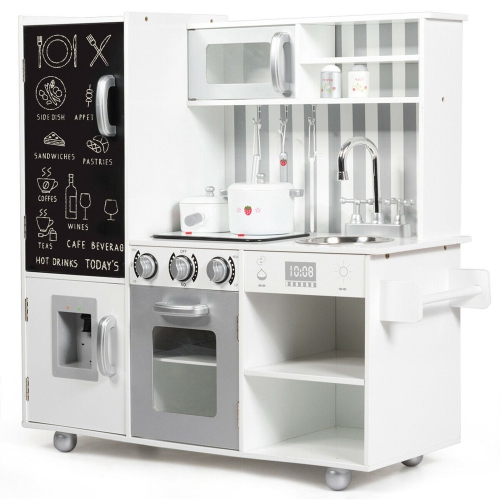
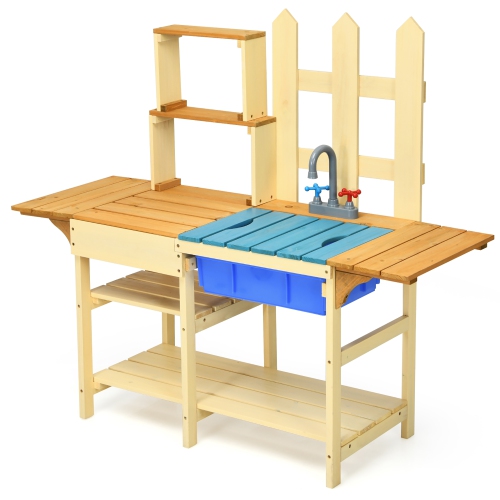
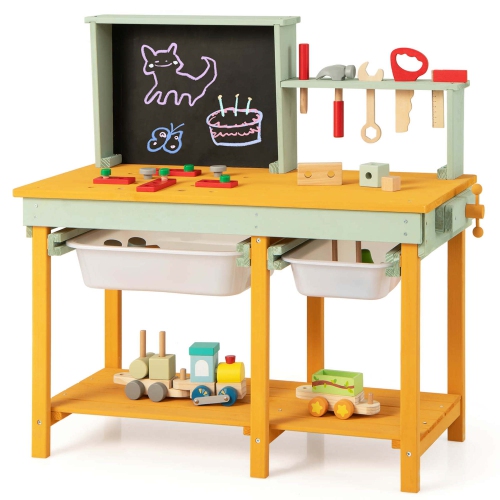
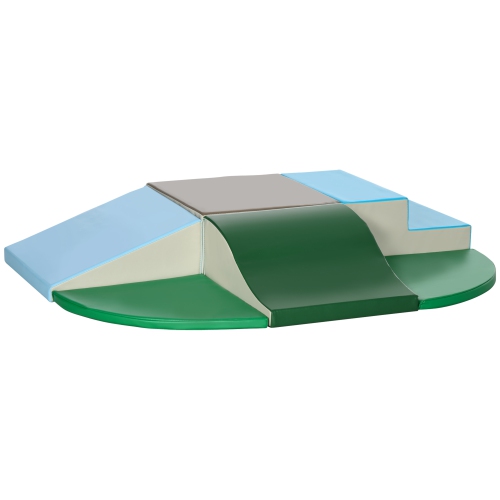
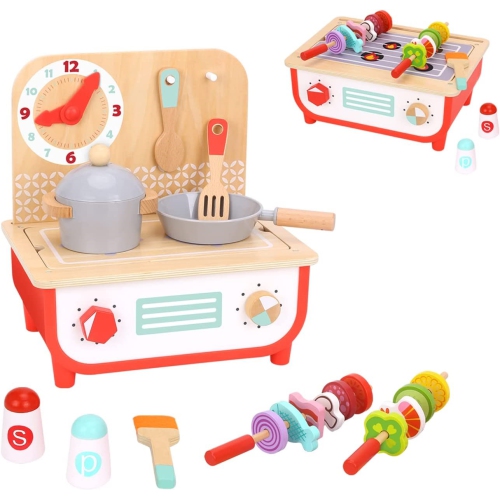
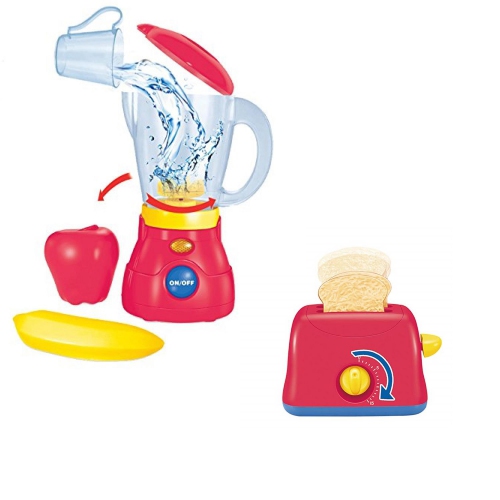
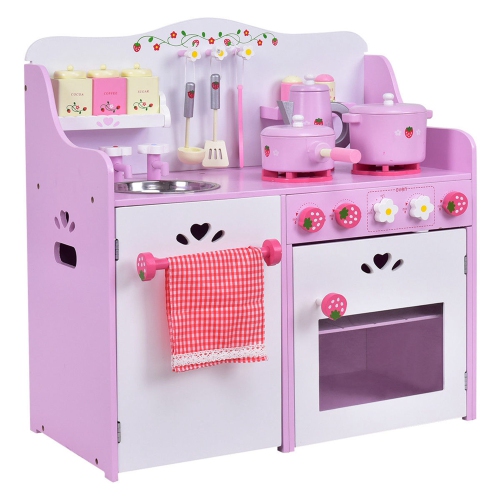
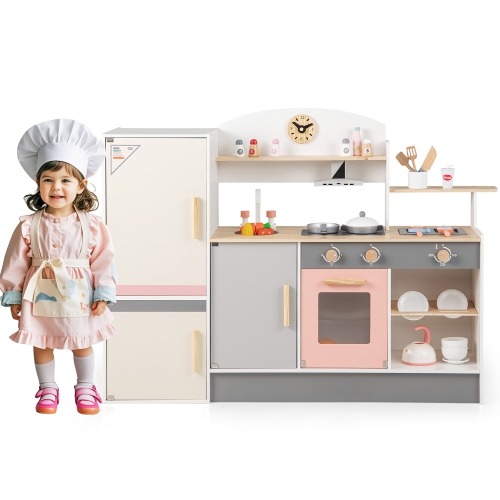
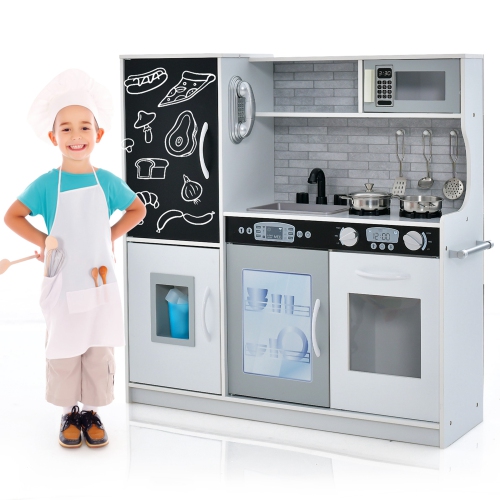

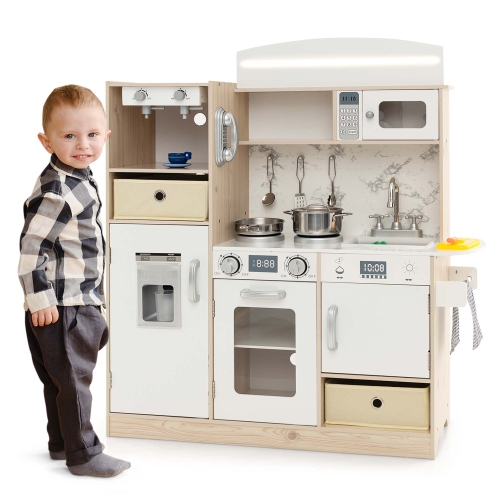
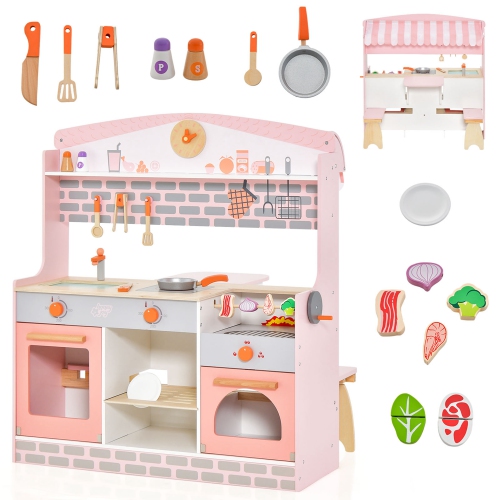
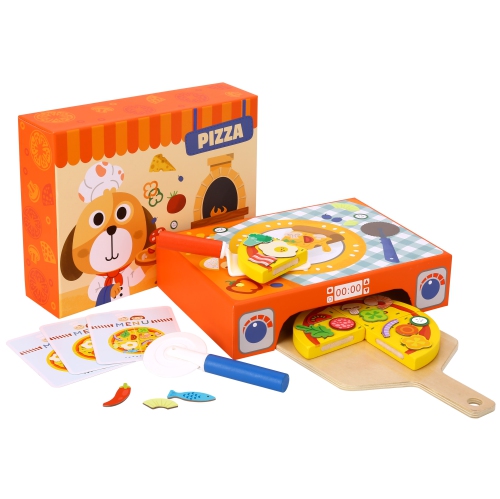
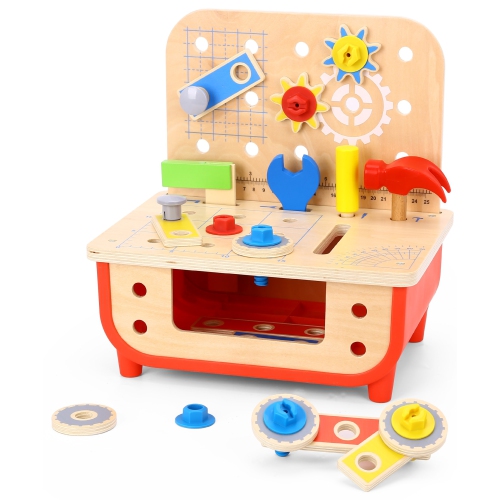
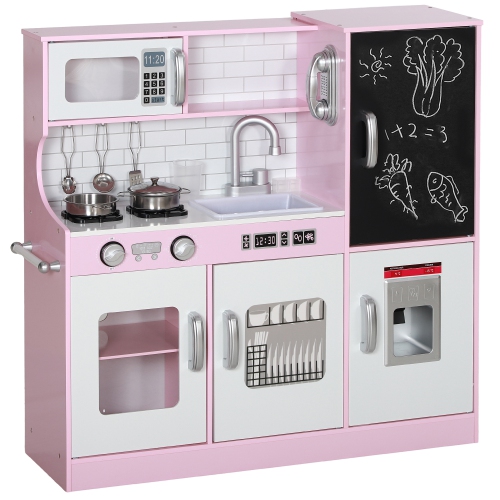
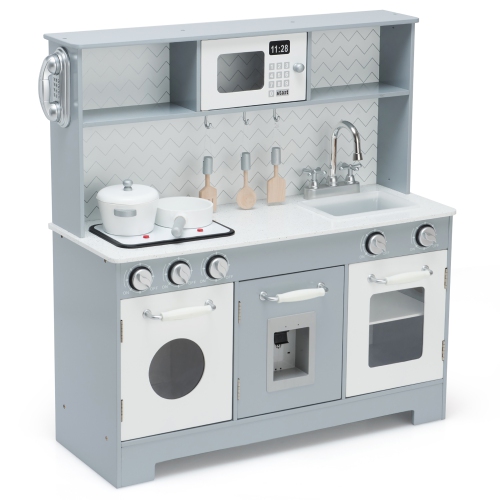
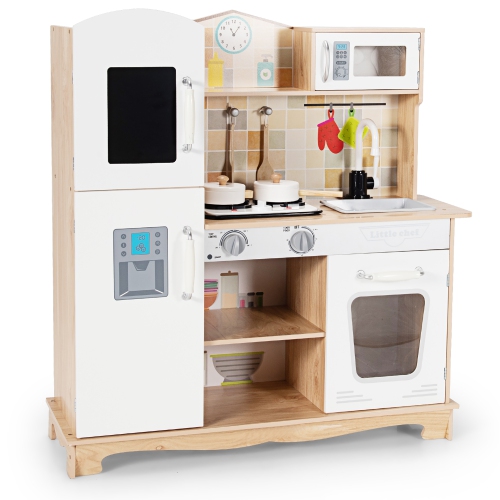
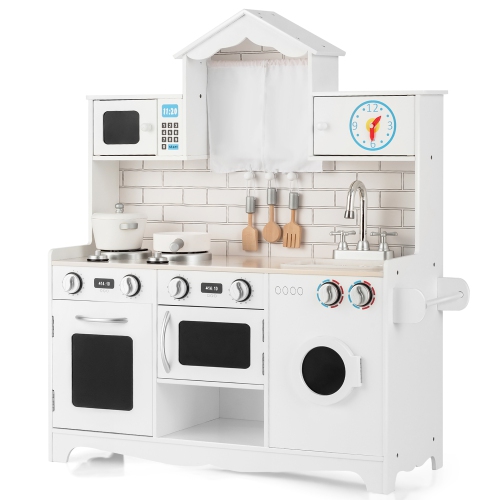
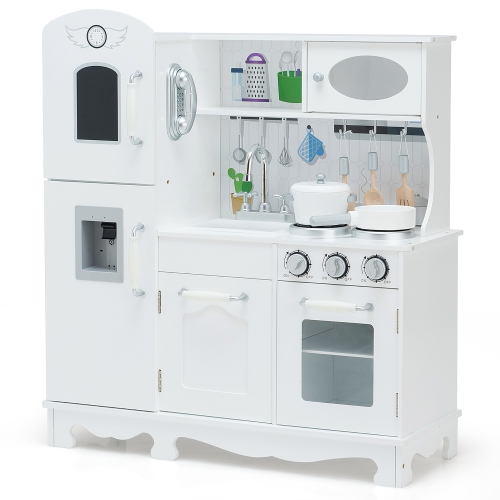
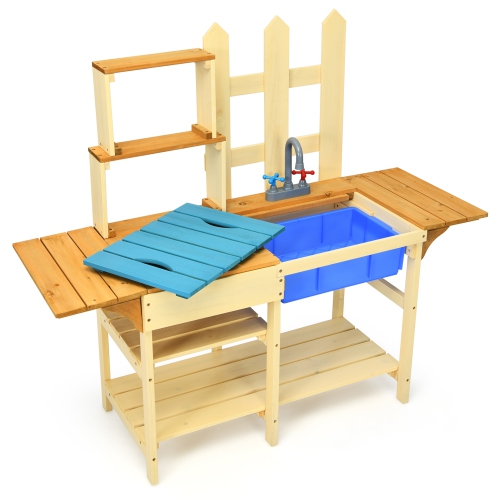
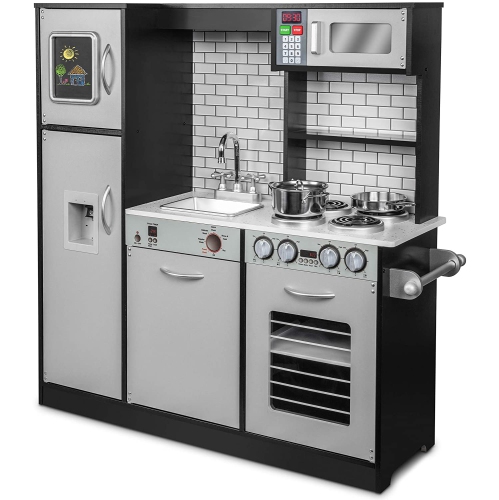
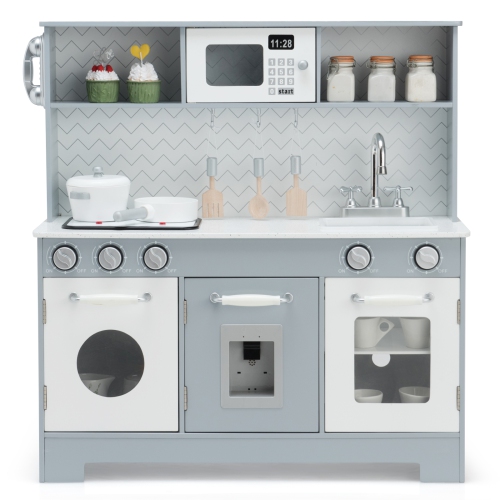
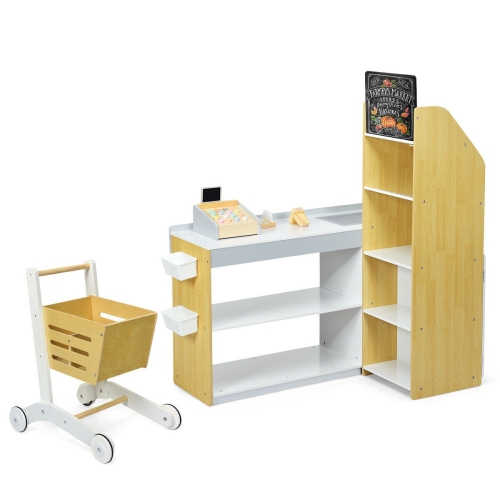
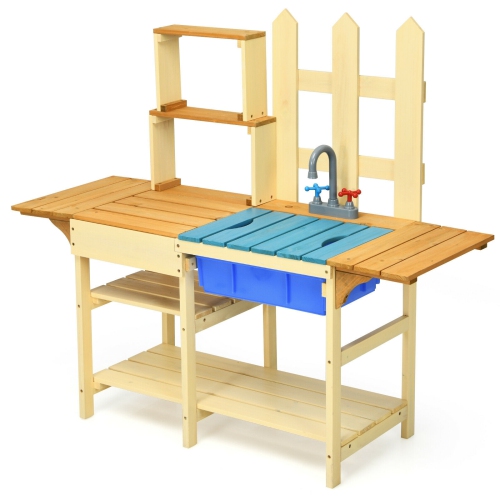
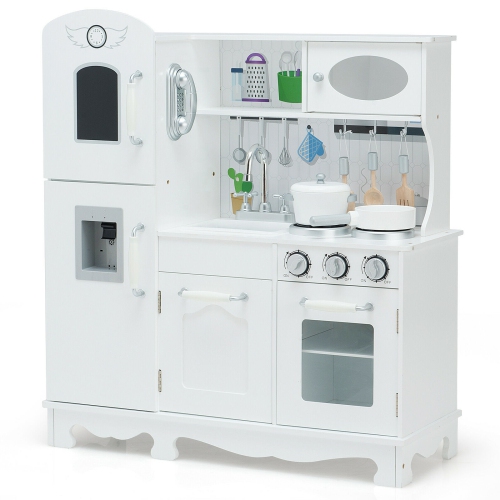
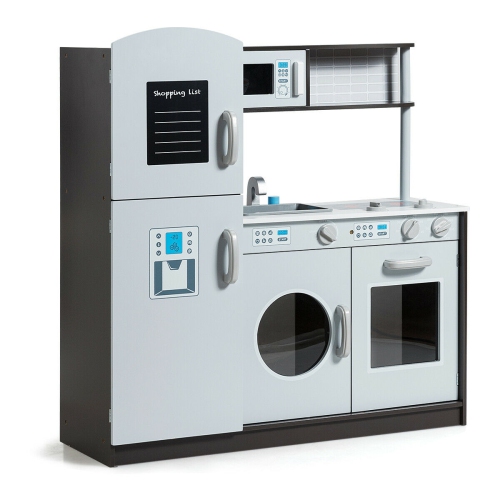
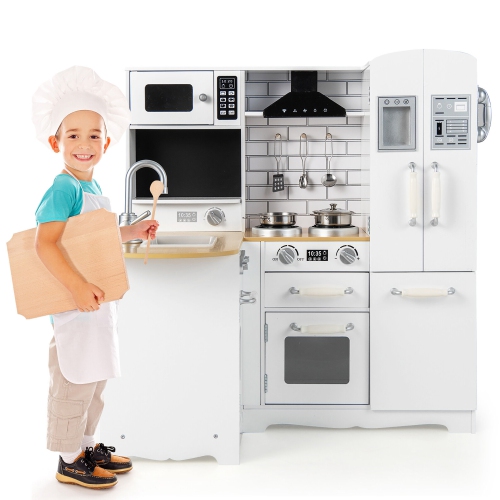
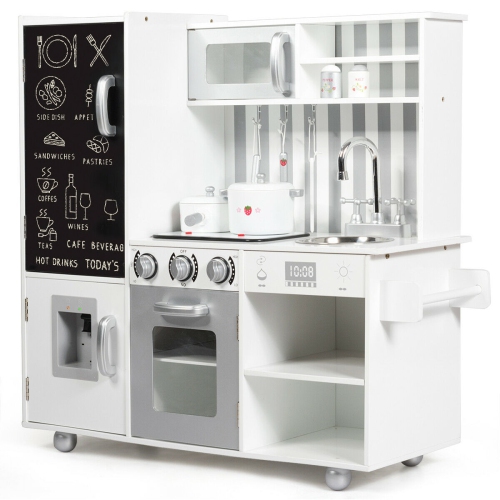
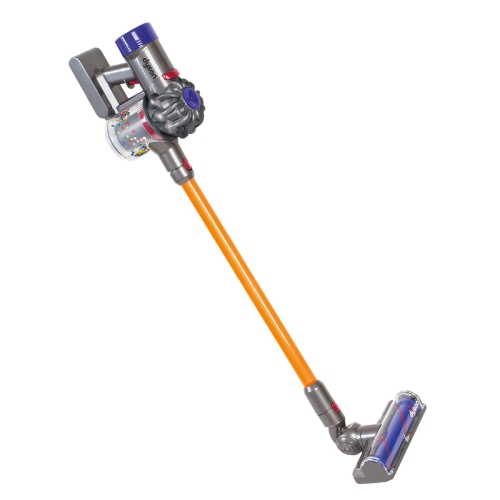
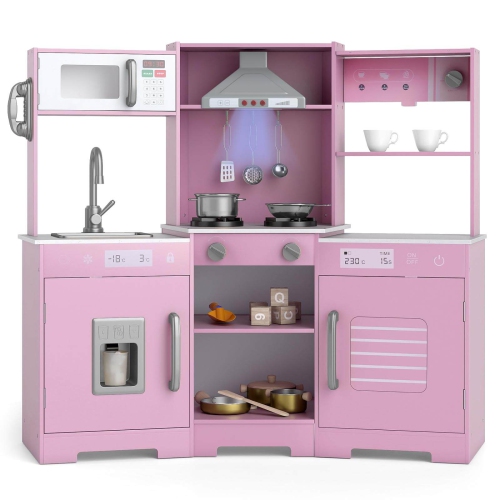
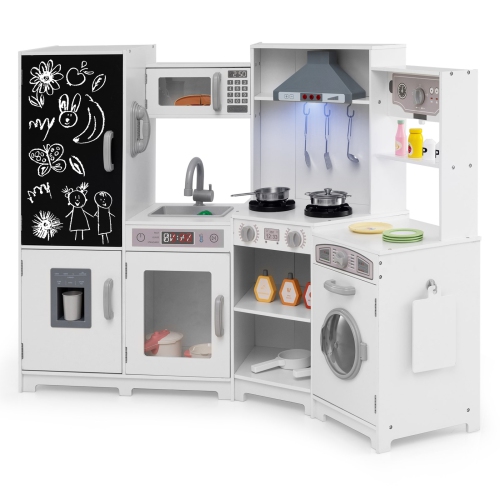
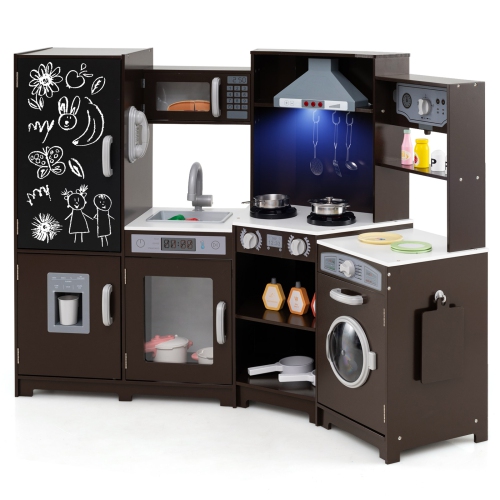
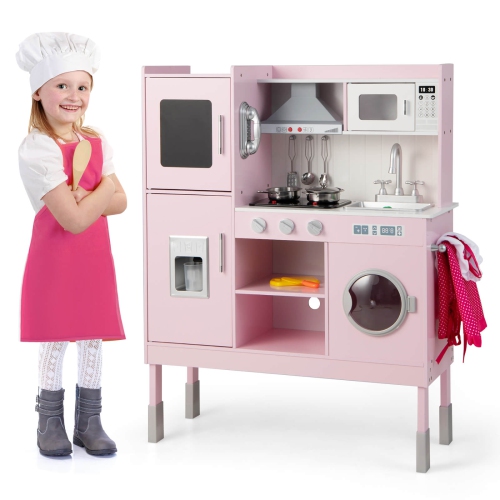
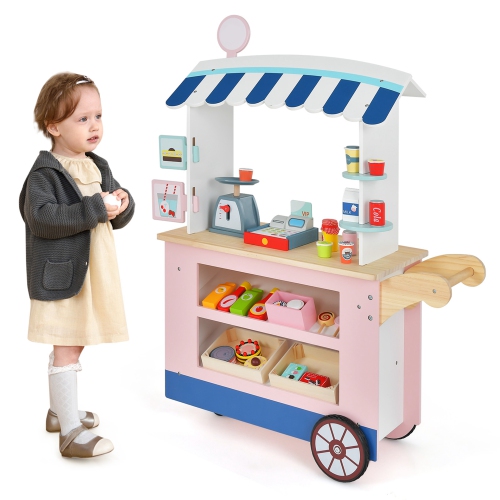

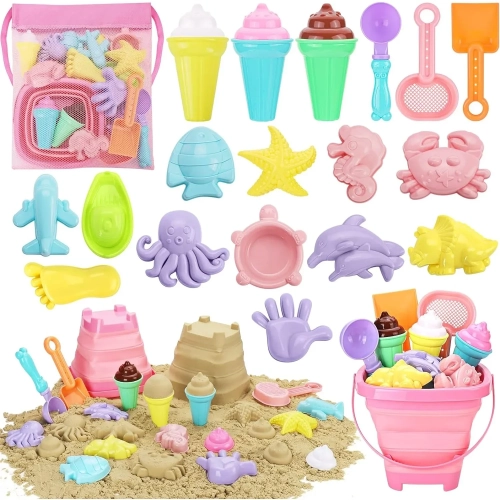
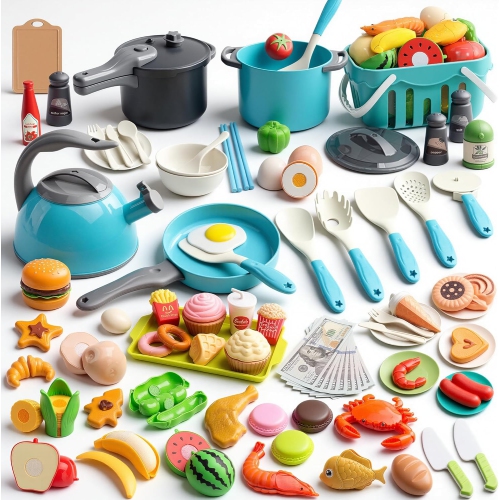
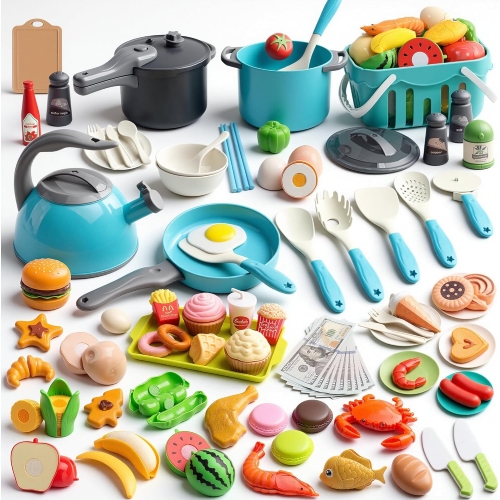
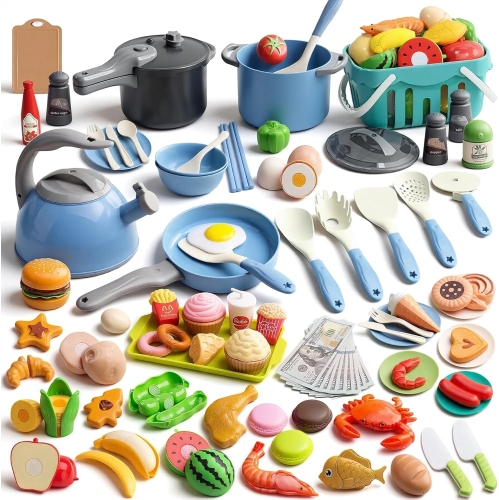
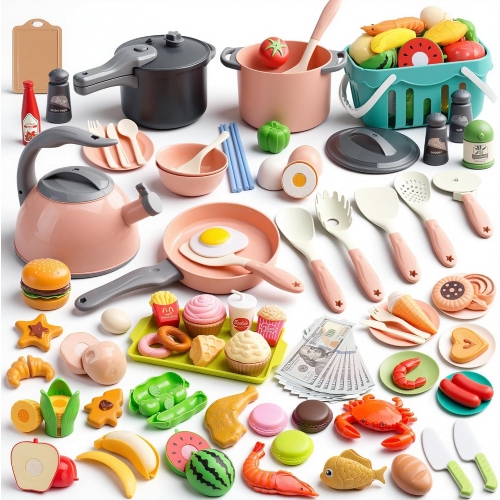
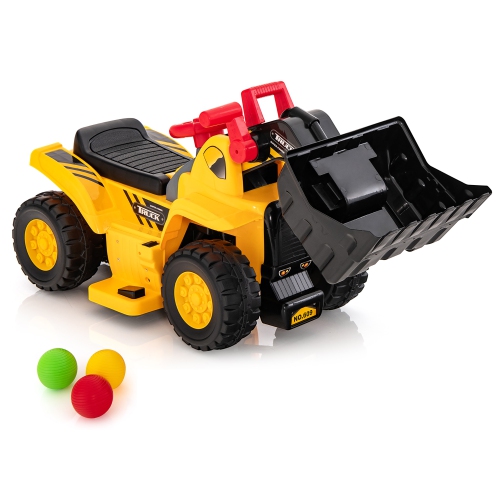
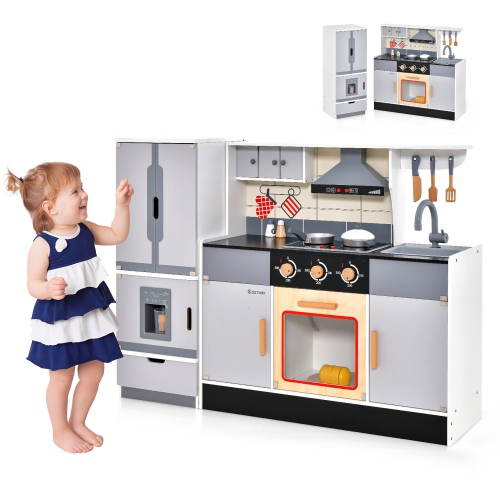
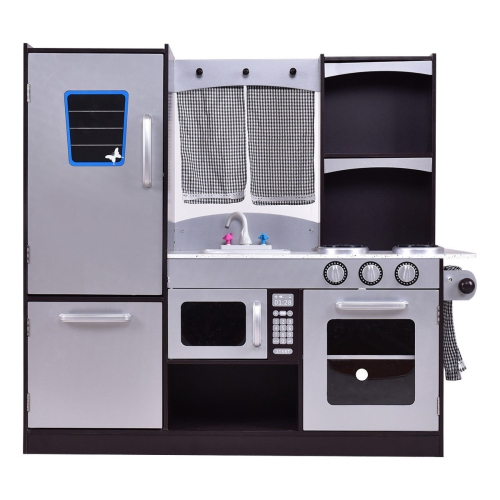

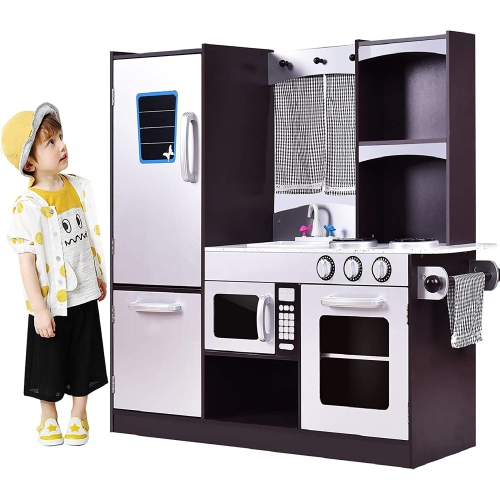
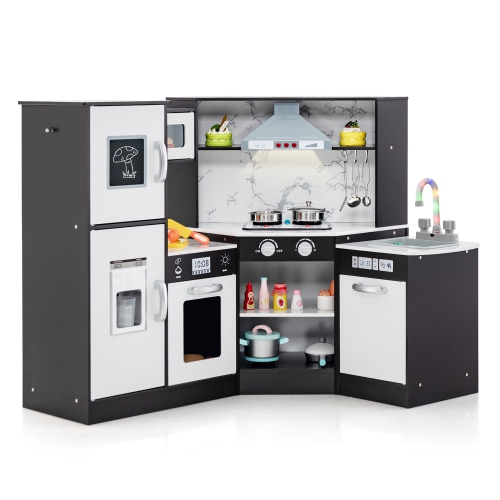
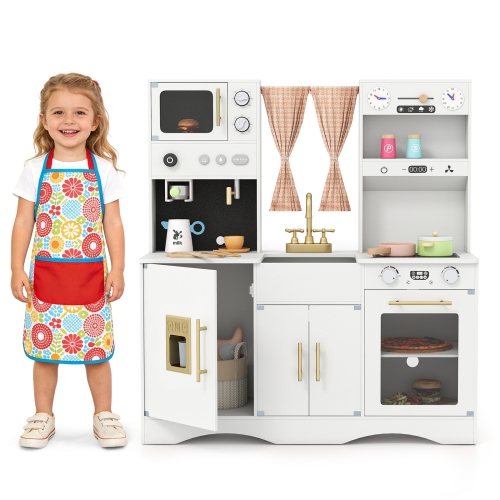
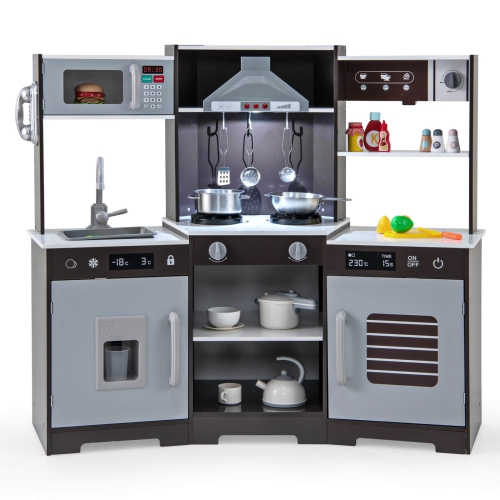
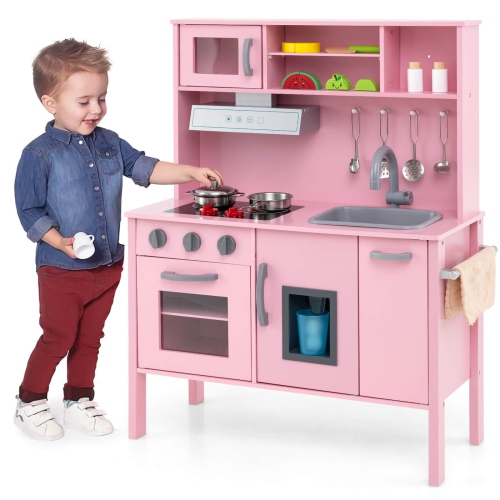
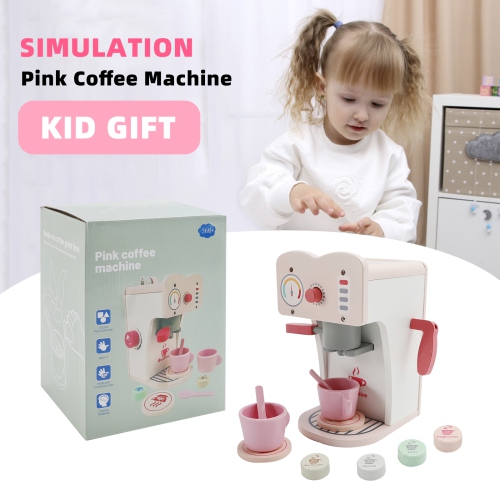

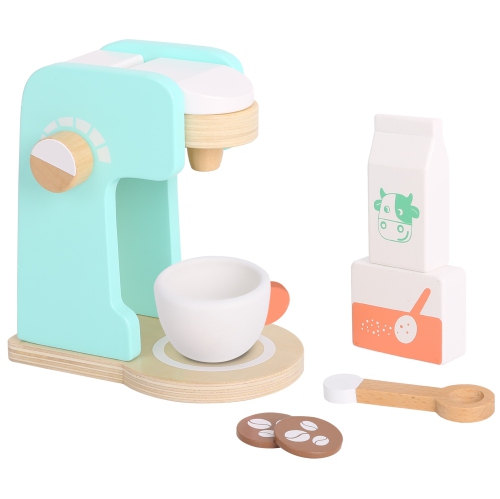
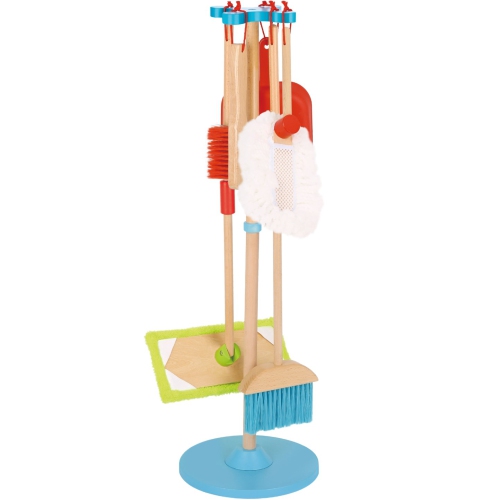
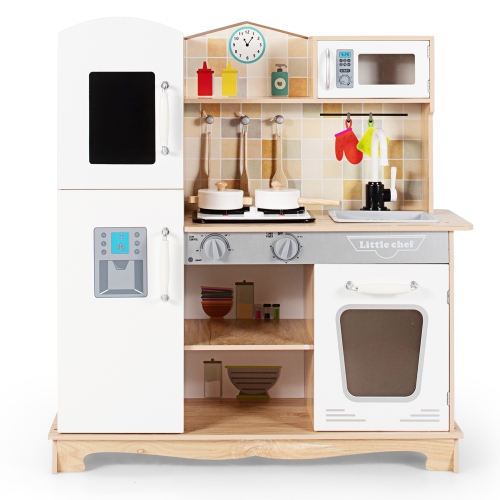

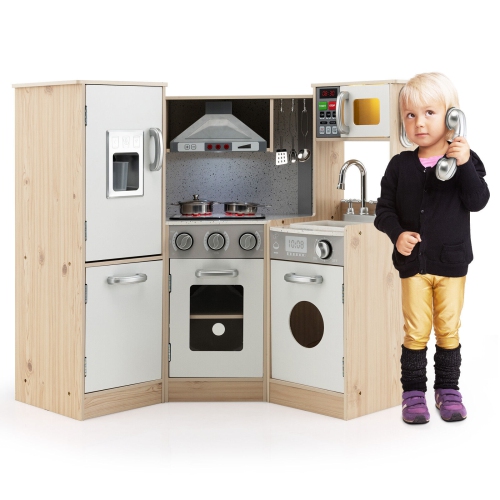
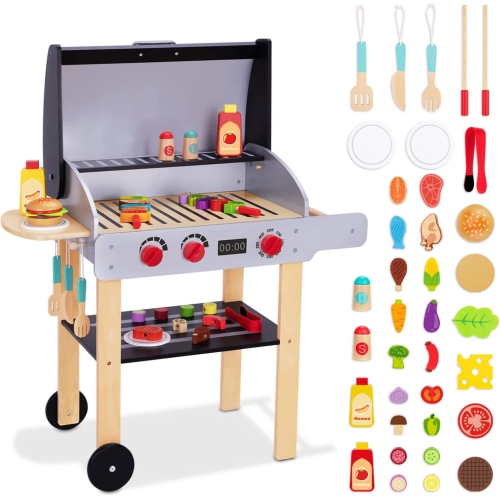
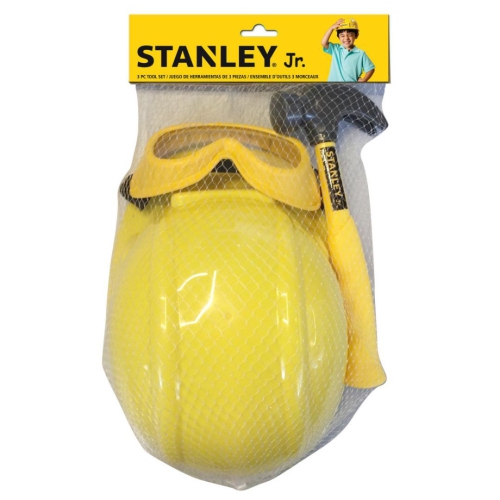
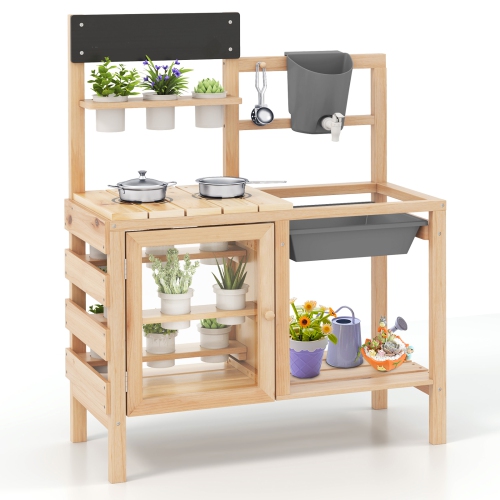
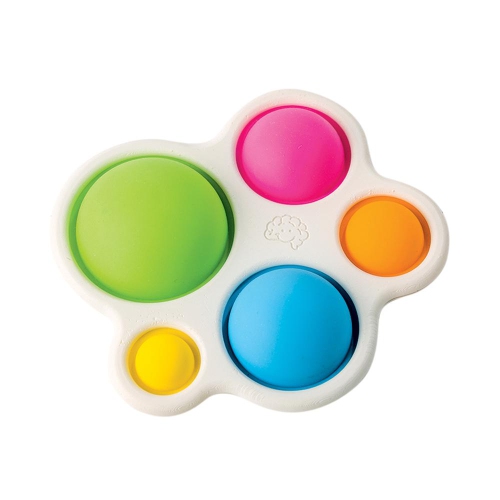
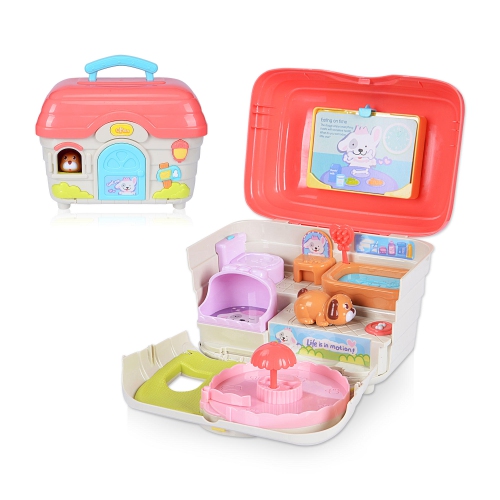
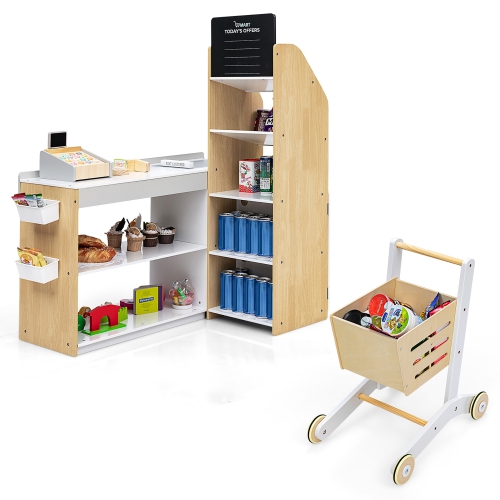
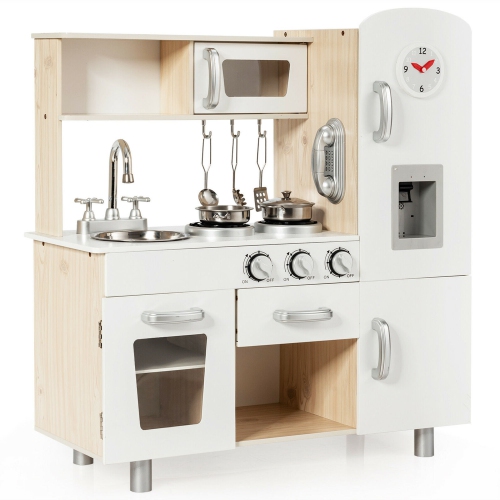
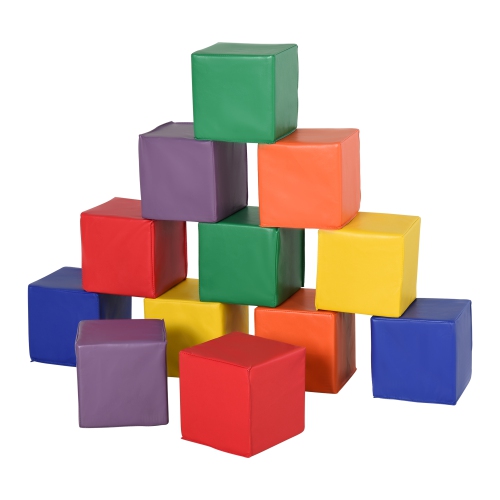
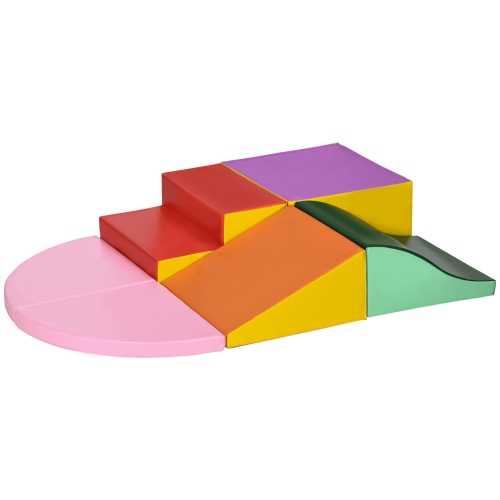
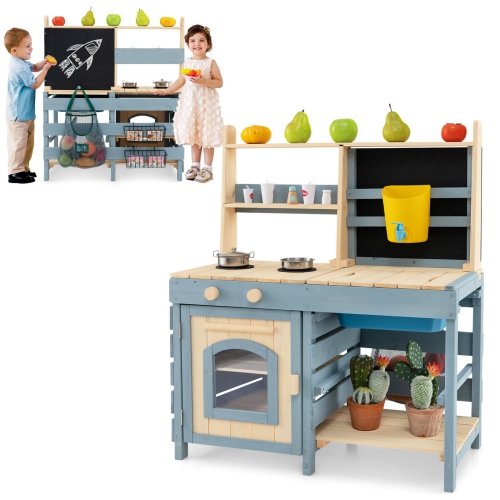
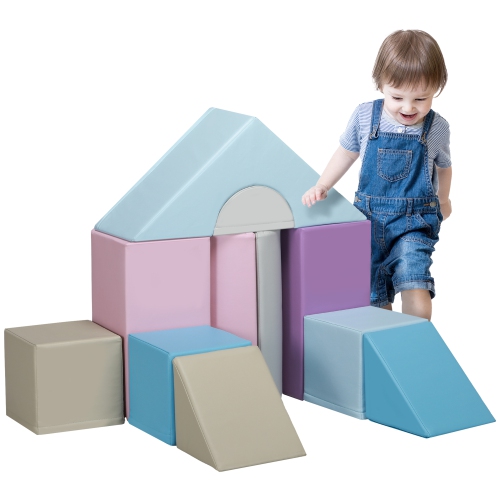
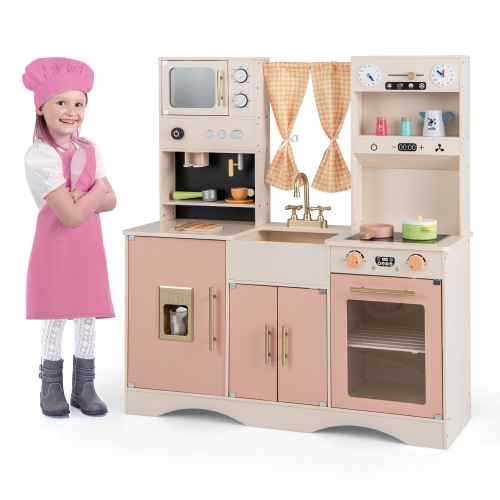

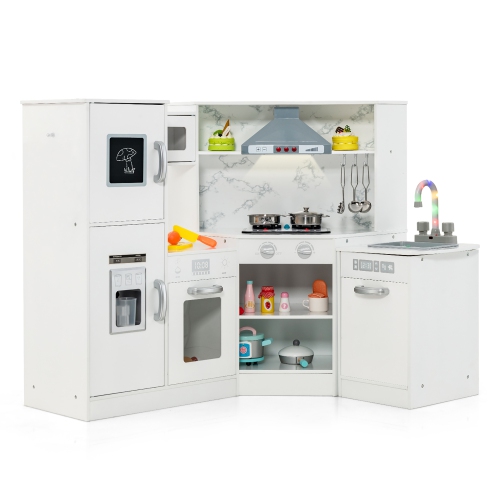
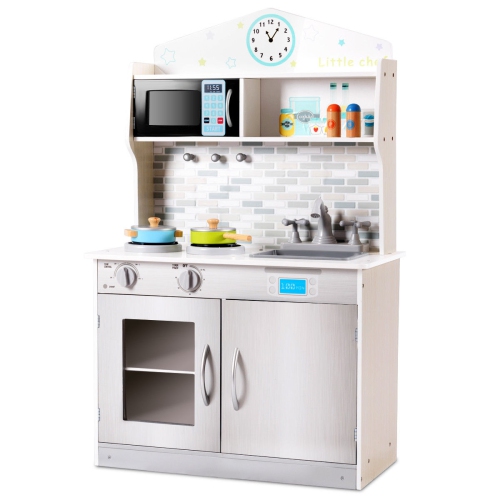
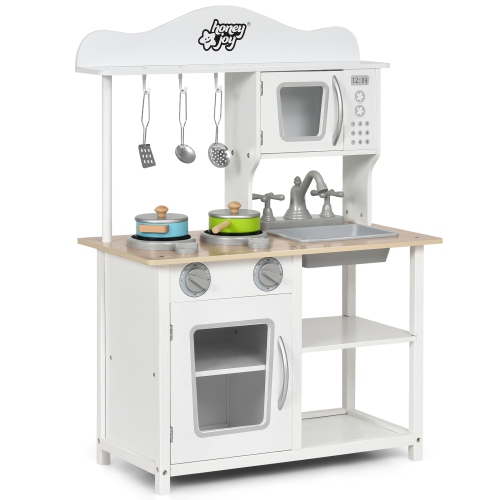
Role-play toys turn everyday routines into shared adventures
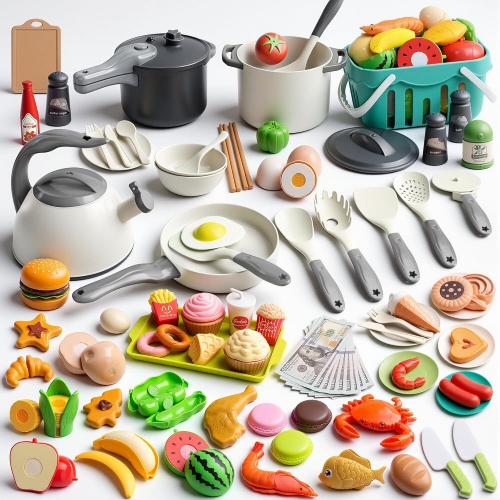
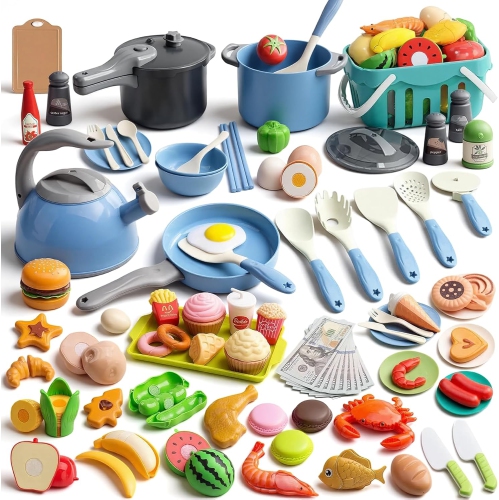
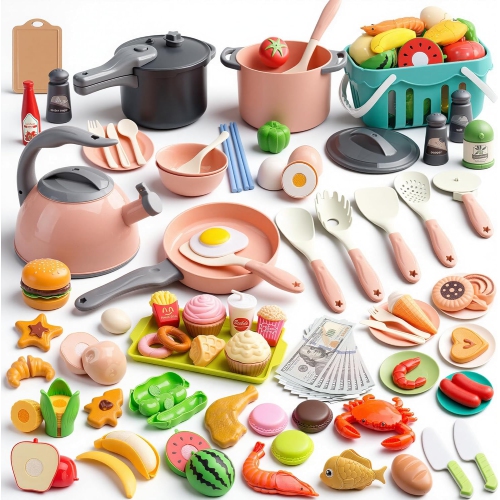
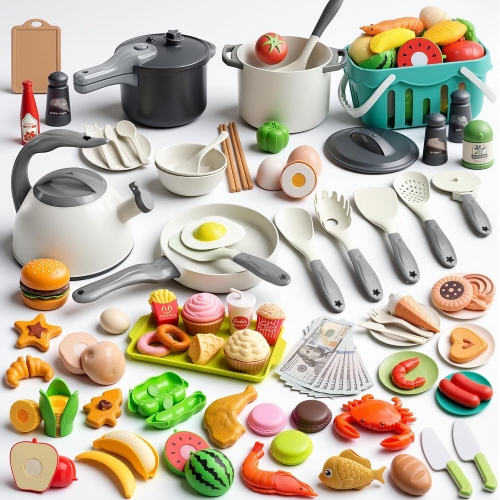
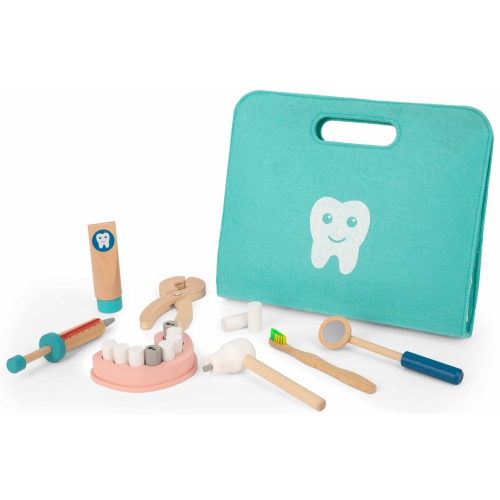
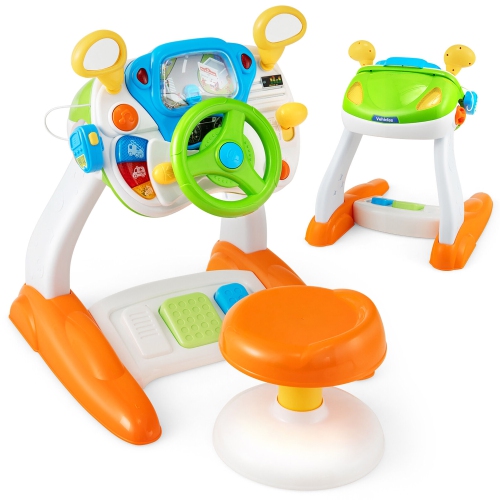
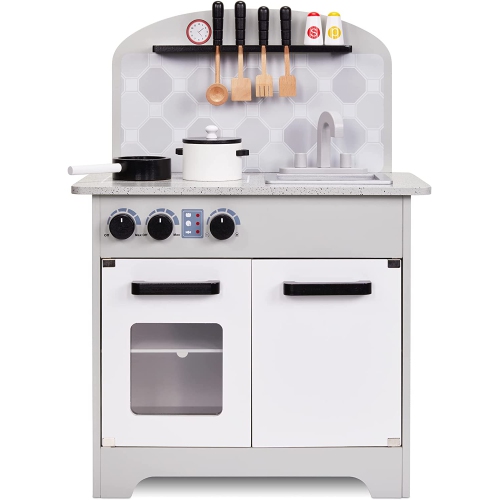
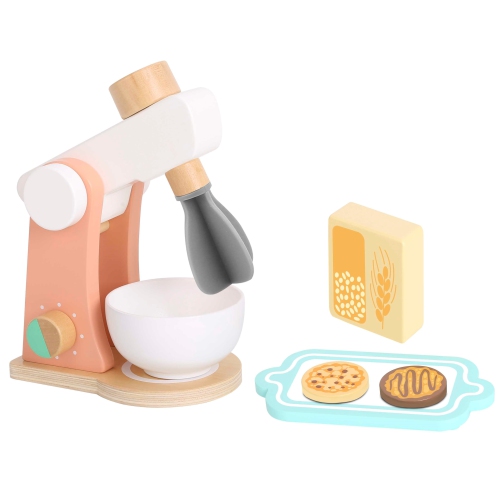
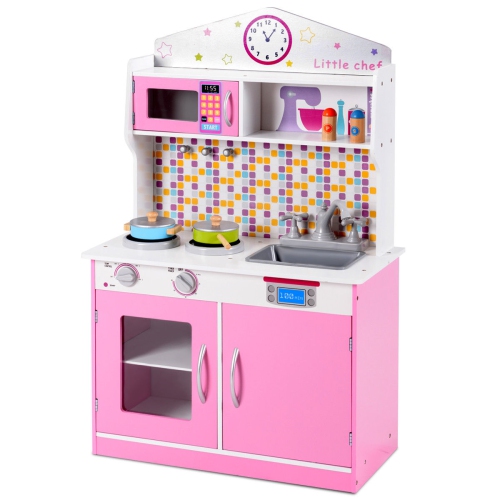
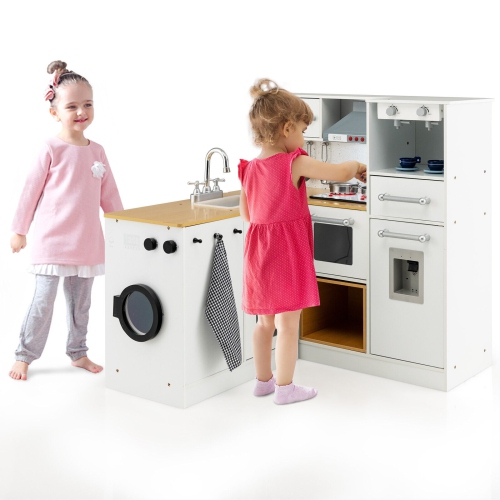
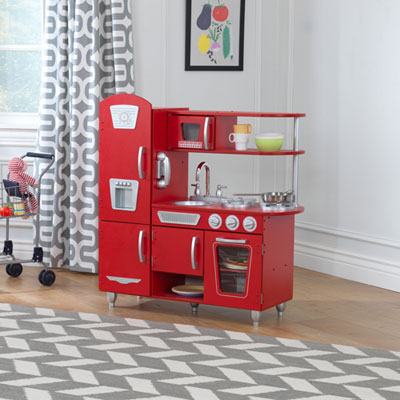
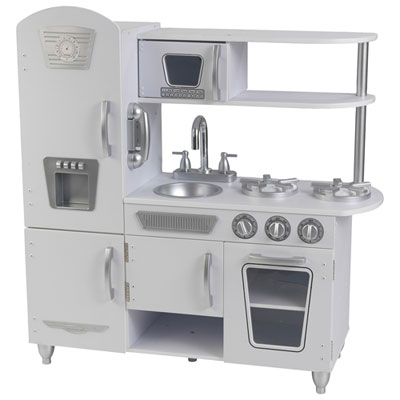
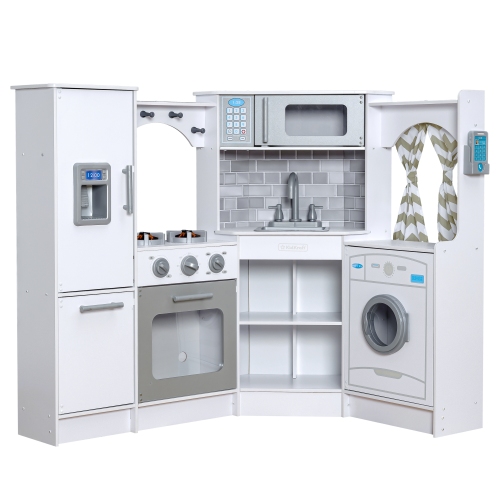
Toys for pretend play invite children to turn everyday experiences into stories, games, and shared adventures. A play kitchen can become a café, bakery, or family home; a market basket can support a make-believe grocery trip; and a doctor or veterinarian kit can transform a favourite stuffed animal into a patient in need of care. This type of open-ended play gives children room to decide what happens next, whether they are preparing a pretend meal, taking orders, repairing a toy vehicle, caring for a pet, or welcoming visitors to an imaginary shop. Along the way, they practise communication by naming objects, describing actions, and expressing ideas. They also develop social skills as they take turns, assign roles, negotiate rules, and learn to build a story together. Pretend play can support fine motor development through activities such as stirring, sorting, fastening, serving, measuring, and using child-sized tools, while larger play pieces may encourage reaching, carrying, pushing, and arranging. For children who are shy or still developing language, role-play can offer a comfortable way to rehearse conversations and express feelings through a character or toy. Familiar themes can also make new experiences feel less intimidating. A child who plays doctor may gain a clearer understanding of a routine checkup, while a child who acts as a shopkeeper can explore polite greetings, counting, and decision-making in a relaxed setting.
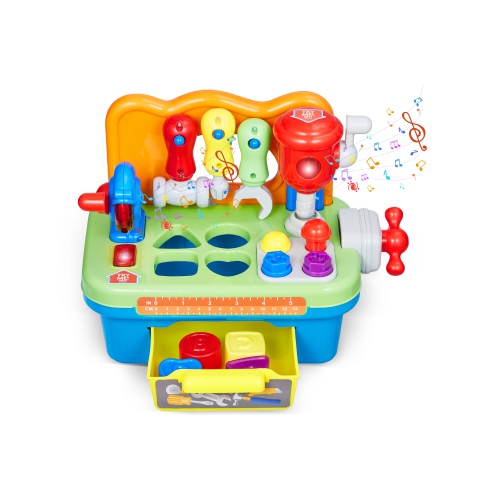
When choosing toys for pretend play, consider the child’s age, interests, play space, and the kind of play they already enjoy. Younger children may respond well to larger, easy-to-grasp pieces with simple functions, while older preschoolers and early school-age children may appreciate sets with multiple roles, accessories, and story possibilities. Look for pieces that are comfortable for small hands to hold and simple enough to use independently, while still offering details that encourage imaginative thinking. A pretend food set may include familiar ingredients and serving pieces for restaurant or home-play scenarios; a care kit may include accessories that help children act out visits with a doctor, dentist, or animal caregiver; and a workbench or tool set may provide opportunities to practise building, fixing, sorting, and problem-solving. Shopping carts, market stands, cash registers, and other role-play accessories can add movement and create a more complete play space, especially when children enjoy customer-and-clerk games. Sets with neutral or flexible themes can be used in many ways and shared by siblings or friends with different interests. It is also worth checking how pieces are stored, whether the set can be used on a table or floor, and whether the accessories are likely to be misplaced between play sessions. For younger children, follow the recommended age range and inspect small parts carefully, particularly if toddlers or pets share the home. Smooth edges, sturdy construction, washable surfaces, and clearly sized accessories can make regular play easier for families. Children who enjoy character-led storytelling may also combine role-play scenes with Action Figures for Imaginative Play, creating customers, patients, chefs, builders, explorers, or family members who give their games an evolving cast of characters.
Pretend-play toys can be thoughtful gifts for birthdays, family celebrations, or the cooler months when indoor activities become a bigger part of the day. They suit children who enjoy copying grown-up routines, inventing stories, caring for toys, or taking the lead in group games, and they can be especially useful for siblings who want an activity they can share. A child who loves helping in the kitchen may enjoy preparing a pretend breakfast and serving it to family members, while a child fascinated by animals may spend an afternoon checking a stuffed dog’s ears, giving it a bandage, and writing down its imaginary treatment plan. Other children may prefer the practical action of a workbench, the social rhythm of a market game, or the creative freedom of combining several themes into one long adventure. Adults can support this play without directing every detail by offering a few simple prompts, such as asking what is on the menu, who needs help, or where the delivery should go, then allowing the child to take the story in an unexpected direction. Rotating accessories, inviting a friend to choose a role, and keeping a small selection of familiar props nearby can refresh a well-loved set over time. During the transition from warmer days to indoor routines, pretend play can provide a welcoming way to stay active, imaginative, and connected at home. The best choice is one that matches the child’s interests while leaving enough freedom for the toy to become many different things: a restaurant at breakfast, a clinic after lunch, a busy workshop in the afternoon, or an entirely new world created from a few simple pieces.
When choosing toys for pretend play, consider the child’s age, interests, play space, and the kind of play they already enjoy. Younger children may respond well to larger, easy-to-grasp pieces with simple functions, while older preschoolers and early school-age children may appreciate sets with multiple roles, accessories, and story possibilities. Look for pieces that are comfortable for small hands to hold and simple enough to use independently, while still offering details that encourage imaginative thinking. A pretend food set may include familiar ingredients and serving pieces for restaurant or home-play scenarios; a care kit may include accessories that help children act out visits with a doctor, dentist, or animal caregiver; and a workbench or tool set may provide opportunities to practise building, fixing, sorting, and problem-solving. Shopping carts, market stands, cash registers, and other role-play accessories can add movement and create a more complete play space, especially when children enjoy customer-and-clerk games. Sets with neutral or flexible themes can be used in many ways and shared by siblings or friends with different interests. It is also worth checking how pieces are stored, whether the set can be used on a table or floor, and whether the accessories are likely to be misplaced between play sessions. For younger children, follow the recommended age range and inspect small parts carefully, particularly if toddlers or pets share the home. Smooth edges, sturdy construction, washable surfaces, and clearly sized accessories can make regular play easier for families. Children who enjoy character-led storytelling may also combine role-play scenes with Action Figures for Imaginative Play, creating customers, patients, chefs, builders, explorers, or family members who give their games an evolving cast of characters.
Pretend-play toys can be thoughtful gifts for birthdays, family celebrations, or the cooler months when indoor activities become a bigger part of the day. They suit children who enjoy copying grown-up routines, inventing stories, caring for toys, or taking the lead in group games, and they can be especially useful for siblings who want an activity they can share. A child who loves helping in the kitchen may enjoy preparing a pretend breakfast and serving it to family members, while a child fascinated by animals may spend an afternoon checking a stuffed dog’s ears, giving it a bandage, and writing down its imaginary treatment plan. Other children may prefer the practical action of a workbench, the social rhythm of a market game, or the creative freedom of combining several themes into one long adventure. Adults can support this play without directing every detail by offering a few simple prompts, such as asking what is on the menu, who needs help, or where the delivery should go, then allowing the child to take the story in an unexpected direction. Rotating accessories, inviting a friend to choose a role, and keeping a small selection of familiar props nearby can refresh a well-loved set over time. During the transition from warmer days to indoor routines, pretend play can provide a welcoming way to stay active, imaginative, and connected at home. The best choice is one that matches the child’s interests while leaving enough freedom for the toy to become many different things: a restaurant at breakfast, a clinic after lunch, a busy workshop in the afternoon, or an entirely new world created from a few simple pieces.
Top selling and popular products
-
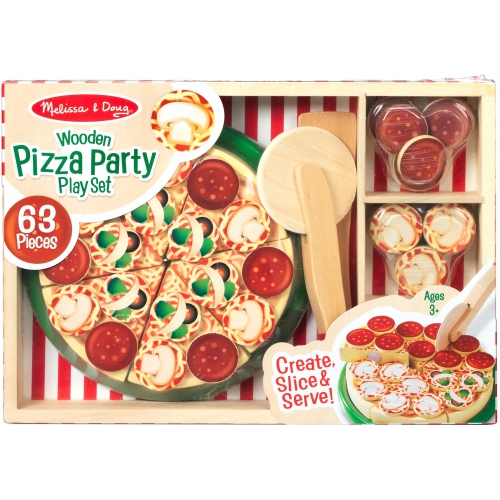 Your price for this item is $25
 -
 Your price for this item is $218.98
 -
 Your price for this item is $155.98
 -
 Your price for this item is $319.99
 -
 Your price for this item is $319.99
 -
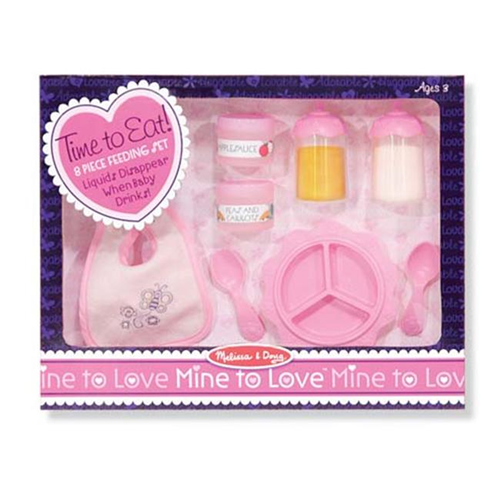 Your price for this item is $43.99
 -
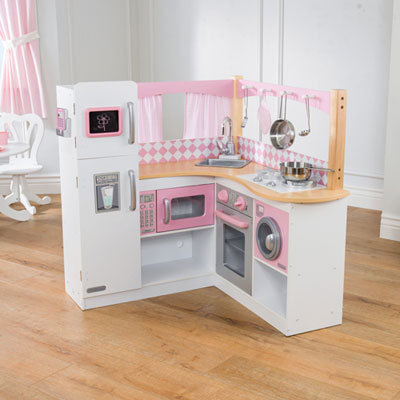 Your price for this item is $199.98
 -
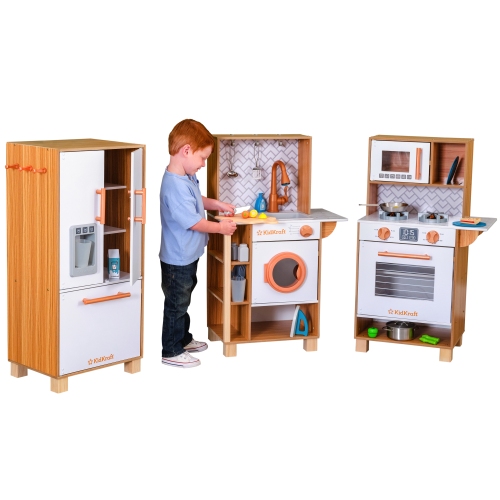 Your price for this item is $409.99
Discover more categories related to Toys for Pretend Play
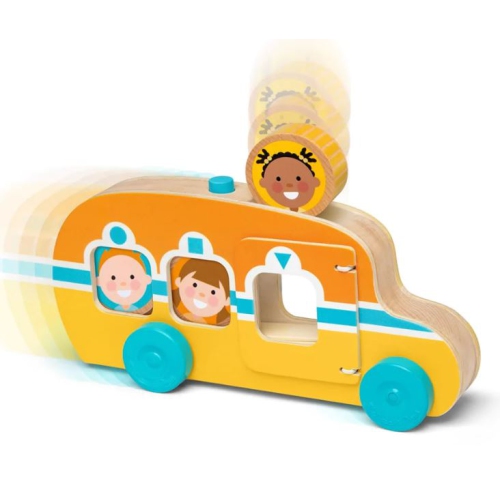
Top Collections:
Pokemon Centers, Budget 4K TVs, Best Budget Office Chairs, Kindle Devices, Canon G7X Cameras, Apple iPhones 16, iPhone 15 Apple, Laptops for Business Work, Xiaomi Phones, Flip Phones
Some products may be subject to Environmental Handling Fees
(EHF) depending on your province.
Learn more about EHFs.