Trivia Board Games
Dive into the world of trivia board games and experience the thrill of testing your knowledge across various topics and categories. Perfect for game nights with family and friends, these engaging games offer endless opportunities for fun and learning. Whether you're a history buff, a pop culture enthusiast, or someone who loves a good challenge, there's a trivia board game that will captivate your interests. Explore our selection to find the perfect addition to your game collection and enjoy countless hours of entertainment and friendly competition.
Sort












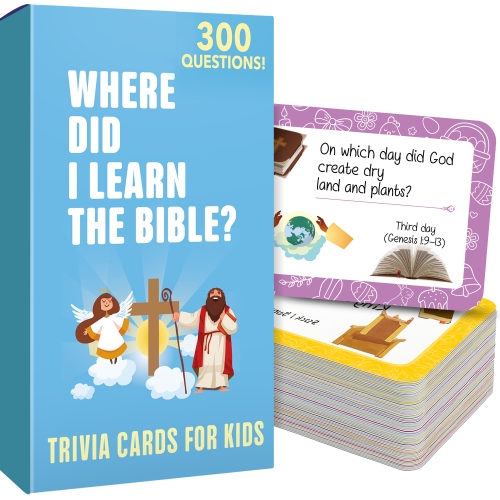
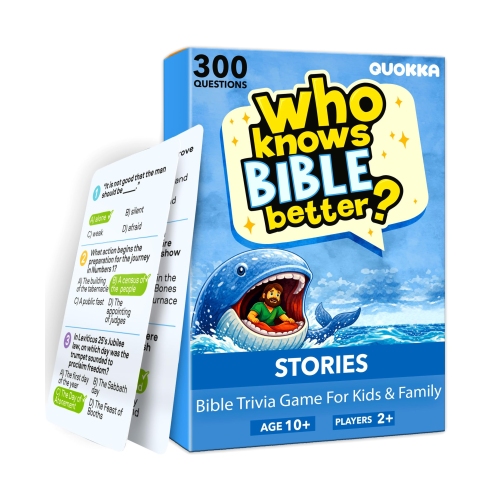
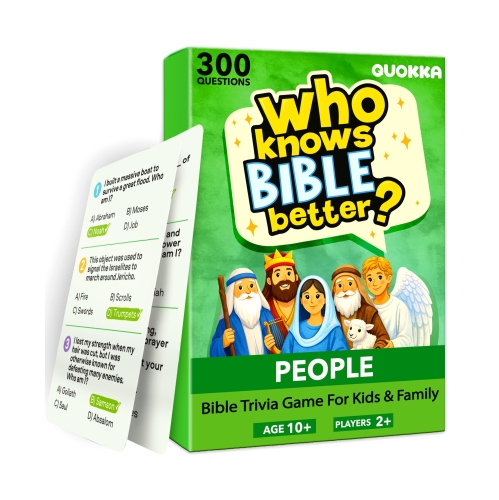
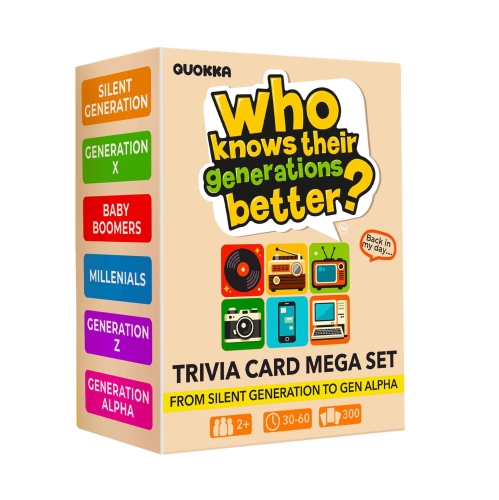

















Why a good guess can beat perfect recall
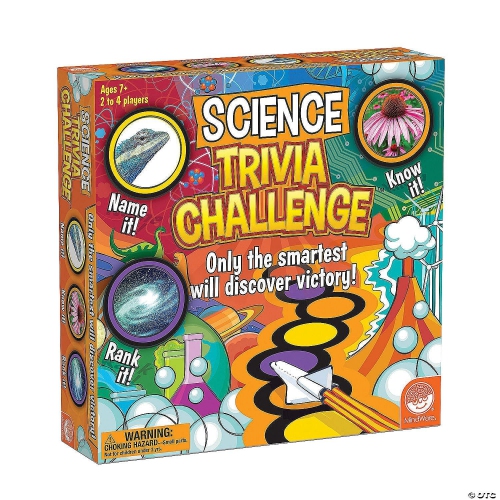
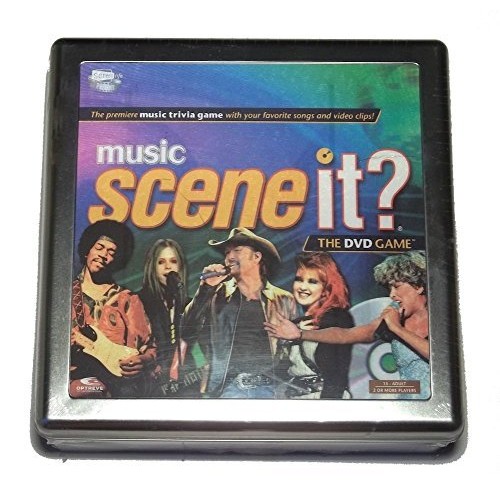
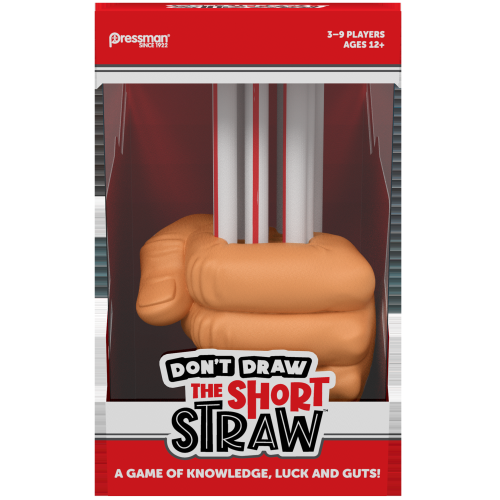
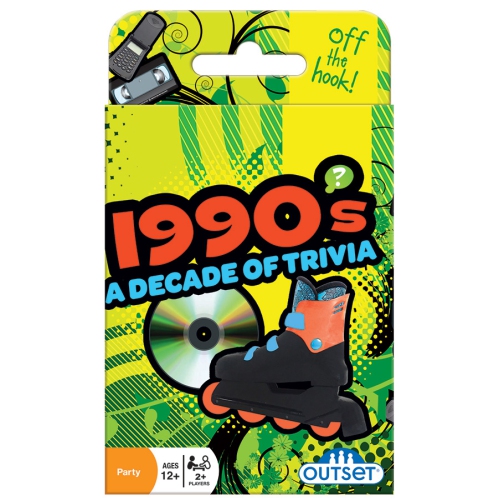
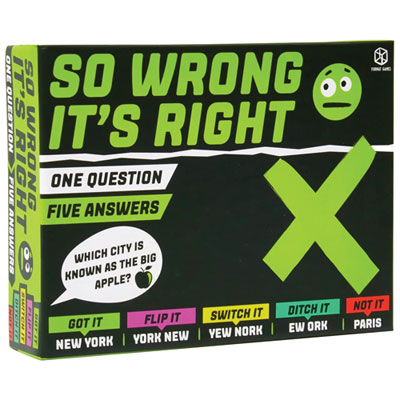
Trivia board games turn facts, educated guesses, and a little friendly rivalry into a shared tabletop activity. They typically combine question cards with a board, playing pieces, or scoring components, giving players a clear goal beyond simply answering correctly. Subjects can range from history, geography, and science to music, film, sport, and everyday knowledge. A broad mix of categories suits a group whose interests differ: one player might know a capital city immediately, while another can identify a song from a few clues. The style of play matters as much as the subject matter. Traditional question-and-answer formats often reward correct responses with movement around a board, points, or progress towards completing a set of categories. Multiple-choice formats provide possible answers, allowing players to use elimination and reasoning rather than relying entirely on memory. Numerical trivia adds a different twist, asking players to estimate a quantity, distance, year, or other figure. In some formats, players place game chips on the answer they think is closest, so judging someone else’s guess can be just as valuable as knowing the fact. Those chips are scoring tools rather than a requirement to wager money. Push-your-luck formats may offer several possible answers and let players decide whether to keep answering or stop before an incorrect choice costs points. Other designs include category selection, opportunities to answer a missed question, or team discussion before a response is final. These differences shape the atmosphere around the table. A straightforward format can keep attention on the questions themselves, while estimation and confidence-based scoring give less experienced players additional ways to contribute. The most suitable trivia board games are those whose topics, rules, and pace fit the people playing; a demanding quiz is not automatically a better game than one built around accessible questions and lively conversation. For many groups, the appeal is the moment when a half-remembered detail becomes the right answer, or an unlikely guess puts a quiet player in the lead.
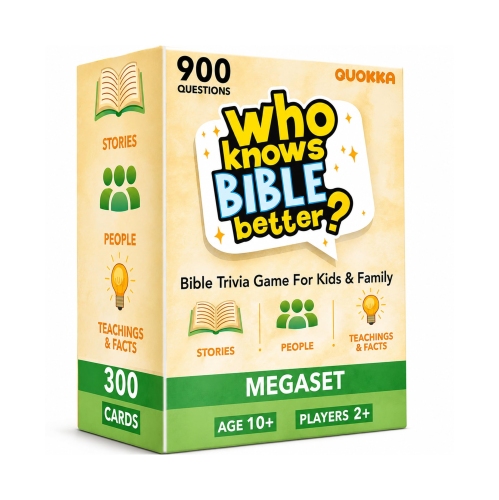
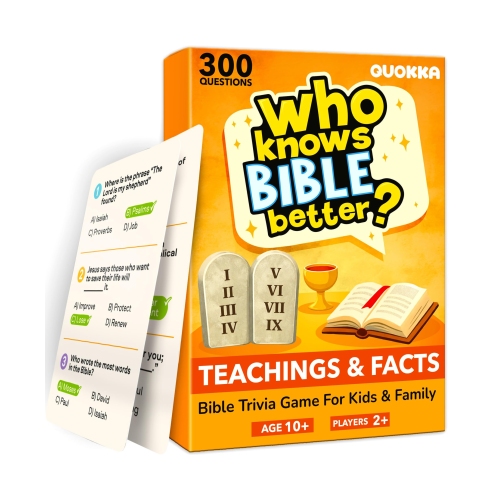
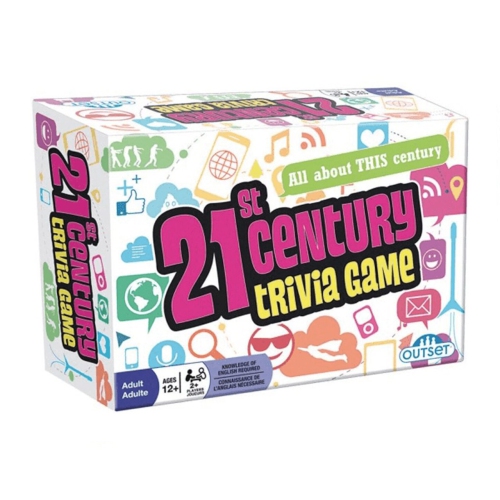
Player age, reading level, and familiarity with the topics all influence how a trivia board game feels in practice. Family trivia board games often work best when their questions span different interests and offer more than one route to success. An adult may have an advantage with older films, while a younger player brings detailed knowledge of animals or newer entertainment. Team play can bridge those gaps, with each person contributing a different piece of the answer. Age recommendations are useful context, but they do not describe every aspect of suitability: question difficulty, reading demands, subject matter, and small playing pieces also matter. Games intended for adults may contain cultural references or humour that are less suitable for children, even when the rules are simple. For younger readers, spoken questions and clear answer choices can make participation easier, provided the format allows another player to read without revealing the answer. Group size changes the experience, too. A game that accommodates a large gathering through teams may not give every participant an individual turn, while a format designed around separate players can involve more waiting as numbers increase. Short rounds suit a casual gathering where people are chatting between turns; longer games can support a dedicated game night with a clear finish and a final score. Timers add urgency, but they also place more emphasis on quick recall, which may not suit every group. Printed play-time estimates are helpful, although discussion, team size, and familiarity with the rules can lengthen a session. Replay value depends partly on the depth of the question pool and how cards are used. Varied categories and a larger pool reduce repetition, while keeping recently used cards separate can help avoid familiar answers where the rules permit. Topic-based trivia can be especially enjoyable for a group with a shared interest, though it may favour enthusiasts over newcomers. Questions about changing records, public figures, or recent entertainment also age differently from questions about established historical events or basic science, making the scope and publication details useful context for repeated play.
The physical design of trivia board games affects everything from the first setup to how neatly the pieces return to the box. Common components include printed paper cards, folding cardboard boards, cardboard scoring tokens, and plastic or wooden playing pieces. Card thickness, legible printing, clearly separated categories, and distinct symbols can make a noticeable difference during regular use. Colour-coded spaces are easier to interpret when they also use text or symbols, particularly when players have difficulty distinguishing certain colours. A board needs enough table space to sit flat, with room beside it for question decks, scorekeeping, and any chips or tokens. At a busy dining table, a clearly defined play area helps keep an answer card from disappearing beneath a plate or a playing piece from being knocked out of position. Compact formats with fewer loose components can be practical for taking to a friend’s home, although a smaller box does not necessarily mean the cards or text will be easy to read. Durability depends on both construction and handling. Repeated shuffling can wear card edges, while folding a board against its intended crease can weaken the hinge. Clean, dry hands and drinks placed away from the play area help protect printed surfaces. Cards generally need dry cleaning rather than soaking, and any care directions supplied with the game should govern cleaning of boards and playing pieces. Storage inserts, separate card compartments, and small containers for loose tokens help keep setup straightforward; tightly stretched elastic bands can bend cards over time. Trivia board games also make thoughtful gifts for birthdays, housewarmings, hosts, and people who enjoy bringing friends together. A recipient’s interests and usual group size matter more than an assumption that every trivia fan wants the hardest questions. For a broader range of question-based play beyond board-led formats, Trivia Games offers a related category to explore. Whether the occasion is a family evening or a gathering of quiz-loving friends, approachable rules, readable components, and well-matched topics help make the game a regular part of the table rather than a box that rarely gets opened.
Top selling and popular products
-
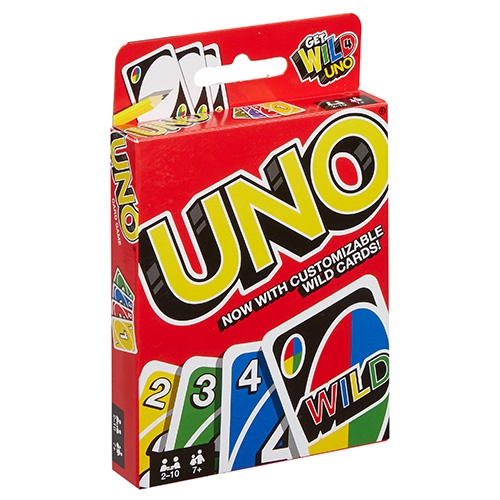 Your price for this item is $14.99
-
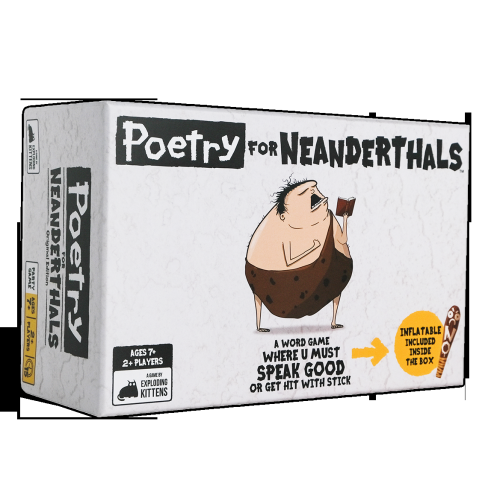 Your price for this item is $34.99
-
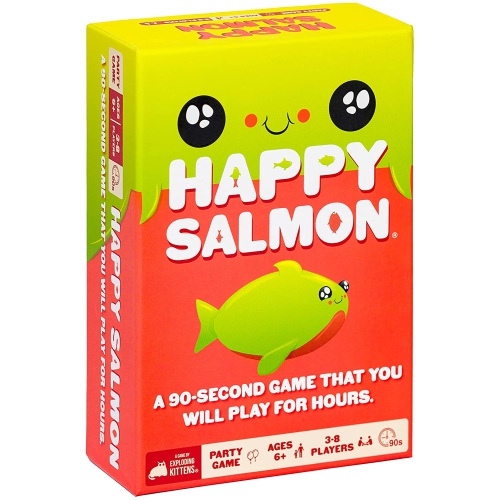 Your price for this item is $21.99
-
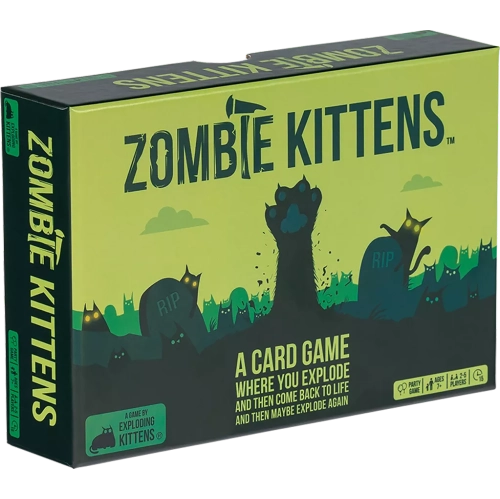 Your price for this item is $34.99
-
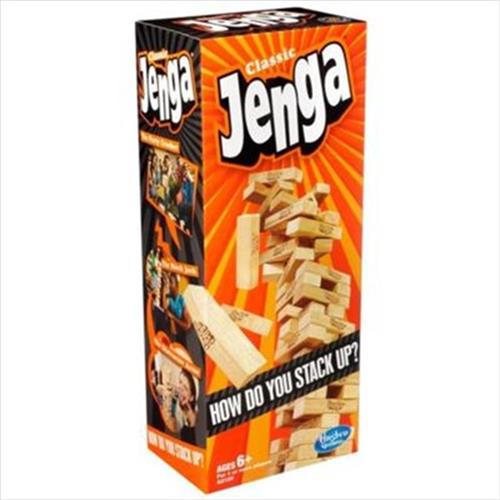 Your price for this item is $24.99
-
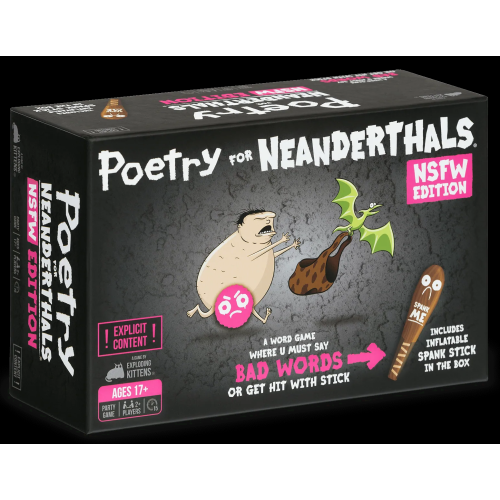 Your price for this item is $31.99
-
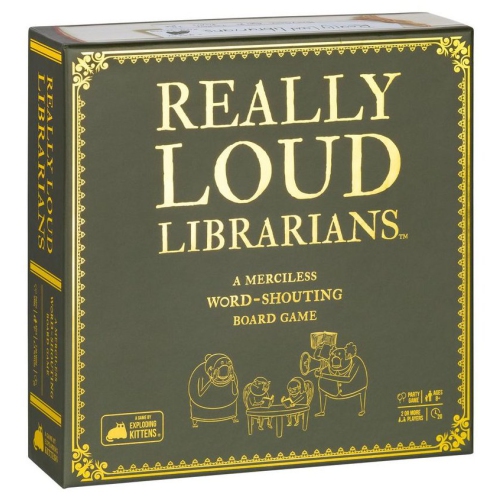 Your price for this item is $29.99
-
 Your price for this item is $44.99
Discover more categories related to Trivia Board Games

Top Collections:
Pokemon Centers, Kindle Devices, Best Black Friday Deals This Year, Pokémon 30th Celebration Cards, Best Black Friday Deals On Electronics, Best Cameras for Sports Photography, Best Black Friday Deals On Apple Products, Canon G7X Cameras, iPhone 15 Apple, Candle Warmer Lights
Some products may be subject to Environmental Handling Fees
(EHF) depending on your province.
Learn more about EHFs.