Trivia Games
Dive into the world of trivia games and discover endless fun and excitement for all ages. Perfect for family gatherings, friendly get-togethers, or solo brain-teasing sessions, trivia games challenge your knowledge across a wide range of topics. Whether you're a history buff, pop culture enthusiast, or science fan, there's a trivia game that will pique your interest and test your wits. With options ranging from classic board games to interactive digital experiences, you'll find the ideal way to engage your mind and spark lively conversations. Unleash your competitive spirit and enjoy hours of entertainment with the diverse selection of trivia games available.
Sort




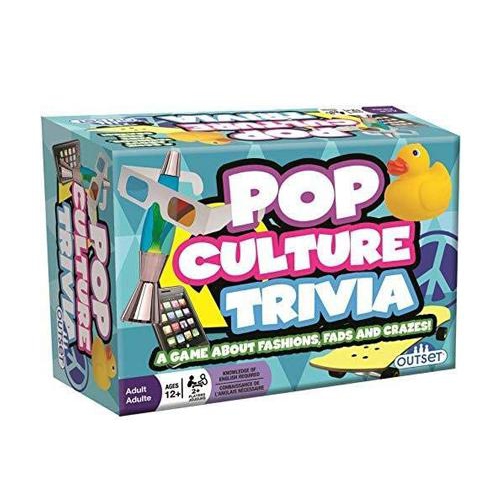
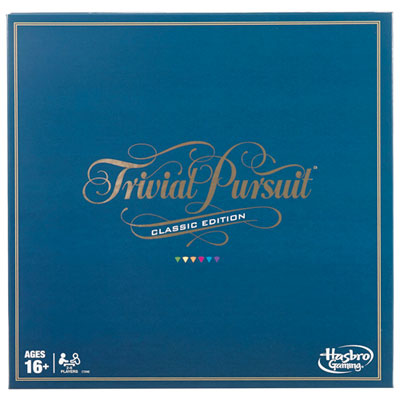

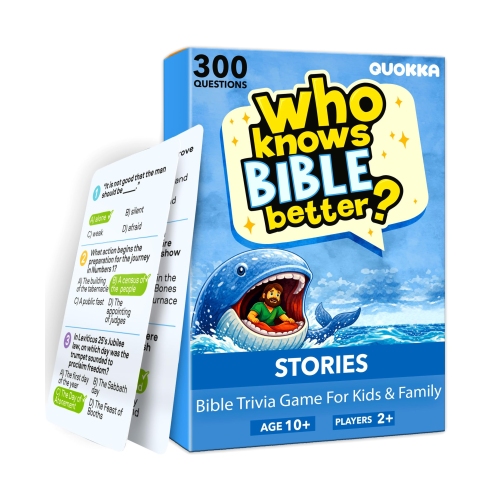
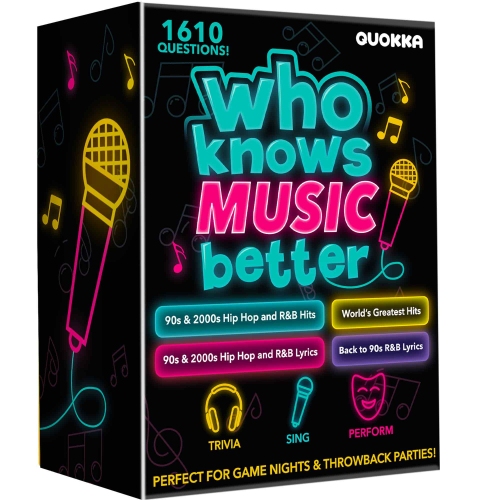
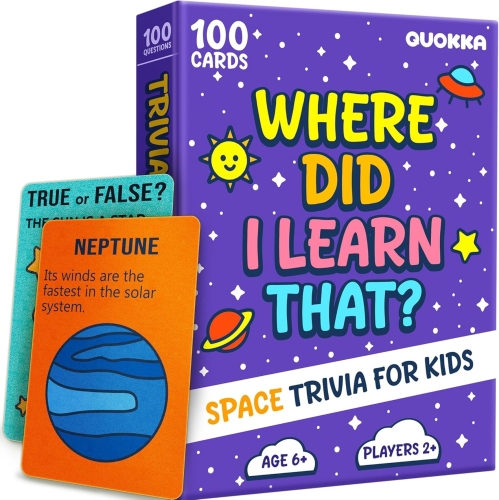
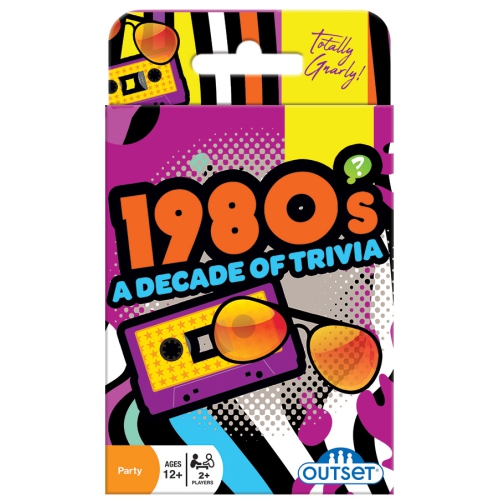
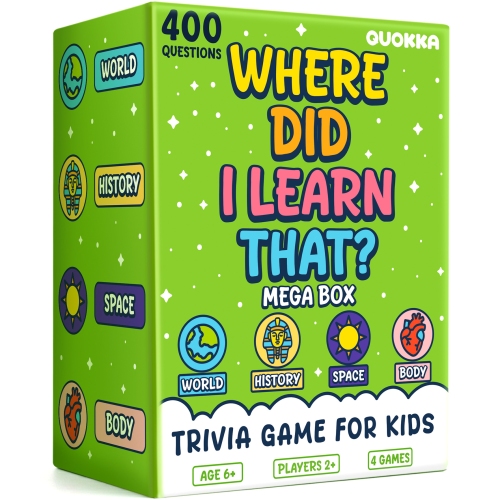

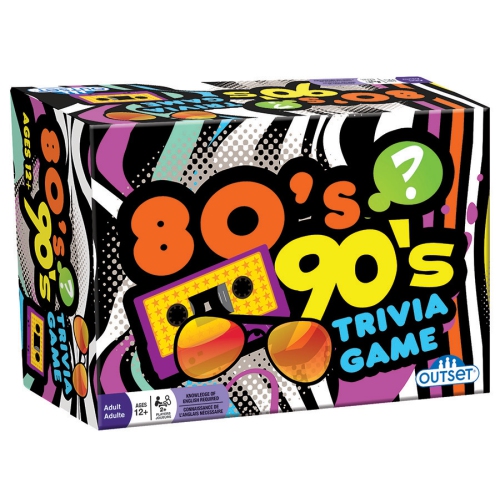

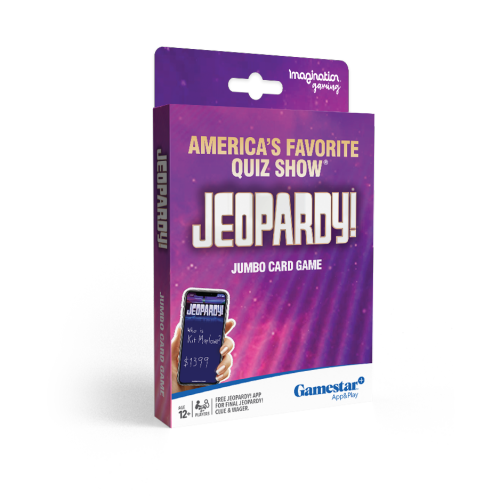




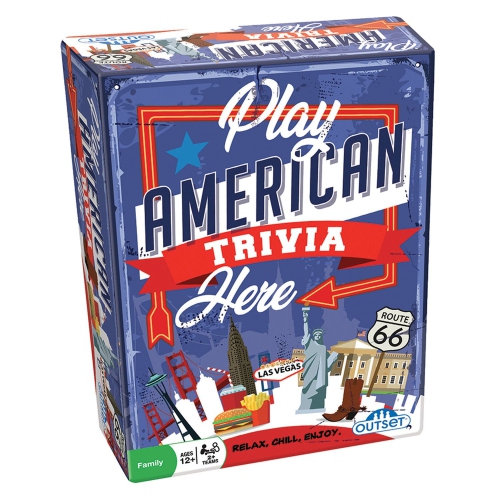
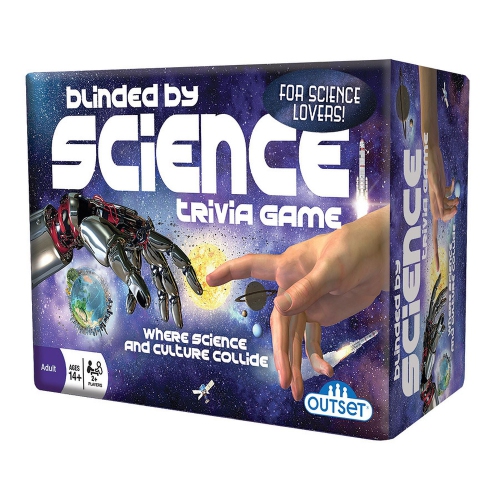
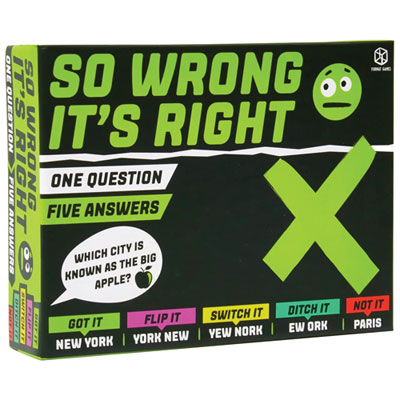

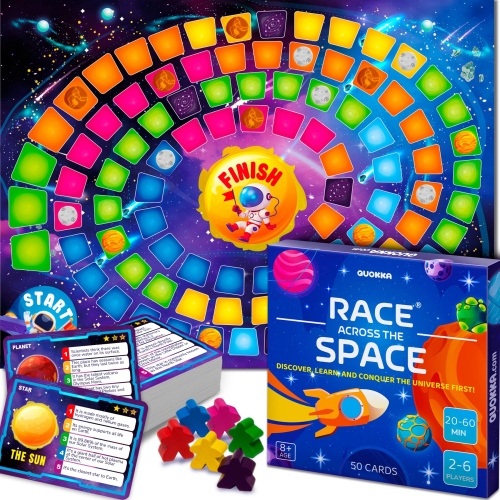
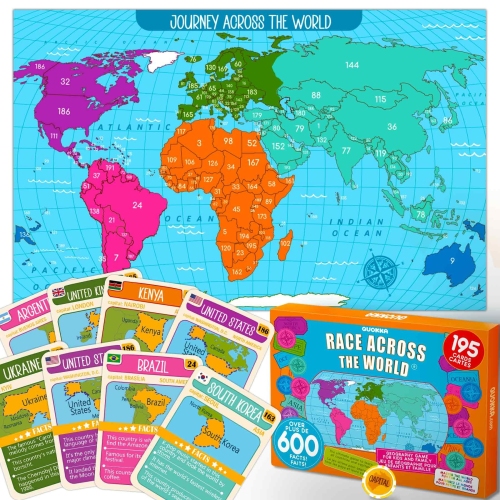





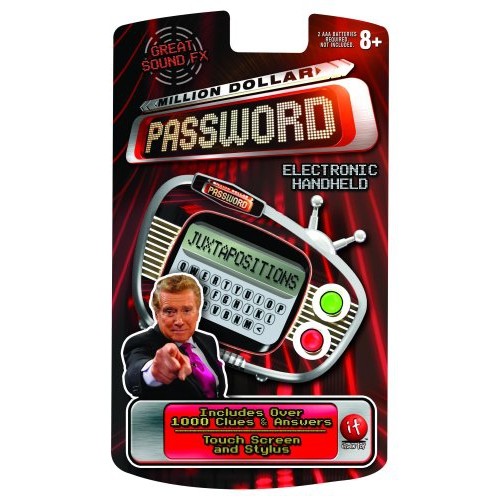
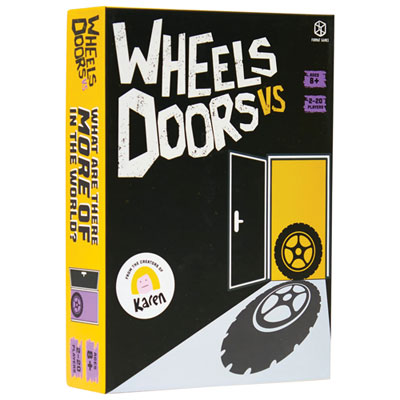


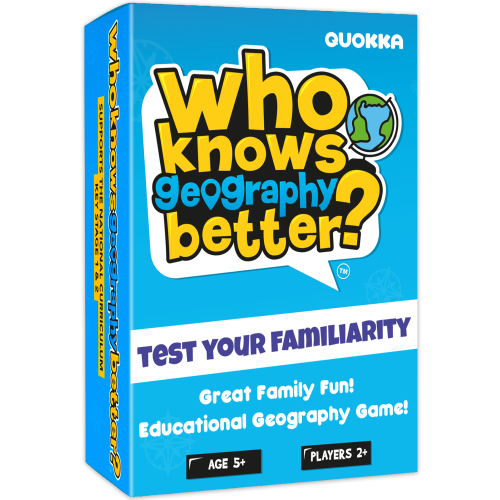
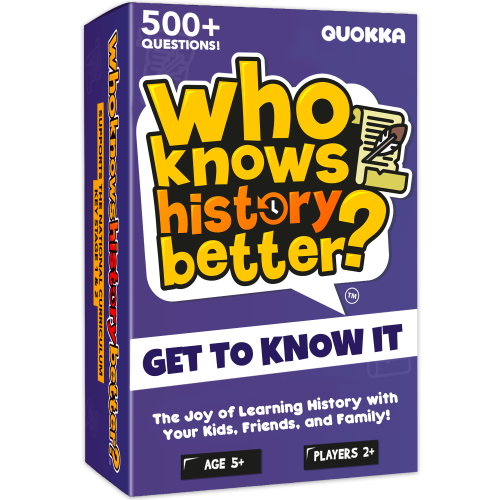





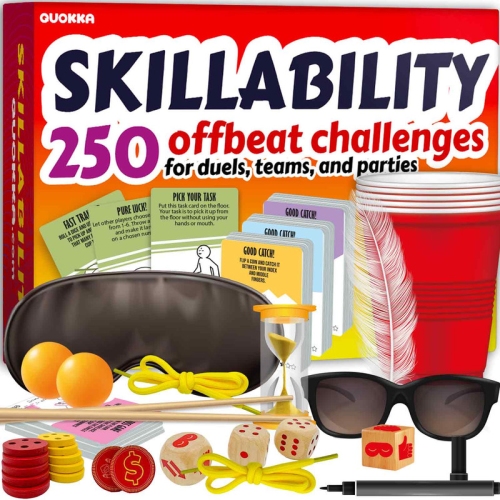
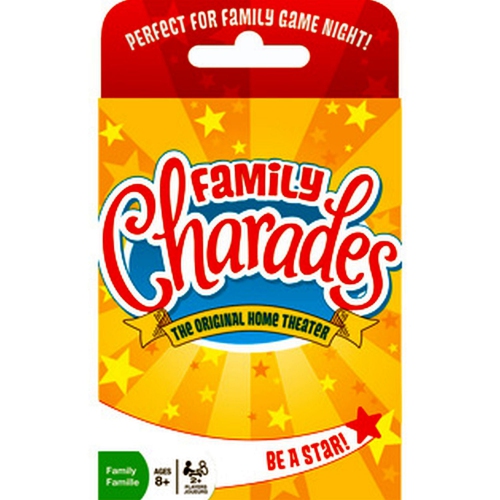
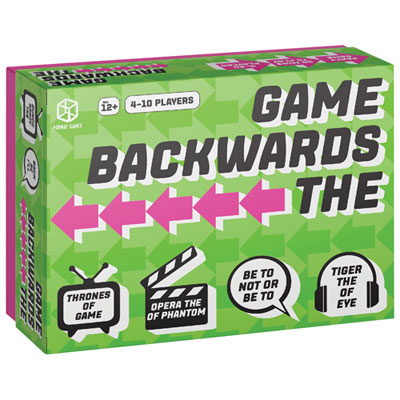
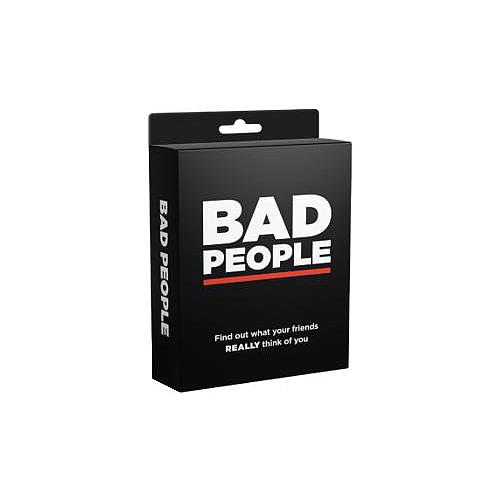





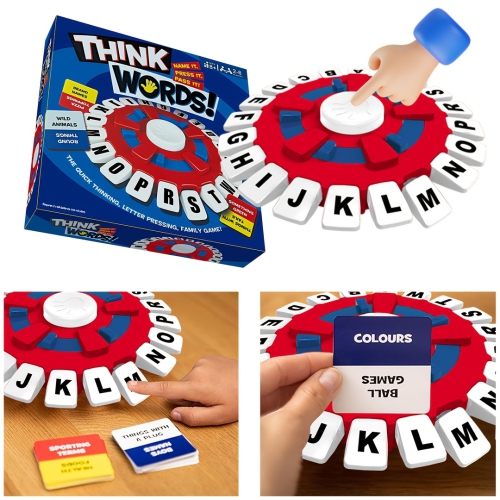
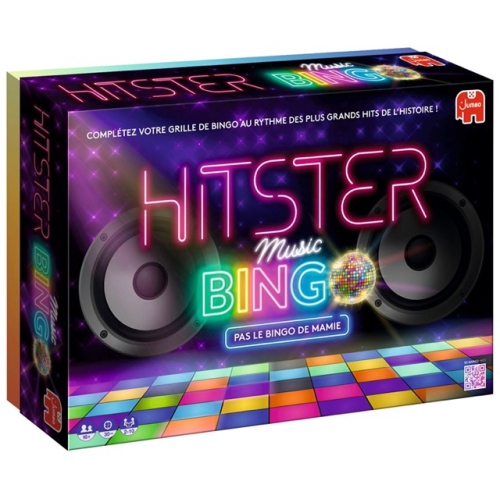
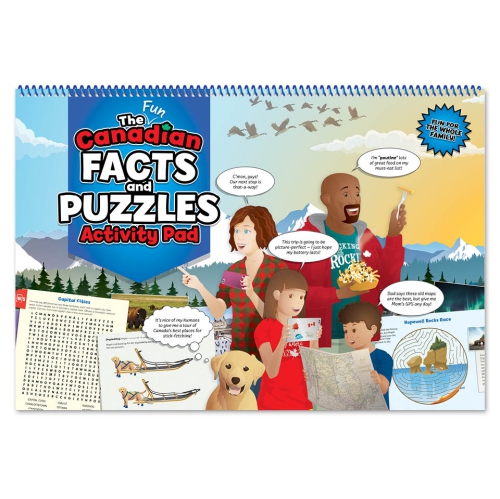


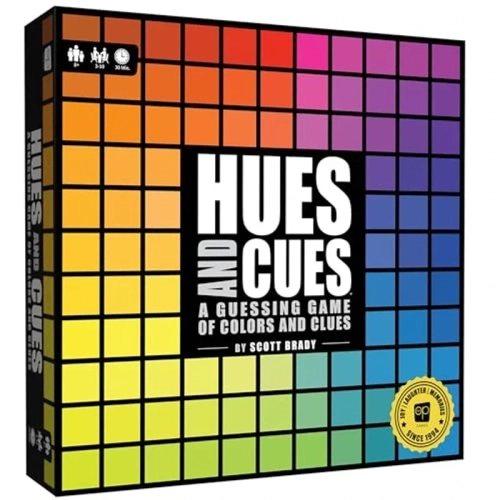
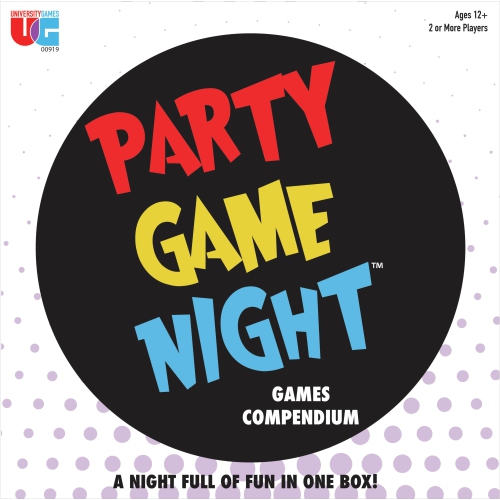


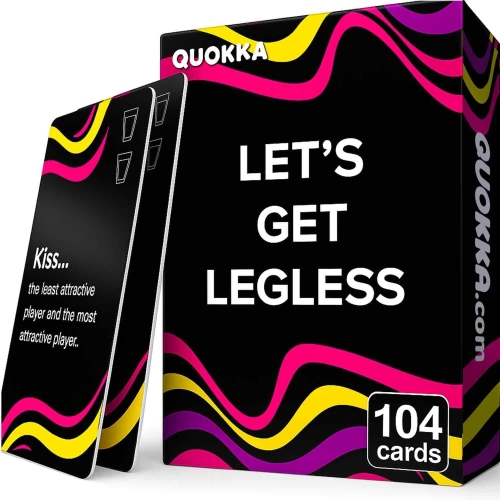
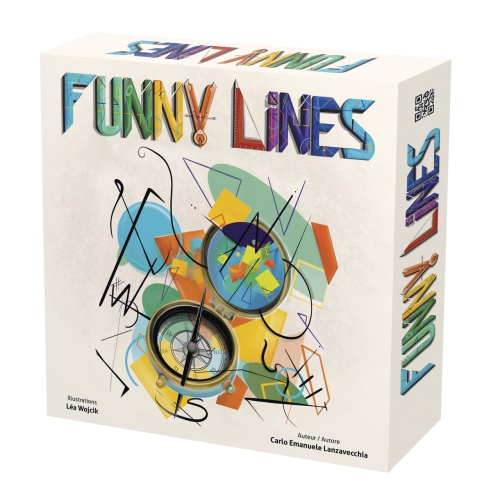
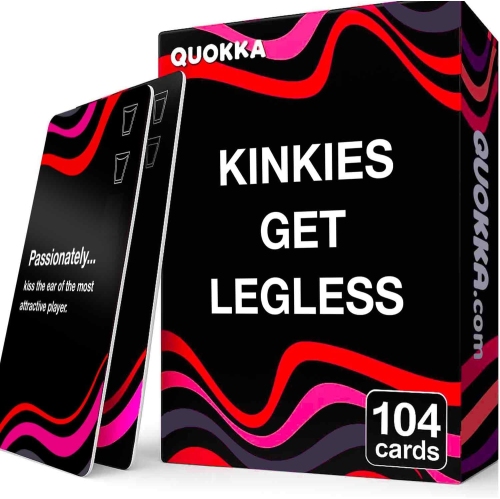
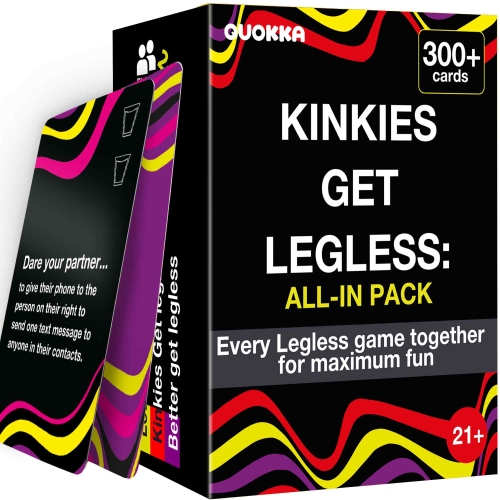
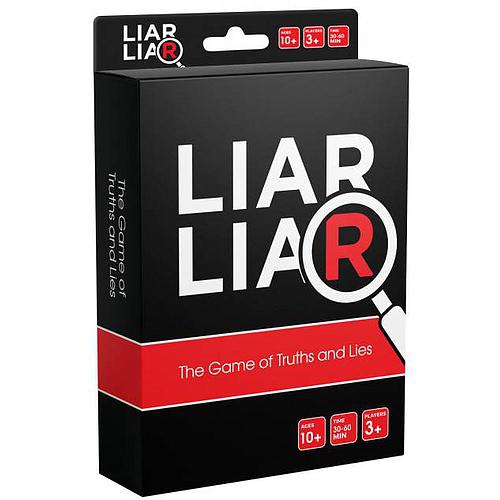
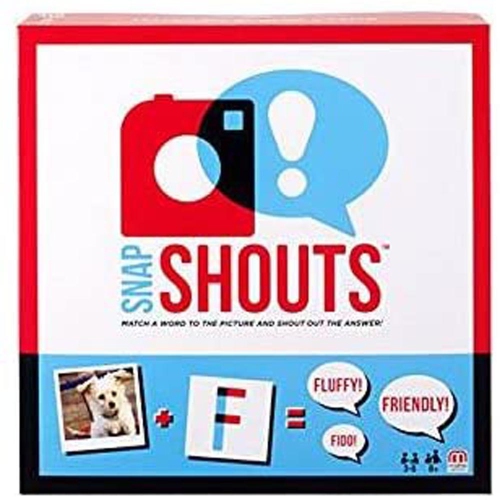

From quick questions to an evening of friendly competition
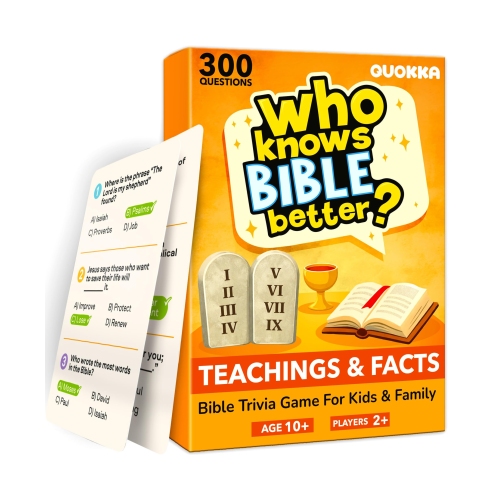
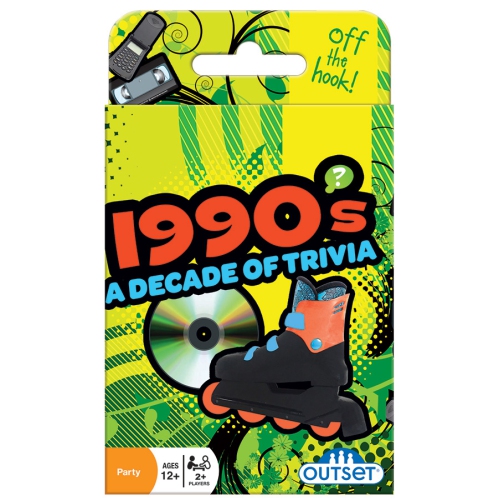
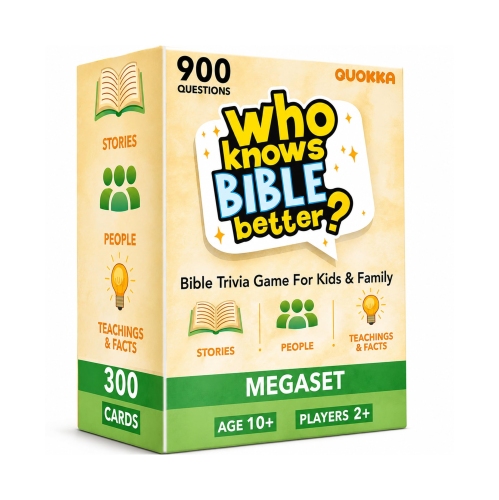
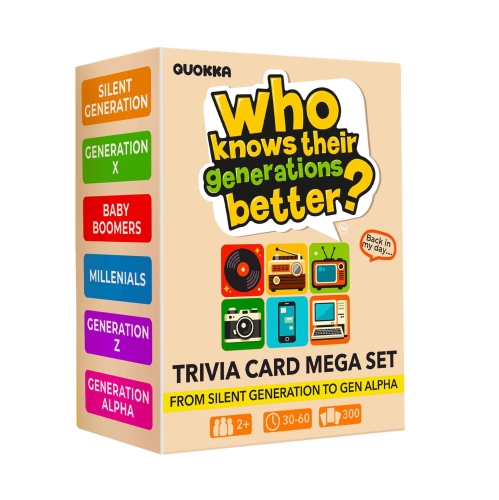
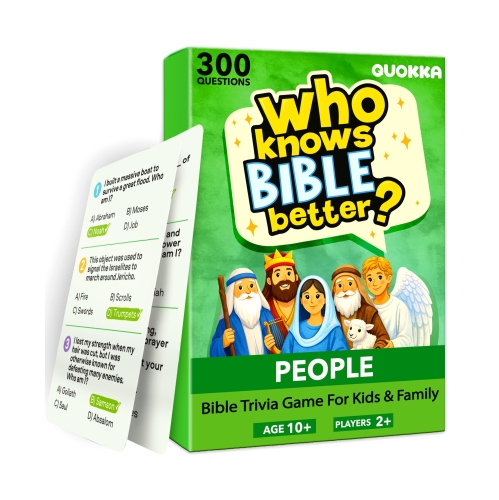
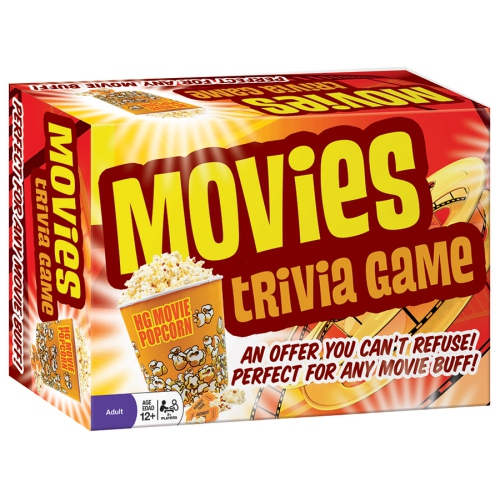
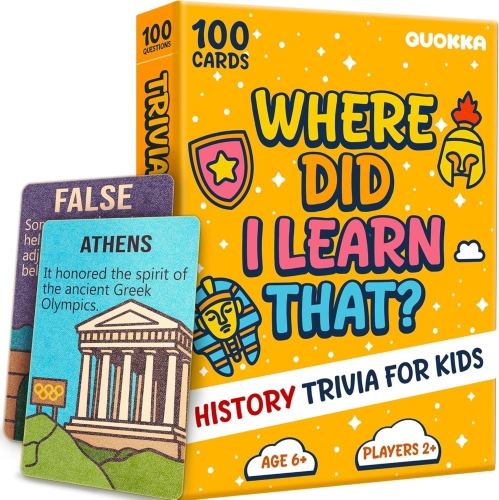
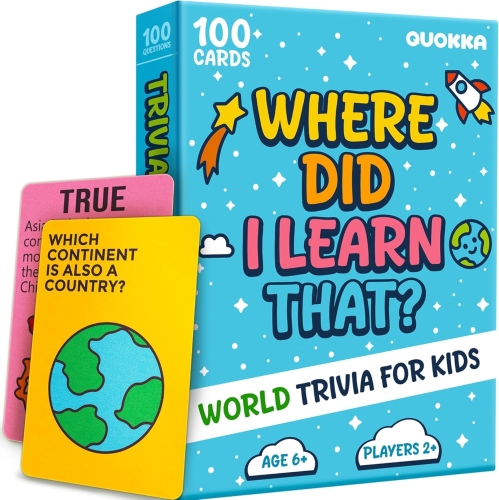
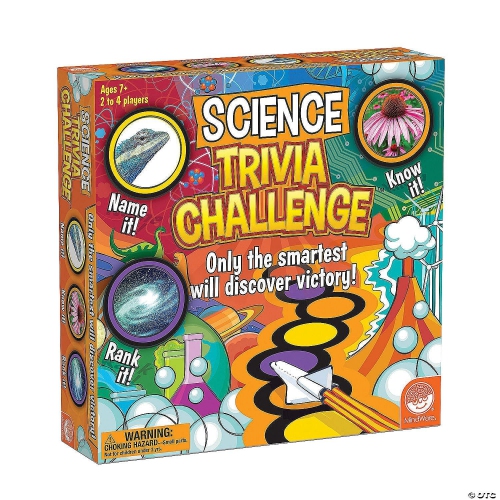
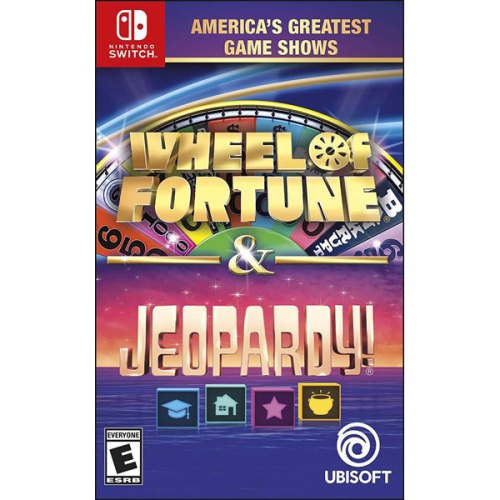
Trivia games are question-and-answer games that challenge players to recall facts, recognize clues, and compare knowledge across a range of subjects. They can cover broad topics such as history, geography, science, sports, music, and film, or focus on a particular interest for a more specialized challenge. Tabletop formats include board games with movement and scoring spaces, card-based games built around a deck of questions, and electronic games that may add sound, timers, or automatic scoring. Each format creates a slightly different experience at the table. A board can give a longer session a clear sense of progress, while a deck of questions can keep the attention on conversation and quick exchanges. Some games reward a correct answer with points; others use category completion, wagers, or a race to a finish space. Multiple-choice questions offer a starting point when an answer is unfamiliar, whereas open-ended questions ask players to supply the answer without prompts. Picture clues and audio rounds can bring different strengths into play, giving someone who recognizes a melody or a familiar landmark another way to contribute. For a gathering where guests are arriving at different times, short rounds with separate scores can make it easier for people to join between rounds. A more structured game with a defined finish suits a group that wants to settle in for a complete match. Team play creates room for lively discussion, including the whispered debate over a capital city or the sudden certainty that follows a half-remembered song lyric. Individual play puts each person’s knowledge in the spotlight and can work well for smaller groups. The distinction between a quick question round and a longer board-based session matters as much as the subject matter: a game intended for a brief break has a different rhythm from one chosen as the main activity for an evening with friends. Clear turn-taking and manageable answer times help keep either style moving without leaving players waiting too long for their next chance.
The best fit for a group depends on the balance between familiar subjects, fresh discoveries, and a level of difficulty that keeps everyone involved. Broad general-knowledge trivia games suit players with varied interests, while a focused theme can appeal to someone who happily remembers sporting records, film dialogue, or scientific discoveries. Difficulty is not determined by age alone. A younger player may know far more about a favourite topic than an adult, while questions tied to older television programmes or historical events may favour another generation. Mixed-age groups often benefit from separate question levels, multiple-choice answers, or teams that combine different areas of knowledge. The suggested age range is useful for understanding reading demands and content suitability, but the amount of text on each card and the complexity of the rules also shape the experience. Clear wording, readable type, and uncluttered layouts make questions easier to share aloud. Games that distinguish categories with both words and colours can be easier to follow than formats that rely on colour alone. Language matters, too: wordplay, spelling rounds, and culturally specific references may be more demanding for someone playing in an additional language. For Canadian households, the geographical focus of a question set can affect how familiar its sports, politics, and entertainment references feel. Player count deserves similar attention, since a format designed around head-to-head turns may feel quite different when several people are sharing each turn. For birthdays, housewarmings, or a gift for a regular game-night host, trivia games offer a shared activity rather than a solitary pastime. A recipient’s interests provide a useful starting point, but their usual group size and preferred pace help distinguish a thoughtful match from a game that feels too long or too specialized. Replay value can come from a substantial question pool, varied categories, or flexible ways to form teams. Repeated play may make some answers familiar, so variety matters for households that bring the same game to the table often.
Physical design has a practical effect on how a trivia game feels after repeated use. Cards are commonly made from printed cardstock, while boards and boxes often use thicker cardboard; playing pieces, holders, and electronic components may introduce plastic or other materials. Card thickness, surface finish, and print clarity influence how comfortably a deck can be handled and read. A smooth finish can help cards slide apart, although reflective surfaces may catch overhead light at certain angles. For frequent group play, sturdy corners, a well-supported board, and a box that keeps components from shifting can help limit everyday wear. Compact trivia card games can suit a small table or a travel bag, particularly when the format needs little more than a question deck and a simple way to track points. Larger board layouts need enough space for the board, cards, pieces, and each player’s view of the action. Loose tokens and small components also make the recommended age and any small-parts warnings important in homes with young children. Routine care is straightforward: clean, dry hands help protect printed surfaces, and drinks kept away from the playing area reduce the chance of swollen cardboard or marked cards. Paper components are generally best kept dry rather than wiped with a wet cloth, while plastic or electronic parts should be cleaned according to their care instructions. Returning cards to their compartments and keeping the box somewhere dry helps preserve both organization and condition. For electronic or app-supported formats, the intended setup may also involve batteries, a compatible device, an internet connection, or access to a companion app. Those requirements affect where the game can be played and how much preparation it needs. A straightforward tabletop format can offer an appealing screen-free activity, while sound and digital scoring may suit a group that enjoys a livelier presentation. Across these formats, clear questions, comfortable pacing, and components suited to the setting help make trivia an activity people can return to together.
Top selling and popular products
-
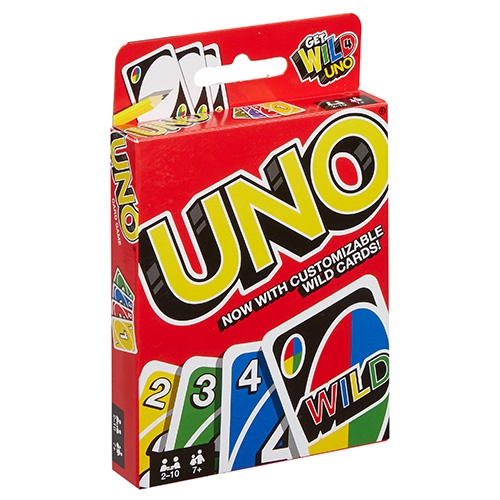 Your price for this item is $14.99
-
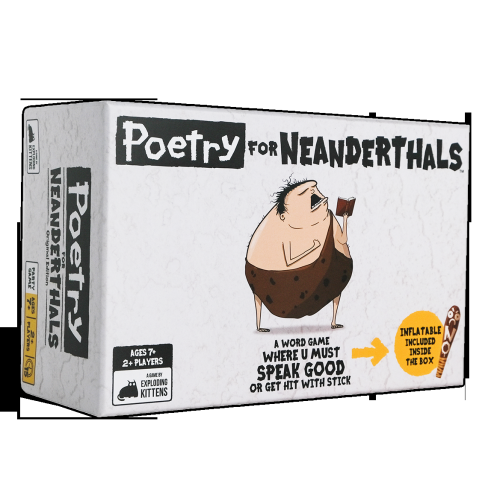 Your price for this item is $34.99
-
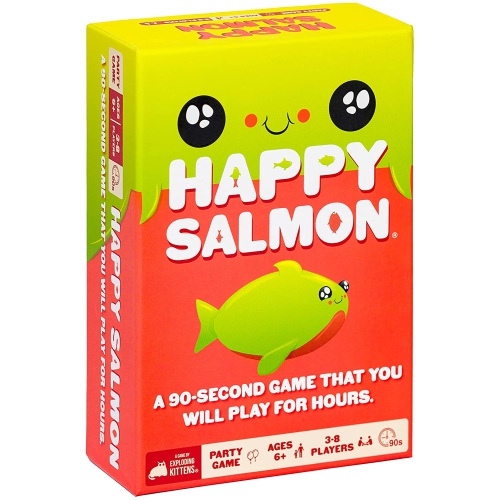 Your price for this item is $21.99
-
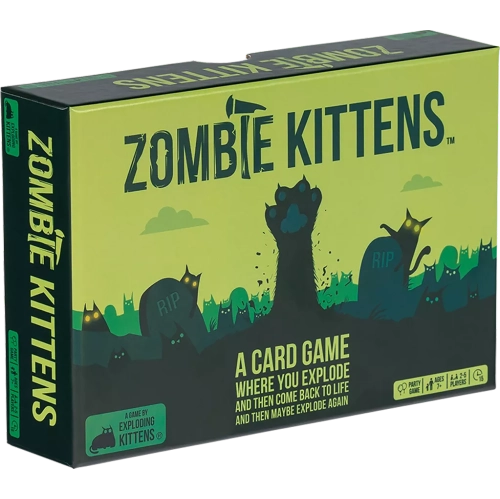 Your price for this item is $34.99
-
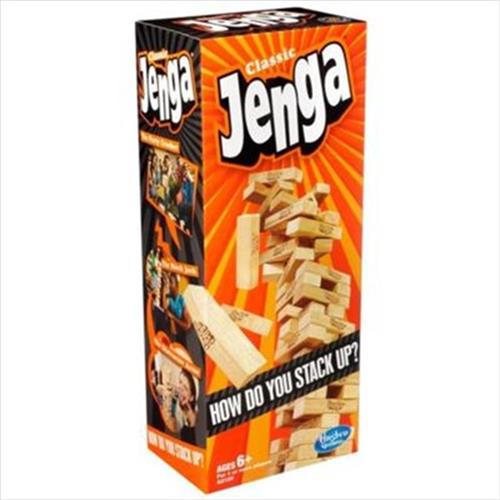 Your price for this item is $24.99
-
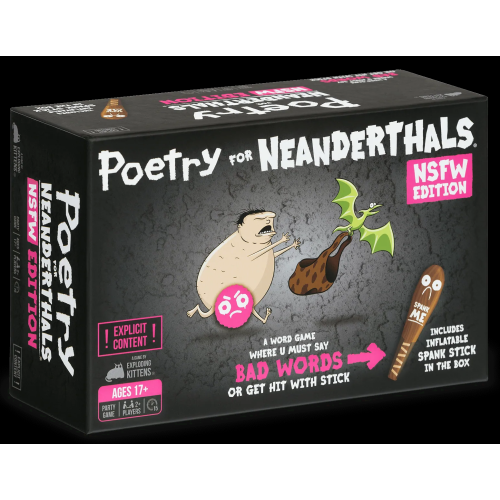 Your price for this item is $31.99
-
 Your price for this item is $29.99
-
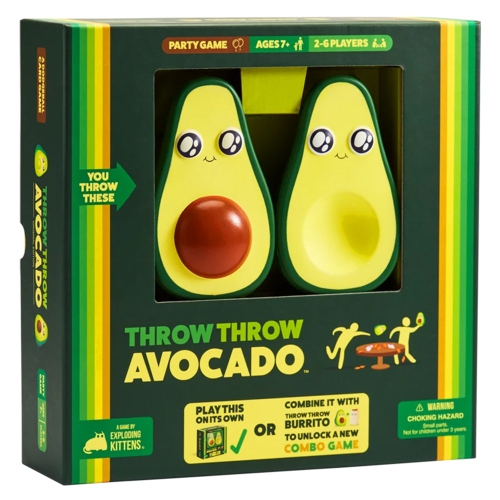 Your price for this item is $44.99
Discover more categories related to Trivia Games
Top Collections:
Pokemon Centers, Kindle Devices, Best Black Friday Deals This Year, Pokémon 30th Celebration Cards, Best Black Friday Deals On Electronics, Best Cameras for Sports Photography, Best Black Friday Deals On Apple Products, Canon G7X Cameras, iPhone 15 Apple, Candle Warmer Lights
Some products may be subject to Environmental Handling Fees
(EHF) depending on your province.
Learn more about EHFs.