Trivia Card Games
Dive into the world of trivia card games and experience the perfect blend of fun and challenge that brings friends and family together. Whether you're a trivia novice or a seasoned expert, these games offer endless opportunities to test your knowledge across a wide range of topics. Ideal for game nights, parties, or casual gatherings, trivia card games are designed to entertain and engage players of all ages. Explore our diverse selection to find the perfect match for your interests and prepare for hours of laughter, learning, and friendly competition.
Sort
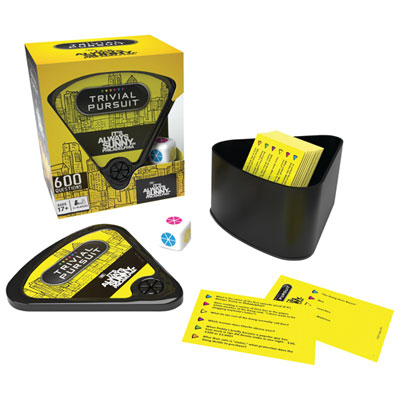
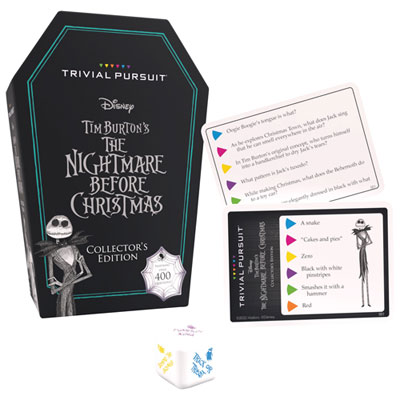
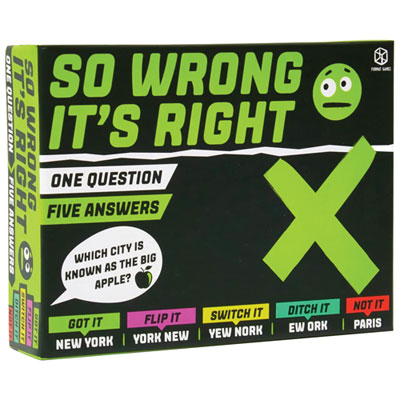
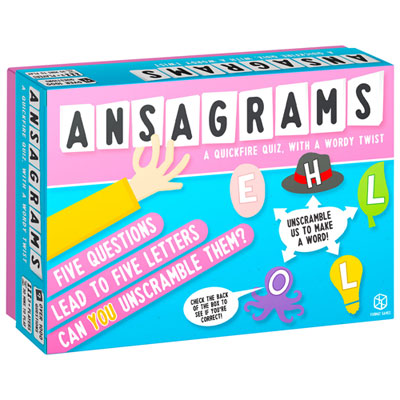
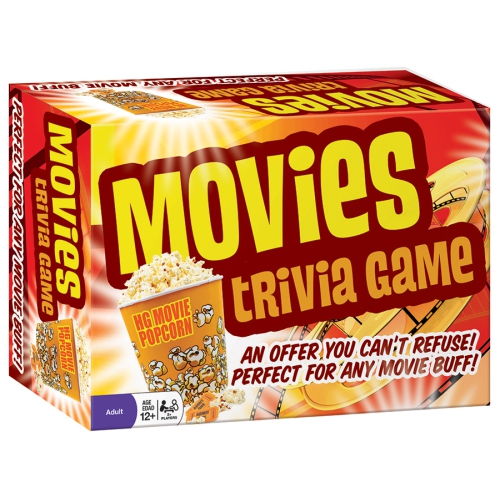
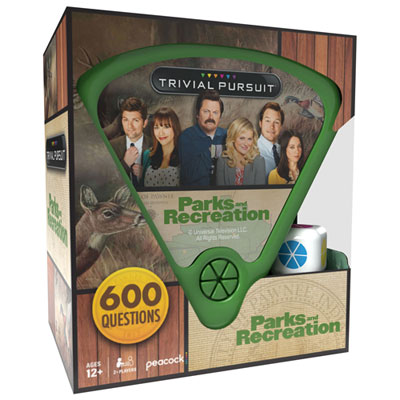
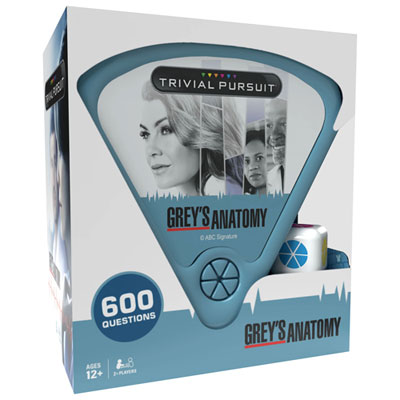
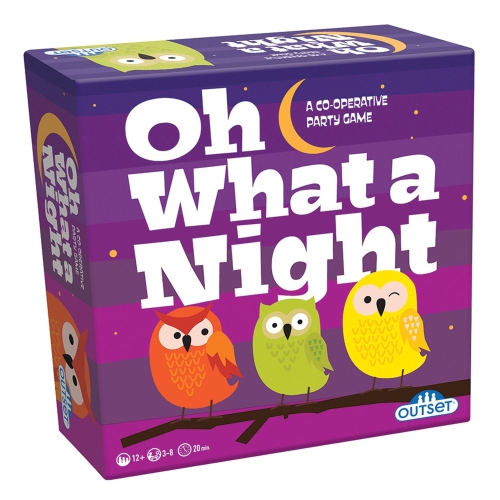
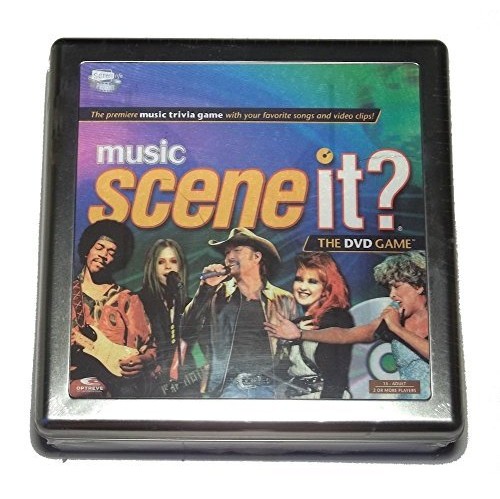
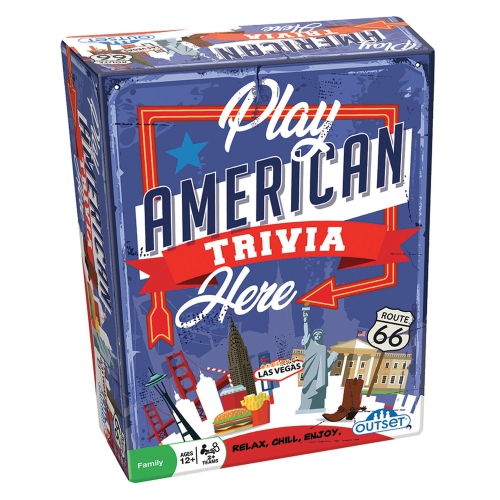
Portable questions turn casual gatherings into lively competition
Trivia card games are compact, easy-to-learn games that turn general knowledge into a lively group activity. Instead of a large board, a collection of tokens, or a lengthy setup, most versions use a deck of question cards and a straightforward scoring system, making them simple to bring to a kitchen table, cottage, classroom, holiday gathering, or restaurant. Questions may cover pop culture, history, geography, science, sports, entertainment, food, animals, or everyday facts, while some decks focus on a particular age group or subject. This variety makes it easier to find a game that suits the people playing. A general-knowledge deck can encourage friendly competition among adults, while an age-appropriate set with clear wording can help children and teens practise recall, listening, and reasoning in an entertaining way. Some games ask players to answer directly, others invite them to identify an image, narrow down possibilities, guess a hidden subject, or provide a set number of clues. There are also options that add strategy through wagers, category choices, timed turns, trading opportunities, or penalties for incorrect answers. A scoring format that rewards correct responses creates a satisfying sense of progress, while a game that subtracts points for mistakes can make even familiar questions feel suspenseful. For a broader selection of formats and themes, browse Trivia Games. When choosing among trivia card games, consider the recommended age range, number of players, average playing time, question difficulty, and whether the cards are designed for individual turns or team play. A quick 10- to 20-minute game can fit naturally into a coffee break or a casual evening, whereas a larger deck with several rounds may be better suited to a dedicated game night.
The best trivia card games are flexible enough to match the mood of the group. For a relaxed evening, players can take turns drawing cards and discussing surprising answers, with the rules serving as a framework rather than an obstacle. For a more energetic gathering, a timer can keep the pace moving and encourage quick thinking. Teams are helpful when knowledge levels vary, since younger players, occasional gamers, and trivia enthusiasts can contribute different strengths without placing every answer on one person. Pairing players also creates natural conversation: someone may remember a historical detail, recognize a film reference, or know an unexpected fact about an animal, while another player may excel at clues and deduction. Before starting, it helps to agree on how close an answer must be, how disputed responses will be handled, and whether players can offer hints. Keeping a phone or reference source out of reach during the round preserves the challenge, but checking an answer afterwards can turn an unfamiliar fact into a memorable talking point. Compact card boxes are especially useful for travel because they can fit into a backpack, tote, suitcase, or board-game shelf without taking much space. They are practical for visits with family, afternoons at the cottage, road-trip stops, and indoor gatherings during the cooler months. Since many versions require little more than a flat surface, they can be played at a dining table, coffee table, picnic table, or countertop. Adults may enjoy challenging one another with media, history, or general-knowledge questions, while families can look for accessible wording and themes that invite children to participate. For younger players, check that the reading level and subject matter are suitable, and consider whether the game supports team play if some participants are still developing their reading skills. For older children and teens, deduction-based questions and timed rounds can add energy without requiring a complicated rulebook. Trivia card games can also make thoughtful gifts for hosts, students, teachers, grandparents, travellers, and anyone who enjoys conversation-led entertainment. Their small format makes them easy to wrap, pack, or add to a larger gift, and their replay value comes from the variety of questions and the changing mix of players.
When comparing trivia card games, look beyond the cover theme and consider how the game will actually be used. A deck with broad categories may appeal to a mixed group and offer more opportunities for everyone to answer, while a specialized theme can be a better fit for a fan of a particular subject. If the players have very different knowledge levels, a game with multiple ways to score or several difficulty levels may feel more balanced than one built around highly specialized facts. The player count matters as well: a small group may prefer a head-to-head format with direct competition, while a larger gathering may benefit from team rounds that prevent long waits between turns. A clear instruction sheet, durable cards, and an organized deck can make setup and storage easier, especially when the game is used often. It is also worth checking whether the game can be completed in one sitting or whether it is designed for several rounds, since both formats have their place. Short sessions work well between other activities, after a meal, or when attention spans are mixed; longer sessions can become the centrepiece of a game night, with players keeping score across several categories. Trivia is naturally social, but it does not have to be intense. Players can use the cards as conversation starters, pause to share a related memory, or create house rules that suit the group. A well-chosen deck can bring laughter when an answer seems obvious but proves elusive, spark friendly debate over a close response, and introduce facts that stay with players long after the cards are put away. Whether used at home, packed for a trip, brought to a family gathering, or given as a gift, trivia card games offer a portable way to combine learning, conversation, and light-hearted competition.
The best trivia card games are flexible enough to match the mood of the group. For a relaxed evening, players can take turns drawing cards and discussing surprising answers, with the rules serving as a framework rather than an obstacle. For a more energetic gathering, a timer can keep the pace moving and encourage quick thinking. Teams are helpful when knowledge levels vary, since younger players, occasional gamers, and trivia enthusiasts can contribute different strengths without placing every answer on one person. Pairing players also creates natural conversation: someone may remember a historical detail, recognize a film reference, or know an unexpected fact about an animal, while another player may excel at clues and deduction. Before starting, it helps to agree on how close an answer must be, how disputed responses will be handled, and whether players can offer hints. Keeping a phone or reference source out of reach during the round preserves the challenge, but checking an answer afterwards can turn an unfamiliar fact into a memorable talking point. Compact card boxes are especially useful for travel because they can fit into a backpack, tote, suitcase, or board-game shelf without taking much space. They are practical for visits with family, afternoons at the cottage, road-trip stops, and indoor gatherings during the cooler months. Since many versions require little more than a flat surface, they can be played at a dining table, coffee table, picnic table, or countertop. Adults may enjoy challenging one another with media, history, or general-knowledge questions, while families can look for accessible wording and themes that invite children to participate. For younger players, check that the reading level and subject matter are suitable, and consider whether the game supports team play if some participants are still developing their reading skills. For older children and teens, deduction-based questions and timed rounds can add energy without requiring a complicated rulebook. Trivia card games can also make thoughtful gifts for hosts, students, teachers, grandparents, travellers, and anyone who enjoys conversation-led entertainment. Their small format makes them easy to wrap, pack, or add to a larger gift, and their replay value comes from the variety of questions and the changing mix of players.
When comparing trivia card games, look beyond the cover theme and consider how the game will actually be used. A deck with broad categories may appeal to a mixed group and offer more opportunities for everyone to answer, while a specialized theme can be a better fit for a fan of a particular subject. If the players have very different knowledge levels, a game with multiple ways to score or several difficulty levels may feel more balanced than one built around highly specialized facts. The player count matters as well: a small group may prefer a head-to-head format with direct competition, while a larger gathering may benefit from team rounds that prevent long waits between turns. A clear instruction sheet, durable cards, and an organized deck can make setup and storage easier, especially when the game is used often. It is also worth checking whether the game can be completed in one sitting or whether it is designed for several rounds, since both formats have their place. Short sessions work well between other activities, after a meal, or when attention spans are mixed; longer sessions can become the centrepiece of a game night, with players keeping score across several categories. Trivia is naturally social, but it does not have to be intense. Players can use the cards as conversation starters, pause to share a related memory, or create house rules that suit the group. A well-chosen deck can bring laughter when an answer seems obvious but proves elusive, spark friendly debate over a close response, and introduce facts that stay with players long after the cards are put away. Whether used at home, packed for a trip, brought to a family gathering, or given as a gift, trivia card games offer a portable way to combine learning, conversation, and light-hearted competition.
Top selling and popular products
-
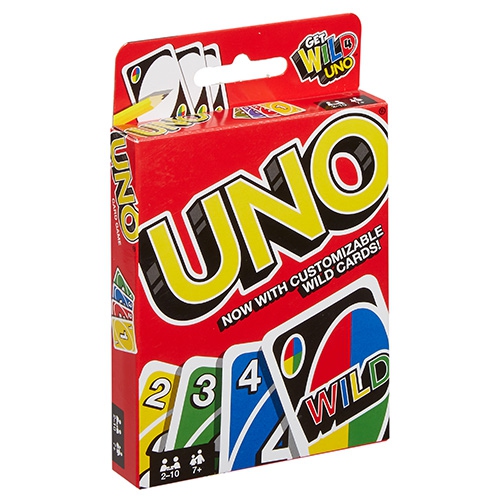 Your price for this item is $14.99
 -
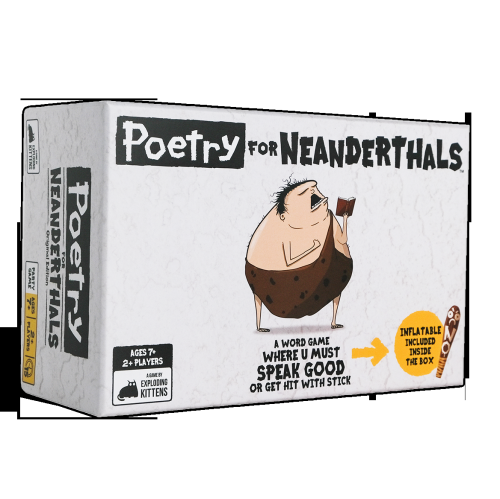 Your price for this item is $34.99
 -
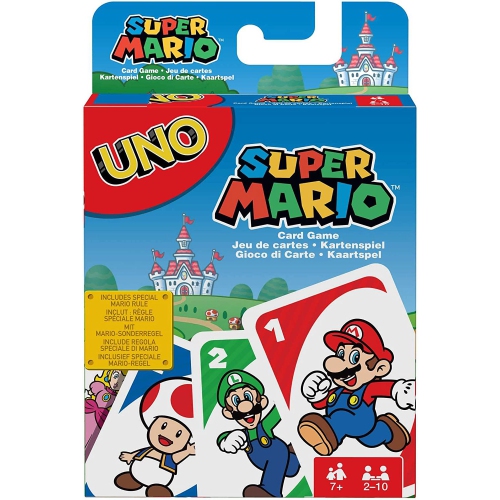 Your price for this item is $15
 -
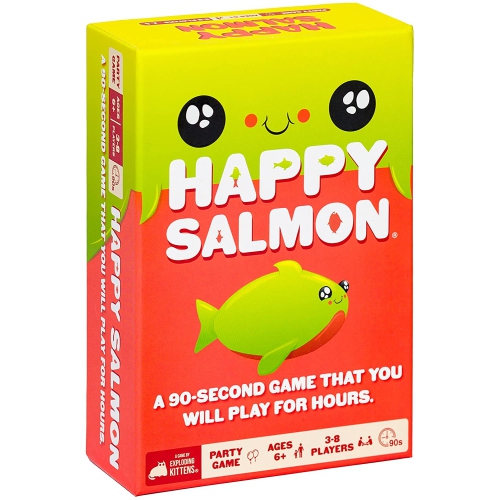 Your price for this item is $21.99
 -
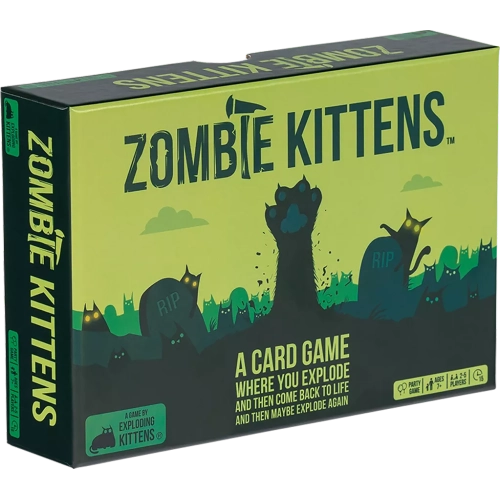 Your price for this item is $34.99
 -
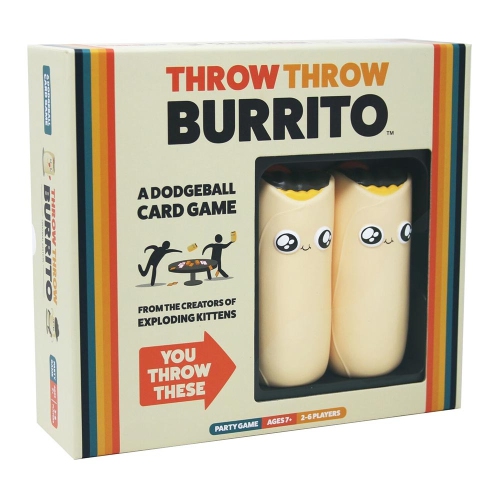 Your price for this item is $44.99
 -
 Your price for this item is $34.11
 -
 Your price for this item is $17.8
Discover more categories related to Trivia Card Games
Top Collections:
Pokemon Centers, Kindle Devices, Best Cell Phones Under $500, Alarm Clock, Canon G7X Cameras, iPhone 15 Apple, Apple iPhones 16, Laptops for Students, iPhone 14 256GB, Budget Smartphones
Some products may be subject to Environmental Handling Fees
(EHF) depending on your province.
Learn more about EHFs.