Science Kits for 4 Year Olds
Ignite your little one's curiosity and foster a love for science with our collection of science kits designed specifically for 4-year-olds. At this age, children are eager to explore the world around them, and what better way to engage their inquisitive minds than with hands-on experiments and activities? Our science kits are carefully curated to provide age-appropriate educational experiences that encourage critical thinking, problem-solving, and a deeper understanding of scientific concepts. From simple experiments to captivating projects, these science kits offer endless opportunities for your child to learn and have fun at the same time. Let your little scientist embark on an exciting journey of discovery with our range of science kits for 4-year-olds.

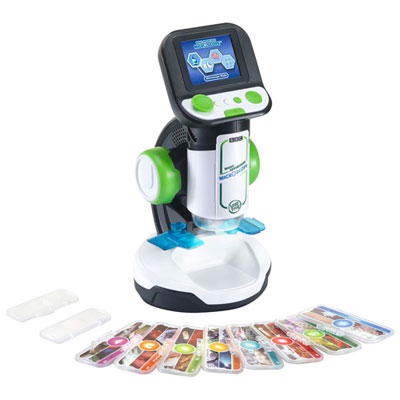
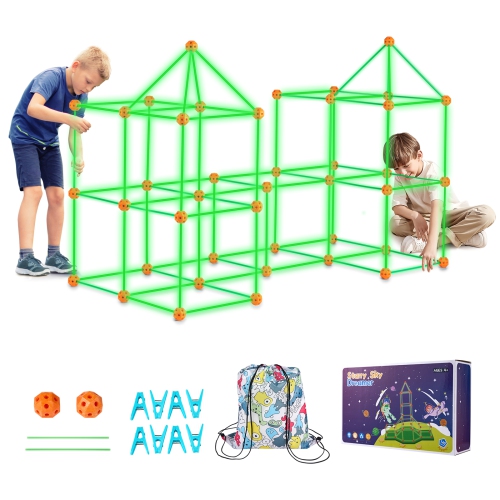
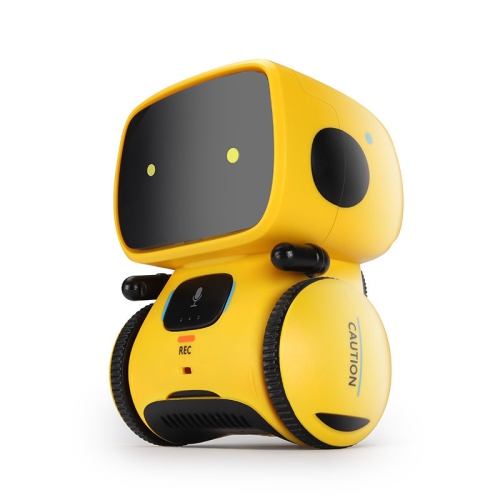

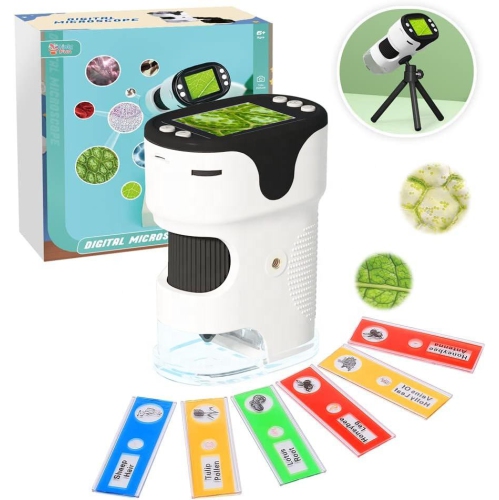
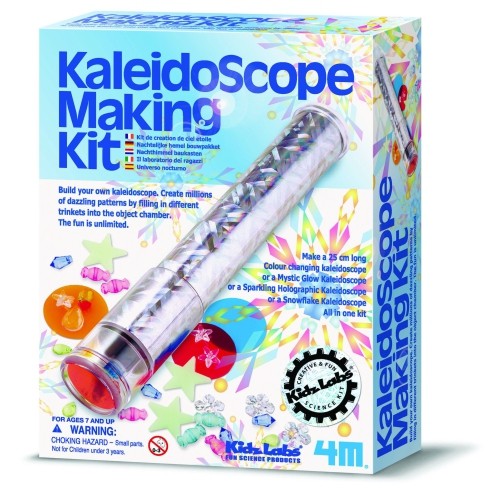

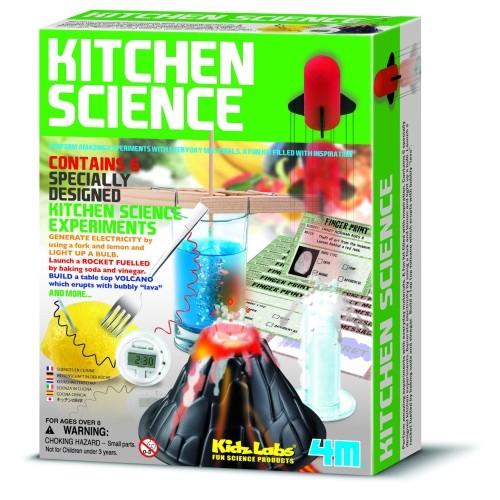
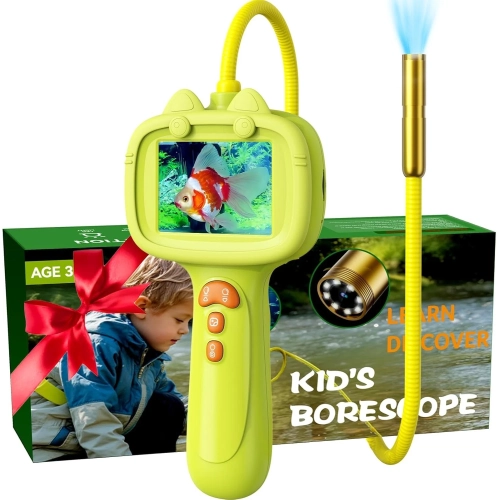
Simple experiments give small hands an active role
The design and materials of preschool science kits affect how comfortably children can use them and how well the pieces stand up to repeated play. Lightweight, sturdy plastic tools are common because they are easier for small hands to lift than heavier lab-style equipment. Smooth edges, broad bases, easy-grip handles, and clearly marked containers are practical features to look for, along with parts that fit together without excessive force. A large dropper should be manageable to squeeze, and a pouring container should remain comfortable to hold when filled to its intended level. Where goggles are included, their fit matters: they should sit securely without pinching or slipping, and their presence does not replace adult supervision or the precautions listed in the instructions. Age labelling is more important than a kit’s scientific theme or colourful packaging. A set intended for older children may contain small components, more demanding assembly, or materials that are unsuitable for a 4-year-old, even when an adult plans to help. Check the stated minimum age, warnings, required supervision, and any additional supplies before use. Science materials should stay separate from snacks and drinks, and children should not taste experiment mixtures. Any household ingredients should be used only as directed by the kit rather than mixed freely. A clear work surface, a protective tray, and an adult within reach help keep pouring and splashing manageable. Care instructions also deserve attention, particularly for tools with narrow openings or flexible sections that can hold moisture. Rinse or wash reusable parts as directed, allow them to dry fully, and inspect them for cracks or damage before the next activity. Keeping instructions with the kit makes later sessions easier, while secure storage keeps loose pieces and experiment materials away from younger siblings and pets. It is also worth distinguishing between reusable equipment and consumable supplies. A kit with durable tools may support many sessions, but some included activities can only be repeated while their materials last.
Science kits can suit different kinds of preschool play, from a quiet activity with a parent to a shared discovery session with a grandparent or caregiver. For a child who prefers predictable routines, a familiar sequence of filling, pouring, and observing may feel more inviting than an elaborate experiment with several stages. Children who enjoy stories may connect with an activity framed around building a bridge or investigating how water travels, provided the science remains simple enough for them to take part. Picture instructions can help a non-reader follow along, although an adult still needs to read the full directions and manage any preparation. Short activities with natural stopping points work well around meals, rest time, and other family routines. A child might spend several minutes carefully transferring water, then want to repeat exactly the same task rather than move to a new experiment. That repetition is a normal part of exploring how a tool works. Adults can support the experience by describing what is happening, giving the child time to respond, and changing just one detail when the instructions allow it. Comparing a small pour with a larger one, for example, makes a difference easier to notice than changing several things at once. For birthdays and other gift-giving occasions, the recipient’s interests and the household’s setup are useful considerations alongside age suitability. A compact kit with straightforward cleanup may be a thoughtful choice for a family with limited table space, while a child who enjoys construction may get more use from a building-focused set than a mixing activity. Consider the caregiver’s involvement, too: preschool kits are generally a shared experience, not an independent project. In households with children at different stages, keeping activities age-appropriate helps each child participate comfortably. Families shopping for an older sibling can explore Science Kits for 8 Year Olds for a separate age-focused selection rather than expecting one kit to suit everyone. For a 4-year-old, the lasting appeal often lies in simple tools, visible changes, and the freedom to repeat a small discovery with someone close by.
Top selling and popular products
-
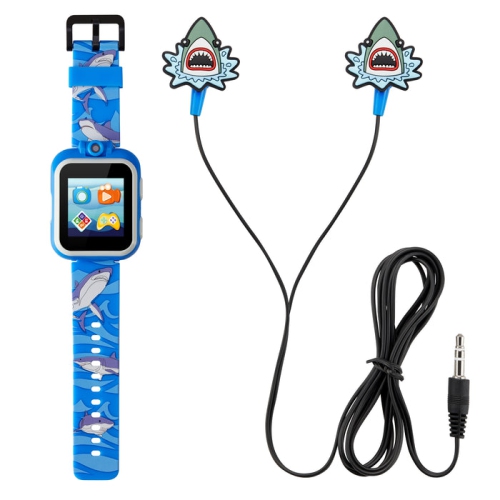 Your price for this item is $38.98
 -
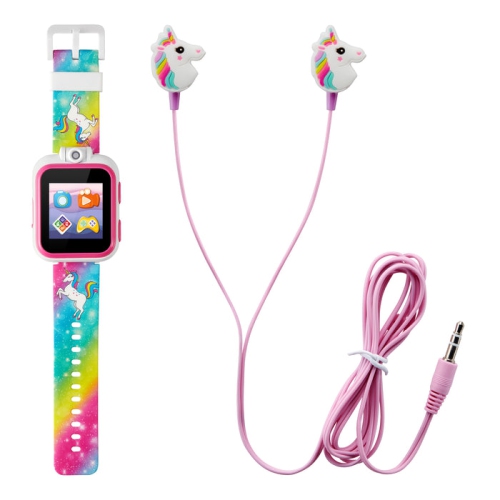 Your price for this item is $19.99
 -
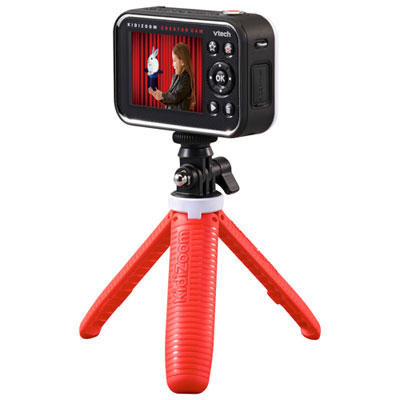 Your price for this item is $89.99
 -
![OSMO - Genius Starter Kit - for Ipad [Electronics]](https://multimedia.bbycastatic.ca/multimedia/products/500x500/188/18884/18884576.jpeg) Your price for this item is $199.99
Your price for this item is $199.99 -
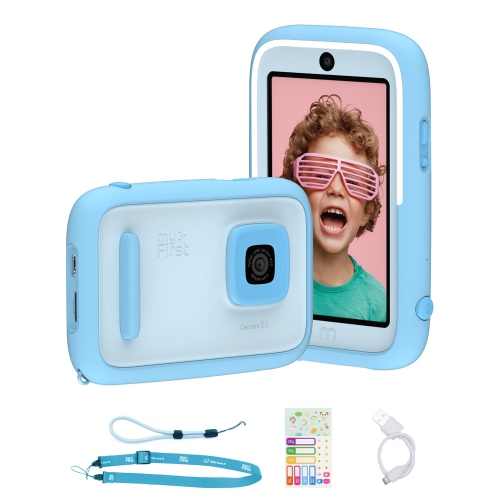 Your price for this item is $149
 -
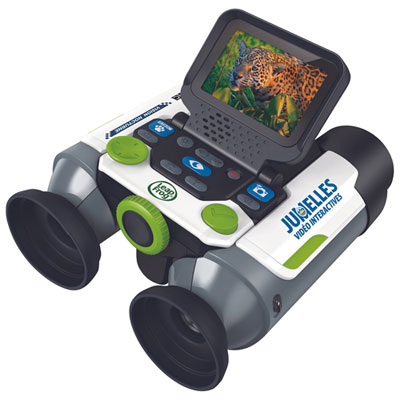 Your price for this item is $67.98
 -
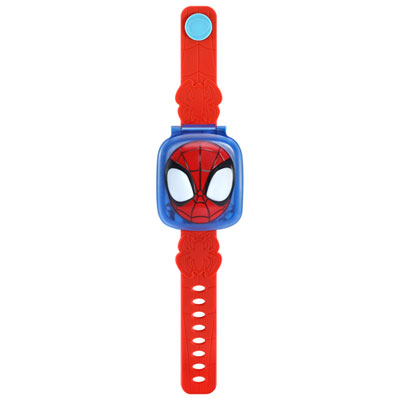 Your price for this item is $19.99
 -
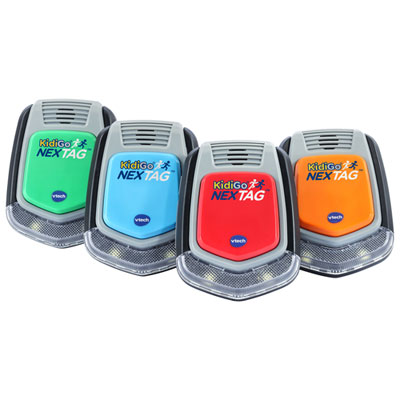 Your price for this item is $19.97