12V Power Adapters
12v power adapters are essential accessories for delivering reliable power to a wide range of electronic devices and appliances. Whether you’re replacing an old adapter or need an extra for convenience, finding the right 12v power adapter ensures your gadgets stay charged and ready to use. Explore options designed to support everything from home electronics to automotive accessories, making it easy to keep your devices powered wherever you go.
Sort
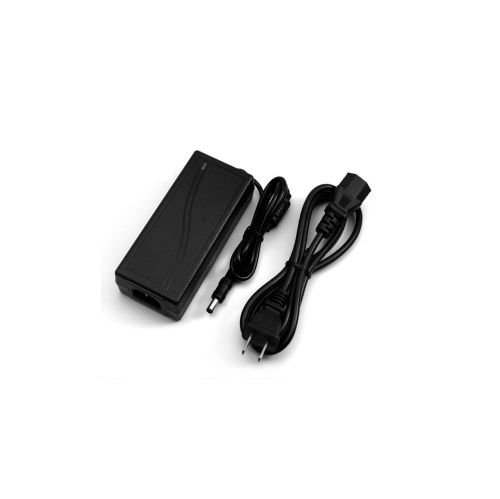
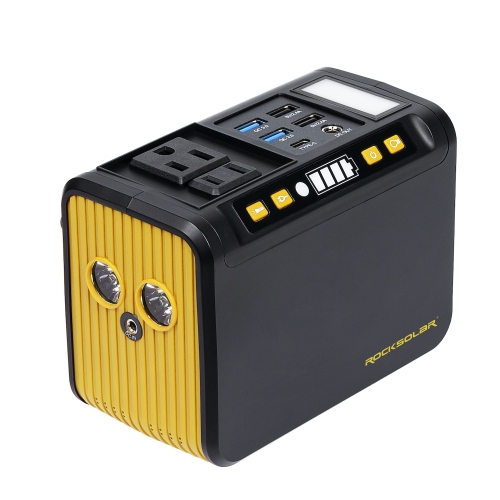
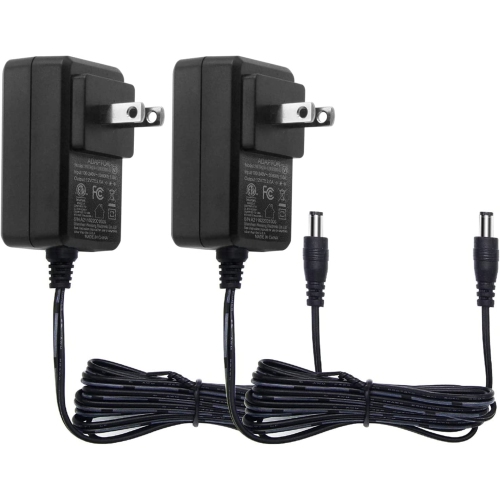
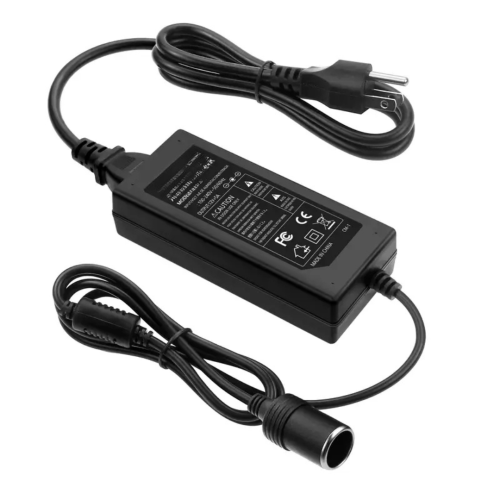






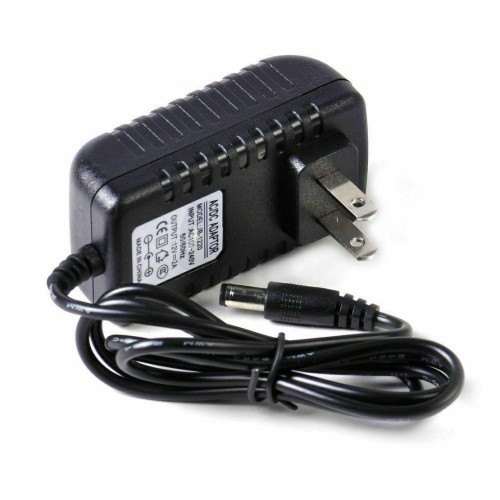

Power adapter compatibility goes beyond a matching plug
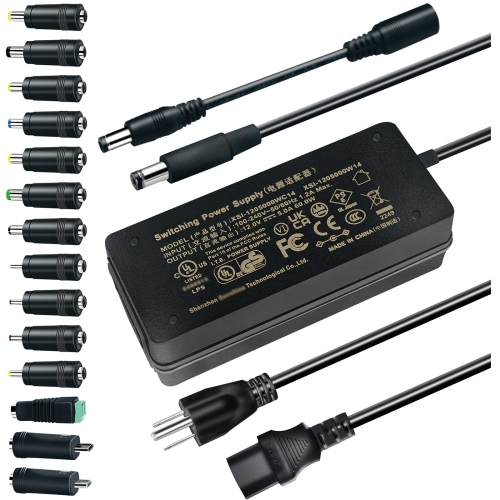
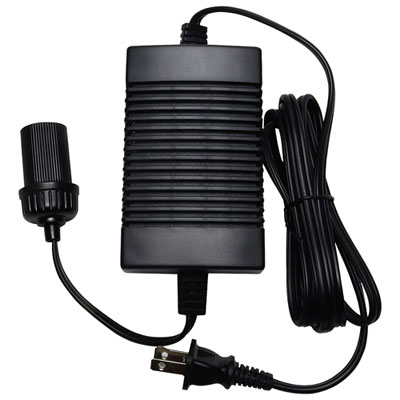
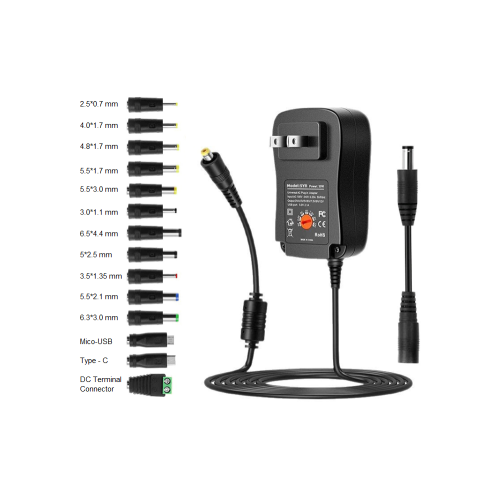
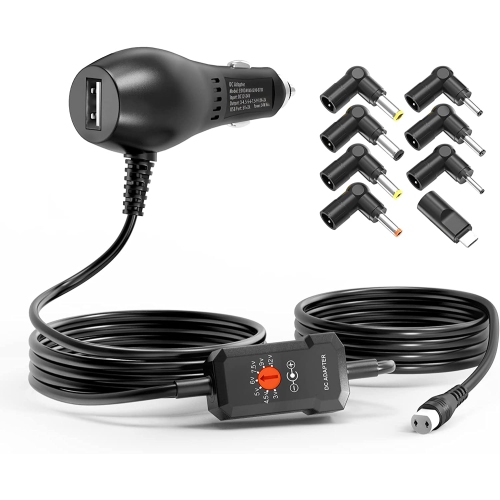
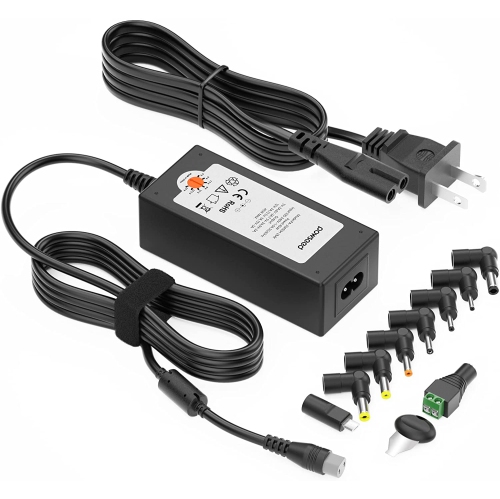
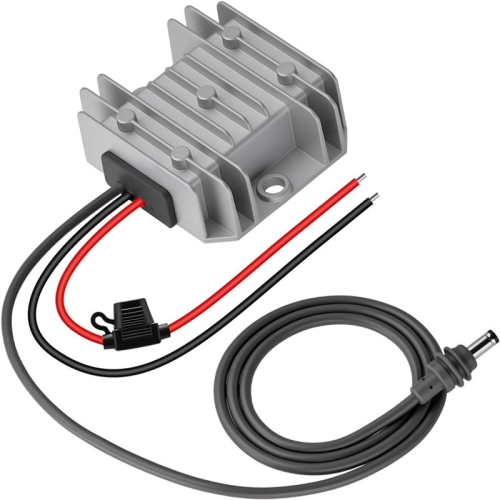
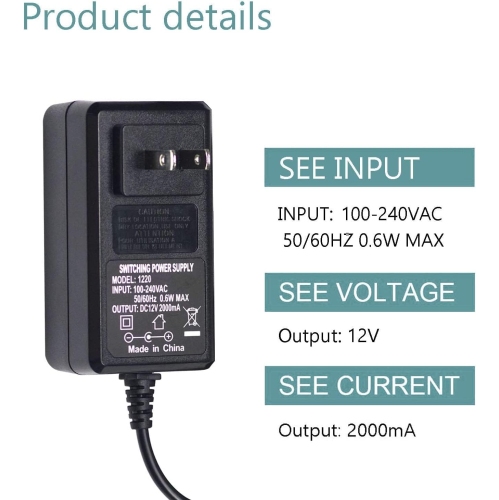
12V power adapters supply electricity to compatible electronics, from networking equipment and security cameras to LED light strips and small audio components. A typical AC-to-DC wall adapter converts household alternating current into the 12-volt direct current a device requires. That makes it useful wherever low-voltage equipment needs a dependable connection to a wall outlet, whether beside a desk, behind a media cabinet, or near a camera mounting point. The term “12V” can describe either an adapter’s input or its output, so those two ratings have different meanings. A wall adapter labelled with a 12V DC output is designed to supply that voltage to a connected device; an adapter made for a vehicle’s nominal 12V accessory socket may deliver a different output voltage through its charging ports. Vehicle socket voltage also varies during operation, so a vehicle connection is not automatically equivalent to a regulated 12V DC wall supply. For household use in Canada, the adapter’s input rating needs to support the local 120V AC supply, and its plug must suit the outlet. Models with a wider input range can support other supply voltages within their stated limits, although plug compatibility remains a separate consideration. Fixed-output adapters provide a single specified voltage, while adjustable models offer several settings and may include interchangeable connector tips. For a device that always requires 12V, a fixed-output design keeps the setup straightforward. Adjustable designs can serve different compatible electronics, but the selected voltage, connector, and polarity must match each device before connection. The wider category of DC Power Adapters includes other output voltages and connection styles, making the 12V rating an important distinction rather than a general description of any small power supply. These adapters are practical replacements for missing or damaged power supplies, as well as useful additions to a dedicated workstation or compatible lighting setup where a device needs its own correctly matched power source.
Electrical compatibility depends on more than a plug that appears to fit. For electronics specified for 12V DC input, the adapter must provide the required 12V DC output; a 12V AC adapter is not interchangeable unless the equipment manufacturer explicitly permits it. The current rating, expressed in amperes or milliamperes, indicates how much current the supply can deliver. A regulated 12V DC adapter’s current capacity should meet or exceed the device’s stated requirement, provided the voltage, polarity, connector, and other specifications are compatible. For example, a device requiring 12V DC at 2A can generally use a compatible regulated 12V DC supply rated for 3A: the higher current capacity does not force extra current into the device. An adapter rated below the required current may shut down, operate unreliably, or become overloaded. Power ratings offer another useful comparison. At 12V, a 2A output corresponds to 24 watts, while a 3A output corresponds to 36 watts. Equipment with startup surges or varying loads may have additional power supply requirements, so the manufacturer’s specifications remain the reference point. Connector dimensions are equally important. Barrel plugs can look almost identical while having different inner diameters, outer diameters, or insertion lengths. A 5.5 mm outer diameter with a 2.1 mm inner diameter is not necessarily interchangeable with a plug that has the same outside measurement and a 2.5 mm inside measurement. A loose connection can interrupt power when a cable moves, while an oversized or mismatched tip can damage the socket. Polarity describes which contact is positive and which is negative; centre-positive and centre-negative connections must not be swapped. The polarity symbol on the device or its original power supply helps identify the required arrangement. Regulated output is also significant because it is designed to maintain the specified voltage across the adapter’s stated operating range. Together, these details determine whether an adapter can reliably power a device, rather than simply connect to it.
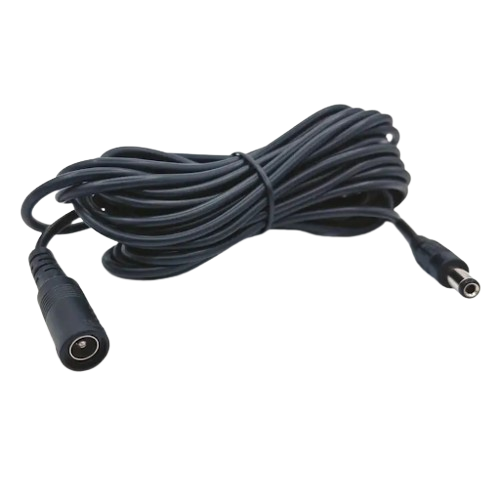
Physical design shapes how a 12V power adapter fits into everyday spaces. A compact wall-mounted body keeps the power supply close to the outlet, while an inline power brick places more of its bulk along the cable, which can be helpful behind furniture or beside a crowded power bar. Plug orientation and body width affect whether neighbouring outlets remain accessible. Cable length matters just as much: a lead should reach the device without pulling against its socket, yet leave a manageable amount of slack rather than a coil under a chair or across a walkway. In a home office, that can mean routing power neatly behind a shelf; for compatible display lighting, it may mean keeping the adapter accessible while concealing the low-voltage cable. Moulded insulating housings, intact cable jackets, and well-supported strain relief at cable entry points are useful construction details. Flexible insulation and secure connectors help with ordinary handling, but no adapter cable should serve as a handle for moving equipment. Durability also depends on placement and care. Cables last better when they are not pinched beneath furniture, sharply bent at the plug, or stretched across a hinge. An adapter needs the ventilation specified by its manufacturer and should not be covered by fabric or buried beneath stored objects. Indoor-only models belong in dry indoor locations; use near moisture requires equipment specifically rated for the intended setting and connection arrangement. Recognized electrical safety certification for Canada provides another important selection criterion, alongside clearly stated input and output specifications. Features such as overcurrent, short-circuit, and overvoltage protection can provide safeguards when listed, but they do not make an otherwise incompatible adapter suitable. Routine care is simple: disconnect the adapter before cleaning its exterior as directed, keep liquids away from the housing and connectors, and stop using it if the casing cracks, the cord frays, or the plug becomes loose or discoloured. For households replacing an original supply, hobbyists powering compatible projects, or people organizing a permanent electronics setup, a clearly labelled, correctly matched 12V adapter helps keep the connection dependable and the surrounding space tidy.
Top selling and popular products
-
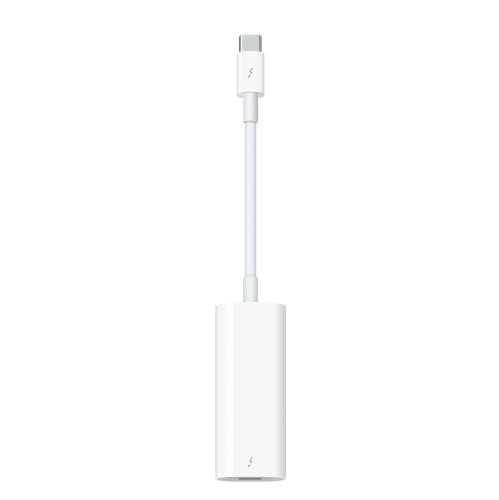 Your price for this item is $89.18
-
 Your price for this item is $19.99
-
 Your price for this item is $13.99
-
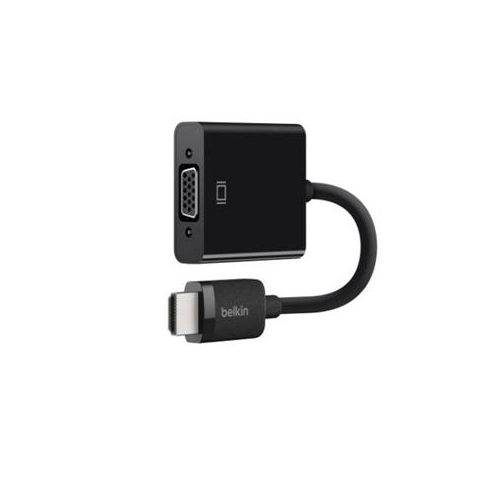 Your price for this item is $59.68
-
 Your price for this item is $88.68
-
 Your price for this item is $39.68
-
 Your price for this item is $29.95
-
 Your price for this item is $49.99
Discover more categories related to 12V Power Adapters


Top Collections:
Pokemon Centers, Best Cameras for Sports Photography, Kindle Devices, Samsung Galaxy Phones, Canon G7X Cameras, Pokémon 30th Celebration Cards, Refurbished Apple Laptops, iPhone 15 Apple, Laptops for Students, Budget Smartphones
Some products may be subject to Environmental Handling Fees
(EHF) depending on your province.
Learn more about EHFs.