Bicycle bags
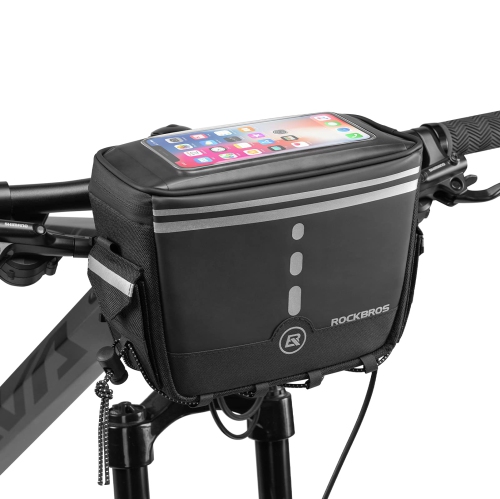
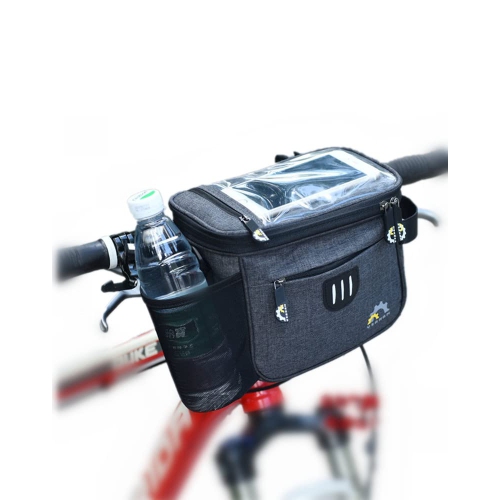
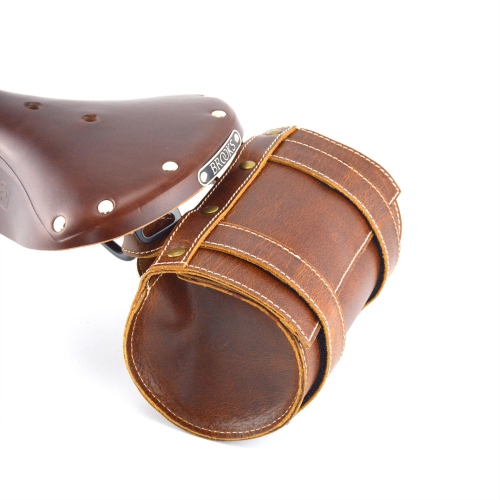
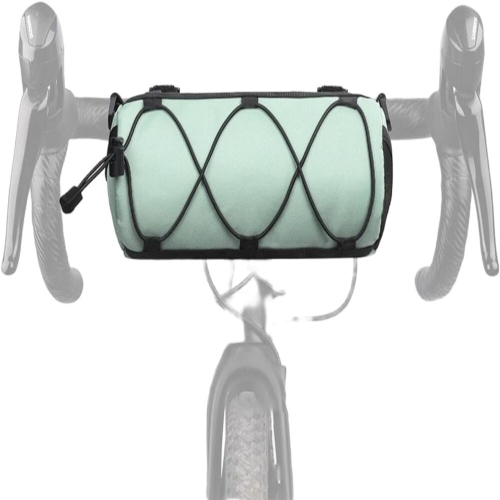
Bicycle bags are a convenient way to store and transport your belongings while cycling. These bags are designed to be mounted on the frame of a bicycle, allowing for easy access to items while riding. Here are some great options available.
Sort

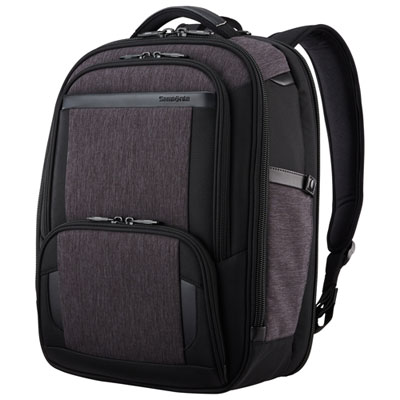
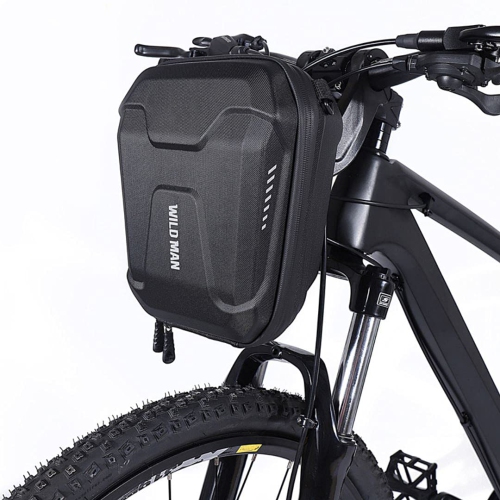
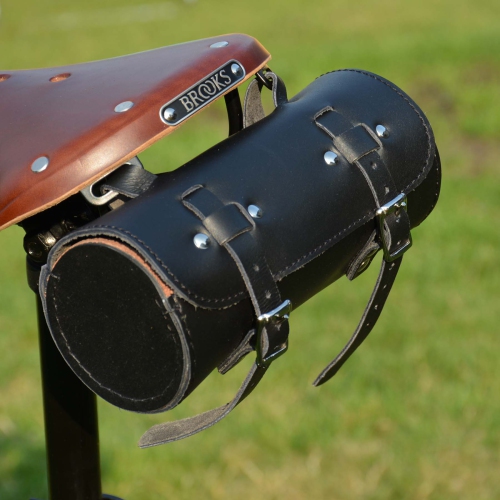
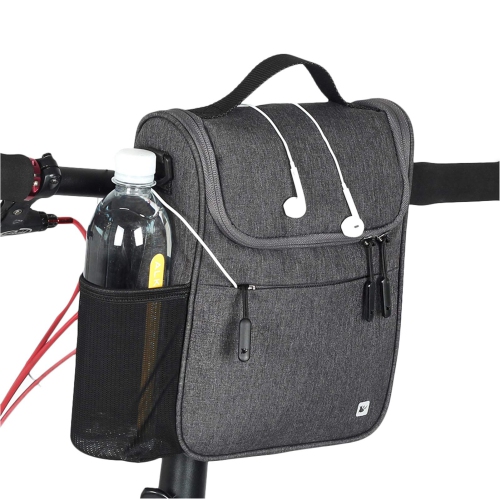
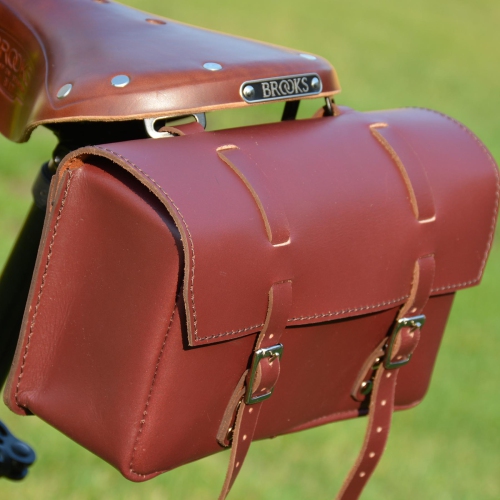
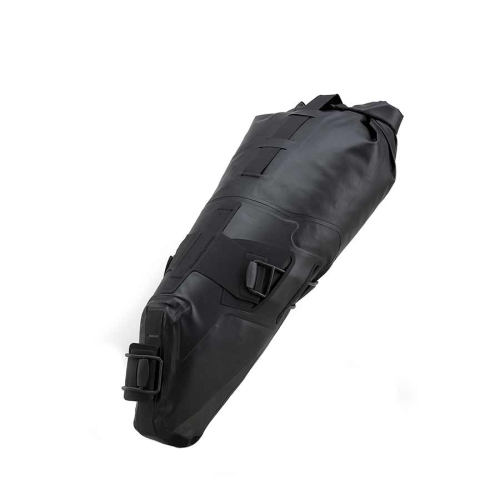
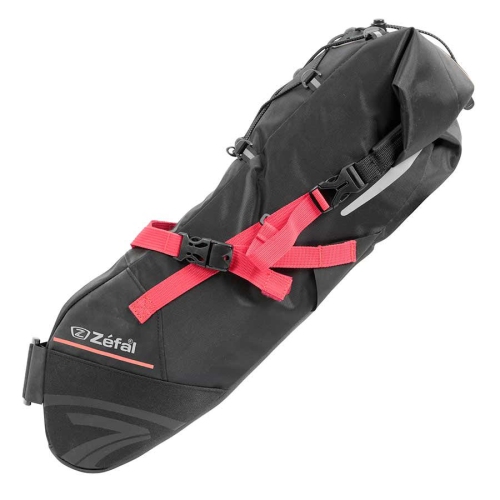
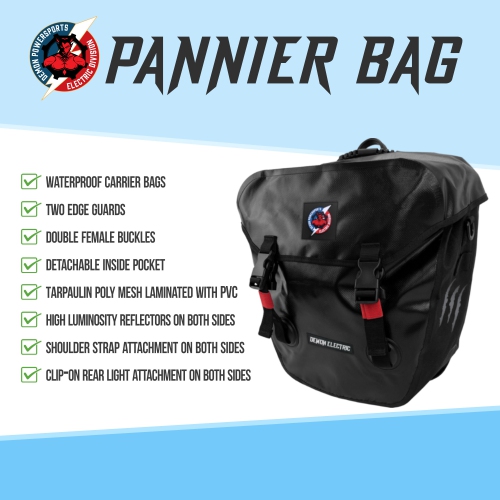
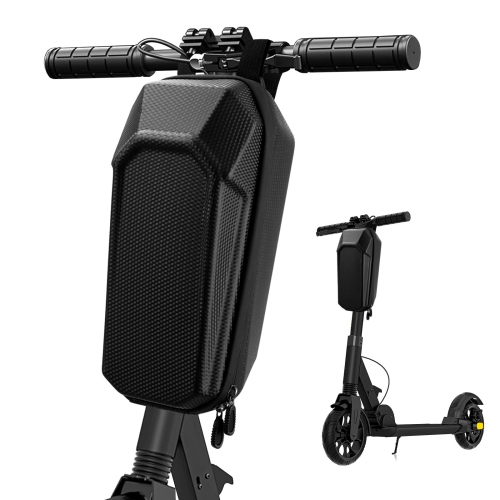
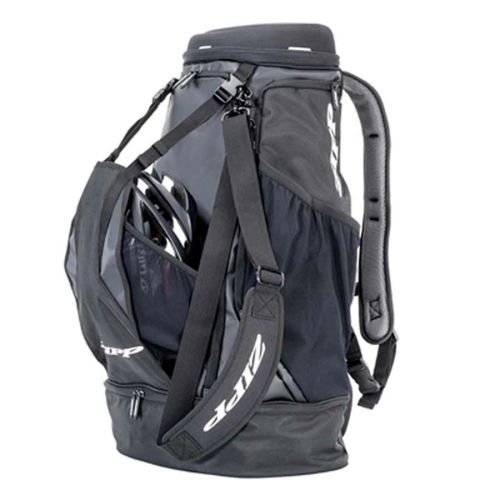
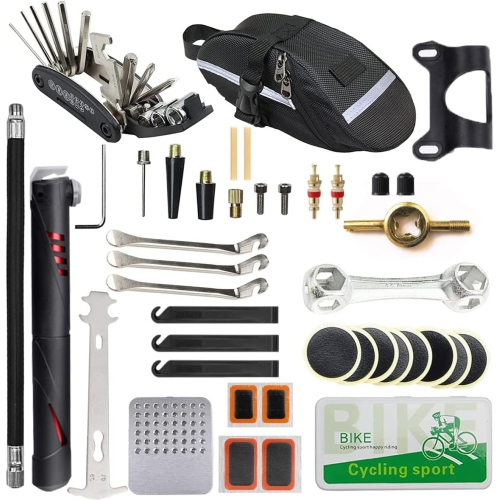
More room for essentials, less weight on your shoulders
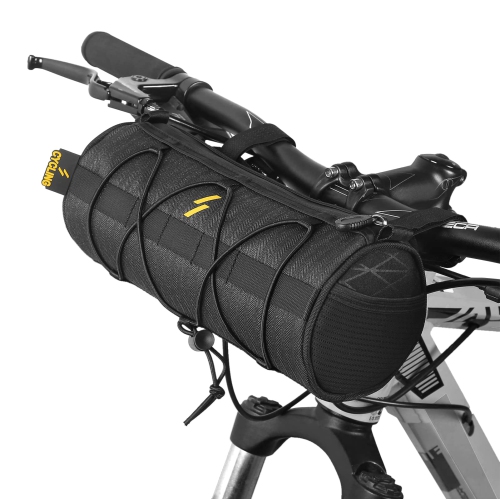
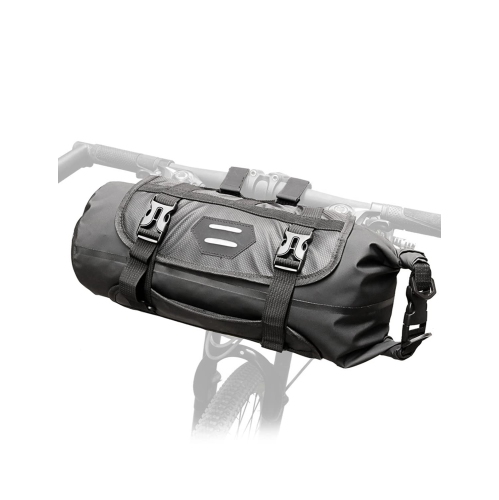
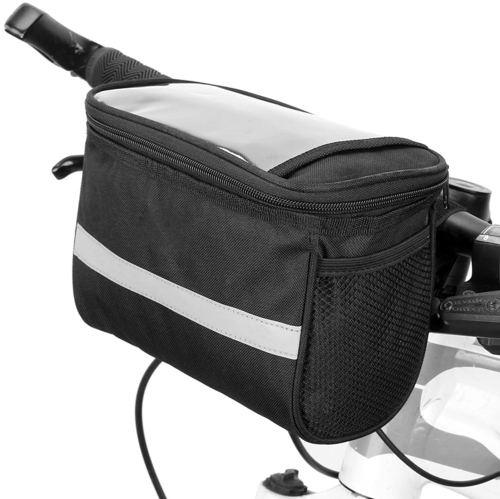
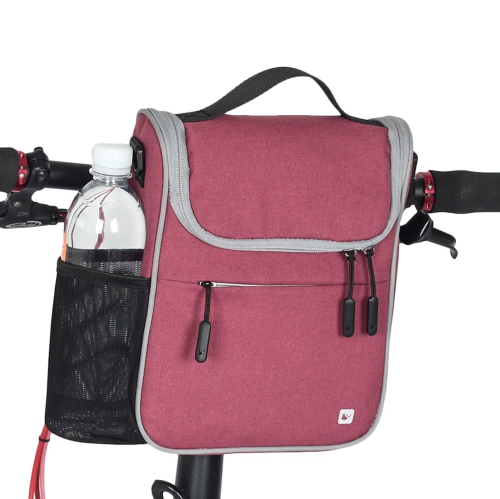
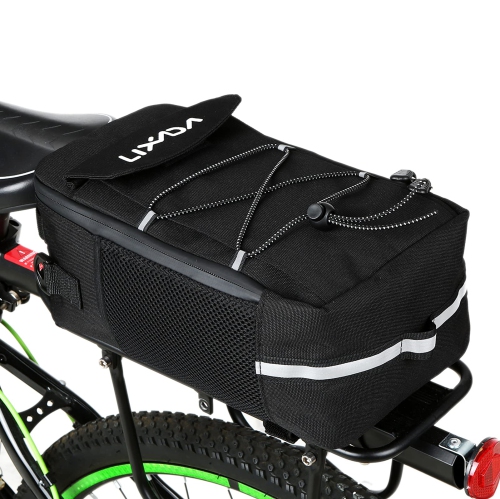
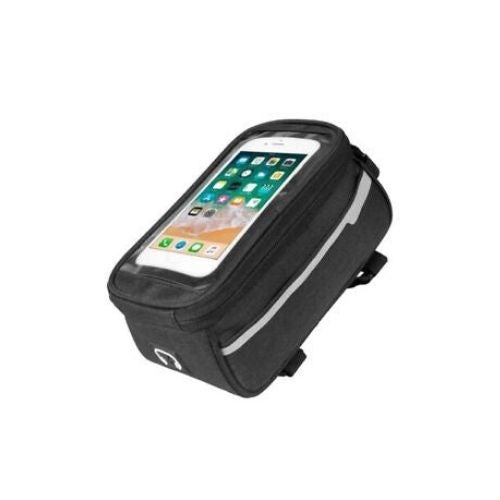
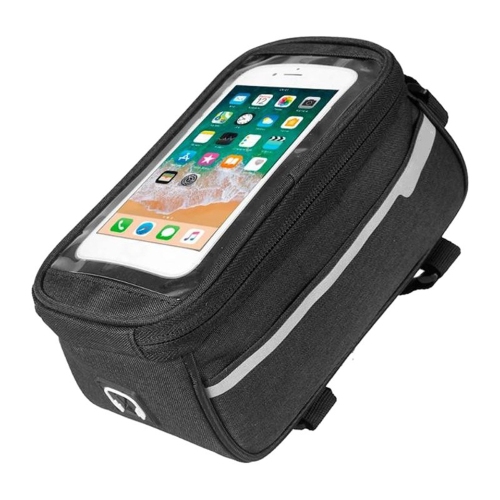
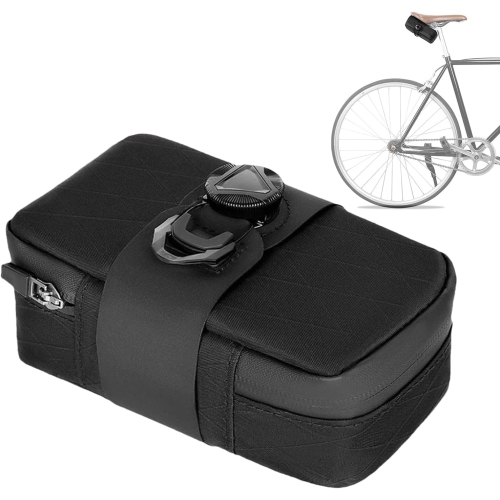
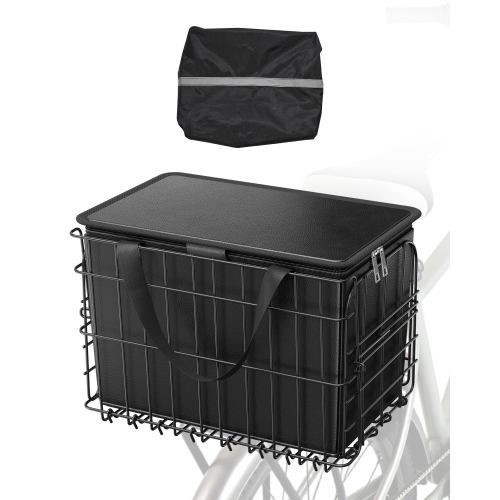
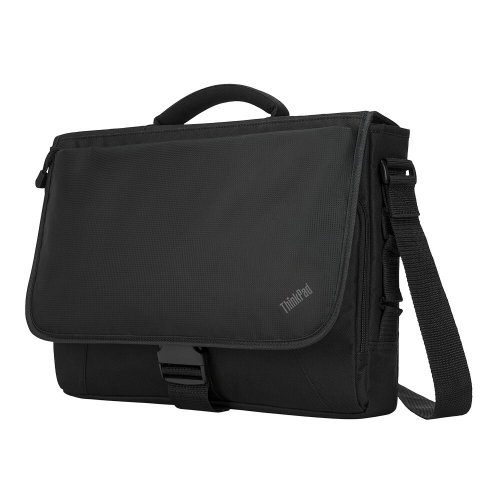
Bicycle bags give everyday essentials a dedicated place on the bike, whether the trip involves a morning commute, a grocery stop, or several hours on a gravel trail. Moving a load off the shoulders can make a ride more comfortable, especially when carrying a change of clothes, lunch, or an extra layer during the cooler months. Different bag shapes suit different spaces on a bicycle. Panniers attach beside a compatible rear or front rack and provide room for bulkier belongings, while trunk bags sit on top of a rack for a more compact carrying setup. Handlebar bags keep frequently used items close at hand, such as gloves, snacks, or a small camera, although access is safest when stopped. Frame bags occupy part or all of the space within the frame, making use of an area that otherwise stays empty. Top tube bags offer a smaller compartment near the rider, and saddle bags tuck beneath the seat for carrying repair essentials without taking up rack space. The right arrangement depends as much on the shape of the load as its size. A neatly packed office outfit has different needs from a dense tool kit or a loaf of bread that should not be crushed. For commuting, separate compartments can help keep a damp outer layer away from paperwork, while a padded sleeve may be useful for carrying a suitably sized laptop. For longer outings, several smaller bags can distribute belongings around the bike rather than concentrating everything in one large compartment. Removable bags with carry handles or shoulder straps also make the transition from bike rack to workplace or shop easier. Cyclists who alternate between short errands and longer rides may appreciate a setup that can be scaled down, leaving only a small essentials bag attached when extra capacity is unnecessary.
Materials and construction influence how bicycle bags feel in daily use and how well they stand up to repeated loading, road spray, and contact with the frame. Nylon and polyester are common choices because they offer practical combinations of low weight, flexibility, and resistance to wear. Heavier woven fabrics, reinforced bases, and protective panels at mounting points can be useful where a bag rubs against a rack or rests on the ground. Water resistance varies considerably, so a bag described as water-resistant should not automatically be treated as waterproof. Coated fabric can shed splashes, but seams, zipper openings, and attachment points also affect protection. Welded seams, covered closures, and roll-top openings may offer additional protection when used as directed; sensitive belongings still benefit from a suitable inner pouch when wet conditions are likely. During rides on damp roads, the underside and rear-facing surfaces of a bag can receive as much spray as the top. Closures that are easy to operate with cold fingers, light-coloured interiors that make small belongings easier to spot, and pockets that keep keys from settling at the bottom are useful details. Fit deserves equal attention. A pannier needs a mounting system suited to the rack’s tubing and layout, along with enough heel clearance for a natural pedal stroke. Rack capacity and the bag’s own load limit both matter, and the lower applicable limit should govern packing. Frame bags need measurements that account for the bicycle’s geometry, bottle cages, and any suspension movement. Handlebar bags should leave cables free to move and maintain clearance from the front tyre, while saddle bags need adequate space above the rear tyre and secure attachment beneath the seat. Smaller frames, step-through designs, dropper seatposts, and electric bicycles with batteries mounted within the frame can each affect which shapes and mounting positions work best. A well-fitted bag stays clear of pedalling, steering, brakes, lights, and moving parts rather than simply fitting into an open space.
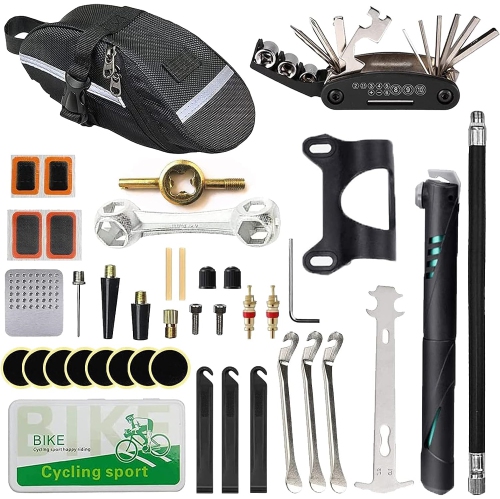
Thoughtful packing helps a bicycle bag carry comfortably and keeps small inconveniences from interrupting a ride. Dense belongings generally sit best low and securely positioned, while soft layers can fill gaps and reduce movement inside a compartment. With paired panniers, keeping the load reasonably balanced can improve handling, particularly when setting off, turning slowly, or parking the bicycle. Straps should be tightened according to the mounting system and loose ends secured away from wheels and the drivetrain. A short test ride with a typical load can reveal heel contact, shifting contents, or a buckle that needs adjusting before a longer trip. For riders who prefer to keep repair supplies separate from clothing and food, Cycling Tool Bags provide a focused category for compact on-bike storage. Keeping those supplies together makes it easier to check that essentials have not been left behind when switching between a commuting bag and a weekend setup. Care is usually straightforward, but the fabric and coating should determine the cleaning method. Brushing away dried grit and wiping surfaces with a soft cloth and mild soap, where permitted by the care instructions, helps prevent dirt from collecting around fasteners and seams. Bags should be emptied and allowed to dry fully before storage, especially after carrying wet clothing or riding through road spray. Machine washing, strong detergents, and direct heat may damage coatings or structural panels, so they are best avoided unless expressly permitted by the manufacturer. Periodic checks of hooks, buckles, stitching, and straps can catch wear before an attachment fails. Reflective details may help a bag stand out in low light, but they do not replace appropriate bicycle lights, and a loaded bag should never obscure them. As a gift, a bicycle bag can be a thoughtful choice for someone who rides to work, enjoys leisurely paths, or spends weekends exploring farther from home. Knowing the recipient’s bicycle type, existing rack setup, and usual load makes the gift more likely to become a familiar part of every ride.
Materials and construction influence how bicycle bags feel in daily use and how well they stand up to repeated loading, road spray, and contact with the frame. Nylon and polyester are common choices because they offer practical combinations of low weight, flexibility, and resistance to wear. Heavier woven fabrics, reinforced bases, and protective panels at mounting points can be useful where a bag rubs against a rack or rests on the ground. Water resistance varies considerably, so a bag described as water-resistant should not automatically be treated as waterproof. Coated fabric can shed splashes, but seams, zipper openings, and attachment points also affect protection. Welded seams, covered closures, and roll-top openings may offer additional protection when used as directed; sensitive belongings still benefit from a suitable inner pouch when wet conditions are likely. During rides on damp roads, the underside and rear-facing surfaces of a bag can receive as much spray as the top. Closures that are easy to operate with cold fingers, light-coloured interiors that make small belongings easier to spot, and pockets that keep keys from settling at the bottom are useful details. Fit deserves equal attention. A pannier needs a mounting system suited to the rack’s tubing and layout, along with enough heel clearance for a natural pedal stroke. Rack capacity and the bag’s own load limit both matter, and the lower applicable limit should govern packing. Frame bags need measurements that account for the bicycle’s geometry, bottle cages, and any suspension movement. Handlebar bags should leave cables free to move and maintain clearance from the front tyre, while saddle bags need adequate space above the rear tyre and secure attachment beneath the seat. Smaller frames, step-through designs, dropper seatposts, and electric bicycles with batteries mounted within the frame can each affect which shapes and mounting positions work best. A well-fitted bag stays clear of pedalling, steering, brakes, lights, and moving parts rather than simply fitting into an open space.
Thoughtful packing helps a bicycle bag carry comfortably and keeps small inconveniences from interrupting a ride. Dense belongings generally sit best low and securely positioned, while soft layers can fill gaps and reduce movement inside a compartment. With paired panniers, keeping the load reasonably balanced can improve handling, particularly when setting off, turning slowly, or parking the bicycle. Straps should be tightened according to the mounting system and loose ends secured away from wheels and the drivetrain. A short test ride with a typical load can reveal heel contact, shifting contents, or a buckle that needs adjusting before a longer trip. For riders who prefer to keep repair supplies separate from clothing and food, Cycling Tool Bags provide a focused category for compact on-bike storage. Keeping those supplies together makes it easier to check that essentials have not been left behind when switching between a commuting bag and a weekend setup. Care is usually straightforward, but the fabric and coating should determine the cleaning method. Brushing away dried grit and wiping surfaces with a soft cloth and mild soap, where permitted by the care instructions, helps prevent dirt from collecting around fasteners and seams. Bags should be emptied and allowed to dry fully before storage, especially after carrying wet clothing or riding through road spray. Machine washing, strong detergents, and direct heat may damage coatings or structural panels, so they are best avoided unless expressly permitted by the manufacturer. Periodic checks of hooks, buckles, stitching, and straps can catch wear before an attachment fails. Reflective details may help a bag stand out in low light, but they do not replace appropriate bicycle lights, and a loaded bag should never obscure them. As a gift, a bicycle bag can be a thoughtful choice for someone who rides to work, enjoys leisurely paths, or spends weekends exploring farther from home. Knowing the recipient’s bicycle type, existing rack setup, and usual load makes the gift more likely to become a familiar part of every ride.
Top selling and popular products
-
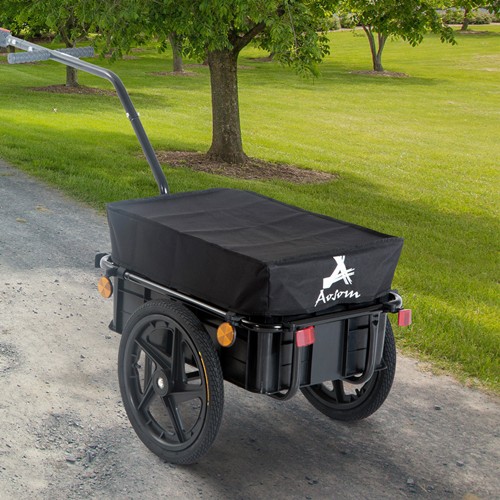 Your price for this item is $155.44
 -
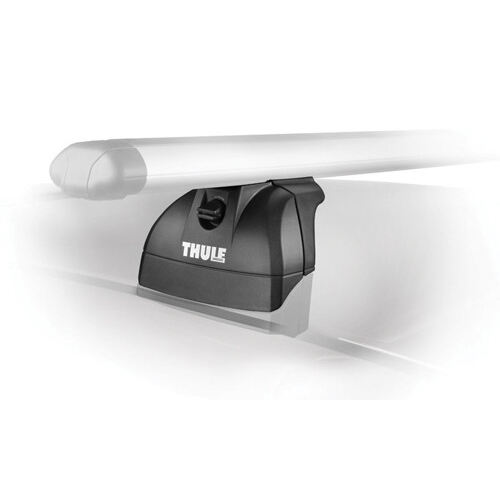 Your price for this item is $285
 -
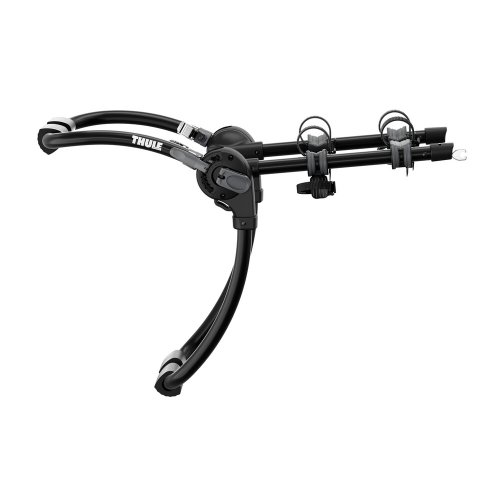 Your price for this item is $499
 -
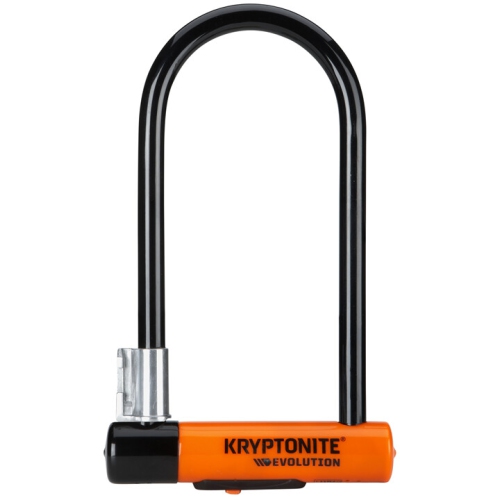 Your price for this item is $209.99
 -
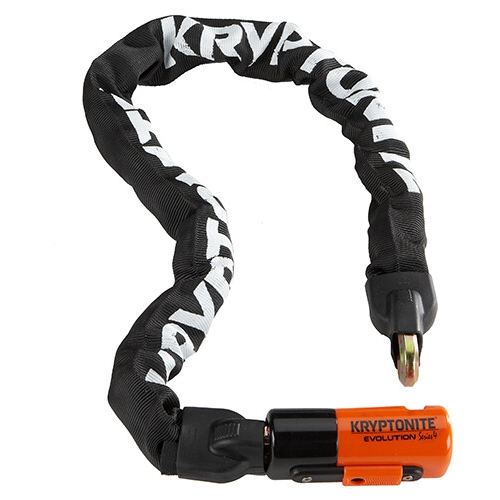 Your price for this item is $199.99
 -
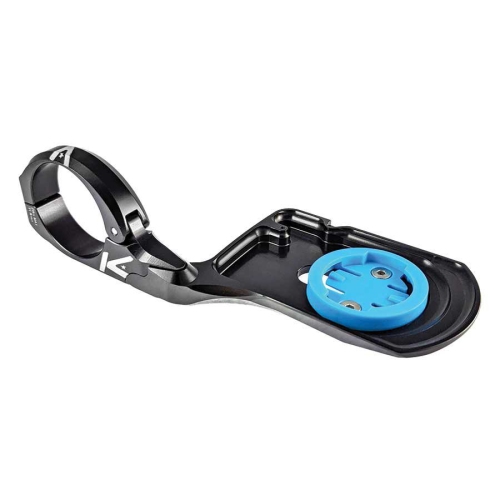 Your price for this item is $134.99
 -
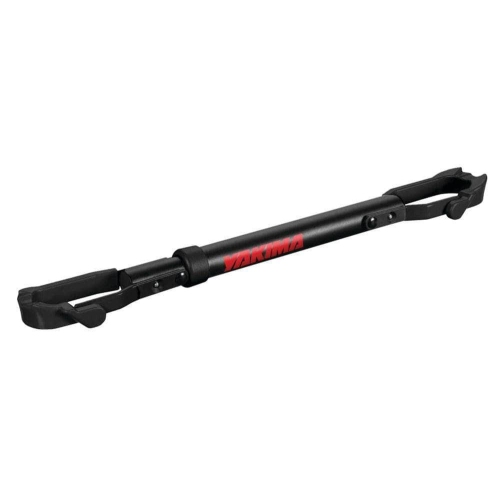 Your price for this item is $96.99
 -
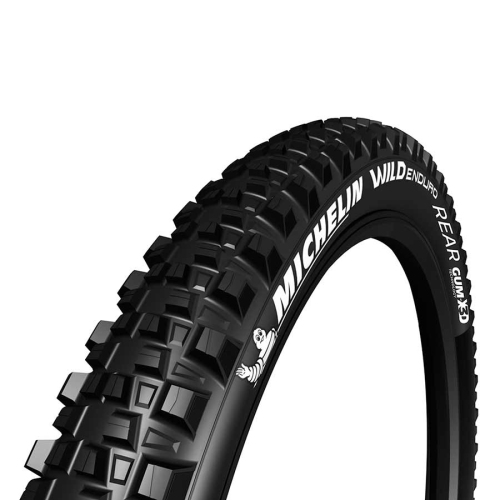 Your price for this item is $120.99
Discover more categories related to Bicycle bags
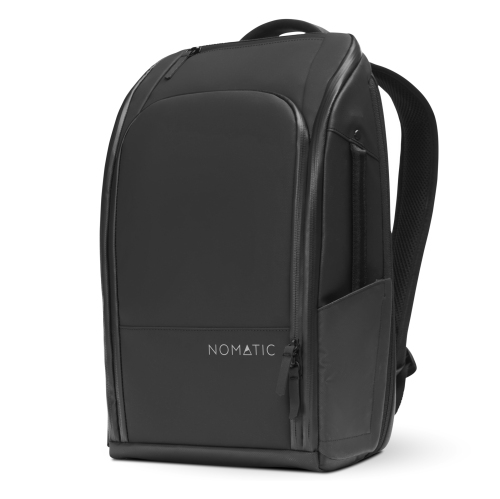
Top Collections:
Pokemon Centers, Budget 4K TVs, Kindle Devices, Canon G7X Cameras, Apple iPhones 16, iPhone 15 Apple, Laptops for Business Work, Flip Phones, Xiaomi Phones, Refurbished Apple Laptops
Some products may be subject to Environmental Handling Fees
(EHF) depending on your province.
Learn more about EHFs.