Gifts for Elementary Students
Finding the perfect gifts for elementary students is easy with a wide selection of fun and engaging options designed to spark creativity and excitement. Whether you’re shopping for birthdays, holidays, or special milestones, there’s something to inspire every young learner. Explore a variety of choices that encourage imagination, learning, and play, making it simple to celebrate the unique interests of elementary-aged kids. Discover thoughtful gifts for elementary students that are sure to bring smiles and lasting memories.
Sort
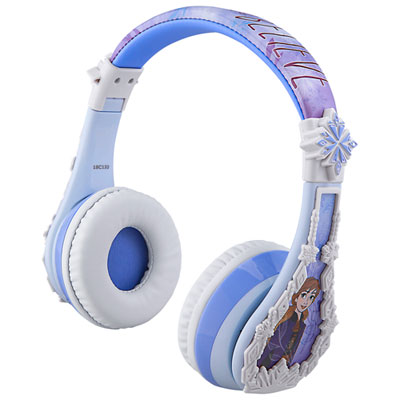
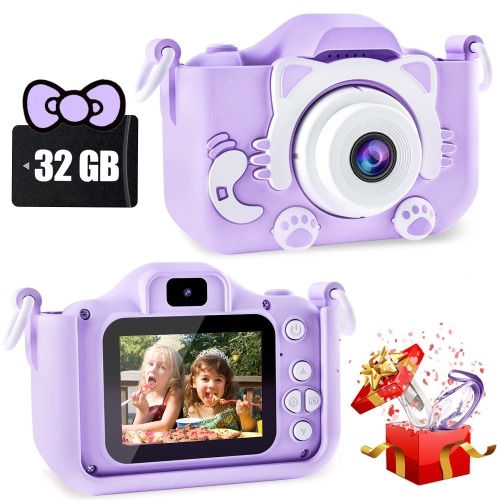
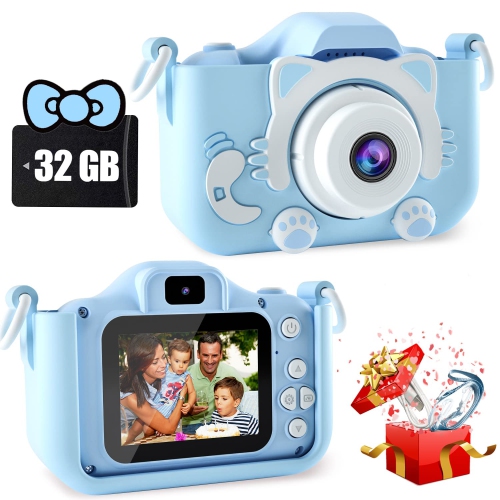
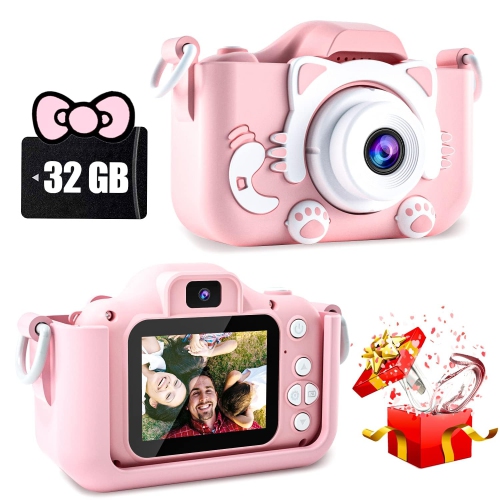
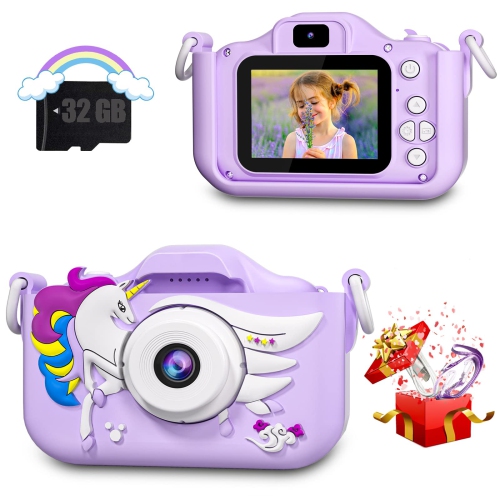
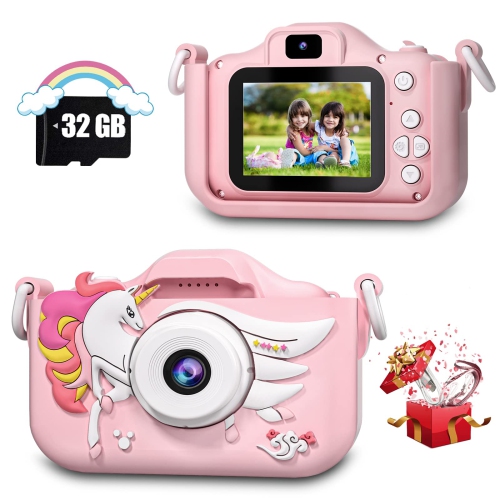
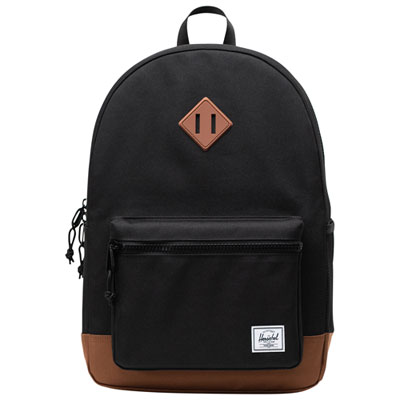
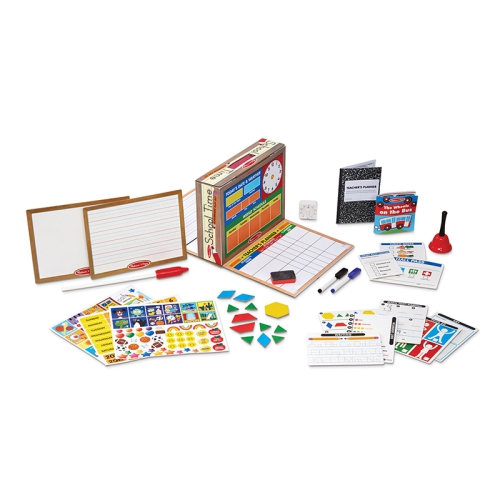
Creative activities that grow with their interests and abilities
Gifts for elementary students can encourage creativity, curiosity, movement, and independent discovery while fitting naturally into the routines of school-age children. The elementary years span a wide range of abilities and interests, so the most successful gift often matches the child’s developmental stage as well as their personality. Younger students may enjoy open-ended building activities, colourful drawing materials, simple craft projects, and toys that help them practise sorting, matching, counting, or identifying patterns. Older elementary students may be ready for more detailed construction challenges, beginner science activities, strategy games, puzzles, and creative tools that let them plan, revise, and complete a project over several sessions. These gifts can be used at the kitchen table after school, packed for a visit with grandparents, or enjoyed during indoor afternoons when the weather is less inviting. Building and construction sets are especially versatile because children can follow instructions to create a particular design or combine pieces in their own way. Open-ended play can lead to a miniature city, a vehicle, a creature, or an entirely new invention, giving students an opportunity to practise spatial reasoning, patience, fine motor control, and problem-solving without making the activity feel like homework. Art gifts offer a similar balance of structure and freedom. Drawing, colouring, painting, paper crafts, modelling materials, and scratch-art activities can help children explore lines, textures, shapes, and colour while creating something they can display or give to someone else. For a child who likes to make things with their hands, a well-chosen creative activity can turn a quiet corner of the home into a workshop filled with paper scraps, sketches, carefully arranged supplies, and a finished project that reflects their own ideas.
Hands-on science and discovery gifts are a thoughtful choice for students who are always observing how things work. Age-appropriate experiment activities can introduce concepts such as colour mixing, magnets, light, sound, plants, weather, or simple chemical reactions through supervised play. The best options explain each activity clearly and use materials that are suitable for the recommended age range, allowing children to make predictions, observe changes, and talk about what they have learned. A notebook or journal can make these experiences more memorable by giving students a place to draw results, record measurements, or write down new questions. Logic games, brainteasers, mazes, matching challenges, and twist-and-turn puzzles can also make engaging gifts for children who enjoy a goal and the satisfaction of working out a solution. Consider the child’s tolerance for challenge: a puzzle that is too easy may be quickly forgotten, while one that is far beyond their current abilities can become frustrating. A gift with graduated difficulty, multiple activity cards, or several ways to play can grow with the student and remain interesting over time. Reading-related items support both school practice and personal enjoyment, whether a child is discovering longer chapter books, exploring non-fiction topics, or keeping track of stories they have finished. Journals, reading logs, bookmarks, and writing materials can make reading feel more personal and help students express their reactions, favourite characters, and own story ideas. Small desk accessories and playful school supplies may also appeal to children who enjoy adding personality to their homework space, although practical details matter. Look for items that are comfortable to hold, easy to store, and durable enough for regular use in a backpack or pencil case. Sensory-friendly choices can be useful for some children who focus better when their hands have a quiet activity, but the item should be selected with the student’s preferences and classroom expectations in mind.
When choosing gifts for elementary students, start with the recipient rather than the occasion. Think about whether they prefer building, drawing, reading, experimenting, collecting, moving, solving problems, or playing with others. A child who becomes absorbed in dinosaurs, outer space, animals, vehicles, music, or maps may appreciate a gift that connects with that interest, while a child who enjoys trying new things may benefit from a varied activity set with several types of projects. Age recommendations are an important starting point, but they are not the only consideration. Check for small parts, required supervision, setup time, cleanup needs, and whether additional materials are needed before the activity can begin. Gifts with clearly organized pieces and straightforward instructions are often easier for families to enjoy, especially during busy school periods. It is also worth considering where the gift will be used and how it will be stored. Compact puzzles, journals, and craft activities can work well in smaller spaces, while larger building or active-play gifts may need a dedicated area. For siblings or friends, cooperative games and shared creative projects can encourage turn-taking, communication, and imaginative play; for a quiet child, an individual activity can provide welcome time to concentrate at their own pace. Gifts connected to spring celebrations can bring the same sense of discovery to a classroom break or family gathering, and the selection of Easter Gifts for Students can help narrow the options when the occasion calls for something festive. During the cooler months, creative projects, puzzles, reading activities, and science experiments can provide inviting ways to spend time indoors, while as the weather warms, portable games and activities can move easily to a patio, park, or family trip. Above all, a strong gift gives the student room to make choices, try something unfamiliar, and feel proud of what they can do. The most memorable options are not necessarily the most complicated; they are the ones that meet children at their level, reflect their interests, and invite them to keep exploring long after the wrapping paper has been put away.
Hands-on science and discovery gifts are a thoughtful choice for students who are always observing how things work. Age-appropriate experiment activities can introduce concepts such as colour mixing, magnets, light, sound, plants, weather, or simple chemical reactions through supervised play. The best options explain each activity clearly and use materials that are suitable for the recommended age range, allowing children to make predictions, observe changes, and talk about what they have learned. A notebook or journal can make these experiences more memorable by giving students a place to draw results, record measurements, or write down new questions. Logic games, brainteasers, mazes, matching challenges, and twist-and-turn puzzles can also make engaging gifts for children who enjoy a goal and the satisfaction of working out a solution. Consider the child’s tolerance for challenge: a puzzle that is too easy may be quickly forgotten, while one that is far beyond their current abilities can become frustrating. A gift with graduated difficulty, multiple activity cards, or several ways to play can grow with the student and remain interesting over time. Reading-related items support both school practice and personal enjoyment, whether a child is discovering longer chapter books, exploring non-fiction topics, or keeping track of stories they have finished. Journals, reading logs, bookmarks, and writing materials can make reading feel more personal and help students express their reactions, favourite characters, and own story ideas. Small desk accessories and playful school supplies may also appeal to children who enjoy adding personality to their homework space, although practical details matter. Look for items that are comfortable to hold, easy to store, and durable enough for regular use in a backpack or pencil case. Sensory-friendly choices can be useful for some children who focus better when their hands have a quiet activity, but the item should be selected with the student’s preferences and classroom expectations in mind.
When choosing gifts for elementary students, start with the recipient rather than the occasion. Think about whether they prefer building, drawing, reading, experimenting, collecting, moving, solving problems, or playing with others. A child who becomes absorbed in dinosaurs, outer space, animals, vehicles, music, or maps may appreciate a gift that connects with that interest, while a child who enjoys trying new things may benefit from a varied activity set with several types of projects. Age recommendations are an important starting point, but they are not the only consideration. Check for small parts, required supervision, setup time, cleanup needs, and whether additional materials are needed before the activity can begin. Gifts with clearly organized pieces and straightforward instructions are often easier for families to enjoy, especially during busy school periods. It is also worth considering where the gift will be used and how it will be stored. Compact puzzles, journals, and craft activities can work well in smaller spaces, while larger building or active-play gifts may need a dedicated area. For siblings or friends, cooperative games and shared creative projects can encourage turn-taking, communication, and imaginative play; for a quiet child, an individual activity can provide welcome time to concentrate at their own pace. Gifts connected to spring celebrations can bring the same sense of discovery to a classroom break or family gathering, and the selection of Easter Gifts for Students can help narrow the options when the occasion calls for something festive. During the cooler months, creative projects, puzzles, reading activities, and science experiments can provide inviting ways to spend time indoors, while as the weather warms, portable games and activities can move easily to a patio, park, or family trip. Above all, a strong gift gives the student room to make choices, try something unfamiliar, and feel proud of what they can do. The most memorable options are not necessarily the most complicated; they are the ones that meet children at their level, reflect their interests, and invite them to keep exploring long after the wrapping paper has been put away.
Top selling and popular products
-
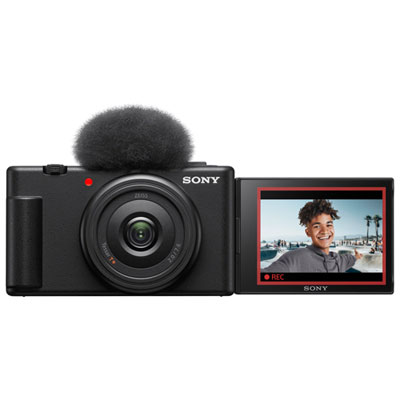 Your price for this item is $649.99
 -
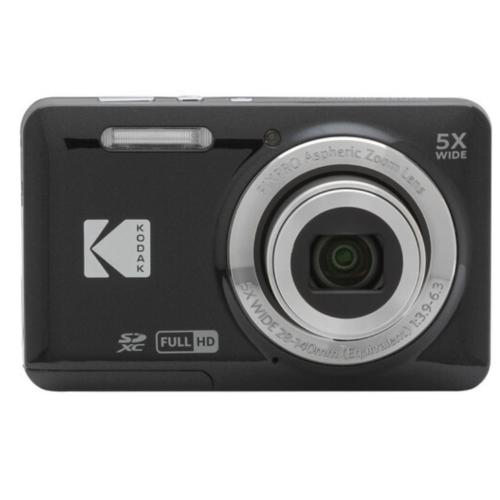 Your price for this item is $253
 -
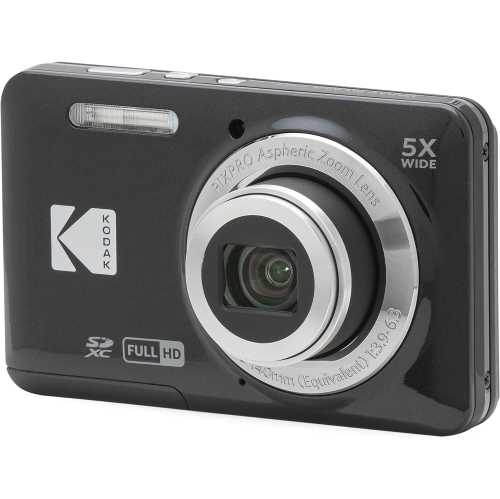 Your price for this item is $255
 -
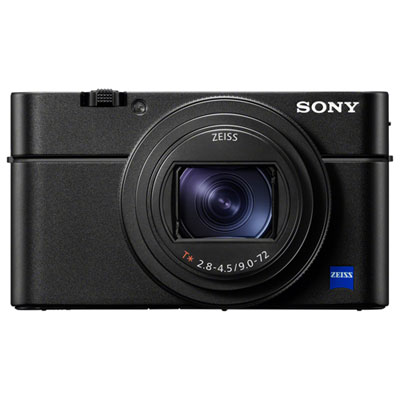 Your price for this item is $1999.99
 -
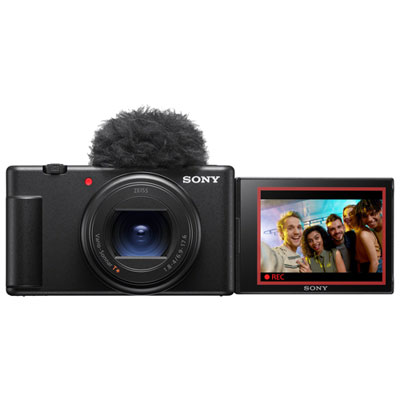 Your price for this item is $1199.99
 -
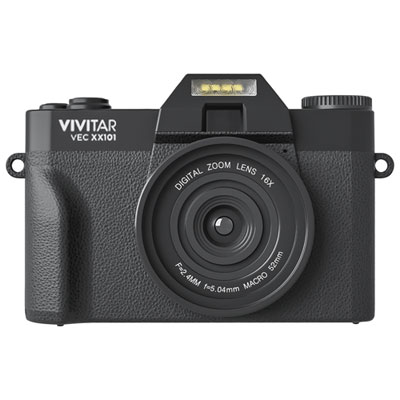 Your price for this item is $249.99
 -
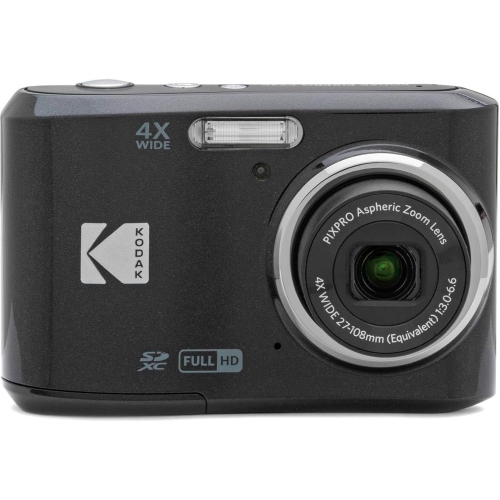 Your price for this item is $189.99
 -
 Your price for this item is $278
Discover more categories related to Gifts for Elementary Students
Top Collections:
Pokemon Centers, Budget 4K TVs, Best Budget Office Chairs, Kindle Devices, Canon G7X Cameras, Apple iPhones 16, iPhone 15 Apple, Laptops for Business Work, Xiaomi Phones, Flip Phones
Some products may be subject to Environmental Handling Fees
(EHF) depending on your province.
Learn more about EHFs.