Must Have Accessories for Students
Must have accessories for students are essential for creating an organized and efficient study environment. Whether heading to class, studying at home, or working on group projects, the right accessories can help keep schoolwork on track and make daily routines smoother. From tech essentials to practical tools, these must have accessories for students are designed to support learning and productivity throughout the school year. Find everything needed to stay prepared and focused, no matter where studies take you.
Sort
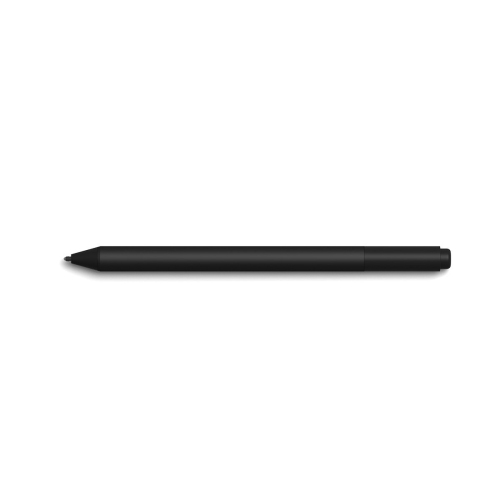
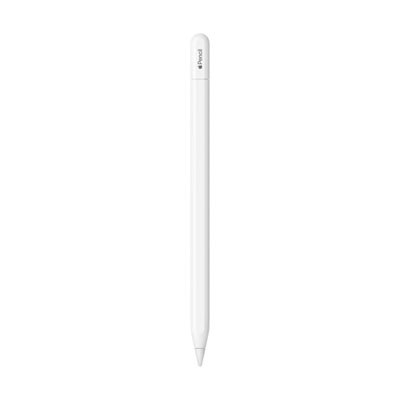
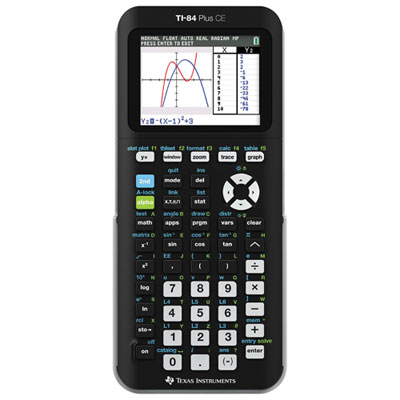
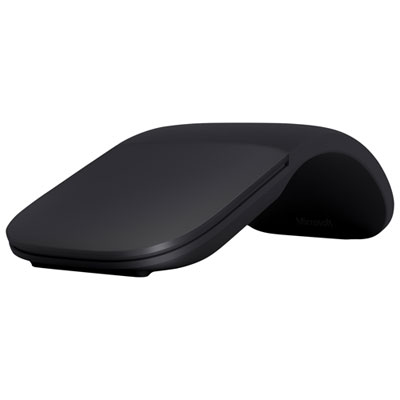



Study essentials that earn their place in your bag
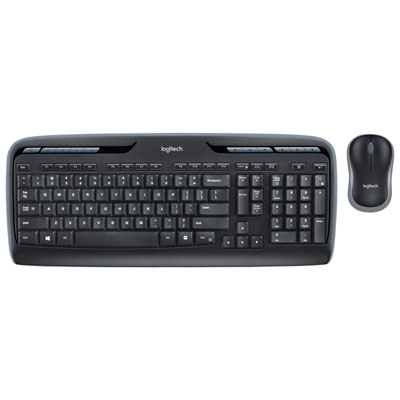
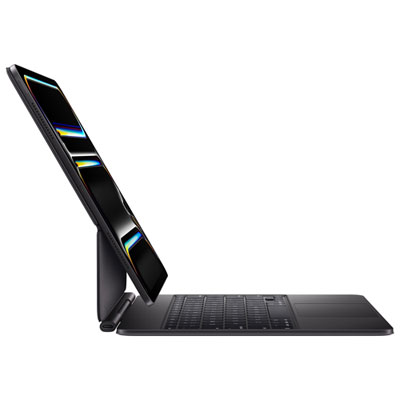
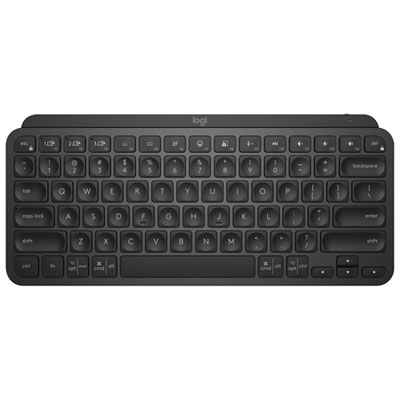
Must-have accessories for students help keep devices protected, notes organized, and study spaces comfortable, whether the day involves lectures, library sessions, practical classes, or assignments at home. Common essentials include noise-cancelling headphones, portable power banks, laptop sleeves, notebooks, pens, planners, and desk lighting, with the most useful combination depending on course requirements and daily routines. A student who spends hours reading in shared spaces may value comfortable headphones that soften steady background noise, while someone attending online seminars may place more importance on microphone clarity and easy-to-reach call controls. Active noise cancellation can reduce certain background sounds, but it does not remove every distraction. Fit matters just as much as audio features: adjustable headbands, cushioned earcups, and a manageable weight can make longer listening sessions more comfortable. For charging accessories, compatibility goes beyond finding a connector that fits. The power output, charging protocol, and cable rating need to match the device’s requirements, especially when charging a laptop rather than a phone. A USB-C connector alone does not guarantee support for every charging, data, or display function. Portable power banks offer a useful backup between classes, although their capacity, weight, and supported output affect how practical they are to carry. Compact wall chargers and neatly secured cables can also make a shared library table easier to use without leaving cords tangled around books and bags. Students who connect to presentation screens or external storage may benefit from compatible adapters or hubs, with the required ports determined by their existing equipment. Wireless mice and compact keyboards can make longer writing sessions more comfortable, particularly when a laptop is raised on a stand. Connection type, battery needs, hand size, and available desk space all influence the fit. These accessories are most effective when they solve a recurring problem, such as an awkward typing position or a device that regularly runs low before the final class, rather than adding more equipment to carry.
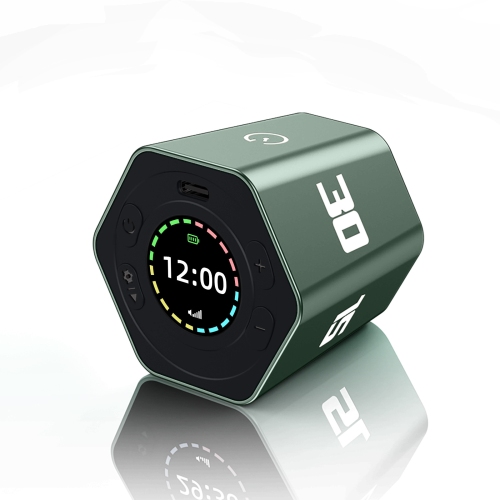
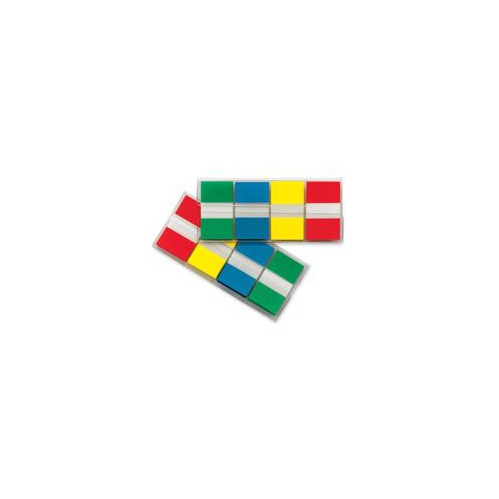
Writing and organization accessories remain useful even when much of a course takes place online. A notebook provides space for rough calculations, diagrams, reading notes, and ideas that are easier to work through by hand. Paper thickness affects how well pages handle ink and highlighting, while binding style influences whether a notebook lies flat beside a laptop or folds back comfortably on a small lecture desk. Durable covers help protect pages inside a crowded bag, and dividers can keep several subjects separated without requiring a different notebook for every class. Erasable notebooks may suit students who prefer to reuse the same pages, provided they use compatible writing tools and follow the recommended cleaning method. Pens, pencils, highlighters, and page markers each serve a different purpose: quick annotations, detailed sketches, colour-coded revision, or marking a passage to revisit later. Comfortable grips and a writing tip suited to the task can matter more than having a large assortment. A compact pencil case keeps these tools together and helps prevent loose pens from marking the inside of a bag. Planners offer a clear place for deadlines, appointments, and study blocks, especially when assignments are spread across several course platforms. Weekly layouts show how commitments overlap, while daily pages allow more room for detailed tasks. Undated formats can suit schedules that do not follow a conventional academic timetable. Physical timers provide a visible boundary for a focused work session without requiring a phone to remain on the desk. Task lighting is another practical part of a study setup, with adjustable positioning helping direct light onto a page or keyboard. Shade design and placement affect glare, particularly beside a screen. A lamp should provide useful illumination without shining directly into the eyes or disturbing someone sharing the space. Together, these everyday tools create a workspace where a reading passage, a page of notes, and an upcoming deadline can stay easy to see.
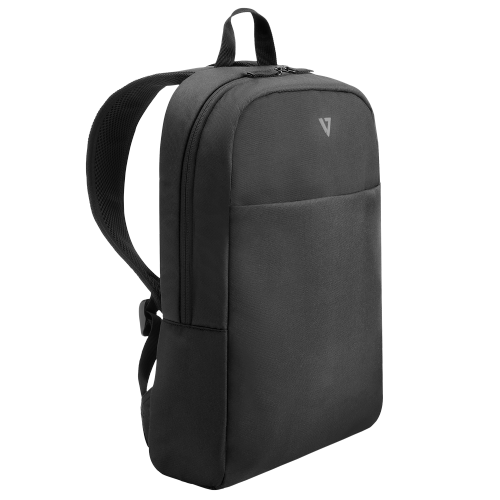
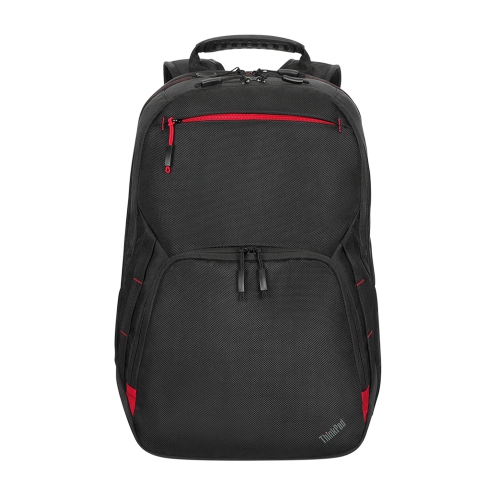
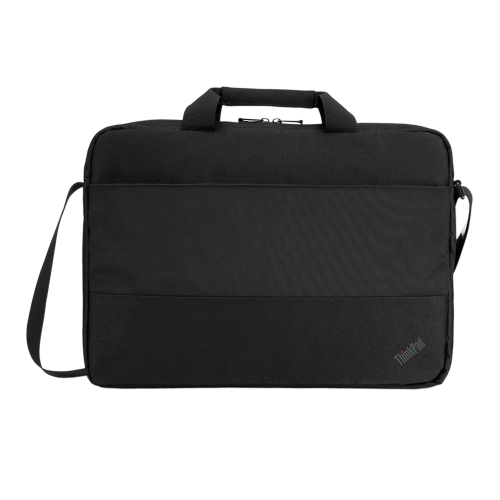
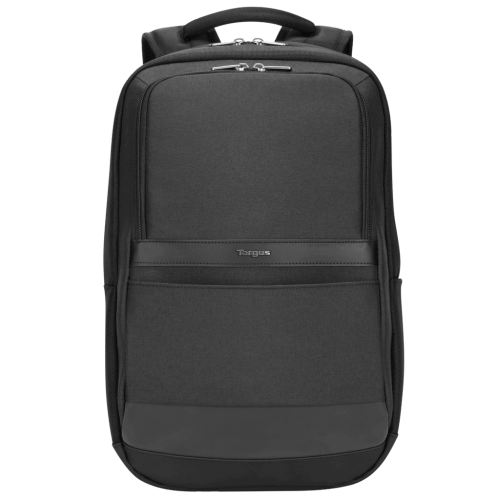
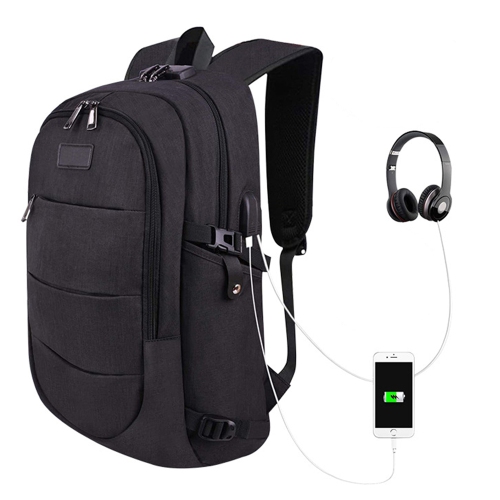
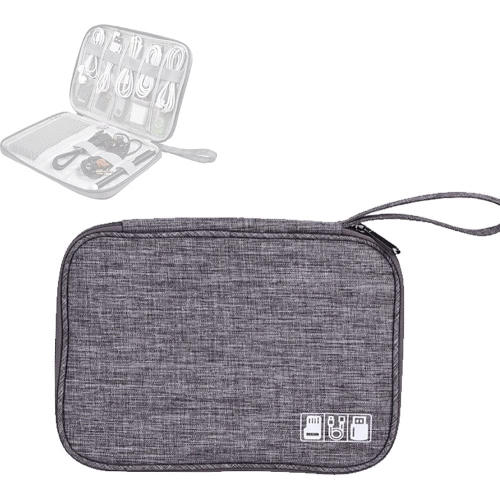
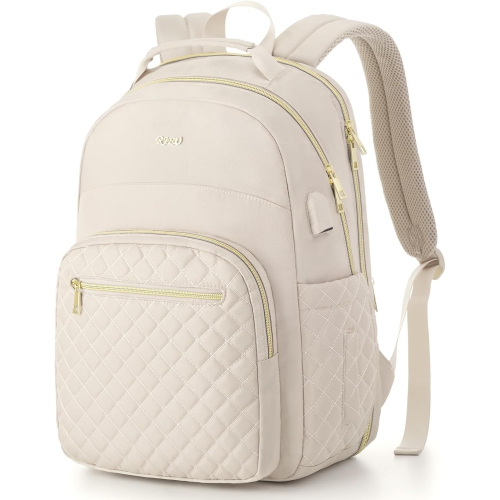
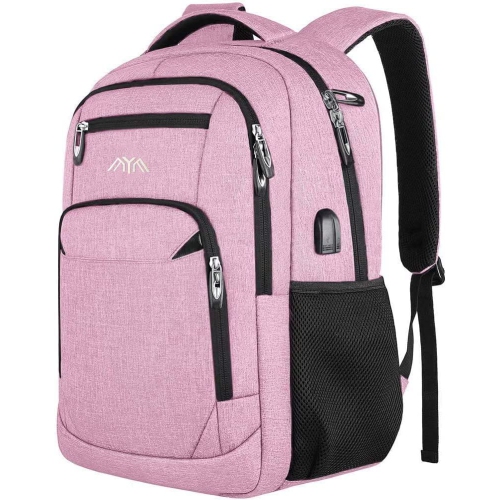
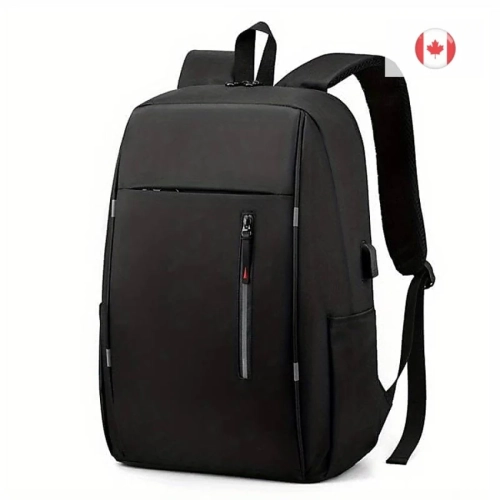
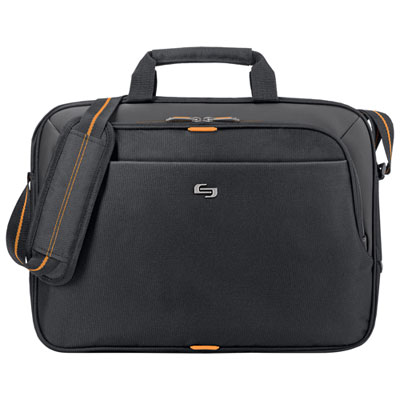
Carrying and protecting study essentials is just as important as arranging them on a desk. Backpacks and other school bags need enough space for the day’s materials without encouraging unnecessary weight. Padded, adjustable straps and a shape that sits comfortably against the back can improve the carrying experience, while separate compartments keep cables, writing tools, and small accessories from disappearing beneath textbooks. Laptop compartments and sleeves should match the device’s actual dimensions, not simply its advertised screen size; extra room may be needed if a protective case stays attached. A snug fit limits movement, but closures should not press tightly against corners or make the device difficult to remove. Nylon and polyester are common bag materials because they combine relatively low weight with practical durability, while lining quality, reinforced stitching, and smooth-running zippers also affect everyday use. Water-resistant fabric can help with minor splashes, but it should not be treated as waterproof unless the manufacturer specifically describes it that way. Keeping drink containers separate from electronics adds another layer of protection. Care is usually straightforward when it follows the material’s instructions: empty crumbs and debris from compartments, wipe suitable surfaces with a soft cloth, and allow cleaned fabric to dry fully before packing devices again. Headphone cushions, mouse surfaces, and reusable writing accessories may have different cleaning requirements, so one cleaning method will not suit everything. For students moving between home, campus, and shared accommodation, lightweight accessories that pack neatly are often more convenient than bulky additions. Younger students may need simple, clearly labelled supplies that follow school rules, while college, university, and continuing-education students may need accessories suited to longer sessions or specialized coursework. Practical accessories can also make thoughtful gifts when the recipient’s device model, preferred bag size, and study habits are known. Protection, charging, and organization accessories complement must-have gadgets for students by helping technology fit into everyday routines. The strongest combinations leave room for personal preferences while keeping frequently used tools accessible, comfortable, and ready for the next task.
Top selling and popular products
-
 Your price for this item is $59.99
-
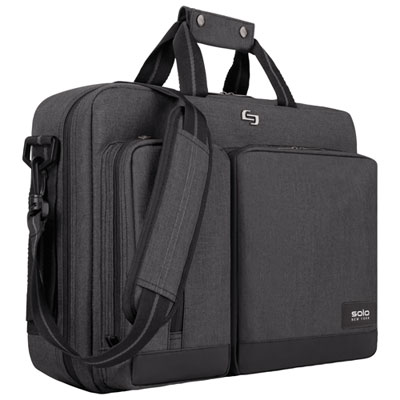 Your price for this item is $119.99
-
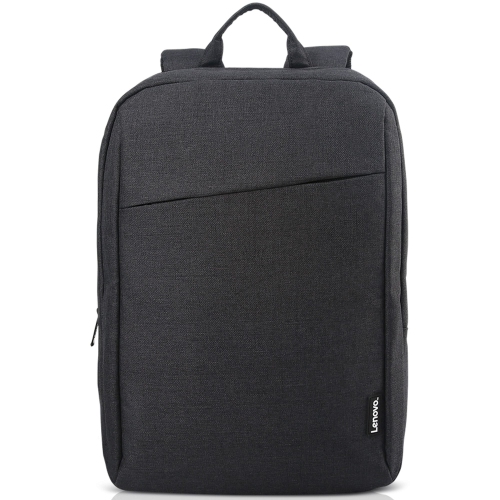 Your price for this item is $44.68
-
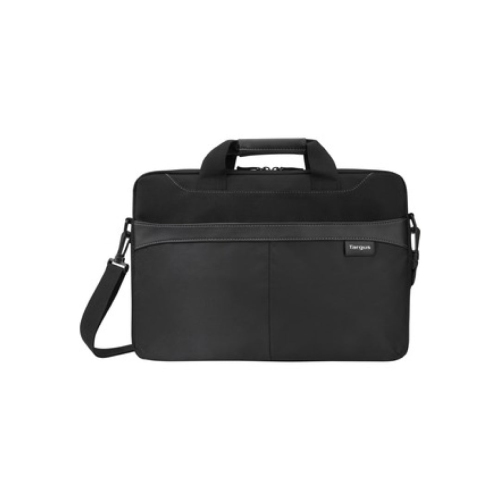 Your price for this item is $42.99
-
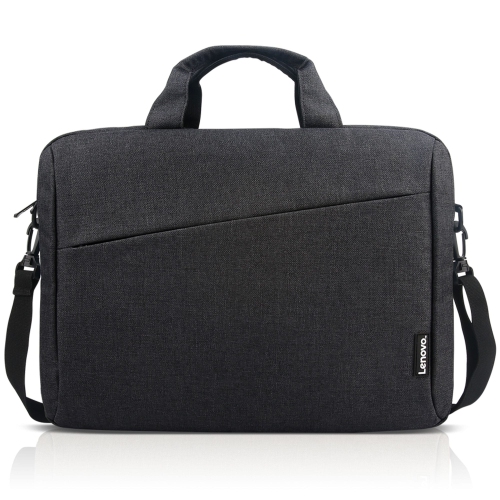 Your price for this item is $28.99
-
 Your price for this item is $83.99
-
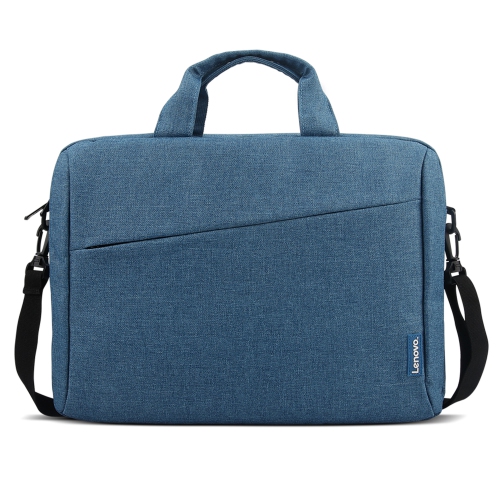 Your price for this item is $21.99
-
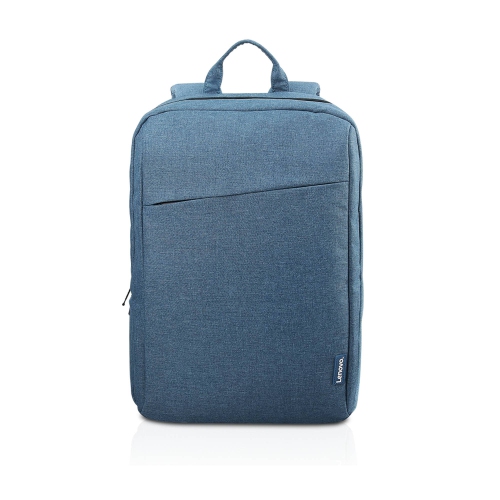 Your price for this item is $18.89
Discover more categories related to Must Have Accessories for Students

Top Collections:
Best Black Friday Deals This Year, Best Black Friday Deals On Electronics, Kindle Devices, Pokemon Centers, Best Black Friday Deals On Apple Products, Best Cameras for Sports Photography, Dyson Airwrap, Pokémon 30th Celebration Cards, Apple iPhone 17 Pro, Canon G7X Cameras
Some products may be subject to Environmental Handling Fees
(EHF) depending on your province.
Learn more about EHFs.