Recommended Treadmills for Running
If you're looking to get fit, a treadmill is a great place to start. They're easy to use, safe and most importantly, they'll help you get in shape without having to deal with the hassle of going to the gym. Here are some great options available for treadmills recommended for running.
Sort
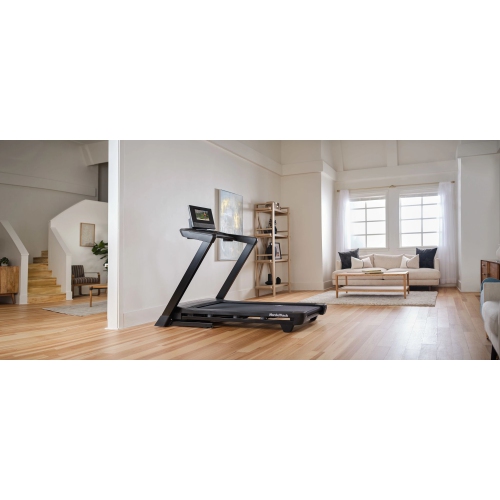
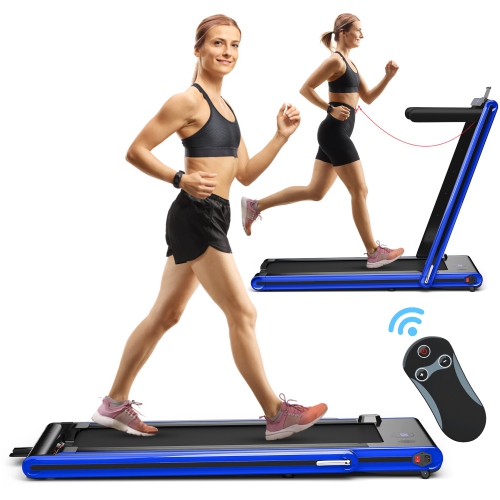
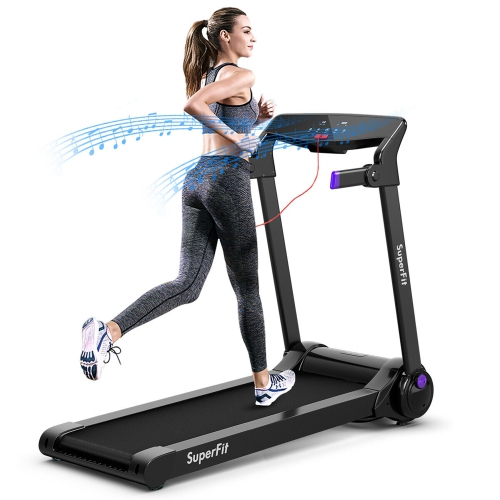
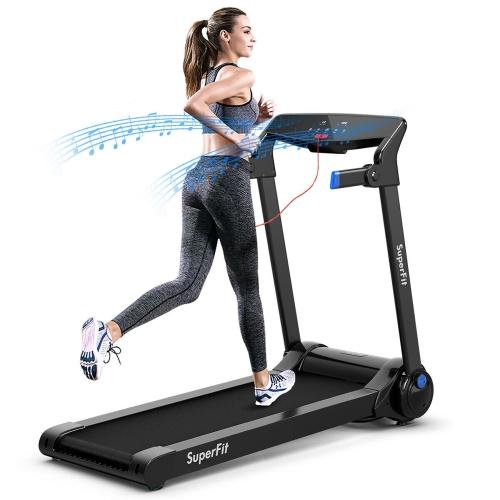
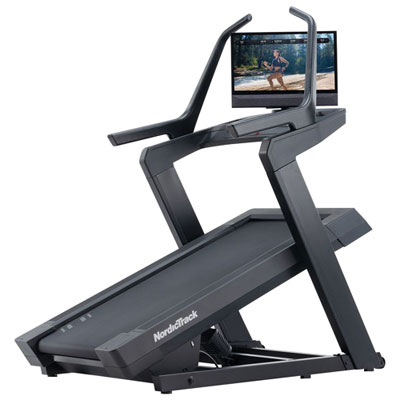
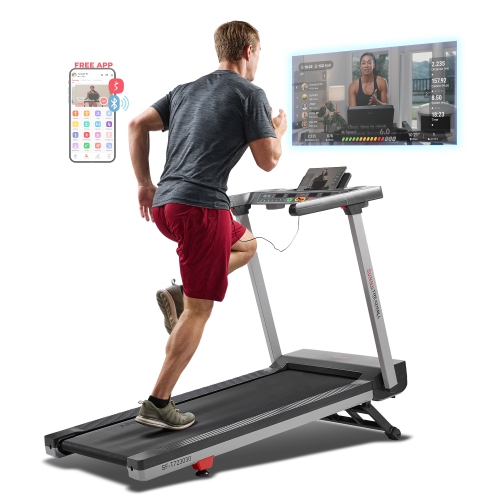
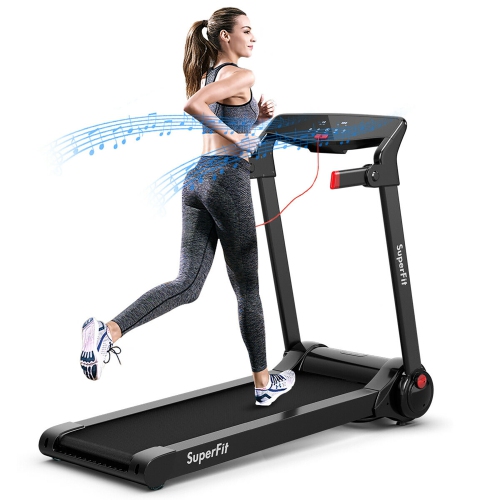
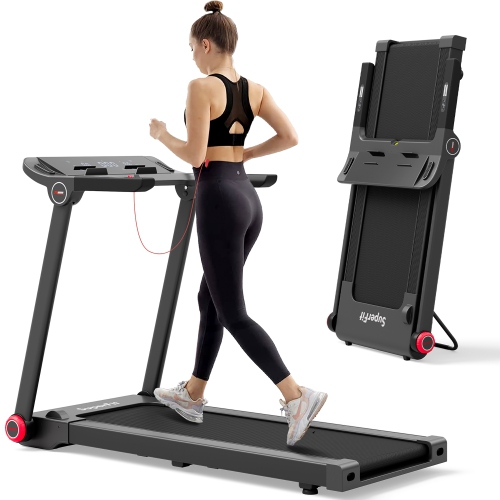
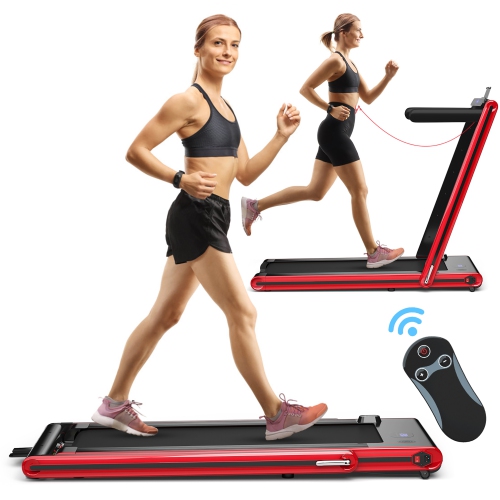

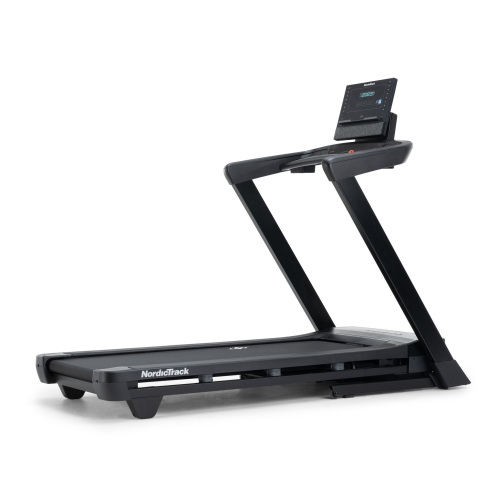
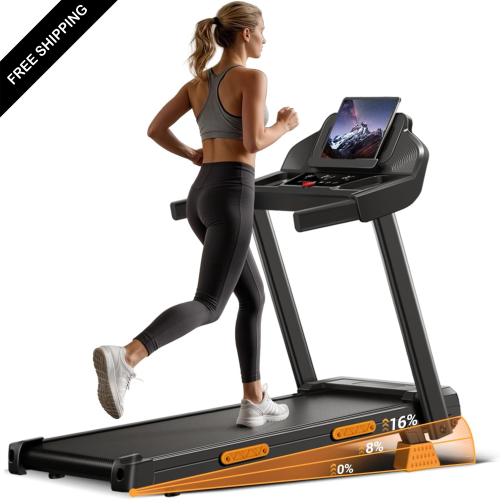
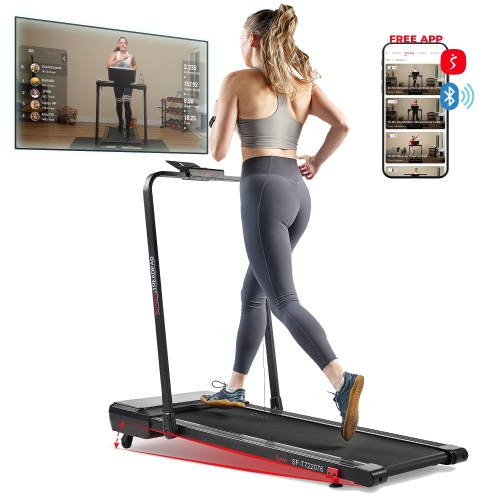

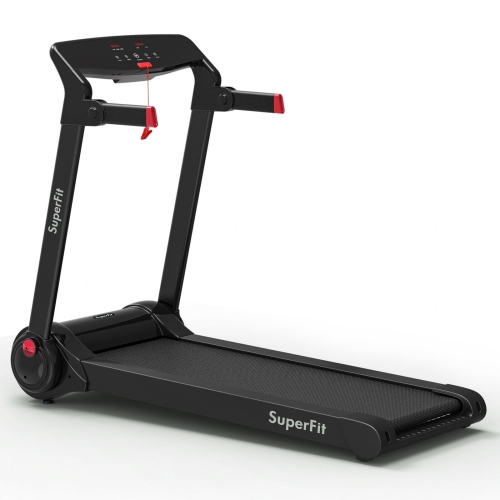
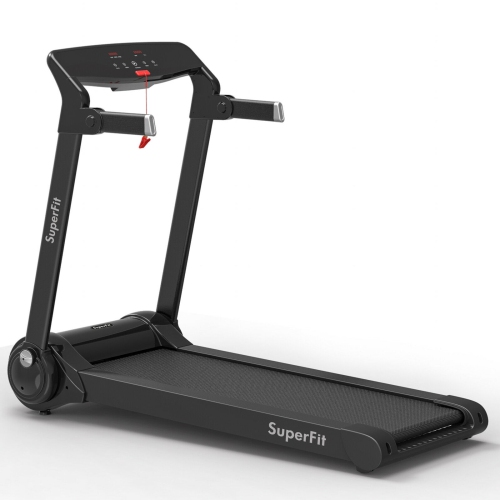
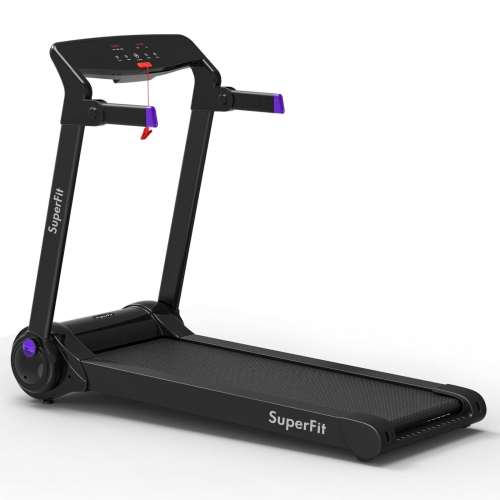
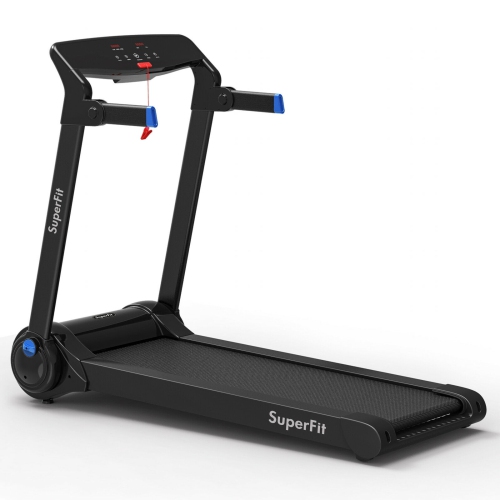
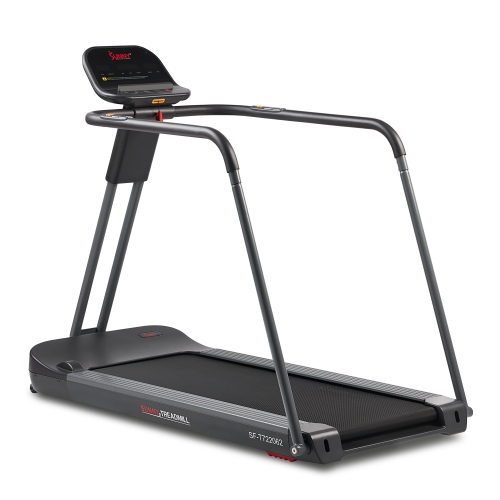
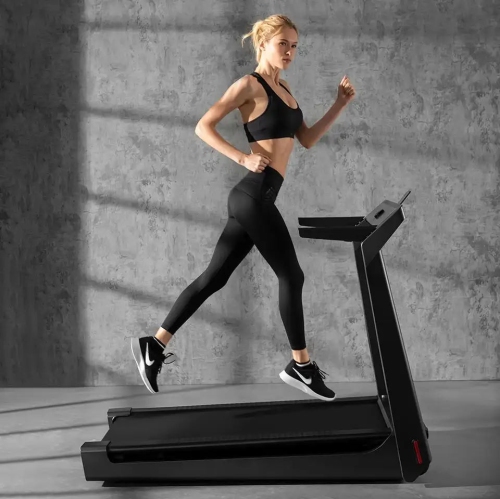
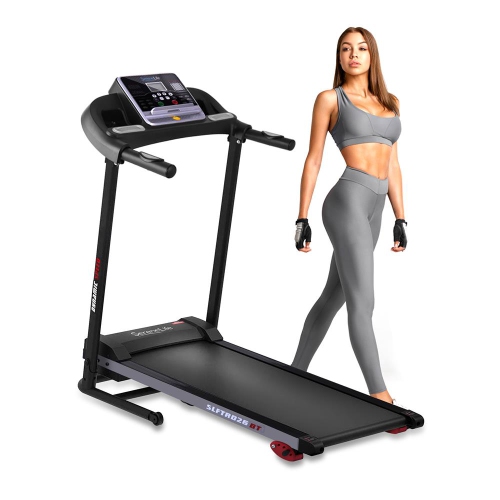
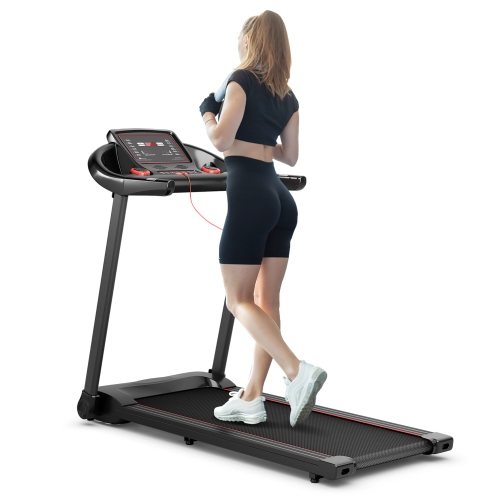
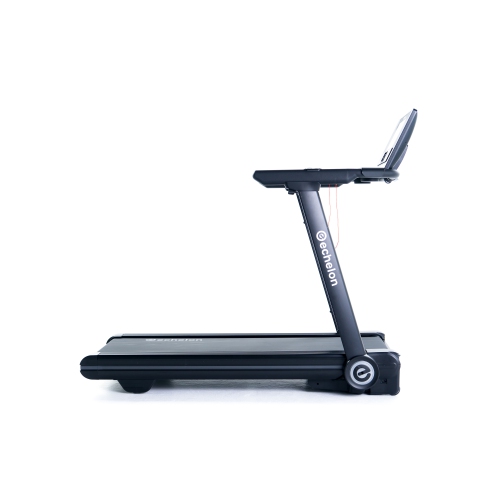
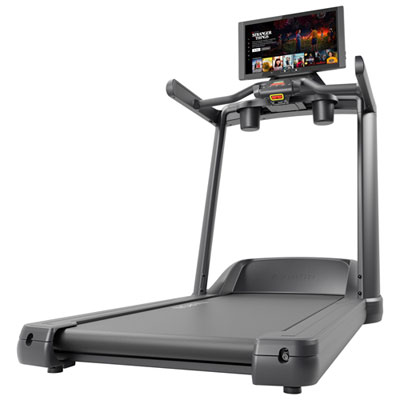

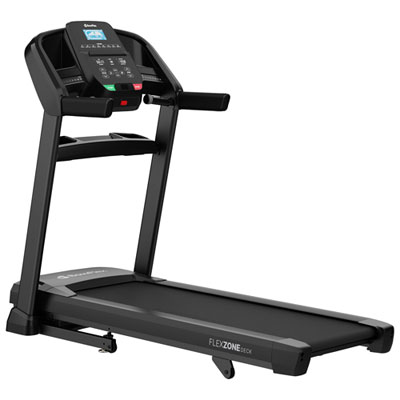
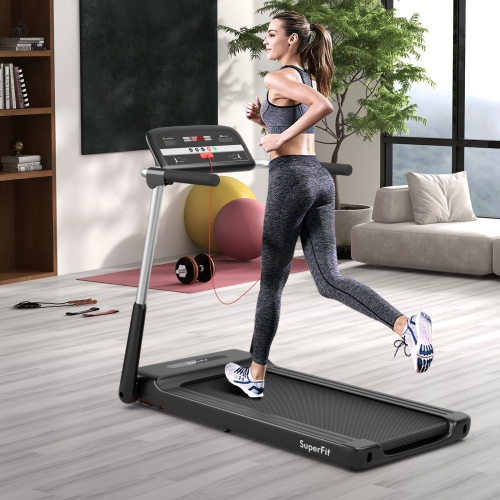
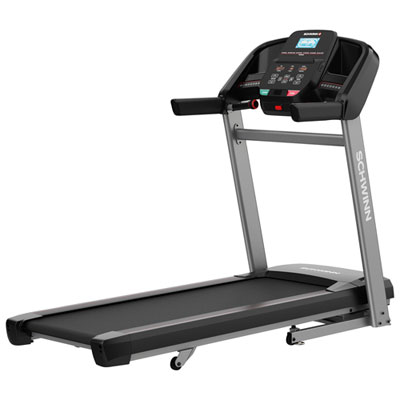
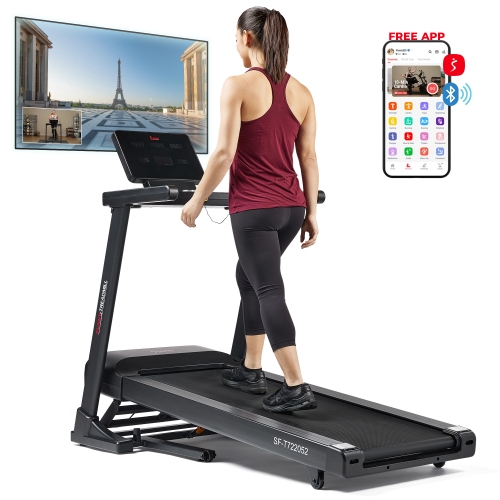
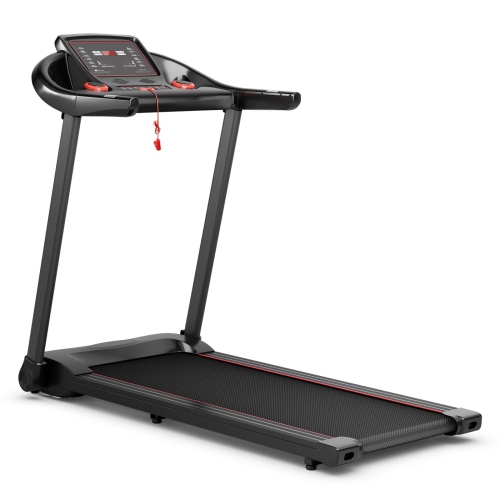
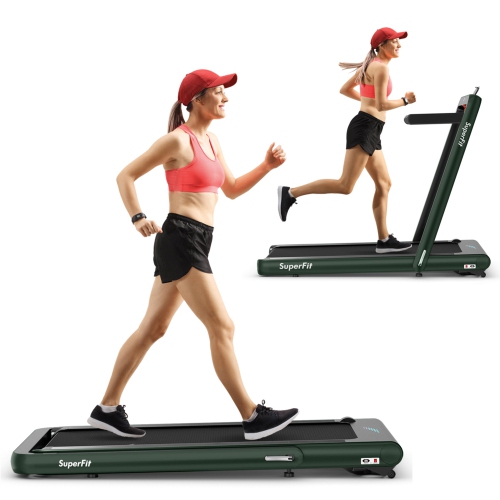
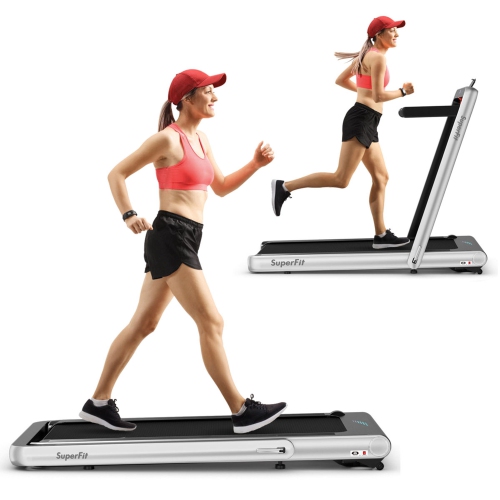
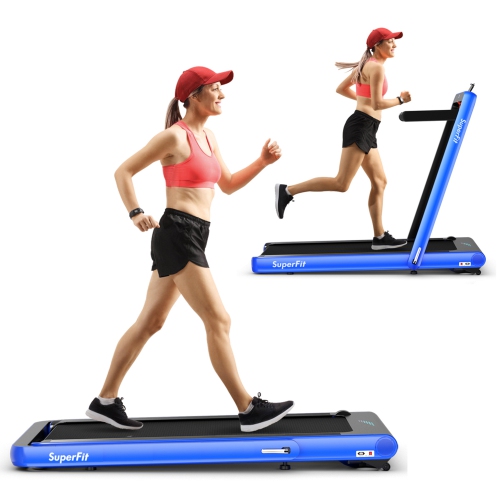

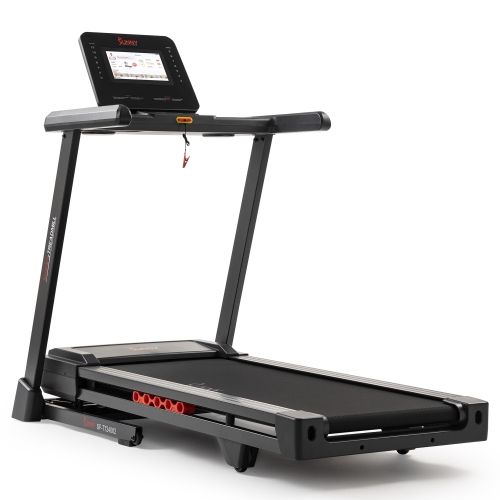
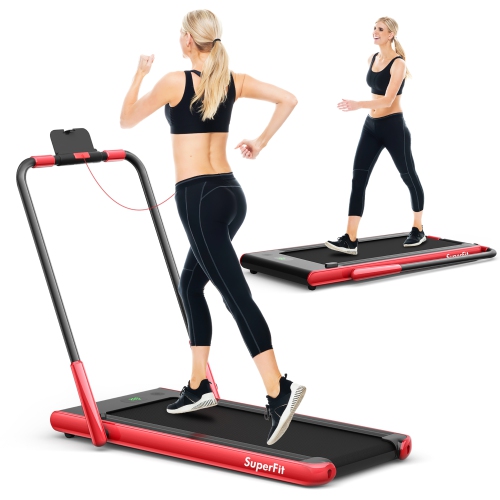
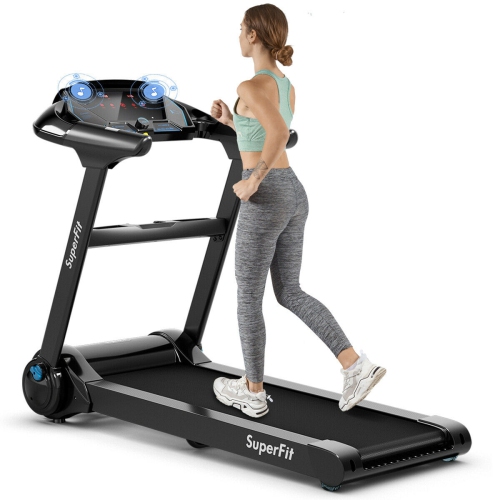
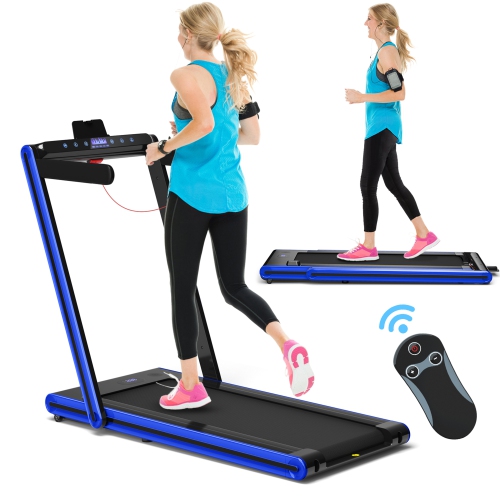
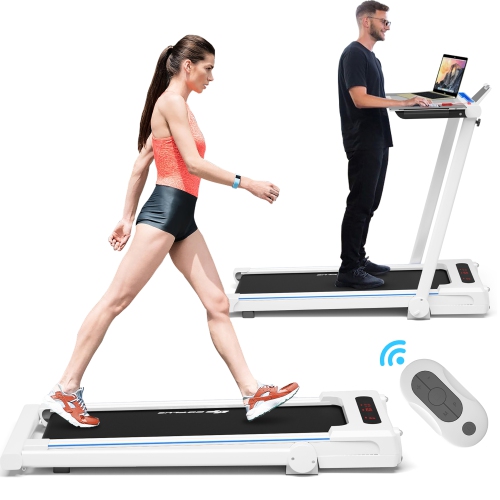
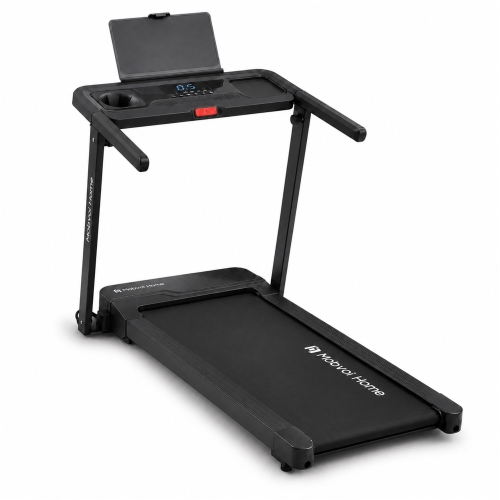
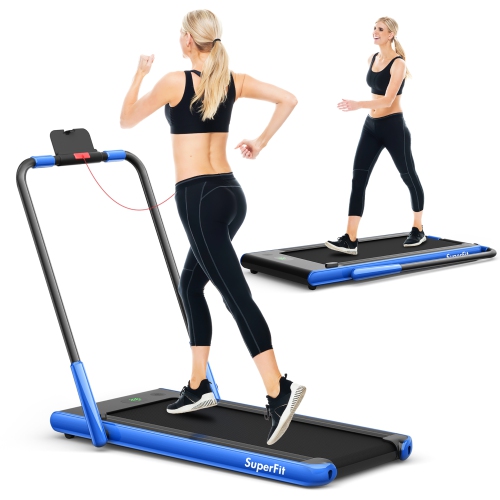
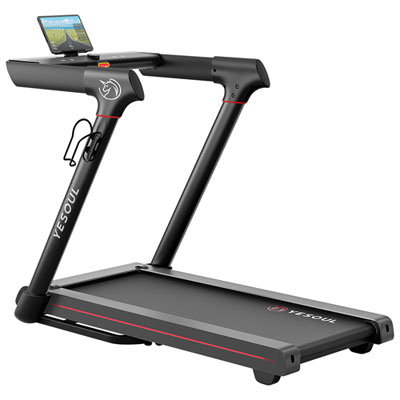
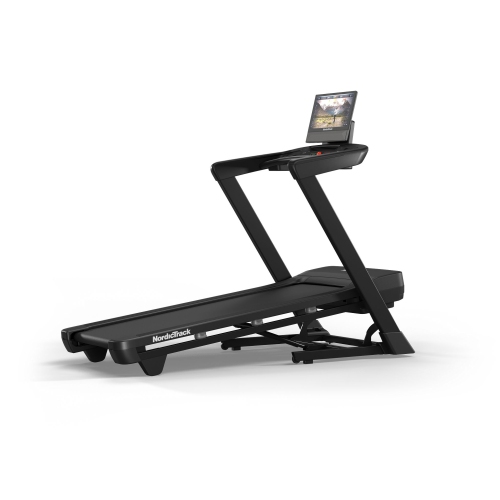
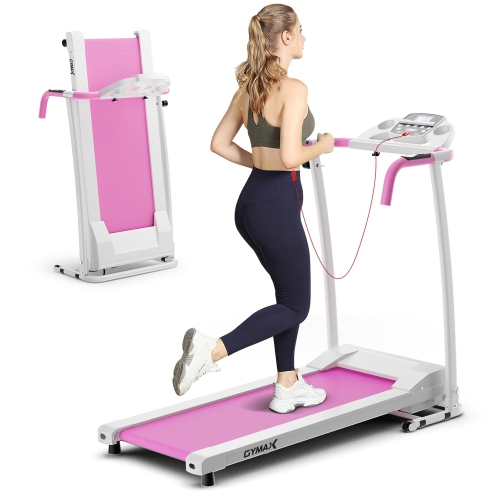
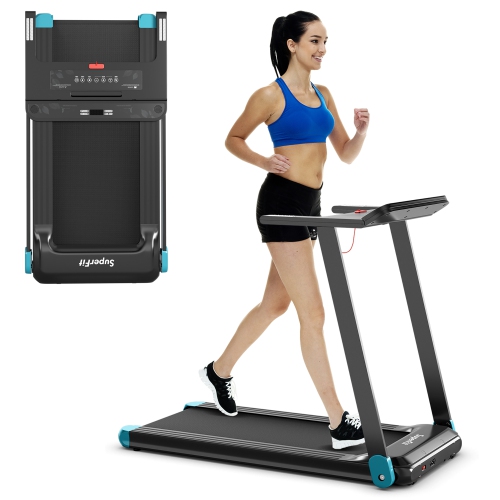
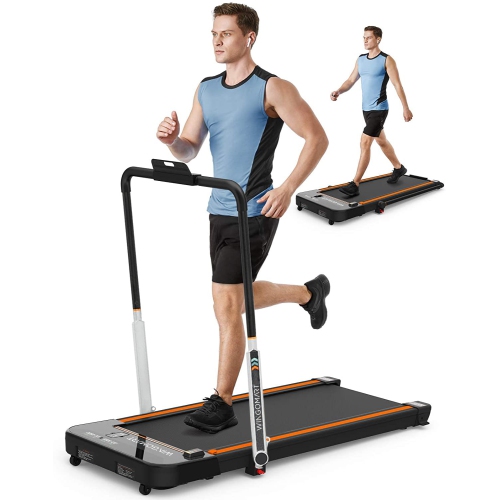
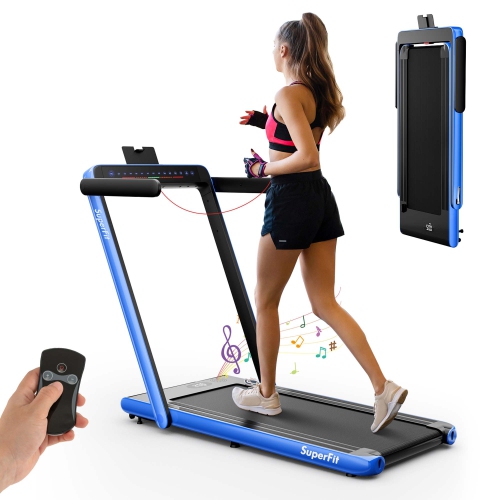
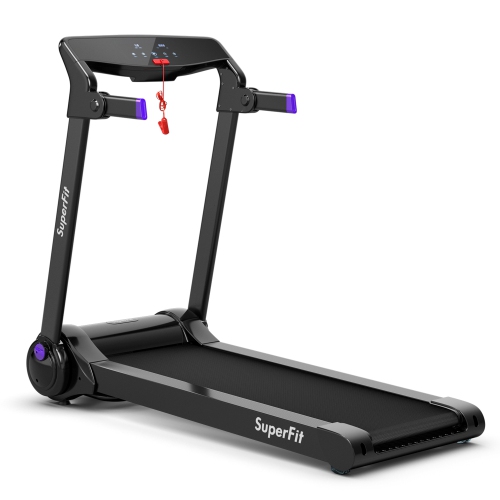
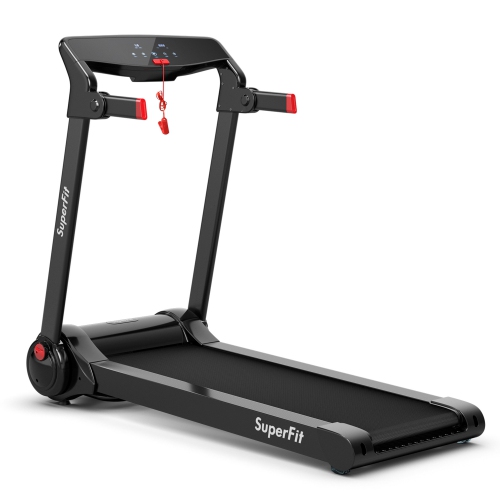
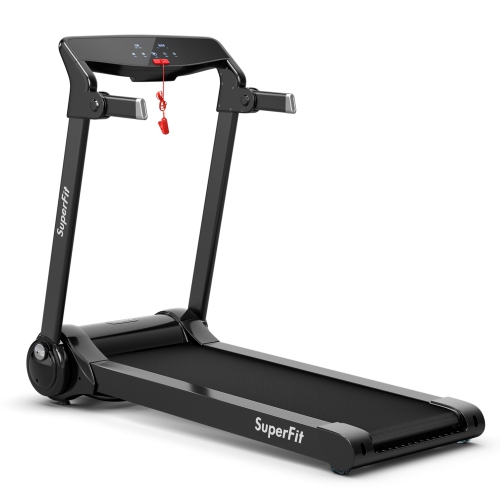
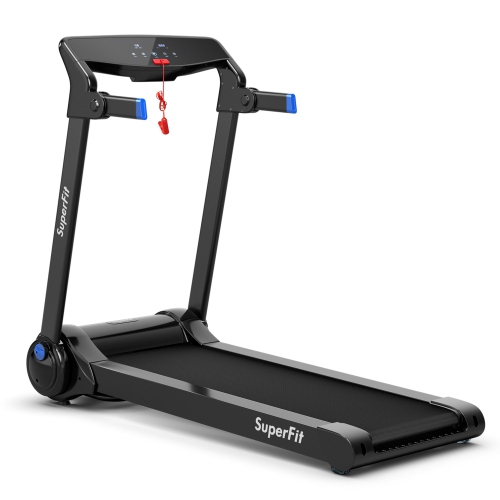
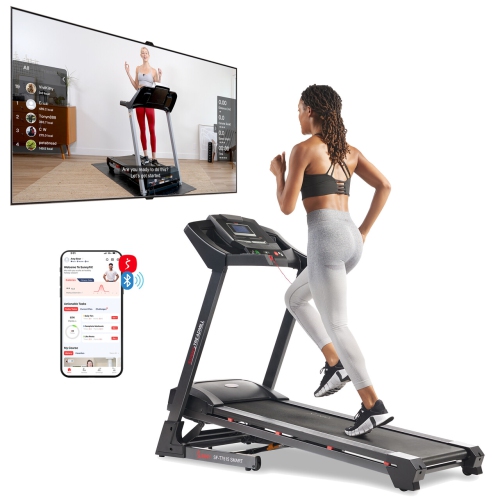
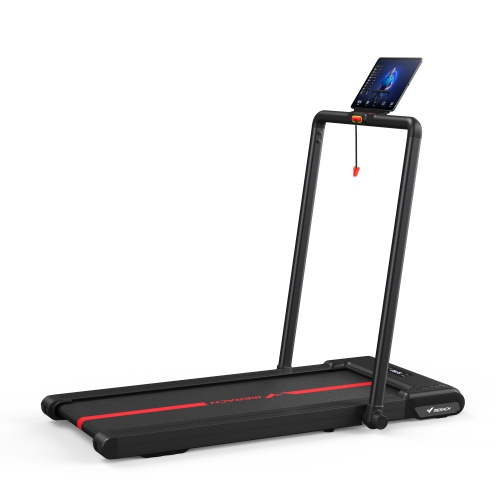
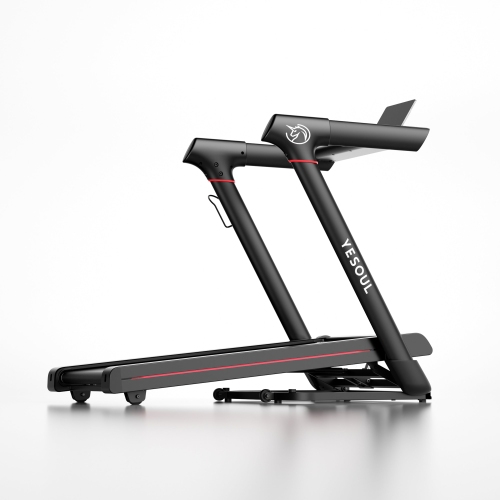
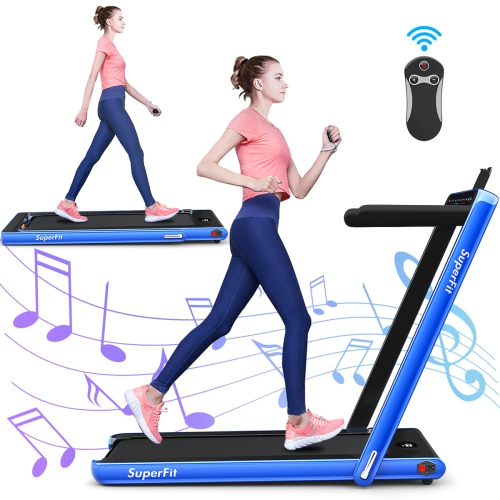
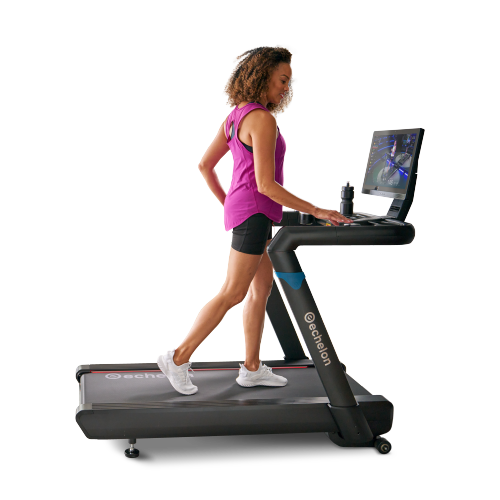
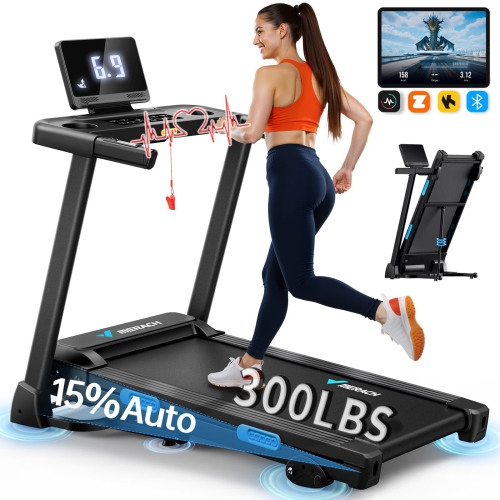
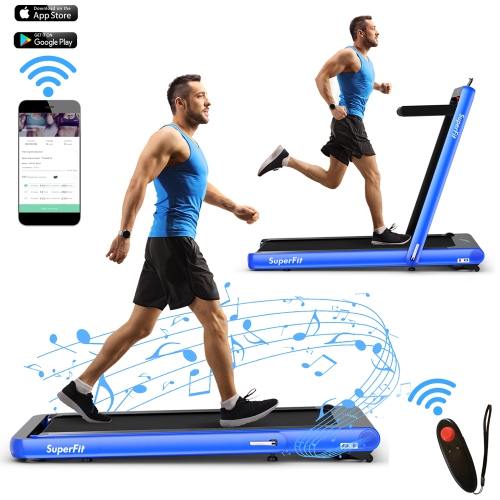
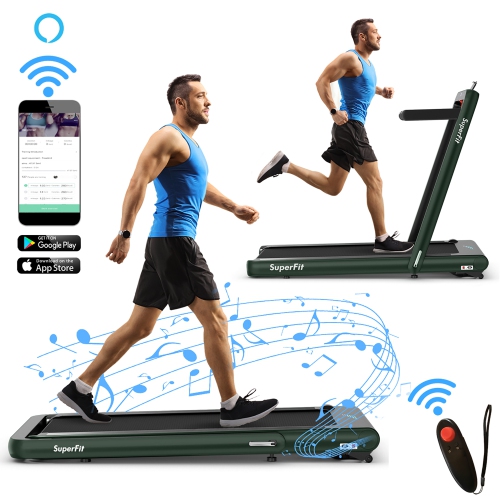
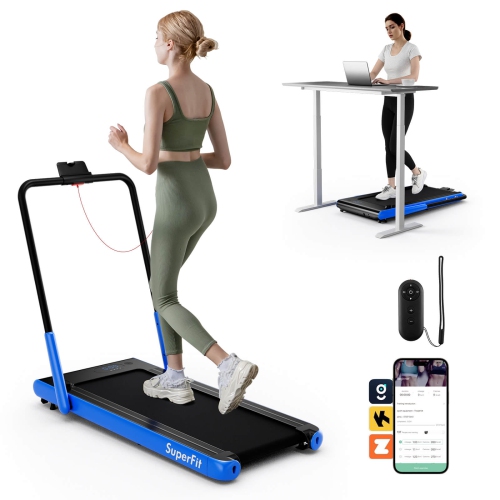
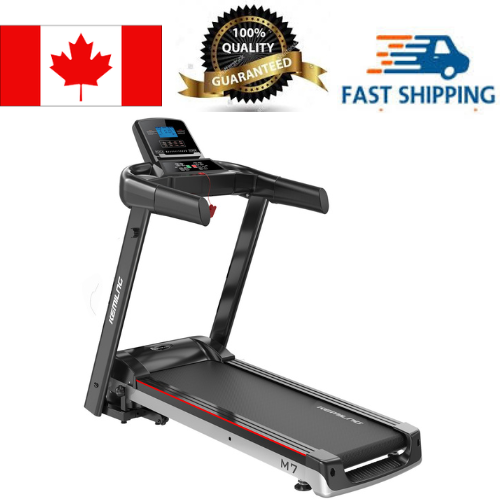
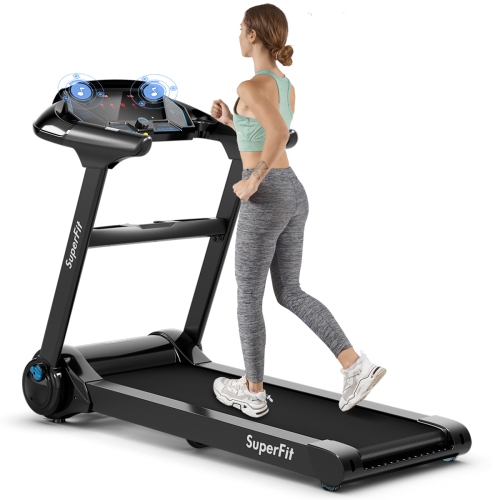
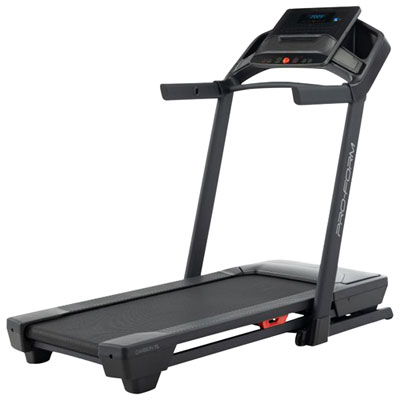
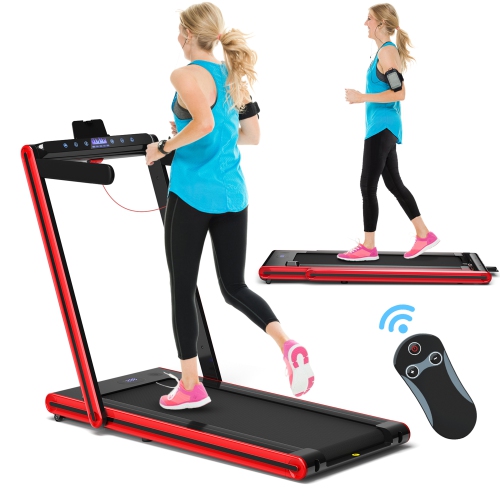
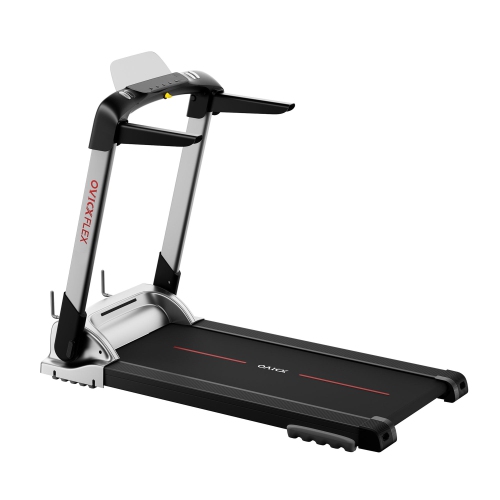
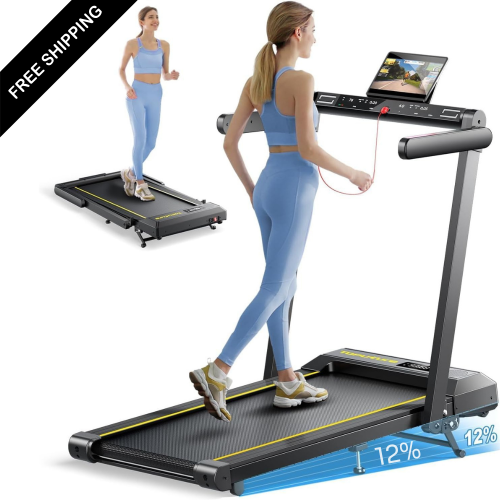
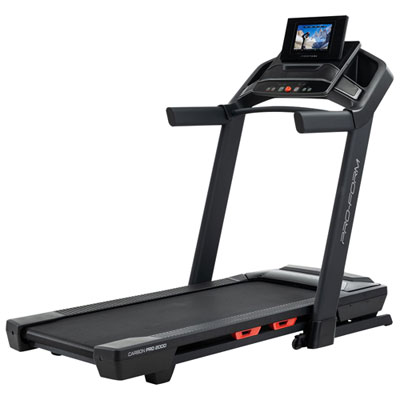
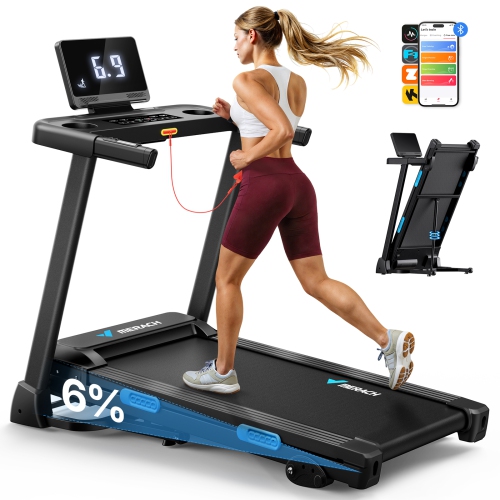
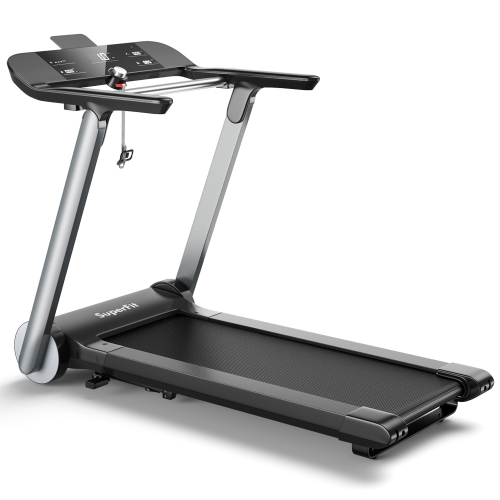
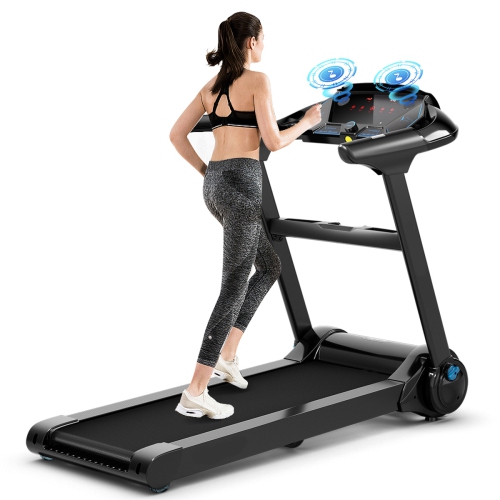
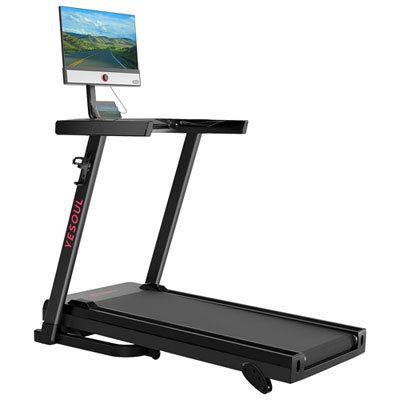
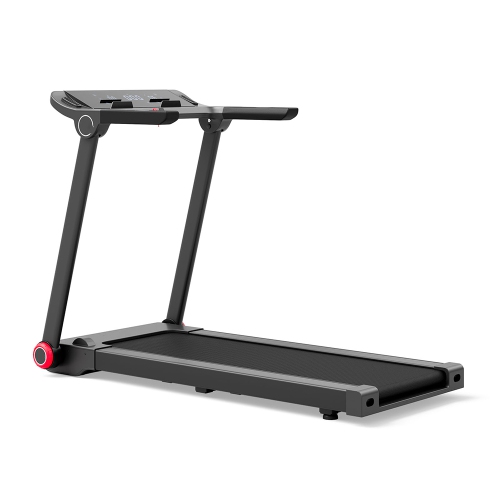
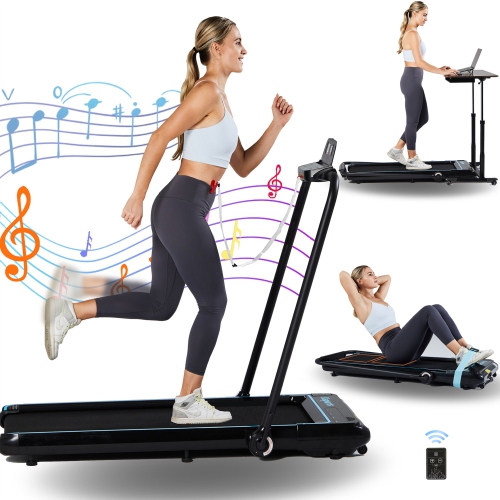
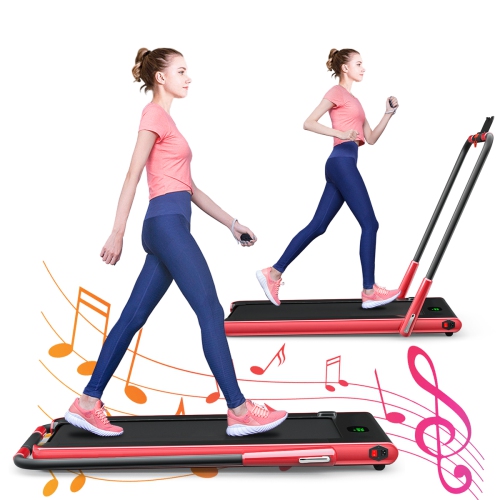
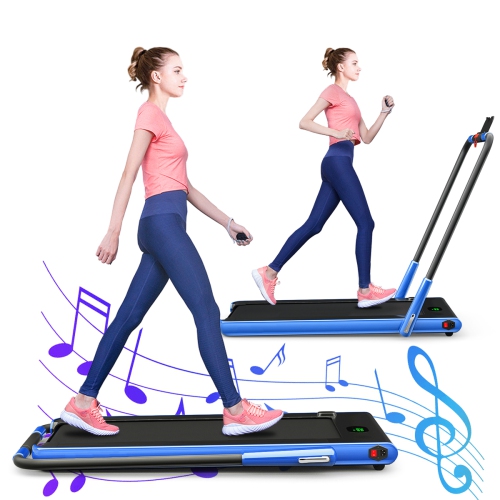

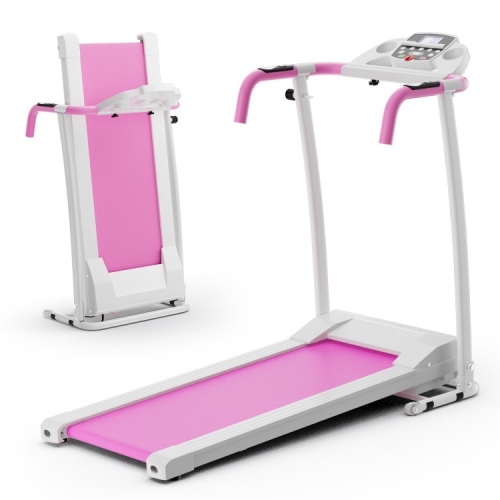
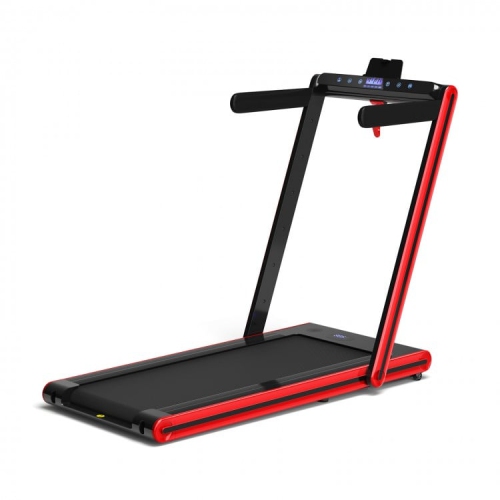
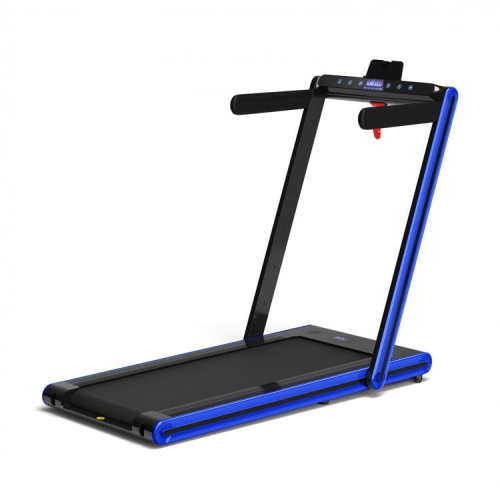
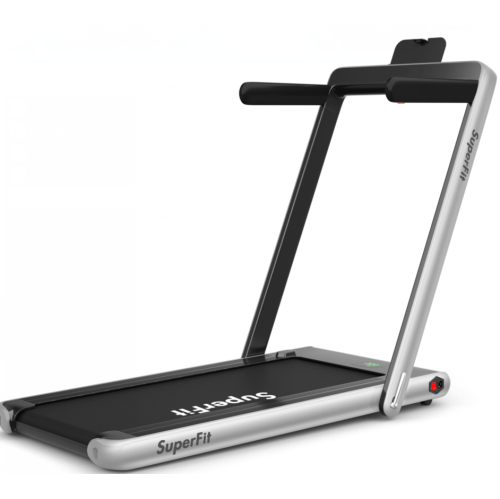
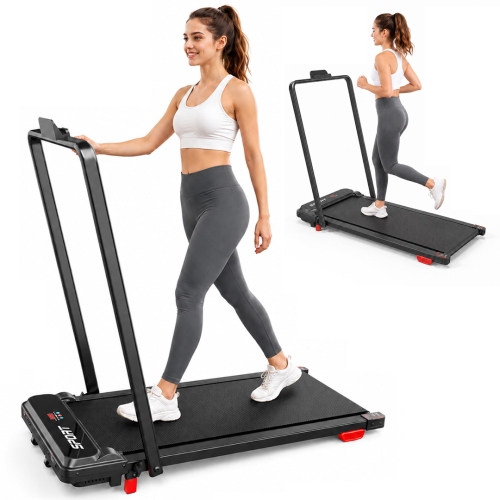
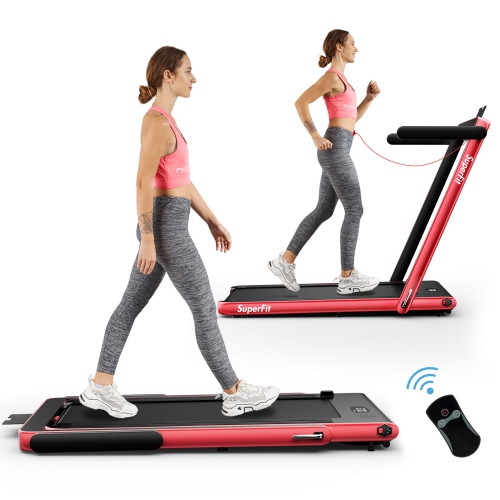
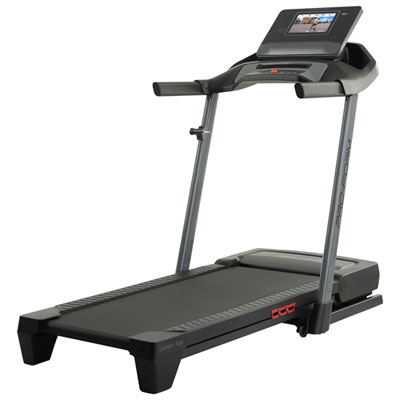
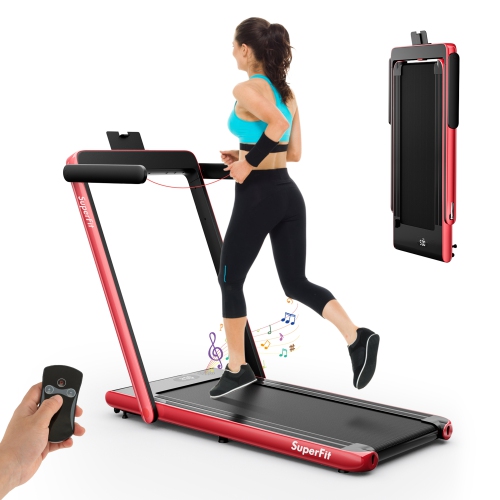
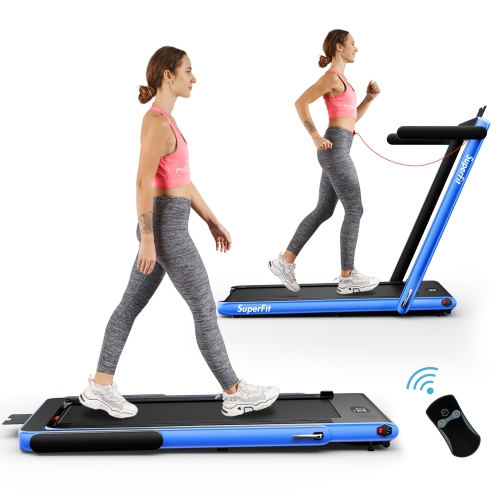
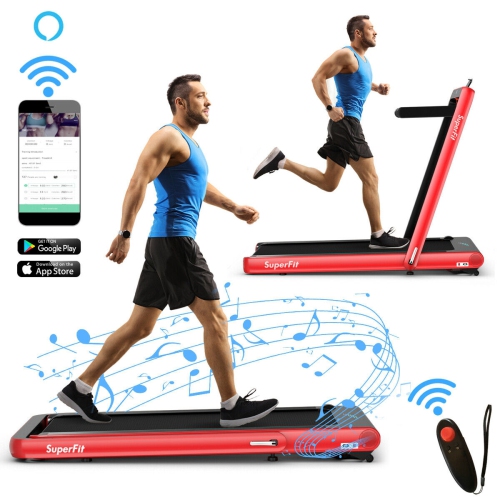
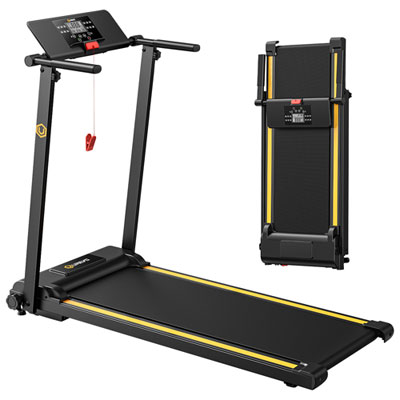
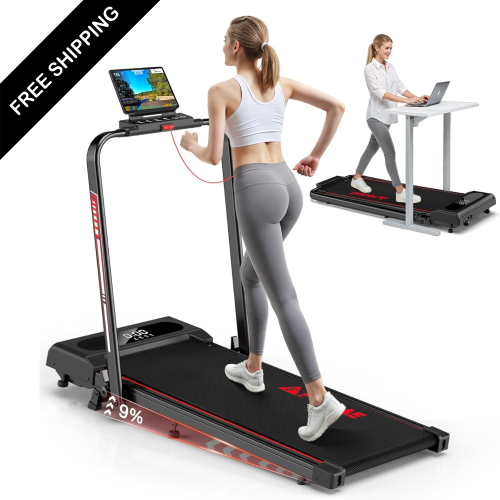
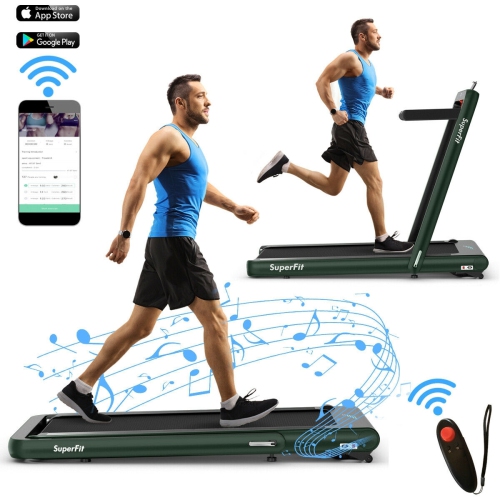
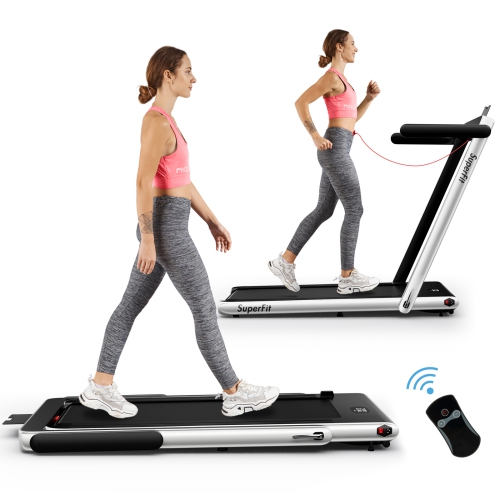
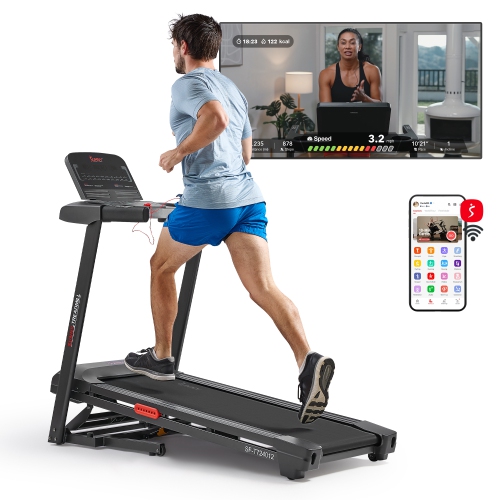
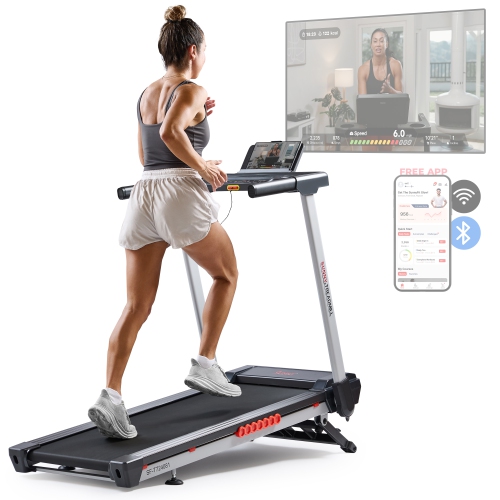
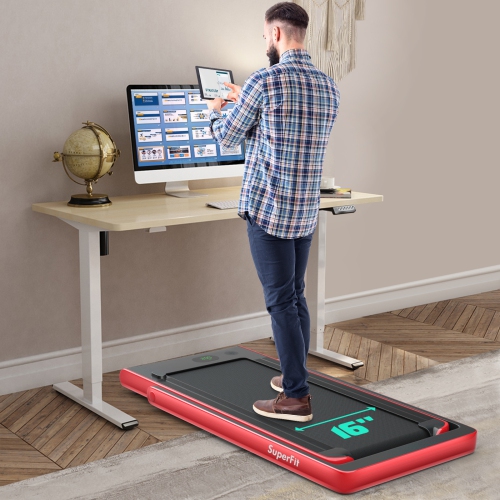
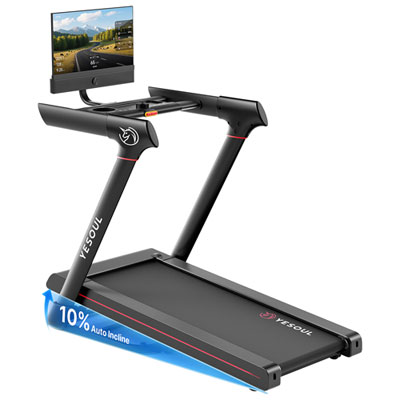
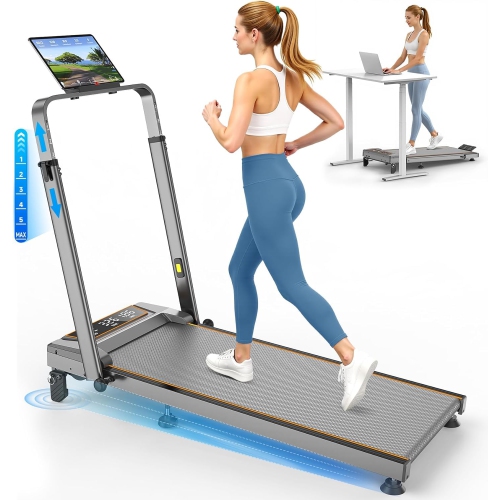
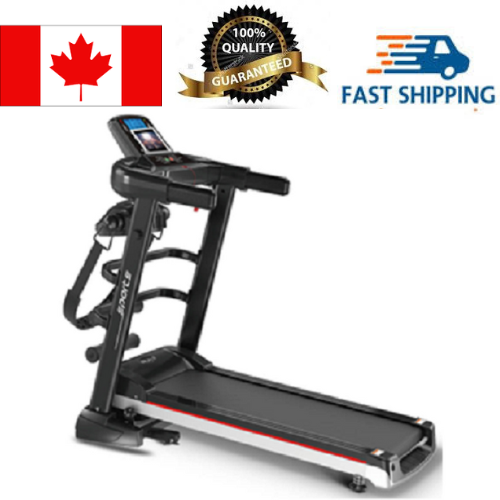
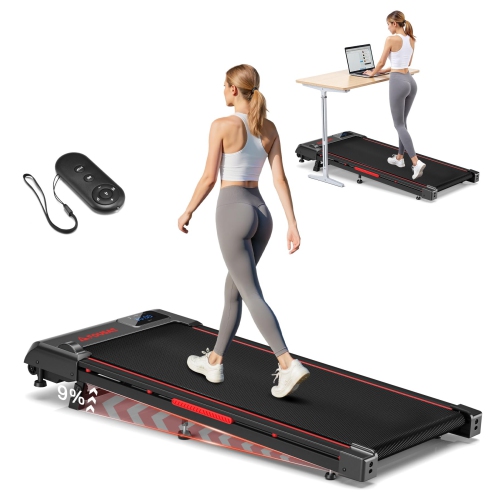
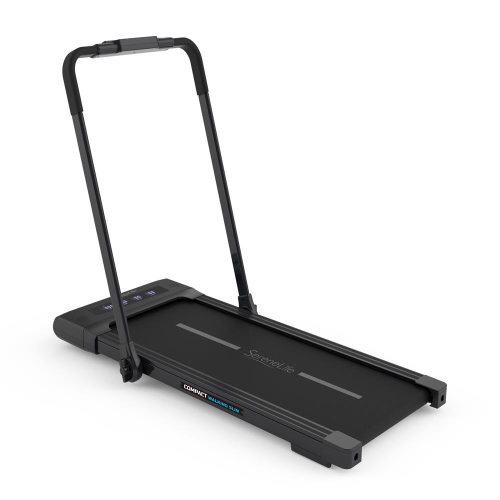
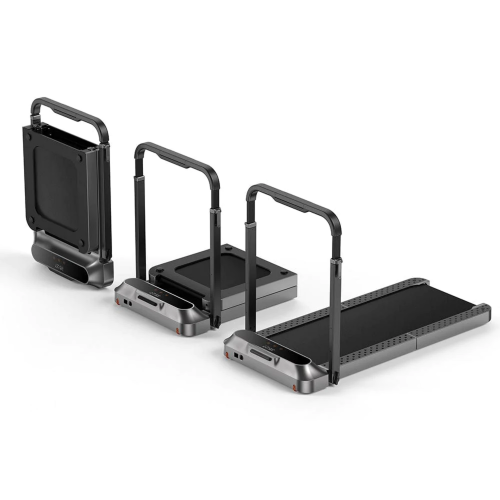
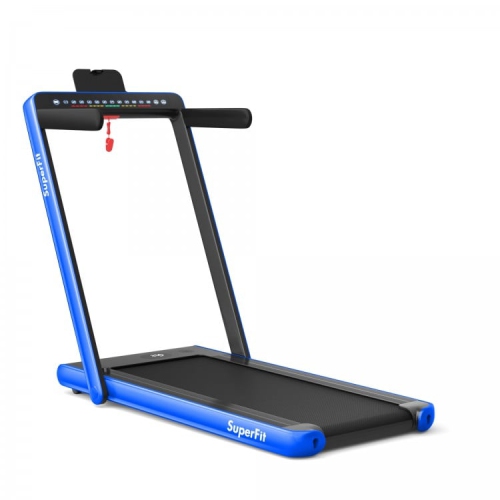
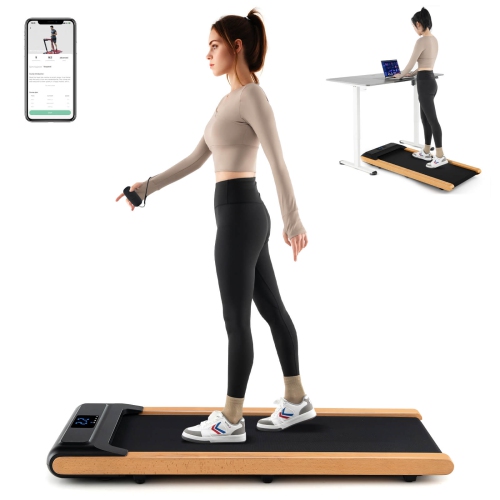

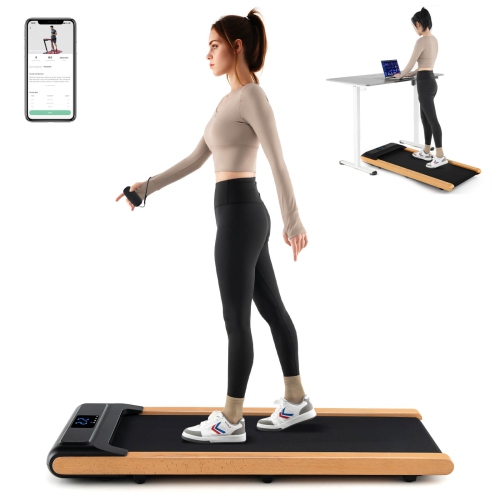
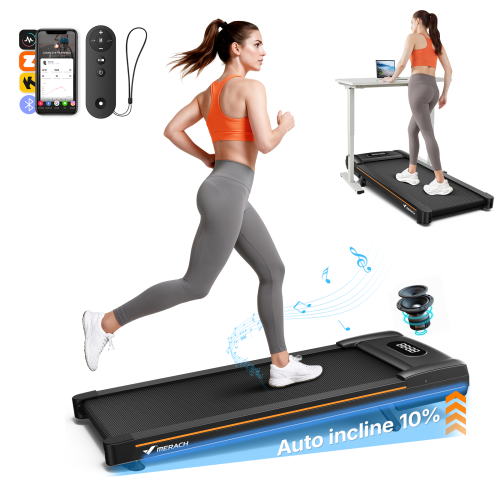
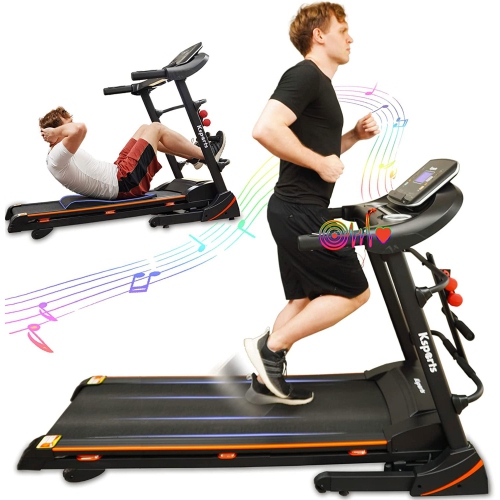
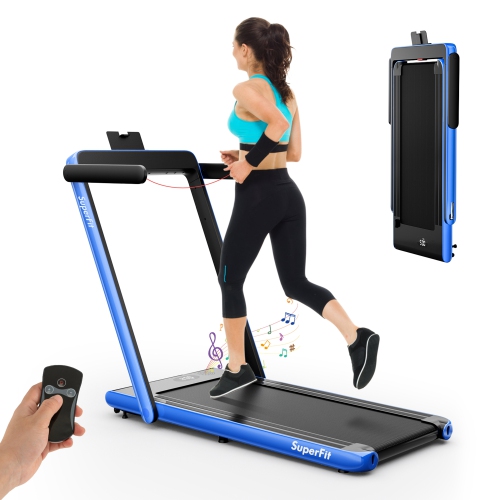
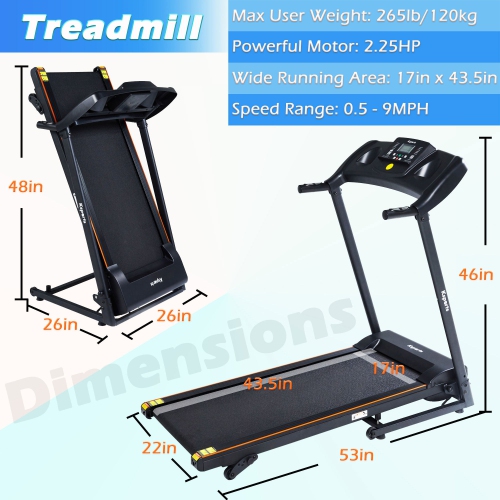
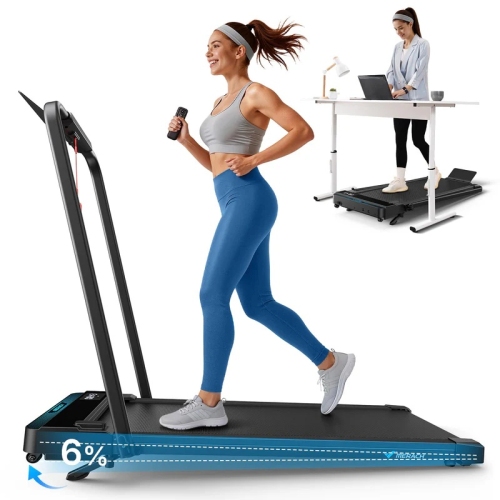
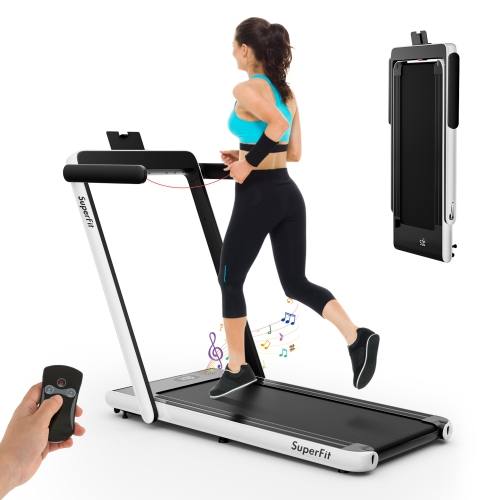
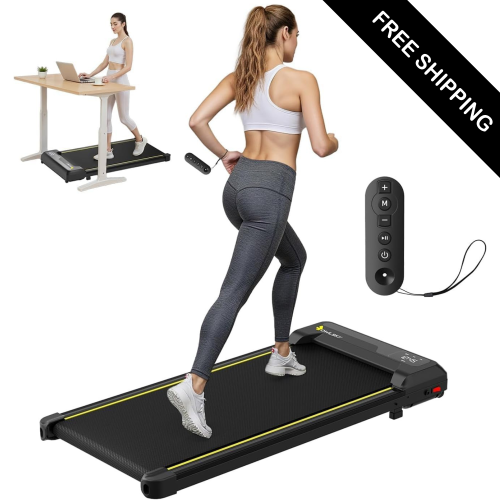
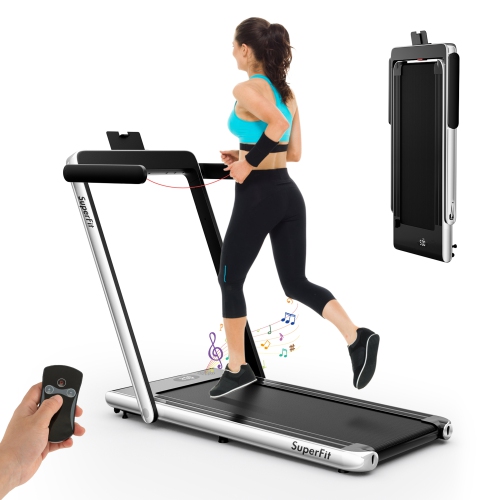
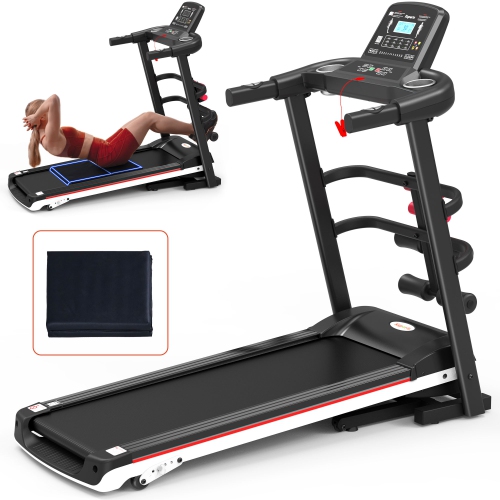
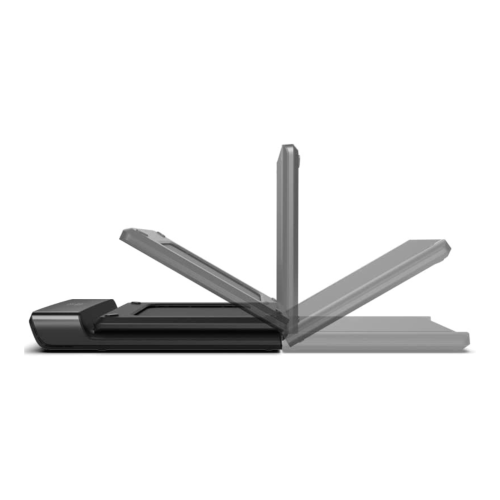
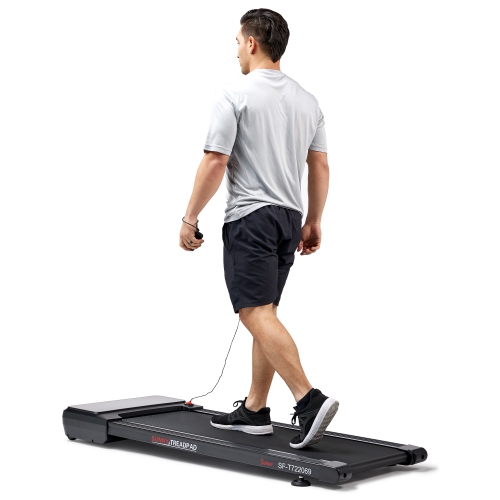
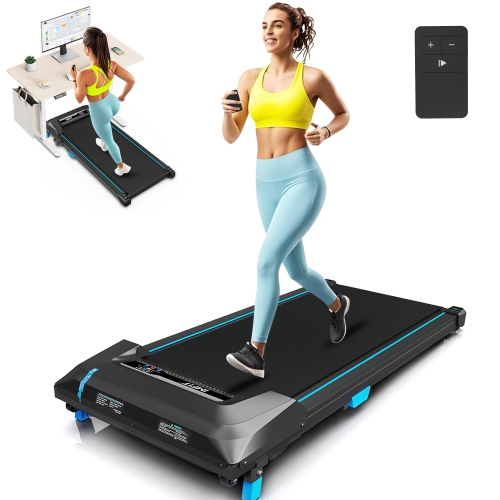
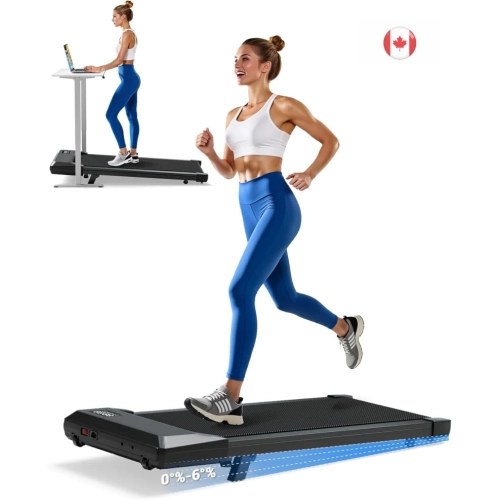
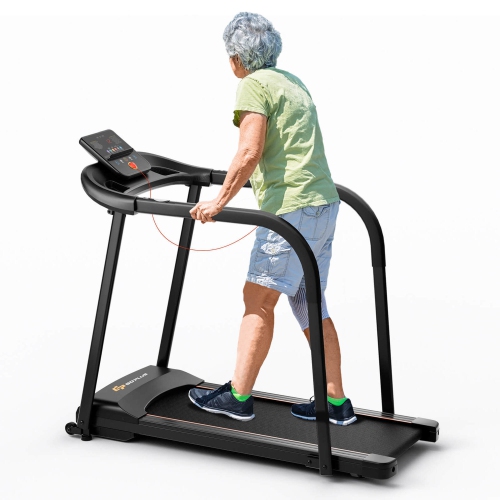
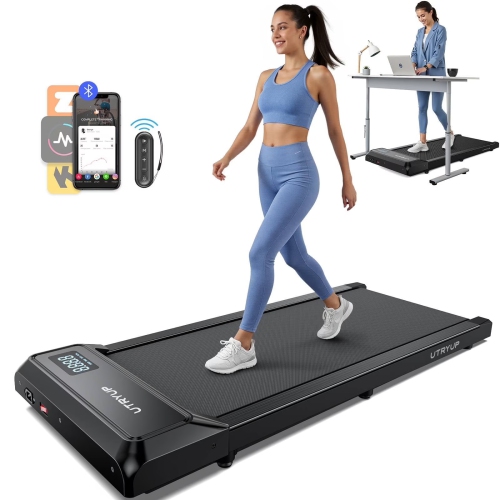
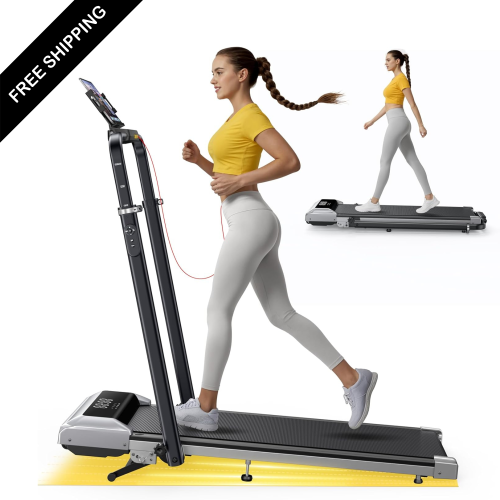
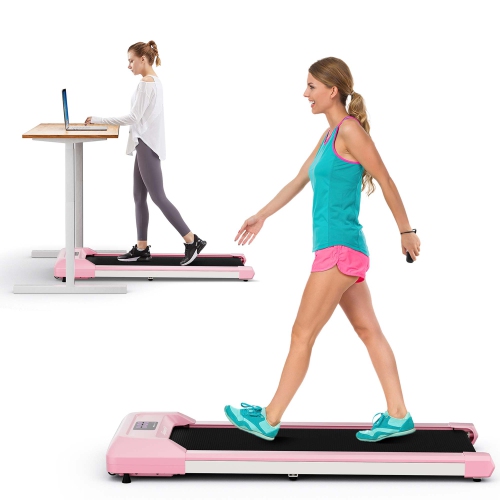
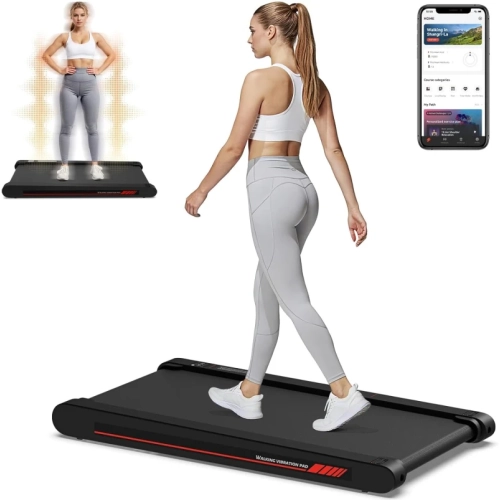
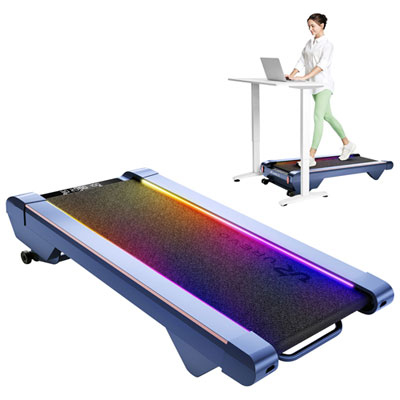
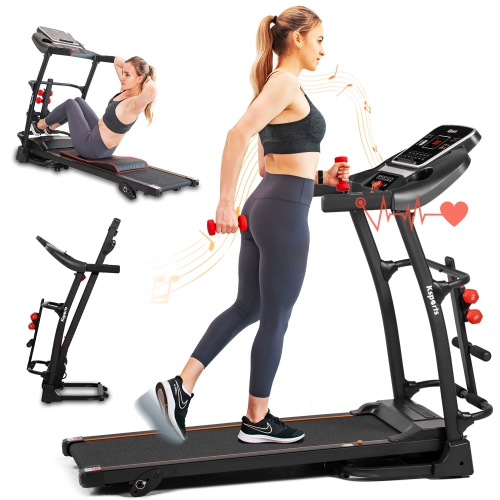
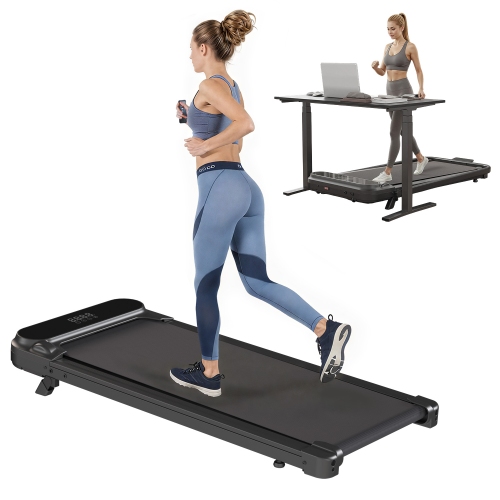
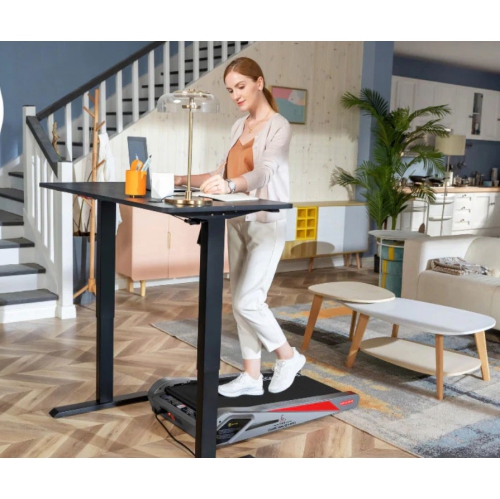
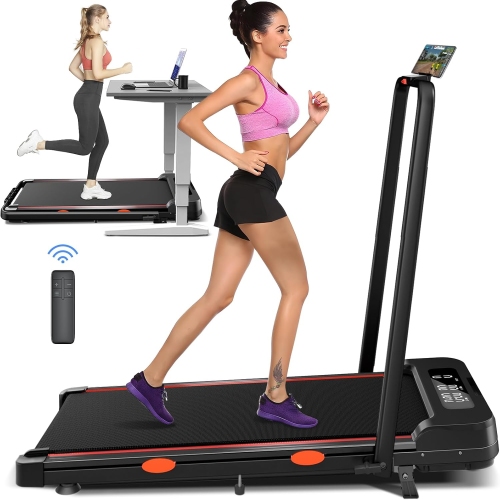
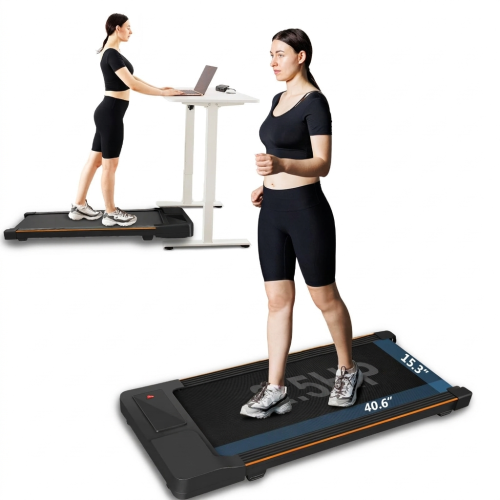
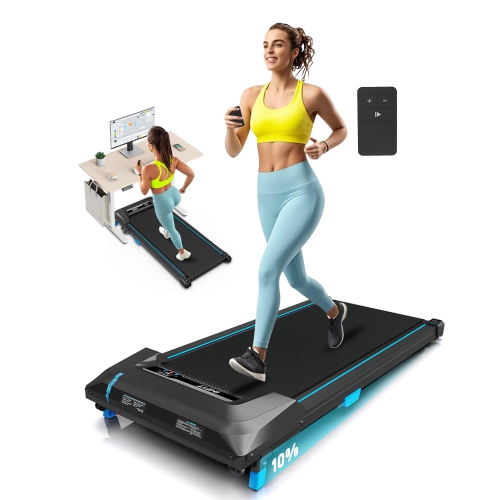
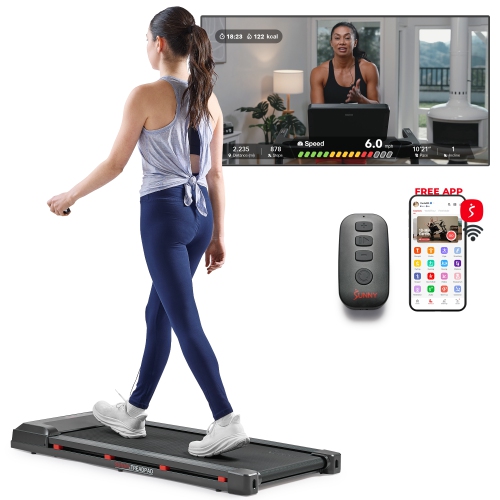
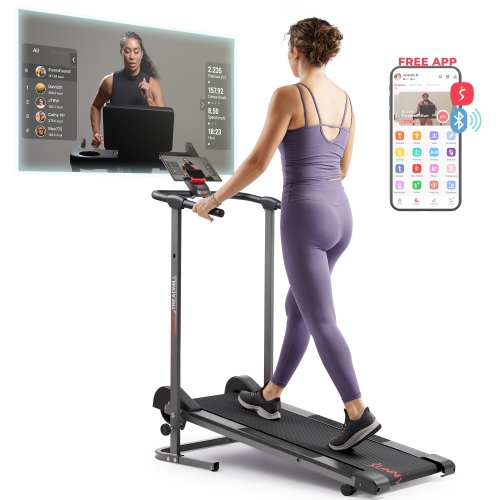
Key features that support consistent indoor running
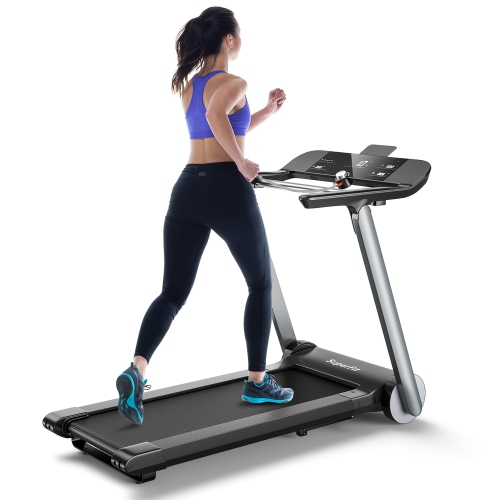
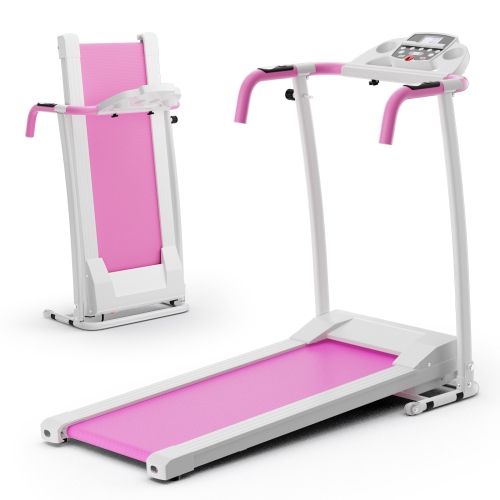
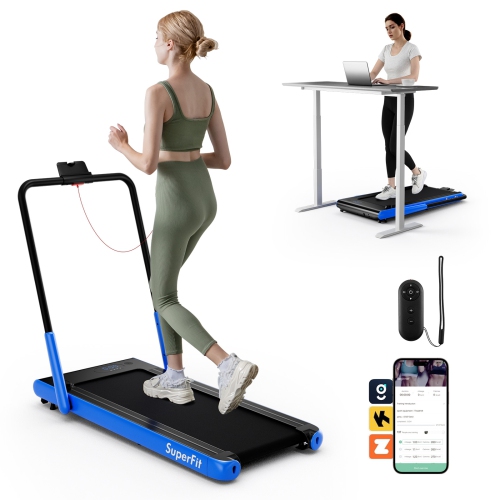
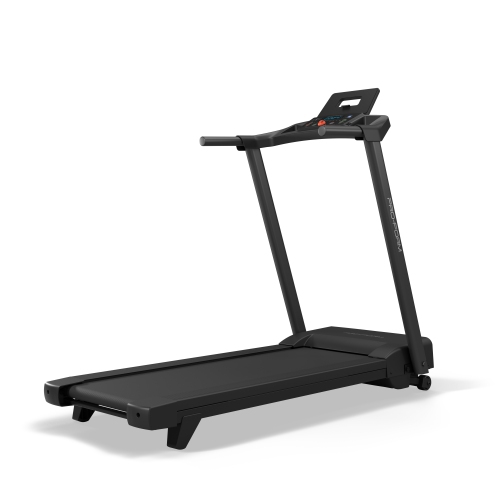
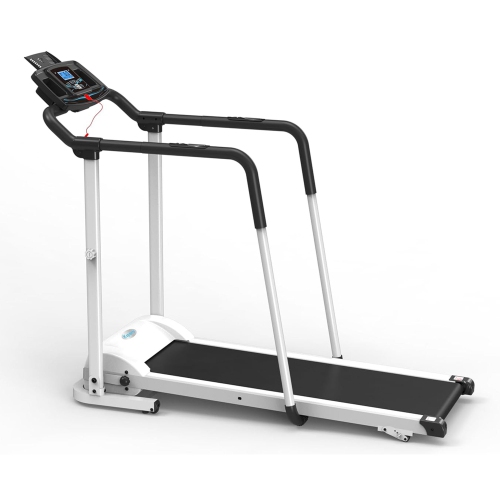
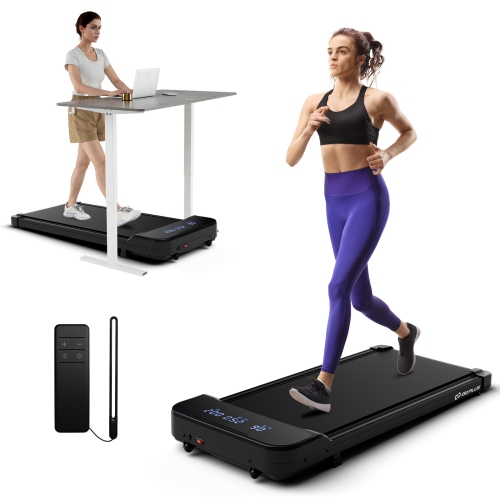
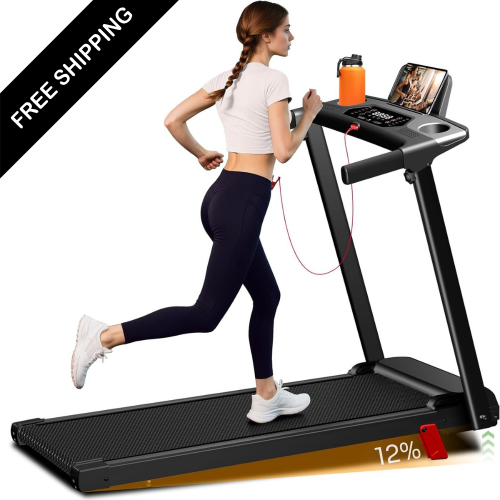
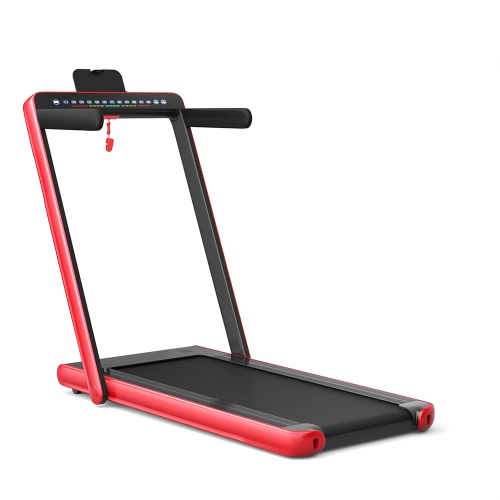
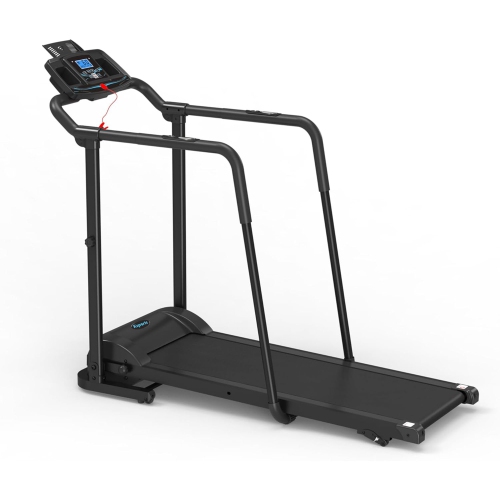
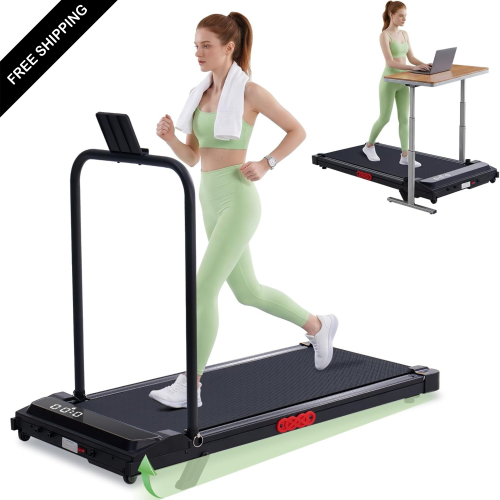
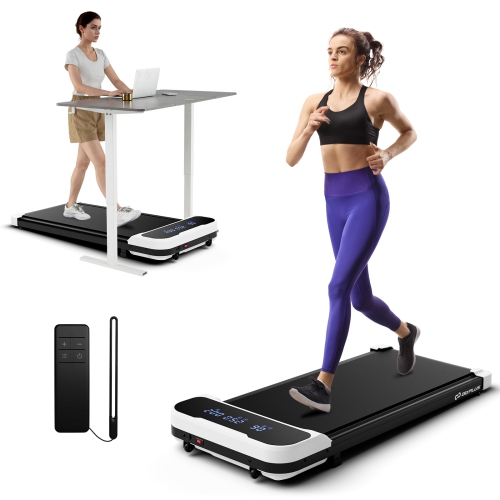
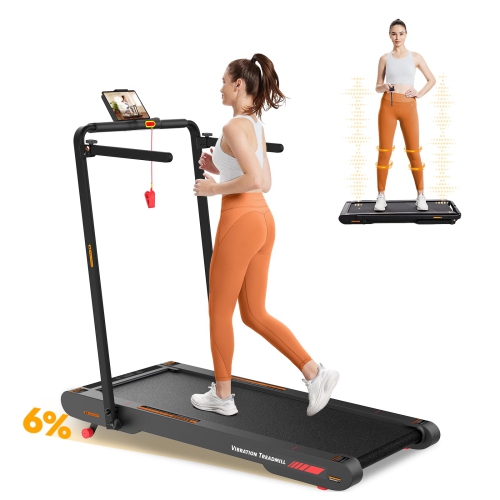
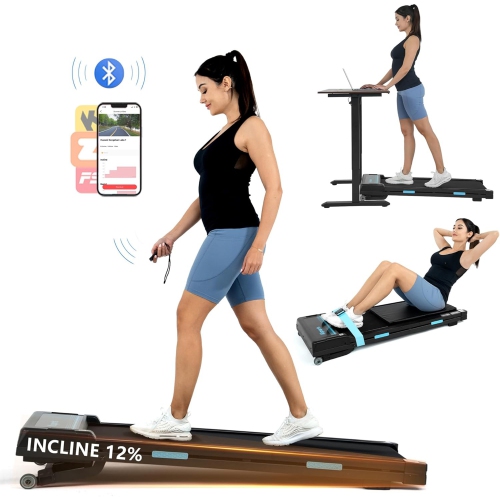
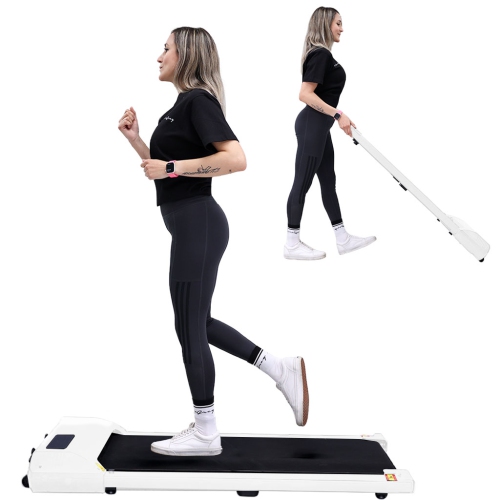
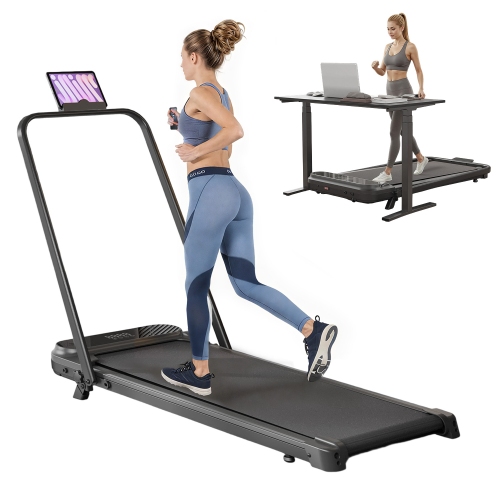
Recommended treadmills for running can make it easier to maintain a consistent training routine when outdoor conditions are uncomfortable, daylight is limited, or a busy schedule makes it difficult to reach a track or gym. A treadmill designed for running should offer more than a walking belt and a basic motor. Runners typically need a stable frame, a responsive belt, dependable speed adjustments, and enough deck space to accommodate a natural stride at faster paces. A belt length of at least 60 inches is a useful starting point for many runners, while taller users or those with a longer stride may prefer an even larger running surface. Belt width also contributes to confidence, particularly during intervals or sustained efforts when your pace and foot placement are changing. The motor is another important consideration. Look for a continuous horsepower rating of around 3.0 CHP or higher when the treadmill will be used regularly for running, especially by multiple people or for longer training sessions. A stronger motor can help the belt maintain a steady pace without feeling hesitant during acceleration, while a solid deck and frame can reduce movement and vibration underfoot. These details matter whether you are preparing for a race, building cardiovascular fitness, or replacing outdoor runs during cooler months. The selection on this page brings together recommended options for different training styles, spaces, and preferences, making it easier to compare treadmills for running in one place. You can explore the full assortment of Treadmills for Running to find a setup that suits your routine.
Incline capability can add variety and training value without requiring extra equipment. A treadmill with adjustable incline lets you recreate the feel of hills, increase the effort of a steady run, or add shorter climbs to an interval session. Some models also offer decline settings, which can help simulate downhill sections and create a more varied route for runners training on rolling terrain. A broad speed range and quick-access controls are useful for switching smoothly between a warm-up, tempo effort, sprint interval, and cool-down. Cushioning is equally important, particularly for people who run frequently, are returning to exercise, or find hard outdoor surfaces uncomfortable. A cushioned deck can soften the sensation of repeated foot strikes compared with pavement, while adjustable cushioning allows the feel to be tailored to personal preference. No treadmill removes impact completely, and proper footwear, gradual progression, and rest days remain part of a sensible running routine, but a well-designed deck can make longer sessions feel more manageable. Consider how the console supports your habits as well. Some runners prefer a straightforward display with speed, time, distance, incline, calories, and heart-rate information, while others enjoy guided workouts, scenic routes, performance tracking, and a rotating screen that can be used for off-treadmill exercises. App compatibility and subscription requirements vary, so check whether interactive features require an ongoing membership or whether the treadmill includes useful built-in programs without one. A quiet motor, dependable handrails, a visible emergency stop feature, and a secure area around the machine can also make regular workouts feel more comfortable. Before choosing a treadmill, measure the available room carefully, including ceiling height if the deck rises significantly, and allow space behind and beside the machine for safe access. Folding designs may be helpful in multipurpose rooms, but the folded dimensions, transport wheels, and weight should all be considered before purchase.
These treadmills can suit a wide range of runners, from someone establishing an indoor routine to an experienced athlete following a structured training plan. A new runner may use a treadmill for walk-run intervals, gradually extending the running portions while controlling pace and incline in a familiar environment. A recreational runner might rely on it for early-morning sessions, rainy-day workouts, or easy runs that fit between work and family commitments. More dedicated runners can use programmed intervals, tempo efforts, hill repeats, and longer steady runs to complement outdoor training. A treadmill may also be a practical gift for a household where several people share fitness equipment, although the motor capacity, maximum user weight, deck size, and adjustability should be checked to ensure it suits everyone who may use it. When several runners share one machine, saved user profiles, quick controls, a generous belt, and a durable frame can make the equipment more convenient. Placement matters as well: a bright, well-ventilated area with enough room for movement can make indoor running more inviting, while a nearby fan, water bottle, towel, and entertainment device can help longer sessions pass comfortably. During warmer weather, indoor training can provide a controlled alternative when heat or humidity makes outdoor running less appealing; during cooler months, it can offer a reliable surface when snow, ice, wind, or shorter daylight affects outdoor plans. Regular maintenance also supports a smoother experience. Keep the belt and surrounding area clear, follow the manufacturer’s guidance for lubrication and belt alignment, and inspect the power connection and safety components from time to time. By matching motor power, running surface, cushioning, incline range, console features, storage needs, and household usage, shoppers can choose a treadmill that feels stable and useful from the first warm-up through demanding training sessions.
Incline capability can add variety and training value without requiring extra equipment. A treadmill with adjustable incline lets you recreate the feel of hills, increase the effort of a steady run, or add shorter climbs to an interval session. Some models also offer decline settings, which can help simulate downhill sections and create a more varied route for runners training on rolling terrain. A broad speed range and quick-access controls are useful for switching smoothly between a warm-up, tempo effort, sprint interval, and cool-down. Cushioning is equally important, particularly for people who run frequently, are returning to exercise, or find hard outdoor surfaces uncomfortable. A cushioned deck can soften the sensation of repeated foot strikes compared with pavement, while adjustable cushioning allows the feel to be tailored to personal preference. No treadmill removes impact completely, and proper footwear, gradual progression, and rest days remain part of a sensible running routine, but a well-designed deck can make longer sessions feel more manageable. Consider how the console supports your habits as well. Some runners prefer a straightforward display with speed, time, distance, incline, calories, and heart-rate information, while others enjoy guided workouts, scenic routes, performance tracking, and a rotating screen that can be used for off-treadmill exercises. App compatibility and subscription requirements vary, so check whether interactive features require an ongoing membership or whether the treadmill includes useful built-in programs without one. A quiet motor, dependable handrails, a visible emergency stop feature, and a secure area around the machine can also make regular workouts feel more comfortable. Before choosing a treadmill, measure the available room carefully, including ceiling height if the deck rises significantly, and allow space behind and beside the machine for safe access. Folding designs may be helpful in multipurpose rooms, but the folded dimensions, transport wheels, and weight should all be considered before purchase.
These treadmills can suit a wide range of runners, from someone establishing an indoor routine to an experienced athlete following a structured training plan. A new runner may use a treadmill for walk-run intervals, gradually extending the running portions while controlling pace and incline in a familiar environment. A recreational runner might rely on it for early-morning sessions, rainy-day workouts, or easy runs that fit between work and family commitments. More dedicated runners can use programmed intervals, tempo efforts, hill repeats, and longer steady runs to complement outdoor training. A treadmill may also be a practical gift for a household where several people share fitness equipment, although the motor capacity, maximum user weight, deck size, and adjustability should be checked to ensure it suits everyone who may use it. When several runners share one machine, saved user profiles, quick controls, a generous belt, and a durable frame can make the equipment more convenient. Placement matters as well: a bright, well-ventilated area with enough room for movement can make indoor running more inviting, while a nearby fan, water bottle, towel, and entertainment device can help longer sessions pass comfortably. During warmer weather, indoor training can provide a controlled alternative when heat or humidity makes outdoor running less appealing; during cooler months, it can offer a reliable surface when snow, ice, wind, or shorter daylight affects outdoor plans. Regular maintenance also supports a smoother experience. Keep the belt and surrounding area clear, follow the manufacturer’s guidance for lubrication and belt alignment, and inspect the power connection and safety components from time to time. By matching motor power, running surface, cushioning, incline range, console features, storage needs, and household usage, shoppers can choose a treadmill that feels stable and useful from the first warm-up through demanding training sessions.
Top selling and popular products
-
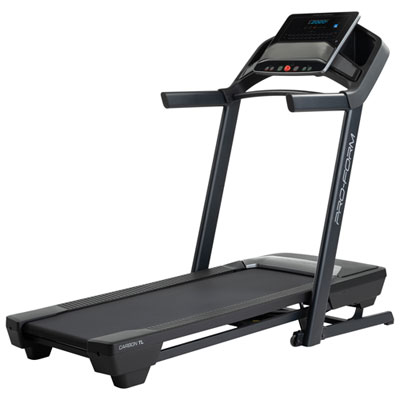 Your price for this item is $1099.98
 -
 Your price for this item is $2901.98
 -
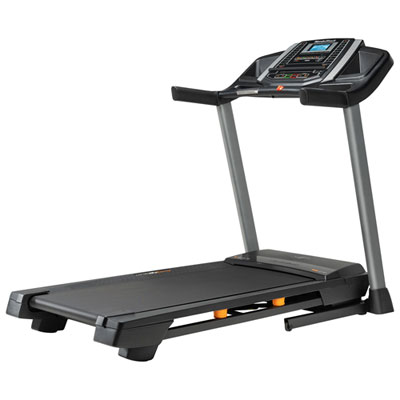 Your price for this item is $995.98
 -
 Your price for this item is $1278.98
 -
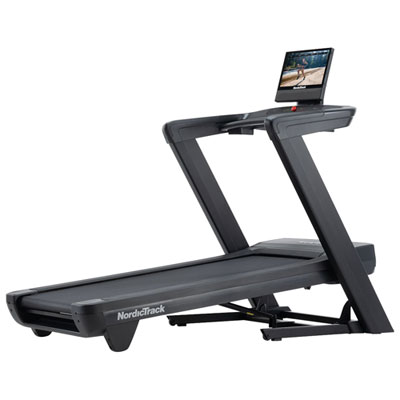 Your price for this item is $2501.98
 -
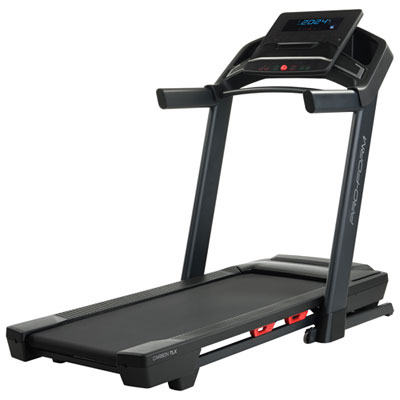 Your price for this item is $1399.99
 -
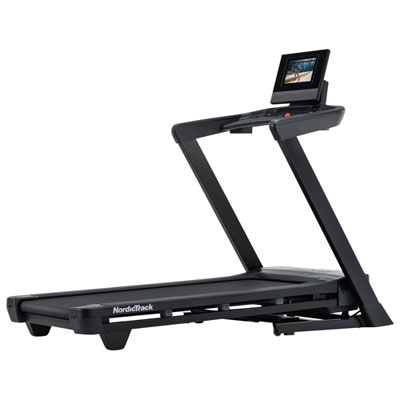 Your price for this item is $1799.99
 -
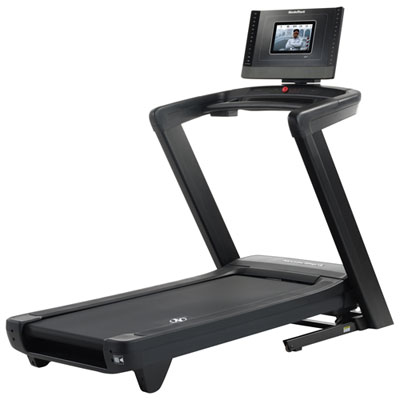 Your price for this item is $2698.98
Discover more categories related to Recommended Treadmills for Running
Top Collections:
Pokemon Centers, Best Cameras for Sports Photography, Kindle Devices, Samsung Galaxy Phones, Canon G7X Cameras, Pokémon 30th Celebration Cards, Refurbished Apple Laptops, iPhone 15 Apple, Laptops for Students, Budget Smartphones
Some products may be subject to Environmental Handling Fees
(EHF) depending on your province.
Learn more about EHFs.