Turntables Under $500
Explore the world of vinyl with our curated selection of turntables under $500, where quality meets affordability. Whether you're a seasoned audiophile or just beginning your vinyl journey, these turntables offer an excellent entry point into the rich, warm sound that only records can provide. Designed to fit seamlessly into any space, they deliver impressive performance without breaking the bank. Discover the perfect blend of style and function as you bring your favorite albums to life with turntables that cater to both your budget and your passion for music.
Sort
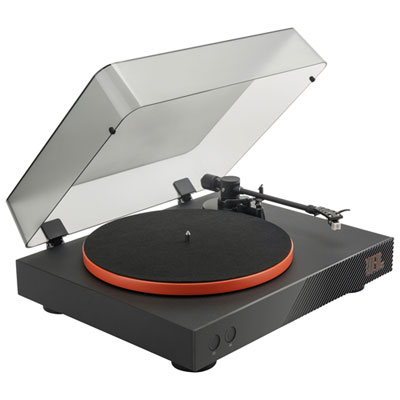
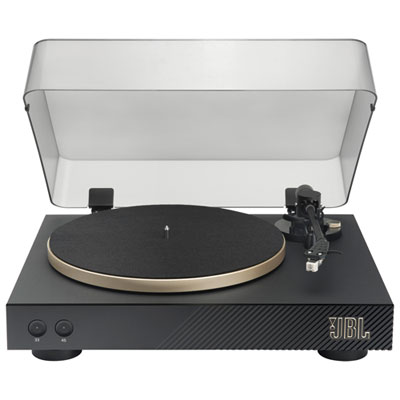
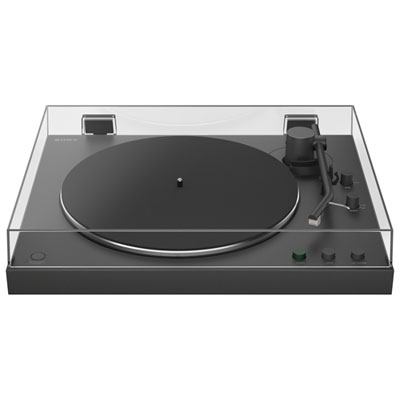
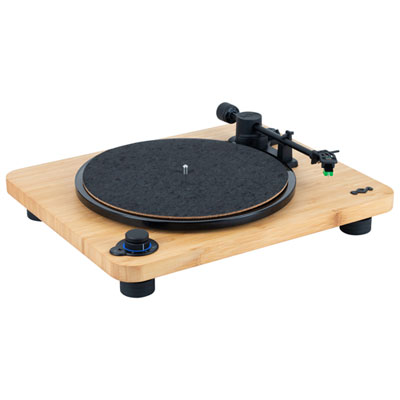
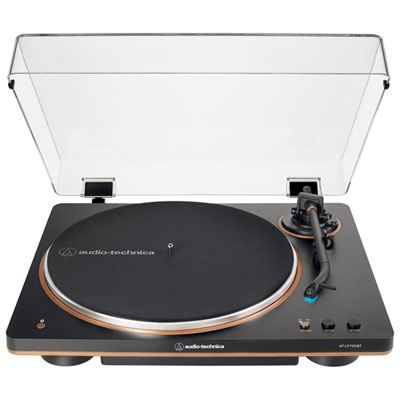
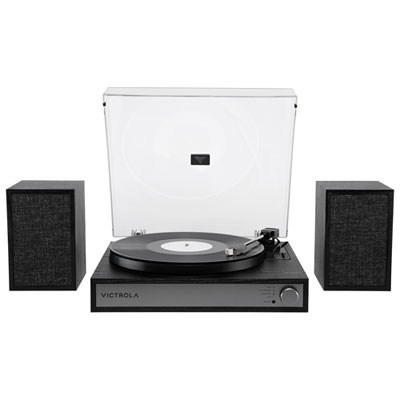

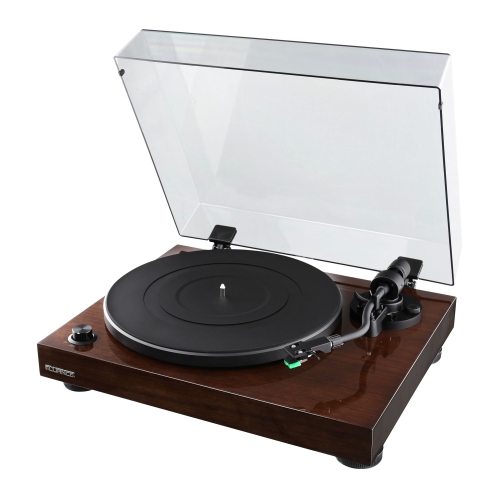
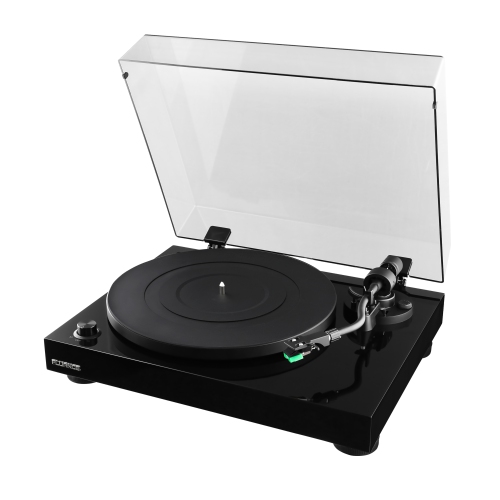
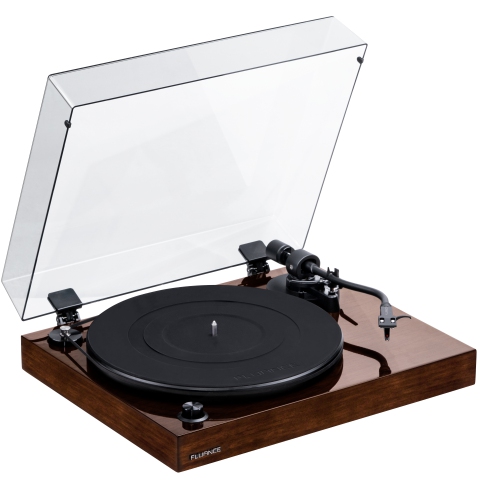
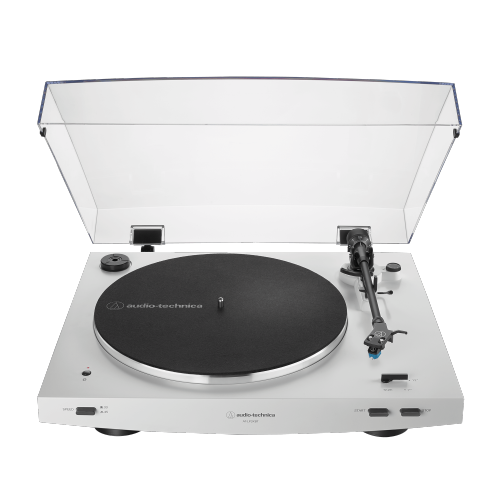
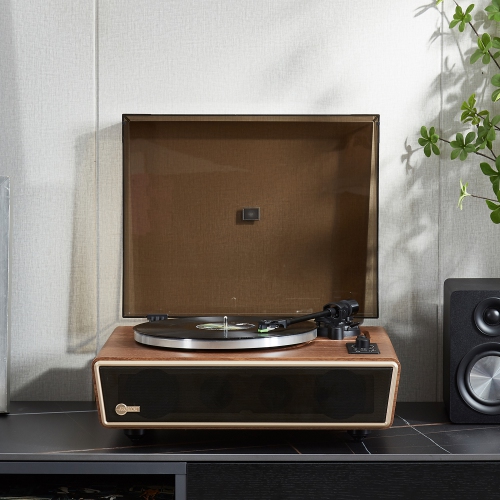
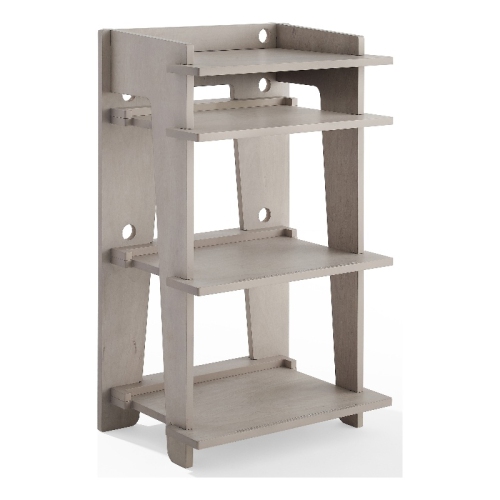
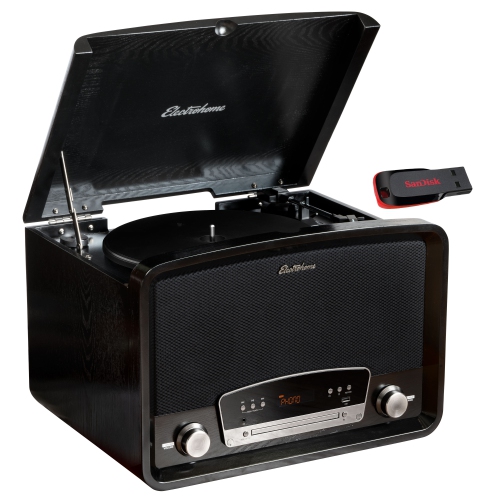
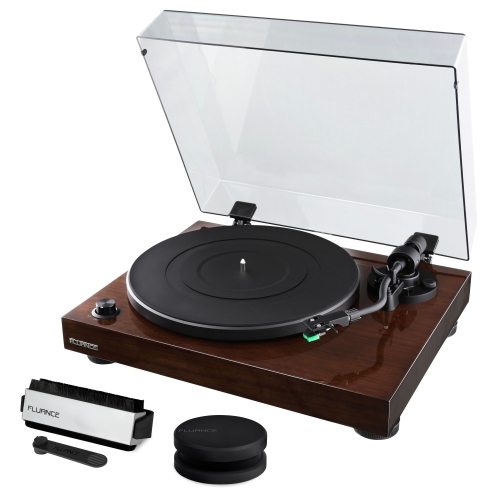
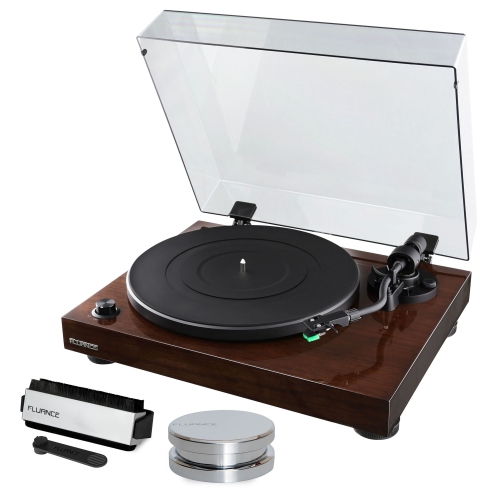
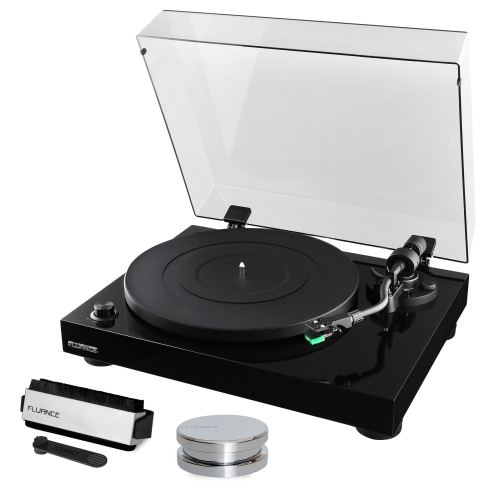
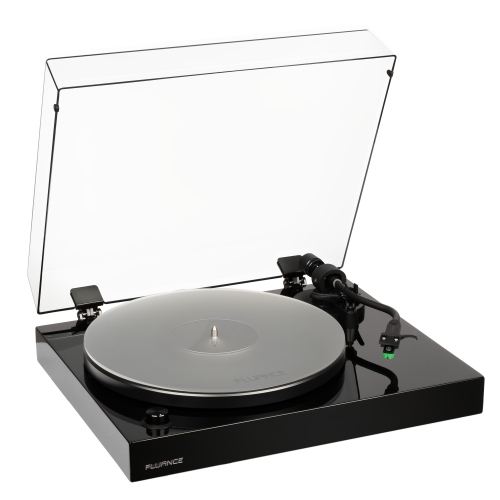
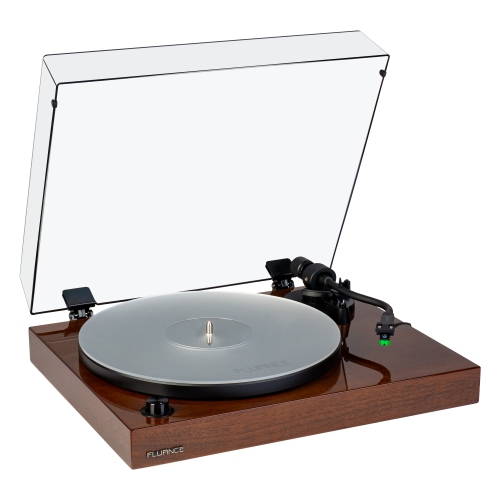
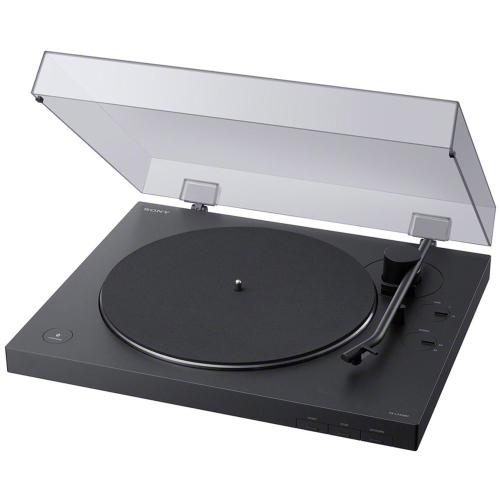
How turntable features shape your everyday vinyl ritual
Turntables bring a physical rhythm to music listening: sliding an album from its sleeve, settling it onto the platter, and lowering the needle before the opening track begins. For someone starting a vinyl collection, returning to records stored away for years, or building a dedicated listening corner, a turntable connects that familiar ritual with an audio system suited to everyday life. The most useful differences between turntables are often practical ones, including how playback starts, which connections they support, and how much adjustment they require. Fully automatic operation typically moves the tonearm into position and returns it after playback, making it convenient for listeners who prefer fewer hands-on steps. A manual turntable leaves tonearm placement and return to the listener, usually with a cueing lever that lowers the stylus gently into the groove. Semi-automatic operation varies, so an automatic stop feature should not be assumed to lift or return the arm. Playback speed matters just as much as convenience. Most full-length albums play at 33⅓ rpm, while many singles use 45 rpm, although the label on the record is the best reference. Large-centre-hole singles also need an appropriate spindle adapter. Older 78 rpm records require a turntable that supports that speed and generally a dedicated stylus suited to their wider grooves; speed support alone does not establish compatibility. Belt-drive designs connect the motor to the platter through a belt, helping limit the transfer of motor vibration, while direct-drive designs turn the platter without that belt and can offer quick starts. Neither layout guarantees better sound on its own. Stable speed, effective vibration control, cartridge alignment, and careful setup all contribute to a satisfying result. Listeners exploring a neighbouring collection can also browse Turntables Under $300. Across turntable designs, the right fit depends on the records being played, the equipment already in the room, and whether the listener enjoys making adjustments or prefers straightforward operation.
Connections determine how easily a turntable becomes part of an existing listening setup. A phono cartridge produces a small electrical signal that needs amplification and equalization through a phono preamp before reaching a standard line-level audio input. A built-in, switchable phono preamp can simplify the connection to powered speakers or an amplifier with an auxiliary input. When a receiver already has a compatible phono input, the turntable’s built-in preamp is normally bypassed to avoid processing the signal twice. Passive speakers still need a suitable amplifier or receiver; connecting them directly to a turntable’s line output will not power them. These distinctions are especially helpful when setting up music in a condo, bedroom, or shared living space, where a compact arrangement may matter more than a rack of separate components. Bluetooth transmission, where supported, can send audio to compatible wireless speakers or headphones, but Bluetooth reception is a different function and does not provide the same connection. Wired playback remains a straightforward way to connect a turntable to a compatible stereo system without wireless pairing or transmission delay. A USB audio connection can be useful for transferring records to a computer, provided the turntable supports recording and works with the required software. This can help preserve access to a family recording or an album that is inconvenient to play frequently, although the transfer generally happens in real time and retains noise already present on the record. Headphone listening also deserves a little planning, since many turntables need a separate headphone amplifier or a receiver with a headphone output. For a gift recipient, knowing whether they own powered speakers, a receiver, or only a wireless speaker helps avoid an incomplete setup. A student furnishing a first apartment may appreciate simple connections and automatic operation, while an established vinyl listener may prefer a replaceable cartridge and adjustable tonearm settings. Neither approach is inherently more rewarding; each supports a different way of enjoying a record collection.
Construction and placement have a direct effect on how a turntable feels to use and how reliably it tracks a record. The plinth, or main body, may use engineered wood, metal, moulded plastic, or combinations of materials, with different approaches to stiffness and vibration control. A wood-look finish does not necessarily indicate solid wood construction, and extra weight alone is not proof of better performance. The platter, platter mat, tonearm bearings, and supporting feet work together as a system. A rigid, level surface away from foot traffic gives that system a better starting point than a flexible shelf beside a busy doorway. Keeping speakers on a separate support, rather than on the same small cabinet as the turntable, can reduce vibration reaching the stylus and help prevent acoustic feedback. Physical fit includes more than the width of the base: leave room for cables at the back, access to controls, and clearance to open the dust cover. Where tracking force and anti-skate are adjustable, following the cartridge and turntable specifications is essential. Too little tracking force can cause mistracking rather than protect a record, while an incorrect setting can affect both playback and wear. A replaceable stylus makes routine maintenance more practical, and a removable headshell or replaceable cartridge can provide flexibility where the tonearm design supports it. Regular care is simple but worthwhile. Handle records by their edges and labelled centres, return them to clean sleeves, and store them upright rather than in leaning stacks. Remove loose surface dust with a suitable record brush, and use a cleaning method intended for vinyl when deeper cleaning is needed. Stylus cleaning should follow the manufacturer’s directions, avoiding sideways pressure on the delicate cantilever. A dust cover helps protect the mechanism between listening sessions, while periodic checks of the belt, stylus, and cable connections can keep small maintenance needs from becoming playback problems. With thoughtful placement and consistent care, a turntable can suit quiet headphone sessions, focused album listening, or evenings spent sharing favourite records with friends.
Connections determine how easily a turntable becomes part of an existing listening setup. A phono cartridge produces a small electrical signal that needs amplification and equalization through a phono preamp before reaching a standard line-level audio input. A built-in, switchable phono preamp can simplify the connection to powered speakers or an amplifier with an auxiliary input. When a receiver already has a compatible phono input, the turntable’s built-in preamp is normally bypassed to avoid processing the signal twice. Passive speakers still need a suitable amplifier or receiver; connecting them directly to a turntable’s line output will not power them. These distinctions are especially helpful when setting up music in a condo, bedroom, or shared living space, where a compact arrangement may matter more than a rack of separate components. Bluetooth transmission, where supported, can send audio to compatible wireless speakers or headphones, but Bluetooth reception is a different function and does not provide the same connection. Wired playback remains a straightforward way to connect a turntable to a compatible stereo system without wireless pairing or transmission delay. A USB audio connection can be useful for transferring records to a computer, provided the turntable supports recording and works with the required software. This can help preserve access to a family recording or an album that is inconvenient to play frequently, although the transfer generally happens in real time and retains noise already present on the record. Headphone listening also deserves a little planning, since many turntables need a separate headphone amplifier or a receiver with a headphone output. For a gift recipient, knowing whether they own powered speakers, a receiver, or only a wireless speaker helps avoid an incomplete setup. A student furnishing a first apartment may appreciate simple connections and automatic operation, while an established vinyl listener may prefer a replaceable cartridge and adjustable tonearm settings. Neither approach is inherently more rewarding; each supports a different way of enjoying a record collection.
Construction and placement have a direct effect on how a turntable feels to use and how reliably it tracks a record. The plinth, or main body, may use engineered wood, metal, moulded plastic, or combinations of materials, with different approaches to stiffness and vibration control. A wood-look finish does not necessarily indicate solid wood construction, and extra weight alone is not proof of better performance. The platter, platter mat, tonearm bearings, and supporting feet work together as a system. A rigid, level surface away from foot traffic gives that system a better starting point than a flexible shelf beside a busy doorway. Keeping speakers on a separate support, rather than on the same small cabinet as the turntable, can reduce vibration reaching the stylus and help prevent acoustic feedback. Physical fit includes more than the width of the base: leave room for cables at the back, access to controls, and clearance to open the dust cover. Where tracking force and anti-skate are adjustable, following the cartridge and turntable specifications is essential. Too little tracking force can cause mistracking rather than protect a record, while an incorrect setting can affect both playback and wear. A replaceable stylus makes routine maintenance more practical, and a removable headshell or replaceable cartridge can provide flexibility where the tonearm design supports it. Regular care is simple but worthwhile. Handle records by their edges and labelled centres, return them to clean sleeves, and store them upright rather than in leaning stacks. Remove loose surface dust with a suitable record brush, and use a cleaning method intended for vinyl when deeper cleaning is needed. Stylus cleaning should follow the manufacturer’s directions, avoiding sideways pressure on the delicate cantilever. A dust cover helps protect the mechanism between listening sessions, while periodic checks of the belt, stylus, and cable connections can keep small maintenance needs from becoming playback problems. With thoughtful placement and consistent care, a turntable can suit quiet headphone sessions, focused album listening, or evenings spent sharing favourite records with friends.
Top selling and popular products
-
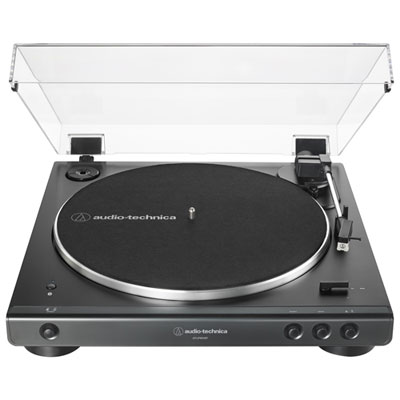 Your price for this item is $329.99
 -
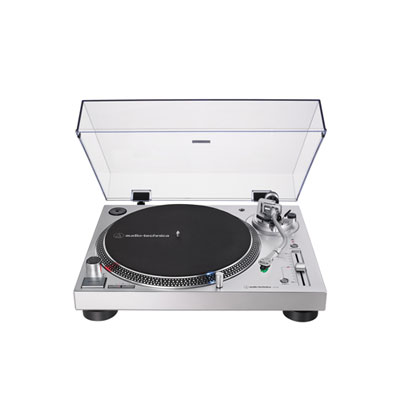 Your price for this item is $519.99
 -
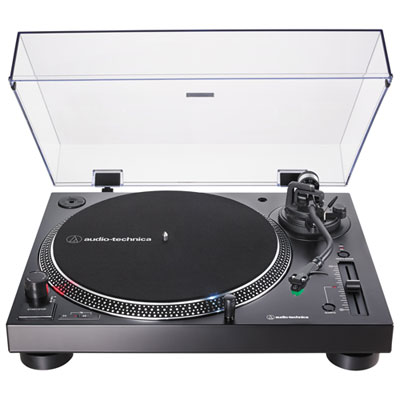 Your price for this item is $519.99
 -
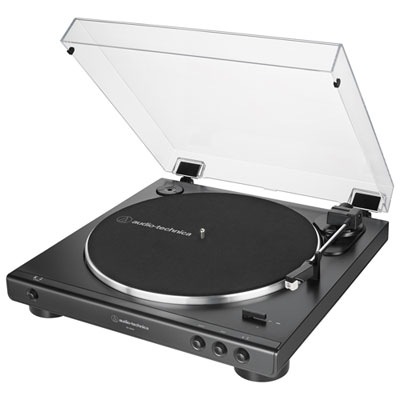 Your price for this item is $199.99
 -
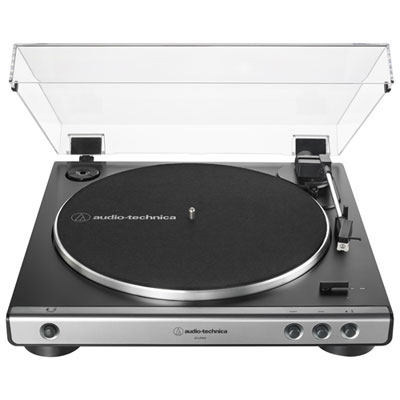 Your price for this item is $229.99
 -
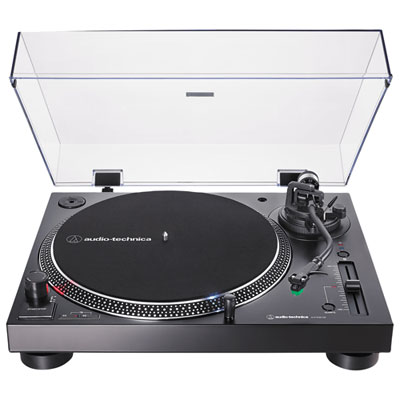 Your price for this item is $579.98
 -
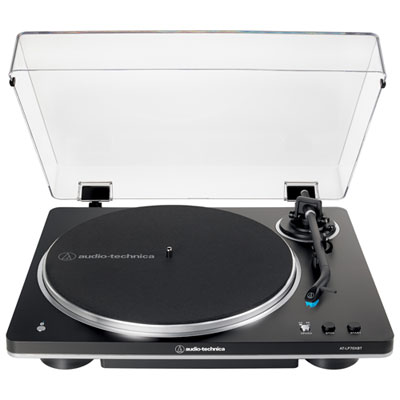 Your price for this item is $379.99
 -
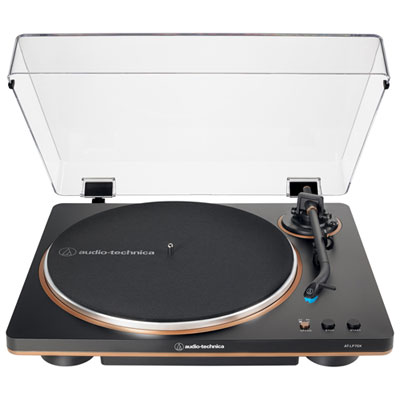 Your price for this item is $279.99
Discover more categories related to Turntables Under $500
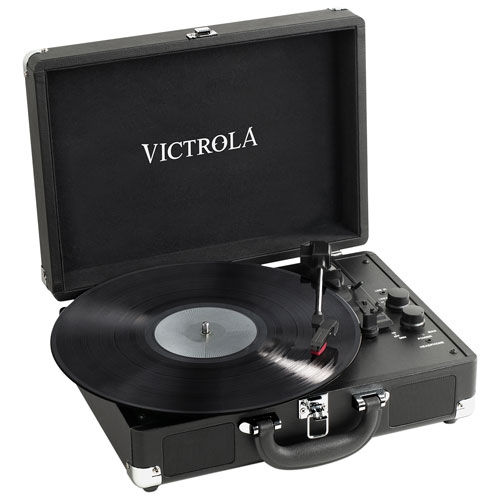
Top Collections:
Pokemon Centers, Kindle Devices, Best Budget Office Chairs, Apple iPhones 16, Best Laptops for Writers, iPhone 15 Apple, Canon G7X Cameras, Refurbished Apple Laptops, Alarm Clock, Motorola Razr Phones
Some products may be subject to Environmental Handling Fees
(EHF) depending on your province.
Learn more about EHFs.