Cord Wraps
Keep your cords organized and tangle-free with this selection of cord wraps. Say goodbye to messy cables cluttering your space and hello to a more streamlined and efficient way of storing your electronic essentials. Whether you're looking to tidy up your home office, declutter your entertainment center, or keep your travel bag neat and tidy, these cord wraps are the perfect solution. Explore a variety of options designed to suit different needs and preferences, so you can enjoy a hassle-free experience with all your devices.
Sort
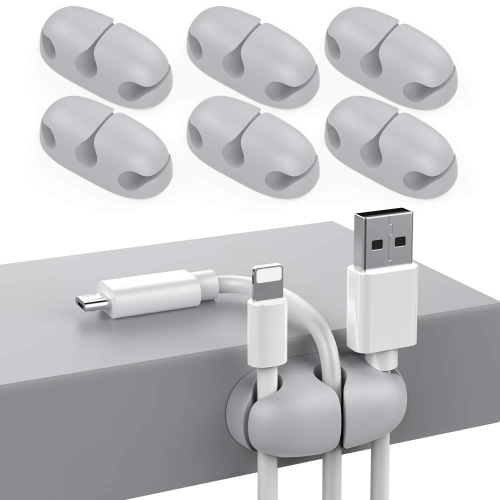
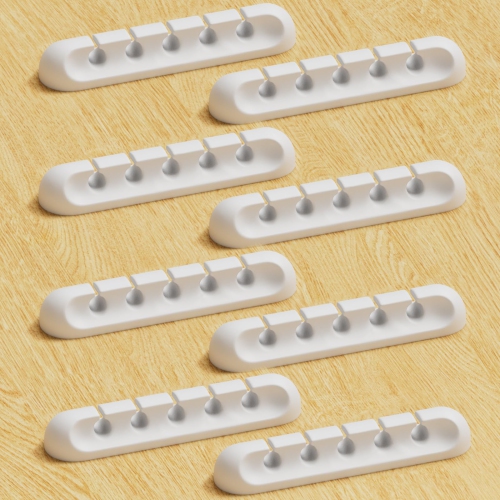
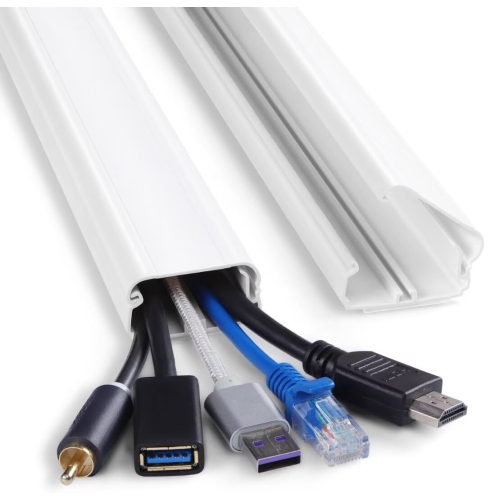
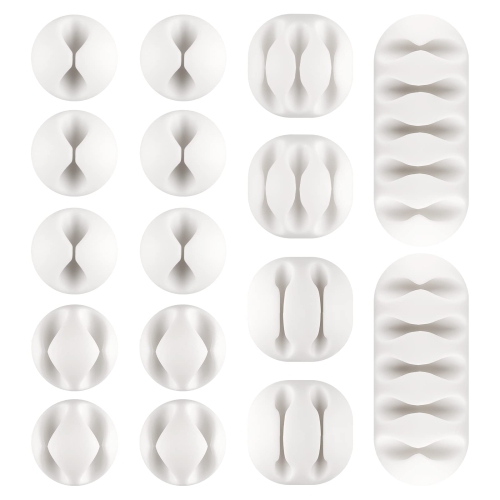
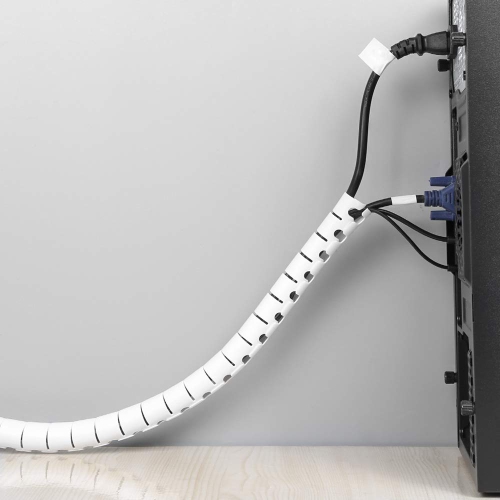
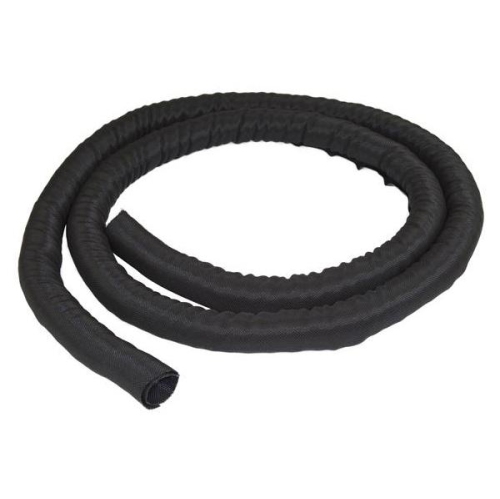
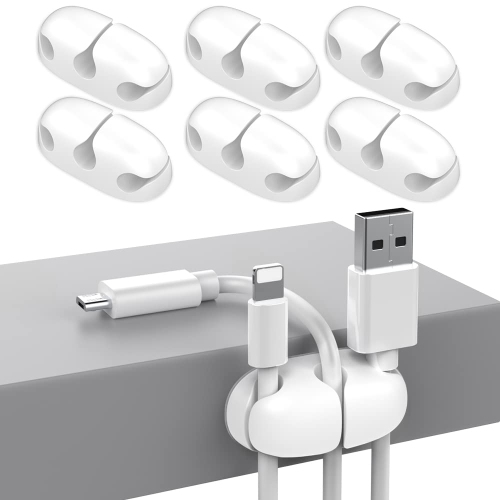
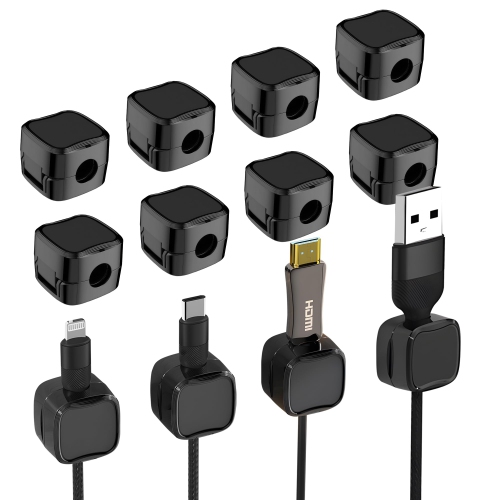
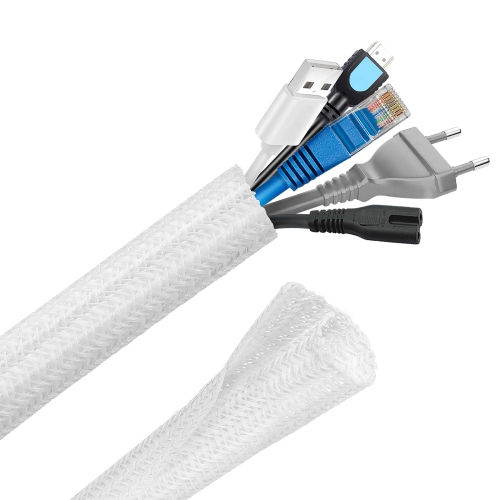

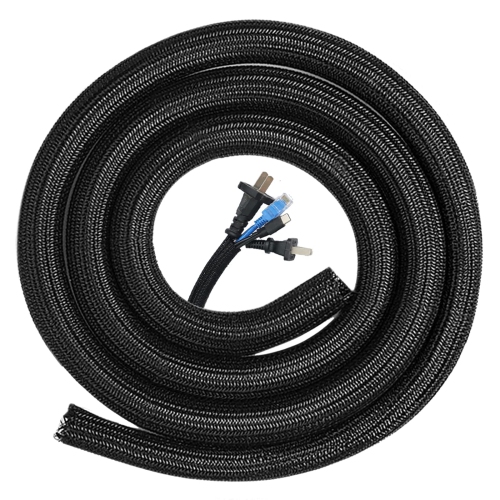
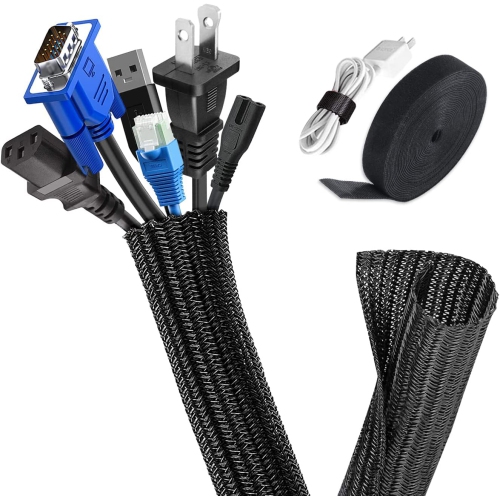
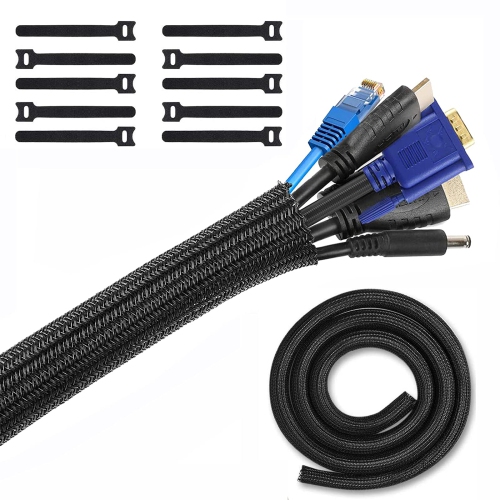
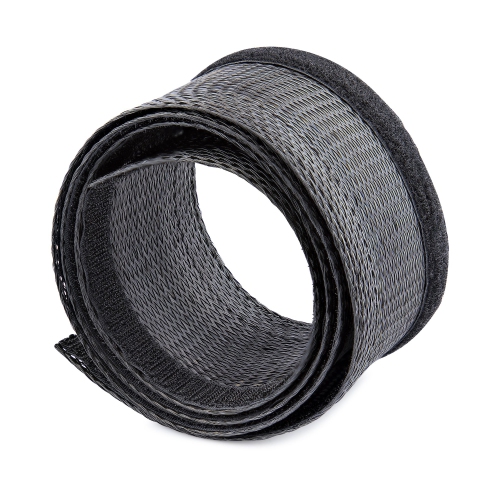

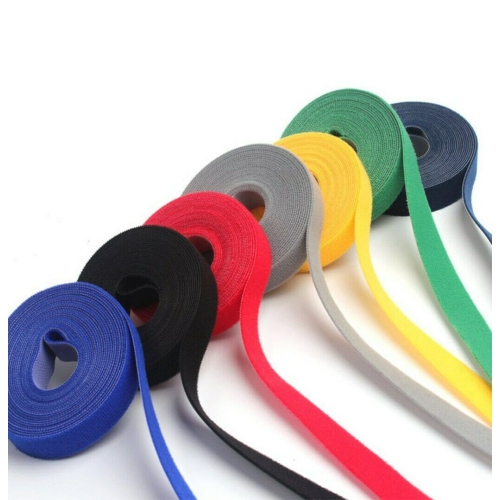
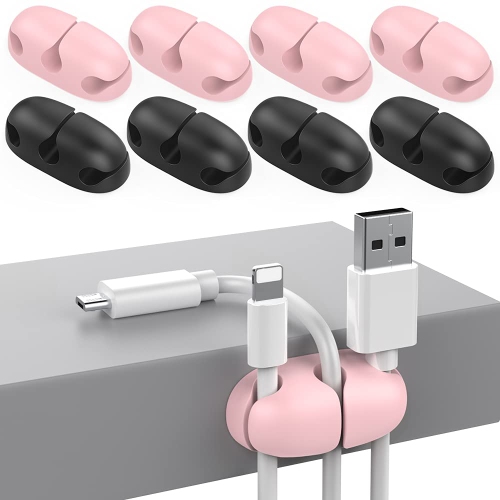
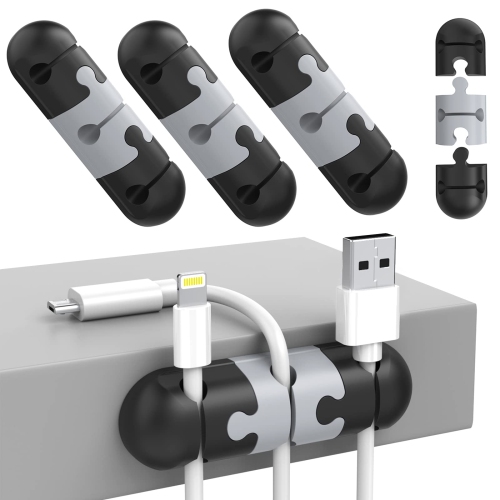
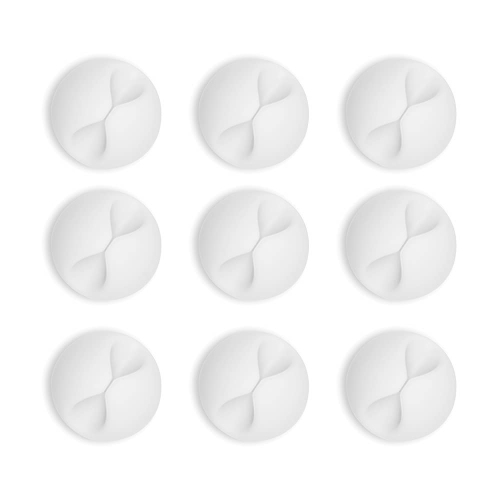
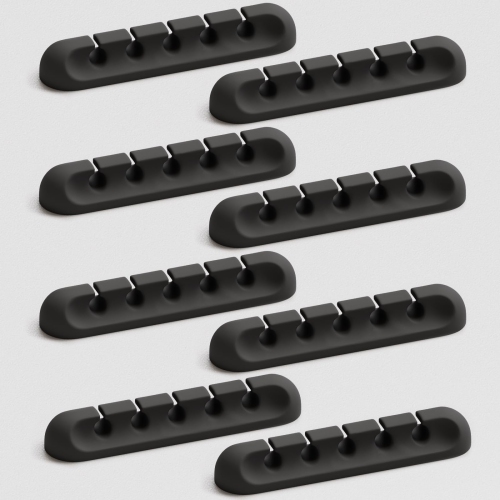
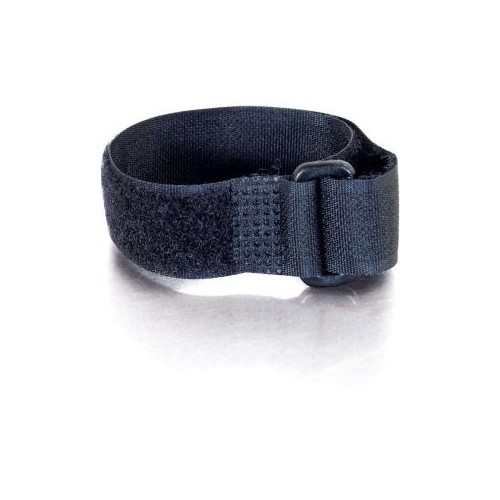
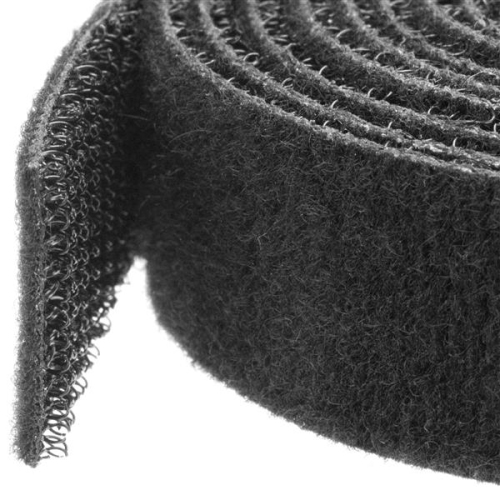
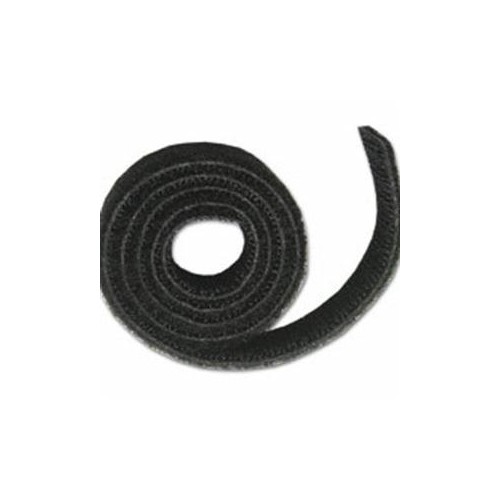

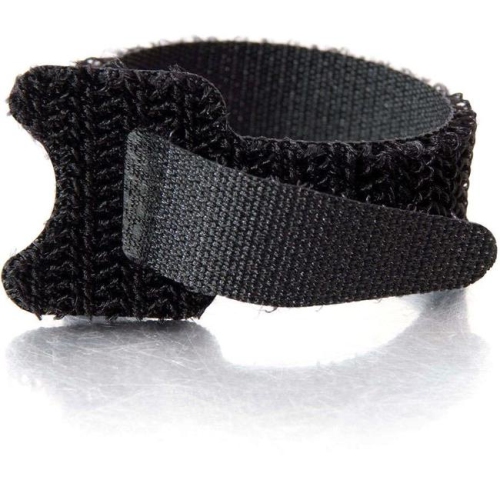
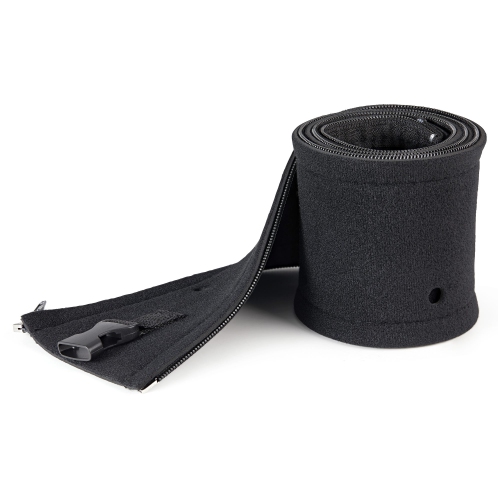
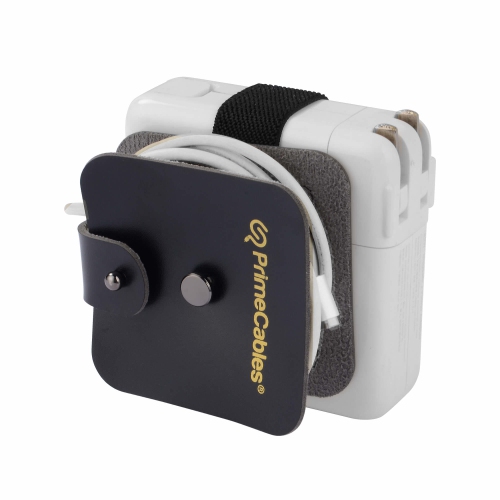
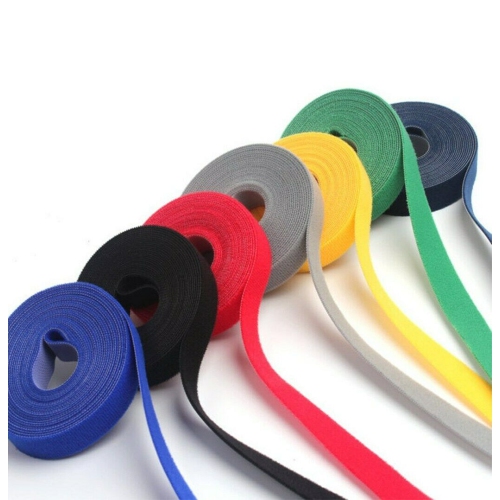
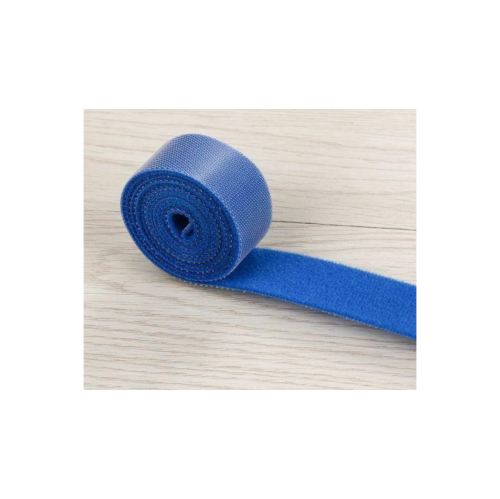
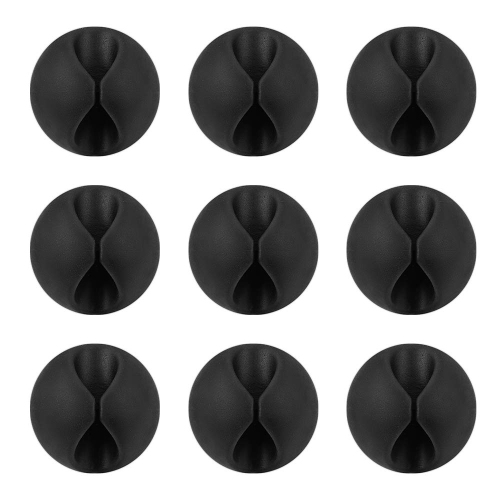
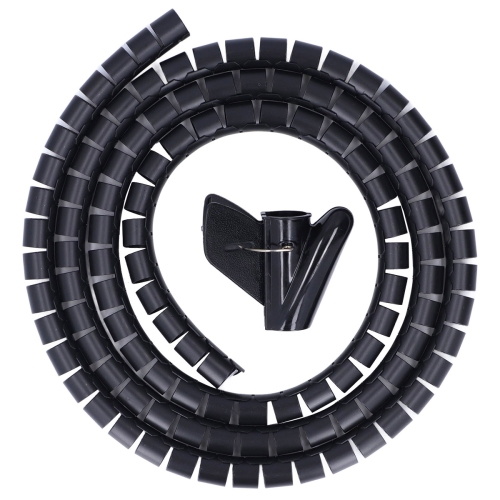
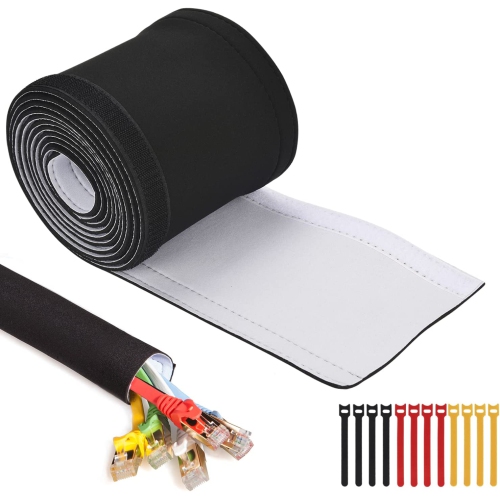
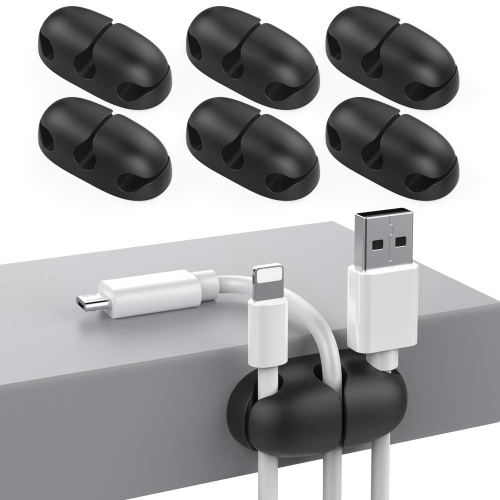
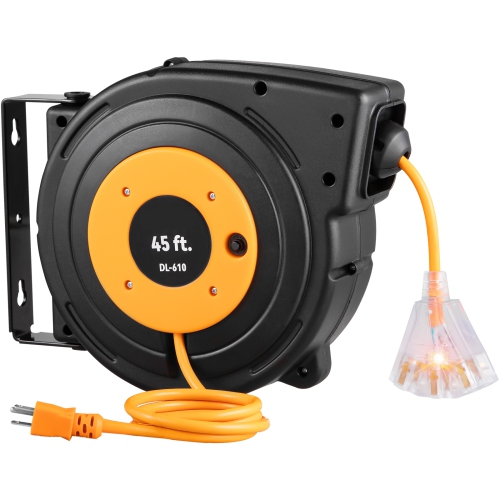
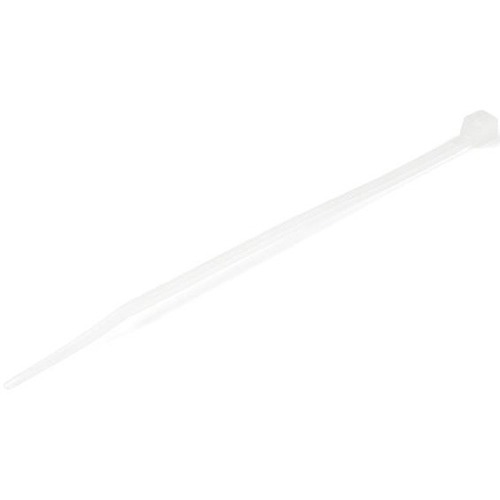
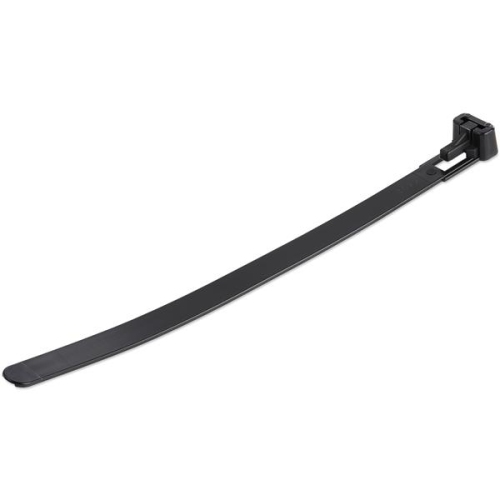
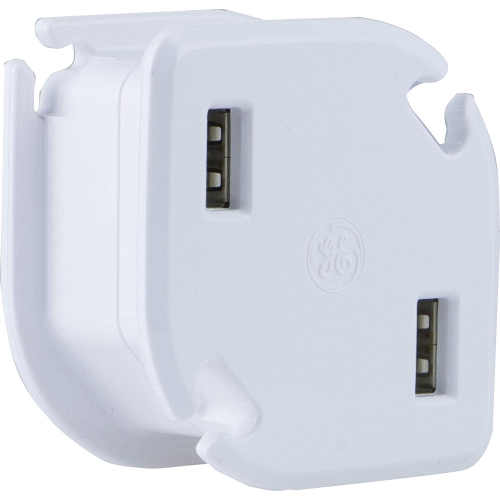
Less tangling with cables still within easy reach
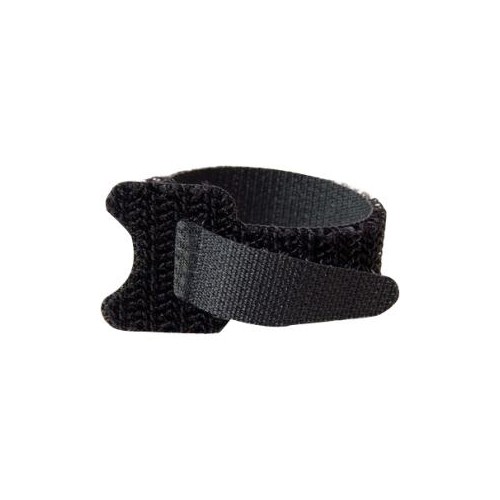
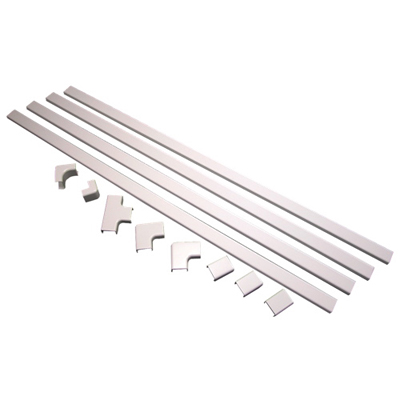
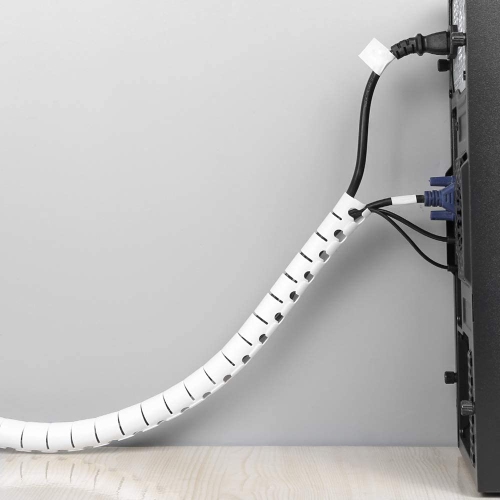
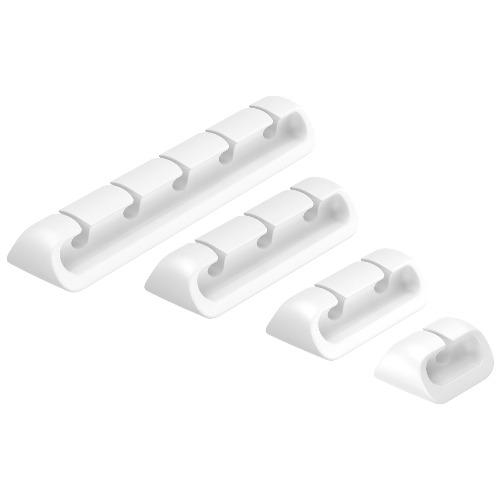
Cord wraps are fasteners that gather loose cables into manageable bundles, hold coiled cords for storage, and keep excess length from spreading across desks, shelves, or bags. They help organize the cables used with electronics, appliances, and tools without permanently changing the cord itself. A wrap can keep a charging cable separate from earphones in a backpack, gather the slack behind a monitor, or hold a stored extension cord in a loose coil. The result is less tangling and a clearer view of which cable belongs to which device. Unlike a cable cover, a cord wrap generally leaves the bundle visible and accessible, making it useful wherever connections change or equipment moves regularly. At a home workstation, separate wraps for a laptop charger, display cable, and peripheral leads can make packing up easier without disturbing the entire setup. Around a television stand, a few small bundles can keep power and connection cables organized while leaving enough reach to access ports. For cables that need to be concealed along a wall or baseboard rather than simply bundled, Cord Hiders serve a different purpose and can complement wraps used near the equipment. Cord wraps also suit shared spaces where several people use similar accessories. Different colours can help distinguish one person’s charging cable from another’s, while a wrap with a suitable labelling surface can identify the device or connection at either end. Students, remote workers, photographers, musicians, and people who carry electronics between locations may find them especially useful because cables are repeatedly packed, unpacked, and rearranged. Even a drawer holding spare leads becomes easier to use when each cable has its own loose coil instead of being threaded through a knot of unrelated cords. The most useful arrangement keeps the cable’s ends easy to find and allows a single lead to be removed without pulling everything else out with it. For frequently used accessories, that accessibility matters just as much as a tidy appearance.
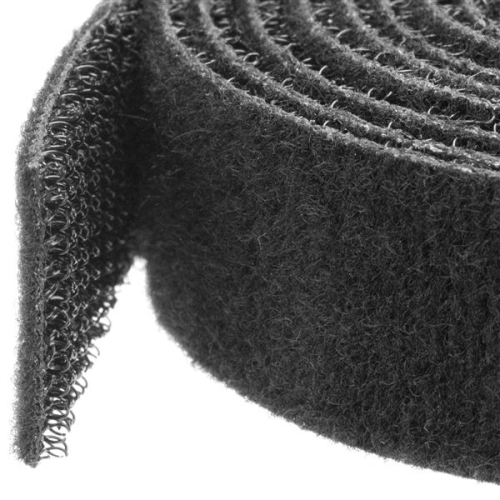
Materials and closure styles affect how a cord wrap feels, how securely it holds, and how easily it can be adjusted. Hook-and-loop straps offer flexible sizing, so the same strap may fit a single coiled cable or a thicker bundle within its stated capacity. Soft fabric surfaces can be comfortable to handle and convenient for cords that are moved often, although the fastening area needs enough overlap to hold properly. Silicone wraps are flexible and often easy to wipe clean; their stretch and fastening design determine the range of bundle sizes they can accommodate. Snap closures provide a defined fastening point, while flexible ties with an internal core can be shaped around a bundle. Covered edges and smooth contact surfaces are worth considering wherever a wrap rests against a cable jacket or a finished desk surface. Fit depends on the circumference of the gathered cords, not simply on the length of one cable. A narrow wrap may be enough for a lightweight charging lead, whereas a bulky adapter cable or stored extension cord may need a longer, wider strap. The closure should hold the bundle without pinching it, and there should be enough room for gentle curves rather than sharp bends. Cables vary in stiffness and minimum bend radius, so a wrap should work with the cable’s natural shape instead of forcing it into a tight coil. This is particularly relevant for thicker display cables and other leads with specific handling requirements. A captive design that stays attached to the cord can be convenient for travel, since the fastener remains with the cable when it is unrolled. Separate wraps offer more freedom to move between accessories. For designs that attach to an appliance or another surface, the attachment method, surface compatibility, and manufacturer’s placement instructions matter as much as the size of the holder. Any wrap used near equipment should leave vents, switches, plugs, and connection points unobstructed.
Intended use is an important distinction between light-duty cord organization and storage for heavier equipment. Small wraps are well suited to charging leads and compact electronics accessories, but a substantial coil of cable requires a fastener designed for its size and weight. A hanging loop does not automatically make a wrap suitable for suspending a heavy cord; the stated load rating and the supporting hook or fixture both matter. In a workshop or utility area, a secure storage strap can keep an unplugged tool cord together between uses, while a compact wrap in a travel pouch can prevent loose leads from catching on nearby accessories. Storage and operation call for different handling, however. Power cords should not be tightly bundled or left coiled during use where doing so could cause heat to build up, particularly with high-power appliances or extension cords. Equipment instructions remain the best reference for safe routing and use. Cord wraps also cannot repair damaged insulation or make a frayed cable safe. For everyday care, keeping fastening surfaces free of lint and grit helps closures work as intended, and checking for stretched sections, split coverings, worn stitching, or weakened snaps can reveal when a wrap no longer holds reliably. Cleaning methods depend on the material: a wipeable surface may need only a damp cloth, while fabric fasteners may require gentle debris removal and drying before reuse. Adhesive-backed holders need additional attention to mounting surfaces and removal instructions, especially on painted or finished furniture. For a practical gift, cord wraps can suit someone setting up a study space, organizing a gaming desk, or carrying chargers between home and work. A useful choice reflects the recipient’s actual cables rather than assuming every lead needs the same fastener. Slim, easy-opening wraps favour frequent access, adjustable straps accommodate changing bundles, and wider storage designs suit bulkier cords when appropriately rated. Across these uses, a good fit keeps cords easy to identify, straightforward to retrieve, and neatly contained without putting unnecessary strain on the cable or its connectors.
Materials and closure styles affect how a cord wrap feels, how securely it holds, and how easily it can be adjusted. Hook-and-loop straps offer flexible sizing, so the same strap may fit a single coiled cable or a thicker bundle within its stated capacity. Soft fabric surfaces can be comfortable to handle and convenient for cords that are moved often, although the fastening area needs enough overlap to hold properly. Silicone wraps are flexible and often easy to wipe clean; their stretch and fastening design determine the range of bundle sizes they can accommodate. Snap closures provide a defined fastening point, while flexible ties with an internal core can be shaped around a bundle. Covered edges and smooth contact surfaces are worth considering wherever a wrap rests against a cable jacket or a finished desk surface. Fit depends on the circumference of the gathered cords, not simply on the length of one cable. A narrow wrap may be enough for a lightweight charging lead, whereas a bulky adapter cable or stored extension cord may need a longer, wider strap. The closure should hold the bundle without pinching it, and there should be enough room for gentle curves rather than sharp bends. Cables vary in stiffness and minimum bend radius, so a wrap should work with the cable’s natural shape instead of forcing it into a tight coil. This is particularly relevant for thicker display cables and other leads with specific handling requirements. A captive design that stays attached to the cord can be convenient for travel, since the fastener remains with the cable when it is unrolled. Separate wraps offer more freedom to move between accessories. For designs that attach to an appliance or another surface, the attachment method, surface compatibility, and manufacturer’s placement instructions matter as much as the size of the holder. Any wrap used near equipment should leave vents, switches, plugs, and connection points unobstructed.
Intended use is an important distinction between light-duty cord organization and storage for heavier equipment. Small wraps are well suited to charging leads and compact electronics accessories, but a substantial coil of cable requires a fastener designed for its size and weight. A hanging loop does not automatically make a wrap suitable for suspending a heavy cord; the stated load rating and the supporting hook or fixture both matter. In a workshop or utility area, a secure storage strap can keep an unplugged tool cord together between uses, while a compact wrap in a travel pouch can prevent loose leads from catching on nearby accessories. Storage and operation call for different handling, however. Power cords should not be tightly bundled or left coiled during use where doing so could cause heat to build up, particularly with high-power appliances or extension cords. Equipment instructions remain the best reference for safe routing and use. Cord wraps also cannot repair damaged insulation or make a frayed cable safe. For everyday care, keeping fastening surfaces free of lint and grit helps closures work as intended, and checking for stretched sections, split coverings, worn stitching, or weakened snaps can reveal when a wrap no longer holds reliably. Cleaning methods depend on the material: a wipeable surface may need only a damp cloth, while fabric fasteners may require gentle debris removal and drying before reuse. Adhesive-backed holders need additional attention to mounting surfaces and removal instructions, especially on painted or finished furniture. For a practical gift, cord wraps can suit someone setting up a study space, organizing a gaming desk, or carrying chargers between home and work. A useful choice reflects the recipient’s actual cables rather than assuming every lead needs the same fastener. Slim, easy-opening wraps favour frequent access, adjustable straps accommodate changing bundles, and wider storage designs suit bulkier cords when appropriately rated. Across these uses, a good fit keeps cords easy to identify, straightforward to retrieve, and neatly contained without putting unnecessary strain on the cable or its connectors.
Top selling and popular products
-
 Your price for this item is $180.75
 -
 Your price for this item is $24.99
 -
 Your price for this item is $400
 -
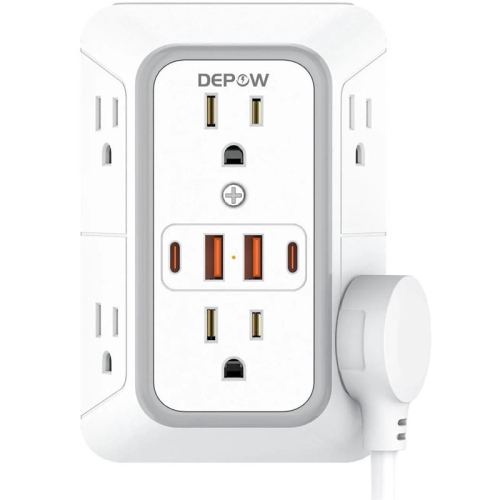 Your price for this item is $14.98
 -
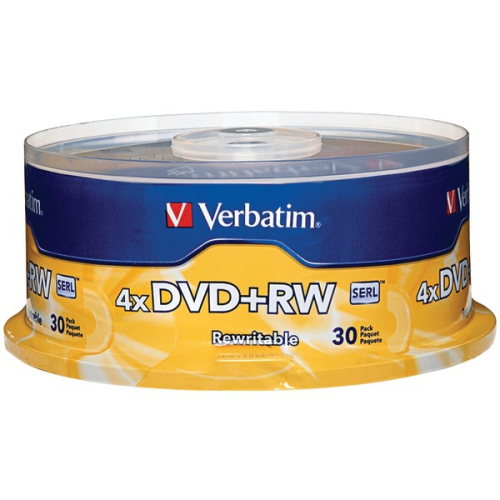 Your price for this item is $106.68
 -
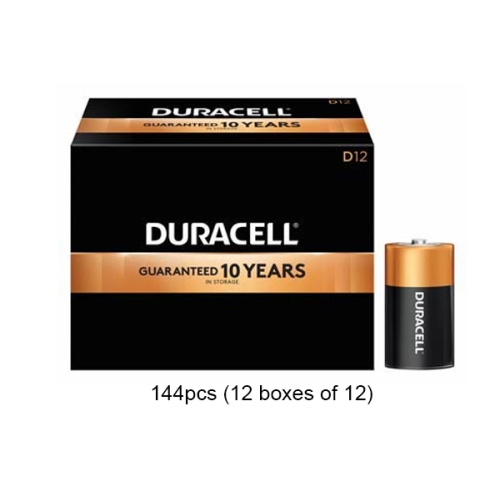 Your price for this item is $379.97
 -
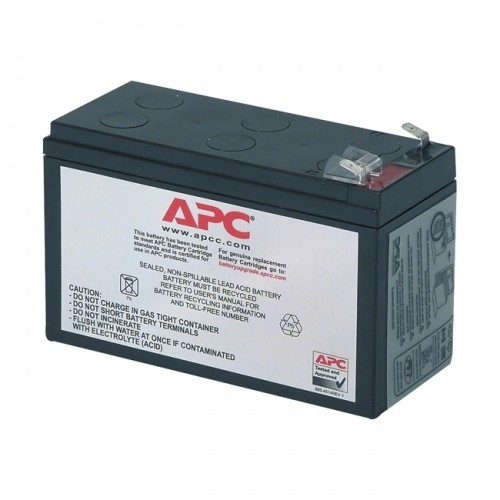 Your price for this item is $110.37
 -
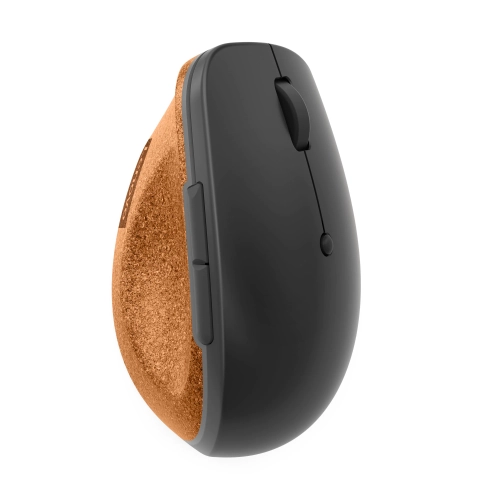 Your price for this item is $75.58
Discover more categories related to Cord Wraps
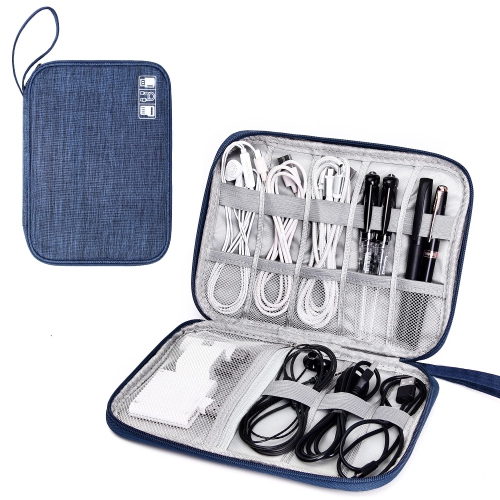
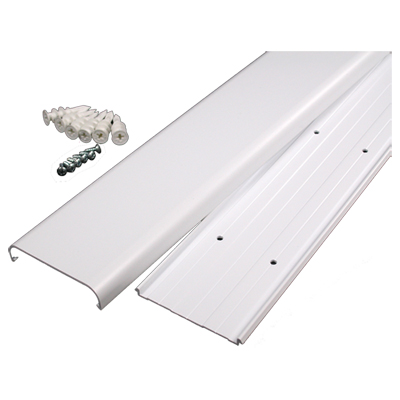
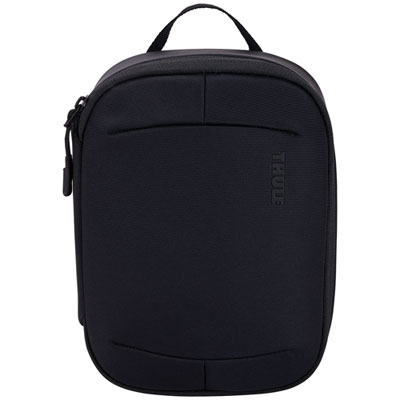
Top Collections:
Pokemon Centers, Kindle Devices, Best Budget Office Chairs, Apple iPhones 16, Best Laptops for Writers, iPhone 15 Apple, Canon G7X Cameras, Refurbished Apple Laptops, Alarm Clock, Motorola Razr Phones
Some products may be subject to Environmental Handling Fees
(EHF) depending on your province.
Learn more about EHFs.