Elite Screens Projector Screens
Elevate your home theater or presentation setup with an Elite Screens Projector Screen. Designed to enhance your viewing experience, these projector screens offer a reliable solution for enjoying movies, gaming, or professional presentations. Explore a range of sizes and styles to find the perfect fit for your space, whether it's a dedicated media room or a versatile office environment. Discover how an Elite Screens Projector Screen can transform the way you watch and share content.
Sort


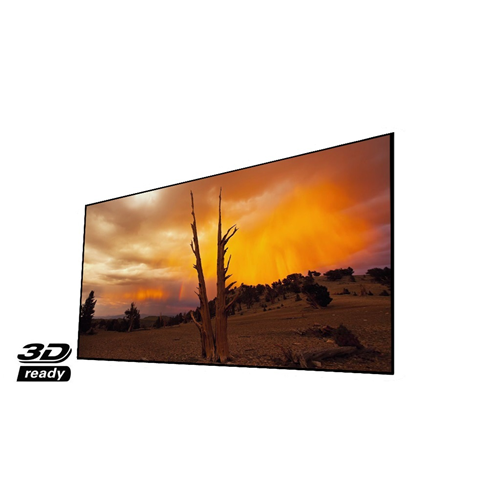
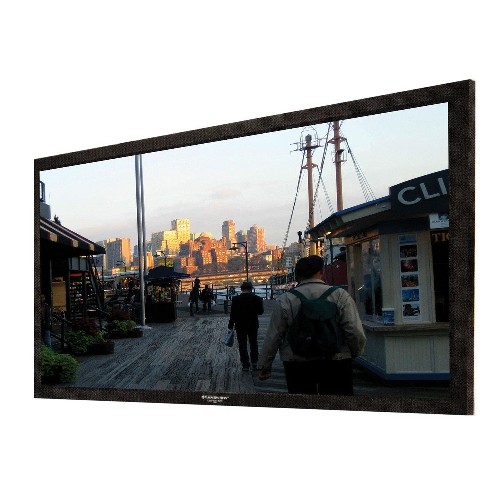
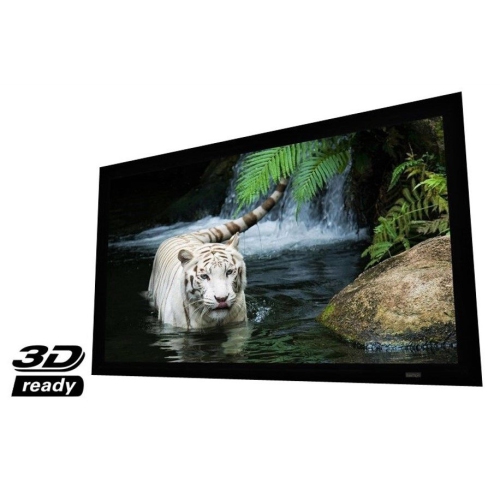

How screen surfaces shape the picture you see
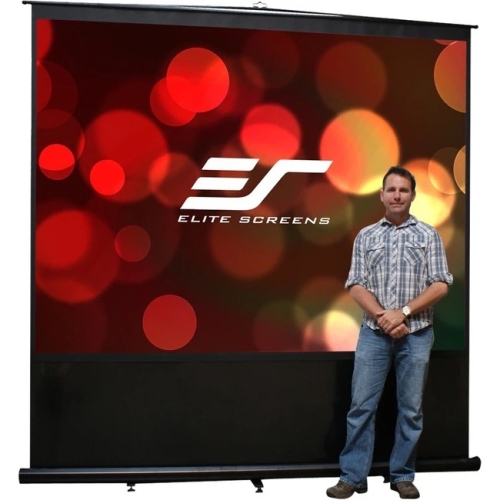
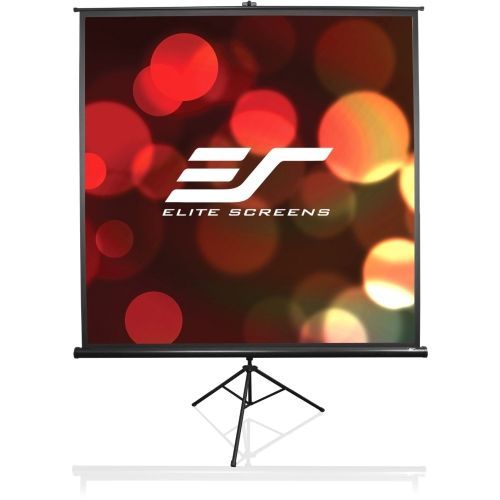
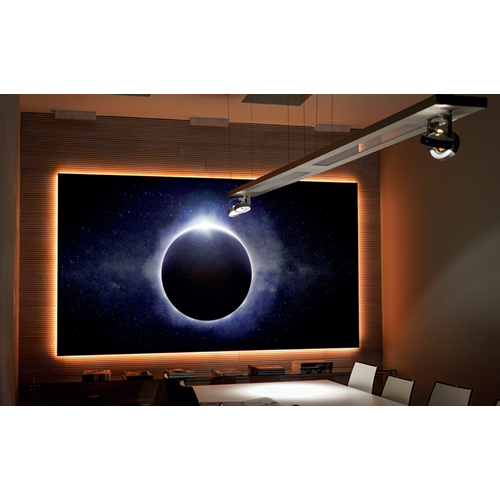
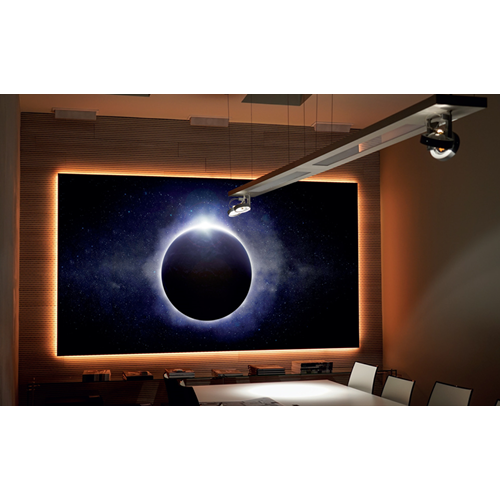
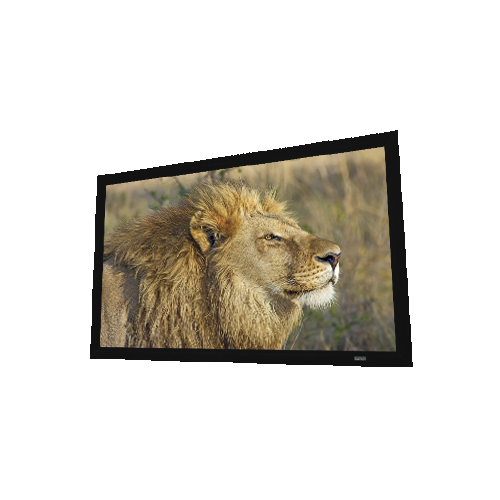
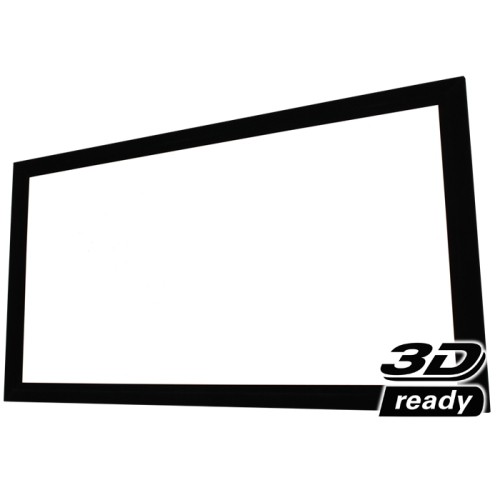
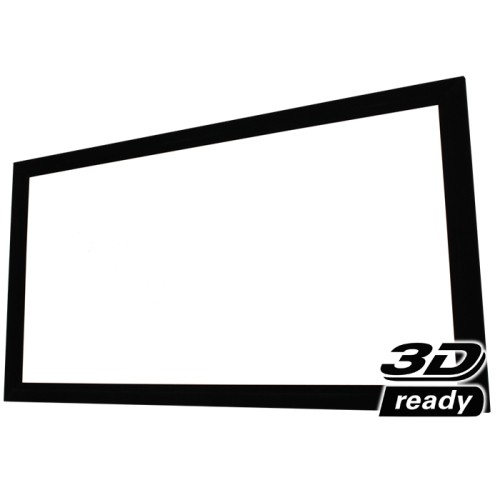
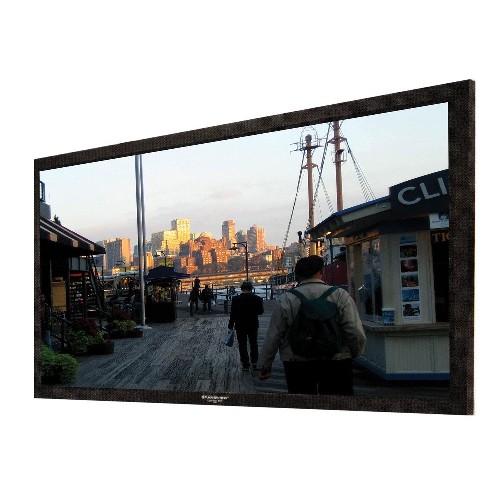
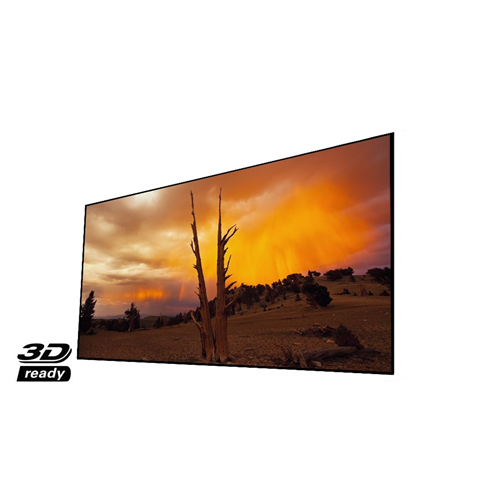
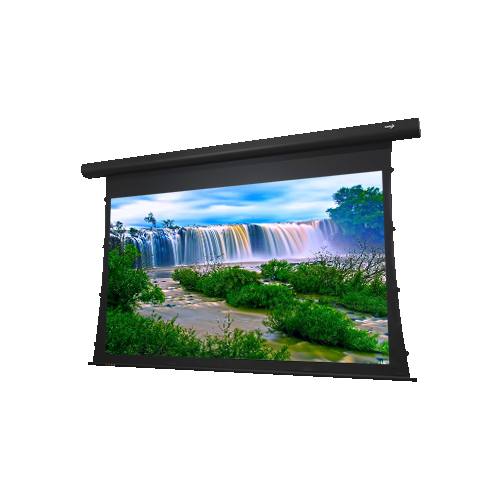
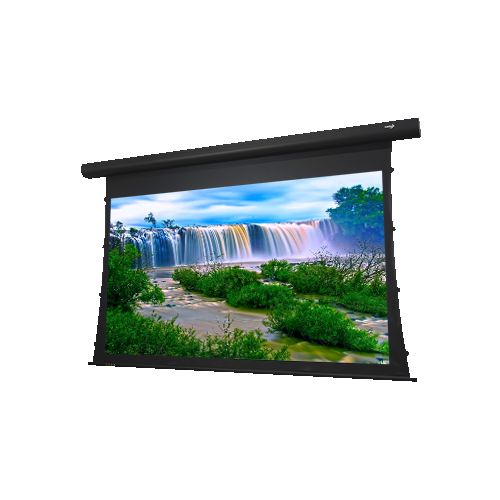
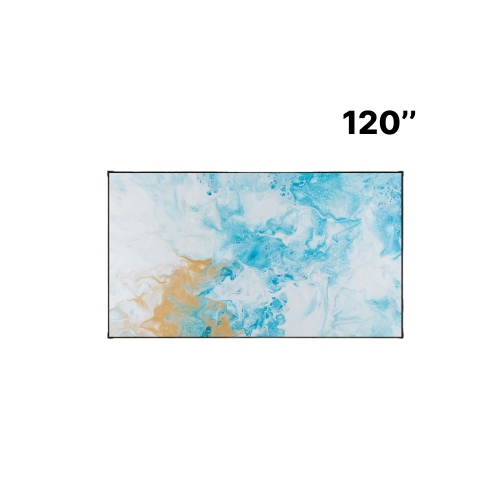
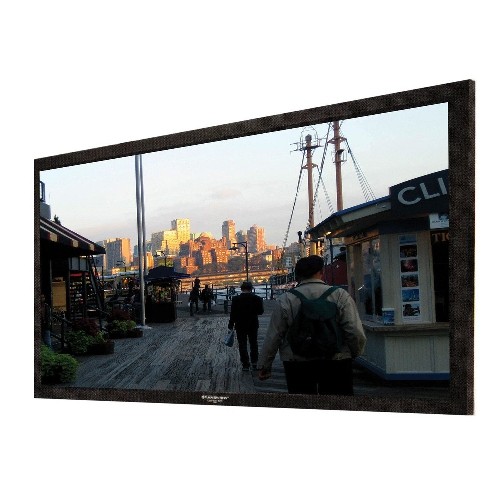
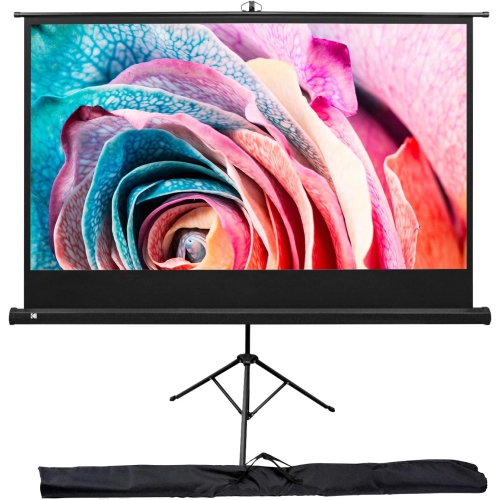
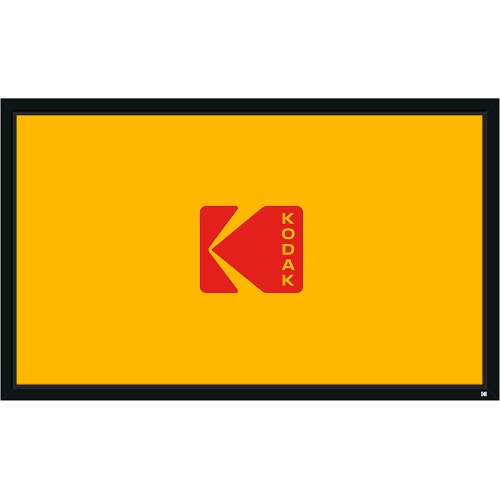
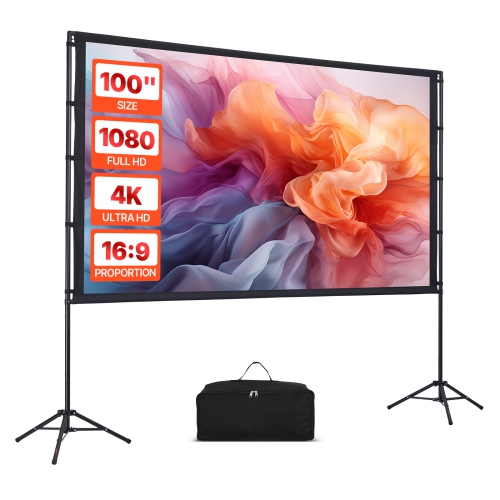
Projector screens create a dedicated surface for films, games, presentations, and shared viewing, helping projected images look more consistent than they might on an ordinary painted wall. Their purpose goes beyond providing a white backdrop: surface texture, light reflection, flatness, and framing all influence how an image appears from different seats. A wall with a slight texture or uneven paint finish can become noticeable across a bright sky or a slide with a plain background, while a properly installed projection screen provides a more uniform canvas. Different screen formats suit different ways of using a room. Fixed-frame projector screens remain on display, with material stretched across a rigid frame, often made from aluminium. This construction is well suited to dedicated home theatre rooms, where a flat surface and permanent installation take priority. Dark frame borders can absorb small amounts of image spill and give the picture a clearly defined edge. Manual pull-down screens offer a retractable alternative for spaces that serve more than one purpose, such as a family room that also functions as a home office. Motorized projector screens provide similar flexibility with powered operation, allowing the viewing surface to lower for a film or presentation and retract afterwards. Control methods vary, so remote operation, wall switches, and projector-trigger connections depend on the screen’s supported features. Portable screens use freestanding supports, folding frames, or pull-up housings to bring projection into meeting rooms, classrooms, and other shared spaces without a permanent wall installation. For someone who hosts film nights, follows live sports, or regularly presents to a group, the practical appeal is the same: a defined viewing area that suits the audience and can become part of a repeatable setup. The right format also accounts for everyday use, whether that means leaving a screen ready for an evening game or clearing it away before the room returns to work.
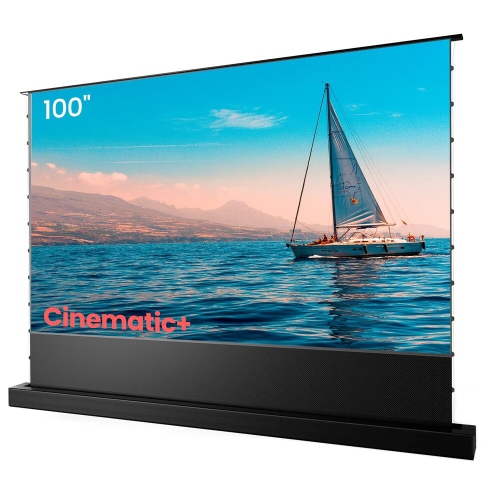
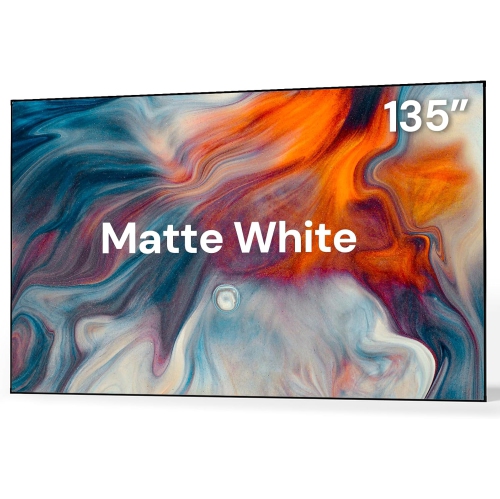
Screen dimensions and surface characteristics shape that experience as much as the mounting style. Advertised screen size usually refers to the diagonal measurement of the viewable area, rather than the overall width of the frame or housing. The complete dimensions matter when fitting a screen between shelving units, above a media cabinet, or beneath a ceiling bulkhead. Aspect ratio describes the relationship between image width and height: 16:9 is common for television, gaming, and home theatre, while 16:10 can suit computer-based presentations. A projector and screen with different aspect ratios may leave unused areas around the image, depending on the content and display settings. Seating distance, image height, and the projector’s throw requirements also affect fit. A larger surface needs enough room for comfortable viewing and a projector capable of filling it from the available position. Matte white surfaces generally spread reflected light across a broad viewing area, making them useful where people sit across a sofa or around a meeting table. Grey surfaces and ambient light rejecting materials manage light differently, but their performance depends on the projector, room lighting, and direction from which light reaches the screen. They do not eliminate the effects of every lamp or window. Gain describes reflected brightness relative to a reference surface; higher gain can increase brightness from certain positions while narrowing the useful viewing angle or making brightness less even elsewhere. Projector compatibility is especially important with short-throw and ultra-short-throw setups, where light arrives at a steep angle. Some light-rejecting surfaces are designed for particular projector positions and will not work as intended with another arrangement. Surface flatness also becomes especially noticeable with ultra-short-throw projection, which can reveal small ripples as image distortion. For detailed 4K or 8K content, a smooth, appropriately textured material helps preserve fine detail, although the screen itself does not increase the projector’s resolution. These differences become visible in familiar moments: small text on a presentation slide, subtitles near the bottom of a film, or a game interface viewed from an off-centre seat.
Installation quality and routine handling help a projector screen stay useful over time. Coated fabrics, flexible vinyl materials, woven surfaces, and perforated materials each have different handling requirements, so care depends on the construction rather than a single cleaning method. Fixed-frame designs rely on even tension and a square assembly, while retractable designs benefit from smooth operation and protection against creases, scuffs, and trapped debris. Tab-tensioned retractable screens use side tensioning to help maintain a flatter surface, a useful distinction where image geometry is particularly noticeable. Mounting also involves more than matching the screen width to a wall. The combined weight of the housing and screen, the mounting surface, and the specified hardware determine how the installation should be supported. Ceiling installations need suitable attachment points, and motorized screens need a power arrangement that suits the room. Clearance around the housing allows the material to move freely without brushing against furniture, trim, or speakers. Where speakers sit behind the picture, acoustically transparent materials allow sound to pass through a woven or perforated surface; spacing, projector distance, and the material’s pattern still need to suit the setup. Everyday care is generally gentle: abrasive tools, household cleaners, and pressure against the viewing surface can damage coatings or leave visible marks. Manufacturer-approved cleaning methods are important, and retractable material should be dry before it is stored. Portable frames and support feet also benefit from careful packing, particularly when a screen moves regularly between rooms. For households, classrooms, and workplaces, durability is closely tied to how often the screen is handled and whether its structure suits that routine. Screen dimensions, projection surface, and installation requirements provide useful comparison points when browsing related choices such as Vankyo Projector Screens. Across the category, a well-matched screen supports a comfortable, clearly framed picture without making the room harder to use for everything else.
Top selling and popular products
-
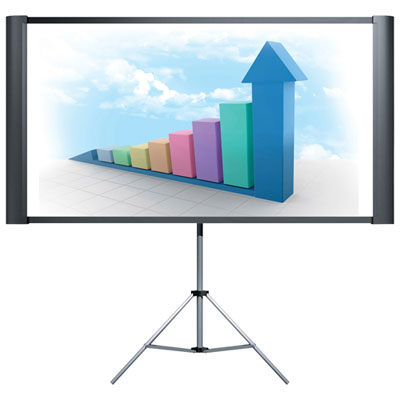 Your price for this item is $299.99
-
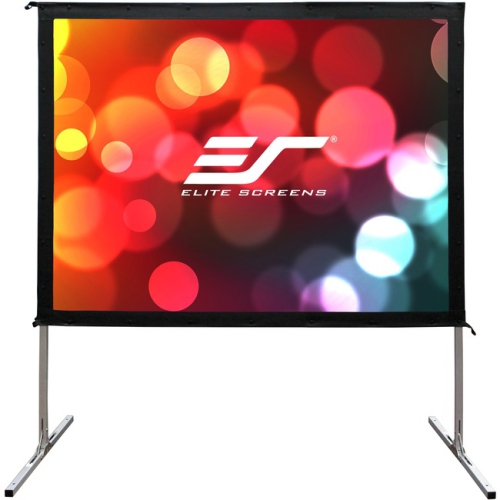 Your price for this item is $591.17
-
 Your price for this item is $109.99
-
 Your price for this item is $188.99
-
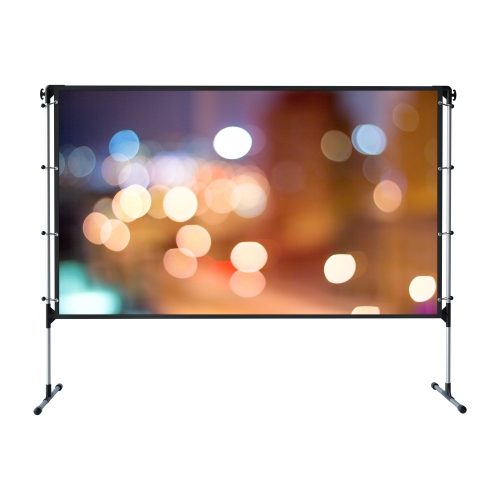 Your price for this item is $109.59
-
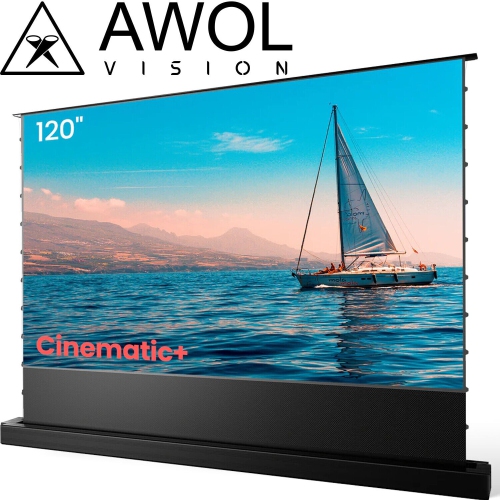 Your price for this item is $2453
-
 Your price for this item is $216.49
-
 Your price for this item is $2435
Discover more categories related to Elite Screens Projector Screens
Top Collections:
Pokemon Centers, Best Cameras for Sports Photography, Kindle Devices, Samsung Galaxy Phones, Canon G7X Cameras, Pokémon 30th Celebration Cards, Refurbished Apple Laptops, iPhone 15 Apple, Laptops for Students, Budget Smartphones
Some products may be subject to Environmental Handling Fees
(EHF) depending on your province.
Learn more about EHFs.