Vankyo Projector Screens
Elevate your home entertainment and presentation experiences with a Vankyo Projector Screen. Designed to deliver a clear and immersive viewing area, these screens are ideal for movie nights, business meetings, or classroom lessons. Whether you're setting up indoors or outdoors, finding the right Vankyo Projector Screen can help you create an impressive display for any occasion. Explore a variety of sizes and styles to suit your space and enjoy vibrant visuals every time you watch.
Sort



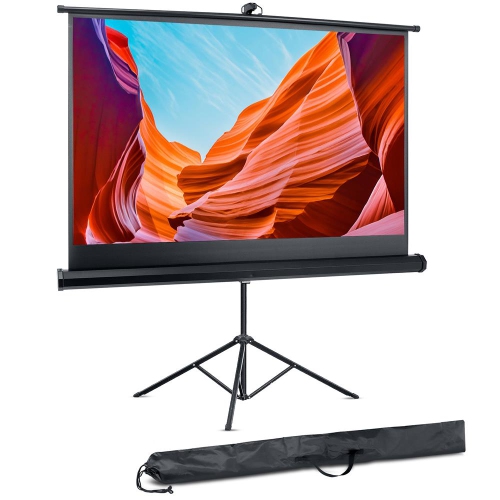
Why screen size is only part of the picture
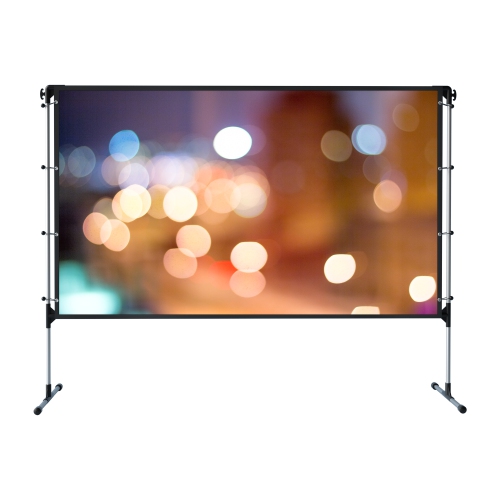
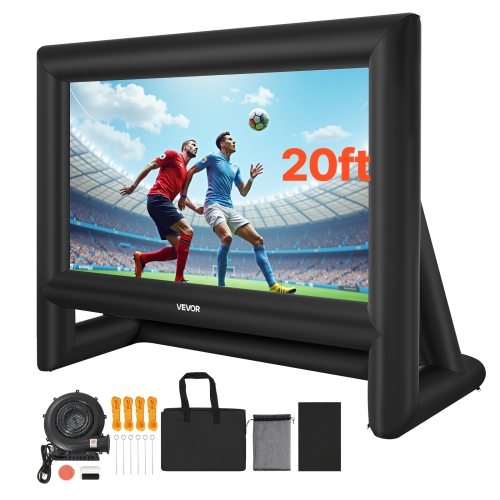
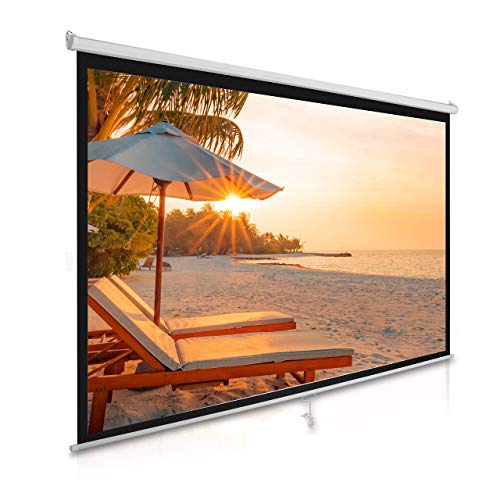
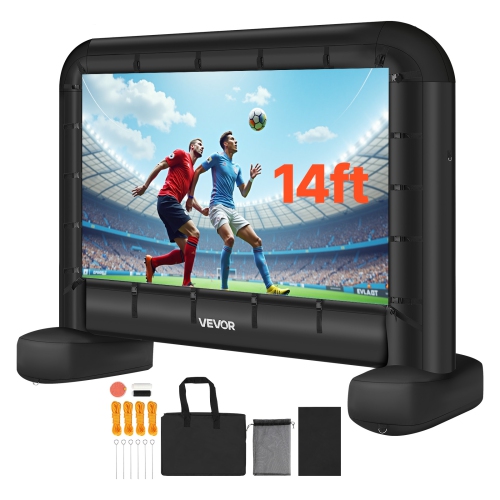
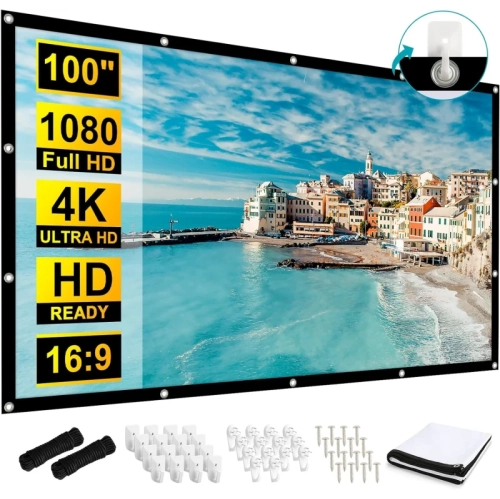
Projector screens create a dedicated surface for films, sports, games, and presentations, bringing a large image into a living room, recreation room, or shared gathering space. Compared with a textured or coloured wall, a smooth screen can provide a more consistent background, without paint variations or small surface imperfections competing with the picture. Portable freestanding screens and lightweight wall-hanging screens serve different needs: a screen with its own stand can sit where there is no suitable wall, while a hanging fabric screen keeps the floor clear and can pack away between uses. The right fit depends as much on the room as on the diagonal measurement. A 100-inch or 120-inch screen needs enough clear width and height for the full frame or hanging area, along with space for support legs where applicable. A 16:9 aspect ratio suits much of the widescreen content used for home entertainment, although films with wider proportions may still show black bars above and below the image. Screen dimensions also need to work with the projector’s throw distance, which is the space required between its lens and the projection surface. A large screen cannot compensate for a projector placed too close to fill it, and enlarging an image spreads the available light over a greater area. In a compact room, a slightly smaller image can be easier to position and more comfortable to watch than one that fills every available centimetre. Seating matters, too. A sofa directly opposite the screen has different viewing needs from a group spread across chairs on either side. Viewing-angle specifications help describe how well the image remains visible away from the centre, while screen gain describes the surface’s light-reflecting characteristics. A gain rating near 1.0 generally indicates a neutral level of reflection rather than a strong brightness boost. These details help explain why screen size alone does not determine how a setup will look from each seat.
Materials and construction affect both picture presentation and everyday handling. Matte PVC surfaces and flexible woven fabrics are common approaches, with different requirements for folding, tensioning, cleaning, and storage. A matte finish helps limit distracting reflections, but no screen surface can fully overcome light falling directly onto the picture. Lamps beside the seating area are usually less disruptive than a bright light aimed at the screen, and darker scenes are especially sensitive to competing light. A flat, evenly tensioned surface also matters: visible folds or ripples can become noticeable when a camera pans across a landscape or when straight lines move through the image. Fabric screens may use reinforced edges, eyelets, or attachment points to distribute tension, while freestanding designs may rely on a frame, support bar, or tripod arrangement. Wall-hanging formats can be convenient in multipurpose rooms, although their attachment method needs to suit the wall surface and the screen’s weight. Adhesive hooks are not interchangeable with hardware rated for a heavier load, and removable fittings can still affect delicate paint or finishes. Freestanding screens avoid permanent wall fittings but require room for their entire base, not just the visible picture. In a room where people carry snacks between the kitchen and sofa, that footprint can be as important as the screen width. Frame joints, locking mechanisms, reinforced corners, and a protective carrying bag are useful construction details for screens that move frequently. Tool-free assembly can make repeated setup simpler, provided the parts connect securely and the surface sits evenly. Black borders, where included, give the picture a defined edge, while an opaque backing can help reduce light passing through from behind. Front projection and rear projection have different surface requirements, so a thin or translucent fabric should not automatically be treated as suitable for both. Each format works best when its construction matches the intended placement rather than being stretched into a role it was not designed to fill.
Portable projector screens suit households that want a movie setup without dedicating an entire room to it, as well as students, presenters, and people who bring entertainment to group gatherings. A living room can return to its usual layout after the screen is packed away, while a freestanding format can create a viewing area in a space with shelves, windows, or artwork covering the walls. For gaming, the screen supplies the viewing surface; image resolution, input delay, and connection options still depend on the projector and connected equipment. Presentations place their own demands on the setup, since small text and spreadsheet details need to remain readable from the back of the room. For travel and campsite gatherings, Projector Screens for Camping brings the focus to formats that can be transported and assembled away from a permanent entertainment space. Packed dimensions, total weight, carrying handles, and the number of separate frame pieces all influence how manageable a screen feels alongside other equipment. A screen does not supply sound, power, or video playback, so the complete setup also needs a compatible projector, a content source, and any necessary speakers or cables. Keeping cables and support legs out of walking routes makes shared viewing areas easier to use. A portable screen can also be a thoughtful gift for someone who already enjoys projection, particularly when its dimensions and mounting style suit their existing equipment. Long-term care is usually straightforward but should follow the material’s instructions. Some surfaces tolerate gentle wiping with a soft cloth, while others need a different cleaning method; harsh cleaners and abrasive scrubbing can damage the finish. Screens should be dry before storage, with fabric folded only as directed and rollable surfaces protected from sharp creases. Storing poles, hooks, and fittings together helps prevent missing parts, while a clean storage bag shields the viewing surface from dust and rubbing during transport. Careful packing and consistent setup help keep the screen ready for the next film, match, or presentation.
Top selling and popular products
-
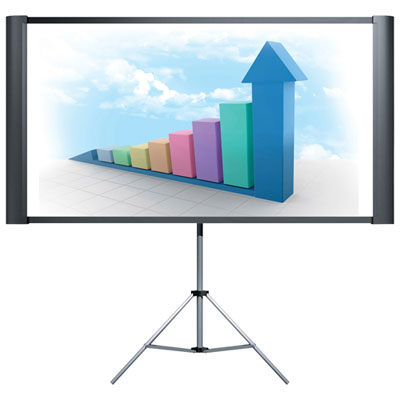 Your price for this item is $299.99
-
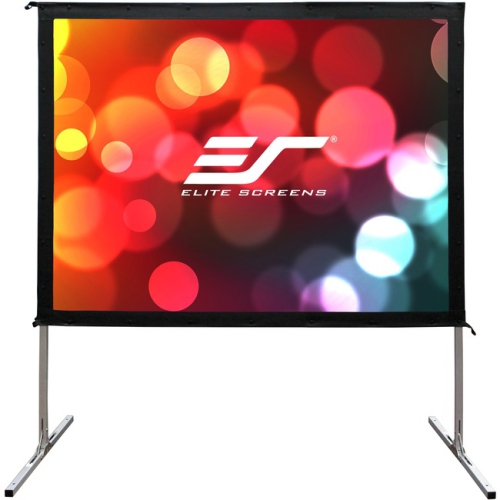 Your price for this item is $591.17
-
 Your price for this item is $109.99
-
 Your price for this item is $188.99
-
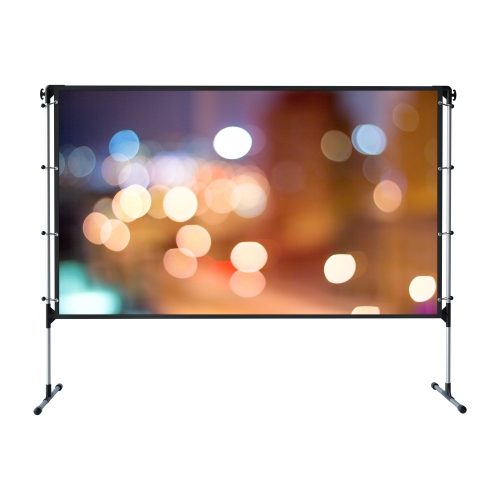 Your price for this item is $109.59
-
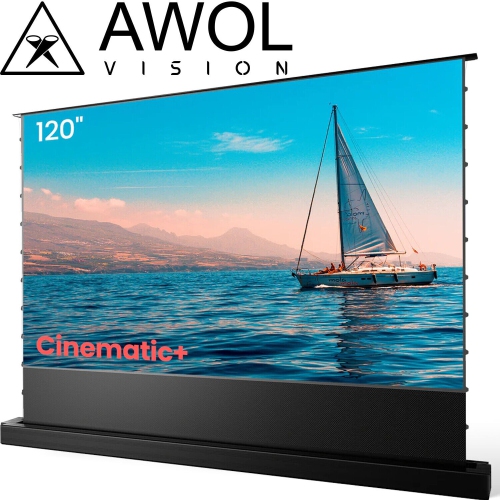 Your price for this item is $2453
-
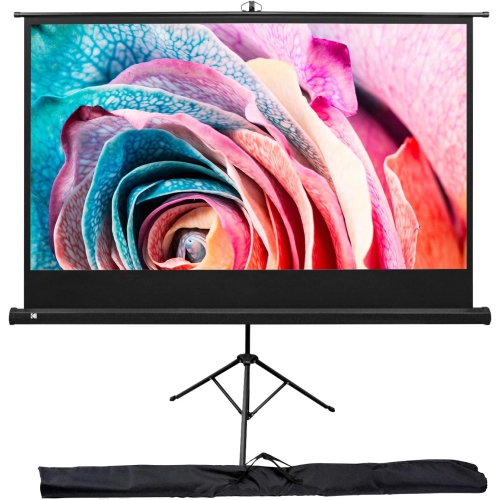 Your price for this item is $216.49
-
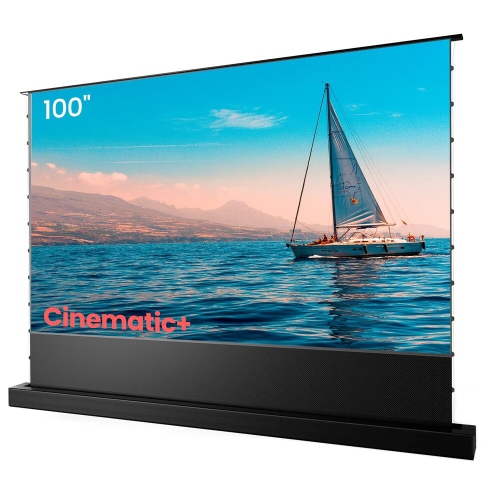 Your price for this item is $2435
Discover more categories related to Vankyo Projector Screens


Top Collections:
Pokemon Centers, Best Cameras for Sports Photography, Kindle Devices, Samsung Galaxy Phones, Canon G7X Cameras, Pokémon 30th Celebration Cards, Refurbished Apple Laptops, iPhone 15 Apple, Laptops for Students, Budget Smartphones
Some products may be subject to Environmental Handling Fees
(EHF) depending on your province.
Learn more about EHFs.