Long Range Wi-Fi Antennas
Upgrade your home network with our selection of long range WiFi antennas. Whether you're tired of dead zones or looking to extend the reach of your wireless connection, these powerful antennas are designed to provide a stronger and more reliable signal. With their increased range and improved performance, you can enjoy seamless internet connectivity throughout your entire home or office. Say goodbye to frustrating buffering and slow speeds, and say hello to faster downloads, smoother streaming, and uninterrupted online gaming. Explore our range of long range WiFi antennas and take your wireless experience to new heights.
Sort






![YELLOW-PRICE [Super Speed Ac 1300Mbps] Long Range Wifi USB 3.0 Dual Band 5G/2.4G Wifi Dongle](https://multimedia.bbycastatic.ca/multimedia/products/500x500/163/16376/16376627.jpeg)
How antenna design affects reach across your property
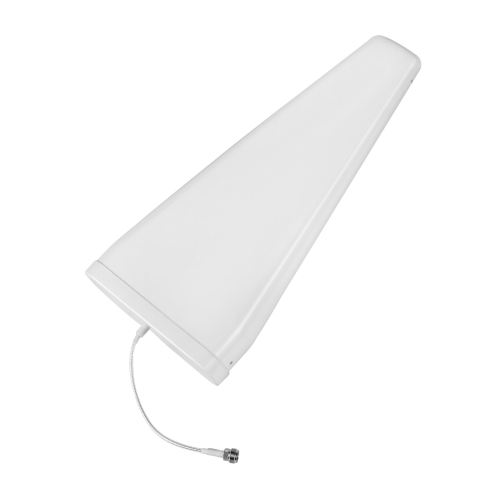
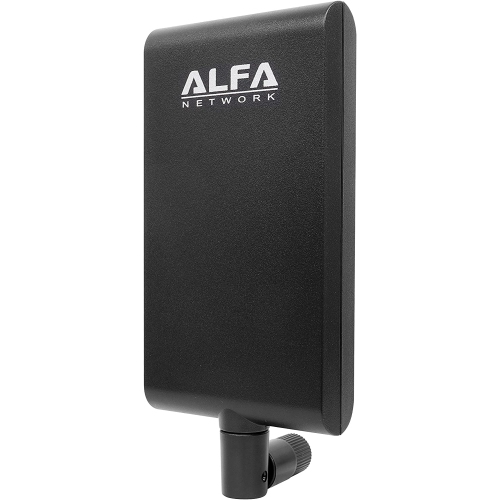
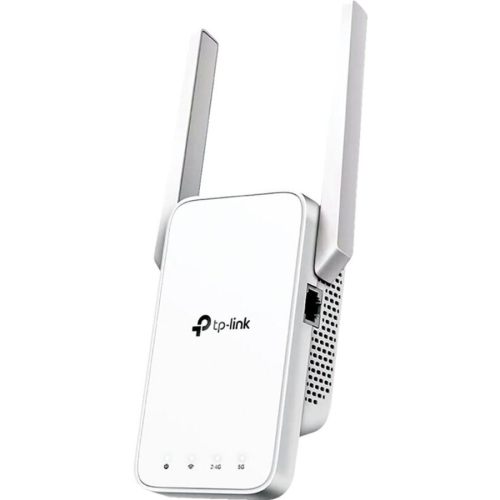
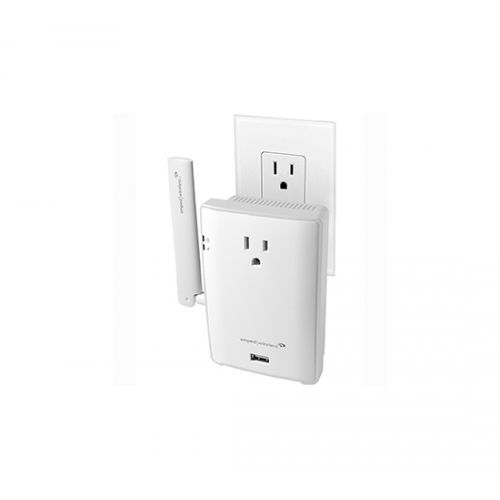
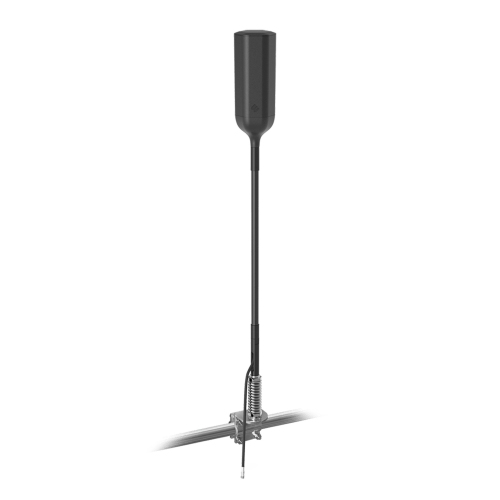
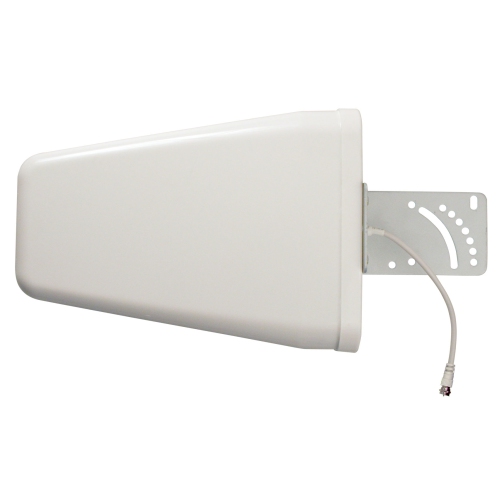
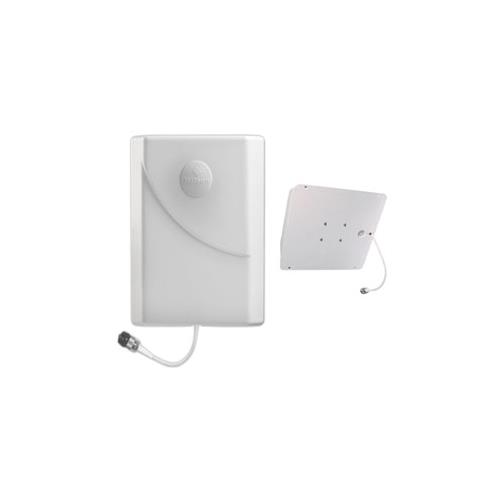
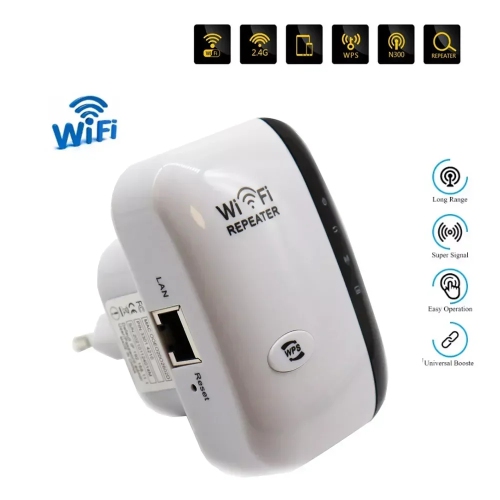
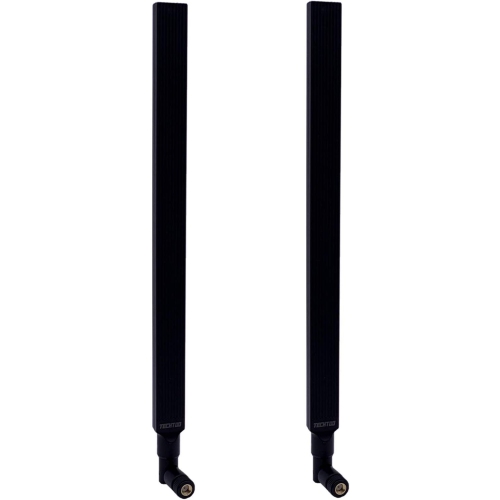
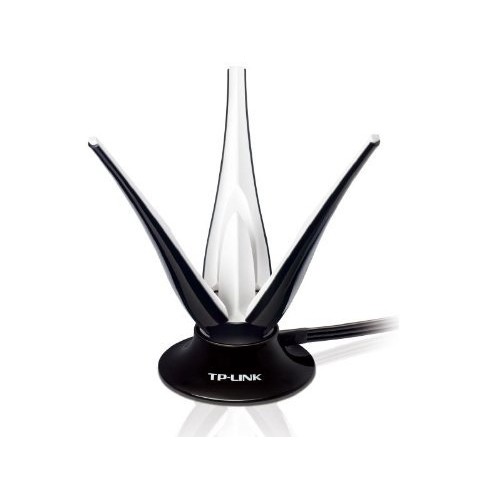
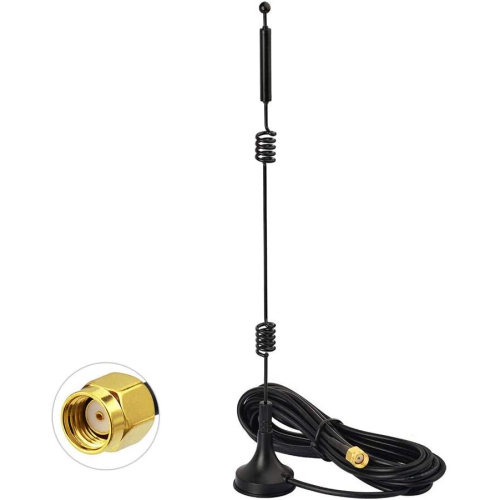
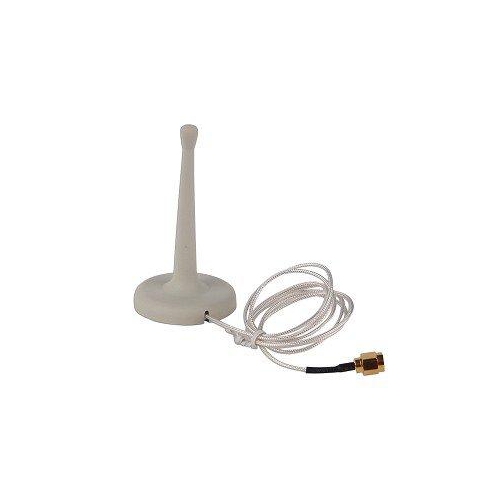
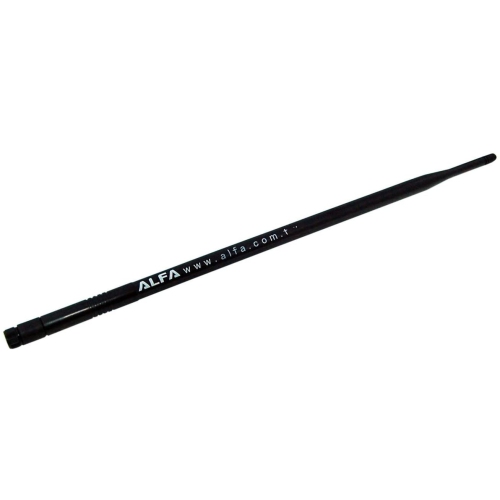
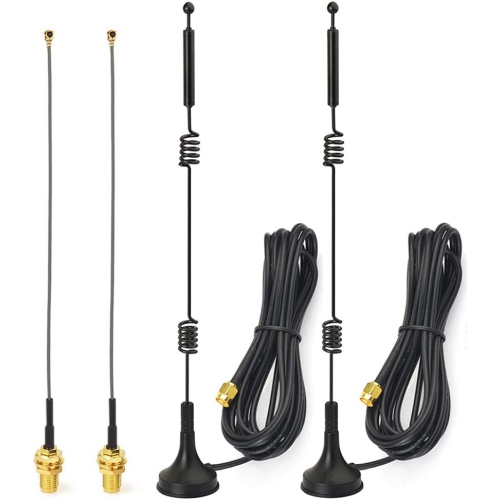
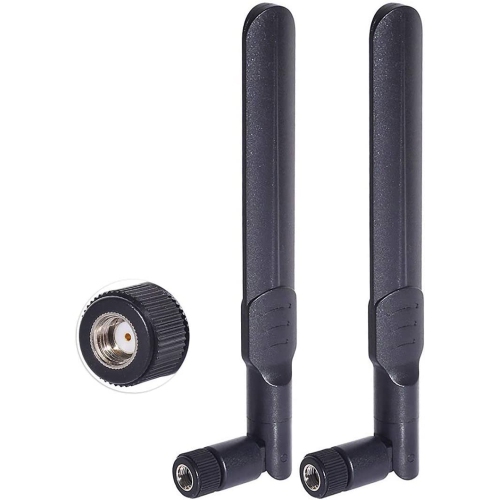
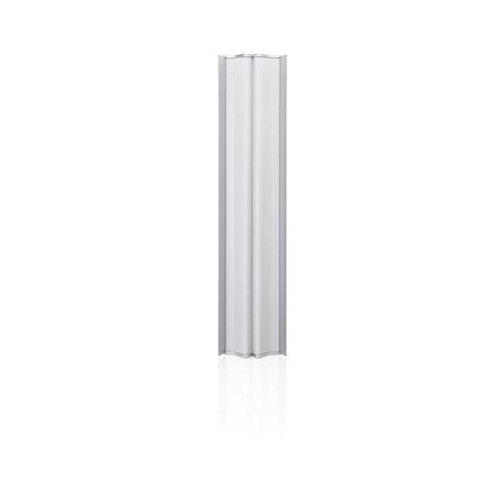
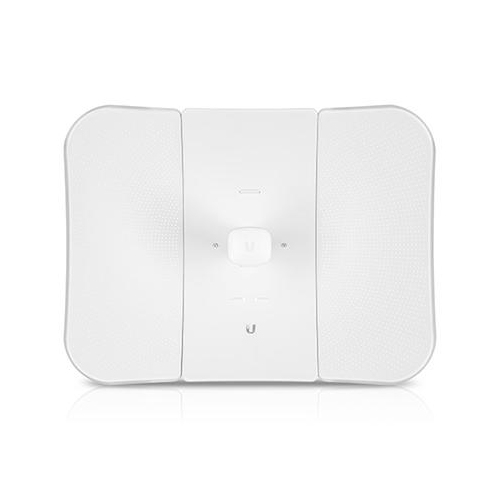
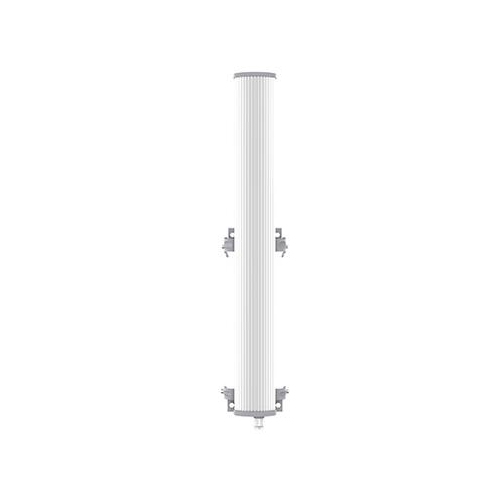
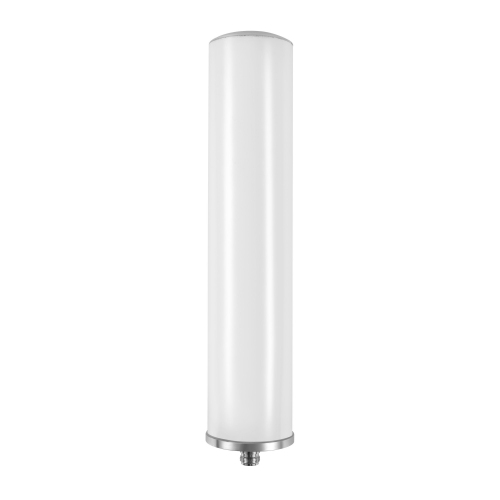
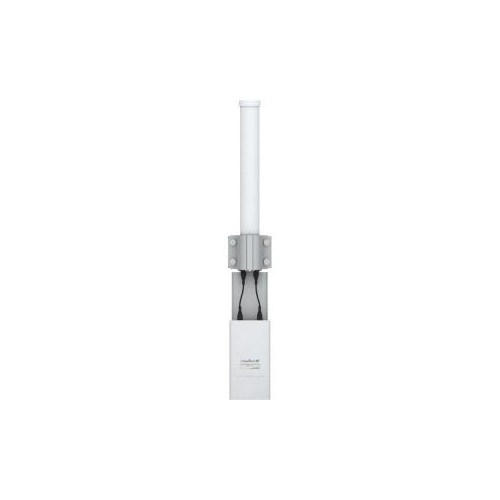
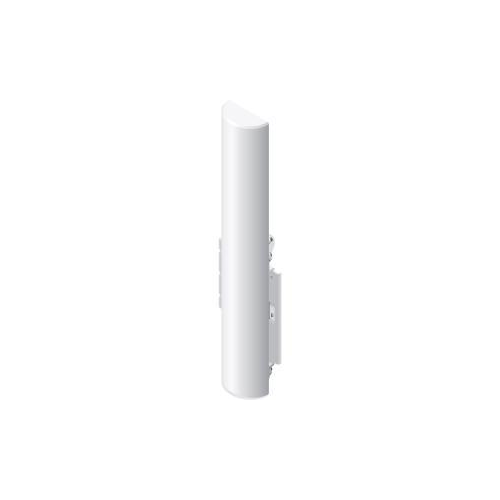
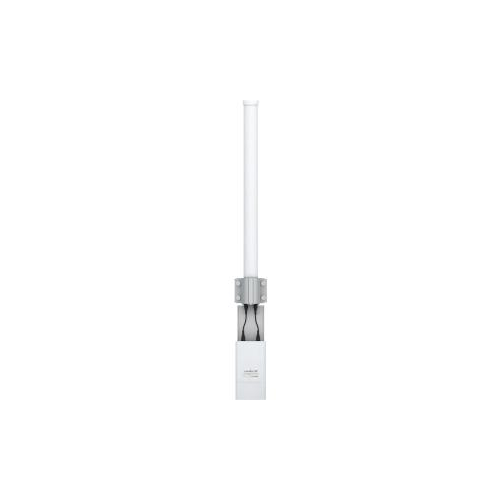
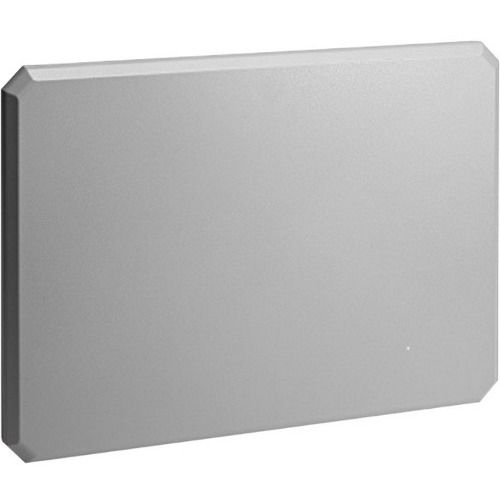
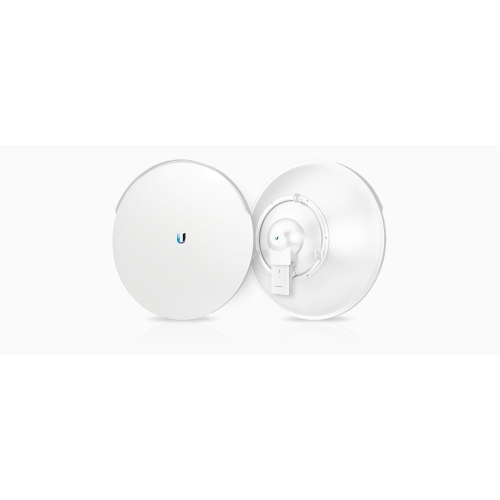
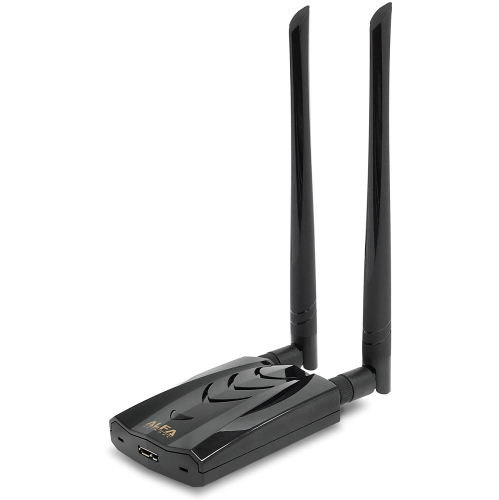
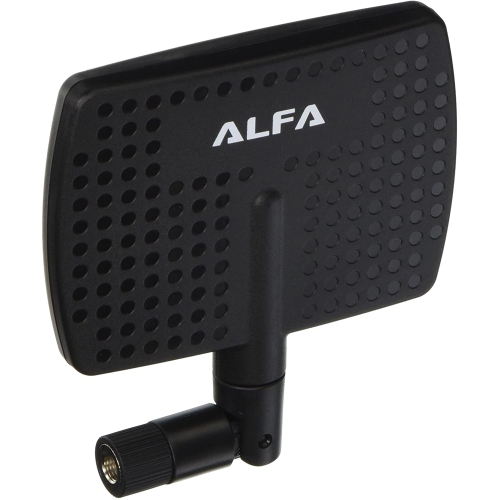
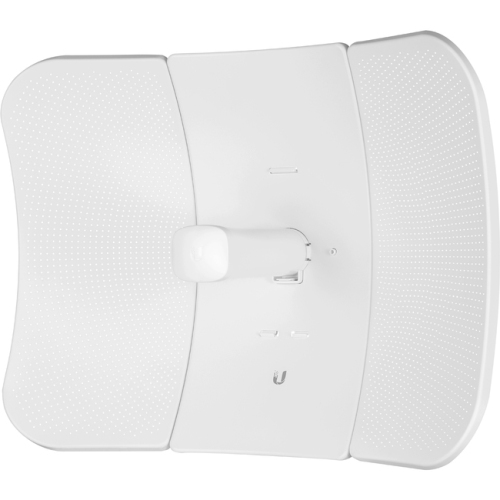
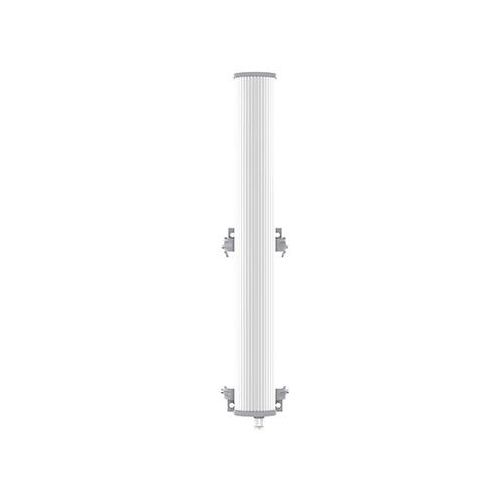
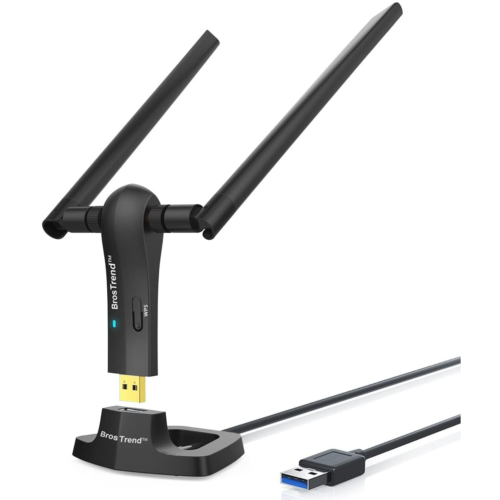
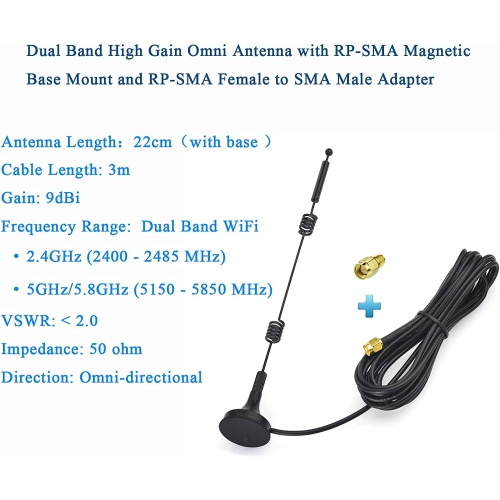
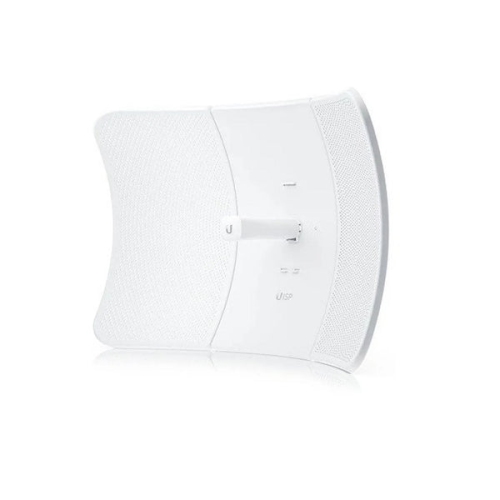
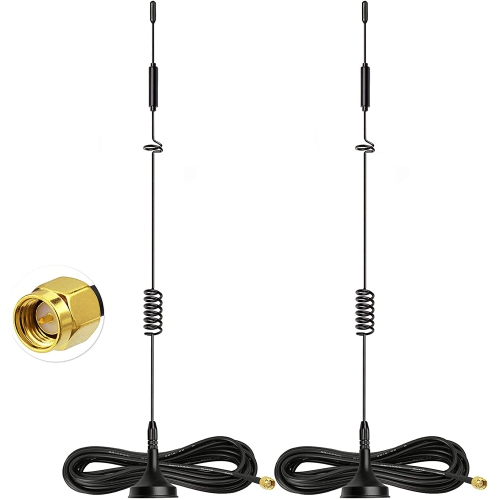
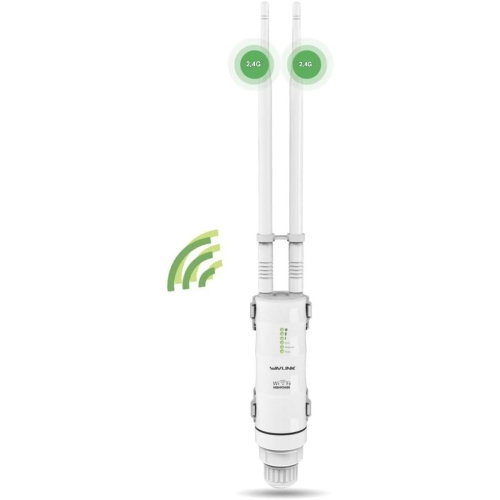
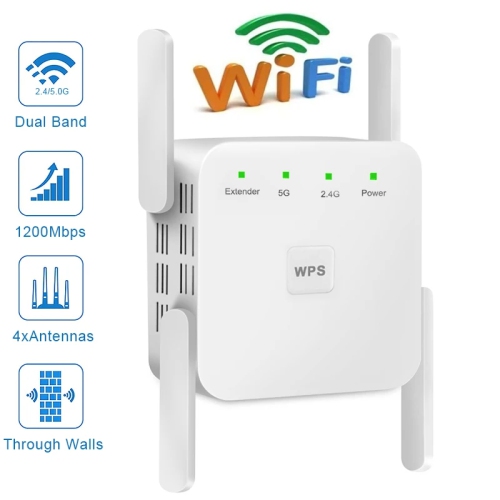
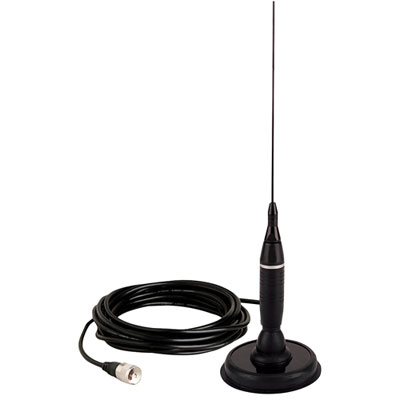
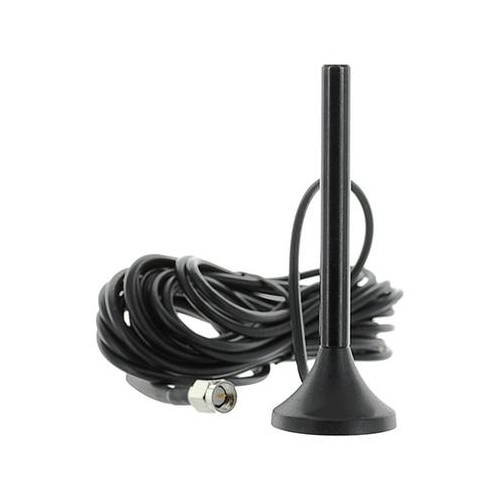
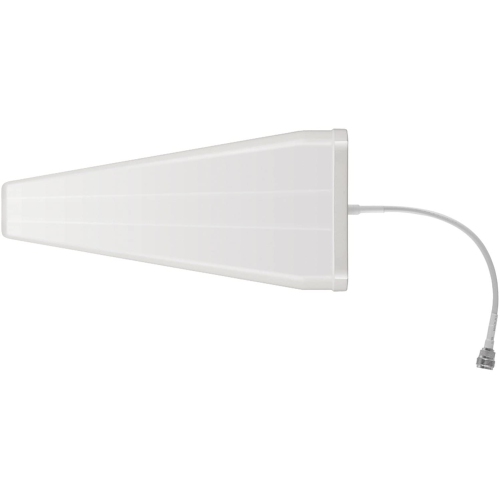
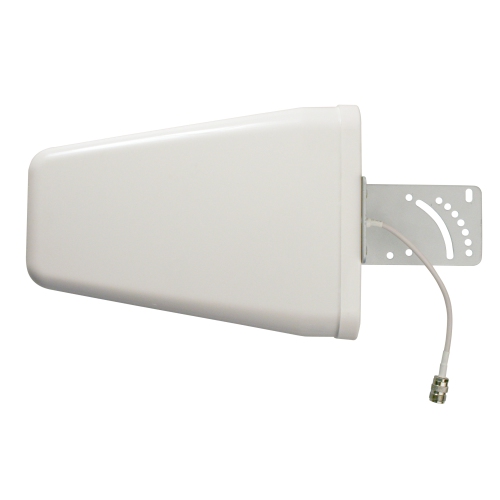
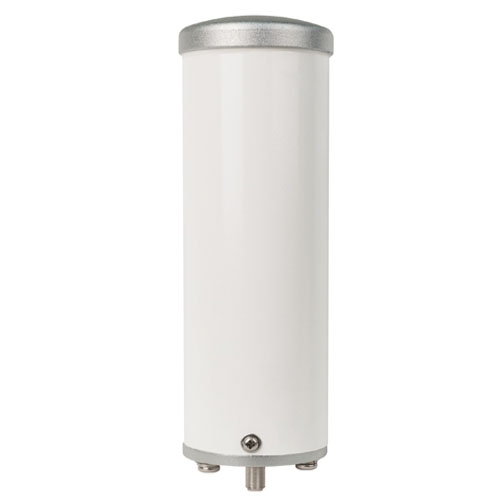
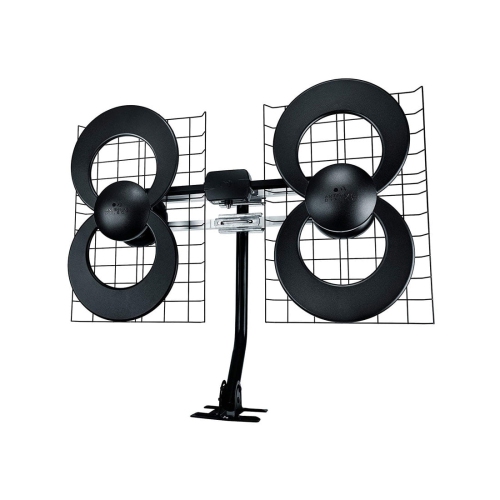
Long range Wi-Fi antennas are designed to help extend wireless connectivity across larger distances than a standard indoor router setup can usually manage. They can be useful on rural properties, large residential lots, farms, workshops, cabins, marinas, warehouses, and other spaces where walls, trees, terrain, or the distance between buildings can weaken a signal. Rather than simply increasing coverage in every direction, many long range antennas concentrate the available wireless energy to improve reach in a particular area or along a specific path. This makes them useful for sending a connection from a home to a detached garage, reaching a pool house or guest cabin, connecting equipment across a yard, or creating a more dependable signal in an open outdoor space. For broader outdoor coverage, an omni-directional antenna broadcasts in a 360-degree pattern, forming a signal area around its mounting point and allowing multiple devices in different directions to connect. This type can suit a property where users move around the coverage area or where several outbuildings are positioned around a central location. Directional antennas, including Yagi and panel designs, focus the signal into a narrower beam and are better suited to point-to-point links between two known locations. Grid and parabolic antennas take this focused approach further, concentrating wireless energy for very long-distance connections when the installation has a clear path between both ends. Browse Outdoor Wi-Fi Antennas to compare options intended for exterior coverage and extended wireless links.
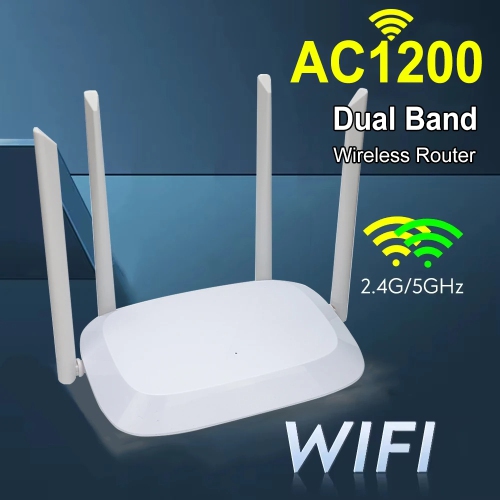
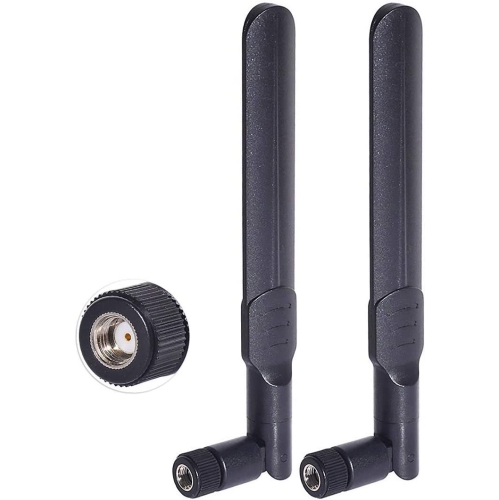
Choosing a long range Wi-Fi antenna starts with understanding the area you want to cover and the type of connection you want to create. An omni-directional model may be the practical choice for a central antenna serving devices spread across a wide property, while a directional model generally performs better when one building needs to communicate with another in a particular direction. A clear line of sight is especially important for directional, high-gain, and point-to-point installations. Hills, dense trees, neighbouring buildings, metal structures, and even seasonal foliage can interfere with the signal path, so an antenna’s advertised distance should not be treated as a guarantee for every location. Measure the approximate distance between connection points, identify possible obstructions, and consider the height and mounting position before selecting an antenna. Gain, measured in dBi, is another important specification. Higher gain can provide a more focused signal and greater potential range, but it also creates a narrower beamwidth and may require more careful alignment. Lower-gain omni-directional designs spread coverage more broadly, while high-gain directional designs are intended to concentrate it. It is also important to confirm compatibility with the router, access point, wireless bridge, or other network hardware. Check the antenna frequency bands and the connector type, such as RP-SMA, SMA, or N-type, along with whether an adapter or suitable cable is required. Cable length matters as well: longer cable runs can introduce signal loss, and outdoor-rated cable should be selected when the antenna is installed outside. Some setups require two matching antennas, one at each end of a point-to-point link, rather than a single antenna attached to only one device.
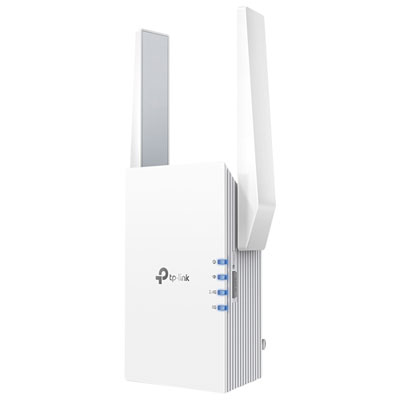
Outdoor installation brings additional considerations that are easy to overlook when planning a network upgrade. Look for weather-resistant construction and an enclosure rating such as IP65 or IP67 when the antenna will be exposed to rain, snow, dust, wind, and changing temperatures. A sturdy mounting system can help maintain alignment during gusty conditions, particularly for narrow-beam antennas aimed across a long distance. Placement should also keep the antenna clear of nearby metal surfaces and other sources of interference whenever possible. Depending on the hardware, power may be delivered through a separate network cable, and the complete setup may include an outdoor access point, wireless bridge, surge protection, grounding equipment, and mounting hardware. The antenna itself does not automatically create a stronger internet connection; it works with compatible network equipment to direct or distribute a wireless signal more effectively. Reviewing the specifications of every component helps prevent mismatched connectors, unsupported frequencies, or an installation that cannot deliver the expected performance. These antennas can be a thoughtful gift for someone setting up a workshop, improving connectivity at a cottage, managing a farm property, or building a home network that reaches beyond the main house. They may also appeal to technology enthusiasts who enjoy fine-tuning antenna alignment and network performance. During the warmer season, an extended connection can support outdoor work areas, cameras, smart devices, and entertainment spaces, while during the cooler months it can help maintain a link to a detached workspace or storage building without relying on a weak indoor signal. With the right antenna type, compatible equipment, a suitable connector, dependable weather protection, and a realistic line-of-sight assessment, a long range Wi-Fi setup can make distant areas of a property feel much more connected.
Choosing a long range Wi-Fi antenna starts with understanding the area you want to cover and the type of connection you want to create. An omni-directional model may be the practical choice for a central antenna serving devices spread across a wide property, while a directional model generally performs better when one building needs to communicate with another in a particular direction. A clear line of sight is especially important for directional, high-gain, and point-to-point installations. Hills, dense trees, neighbouring buildings, metal structures, and even seasonal foliage can interfere with the signal path, so an antenna’s advertised distance should not be treated as a guarantee for every location. Measure the approximate distance between connection points, identify possible obstructions, and consider the height and mounting position before selecting an antenna. Gain, measured in dBi, is another important specification. Higher gain can provide a more focused signal and greater potential range, but it also creates a narrower beamwidth and may require more careful alignment. Lower-gain omni-directional designs spread coverage more broadly, while high-gain directional designs are intended to concentrate it. It is also important to confirm compatibility with the router, access point, wireless bridge, or other network hardware. Check the antenna frequency bands and the connector type, such as RP-SMA, SMA, or N-type, along with whether an adapter or suitable cable is required. Cable length matters as well: longer cable runs can introduce signal loss, and outdoor-rated cable should be selected when the antenna is installed outside. Some setups require two matching antennas, one at each end of a point-to-point link, rather than a single antenna attached to only one device.
Outdoor installation brings additional considerations that are easy to overlook when planning a network upgrade. Look for weather-resistant construction and an enclosure rating such as IP65 or IP67 when the antenna will be exposed to rain, snow, dust, wind, and changing temperatures. A sturdy mounting system can help maintain alignment during gusty conditions, particularly for narrow-beam antennas aimed across a long distance. Placement should also keep the antenna clear of nearby metal surfaces and other sources of interference whenever possible. Depending on the hardware, power may be delivered through a separate network cable, and the complete setup may include an outdoor access point, wireless bridge, surge protection, grounding equipment, and mounting hardware. The antenna itself does not automatically create a stronger internet connection; it works with compatible network equipment to direct or distribute a wireless signal more effectively. Reviewing the specifications of every component helps prevent mismatched connectors, unsupported frequencies, or an installation that cannot deliver the expected performance. These antennas can be a thoughtful gift for someone setting up a workshop, improving connectivity at a cottage, managing a farm property, or building a home network that reaches beyond the main house. They may also appeal to technology enthusiasts who enjoy fine-tuning antenna alignment and network performance. During the warmer season, an extended connection can support outdoor work areas, cameras, smart devices, and entertainment spaces, while during the cooler months it can help maintain a link to a detached workspace or storage building without relying on a weak indoor signal. With the right antenna type, compatible equipment, a suitable connector, dependable weather protection, and a realistic line-of-sight assessment, a long range Wi-Fi setup can make distant areas of a property feel much more connected.
Top selling and popular products
-
 Your price for this item is $100.34
 -
 Your price for this item is $59.99
 -
 Your price for this item is $69.99
 -
 Your price for this item is $39.99
 -
 Your price for this item is $144.99
 -
 Your price for this item is $129.99
 -
 Your price for this item is $139.99
 -
 Your price for this item is $14.49
Discover more categories related to Long Range Wi-Fi Antennas
Top Collections:
Pokemon Centers, Kindle Devices, Best Budget Office Chairs, Apple iPhones 16, Best Laptops for Writers, iPhone 15 Apple, Canon G7X Cameras, Refurbished Apple Laptops, Alarm Clock, Motorola Razr Phones
Some products may be subject to Environmental Handling Fees
(EHF) depending on your province.
Learn more about EHFs.