Mic Stand Accessories
When it comes to enhancing your microphone setup, mic stand accessories are essential tools that can make a world of difference in your recording or performance space. From boom arms and shock mounts to pop filters and clips, these accessories offer versatility, stability, and improved sound quality for your microphone. Whether you're a musician, podcaster, content creator, or presenter, the right mic stand accessories can help you achieve professional results and elevate your audio production to the next level. Explore our selection of high-quality mic stand accessories to find the perfect additions for your setup.
Sort


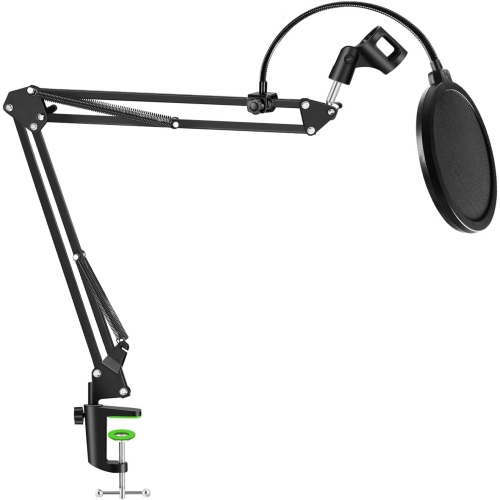


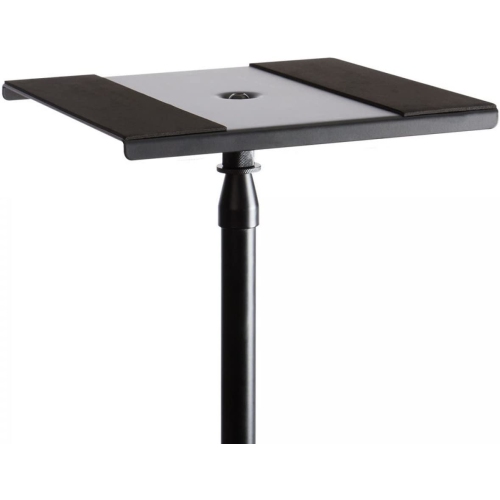


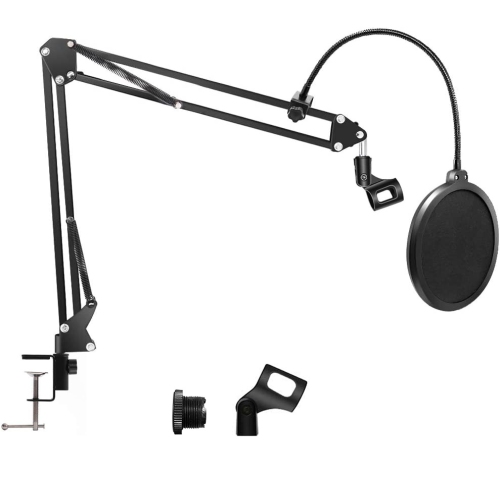


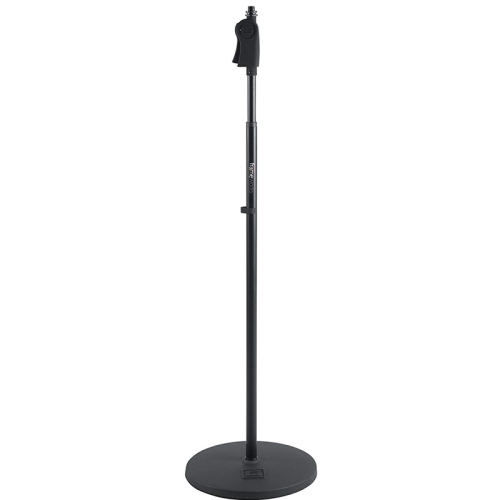


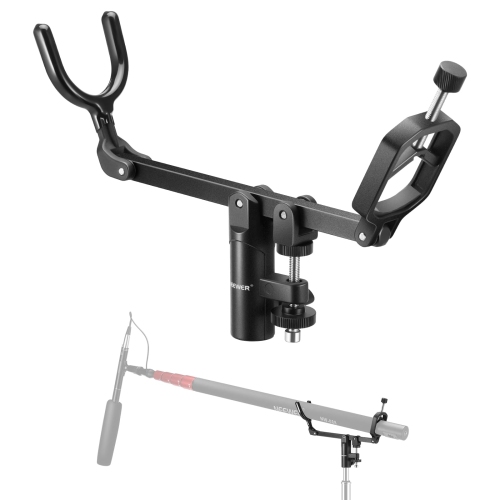
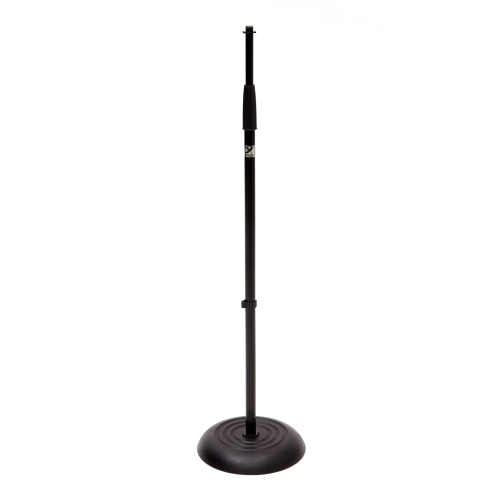
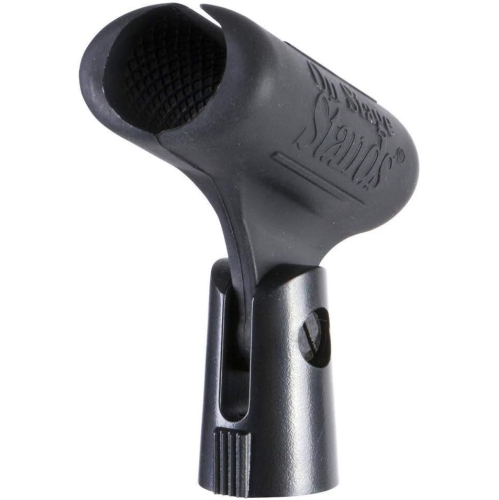


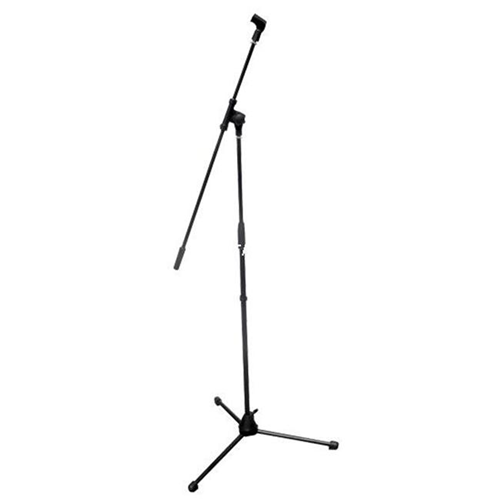
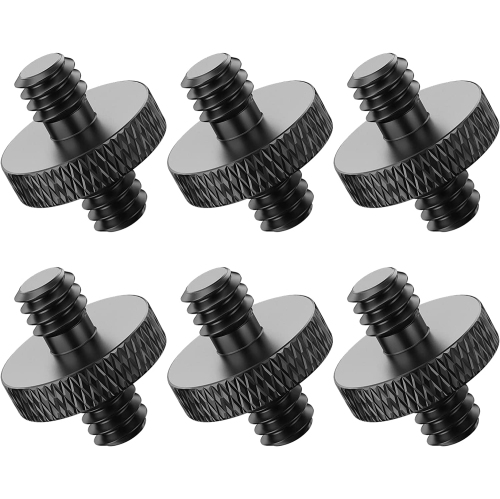


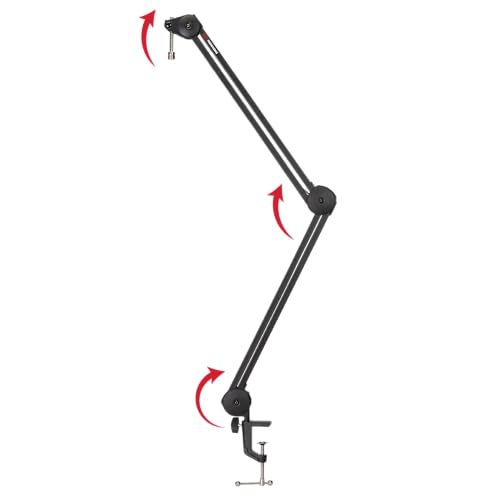
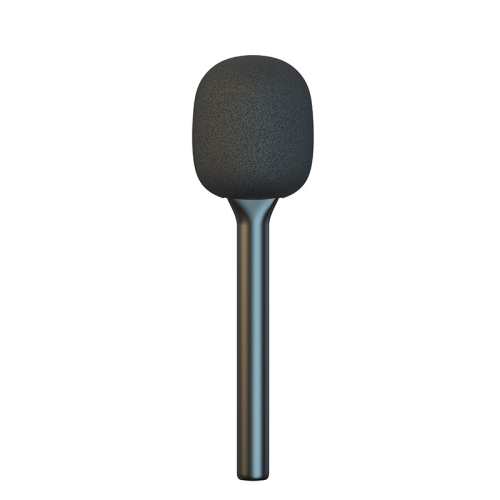
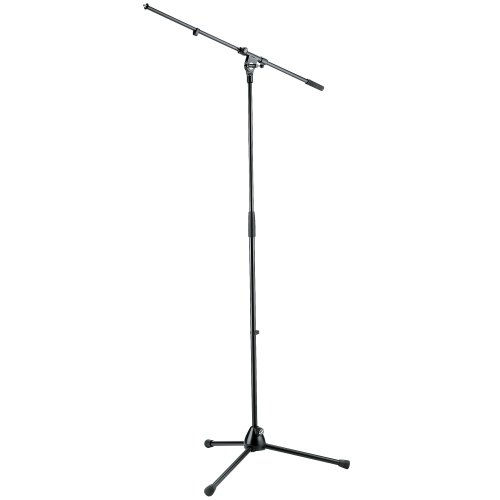
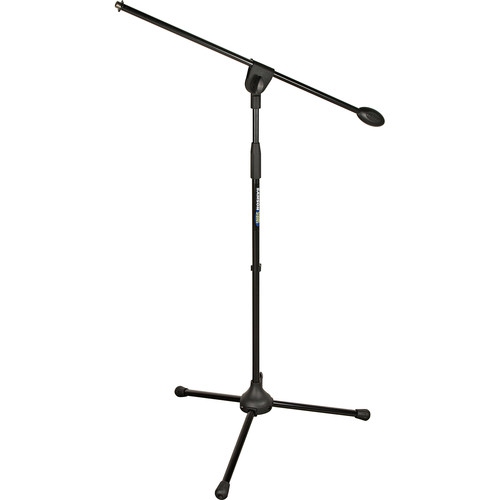


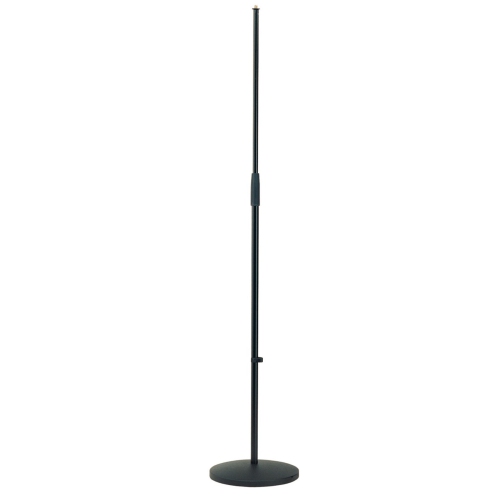
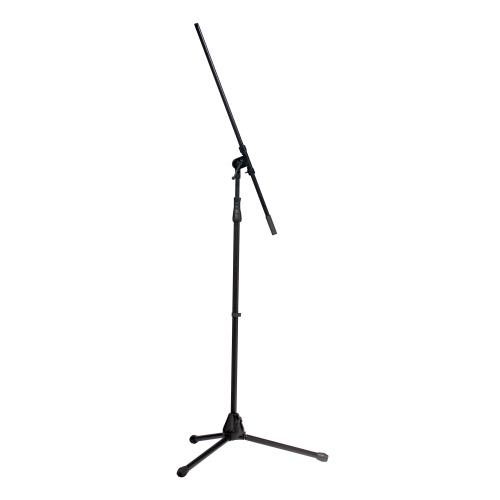


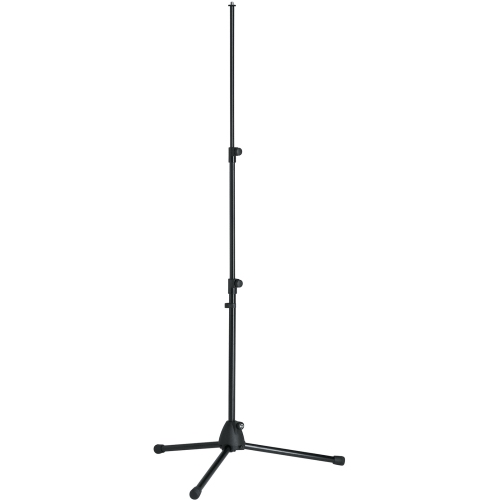
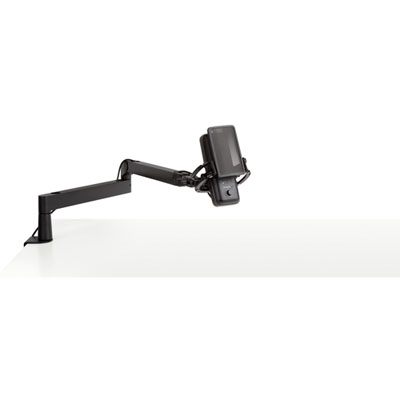

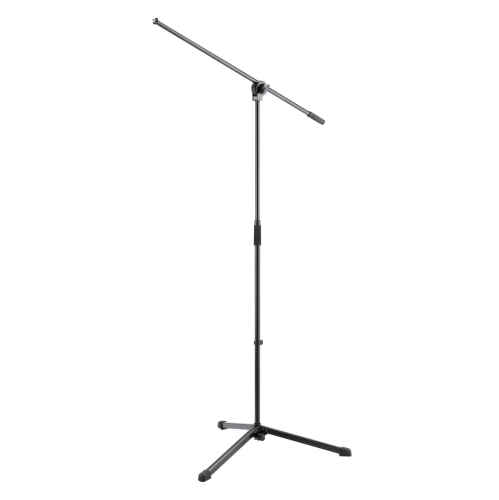
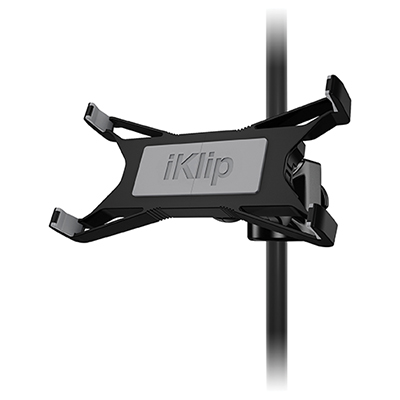

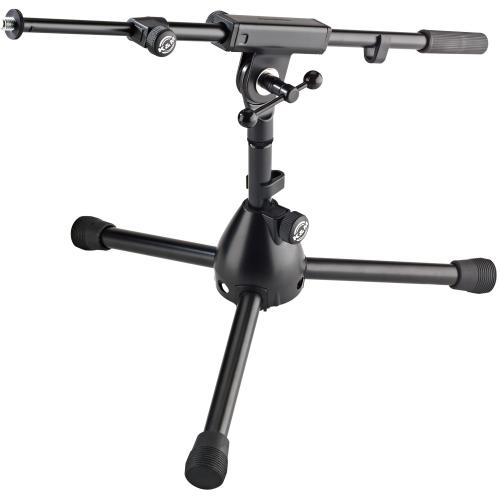
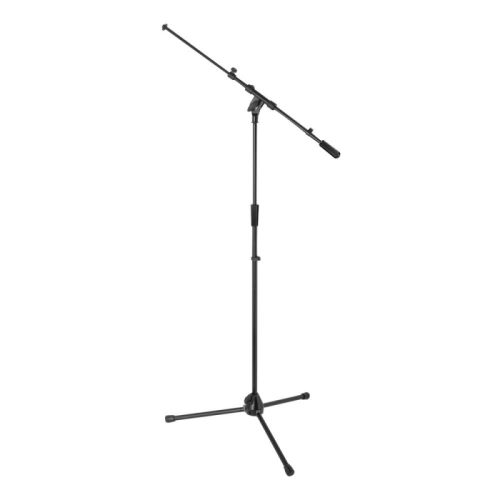
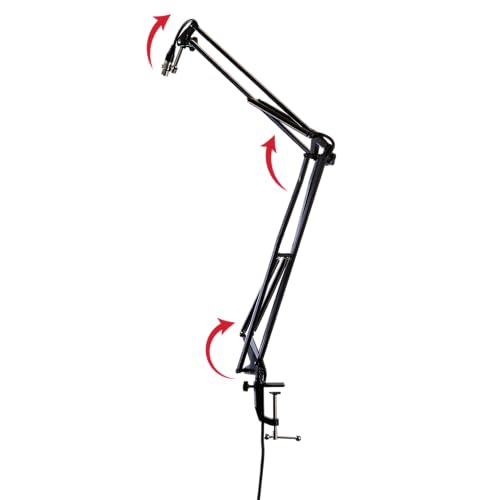


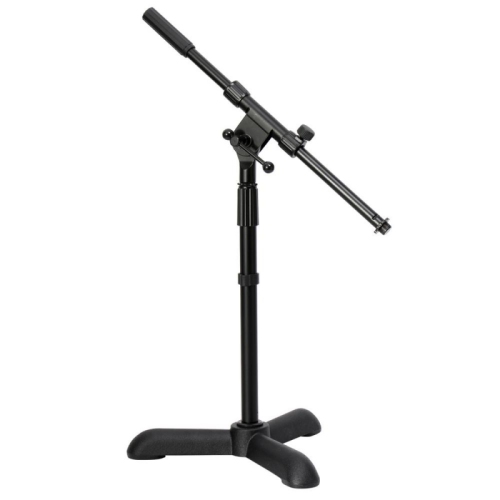

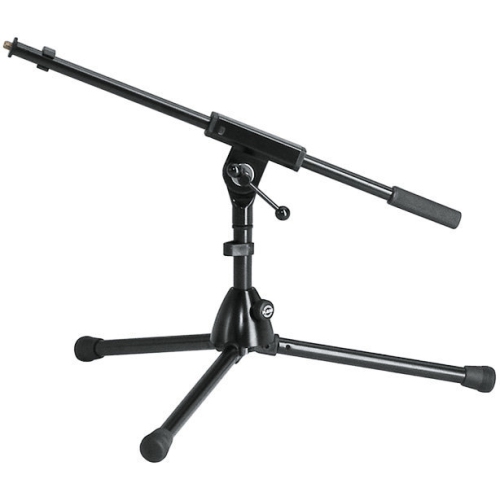
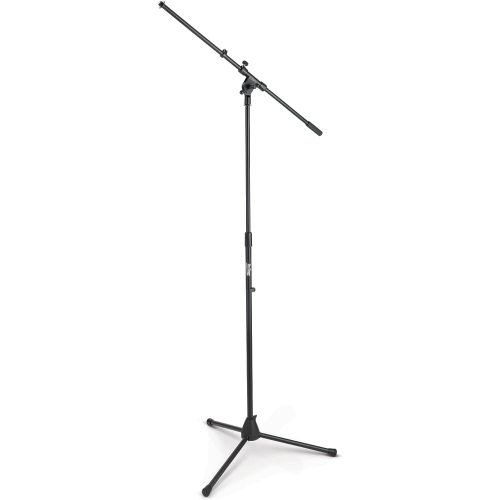

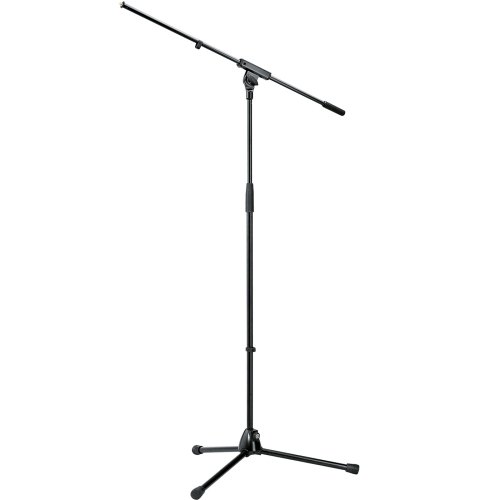

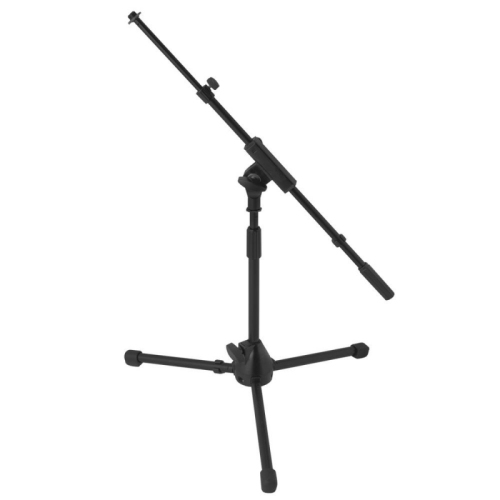


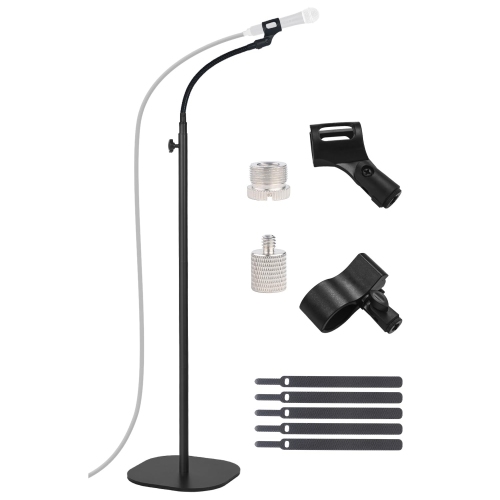


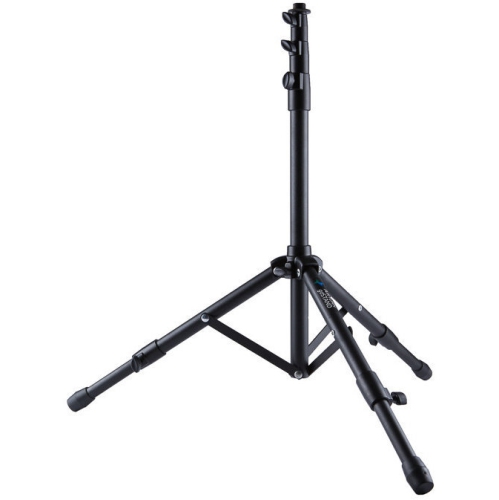

A steadier microphone setup with fewer interruptions
Mic stand accessories help improve stability, positioning, and convenience during recording sessions, rehearsals, presentations, and live performances. They connect the microphone to its support, keep cables manageable, and make it easier to place equipment where it serves the performer without getting in the way. A singer seated at a keyboard needs a different arrangement from a presenter standing behind a lectern, while a podcast host may need a microphone close enough for consistent speech without blocking a screen. Microphone clips, shock mounts, thread adapters, boom attachments, and cable retainers each address a different part of that setup. A correctly sized clip holds a compatible microphone securely while allowing it to be removed between sessions. A shock mount suspends a compatible microphone to help reduce the mechanical vibration that can travel through a desk, floor, or stand, although it does not eliminate airborne room noise. Stand-mounted pop filters serve another purpose: positioned between the speaker and microphone, they help soften the bursts of air associated with sounds such as “p” and “b.” Their usefulness depends partly on whether the attachment can hold its position without drifting towards the microphone during a take. Cable clips and guides can keep a lead close to the stand rather than leaving loose loops near a performer’s feet. Together, these details support a setup that feels less crowded and requires fewer interruptions. For someone recording spoken-word audio at a desk, that might mean keeping a script visible and leaving space to type. On a small stage, it might mean directing a boom around an instrument while keeping its base out of a busy walkway. The purpose is not simply to add more equipment, but to make the existing arrangement easier to use. Well-matched accessories allow the microphone to remain in a useful position, with controls, instruments, and other working surfaces still within comfortable reach.
Accessories for Microphone Mic Stands need to suit the stand’s mounting thread, the microphone’s dimensions, and the weight of the complete assembly. Common mounting connections include 3/8-inch and 5/8-inch threads, but the full thread specification and connection type still matter; an adapter should join compatible fittings without being forced. Microphone clips also differ in opening size and shape, so a clip intended for a slim handheld microphone may not accommodate a wider recording microphone. Shock mounts can have their own diameter, weight, or model compatibility requirements rather than offering a universal fit. These distinctions become especially important when a microphone, mount, filter, and holder share the same support. Every attachment adds weight, and extending a boom moves that weight farther from the stand’s centre. A stand that feels stable with its microphone directly above the base may behave differently when the microphone reaches across a desk or towards a seated guitarist. The stand’s load rating, the accessory’s intended placement, and any manufacturer-specified balancing requirements all contribute to a suitable match. Materials influence handling and durability as well. Steel and aluminium components are common in structural fittings, while moulded plastics can provide lighter housings, clips, and adjustment knobs. Rubber or silicone contact surfaces can improve grip and help protect finishes when they are clean and properly fitted. Metal construction alone does not guarantee a better result: the quality of the threads, the design of the clamp, and the way the joint carries its load are just as relevant. A clamp used on a tabletop also needs an opening suited to the surface thickness and a contact area that sits flat without interfering with drawers or trim. For frequently adjusted setups, accessible knobs and joints that hold firmly under the intended load can make everyday repositioning less cumbersome.
Care and storage help mic stand accessories remain dependable through repeated setup, adjustment, and transport. Dust and grit around threads, hinges, and clamp pads can interfere with smooth movement or mark contact surfaces, so routine cleaning generally begins with a soft, dry cloth and any additional care specified by the manufacturer. Fabric or mesh pop filters may have different cleaning requirements from metal fittings, and elastic shock-mount supports need handling that avoids unnecessary stretching. Threads should engage smoothly by hand; resistance at the start can indicate misalignment rather than a need for more force. Tightening a fitting beyond what is needed can damage threads, deform lighter components, or make later removal difficult. During transport, removing projecting attachments can reduce the chance of a long arm or filter stem being bent inside a bag. Keeping small adapters together in a pouch also makes it easier to rebuild a familiar setup without searching through loose cables. Before use, a quick check of clips, joints, and clamp pads can reveal slipping, cracks, or worn contact surfaces that deserve attention. Cable routing matters too: enough slack near the microphone allows normal adjustments without tugging on the connector, while a clear path around the base helps keep the working area orderly. These practical details are valuable to musicians, voice actors, streamers, teachers, public speakers, and anyone who uses a microphone regularly. A rehearsal space shared by several performers benefits from fittings that are straightforward to adjust, whereas a dedicated recording desk may place greater emphasis on keeping the microphone in a repeatable position between sessions. Accessories can also make thoughtful gifts for someone building a home recording setup, provided the recipient’s microphone and stand specifications are known. The most useful addition is often the one that resolves a familiar frustration: a slipping mount, a cable that catches on a chair, or a filter that will not stay where it belongs. Matching that everyday need is more meaningful than adding an attachment with no clear role.
Top selling and popular products
-
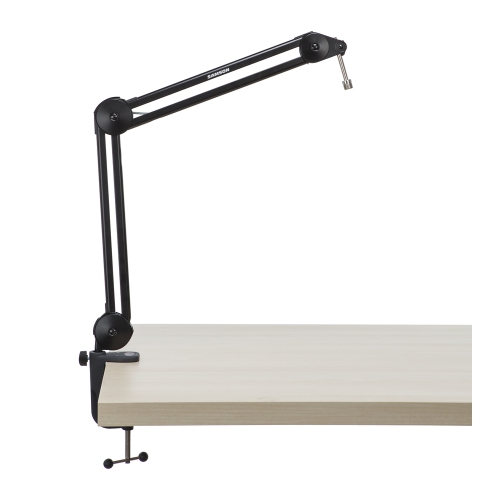 Your price for this item is $99.99
-
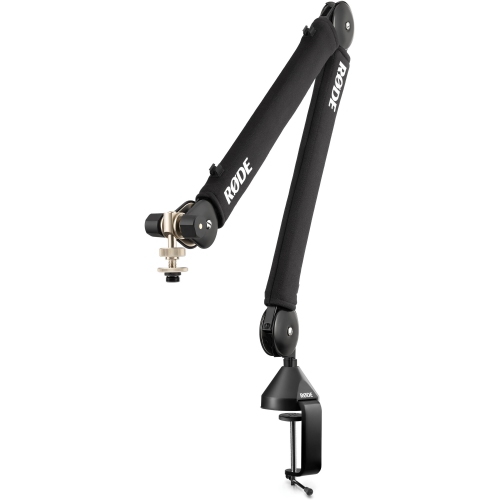 Your price for this item is $199
-
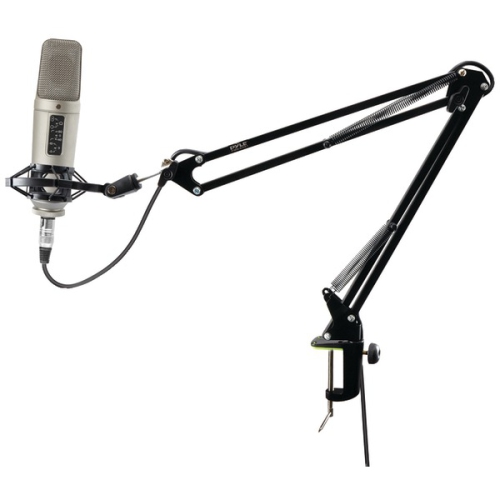 Your price for this item is $36.99
-
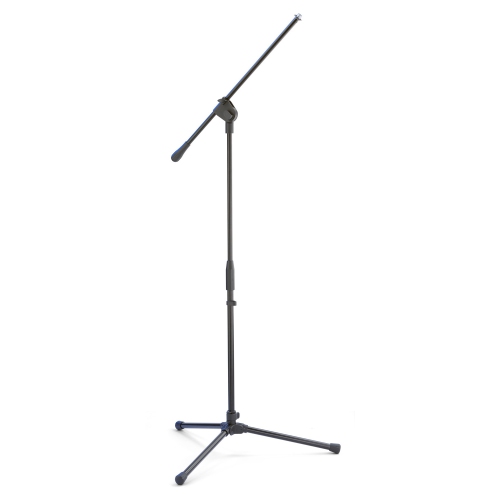 Your price for this item is $39.99
-
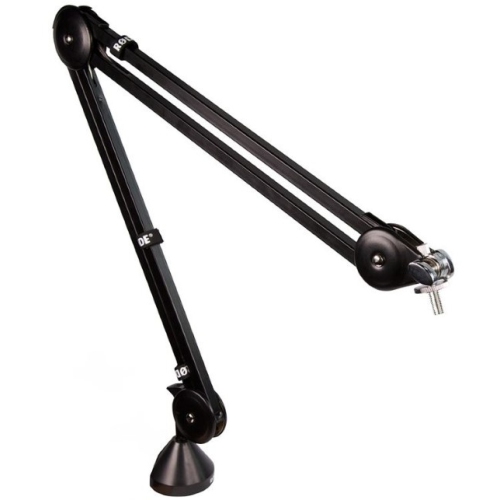 Your price for this item is $149
-
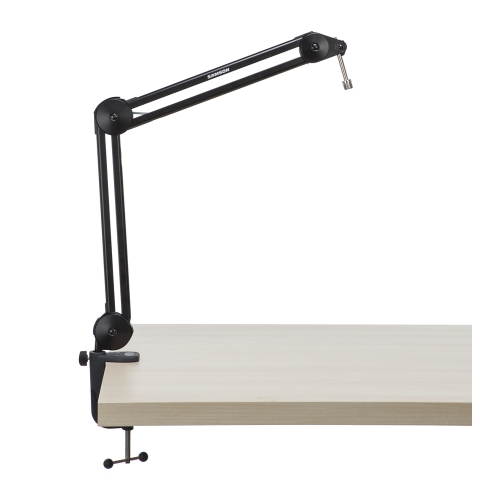 Your price for this item is $99.99
-
 Your price for this item is $249.99
-
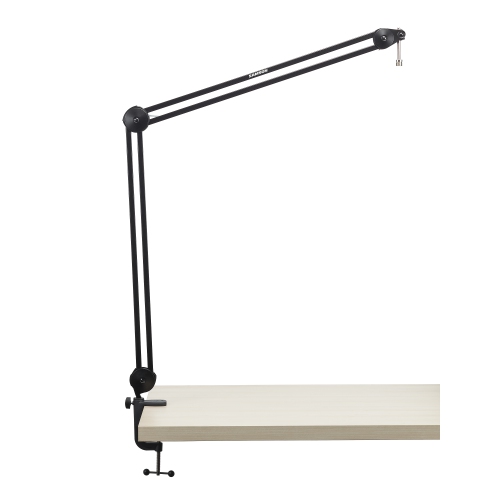 Your price for this item is $149.99
Discover more categories related to Mic Stand Accessories
Top Collections:
Best Black Friday Deals This Year, Best Black Friday Deals On Electronics, Kindle Devices, Pokemon Centers, Best Black Friday Deals On Apple Products, Best Cameras for Sports Photography, Dyson Airwrap, Pokémon 30th Celebration Cards, Apple iPhone 17 Pro, Canon G7X Cameras
Some products may be subject to Environmental Handling Fees
(EHF) depending on your province.
Learn more about EHFs.