Samsung TV Remote Replacements
Find the perfect solution for lost or broken remotes with our selection of Samsung TV Remote Replacements. Browse a variety of options designed to help you easily control your compatible Samsung TV. Whether you need a spare remote for convenience or a complete replacement, discover choices that make managing your entertainment simple and stress-free. Shop Samsung TV Remote Replacements to get back to enjoying your favorite shows and movies with ease.
Sort

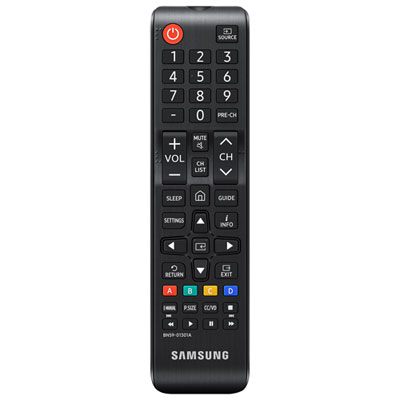

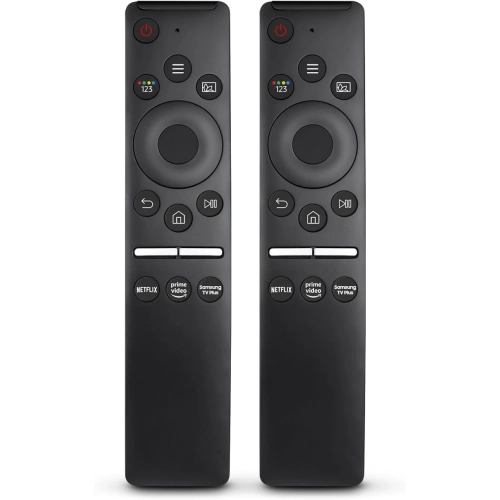

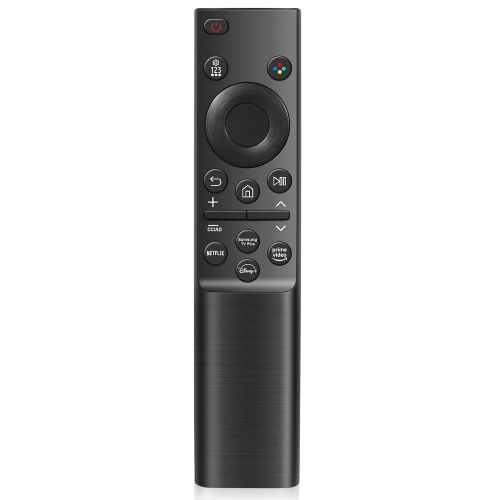

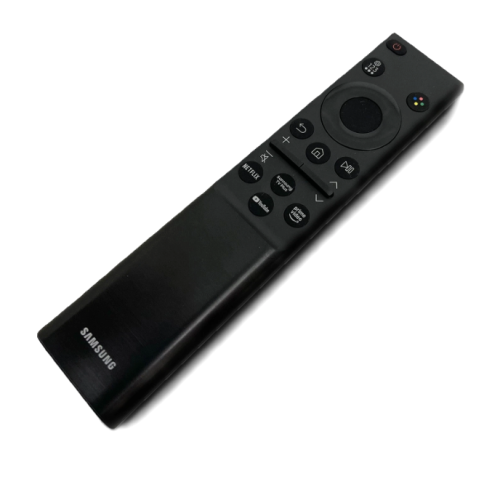
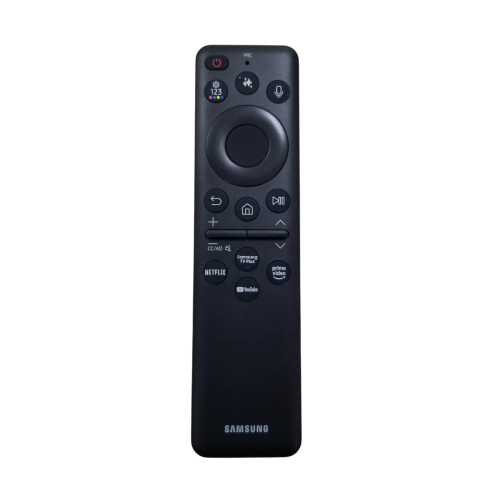
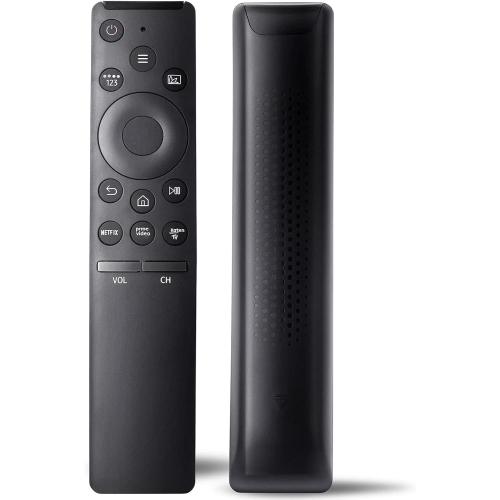

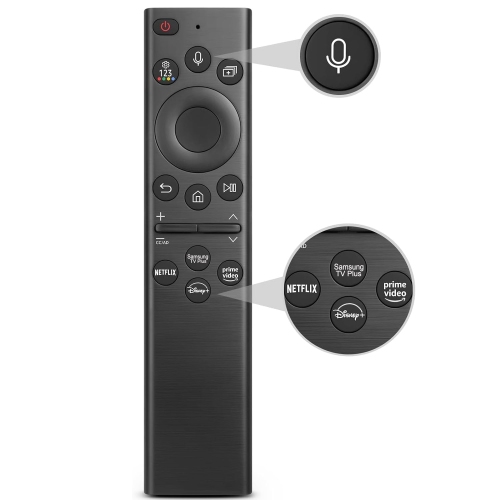

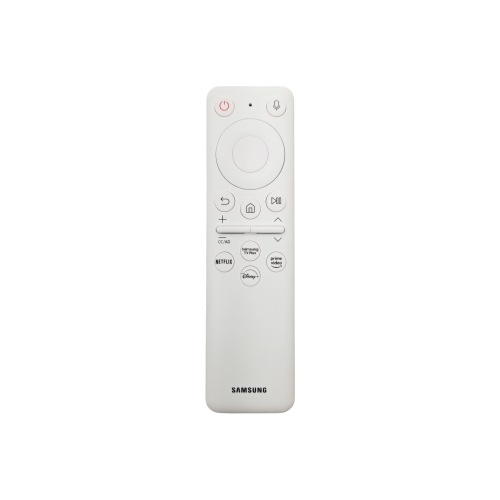
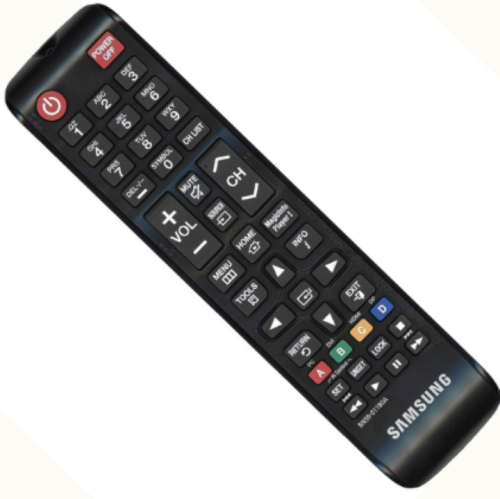
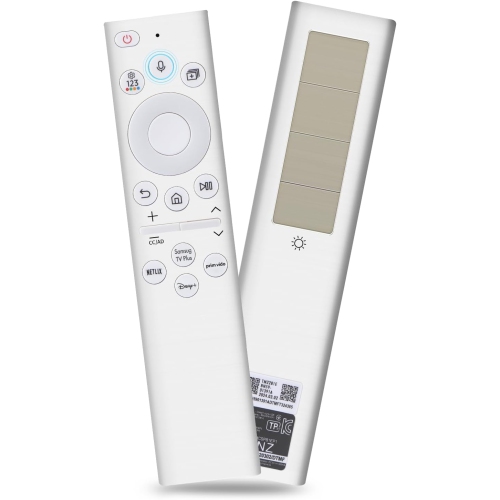
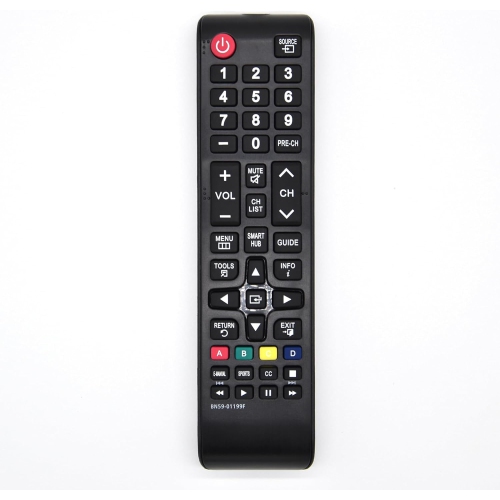
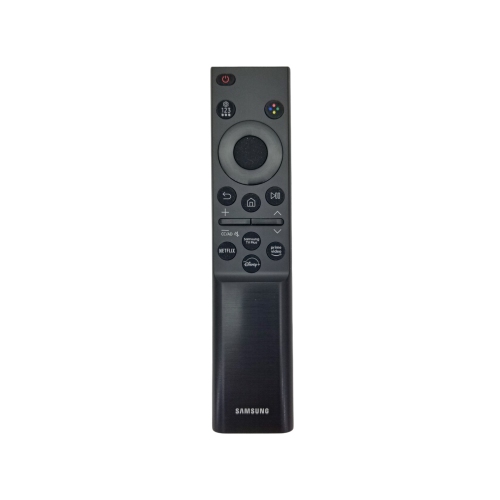
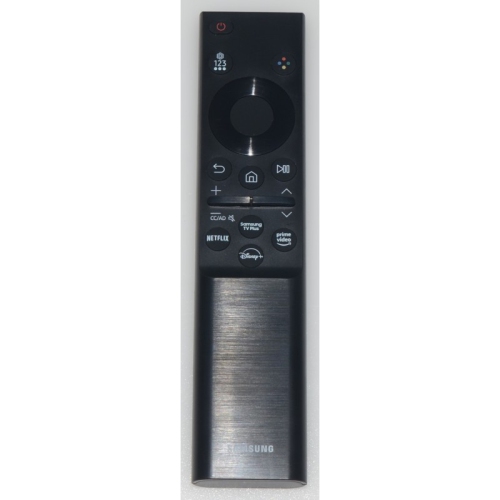

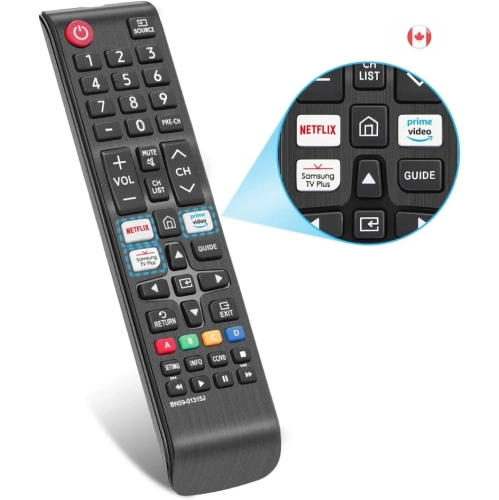
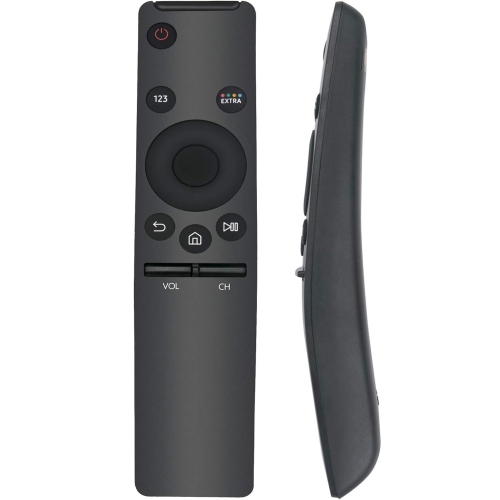
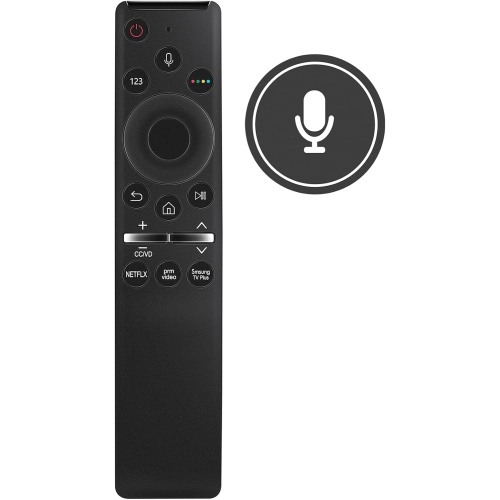
Why familiar buttons do not guarantee remote compatibility
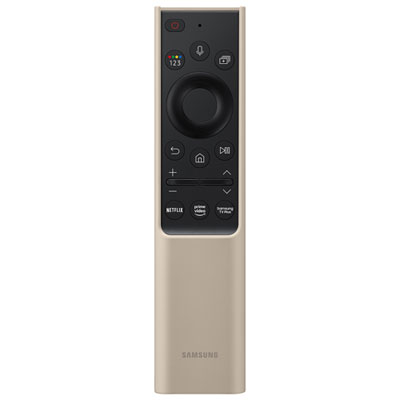
A replacement TV remote can make everyday viewing straightforward again when an original controller is lost, damaged, or no longer responding reliably. These remotes serve the same essential purpose—putting power, volume, channels, menus, and playback controls within reach—but they differ in how closely they match a television’s original functions. Compatibility matters most when comparing Samsung Remote Control replacements. The television’s full model code is a more dependable reference than its screen size or the appearance of its previous remote, since televisions that look similar can use different control systems. That code is commonly found on a label on the television or within its settings information. A remote described as compatible with a particular television family may cover essential controls without reproducing every shortcut or advanced feature. Manufacturer-specific replacements are intended for a defined range of televisions, while universal remotes are designed to work with multiple makes or device types, subject to their compatibility requirements. Neither a familiar shape nor an identical arrangement of power and volume buttons confirms a complete match. The distinction becomes noticeable in ordinary situations: a remote might turn the screen on and adjust the sound yet lack access to a particular settings menu, voice function, or connected-device command. Compatibility information is therefore most useful when it identifies supported television models and explains which functions are included. Setup also varies. Some compatible infrared remotes work with supported televisions once suitable batteries are installed, whereas other replacements require a device code, a programming process, or wireless pairing. A replacement intended for a television does not automatically control a separate streaming player, cable receiver, or sound system. For a living room with several connected devices, that difference affects whether one controller can handle the usual evening routine or whether separate remotes remain necessary. Matching the replacement to the actual viewing setup matters more than matching its appearance to the missing controller.
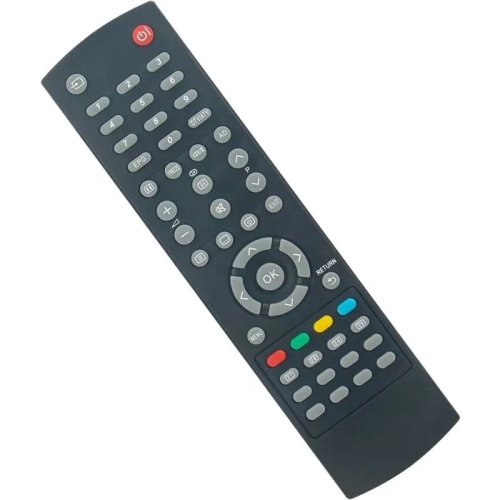
Physical design has a noticeable effect on how comfortable a remote feels over repeated use. Many housings are made from moulded plastic, with flexible buttons or lower-profile controls arranged around a central navigation pad. A gently curved back can sit comfortably in the palm, while a flatter design may rest neatly beside a television stand or on a side table. Overall length, weight, grip, and button spacing matter when a remote is used one-handed or passed between people throughout the day. Large, clearly marked controls can be helpful for viewers who find tightly packed buttons difficult to distinguish. Strong contrast between lettering and the surrounding surface can make frequently used functions easier to locate, although visibility will still depend on room lighting and the individual design. A streamlined layout suits someone who mostly opens a streaming menu and adjusts the volume; a fuller keypad can be more convenient for a household that regularly enters channel numbers or uses several input sources. Dedicated shortcut buttons are useful only when their assigned functions match the television and the viewer’s habits. Construction details also influence daily practicality. A secure battery cover, legible markings, and buttons that are easy to press all contribute to comfortable handling, but no remote should be assumed to withstand drops or spills unless it carries a specific rating. Replaceable-battery designs and rechargeable designs have different maintenance needs, and the required battery type or charging connection depends on the remote. Included accessories also vary. Gentle cleaning with a soft, dry cloth helps remove fingerprints and surface dust without introducing moisture around the buttons or charging port. Cleaning requirements should follow the manufacturer’s care information, particularly for coated surfaces or touch-sensitive controls. Keeping the controller in a consistent place, such as a tray beside the sofa, also makes it easier to find and less likely to disappear between cushions or be knocked from an armrest.
The way a replacement communicates with the television helps explain why certain functions work differently. Infrared controls generally need a clear path towards the television’s receiver, so furniture, cabinet doors, and the angle of use can affect responsiveness. A compatible Bluetooth remote may support control without the same direct line of sight once it has been paired, but wireless support must match the television’s requirements. Some remotes use more than one communication method, so successful power control alone does not confirm that every feature has been connected. Voice commands, for example, require more than a button bearing a microphone symbol: the remote, television, and supported voice service must work together, and some features may also depend on an internet connection or account settings. Similarly, a button associated with a streaming service does not provide a subscription or guarantee that the service is supported on a particular television. These distinctions are especially relevant in a home theatre setup where sound comes through a separate audio system. Volume control may rely on television settings, supported device-control features, or additional remote programming rather than on the replacement alone. For a shared household, dependable access to familiar functions can be more valuable than a crowded selection of extra buttons. Someone replacing a worn controller for a parent may favour a recognizable layout and readable labels, while a frequent streaming viewer may prefer prominent navigation and playback controls. A second compatible remote can also be useful where viewers sit in different parts of a room, although pairing behaviour and support for multiple controllers vary by television. The most suitable replacement is one whose supported functions, handling, and setup requirements fit the people who will use it. Clear compatibility details and an appropriate control layout help turn a small accessory into a dependable part of watching a film, following a series, or settling in for a favourite program.
Top selling and popular products
-
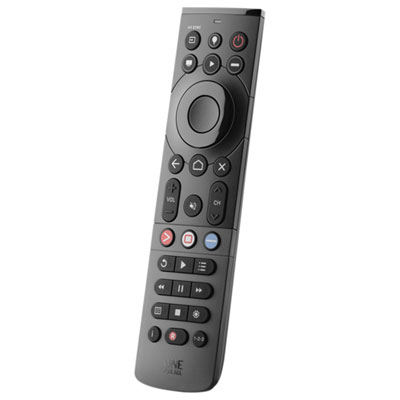 Your price for this item is $69.99
-
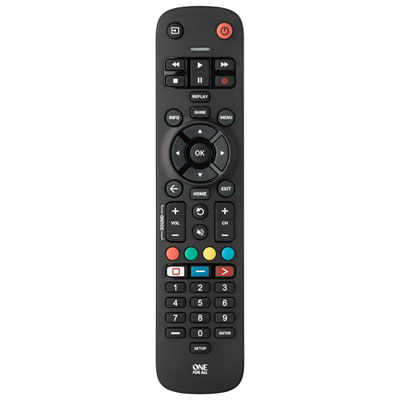 Your price for this item is $19.99
-
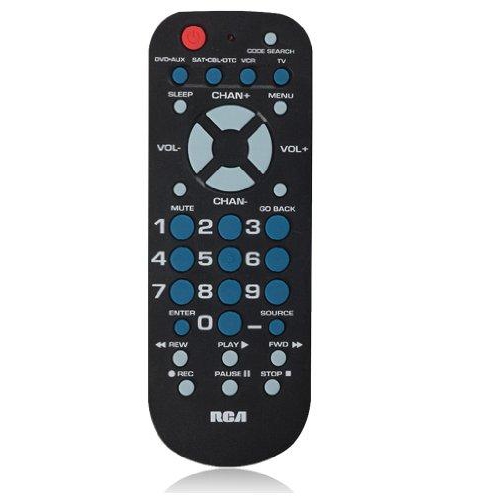 Your price for this item is $14.99
-
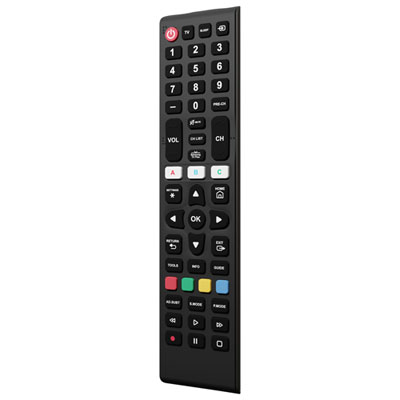 Your price for this item is $29.99
-
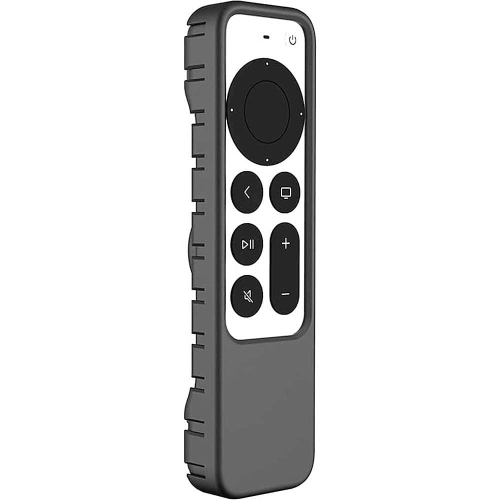 Your price for this item is $52
-
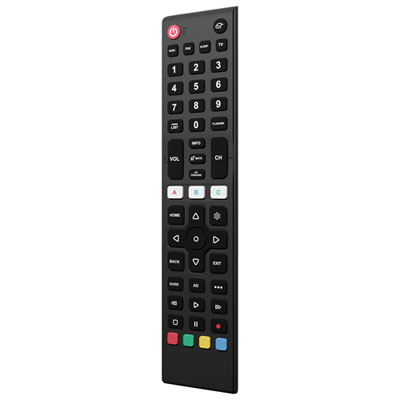 Your price for this item is $29.99
-
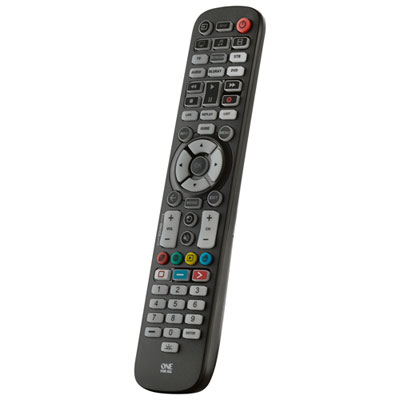 Your price for this item is $39.99
-
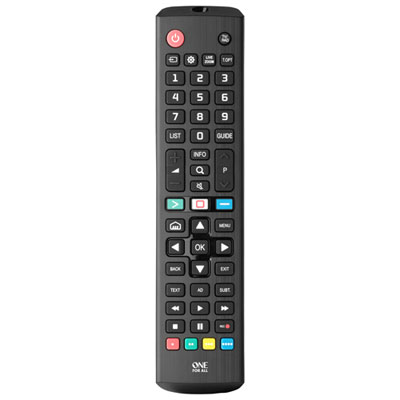 Your price for this item is $39.99
Discover more categories related to Samsung TV Remote Replacements
Top Collections:
Best Black Friday Deals This Year, Best Black Friday Deals On Electronics, Kindle Devices, Pokemon Centers, Best Black Friday Deals On Apple Products, Best Cameras for Sports Photography, Dyson Airwrap, Pokémon 30th Celebration Cards, Apple iPhone 17 Pro, Canon G7X Cameras
Some products may be subject to Environmental Handling Fees
(EHF) depending on your province.
Learn more about EHFs.