Speaker Wall Mounts
Speaker Wall Mount solutions offer a convenient way to enhance your audio setup while saving valuable space. Designed for easy installation, these mounts help you position your speakers at the ideal height and angle for optimal sound quality. Whether you're setting up a home theater, a music room, or looking to streamline your living area, Speaker Wall Mount options provide versatile choices to suit different speaker sizes and room layouts. Explore a range of styles and finishes to seamlessly blend with your décor while enjoying an improved listening experience.
Sort
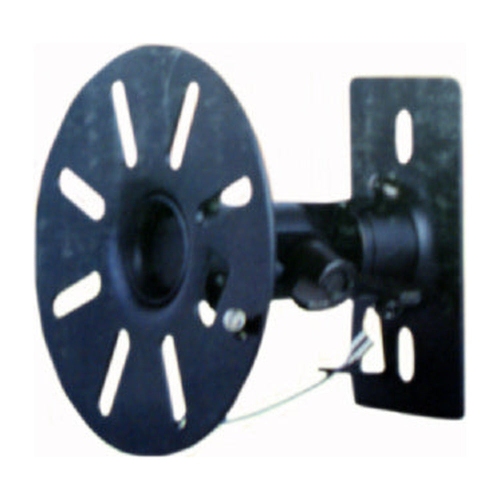
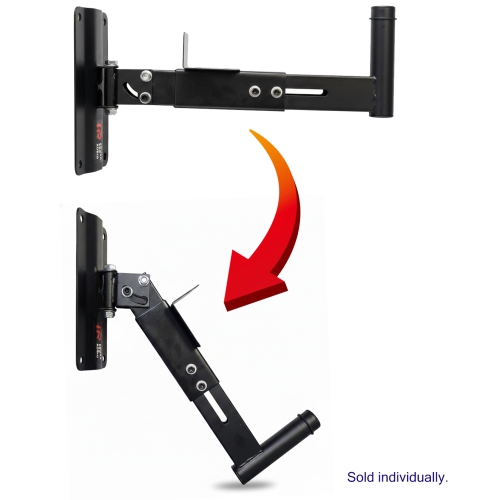
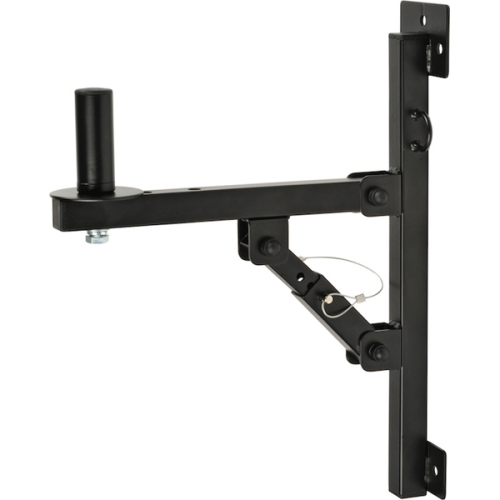

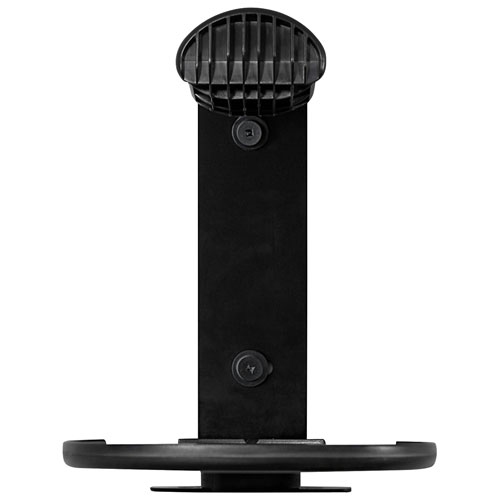

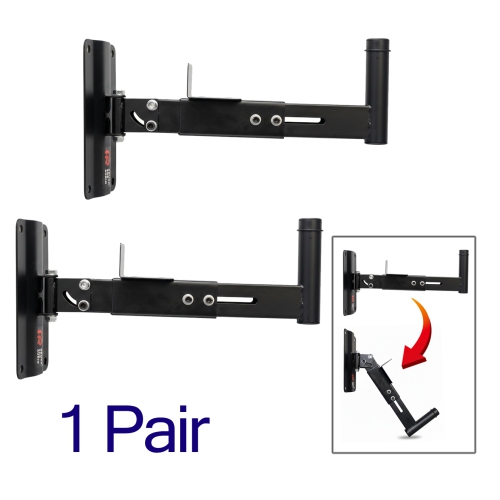

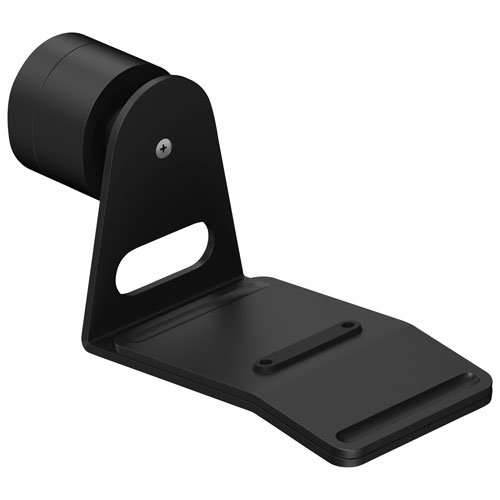

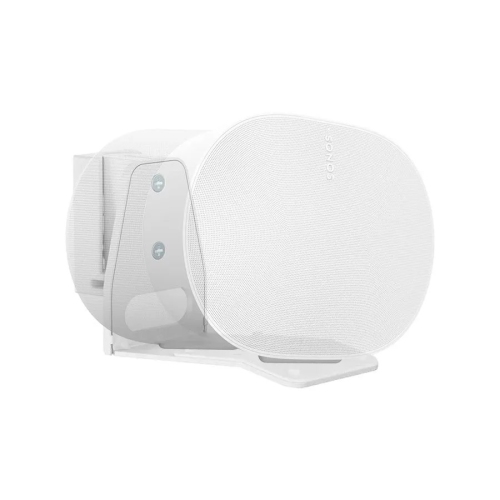


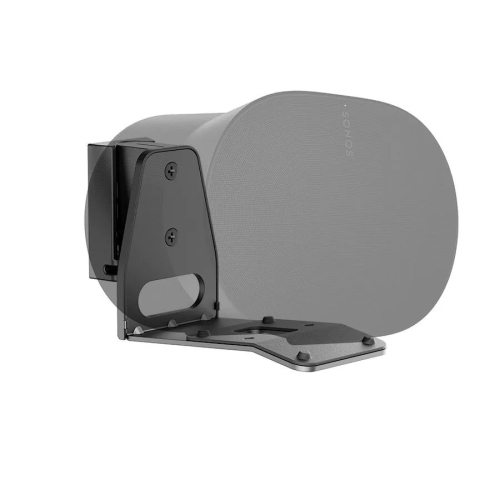

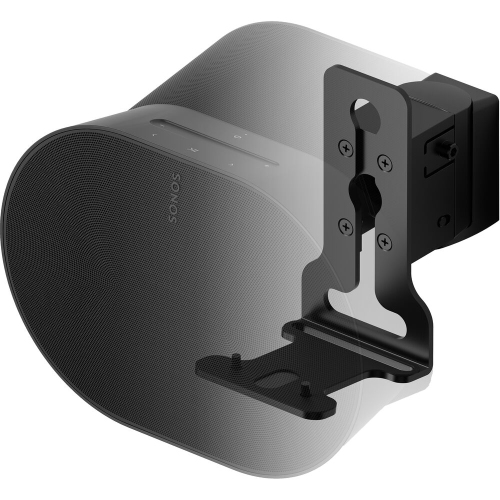
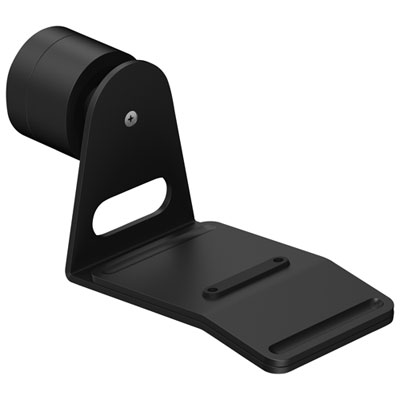
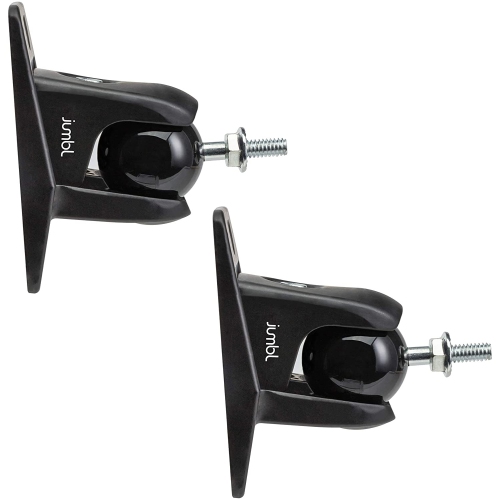

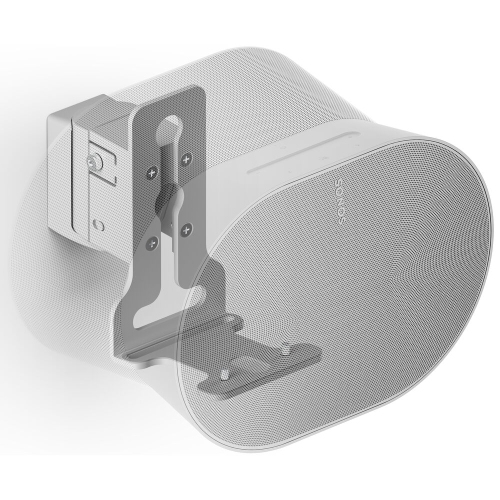
Space-saving speaker placement starts with the right fit
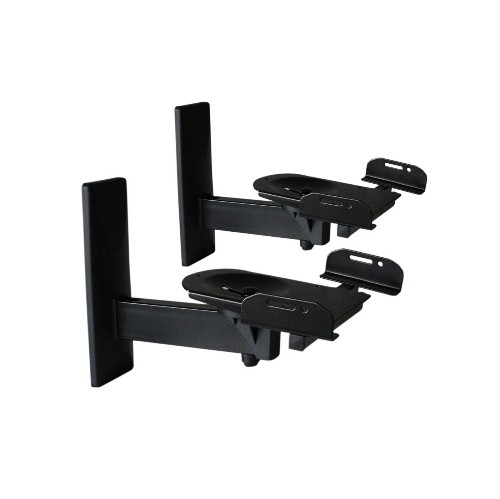
Speaker wall mounts secure compatible speakers to a wall, freeing up floor, shelf, or desk space while helping position sound around a room. They are useful for compact listening areas, home theatre systems, gaming setups, and workspaces where speakers would otherwise compete with monitors, lamps, or everyday essentials. The main differences between mounts are speaker compatibility, weight capacity, attachment method, and range of movement. Fixed brackets keep a speaker in a set position, while tilting and swivelling designs allow adjustments to its direction. An articulated arm can provide additional clearance from the wall, although its reach and movement depend on the design. Compact satellite speakers, bookshelf speakers, and some centre-channel speakers may suit wall mounting, but each needs support that matches its construction and mounting provisions. A threaded insert, keyhole slot, or dedicated mounting interface requires compatible hardware; a speaker without those features may need an appropriately sized cradle or clamping support. The word “universal” does not mean a mount fits every speaker. Cabinet width and depth, attachment spacing, screw thread, and the shape of the enclosure all matter alongside weight. For mounts sold in pairs, the load rating should be checked to establish whether it applies to each bracket or the complete set. Speakers with rounded cabinets, tapered sides, or controls near the mounting area can need particular attention to fit. A secure bracket should leave essential controls, cable connections, ventilation openings, and acoustic features accessible. Rear-facing bass ports also need the clearance specified by the speaker manufacturer, so a very shallow mount is not always the best match. These details make speaker wall mounts more than a space-saving accessory: the right fit supports a tidy installation without interfering with how the speaker is intended to work. In a small living room, that might mean keeping a pair of bookshelf speakers off a crowded media unit; beside a computer, it could mean leaving more usable space on either side of the keyboard.
The most useful adjustment features depend on the room and the listening position. A swivel mechanism can angle speakers towards a sofa that sits away from the centre of the wall, while tilt can help direct sound from a mounting position above seated ear level. For many conventional front speakers, positioning the high-frequency drivers close to seated ear height is a useful starting point, subject to the speaker manufacturer’s recommendations. Surround and height-channel speakers serve different roles, and their placement depends on the audio format and room layout rather than a single height that suits every system. Wall mounts make these arrangements possible without adding stands behind seating or beside a narrow walkway. Adjustment range is only part of the picture, however: a speaker cabinet can meet the wall before a bracket reaches its full advertised swivel angle. Cable plugs and rear ports need room throughout the usable range of movement, too. In a shared living space, a compact bracket with a positive locking mechanism can help keep the chosen angle consistent after adjustment. Wall construction is equally important to a dependable installation. Wood framing, solid concrete, brick, and hollow-wall assemblies require different fastening approaches, and the mount’s stated capacity does not establish what a particular wall can support. Suitable fasteners must match the wall material, bracket, and supported load; included hardware may not suit every installation. Hidden wiring and plumbing also need to be considered before drilling. Professional installation can be helpful when the wall construction is uncertain or cable routing is complex. Passive speakers need a clear route for speaker wire, while powered speakers may also require access to an electrical outlet and additional signal connections. Enough cable slack for adjustment helps avoid tension at the terminals, but loose loops should stay clear of walkways and moving parts. Surface cable channels can give an exposed wire run a more orderly finish without requiring cables to pass through the wall.
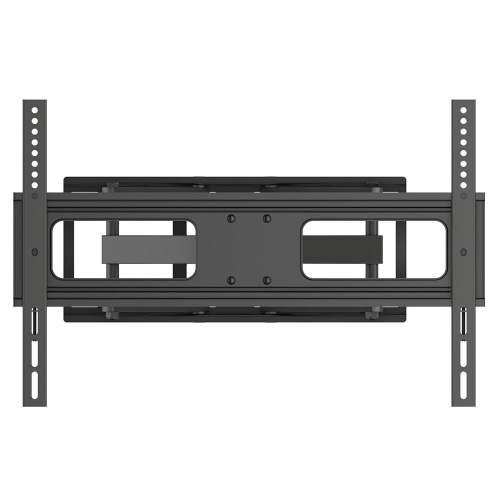
Materials and construction influence how a speaker mount feels in use and how well it holds its position. Steel brackets can provide rigid support in a compact shape, while aluminum designs may combine a lighter structure with useful strength; the actual load rating and design matter more than the material name alone. Finishes, including painted and powder-coated surfaces, affect appearance and resistance to everyday marks. Protective pads on a cradle or clamp can help prevent scuffs where the bracket touches the speaker cabinet, provided they are positioned as intended and do not cover drivers or openings. Adjustment joints should lock securely without requiring excessive force, and accessible fasteners make occasional checks easier. Cleaning is generally straightforward: a soft, dry cloth removes dust from exposed surfaces, with any additional care following the mount manufacturer’s directions. Worn pads, loose joints, or signs of movement deserve attention before continued use. Visually, a close-fitting bracket can allow the speaker to blend into the room, while an extended arm will be more noticeable but may provide necessary clearance. Black or white finishes can coordinate with speaker cabinets, trim, or wall colour, although the best visual match still needs the correct mechanical fit. A coordinated media-wall layout may also include Easy TV Wall Mounts, with separate supports selected for the screen and speakers. Clearances around the display, access to connections, and the full movement of any adjustable brackets all contribute to a practical arrangement. For renters, permission to drill and the requirements for restoring the wall may influence whether a permanent bracket makes sense. For someone furnishing a home office or building a home theatre, speaker mounts can also be a thoughtful gift when the speaker model, wall type, and intended placement are known. Those practical details help distinguish a useful mounting solution from an accessory that looks suitable but cannot safely support the intended setup.
Top selling and popular products
-
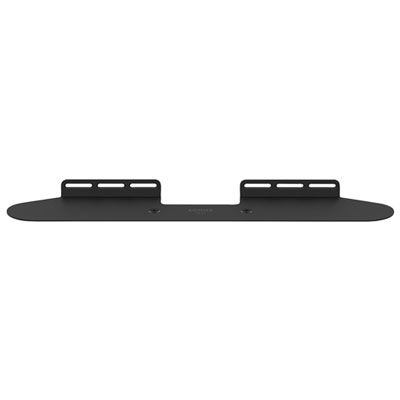 Your price for this item is $79.99
-
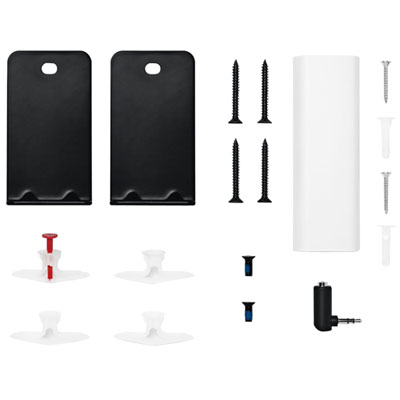 Your price for this item is $49.99
-
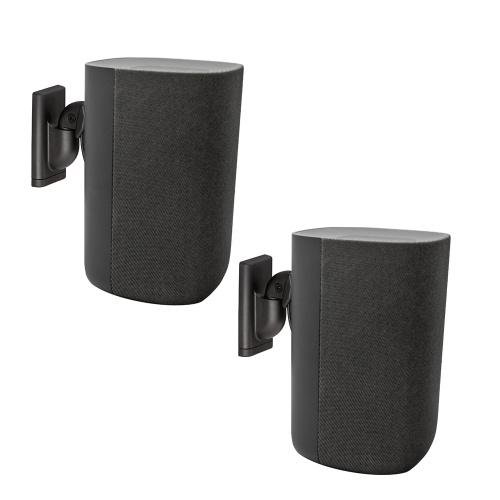 Your price for this item is $69.99
-
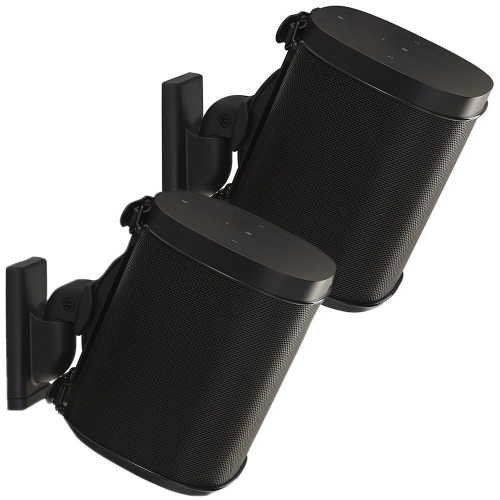 Your price for this item is $88
-
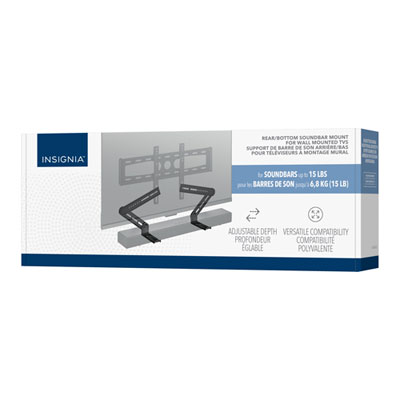 Your price for this item is $39.99
-
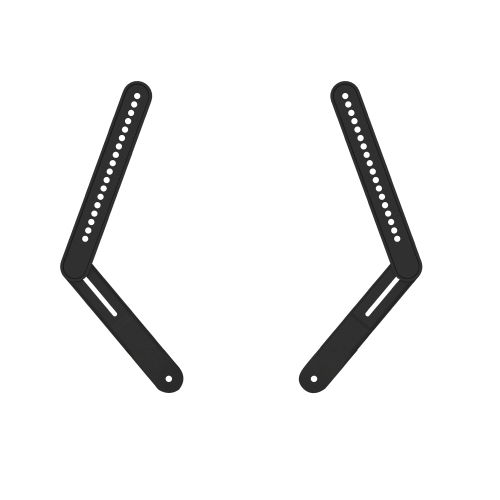 Your price for this item is $69.99
-
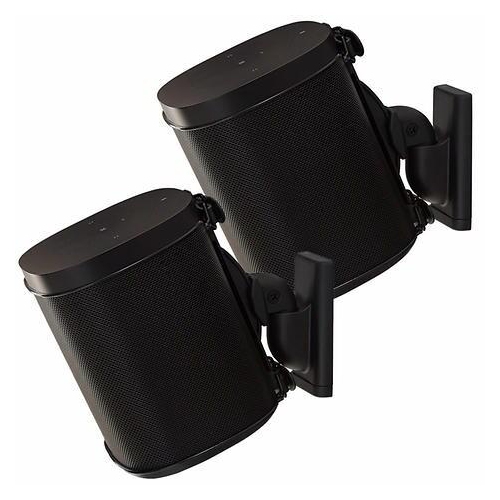 Your price for this item is $88
-
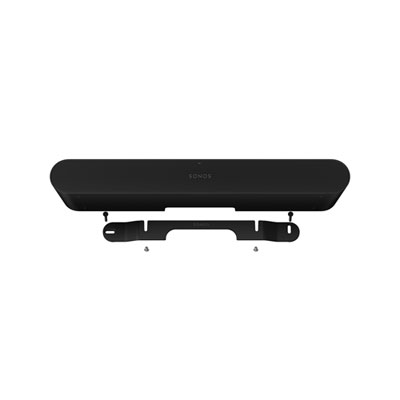 Your price for this item is $49.99
Discover more categories related to Speaker Wall Mounts

Top Collections:
Best Black Friday Deals This Year, Best Black Friday Deals On Electronics, Kindle Devices, Pokemon Centers, Best Black Friday Deals On Apple Products, Best Cameras for Sports Photography, Dyson Airwrap, Pokémon 30th Celebration Cards, Apple iPhone 17 Pro, Canon G7X Cameras
Some products may be subject to Environmental Handling Fees
(EHF) depending on your province.
Learn more about EHFs.